

Our BPN Podcasters bring you exclusive interviews with cast and creatives from In the Heights, in theaters on June 11 2021. Watch the video version of this event here: https://youtu.be/py3YLSt8MSo. Interview 1: Daphne Rubin-Vega, interviewed by Salisha Thomas... Read More
From the show: The Theatre Podcast with Alan Seales
Guests
Featured Shows
Videos
About
Our BPN Podcasters bring you exclusive interviews with cast and creatives from In the Heights, in theaters on June 11 2021. Watch the video version of this event here: https://youtu.be/py3YLSt8MSo.
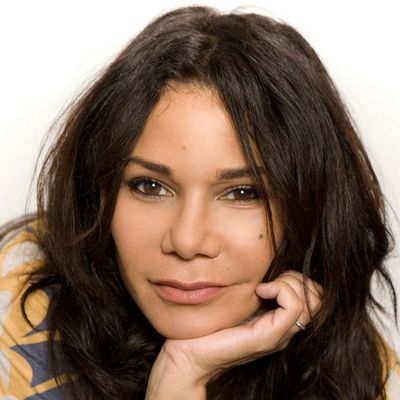
Interview 1: Daphne Rubin-Vega, interviewed by Salisha Thomas
Interview 2: Olga Merediz and Jimmy Smitts, interviewed by Dori Berinstein
Interview 3: Quiara Alegría Hudes (screenwriter), interviewed by Jesse McAnally
Interview 4: Scott Sanders (producer), interviewed by Ruthie Fierberg
Interview 5: Gregory Diaz, interviewed by Eli Tokash
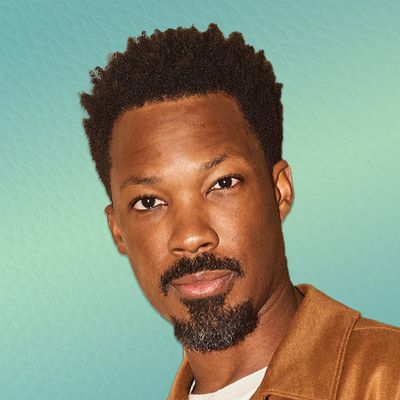
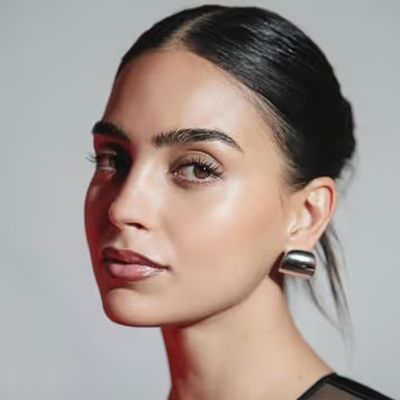
Interview 6: Melissa Barrera, Corey Hawkins and Leslie Grace, interviewed by Alan Seales
Transcript
This transcript was automatically generated and might contain errors.
[0:00] Salisha Thomas: Welcome to interviews with cast and creatives from Lin-Manuel Miranda and John Chu's In the Heights in theaters on June 11th. Hello and welcome to Black Hair and the Big Leagues. I'm your host, Salisha Thomas, and my heart is thumping. Please help me welcome Daphne Rubin-Vega. And I am so excited. You look so beautiful. I wanted to start by saying, okay, so the show Hamilton today has made like musical theater mainstream for a lot of people who aren't in theater. And back when I was in the seventh grade, that show for me was Rent. It was the first show that I'd ever been exposed to. The first cast album that I purchased and listened to more times than I can count. And before I realized who you were, I was listening to your voice for so long.
And so it's such an honor to meet you and to get to talk to you today. The first thing I'd like to ask you is being a part of such an iconic cast as Rent, being a part of the In the Heights movie, being in like a whole person of color version of Streetcar Named Desire, being a part of like these shows that are so inclusive. Have you ever felt like, have you ever felt like a token? Have you always felt like it's always been inclusive or do you have any other perspective of that?
[1:41] Daphne Rubin-Vega: Yes. To the first question, I have felt like a token. Sometimes I didn't even realize that that's what it was. You know, I grew up like normalizing spaces that didn't look like me. I grew up in many spaces where people didn't look like me, even in my own home. My mom passed when I was young and my dad was of Eastern European Jewish descent American. And it feels really good to be part of the movement that changes where the needle gets moved a little bit. As they say, the arc is long and wide, but it definitely leads towards something closer to equity. It's not really something that we can really, some of us can see.
[2:44] Salisha Thomas: Yeah. I hear what you're saying and I'm wondering, I'm like, it's one thing for all of this to be a part of the conversation right now, but before it was like actively part of the conversation, like all of this diversity, inclusion, walking into these rooms, into these spaces, into these audition settings, even before you got the job, did you ever feel like, can I do this? Why am I here? Or did you feel that confidence at the gate?
[3:11] Daphne Rubin-Vega: I'll tell you what happened when Rent exploded and was such an unexpected juggernaut. I had conversations with people who were in the industry, who knew more than I did, who meant well, when they said, this is an anomaly, Daphne, don't think that this is going to happen every day of your life. And it's not because you can't do Chekhov or things that you've studied to do in school, it's because the world is not ready to perceive you that way. Because I remember thinking, why can't I play Sally Bowles? For example, that's just an example. So it just goes to show how things have changed a little bit, but need to change. Really what needed to happen was for us to start telling our own stories, which is so different. It's not trying to do Three Sisters, which is fine. We can cut our teeth on these things, but to tell our own stories is so much more powerful.
[4:30] Salisha Thomas: Oh, I love that. I love when you said, why can't I play Sally Bowles? It makes me feel like, as a child, you're being, well, I don't know everybody, but like being told you can do anything, the sky's the limit. And then we grow up and put these limitations on ourselves, or the world does or whatever. And it makes me feel like, well, why not? And to continue with that.
[4:56] Daphne Rubin-Vega: Well, the thing is, is that I can't play Sally Bowles, but Sally Bowles could play me. And so that's changing a little bit there. Do you know what I'm saying? I know you do.
[5:01] Salisha Thomas: Yes. Okay. First of all, I want to know, when you were in Rent, I have no idea because I could not tell. Was that your natural hair or did you-
[5:12] Daphne Rubin-Vega: That was all me, honey. No way.
[5:14] Daphne Rubin-Vega: 91 and yeah, yeah, yeah. Come on.
[5:17] Salisha Thomas: I need to boast because those days are over, but that was every single hair in that head.
[5:25] Daphne Rubin-Vega: You wore your hair eight times a week? That was my hair. I was Greek flag flying.
[5:32] Salisha Thomas: Oh, that's amazing. I was flying the flag.
[5:35] Salisha Thomas: So beautiful. And I haven't gotten to see In the Heights movie yet. Oh, I cannot wait. I know you're so excited. I know you're so excited because everybody else is. Okay. I have no idea what you're going to look like, all the things with your hair design. Did you have any say in that or were you just like, do whatever you want? How did you approach?
[5:59] Daphne Rubin-Vega: No, we have say. We have agency. I don't think anything was imposed. It was like, here's what we have and what we're thinking. And it was like, okay, let's see what I can work with and play with and help create. I love clothes. I love self-styling help. I love makeup. I love playing dress up. And so it's really fun when you get to have a character that enjoys playing dress up more than you do.
[6:46] Salisha Thomas: That's so cool. Okay. Now this question is, it can be a little, a little leading because you're iconic and you're welcome. You're so welcome because you're like an icon. It might already be a given, but when you are on set, whether it's for a movie or you're on stage or backstage for Broadway or anything else in between, do you as a person of color feel seen as a woman feel seen? And I say that's leading because, because you are who you are. It might just be a given.
[7:22] Daphne Rubin-Vega: No, nothing is a given. For In the Heights, yes, absolutely. I've worked with Kiara Hudes also a few times for many years and in certain rooms definitely feel seen. I, you know, I worked on a show called Empanada Loca, which was a solo show written and directed by Aaron Mark at the time for Labyrinth and I felt seen. And then we can move into other spaces and like go into our makeup and hair trailers and be like, you know, I don't feel seen. Right. And so, so really it feels imperceptibly slow, but I, I do. I'm, I'm a romantic. I feel like it's, it's morphing as we speak, but yes. You know, and you never know how much you've missed not being seen until you are, you know, sometimes it's like, I didn't know that I was lacking this, you know, I'm not crazy. You know, a lot of this, this work that we're doing to just shift the cultural gaze ever so slightly is incredibly powerful for, for those of us who are like, oh, I didn't even know I was missing this.
[9:00] Salisha Thomas: Right. You know, Daphne, I think that's all the time that we have already. And I just wanted to say thank you for your time. You're so beautiful. I don't know if you styled yourself today, but it looks gorgeous. And thank you for your time. Yes. Peace and blessings. See you next time and enjoy the film.
[9:19] Dori Berinstein: Hi, this is Dori Berenstein from Deep Dive Broadway and the Broadway Podcast Network. I'm thrilled to be talking today with Olga Merediz and Jimmy Smitts, stars from the film In the Heights. I am so excited to talk to you. Congratulations with the film. It's spectacular. And, and Olga, I can't tell you how many times I saw and loved you in the original production of In the Heights. You both have fascinating history with this show. Of course, you know, going all the way back to the beginning, Olga, in the original production, and Jimmy, I understand you were the announcer for the TV commercial announcing for In the Heights a long time ago. Is that right?
[10:18] Jimmy Smitts: They, they just, yeah, I mean, I was just so impressed when I saw the 37 Arts iteration, the Off-Broadway iteration. But I had heard even before that, I have a good friend that I went to college with that worked at the drama bookstore and I was, he sent me an email that there were these kids that were doing this reading. So that was even before, yeah, that was, yeah, exactly. I think these kids, these kids are the real deal, he said, the next wave. But I, yeah, I, when I saw the production at 37 Arts and Off-Broadway, I was just like so wowed. And I remember my wife and I would just look at each other and said, this is what everybody has been waiting for, you know? So after meeting these guys and talking to Lynn, after you guys made the move, they, I said, I want to be able to help in any way I can. So that was, that was my little contribution to do a voiceover for the Broadway commercial.
[11:23] Olga Merediz: Ah, amazing.
[11:25] Jimmy Smitts: But to be able to watch Olga.
[11:28] Olga Merediz: Yes.
[11:33] Jimmy Smitts: But her stuff and all of the different, and now to see her on the silver screen.
[11:39] Olga Merediz: And you, your work, production, you know, was to the readings before.
[11:48] Olga Merediz: I started, I was telling Jimmy that I started with readings and workshops before Off-Broadway and I was playing another role. And then Broadway, and then who would have thought in a million years I'd be where I am. I feel blessed. But I have this story when I was talking at the very, very beginning with the workshops, I would tell my agents, I don't know these kids, they're rapping. I don't know, it's got a lot of heart, but, I mean, I'll do it, see what happens.
[12:19] Jimmy Smitts: It's like, the rest is history. It's so crazy to me to think that.
[12:25] Olga Merediz: I was sure that you knew this was going to become a major motion picture at some point. No? That wasn't?
[12:33] Jimmy Smitts: No, not when I was doing the readings.
[12:35] Olga Merediz: Of course not.
[12:36] Jimmy Smitts: No, and I understand that you all have also worked together. Jimmy, I know you were played Lynn's dad in Brooklyn Nine-Nine, and Olga, you were in the same show together. So as this was all coming together, I imagine there was some, since you were working together on that show, that there was also a continued conversation about, should this evolve into a motion picture?
[13:07] Olga Merediz: You mean, I mean, Jimmy and I didn't work together in Brooklyn Nine-Nine. I played Rosa's mom with Trejo. Danny Trejo played my husband. But I know Jimmy from way back in the 80s.
[13:27] Jimmy Smitts: In New York.
[13:28] Olga Merediz: I was in doing a play at the Public Theater with his wife. And Jimmy would come and pick up his wife. I think they weren't married then, right? You were not. No, no, you were going out. And so I know him from way back. And we've bumped into each other along the way in this industry and all its different facets.
[13:54] Jimmy Smitts: It's all circles.
[13:56] Olga Merediz: Well, that's right. And who knows what's to come?
[13:59] Dori Berinstein: I love that you're both theater people. That means the world. You know, Olga, I enjoyed you so much in Mamma Mia, in Les Mis, in Man of La Mancha, and Jimmy, blown away by Anna.
[14:11] Olga Merediz: The Tropics and God of Carnage. I'm curious for both of you what the creative process, you both move so seamlessly from television to film to Broadway, you know, back and forth and all over the place, but moving this story to the screen and your creative process, Olga, I know your character has gone through some evolution, but performing for a camera as opposed to a giant audience, what for you is the difference in your creative process? I would say, great question, by the way, to a couple of things. In the theatre you're playing to the last row, so it's, you have to have a lot of energy to carry that, and in cinema you are, it's very internal, you have to have it inside of you and you just, it's very, in inner work, you know, and when you're singing a song on Broadway, you take the audience and yourself on a journey, beginning, middle, climax, end, and in the cinema you shoot out a sequence.
You might do the last part first, so you have to be very focused as an actor to know where you are, what place you're in, so that you can have that place and for continuity purposes, so that's extremely challenging. What about you, Jimmy?
[15:37] Jimmy Smits: You know, Dory, after seeing the film recently, I was kind of struck by the sense of ensemble in the movie and how the relationships just pop, and the performances, because of John's direction, are just like modulated, so you do have those moments that are very personal and then you have those belting moments and big, but the sense of ensemble, and I think it has to do with the fact that the majority of the cast has theatrical roots, and because there was an involved rehearsal process prior to the actual filming, I think it coalesced the group in a really wonderful way, because it's just like gear shifts that you do, and hopefully you have a talented director like John Chu that's able to help you modulate a performance like Olga had in the Paciencia and Fe sequence, which is such an out-of-sequence thing that she had to, and was able to modulate, but I just think that the theatrical springboard that the cast has as an ensemble really pays off in a big way with regards to the film.
It was an exciting opportunity, Olga, for you to be able to, through the film, open up the character and open up all the opportunities for engagement in many different ways. Yes, to really sit down on a New York City, Washington Heights stoop, and be in a real apartment, and the subway tunnels, and the way John Chu directed it, his visual, his sense of cinematic visuals are amazing, and the way he just breaks that fourth wall, and he really tells the story of Abuela Claudia, it's just amazing. I just had to be there, and everything was happening around me, but yeah, it's impressive.
[18:05] Dori Berinstein: Well, New York really is a character in the show. I just have to say, because I know our time is up, that when I saw the show on Broadway, it was a show for the world. It was everyone's story, and having seen the film, I feel the same way. You're telling my story, and I know the world is going to embrace it, and I'm so excited it's out as a film. Congratulations to you both.
[18:32] Olga Merediz: That means a lot, Dory. Thank you, thank you. That means a lot. Olga, I'm sorry, you were going to say something.
[18:40] Olga Merediz: No, I'm glad you said that, because these people, these themes are universal about family, community, and the music, it doesn't matter if you don't speak the language, or the slang, or whatever, the music is just, it'll cut right through, and the dance.
[18:57] Jimmy Smits: Couldn't agree more. Thank you both so much. Enjoy all of this. You're going to make so many people so happy. The movie we need right now.
[19:05] Olga Merediz: Oh, absolutely, absolutely. It's a little bit of joy.
[19:09] Jimmy Smits: Very much so. Thank you.
[19:12] Dori Berinstein: Thank you, Dory.
[19:14] Jesse McAnally: Hello, I'm Jesse McAnally, the host of Musicals with Cheese on the Broadway Podcast Network, and I'm lucky enough to be talking to Quiara Alegría Hudes, the screenwriter for the film In the Heights. Thank you for sitting down with me, I really appreciate this. This is wonderful, I'm so excited. I'm just going to get right into it, and I'm going to get some nuts and bolts questions out really quickly. I'm very curious about screenwriting for theater, theatrical styling. I saw the film on Sunday, wonderful, wonderful movie, but I'm very curious, how do you write action lines when there's dancing? Do you get into the specific nitty-gritty, like, here's what happens with this line, or you'd be like, they dance?
[20:00] Quiara Alegría Hudes: That's, I love that question. I mean, I'm such a writing nerd, so I could go on and on about the technicalities of it all day. It varies number to number, if you were to look at the screenplay. So, for instance, if you were to look at When the Sun Goes Down, that was a late, that was probably the last musical number we decided on what to do with it. We weren't sure. John and I kept talking about it and it was completely his idea to do it on the side of the building. He came to me, he pitched that idea. I was like, absolutely, because I, like Nina, fell in love when I was a teenager, and that's how it felt. It felt like gravity works differently. And so, in the screenplay, because that came late after I'd already written maybe the shooting draft of it, it's very minimal.
It's just, they dance on the side of the building. And it's left to John to storyboard. It's left to the choreographers to storyboard. And they had to do a lot of really interesting gravity trick work to make that happen. And so, even when we brought in those specialists who were kind of playing with the centers of gravity, they changed the storyboard a little bit too. And then Lynn wrote a new musical thing. So, that's very minimal in the screenplay. I'm trying to think of one that's much clearer in the screenplay, like the finale. Okay, there's a lot of dance in the finale, but I have beaded that out much more clearly because there's a lot of information revealed in this and plot revealed in the finale also.
And so, we change settings. We go back and forth from here and there from Washington Heights, Dominican Republic. And I had to really closely script out those beats. And then the choreographer took them, and John took them and made them into the scenes that they are, but that was much more closely crafted.
[21:59] Jesse McAnally: Speaking of that framing device, was that your introduction or was that John? When did that become? Because that was not in the original show.
[22:04] Quiara Alegría Hudes: That was mine. And yeah, it's for a few reasons. One is when you're on a theater stage, the set is the block. We can't go to Abuela Claudia's Cuba. We can't see it. We can't go to Usnavi's Dominican Beach, but we can on screen. And why wouldn't we? These places are rich. Also on stage, we can't go in Abuela Claudia's living room. Even going in her living room, I had to rewrite her scenes with Nina because that's a much more intimate setting. So, those scenes became much more personalized because they're not out in public. On the block. So yeah, I was like, I want to see Usnavi on his beach. I want to see that. That was just an instinct I had, but I didn't know how. I tried it a million different ways.
And then I came up with the framing device and I said, Usnavi is older and he's telling the story of his block in Washington Heights. And what that gave us then, the domino effect of that is that then we get an even younger generation than Sonny. And that's when I knew this is really right for the movie because it has always been, in the Heights, it's always been a multi-generational piece at heart. But for Sonny, the 16-year-old to no longer be the new generation, actually for there to be the next generation coming up, that was really exciting to me as a prospect.
[23:29] Jesse McAnally: Oh, you're going to make me cry just thinking about that. Yeah, that's wonderful. And you tricked me because I watched it and I was like, we're going to go in a whole different direction than the stage show. And then I'm like, oh, you did it. We got there. But that was a great transition to my next question, which is in adapting from one medium into another. And I don't believe you've ever done that. You've adapted work before and changed work, but you've never changed it from stage to screen in this way. Were there any speed bumps where you're like, how am I going to make this work? And what were they?
[24:02] Quiara Alegría Hudes: Yeah, I mean, a lot of the things I cut a beloved character, I cut many beloved songs. I don't mean beloved to other people. I mean, to myself, you know, and those cuts tended to come from those difficult decisions tended to come from it, just me just not being able to make it work in the screenplay. So for instance, a song like Everything I Know. This is Nina's power ballad before the Broadway show finishes, when she realizes her dad is right, she's got to go back to Stanford. But she realizes why and is kind of ready to rise to that position again. It's a breathtaking song on stage. And I've been working on this screenplay adaptation for 10 years, and I could not get it to work. It kept feeling like we get to that point in the screenplay and it would actually like oddly get boring.
And it's not a boring song. And what we realized is, you know, a close up of an actor does that emotional work that that song does on stage. And so we were like ahead of the song, we already got it. That's why it wasn't working. So I tried my hardest. But really, in reality, that song works best on stage. So I had to then therefore like, make her journey and her turnaround point different and her turnaround point comes with Sonny when they go to an immigration rally.
[25:29] Jesse McAnally: That makes perfect sense. And it also makes it so that the stage show and the movie are very different things yet both very perfect in their own mediums. And that that's great. I do want to kind of talk about what's coming up in the future because this is a huge year for you. You also got Vivo coming out this year. What was it like writing an animated film? Like, I want to know all about that.
[25:49] Quiara Alegría Hudes: It was so fun. I can't believe I have these two movies coming out because they just represent some of like the best times I've had as an artist in my life. The thing that was really there's a million fun things about Vivo, but just to pick out a few, creating those characters was a dream. And I was able to put some use inspiration from my real life and the kind of people who did not see themselves reflected on screen. And I was like, I'm turning you into a lead animated character. And those characters haven't been revealed yet. So I'm not allowed to say who they are. I can't wait till they do. And then I'm going to scream it off from the rooftop. Another part of Vivo that was so fun to write is it's totally romantic.
It is such a romantic movie, and I'm a romantic at heart. So to just tell a love story, I was like, what movies are like our love stories anymore? I don't know. It seems like a genre we've moved on past. So it was really cool to write a romance.
[26:57] Jesse McAnally: That's incredible. All right. Here's a pitch for you. I really want to know this, but feel free to like be vague as you want about it. What is your dream project if money, feasibility, and so on weren't like factors into this? What would it be if you were given all the money, all the resources in the world tomorrow? What would you immediately start working on?
[27:10] Quiara Alegría Hudes: You know, it might be a book of haikus for all I know. Sometimes they're big and sometimes they're small. You know, the answer to that is in the heights. The answer to that is Vivo. I just wrote a memoir called My Broken Language that's out now. And these are all my dream projects. You know, I'm working on lyrics for a stage version of like Water for Chocolate. That's my dream project. So I kind of am in a really, you know, blessed and beautiful position where I can say, is this my dream project? Yes. Great. I'll write it.
[27:48] Jesse McAnally: All right. I think I could squeeze in one more question here. I'm really appreciative of your time. And don't worry, this is not going to be a real question. Um, if what is your favorite cheese? I run a podcast called musicals with cheese. I love getting people's opinions on cheese.
[28:02] Quiara Alegría Hudes: I was like musicals with cheese. I'll tell you what, there is on the best date nights I've ever had. My husband and I have splurged and gone to El Comento, a very fancy hotel in Old San Juan. And they have a cheese hour. And on the
[28:22] Ruthie Fierberg: For Patio, a slice of aged manchego cheese is just about perfection.
[28:29] Scott Sanders: That is as good an answer I think I could ever have asked for. My goodness. That was great.
[28:36] Ruthie Fierberg: Since I have a little bit of free time, what cheese would you equate with In the Heights? Just a rating of cheese, like if you had to compare to it.
[28:44] Scott Sanders: Ooh. You know, probably like an oozy shredded cheese that's just like sprinkled on everything and gets into all the good stuff. Perfect. All right. Thank you so much for your time today. That was wonderful. Thank you so much.
[28:56] Scott Sanders: My pleasure. Take care.
[29:04] Ruthie Fierberg: This is Ruthie Fierberg from Wiley Theatre on the Broadway Podcast Network, and I am so excited to be talking to producer Scott Sanders about the In the Heights film that we've all been waiting for. Good morning, Scott.
[29:10] Scott Sanders: Hi, how are you? Nice to see you. Nice to speak to it with you.
[29:16] Scott Sanders: And you want to know what, this is coming full circle for me personally, because back in 2009, I worked for the producing office, Kevin McCollum and Jeffrey Seller, who were the producers of the Broadway musical on stage. So now to get to talk to you about producing the movie is super exciting.
[29:29] Scott Sanders: Well, I agree with you. I happened to be fortunate enough to both see it off Broadway, and then I was a guest of those folks on opening night on Broadway and was so blown away by the freshness of it and the energy of it. And I really loved that Jeffrey and Kevin and Jill took it from off Broadway and said, yes, there is a space for this story, and there's room to tell stories of characters that some of us haven't seen before. And obviously, Lynn created a score that none of us had ever heard before and really turned Broadway on its ears. So it was so exciting. A couple of years later, I was on a set in Atlanta making a movie for Disney, and Lynn was an actor in the movie. And he came over to me one day and said, hey, another studio was going to make In the Heights as a movie, and they've decided not to make it. Would you like to produce it? And of course, I was so flattered and honored. And I said, yes, I think In the Heights would make a beautiful movie. Of course, I'd love to do it.
[30:48] Scott Sanders: And then it was interesting that about a year before that, I was having breakfast in LA with a young John Chu, who was a burgeoning filmmaker. And I was so impressed with his vision and his energy and his passion for music and storytelling and heart-filled stories and dance, really. And so I filed a little note in my head back in those days, oh, I wonder whether John Chu would be a great director for a Broadway show or a musical film one day. So here I am with Lynn, and he said, what about you producing this movie? And I said, what about John Chu as the director? And he said, you're not going to believe this, but Vanessa, my wife, and I had our first date scene step up. We loved John Chu. So it was again, isn't it, back in those days for me too. And so I'm so thrilled to be here all these years later, finally being able, ready to put this movie out for the world to see.
[31:49] Ruthie Fierberg: That's amazing. Thank you for sharing that story. You know, it's funny, I was watching the other day, the Howard Ashman documentary on Disney Plus.
[32:03] Scott Sanders: Oh, isn't that great? Known as Howard. And there's a question in there, I think they're at the 92Y that asks him about making movie musicals. And he says, you know, doing it in animation, I think is one of the only ways it actually works because the characters can take this on. And I think making movie musicals is, you know, I think I'm crazy to have done Little Shop, or I'm crazy to attempt to do anything else. So what to you, you know, we've seen major successes and major flops in the movie musical genre. But if this trailer is any indication in the heights is going to be a success. I mean, it is vibrant, it is, it feels epic already. So tell me about making an adaptation that feels like theater, but is on film.
[32:55] Scott Sanders: Well, it's obviously both an exhilarating and exciting opportunity. It's also an intimidating and challenging opportunity to do that, particularly when you think about Lin and Chiara adapting their own work for cinema. But you know, if I think back about all the stories that I've ever told as a producer, they have to have heart. I mean, that's what attracts me to a particular project at any given time. And there's so much heart in In the Heights. And there's so much joy in In the Heights. And there's so much sense of authenticity and stories of people that you might not be so familiar with. And so I remember when we got started on this, that the ambition was to do something new and fresh that people had never seen before.
And take that germ of what Lin and Chiara created off-Broadway, then on Broadway, and they were groundbreaking in both of those instances. And it was up to us to now make the movie groundbreaking yet again. And I think back to, I'm sure we've both seen every musical film that's ever been done. And as you said, some work better than others. I think back to when I sat in Times Square in the balcony of a movie theater one night and saw Moulin Rouge for the first time. And Oz Lerman's work and vision blew my mind. His use of visuals, his use of 50 composers to create a score. No one had ever done that before. And here we have a musical that Lin and Chiara wrote that was also groundbreaking. Okay, now what are we going to do in the film version to continue that thread?
And John Chu really was the secret sauce of that. And he had a vision for how to make magic with this story, at the same time keeping it grounded, but also bringing some magical realism into the storytelling. The casting, it was imperative from all of us from day one that we bring fresh faces to this movie, that we make real representation of Latin culture from around the world in our cast, that we bring actors from the neighborhood, that we bring some actors from Broadway into the movie, that we really make Washington Heights a character in the movie and really show it off in the most beautiful way. We had the resources, fortunately, to be able to shoot for all those weeks in Washington Heights on the streets in a very hot summer, some days with big giant thunderstorms in the middle of the day that interrupted our filming and delayed our shooting.
But all of that, I think, was there was an intention in the ambition from day one and I think it's been realized. And I'm really excited that this movie musical, I think, is unlike anything anyone's ever seen before. And I have to give credit to, again, the vision and the ambition and then everyone behind the scenes that supported us being able to make that happen.
[36:10] Ruthie Fierberg: Yeah. And what was it like combining, you know, I think sometimes you bring the entire main creative team over so that you have the DNA from the original. Sometimes you bring in an entirely fresh crew, but it is, you decided to mix it up, keeping Lynn and Kiara, but getting John and Christopher Scott as your choreographer. How is it to be the leader of that hybrid team?
[36:36] Scott Sanders: Well, I mean, I would love to tell you that, you know, it took a lot of skill and talent, but honestly, everyone was on that same page from day one. I mean, from the very beginning, it was all right. This is a wonderful, well-received musical with lots of fans around the world. And now we have to put that aside for a minute and think about it in a whole new art form. And everyone moved in that direction immediately. And it was great to bring some of the original members of the creative team, including its authors, as key participants in that adaptation, but also to bring fresh blood and fresh eyes and fresh ideas. And again, that also is represented in the casting, behind the camera, in front of the camera. And so it was great. It was really great to sort of mix the world of movies and theater and music all together and make this magical film.
[37:40] Ruthie Fierberg: And it looks like, you know, there are some script changes seeing in the trailer, because I haven't yet seen a screener, but seeing in the trailer that Usnavi is like telling a story about the Heights. Tell me about that decision and how we see that play out in the film.
[38:00] Scott Sanders: Well, you know, there's obviously there's more, way more cast members in the movie than there was on stage. And so we have some younger kids in the movie that were not in the stage version. And Chiara came up with a conceit of Usnavi telling a story. She also came up with several new story arcs for some of the characters to make this fresh story even fresher for today's audiences. And I think if you saw the musical on stage and loved it, you're hopefully gonna really love this adaptation in the film as it gets opened up and expanded in many ways, but still honors the original completely. And if you've never seen in the Heights, and you've never seen a musical on stage or even a movie musical before, I think you're gonna love it as a movie because I think it's a great story, great characters, great energy, great eye candy, amazing score, beautiful direction and choreography.
But really at its core, it's a great story. And no matter where you live around the world, whether you even know what Washington Heights is, if you've never even visited New York before, I think what this last year has taught all of us is we're all part of a community. We're all part of a family. We've all been separated from our community and our family in many instances this past year. And so we realize the importance of what community means. And whether you live in Asia or South America or North America, a community is a community. And so this microcosm of Washington Heights, I think really represents what it feels like to be part of a group of folks and a family and what you go through, the ins and outs and the ups and downs of that.
And I find it very encouraging. And I think my favorite song in the score is Just Breathe. And I think about Nina singing Just Breathe. And I think about how I feel right this moment, which is, oh my God, we're all going to just be able to breathe again.
[40:22] Ruthie Fierberg: That's very real. Well, Scott, as a fan of the musical, as someone who lives in Washington Heights, I am so excited for this. Thank you so much for your work on it. And thank you for your time.
[40:28] Scott Sanders: Thank you, Ruthie. Appreciate your support.
[40:33] Eli Tokash: Absolutely. Welcome to Take a Vow. I'm your host, Eli Tokash. I was able to do a little interview with Gregory Diaz, curtain up. So Gregory, what does it mean to you to be a part of such an incredible story as In the Heights and just an important story to tell?
[40:46] Gregory Diaz: In the Heights holds so much to it, you know. There's really a lot of important themes and messages that I hope portrays to the audience and those who just leave watching the film, like the concept of home and dreaming and just that home and community and unity.
[41:08] Eli Tokash: Yeah, absolutely. So everybody knows this, of course, but In the Heights is a star-studded cast. It's incredible. With legends of the theater and movie industry involved in the project, what is it like to work and learn from the cast every day?
[41:27] Gregory Diaz: It was such a great experience coming into a film with, like you said, such a list of iconic actors and actresses. And really with certain people like Jimmy Smith and coming into work with people like John and Lynn, I really got to pull different parts and bits and pieces from all of them that I still use now in my career.
[41:51] Eli Tokash: That's awesome. I mean, you have sort of a background in, you know, more of a background in theater as you were on Broadway and Matilda and everything like that. How cool was it to kind of combine the love you have for theater and do it on the screen?
[42:08] Gregory Diaz: It was great. I honestly never thought that I would get the opportunity to do something. And I have such a deep and loving passion for both film but also Broadway. So to be able to really combine those and be a part of such a great film that I think combines them both really well, it was amazing.
[42:30] Eli Tokash: What was it like to film during the pandemic?
[42:34] Gregory Diaz: Actually, we didn't. We filmed, it was two years ago that we filmed. It was the summer of 2019.
[42:41] Alan Seales: Okay. Yeah. So this was pre-pandemic. That's awesome.
[42:47] Gregory Diaz: So, okay, do you have like a favorite memory of filming?
[42:52] Gregory Diaz: Favorite memory? Honestly, every day was so great. But I would have to say probably one of the most memorable memories I have was the three days of filming "96,000."
[43:04] Alan Seales: Oh, yeah.
[43:04] Gregory Diaz: The energy was so high. And those three days, we had some trouble with the weather. It was raining a lot. But anytime that we could get, we were just hopping back in the pool or getting that camera out and just rolling.
[43:18] Alan Seales: So you obviously play Usnavi's like little cousin. So what was it like to just like be with Anthony Ramos and like kind of get like that whole like learning experience? I'm sure it was like a workshop every day. What was it like to just work with him really close?
[43:34] Gregory Diaz: Anthony's great. My first experience meeting him was actually for my directive session. Anthony was in the room and I was reading one of my scenes with him. And it just immediately as soon as I saw him, like on the inside, I'm here like fangirling. But on the outside, I was like, all right, I've got to keep my cool and do what I've got to do.
[43:58] Alan Seales: Absolutely.
[43:59] Gregory Diaz: Anthony, he's such a great guy. He's like, honestly, like a big brother figure in my life.
[44:05] Alan Seales: That's awesome. Do you notice like a big difference from the movie to the musical?
[44:11] Gregory Diaz: There are some aspects. Honestly, a lot of it is the same. The people that have seen the Broadway show or heard about it, they'll definitely be able to connect with you.
[44:24] Alan Seales: Yeah. What are you hoping that audience get out of seeing the movie the most?
[44:31] Gregory Diaz: I just want people to walk away, you know, feeling excited and the Latinx community to walk away feeling represented and proud to be who they are. But honestly, just everybody to walk home with those main themes of the film like home. And although we are talking about Washington Heights, which is an individual place in New York, home is anywhere, you know, home could be across the globe if you're watching.
[44:58] Alan Seales: Yeah. Are you happy like that? This is finally coming out in this current state of the world that we're in. It's so relevant. Are you like excited to be a part of the representation for the Latinx community and all of that?
[45:14] Gregory Diaz: Yeah, definitely. Of course. I mean, it was originally supposed to come out in 2020. But we had the pandemic. So we decided it would make more sense if we pushed it back. And because we really just wanted it to be a film that people saw in theaters. Because there's just something about going to the theaters and the whole experience that just kind of makes it so much more grand to go see a movie. But also with the representation, I find it really important. And like you said, this is a really important time to push a film like this, especially with certain things that are going on in a political climate. I think it's gonna be great.
[45:54] Alan Seales: Amazing. Thank you so much. This is Alan Seales with the Theatre Podcast. Here now is my conversation with stars from In the Heights, Leslie Grace, Melissa Barrera, and Corey Hawkins.
[46:05] Alan Seales: How are you doing? Let me put you in gallery mode. There we go. Now I can see all of you. Thank you all for doing this. I am so excited to see the film. It looks incredible. And I actually want to start out obviously coming from the Broadway Podcast Network. My background is in theater. And In the Heights, of course, we all know where it comes from the background and the theater overlap it has there. But all of you. Well, Melissa and Corey, specifically, you both have very specific theater backgrounds. Corey, you even have a Tony nomination. And Leslie, you have a slightly different background coming from the singer songwriter world. I was wondering what it's like on set, given your various backgrounds approaching the film of this iconic musical knowing that this still needs to keep its theatrical roots. So Melissa, let's start with you.
[47:00] Melissa Barrera: Um, I don't, I don't know how to answer that question, because this is my first experience doing a musical movie. So everything that we did just seemed like this is how things are supposed to be done in like doing a shooting a musical movie. But what I appreciated was that we got a lot of rehearsal time more than you normally get when you're doing theater. We got 10 weeks of rehearsal, obviously, because the scope of the movie and the size of the numbers and the number of dancers in each movie in each in each musical number was crazy. And so we needed that time. And I'm so happy that we got it because it really helps to like get into the character and the bond that we all established while we were spending so much time together in rehearsals really helped to, to, you know, make the relationships within the characters and then the love that's there, this community that grew up together, and they know each other from their entire lives to like, be so real.
And I think you can that that like comes across on the screen. But it was, it was very similar to doing theater in a lot of ways. But the pressure I think of, of knowing that you get one chance to do it right, because they're going to pick one take, and that's the take that's going to live forever is a different kind of pressure than like live theater.
[48:29] Corey Hawkins: Oh, yeah. Corey, what about you?
[48:36] Corey Hawkins: Yeah, there is that thing of with with live theater, because you get to go on stage and mess up, you know, you get to be messy and you get to be you get to forgive yourself for a performance that night that just wasn't where you thought it should have been or whatever. And then you get to come back and kind of do it all again. And there is there was the luxury of being able to, to, to rehearse, you know, and to really just play and to go. And I think that's my favorite part of any process is when you and I think more directors and more, you know, they should allow more time for rehearsals on certain projects, because I think it definitely gives you the space to breathe and in the space to fall into whatever that is.
And then you shoot as much as you can. And then you you give it away. You know, at the end of the day, there is still that that giving it away. You give it away to your director, who we trust inherently in your creators, the creative team to kind of put put the right thing, the right story together that feels the best, that has the right heart, but you got to give them all the options, you know, you have to play first and then give them all of that. And so there is a bit of a, you know, people are like, Oh, well, you like film better or theater better. But this experience was definitely I felt like the best of both worlds. Because we got to sort of do it all with the best of the best of the best and an incredible cast.
[50:08] Alan Seales: Yeah. Amen. Yeah. Leslie, what about your side?
[50:10] Leslie Grace: Yes, I agree with what both Mel and Corey said. And it's interesting, even though I don't have a theater background. I correlated like that, that time that we did get to play in rehearsals and pre production time to like, being able to find it on stage, you know, and in my performance, my musical performances, and it is a different level of pressure to, you know, have in the back of your head, this is going to live forever, the take that they choose is going to live forever. So the rehearsal process was, I think, really important for all of us to like in every choreo session for us to like also keep in mind the scene that we were in. And you know, for all of these big numbers, and like how your characters moving through all of these dance moves, and it's a lot lot to navigate through and piece together.
But I tried also to just keep in mind that, you know, we all have our, our strengths from our previous backgrounds. And they all kind of, because it was the best of both worlds, they all kind of came into play for our characters and what we were there to do for this for this musical adaptation. So it was like the best of both worlds performance, live performance, which we did some of that while shooting as well. And, you know, also capturing that one moment that's going to live on screen forever. And, you know, finding it. I love that. And this movie is also, I think, another well, well needed milestone towards bringing representation and diversity into the world into mainstream film, of course, which will undoubtedly have a trickle down effect into our local Broadway scene.
So so how do you how do you each hope that the film's release is going to sort of affect the awareness and within representation in our community, especially now as Broadway's just now starting to come back? So Leslie, let's start with you on this one.
[52:06] Leslie Grace: I'm sorry, what was that again? How do you how do we hope that the film?
[52:10] Alan Seales: Like the the film is is a milestone towards representation in in in mainstream media anyway, and it's going to have a trickle down effect into the Broadway community, which right now historically is just underrepresented and having lots of issues. So how do you hope that the film's release is going to tie back to improving representation in Broadway?
[52:31] Leslie Grace: I mean, I hope that people just take this as a proof of concept that, you know, you can have incredibly brilliant, you know, people of color who make something that is felt and that is beautiful and that also the process of it was was incredible. And we, you know, Mel says all the time, like it shouldn't it shouldn't be so rare that we you know, it's amazing that we we get to celebrate how amazing this experience was for all of us. But it's almost kind of like sad that it doesn't happen more often. And we all really hope that this movie and what people take from this film is not only the beauty of the story of In the Heights that is so already so beloved in the theater community, but that they also take the story of like the fact that this production happened and it was, you know, taken, you know, to the highest scale and that you're seeing people that look like us on the big screen.
And it's showing the world that that is possible, you know, young boys and girls that it is it you do have a place in Hollywood and that there are roles for you in on stage and on screen. So I think that is what we hope that that's what the trickle effect is. And, and that's like the purpose behind the biggest purpose, I think behind why we all felt so connected to to this project.
[53:58] Alan Seales: I love that. Mel, what do you think?
[54:00] Melissa Barrera: I mean, I think it definitely is going to be a before and after, I think, in the industry of this movie, because we haven't seen anything like this in a really long time. And if we have, it hasn't been with the support of a key of a major studio like Warner Brothers, like it really is a beautiful thing to see how Warner Brothers is backing and believing in our movie, because it makes us feel like our story is important, and our voices are important. And, and I think in this moment in time, where we're finally not staying quiet and being loud and calling for representation and for being allowed to tell our stories, and I feel like Broadway has always been a little bit more diverse in many ways, because in the theater, you get away with casting diverse roles, you know, and, but but what I have noticed is that that openness of casting and Broadway sometimes falls within the confines of, of like whitewashing or like, casting, Latin looking people, Latin looking people in Latin roles, even though they're actually not Latin.
And that's been done a lot, not just with Latin roles with other other ethnicities as well. So I think it's like, time for Broadway to also step in and be like, okay, let's, let's try and cast authentically and give opportunities and give the people who that story belongs to the opportunity to tell it. And so I think that hopefully our movie opens many doors, but also is a wake up call to the theater community. And, and, you know, like you said, a milestone making strides in the in the, in the right direction so that so that the people that have been overlooked and have not been given opportunities get them.
[56:13] Alan Seales: I love that. And that's such a beautiful place to end. I want to thank the three of you so much for taking the time. And I know this is a busy day for you across the board. So just thank you. Thank you for everything you've done. Thank you for everything, everything you do. And just know that I think you are helping to change the world with this movie. This is one step that we desperately need. Thank you.
© Broadway Podcast Network, All Rights Reserved