

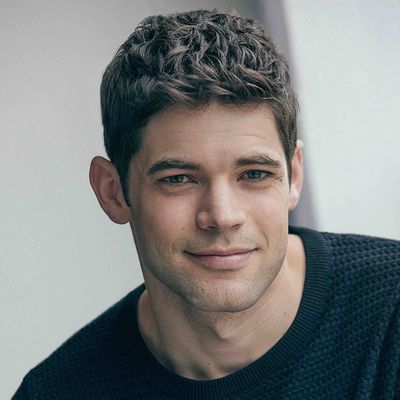
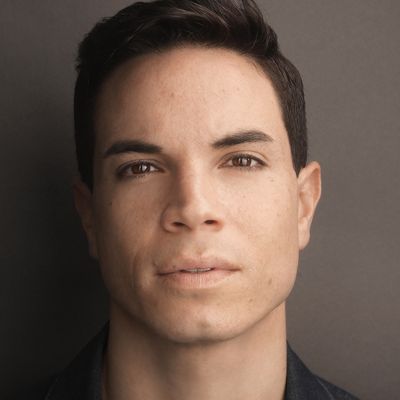
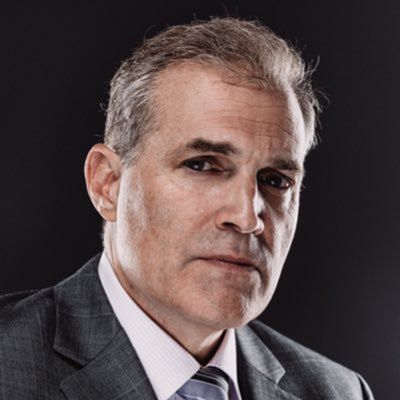
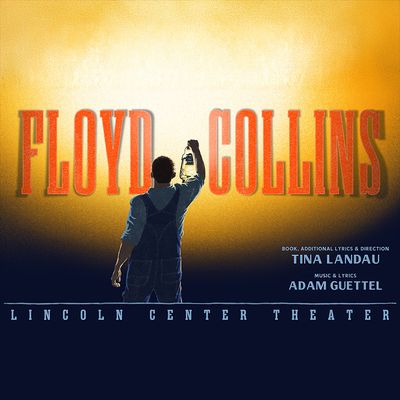
Exclusive, behind-the-scenes interviews with cast and creatives from LCT's Floyd Collins musical. Recorded on March 11, 2025 in a rehearsal space at Lincoln Center Theatre. Interview order as follows: Ted Sperling. Lizzy McAlpine. Jeremy Jordan... Read More
From the show: The Theatre Podcast with Alan Seales
Guests



Featured Shows
About
Exclusive, behind-the-scenes interviews with cast and creatives from LCT's Floyd Collins musical. Recorded on March 11, 2025 in a rehearsal space at Lincoln Center Theatre. Interview order as follows:
- Ted Sperling
- Lizzy McAlpine
- Jeremy Jordan
- Sean Allen Krill
- Taylor Trensch
- Tina Landau
- Adam Guettel
- Jessica Molaskey
- Marc Kudisch
- Jason Gotay
Get your tix to Floyd Collins here: https://www.lct.org/shows/floyd-collins/
Read more about the true story: Buy the book Trapped here.
Connect with The Theatre Podcast:
- Support us on Patreon: Patreon.com/TheTheatrePodcast
- Twitter & Instagram: @theatre_podcast
- Facebook.com/OfficialTheatrePodcast
- TheTheatrePodcast.com
- Alan's personal Instagram: @alanseales
- Email me at feedback@thetheatrepodcast.com. I want to know what you think.
Transcript
This transcript was automatically generated and might contain errors.
[0:00] Alan Seales: Hey there! Welcome to a special bonus episode of The Theatre Podcast. I'm Alan Seales. Back in March 25, I was invited behind the scenes to a special interview session for Press for the Broadway show Floyd Collins. We were given a special presentation about the show and I had some time to speak with the cast and creatives including Jeremy Jordan and Tina Landau and Adam Guettel and pretty much everybody. I had them talk to me about their experiences rehearsing the show thus far at that point and tell us a little bit about the story of Floyd Collins itself or himself. So speaking of which, for those who don't know, Floyd Collins, the musical is based on the true story of a cave explorer in Kentucky in 1925 who, while chasing his dream of fame and fortune, got himself stuck in a cave trapped 200 feet underground.
This became the first sensationalized tragedy in the nation as the rescue effort turned into basically a media circus. Also, instead of my standard closing questions, I threw everyone a fun question related to the show itself which is, if you were to be trapped in a fun place, knowing you could get out at some point, where would you like to be trapped? So here we go.
[1:19] Ted Sperling: I'm Ted Sperling. I'm the music director and conductor for Floyd Collins. And this is a show that has been a very long time coming to Broadway. Were you connected with it before in the original '96 version of it?
[1:35] Ted Sperling: Yes, I did workshops of it in Adam's apartment and then I also did the Philadelphia premiere.
[1:45] Alan Seales: So then when they decided or when you heard that it was coming here to Lincoln Center Theater to make its Broadway debut, have we decided yet if it's a revival or a debut?
[1:56] Ted Sperling: I'm going to let others answer that. Above our pay grade. So then did you have to go back and just look at the whole thing with fresh eyes or was it kind of a lift and shift?
[2:06] Ted Sperling: It's an interesting process. When you revisit a show that you did so much younger, do you bring all the years of experience since to bear?
[2:16] Ted Sperling: Yes. I think the answer is yes. But at the same time, you want to honor the spirit in which it was created and the person you were then. And I think it speaks particularly for Adam and Tina that you want to not tinker too much because there's something pure about the original.
[2:34] Alan Seales: Right. Well, how much direction did they give you versus you bringing your own personal experience to it? In the introduction, Adam was saying that you cut songs, you move songs, you're shifting stuff around. So how much is you where you're like, I think this is better or how much is you just waiting on them to say, here's something we need to try?
[2:53] Ted Sperling: One of the great things about our collaboration is that we trust each other so much. We've known each other so long. In some combination, we've known each other since our early 20s. So I feel particularly with this team that I can venture an opinion and not worry that I'm overstepping. So when we've run something or listened to a read-through, we get together as a team and we feel free to say anything, knowing that we may not agree, but that we can bring it up without fear. We can discuss it rationally. We can disagree. But usually, we're all willing to try something and see what it feels like. And then we all have pretty much the same reaction, usually.
[3:33] Alan Seales: The same reaction of like, oh, okay, cool. Yeah, well...
[3:35] Ted Sperling: Yeah, that was a good idea, but it doesn't work. Or, wow, that really does work. And let's try it.
[3:40] Alan Seales: Well, for you then, watching this come together over how many decades now, right?
[3:45] Ted Sperling: Three, yeah.
[3:46] Alan Seales: Three decades. So 30 years in the making, right? Is it still a story that... Well, you may have answered this already, but are you changing the script a little bit? Is it being adapted to modern... Like post-COVID, we're not the same society.
[3:59] Ted Sperling: No, but I think qualities of great works of art is that they always seem timely, no matter what era you're in. There's always something true about them that speaks to the human condition, human nature. So there are little tweaks in this production, but it's still going to feel like the Floyd Collins people imagined in their heads or have grown up loving from the cast album.
[4:27] Alan Seales: Well, what do you want people to walk away with when they see this? Like, what's the one thing?
[4:32] Ted Sperling: You know, it's funny. My mom remembers the production very vividly from when we first did it 30 years ago. And she says, I feel sorry for you that you have to do this sad story night after night. And I said, don't worry about me, Mom. It's not so sad in its own way. It has such uplift, actually, inside it. And so I think what I'm hoping is that people leave uplifted, actually. That there's a sense that going through something really difficult and tragic can have something on the other side of it.
[5:06] Alan Seales: Of course. Someone should learn from it. They can take some catharsis out of something in their personal life. I agree. I agree. Yeah. So, OK. So we'll have a little fun question. If you were going to be, if you had to be trapped in one place, and we'll assume you get out, but if you had to be trapped in one place and you didn't know when, where would you want to be trapped?
[5:27] Ted Sperling: Where would I like to be trapped?
[5:28] Alan Seales: Yes.
[5:29] Ted Sperling: Hmm. You know, this sounds so fancy, but I just had this wonderful experience where I was asked to be part of a music festival on the island of St. Barts.
[5:43] Alan Seales: Oh.
[5:44] Ted Sperling: And of course I said yes. I wouldn't mind being there again.
[5:49] Alan Seales: All right. You can be trapped on St. Barts for a while. All right. Well, congratulations. Thank you so much.
[5:54] Ted Sperling: Thank you.
[5:55] Alan Seales: Yeah.
[5:56] Lizzy McAlpine: My name is Lizzy McAlpine, and I play Nellie Collins in Floyd Collins.
[5:59] Alan Seales: Ooh, the Nellie. So is that, what character is that in relation to Floyd?
[6:03] Lizzy McAlpine: His sister.
[6:04] Alan Seales: And so you obviously have a very easy journey of like struggle and loss and everything.
[6:11] Lizzy McAlpine: Right.
[6:12] Alan Seales: How are you coming at this personally to like set yourself up for emotional separation from your personal life, the show life, to be able to just like keep your sanity eight shows a week?
[6:23] Lizzy McAlpine: I mean, I've never done this before, so I'm kind of figuring it out as we go, honestly. But so far it's been pretty easy. I mean, that could change, and we haven't started actual performances yet, so I'll keep you updated.
[6:38] Alan Seales: Okay. You're right, Ed. Let us know. So then approaching this, did you research any of the original story or the original cast album or anything?
[6:44] Lizzy McAlpine: Yeah. I listened to the original cast album a lot just to get the tone of the songs and the vibe, and we all got the book Trapped during the workshop. And so I read a bunch about him and his journey and what life was like in Kentucky in the 20s. But mostly I kind of wanted to keep it open because I feel like Tina was very clear that Trapped, the book can help, but also we should kind of throw it away because like they said in the earlier speech that they gave, it really bogs you down, and the story is about more than the details. It's about the spirit of the whole thing. So I kind of left it open. I wanted to come in with an open mind.
[7:41] Alan Seales: What did you find, I guess, as you developing, crafting this character, is there something that you found within yourself to bring to the character that was really surprising that you didn't know you could do that?
[7:54] Lizzy McAlpine: Well, first of all, I've been really training for this because it's my Broadway debut and I want to make it good. And this has been my dream since I was like eight years old. So I've been taking voice lessons and really like trying to up my game. And also I just feel I see so much of myself in this character. And so it's been pretty easy to bring that into the rehearsal room, especially because Nellie is the only young woman in the show. There's my stepmother, Jessica Molaskey, but we're the only two women in the whole entire cast. And that's been really interesting because that's kind of like been my life in the music industry. It's like I'm just always surrounded by men. And it's really interesting to bring that into that space and see how it affects the relationships and her arc. And yeah, it's really cool.
[8:50] Alan Seales: As a man, you're right. I would not have had that experience, but I can see how you're bringing that into a situation where it's primarily men and then the energy shifts in a positive way, a necessary way.
[9:03] Lizzy McAlpine: Totally. Yeah.
[9:04] Alan Seales: Yeah. So, all right. So then if you were to be trapped somewhere fun.
[9:09] Lizzy McAlpine: Okay.
[9:10] Alan Seales: You didn't know you were going to get out, but you're going to trap somewhere fun. Where would you want to be stuck?
[9:13] Lizzy McAlpine: Trapped somewhere fun. Probably like a bookstore.
[9:19] Alan Seales: Oh, you're a reader?
[9:21] Lizzy McAlpine: Yeah, I love reading.
[9:23] Alan Seales: What's the last book you read? Or what are you reading now?
[9:25] Lizzy McAlpine: Oh gosh, I'm reading The Stand by Stephen King.
[9:27] Alan Seales: Nice.
[9:28] Lizzy McAlpine: Yeah. I'm trying to like read all of his books. It's a big undertaking. It'll probably take me a lot of years, but I'm on like number six.
[9:35] Alan Seales: Yeah, he's written a lot. Well, congratulations, especially on your debut.
[9:38] Lizzy McAlpine: Thank you.
[9:39] Alan Seales: Such a huge deal.
[9:40] Lizzy McAlpine: Thank you.
[9:41] Alan Seales: On the red carpet opening night, just take a moment to like stop and look around and be present.
[9:46] Lizzy McAlpine: Of course, I will.
[9:47] Alan Seales: It's going to be nuts. Just be present.
[9:49] Lizzy McAlpine: Yeah, thank you.
[9:50] Alan Seales: Congratulations.
[9:51] Jeremy Jordan: Yes, this is Jeremy Jordan and I am playing Floyd Collins in Floyd Collins.
[9:56] Jeremy Jordan: This is Jeremy Jordan playing Floyd Collins in Floyd Collins.
[10:00] Alan Seales: Yes, this is not a robot.
[10:01] Jeremy Jordan: Remember last time we were talking about AI writing my intro for you.
[10:04] Alan Seales: Oh my gosh.
[10:05] Jeremy Jordan: We knew what you were doing.
[10:06] Alan Seales: We knew. There you go.
[10:08] Jeremy Jordan: This is the real life person. They have not used my voice.
[10:11] Jeremy Jordan: This is AI Jeremy though. Previous recordings. I don't know how to dispute that or how to like.
[10:16] Alan Seales: But would you know you were real? You were not real? Like this is the touring test right now.
[10:20] Jeremy Jordan: I would have to know. I would definitely. Oh, how do I know?
[10:23] Alan Seales: How would you not know that you were a robot? How would you know that you were or were not?
[10:27] Jeremy Jordan: This is anyway. So Floyd Collins. Give me a knife.
[10:29] Alan Seales: Floyd Collins. How much of the original score, the original story were you familiar with before you were brought into this production?
[10:35] Jeremy Jordan: Not much. Not much. No. I mean, I knew how Glory goes and I probably heard a couple of the other songs.
[10:44] Jeremy Jordan: But before, you know, getting called in to audition for it, not much. I mean, I knew what it was about. I knew it was a very beloved show to many people, but I just had not ever listened to it or seen it.
[11:01] Alan Seales: Well, researching the character, did you do a lot of spelunking?
[11:06] Jeremy Jordan: I wish I would have had a chance to do more spelunking. You know, I got this while I was in a Broadway show, you know, doing eight shows a week. Gatsby. And then the very short break that I had from Gatsby between this, I had four hundred other things to do. So there was less spelunking. I watched a lot of videos and I definitely was a was a was a very active kid and, you know, climbed a lot of things. I've been in caves. I also am like probably a little claustrophobic, so I don't know that it would have benefited me specifically to like get stuck in a hole just to feel like what it was like. But, you know, we're using our imagination.
[11:51] Alan Seales: Well, the emotional arc of this character. I mean, there's so much that people can sympathize with either watching like the family of the character or being the character. So was there anything like for you personally that was drawn out of yourself that you were like, oh, like this is a layer of myself?
[12:07] Jeremy Jordan: Yeah. Yeah. Oh, yeah. I mean, I always find stuff like that with whatever character I'm playing. And I think it's really important to do that.
[12:16] Taylor Trensch: You have to sort of ground it in something, and for me, Floyd is really playful and curious. There is a childlike energy to him that comes very natural to me. I think that might be what drew me to Tina, you know, earlier on. Lucky me! That's the thing that I love the most about him, is that he's in his late 30s, and he's still a kid. He's still going off and exploring and wanting to discover this new land, essentially, and provide for his family. He's so singular in his determination. He doesn't have any relationships with, you know, personal relationships with the ladies or otherwise. There's a little bit of a question mark in that. That's good. Good to leave that ambiguous. What's kind of nice is that throughout the show, I think this person who's pretty solitary, even though he is very excitable and curious, begins to discover that human connection is actually really, really important.
I think that's also something that I can really relate to as well. I tend to be a little bit more solitary, but often find myself in moments of connection being like, oh, I probably should try to do this more.
[13:55] Taylor Trensch: Real quick, last question. If you were going to be stuck somewhere fun, where would you like to be stuck?
[14:00] Taylor Trensch: Somewhere fun?
[14:01] Taylor Trensch: Yes.
[14:02] Taylor Trensch: Probably, like, on my couch. My couch with my family, my TV, and the kitchen really close by. If I want to be stuck somewhere, you know, I was pretty okay during COVID. I'm pretty good here.
[14:18] Taylor Trensch: You're just chilling. All right. Well, congratulations on this. Much anticipated. It's going to be great. I think also it's a lot more cushiony than this platform over here that I'm going to be stuck on for most of the show.
[14:27] Taylor Trensch: All right. Congratulations. Thanks.
[14:29] Sean Allen Krill: For those, again, who are just listening to Podcast Land, introduce yourselves and how you're connected with the show.
[14:35] Sean Allen Krill: I am Sean Alan Krill. I am playing H.T. Carmichael.
[14:39] Taylor Trensch: H.T. Carmichael.
[14:40] Sean Allen Krill: I'm H.T. Carmichael.
[14:41] Taylor Trensch: And I'm Audra McDonald, and I'm playing ... I'm in Gypsy right now eight times a week. No, I'm Taylor Trensch, and I play Skeet Smeller in Floyd Collins.
[14:50] Sean Allen Krill: So how do you deal with that dog in Gypsy eight times a week? That is terrible.
[14:53] Taylor Trensch: Man, you know, it's been tricky, but they say don't work with kids and animals. I have all my Tonys as Audra McDonald, and I just thought I needed to push myself, so here I am.
[15:04] Sean Allen Krill: Well, good. Do you just use the Tonys as like a cage to keep the dog out?
[15:07] Taylor Trensch: Just string them together. So like pretending to be Taylor in this show, in Floyd Collins, right? So bringing that experience from Gypsy, of course, over here. Did either of you have experience with the subject matter, I mean with the script, with the music from the previous 96 production?
[15:23] Sean Allen Krill: Big time.
[15:25] Taylor Trensch: Yeah, I did. I really did. I've known this play now for 30 years, since they did this mini tour in 1998, it began, and I auditioned for it, and my late partner Guy auditioned for it, and Guy was cast as Skeet Smeller. That's why I'm so completely obsessed with this person, and I didn't get it, but I became, I became, I've said this so many times, I'm just tired of hearing this, I basically just became like head cheerleader of the show. I saw it so many times. It's when I met Tina and Adam, and the entire cast, and I fell in love with the show. So this is a true full circle moment for me. I never thought I'd be able to be in Floyd Collins. I didn't know if it was ever going to actually finally make its way to Broadway, and the fact that that is happening was glorious enough for me, but then to be a part of it is just, I just keep pinching myself every day. I'm so lucky.
[16:34] Taylor Trensch: That's very cool. And this was, I listened to this cast album every day on the way to high school with my friend Wendy Stewart. We would just scream the Riddle song nearly veering off the road, killing whole families. But it's my favorite cast recording.
[16:47] Sean Allen Krill: You heard it here first. Audra McDonald likes to kill families.
[16:51] Taylor Trensch: Vehicular manslaughter. Anyway, I love this cast recording, and what a true privilege and pleasure to listen to it 24-7 now.
[17:00] Sean Allen Krill: Oh my goodness. So then the emotional arc, the depth, no pun intended, that we need to go...
[17:07] Taylor Trensch: Cave joke.
[17:08] Sean Allen Krill: Cave joke that the cast goes through, that everything goes through, is like pulling something out of yourself to create these characters. Is there a new layer, a new element of your own personalities that you kind of had to uncover and dig into?
[17:18] Sean Allen Krill: Wow, that is such a good question. I mean, since you asked the question, it's interesting. I'm often... I, Sean, am really kind of like a shy person. I don't really like to be in front of people and say things. So things like this are a little challenging for me. But I am often called upon to play people that take up a lot of space. And H.G. Carmichael is definitely one of them. He's... Actually, Taylor and I both play people, characters in the show that kind of come in from the outside of this sort of local community. And he's a guy that just comes in and he knows exactly what he's doing, and he knows exactly how to save this guy, and he doesn't question it for a moment in the beginning. He's sort of seen as the villain of the piece at the beginning, and then you sort of slowly realize that he's actually, just like everyone else, just trying to get this guy out, to rescue him.
So yes, it does, to answer your question, it does sort of uncover something in me, like that part of me that wants to just sort of, you know, without abandon, you know, or with abandon, just sort of take up space and have that kind of formidable confidence. Absolutely.
[18:38] Taylor Trensch: I love that.
[18:40] Sean Allen Krill: Sean is shy, whereas I love the spotlight.
[18:44] Audra McDonald: Audra, Audra.
[18:46] Taylor Trensch: Sorry. Will, hold me back. Will Swenson, take my hand. That's her husband. Sorry. I'm gay. I know all about W. Macdonald. Oh, this has been an interesting challenge in that my... One of my primary scene partners, Jeremy Jordan, playing Floyd Collins, is trapped in a cave the whole play, and we're unable to look at each other in the eyes. So it's like Love is Blind, essentially.
[19:09] Taylor Trensch: It's exactly Love is Blind. Wait a second, they ripped off Love is Blind.
[19:13] Sean Allen Krill: You heard it here first. Audra Macdonald ripped off Love is Blind.
[19:17] Taylor Trensch: Audra Macdonald to compete on Love is Blind season six.
[19:21] Sean Allen Krill: Yeah, it's such a unique, fun challenge to not be able to look into your scene partner's eyes, but Jeremy makes it very easy. He's so wildly talented, and I'm just so impressed by what he's doing in this specifically. I think it's a true career best performance from him, and he makes my job very easy.
[19:38] Taylor Trensch: I love that. Well, thank you for holding the mic for Taylor.
[19:41] Sean Allen Krill: Okay, so real quick, if you were going to be trapped somewhere fun, where would you want to be trapped?
[19:47] Audra McDonald: This is going to sound really gross, but my husband and I just bought a house in the Catskills. So if I had to be trapped, I would want to be trapped there with my husband and Taylor.
[19:59] Taylor Trensch: Aww. And Audra.
[20:02] Audra McDonald: And I'd want to be trapped in your mom.
[20:11] Taylor Trensch: Oh, well, I'm vegan, so I can't actually eat anything, but like 13-year-old me would have loved to have been trapped in a pizza hut. I would have gone wild with those breadsticks.
[20:21] Audra McDonald: Maybe like, remember Discovery Zone?
[20:24] Taylor Trensch: Yes, yes.
[20:26] Audra McDonald: That would be pretty cool.
[20:27] Sean Allen Krill: Those are great. All right. Well, thank you guys both. Congratulations. I cannot wait to see the show. It's going to be so good. Don't go anywhere. We'll be right back after this break.
[20:37] Tina Landau: Welcome back to the episode. I am Tina Landau. I am the director, book writer, and occasional, like, additional lyrics here and there.
[20:46] Adam Guettel: Lyric tweaker.
[20:47] Tina Landau: And this is my dear friend and collaborator.
[20:51] Adam Guettel: I'm Adam Guettel. I wrote the music and lyrics.
[20:54] Tina Landau: And I'm Tina's, basically, assistant.
[20:57] Adam Guettel: That's how I like to think of it.
[21:00] Tina Landau: Listen, I did not realize you had such a history, a personal history, that you were talking about in their opening speech, that you guys met in college, right?
[21:08] Adam Guettel: Yes.
[21:09] Tina Landau: We met in college, and I also remember Ted Sperling, who is our music director and conductor, also was in college with us.
[21:17] Adam Guettel: So we've all known each other since then.
[21:19] Tina Landau: So 42 years. I've been working with them for 42 years, and they may have done things before I even came on the scene. I've been working with him 42 years.
[21:25] Adam Guettel: Where did the original Floyd Collins idea germinate?
[21:32] Tina Landau: We knew we wanted to work together. We had a commission from a theater in Philadelphia, and we met and came into a room with a lot of different ideas. One of which was this idea that I had found in a little brief paragraph in, I think it was a Reader's Digest, Americana History, Life in the Twenties.
[21:52] Adam Guettel: Thank you. He knows what I don't.
[21:55] Tina Landau: And it was a paragraph that described, the title of the paragraph was Death Watch Carnival. And it described the situation, in fact, and history of a man who was trapped underground while exploring and looking for a cavern. And the carnival that sprung up on the ground over his head as the rescue attempts.
[22:18] Adam Guettel: So it became like a media circus.
[22:20] Tina Landau: Yeah. Exactly.
[22:22] Adam Guettel: So then at what point, I mean, it grows and it grows. And at what point did you get to Off-Broadway in 96? And then the follow-up to that is, why now, 2025, to bring it finally to Broadway?
[22:34] Tina Landau: You know, I mean, I think Adam and I really never felt finished. It's not like we did Floyd or the subsequent mini tour. I mean, even when we took the thing on tour to regional theaters three years later, we were writing new songs and changing things. And I think we left that process feeling the same, but feeling not that we were done, but that we wanted to wait for the right time and place. When it was in the right space and nothing against playwrights, it was a wonderful opportunity and it went well there. We wanted to do it when it was ready, when we had really completed it, and, you know, when we didn't want it to be in New York until we had the right space.
[23:14] Adam Guettel: So that was 30 years.
[23:16] Tina Landau: Wow. Wow.
[23:17] Adam Guettel: And like Lincoln Center Theater, I mean, this is just such a lovely space to be in. Why is it this space that attracted you so much to it?
[23:25] Tina Landau: You know, it—
[23:26] Adam Guettel: Go ahead.
[23:27] Tina Landau: No, you go.
[23:28] Adam Guettel: I love it just because there's an echo motif that works beautifully in this space and where the audience is ensconced in this idea, this metaphor, of singing against yourself the sounds of your own voice coming back at you as that might stand in for other people, you know, because we all want to be accompanied in this life, but how it also brings into fairly sharp relief that we are alone. And, you know, that tension between those two things, I think, rides along pretty much the entire show.
[23:56] Adam Guettel: Yeah.
[23:57] Tina Landau: And for me, the big open space evokes a number of things. It evokes the space that Floyd imagines and dreams and perhaps discovers in a cavern, and as Adam said previously, it puts us in the cave with Floyd, but it also evokes the sense of expanse and sky and ground and earth against which and on top of which the story unfolds. And we get to have all those different—
[26:01] Jessica Molaskey: I’ve been in the canopy of a redwood. So I kind of fantasize about that. But that is Floyd related. Trust me. I get that. Well, you make me think of that wonderful book, My Side of the Mountain, where he lives in a tree and it's so absolutely gorgeous. Yeah. I mean, I really love being outside. And I've also caved. I mean, it's an awesome thing to be underground. You cannot see anything. It is absolutely pitch black and awesome and dreadful and gorgeous at the same time. So, you know, I wouldn't mind being trapped. Actually, as long as I could get out. Yeah. And then, you know, get a lot of money, you know, all the normal stuff for being trapped in a cave. Yeah, exactly. Congratulations on bringing this back. Thank you so much. Nice talking to you.
[26:57] Marc Kudisch: Thank you. I'm Marc Kudisch and I play Lee Collins.
[27:05] Jessica Molaskey: I play Miss Jane and my husband played by Mark.
[27:10] Marc Kudisch: How many people are in the Floyd Collins family, in the Floyd Collins family, in the Lee Collins family, the Lee Collins family, in the Collins family? There is Floyd, there's Homer, there's Nelly, there's Lee. And then we have Miss Jane.
[27:27] Jessica Molaskey: Miss Jane is the stepmom.
[27:32] Marc Kudisch: So would you go step?
[27:34] Jessica Molaskey: No, no. Very kind. Doesn't everyone come together in this because there is so much love? I mean, aside from the media circus that's created all around the whole thing, like the family still is going through something real. So how do you two bring that in?
[27:40] Marc Kudisch: Well, I mean, when you think about it, literally, he was underground for what, for almost two weeks with nothing underground and what people must have felt to tick, tick, tick, tick, tick, and how helpless that is. And just how much love that requires to hold each other up. I mean, and also in the music, there's so much uplifting elements to the music that play against what's really happening in the play, which is glorious.
[28:02] Jessica Molaskey: Fair. Yeah. Did you have previous experience with the content with the original cast album before coming in?
[28:13] Marc Kudisch: No, we are allegedly, the both of us went to the first preview at Playwrights Horizons. I remember it. I remember everything about it.
[28:24] Jessica Molaskey: You said allegedly, but you remember everything.
[28:27] Marc Kudisch: No, I didn't know. We didn't know each other then. So that's why I don't think that we allegedly went together.
[28:31] Jessica Molaskey: Yes. Okay. We both went but we didn't know each other then.
[28:36] Marc Kudisch: Right. We've known each other for a long time. We've worked together. We've worked with Tina for years and years and years and years. So this feels very old home. It feels very relaxed and easy, especially with us. We know each other. Trust. We trust each other. I mean, Mark is a rock. He's a rock on stage and I've seen that over and over again. And that makes coming to work so much easier because it takes the question mark out of, you know, who's this guy I'm going to play opposite.
[29:01] Jessica Molaskey: Right. I mean, it's even like the first time we sang through, like we were in rehearsals and we sang through, you know, hand, you know, hand and Tina literally was like, OK, we're not going to do that because she was just like, because like we just it just is.
[29:19] Marc Kudisch: Yeah. And I think so much of the show. That's what I love about the piece and the story. And like you said, it's a real thing. It just is so much of this show just is so like there's a lot of emotion. And like you said, you're watching a family deal with a situation. And this is just one of many situations that this family and this community has to deal with in a period of time where technology is changing rapidly.
[29:41] Jessica Molaskey: Right. You know, which we have to remember, the radio is a brand new thing. And as we said before, this is our country's first real moment of sensationalism.
[29:54] Marc Kudisch: Yes. I didn't think about that. People showed up almost overnight in the middle of like the Kentucky Caveland. It's really, I mean, it feels so timely. It was like they wrote that part of it yesterday.
[30:11] Jessica Molaskey: And also how the stories get skewed to make the stories maybe more dramatic or romantic. And but the media, you know, I think that that was the very first real. Maybe the Lindbergh baby. And then this one was the first sensationalized story about a tragedy.
[30:30] Marc Kudisch: Yeah, the Lindbergh baby. I think it's right around the same time.
[30:34] Jessica Molaskey: Right. Yeah. But I mean, like this is in a moment because radio.
[30:40] Marc Kudisch: Right. Right. The newspaper's already out there. But it's also just the newspapers got syndicated. That's why Gates Miller ended up winning at 20 years old the Pulitzer Prize for literature for newspaper.
[30:46] Jessica Molaskey: Right. Yeah. Because he was he was a cub reporter doing athletic stuff. And he when he was so small, he got down into the cave and and he got that. The story went out to syndication and thousands of people all over the country were sitting there waiting with bated breath.
[31:03] Marc Kudisch: I mean, think about that, though. So, A, it's just the human condition. We're always going to do this, right? We're always going to do this. This is who we are as creatures. We want that sensationalism is a part of our nature.
[31:17] Jessica Molaskey: Storytelling, storytelling and rubbernecking the odd wanting to see an accident, you know, whatever that is.
[31:25] Marc Kudisch: And history, man. Like we're bringing history to the present and it feels relevant. It's still the same thing. It's the same motifs. You said that, like the sensationalism could have been written yesterday because we're going through all of that again and again and again.
[31:45] Jessica Molaskey: I think this is the right moment for this show because it's all about overcoming adversity. It's all about redemption. It's all about having faith in something and, you know, being in the moment and not being able to change things. I mean, I think it's the perfect time for the show.
[32:04] Marc Kudisch: So then real quick, last question. If you're going to be trapped somewhere fun, where would you want to be trapped?
[32:14] Jessica Molaskey: Oh, I'll tell you where. Honestly, if I had to be trapped, what do you mean by like trapped? Like, you know, you couldn't get out. You know, you will get out eventually, but you don't know when. You're just trapped for an indefinite amount of time. Fine. I want to be trapped. I want to be trapped up at the cottage in Canada. For some reason, I want to be able to not be able to leave the lake.
[32:31] Marc Kudisch: Wait, that already happened for two years.
[32:36] Jessica Molaskey: Yeah, the pandemic. No kidding. But I'm being honest. I want me, my wife and my dogs to be absolutely trapped at the cottage and on the lake. We can't leave the lake.
[32:44] Marc Kudisch: That's what Jeremy said. Jeremy's like, I want to be trapped on my couch.
[32:51] Jessica Molaskey: Yeah, well, that's honestly, I had a moment. I had a moment the other day in rehearsal where I was like, this is pretty close to heaven for me. Like, if I wanted to put down on paper, all these people and the music was swapping and people were singing and everyone was being so creative. And I was like, yeah, that would do it for me. I love that. That's beautiful. Thank you so much. I can't wait to see this. It's gonna be wonderful.
[33:05] Marc Kudisch: Thank you. You too, mate.
[33:13] Jason Gotay: My name is Jason Gotay. I play Homer Collins.
[33:22] Marc Kudisch: So obviously, you guys get no fun done.
[33:27] Jason Gotay: Oh, no, I hated here.
[33:33] Marc Kudisch: Yeah. So what was it like coming into this rehearsal process with this amazing cast with a story and a soundtrack that's already been proven to be so touching?
[33:38] Jason Gotay: Really intimidating, quite scary. Floyd Collins is one of those shows that as a theater person, you hear about your whole life. I had never actually gotten in depth with the show until I learned I was auditioning for it. And I went to the Performing Arts Library right here in Lincoln Center. And I went to their archival room and I watched the original production from 1996, which is my favorite way to greet any show. That's the best way to learn about a show, hear it for the first time, let the story kind of wash over you. But I was aware of the history and the following and the community's love of this show. And so I was a little scared walking into it because I felt like expectations were high. But because the piece was new to me, I got to approach it with fresh eyes. And that's actually been really helpful in this process.
[34:13] Alan Seales: Do you do often, I'm putting words in your mouth, get imposter syndrome?
[34:18] Jason Gotay: Oh, yeah. Every actor does. Maybe Mark Kudisch doesn't, but I sure as hell do. Sorry.
[34:25] Alan Seales: Oh no, I absolutely do. And that's something that I struggle with, especially being in this room with so many legends, with Tina, with Adam, with Jeremy, and Lizzy, who's amazing and such a star. I'm such a fan of her work. So there's always that little part of you that questions whether or not you are worthy or you are good enough to be in the room. And then, of course, you settle into the process and it becomes about the work, which is great.
[34:46] Alan Seales: Well, when you are feeling like an imposter, just remember, modest is hottest.
[34:52] Jason Gotay: It's modest is hottest. You better get it right.
[34:57] Alan Seales: Fuck me. But that is true. That mantra. Just remember.
[35:06] Jason Gotay: Okay, so when you have imposter syndrome, remember, modest is hottest.
[35:11] Alan Seales: I see what you did there.
[35:13] Jason Gotay: Yes, that slogan will follow me for the rest of my life, I think. I love it. Which, there are worse things.
[35:16] Alan Seales: Okay, so specifically about Teeth, coming into this, kind of a nice juxtaposition in tone and content and whatnot. So is that an easy shift for you, or are you just like, are you shifting from first to second, or is it from first all the way over to sixth?
[35:22] Jason Gotay: I think it's the latter, certainly. Yeah, I mean, the thing about Teeth was I'd been working on it for so long, and we did two essentially back-to-back productions between last spring and last fall, and so I was ready for something new, something totally different. And then this came along, and it's totally different musically. I get to use my voice in a totally different way, and what a dream to make the leap from that world to this one. It's been a very exciting and very varied year, and that's such a gift for an actor.
[35:49] Alan Seales: I can't wait to see you in it. So just real quick, last question. If you were to get trapped somewhere fun, where would you want to be trapped?
[35:57] Jason Gotay: Oh my gosh, probably in a candy store or something, where I could just eat myself into oblivion. Sadly, that's the first thing that comes to mind.
[36:04] Alan Seales: There would be enough in there to keep you busy.
[36:10] Jason Gotay: Diabetes.
[36:17] Alan Seales: Yeah, what a way to go. What a way to go, I say. That is my weird answer to that question.
[36:24] Jason Gotay: There you have it. Taylor Trench said, your mom.
[36:32] Alan Seales: That's horrible. Trapped inside of your mom? Like yours specifically? He just said, your mom.
[36:36] Jason Gotay: Wow. Only Taylor Trench could get away with something like that.
[36:41] Alan Seales: You won't catch me saying anything crazy like that on this podcast. I wouldn't dream of it.
[36:46] Jason Gotay: Well, thank you so much.
[36:47] Alan Seales: Thank you, my friend.
© Broadway Podcast Network, All Rights Reserved