

Anthony Veneziale, also known by his stage name ‘Two-Touch’, is the conceiver and co-creator of the improvisational hip-hop comedy musical group Freestyle Love Supreme, as well as the FLS Academy... Read More
From the show: The Theatre Podcast with Alan Seales
Guests
Featured Shows
About
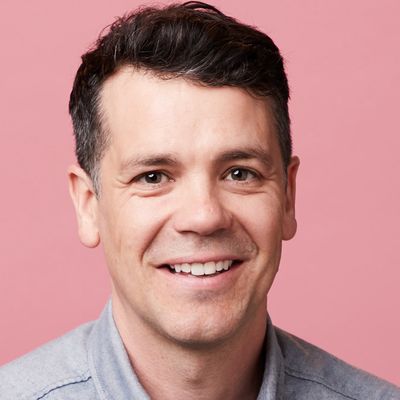
Anthony Veneziale, also known by his stage name ‘Two-Touch’, is the conceiver and co-creator of the improvisational hip-hop comedy musical group Freestyle Love Supreme, as well as the FLS Academy. He has been performing and teaching improv for more than 20 years and is a leader in the field of musical improvisation. Anthony has used these techniques for endeavors with names such as Tommy Kail, Lin Manuel Miranda, Daveed Diggs, and numerous others. He co-founded Speechless Inc, an “an improv thinking company that helps humans create, collaborate, and find their authentic voice”. For several years Anthony has worked with, and been involved in studies by, Dr. Charles Limb out of UCSF Sandler Center, who is renowned for his research on brain activity during musical improvisation. Anthony was most recently seen on Broadway in the limited run of Freestyle Love Supreme, and has appeared on TV in Sex and the City, All My Children, Looking, Bartlett, and the Hulu documentary We Are Freestlye Love Supreme, which documents the groups 15 year history.
Never once did Anthony think he could make a living out of doing improv. But, he says, “I loved it so much that I continued to do it until people paid me for it”. During our conversation, Anthony reiterates how interested he is in the affects improvising has on people's brains. This is evident in his creation of and work with the companies Speechless Inc., and Freestyle Love Academy. Even more so, he is interested in the affects improv can have on a community. In their classes at FLS Academy, they work to create an environment where people feel authentically themselves, where they are seen and recognized as their authentic selves, and are then able to encourage others to do the same. Improv has proved to be “a fabulous tool to help people do that”. Anthony also shares more on the work he has been a part of with Dr. Charles Limb, who uses an fMRI machine to create 3D models of the brain, and identify when subjects are in a “flow state”. For some, this flow state is a “runner’s high” while running, and for others, improv is the key.
In this episode, we talk about:
- The parts of the brain associated with a “flow state”
- Discovering hip hop music when he was 10 years old
- Auditioning for his college improv troupe
- How he got his stage name, Two Touch
- The mission and work of Freestyle Love Supreme Academy, and Speechless Inc.
- How isolation during COVID affects our brains
- Alan and Anthony play an improv game called Convergence
Connect with Anthony:
- IG: @freestylelovesupreme, @FLS_Academy
- Twitter: @AnthVeneziale, @freestylelove, @FLS_Academy
Connect with The Theatre Podcast:
- Support us on Patreon: Patreon.com/TheTheatrePodcast
- Twitter & Instagram: @theatre_podcast
- Facebook.com/OfficialTheatrePodcast
- TheTheatrePodcast.com
- Alan's personal Instagram: @alanseales
- Email me at feedback@thetheatrepodcast.com. I want to know what you think.
A very special thanks to our patrons who help make this podcast possible!
Cheryl Hodges-Selden, Paul Seales, David Seales
If you would like to see your name in this show notes or get a shout out on the pod itself, visit ttp.fm/patreon to become a member and show your support!
Transcript
This transcript was automatically generated and might contain errors.
[0:00] Alan Seales: Welcome to The Theatre Podcast. Intimate personal conversations with theatre's biggest names.
[0:11] Alan Seales: I'm your host, Alan Seales, and this episode is with Anthony Veneziale, who is one of the founding members of Freestyle Love Supreme, along with Lin-Manuel Miranda and several others that you'll hear us talk about throughout the episode. I just want to say that it is very, very rare that you meet someone that seems as kind as Anthony seems to me. He and his whole crew, like Christopher Jackson, Chris Sullivan, aka Shockwave, the Beatboxer, Lin-Manuel Miranda, of course, Anissa Folds, the list goes on. It just all seems like they are so genuinely nice people, and they embody the ideal behind Freestyle Love Supreme and the FLS Academy, which is basically, as I understand it, just to help you become a better version of yourself.
But I need to warn you, we get into a fun, fun detour into the neuroscience of the brain and how freestyling actually helps you shake inhibitions and lose what I like to call your little devil on your shoulder, that voice in your head that tells you you're not good enough. After you talk to Anthony, you just feel motivated. You feel just better. I came out of this interview and just got very, very excited to actually start taking classes with the FLS Academy, so I hope you will. I'll have links in the show notes to help you find that resource as well. But before we get into it, please visit me on Instagram and Twitter at theater underscore podcast. Find me online at thetheaterpodcast.com. Please show your support via ttp.fm slash Patreon, P-A-T-R-E-O-N. Leave a rating and a review on iTunes or wherever else you're listening. And now, everybody, please enjoy this episode with Anthony Veneziale. Here you go. One, two, three.
[1:57] Alan Seales: My guest today is a professional improviser who I think is safe to say specializes in freestyle rap. He's known by his stage name, Two-Touch, and he's the conceiver and co-creator of Freestyle Love Supreme. And has been performing and teaching improv for more than 20 years and is a leader in the field of musical improvisation. He's used these techniques for endeavors with Tommy Kail, Lin-Manuel Miranda, Daveed Diggs, and numerous others. He co-founded Speechless Inc, a live improvised PowerPoint show, and has been working for several years to scientifically measure people's brains while improvising, which is something I'm truly excited to talk about. He was most recently seen on Broadway in the limited run of Freestyle Love Supreme. And you can also catch him in the Hulu documentary, We Are Freestyle Love Supreme, which documents the group's 15-year history. Anthony Veneziale, welcome to The Theatre Podcast.
[2:57] Anthony Veneziale: Wow. Well, I think that's the whole thing, right? Like, what else is there to say? Thanks so much, Alan. See you next year. And that's it. We're done. No, I remember when we met, we met a couple months ago, and you were telling me about the stuff that you were doing with brain waves and measuring all, and like in a lab at MIT, I think I was reading, I can't tell what's a joke and what's not when I'm reading it online about you, but I know you are legitimately measuring people's brain waves in an fMRI machine.
[3:25] Anthony Veneziale: Yes. I think that's so unusual. I want to start with that.
[3:32] Anthony Veneziale: Okay, great. So yeah, so I'll do my best to contextualize to the best of my ability. I am not a neuroscientist. I do not do surgery inside of the brain, nor do I track it. But I've been a part of several studies now, and I work with Dr. Charles Lim. He's out of the UCSF Sandler Center, where the neuroimaging happens. And when you're in an fMRI machine, you're actually measuring the oxygenated hemoglobin. So that's where blood just was. So in an fMRI machine, we can kind of see basically the remnants of blood flow. So the waves are EEGs. That's a different measuring scale. And we're doing some studies in that as well, but that's with the Lerner Lab out of Stony Brook Institute. And those, when you have brain waves, that's electromagnetic activity, and that's something slightly different than the deoxygenated hemoglobin, which is more used for processing and seeing certain 3D models of the brain.
So where in the brain are these things happening? And then when you can kind of see where they're happening, there's often causality and or correlative understandings of what those parts of the brain control.
[4:42] Alan Seales: What's really interesting to me is, we're going to get into your story and how you got to where you are and the history of Freestyle Love Supreme and everything else. But in reading about you and researching you, it seems like everything that you are doing now is a result of the freestyling and the free thought and the imagination that has been allowed to just grow exponentially because of the freestyling. But we didn't realize that's what it was until the last couple of years because of the research you're now doing. That's super cool.
[5:20] Anthony Veneziale: So, like, the medial lateral prefrontal cortex, right? Let me see if I get this right. The center of your brain that controls your flow, right?
[5:33] Anthony Veneziale: Yeah, yeah. So, you know, different researchers have kind of been talking about and looking at flow states. And that's often this unimpeded novel thought is sort of flowing and happening in a way that feels like time just disappears. So, a lot of people experience flow state in different endeavors. For some people, it's like, oh, when I go on a run, I get that runner's high. And there's a certain amount of flow state involved with that. Or when I am painting, or when I'm coding. For a lot of people, I work with a lot of engineers here in Silicon Valley, when they get locked into the zone of coding, they're like, I'm just in a flow state. I'm locked in. And that tends to, you know, be housed in the medial lateral prefrontal cortex, which is slightly forward, you know, right here, almost right above your forehead, just off to the sides.
It's almost like this little kind of, how would you say it, like a horseshoe shaped thing that goes from one side to the other on your forehead. And then the dorsolateral prefrontal cortex, which I want to call the devil on your shoulder, yeah, is that little Alan, that little Anthony that's like, wait, wait, am I good enough? Wait, is he liking what I'm saying right now? Should I actually go out there on stage and continue with this act that I don't think is good enough with myself? And there was something that I was reading, I don't remember where I read it. It was obviously around you and I don't remember where it was, so I can't give credit, but it was like the improv warmups, you know, like zip, tap, stop and one, two, three, four, five, and just shaking it out, activate, activate your medial lateral and deactivate your dorsolateral, right? So they're getting you without realizing it. That's what you're doing. Am I off base here? Is this?
[7:31] Anthony Veneziale: No, I mean, that's amazing, Alan. Yes, you just hit a home run. You're not just on base. Came around all the bases. That is totally it. So, so the wonderful part of activating your medial lateral prefrontal cortex is that it mutes or it really dampens the dorsolateral prefrontal cortex. This is like you just said, that sort of like devil on your shoulder. I think of it as an angry puppet. Like some of us are old enough to remember the Muppet show where Waldorf and Stadler are in the back and they're like, all these Muppets are the worst. You couldn't do a good show if you paid them. They're paying them, you know, that kind of stuff. Right. And I think for a lot of us, that voice sounds a lot like our parents or that teacher that just like always shredded us.
You know, we kind of sometimes will place that, that part of our brain with a voice. And it generally tends to be about your major insecurities or trauma. You know, there's, there's also a lot of things here when you kind of get to the root of it too, which is we create patterns and these synaptic connections that get super strong that are get become preferred pathways around defense mechanisms around avoidance mechanisms. And when you do that, you kind of crystallize the synapse. And so it no longer needs to even travel over it by sending that electrode. It just is already an automatic thought for you. So how do we get out of those habits? Sometimes those habits are great. Sometimes they're really useful for us, right?
Like I'm not saying all patterns or habits are bad. They can be great. Like breathing, for example, that's a super good one. I don't have to really worry about that. Like my, this, this deep note, the DNC that this, this deep DMC, sorry, part of our brain takes care of that on its own. And there's all these like really strong pathways for it. But sometimes we get into these patterns that we didn't know that we're in and improv and in getting to that flow state really helps to actually expose and sometimes even like unravel some of those.
[9:35] Alan Seales: I, my brain right now is going in a million different directions. And I used to do improv. I think everybody who sang a cappella also did improv. Hand is raised right here. Yes. And, and it was, and I remember, I remember I did a, I excelled at the musical games and it was something about singing versus speaking. And I've, I've also, I got a psych minor and I've, I've been in this brain stuff for a while and that's why I really like focusing in on this right now. I think it's fascinating. And it's interesting to me, you know, speaking of Lin-Manuel Miranda, that I can memorize, I can memorize scripts with blocking. I can memorize songs, but I have, I still years later have a hard time memorizing raps because I grew up, I grew up listening to cast albums and traditional songs and I was not exposed.
I wasn't around a culture of people who listen to hip hop or listen to, to, to freestyle at all. And so my, my synapses went straight for music, like music pathways, not making up freestyles. So I guess let's, let's segue there into what has, what brought you into the path of freestyling? And I mean, cause you, you co-created it, you, Freestyle Love Supreme, FLS, we'll just call it FLS. So at what point were you like, oh, this kind of thing that improv, it's sort of got this sort of nerdy connotation around it. I'm going to do it for a living and I'm going to be good at it.
[11:03] Anthony Veneziale: Okay. So never once did I think I could do improv for a living. That's, that is a fool's errand. I just loved it so much that I continued to do it until people paid me for it. Let's be honest. And you know, I, speaking of, of those neural networks that we create around things that light us up. So musical casts, blocking staging, you've created a neural network around that. I used to listen to hip hop to go to sleep. It was calming to me. It was the thing that I kind of almost mathematically could rely on. I was a very math brained person. I love, I love math. I really enjoyed the sort of like concrete answers around it.
[13:07] Anthony Veneziale: Welcome to the show! I'm excited to be here and share some insights about improvisation and its impact on creativity.
[13:37] Anthony Veneziale: You know, improvisation has been a huge part of my life for over two decades. It started as a passion and turned into a career that I never expected.
[14:07] Anthony Veneziale: When I first discovered hip-hop music at the age of ten, it opened up a whole new world for me. The rhythm, the flow, and the creativity of it all really resonated with me.
[14:37] Anthony Veneziale: Auditioning for my college improv troupe was a pivotal moment. I remember feeling nervous but also exhilarated. It was the beginning of something special.
[15:07] Anthony Veneziale: My stage name, "Two-Touch," actually came from a nickname I received during my early days in improv. It stuck with me, and I embraced it as part of my identity.
[15:37] Anthony Veneziale: The mission of Freestyle Love Supreme Academy is to create a space where people can feel authentically themselves. We focus on helping individuals find their voice through improvisation.
[16:07] Anthony Veneziale: At Speechless Inc., we aim to foster collaboration and creativity in a way that allows people to express their true selves. It's all about connection and community.
[16:37] Anthony Veneziale: The isolation we experienced during COVID had a profound effect on our brains. It highlighted the importance of social interaction and the role of improv in bringing people together.
[17:07] Anthony Veneziale: One of the most exciting aspects of my work with Dr. Charles Limb is exploring the brain activity during improvisation. It's fascinating to see how our brains function in a flow state.
[17:37] Anthony Veneziale: For some, that flow state might be achieved through running, while for others, it’s found in the spontaneity of improv. It's all about tapping into that creative energy.
[18:07] Anthony Veneziale: In our classes at FLS Academy, we emphasize creating an environment where everyone feels seen and recognized. That authenticity is crucial for personal growth.
[18:37] Anthony Veneziale: Improv is a fabulous tool for helping people connect with themselves and others. It breaks down barriers and encourages vulnerability, which is essential for community building.
[19:07] Anthony Veneziale: I love seeing the transformation in people when they embrace improvisation. It’s not just about being funny; it’s about being real and present in the moment.
[19:37] Anthony Veneziale: The work we do at Freestyle Love Supreme Academy is about more than just performance; it’s about fostering a sense of belonging and acceptance among participants.
[20:07] Anthony Veneziale: I truly believe that improvisation can change lives. It empowers individuals to take risks and explore their creativity in a supportive environment.
[20:31] Anthony Veneziale: The journey of discovering improv has been incredible, and I’m grateful for the opportunities it has provided me to work with amazing artists and thinkers.
[20:57] Anthony Veneziale: I’m excited to continue this journey and see how we can further explore the intersection of improv and neuroscience. There’s so much potential for growth and discovery.
[21:27] Anthony Veneziale: I think we’re just scratching the surface of what we can learn about the brain and creativity through improvisation. It’s an exciting field to be a part of.
[21:57] Anthony Veneziale: So, whether you’re a seasoned performer or someone just curious about improv, I encourage you to dive in and experience it for yourself. You might be surprised by what you discover.
[22:27] Anthony Veneziale: Thank you for having me on the show today. I hope our conversation inspires others to explore the world of improvisation and its many benefits.
[22:41] Anthony Veneziale: Let’s keep the conversation going and see how we can continue to support each other in our creative endeavors.
[23:07] Anthony Veneziale: I’m looking forward to what’s next for Freestyle Love Supreme and the impact we can make in the community through our work.
[23:13] Anthony Veneziale: Remember, improv is not just about being funny; it’s about being authentic and connecting with others in a meaningful way.
[23:19] Anthony Veneziale: Thank you again for this opportunity to share my passion for improv and its transformative power.
[23:25] Anthony Veneziale: Let’s keep pushing the boundaries of creativity and see where it takes us!
[23:49] Anthony Veneziale: I appreciate the chance to discuss these important topics with you today.
[24:15] Anthony Veneziale: Did they do improv? Have you taken that extra step to see who is predisposed to getting Alzheimer's?
[24:22] No, and that's something that is far beyond the reach of what this particular paradigm that we're going after is. It's hugely interesting to me. There are certain schools, like Second City, that have been doing a lot of work with assisted living facilities. So often what happens when people do go into dementia or Alzheimer's, they're surrounded by people who negate their reality. And so they're in scenes with bad scene partners. And so a lot of assisted living facilities are starting to get improv training, so that the people who are helping to facilitate care or administer care can say yes and to whatever reality this person is going through. And when you do that, you have much less of a pushback from that person to go into a sort of spiral or a traumatic negative dementia event, which is often when your reality doesn't coexist with their reality.
That's just bad improv. Yeah, right? Like, come on, everybody. That's like 101. I'm late for the ship. You know, it's like, yes, you are, Mrs. Rudiger. Let's get you over to the ship right now. And here we're stepping on the plank, right? Like, you would be surprised at how many people, because they're fearful, right? Because I think the thing here is I want them to be able to have the grasp of reality, because that's not what I'm seeing. So mostly it's family members who have that fear-based reaction in those scenarios where they say, no, it's September of 2020. Your daughter is here. You know, everyone's trying to always course correct that sort of the reality or the perception of that reality.
And it's just, I mean, that's a totally different study. There are some groups that are looking into that. And obviously, there's some groups administering really, really interesting testing about people who are more predisposed to not only Alzheimer's, but like Parkinson's and other stress-related neurologically impacted diseases. For a lot of people who suffer Parkinson's, they tend to be very A-type, high, high executive function, like CEOs, right? These people kind of, they operate at a very, very high stakes quite often, and they're under like immense pressure. And that tends to get to this deep root part of their brains. And more people who have Parkinson's, like more CEOs have Parkinson's than almost any other neurological effect. Wow. Huh. It's crazy. Yeah, I'm processing that. That's really, really interesting. Well, there's no good saying that, but I want to talk about FLS Academy.
[27:17] Oh, yeah. Speaking of CEOs. Hey, I'm the CEO of FLS Academy. There you go. So yeah, all of this to say, we're just really interested in what the effects of improv has on people's brains. But more importantly, and that's a lot of the work I do with Speechless, more importantly for Freestyle Love Supreme Academy, it's what the effect is on the community. So what we're trying to do with FLS Academy is our mission is to create, or no, that's not true. Our mission is to foster diverse creative voices, period. That is why we exist. The way we do it is by creating an environment where people feel authentically themselves, and that they are seen and recognized as their authentic self, and then they encourage others to do the same. And improv is a fabulous tool to help people do that.
[28:17] Well, if you're literally activating the part of your brain that takes the devil off your shoulder, you're deactivating the dorsolateral prefrontal cortex. So people are able to be more themselves, be more their authentic self. And I guess as a result, be more creative, come up with new ideas, fill in the blank.
[28:41] Yeah. And that's exactly what it is, too, that you were asking me before about what the next part of this all kind of leads to around the sort of like the neuroscience of it all. And now with the Freestyle Love Supreme Academy, we want to see how this kind of practice can help you with these different mindsets or things that we think are particularly useful or important in creating. And our company has no bones about this. We are an anti-racist corporation. Like we are a company that is heavily invested in undoing racism. So we use tools and methodologies that are steeped in anti-racist theory. So all of our facilitators go through trainings around the facilitator's guide to participatory decision making.
This is this really wonderful tool that was developed in the 80s and early 90s around doing research that was with communities, not on communities. So to this day, a lot of research is done on people and to them, not with them. So there's something called CBPR, Community Based Participatory Research, where you hear from stakeholders, where you get insights from the people who are being affected by this research, and then you allow them to inform the process and the outcomes. So that takes a lot of facilitation. That takes a lot of deep listening. That takes a lot of being there with the people in the environment in which they exist. And these tools, these CBPR tools, are all around helping the group to be a better version of themselves.
And so that's what our facilitators do. They also do Pedagogy of the Oppressed, which is a fantastic book by Paulo Freire, who was a Brazilian theologist and educational expert. Most learning systems are bank deposit style learning systems, where we expect to give information to the body politic, the students, or whoever it might be, and then they're meant to memorize it and then regurgitate it back. So this is very, very colonialist. This is very sort of like old school, hey, this is how we dominate a culture. And that style of learning is the antithesis of what it is we're trying to do inside of this academy, which is the wisdom of the room is greater than any one person. And even that facilitator bears witness to cathartic change, and they themselves will be changed. It's not that they're trying to shape the people who are the participants, it's that they are trying to hold space in which they can shape themselves.
[31:24] Okay, so in college, I said I did improv. So I did comedy sports, and it was an activity for me. It was something like to get out and have some fun and meet some friends and not be stuck in my dorm on a Friday and Saturday night, because I was a nerd and I didn't go to bars. So FLS Academy, I would consider like, oh, okay, yeah, I go take an improv class. But just the way you described it, it's so much more, it's so much deeper. It's about building a community, and it's about building real connections. It's not about just getting out there and taking a class for a couple nights to not be home or something, right?
[32:10] Absolutely. You know, I think a lot of people imagine that improv is a bit of an extrovert's dream come true, in which they are able to share the version of themselves that they want to have seen. And that totally can be true for a lot of improv. And then that also encourages the system that already exists, which is generally white men tend to feel very comfortable sharing their voice. And there's plenty of that out there, kudos, keep going, it's great. But I think we also need to have something that says, whomever you might be, reticent or not, your voice is valuable. And so we want to learn and hear from your perspective to then help inform and shape what the group's perspective is, so that we raise all boats, right?
So that the level of the lake gets higher, not the individual boat goes faster. Some of the best people I've ever performed with have been such hardcore introverts. They sit back, and they watch, and they observe life, and they've got so much to tell, and they're afraid to tell it. And so this gives them the outlet.
[33:18] Absolutely. I love so much the ability for people to say, that's not something I can do, and then giving themselves the permission to fail at it until they are able to do it. And I think that, in a nutshell, is all we're trying to do. Create the opportunity for you to try and try and try again in an environment that says, I can't wait for you to try again, keep trying. And I think that's what we need. I think that's what we as a society need. We need to be able to hear each other better. We need to be able to see different perspectives and react to them, willing to be changed by those perspectives, and willing to try to change others.
[34:02] So let me ask you then a question about the timeline. So FLS is 15 years old plus now, and that was before you started it, before social media, before Facebook.
[34:09] I don't know, it's right as Facebook, right? No, it's right, yeah, just before.
[34:13] So now in today's social media age, where everything is just, look how great I am, look how many TikTok followers I've got, right? I need to be good. To be successful, I need to have praise. Have you found it harder to decrystallize these hardened pathways when people come into the academy at first and start to get them comfortable with failure?
[34:36] Because that's me right now. I haven't improvised regularly in 15 years, more. So I'm scared shitless to go to an academy class.
[34:50] Great. You're welcome.
[34:55] Yeah, I mean, I do think that people tend to put themselves under a bit of a more perfectionist microscope now, and it's because we have that microscope at all times in our hands, and we are turning the microscope into a motion picture or a still or a collage or a slideshow of our life for others in the hopes that others might ratify and or amplify who it is we think we are. That will forever be a difficult, fully realized proposition with a device in your hand.
[35:33] There are dopamine receptors being activated. There are various levels of joy centers being sort of stimulated by that, but there's no oxytocin release. There's no chemical of, you know, a lot of people call it the love chemical or whatever it might be. There's nothing generally in this version of our living, the scrolling version of our living, that really, really has that same palpable oxytocin release where we are with other humans and we feel seen, heard, and felt. That's okay. I've said on this podcast many times that I feel like we are falling in love chemically with our phones, and I thought that was the...
[36:23] Anthony Veneziale: So, I think the first thing that comes to mind is that, you know, when I was a kid, I was really into hip hop music. I discovered it when I was about ten years old, and it just blew my mind. I was like, "What is this? This is incredible!" And I started to learn about the culture, the history, and the art form.
[36:53] Anthony Veneziale: I think that the improvisational aspect of hip hop really resonated with me. I loved the idea that you could create something on the spot, that you could express yourself in real-time, and that it was all about being present in the moment.
[37:23] Anthony Veneziale: When I got to college, I auditioned for my college improv troupe, and that was a huge turning point for me. I had never done improv before, but I was so excited about the idea of being able to create something new every time I stepped on stage.
[37:53] Anthony Veneziale: My stage name, "Two-Touch," actually came from a nickname I had in high school. It was a play on my last name, and it just stuck with me. It felt like a fun way to express my personality and my style as a performer.
[38:23] Anthony Veneziale: The mission of Freestyle Love Supreme Academy is to create a space where people can feel free to express themselves and explore their creativity. We want to help people find their authentic voice and connect with others in a meaningful way.
[38:53] Anthony Veneziale: During the COVID-19 pandemic, I think we all experienced a level of isolation that affected our mental health and our creativity. It was a challenging time, but it also made us realize how important community and connection are for our well-being.
[39:23] Anthony Veneziale: Improv has proven to be a fabulous tool to help people reconnect with themselves and with others. It encourages vulnerability and authenticity, which are essential for building strong relationships and communities.
[39:25] Anthony Veneziale: So, I think that the work we do at FLS Academy is more important now than ever. We're helping people navigate their emotions and find joy in the creative process.
[39:27] Anthony Veneziale: And that's something that I truly believe in. I think that when we allow ourselves to be vulnerable and open, we can create incredible art and foster deeper connections with one another.
[39:29] Anthony Veneziale: It's all about creating a safe space where people can explore their creativity without fear of judgment.
[39:31] Anthony Veneziale: And that's what we strive to do at Freestyle Love Supreme Academy.
[39:33] Anthony Veneziale: We want to empower people to take risks and embrace their unique voices.
[39:35] Anthony Veneziale: And I think that improvisation is a powerful tool for achieving that.
[39:37] Anthony Veneziale: It allows us to let go of our inhibitions and just be ourselves.
[39:39] Anthony Veneziale: And that's such a beautiful thing.
[39:41] Anthony Veneziale: So, I think that the work we do is really about helping people find their flow state, that place where creativity and joy intersect.
[39:43] Anthony Veneziale: And when we can tap into that, amazing things happen.
[39:45] Anthony Veneziale: So, I'm really excited about the future of improv and the impact it can have on individuals and communities.
[39:47] Anthony Veneziale: I think we're just scratching the surface of what's possible.
[39:49] Anthony Veneziale: And I can't wait to see where it all goes from here.
[39:51] Anthony Veneziale: So, thank you for having me on the podcast.
[39:55] Anthony Veneziale: It's been a pleasure to share my thoughts and experiences with you.
[39:57] Anthony Veneziale: I hope that our conversation inspires others to explore their creativity and embrace the power of improvisation.
[39:59] Anthony Veneziale: Because at the end of the day, that's what it's all about.
[40:01] Anthony Veneziale: Thank you!
[40:03] Anthony Veneziale: I'm looking forward to what comes next.
[40:05] Anthony Veneziale: And I hope to see you all at Freestyle Love Supreme Academy soon!
[40:07] Anthony Veneziale: Let's keep creating and connecting.
[40:09] Anthony Veneziale: Peace!
[40:11] Anthony Veneziale: And remember, stay true to yourself.
[40:13] Anthony Veneziale: That's the key to everything.
[40:15] Anthony Veneziale: Alright, take care!
[40:17] Anthony Veneziale: Bye!
[40:19] Anthony Veneziale: See you later!
[40:21] Anthony Veneziale: Bye!
[40:23] Anthony Veneziale: Bye!
[40:25] Anthony Veneziale: Bye!
[40:27] Anthony Veneziale: Bye!
[40:29] Anthony Veneziale: Bye!
[40:31] Anthony Veneziale: Bye!
[40:33] Anthony Veneziale: Bye!
[40:35] Anthony Veneziale: Bye!
[40:37] Anthony Veneziale: Bye!
[40:39] Anthony Veneziale: Bye!
[40:45] Anthony Veneziale: Bye!
[40:47] Anthony Veneziale: Bye!
[40:49] Anthony Veneziale: Bye!
[40:51] Anthony Veneziale: Bye!
[40:53] Anthony Veneziale: Bye!
[40:55] Anthony Veneziale: Bye!
[40:57] Anthony Veneziale: Bye!
[40:59] Anthony Veneziale: Bye!
[41:01] Anthony Veneziale: Bye!
[41:03] Anthony Veneziale: Bye!
[41:05] Anthony Veneziale: Bye!
[41:07] Anthony Veneziale: Bye!
[41:09] Anthony Veneziale: Bye!
[41:11] Anthony Veneziale: Bye!
[41:13] Anthony Veneziale: Bye!
[41:15] Anthony Veneziale: Bye!
[41:17] Anthony Veneziale: Bye!
[41:19] Anthony Veneziale: Bye!
[41:21] Anthony Veneziale: Bye!
[41:23] Anthony Veneziale: Bye!
[41:25] Anthony Veneziale: Bye!
[41:27] Anthony Veneziale: Bye!
[41:29] Anthony Veneziale: Bye!
[41:31] Anthony Veneziale: Bye!
[41:33] Anthony Veneziale: Bye!
[41:35] Anthony Veneziale: Bye!
[41:37] Anthony Veneziale: Bye!
[41:39] Anthony Veneziale: Bye!
[41:41] Anthony Veneziale: Bye!
[41:43] Anthony Veneziale: Bye!
[41:45] Anthony Veneziale: Bye!
[41:47] Anthony Veneziale: Bye!
[41:49] Anthony Veneziale: Bye!
[41:51] Anthony Veneziale: Bye!
[41:53] Anthony Veneziale: Bye!
[41:55] Anthony Veneziale: Bye!
[41:57] Anthony Veneziale: Bye!
[41:59] Anthony Veneziale: Bye!
[42:01] Anthony Veneziale: Bye!
[42:03] Anthony Veneziale: Bye!
[42:05] Anthony Veneziale: Bye!
[42:07] Anthony Veneziale: Bye!
[42:09] Anthony Veneziale: Bye!
[42:11] Anthony Veneziale: Bye!
[42:12] Anthony Veneziale: Bye!
[42:14] Anthony Veneziale: Bye!
[42:16] Anthony Veneziale: Bye!
[42:18] Anthony Veneziale: Bye!
[42:20] Anthony Veneziale: Bye!
[42:22] Anthony Veneziale: Bye!
[42:24] Anthony Veneziale: Bye!
[42:26] Anthony Veneziale: Bye!
[42:28] Anthony Veneziale: Bye!
[42:30] Anthony Veneziale: Bye!
[42:32] Anthony Veneziale: Bye!
[42:34] Anthony Veneziale: Bye!
[42:36] Anthony Veneziale: Bye!
[42:38] Anthony Veneziale: Bye!
[42:40] Anthony Veneziale: Bye!
[42:42] Anthony Veneziale: Bye!
[42:44] Anthony Veneziale: Bye!
[42:46] Anthony Veneziale: Bye!
[42:48] Anthony Veneziale: Bye!
[42:50] Anthony Veneziale: Bye!
[43:02] Anthony Veneziale: Bye!
[43:04] Anthony Veneziale: Bye!
[43:06] Anthony Veneziale: Bye!
[43:08] Anthony Veneziale: Bye!
[43:10] Anthony Veneziale: Bye!
[43:12] Anthony Veneziale: Bye!
[43:14] Anthony Veneziale: Bye!
[43:16] Anthony Veneziale: Bye!
[43:18] Anthony Veneziale: Bye!
[43:20] Anthony Veneziale: Bye!
[43:22] Anthony Veneziale: Bye!
[43:24] Anthony Veneziale: Bye!
[43:26] Anthony Veneziale: Bye!
[43:28] Anthony Veneziale: Bye!
[43:30] Anthony Veneziale: Bye!
[43:32] Anthony Veneziale: Bye!
[43:34] Anthony Veneziale: Bye!
[43:36] Anthony Veneziale: Bye!
[43:38] Anthony Veneziale: Bye!
[43:40] Anthony Veneziale: Bye!
[43:42] Anthony Veneziale: Bye!
[43:44] Anthony Veneziale: Bye!
[43:46] Anthony Veneziale: Bye!
[43:48] Anthony Veneziale: Bye!
[43:50] Anthony Veneziale: Bye!
[43:52] Anthony Veneziale: Bye!
[43:54] Anthony Veneziale: Bye!
[43:56] Anthony Veneziale: Bye!
[43:58] Anthony Veneziale: Bye!
[44:00] Anthony Veneziale: Bye!
[44:02] Anthony Veneziale: Bye!
[44:04] Anthony Veneziale: Bye!
[44:06] Anthony Veneziale: Bye!
[44:08] Anthony Veneziale: Bye!
[44:10] Anthony Veneziale: Bye!
[44:12] Anthony Veneziale: Bye!
[44:14] Anthony Veneziale: Bye!
[44:16] Anthony Veneziale: Bye!
[44:18] Anthony Veneziale: Bye!
[44:20] Anthony Veneziale: Bye!
[44:22] Anthony Veneziale: Bye!
[44:24] Anthony Veneziale: Bye!
[44:26] Anthony Veneziale: Bye!
[44:28] Anthony Veneziale: Bye!
[44:30] Anthony Veneziale: Bye!
[44:32] Anthony Veneziale: Bye!
[44:34] Anthony Veneziale: Bye!
[44:36] Anthony Veneziale: Bye!
[44:38] Anthony Veneziale: Bye!
[44:40] Anthony Veneziale: Bye!
[44:42] Anthony Veneziale: Bye!
[44:46] Anthony Veneziale: Bye!
[44:50] Anthony Veneziale: Bye!
[44:52] Anthony Veneziale: Bye!
[44:54] Anthony Veneziale: Bye!
[44:56] Anthony Veneziale: Bye!
[44:58] Anthony Veneziale: Bye!
[45:00] Anthony Veneziale: Bye!
[45:02] Anthony Veneziale: Bye!
[45:04] Anthony Veneziale: Bye!
[45:06] Anthony Veneziale: Bye!
[45:12] Anthony Veneziale: Bye!
[45:14] Anthony Veneziale: Bye!
[45:16] Anthony Veneziale: Bye!
[45:18] Anthony Veneziale: Bye!
[45:20] Anthony Veneziale: Bye!
[45:22] Anthony Veneziale: Bye!
[45:24] Anthony Veneziale: Bye!
[45:26] Anthony Veneziale: Bye!
[45:28] Anthony Veneziale: Bye!
[45:30] Anthony Veneziale: Bye!
[45:32] Anthony Veneziale: Bye!
[45:34] Anthony Veneziale: Bye!
[45:36] Anthony Veneziale: Bye!
[45:38] Anthony Veneziale: Bye!
[45:40] Anthony Veneziale: Bye!
[45:42] Anthony Veneziale: Bye!
[45:44] Anthony Veneziale: Bye!
[45:46] Anthony Veneziale: Bye!
[45:48] Anthony Veneziale: Bye!
[45:50] Anthony Veneziale: Bye!
[45:52] Anthony Veneziale: Bye!
[45:54] Anthony Veneziale: Bye!
[45:56] Anthony Veneziale: Bye!
[45:58] Anthony Veneziale: Bye!
[46:00] Anthony Veneziale: Bye!
[46:02] Anthony Veneziale: Bye!
[46:04] Anthony Veneziale: Bye!
[46:06] Anthony Veneziale: Bye!
[46:12] Anthony Veneziale: Bye!
[46:14] Anthony Veneziale: Bye!
[46:16] Anthony Veneziale: Bye!
[46:18] Anthony Veneziale: Bye!
[46:20] Anthony Veneziale: Bye!
[46:22] Anthony Veneziale: Bye!
[46:24] Anthony Veneziale: Bye!
[46:26] Anthony Veneziale: Bye!
[46:28] Anthony Veneziale: Bye!
[46:30] Anthony Veneziale: Bye!
[46:32] Anthony Veneziale: Bye!
[46:34] Anthony Veneziale: Bye!
[46:36] Anthony Veneziale: Bye!
[46:38] Anthony Veneziale: Bye!
[46:40] Anthony Veneziale: Bye!
[46:42] Anthony Veneziale: Bye!
[46:44] Anthony Veneziale: Bye!
[46:46] Anthony Veneziale: Bye!
[46:48] Anthony Veneziale: Bye!
[46:50] Anthony Veneziale: Bye!
[46:52] Anthony Veneziale: Bye!
[46:54] Anthony Veneziale: Bye!
[46:56] Anthony Veneziale: Bye!
[46:58] Anthony Veneziale: Bye!
[47:00] Anthony Veneziale: Bye!
[47:02] Anthony Veneziale: Bye!
[47:04] Anthony Veneziale: Bye!
[47:06] Anthony Veneziale: Bye!
[47:08] Anthony Veneziale: Bye!
[47:10] Anthony Veneziale: Bye!
[47:12] Anthony Veneziale: Bye!
[47:14] Anthony Veneziale: Bye!
[47:16] Anthony Veneziale: Bye!
[47:18] Anthony Veneziale: Bye!
[47:20] Anthony Veneziale: Bye!
[47:22] Anthony Veneziale: Bye!
[47:24] Anthony Veneziale: Bye!
[47:26] Anthony Veneziale: Bye!
[47:28] Anthony Veneziale: Bye!
[47:30] Anthony Veneziale: Bye!
[47:32] Anthony Veneziale: Bye!
[47:34] Anthony Veneziale: Bye!
[47:36] Anthony Veneziale: Bye!
[47:38] Anthony Veneziale: Bye!
[47:40] Anthony Veneziale: Bye!
[47:42] Anthony Veneziale: Bye!
[47:44] Anthony Veneziale: Bye!
[47:46] Anthony Veneziale: Bye!
[47:48] Anthony Veneziale: Bye!
[47:50] Anthony Veneziale: Bye!
[47:52] Anthony Veneziale: Bye!
[47:54] Anthony Veneziale: Bye!
[47:56] Anthony Veneziale: Bye!
[47:58] Anthony Veneziale: Bye!
[48:00] Anthony Veneziale: Bye!
[48:02] Anthony Veneziale: Bye!
[48:04] Anthony Veneziale: Bye!
[48:06] Anthony Veneziale: Bye!
[48:08] Anthony Veneziale: Bye!
[48:10] Anthony Veneziale: Bye!
[48:12] Anthony Veneziale: Bye!
[48:14] Anthony Veneziale: Bye!
[48:16] Anthony Veneziale: Bye!
[48:18] Anthony Veneziale: Bye!
[48:20] Anthony Veneziale: Bye!
[48:22] Anthony Veneziale: Bye!
[48:24] Anthony Veneziale: Bye!
[48:26] Anthony Veneziale: Bye!
[48:28] Anthony Veneziale: Bye!
[48:30] Anthony Veneziale: Bye!
[48:32] Anthony Veneziale: Bye!
[48:34] Anthony Veneziale: Bye!
[48:36] Anthony Veneziale: Bye!
[48:38] Anthony Veneziale: Bye!
[48:40] Anthony Veneziale: Bye!
[48:32] Anthony Veneziale: A ton of friends and once you like start playing it, you're like, I just that's all I want to do. Can I just do convergence now?
[48:40] Alan Seales: Do you play with your...
[48:41] Anthony Veneziale: Okay, if you do get those that say the same word at the same time, here's what you have to do. You have to go we said the same word. We said the same...
[48:52] Alan Seales: Magic.
[48:54] Anthony Veneziale: It's like being totally silly, be really ridiculous and like allow yourself to feel that victory. You allow yourself to feel that what it weren't not even a victory, but just whatever that arc of the story was.
[49:02] Alan Seales: I was gonna say, are you teaching this to your kids? I feel like it's something...
[49:06] Anthony Veneziale: Oh, yeah, to play with your kids. Oh, yeah. Oh, yeah. My oldest daughter is very good at it. She reads my mind really well. My youngest doesn't give a F. Like she was like, okay, let's do it. And then she'll just be like, she'll just say crazy stuff, which makes it really interesting though. What is this six-year-old gonna say next? Oh, jelly, you know?
[49:32] Alan Seales: There's no way that that was the midpoint between hypothalamus and lightbulb. But anyway, let me spend time explaining what a hypothalamus is.
[49:45] Anthony Veneziale: They're like stop dad. It's far. I love it. I love it. Um, oh there was one other thing. Oh, so Speechless Inc.
[49:57] Alan Seales: Yeah, which is another company you started and it's more that's more in the corporate training, the like corporate... I know you do this stuff for Google and you do things for other companies where you get...
[50:07] Anthony Veneziale: Basically, is it through that that you improvise a PowerPoint presentation that you've never seen before?
[50:16] Anthony Veneziale: Yes, so Speechless started out as a live show and the way it started was we got all these like, you know, big names from the tech world and stand-up comedians and improvisers to do a show together where we put together these slides that they'd never seen and they spin a wheel and it lands on a topic, you know, or a style of speech. So it's like a TED talk or a eulogy or a quarterly report and then they have to give a talk in earnest in that style with slides they've never seen before.
[50:45] Anthony Veneziale: And that has turned into a training process that we do with a lot of teams and organizations because lots of teams have these front-facing things. So we get the speakers ready for Google, we get speakers ready for Adobe Max, like all these things where they kind of like, you know, need to be the best version of themselves and we think that all entails them getting to their flow state and not judging themselves. So improv is a real great, like you said, catalyst to help you get to that part of your brain.
[51:18] Alan Seales: Have you ever worked with like talk show hosts or anybody of that nature that you know? Their job every day is to improvise a conversation.
[51:24] Anthony Veneziale: I've done a lot of podcast work, so I've worked with different teams that house these different various podcasts and helping them to kind of structure story. So there's a couple of teams inside of Adobe. We've done that for Gimlet Media, we've worked with them in the past. We've even helped them to like do all their upfronts and stuff before they got bought out by Spotify. So yeah, that's sort of part for the course for sure.
[52:01] Alan Seales: Yeah, it's saying again, it seems like a skill you think about things in passing or people say things in passing that now are kind of being contextualized even after just the 50 minutes of this conversation here. It's just that that person is good at conversation or that person can talk to people or whatever it is and that's neural pathways that have been, you know, in again nature versus nurture. Some people may be predisposed to be okay talking to people but they've had that reinforcement in that training and then practice to then be okay talking to strangers.
[52:32] Anthony Veneziale: Yeah, and synthesizing the experience in some way, right? So if I were a great talk show host and I asked a better question of you, like I'm being asked the question so I haven't been doing much very many and that question answer asking. But if I had, I might have said to you when you first explained to me, I loved, you know, getting to know musicals and shows and I'd be like, ah, what are a couple of your favorite musicals? What is something that you grew up on you're like, oh, I love this one so much?
[53:00] Alan Seales: So go ahead. Give me one or two of those.
[53:06] Anthony Veneziale: Music Man, Singing in the Rain, West Side Story.
[53:10] Alan Seales: Music Man, Singing in the Rain, West Side Story. So when you just said what you said right about like, oh, you're good at conversations, I would have just said, well, 76 trombones do come marching in the big parade, right? So that's me going back to a moment that was meaningful to you earlier in what it was we were just talking about. It's synthesizing all that we learned in between from then to now and it's reflecting back that I heard you and what you said mattered.
[53:28] Anthony Veneziale: That's it. Like that's your job as someone who is trying to talk to people and trying to pull stuff out of people. It's to let them feel heard and seen and felt.
[53:39] Alan Seales: Well, all I want to do is just take the Academy classes all day long now. This is, I mean, it's so fun to me to, I mean just be around a group of people that are pointed in the same direction you are regardless of what you're doing. But then when you're also in there for the express purpose of feeling good and connecting with people and exploring yourself and others, it's just this exponential growth that I think we're, you know, I applaud you for doing it in a very anti-racist way, in a very forward-thinking way because this is like you said, it's exactly what we need as a society right now to work with people, not for them.
[54:20] Anthony Veneziale: If, yeah, I think I said, I think I rephrase that or I think I said that right.
[54:25] Alan Seales: Yeah, so I love the concept of everyone who comes to the Academy. I imagine them to be a shareholder, right? So it's like they own the company as much as anyone else does and so if we work with that kind of impetus that the ownership belongs to the community and those who are being affected by this, I think we end up pointing the ship in a direction that everybody would like to go. And it might take a little bit longer to steer that ship, but I think it's worth it. I think it's worth it.
[54:55] Anthony Veneziale: Yeah, no, I completely agree.
[54:58] Alan Seales: Okay, so where can we go and sign up for the Academy?
[55:02] Anthony Veneziale: Oh, fantastic. So FLS.academy is our new website. You can also check us out at freestylelovesupreme.com. You can get to it that way too, but we just launched our own Academy website FLS.academy.
[55:16] Alan Seales: Oh, it's .academy.
[55:24] Anthony Veneziale: And it's called the Academy and we're like, what's the best way to put, oh, FLS.academy. So it's the FLS Academy is what we're called. You just put the dot in front of the Academy, you got us. We're there.
[55:35] Alan Seales: All right, so we'll wrap up here with the three standard closing questions that I ask everybody on the podcast. The first one is what motivates you?
[55:40] Anthony Veneziale: Who, what motivates me? That's so many things but probably my daughters in particular right now. You know, there's so many things in the world that seem to be huge challenges that they will be facing and I'm trying all that I can to investigate some of those to at least shed a little bit of light before they actually have to tackle them. That includes sexuality, sexual inadequacies that exist in our system around women in our society. Most women experience sexual trauma in their lives. That's what I'm bringing my daughters into, so I need to investigate that. Learning in new ways. I learn from them all the time. Being even more in the moment, like they are in the moment machines, right? So if I'm doing bath time with them and I'm not concentrating on bath time, if I'm like worried about them being in bed, which is three steps removed from bath time, that's a death knell for us having an enjoyable time. Stay in the moment, right?
[56:48] Alan Seales: I love that.
[56:50] Anthony Veneziale: Yeah, it's that is such a unique answer from, you know, all the other hundred plus guests I've had on here. It shows that you're taking the question in earnest. It's a very serious... Some people make jokes like that's money, all right, you know, it's fame, whatever. But you completely gave a serious answer, like a very, not in a boring way, just it was real and I think that's again, that's your neural pathways. You're not defensive, you don't care, you're just yourself.
[57:19] Anthony Veneziale: Yeah, I'm going to the thing that's like, oh, what's truthful for me and what brings me joy and that that's generally, you're right, that's generally the route I travel. I'm incredibly lucky though that I've been able to work on that incredible...
[57:31] Alan Seales: Oh, I'm interrupting my end here, but the game truth, like absolutely love it because I think that's so cathartic for people to be up there freestyling or singing whatever their style may be about something that genuinely happened to them and sometimes they're very, very personal stories.
[57:49] Anthony Veneziale: Oh, yeah, and you're learning about each other in the moment on stage in front of a Broadway house full of people. I love it so much.
[57:55] Alan Seales: Yes. That's one of my favorite things for sure.
[57:59] Anthony Veneziale: Yeah, okay. Um, second question then, what advice would you give to your younger self and younger people listening now starting out down a similar path?
[58:08] Anthony Veneziale: Oh, this is a good one. I would say that keep following joy, but also know that there might be some dark clouds that try to enter the sky of your joy and to know that you don't have to stay with those, that you don't have to be surrounded by those stormy troubled clouds. You can always find a bit of blue sky.
[58:32] Alan Seales: And then last question, if you can only see one show for the rest of your life but you could see it as many times as you want, what would you see?
[58:40] Anthony Veneziale: Full Moon, which is a show that Bill Erwin and Will Schreiner did back in the 90s. It's an improvised physical comedy show with the Red Clay Ramblers playing songs behind them and then they like pulled someone up on stage, they're mimes, they don't speak at all, and every show is different because they'd be bringing audience members up and it's very much what inspired me to do improv. I love that show so incredibly much.
[59:11] Alan Seales: Awesome, okay, so find the Academy at fls.academy, of course freestylelovesupreme.com. Um, watch We Are Freestyle Love Supreme on Hulu if you subscribe to Hulu. And then where can we find you personally on social?
[59:25] Anthony Veneziale: On Twitter, I'm at veneziale, A-N-T-H-V-E-N-E-Z-I-A-L-E. And then I just do the Instagram through Freestyle Love Supreme, so if you want to look up Freestyle Supreme on Instagram, that's where I am. Also Speechless, sorry, it's speechlessinc.com is the, you know, corporate training and it's really, we call it mental fitness. We're doing a lot of work around being mentally fit and I used to kind of scoff at that term, but it's chemically very necessary. Otherwise, you atrophy just like any muscle.
[59:58] Alan Seales: I completely agree. All right, you can get more of me at thetheaterpodcast.com. I'm on Instagram and Twitter at theater underscore podcast. Please leave a rating, leave a review. Thank you to Jukebox the Ghost for the intro and outro music.
[1:00:13] Anthony Veneziale: I wish this was a video podcast.
[1:00:17] Alan Seales: And he doesn't know the territory. He doesn't know the territory. What's the line? What do you talk? What do you talk?
[1:00:24] Anthony Veneziale: Thank you so much. This has been such a great chat. I love talking science.
[1:00:34] Alan Seales: Thank you, Anthony. Take a deep breath, make the world a little colorful.
© Broadway Podcast Network, All Rights Reserved