

"I only ever want to be Ben Harper famous." Drew Gasparini is an award winning musical theatre songwriter and performer. Currently he is writing the scores for a number of new stage musicals including the Broadway-bound adaptation of The Karate Kid, an adaptation of Night Shift for Warner Bros... Read More
From the show: The Theatre Podcast with Alan Seales
Guests
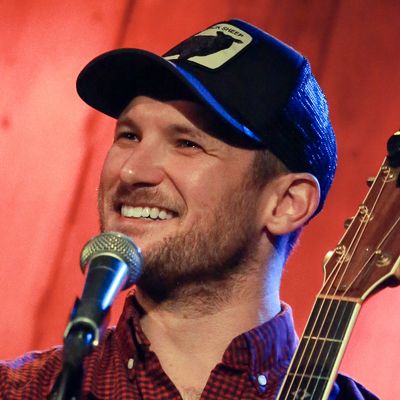
About
"I only ever want to be Ben Harper famous." Drew Gasparini is an award winning musical theatre songwriter and performer. Currently he is writing the scores for a number of new stage musicals including the Broadway-bound adaptation of The Karate Kid, an adaptation of Night Shift for Warner Bros. Theatre Ventures, and an adaptation of the Ned Vizzini novel/film It's Kind of a Funny Story for Universal Theatrical Group (book by Alex Brightman), among others. Some of Drew’s original musicals include Crazy Just Like Me (winner of “Best Of Fest” and runner up for “Best Book” in the New York Musical Theatre Festival 2011), and Make Me Bad (book by Alex Brightman, Bloomington Playwrights Project, winner of PACE New Musicals). Drew was a contributing composer for the fictional musical Hit List on the NBC series Smash, and in 2019 wrote the music for Skittles Commercial: The Broadway Musical, a highly publicized PR stunt starring Michael C. Hall for Super Bowl LIII. He has released several of his own albums, and on January 13th, Drew launched his new podcast "Now We're Talking with Drew Gasparini" on the Broadway Podcast Network.
Born and raised in southern California, his father a drummer and his mother a music teacher, Drew recalls that “music was like water, food, and oxygen” in his household. But it was ultimately his music teacher in high school who, after listening to some of his original songs (which he began writing when he was 12), challenged him to work harder and inspired him to dedicate his life to songwriting.
Drew chronicles the journey which took him from living out of his car in LA, to writing his first musical and moving to New York City; where a few years later, he put up a concert of his songs starring Titus Burgess, Jeremy Jordan, and others. He shares that some of the best education he’s had has come from failing in New York, and reiterates that there are going to be down moments for all artists, but if you love it, you have to stick with it. Drew has signed 5 contracts for projects which were Broadway bound but never made it, which he says only makes him hungrier - “I want to write something that’s left behind in a big way.” This dream could just be on the horizon, as Drew recollects landing his current big project - writing the score for the Broadway bound adaptation of Karate Kid.
In this episode, we talk about:
- Wanting to be Ben Harper famous
- Getting “permission” from success
- The first song he ever wrote at age 12
- Leaving school to travel the west coast with his band “Drew G and the B”
- Creating his “Now We’re Talking” podcast
Connect with Drew:
Connect with The Theatre Podcast:
- Support us on Patreon: Patreon.com/TheTheatrePodcast
- Twitter & Instagram: @theatre_podcast
- Facebook.com/OfficialTheatrePodcast
- TheTheatrePodcast.com
- Alan's personal Instagram: @alanseales
- Email me at feedback@thetheatrepodcast.com. I want to know what you think.
Thank you to our friends Jukebox The Ghost for our intro and outro music. You can find them on Instagram, Twitter, and Facebook @jukeboxtheghost or via the web via jukeboxtheghost.com.
A very special thanks to our patrons who help make this podcast possible!
Cheryl Hodges-Selden, Paul Seales, David Seales
If you would like to see your name in this show notes or get a shout out on the pod itself, visit ttp.fm/patreon to become a member and show your support!
Transcript
This transcript was automatically generated and might contain errors.
[0:00] Alan Seales: Welcome to The Theatre Podcast, intimate, personal conversations with the industry's biggest names. This episode is with Drew Gasparini, who is a performer and singer and songwriter that you may have never actually heard of by name, but you probably know his work. One of the most favorite things of his that he's done recently that I love is the 2019 PR stunt Skittles commercial, The Broadway Musical, starring Michael C. Hall. He wrote all the music for that. He's got some other adaptations he's working on, including the Broadway-bound Karate Kid. And this guy is insanely funny, insanely energetic, and just raw and honest. I recently met him digitally in real life because of COVID. We haven't met in person, but we've been working together on a couple things.
And I just knew immediately I had to hear his full story and get him as a guest on this podcast. His story is so unique. And with all the projects he's working on right now, he's going to be a household name in a few years. So we are really lucky to get him now. I just have to give you a little warning though. He's very raw, very unfiltered, so lots of strong language, but oh, it is so worth it. As always, find me online on Instagram and Twitter at theatre underscore podcast on the web at thetheatrepodcast.com. Please leave a rating, leave a review. I love to read the ratings. Now, everybody, please enjoy this episode with Drew Gasparini.
[1:41] Alan Seales: I don't need an intro. Ladies and gentlemen, Joe Iconis.
[1:48] Alan Seales: Well, here's the intro I wrote for you. All right. So here, see if you like this one.
[1:52] Drew Gasparini: Yeah.
[1:53] Alan Seales: Today's guest is one of the most popular singer-songwriters that you've never heard of in the Broadway scene. He's currently writing the score for the Broadway-bound adaptation of The Karate Kid, adaptation of Night Shift for Warner Brothers Theatre Ventures, another adaptation for Universal Theatre Group, and like three or four more things that Wikipedia can also tell you about. He doesn't flush after he uses the toilet. He's Italian, but not from the sexy bloodline. He's from the hairy and balding Italian bloodlines. He has a new dog that is part pterodactyl named Commissioner Gordon, shares a room with the Christmas decorations at his parents' house, and is not ashamed to admit he's riding his best friend Alex Brightman's coattails. He's not well known for writing the music for the 2019 PR stunt Skittles commercial, The Broadway Musical, and his new podcast, Now We're Talking, continues to make me rufflecopter. Drew Gasparini, welcome to The Theatre Podcast.
[2:47] Drew Gasparini: Oh, wow. I guess that'll do as an intro. I guess that'll work. That'll work just fine.
[2:55] Drew Gasparini: Wow. Yeah. You listed... What does the Wikipedia look like these days? I haven't checked that out in a couple years. Is it like...
[3:01] Alan Seales: I don't know. I was going to ask you if you wrote it, because it's like way more successful than I have pegged you for.
[3:12] Drew Gasparini: Where did you peg me? Were you like, he does 54 Below shows often enough that I would think that's all he has going on, really.
[3:19] Alan Seales: No. No. So, I mean, knowing you, I know I can give you a little bit of shit. I just want to throw out the strong-legged warning for everybody listening right now, anyway.
[3:29] Drew Gasparini: Yes, this one has an explicit warning for sure.
[3:32] Alan Seales: Yeah. No. I know so many people here in New York through the Broadway scene, and mostly my connections are the people on stage, and I've gotten to know the production team behind a lot of stuff. But then you're in that sweet spot of the creative side that's not on stage, but you're not driving the money behind shows. You're just creating great content, but you're not on camera, so people don't necessarily know your name. But in reading, researching you, you've done so much stuff, and it's so cool.
[4:07] Drew Gasparini: I've done a few things, and it's all led me here to my parents' garage, kids. No, that's nice of you to say. I like where I sit in terms of that sweet spot. I always had... This is a very weird reference perhaps, but when I was a kid, I really wanted to be like Ben Harper famous. You know what I mean? Everyone knows Ben Harper's Steal My Kisses song, but no one knows who Ben Harper really is, and you wouldn't be able to kick him out on the street or something like that. You wouldn't be like, oh my God, that's Ben Harper, because he's kind of like just, you know, only the diehards know. I wanted to be the kind of guy who had diehards, who would really enjoy what he does, but everybody else is aware of the songs but have no idea who the songwriter is.
That has kind of been my career. And beyond that, I get confused for other composers all the time, and much more successful composers than I. So, you know, you take some, you win some, you lose some, I guess. It's all right.
[5:09] Alan Seales: Well, I mean, I don't know actually. I didn't look on Wikipedia. I don't know how old you are, but you seem like a young guy. You're young in spirit.
[5:16] Drew Gasparini: I can go with that. I actually am 71 years old.
[5:20] Alan Seales: Oh, yeah. You look good. You look good for 71.
[5:22] Drew Gasparini: I have four grandchildren. Thank you.
[5:25] Alan Seales: That you don't know about.
[5:26] Drew Gasparini: It's because of the money. Alan, it's because money is the best lotion, and I've done so exceedingly well that I looked this good. No, I'm 34. I'm 34 years old. I'm right in that millennial, you know, whatever area.
[5:39] Alan Seales: But you've done so much, and there are some big credits, like writing the score for a musical that is most definitely Broadway-bound. And you've got your own, I think, four albums, right? Like your own independent music that you've written.
[5:55] Drew Gasparini: Yeah, I have no idea how many albums I have out. But I don't even know what albums have been released. I know I've written probably and recorded 10, 12 albums, and maybe three or four have gotten released. I have no idea.
[6:08] Alan Seales: Well, so where does it—is this just one of those things where, like, you just keep going, going, going, and you're just, like, dropping poop of creativity, this trail behind you, and then somebody happens to step in it and take it with them?
[6:21] Drew Gasparini: Yes, that's my hope, is that people step in heaping, steaming piles of my creativity, and it lingers into their household. And then they look back, and they see the trail, the footprints, and they go, oh, man, I stepped in Drew's creativity again. I actually—I just had another composer friend of mine on my podcast, now we're talking, with the same network that we're under the umbrella of here, Ryan Scott Oliver. He and I were both talking about, you know, craft and process and meow, meow, meow, boring stuff, basically. Please tune in, kids. My podcast is so boring. Please listen.
[7:02] Drew Gasparini: We were just talking about, like, being prolific, and there's two things to it. There's, like, being busy is kind of always a good thing for a creative-minded person. And the other side of it is, you're always going to be an up-and-comer until you've up-and-came, basically. So, like, I have signed five Broadway contracts, and I have never had a show on Broadway, not counting the Skittles musical, of course. That was kind of a fluke. But it's bananas to me that there is—people look at it and go, oh, my God, you've done so much. And I happen to be a little bit known for the things that I've done, but I've never done the big one. And I think that being that close so many times just makes me hungrier and hungrier and hungrier to feed the monster, basically.
And I can't stop myself. It really—it's becoming—dating me is a nightmare. Dating me must be an absolute fucking nightmare, because I get so tunnel vision on—I want to say the career, but it's not necessarily the career. It's the legacy. It's the, I want to write something that's left behind in a big way. Like, I know that sounds a little selfish and ego-centered, but I guess that's kind of the nature of being a writer in the first place. I just—I'm going to keep writing things until one of them really works in the mass public, and that's just going to be the game. So that's my—that's probably why it looks like I've done so much. I really want it so bad. I'm so hungry for show business to work in my favor. And it has in many, many respects. But again, I just really—I—God, I so badly want the big thing, man. I so badly want it.
[8:42] Alan Seales: Well, to quote Andre De Shields, the bottom of what—or the top of one mountain is the bottom of the next.
[8:46] Drew Gasparini: Ah, so beautifully said, yes. So as soon as you get this big one, then—I mean, like Andrew Lloyd Webber didn't stop. That's true. Cameron McIntosh didn't stop.
[8:56] Alan Seales: Yeah.
[8:56] Drew Gasparini: These people who just are known for writing hit after hit, I think—I wonder if something like this actually, though, now that I'm thinking about it, is it like, Karate Kid's going to come to Broadway. That's going to be your big blowout thing, and all of a sudden, everything's going to be on the map, and you'll get five million Tonys.
[9:14] Drew Gasparini: Yes. And then everything that you've written in the past, people are going to go back and look at that and bring that up with it.
[9:19] Drew Gasparini: Well, I think that's kind of part of the hope, I would say. You know, to speak to the five million Tonys, yes, I will win five million Tonys. I really do think Karate Kid is going to be—it's going to change everyone's idea of what a Karate Kid musical would and should look like. I really think it's going to defy expectations, and I'm wildly excited for that project to make it all the way there. But there's this idea in show business that I've seen—and I'm not saying this is the rule, this is how it goes, but I have seen this—there's an idea of permission. And if Karate Kid is—because it is going to Broadway, that's not the question. This is the first time I've had a show like, we're doing this.
This is a huge title, people are excited about it, it's happening. Pressure on my shoulders, diarrhea every morning, things like that. But the show is going to go, if it is a success, my hope is that it offers me the permission to say, now we can do—now that I am getting attention as the writer of this successful thing, I can say, now that you've trusted me to create a success, can we look at some of these things in my back catalog here and maybe bring them to the surface? Because now I have a little bit of a fan base, more people know who I am, and this show has been a success. In the same way, it's not just permission to do the old stuff, it's permission to do stuff I've always wanted to do.
Writing a movie and creating a TV show or scoring an animated movie, these are things I want to do. And sure, you can take meetings for that, but we know how this business works. The door gets open and quickly shut, but the door stays open if you're like, by the way, 5 million Tonys, you know what I mean? And then they'll be like, okay, what do you want to do next? And I'll say, I want to do this animated movie, and that's what I would like to do. Then the conversation becomes easier. So yes, every success is the new bottom of the mountain to get to the next one. I really do understand that philosophy, and I appreciate it a lot.
[11:13] Alan Seales: Well, so I want to get into how you got into Karate Kid, but before that, walk me back to your childhood, right? Because you grew up in California, which is where you are now with the Christmas ornaments.
[11:24] Drew Gasparini: Yep, that's where I live. And so now you've got all this stuff under your belt, but akin to my heart, you started an acapella group in high school.
[11:32] Drew Gasparini: Yes.
[11:32] Alan Seales: But nerd. So before that, when did you start? I mean, where did music come into your life? What are your parents like? Were instruments singing?
[11:43] Drew Gasparini: It was like water and food and oxygen. I mean, it was really just that accessible in my household. And it's before theater really was. It was always music. My dad is a very Led Zeppelin-induced rock drummer and taught me how to play drums when I was at a very young age. And I started playing in bands and exploring music. And that way, my mom was a music teacher. And I think by virtue of my mom being a music teacher, I had interest in it, but I also had a vast non-interest in being taught. So I never wanted to take real lessons. I just wanted to play with the things that she made accessible in the house. So I would sit at the piano, and I have a musical ear that I think I got from my mom. I'd pick up a guitar.
She'd show me a chord, and I'd take it from there. And there was just like hand drums and horns and whistles and all kinds of shaky. You couldn't fall down and not land on an instrument in my house growing up. And also, my mom has great taste in music, thank God. So does my dad. From all those wonderful bands in the 70s, like Led Zeppelin and The Who and Pink Floyd and Grateful Dead and all those kinds of things, to the entire Motown catalog, to the greatest singer-songwriters of Joni and Elton and Billy Joel and that whole part of the record business was like really huge in our household. So songwriting and good songwriters was just around. And I started writing songs. I always wanted to be an actor, always, until I was about, I don't know, 14.
But I started writing songs when I was like 12. And the first song I ever wrote, I thought was a masterpiece. And it wasn't, but I thought it was, because I wrote a song. And I think that's all it took. It was like, wow, I did this. This is the best thing that's happened to me. I had an unhealthy ego, I think, too. But it was a song about how I, it was a Mother's Day gift for my mom. And I've talked about this in other interviews before, but I love telling the story because it makes me really want to dig up this song and like kind of chisel away to find whatever gems might exist in this old, old, old original song of mine. But it was about me karate chopping my way out of my mom's womb.
[13:57] Drew Gasparini: That's a horrible image.
[13:58] Drew Gasparini: It was kind of this like, I'm going to escape this womb and I did so by like blasting forth and here I am. And, you know, it was that. And I think just the reaction that that song got from my family, who are the only people I played that song forever, was like enough for me to be like, maybe I should try writing another one. And then maybe I should try writing another one. And everybody was so thrilled with the fact that I was young and writing. They made it seem like, wow, great. Wow, you did that. And I took that as I'm so good at this until high school, when I played a few of my songs for my music teacher, Emily Gates, who is the world's biggest badass in the entire world. I love her. I still thank her at shows, even when she doesn't show up to them. I'm like, I just want to thank Emily Gates for no reason at all. She's just wonderful.
[14:50] Drew Gasparini: Three of what I considered my best songs at the time. And she was like, Oh, okay, so that's it? That's wow, you got some work to do, and I was like, Oh my god, and if she hadn't done that, I don't think I would have actually continued to pursue songwriting. She challenged me, and she made me realize Oh, I just think I'm good. I have to actually work at being good. And it was that little bit of criticism or it wasn't necessarily criticism. It was just non-excitement about the songs. It shook me in such a way that I was like, I better get my shit together and dedicate my life to this. I took it so seriously. And at the age of 14, or whatever that was, I really treated it like a job. I avoided doing all my homework and studying for all my tests.
And I was a miserable high school student. But I got good at writing songs in high school because I dedicated all that time to writing songs because this woman was like, you're not good yet. So that's either, I think, indicative of a really insecure personality or a really egotistical personality. There's nothing in the middle. I agree. I agree. And I think it was kind of equal parts both. I think I was insecure without realizing it until it was pointed out to me. And other than that, I think I just had this like, you know, typical high school white, straight male confidence. Just like, I'm untouchable world. It's a horrible thing to look back and acknowledge that now. But I do think that I don't think I was cocky. I was just really confident because I was a theater kid at heart. So of course I was insecure.
[16:26] Drew Gasparini: So high school, you've got your quartet, your a cappella quartet.
[16:30] Drew Gasparini: Yep.
[16:31] Alan Seales: And I guess you were at some point deciding to go to college for this.
[16:37] Drew Gasparini: Yeah, a little bit. I begrudgingly decided that college is both decided. I begrudgingly said yes to my mom when she said, you have to go to college or that's it's not really an option. Like even if it's a community college or what, I didn't want to do any of that. I was so not interested. Even throughout high school, I was negotiating with my teachers. How can I pass this class? We both know I'm not going to do the work. We both know algebra. Algebra is not where I excel. This is what I mean about the stupid confidence. I think I was just confident in my ability to talk and charm a little bit. So I really would try to charm my teachers into believing that I was above algebra, that out of all these students, I brought it to their attention that I am not suited for this.
Let's both agree. And they would say, okay, let's put it this way. Drew, if you write a new song every Friday and showcase it to the class and really put the work in that I can see for myself, I will help curve your grade. I had teachers that did that for me. Like for algebra, you were writing musical songs to pass algebra.
[17:45] Drew Gasparini: Yeah, I would do the bare minimum amount of homework just to scrape by. And I would do pretty miserably on the tests. But the way she would curve my grade, I'm going to be hated by everybody after telling this story. But the way she would curve the grade was we struck a deal. You put in the work. If you show me that songwriting is a real job because people don't believe it is still to this day, hashtag the government, hashtag taxes, I can prove to her that I'm willing to sacrifice things to take this pursuit of mine very seriously. So I actually think that's a really good teacher by someone finding the individual in the student and saying, listen, you have to do some of the work, but I also want to help you get out of here because I want you to pursue your dream as well.
So that's what I got out of that. And so the college thing, I went to a community college for a half a second, and that half a second is forgotten completely because of all of the weed I smoked during that half a second. I lived on the beach in Santa Barbara. I was majoring in get ready for this. Jazz appreciation. What the fuck do you do with a degree in jazz appreciation? This is a perfect example of how we're all getting fucked, kids. We're all getting fucked by our college degrees. There's a degree that exists in a major for jazz appreciation. Anyway, so left that school, went to a music conservatory-ish program. It's more of a trade school for musicians called the Musicians Institute. It's on Hollywood Boulevard in the thick of tourism in Los Angeles.
And I went there and I went to classes for about five weeks until I decided I was kind of taking steps backwards. I mean, we were looking at the circle of fifths and we were like, you know that every good boy does fine. I'm like, this is what we learned in middle school, elementary school. This is so weird to be taking this many steps back. So I dropped out, didn't tell my parents that I dropped out. I had them convinced I was going to the school for three years.
[20:02] Alan Seales: Oh my goodness.
[20:03] Drew Gasparini: And instead, I just played shows everywhere. I played shows all over the West Coast. I had a band called Drew G and the B, which stood for Drew Gasparini and the band. And we played coffee shops and bars. And I wasn't old enough to be in most of these places, but we played everywhere we could. We got the chance to share the stage with Jason Mraz and the Plain White T's and Third Eye Blind. And it was a lot of fun and it opened up different doors. It got me a development deal with Sony for a quick amount of time. It didn't pan out into a record deal, but I was being looked at. And now, you know, when you see little bits like that come together, you start looking back at that high school time and going, I'm showing that teacher that I'm putting in the work.
I'm doing it. I don't need to get a degree that says, look, I'm a musician. I'm showing everybody how dedicated I am. I'm sleeping in my car. I'm driving from gig to gig. I am broke. And then all of a sudden I have money and then I'm broke again. You get used to that artist lifestyle and you go, I'm doing it. I'm fucking doing it. So that was a really exciting part about college was dropping out and then actually getting an education in the quote unquote, real world of music.
[21:15] Alan Seales: Did you, did you have a big coming out moment to your parents where you're like, mom and dad, I'm not a college graduate?
[21:20] Drew Gasparini: So, yeah, I did it when Smash, when I booked Smash in 2012, there were interviews for Playbill and all sorts of things with all the new writers of season two of Smash. And it was like me and Pasek and Paul and Joe Iconis and Andrew McMahon, who was like a hero of mine that was so cool. But I remember answering some questions and then outing like, oh yeah, I dropped out of college. And that's how my parents learned. So I would have graduated in 2007. They thought I did graduate. I played up some whole thing of like, don't come down to the school for graduation. The ceremony is going to be lame. My brother who lived in Long Beach at the time came and took pictures of me holding a face in front of the, in front of the campus of the school.
So my parents thought like any day now this degree will be mailed to the house and we can put it up next to his brothers and you know, this, that and the other. So it was five years later that they read it in an interview on Playbill or something that they were like, wait, what? And that was a huge trust issue with me and my parents. But I think we've all moved past it and they understand why I did it.
[22:26] Alan Seales: Well, when, when, by the way, I want to go back a second. So I need you to write me a song that's called A squared plus B squared equals C squared. So we can splice that in when you're talking about the songs you would perform in algebra.
[22:35] Drew Gasparini: Sure.
[22:42] Drew Gasparini: Here we go, kids doing, doing, doing, doing, tuning the guitar. And then it's this old faded. Pythagorean theorem or whatever.
[22:46] Drew Gasparini: Pythagorean theorem. I can't even fucking say. Oh my God. Yeah. Okay. So now, now you're back here. So immediately you, you just jumped into Sony and then you got hired on Smash, but at some point you're, you're living the artist lifestyle. You're living out of your car. And then you're, and at what point are you, do you connect into the musical theater world? Because the artist lifestyle, the morass, the, the everybody else that you were talking about, nowhere near musical theater.
[23:20] Drew Gasparini: Nowhere near musical theater. And like I said, I like, I always wanted to be an actor and I had done theater basically all through middle school and high school. And I, which, and again, I think some of that confidence and young ego came from, I was that kid who got, if it was music man that year, I was Harold Hill. If it was, you know, whatever, if it was guys and dolls, I was Sky Masterson or whatever. It was like, I, that's just how it was based on who the talent was and the situation is community theater. I mean, like, that's just what the fuck it was. So I always had an idea of musicals. I always loved musicals. I'd never really been to New York or seen a real Broadway show. All of my experience in musical theater was a community theater, but I had a grasp of the storytelling.
In fact, when I was writing as a singer songwriter, some of the notes I would get, some of the reviews I got in my albums would be like, he's very wordy. He's very theatrical in his storytelling. And which is so funny. Cause when I moved, when I started writing for musical theater, everybody was like, he's too pop oriented. So I couldn't find a world I really lived in as a songwriter for a minute. But I just stopped playing gigs for like two months. I just was like, okay, this is tiresome. I literally am in my car most days and most nights, and I'm getting paid such peanuts for these shows. And I just needed something to kind of stimulate me again. And I got a piano, my roommate and I, at the time, we bought a piano together and then he left.
He had to go to England cause that's where he's from and in London. So he had to go back for some family stuff. And while he was gone, I just figured some shit out on the piano and wrote a musical. And I, to this day, it's like I blacked out and I woke up and I had a musical written and it was called Crazy Just Like Me. I made up the story as I went, there was no, I had no idea how to storyboard. I didn't know, I didn't know how to do any of this. It was a very, a learn by doing experience. And I was just so, it was just like writing my first song. I was so pleased that I did it that I was like, this must be amazing. Let me show this to everybody.
[25:29] Drew Gasparini: And one of my friends who I did theater with growing up was a writer in New York, name's Kirsten Gunther. And she was actually Ryan Scott Oliver's writing partner. She wrote Benny in June and she's, you know, she does her theater thing in New York. And she said, you should send this to Nymph, the New York musical theater festival. And this was 2006, I think. And I sent them a copy of the show and they wrote a handwritten letter back. And I, again, I say this in a lot of interviews, but I love this story because it's important to showcase to kids or anybody who wants to be doing something like this. The answer that you don't want is no, but that's also the only bad answer you can get. So it's not all that bad.
Just pursue, pursue, pursue. So I pursued, I submitted this to Nymph. They wrote a handwritten letter back, which I took very personally because who the fuck does that? Even back then it was, it would have been an email, I feel like. And they said, your musical stinks, but your songs are like exactly what Broadway is gearing toward. And like, this is in the era of like, everybody's trying so hard to sound like Edges or Jason Robert Brown or any of that. And I was putting my own little weird spin on whatever that sound was. And I took it seriously. They said, we want you to come to New York. We would recommend that you try living in New York and meet some people and try your hand at this business.
So very shortly after, without knowing anything about New York, I moved to New York. And it was a very impulsive move, but it started opening doors, I want to say right away, because it did feel that way. The first couple of years in New York moved so fast, but it was a couple of years of like, cold emailing people. I just saw their name in a playbill, Titus Burgess, who the fuck is that? And I look up who he is. I'm like, oh my God, he's tremendous. So I'll go to the stage door of Little Mermaid and wait for Sebastian the Crab to come out, Titus Burgess. And I give him a demo and say, would you want to sing this? And then it was a bunch of no's in a row. And then he shot me a message on Facebook.
He goes, hey, I just looked at some of your other stuff. I don't want to sing the stuff you're sending me, but I'd love to sing this song. And I was like, wow, okay. So I got a show together. I had Titus Burgess in it and I had an unknown Michael Kilgore. I had an unknown Jeremy Jordan at the time sing a handful of my songs. And the footage of that concert opened up every door that, I mean, it just started everything for me. And people started buying my sheet music and people started hiring me for writing jobs. And I was like, oh, this is actually a career. And I cemented my feet in musical theater, because in my eyes now, it's not pop versus musical theater. Musical theater is an all-encompassing genre.
And I love that. And I love the collaborative spirit and removing your ego completely, which is something I wish I could have told young Drew. You will be more successful the minute you suck your ego out of the equation and you're just there to play and you're just there to make a good end product, because that's what everyone's trying to do. That was my emergence into the New York musical theater scene. It was kind of a gift.
[28:34] Alan Seales: Wow. This is a world that I have so little knowledge about. And usually when I hear about a production or if I'm involved in anything, it comes with the creative team already. So to hear this story, I mean, I've interviewed so few composers or songwriters on this podcast.
[28:45] Drew Gasparini: We're a wacky bunch. I don't blame you. We are a handful.
[28:50] Alan Seales: Well, like Eddie Perfect for Beetlejuice. Hearing his story just out of the blue, yeah, just shows up in New York is like, oh, Alex Timbers is casting this thing. I'm just going to write a demo and send it over. And Alex decided to like the tenacity that you have to have to get your stuff heard in front of everyone else. I was at an event once where I was moderating an event with Jamie Foxx. And I was and someone from the audience came up to ask a question and was like, hey, I got this iPod shuffle with my demo on it. Will you listen to it? Like right there in the middle of the room. And Jamie's like, yeah, hand it over. And so in the green room afterwards, Jamie Foxx is with his team like, hey, this stuff's actually pretty good. Right? No. So just the huevos that this dude had in front of a room of strangers in front of Jamie Foxx to hand his stuff.
[29:39] Drew Gasparini: Talking about going off to Titus Burgess. It's not quite the same as Jamie Foxx, I would say, but yes. But you know why I did that? I was reading about Pasek and Paul and they were like, yeah, we just waited for Shoshana Bean at the stage door and just hounded her until she said yes. And I was like, I guess that's how you do this. And in many circumstances, having the cojones to do that is what's going to behoove you in this business and just get you seen and remembered and pushed down the line. The same thing, did you see that clip of Maggie Rogers? She plays her songs for Pharrell and Pharrell's like on the spot, like signs her, like right there. And now she's fucking Maggie Rogers. It's like, it blows my mind. She was an NYU student.
[30:23] Alan Seales: Wow. Wow. No idea. I had no idea. I mean, you hear about the overnight success stories. And so you could say like, you know, your overnight success is all of a sudden you've put on this concert and you've just got everybody beating down your door. But how many years of being, as you describe it, somewhat homeless existed before this?
[30:48] Drew Gasparini: The whole thing about overnight success, everybody has to understand is that's just such a fallacy. I love that. Even Lizzo, she was like, everyone's calling me like an overnight success. I guess they didn't see the like nine years of killing myself for this, trying to make it. It's insane. And even now, like whatever people chalk up as success, that's subjective. And anybody who looks at me as a successful artist, I appreciate that very much. But there is that Hamilton-minded, I will never be satisfied kind of thing. And I don't know if my standard for my personal success will ever be met. So I'm going to always just kind of shun the idea of overnight success. I'm just going to treat it like you're a doctor or a lawyer or whatever. You're doing your job. You're doing it as best you can. And you might do very well one day. You might not.
[31:40] Alan Seales: Yeah. Well, at least doctor or lawyer, you come out of that with a lot of debt, but you're guaranteed a career. Artistry, being an artist, you come out with a lot of debt. And so you understand my beef with college education in terms of the arts. I want BoCo and Carnegie Mellon and all these fuckers to listen up to me real loudly. Lower your tuition prices. That is obscene what you are charging for these kids to get into a profession where they're ultimately not going to be making the money to pay back these loans right away by any means, unless they're crazy lucky. They're going to be paying these student loans back to the end of fucking time. It's so not fair. And I do think if any theater students are listening, I don't want to diminish the experience or the opportunities you get in college because they're amazing and there are some amazing theater colleges out there.
But some of the best education I've had is just failing in New York. And no matter what, you're going to graduate college. You're going to get to New York and be like, what? This is nothing like they taught us because that happens all the time. New York is going to be the pinnacle of education for you in terms of what it is you're trying to do in this industry. I will always stand by that claim.
[32:58] Drew Gasparini: Oh, I absolutely agree with that. I've heard that so many times. People from all different walks of life, all different levels of education, all different colleges and regions around the world, once they come to New York, full college education or not, Juilliard down to community college, everyone gets here. And even the people who have success immediately straight out of college, if you're lucky enough to get that one show, then you're dry for years. And your ego just takes that much harder of a hit because you've been propped up and propped up the entire time. And you get out into the, I'll put it in air quotes, real world. And then all of a sudden, you're not the star of the show anymore. You're not the center of attention anymore. That can be soul damaging.
[33:41] Alan Seales: Absolutely.
[33:41] Drew Gasparini: Yeah. And without the resiliency, internally, the resolve to continue to fight and I guess either the extreme insecurity or the extreme egotisticality, is that a word?
[33:53] Alan Seales: That's the word now, yeah, sure. Okay, we'll go with that. Egotisticality.
[33:57] Drew Gasparini: Supercalifragilisticexpialidocious. Then, yeah, you just give up. And I can see why there are so many people in this industry that are just prone to the anxiety and the depression and the downward spiral of working to live versus living to work.
[34:22] Alan Seales: A hundred percent. A hundred percent. I wish that his episode was coming out any sooner, but I just recorded an episode with Rob McClure, who I think is the nicest guy. But when it comes to how he approaches his work and this business, he is the mouth of reason. Everything he says is about the work and loving the work and don't worry about those down moments and don't quit. If you really love it, everybody, you're going to have down moments. Stick with this shit. People quit so quickly because they leave college. They were top dog at their college. Maybe they book a Broadway show right out of college, but then they have those two, three dry years afterwards. They're going to quit the fucking business.
And it's giving up on themselves. And it's like, then maybe you didn't love this thing as much as the rest of us love this thing. And maybe you shouldn't be here with us. You should fucking love this thing. I take that shit so seriously. I'm sure a lot of people will disagree with my opinion on this, but man, if you don't love it, get out of it. Seriously, go find something else if you don't love this.
[35:30] Drew Gasparini: Well, yeah, that's what people say all the time, is that if you can see yourself doing anything else, do that thing. Because this is something where you have to do it because it is who you are. But also on that respect, it doesn't mean if you have to wait tables for a couple of years that you're a failure. It means that you're an artist. And that's the nature of the game. You know what I mean? People wait tables for two years like, I guess I'm just going to have to go back to school. It's like, what are you talking about? What are you talking about? You're making your rent. You're paying your bills. You're still auditioning. Make sure you can make this business work for you. And that all depends on your approach to it.
[36:15] Drew Gasparini: Yeah, but you can get into commercial auditions and do voiceovers from your home and do book reads. And like you were saying, pick up an instrument. I interviewed somebody who was just like, I'm bored in quarantine. And now she's giving virtual Zoom concerts after learning the guitar for like five or six months ago.
[36:37] Drew Gasparini: There you go. Honest to God, you start a podcast.
[36:40] Alan Seales: We're going to take a short break. Stay tuned for more of the episode.
[36:58] Alan Seales: Well, now, especially with the internet and technology, and even after 2020 being the shit year that it was, teaching us that we can do almost as much as we were doing in person remotely, aside from physically go and see theater. Yeah, plotting in a room together, we can't do that.
[36:59] Drew Gasparini: Actually, okay, good segue. Now we're talking with Drew Gasparini. That's your podcast.
[37:05] Alan Seales: That's my podcast.
[37:06] Drew Gasparini: Tell me why with everything you have going on, you've got all the shit, you've got Wikipedia touting your accolades, and it's on the internet. So it's got to be true.
[37:16] Alan Seales: Must be. Why start a podcast in the midst of everything else? And what are you aiming to get across with your shtick?
[37:21] Drew Gasparini: Well, I think what I'm trying to get across is what's interesting about artists is the human side. And what fans really cling to is the artist side. Because the way that fans look at theater workers or actors and composers and directors that they love, they put them so high on this pedestal. So the idea of this podcast was really, let's ask really dumb questions that humanize these people a little bit. Sure, we talk about process and sure, we talk about their career a little bit, but I really wanted a format where it wasn't about Broadway necessarily. It was just kind of about like, how weird were you in middle school? Let's talk about the most embarrassing shit that happened to us when we were kids and how it traumatized us and made us the whack jobs that we are today.
And the reason I chose to do it was certainly not for a lack of things to do. Things did slow down during COVID, but I think more for the performers, it really did. But we were still being asked to write and meet deadlines and Karate Kid has not slowed down at all. So I've definitely been working on all these other projects. I wanted to take it upon myself to make an effort to showcase this human side of artists and not to mention, I've been in this business for such a long time. I'm friends with most of these people. So selfishly, it's a way I can fucking get my showbiz friends to say, yeah, I'll commit an hour to a conversation with my pal Drew. Because otherwise, it's like no one really wants to get on Zoom and have a happy hour for the 400th time.
It's like, why not just have a podcast where I can invite them on and we can chat. And the more I do it, the more it's getting its own voice, the more I'm proud of these episodes. And I think bottom line is there's a lot for theater fans and just fans of show business to take away from these stories from people and these conversations between me and somebody else they might look up to.
[39:24] Alan Seales: I agree. That's exactly why you and I are talking because I have this podcast. I wanted to humanize the artist. And for me, it's a little bit, I incorporate more of the journey because I want to know how you overcame the struggles and maintain the success.
[39:43] Drew Gasparini: 100%. Yeah. So that to me is very important. I love the human aspect of this and especially now with social media. And it makes it easy for us to connect to the people that oftentimes get idolized. But on the flip side, social media is a presentation of somebody. It's their idea of what they want you to know about themselves.
[40:02] Alan Seales: Exactly. And sometimes you have an Amber Ardelino who's very vocal about depression and anxiety. And then you've got other people who are just like, in the midst of 2020, I'm on a beach and posting bikini pictures or posting my whatever it is. And I wanted to make sure that through conversations and it sounds like you do too. And I love listening to your podcast too. There's episode five actually with Amber Ardelino came out yesterday.
[40:32] Drew Gasparini: Yes, that's right. As we record this.
[40:32] Alan Seales: Yeah, it's just fun. They're fun conversations. So everybody listening now, if you like Drew, pause, go find Now We're Talking with Drew Gasparini.
[40:45] Drew Gasparini: Well, better yet, don't pause, finish this episode and then go check out Now We're Talking with Drew Gasparini for the love of God. This is because this is a great podcast too. And I think what I really like what you're saying about the human aspect and the thing that I agree with what Amber does and what a lot of people do when they talk about mental illness or their struggles. I mean, mental illness is the thing that everyone kind of bullet points all the time, but it's just let's blanket it like a struggle. That is an umbrella, everybody can get under every there's not one person, you can have the shiniest career, you could have the shiniest love life and the shiniest set of parents or whatever, there is something fucked up with you.
And I think that is the connective tissue. That's the adhesive that brings artists and other humans together is you're fucked up to see, look at us, look at all of us being fucked up together. It's a big yucky jacuzzi. We're all sitting in it. Let's discuss.
[41:35] Drew Gasparini: I like that idea. That's what actually I almost named this podcast is you're fucked up too.
[41:40] Alan Seales: Yeah, I almost named my podcast big yucky jacuzzi. So
[41:46] Drew Gasparini: That has so many worse connotations.
[41:50] Alan Seales: A yucky jacuzzi. A big yucky jacuzzi. Karate Kid.
[41:57] Drew Gasparini: Yeah. To talk about something that's not a jacuzzi. So Karate Kid, before it was announced, how many years was it years that you were attached to that before it was finally announced? Because I know so many things are like behind the closed doors.
[42:10] Drew Gasparini: I couldn't say anything for a year and some change, I would say. So it was like, I mean, like my family knew, of course, and like my very immediate friends, Alex Brightman and the morons, F. Michael and Andrew Cover. They all knew, but they understand that business and they understand to keep that shit close to their chest and not shout it out everywhere. Anytime I got drunk in public, I was basically telling any stranger that walked up to me. So I kind of blew it left and right. And I would do it at shows and stuff. I'd be performing on stage and I'd be like, I got some big news. And then I see my manager in the background, like shaking her head ferociously. It was like, I bought a new mattress today. I'd like make up something else that wasn't the Karate Kid news. The way that Karate Kid came about was amazing. And the day I got the job was so crazy on levels just because of the circumstances. So if you don't, can I tell the story a little bit?
[43:04] Alan Seales: Yeah, go ahead, please.
[43:11] Drew Gasparini: So it was like 2018 and it was July, June or July, and I get an email from this producer. This producer emails me and he says, we're doing Karate Kid, the musical. And then the production company is called Gorgeous Entertainment. And I looked them up and they've had like a couple shows on Broadway, but they mostly do like international, big fat operas and musicals and things like that over in Asia and Japan and China and things like that. So I kind of said no, not because I didn't take the production company seriously, because I didn't take Karate Kid the musical seriously. I didn't see a world that this needed to belong. Frankly, I didn't remember the movie that well. All I remembered was like the crane kick and wax on, wax off and all that kind of shit.
And I said, you know, I don't think so. I'm not interested. So months later, maybe October, they go, hi, yo, we're still looking for a writer. And I know there were a lot of big names going in for this job. At this point, I had heard that a lot of people were going in. So I'm a little more interested because of who I'm hearing are trying to audition to get this job. And by the way, I was in no place financially or mentally to turn down any work. I really wasn't. And I was still like, not sold on the idea that Karate Kid the musical should happen.
[44:59] Drew Gasparini: Like the Ratatouille thing, the experience of seeing all that collaboration. I was like, oh my god, that's right. Collaboration's awesome. I can't wait to work with this guy again, and then I'll email that person and we'll get started on something. So that the excitement of new generations of artists excitement.
[56:48] Alan Seales: And what advice would you give to your younger self and younger people listening out starting out down a similar path?
[56:53] Drew Gasparini: And I know you sort of answered this earlier. Sure. I would say that to my younger self, your first no is going to be the first of 10 trillion. Endless amounts of no's and it's not a blow to who you are as a person. It's just a wake-up call that you need to be open to adjusting you need to be open to growing. It's not about changing necessarily to fit some mold, but always be able to grow along with the system that you are joining.
[57:26] Alan Seales: And last question if you can only see one show for the rest of your life but you can see it as many times as you want. What would you see?
[57:34] Drew Gasparini: A Chorus Line.
[57:35] Alan Seales: Why?
[57:37] Drew Gasparini: There's a lot of heart, there's a lot of humor and the music is so painfully good. I don't think in all the years that I've been obsessed with that musical. I have never gotten tired of that score. I don't see myself ever getting tired of that score and I don't know so many things are these personal stories. I just love personal stories. I feel like that musical does what we're trying to do with these podcasts, which is humanize the artist and I really I will always be an appreciator of that.
[58:05] Alan Seales: Well, I'm gonna introduce you to Donna McKechnie because she can be a guest on your podcast.
[58:11] Drew Gasparini: That would be dope. Yes.
[58:13] Alan Seales: Yeah, yeah.
[58:15] Drew Gasparini: All right, we'll make that happen.
[58:19] Alan Seales: Cool. All right, where can we find you online and buy your sheet music and all of the Drew things?
[58:25] Drew Gasparini: You can go to the drewgasparini.com you can find my sheet music on Music Notes or New Musical Theater.com. You can follow me on social medias at Drew Gasparini on Twitter and Instagram. But if you want to see what I'm doing on TikTok go to @thedrewgasparini and I'll be goofing around there as well. And god, you know when this world opens back up all the way look out for more shows because I'm going to be relentless in my live performance.
[58:44] Alan Seales: I hope so and I can't wait to hear what you've got coming.
[58:49] Drew Gasparini: You can get more of me at thetheaterpodcast.com. I'm on Instagram and Twitter at theater underscore podcast. Please leave a rating leave a review. This has been edited by Matthew Hendershot music by Jukebox the Ghost and conversation by Drew Gasparini.
[59:05] Drew Gasparini: He's doing the fist pump.
[59:14] Drew Gasparini: Make the world a little colorful.
© Broadway Podcast Network, All Rights Reserved