

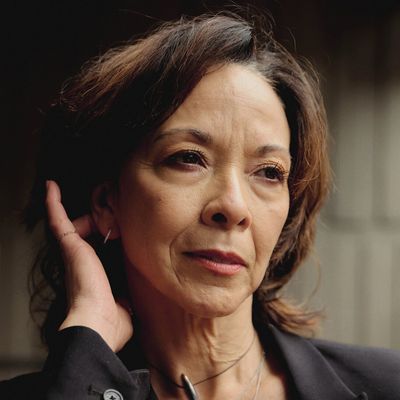
JoAnn M. Hunter is a performer and choreographer with 20 Broadway credits and five US National tours on her resume, including Jerome Robbins’ Broadway (her Broadway debut), Miss Saigon, Guys and Dolls, Damn Yankees, Chicago, Spring Awakening, A Funny Thing Happened on the Way to the Forum, School of Rock, Kiss Me Kate, Curtains, She Loves Me, and most recently Disaster!... Read More
From the show: The Theatre Podcast with Alan Seales
Guests
Featured Shows
About
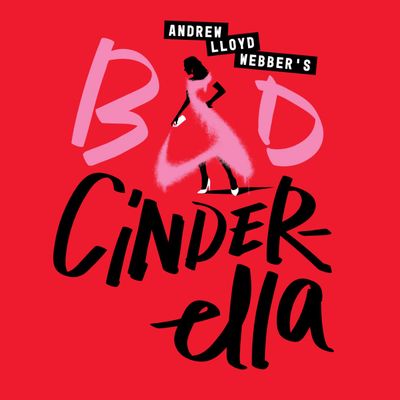
JoAnn M. Hunter is a performer and choreographer with 20 Broadway credits and five US National tours on her resume, including Jerome Robbins’ Broadway (her Broadway debut), Miss Saigon, Guys and Dolls, Damn Yankees, Chicago, Spring Awakening, A Funny Thing Happened on the Way to the Forum, School of Rock, Kiss Me Kate, Curtains, She Loves Me, and most recently Disaster!. She is now across the pond choreographing Andrew Lloyd Webber’s brand new Cinderella, set to open soon on the West End.
Born in Japan, and raised in a small town in Rhode Island, JoAnn grew up as a first generation Japanese American in a “very white place”. She found somewhere she felt like she belonged around age 10 when she began taking dance classes, and later, after spending a high school summer dancing in NYC, she dropped out to move to New York and pursue a career.
JoAnn talks with us about working on Andrew Llloyd Webber’s Cinderella, a new iteration of the classic musical set to open in London’s West End at the end of July, and also opens up about her working relationship with Webber himself. She shares her hopes for the theater community as a whole to collectively come together and figure out how to make live performance work in the midst of a pandemic, circumstances no one alive has ever encountered before. JoAnn also chronicles her journey from performer to choreographer, a journey she admits was not easy nor a conscious decision, but later realized she actually loved it more than she anticipated.
In this episode, we talk about:
- How Andrew Lloyd Webber's Cinderella differs from other revivals
- Frustration over societies devotion to sports over the arts
- The impact of theatre immediately following September 11th
- Leaving school for New York City as a high schooler
- The lack of protocols for reopening theatre in the U.S.
Connect with JoAnn:
- IG: @joann_m_hunter
- Twitter: @joannmhunter
- On the web
Connect with The Theatre Podcast:
- Support us on Patreon: Patreon.com/TheTheatrePodcast
- Twitter & Instagram: @theatre_podcast
- Facebook.com/OfficialTheatrePodcast
- TheTheatrePodcast.com
- Alan's personal Instagram: @alanseales
- Email me at feedback@thetheatrepodcast.com. I want to know what you think.
Thank you to our friends Jukebox The Ghost for our intro and outro music. You can find them on Instagram, Twitter, and Facebook @jukeboxtheghost or via the web via jukeboxtheghost.com.
Transcript
This transcript was automatically generated and might contain errors.
[0:00] Alan Seales: Welcome back to the Theatre Podcast. Intimate personal conversations with the industry's biggest names. I am your host, Alan Seales, and this episode is with actor choreographer JoAnn M. Hunter, who is currently out now in London working directly with Andrew Lloyd Webber on the new Cinderella Musical Comedy. Yeah, you heard that, right? Cinderella Musical Comedy. When I first heard Cinderella, I was like, great, another Cinderella. But this is an original story. It's a musical comedy. And we did a little research into the origin of the Cinderella story. And it turns out Disney adapted a pre-existing story that goes back hundreds and hundreds of years. So obviously, it's a story that can be adapted and made into all sorts of new things.
So I'm super excited to see it. It's in previews now as I'm recording this intro and we recorded the interview. But who knows what's going on. It may be completely open by the time this episode comes out because all of the quarantine lockdown stuff is still a little weird out in the UK. JoAnn has been working directly with Andrew Lloyd Webber and the rest of the creative team to obviously, as it's been talked about so much in the news, to reopen at full capacity. They're doing previews at limited capacity. But Andrew Lloyd Webber has committed to, at least at this point, again, as I'm recording this, has committed to not going to full opening of the show without a full audience. So we'll hope that that actually can happen in a safe and controlled way.
JoAnn didn't originally want to be a choreographer. Surprise! She has an unusual but super fun story that got her where she is now. I cannot wait to share with you. So please take a listen. As always, before we get into the episode, find me online on Instagram and Twitter at Theatre Underscore Podcast. I'm on Facebook slash Official Theatre Podcast. Show your support at ttp.fm slash Patreon. P-A-T-R-E-O-N. Now, everybody, please enjoy this episode with JoAnn M. Hunter.
[2:12] Alan Seales: Today's guest is a performer and choreographer with 20 Broadway credits and five U.S. national tours on her resume, including her debut in Jerome Robbins' Broadway, Miss Saigon, Guys and Dolls, Damn Yankees, Chicago, Spring Awakening, School of Rock, and most recently, in Disaster, the Musical. She is now across the pond choreographing the brand new Cinderella, set to open soon on the West End. JoAnn M. Hunter, welcome to the Theatre Podcast.
[2:40] JoAnn M. Hunter: Thank you very much. I can't believe I did all those things.
[2:44] Alan Seales: Well, it's like I did. Oh, yeah.
[2:49] JoAnn M. Hunter: One step after another. I mean, I could sit here and read the entire bio, but we'd be here all day.
[2:53] Alan Seales: Don't do that. Don't do that. Don't do that.
[2:56] JoAnn M. Hunter: So you're actually on your dinner break right now as we're recording because you're currently in tech. Is that right?
[3:02] JoAnn M. Hunter: We're in tech. Beth, you are right. We are in, what is today? Today is Tuesday. Yes. And we preview our first preview is Friday. So, oh, so, right.
[3:17] Alan Seales: And we're going to get into all of this and the politics behind Andrew Lloyd Webber and the UK government. So don't think we won't cover that. But I just wanted to, I wanted to ask if you remember this, that you and I coincidentally sat next to each other on the final show we both saw before Broadway shut down. We were, remember, we took a selfie during Six.
[3:37] JoAnn M. Hunter: Oh, my God. It's so, oh, my God, because I'm thinking, you came on, I go, he looks so familiar. I know this guy. I live in my head. I thought, oh, maybe he reminds me of an actor. I was going to say that, you know, I thought, oh, probably everyone says that to him. So I'm not going to even say it. Oh, my God. That was, that's right. That was the night before they were supposed to open.
[3:57] Alan Seales: Yep. Yep. Final preview. You and I saw it together.
[4:00] JoAnn M. Hunter: That's right. Oh, my gosh. Oh, my. Well, it's so nice to see you under better circumstances.
[4:05] Alan Seales: Well, even though we're in, we're in little boxes on Zoom, but still.
[4:09] JoAnn M. Hunter: I'm glad, I'm glad you remember that. Okay. So first real question then, I just want to know, what does the M stand for in JoAnn M. Hunter?
[4:15] JoAnn M. Hunter: Hmm.
[4:16] Alan Seales: Hard question.
[4:17] JoAnn M. Hunter: Nothing, nothing fabulous. Marie. I mean, not that it's not a fabulous name, but Marie is my middle name. And the only reason I had the middle, the initial is when I first joined Equity as a performer, you know, I joined as JoAnn Marie Hunter. And then I remember my first professional job, you have to do your bio, right? And you buy your name. And I thought, oh, this is too long. Let me just write JoAnn M. Hunter. And Actors' Equity said you can't. Whatever your legal name is, your professional name, that's the name that's in the bio. And I thought, oh, it's just, I have so many capitals because I have the capital J and the A and then the M and the H. And I thought, that's just too long. So I just, I changed it to JoAnn M. Hunter with Equity because I went, that's just too long. That's the reason it's JoAnn. And that's why I'm JoAnn M. Hunter, basically. Nothing fancy.
[5:06] Alan Seales: It's all union rules, all this stuff. It's funny because, you know, when you look at celebrities and things too, and, you know, TV and film celebrities and their legal names, they get married and divorced multiple times and their legal names have nothing to do with their stage names in a lot of cases anymore, right? So, you know, you could go by, you could change your legal name to anything and you'd still be JoAnn M. Hunter with Equity.
[5:30] JoAnn M. Hunter: Exactly, exactly.
[5:31] Alan Seales: Little known fact. A lot of people don't know that. Okay. So I want to get back to Cinderella. That's why you're out there. I was researching this. And the first thing I think of when I think Cinderella is your standard story, your standard story of Disney created with the glass slipper and the prince and all this stuff. But as I was actually a fairy tale, I believe in France, I think it was French fairy tale. Yes, that's what I was getting to is that the first recorded story featuring a Cinderella like figure dates to Greece in the sixth century.
[6:05] JoAnn M. Hunter: Oh, shoot. You're even way ahead of me.
[6:09] Alan Seales: In that ancient story, a Greek courtesan named Rhodopsis has one of her shoes stolen by an eagle who flies it all the way across the Mediterranean and drops it in the lap of an Egyptian king.
[6:18] JoAnn M. Hunter: Well, look at that. Isn't that something? Oh, my goodness. That I didn't know. Okay.
[6:24] Alan Seales: Yes. So the story of Cinderella has been around because I was looking at this and I was saying, oh, it's Cinderella. How are they doing something that's not the same story? But Disney doesn't own the story. Disney adapted the story like many other things. They don't own Aladdin either. Aladdin existed previous to Disney. So they don't own the name. They don't own the idea. So tell me about this version and what what's going to make it different? What makes it different? Because it's a I'm looking through my notes here. What did I say? It's a romantic musical comedy, right?
[6:56] JoAnn M. Hunter: Yeah, it's I mean, yes. In that way, it's very similar to the Cinderella that we all know, the R&H, you know, musical. I think when I first read the script, this was my first take on it. What I thought what I liked about it was our Cinderella, the lovely Carrie Hope Fletcher, who plays it, who's brilliant, fabulous and she's amazing and just and also just a great human all around, like just and fearless will do anything. And she her character is not the and I'm not saying this about the other Cinderella's, but it's not the it's not portrayed, nor is it written in the oh, poor, poor girl, poor, you know, damsel in distress, for lack of better way of putting it in what it is. She is the town that she's in, which is our town that's called Belleville.
That's the town is a very conforming, beautiful. Everything is perfect, everything. And in order to be and live in this town, this is what you have to be. Right. You are. And she is kind of she's basically a rebel. She doesn't want to conform. She doesn't want she wants desperately to be her own self. But in in doing that, she herself becomes a little bit of a bully, a little bit of a little bit of a pain and and mean sometimes. Right. So and then the town itself, because she doesn't conform, is also very rude for lack of just using typical adjectives and adverbs to to her and about her. But what I like is that I find when people are bullying or mean or something, there's usually there's usually a insecurity.
Oh, they're covering for themselves. Yes. Right. So I feel like Cinderella is doing that because she's desperately wants to fit in. But she just chooses to go such the different route to prove something. But listen, we all want to be we all want to belong. We all want to love, be loved. Right. I mean, we do. Right. And I think the town, the journey, what I find is that they both have the journey, both the town and her have a journey of she has a journey that she has to be more open minded and and they have a journey that they she teaches them how to. How to be it's OK to be who you are and not have to be perfect and conform to what everyone thinks you should be, Allah, you know, the days of being on a fashion magazine cover and, you know, everyone is is airbrushed to an inch of their life.
And listen, if we don't if you don't know that, it's true. Right. And we nobody we can't live up to that. But that's so that was that was the main thing that attracted me to when I read the script that I went, oh, I love that. I love that. There's a reason why she's kind of like that is because she she wants to be a part of. But at the same time, because she's an outcast. So instead of trying to maybe warm yourself or being open minded, you put up a wall, right, to protect yourself. I think a lot of human beings do that. It's so that's that's what's different about our Cinderella and our our her love interest is has is a very different take. He also is somewhat of a. I don't say outcast, but he doesn't conform himself.
It's just so and I don't want to give too much away, but then he also has a brother who is like who is the creme de la creme of the town. So there's a little so. But that to me and, you know, it's basically about any good story is, you know, about love and accepting who you are and accepting who other people are. And what I mean, I've said this before. It's very relevant now. Unfortunately, it has been relevant forever. And I have a feeling it will continue to be relevant in the future. And, you know, I mean, until we all learn to just.
[11:03] Alan Seales: Yeah, until until the government globally, the global government mandates health and psychotherapy for everybody. And we all learn to deal through deal with this. You know, when we're when we're a planet, not multiple countries, it doesn't last that long. But I digress. Is it set in modern times?
[11:23] JoAnn M. Hunter: It is. No, it's not really set. It's kind of a contemporary Baroque.
[11:33] JoAnn M. Hunter: So so the it's it is in a make believe town in a make believe time period. But musically, we're we're you know, we are classic. We are contemporary. We're a little bit rock. We're a little bit pop. We're all over. You know, Andrew is it's very expansive in that way. And custom wise, it is I would say it's like couture fashion that is that is that is inspired by a period. I like that. OK, we'll stop there so we don't give up too much, because assuming the Delta variant just doesn't shut everything down again, I do want to take a trip soon to go see it. I haven't been out of the country. I haven't been on a plane since February 2020. Wow. Yeah, it's been a while.
[12:20] JoAnn M. Hunter: Yeah. Speaking of covid and Delta variants, right. Andrew Lloyd Webber, famously in the news right now for just saying like giving the middle finger to the to the government out there.
[12:34] JoAnn M. Hunter: I'm going to open my theatres at full capacity. There's nothing you can do about it. But yet now, okay, so things are changing daily through the magical world of podcast.
[12:42] Alan Seales: Yeah, the magical world of podcast time travel. We are recording this June 22nd. In theory, you're going to hit your first preview this week, June 25th, and the full opening is going to be July 19th.
[12:58] JoAnn M. Hunter: Well, it was July 14th. It might be July 19th. He doesn't want to open to 50% capacity. He's like, it's got to be 100% capacity.
[13:09] Alan Seales: Right, right. So you're going to do previews that whole time. How has that been working from your side? Are you actually part of the creative team? Are you actually working with him directly? Or is his reps working with the show's reps?
[13:25] JoAnn M. Hunter: He's in tech rehearsal all the time. And when I say all the time, look at my face. No, it's great. This is his piece. This is his creation. Also, he's put his name on the line in so many ways. As you had said, he's basically gave the finger to the government here.
[13:46] JoAnn M. Hunter: And you know what? Listen, this is not my homeland. It's not my home. I don't want to speak ill of somewhere that is not my butt. They just had a big, this past weekend, last weekend, they had a big, the Scottish played the English in this big, you know, soccer thing, soccer game.
[14:01] JoAnn M. Hunter: From like, 10:30 in the morning, they were out, they were kilt everywhere. I was like, Oh, it's really cute looking. But then at the nighttime there, the crowd that was in Leicester Square was ridiculous. I thought to myself, really, you're gonna let these inebriated bozos just spitting it on each other.
[14:23] JoAnn M. Hunter: But people who go to the theater don't act that way. They're not inebriated. That was one of the big things that he was really upset with, with this government. Like I said, I don't want to speak ill of them. This is not my homeland.
[14:38] JoAnn M. Hunter: But it was, I was shocked. I was shocked at the crowds in Leicester Square. I couldn't believe it. Thank goodness my apartment is the opposite direction. So I didn't have to go through there. But I saw photos. I went, really? And yet we can't open safely to a bigger crowd.
[14:56] JoAnn M. Hunter: And the theaters, he's had all these filtration systems put in his theaters, where it's cleaner than the air. There's no recycled air. Everything comes from the outside. So it's constantly being bad air cycled out, good air cycled in. It's unbelievable.
[15:11] JoAnn M. Hunter: So he has put his name and reputation on the line for this. Whatever you think of Andrew Lloyd Webber, if you're a fan or you're not, it doesn't matter. The fact is that he's put his money where his mouth is. Or his mouth loses money, I don't know what that phrase is.
[15:28] JoAnn M. Hunter: And speaking up, and I don't know how many American producers have done that, that I'm aware of. And he's been very vocal since last June, July, where he got his first vaccination shot back then.
[15:50] JoAnn M. Hunter: When I was here in August doing auditions, he was already vaccinated. So he hugged me. And I had been in quarantine for two weeks. So he said, you and I are the safest people here. And so I was like, oh, I haven't hugged anyone in like nine months. Oh, my God. But you have to actually have great respect for that. For him, just like, yes, I could be all talk, but I'm not. I'm going to do it. I'm going to do.
[16:15] JoAnn M. Hunter: And he was ready to preview to a full 100% house until he found out that it wouldn't be just him that would have gotten the rest of the fine. It would have been everybody in the theater, including the patrons.
[16:28] Alan Seales: Oh, wow.
[16:30] JoAnn M. Hunter: Yeah, everybody, all of us would have been fined, the cast, any front of house, everybody who worked in the theater that was in the theater, and including the people who came, would have been fined. I think it's like a 500 pound fine. So that's why he said, okay, I can't do that with feeling good about myself to put everyone else in jeopardy.
[16:51] JoAnn M. Hunter: So that's why. So we are previewing to a 50% capacity house, which, you know, it's better than nothing. But you know what? You can't, musicals can't survive that way. They just can't, you know?
[17:02] Alan Seales: Yeah, yeah. I mean, you're talking about, you know, him being outspoken and compared to Broadway and other places. I feel like we've lost sight of Sydney because they've just been so normal and open and controlled that we've just forgotten that they've just been completely reopening and theaters happening and the country's relatively safe.
[17:26] JoAnn M. Hunter: And so there's that. There's now the Delta variant that's plaguing the UK. And in Broadway, back here in New York, I don't know. I mean, you're obviously still connected back here. I don't know how long you've been out there and been focused out there.
[17:40] Alan Seales: But there's been, you say, you don't know if producers are saying the same thing out here on Broadway. I'm hearing nothing. And that's a problem, too, because The Wing and all of, I mean, I don't want to speak ill of these people that are obviously here in my backyard.
[17:58] JoAnn M. Hunter: But I wish someone would come up as an authority who isn't a governor, like someone who's part of the actual Broadway coalition, right? And to say, like, here's what we're requiring. Here's what our safety standards are. Here's what we're going to do. Because everything has just been a reactive, a sort of reactive thing from, a reactive action from the city, more or less.
[18:26] JoAnn M. Hunter: Which, on one hand, yes, you have to do. But there are other things that you can do in the meantime, that can help more things, including like, you hear actors complaining about mold problems backstage, right? I was talking to a friend of mine the other day who does Broadway. She's been in lots of Broadway shows. And she's like, my allergies have never been better since I haven't been backstage. There's so much to fix.
[18:54] JoAnn M. Hunter: Yeah. And listen, you know what? I'm not a producer. I don't know the first thing about it. I'm not interested in doing it. But I do think that, you know, I'm digressing. This past, when was it? It's like late summer or fall. SDC, the Stage Directors and Choreographers Union, we had this meeting and I was asked to be on this panel.
[19:22] JoAnn M. Hunter: And they had a questionnaire for me and I was talking with a fellow choreographer and she had asked me a couple questions. And she goes, she said something, I'm going to paraphrase like crazy, but basically asked me about, have you heard much from producers? Do you feel like you're well informed? And I looked at her because we were on Zoom and I said, I haven't heard anything at all. I said, have you? She's like, no.
[19:45] JoAnn M. Hunter: I thought, I don't know. I was like, I know more about what's going on in theater here across the pond than I knew what was going on in my home, in my own city, in New York City. So it was, yeah, it was. And like I said, I know that there's a lot to do with, I know there's a lot, a lot of money involved, especially in Broadway. It costs a fortune to produce. I know, I'm well aware, I've been there.
[20:11] JoAnn M. Hunter: But it just feels like there was no information given. There was no thought about how do we get things back? What can we do? What can we, can we all take cuts? So, you know what I mean? As a collective group to get theater back going, to not just get it back to being put up, but also to make sure that people that want to come back to the theater, right?
[20:38] JoAnn M. Hunter: And so you, we, I think, you know, I kept saying, why can't we have these conversations and talk? And I said, I, and I know I might get killed for saying this, but I go, I am more than willing to take, to do a compromise to get us back and going.
[20:51] JoAnn M. Hunter: But I said, as long as across the board that happens, and that's producers, theater owners, everyone involved has to, has to have a compromise if we all want to collectively come back. But, and I'm not saying that's the right thing, the wrong thing. I know I might be living in a fairytale world by saying that.
[21:08] JoAnn M. Hunter: But, but it, it would have been nice to maybe have that conversation or hear something. And I, you know, I, I never, I didn't hear a lot. Me personally, I did not hear a lot. And a lot of my colleagues had not heard anything.
[21:22] JoAnn M. Hunter: So, and I, and listen, we are, this isn't a time where there were, no one knew what to do. We've nobody, we've never, anybody in modern times has not gone through this unless you're 90 something years old and lived through another plague, but otherwise are a hundred.
[21:41] JoAnn M. Hunter: But so I understand this is new ground, new territory that we just don't know how to navigate. I get that. I get that. I get that all of us do. We did. I mean, I mean, how long did you sit in your pajamas before you were like, oh, I guess, I guess this is the new normal for a while. Right?
[21:56] Alan Seales: Right. So I get it. I do. I do understand. I do know it's tricky, but it is tricky times. But I think even more importantly, that we've got, we've got to figure a way to come together and figure out how to make it work.
[22:15] JoAnn M. Hunter: I can make it work for everybody so that we can come back, come back to a hundred percent and get jobs going. And so we can all start making money again, because God knows I'm a money whore and I want to make money.
[22:26] Alan Seales: Well, everybody needs to obviously in this crazy, insane city.
[22:36] JoAnn M. Hunter: We're going to take a short break. Stay tuned for more of the episode.
[22:46] Alan Seales: I am I'm with you and I go back. Gosh, we are so off topic and I love it.
[22:58] JoAnn M. Hunter: I do, too, actually.
[22:59] Alan Seales: I go back to to the city and and the government. And, you know, I side with the people who are like during this time, Broadway and the industry and actors bring in.
[23:10] JoAnn M. Hunter: It's a multibillion dollar industry for the city because of all the tourism and the restaurants and the hotels and everything that happens when people come to the city to see Broadway.
[23:19] Alan Seales: And with all of that gone, the city was like, OK, yeah, whatever.
[23:24] JoAnn M. Hunter: And and so the fact that Broadway can't exist, I forget what the status now, but you can't maintain a show, the average Broadway show, if you're like less than 80 or 85 percent capacity.
[23:36] Alan Seales: Right. I think that's a musical and I think a play is a little bit less.
[23:39] JoAnn M. Hunter: But yes, yes, yes. So a musical. Right.
[23:42] Alan Seales: So you'll say 80, worst case. Right. And 80 percent capacity. If why?
[23:47] JoAnn M. Hunter: Why is that? I want to go backwards and dissect that and not in this conversation.
[23:52] Alan Seales: I'm just saying hypothetically or rhetorically, I guess there. Why can't the government subsidize some of these costs or why can't you know where where does the increase come in?
[24:03] JoAnn M. Hunter: Because if we can from the top make it less expensive to to put up a Broadway show.
[24:10] JoAnn M. Hunter: So either that money goes to paying, you know, raise the equity minimum, get actors a little bit more in their pocket or have it cost less.
[24:18] JoAnn M. Hunter: So if you know, maybe you can apply for something. So if you operate at less than 80 percent for more than a couple of weeks, you can get, you know, sort of like the PPP forgiveness or whatever.
[24:28] JoAnn M. Hunter: You know, the things that have been put in place now because of covid, let's put something in place with this between the city and the industry to help keep this going.
[24:35] JoAnn M. Hunter: Because the arts, I mean, it's desperately needed. Art heals, period. Right.
[24:41] JoAnn M. Hunter: So to get us through this, bring us back together, to get us to a place where we can act civilly in one, you know, in one group. Right.
[24:51] JoAnn M. Hunter: And I talk about this on the podcast all the time. Going on an emotional journey with strangers is my spirituality. That's that's what we need to come back together. And and the government exactly has the power to do this. And they're just not.
[25:07] JoAnn M. Hunter: You know, and I think this is, and I, it's the same thing. I think that this is one of Andrew's complaints. It's that I don't understand why sports has, is, is better than the arts. And, and I'm not saying that arts is better than sports. I'm not saying that either. They both bring people together. They're both vital and important for human beings. We are, we are animals. We are pack animals. We are not as a, as a group, we're not loners. We are, we are an animal kingdom. We like to congregate. We, and you need it. You need socialization, right? But I don't understand, and this is everywhere, why we don't see how important the arts is to our livelihood, not just monetarily, but emotionally, right?
To everyone, whether you're in it or you're, whether you're participating or you're voyeur and you're watching, right? I don't understand why. And, and the fact that they only, some people only think of arts as, as theater or a movie. I was like, I mean, every, you turn on, you turn on your Shazam or what is it? iTunes? That's, music is art, right? Paintings are art. Installment, it's all art, right? Why we don't see that it is not only is it beauty, but it is a necessity. And for many reasons, like I said, for yourself, worth yourself being, but also monetarily, what it does, Broadway, the theater, I believe is the number one revenue for New York City because of the fact that it brings in tourists, which then go to the restaurants, which then see shows, which then stay in hotels, which then maybe go to another show, which then they'll go to another restaurant, go shopping, they'll go to museums.
It's like, it is all a snowball effect. Why we don't see that is beyond me. I don't, I'm like, well, how short-sighted are we? And this is not just America. There's many, many places, but because I'm an American, I'm just going to say it.
[27:22] Alan Seales: Yeah. As you were saying that, I think the first thing that kind of popped in my mind was that sports, and I include esports in this now, because I live next to the Barclays Center in downtown Brooklyn, and there's like whole, they fill up the entire Barclays Center with Overwatch tournaments and huge sports stadiums to watch people play video games, and that's wonderful. But weird. I'm just going to say it. I'm sorry, but weird. I grew up on Mario Brothers, so I don't think it's as weird. I mean, I like playing, but I don't need to watch someone play it. I want to play it, but I don't need to watch someone play it. For me, as you were saying this, I think it's about the amount of money. It's money, full stop, I think, because I guess it's easier.
Is it? Is it easier to have your return on investment if you're involved with sports teams or even like esports, especially now, because there are no leagues outside of the game companies that manufacture the games also do the leagues. So they're getting money on both sides, but like the NBA is its own thing, and that obviously they don't own the companies. So esports is even a greater money maker, but sports, there's all of that money, and you can televise it, and that's actually a really good point now that I said that. Why? Okay, I think I answered my own question. I was going to ask, why would you televise a sports game and not televise a Broadway show? But the answer, I think, is that you're not playing the same sports game eight times a week.
That's right. So that's the difference, right? You want people to come. So I think that, okay, so there's your answer, and I don't know how to fix this, but I think the answer then is that it doesn't have a nationally slash global enough appeal to care about it like sports, like people care about sports.
[29:26] JoAnn M. Hunter: Which is the saddest thing ever. I mean, in metropolitan areas, yes, people understand art, that art isn't important. I mean, whether it's theatre, whether it's music, whether it's the opera, whether it's museums, I think in big metropolitan areas, we understand that. But in smaller places of our country, they don't. And that is a problem. And that's a problem. And I'm talking about whether you're in bumfuck somewhere. Oh, sorry. You know, in the middle of the country with nothing around, where you don't have access, but how do we get access? How do we open these people, their heart and their mind to that, right? Or if you're in a big city in your inner city school that you can't afford it. And even in our own city, there are many little pockets where young people have no access to theatre or the art because they can't afford it.
This is a problem that we have to fix. Because until we open up and so that people can go, oh, my God, this can change your life, whether you're in it or you're watching it. And just like you say, for two hours, a night or two and a half hours, you're taken away. Think, look, after 9-11, right? Theatre revenue was like the highest after 9-11. It was crazy. The theatre brought in because we realized how important it was to be able to be taken away for two, two and a half hours of your night just to not think about what just happened. I believe Mamma Mia opened right after 9-11, right? Now, whether you think that show is brilliant or not, that's your opinion. But the fact is, for two and a half hours, you went and you clocked and you sang songs that almost all of us knew and you just, you got to be able to forget.
However, whatever journey that takes you on, and every show should do something different for every individual. And just the fact that we don't understand that doing that live is how important it is even more visceral than watching it, watching a movie on TV or, you know what I mean? I don't know why we don't understand that. And that stems from the top. The fact that everyone wants to defund the arts all the time, it is a constant fight, blows my mind.
[31:47] JoAnn M. Hunter: I think it's a lot of fear because if you televise something, then the producers who I guess would lose the most money, think people wouldn't come to see it in person. But like you just said, there's value. People still go to see their favorite, you know, the Taylor Swift's and their 49ers and all of these things. They go see them in person whenever they can, because that in-person experience cannot be beat versus watching it online or listening to the album, whatever the case is. And maybe, maybe coming out of COVID with Diana going to Netflix and Ryan Murphy's adaptation of The Prom and there's like 10 other movies right now that are being adapted into a film version, like In the Heights. And then there's Hamilton and Diana and others that are just the stage recording, Aladdin on the West End, right?
Stage recording that's now going, that's coming out. So you've got the two versions. Maybe your answer is you should open a bar and instead of having sports walk in, instead of having sports on every TV screen and you walk in, you have like, you have musicals on. That is brilliant. Can you turn the game on? You can be like, can you turn the Diana on? Can you, can you, can you turn the Hamilton on please? It's almost there too. That, that is hysterical. Oh my God. My, I think my brain is just like going, that is funny. That's funny. That's a funny skit. I like it. That's good. I could do that on SNL. That's really funny.
[33:18] Alan Seales: But yeah, you're, yeah. I mean, listen, I am, I think it's great to see these, these, these live pieces being brought to a different format, you know, but I also am a huge believer that there is nothing that can compare, I don't care how you film it, to being in the space collectively, together, everyone experiencing it slightly different, but the, it's, but it's the energy, it's the energy and it's the laughter. And then, you know, if you have one infectious laughter in the audience, it skyrockets, right? Or the cast picks up on that.
[34:05] JoAnn M. Hunter: Exactly. Or if it's a quiet audience, it's, but it's the fact that it's different every single time it's performed, where you turn on the TV, it will not be, it'll be the exact same thing, which is great. But that's where, that's where it's a whole different, it's, it's a different genre. And there's, you cannot beat live theater, live music, you just can't, there's nothing that can compare to it at all. Absolutely, absolutely. That's why, that's I think it's why bootlegs, look at, bootlegs are such a big thing. And there's a reason for that, because it's the same, it's, people are looking for, people are looking for, for the recording of their favorite thing, just like we can go back and watch sports games, whatever the case is. So maybe.
[34:48] JoAnn M. Hunter: Right, right. Okay, producers, whoever's listening now, listen to this, and take advantage of that market that already is there underground.
[34:53] Alan Seales: Right. And monetize that. There you go. Yeah, there you go. I know you have a hard stop coming up. And I want to get into what we normally get into very much earlier on in the, in the episode, which is just your own, your own personal background. And we can go through the highlights. But how did you get into performing? And where did you, where did you grow up that got you where you are now?
[35:11] JoAnn M. Hunter: Well, I was made in America, but born in Japan. So I am, I am first generation Japanese American. But, but I grew up in Rhode Island, tiny little town called Coventry, Rhode Island, and where there are no other people that were not Caucasian besides my family. One other Japanese American family that lived two or three towns away that my father knew, because they were in the war together, the fathers, and one black family in my neighborhood, but then he left after elementary school. So I grew up very, yeah, in a very white place where I didn't know anything else. But I started dancing. My mother asked me, I believe I was 10 or 11. If I wanted to take ballet, because she always loved dance. And I thought, well, I don't, I wasn't doing much.
And I didn't have a lot of friends because I was a bit of an outsider. I'm not, I was, I was an outsider, not a bit. I was an outsider. And so I thought, sure. And she, luckily she found a teacher that became one of my first mentors, Nancy Lefebvre DiCicco, the name and her, Lefebvre Academy of Dance was the name of the school. And it was in Westwork, Rhode Island, two towns over from Coventry. I started just taking ballet once a week, just, you know, because, you know, and I was a little chunky monkey. And after my first year, you know, you don't dance in the summer. And then I came back and apparently I had put on some weight because I ate a lot of popsicles. My dance teacher even said to my mother, oh, she's gained a little weight.
I was a little, I was a little round, pokey, pokey. And then she offered, but I, she saw potential in me and I, I don't know how she did because I wasn't very good at, and I, she offered me a free, second ballet class if I wanted to, if I wanted to take tap. And I thought, okay. And so I just started taking tap. So now I'm taking three classes a week and I'm loving it. And I'm loving it for many reasons. One, because I, I hard to believe, but I was a shy girl because I was very insecure, but in my dance school, I wasn't different. I just was another girl dancing. That was the only thing, you know, and
[38:11] JoAnn M. Hunter: Miss Nancy, I called her. She also brought in teachers from all over the country and Canada, so that all of her students were always... She diversified her teachers so that we got so many different styles. So that was a thing. When I moved to New York City, I couldn't do any style. I could pick up because I was trained with so many different teachers. And she had the foresight to do that. She was... That was somebody putting... Not saying she was the only teacher that's good enough. You know what I mean? She brought in... And I didn't think... I didn't realize how important that was and what that does for... What it did for me until years later. And then I received a scholarship. I auditioned for a scholarship to either Giordano's in Chicago or Chuck Kelly in New York City.
And I chose... Although I don't know anything about Chicago, but I know New York is only three hours away from Rhode Island. So I want to go to New York and I fell in love with it. And that was the summer between my junior and senior year of high school. After my scholarship ended that summer, I came home and said to my mother that I wasn't going back to school. And then I was moving to New York because I thought... And New York, even more, I thought I belong here because I am different. And it didn't matter because everyone was different and crazy in New York. It was just so... There was no difference. Difference was the common. That was the common denominator, that you were unique. And I just thought, oh, I don't stand out in a bad way, which I felt was a bad way, being of a mixed race.
I was like, I don't stand out. We're all a little different and weird here and everyone looks different. And I was like, to the point where I never saw anybody look different. I just, all I saw was another human being or another girl or another boy. That's what I saw. I didn't see color because the fact that we were all unique. And that's why I felt great in New York City. Didn't know anything, didn't know anybody. I was so green and naive, but when you're green and naive, you're fearless. I know.
[40:25] Alan Seales: And I wasn't afraid of anything back then. And now 20 Broadway credits later, I'm sure you have experience to build on, but it doesn't sound like you should be afraid of anything because you're actually very successful. At what point did you sort of decide to go from trying to, I'll put it in air quotes, make it as a performer to into the director, the choreography side of things?
[40:54] JoAnn M. Hunter: I, you know what, it was not a conscious decision. I've said this before to other people that I had colleagues like Casey Nicholaw and Sergio, we all danced together and Andy, you know, all these great, they were all great performers and dancers. They knew they wanted to choreograph. I mean, I knew Sergio, that's what he wanted to do. And I was like, why? Because when you're a performer, it is, you're a narcissist, right? It's all of you. It's just you. And I loved it. And I was very fortunate to have a very consistent career as a performer and grateful. But I knew I was getting a little burnt out because as most of your listeners know that when you work on Broadway, you get two weeks off a year, then that's it.
And you work six days a week. You get one day off a week. I loved it. Don't get me wrong. It was, I was like in seventh heaven. This was, oh my God, I'm on Broadway. You know, it was great. But I started to get a little burnt out. And I also went through a personal, I got a divorce from my former husband. And so it was just that there was a lot of things going on that I went, I think I need a break. And luckily I had invested well with my money and I had, I owned an apartment, you know, so all those things I thought I can do this. And so I just decided I don't want to do another long running show. How cocky of me. I don't want to do another Broadway show. It sounds so, it sounds so, I sound like such a dick, right?
But I didn't, I mean, I don't, I didn't, I wouldn't, didn't want to get stuck being in something for a year. I was like, I just, so I started, I thought, well, I'll do some regional stuff because I know those are short gigs. And I thought that'll be fun. And I was working with Rob Ashford and I was his associate in a couple of things. And I loved it. I loved it. I loved being in the studio. I loved the banter that we had. I loved creating. I loved that I still felt part of it, but I also loved that I got to go home at night after, of course it was open, you know what I'm saying? That I got to eat dinner at a regular hour, not at four o'clock in the afternoon with the, you know, I was like the blue plate specials, you know, I could, I could have a glass of wine if I chose.
When you're performing, you, you know, you eat, you, I mean, as a dancer, you eat early because I don't want anything in my stomach when I'm performing, you know? And I, I, I enjoyed that. Even though I missed performing, I missed performing, I missed the camaraderie backstage, but, and then I was asked to start doing my own thing and, and it was very nerve wracking for me. I thought, I'm always still nervous. I always say, I can't do this. I can't always, you know, you say, you know, I should be confident now. No, it's, I'm always questioning myself, but I realized I, I actually loved it way more than I anticipated. It was exhausting, but in a very different way. It was not physically exhausting.
It was mentally exhausting, but the fact that you had your own, that I could figure out what I wanted, my own point of view in this, in this piece or, so it was, and I, and I enjoyed it. And so I think that's really how it happened. Now it was not a fast thing and I'm not, I haven't been doing this as long compared to a lot of my colleagues because my, I, I made this transition much later, but, and it was not easy. I'll just tell you that not an easy transition at all. I mean, there was one year that I made less money in the year than my husband paid his quarterly tax. Not kidding. I said, how much do you owe? What's your quarterly that you have to pay in? And I went, I really thought that's more than I made this year.
I'm not kidding. And it was not a huge amount of money, but still it was more, thank God I had money in the bank. I didn't make any money. I was like, wait a minute. I'm thinking I've been working all my life. I should have all the experience. Why is my paycheck getting less and less? So it was a crazy transition. It was not, it was not something I strived for or I thought that what I was going to do, but it was interesting that I had several friends and colleagues who said, oh, this is, we always knew you, this is what you should do. And I was like, really? Because I always wanted to perform. And I was like, was I not a good performer? And then I started performing. I was like, wait a minute. So that's kind of, that's my, my, my, my journey was weird.
[45:17] Alan Seales: Oh, I love it. I love it because you, you end up, I think when you don't plan it like that, you end up where you need to be because it's, you've taken, you've taken the opportunities as they've come to you. So it's not like you're just hanging on to something that may or may not happen. You're just, you're saying yes to what, to the opportunities that are presented. And I think I try to do that too. I just, I have a hard time saying no for other reasons, because I don't want to let people down, but I also like to experience new things. And I like to, to go into, into uncomfortable situations, knowing that life has taught me, right? Taught me this now, but uncomfortable situations coming out of them.
You look back and you're like, wow, that was so much fun because it was different. And I discovered something new that I never knew about myself. That's what I love about that. I am going to take that in my ear and keep, because you know what? That was, that was really great. And that actually, that makes me feel good because I'm always slightly weirded. I feel weird that I did not have this as part of my calendar plan. You know, I do. I always am like, oh, I know most people think that's what they want to do. And I mean, I know there are young choreographers now that they know what they want to do. But I like that. I actually love, I love what you just said. I'm going to remember that. Thank you for that.
[46:31] Alan Seales: You're very welcome. All right. So let's wrap up here with three questions. I ask everybody to end the episode. These are simple, relatively. The first one just easily is what motivates you?
[46:43] JoAnn M. Hunter: Oh, challenge.
[46:47] Alan Seales: Oh, okay. Okay. Okay. That goes along with what we just talked about. I like it. All right. So then the second one, what advice would you give to your younger self and younger people listening now starting out down a similar path?
[46:59] JoAnn M. Hunter: Oh, you know what? Diversify yourself as much as possible. Learn from as many people as you can. Take in what you like, take in what you don't like, and then figure out how to become, make it part of who you are. Make yourself uncomfortable so you can be a better person. Just what we were just talking about.
[47:17] Alan Seales: Right. Right. Okay. This is the hardest one. The last question. If you can only see one show for the rest of your life, but you can see it as many times as you want, what would you see?
[47:27] JoAnn M. Hunter: Oh, my gosh.
[47:29] Alan Seales: You get a lot of that. Oh, God.
[47:32] JoAnn M. Hunter: The movie of the sound of music with Julie Andrews and, oh, my God. What's his name? Who played Captain Von Trapp, who just passed away.
[47:42] Alan Seales: Oh, oh, oh, oh, my God.
[47:46] JoAnn M. Hunter: I mean, I just crush on him in the history of the whole world.
[47:50] Alan Seales: Oh, for heaven's sakes. I feel like such a bozo.
[47:53] JoAnn M. Hunter: Oh, I'm mortified. Christopher Plummer.
[47:58] Alan Seales: Christopher Plummer.
[47:59] JoAnn M. Hunter: Yes. Yes. Yes. Yeah. That was probably that was the first movie musical I ever saw. And I remember I saw it in a movie theater and I was like, watching it and just, I love it. And then I asked my mother if she would buy the album and I listened to that over. I just loved her. I loved him. Oh, Edelweiss, just don't get me. I'm just like, oh, yummy.
[48:26] Alan Seales: I love it. I love it. Oh, gosh. You had the first one. You never forget your first. I listened to Music Man. I watched Music Man. I wore out that VHS tape. Music Man and West Side Story. Those were, I had two firsts.
[48:38] JoAnn M. Hunter: Those are good.
[48:39] Alan Seales: Yeah. Yeah.
[48:40] JoAnn M. Hunter: So where can we find you online?
[48:43] Alan Seales: Where can you find me online?
[48:45] JoAnn M. Hunter: Oh, God. I'm so, oh, gosh. Okay. I haven't, I'm not, I'm not on Facebook. So don't even try. I have an Instagram. I think it's Joanna Hunter. I'm not on it very much. I'm not very good. I try to be better, but I'm not very good. And I have a website, but it's being rebuilt.
[49:06] Alan Seales: I noticed that. It's a nice picture on the homepage, though. There's also a reel. There's a reel there if you scroll down.
[49:13] JoAnn M. Hunter: I did. I watched that. I'm appreciative of the acapella music that's underscoring your reel because I directed an acapella group in college. I was an acapella guy.
[49:22] Alan Seales: Yeah.
[49:23] JoAnn M. Hunter: That's awesome.
[49:25] Alan Seales: Well, you can get more of me at the theaterpodcast.com. I'm on Instagram and Twitter at theater underscore podcast. Leave a rating and a review wherever you are listening. This has been edited by Well-Branded Hoodlum Productions. Music by Jukebox the Ghost and Joanne Marie Hunter.
[49:41] JoAnn M. Hunter: Thank you very much.
[49:43] Alan Seales: This has been so much fun. I wish we had so much longer to talk, but I know you got to go.
[49:47] JoAnn M. Hunter: Me too. Thank you. This was really great. I love I just love I love how different this felt. So I really appreciate that.
[49:55] Alan Seales: Thank you.
[49:55] JoAnn M. Hunter: You're very welcome. Thank you for being being so much fun to talk to.
[49:59] Alan Seales: Thank you. And I'll see you hopefully in the theater sitting next to each other again.
[50:03] JoAnn M. Hunter: Yes, let's do that.
© Broadway Podcast Network, All Rights Reserved