

To celebrate it’s reopening on Broadway next month, the acclaimed director of Freestyle Love Supreme joins one if it’s first company members to talk about all things past, present and future for their show, and for FLS Academy... Read More
From the show: The Theatre Podcast with Alan Seales
Guests
Miniseries Inclusions

Featured Shows

About
To celebrate it’s reopening on Broadway next month, the acclaimed director of Freestyle Love Supreme joins one if it’s first company members to talk about all things past, present and future for their show, and for FLS Academy.
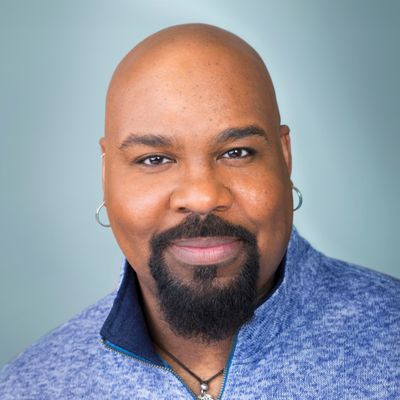
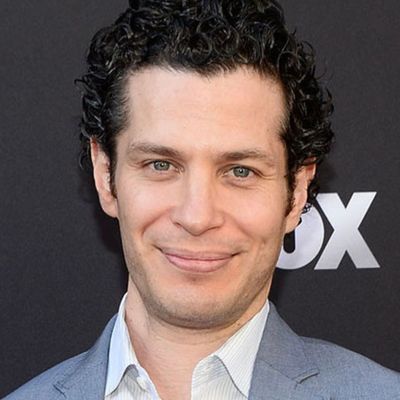
Tommy Kail is a director and producer known for his amazing work on Hamilton, In the Heights, Grease Live!, and Fosse/Verdon. James Monroe Iglehart just reprised his role as Lafayette/Jefferson in the newly reopened Hamilton on Broadway, originated Genie in Disney's Aladdin, and has other Broadway and TV credits including Memphis, Spelling Bee, Netflix's Maniac, Unbreakable Kimmy Schmidt, and the Tangled animated series. Both Tony Award winners, Tommy (director) and James (one of the first members to join FLS) are set to bring their hit show Freestyle Love Supreme back to Broadway next month for a limited run beginning on October 7, 2021.
Tommy and James recall their first meeting at James’ audition for Freestyle Love Supreme, where James was hired on the spot. James shares how he met, performed, and became friends with Chris Jackson, who later introduced him to Freestyle Love Supreme in its early years. Tommy gives us an inside look on what it’s like directing an improv show like FLS, comparing it to being the coach of a basketball team, and describing how important it is for him to find new members whose energies vibe with the rest of the group. They also open up about what makes FLS so unique and different from any other show they’ve worked on, highlighting the unfailing affection and admiration each company member has for the other.
In this episode, we talk about:
- How Freestyle Love Supreme was born
- The family they’ve created, and why they always return
- Discovering new member Aneesa Folds at the FLS academy
- The impact of the audience storing their phones during the show
- What Tommy looks for when casting a show like FLS
- The future of Freestyle Love Supreme
Connect with Tommy:
- Good luck! He's not on social media!
- Watch We Are Freestyle Love Supreme on Hulu
Connect with James:
- IG: @jmiglehart
- Twitter: @jamesmiglehart
Connect with The Theatre Podcast:
- Support us on Patreon: Patreon.com/TheTheatrePodcast
- Twitter & Instagram: @theatre_podcast
- Facebook.com/OfficialTheatrePodcast
- TheTheatrePodcast.com
- Alan's personal Instagram: @alanseales
- Email me at feedback@thetheatrepodcast.com. I want to know what you think.
Thank you to our friends Jukebox The Ghost for our intro and outro music. You can find them on Instagram, Twitter, and Facebook @jukeboxtheghost or via the web via jukeboxtheghost.com.
Transcript
This transcript was automatically generated and might contain errors.
[0:00] Alan Seales: This is the Theatre Podcast. I'm your host, Alan Seales, and these are intimate, personal conversations with the industry's biggest names. Welcome to Episode 165. Our two guests for this episode are two people you may have heard of, Tommy Kail and James Monroe Iglehart, two people with amazing credits attached to amazing bodies of work, and they have been friends for 15-plus years working with Freestyle Love Supreme, and they are both with us here today to talk about Freestyle Love Supreme. As part of the ongoing FLS Podcast Takeover, we're going to feature a lot more people from Freestyle Love Supreme, so make sure that you keep coming back for the rest of the episodes of the Takeover. I've had past members from FLS on the podcast before, including one of the founding members, Anthony Veneziale.
I just cannot stress how much I love this group of people. They are all such genuinely nice people in real life that it just carries over onto what you see on stage and to these true and honest moments that carry into the show and make it this amazing thing and make it what it is. James and Tommy both talk about this in the episode. They come back to this concept of family. They come back and they love each other, and no matter what, no matter where they are in their careers, whenever they can, they come back and they perform and they get on stage, and money does not matter. They used to do it for peanuts. They would still do it for peanuts. Find me online on Instagram and Twitter at Theatre Underscore Podcast.
Let me know you're listening. Find me on Facebook slash Official Theatre Podcast. Leave a rating and a review wherever you're listening, and now, everybody, please enjoy this episode with the amazing Tommy Kail and James Monroe Iglehart. Here you go. One, two, three.
[1:56] Alan Seales: Today, we have not one but two Tony Award winners on this episode of the podcast, both the director and one of the first members to join Freestyle Love Supreme. Tommy Kail is a director and producer known for his amazing work on Hamilton, In the Heights, Grease Live, and Fosse Verdon. James Monroe Iglehart has just reprised his role as Lafayette Jefferson in the newly reopened Hamilton on Broadway, originated Genie in Disney's Aladdin, and has other Broadway and TV credits including Memphis, Spelling Bee, Netflix's Maniac, Unbreakable Kimmy Schmidt, and the Tangled animated series. Here to talk all things FLS Academy and Freestyle Love Supreme, now reopening for a limited run on Broadway, beginning on October 7th, 2021. Tommy Kail, James Monroe Iglehart, welcome to the Theatre Podcast.
[2:43] James Monroe Iglehart: Thank you very much.
[2:45] Tommy Kail: We are in the building.
[2:47] James Monroe Iglehart: We are in the building.
[2:49] Alan Seales: In fact, James, you could not stop talking when we first, before we started recording and then I introduced you and all you could say is thank you very much.
[2:56] James Monroe Iglehart: Well, you know, because there's two of us. There's two of us. And look, people have heard me on the podcast before and know I talk a lot. And Tommy Kail is an enigma. I mean, most people, the people who get to hear him talk are the people who work with him. But like, he's, he's like, in a cool way, like the smooth brother who like he, he lets the actors and his work speak for him. Like you get a Tommy interview. He's like, yeah, I did it. He's gone. The fact that he's here is like amazing.
[3:24] Alan Seales: All right. Well, Tommy, Tommy, then let's hear from you because James is right. We hear so little from you in these things. And I, I know a lot about James. I've known James for years. We have never met before. And I'm so excited to talk to you just because of the amazing things you've done and the amazing things you're attached to. And so we are here to talk about Freestyle Love Supreme, which is returning to Broadway for another limited run beginning on October 7th, October 7th, October 7th. Get your tickets. The show is amazing. And I want to say you just won a 2020 Special Tony Award for the show, which is incredible. Congratulations there.
[4:05] Tommy Kail: Well, I appreciate that. And I hope there is no recall.
[4:11] Alan Seales: There would not be recall. So talk to me about how you got involved directing a show that in theory, like when I think improv, I don't think, oh, this thing's a director because it's made up every night. But how did you get involved with this?
[4:27] Tommy Kail: I got involved a long time ago when, when James and I were young. So I started working on the show with Anthony Veneziale, who I'd started a theater company with, who plays Two Touch in Freestyle, and Lin-Manuel in 2003, 2004. So Lin and I were working on In the Heights starting in 2002 with this little theater company I had called Backhouse Productions founded by me, Anthony, and our pal Neil and John. And we were working on In the Heights and anytime there was a rehearsal, there was a break. And during that break, it was me dragging Lin and Anthony back from the hallway to stop freestyling and get back to work. Cut to 18 years later, it's the same thing. So Lin and Anthony kind of came up with this idea and then asked me to come see the show.
We were all super tight at the time, whereas now we hate each other. And I came to see the show and I was really inspired by it. I love sketch comedy. I loved improv. I love the idea of taking all of the elements of hip hop and freestyling and synthesizing and fusing them together with some of the things that we loved watching and also tried to make a thing that we'd never seen or was inspired by some of the things we'd never seen. And so we started doing shows all around town and in lots of places that aren't there anymore. And in 2004, somebody saw the show when we were performing at The Pit, The People's Improv Theater, a gentleman named John Steingart, and he invited us to do a run at Ars Nova.
And that was our first time being paid to work. I think, you know, at that point, we'd been working on In the Heights for 45 cents in a subway car, which we paid ourselves. And Freestyle was really like our first gig. So it was in 2004. And then Chris Jackson, who was in the original Heights and also Freestyle, was really tight with James. And one of the first things he said to me is, look, I'm going to introduce you to somebody. Don't say this in front of him, but I think he's even just meet him. And so James walked in in 2006 and my life has been better ever since. And then we started jamming after that. And now I'm on a podcast with you. Right. That's my life. That's right.
[6:46] Tommy Kail: Nothing happened between that moment and right now.
[6:48] James Monroe Iglehart: Not a thing.
[6:49] Alan Seales: James, how did you what how would you work with Chris before that? How did he know that you wanted to or that you would be good at this sort of thing?
[6:57] James Monroe Iglehart: Actually, Chris and I, we'd met really briefly. I came to New York. My first my first time in New York, I went to see a friend of mine and her roommate just happened to be Chris Jackson. And he was a part of Lion King. And we said, hey, what's up? What's up? And that was about it. And then I went back to the Bay Area. I was doing just a regional show in Marin, California, and he just happened to be the lead. I was one of the sidekicks for it, for his for his character. And we were out in the parking lot and literally just, you know, just shooting the breeze. And we were both talking about how our lives were right on what we what we both thought was the precipice of success. Right. We were so we were so near it.
We just it was it was like our fingertips. We just couldn't get to it. And Chris said something funny. He said, man, this in the heights thing has to work. And I was like, yo, man, this Memphis thing has to work. And then this beat, this beat came on and I start freestyle and he start free. So he's like, yo, I'm a part of this group called Freestyle Supreme. And my ego was big. And he was like, yo, I got this friend who's like the best rapper I've ever heard. And I was like, I whatever. He's like, no, my man, Link, rap about anything. I was like, so can I. So we started just stupid. And he said, oh, my gosh, you have to, you know, meet these guys. And he we we stayed friends. Like usually when you do a regional show, you like meet somebody cool and you kind of move on and like your lives don't really cross anymore.
But Jackson and I stayed friends. And then I was happened to be in Boston doing Spelling Bee. And Freestyle Supreme was having auditions because Lynn and Chris were about to start their journey on in the heights off Broadway. And they brought me in. And I'll never forget that. That was the coolest audition ever. We came in. We Tommy was there. All the brothers were there. We start rapping in the usual audition. What happens? And once you're done and they kick you out and they call you back later. So all of a sudden Tommy stops. He goes, OK, thanks, everybody. It was great. And Utkarsh or UTK, the INC and I were both audition same night. And he goes, UTK, James, stay for a minute. You stay for a minute.
And he closes the door and everybody else who auditions leaves. And Tommy just starts having a meeting. He's like, OK, so our next gig is at this college. And when I was like, are we in the group? Do we get hired? Do we get hired? And Tommy like just as smooth. Oh, yeah, yeah, yeah. You're in. OK. Now, back to what I was saying. And it's been like that for the past 16 years. We have work to do, y'all. Like I go out and it's like, yo, I said you were in. Let's get to work. Let's go. We got to go make fifty seven dollars, you know, rapping for some college kids. Listen, I think that's the fun part, Alan, honestly, about this whole thing, moving to being on Broadway and also being able to come back to Broadway.
This was something that you had a conglomerate of a group of very, very talented people who were doing this because at the time we didn't have anything else to do. Like we knew we knew that in the Heights was happening or about we hadn't destroyed yet. Memphis was in the process. You know, so Lynn is a substitute teacher writing. Chris is, you know, working on little things. Utkarsh was trying to get to be seen on TV. You know, Shockwave is like doing little gigs all around town. None of us knew what this was going to be. So once everything kind of blew up for our careers, we always came back home. It always felt good to come back to freestyle because there were no egos there. We were always we knew our place there.
We knew what we were supposed to do. It was never about, OK, I'm a star. I'm a star. No, no. It was like, OK, freestyle. We just do what we do. Never in a million years. I mean, we always joked. I mean, we literally joked. We was like, yeah, if we ever get to Broadway, we'll kick us off the first night. We made these jokes. And then when we were there that first time, we were like, holy crap, are we really here? So it's like that's why it's just a magic thing every time it happens.
[10:46] Tommy Kail: Well, yeah, I mean, up and up until an hour ago, Alan, when we had a call with the entire group and we're still making the same. I mean, I mean, it's like a time warp and everybody's playing their part. You know, I would say everybody is exactly themselves. You know, I mean, it doesn't matter what the situation, it will be revealed. And this group and we've grown and expanded and met so many new people along the way. And that's also the joy is watching this thing get so much bigger than us and obviously not trying to make some sort of natural segue to the academy. But there is an opportunity now, I think, that the show is a little more well-known and some of the stuff that we've done outside the show has had some volume turned up on it and how people find it in that way.
And like, you know, I've worked on a bunch of stuff over the last 20 years. There's something about freestyle that's different from all of them. And James can attest to this. And you can, too. I mean, the show, you don't want to leave like that 20 minutes after a show. Nobody leaves. They just hang. They want to talk about it. Did you see? Because because they know it was just that night. They know what happened for them. And I think there's something about that. And when you create that many singularities over a 15 year period, there's a there's a bond. You know, I feel bonded to James in a way that that's molecular now. You know, it doesn't matter where we are, how long it's been. We talk. It's like we have this thing and we feel that with the whole group.
[12:01] Alan Seales: Yeah. Well, I wonder how much, you know, like it seems like this perfect chemistry. You're talking molecular. Right. And it's all good in the chemistry part of it. And you, as the director, are sort of the the alien leader. Right. That is guiding this this ship. And I've talked with Anissa. I've talked with Shockwave. I've talked with with Anthony and and the common thread in knowing James, too, is just everybody. So there's two things. One is just it's genuine. Everyone is genuine. You have to be real to be good at freestyling. You have to be in the moment. You've got to be real. But then Anthony really drilled home from drill this home for me when I was talking with him about especially about FLS Academy, was that it's all about having each other's back.
It's about supporting each other. And James, you're talking a second ago about ego and like you check your ego, you leave it outside. And when you come together and like the group comes together on stage and everyone starts, if someone starts to mess up, it's not a mess up because it's.
[12:59] James Monroe Iglehart: It's just like you turn it into something good. And that is a, that's a love. That is a love and a respect that I have never seen in another cast to the level that it is in Freestyle Love Supreme. And Tommy, I want to take this to you too. And how, so how much of this is you bringing this to the show? Are you helping to, like when you direct, are you directing this sort of feeling? Are you directing this emotion? Or are you just sort of like, you stand here, light cue here, light cue there? Like how much of this is ethereal and how much of this is technical?
[13:40] Tommy Kail: Well, you know, your original question, which I realized I evaded, was about how you direct something like this. And I think of it as probably the closest thing I do to coaching. And I grew up playing sports. And when I started directing, I realized that there were a lot of corollaries. Rehearsal and practice, pre-game and pre-show, the show and the game, the post-mortem, putting a group together, people that have never met having to unify towards a common goal and understand where they're aiming. All of those things are relevant in the theater or making film or television. And they're particularly relevant when you're playing team sports. Freestyle, really more than anything else I do, is as close to being a coach of a basketball team.
Because we can have set plays, but you also know like, then you got to throw the ball up and they're going to play the game between the lines. I think that I can be impactful in our group in determining who comes into the room, who's on the squad. Because I think if you get that energy right, then inherent in that is love. Love and respect for each other, for the form. And that is the one thing, and I've witnessed this countless times with James on stage. And I remember a specific show at the end of last year, when we do true, which is where you take a word from the audience, and it's really like where we unzip, this is who I am. And watching the group watch each other, that's the whole show for me.
Because it is this unfailing and unflagging affection for each other, appreciation and admiration. A lot of the things you feel like in those early days of rehearsal, James, you know what I mean? When you're on a scripted show and you think, oh wow, she can do that, he can do that. And then in freestyle, it's like, that never goes away. It's always present because it's always tested because of the lack of a net. And so my job is to try to create a structure that makes people feel like they can be accessed. And that the thing that they are the most proud of, the thing that they don't get to do that they love doing can be part of our show. And I think that engenders a spirit that is pervasive.
And I think that's why the show finds the audience that it finds. Because at the end of the day, I know how to light a show and I know how to stage a show. And those things come into play with freestyle and it's now beautifully lit. But we were doing it with two light cues for a long time. That was lights on, lights off. So that's not the secret sauce.
[16:04] James Monroe Iglehart: Well, I want to give a nod to Cody Renard-Richard too, the stage manager who is just up there. I mean, when you're watching the show, you think it's, from the audience, it's flawless, right? Because the music is there. Arthur, the genius is, I mean, just never misses a beat, literally. And then the light cues and everything moving all around in sync, it's a well-oiled machine. And I know I'm going to make somebody mad saying this. I forget who the light cues are. The light board up is for Phish, the band, right? But they always say like that guy's the unofficial additional member of the band because he's been touring with them and he just knows every single thing they're about to improvise. And when it comes to the whole crew around FLS, that's what I feel like.
And I've seen the show multiple times and it does not get old. I mean, and it sounds kind of cliche watching an improv show and saying it doesn't get old, but it's like you said, it's the love and it's the respect and it's the different, like you're getting a different story from different audience members and you're crafting a different show every night. And when the multiverse implodes because you've made so many variations of our universe, then that's on you. But we'll deal with that later.
[17:25] James Monroe Iglehart: We are inevitable. I think what's fun about FLS is that, you know, I've been a part of improv groups and improv classes and shows since I was around like, you know, 18 years old. I think what makes the difference is, you know, there's always that realm of, you know, fearlessness and what are you going to say? I said, but what's funny about FLS is there's these three different levels there. Yes, there is the improv level, but there's also the freestyle rapping level. And then there is the storytelling level. And I think what happens is people know they're about to see an improv show, so they know it's going to be made up. But when they see that the people in the group are musically creating the situation and then telling a story, a seamless story.
And then when we want to, like you say, veer off into the universe, like you say, veer off into the universe and bring something that was never meant to be in the story into it, and then weave it back to what the person said. I think that's the magic because they're sitting back going, they're literally going, they're on the edge of their seats, wondering if it's going to rhyme, wondering if they're going to get to the story, wondering how it's going to end, where we're going to take it. And by the time they get to the end of the show, their energy is so far up because they've been on the edge of their seat the whole time that when we end and leave, they're still at the end of their seat. They're like, they keep expecting, oh, they're going to come back out and say something else.
And we don't. So all they want to do is come back and see it again, because they're watching. Like, I can't believe this is happening in real time in front of me. So I think that's one of the things that makes Freestyle Love Supreme so different from other improv groups is these different levels and everybody's level is, everybody's style is different. So it's not like, you know, when you have a rap group and they all rap together, everybody's style in our group is different. And even, you know, again, the way Tommy's just picking the right people with the right energy, the right, you know, the right coolness to be, for lack of a better word, to be a part of the family. You know, Cody, Cody goes with that because he has to have the attitude to deal with the crew of people that are Freestyle Love Supreme.
And so I tease him, I tease Cody all the time. Cody always feels like, yeah, I'm different. I'm like, no, no, you are just as nuts as us. Because if you weren't, you wouldn't be here. You have to be that kind of insane to live in our Freestyle Love Supreme circus.
[19:44] Tommy Kail: Absolutely. So, Tommy, how do you like bringing in Anissa and bringing in the latest, the new round of people that are starting to grace the stage and coming back? Are you involved now with, with still, I guess, pulling people out of FLS Academy or how does that whole process work?
[20:02] Tommy Kail: Yeah, I mean, FLS Academy exists on its own, not necessarily as a training ground. But what we have found is some of the folks who come through there are announcing themselves as a particular kind of energy or talent that might be right for our group. Certainly, the majority of the people that go to FLS Academy are going because they want to meet James, are going because they want to go and have that experience, you know, that sort of team building, being a member of a community, you know, having their story amplified. And that's really, you know, I think in the ethos of that. But Anissa Folds, who came out of the Academy, you know, also was around Shockwave and Jelly and Anthony, and they were just like, talking to me like, you got to see her.
And it's like, if all three of them agree on anything, like, which I've never heard in 18 years, you know, like, I'm gonna listen to that. But yes, I am involved day to day. And, you know, the thing about this show, which is so interesting, is that, you know, I wear more hats on the show that I wear on any other show that I do, like I, I produce and direct and, and in television a little bit. But on this one, because I was there when we made the show, because I'm one of the producers of the show. And because I'm the director of the show, I find that all of those parts of me are accessed, which is what brings me joy. But I love introducing new members of, you know, of our community to the group, either in the audience, or like, I meet someone from another gig, and I'm like, hey, you can come through, you know, Tarek, who is a new member of our group, was, you know, did like, you know, some work on Fosse Verdon in the first episode.
And then it was like, Oh, wait, that, you know, like, and we might have even talked about it, then we might not have, and then someone brought his name, I was like, Oh, you mean the guy from that, and then all of a sudden, like, we're all on a group zoom, and like, he's in the group, you know, and he came through, and he jammed with us. And he went out of town and like, and like, put the time in. And I just I love that kind of expansion. Same with Kayla, you know, with Anissa. And, and it's really one of the fun things. James and I always meet people like, Oh, you know, you can take it maybe we're now doing. Yes, you know, in the parking lot conversation.
[22:13] Alan Seales: Stay tuned for more of the episode.
[22:25] James Monroe Iglehart: I'd love to the representation, actually, talking about everybody bringing their stories and whatnot. And it's all different presentations of gender and race. And it just, the art form and the love and the respect keep going back to that it just transcends everything. And you're breaking down stereotypes, like to see Kayla Milady beatbox is otherworldly. I mean, Shockwave is great. But like, he's a dude, you expect a dude to be able to beatbox a lady to come out like that, like Kayla Milady. Just phenomenal. And then and like, you have different, like I said, the race representations is just wonderful. And it's just all it's brotherly sisterly love and respect up there nonstop. And, and I think the audience the audience attaches onto that the audience attaches to something that is greater than probably what they're aware of, right?
They want to they want to escape, they want to be distracted by some positive energy. It's energy that you guys are putting out there. And I actually really love I don't know if this is part intentional just to prevent bootlegs, but putting the phones inside. What are those those bags called that, you know, yeah, the catches the yonder patches, like you obviously can't record it. And, and I understand the purpose behind that, because you want it to exist once and never again. That's part of improv. But I think part of that too is is I saw somebody online on Instagram the other day was like, I don't meditate, but I do watch TV with my phone on the other room sometimes does that count? And so that's sort of the same thing here is that when you knowing you can't connect to this device that keeps you outside, it keeps your mind distracted.
I think it forces you to be present in a way that that normally most people aren't in other shows. My wife, my wife went to go see the show. She came to opening. She said it was so funny, how, you know, and when theater starts, people are all talking, you know, you're talking to everybody. And then because you can't use your phone, once the lights go down, there's only one thing you can focus on. And so everybody's having this awesome collective experience together. And also our show doesn't have a story. So the stories that people are hearing are the stories in that building. So that's what makes it so interesting to them. Cause the stories they're hearing are the stories that are around them.
So the person next to them may have told a story and we've taken that story and amplified it, or they've told a story and then we've taken it, rewound it, fixed it for them, and then given it back to them as a gift. Like you messed up. We're going to give it back to you in a second. We're going to give it back to you in a second chance. And here's what should have happened to your life. They all experienced that together. And they walk out with this unique story experience that no one else will have. So they, whenever you go to FLS show, it's always like, Oh my God, you don't know what you're going into, but when you leave, you it's, you can explain it to somebody, but they won't get it unless they see it.
And of course, when someone's that infectious, they have to go see it, which is what makes people come back. Cause they're like, I know it's not going to be the same. What are they going to do this time? And that's just something about the magic that happens when all of us get together.
[25:40] Tommy Kail: Absolutely. And James, you are also most of the time, I think every time I've known you to FLS on Broadway, you've also been doing another show at the same time, also on Broadway. So let's talk about the, I guess the cast, right? Because there's the core cast there. Every time I've, I've gone, it's always been Anthony and Ukarsh was there.
[25:59] James Monroe Iglehart: And Anissa and Shockwave and Arthur and Jelly Donut and Jelly Donut, right? Yes, and then there's always one, two, sometimes I guess are there ever more people? But how do you decide who and when goes in and in the rotating guests? Usually they call us and go, "Are you free?" and we go, "Uh, yeah, yeah, I'm free today. No, I'm not free tomorrow, but yes, yes, I'm free right now." And if something happens where, you know, the planets align and some god-awful reason Chris Jackson and I are in the same show, that's a whole different ball game. That audience leaves going, "I don't know if I want to see the show again, but damn it, whatever I saw just then was amazing," because he and I are like two brothers who didn't know we needed another brother, and we bicker like brothers.
James Iglehart and Chris Jackson are deep friends, and we bicker. J Soul and C Jack are deep friends, and they bicker, but they work so well, literally in harmony together on stage. And so basically, it's just that those of us who have other gigs, we love Freestyle Love Supreme. This is our family, this is our core, this is our home. And so when they call and we're going, "Yes, I'm free that day," we are running to the theater to do it because it's so much fun. It's the most freeing moment, you know, because you don't have to think. You don't have to think, but at the same time, you have to think. You have to listen, but all that pretense gets thrown away. All the George Washingtons, all the Lafayettes, all the awards, TV shows, that all that mess gets thrown away because you have no net.
You can't hide behind, "Look, I'm on CBS's boat." No one gives a crap; they want the story they're about to hear. I used to be the genie; no one cares. They want to see what's happening right now. So you have to focus. And when all of us have the time, I think one time, I think Tommy said it best before we got to Broadway, there was a crazy moment where all of our schedules just happened to align at Ars Nova, and Ars Nova is a very tiny place. And we had the Wu-Tang Clan version of Freestyle on stage. Everybody and their mama was on stage. We were cramped up in little corners on stage, and we were having the best time because we were all together, and we just laughed. I think we laughed more to the audience because we were so happy watching our other friends act completely stupid.
You know, there's nothing like watching the man who was given every award known to man act like a turkey, to watch Lin on stage. Like, that's Lin-Manuel Miranda; he doesn't have to do this, but this is what he's doing. And you just can't help but crack up. Like, you're like, "Yep, this is happening." So I think, you know, once they ask us and we're like, "Yeah, we're free," we're in, we're there. This is what happens.
[29:04] Alan Seales: That was going to be my next question, is just why come back? Why come back? Because you've got so much, you've got these busy schedules and these families now, and you come back to this show, and no matter what. And I remember the last show I saw that you were in, it was like, I think it was Saturday night, so I came to see the late FLS, and you had already finished a two-show day of Hamilton because it was a Saturday. So you did a two-show Hamilton and then came and did a third show on a Saturday for FLS. And I didn't understand at the time, like, why you would want to just put yourself out there like that. But now after hearing the story, it makes complete sense. Like, this is family; it's going home.
[29:58] James Monroe Iglehart: Oh, I'm sorry, that's true. Yeah, yeah, that's also, I mean, why get something twice that you can have three times? Three times, that's honestly God true. That's true. They know me; I love—there's a hole in the bucket. You know, there's a hole in the bucket, and we're all trying to fill it. You know, but we just, I think the fun that you don't do anything you don't like to do. I mean, yes, you do. Like, if you go to a job and you don't like your job, it's like golden handcuffs. "Well, I get paid so much for this job; I've got to do it." But then there are things that you do just because, just for the love of it. And we were doing it, and Tommy's right, we were doing FLS when we were getting paid, you know, Q-tips and Puma sweats.
And, you know, that's an old line from a Third Base album. You know, we were getting like, you know, like no money at a mall rapping about a different drink I won't bring up. You know, and we were doing it because we loved it. We all got on a train, went to the mall, the mall now, and did this. And these are the same dudes who are on Broadway doing this because we love it. We wouldn't do it if we didn't love it. You know, and when we all come back, we all laugh. I mean, I think one of my favorite moments of being on Broadway is every single person that is a guest star or a principal in FLS now has something in their contract for their own dressing room. Yeah, when we get to Freestyle Love Supreme, we are all cramped up together and laughing like we are back in college.
Like, "Okay, I'm in a room with you. I'm okay. No, I'm in a room with you." And we start arguing, "Okay, will you go downstairs this time? I'm gonna go upstairs. I'm gonna talk to him." And we are rooming together, and I know stage names like, "Oh my God, these children." And we are grown, grown people. And just because we love it, we get into that building, and we all, you know, just love being there. And then once we get out, we go back to our separate gigs that we've worked so hard to get to, but this is the core, and this kind of gets us energized to go back to those other things. You know, it kind of opens your mind up.
[31:59] James Monroe Iglehart: You know, something that Anthony told me that he, you know, he was working with the—on, we'll call it the science project, right? Where he's going into the fMRI machine to have his brain scanned while he was freestyling versus reading, and then scientifically worked with the scientists to prove that freestyling lowers inhibition. It activates this part of your brain or deactivates, rather, that this part of your brain that lowers inhibition. And I guess taking that one step further, right? You have been doing this for what, 18 years now, right, Tommy? It's been forever, and freestyling and improvising and creating and literally rewriting your brains to have less inhibition and to be connected and to be open.
And I guess, James, for you, thinking back on what this show has done for you, what this camaraderie has done for you, do you feel like it's changed you to a way where it's helped you get roles like Genie, where you're just like, "I'm putting it out there, I'm improvising, I'm taking a chance, and I'm going to be accepted"?
[33:05] James Monroe Iglehart: Yeah, I think this show makes you have to be fearless. You have to, and also you have to not be afraid to look silly and look ridiculous. And I think that also helps with storytelling. When you're telling a story, you have to play everything, whether it be the star of the show or the flower in the background, and you have to be okay with that. And this show allows you to have that. It also, the double-edged sword is when the lights aren't on, you improv at 7-Eleven, and your wife wants to throw things at you because you have no inhibition. So you just start doing crap, and she's like, "Must you do this here, please?" She's like praying that FLS comes back, "Please do this so you can stop improvising at Burger King.
No one cares that you can rap about fries; just please stop." So yeah, but it does open your mind up and kind of let you be free enough to like just be whatever it is you need to be. So in every situation, like for instance, with Hamilton, we looked at it and we were like, "Okay, great, let's bring it back." And I walked in with new eyes, and you're like, "Okay, what else do I see that I didn't see the last time we were here?" And Tommy gives us that, gives the freedom to go, "Show me something," and I'll show him something. He'll go, "Yes, I like that. Actually, this I like what you did, but it doesn't really work with this, but try this." So it kind of gives you the freedom to go, "Let me just try something."
And if they don't like it, they'll tell me. But most of the time, we get into a situation in a work in a theater aspect, but I don't want to do anything that's going to make the director or a producer mad. They're going to tell me no; just do it. If they don't like you, they'll tell you. You got hired, so just be free to do stuff. And FLS definitely helps with that. If you look at all the people in our group, top to bottom, and you see their other work, it's fearless. It's absolutely fearless, their other work.
[34:52] Alan Seales: I was wondering if it was like a, you know, which came first, chicken and egg scenario, right? Like, are the fearless people the ones that are successful, or are they getting successful because they are fearless? And so, like, Tommy, I guess for you as a director, and you've done TV and film and Hamilton and Broadway, and so you kind of got the different range of—I mean, literally, you've probably seen thousands and thousands of people audition for you over the years. What stands out for you the most when it comes to these sort of characteristics that you're looking for?
[35:23] Tommy Kail: Oh, you know, I feel like this lack of inhibition that James is speaking to is certainly something that is palpable. You know, there's a lot of thinking, you know, that I now put into vibe. Like, you know, what does it feel like in the room when someone walks in the room? Like, what's the energetic field? And, you know, I appreciate people that make bold choices. I appreciate people that are prepared, that are prepared and then willing to put that down and play. You know, they feel like they are, you know, they're hungry to express and also not already dialed into rigid and what it is that they're coming in with. And, you know, in each time with casting, it's a feeling. There's something in your gut that says, "Huh, I want to see more.
I want to lean in," or "I want to continue to explore." And in that way, whether it's a scripted show or whether it's FLS, that's the same feeling. There's so much of my job that is the same on this than as if I was doing a play that was 100 pages long or a musical revival or a new musical. And so those are the things that I tend to sort of be magnetized towards. And, you know, there's no feeling quite like not knowing who's going to play a part, and then all of a sudden you meet them and they walk in the door, and it's like, "Oh, okay, check, next." You know what I mean? And it's often very immediate. You know, you can, you know, like you're drawing up the contract sometimes before the song's even over. You know what I mean? Or something like that. You're like, "Oh, okay, this part's done." So that's always a wonderful feeling.
[37:38] Alan Seales: Well, yeah, it's funny you had mentioned, you know, you guys were telling the story about when James auditioned, and like you're like, "All right, you know, you guys stay." I was like, "Send them to hair and makeup; why are we still talking about that?"
[38:59] Tommy Kail: Freestyle Love Supreme is a show that has evolved over the years, and it’s really exciting to see it come back to Broadway.
[39:29] James Monroe Iglehart: Absolutely! I mean, the energy of the show is something that you can’t replicate anywhere else.
[39:59] Tommy Kail: And the way we interact with the audience is so unique. It’s like a living, breathing entity that changes every night.
[40:19] James Monroe Iglehart: Right! And that’s what makes it special. The audience is a part of the show, and their energy feeds into what we do on stage.
[40:39] Tommy Kail: Exactly! It’s like being the coach of a basketball team. You have to know how to read the room and adjust your strategy based on the vibe of the audience.
[40:59] James Monroe Iglehart: And finding new members for the team is crucial. It’s all about the chemistry and how their energy fits with the rest of us.
[41:19] Tommy Kail: Yes! When we brought in Aneesa Folds, it was clear from the start that she had that spark.
[41:39] James Monroe Iglehart: She’s incredible! Her improvisational skills are top-notch, and she brings a fresh perspective to the group.
[41:59] Tommy Kail: And that’s what we’re always looking for—people who can bring something new while still vibing with the family we’ve created.
[42:19] James Monroe Iglehart: The family aspect is so important. We genuinely care about each other, and that translates to the stage.
[42:39] Tommy Kail: It really does. And the audience can feel that connection. It’s what makes the experience so intimate.
[42:59] James Monroe Iglehart: Plus, the fact that we ask the audience to store their phones during the show creates a more immersive experience.
[43:19] Tommy Kail: Absolutely! It allows everyone to be present and fully engaged in the moment.
[43:49] James Monroe Iglehart: And that’s what we want—people to leave their worries at the door and just enjoy the ride with us.
[44:09] Tommy Kail: It’s a unique challenge, but it’s also what makes Freestyle Love Supreme stand out from other shows.
[44:29] James Monroe Iglehart: For sure! The spontaneity and the unexpected moments are what keep it fresh and exciting.
[44:49] Tommy Kail: And as we look to the future, I’m excited to see how we can continue to evolve while staying true to our roots.
[45:09] James Monroe Iglehart: Me too! There’s so much potential for growth, and I can’t wait to see where we go next.
[45:29] Tommy Kail: It’s going to be an adventure, that’s for sure!
[45:49] James Monroe Iglehart: And I’m here for it!
[46:09] Tommy Kail: Let’s keep pushing boundaries and exploring new ideas.
[46:29] James Monroe Iglehart: Yes! That’s what makes this journey so fulfilling.
[46:49] Tommy Kail: And I’m grateful to be on this journey with such talented individuals.
[47:09] James Monroe Iglehart: Same here! It’s a blessing to work with people who inspire you every day.
[47:29] Tommy Kail: And I think that’s what keeps us all coming back to Freestyle Love Supreme.
[47:54] James Monroe Iglehart: Definitely! It’s like a homecoming every time we step on stage.
[48:19] Tommy Kail: And I can’t wait to welcome audiences back to experience that with us.
[48:44] James Monroe Iglehart: It’s going to be magical!
[49:14] Tommy Kail: Here’s to the future of Freestyle Love Supreme!
[49:39] James Monroe Iglehart: Cheers to that!
[50:09] Tommy Kail: Let’s keep the momentum going!
[50:39] James Monroe Iglehart: Absolutely! The best is yet to come.
[51:09] Tommy Kail: I’m excited for what’s next!
© Broadway Podcast Network, All Rights Reserved