

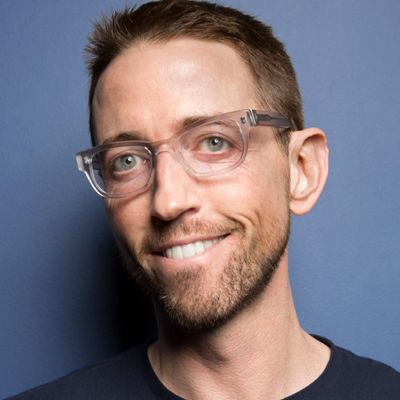
Neal Brennan is a three time Emmy nominated writer, director, producer and stand up comedian known for co-creating and co-writing the Comedy Central series Chappelle's Show with Dave Chappelle, with whom he also co-wrote the cult classic film Half Baked... Read More
From the show: The Theatre Podcast with Alan Seales
Guests
About
Neal Brennan is a three time Emmy nominated writer, director, producer and stand up comedian known for co-creating and co-writing the Comedy Central series Chappelle's Show with Dave Chappelle, with whom he also co-wrote the cult classic film Half Baked. He is currently a creative consultant and on air correspondent on Comedy Central's The Daily Show with Trevor Noah, served as executive producer on Chris Rock's latest stand up special Chris Rock: Tambourine, and has performed stand-up on Last Call with Carson Daly, Late Night with Jimmy Fallon, Lopez Tonight, and Conan. Neal’s directing credits include the feature film The Goods starring Jeremy Piven, multiple episodes of Inside Amy Schumer, JAY-Z’s 4:44 documentary series, and Michelle Wolf's recent HBO special Michelle Wolf: Nice Lady, to name a few. His critically acclaimed one man show 3 Mics enjoyed a sold out Off-Broadway run in New York City in 2016, and now he is back for his new show Unacceptable, which has just been extended through November 21st.
Neal was always funny, and after spending years of grade school weekends traveling to NYC to see his brother perform in comedy clubs, Neal applied and got into NYU to study film. Neal shares how he met Dave Chapelle while working the door of a comedy club, why he dropped out of school, and how he started writing. He chronicles his journey to creating Half Baked, now a cult classic, and how that experience informed how he approached work on later projects like The Chappelle Show. Neal also opens up about his personal genre of theatrical comedy, performed in Off-Broadway houses rather than comedy clubs, and how their vulnerability sets them apart.
In this episode, we talk about:
- The trial and error of stand-up comedy
- Why he didn’t like film school
- His turbulent childhood
- Using comedy as a coping mechanism
- Why he would rather do something sober than drunk
Connect with Neal:
- IG: @nealbrennan
- Twitter: @nealbrennan
- Web: nealbrennan.com/
Connect with The Theatre Podcast:
- Support us on Patreon: Patreon.com/TheTheatrePodcast
- Twitter & Instagram: @theatre_podcast
- Facebook.com/OfficialTheatrePodcast
- TheTheatrePodcast.com
- Alan's personal Instagram: @alanseales
- Email me at feedback@thetheatrepodcast.com. I want to know what you think.
Thank you to our friends Jukebox The Ghost for our intro and outro music. You can find them on Instagram, Twitter, and Facebook @jukeboxtheghost or via the web via jukeboxtheghost.com.
Transcript
This transcript was automatically generated and might contain errors.
[0:00] Alan Seales: Welcome to The Theatre Podcast. Intimate personal conversations with the industry's biggest names. I'm Alan Seales and our guest today is Neal Brennan. Neal is a comedian and a writer who has decided to bring his show to the Off-Broadway audience. It's actually been extended through November 21st, 2021 at the Cherry Lane Theatre here in New York due to popular demand. I saw it. It's frickin' hilarious. You have to get yourself down to the West Village to see this as soon as you can. If you don't know who Neal is, check out 3 Mics on Netflix. It's his last critically acclaimed special that was filmed and put out there for the world to see. Just phenomenal. He's got a bunch of Emmys. He's also a director.
He's a creative consultant and on-air correspondent at Comedy Central's Daily Show. I mean, it's just kind of insane who this guy is and he speaks to us. So, before we get into it, please leave a rating and a review wherever you're listening now. Find me on Instagram and Twitter at Theatre Underscore Podcast. And now, everybody, please enjoy this episode with Neal Brennan.
[1:19] Alan Seales: His guest is a three-time Emmy-nominated writer, director, producer, and stand-up comedian. He's currently a creative consultant and on-air correspondent on Comedy Central's The Daily Show with Trevor Noah. He served as executive producer on Chris Rock's latest stand-up special, Chris Rock Tambourine, and as a director on comedian Michelle Wolfe's recent HBO special, Michelle Wolfe: Nice Lady. He co-wrote the cult classic Half-Baked and co-created The Chappelle Show with Dave Chappelle and his critically acclaimed one-man show, Three Mikes, enjoyed a sold-out Off-Broadway run in New York City in 2016 with John Legend serving as producer. He's back in the New York City scene with a new one-man show called Unacceptable, which has just been extended through November 21st down at the Cherry Lane Theatre in the West Village in New York. Neal Brennan, welcome to The Theatre Podcast.
[2:14] Neal Brennan: Thank you, Alan. Thanks for having me, man.
[2:16] Neal Brennan: I hope that the bio was okay. I shortened this giant three-page thing that I originally had written out.
[2:23] Neal Brennan: Yeah. No, that gets at it.
[2:26] Alan Seales: Well, when you look back at your career, what do you think... I guess, okay, I've never asked this before, but it's first for everything. What do you think people know you the most for versus what do you want them to know you the most for doing?
[2:42] Neal Brennan: I think they know me for Chappelle Show. And I don't mind being known for that. I mean, I think the answer would be like, but that's not who I am. I mean, that is who I... I mean, I would say Three Mikes and Chappelle Show are the two things I'm best known for. And Chappelle Show in the lead because it's like a juggernaut.
[3:11] Alan Seales: Right. Right. But that's behind the scenes. And I saw your show last night down at Cherry Lane and laughed my ass off. It was incredible. It was raw. It was truthful. And I love when comedians bring themselves into it. And there's a message throughout the whole thing in general. And we're going to get to all of that. But part of what you said in the show was that you have this constant sort of internal struggle between feeling comfortable enough with yourself to be in front of the camera, to be in the limelight. Right. And I wonder looking back when you look back at things that you have done and co-created and written and Half-Baked in Chappelle Show and all of the other writing. And you're a writer for Nickelodeon and all that. Right. So you do all this writing behind the scenes. Now you've started, I think, in more recent years, gotten in front of the camera.
[4:05] Neal Brennan: Yeah, like the last 15 years. You know what they say, don't start performing until you're 31. So I took that old showbiz adage and doing it to death. Yeah, so I'm sorry. I'm not sure. I kind of cut you off.
[4:29] Alan Seales: Oh, no. I was just thinking or what I was getting at was when you were younger, what did you want to do? And did you eventually want to be in front of the camera? And did you have an anxiety or sort of that voice in your head saying, I'm just going to be behind the scenes, it's safer?
[4:50] Neal Brennan: I think I always wanted to be, I was always funny. So I think I wanted to be a comedian. And then in grade school, high school, my brother was a comedian, is a comedian named Kevin Brennan. And so I would come up here to New York. I grew up in Philly, would come up here in New York on the weekends, and hang out in comedy clubs. And it was like, you know, as incredible as you would imagine, like a high school kid in 1988, you know, watching people that would become legends, kind of figure it out. You know, it's like Ray Romano and Jon Stewart. And then when I came up here, and then I so now I was like, I got to figure out a way to get to New York for, you know, school for college. So I applied to NYU film school and got in.
And so then I was here going to film school and started working the door to comedy club and the other, you know, and at that point, I'm 18. And the only other guy my age was Dave, who was, you know, Chappelle who was like, you know, even at that point, a great comedian, and doing well. And then, you know, Romano, Stewart, David Tell, Louie, Mark Maron, and those guys, even a young age, they were younger, but they were always intimidating. They, to, they were intimidating. They were not, I think they were intimidating to everybody, or most people. So I was intimidated by it and kind of got like, okay, I'm not and then told myself I wasn't that, right? Told myself like, well, I can never be them.
And so, but would pitch jokes to people like Dave, especially. And some of the jokes I pitched him worked. And I was like, well, so I always kept it in the back of my mind that I did it once. I did it actually once when I was 18, stand up, did it when I was 18, didn't go well. 23 did go well. But then we did Half Baked. I just thought I'll just be a writer. And then did it again when I was 29. Did a little bit during the Chappelle Show. And then really started again in 2007. So it was a thing that it was a cross between desire and necessity. In that, I kind of I wanted to do it. But also like, when the TV show ended, I was like, when Chappelle Show ended, I was like, well, I'm not gonna I don't that doing a TV show so hard.
And the idea of doing it by myself was it just seemed it was like, not didn't seem fun at all. Doing it with somebody who's very doing it with somebody who's fun and really difficult and doing it by myself. I don't have the narcissism, I don't think.
[8:00] Alan Seales: What happened?
[8:01] Neal Brennan: Maybe it's just like narcissism. And like, no, I'm a genius. And I can do it. Like, I, as I mentioned in the show last night, I got to write and rewrite and rewrite and like, grind.
[8:11] Alan Seales: Yeah. What happened to film school?
[8:14] Neal Brennan: Oh, I just didn't like film students. I mean, that's really what happened.
[8:22] Alan Seales: Talking about narcissism.
[8:24] Neal Brennan: Yeah. I mean, they were so silly. Like, they would call me. I remember they would call me. And they would call me an action fiend. Because I liked Die Hard. Like, it's a great movie. Yeah, well, you're an action guy never watching like Finn Fenders and stuff. And of course, now the wrench reality kicked in. And like, I remember the main guy who was like, constantly watching Finn Fenders. Last I heard from him, he was editing footage for the Mets, the New York Mets, not even the Met, not even the Metropolitan Opera. The New York Met. So it's like, okay, so how that thank you for your pretense. Thanks for shaming me full time. And sorry, you know, sorry that you eventually had to live in reality.
[9:18] Alan Seales: Well, then, as someone who has never started to have the idea of writing a TV show, nor successfully taken that idea to fruition, talk me through how you originally started to, I guess, well, where did the idea for Half-Baked come from? And then how did you get it picked up? And did that lead to Chappelle's Show?
[9:42] Neal Brennan: It was formative, but I wouldn't say it led to it. Well, it did lead to it, but not in an unexpected way. So I was writing for, as you mentioned all that, and I wrote a Kenan and Kettle episode. And I wrote for MTV Singled Out. So I was living in LA, 21, 22. And, you know, for my age, successful. But, and then Dave was in, had been in like Nutty Professor, and done really well, and was in Con Air, and had done really well, and was kind of on the come up. And we saw him train spotting. And he was like, you can make a weed movie. You can do a weed version of that. And I was like, yeah, like, you know, absolute small talk. And, and we, and then a couple months later, he calls me and say, and said, Hey, if Universal calls you, tell them we're writing a weed movie together.
Okay. I had written. So the side backstory, I had written a spec script, just a movie. And it had gotten to a producer, producer's office at Universal. I had a meeting with that woman. I was funny in that meeting. She introduced me to her boss, a guy named Bob Simons, who was a producer, Robert Simons. And I was funny in that meeting. The script that I wrote wasn't very funny, but I was funny. Right. So. So then a week later, Dave's in the guy's office. And they go, you have any ideas? He's like, yeah, I'm writing a weed movie. And they go, with who? And he goes, Don't worry, never heard of him. And they're like, no, seriously, who? And he goes, Neil Brennan. And they're like, Neil was just here.
We love Neil. We can't wait to hear it. So then Dave calls and goes, Hey, if Universal calls, tell them we're writing a weed movie. So then Universal called, called and said, Are you guys writing a weed movie? And I was like, yes. And they said, When can you pitch it? And I, stalling for time, I just said in 30 days, 30 days time. And so then 30, then on day 29, we outlined it. I'm kidding, pitch it the next day. And it was like a funny pitch. And two 23 year olds, good chemistry, this guy's on the come up this like, you know, it was they were like, yeah, we'll give you I think they gave us 100 grand. So to write it, and we wrote it in March, April, and then we were shooting in July. Wow. It was like, and they kept saying, like, guys, you know, this never happens. We were like, never happens to you. Happens to us every time. So so the movie comes out and I mentioned this in my
[12:59] Neal Brennan: Quain speech for Dave on the Mark Twain Prize thing that we opened against, as good as it gets, Good Will Hunting. I want to say Goldeneye, and also Titanic. So, yeah, didn't do great. Then it became like a cult hit on VHS, and then DVD, VHS, hold on. But then me and Dave were sort of like, didn't, because we didn't really have a good experience. We just kind of got railroaded by the process. We kind of were like cold on each other. And then there was also some personal stuff where like, his father was dying, and I was just not a good friend. And I was more like, we need to work. And I'm just kind of like being, just not showing him any empathy at all. And so we kind of chilled out for a couple years.
And then, sorry about the noise. We chilled out for a couple years, and then kind of linked back up. And he said, I wanted, we should do a Playboy After Dark, which was a show from the 60s, and probably a little bit of the 70s, starring Hugh Hefner. I've heard of that guy. Who was a, as I've said in the Mark Twain speech, who was a magazine publisher and quasi sex trafficker. So then that was the idea. And it slowly became, it just became like, I have an idea for this. I have an idea for this. Hey, what if we did this? And then just, we just realized like, this is a sketch show. And the way Half-Baked influenced it was, we were real control freaks about it. Meaning, because Half-Baked didn't look like we wanted, didn't, just wasn't what we wanted.
We were hell bent on making sure that every piece of fabric, every wallpaper, every single thing went through one of us. One of my favorite lines, I was telling somebody the other day, there was an actress in a sketch, and I went up to her in between takes. She was in a sketch with Dave, and I went up to her between takes, and I was like, hey, would you mind, the line is da-da-da-da. And she goes like, I can say whatever I want. And Dave heard her and goes, lady, you just said that to the worst person on earth. What happened? No, it's just like, don't tell me you can't say whatever you want. Like, he was just saying it like, I mean, when he said worst person on earth, he was talking about me, but he was kind of talking about both of us.
Like, no, we need you to say what we need you to say. Like, so I don't, I don't know who told you you can say whatever you want. I don't know what school you went to where you thought you could say whatever you want, but it's a professional set. You can't say whatever you want. You have to say what the writer said. You should say, and also the exec producers, who are us. Well, tell Meryl Streep she needs to get her shit together. Well, yeah. That was, she'll never, that was the last sketch Meryl Streep did for us. Right, right. As it should be. And then, take me back to then the beginning, because I know as a child, you had a rough, a bit of a rough childhood. And you touched on this in your show a little bit, Unacceptable.
So, talk to us, I guess, about, you know, give us a summary, sort of, of how your childhood, what it was, and how it shaped the person you have now become, which is a very funny guy, but it's covering a lot of hurt. I don't think it's covering it. That's a, that's a nice way. I think it's coexisting. There you go. I'm one, I'm the youngest of 10 children. And my father was an alcoholic and abusive, physically and emotionally. And, and 10 kids is, is too many kids. But I will say that my brothers and sisters were all very good to me. Unfortunately, the way humanity set up is you really need your parents to be good to you, if they're there. So, and my mom did her, I mean, truly did her best, but just didn't. She's from my, I mentioned in the show, my dad's one of 13, twin dies when he's like five.
Mother is sort of ashamed of him. The rest of us, like my father, they put my dad up for adoption and let another family come and take him for a test drive. And they brought him back. That's not funny. I should mention that. I should, I'll mention it from, from tonight on. It sounds like a joke. And my mom was one of seven, two of them died. Then my mother's mother dies from my mother's toddler. It's all just Irish immigrant shit, right? It's all Angela's ashes, black and white. They're born in the depression. My mother's born in 1933. My dad's born in 1930. So in some ways, I'm, it's not even, it's like, I'd say it's like, there's a generational divide. It's bigger than that. It's like three generations divided in terms of like how the world I live in versus the world they live in and were born into are just, it's almost like Martian differences.
So emotionally, they, they weren't, especially my dad just weren't very, couldn't really provide the nutrients. I remember my dad telling me at one point, like, I remember they said, uh, my dad said that like, when I was in school, I read in social studies class that all a parent needs to provide is food and clothing. And I was like, you know, that's, that's what the government provides. Like, you gotta, you gotta do more. But from his point of view, that's all he, that's what he thought the rules of engagement were. Right. In some ways, I had to thought the other day that it's almost like woke culture, the way I feel about woke culture. Um, and, uh, and like where they just change the rules and like, what I gotta, but, and, and meanwhile, I'm like, you guys are being unreasonable, but mine, as far as I'm concerned, my demands, my father are totally reasonable, you know?
Right. Um, so just that, you know, it was a, it was a, it was chaotic, a lot of violence and a lot of yelling. Well, I, I'm sorry to hear that. And, uh, you go into it a little bit too in the show that are, I forget if it was the show on the way home from the show, I was listening to a bunch of podcasts with you on them too. So I forget what I, what was in podcast form and what was in show form. But you, at one point you mentioned that, uh, that your parents didn't get any affection, so they didn't know how to send, how to share with you. That's what I say. I said that in the show. Yeah. Uh, yeah. Like, that's what I'm saying. It's like, I have these expectations. Meanwhile, it's like, uh, where do you, where, how would they know?
Where were they have heard? Where were they able to learn that? You know? Right. So I am, I, I'm, I'm in a, you know, we're all, we all go through cycles in terms of psychologically and holding people responsible. I'm in like a, in a empathetic mode right now. I'm like, well, they, you know, I'm not being magnanimous about, but other times I've been like angry, you know? Of course. Well, I think it's, it's, what is it? It's sort of, there's multiple stages of, of all sorts of emotional reactions, like the, what was it? Five stages of grief or whatnot. But, but like you went through trauma, like legit forms of trauma. So yeah, you're processing them differently and there's grief involved and you've got nine other siblings that are all processing it in different ways.
And obviously you, you turned to the dark side, you went into comedy. Yes. And that helps you, that helps you deal with things. What is it about, what is it about comedy that allows you to, is it, is it a coping mechanism? Is it an avoidance mechanism? Is it sort of a combination of everything? I would tend to say coping more than avoidance. Probably because it's more favorable, but also like I'm not really avoiding that much on stage. No, you're not. That's what I'm saying. So it's like, is it, is it, that's why I'd say it's more coping than, I actually say in the show, I might be too misogynistic. Like nobody fucking says that. Like no guy ever goes, no, no, I might just have bad baseline opinions about women that prevent me from being a good husband or boyfriend.
I don't, I think I'm probably being like overly difficult on myself in that regard, but it's, but you know, maybe I'm not. So I would say comedy is more about coping. And I mean, that's, there was a, I, somebody said, I'm like, you were, I'm like, did somebody say this or did I hear it on a podcast or did, did I say it or did I dream it? That most comedians have sad mothers who they needed to cheer up. Yeah. And it's, and it's kind of true, I think. Cause I mean, I can say firsthand, like my mother, I was like, you know, I had to kind of emotionally support my mother through, she had, she would have like small kind of nervous breakdown thingies and stuff that I needed to support her on. I can relate to that.
I've, I like to be the jokester and in the serious and alleviate serious tension with something funny. And my family structure is very similar. Yeah. I mean, that's not, it would stand to reason, you know? Yeah. Yeah. God, I wonder what, man, I wonder what, if Freud could see modern therapy now, tell me about the relationship with your mother. Well, I mean, I, look, Freud's one of the greatest coke heads we've ever had. And a guy had some good ideas. I was onto something. Of course. Well, of course he was. I mean, everyone's got to have a crazy idea and some of them pan out every now and then. So you go into writing first and, well, you're saying that, you know, it's a coping mechanism, comedy is, and on stage, you don't shy away from it.
And again, that's now, that's decades later. But when you were in your early twenties and late teens in college and whatnot, you were trying out this whole thing of comedy and you decided, like you said, to go into writing. So even then when you weren't writing for yourself, was it still writing for you? Was it the same sort of coping? I mean, I, I don't know. It's at a certain point you got to make a living, right? So, um, it's more just like I need to make a living. So this is the thing that I'm, I, that there is no barrier to entry other than can you do it or not? So I didn't, I dropped out of school. I also knew, I also, one of the other reasons I dropped out of school is because I just knew nobody was going to give me a script when I was 21.
And I was like, if I'm going to, if I'm going to shoot something, I'm going to have to write it. So, uh, in some ways, Half-Baked was like a senior thesis film, um, around, I mean, it was, would have been two years after I graduated, but, um, but that's not just, you know, so it was more just like, I got to make a living and I'm in this world. The only skills I have are a year's worth of film school and, uh, a, I would say an unrefined ability to write.
[25:59] Neal Brennan: So 28 years later, it's finally going to see the light of day. Oh, it's one of the best parts of the show. I know. It's one of those things. It's like, I knew I just couldn't, I don't know. And like, that's that was the thing with when you're writing for people, it's very hard for them to do. No one will just do a bit that it's like it. What ends up when you're writing people is like you add on to what they're already doing.
[26:56] Alan Seales: Of course.
[26:57] Neal Brennan: That would have been a completely separate thing than the kind of stuff Dave was doing. So he was like, now he I don't think it was never that direct. I was like, Hey, what will you do this bit? It would just be like, Hey, this could this be a bit like generally, and then maybe you do it. Or, but yeah, like that was a bit I thought of in 1993. And then finally, you know, I don't know if it's cool. I mean, it's cool that you could use the joke now, but not cool that in 93, it's still applicable today.
[27:28] Neal Brennan: Well, back then, it was more about it was more about like, the technology. And then also, and that thing of the melt of people hoarding weapons thing. It was about like, you know, like doomsday preppers and that type shit in the 90s. It was more like Waco people. Yeah, yeah. But Waco people have grown in numbers, for sure.
[27:56] Neal Brennan: Like, I think we should actually start the How Liberal Are You? reality show.
[28:02] Alan Seales: We're going to take a short break. Stay tuned for more of the episode.
[28:19] Alan Seales: Speaking of the show, why Off-Broadway? Why this show schedule? Because it's a stand up. It's a stand up routine that in theory, you could put up in any show. Why New York? Why Off-Broadway?
[28:33] Neal Brennan: Because of the theatrical element of the the, you know, based on three mics, I found that people with me, part of it is, it's like Chris Rock always says to me, like, the reason you're at the party, there's a party in the in the show that I talked about. The reason you're at the party is because of your vulnerability. He's like, you can write jokes as well as anybody. But like, the vulnerability thing is like how I can get onto the guest list of a high level comedy party.
[29:18] Neal Brennan: Because those guys can kill harder than me, like Chris and Dave and, you know, Bill Burr and Louie and those guys, like, they get bigger laughs than me. But if you add on the vulnerability, I can kind of get closer to them in terms of strength.
[29:37] Neal Brennan: And you can't do that at a comedy club, because everybody's, it's a more of a party atmosphere. And you have to have two drinks. And there's, you know, it's like, it's a party, it's a bar that it's a bar and fast food joint that you're talking at, generally, is what a comedy club basically is.
[29:58] Alan Seales: That's an interesting, really interesting thought process, because I, it never occurred to me that the theater audience, right, the New York theater audience is already coming because of who we are and where we are, we're coming to a show, open to traveling on an emotional journey with what we're about to see.
[30:15] Neal Brennan: Yeah, that's the end. And in a comedy club, they'd be like, Yo, what the fuck are you doing? Whereas if you're in a theater, you your expectations are that you're, there's going to be some emotional transportation.
[30:34] Alan Seales: And you take us there in you, you go down, I mean, it's, it's very well crafted, right? The serious moments coming back and taking us out and, and, and it's very, it is very vulnerable. I guess that's the best way of saying it is, is I didn't, I didn't know what to expect. And I always try not to read about things or watch things before I know I'm going to go see them because I want to be surprised in the moment.
[31:00] Neal Brennan: I don't even think you, even if somebody told you, I don't know, I still don't think you'd know what to expect. You know what I mean? Like other than it's kind of like Three Mites.
[31:10] Alan Seales: Right, right. Well, it's because it's you.
[31:13] Neal Brennan: Right. But it's also emo in chunks.
[31:16] Alan Seales: Yeah, yeah, I guess so. But it, it never, for me, it never felt like, I guess, I was going to say it never felt like a standup routine in, in what I call the traditional sense of standup. Because like you said, the atmosphere is different because you're in a show.
[31:35] Neal Brennan: Yes, the atmosphere is different and which therefore makes me different and makes the, makes the whole thing different. It makes it, makes it a monologue with a mostly funny, 80% funny, 20% revealing or dramatic or emotional.
[31:56] Alan Seales: Right.
[31:57] Neal Brennan: But that's kind of, I'm approaching it. I didn't do standup in clubs for a few months before this because I didn't want to get into that like snappy glib rhythm.
[32:08] Alan Seales: Is it different for you too then? When you're, when you're approaching the material, do you structure it together in a way that is more theatrical versus just here's a joke, here's a punchline, here's a joke, punchline?
[32:19] Neal Brennan: Yeah, because I'm trying to, like with the stuff with the, the, my, my relationship stuff, right, with women. It is, it is, I structure it like I'm not good at it and it's a problem. Whereas when I used to do those jokes, some of the same jokes in clubs, it was just more like, yeah, men and women are different.
[32:48] Neal Brennan: You know? And, and when it's like, well, what do I mean? What do I, what am I actually saying? What am I actually saying is like, I'm not, I'm not good at this and it's a real problem in my life and it makes me feel alone and wrong and like something, like I'm broken. I would never say that in a place where people are drinking and partying and like, we're, it's, we're a bachelorette party. You know what I mean?
[33:21] Alan Seales: Well, alcohol's a depressant anyway, so I guess.
[33:24] Neal Brennan: Nobody knows that.
[33:25] Alan Seales: Oh, right, right.
[33:26] Neal Brennan: You know what's funny? I, in the, when I do my, I do a joke about alcohol.
[33:30] Alan Seales: Right. The, the whole weed bit. Yeah.
[33:32] Neal Brennan: Yeah. And like in clubs, it doesn't really work as well.
[33:36] Alan Seales: Oh, that, yeah.
[33:38] Neal Brennan: Talking about their friend alcohol like that.
[33:44] Neal Brennan: I'm dead serious. The other thing that happened, uh, that there's a, there's a club in LA where I did practice the show. The bartender said they would get more drink orders right after.
[33:55] Alan Seales: Really?
[33:56] Neal Brennan: Like it was people's way of like, ah, I'm not going to, I'm not going to abandon you just as this guy flagged you a little bit in the most basic way.
[34:07] Alan Seales: But you're in California where weed is abundant and legal.
[34:12] Neal Brennan: Oh, of course.
[34:14] Neal Brennan: Yeah, that's weird. That's weird to be.
[34:16] Alan Seales: As, as not a drinker, I am completely on your side and I'm not a, and I'm a drink, not a drinker by choice. It's, it just never agreed with my body.
[34:25] Neal Brennan: I've never found anything that I'd liked. So, yeah, I remember in high school go, I mean, drinking a lot and then go and I don't care if I ever drink again. Well, everybody's saying that to people and then be like, really? I mean, like, yeah, I just, it's, I can. But also the thing that I would rather do something sober than drunk.
[34:49] Neal Brennan: Like if I do, if I think of something drunk, I'm like, eh, I don't get full credit for that. I can't really fold that into my self esteem because I was, I, it was like I was on the juice, you know?
[35:03] Alan Seales: But isn't that your demon convincing you of that? Because some people can't, they'll, they'll say they can't think of anything when they're not like that.
[35:10] Neal Brennan: Yeah, but I don't, look, I don't, I'm, I'm, it's, I don't like discount it that much. But, but I'd rather, I'd rather, the stuff that people do that, that alcohol makes them do, I do professionally.
[35:28] Alan Seales: Yeah.
[35:30] Neal Brennan: Yeah. You know what I mean? Like, I, I can never, I'm going to say something crazy. I'm going to get drunk and say something crazy. It's like, I plan my life around saying crazy shit. I plan my finances around saying crazy shit.
[35:45] Alan Seales: So I can't, I'm not, I'm not, it's not like a, a departure for me.
[35:51] Alan Seales: Right, right. Well, then where, where do you hope the show, the show continues to go? Because it just got extended. It was supposed to have closed and popular demand, critical acclaim, and it's been extended. So where, where is the, is the logical next step? Is it Netflix? Is it a, who?
[36:08] Neal Brennan: Yeah, there is a logical next step, but I'm going to play it like an NBA player whose contract is up and say, we're going to cross that bridge after the season.
[36:19] Alan Seales: So you're going to go play for the Mets?
[36:22] Neal Brennan: Yeah.
[36:23] Alan Seales: The Mets? The Mets and Nets? The 49ers? Yeah, they're all, they're all the same thing.
[36:28] Neal Brennan: Man, you are a theater guy.
[36:31] Neal Brennan: I call it shooty hoops and piggy skins. That's what all those guys are doing.
[36:35] Alan Seales: Well, good. I hope that maybe someday we will see you on the next contract, whatever network that contract takes you to. And, and in terms of, of format, do you prefer more of the standup or do you prefer more the theatrical setting like we were just talking about?
[36:58] Neal Brennan: Or is it, do you like to rotate and so is the next step just to go back and start writing for shows again?
[37:03] Neal Brennan: Yeah, I, the, the, the, I'm not going to, I'm not going to write anymore. Like if somebody wants me to, I mean, I, the, the, the level of, of insulted I feel when someone watches me kill for an hour and a half and then goes, you're going to write something? I'm like, meanwhile, they're throwing movie parts at my peers and go like, so explain to me the difference. Do you know what I mean? Like, why, why do I have to write? Whereas other people are like, we're going to give you a TV show. You want to play a doctor or whatever?
[37:37] Neal Brennan: Um, whereas somehow I'm not, I don't, I don't, I'm not allowed to get that. Um, so, uh, I won't, and I also won't be writing for other people anymore. I don't think I'm not even, I don't think occasionally I would have to be a pretty, I'd have to really be friends with the person to, uh, work with them.
[37:59] Alan Seales: Interesting.
[38:58] Alan Seales: I am curious why you would say, are you going to go back to writing? Why would I go back to writing? Why would I write for somebody that I'm as funny as?
[39:08] Neal Brennan: Oh, you're grinning, a little grin there. The reason I ask that is simply because when you were starting out, you were saying that you weren't doing as well on stage, and even in the show, you're talking about that, am I good enough? Am I good enough? And so the question was simply whether or not that was something that you were more comfortable doing, which is different from wanting to do it.
[39:36] Neal Brennan: It's not even more comfortable. It's more comparing myself to Eddie Murphy, Ellen, Dave, Chris, Kevin, Bill, you know what I mean? It's like comparing myself to those people. I'm feeling like I come up short, but the rewards are worth the rewards of the laughter. And also I'm saying like, am I good enough to do this? By the way, I've just been killing for an hour and 15 minutes. It's a bit of a trick where I'm like, and it's about how faulty my inner monologue is, where even though I'm doing great, I'm like, hmm, what about them though? So I appreciate where you're coming from, but from my point of view, it's like, well, why can, I just said Bill Burr, like be on The Mandalorian, but not you. But I was in a Tom Hardy movie. I mean, I get parts from time to time. But yeah, for some reason people, I'm not uncomfortable doing standup. I'm more comfortable. I like it more.
[40:46] Alan Seales: Do you prefer the standup, the comedy club area, or would you rather, you kind of get your own genre of doing the theatrical comedy?
[40:57] Neal Brennan: Yeah, there aren't very many people, Mike Birbiglia, Hannah Gadsby, Hasan, Hasan Minhaj, I'm forgetting, Colin Quinn, a little bit less dramatic, more structured. And then Derek DelGaudio, who directed Unacceptable, has a show called In and of Itself, on Hulu, that he did Off-Broadway. That is, there's not a very long list of people. So I'll see what I'm inspired by. I don't set out to do these kinds of shows. It's just more like, oh, I have that idea, so let me pursue it. That's more what my life is, is like having the idea and then going, oh, let me try it.
[41:46] Alan Seales: Which is not a bad thing to do. A lot of people won't even get that far.
[41:50] Neal Brennan: Well, I think a lot of people don't, either don't get the idea, or when they do, they don't know how to execute it, or they don't think they're worth, I could never, or any of that stuff. But the key is the idea, you know?
[42:06] Alan Seales: Right, right. Well, just see where it leads you, really.
[42:09] Neal Brennan: Yeah, that's exactly right.
[42:11] Alan Seales: I've tried several things, and that I thought, I started out doing one thing thinking it was going to lead to one thing, and it didn't even come close to that. And then along the way, fork in the road, which has completely changed your life. You meet somebody, you go to a venue, you see something else, you learn a new skill, and everything's completely different and unplanned.
[42:31] Neal Brennan: Yeah, but I think it helps if you, what is it, fate favors the bold? Something favors the bold.
[42:41] Alan Seales: Fake it till you make it.
[42:42] Neal Brennan: But no, it's not even fake it till you make it, because I think that that's, there's a level of duplicity, or you're faking it, or that's not true. It's like, you're trying. I live in LA, so fake it till you make it has a whole different meaning out there. It's like Lamborghinis and people that are just living, and they have a $200,000 car and a $100 apartment. So more just like take chances and see, pursue things for their own sake, and see where they end up.
[43:27] Alan Seales: I like that. Well, everybody, visit unacceptableshow.com, get your tickets to see the show. It's frickin' hilarious, and so is Neal, because he is the show. Where can we find you online on the social medias?
[43:47] Neal Brennan: Just my name, Neal Brennan on Instagram, and Neal Brennan on Twitter, and I believe it's Mr. Neal Brennan on TikTok.
[43:57] Alan Seales: Oh, you're on the Tiky Toks.
[43:59] Neal Brennan: Well, yeah, I'm trying, man. Look, at a certain point, I'm just going to have to let some of these ships sail. But you know what, TikTok, no, I can't do it.
[44:10] Alan Seales: All right, so there's three closing questions I ask everybody to wrap up the episode. The first one, just very simply, is what motivates you?
[44:24] Neal Brennan: Insecurity and competition.
[44:29] Alan Seales: All right. Next one, what advice would you give to your younger self and younger people listening now starting out down a similar path?
[44:36] Neal Brennan: Just, I mean, if you're going to be a comedian, you got to write jokes. That's the thing that nobody points out, and I would say it's disappointing because it's incredibly hard, is the Hall of Fame of comedy all were wrote reams of jokes. You know, Louis, Dave, Chris Rock, Bill Burr, Bill Cosby, Woody Allen, Ellen, Sarah Silverman, Wanda Sykes, Joan Rivers especially. Joan Rivers had in the documentary about her, she's got those library files of jokes, like probably 100,000 jokes. And that's what it takes, honestly.
[45:26] Alan Seales: Wow. That's the name of your memoir, 100,000 jokes is what it takes.
[45:30] Neal Brennan: I mean, basically, like you got to write.
[45:32] Alan Seales: Yeah.
[45:33] Neal Brennan: Like Chappelle, Dave always says, all he remembers about the show is me going, Chappelle, we got to write.
[45:38] Alan Seales: Like, fuck you, man.
[45:43] Neal Brennan: Yeah.
[45:45] Alan Seales: Okay, so the last question is, then if you can only see one show for the rest of your life, but you can see it as many times as you want, what would you see?
[45:52] Neal Brennan: Broadway, is that what you're talking?
[45:54] Alan Seales: Well, for you, expand it to any show that you've seen, that you know of.
[45:59] Neal Brennan: Meaning television?
[46:01] Alan Seales: Or stand-up routine, or Broadway, anything you would call a show.
[46:12] Neal Brennan: We'll go Sopranos, just because it's the only series I think I've watched in its entirety that I can remember.
[46:20] Alan Seales: Not Breaking Bad?
[46:22] Neal Brennan: Never watched it.
[46:22] Alan Seales: What?
[46:24] Neal Brennan: I have a controversial opinion about Breaking Bad.
[46:27] Alan Seales: Oh, now I got it.
[46:27] Neal Brennan: Yes. I found Aaron Paul's character in the first season unbearable.
[46:41] Alan Seales: Meaning, because he was doing like a black adjacent hip-hop white guy, and as a hip-hop.
[46:47] Neal Brennan: And as a hip-hop white guy, I was like, nah, I reject it. I know it was bad, it was kind of intentionally bad, but I couldn't tell if it was intentionally bad, or he was bad. And he kept saying, bitch, which reminded me, which I felt a little responsible for from Chappelle's show, and it was embarrassing to me.
[47:12] Alan Seales: Well, you gotta say it like he does, and you gotta go, bitch!
[47:15] Neal Brennan: Yeah, I know, but it was like, I don't like it.
[47:19] Alan Seales: Well, you know, he was.
[47:20] Neal Brennan: And I also didn't like the flashbacks to when he was a teacher. I just thought they were shot weird, and like, pools of light, and like, this yearning for another teacher was just odd. I just didn't, it like didn't work to me.
[47:36] Alan Seales: You know, Aaron Paul's character was supposed to die at the end of the first season.
[47:39] Neal Brennan: Oh, that's interesting.
[47:40] Alan Seales: I think he came to the show, I'm not sure.
[47:43] Neal Brennan: Well, he was supposed to.
[47:44] Alan Seales: I never heard back from him, so.
[47:45] Neal Brennan: Yeah, he was supposed to die, the character was, but then the producers loved the chemistry between him and Aaron and Bryan Cranston so much that they wrote him into the whole series.
[47:55] Alan Seales: Good for him.
[47:56] Neal Brennan: Again, another way in which I feel like something's wrong with me.
[48:00] Alan Seales: Well, I don't think you had anything to do, well, something's not wrong with you, but you gave him his catchphrase, so just.
[48:06] Neal Brennan: Well, I also feel like, I'm happy to admit that I'm wrong about Breaking Bad. Like, Better Call Saul's great, I'm sure, Breaking Bad's great, I'm sure. I just, it caught me at the wrong time. But I don't, I would never like, slag it intentionally. I'm just telling you how I processed it, me personally, I couldn't get past those things.
[48:31] Alan Seales: Well, now I want to do a whole part two to this episode and talk about all my favorite shows. What about Battlestar Galactica?
[48:36] Neal Brennan: Never saw an episode, do a joke about it, though.
[48:39] Neal Brennan: Used to do a joke about it, where my buddy, who's like, my friend Mike Schur, who created Parks and Rec and Good Plays, was like a Battlestar Galactica fiend, and he'd always tell me to watch it.
[48:55] Neal Brennan: And I used to joke about it, which was like, I'm not going to watch it because I don't give a fuck about space problems.
[49:01] Alan Seales: But there's enough Earth problems that I don't, I don't give, I don't give a fuck about quirks and, you know, bing bong speeds.
[49:15] Neal Brennan: Cylons.
[49:16] Alan Seales: Don't care.
[49:17] Neal Brennan: Well, that's, that's good.
[49:19] Alan Seales: And it doesn't have Aaron Paul in it.
[49:21] Neal Brennan: Yeah.
[49:21] Alan Seales: But again, somebody could say, like, I don't like Sopranos and give me a bunch of reasons, like, da, da, da, da. Like, yeah.
[49:27] Neal Brennan: And that's a fair criticism.
[49:29] Alan Seales: Well, I've never seen Sopranos.
[49:31] Neal Brennan: I've never seen Sopranos, so.
[49:32] Alan Seales: Really?
[49:33] Neal Brennan: Yeah, really.
[49:34] Alan Seales: It's very good.
[49:35] Neal Brennan: That's all I would tell you.
[49:36] Alan Seales: All I know is that at the last bit, they just end it in the middle of a sentence.
[49:40] Neal Brennan: The last episode.
[49:41] Alan Seales: Yeah.
[49:42] Neal Brennan: To me, they never made a bad choice on that show. Even the bad episodes, I thought were great.
[49:45] Alan Seales: What about Lost?
[49:47] Neal Brennan: I saw the first one.
[49:49] Neal Brennan: Thought it was very well shot. Never watched it again.
[49:50] Alan Seales: I don't really like narrative shows like, like, I like sketches.
[49:55] Neal Brennan: I like, I'm halfway through Fleabag because I liked it. It's a short, it's a small serving size.
[50:04] Alan Seales: Yeah.
[50:06] Neal Brennan: But I can't do this. Like, when someone goes, you got 80 hours of homework to do, like, no, I don't. I'm not doing it.
[50:14] Alan Seales: I don't like, like, I did Jerry Seinfeld's Comedian's Garth. I've only seen maybe four or five Seinfelds, like, and I told him that. Like, I just don't, just doesn't, I don't like sitting down and watching.
[50:25] Alan Seales: Oh, the jacket.
[50:27] Neal Brennan: Yeah.
[50:28] Alan Seales: Well, not speaking of John Mulaney, then what about Big Mouth?
[50:31] Neal Brennan: Never seen.
[50:32] Alan Seales: That's funny.
[50:34] Neal Brennan: I've seen, you know what? I can't say I've never seen it. I've seen bits of it and Kroll's a friend of mine and John's a friend of mine. I just, I don't, I don't know.
[50:45] Neal Brennan: It's like, I just don't like shows like, I've seen way more Kroll show sketches than Big Mouth. I just don't like, whenever I watch Big Mouth, I'm impressed with how musical it is and how dirty it is. They can get away with a ton of dirt because it's a cartoon.
[51:00] Alan Seales: They got dicks and everything all over the place.
[51:04] Neal Brennan: Yep.
[51:07] Alan Seales: Anyway.
[51:09] Alan Seales: All right. So we have digressed to a wonderful level. Thank you so much for this conversation. Find me online at Theatre Podcast on Instagram and Twitter, Facebook.
[51:18] Alan Seales: I'm on a Flash Official Theatre Podcast. Leave a reading and review. This has been edited by Well-Rounded Hoodlum Productions. Thank you to Jukebox the Ghost for the intro and outro music. And everybody, please go see Unacceptable by Neal Brennan down at the Cherry Lane Theatre.
[51:32] Alan Seales: It is so damn funny. unacceptableshow.com. Get your tickets now because who knows where it's going to be next. And you want to see this in person. It's so good. It's going to disappear. Thank you.
[51:46] Neal Brennan: Yeah.
[51:47] Alan Seales: Thank you, Neal, so much.
[51:48] Neal Brennan: Yeah, good to meet you, brother.
© Broadway Podcast Network, All Rights Reserved