

What makes the heart, soul, and sound of Hermes? Ask three different Hermes u/s and get three different answers. That speaks to the brilliance of the Hadestown creative team, and their encouragement to anyone who steps into the winged shoes of Hermes to bring their actual selves to the role... Read More
From the show: The Theatre Podcast with Alan Seales
Guests
Miniseries Inclusions
Featured Shows

About
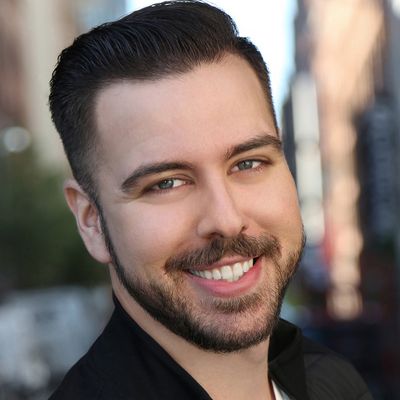
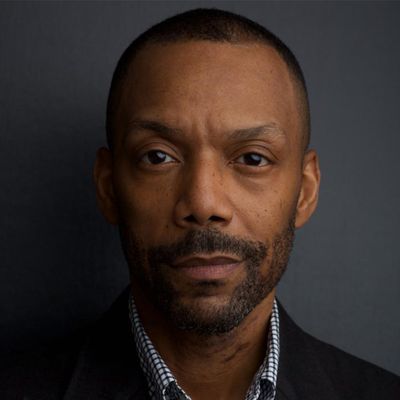
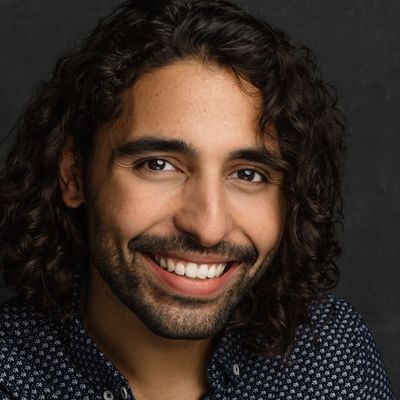
What makes the heart, soul, and sound of Hermes? Ask three different Hermes u/s and get three different answers. That speaks to the brilliance of the Hadestown creative team, and their encouragement to anyone who steps into the winged shoes of Hermes to bring their actual selves to the role. With us in this episode are T. Oliver Reid, Trent Saunders, and Eddie Rodriguez (two Broadway and the national tour understudies respectively), three uniquely different individuals who are all joined together in their privilege of being to play Hermes, the messenger.
Eddie Noel Rodríguez (Swing, u/s Hermes) is a proud Puerto Rican performer who has lived and worked as a professional artist since he was 14 years old, starting with the folkloric dance company Gíbaro de Puerto Rico traveling the world representing his culture. He has a Bachelor of Arts in Communications from Universidad del Sagrado Corazón with a specialty in telecommunications and theater. He’s collaborating with different Broadway artists to bring musical theater workshops to the artists living in Puerto Rico. Eddie is thrilled, honored and grateful to be in his second national tour with the family of Hadestown. Tour: On Your Feet! (Emilio). Regional: Godspell (Jeffrey), Man of la Mancha (Dr. Carrasco), La Cage Aux Folles (Hanna), Footloose (Willard), Rent (u/s Roger), Piaf (Ensemble), Hair (Ensemble).
T. Oliver Reid (Swing, u/s Hermes, u/s Hades) Broadway show #13 for this award-winning artist. Broadway: Kiss Me, Kate; Follies; Thoroughly Modern Millie; Never Gonna Dance; La Cage Aux Folles; Chicago; The Wedding Singer; Mary Poppins; Sister Act; After Midnight; Sunset Boulevard; Once on This Island. TV/Film: The Sixth Reel, “Sex & The City,” “The Blacklist.” Educator Trent Saunders (Worker, u/s Orpheus, u/s Hermes) is grateful for the chance, joining this incredible company. He has been building some exciting things with his cohort and family of collaborators, The Saunders Collective (thesaunderscollective.com). Favorite credits: Evita (Che), Aladdin (OBC), American Idiot (St. Jimmy). Love to Tree, the Delfinitas, Mike, the family and all of you. Let’s tell the story!
In this episode, we talk about:
- How majoring in telecommunications helped Eddie make it to Broadway
- Why their unique differences help unify them in the role of Hermes
- The stress of the vocal ranges required for covering multiple tracks
- How do get over that "I HAVE TO PEE!" feeling before going on stage
- Representation of 3 different guys being the same character
Connect with Trent, T., and Eddie:
Connect with The Theatre Podcast:
- Support us on Patreon: Patreon.com/TheTheatrePodcast
- Twitter & Instagram: @theatre_podcast
- Facebook.com/OfficialTheatrePodcast
- TheTheatrePodcast.com
- Alan's personal Instagram: @alanseales
- Email me at feedback@thetheatrepodcast.com. I want to know what you think.
Transcript
This transcript was automatically generated and might contain errors.
[0:00] Alan Seales: Welcome back to the Theatre Podcast. Intimate personal conversations with the industry's biggest names. I'm your host, as always, Alan Seales, and our episode today is with Trent Saunders, T. Oliver Reid, and Eddie Noel Rodríguez, three people who play Hermes, two in the Broadway production, one in the national tour. This is the first time we've ever had an episode like this, where we've had three different people playing the same role. I think we coined the term Hermesian. Hermesian? Hermes-i? I don't know. We figure that out. They are three uniquely different guys, all playing the same role across Broadway and national tour. As I mentioned, they bring their own unique flavor to the role, and this speaks back to the creative team.
We've actually heard this more than once now, that the characters that they bring to stage are actually part of who they are in real life. They're encouraged to bring themselves into the character, to make the character that much more unique. Also, side note, T. was in the middle of trying to figure out if Trent was going to have to go on for Orpheus tonight, as I'm recording this. So, we get to hear a bit of the amazing life of Swings and Understudies unfold in real time. So, if you hear T. sort of talking about checking with the stage manager and having to get up for a second and coming back, he's going to talk with the production team to figure out who's playing what tonight in the production.
So that's lots of fun. Find me online on Instagram and Twitter at theater underscore podcast. Leave a rating and a review wherever you're listening now. And after a short break, here's the episode with Trent Saunders, T. Oliver Reid, and Eddie Rodríguez.
[2:02] Alan Seales: We have not one, not two, but three guests with us today as we continue our amazing journey way down underground. From the National Tour of Hadestown, we have Eddie Rodríguez, who has been performing professionally since the age of 14 and was Emilio in the National Tour of On Your Feet. From the Broadway cast, we have T. Oliver Reid, who's now with the edition of Hadestown is at his 13th Broadway credit. Also from the Broadway cast is Trent Saunders, who also has a whole slew of amazing Broadway credits, including Evita, the original Broadway cast of Aladdin and American Idiot in their respective shows. They are all understudies for Hermes. They're Hermeses, Hermi, Hermeses. Anyway, Eddie, T., and Trent, welcome to the Theatre Podcast.
[2:53] T. Oliver Reid: Thank you.
[2:54] Trent Saunders: Thank you for having us.
[2:55] Eddie Noel Rodríguez: Yeah, thanks for having us.
[2:57] T. Oliver Reid: We are all Hermesian, I think.
[2:59] Trent Saunders: Hermesian.
[3:00] Eddie Noel Rodríguez: Hermesian.
[3:01] Alan Seales: I was gonna say, I got my playbill here and then right at the top here. Oh, what's this? What's this? Oh, I saw, I saw you, Trent. I saw you crush this role. It was a couple weeks ago, a couple weeks ago now that I saw it. And, and I want to start, I guess, specifically with this in that the three of you are distinctly different people. You look distinctly different. You act distinctly different. You're all approaching this role originated by the incomparable André De Shields. So I guess, Eddie, let's start with you. When you're going on for Hermes, where do you bring to the character that's different from anybody else?
[3:49] Eddie Noel Rodríguez: Um, well, the Latin, the slavish Latino vibe. Um, I think that's, that's the most thing. That's the most important thing for my character, my Hermes. Um, and having the ability of actually in certain moments at some Spanish words that I actually asked or, uh, and I, um, Rachel and Rachel asked and there's some moments that I can like live a little bit. So putting that for my Hermes meant a lot since the beginning and having that approval from the creator, from the creative team, it was, it's just, just a blessing. So, yeah.
[4:29] Alan Seales: T, what about you?
[4:31] T. Oliver Reid: Uh, uh, that's, I mean, it's a good question. I think for me, it's like one, one, the reason I, I really wanted to do this show is, uh, I wanted to be able to watch the process of, of André De Shields and also Patrick O'Pagan and, and who they are. So it's, it is being able to, to bring sort of our full selves into this character without it being, without it having to be a carbon copy of André, without it having to be a carbon copy of anyone, but just to be able to, to know the journey that, that Hermes wants to take us on to know that, you know, we are, we are narrating this the entire time and, and making sure the audience has all the information they need, but in the way that we each, in the way that we each tell the story and the way that we each sing in the way that we each stand on stage and, and accept the audience and accept the cast. Um, yeah, it's, I mean, for me, I mean, it's, it is, it is the beauty of, of having a show that doesn't require you to be that carbon copy, which is great.
[5:32] Alan Seales: And Trent, of course, I've seen, I saw you, as I was saying, I've seen André, uh, both perform completely different approaches to the same character. And, uh, just there's a, there's the younger kind of, uh, sassy that you bring to the role. If I may be so bold compared to André's very wise, very like, I am your boss kind of way that he brings his character to life. So is this a conscious choice or is this more of just who have more of who you are on the inside?
[6:02] Trent Saunders: I mean, I, I would say yes, yes to both, you know, and there's reality of, of you. None of us will ever be the whiz, you know, like André is he, he, he is magnificent. He's a wizard, you know? Um, but what I will say is I was incredibly lucky as I was learning the show. The Hermes was the first track that I learned, but I'm, I'm in the ensemble, I'm a worker, but the first track that I got to learn was Hermes because there was an awareness that I was going to be going on fairly recently within my run, um, or fairly early in my run with the show. But in my process and the two weeks that I was learning it, I actually not only got to watch André. I also got to watch T. I also got to watch Anthony Chapman, who was one of the bodies that was being replaced as I was, I was coming into the show.
So I actually got a kind of wide, three incredibly different individuals who bring their hearts and their souls, you know, Eddie and T both, both speak to the realities of like what it means to bring your essence, your soul, because the reality is Hermes is telling the story. So it's, it's based within whatever storyteller is inside yourself. And for me, I think it was, there are obvious homages. Like I, I, I'm, I am embodying my receipt of André's energy because I don't want the show to go off kilter too much. I'd be like, part of my job as an understudy is to keep it within the same kind of world that he builds. But there's just a reality that you have to acknowledge the soul that you exist as, and Hermes is a particular character, but I will say across the entire show, it's, it's, it's such a beautiful, a beautifully written piece and it allows you to embody yourself through these characters. Everyone comes on stage at the top of the show as themselves. And we kind of all agree together to tell the story with who is on the stage, you know, and it's, and it's really special that way.
[8:11] T. Oliver Reid: With that, with that, with what Trent is saying, I think the one thing for, for all of the, the, the Hermes go into this. I mean, the only thing that we have to do, at least for our show and Eddie may be different for you because of, because of the tempo in which Levi moves for us, it's like, you don't have to move that fast. Cause André doesn't move that fast. So you have time to, to make the moments as opposed to, I got to run over here. If you're running in our show, you're in the wrong place because André just doesn't move that fast. So we have time to, to breathe and think, and then move to the next thing, which is, which is lovely.
[8:47] Eddie Noel Rodríguez: Yeah. In my case, I have that mix up, of course, André that I saw it twice on Broadway and then Levi have seen it every night. It's just, and it's very different, you know? So I kind of have like this mix and combination, but always putting my flavor in it because I like the posture. I like the, the pays and the wiseness of, you know, the, the, all the way of André brings the character and then the way that Levi is more, you know, more like down here, more, a little bit more connected and more human. So I kind of create a combination of that. And depending on the numbers as a storyteller, I can switch a little bit and play with that, but always bringing the shoulders and the hips.
[9:27] Alan Seales: The theme that you guys were just talking about, I've heard, I've talked to several other Swings and Understudies from, from the Broadway cast so far during this takeover. And that's something that they've, that I've heard repeated is that you're, you're supposed to, you're supposed to, you're encouraged to bring yourself to the character. Like that's part of whatever character you, you are, whether what track, no matter what track you're playing. And so then Eddie's speaking to the, the tour aspect of the production, when they're standing up a completely new cast compared to Swinging or Understudies in and out of, of an existing cast, what was the process for, for the national tour, standing that up? Do you know if it was any different from how they put the Broadway cast together in terms of saying, here's your mold, go for it? Or was it still just start from scratch? Like now you can bring in some Spanish words, you bring in the Latin feel.
[10:16] Eddie Noel Rodríguez: I mean, at least since the beginning, Rachel was very like open for different options and possibilities, you know, and that was kind of nice. And since the beginning, she encouraged me to just be myself, even including the accent, that it was a thing that is, don't worry about the accent, just you're a storyteller. There's a reason why you're here. So feel comfortable with that. So at the beginning, when I entered to a show that is not, of course, it's not On Your Feet, it's not a Latin show. And, but it's so diverse and so rich that having that approval from the creative team comes to you a little bit and lets you play a little bit more. So at least for the tour and everybody, including Will Mann, that is another understudy, he covers Hades and Hermes here on tour.
Everybody's very different and can bring their own spirit because since the beginning, we got that approval, guiding us, of course, on the base and the show and what we got from Broadway, but acknowledging that it was going to be different too. It's always fun. I love that.
[11:28] Alan Seales: And so T and Trent, you guys, both obviously are Hermesian, but T, you also understudy Hades, and Trent, you understudy Orpheus. Those are on opposite ends of the vocal system.
[11:36] T. Oliver Reid: Yes, yes.
[11:46] Alan Seales: So, I mean, like, hot damn. Anaïs, I asked Anaïs once, I said, why did you write so high? And she goes, I didn't know I wasn't. I just wrote for me. Right. She didn't know what she was doing in terms of the female male differences, the voice. But so she wrote this beautiful, beautiful score that is just in the stratosphere, Trent. And I want to go back when you are on for Orpheus. I've got to see this because I loved you so much as I mean, I'm sure I want to see all of you for that matter. But so I guess is Hermes right in the middle in terms of the vocal vocal range? Is that like your standard tenor to sort of role? Or is it? Where is that?
[12:22] Trent Saunders: Yeah, I mean, I mean, T of course knows this. I was originally cast as a baritone voice part in the worker track in my in my ensemble.
[12:36] T. Oliver Reid: I think the heart and soul of Hermes is really about the connection that he has with the other characters and the audience. He’s this bridge between the two worlds, and I think that’s what makes him so special.
[13:06] Eddie Noel Rodríguez: Absolutely. And I think it’s also about bringing your own experiences and your own personality into the role. Each of us has a different take on Hermes, and that’s what makes it so rich and layered.
[13:36] T. Oliver Reid: Right, and the creative team encourages us to do that. They want us to bring our authentic selves to the character, which is such a gift.
[14:06] Eddie Noel Rodríguez: It really is. I mean, I come from a background of folkloric dance, and that influences how I approach the role. It’s about infusing those elements into the performance.
[14:36] T. Oliver Reid: And I think that’s what makes the character resonate with the audience. They can feel that authenticity and that connection.
[15:06] Eddie Noel Rodríguez: Exactly. It’s not just about the lines or the music; it’s about the energy we bring to the stage.
[15:36] T. Oliver Reid: And let’s not forget the vocal demands of the role. Covering multiple tracks can be really stressful, especially when you’re trying to maintain your voice.
[16:06] Eddie Noel Rodríguez: Oh, for sure. The vocal range required is intense, and it can be nerve-wracking to switch between different characters and styles.
[16:36] T. Oliver Reid: But that’s part of the challenge and the excitement of being in this show. It keeps us on our toes.
[17:07] Eddie Noel Rodríguez: And it’s also about finding ways to manage that stress. I’ve learned some techniques to help calm my nerves before going on stage.
[17:12] T. Oliver Reid: Like what? I could definitely use some tips!
[17:20] Eddie Noel Rodríguez: Well, one thing I do is focus on my breathing. Taking deep breaths helps me center myself and shake off that “I HAVE TO PEE!” feeling before going on stage.
[17:26] T. Oliver Reid: That’s a good one! I also try to visualize the performance going well. It helps set a positive tone.
[17:34] Eddie Noel Rodríguez: Yes! Visualization is powerful. It’s all about creating that mental space where you feel confident and ready.
[17:36] T. Oliver Reid: And I think the representation we bring as three different guys playing Hermes adds another layer to the character.
[18:06] Eddie Noel Rodríguez: Absolutely. Each of us brings our own unique perspective, and that diversity enriches the storytelling.
[18:36] T. Oliver Reid: It’s a privilege to share this experience with each other and to learn from one another.
[19:06] Eddie Noel Rodríguez: Definitely. I feel like we’re all part of a larger family, and that support makes a huge difference.
[19:36] T. Oliver Reid: It really does. And I think that’s what makes this production of Hadestown so special.
[20:06] Eddie Noel Rodríguez: Agreed. It’s not just about the individual performances; it’s about the collective energy we create together.
[20:36] T. Oliver Reid: And that’s what the audience feels when they come to see the show. They can sense that connection.
[21:06] Eddie Noel Rodríguez: Exactly! It’s all about sharing that experience and making them feel something.
[21:36] T. Oliver Reid: And I think that’s why we all love what we do. It’s about the magic of storytelling.
[22:06] Eddie Noel Rodríguez: Yes! And being able to do that in such an iconic show is truly a blessing.
[22:36] T. Oliver Reid: I couldn’t agree more. Here’s to many more performances and sharing this journey together.
[23:06] Eddie Noel Rodríguez: Cheers to that!
[23:36] Studio East, Kirkland Washington: [Sound of applause]
[24:36] T. Oliver Reid: Thank you for having us. It’s been a pleasure to share our thoughts on Hermes.
[25:06] Eddie Noel Rodríguez: Yes, thank you! We hope everyone enjoys the show as much as we enjoy being a part of it.
[25:51] Alan Seales: I love how both of you mentioned the universe conspiring with you, or for you, because you hear people all the time who are down on their luck, the universe is conspiring against me, grumpy, grumpy, grumpy. And I believe that, well, I believe that if you're open to embracing the opportunity, if you're open to the chances it is presented to you, that you can create your path as you want it to, right? So you pick and choose the good things and sort of try to block out the bad things. Was there ever a point that any of the three of you can remember where you were like, I gotta make a choice right now? And if I go one way, this will happen. If I go another way, it probably won't.
[26:34] T. Oliver Reid: Honestly, I think that's a daily thing. That happens a lot. Some days are easier than others. Some days it's the, yeah, I'm just going to keep putting one foot in front of the other and knowing that this is a part of the journey. I had four years when I was doing Mary Poppins that I was also working as a talent agent because I just didn't think I wanted to do it anymore. So I was working in the office from 9 a.m. to 6 p.m. and then going into Mary Poppins at night. And on two show days, I'd be in the office from 9 until 12 or 12:30, go do the matinee, go back for an hour after the matinee, then go back to do the evening show. And it wasn't something I wanted to do, but it was just that I needed to know for myself.
Oh, yes, I did. But it's that thing, you just need to figure out exactly where it is you want to be and what it is you want to do. And if you can and if you love this thing so much that you don't want to do any of the other parts. And it was figuring that out. But once you figure that out, it's like it's like that of like, OK, now, now I can refocus myself. Now I can now I can go through all of this that I'm going to have to go through because it's work. And it is show business and it is dealing with lots of personalities. And it's dealing with the voices that sometimes want to tap you and say, no, you're not you're not the right one. When the universe is telling you that you are. And for me, it's like following, listening to the universe and saying, I'm going to continue down this road because I know this is where I'm supposed to be. And I'm ready for any of the obstacles I'm listening.
[28:12] Trent Saunders: I'm listening. Paul, the stage manager, is sending me texts at the same time saying it's getting worse. Oh, my God. So I'm. Hold one second. Let's see if I'm going to. Another day. OK, we're fine for a second. Trent, just keep warming up. Oh, yeah. Here we are. Welcome. Listen, this is this is this is this is theater kids. Now we have the swings and understudies. Yeah, it is. And for us, we thought that we were done because a majority of the cast went through this. Got it. And in December. And it's also it's just that thing is like, of course, as soon as the man the mask mandate is lifted, we're going back into this again. So we'll see. Also, like, to be fair, we've replaced so many people since December.
It's been a pretty consistent turnover for the past ever. And yeah. And so it's new bodies. And and and the reality is this is a thing that we're going to have to live with for the rest of time. So, you know, it's it's I'm just glad that we have we have incredible, flexible, generous individuals who have joined our company, who are fully just just having to make it work. And and of course, we're here. These been doing it long enough that that we just roll.
[29:45] Alan Seales: We're going to take a short break. Stay tuned for more of the episode. I want to touch on this, obviously, as we're recording this episode, it's it's early evening and the matinee. I mean, the evening show hasn't hasn't been announced yet. It's as we were starting to talk before recording, there's been possible covid tests that have come back positive in the cast. So like now, Trent, you're saying you might be going on. We don't know. It's you know, so after this airs after this episode airs, we will have known if you have gone on or not. But now in the moment. Like for the three of you as swings and understudies, again, side note, shout out to swings, understudies, standbys and alternates. They keep this industry going full stop.
Yeah. Hey, so now as you're sitting here waiting for the news, wondering if you need to go practice your guitar for tonight's show, is this just another day or are you like you get little butterflies anywhere still? Or like I feel like no matter how comfortable I ever got with any role, I still had that nervous pee that I had to do three times before going on stage.
[31:03] Eddie Noel Rodríguez: I will specifically say that Orpheus makes me want to pee. That's a very specific role that is more nuanced than maybe any role I've done before. Hermes feels like. I don't know. Hermes because this show has been running for, you know, more than two years now and it's it's still not comfortable. It's finally in these past couple of weeks got to a place where it's like, oh, yeah, it feels much easier now because he says the same sentence 800 times in slightly different ways. So it's always remember that. And even if he's on stage the entire time, so there's still moments that I'm like, OK, this is the next line. This is the next line. This is the next line. After two and a half years. Just just because you want to make sure you want to make sure that you are doing your part in telling the story.
But it definitely finally is is feeling like, oh, I can I can really now sit back a little more without without missing anything, without losing anything. And and having the moments that, you know, the moments that that Hermes and Hades have and the looks that Hermes and Persephone have and not and not missing in them and really be as present as possible. And and not have myself stressed out and and feeling like, oh, crap, I I needed to pee right before I walked on stage. And now you're on stage for the next hour and a half needing to pee because Hermes is always there.
[32:34] T. Oliver Reid: Two hours and a half on stage. Yeah. Yes. Eddie has been. Oh, go ahead. Go ahead. Go ahead.
[32:42] Eddie Noel Rodríguez: No, I was going to tell because last week on Thursday, I went on as Hermes and I got the call in the morning. We had two shows that day here. And in the morning, I like 10 at 10 a.m. Paige, our stage manager, is like, you're on. And I was like, OK, well, we're cool. I was like, no Hermes. And I'm like, what? So I haven't been on since December for Hermes. So it was like, OK, let's let's just and I'll automatically in my case. Yes, you get in like prep mode. So I do my breakfast in the morning, work out, warm up. I always have like this like checklist of reviews of each track in my moment that I know that I need to figure it out very well and be self-conscious about it. But it always happened when you go on stage is like, oh, OK, I'm Hermes.
So and there were two moments specifically that happened that you're thinking like, what's next? Like what I said, but because the memory muscle muscle memory is there, it's literally like you feel like you're like vomiting the words because you listen to it eight times a week. So, you know, is there. But sometimes if you're not extremely focused or in it, it's like and then comes out. So it happens. But it was it's always fun.
[33:55] T. Oliver Reid: I love the science behind behind how the brain works, too, in in that memory and recollection are two different. Yes. Recall and recollection are two different centers of your brain. Right. So if you have to speak it, it's a different part of you learn to speak something versus learn to recognize something. So I love that, you know, those two connections have to come together. And the vomiting of the words is like at the last possible moment, it comes out and you're like, oh, my body just did that. OK, cool. Yes. In there somewhere. Oh, yeah. Yeah.
[34:26] Eddie Noel Rodríguez: Yeah. And something as a worker is because we have to cover the workers, too. Sometimes we're like when you go on stage is like, OK, we're going to fight, we're going to fight, we're going to fight because it's so easily to go to the worker for. And I'm like, oh, I'm not in the right position. OK, it's always fun. And when I tell you like that, and so so Trenton is like I and I keep for some reason I have kept people's name, original cast members names in my head. So every once I'm like, oh, yeah, so you can wear offer when offer hasn't been in the show for about 12 years. So nobody knows who she actually is. It's like so for me to remember, it's like, no, just worker three, worker three. Yeah.
You know, there's a funny, funny anecdote on that. When I when I went, I was in Evita in the UK and I the costume, the people who built the costumes for Evita had built the costumes for Aladdin. And so all of them knew who I was because they were like, you are purple. They didn't know my name. They didn't like like, but they all knew who I was because my face is the face that goes around with all of the productions of Aladdin because I am the original purple marketplace costume. And it's just so funny how that how that is pervasive in that way.
[35:39] T. Oliver Reid: What I do want to say about about Hermes specifically is that there is something and maybe this is just a personal thing, because I don't know, I love I love the power of Hermes. I love I love like it's it's intoxicating getting to walk on stage at the beginning of the show and look directly into the audience's eyes and watch them start losing their their their shit a little bit. You know, because they just kind of swarm and it kind of puts you in this reverse position. Right. Which I think for me, it allows allows for me to keep keep my cool a little bit more because I feel like most of the time the dynamic is one of very clearly you are being watched when you're on stage, when you're performing a role. But when you're being Hermes, you whatever happens is intentional because you are the one telling the story.
[36:39] Eddie Noel Rodríguez: But actually, the situation of COVID that hit us on January, actually, we had to cancel two weeks. We ended up we went to New Orleans. That was New Year's. You know, we had fun. It was a great week. But then after that, two cases, three cases, four cases, and then suddenly there was no Hermes. And I was the only Hermes that was going to be performing for two weeks. But then suddenly we lost our covers for Eurydice's and I was like, there's no show. So they decided to cancel. So Houston, we didn't perform in Houston and Austin. So we started again in Dallas for two weeks, but it was rough.
[37:18] Trent Saunders: I was gonna ask you with the tour, like in New York, it's all sort of here. It's one cast, one location, one cast, more or less, and one location. So I think I don't know if that's easier to control or harder to control in terms of keeping your cast sort of clean, clean and away from from the nasty germs. But right, like on the tour for you, is it is it sort of a different scenario where you guys have even more strict kind of rules or?
[37:50] T. Oliver Reid: I think it’s really interesting to think about how we all approach the role of Hermes, and I think that’s what makes it so special. Each of us brings our own unique experiences and perspectives to the character, which ultimately enriches the storytelling.
[38:00] Eddie Noel Rodríguez: Absolutely! I feel like Hermes is such a multifaceted character, and the way we interpret him can vary so much. It’s like we’re all adding our own flavor to the role, which is really exciting.
[38:10] T. Oliver Reid: Right! And I think the creative team encourages that. They want us to bring our true selves to the role, which is why I think we can all connect with Hermes in different ways.
[38:18] Eddie Noel Rodríguez: Yes! It’s about finding that personal connection. For me, it’s about representing my culture and my background, and I think that adds a layer to my performance that resonates with the audience.
[38:28] T. Oliver Reid: And for me, it’s about the journey of Hermes as a character. He’s a messenger, but he’s also a guide. I love exploring that duality in my performance.
[38:38] Eddie Noel Rodríguez: Exactly! And the vocal demands of the role can be quite challenging, especially when covering multiple tracks. It’s a lot to juggle, but it keeps us on our toes.
[38:48] T. Oliver Reid: Oh, for sure! The stress of hitting those high notes can be intense, but it’s also exhilarating. It’s part of what makes performing live so thrilling.
[38:58] Eddie Noel Rodríguez: And let’s not forget the nerves that come with it! Sometimes, right before going on stage, you get that “I HAVE TO PEE!” feeling, and it’s like, how do you manage that?
[39:08] T. Oliver Reid: (laughs) Yes! It’s all about finding that focus and channeling that energy into the performance. You have to remind yourself why you’re there and what you’re bringing to the stage.
[39:18] Eddie Noel Rodríguez: Exactly! And I think that’s what makes our different backgrounds and experiences so valuable. We can support each other and share tips on how to handle those moments.
[39:28] T. Oliver Reid: Absolutely! It’s like we’re a team, even though we’re all bringing our own interpretations to the role. It creates a sense of unity among us.
[39:38] Eddie Noel Rodríguez: And that’s what makes being part of this production so special. We’re all in it together, and we get to learn from one another.
[39:48] T. Oliver Reid: Yes! And I think the audience can feel that connection too. They can sense the camaraderie we have, and it enhances their experience of the show.
[39:58] Eddie Noel Rodríguez: Definitely! It’s all about creating that shared experience, both on and off stage.
[40:08] T. Oliver Reid: And I think that’s what makes theatre so powerful. It’s not just about the individual performances; it’s about the collective energy we create together.
[40:18] Eddie Noel Rodríguez: Exactly! And I love that we can all bring our unique selves to the role of Hermes while still honoring the essence of the character.
[40:28] T. Oliver Reid: Yes! It’s a beautiful balance, and it’s what makes each performance feel fresh and exciting.
[40:38] Eddie Noel Rodríguez: And I think that’s why audiences keep coming back to see the show. They want to experience those different interpretations and the energy we bring each night.
[40:48] T. Oliver Reid: Absolutely! It’s a testament to the creativity of the entire team and the way they’ve crafted this production.
[40:58] Eddie Noel Rodríguez: And it’s also a reminder of the importance of representation in theatre. We’re all bringing our own stories and backgrounds to the role, which is so vital.
[41:08] T. Oliver Reid: Yes! It’s about making sure that everyone feels seen and heard, and I think that’s something we all strive for in our performances.
[41:18] Eddie Noel Rodríguez: Definitely! And it’s inspiring to see how our different journeys have led us to this moment, sharing the stage as Hermes.
[41:28] T. Oliver Reid: It really is! And I think that’s what makes this experience so rewarding. We’re not just performing; we’re sharing our stories and connecting with the audience on a deeper level.
[41:38] Eddie Noel Rodríguez: Exactly! And I think that’s what makes theatre such a unique art form. It’s all about the human experience and the connections we create.
[41:48] T. Oliver Reid: Yes! And I’m grateful to be part of this incredible production and to share this journey with all of you.
[41:58] Eddie Noel Rodríguez: Same here! It’s an honor to be part of this family and to contribute to the legacy of Hermes.
[42:08] T. Oliver Reid: And I can’t wait to see how our performances continue to evolve as we grow and learn from each other.
[42:18] Eddie Noel Rodríguez: Absolutely! Here’s to many more performances and shared experiences together!
[42:28] T. Oliver Reid: Cheers to that! Let’s keep telling the story of Hermes in our own unique ways.
[42:38] Eddie Noel Rodríguez: Yes! And let’s inspire others to find their own voices in the world of theatre.
[42:48] T. Oliver Reid: Definitely! It’s all about lifting each other up and celebrating our individuality.
[42:58] Eddie Noel Rodríguez: And I think that’s what makes this production so special. We’re all in it together, and we’re all contributing to something greater.
[43:08] T. Oliver Reid: Yes! And I’m excited to see where this journey takes us next.
[43:18] Eddie Noel Rodríguez: Me too! Here’s to the magic of theatre and the power of storytelling.
[43:28] T. Oliver Reid: Absolutely! Let’s keep shining our light as we step into the shoes of Hermes.
[43:38] Eddie Noel Rodríguez: Yes! And let’s continue to inspire others along the way.
[43:48] T. Oliver Reid: Here’s to the journey ahead!
[43:58] Eddie Noel Rodríguez: Cheers!
© Broadway Podcast Network, All Rights Reserved