

When Elizabeth Teeter found out she will be taking on the role of Lydia Deetz in the beloved musical, Beetlejuice, the world suddenly shut down due to COVID and she never got to take her first bow as Lydia... Read More
From the show: The Theatre Podcast with Alan Seales
Guests

Featured Shows
About
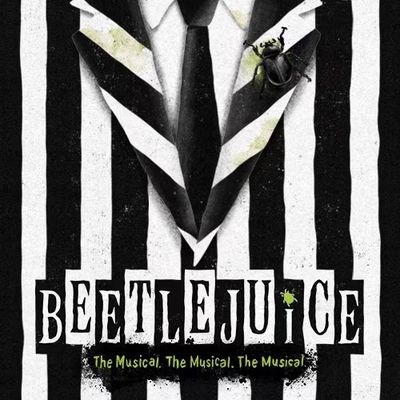
When Elizabeth Teeter found out she will be taking on the role of Lydia Deetz in the beloved musical, Beetlejuice, the world suddenly shut down due to COVID and she never got to take her first bow as Lydia. Now, two years later, Elizabeth recalls what it felt like as well as the things she did while dealing with the new normal, including some performing experiences. She talks about her early years on stage, from making her Broadway debut in Mary Poppins to performing alongside renowned actress, Helen Mirren, in The Audience. Elizabeth also shares her experience living alone in New York at age 14 to pursue her dreams, all while making sure she still gets to have a normal life and childhood. With the success of Beetlejuice, she opens up about the connection she has with her character and the show’s message, and why she does it for the fans of the show.
Elizabeth Teeter is an American actress and Broadway performer with impressive stage credits under her belt, including several Broadway shows namely, "Beetlejuice", "The Crucible", "Mary Poppins" and "The Audience". Her other credits include "The Secret Life of Bees" (Off-Broadway), “Jerome Robbins' Broadway” (Regional), and "The Sound of Music" (Regional). Her TV and film credits include "The Last O.G." and "Leaving".
In this episode, we talk about:
- Living in New York alone at the age of 14
- Playing alongside and attending an award show with Helen Mirren
- What it was like getting COVID during tech
- Doing ballet
Connect with Elizabeth:
- Instagram: @elizabethteeterofficial
- TikTok: @eteetphonehome
Connect with The Theatre Podcast:
- Support us on Patreon: Patreon.com/TheTheatrePodcast
- Twitter & Instagram: @theatre_podcast
- TikTok: @thetheatrepodcast
- Facebook.com/OfficialTheatrePodcast
- TheTheatrePodcast.com
- Alan's personal Instagram: @alanseales
- Email me at feedback@thetheatrepodcast.com. I want to know what you think.
Transcript
This transcript was automatically generated and might contain errors.
[0:00] Alan Seales: Welcome back to The Theatre Podcast, intimate personal conversations with the industry's biggest names. I'm Alan Seales, and our guest for this episode is none other than Lydia Deetz herself, Elizabeth Teeter. She was actually cast as Lydia before the pandemic had, I think, three days of rehearsal, and then the world shut down. And then so now she's able to actually get into the role. She's back on stage. Oh my gosh, such a wonderful person to talk to. She's so introspective and self-aware. I have so much respect for the journey she's been on in her career, personally and professionally. At 13, she was working alongside Helen Mirren. She was on her own, yeah, completely on her own at age 14 in New York City, having this complete level of independence that most 14-year-olds don't even come close to having.
It's ridiculous. So, I can't wait to share the story with you. Find me online, Instagram and Twitter and TikTok, and leave a rating and a review wherever you're listening. And everybody, please enjoy this episode with Elizabeth Teeter.
[1:23] Alan Seales: Our guest today is a true triple threat who was previously seen on Broadway in The Audience alongside Helen Mirren, The Crucible, and Mary Poppins, and as Lily alongside LaChanze in the world premiere of The Secret Life of Bees in Atlantic Theatre Company. Now on stage at the Marquee Theatre as Lydia Deetz. Elizabeth Teeter, welcome to The Theatre Podcast.
[1:44] Elizabeth Teeter: Thank you. So good to be here. Thanks for having me.
[1:47] Alan Seales: Oh my goodness. This has been a show that has been resurrected from the dead, as many other things in this show. And I don't know how widespread this is, but I want to dive real quick into the fact that you were, before the pandemic, you were already gonna be Lydia. This was, you were already in rehearsals. It just hadn't been announced yet, right?
[2:12] Elizabeth Teeter: Yeah, I was like three days into rehearsals. Nothing had really been announced at all. I had barely met anyone. And then we shut down. So it was kind of weird. I kind of, I feel like I got the part twice because I didn't know if the show was coming back. I didn't know if I was coming back. We didn't really know anything. And so I kind of, you know, I was brought back in two years later, and then they offered me it again. So now I'm here. So it's very full circle and crazy that two years later, the show is back, and I can finally do it.
[2:49] Alan Seales: Well, did you have to go through the whole, like the exact same audition process again, when you were coming back after the pandemic? Or was it kind of like pick up where it left off?
[2:57] Elizabeth Teeter: Sort of. It was, it was sort of that and sort of different. It was more just like, because they had such limited time with me before, and it'd been like two years, and they just sort of brought me back in to like, kind of really like see the team and just sort of workshop and see where I was after two years. And, you know, it's just, it's a big score. So we kind of just sang through a lot of music. And then, yeah, so it was sort of a strange process. But, you know, we had a whole pandemic. So that's also strange.
[3:28] Alan Seales: Well, coming out of the pandemic, I was reading that you sort of relate to Lydia in a way, right? Because I'll let you tell it, but there's some sort of connection that you've got to the character as trying to find a place trying to be okay with being alone, right?
[3:46] Elizabeth Teeter: Yeah, yeah, I think, I think we all spent a lot of time alone during the pandemic. And for me, it was a sort of good experience, I think. I think I learned to sort of, how do I say this, figure out my other interests, and figure out other things I like to do, explore different creative things. But it also was this weird feeling of feeling stuck in this time loop. And I think, I think Lydia feels stuck throughout the majority of the show. She doesn't really know what to do. She doesn't feel like she's seen. And I think a lot of people can relate to that, especially, especially during this pandemic. And especially like, I know people my age, it's been hard transition, trying to go to school, trying to go to college or high school, and feeling like you're in this bubble and, and are struggling and no one's knowing seeing you or you know, there are bigger things going on in the world, etc. So I think it's definitely coming back. I think there is more to the show. I feel like the entire cast felt that when we came back and we read it, there were things in the show that had more gravity than they did before.
[5:02] Alan Seales: So how much of the cast knew that you were coming in as Lydia before the pandemic? Because I guess my question is, like, were you meeting the majority of the cast post pandemic after all this was done? Or had you started rehearsals with anybody other than the stage management?
[5:14] Elizabeth Teeter: Barely, it was it's actually a funny story, because I was I was just rehearsing pretty much with stage management I had, because it was only a few days. I had gone to the theater. And before the show, briefly met everyone, like I kind of ran into the dressing rooms and waved and whatever. And Adam, who plays my dad, was like, hope we have a show for you, elbow, elbow, like, as like, everyone was like, you know, not like we were very much like, do we shake hands? Do we like because we had just heard about the virus kind of. And so it was very funny to be like, Oh, haha, like, don't shake my hand. And he literally on the stairs said, Well, I hope we have a show for you to do. And I was like, What do you mean we don't have a show?
I had no clue. It didn't even cross my mind that Broadway would be shutting down. And then literally the next day, I was in the rehearsal studio. And, you know, stage management gets a call that shows canceled, we had an hour left of rehearsals. So we just like finished up what we were doing. And then I looked in and was like, See you tomorrow. And then I went home for a year. Oh, wow. Oh, it was bizarre. It was crazy and scary, honestly.
[6:29] Alan Seales: Well, so then the beginning of rehearsals when you're a stage manager, and you're you're doing well, you're developing the character, right? And it had already been a little bit. The role was already there. It had already been established. And you're coming in, obviously, bringing yourself to it. But yeah, the the finding yourself and the finding your hobbies and the and the isolation that we were all forced to go through during the quarantine during the pandemic. Did that allow you to come back to to look at Lydia and look at the show and the story in a different way? Like, are you doing the show differently now than you think you would have had you gone on a year ago?
[7:07] Elizabeth Teeter: Yeah, oh, I think so. I think I'm just like, I think it's the right. I mean, to quote Delia, everything happens for a reason. But yes, yes. Um, yeah, no, I think I think it's just like, I feel like a different person. I'm still myself. But I feel like a different person. And I think we've all grown over the past couple of years. And I feel like I know myself more. I feel like I'm more prepared. And, and also, I just feel like I came in with a stronger sense of self, which also helps inform the character that you're playing. And yeah, I mean, I had such a brief time. It was so it's so strange, because I had such a brief time with the character before, but then it was this sort of looming two years of maybe doing it, maybe not.
So she was always kind of in the back of my mind. But I never, you know, I mean, anyone knows this with theaters, you can't get attached to anything, because you never know if it's going to happen. So it's not like I was like, constantly working on the music or constantly working on the show or whatever. But you know, there was always that little thing back my mind, knowing that, like, I might get to visit her again. And, um, yeah, I think it's just like, I also, I was lucky enough to have some performing experience throughout the two years I got to do. Um, in the summer, I got to do Sound of Music at the Muny, and I got to do, um, The Glass Menagerie, which was really cool. And then like, also, just I feel like I, the time away and that time alone and away from performing, helped me come back with a sense of gratitude to performing that that was always there, but I think just just heightened.
And so I feel like I grew as a person. But, you know, also those experiences helped me grow as a performer to now be doing the show, and I wouldn't be able to do it if I didn't have that time off. So I think it all sort of worked out. And, um, yeah, I don't know if that answers the question. Okay, but well, it does. I think it really does, because it gives you the perspective of what you said, like, you've been able to go away, find things that are not performing related, because I feel, um, I mean, like, what, you were 13, I think, when you were on stage next to Helen Mirren, of all people, you're 13. And when you're 13, right, you think, you think you own the world. Like, that's, that's right at the beginning of thinking you own the world.
And so at that time, right, I feel like, well, I guess, talk me through what you were feeling, because you're on stage, you're, you're with LaChanze, you're with Helen Mirren, and you're, you're on, like, in this massive production of Mary Poppins, like as a kid, right? Like, it's funny, because if you, if you put your name into Google, right, it's all, all of, it's like, several years of school headshots, like growing up, right? I know, it's like, who's that? Who's that?
[10:00] Elizabeth Teeter: Yeah. So, so you've been able to, uh, have different types of shows. You've done musicals, and plays, and serious, and comedies. And there's a cat. Oh, this is my cat, Henry. I got him, um, in the fall. He's gonna be one. Sorry, everyone.
[10:09] Alan Seales: Oh, he's so cute. Um, and, okay, so, uh, sorry, I've got cat in my brain now. Um, so yeah, you're going through, and you've got different perspectives, and different types of shows, um, comedy, drama, musicals, plays. Yeah. And I guess now, coming into, um, Beetlejuice, how do you, how have you used all of this, uh, to sort of shape who you are now, your sense of self, right? Because Beetlejuice, as a, as a show, there's, it's a very serious show. It deals with death, it deals with loneliness, but it's presented, like, the serious subject matter is presented in a very funny way.
[10:34] Elizabeth Teeter: Yeah. And that's, that's what I love about it. I think that's what's, like, brilliant about the show, is, you know, you go in thinking, oh, this is gonna be so fun, and it's a comedy, and then it's strangely moving, and talks about a lot of serious issues, which I think is just such a brilliant way to merge those two together, um, and such a cool thing to be able to do. Um, but yeah, I think, I've been actually thinking about this a lot lately, of just, like, I, I find myself feeling a lot more grateful and reflecting on those past experiences more. Um, obviously, you know, it, I knew what a big deal it was and how exciting it was when I was 13, but, you know, you're also 13. You're just, you know, doing the show and having fun, and, you know, now I go, oh, my God, that was Helen Mirren.
Like, I asked Helen Mirren to be a part of, you know, like, a backstage video with me or something. Like, what was I thinking? Um, no, no, no, but, but it's people like that. Like, Helen Mirren, Ben Whishaw, who was in The Crucible with me.
[11:47] Elizabeth Teeter: Sean Sacon and all of these people, I think really, really taught me what it's like to be a good company member and not just on stage, but off stage.
[12:01] Elizabeth Teeter: What I always say about Helen is that she is everything you'd want her to be and more and that she is, you know, the top of the top and treated every single person, every cast member, every crew member like they were her equal.
[12:16] Elizabeth Teeter: She would do so many things for me and Sadie who shared the role. I would say we got invited to go watch the Tony Awards because she was nominated and some people were nominated from our cast. And, you know, we were up in the balcony, like getting in our seats. And we get this call from company management that was like, Helen's looking for you. And she comes off the red carpet in her gown to the corner of the street and is like politely arguing with the security members to let us come by. She's like, no, no, no, no, you don't understand. Like, they need to come back with me. And she dragged us under the carpet to take pictures with her and brought us down to bow with her at opening night and all of this stuff. And would constantly be, you know, sort of talking with us and talking to me about little moments we could find and match our physicality and all of this sort of masterclass work that, you know, she didn't have to do that, but she did.
[13:13] Elizabeth Teeter: And it has had this lasting impression on me that I still think about today, which is just such a good example of how you want to be. And I mean, I think that, too, in this company of people, we are all in Beetlejuice, we are all a team and it doesn't matter what role you are or position, but we all work together. And I think like people like that in previous shows have really sort of hopefully, hopefully I care, you know, carrying that on, but yeah, it's just sort of like osmosis, like all of these amazing people. That's the best way. It's absolutely the best way.
[13:52] Alan Seales: And I love that that you're able to recognize that. And there's so much, I guess, what am I trying to say, is that the people that I found the most successful over the years are the people who are always trying to help others be better.
[14:09] Elizabeth Teeter: Yes.
[14:10] Alan Seales: And because, case in point, right, Helen's trying to help you become a better performer and so you can work together and make a better show. And then I'm sure she's discovering things about herself in the whole process. And so there's people like this that they continue to work and they continue to want to people want to continue to hire them because they have this reputation for being the person you want to work with again.
[14:34] Elizabeth Teeter: Yes.
[14:35] Alan Seales: And I absolutely love that. And I feel like you've like just in this little bit of time we've been talking that you've that you're taking this away, like you recognize that and you're like, this is what this is how I need to behave. We need to help others. We need to teach others. And a rising tide lifts all ships because if we can help everybody. And like, especially now, I feel like it's like we get to in this crazy time, like we get to put on a Broadway musical. Like how lucky and cool is that? It's sort of like this amazing, special thing we get to do.
[15:10] Elizabeth Teeter: So it's a combination of like knowing that privilege and feeling grateful for this crazy experience. But then also, I think having had worked with all these people sort of debunked the myth of like Broadway and all of these, you know, this person and that person is it really comes down to like the work of it. Like, it is hard work. And the best of the best people like Helen and Ben and all of these people, it's like they are. They're not focused on all of this stuff. They are focused on the work and how to create a good show.
[15:44] Elizabeth Teeter: And that it doesn't matter if it's Broadway or if it's regional theater, community or whatever, like that is what theater is. And it doesn't matter where you're doing it. It's just that, you know, we want to we want to do our best and put on a good show and be a team. And I think I've just been I'm so grateful that I've had those sort of mentors. You know, I didn't go to school necessarily for acting, but it's like I got my own school of teachers through these shows and directors like Alex Timbers, who is just like the best. You know, he's he's how you want to run a show. He's how you want to run a ship. And, you know, working with different people like that has just been amazing.
[16:27] Elizabeth Teeter: And also just like different shows in general, like my people will sometimes ask me, like, if I have a dream show or dream role. And I really don't know, just because I want to try it all. I just want to try, you know, different things and have it be it's it's it's just so much it's so fun. And I think it informs every other role that you do, you know.
[16:49] Alan Seales: Well, you're you're a ballet dancer, right? Like you've got a lot of training in ballet and point, you know, like I see all these pictures on Instagram with like point shoes and whatnot.
[17:00] Elizabeth Teeter: And I don't feel like you haven't been on Broadway in a dancing role yet, right?
[17:05] Elizabeth Teeter: No, but I really want to. That is actually something I was like thinking about is I've gotten lucky to do all these, you know, acting and singing roles. But I'd love to dance more. I started ballet when I was like seven and I was pretty serious about it for a while. And there was a small window of time where I thought that's maybe what I wanted to do. And then I was like, oh, man, that is that is a lot. That is one hundred and ten percent. You got to be all ballet. And that just I had too many other interests. But yeah, I still ballet is something that sort of is like my it helps center me. Like I like to try to go to class sometimes before a show or during the day just because it is very peaceful for me.
[17:49] Elizabeth Teeter: I mean, it can. I think because the stress of it of when I was younger is away because I'm not trying to pursue it seriously. But I'm just doing it something, you know, to keep my body in check. And because I enjoy it, it's very I really love it.
[18:02] Alan Seales: Yeah. Well, OK, so you started it performing ballet at seven. So did you originally get into performing to dance or did you see like did you have any do you remember any sort of like a touchstone moment where you're like, I've seen such and such on this place or that place? And I have to do that, too.
[18:21] Elizabeth Teeter: Yeah, I mean, it was always I think it was always theater for me. I did my first show I did at the Muni Theater in St. Louis, where I grew up when I was seven. I did Meet Me in St. Louis. And my parents are both in theater. My dad is a is an actor and or he doesn't really act anymore, but he's a teacher, professor of musical theater. And I always say that, like, my parents are the opposite of stage parents in that they're they didn't push me into any of it. But it has been amazing to have parents understand what the industry is and have a lens in that way. And a lot of surrogate aunts and uncles. But I also have three siblings who have many different interests and hobbies, and they made sure we were all equally attended to, which I think helped me stay grounded and that I wasn't this like, you know, being pushed into this and pushing that.
[19:12] Elizabeth Teeter: But I always say, like, I begged my dad to just bring me to shows when I was, you know, five or whatever. And then I begged them to let me audition. And they were like, oh, OK, like sort of hesitant about it. But I think it was just like I knew like the first show I did when I was seven. I think a lot of people have this similar experience of I was always just playing pretend. And then all of a sudden it was like, oh, my gosh, I got to play pretend with other people. This is so fun. I don't remember being scared. It's so funny. I get way more nervous now that I'm older. I don't remember being nervous. I don't remember being scared when I was younger. I just thought it was like my imagination come to life with other people.
[19:55] Elizabeth Teeter: And I'm trying to think of an exact show. I mean, I saw a lot of shows when I was younger, but I mean, classic. I went to see like Wicked on tour, I think, when I was nine. And, you know, defying gravity happens. And it's so cliché. But the curtain came down and I was like, I want to do that. I don't know what that was, but I want to do it. And then I ended up seeing it again on tour at the same theater, like 10 years later, when I was, you know, 19 or I'd done all these shows in B's. And I remember I started crying during the overture because I was just like, I was sitting here 10 years ago and I'm still doing what I want to do. And how cool is that, that I've had these experiences and I'm still, you know, I remember that moment of sitting there just in awe.
[20:36] Alan Seales: And I got to, you know, experience that again, having done all of this, done what I wanted to do.
[20:43] Alan Seales: So your Broadway debut then was Mary Poppins?
[20:47] Elizabeth Teeter: Yes.
[20:48] Alan Seales: So you were the Banks daughter.
[20:52] Elizabeth Teeter: I'm having a total brain fart. Jane, Jane, Jane, Jane, Jane Banks.
[20:55] Alan Seales: Yeah, of course.
[20:56] Elizabeth Teeter: Jane and Michael Banks.
[21:00] Alan Seales: So you were in St. Louis at the time you got this. And so you moved to New York for the show? How did that work?
[21:05] Elizabeth Teeter: Yeah, so I was in St. Louis. I had just recently sort of came to New York to audition, get an agent, sort of start doing all of the auditions for kid shows and things. And yeah, I got offered Mary Poppins and it was crazy because it was my fifth grade year. I was 10. And my whole family, we sort of picked up and moved. My dad still stayed for work and kind of came back and forth. But my family and I always say that was one of our favorite years of the family because I had... So I have a twin brother. I have a little sister who's four years younger and then another little sister. So we were like 10, 10, 6, and 3. And we all picked up and moved to this little place in New York. And my mom homeschooled us.
And we just like... It was honestly one of the best years that I ever... Just because it was like... New York was just so different than this little Midwest bubble I'd lived in. And my parents had lived in New York for years and all over the place. But it was just like completely opened up this world of culture in New York.
[22:16] Elizabeth Teeter: And we were going to all these different playgrounds and museums. And doing the show was just the most magical thing ever. And so then we went back to St. Louis afterwards. And it was like a completely... I feel like we were suddenly like, what? There's so much out there. There's so much out there in New York and the world. And so that was crazy because we all picked up and moved. But then as I kept getting more things, obviously my family was like, that's not possible. So the next show with The Audience, my mom came with me. But then when I did The Crucible, when I was 14, I went by myself. I stayed with a host family who...
[23:00] Elizabeth Teeter: Wow. Yeah. So I stayed with a host family who we met randomly through some people that I knew in a show. And they were so generous to just let me stay with them. But their schedules were so opposite than mine that I didn't really see them. So it was crazy because I felt like I was living the life of a college student at 14. And that I was taking the subway by myself. I was doing my laundry. I was grocery shopping. And I was 14 years old. And so it was this crazy experience of the show. But also, I feel like I grew up five years in that.
[24:03] Elizabeth Teeter: Back again for "Bees" by myself, and my family would come visit in the summer. So it was a lot of back and forth. But also, the way the shows were spread out, I went to high school. I almost had my complete high school back home. So I think that was also a nice thing is I did get that normalcy of public school. I didn't completely have like one of those crazy childhoods where you just don't have a normal life. And I think that's something that my parents were really protective of is they were, you know, I auditioned for things, but they really wanted me to have a childhood, you know, which I think is super important.
[24:48] Alan Seales: We're going to take a short break. Stay tuned for more of the episode.
[24:51] Alan Seales: As you were saying that you were taking the subway by yourself when you were 14, right?
[25:07] Elizabeth Teeter: I was thinking about what was I doing at 14? Would I have been able to do this? And I think New York and, you know, a very select few other major metropolitan cities, because of the amount of people, the amount of resources and the amount of public transportation that are in these places, New York being, you know, like the center of the world, of course, we can say that because we live here now. Is that you can have, when you are 12, 13, 14, you can have this level of autonomy without a car, without having to even know how to drive or ride a bike. It's normal here, which is so different than the little neighborhood. I love where I grew up, but it is very, it is sort of very suburban bubble, like a lot of sort of like, not my family, but it can be a lot of like helicopter parenting kind of thing where it's like, I'm sure a lot of people were like, you did what at 14?
But it's just so normal here. And so, you know, I always say that like the show in New York, like half and half were the experience, half of it was the show and half of it was having to grow up and, you know, gain independence and stuff that I really don't think I would have if I just lived back home.
[26:25] Alan Seales: I agree, because you're a product of your situation. And obviously, you've got the wherewithal and the comfortability. When I was 14, I probably would have been able to just, I would have been like, I can't do this. I'm coming home, right? But you were able to say those moments. I definitely got homesick, you know? Well, actually, I'll ask about that in a second. But I was going to say that there are these times when you have the wherewithal and the drive and the focus to just say like, this is what I'm going to do. And it's, you're forced to grow up depending on what your situation is. And some people are forced to grow up in good situations and bad situations, depending on what it is. And obviously, I feel like your parents obviously knew that, or they trusted that you would figure it out. I don't think they, it doesn't sound like they would have just let you come to the biggest, one of the biggest, busiest cities in the world.
[27:12] Elizabeth Teeter: No, no, no. And be like, hey, I guess, hopefully, she'll stick around, you know, whatever. Well, and I had been enough because like, after "Mary Poppins," you know, I went back home, you know, to do school, but we kind of kept coming back in the summer. Like the next summer, I came back to do like a ballet intensive when we were here for months. And then, then I ended up coming back for, you know, another show and we would visit in the summer. So it was like, I had a good sort of off and on when people, it's so funny when people ask me, like, how long have you lived in New York? And I'm like, oh, I really don't know off and on, like off and on, like the months put together probably like a good amount of time.
And also, I did have a lot of surrogate family here through my parents' journey with theater and the arts and I had a lot of adults in here that were like, if you ever need anything, we're here. So it's not like I'm in a completely new city and didn't know anyone. It was hard though, because I didn't know a lot of people my age, which was hard, like coming in at like 14 and then 17 for "Bees," I'm always like the youngest on the show. So I love the company, but it's also like, it was looking back, I was like, it was difficult because I didn't have those school comrades and people and it's easier now that I'm an adult where it's like, you can find friends and things through this and that and the other, but it's very difficult, I think, when you're not in school to meet people your age in New York. Even as an adult, honestly.
[28:47] Alan Seales: Well, yeah, I'm sitting here like, I don't know how to make friends. I was like, I have three. My three friends listening to this are like, okay. What about me?
[29:02] Elizabeth Teeter: Yeah, it's tough. It's really tough, because I think in general, right, in school and in sports or whatever the case is, you're forced to be around people in a good way, right? You're just, you're shared interest and you're around people and you get to know them. And especially as an adult, when you lose that camaraderie of school and you lose the, like, there's no sports teams. I mean, so that's why a lot of adults get into playing, like, kickball, right? It's that thing that a lot of out-of-shape adults can do, like, I can play kickball, just because they want a club to belong to. Yeah, yeah. So, it's like, great, because I have these, you know, company of people and, and, like, "Beetlejuice" has been amazing, because the people in it are just so much fun and, you know, I become great friends with Alex and, you know, Leslie and all of these people that, that just, you know, have it be such a good time, which is also, I think, so important, because the show is so exhausting that I've really had to, I feel like, in a way, it is sort of my life right now, as I've adjusted to doing this show eight times a week, is like, I, you know, you, something that I feel like people sometimes don't understand, especially, I don't know, people younger who haven't done it, is that, like, it is so much work in that, like, I don't go out.
I don't, like, see people as much. I can't, like, I have to, you know, you only talk so much during the day or only, like, have this amount of stuff to do in the day, so you make sure you can do your show at night, and so, to know that I'm going into a group of people that are all, like, doing it together and are having a fun time is, like, maybe making it so much easier in that respect.
[30:34] Alan Seales: And, and, too, to add on top of what you just said, now there's the threat of COVID lurking, lurking behind everything.
[30:41] Elizabeth Teeter: Yeah, like, you said, you can't go out, can't go out afterwards. I got COVID during tech, which is crazy. So, I got COVID during tech, and I was out not that long. I recovered pretty quickly, but it was, like, I had to come back and wear one of those medical masks and, like, do run-throughs with this medical mask strapped to me, and it was, like, I was, like, I never had this experience of, like, I really can't breathe, like, and honestly, I think, like, I mean, COVID is serious. I still feel like I have some weird lasting things. Like, the first couple weeks, I was just, like, oh, my gosh. Oh, hello. Hi. Listen, my dad is visiting. He's giving me, he's giving me a drink. I was, like, is your cat moving the door?
No, no, cat is not holding coffee. No, thank you. My dad's in town for a couple of days seeing the show. Speaking of my family, but, yeah, no, it was crazy. I feel like, I feel like, I was, didn't have, you know, your body's still, like, recovering. Oh, thank you. Oh, and there's food. There's a food. Dad's just, like, poking his hand through the door.
[31:46] Elizabeth Teeter: Yeah, so that, too, of, like, COVID has made it extra hard, and I felt this way, like, I did my first year of college online. Here comes more. Here comes more dad. He's gone. Okay. Thank you, dad. Okay. Of, like, I did my first year of COVID, first year of college online because of COVID, and, like, coming in and sort of being in person and not, it's so hard because it's, like, some people don't really care, and I don't want to get sick. I don't want to get other people sick, and, you know, we're still dealing with that at the theater of, like, wearing masks and, you know, hoping people are staying safe. It's just, you know, it's definitely scary.
[32:32] Alan Seales: So are you, are you still trying, have you put college on pause right now because of "Beetlejuice," or are you doing that online? Because that's eight shows in college.
[32:35] Elizabeth Teeter: No, I put it on pause because I just don't think, I think I would burn myself out. I really don't think I could do it. I did, like, I did my, I did first year and first semester, like, last semester, and then I went to, like, one day this semester and was, like, I'm not gonna be here anymore. Yeah, so I was sort of, I was at Marymount Manhattan. I was sort of undecided and did a lot of, like, gen ed classes online. I think people are always surprised that I wasn't going to musical theater, and like, that's something I thought that I'd do for a long time, but as, like, as it got closer to applying and stuff, I realized just for me personally, a BFA wasn't the choice. I think just because I was already working and auditioning and training so much outside of school, I kind of wanted school to just be something different.
I wanted to explore my other interests and have it be separate, and also it just, you know, it makes it hard to audition. I also just, I love the theater community, but it can be a lot, and theater can be toxic, and I think if I was working in it and also just training in it, and like, I'm not a competitive person, I think it would just be too much for me to be doing that in school and off, and like, it works for some people. It works for some people, but, you know, I think New York is great because there are so many resources to train. Like, everyone has their own sort of journey, and you don't have to go to college for theater. If you don't, you know, you can still do it.
[34:14] Alan Seales: And you've got the experience now in the resume, especially after, you know, being in "Beetlejuice," right? Like, this is a role that is going to define your career, and I hope you realize that. I hope you realize that at this point because, yeah, this is a role that you're going to be able to reference forever. It's such an iconic show, and it's such an influential show, and literally, I was at the reopening, the resurrection show, the reopening a couple months ago.
[34:43] Elizabeth Teeter: Oh, my God, I was so scared. I'm like, come back now. I'm not scared out of my mind. I remember you came out for curtain call. You were like, oh, God, it's over. I was like crying with excitement and also just like, ah! But, you know, I was out there with the podcast doing some behind-the-scenes camera work, and I was talking with people who were in, like, cosplay, people who had showed up in costume and character, and there were people. I thought I would have trouble talking to people, but they're formed. As soon as I started talking to one person, a line formed.
[35:21] Elizabeth Teeter: What's going on out there? No one recognized me because I like with my hair and my cap or whatever, but I was like going out with my family and no one stopped me. Zero people walked by everyone. And I was like, wow, this is great. I was like, don't say anything bad.
[35:36] Alan Seales: That's funny. That's so funny. I didn't know that you would walk by. But yeah, so this line was there. And like, almost half the stories were people who wanted to share the fact that they were struggling with depression or anxiety or have thought about self-harm or things that really, like, really things that they were having problems with that this show, like we were talking about a while ago, that it's such serious subject matter that is dealt with in a very constructive and funny way that it helps people get through these dark moments.
[36:05] Elizabeth Teeter: That everybody, I think, more or less felt a part of, especially during COVID. So, the show is coming back in a way, Beetlejuice is coming back in a way, even stronger. And that was one of my last questions here for you was like the fan base. Now that you're open, now that you're in this role and you've kind of got a little bit of muscle memory into this and can relax a little bit, I assume. Have you been able to sit back for a second and appreciate the intensity, the intense support that this fan, that the fan base for the show is pouring out night after night?
[36:43] Elizabeth Teeter: Yes, I mean, it's just like, amazing. You know, sometimes it's like, oh my god, it's a Tuesday night and there are people dressed up and screaming and, you know, like, we've had such wonderful crowds and, and it's just like you said, if like, I, I've really been thinking about like, how wonderful this character is and that you, you don't see a lot of characters like her and that like, she's not an ingenue. She's not, you know, she's, she's a teen. And she is, you know, funny and sarcastic, but also I think has is very empathetic and going through depression and going through all of this stuff that is not always shown, I think, but like, so many people are dealing with and especially like, right now, I think there is, there is like a mental health, like, crisis in the world and that everyone is struggling in some way.
[37:33] Elizabeth Teeter: And I think that's why so many, and I also, the thing about what I love about her is she doesn't try to change herself. I think a lot of people are, the characters are trying to change her, but she, you know, she says she is strange and unusual and I think she's accepted that she is different and she loves these different quirky things and is sort of nerdy about them. And I think like, there's so many people like that, that can relate to struggling and, and, and being different. And also what I love is you see her like work through it and get to the other side, which I think is such a cool message of like, there is hope there are people in your world that love you and support you. You just need to open your eyes to that.
And, and, but also not, not show your way of grieving and your way of being sad, you know, everyone, everyone has their own way of dealing with stuff. And, um, yeah, I think just the fan base has been crazy. I had, I don't think I even had any clue what it was until, you know, we opened and I saw everyone out in the audience dressed up and screaming and they've been wonderful. Anyone who's any, any fans that are listening, I just, I'm so grateful for all your support, especially as the new person, it's kind of scary to join something that is so loved, but I feel like I've been really welcomed and some has been sent some wonderful messages just about, you know, the show and what it means to you and all this stuff.
It's like, I honestly feel like I'm doing it for you. I'm trying to do you a service because I feel like the fans have just loved it forever and are the ones that brought it back. So I'm like the new person that's like, I hope we're doing like, I'm so glad we're here for you. Like, I hope you enjoy this, this thing that you've loved for so long, but it's also, I feel like we're getting a lot of new fans too, which is like really exciting as it's being resurrected. So, um, overall, just super, super grateful.
[39:26] Alan Seales: Yeah, you should be. I mean, I would be in this situation too, just because it's, it's such a different industry these days, especially in the last few years. And I think it's, I was gonna say with, with the, with the advent of social media and then like Spotify playlists and, you know, look at, look at what fan demand has shown producers that previously they weren't able to see. So it's like the popularity of six exploded because of the, the, the London recording and look, look at the worldwide sensation that has become and be more chill went to Broadway because of that and lightning thief. And now, you know, again, Beetlejuice, there was such an outcry and a demand for this show to come back that, that it was never a question of if it should, it was, how can we get back?
[40:18] Elizabeth Teeter: Right. Which is just such a cool message to have. Like, you know, we're doing theater for people. And so it's like, if, if this is what people want, like, we're doing it for you, we're doing it for this community. So it was so cool that we were, you know, it's, it's, it's hard. Shows are expensive to find new theater to be able to actually bring it back. Like, I don't really know the last time that something like this has happened. Um, I mean, I'm sure it has, but just, I can't really think I, I don't know off the top of my head. So it's kind of like a miracle that, that it came back. And also it is telling that like so many of the, so much of the original cast came back and the reason they said is they love the show.
They love the show. They love the fans. They love the people. And like, you know, they're just happy to be there. And like, I joined and I said, oh, okay, I understand why everyone came back because it's just such a good group of people on such a fun show. And, you know, I was, um, I was texting Brightman, Alex Brightman last night. Cause we sometimes we'll, we'll talk after the show or whatever. And he just texted me last night after the show and said, how, he said like, how fun is our job? How fun is it that we get to come in and do this as, as work? You know, just sometimes we have those moments of like, we look at each other on stage and he's doing some like crazy face and I'm like, I'm just staring at my friend doing this crazy face and we're getting paid to do this. And like, just riff off of each other. It's amazing.
[41:40] Elizabeth Teeter: Yeah, that is, that's so much fun. And again, like take, take the perspective, know that you are in a moment that's going to stay with you forever in such a, such a positive, positive way and influencing many lives and helping so many people get through trauma and mental health issues and pandemic. God, it's just, I, I love the show. The show is so good. If you haven't seen Beetlejuice yet, everybody needs to go see Beetlejuice, especially because Elizabeth is in it. So, um, three closing questions. I ask everybody to wrap up my episode. The first one just very simply is what motivates you?
[42:21] Elizabeth Teeter: Oh, motivates me. Uh, my family, my family, my friends. Um, I mean, I, I'm so lucky to be able to do what I'm doing because of my support system. So I feel like that motivates me also just knowing, motivating me for the show, knowing that like it's someone's first Broadway show. The other day, there's the sweet, sweetest little girl dressed up in Olivia costume and I ran into her outside and I said, Oh, that was me at one point. I feel like seeing those type of people come in motivates me to know, like, this is their dream and that was my dream. And so I want to just give them the best performance that they can have. And also just, um, yeah, that everyone that I worked with before, I feel like the gratitude of that, knowing that like they have gotten me here. Um, you know, and sometimes it takes more motivation on those two show days. That five show weekend schedule we're switching to.
[43:17] Alan Seales: All right. So the second question then is what advice would you give to your younger self and younger people now who are starting out down a similar path?
[43:25] Elizabeth Teeter: Oh, um, I mean, it's hard to say when, you know, it feels like there's such a rush, but I feel like everyone's journey is completely different. And I know you may have heard that a million times, but like, there's not a correct path to go on to. There's not. Um, I need to be on Broadway right now, or I need to be in college for school for theater right now, or, you know, and, and it's, it's okay to have other interests too. I think sometimes people hyper-focus and think like this needs to be like, they need to be grinding. And yes, you need to work hard, but you also need to enjoy everything else around you. And I think that is only going to inform you and make you a better performer and artist is to have those other experiences and, and, and, and just, you know, take a step back and know that it's going to be okay.
[44:16] Alan Seales: I like that. Yeah. Just take it. Take a moment to breathe.
[44:19] Elizabeth Teeter: Get perspective and breathe and then keep going. All right. So last question. Hardest one. If you can only see one show for the rest of your life, you can see it as many times as you want. What would you see?
[44:30] Elizabeth Teeter: Oh no, that's so hard. Um, oh gosh. Maybe I'll say like, maybe I'll do a classic, like I'll do Wicked or Phantom of the Opera or something like that or Beetlejuice. That's not really a classic, but it will be. I got to promote the show. Also the show. I do have to promote the show for a second in that. I think there's something for everyone. It's very, you're going to be entertained, whether you like the music, the set, the dancers, there is so much going on. I feel like there's always something new to see. And also the character of Beetlejuice thinks musicals are ridiculous and breaks the fourth wall to, to acknowledge that. So even if you hate musicals, this is a show for you.
[45:12] Elizabeth Teeter: This is a show for you. We make fun of that too. So don't worry.
[45:15] Alan Seales: That's great. Where can we find you on social media?
[45:17] Elizabeth Teeter: I'm on Instagram. My Instagram is Elizabeth Teeter official and that's kind of it. I also have a TikTok, but I'm not really, it's so funny because there's so many fans on there and I don't really post that much. And I posted like one thing in costume with Dana and I have like a crazy amount of followers now. But I mean, that's one of the reasons the show came back is everyone on there. Presley Ryan and TikTok.
[45:39] Alan Seales: Yeah, I mean, I gotta give it like Presley started posting all this amazing stuff and people started getting into it. So it's really incredible. Yeah, I don't know if I have the same TikTok skills as her, but I'm just sort of on there for fun. But you can also find me on there, but mostly Instagram.
[45:58] Alan Seales: Great. I am on Instagram, Twitter at theater underscore podcast. I'm on TikTok at the theater podcast. I have like six videos. I don't know what I'm doing.
[46:08] Elizabeth Teeter: I'm gonna go follow you.
[46:09] Alan Seales: We'll follow each other and then we can do it this I don't know. Is that a thing the do it anyway?
[46:15] Elizabeth Teeter: I don't really know. I don't know. Dana and I like really try we're like, okay, we're gonna make this now. And then it always like, it's like, we'll do it tomorrow. And then we'll do it tomorrow because we're like trying to like figure it out in the five minutes we have together before act two. It's just the first time we made one was a disaster. So bad.
[46:33] Alan Seales: Well, it's good to know that even even Presley and you who know what you're doing more than I do still have to mess up and go over and over again.
[46:41] Elizabeth Teeter: Oh, yeah, I like that.
[46:43] Alan Seales: This has been edited by Well Run and Hoodlum Productions. Jukebox the Ghost gave us our intro and outro music and Elizabeth. Thank you so much. You are such a delight to talk to and and I cannot wait to see you on stage again.
[46:58] Elizabeth Teeter: Yay. Thanks so much.
[47:02] Alan Seales: Take a deep breath make the world a little colorful.
© Broadway Podcast Network, All Rights Reserved