
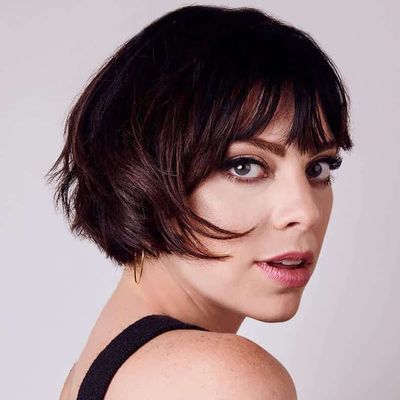
Currently starring as Cinderella in the Broadway revival of “Into The Woods”, Krysta Rodriguez is a talented actor, singer, and dancer with countless Broadway, TV and film credits... Read More
From the show: The Theatre Podcast with Alan Seales
Guests
Featured Shows
About
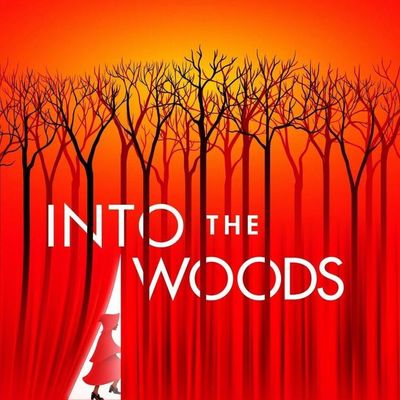
Currently starring as Cinderella in the Broadway revival of “Into The Woods”, Krysta Rodriguez is a talented actor, singer, and dancer with countless Broadway, TV and film credits. As the world starts to adjust to the new normal, she talks about her life and being thrust back on stage in a well-received show, which was completely unexpected for her. Playing the role of Cinderella made her realize that while it's fun to watch a show, it's even more fun to perform because there's “no bottom to it”. She reflects on how said role gives her a fresh perspective of Cinderella, and what the pressures to become a mother means. For Krysta, it was her search for fun that made her come back to acting, and with all her accomplishments and fulfilled dreams, she can still find fulfillment in different ways. Her dream of theatre leads her to her bigger "dream of life", which includes traveling, home design, and having meaningful relationships. From playing iconic people like Liza Minelli to iconic characters like Cinderella, she tries to give a fresh take by finding a lifeline as to how she and these characters are alike. She recalls her "Spring Awakening"days, the impact it has on her, and the bond she formed with the cast, most especially with the Deaf West revival cast, which was also the time she was going through therapy after getting diagnosed with cancer. Krysta opens up about her healing journey, why she decided to go public about it, her blog, ChemoCouture and how it became her form of activism, and personal growth as her number one life motivation.
Krysta Rodriguez is a talented actress and singer with countless stage and tv credits under her name. She made her Broadway debut in the short-lived 2005 jukebox musical "Good Vibrations". Later on, she became a replacement for the role of Bebe in the Broadway revival of "A Chorus Line". Krysta has also played many ensemble and understudy parts in the Broadway productions of "Spring Awakening", "In the Heights", and the regional production of "The Boy Friend" directed by Julie Andrews. Her other stage credits include "What We're Up Against", "A Chorus Line", "The Addams Family", "First Date", “Hercules”, and “West Side Story” among others. She is also best known for her tv roles as Ana Vargas in "Smash", Summer Henderson in "Trial & Error", Maxine Griffin in "Quantico", and Ms. Cruble in "Daybreak." Her other tv credits include "Inside Amy Schumer", “Gossip Girl”, and “Halston” where she plays the role of Liza Minnelli. Her film credits include "The Virginity Hit", "My Bakery in Brooklyn", “The Bitch Who Stole Christmas”, and “Killing Diaz”. In 2015, Krysta was diagnosed with breast cancer, and started a blog, ChemoCouture.com to share her journey during chemotherapy as well as fashion, beauty, and wellness advice. That same year, she also returned as Isle in the Deaf West Theatre production of "Spring Awakening" as well as its Broadway production. She is currently starring as Cinderella in the 2022 Broadway revival of “Into The Woods”.
Connect with Krysta:
- Instagram: @krysta_rod
- Website: krystacouture.com and www.curatedbykr.com
Connect with The Theatre Podcast:
- Support us on Patreon: Patreon.com/TheTheatrePodcast
- Twitter & Instagram: @theatre_podcast
- TikTok: @thetheatrepodcast
- Facebook.com/OfficialTheatrePodcast
- TheTheatrePodcast.com
- Alan's personal Instagram: @alanseales
- Email me at feedback@thetheatrepodcast.com. I want to know what you think.
Transcript
This transcript was automatically generated and might contain errors.
[0:00] Alan Seales: Hi, listener. Welcome to the Theatre Podcast. I'm your host, Alan Seales, and our guest today is Krysta Rodriguez, currently just entered into the woods. The smash hit, taking Broadway by storm. She is Cinderella and is just crushing this role. And she started out, of course, sort of a shot out of the cannon with the success of Spring Awakening and just has had an amazing, an amazing career thus far. And it's only just beginning. She's extremely open and very genuine in this conversation, especially about her breast cancer diagnosis and chemotherapy and that whole process. And we talked about some things that I've never been able to actually ask a cancer survivor. So, Krysta, thank you very much for your willingness to talk about that.
And, of course, mild trigger warning that we do talk about cancer and actually miscarriages as well. So, just know that this is a real, authentic conversation. So, before we get into this, find me online on Instagram and Twitter, Theatre Underscore Podcast, as always. And on TikTok at the Theatre Podcast, leave a rating, leave a review wherever you're listening now. And everybody, please enjoy this wonderful, wonderful conversation with Krysta Rodriguez.
[1:30] Alan Seales: Our guest today made her Broadway debut in 2005 in Good Vibrations before going on to an extremely long list of Broadway credits, including the original cast of Spring Awakening and the 2015 Deaf West revival of the same show, the original cast of The Addams Family, the original cast of the world premiere production of Disney's Hercules, the 2007 revival of A Chorus Line, and the production of In the Heights. She made her feature film debut in the film The Virginity Hit, recently starred in Halston on Netflix, and is also known for her roles on, ready for this, Smash, Daybreak, Quantico, Younger, Inside Amy Schumer, about two dozen more that would keep us here all day. This year, she co-starred with Santino Fontana in the Hallmark Channel film Just One Kiss and can now be seen back on the Broadway stage as Cinderella in the star-studded production of Into the Woods that just can't stop getting extended. Krysta Rodriguez, welcome to the Theatre Podcast.
[2:26] Krysta Rodriguez: Thank you so much. Happy to be here. I hope that did you justice. I was cutting out like three-fourths of your bio just to get to the talking.
[2:37] Alan Seales: Yeah, that bio needs to be shorter anyway. I'm talking to somebody about that. I don't need to know about all this. I started with the bio from Cinderella and I was like, this doesn't even encompass half of what I know you for. So, of course, like, I don't know. They only give you 50 words.
[2:51] Krysta Rodriguez: I know, word limits suck. Anyway, so yeah, you're joining us from the dressing room of Into the Woods and actually, that's a great place to start because this show is coming out of COVID, coming out of the pandemic. I feel like it's, I don't know if we're coming out, but coming out of lockdown, we'll say. We're getting into this point where people were starved for art and people were craving performances and connection and community and then Into the Woods is one of those shows. I mean, like most Sondheim productions, but one of these shows that so many people know and have never seen or have used as audition material, but never been able to perform. And so it's got this, these multiple levels of nostalgia and connection for people.
So, for you being able to have now the opportunity to be Cinderella, one of the best roles in the production, I think, and star alongside so many amazing people, which they will, of course, say the same about you. What is going on for you right now coming out of the pandemic, coming out of lockdown and being kind of thrust back on stage in such a well-received show right now?
[4:04] Krysta Rodriguez: Yeah, it's really interesting because, you know, the lockdown happened and it hit the theater community so hard, harder than a lot of other industries. And I was fortunate enough to be working on Halston when it shut down. So I had a job to go back to relatively quickly. When things started opening up again, we started shooting that again in September of 2020. And, you know, the rest of the theater community just sat and waited. And so I think it was something where we all had to come up with what else we might do. It's the final scene of A Chorus Line. You can't dance anymore. What would you do? Today was the day that you had to stop doing it. And that day came for all of us. And so I think a lot of people went through many versions of this is the most important thing to me.
I need to be back on stage to, wow, this time with my family is invaluable. And I don't know that I can put myself through the rigors of being a performer to New York is not sustainable living anymore. We should go somewhere else. You know, people really had to envision their lives without it. So I envisioned my life without it. And it felt like I was at a time when I could sort of let it go where I thought, you know, I have these other things and the living is so difficult. It is, you know, being on Broadway is very hard and being a theater actor, being on Broadway, being not on Broadway is difficult as a theater actor, you know. So I had sort of put it to bed and said, when the right thing comes along, I hope something will be there for me.
And then things started coming back. And so it wasn't until around like middle of this year that I got that. I want to go back. I want to be back in Broadway. And it's back. And it's safe. And it's pleasing people. And it's generating is regenerating the city that we love. And I just thought I want to be a part of that. And this came along and it's sort of I won't say popped in my lap, but, you know, came out of nowhere. I didn't expect it. And so it was just very it's a it's a really it's a great joy. And this production is so revered. And it also like somebody brought this up the other day that the first production came out when the AIDS crisis was sort of ongoing and it became a beacon of how people can band together during a crisis and who behaves how and who, you know, no one is alone.
And then the second, the revival that happened was right after 9-11. And then for this one to come right after the lockdown, the show just keeps not purposefully just keep showing up when people resonate with it really strongly of like banding together to in a time of crisis and what that means.
[6:50] Alan Seales: Well, what's what's the ultimate kind of takeaway then for you? That's it's really interesting. I didn't realize the timing of the revivals and even the original production. But so it's come out, I guess that well, maybe it does maybe doesn't speak to what I was saying about like why people revere so much and why I love it is because it just happened to show up at these places when people were craving comfort. So being in the show now being able to perform it, I mean, is this the first time you've been in any production of it?
[7:22] Krysta Rodriguez: Yeah. Yes, it's actually the City Center production was the first time I'd ever seen.
[7:25] Alan Seales: Wow, wow. So now that you're in it, and obviously, like in one of the best cities of the world, arguably the best in one of the best places, like coming out of this production with this cast with everything that's going on, right? Like, what are you taking out of the show? Personally, are you taking anything out of show personally? Or is it just like,
[7:43] Krysta Rodriguez: Oh, yeah. Oh my gosh. Yes. I mean, I haven't really had a lot of experience doing Sondheim either. And, you know, this is I find that it's almost more fun to perform than to watch, even though I love, like, as much as you love watching it, it's even more fun to perform. Because there is no end, there's no bottom to it, you can just dig and dig and dig. And you never this sweater never unravels, you know, and so you can just keep trying to mine information out of your characters. And as much as it can withstand a lot of wear and tear, it also doesn't need a lot of wear and tear, you just need to service the material. And what's like Shakespeare and what's so great about this production, I think, and why it resonates with people is because of its concert origins, there isn't a big moving staircase, there isn't some, you know, big, elaborate costume changes.
We're serving the words, and Lear deBessonet, who directed it was so about the letting the words tell the story. So as I'm in it, and getting to let the words tell the story, and because I sort of have a fresh perspective of Cinderella, I just find her to be so I started to resonate with her immediately as I started reading the script. And she, I really and this isn't my experience in life. But what I really found about her was that she is the first motherless child in this story. She's the first one that doesn't have anybody that, you know, she can connect to in that way, in that motherly way, which is why by the end, she takes in all of the other motherless people. She's got the little red, she has Jack, she has the baker's wife's child, she has been uniquely primed through the first act, to step into this role of mother at the end. And I have been really enjoying playing that role as a woman of my age, and what motherhood means and through experiences of my life. And it's been really rewarding.
[9:55] Alan Seales: That's interesting. I was reading through some of the old blog posts on ChemoCouture. Where we'll get it, we'll get into that story too, if you're comfortable with it a little bit, but of course, yeah. But, but several references, you put into the posts about about being like, you just turned 30, and you're unemployed, and childless, and single at the time, right? So it's like all of these societal pressures, I guess, specifically being a woman, right? Being a woman in this culture, in this profession, I guess, and then having, yeah, so I guess, taking it back to Cinderella, it, yeah, period, full stop, right? So it, I guess for you, is it, well, I guess, well, the question is, like, your goals in life, right?
Are you, do you relate more in parallel with Cinderella, in terms of like, you want the big community? Because I, I'm 42. I'm sorry, no, I aged myself. I will be 42. I did this all year last year. I aged myself up one year for like eight months until I realized three weeks before my birthday that I lost a half a year thinking I was older. I was so mad at myself. Don't do that. Don't age yourself. My birthday's in a few weeks. So I've already been thinking ahead. Yeah, so I will be 42. So I have, I have so many people, like, this age, right, that are, that are of all different phases in life. Still in New York, of course, is this great melting pot of everything, right? So I've got, like, friends who've been married and divorced twice, or, and had one relationship their whole life, and they're still with that person, and people who have never been married, and people who are married and don't have kids.
And it's, it's this giant sort of smorgasbord of, of communications and connections that, that I'm moving in and out of. And it's really interesting to me, because when I was younger, right, when I was the, the teenager, 20-something, I was like, this is the plan we're supposed to have, right? This is the, this is the next step. And it never occurred to me not to do this, and then not to do this. And, but then by the time now, being almost 42, you're looking back, and there's no right or wrong. I mean, there is right or wrong. I mean, coming up, but like, in terms of, like, your own personal journey and how you got there. And I love something you said, too, about, like, you went to college for a little bit, and then ended up not finishing because you got work.
And normally, like, college takes you to work, but you already had the work seat. Like, so there's all these different ways through which you can still go through, under, over, around to get you to get to where you want to be. And I guess my roundabout way of asking, like, the ultimate question is, like, where you are in life right now. And given, like, the journey with breast cancer, and going through chemotherapy, and everything, and now, like, taking a break from performing, and now you were just saying you weren't sure if you wanted to come back after the pandemic. So now, 2022, it's a nice, even year. It's divisible by multiple things that make it nice and happy in our brains. So, like, what made you want to come back?
Are you taking these new roles that help you get to the next place in your personal journey? Or is it just what you're just looking for work, you're just looking for jobs, and you're having, is it fun? A search for fun or a search for fulfillment?
[13:44] Krysta Rodriguez: I think it's also a search. There is a search for fun. I know there is nothing more fun than putting on a show with your friends. There just hasn't been since we were kids. If you're an actor and you did children's theater or you put in plays in your backyard or you made up dances to Janet Jackson songs, like there isn't anything more fun than pulling out the dress-up clothes from the trunk and putting on a show. So you don't get that sense necessarily on television shows, maybe movies, because you have a little more time to build like one story, but not as much depending on who you're with and who's running it. There is no other way to put on a Broadway show than to pull out the costumes and put on a show, which again is why I think this production of Into the Woods is really resonating because it feels like theater magic.
And why it's sort of non sequitur, but Phantom of the Opera closing. I got to go to the reopening of it and had sort of written off Phantom of the Opera as my gateway drug. It was like Annie, Beauty and the Beast, Phantom of the Opera. I learned how to sing in Phantom of the Opera when I was six years old. And I had sort of written it off as I got older as like, it's probably cheesy. It's probably like, oh yeah, it probably looks really old and dusty by now. Went to the opening and thought, I could not be more wrong. This is theater magic. They never, you know, there's no CGI. There's no LED screens. They're using what we do, sleight of hand magic. It's like, it's truly what makes theater so beautiful.
It's lit by candles half the time. It's like so incredible. And so that yearning is in there. So there is that fun aspect of why I wanted to come back and just like, you can never put on a show, you can't have egos, you can't have any of that. You got to like really get in there and get your hands dirty. So I was willing to do that work and I was excited to do it. As far as fulfillment, I definitely have learned through the years. You know, I've been in this business, I got my equity card now almost 20 years ago. I've been living in New York 20 years. I have learned that dreams are very micro when you're starting. I want to be on Broadway. Okay, well, that's when you get that. Now what? I want to be a lead on Broadway.
Well, for me, it was like a swing. So I want to get on stage on Broadway. Okay, now that I've been on stage, I want to like, I want to be in the photos out front. I want to have a line. I want to, you know, do they kind of get there and then you get all these things and then you start to realize like, oh, the dream, the dream, which when you were a kid was Broadway or being an actor. That's been accomplished decades ago. So what is the dream now? And the dream is so much bigger than I ever imagined it was. And the dream of theater leads me to my bigger dream of life, which is travel. And I love home design. And I, as you can see behind me, I totally took down my dressing room. Even though no one can see it, we can't even have backstage guests.
And I spent weeks putting up wallpaper. I was going to ask if that was actually wallpaper. It looks like it. Yeah, it is. It's removed, but it's beautiful. It's got birds. It's birdie wallpaper everywhere. And, you know, it's having meaningful relationships with my friends. It's, you know, a delicious meal. It's all of those things. All it doesn't have, your life doesn't have to revolve around being an actor as much as being an actor can be one part that brings you fulfillment in this larger dream of, you know, maybe one day a family, maybe all of those things can coexist. And that's, that's sort of my long answer about that. But to bring it back full circle to Cinderella, what I really like about her is that part as well, which is that she starts the show asking for a prince and a ball.
Really? She asked about the ball. We can, I can nerd out a long time about how Cinderella never asked for the prince, but she asked for a dress and she asked for the ball. And she has this childlike fairy tale, like my life will be better if I'm in this situation. And by the end ends up raising three children with a chosen family, with a man who will not be her partner, who will not be a romantic partner. Like they ended up living in the woods, on like a commune, raising a baby together. Like that's the chick I want to be. I want to be the chick who's surrounded by like-minded people who are friends who like, you know, can do art and give it all up and live in the woods and raise a kid. Like that's so, it's so forward-thinking of this woman and of the people who wrote this woman to say the end of her story cannot be romantic, can be motherly, but not be shameful motherly, you know, it can be earthy and completely full of anything that she, or rid of anything she thought she wanted or deserved. There's so much to unpack in all of that.
[19:14] Alan Seales: No, I think, I think it's absolutely beautiful because part of what you said, like you're the dream, you know, you put in quotes, the dream is to be on Broadway, but now what? And I've heard, I've heard that like a lot, just not, not from particularly, um, from Broadway stars or, or people that are on the quest to reach the pinnacle of whatever they are on, but like, once they get there, um, they have to learn to be content with their, with the journey. And I always, I always quote André De Shields when he won his Tony award a few years ago and he said the bottom of the top of one mountain is the bottom of the next, right? And so you've gotten to the top of one mountain and you look around and you're like, oh, I came from there.
This is a beautiful view. And then you look the other direction and there's still much more to go. But at what point does one decide that they're happy with themselves, that they're happy with their journey? And that's something I, at my age, I still struggle with, right? It's like how everything that we've accomplished, everything that we've done, the family we have, or the, whether biological or chosen or whatnot, and the community we've surrounded ourselves in, at what point does it become enough? And I don't know why, maybe, maybe this is like why we are people who need people, uh, like what, why can't it be enough? Do you know what I mean?
[20:39] Krysta Rodriguez: I mean, evolutionarily, we're not meant to be complacent because we would die. So, or complacent, excuse me, not complicit. We were not meant to be complacent because we would die. They would, you know, if you sat in a place that was too beautiful for too long, you would get attacked by a wild animal and that was it. So, you know, we're fighting an uphill battle with our lizard brains, but, uh, if you can sort of hack the system and just try to, and I'm not saying I have, but this is the goal is to hack the system and, and learn that there's fulfillment in many, many shapes and sizes. And the people I see that are the happiest as they get older are not the ones who dedicated every last ounce to their, to acting and to, to, to a career, any career, frankly. Um, but you know, at some point you got to open up the gates to bigger dreams, different dreams.
[21:44] Alan Seales: We're going to take a short break. Stay tuned for more of the episode. Do you enjoy roles that, uh, like Cinderella, where it is, um, sort of a different version of yourself more or less, or like, uh, in contrast to something like playing Liza Minnelli, right? You're embodying somebody else's, uh, well, I guess, I mean, she's still alive, right? So you can, you can meet her. And I was going to ask you if you have, like, did you work with her or was she just completely out of the picture, but like, how do you create, I guess, how do you create somebody that is still living? And it's so iconic. How do you recreate that? But then the original question is like, do you enjoy being an exaggerated version of yourself? Like, uh, or a slightly different version, like Cinderella or embodying iconic existing sort of tropes or stars or names or whatnot?
[22:50] Krysta Rodriguez: Yeah. I mean, I haven't done too much of the embodying other iconic people. I mean, I guess my, I would say one example would be Lindsay Adams, you know, that is an iconic, uh, um, property, you know, that I took on for that. But other than that, Liza was definitely the first one. Um, I would say that like, without selling myself too short, most things that I do would be an exaggerated version of myself because you can't, and Liza was the same. You can't approach anything without figuring out the unifying feature between the two of you. You wouldn't be cast in something if there wasn't something about you that, that you got to extrapolate on, you know, for a role. So my version of Cinderella is an exaggerated version of me because I'm playing it, but anybody else's version of Cinderella is not an exaggerated version of who I am.
Cinderella herself is not just a part of me. I have brought me to Cinderella, which is why Cinderella seems to be like me. Um, and so I had to do, I got to do the same with Liza because my director, Dan Minahan, was super open to and insistent on no caricature, you know, and especially because, you know, the show spans so many decades and Liza as a performer is truly one of the most grounded, dropped in, honest, um, you know, performers I've ever seen. And so it would be to encourage a service to copy the copies of the copies that have, that have been, you know, created over the years. So, um, all I could do was find a lifeline as to how we were alike, which was, we're both scrappy Gator kids.
We both, you know, we had very similar, um, you know, she had a very famous upbringing, but as far as like our, um, wanting to get out and start and, and the way we perform, how we approach performing is very similar, acting first, um, you know, analyzing text. Um, she, I have, I only have met her one time. She wasn't, I wasn't involved with her. She, she met with Ewan who played Halston. Um, he asked to meet with her, but I didn't want to give a burden on her of, you know, sort of having to do anything with this. So, um, I didn't work with her on this particular thing, but I had met her before and she came backstage and gave us all a note to have better diction. Like she believes in the text.
She believes in the words and I am the same. So there were things like that where I could really relate to. Um, and that's how, that was my way in on her. And then it was just about it really, I mean, she puts her guts into everything and all I could do was put my guts into it and hope that our guts, your guts wished that they were recognizable. My guts looked like hers at any point. Cause I say this a lot, but it's like, you're not just playing Liza Minnelli, you're playing Liza Minnelli on her best day. Like you're playing her at her peak, at her greatest performances at her iconic roles. I mean, doing, I gotcha. Nobody does that. Nobody has ever, will ever do that number like her. And I knew I wasn't going to get any close to that.
So I just had to be Krysta Rodriguez at her most, you know, erratic and, and disgustingly beautiful. I mean, that number is just so it's raucous and grotesque and you can't look away. It's stunning. So I just had to, I had to tap into what that meant for me and hope that people saw the resemblance.
[26:29] Alan Seales: It would play you in, in the Krysta Rodriguez story.
[26:36] Krysta Rodriguez: Oh gosh. I don't know. I don't know. I'm trying to think of like the, the just turned 20 somethings or late teens who are on Broadway now. Like it's going to be like a TikTok star or somebody. That's all there is.
[26:49] Alan Seales: Right, right, right. Yeah. So you grew up in Orange County, right? In California. And you were saying that Phantom and Annie and there was something.
[26:56] Krysta Rodriguez: Yeah, I get it. Yeah. That were like your gateway drugs. Um, so you came out at a young age as a dancer, went back and started performing. Am I remembering that correctly?
[27:07] Krysta Rodriguez: Yes. I started dancing cause it was what was accessible to me at that time. And then I went to New York when I was 13, I saw eight shows in eight days and I was like watching it, realizing that I could take all the dance lessons in the world, but if I don't have the acting foundation, it won't mean anything. So I went back and started doing acting and voice and, and yeah.
[27:29] Krysta Rodriguez: The dancing sort of fell by the wayside. How old were you? I was 13. 13 and had the wherewithal to I guess say like, yeah, I need to be a triple threat instead of a single threat. So, yeah. And wow, I guess, yeah. A triple threat. And also that because like the roles that I was responding to were the ones that did all of it. So that was part of it. But also really to make that distinction of that it was performance based. It's still all textual base or mute. You know, it's telling the story. And that's I teach now as you know, as often as I can. And I people always want to know what I wish I would have learned at that age. And it's that you're telling a story. It doesn't matter how high you're seeing the note.
It's not the performance. It's not a performance. It's never a performance. It's actually the arc of the story, which is why when I'm approaching Cinderella, I'm going from the beginning to the end and I'm using text, only text music where it's helping me like inform something and what I know about what those things bring up in me, you know, so I realized that early, but it takes a long time to get secure enough in yourself to rely on that exclusively. I love in theater and in this community in general, how much of a family each cast becomes, right? And I was just thinking about this. I just flew back. I was on a flight a couple days ago. And I just ended up watching the HBO documentary on the 15 year reunion of Spring Awakening.
Yeah. Yeah. And it's not the first time I'd seen it. But for whatever reason, it hit me differently this time, as I was watching it. And just watching the amount of admiration and love and respect that you and everyone else have still have for each other and like you still have the group chat and you're still in communication. And this is literally 15 years later. And I guess coming out of Spring Awakening, like the original cast, right? That was such a time, especially for people like Jonathan and Leah were actually teenagers. And I'm not I can't do the math real quick. And how old were you? I was 21. Right. So you were still you were past some of the I was one of the older you were the oldest and still like so you knew what all your body parts did.
But it's still like looking back now 21, 22. It's still like what am I doing with myself and to go through that such a unique show talking about so many serious things with such a young cast. Does that show particularly stand out in a different way? Spring Awakening stand out differently than you know, like Adam's family is a completely different show and in the heights is like, but I feel like Spring Awakening, for whatever reason, the original cast, you guys are bonded for life.
[30:01] Krysta Rodriguez: Well, yes, but also the Revival cast is bonded for life. The Revival cast, I will say, is actually even more my family than the first one, because I went through that while I was going through cancer. Also, they were a lot of those people were already my friends. I mean, I was in the Revival because of Andy Mantis and Michael Arden, who were my family already at that point. So, you know, you were you are putting on a show you have loved that made an indelible mark on you early on, again, through one of the most like, intense times of your life. And you're weaving in this story through that. And that formed me in a different way. I have been so lucky. I don't know how lucky I got to be able to let this show change my life twice is just and now three times because of the Revival and how the way we got to have that concert and this documentary and to be reconnected with a lot of those people again, who, you know, we kept in touch with some more than others and to meet them again as an adult has been so special.
So that show, no matter where I encounter it, reaches into my guts and twists it around and makes me a different person. I mean, really shakes me up into a different person. So the first one was really impactful because we were young. I had already been on Broadway. I had done Good Vibrations, this notorious flop. I knew what the worst version of Broadway could be. And all of a sudden I was in the best version of Broadway. And I was very aware of it the whole time. Whereas if you're a teenager and you're doing your SATs on Saturday and missing prom because you've got a show and you're commuting in from, you know, upstate or not upstate, but, you know, donkers or whatever to come to your show and your parents are still around and you're trying to, you know, you feel like you're an adult, you're making money, you're talking about your bodies, you're doing all these things, but you're not like that.
That's a tricky. I think that's why the reunion got to everybody because they had the perspective to appreciate it in a way they couldn't before. I had a certain perspective to appreciate it already then. So I think, but maybe more to answer your question is what resonated with me the most about that show. And maybe I think to bring it back to Into the Woods as well, people's gateway into that is that they want to play Jack, they want to play Little Red. There are so few roles for young people that aren't just swooning over, you know, boys at their locker or, you know, and there are just so few roles for that age anyway. So to be given something like Spring Awakening, where there's a classical text, there's actual stakes, there's something that we've been screaming about inside that we get to scream about outside, that never happens.
That doesn't happen. I mean, there's maybe even Wrench who would be closest predecessor were adults. There is nothing that people of that age can tap into like that show can. And that's just, I mean, I hope I answered your question.
[33:47] Alan Seales: You did. I'm just trying to think if there's anything, you're right. I was trying to think if there's anything that I could kind of compare it to. But, but yeah, I mean, there were shows that tried and there's like, you know, Runaways or The Me Nobody Knows, all these sort of classic kind of like old school kids, high school kind of shows, but they didn't really leave that, that lasting impression.
[34:11] Krysta Rodriguez: Yeah. I mean, Steven Sater is just a brilliant writer. I mean, did he ever tell you his story of like when he was in a full body cast for months because he like had to jump off, jump out of a burning building?
[34:25] Alan Seales: Heard about it. Yes. Yeah. I didn't know it very well.
[34:29] Krysta Rodriguez: And that's what got him into mythology was he, he, he was literally on a, like a spit roast. He was hanging and it would turn the pages using a pencil eraser with a pencil stuck in his mouth. Like the guy, like he had to live like a bubble, but it was incredible. I just love how that got channeled in. But you had mentioned too, I didn't realize that the revival of Spring Awakening is when you're going through the chemotherapy. I thought that you.
[34:56] Alan Seales: Radiate.
[34:56] Krysta Rodriguez: Yeah. I had, yeah. So I, I finished chemo and when we, we, so basically the, the short version of the story is that they had done the show, the Deaf West production out in LA at inner city arts, which is like small black box theater. And I was just a patron. I was a supporter. I was so thrilled because I had been nervous since 2006 about who was going to revive Spring Awakening. And when Michael told me he was going to do it with Deaf West, I was like, Oh, the only way to do it. And so I was just a big supporter of it. And essentially the girl who played Ilsa in that production was Lauren Patton. And she, they were basically just doing another production of Spring Awakening a couple of miles away for two weeks.
And Lauren couldn't do it because she was on Broadway and fun home. And they said, we need somebody who can either no Spring Awakening or no sign language. Cause we don't have enough time to teach somebody. And I had my, I have a text from Andy, what's your chemo schedule? And I sent him my schedule. Why? And he's like, what kind of thinking would you be interested in playing Ilsa again? And I was like, that is like, someone asked me to play Annie. I was 30 years old. You know, you never, never, never think you're going to go back to Spring Awakening. I was too old when I did it the first time, quote, quote, quote, you know? So I was like, yeah, this is the best role I've ever played. I'll go back in a heartbeat.
My chemo ended on, I think it was like April 24th and we started rehearsals April 25th. We rehearsed for two weeks. I did the production. I finished the production. I had my surgery the next day. And while I was recovering from my surgery, they called and said, this production is going to move to Broadway. And if you can make it work, we'd love to have you. I was in LA because that's where we did the show. And that's where I was doing my treatment. We moved my doctors to New York and I did radiation every morning before rehearsal. And my last radiation was our first.
[37:53] Alan Seales: Holy crap, Krista, like that is, you are a machine.
[37:59] Krysta Rodriguez: That's, well, it was, it was, it had to be done. Like I couldn't have survived without it. I mean, I truly think like it, it just, it gave me somewhere to be. It gave me a family to go to a show that I love, a role that I could bring new perspective to with a language that I had never spoken that I could learn. It was, it was, it was imperative.
[38:20] Alan Seales: Wow. Wow. So how old were you when you got the diagnosis? You just turned 30, I think?
[38:26] Krysta Rodriguez: I was 30. Yeah.
[38:30] Alan Seales: I guess, well, what is it sort of, I guess it's always unexpected, but there's like hereditary markers, right?
[38:36] Krysta Rodriguez: No, hereditary. No, it's completely out of the blue.
[38:38] Alan Seales: Wow.
[38:39] Krysta Rodriguez: Completely a shock.
[38:39] Alan Seales: Wow. Wow. Wow. So like, I mean, are you okay sort of walking through leading up to it? Because I've, fortunately, knock on wood, like I'm, I recognize the privilege that my family, there's no cancer in my family. I've been fine. Like, I don't know what signs are. I don't, I'm very curious as to like what people experience going, leading up to something like this. Cause Mauricio Martinez, right? He had testicular cancer several times and he was like, one day I just started peeing blood. And I was like, whoa, I hope that doesn't happen.
[38:56] Krysta Rodriguez: Blood is bad. Blood is how I found it too. Blood's bad. Blood's where, that's when everyone started paying attention, basically.
[39:01] Alan Seales: Well, so what was going on?
[39:02] Krysta Rodriguez: Yeah. You just, you get, for me, what happened was I had a lump. It was a mask that I couldn't really detect. It felt sort of wrong, but I didn't know what it was. And I was 25 at the time. I went to my doctor. They, you know, felt around. They asked, do you have family history of breast cancer? No. You're 25. Well, we can give you an ultrasound. So I go to the ultrasound and they're sort of looking around it. They're kind of stopping over this one area for a while, kind of looking at it. The technician goes into the other room and brings the doctor in and she's like, I'm seeing this thing here. And the doctor goes, how old are you? 25. Do you have any family history of breast cancer? No. Okay.
Then you're fine. So it's a lot of that every year. It's that every year going to my gynecologist, getting a, getting an exam, a little eyebrows, but maybe, maybe we'll do an ultrasound. Ultrasound is dismissed because of no markers. And then five years go by and it gets kind of bigger and sort of odd. And it's kind of written off this dense breast tissue or cysts. And then blood started to come out of my nipple. Just a tiny little bit. And that's when I was like, that doesn't feel normal. I had just gotten a dog and I thought maybe she had scratched my chest. So I ignored it for a little bit, but then it came back and that's when I went to the doctor and that's when everyone went, oh, well, let's check this.
Why didn't they do a biopsy before that? You can't, I mean, this whole, the whole, I mean, we could go into this whole thing, but it's a tug of war always in the medical field between not wanting to order unwanted tests, not wanting to expose yourself to extra radiation if you don't need it at a young age and missing a huge diagnosis, you know, and, um, and also just, you know, mammograms aren't even covered by your insurance. If you don't have a history of breast cancer, a mammogram is not covered by insurance until you're 40 years old. Yeah. Because if you don't have, if you have a history, if you have BRCA, if your mother died, you can start going earlier, but even 35 is pushing it for mammograms.
So I had one ever only mammogram and, and it was inconclusive. The only thing that really found it was the biopsy and an MRI, which again, nobody's going to pay. The insurance is not going to pay for you to get an MRI, even though MRI is the most sort of, that's good. That's going to find it an MRI. You won't miss it. So I got the biopsy.
[41:14] Krysta Rodriguez: I realized it was what kind it was and they assumed they were like we don't know how big this thing is but we think it's pretty good because the way with which it's growing it's a slow grower and we think it's been there a while and when they did the MRI it was this big the whole thing was eight centimeters by six inches. Yeah it was my entire breast. That's why they couldn't find it and the lump that we were feeling was like a cyst on top of a huge tumor.
[41:48] Alan Seales: Holy crap.
[41:49] Krysta Rodriguez: Oh wow, oh my god, he's shitty. Okay, wow. Well, my body, you know, it gave me the good. Why did you decide to go public with not only the diagnosis but like your journey through radiation?
[42:05] Krysta Rodriguez: Yeah, I didn't ultimately, I had the opposite response. I wasn't going to tell anybody. I wasn't going to, you know, one of the things was because my tumor was a certain kind they'd been having some success in Europe with doing only hormone treatment for it so they were like we'd like to see if we can avoid doing chemo for you so let's try this hormone thing. So I had a few months where I hadn't started chemo yet and I wasn't gonna lose my hair and nothing about me was gonna change and so I was like I'm just gonna not tell anybody and nobody will be the wiser and I'll keep working and because I had to have health insurance because I needed to keep working so that was I did a movie I did you know a couple other things just to be like nobody knows I'm just gonna keep moving and I didn't want to be a burden.
Women especially don't want to be, you know, a liability plus anytime you start mentioning hormones or breasts everyone's just like they freak out so it was just like I'm just gonna stay, you know, quiet about it and then it wasn't until well when I found out that I had to do chemo and I knew that I was gonna change and people I wasn't something that I could sort of hide anymore that was one kind of tip-off that I was going to do but it really was in fact I was in LA I was, you know, completely I think I was even wearing a wig at that point I might have started chemo already and people didn't know and it's January and February and somebody came to me at a party and was like Dana gave me this like really sympathetic hand on my leg and was like how's your pilot season going and I was like uh uh like I realized this is now lying like me not telling people is lying and when you go through something like this you're like nothing stays inside that doesn't belong inside everything comes out and b I can't even have a real conversation with this person about what's going on in my life they think that pilot season is the most important thing in my life right now right now I could not be further removed from pilot season I don't even know what's happening and I would rather have a real conversation with somebody about what's really going on in my life and make them understand than talk about pilots at a party.
I mean it just felt like this disgusting display of how we just don't know what the hell we're doing and so that's when I was like okay I need to tell people what's going on and it wasn't even really going to be that personal it was a the blog was intended as you mentioned it's called ChemoCouture intended to be sort of a cheeky fashion blog and something that made me feel better and a way to like put a little bow literally on like what I was going through and as it sort of opened up to more people people started sharing their stories and started becoming more interested in mine I started realizing that this was just a way that I this was my activism was to be as loud as possible so that other people could be quiet if they wanted to or to bring awareness to them and sort of an underserved market of the breast cancer community which is women of my age and frankly women who are older who also are more likely to get breast cancer were not being treated with the respect and dignity that younger women do get treated of because of ageism and that sort of thing so I started to realize the undercurrent of like if I could get better service for myself I could spread that to more people.
[45:03] Krysta Rodriguez: I feel like that's it's an unfortunately all too common occurrence to say oh once I started talking about my experiences everybody else came out too because they were afraid to talk about it. I don't understand why we're so afraid to talk about these sort of things and it's when my friends started friends as I was aging with my friends and they all started to have children all of a sudden there were a surprising number of people my friends close friends that were having miscarriages and outside of the circle I just don't understand why we can't as a society acknowledge that there is so much more that goes on with people's lives because I feel like we'd be more sympathetic we'd be more understanding we just flat out be kinder to people going well especially when it's something that that quote-unquote attacks your body.
[46:48] Krysta Rodriguez: There is a and this is why I don't use words like cancer survivor I don't use words like beat cancer I think that those things super put in a hierarchy of that I somehow did something better than somebody who didn't survive it and that I don't I don't subscribe to at all when you're in it you know it's indeterminate it picks who it wants and takes it has nothing to do with you but and that's the same with miscarriages I mean those those are not most the majority I would say people are not out there doing things that that this would happen for this is a normal function of your body saying this is not viable we have to get rid of it because we want to be ready for the Bible and this cancer is not helpful we need to get rid of this you know or these cells are not right and so we need cancer is trying to fix something it's not there to hurt you really it's there to you know to fix something and then it goes awry so anyway I think that there's an inherent fault that gets placed in your body where you feel like this was on my watch this is my body this is the one body I've been given and I slipped somehow and let this happen and that shame is what makes people not want to talk about it which and also it sucks to make women trot out their trauma for the help of other people if you want to be quiet about your miscarriage you're allowed you know it's it's you don't have to blast it on social media to be an activist there there are people who can and I felt like I could there I felt like I could take on whatever this was so that if somebody wanted to remain quiet they could quietly go to my blog and learn how to do something and feel better about it and if somebody wants to quietly go through their miscarriage my god let them you know but if you can speak out you know but that's it shouldn't have to take women ripping themselves open to other people for people to have sympathy.
[48:54] Krysta Rodriguez: Well that's why I think the arts are incredibly important especially theater because it allows other people to watch and experience without actually going through it or relate or whatnot and I mean even taking it back to the Spring Awakening documentary of like the cast hearing like I was going to kill myself until I saw the show tonight and that made me realize that I shouldn't do that that was great or the way that Beetlejuice currently is helping especially young people get through death of parents and trauma and and you hear so many I hear stories all the time and read people read things on social media people just bonding to these stories because even though they're completely made up and fictional stories they are 100 percent real to the people watching them because the people watching them need that connection I think it's beautiful it's absolutely beautiful so anyway thank you for sharing I think um I hope other people will will find some solace in this and yeah it's it I like what you said like it's indeterminate yeah so just do do your best.
[50:05] Alan Seales: We're going to take a short break stay tuned for more of the episode.
[50:19] Alan Seales: Okay so I have three questions to wrap up every episode. The first one just very simply is what motivates you?
[50:30] Krysta Rodriguez: Is that simple? Um let's see what motivates me um I do have a desire to grow I do and I and so I think my motivations are are personal growth a lot of the times they are now they used to be other things but I think now they are will this stretch me and you know make me feel like I didn't leave anything on the table anymore?
[50:58] Alan Seales: What advice would you give to your younger self and younger people listening now starting out down a similar path?
[51:06] Krysta Rodriguez: Of course, um your lower half is as important as your upper half when you're performing get into those you know your legs your pelvis your chakras like get in there because that's where the story is that's what the story is story is not really in your face actually it's it's all coming from your diaphragm and out your face um that's sort of abstract but if you took a class with me you would understand and also um a happier more well-rounded person is going to be a better active do not put everything every ounce of what you have into this go on the vacation you know open the bottle of wine don't say that use the face cream like don't say that like use the stuff it's like do the things learn how to be a person and then all of your roles will be more interesting than if you're trying to strive for perfection when you go to the proverbial gym don't skip leg day and eat healthy when you get don't skip leg day I did like and eat healthy when you get home after your workout.
[52:07] Alan Seales: Okay last question and if you can only see one show for the rest of your life but you can see it as many times as you want what would you see?
[52:18] Krysta Rodriguez: I mean is it a great production of that thing because you know you gotta have the right production at any you can specify the production if you'd like to.
[52:23] Krysta Rodriguez: Well I don't know I mean you're talking about like a show that has existed already like I'm going back to a specific day and time to do a production or just the show as I love a show as you love it because well if you can get a specific to like a day in time then good on you no one's been able to do that yet.
[52:43] Krysta Rodriguez: No no but I mean like you know like okay so I love Spring Awakening like I think that would be the one I could return to and love but um you know do I want to see like an original production of Cabaret and I want to see you know like um I want to be there for I you know that those kinds of historical moments opening night of Phantom.
[53:06] Alan Seales: Yeah, yeah.
[53:07] Krysta Rodriguez: I mean I kind of got that the reopening of Phantom the reason I went was because someone said to me how often can you say you were at the opening of Phantom and I was like that's right I want to be at the opening it was incredible.
[53:23] Alan Seales: All right where can we connect with you online on social media?
[53:30] Krysta Rodriguez: Uh yeah I'm you know moderately active on Instagram it's krysta underscore rod um I also started to design business over COVID curated by Krysta Rodriguez which I also have an Instagram curated by kr um and I'm not on Twitter I still have a handle there but if you're tagging me I'm not seeing it I got off of that toxic marriage around around 2016 I wonder why and um that's about it that's where you can find me at the St. James that's right into the woods.
[54:00] Alan Seales: You haven't done the Tiki talks yet?
[54:01] Krysta Rodriguez: No Tiki talks I don't think I'm a Tiki talk gal I'm not a be realer I'm I think I've reached the point where I don't want to learn those new tricks I'm trying to I'm trying to live in the woods with my chosen pair enough.
[54:13] Alan Seales: Uh you can get more wonderful episodes like this one at thetheaterpodcast.com I'm on Instagram and Twitter and Tiki talks I don't know what I'm doing please leave a rating and review if you liked what you heard leave a rating review even if you didn't why not this has been edited by Well-Rounded Hoodlum Productions our music is from Jukebox the Ghost and our conversation is from Krysta Rodriguez.
[54:41] Krysta Rodriguez: I didn't know your music was from Jukebox.
[54:42] Alan Seales: Yeah, fine are we out there?
[54:43] Krysta Rodriguez: I love Jukebox for this.
[54:44] Alan Seales: I said the f-word.
[54:49] Krysta Rodriguez: Okay I didn't know we're allowed to say that.
[54:50] Alan Seales: Take a deep breath make the world a little colorful.
© Broadway Podcast Network, All Rights Reserved