

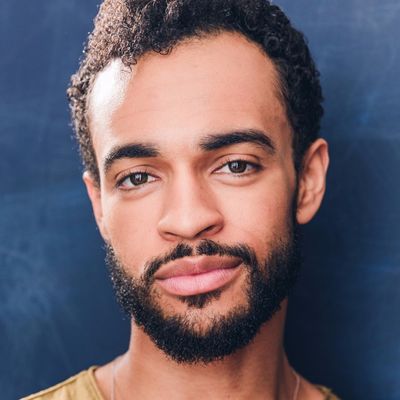
After starting as an ensemble member and understudy, Noah J. Ricketts has taken over the role of Kristoff in Frozen the Musical on Broadway. The Louisville native first began performing when a childhood injury left him with a broken wrist and a theatre summer camp... Read More
From the show: The Theatre Podcast with Alan Seales
Guests
Miniseries Inclusions
Featured Shows

About
After starting as an ensemble member and understudy, Noah J. Ricketts has taken over the role of Kristoff in Frozen the Musical on Broadway. The Louisville native first began performing when a childhood injury left him with a broken wrist and a theatre summer camp. Noah attended arts boarding school his senior year of high school. After graduation he joined Broadway Dreams in which he traveled around to world to teach performance to young people.
Noah made his Broadway debut in Beautiful, which he also performer in the national tour. After a long audition process, he joined the company of Frozen as a member of the ensemble and understudy for Kristoff and Pabbie. He recently took over Kristoff full time!
Connect with Noah:
- Instagram/Twitter: @noahjrkts
- www.broadwayconnection.net
Connect with The Theatre Podcast:
- Support us on Patreon: Patreon.com/TheTheatrePodcast
- TikTok: @thetheatrepodcast
- Twitter & Instagram: @theatre_podcast
- Facebook.com/OfficialTheatrePodcast
- TheTheatrePodcast.com
- Alan's personal Instagram: @alanseales
- Jillian's personal Instagram: @jillianhochman
- Email me at feedback@thetheatrepodcast.com. I want to know what you think.
Thank you to our friends Jukebox The Ghost for our intro and outro music. You can find them on Instagram, Twitter, and Facebook @jukeboxtheghost or via the web via jukeboxtheghost.com.
A very special thanks to our patrons who help make this podcast possible!
If you would like to see your name in this show notes or get a shout out on the pod itself, visit ttp.fm/patreon to become a member and show your support!
Transcript
This transcript was automatically generated and might contain errors.
[0:00] Alan Seales: Welcome to another episode of The Theatre Podcast. I'm Alan Seales. I'm Jillian Hockman.
[0:10] Alan Seales: This is Intimate Personal Conversations with Theatre's Biggest Names. And this episode you're about to hear is with relative Broadway newbie, Noah J. Ricketts. And I say relative because, well, this is his second Broadway credit, Beautiful the Musical being the first. Now he is playing Kristoff in Frozen. And Jillian, we just got out of the interview. What did you think about it?
[0:34] Jillian Hockman: It was a great interview. Noah's adorable. Love him. No, I was really impressed that he is a relative newbie to Broadway, but he's really good and really professional. And he was originally the understudy for Kristoff. And it's pretty rare that they have an understudy move into the principal role, which he talks about. You'll have to listen and hear more about it. So I was really impressed with his professionalism and how well he kind of knew himself and knows how to play the role really well.
[1:07] Alan Seales: Yeah, yeah. That's a good point. He presents himself, I guess, as an old soul, to overuse a phrase that's often used. But to that respect, too, in the interview, we got into something that surprised me about the audition process. And he said it was like a full week of callback after callback.
[1:30] Jillian Hockman: Yeah, and all the workshops and everything.
[1:33] Alan Seales: And it was incredible the amount of work that Disney put into casting this thing initially in the first place. Because there was a lot of pressure, I suspect, and he mentioned this a little bit, to get the show just right, to match the critical acclaim that is the movie.
[1:53] Jillian Hockman: And if you're putting that name on it, you better do it right.
[1:55] Alan Seales: Yeah, yeah. But I think they nailed it. And he does a wonderful job in the show.
[2:01] Jillian Hockman: Yeah.
[2:01] Alan Seales: So yeah, everybody, please enjoy this episode with Noah J. Ricketts.
[2:14] Alan Seales: This triple threat got his start in Kentucky before landing roles in Broadway and the touring productions of Beautiful, the Carole King musical. And he holds regional credits such as Hello, Dolly, La Cage, Tarzan, and Dreamgirls, now currently playing Kristoff in Frozen, the musical on Broadway. Noah J. Ricketts, thank you for being on the podcast.
[2:32] Noah J. Ricketts: Thank you for having me.
[2:33] Alan Seales: Do I have to call you Noah J. Ricketts or Noah Ricketts?
[2:35] Noah J. Ricketts: You know, usually people, this is how I know where people know me from. Because when I was in high school, people used to call me Noah James. In college, they called me No-No. And in New York, they usually call me Noah J. So I know where I know people from along my lifeline via what they call me.
[2:50] Alan Seales: Oh, that's interesting. I've got a friend, Chris, who somehow, ironically, that I'm talking to someone from Frozen. Before Frozen came out, I did a show with him where we made up fake German characters. And so he went by Olaf.
[3:03] Noah J. Ricketts: Oh, really?
[3:04] Alan Seales: And so now he's like, oh, darn you, Frozen. So he goes by Olaf now. But I still call him Chris. He will always be Chris to me. So yes, I hear that. So yeah, you're from Kentucky. Tell me about where you grew up.
[3:15] Noah J. Ricketts: Yeah, so I grew up in Louisville, Kentucky, Derby City. It's probably what we're best known for. And Bourbon, of course.
[3:22] Alan Seales: Right.
[3:23] Noah J. Ricketts: Yeah. And it's like, I don't know. When I'm in New York and I tell people I'm from Kentucky, I get a lot of strange stares because apparently I don't really have an accent anymore.
[3:31] Alan Seales: Not at all. No.
[3:32] Noah J. Ricketts: Yeah. And I think that's a product of theater school. Many, many years of theater school. But yeah, I grew up in Kentucky. When I first was there, I did not like it at all. Like at all. I always dreamed of the big city. And I know that sounds kind of cliche and cheesy, but I always dreamed of being in a big city and doing big things. And so little Kentucky was not doing it for me. Now that I'm older, I appreciate it much more. But back then I didn't like it at all.
[3:56] Alan Seales: This shows my ignorance of geography. What's the closest major city to Louisville?
[4:00] Noah J. Ricketts: Major city or state?
[4:02] Alan Seales: Major city.
[4:03] Noah J. Ricketts: Well, the biggest... Well, Frankfurt is the capital.
[4:06] Alan Seales: Right.
[4:07] Noah J. Ricketts: Louisville is the biggest city there. Lexington, there's a couple of them, I would say. A major city like Nashville is not too far away. Cincinnati, Ohio is about an hour and 30 minutes.
[4:15] Alan Seales: Nashville, Tennessee. I'm trying to think of like, yeah, when I think Kentucky, this is the city I think of and I can't... Sorry, Kentucky.
[4:21] Noah J. Ricketts: I know.
[4:22] Noah J. Ricketts: It's all right. You're not the first and you won't be the last. But yep, Kentucky through and through. Now that I'm older, I appreciate it. I do like Kentucky now.
[4:31] Alan Seales: I'm kind of the same way. I'm from a tiny part of North Carolina and growing up in North Carolina, I was like... And then I enjoy going back and visiting. But definitely, I'm glad I'm living here in this wonderful city.
[4:46] Noah J. Ricketts: Same, same. Yeah.
[4:47] Alan Seales: Your bio in Frozen says, for grandma, tell me about your relationship with your grandma.
[4:53] Noah J. Ricketts: Yeah, my relationship with my grandma is a good one. It's really funny because she's from France. She was born in Orléans, France, so she has a very thick French accent. And so, she's been like a rock throughout my whole career, my whole life. She's told me to pursue my dreams and do what I want to do. And she's the person that depended on when I wasn't doing well or when I was struggling in terms of getting into schools maybe or with parts or roles or whatever. And she was always the person to be like, no, keep going, keep fighting, you can do this. And so, that's why I write in there for grandma.
[5:25] Alan Seales: Were your parents a part of your life growing up too? Or just your grandma, your immediate family was all there?
[5:29] Noah J. Ricketts: Yeah, they were all there. I'm the only one in my family that does anything in relation to the arts, anything at all. And I've tried to trace my lineage to see if there was a distant singer or dancer or truly anything. And there isn't. So, I can't say that they fully understood it at all times, but they definitely supported me in doing whatever it was I wanted to do that made me happy. So, that's really good.
[5:52] Alan Seales: That's nice.
[5:53] Noah J. Ricketts: Yeah.
[5:54] Alan Seales: Are you an only child too or do you have siblings?
[5:55] Noah J. Ricketts: No, I have a brother and I have a sister. They're both older than me, so I'm the baby of the family. And my sister is a teacher, elementary school teacher, and my brother runs apartment complexes in Kentucky.
[6:07] Alan Seales: Oh, fun.
[6:08] Noah J. Ricketts: Yeah, totally not performing.
[6:10] Alan Seales: Totally not performing.
[6:11] Noah J. Ricketts: Not at all.
[6:12] Noah J. Ricketts: Totally different. Yeah, but they love it. They appreciate it. So, that's really great.
[6:16] Alan Seales: And well, you do a little bit of teaching too, right? And we'll get into this a little bit more, but you traveled a little bit and have done some teaching, right?
[6:25] Noah J. Ricketts: Yeah, I have. I have. I work with this wonderful organization called the Broadway Dreams Foundation. And so, with them, I've been able to travel all over the United States, but also internationally teaching. And I think the craziest place I've ever gone teaching that they took me was Moscow, Russia. Yeah, so I went there for two and a half weeks with them on a venture through the Russian government, actually.
[6:46] Alan Seales: Whoa.
[6:46] Noah J. Ricketts: Yeah, paid through the Russian government to teach them musical theater. And it was a really wonderful and eye-opening experience to see how our cultures actually aligned in a lot of ways and how they wanted to really, they were really hungry for knowledge about musical theater because living in the United States and living in America, we forget that is our art form, that we created it and we established it and we know how to do it best. And so, it was nice to teach them ways to interpret material and show them and introduce them to new types of material like Hamilton and Dear Evan Hansen and contemporary stuff as well.
[7:21] Alan Seales: Wow. I was gonna ask what you actually taught them over there. Did they know about Hamilton and Dear Evan Hansen and these other shows when you were teaching them? Has that kind of stuff totally global?
[7:32] Noah J. Ricketts: Yeah, actually. So, when we went over there, we had to talk about the shows that we wanted to work on when we were there because we had a presentation at the end. And we brought that stuff up. We're like, this is what's happening over here. It'd be cool to bring it over there. And they're like, oh, no, it won't sell, it won't sell. So, they pressed shows like Oliver and Annie. And we were like, I mean, those are great and all, but we've got some new stuff as well. And so, we really had a lot of pushback, but we fought for what we wanted and we ended up winning. And they had to submit audition videos before we ever got to Russia. And the packet was, I think it was Hamilton's rap. I'm not even sure which one.
It was a full-on rap. And we got so many videos of people going for it, like thick Russian accents and all. And it was pretty inspiring to see that they were willing to put in the work and figuring it out. I mean, it's hard enough to rap in English and then to rap in English and in Russian. Trying to get through that barrier is even tougher, but they did it. And we ended up adding a whole number in the show that was Hamilton-based.
[8:31] Alan Seales: So, you put together a show at the end?
[8:32] Noah J. Ricketts: We did.
[8:33] Alan Seales: It's like a showcase sort of thing?
[8:34] Noah J. Ricketts: Yeah, it is. And we sold out. We sold out both shows. There was 3,000 people that attended. It was pretty crazy.
[8:42] Alan Seales: Wow.
[8:43] Noah J. Ricketts: Yeah, we had a full auditorium between two shows, full orchestra. Yeah, it was pretty awesome. It was a wonderful experience.
[8:50] Alan Seales: So, you've gone to a lot of places with that and you've been to a lot of places domestically too with The Beautiful Tour. Do you have a favorite place that you've been?
[9:01] Noah J. Ricketts: In the United States or just in general?
[9:02] Alan Seales: Okay, give me a domestic one and then an international location.
[9:05] Noah J. Ricketts: Okay. So, I would say my favorite place in the US that I've been, I really love Washington, DC. I really did. I remember driving around with my friend from DC in the car and he played the House of Cards theme song. And we were just weaving in and out through the city and I was like, this is freaking awesome. And I know that's a crazy memory to have, but that's one that I will live on forever because I love seeing people in suits and the hustle and bustle of it, but also the history of the city. And knowing that our world is based around this one massive place, it's pretty awesome to be in there. So, I'd say that's one of my favorite cities here. And then outside of there, I would say, honestly, when I went to St. Petersburg, it was pretty awesome.
[9:47] Alan Seales: Russia.
[9:48] Noah J. Ricketts: Yeah, Russia.
[9:49] Alan Seales: Not Florida.
[9:50] Noah J. Ricketts: Different one, not St. Pete. St. Petersburg. Yeah, it was pretty awesome. We went to the Hermitage Museum, which I really underestimated. I knew it was like a giant museum, but you could spend two months in there just seeing things. And so, just seeing their culture and their art and their history displayed all around and the grand rooms, like gold rooms and red rooms, just colored themed rooms with chandeliers and this and that all over was pretty spectacular.
[10:18] Alan Seales: Do you think that's kind of like decorating rooms like that is like a lost art form here in the U.S.? I toured the Buckingham Palace last time I was in London, and it's just like the estate rooms and the art collection is just room after room after room of these gold outlines and pictures and everything, these priceless vases all over the place. And it literally takes your breath away. And I realized being there for the first time, I was like, the United States is so young. It is just so young. The history that was just in these singular rooms, I'm like, you don't have that here. And also I realized we're so square. I came back and I was like, everything's so like, it's a box. Everything's so box.
Our buildings are boxes. Our rooms are boxes. And it was really cool to be in that place and have the rooms go in and out and weave and secret rooms and attics and things like that. So yeah, I think it's a lost art form, the grandiose decoration. Now we're kind of minimalist over here, I think.
[11:16] Noah J. Ricketts: It's funny, secret rooms, I guess. Yeah, we were built, I mean, we had the Civil War, and we've, I guess, two world wars since. My history is not so good. It's about as good as my geography. But yeah, like, I guess we founded our country after, man, we are off on a tangent right now. We found our country without the need to really hide from our oppressors.
[11:42] Alan Seales: Yeah, I didn't even think about that. Like, you put things in a whole new perspective.
[11:47] Noah J. Ricketts: It's crazy, right? And I went to Spain, and wait till you go to Spain, and you see all the curved shapes, like all the Gaudi shapes, everything is on a curve, nothing is square. So it's just kind of, it's interesting to see. Yeah, I like the influence when it comes over here. Anyway, back to theatre. Blah, blah, blah, going through my notes. Yeah, so you went to a performing arts boarding school, right? So you were immersed. It was the Interlochen Arts Academy in northern Michigan.
[12:09] Alan Seales: Yeah. You and Joe Carroll ever talk about Michigan?
[12:14] Noah J. Ricketts: Oh, you know, I don't think we have. No? I don't think we actually have. He's from Michigan. He is from Michigan, and I knew that. But I don't think we've ever talked about the state of Michigan, which also is one of my favorite states. It's pretty beautiful. But yeah, I went to Interlochen. I got in when I was a senior. So I went just for one year, right, for boarding school, and I went there for theatre. And I remember, it changed my life forever. Like, it truly, Interlochen means between the lakes. And so it truly is this like, artist retreat between two giant lakes. And so you wake up every day, and my little dorm room was like, I could peek through my baby window, and I could see the lake just going on for miles and miles, it seemed like. And it was just such a special place. Like, you walk outside, there's beautiful green trees, you hear cellos, people are just playing.
[13:01] Alan Seales: Oh, so it was more than just musical theatre?
[13:01] Noah J. Ricketts: Oh my god, you name the art forms. They had theatre, dance, motion picture arts, which is kind of crazy, like video, you know, videography, directing, visual art, you name it, writing, creative writing, they had it all. And people would just like, play violins out in the streets. Like, you just hear that on your way to lunch, or like, between classes, and like, you don't realize how special it is until you leave, you know. So it was a really wonderful place. I mean, like the sound of ambulances and screaming, honking is not the same sort of...
[13:29] Alan Seales: It's a little different.
[13:33] Noah J. Ricketts: Yeah, a little different back here. Yeah, it's a little different. And so they actually, the school came to New York this year for like, some type of alumni lunch, and I got invited to speak. And I'm going to go back to the school itself and speak. And it was just such an honor, because that place taught me so much about what I know about theatre and acting in general. So to give back and talk to the now current high school students, one, made me feel a little old, but two, I felt very, very honored to do that.
[13:54] Alan Seales: Oh, so okay, so that was a boarding school, the senior year of high school then?
[13:57] Noah J. Ricketts: Yeah.
[13:59] Alan Seales: Okay, so that wasn't college.
[13:59] Noah J. Ricketts: Yeah, but before that, I went to another performing arts school in Kentucky. They actually have a performing arts school there.
[14:04] Alan Seales: Really?
[14:05] Noah J. Ricketts: Believe it or not. Yep. Called the Youth Performing Arts School. And so I went there for a vocal performance before I ever left and went to boarding school. And that was a whole different experience, you know, like being a classical singer for so long. So that was awesome too. So it really helped. It was a great sounding board for the next thing I was going to do, which was Interlochen.
[14:24] Alan Seales: And how did you get into singing and performing in theatre in the first place? Like, go back even farther. How did you decide to go to the performing arts school?
[14:32] Noah J. Ricketts: It was like totally, I'll give you the short story. It was totally an accident. So I was like way, way, way into soccer when I was like eight, nine. I loved it. And I did it all the freaking time. I was on so many teams. And so every summer I would go to this sports camp. And it was like a sports camp. You played all types of sports and all these things. And one day before I was supposed to leave for sports camp, my friend Ashley came over and she had a skateboard. And she was like, let's try this thing. Let's do this thing. And I was like, yeah, let's do this thing. And so I got on the skateboard. I went down my steep driveway and I broke my wrist like in 10 seconds.
[15:09] Alan Seales: Oh no.
[15:11] Noah J. Ricketts: Yeah. And like really bad. And so we had to deal with all of that. And it was still summer. And my mom's like, I have to go to work. You have to go to a camp. And the only place I was taking students to was called Broadway Bootcamp. And it was a musical theatre summer camp. And they took me.
[15:27] Alan Seales: And how old were you?
[15:30] Noah J. Ricketts: I was like eight, I think. Eight or nine. Yeah. And they took me into this camp. And next thing I know, I have a cast on my arm and I'm in music rehearsals and singing for the first time and acting for the first time. And I was absolutely obsessed.
[15:45] Alan Seales: So you're basically Evan Hansen with the cast.
[15:48] Noah J. Ricketts: Is that? Oh yeah, yeah, yeah. So that was me. That was truly me. And so ever since then, I had been hooked. And I was one of those kids that spent hours on the computer watching YouTube videos of whoever's singing. I also then got into piano. I started taking piano lessons. And I was really into that. I started taking theatre stuff privately. I started taking dance. I like just doing anything related to art, visual art as well. And so then it came time for like high school to come around. And it was like that question of like, well, what are you going to do?
[16:19] Alan Seales: So were you still playing soccer at all? Or were you just like, screw it?
[16:21] Noah J. Ricketts: No. Screw it. Screw it. I'm in this art thing. And that pressing question, which they always ask is like, what do you want to do with your life? What do you want to do? And I was like, I don't freaking know. I don't know. And so I was like, well, I like to sing and I like to dance and I like to act. Okay, well, I'll just do musical theatre because that's the most things I can do in one art form. And so that's exactly what I decided to pursue. And I've been off ever since.
[16:48] Alan Seales: Wow. And then you've trained in theatre jazz, ballet, musical theatre, dance styles and tap. Just for those who don't know, what is theatre jazz compared to regular jazz?
[17:00] Noah J. Ricketts: Oh, theatre jazz is like, well, it's story-based movement, movement that tells a story through dance. And typical jazz would be considered like, how do you explain it? More like 70s, like jazz dance, like Paul Abdul, like jazz. So they're just different. I think one just tells a story and one is a standard form of dance.
[17:22] Alan Seales: Yeah. And so why so many different styles, though?
[17:25] Noah J. Ricketts: Oh, I mean, it's so important. Like every show requires different things and it's important to be versatile in your abilities. And so each one teaches you something different. It's a completely different quality of movement. So I think it's important to kind of study as much as you can, you know, as much as you can and what little time you have to study. So, yeah, that's why so many styles.
[17:46] Alan Seales: That's a good point. I guess when you dropped soccer, you were taking jazz. Were you taking any voice lessons? You said your parents and your grandma, especially, were always very supportive when you went to them and you said, hey, fam, I'm not going to be a super soccer star anymore. I'm going to do musical theatre and I don't really know what I want to do with it. They were like, cool, bro.
[18:07] Noah J. Ricketts: No, they were. And, you know, I had a really awesome teacher who's just like one of my favorite people to this day who saw me at that camp and was like, hey, I think you can sing. And so from there, she took me as one of her voice students and that's when I started training as a singer. And she kind of introduced me to like all of these cool new musicals that are happening and taught me about off Broadway and Broadway and regional and all these things. And so it was through her, her name's Jan Tedesco, that I like really got involved with musical theatre and then honestly found my voice and my singing ability. So that's how I kind of got into that whole thing, the singing aspect, at least.
[18:42] Alan Seales: So Shan and Ashley, the two people who are responsible for getting you to where you are, I guess, changing the trajectory of your life.
[18:50] Noah J. Ricketts: Changing it, you know, in the blink of a broken wrist.
[18:53] Alan Seales: Oh man, I've never broken a bone, knock on wood, but man, like.
[18:57] Noah J. Ricketts: Yeah, you got off lucky.
[18:59] Alan Seales: I don't know. I had stitches. I am super like, climb on anything, fall and hit my head, but never broken anything.
[19:06] Noah J. Ricketts: Wow. Good for you.
[19:08] Alan Seales: Now I'm just going to walk out of this room and slip. Anyway, slightly off topic, but I'm researching you on Instagram. You have so many beach pictures.
[19:21] Noah J. Ricketts: How often do you actually go to the beach?
[19:23] Alan Seales: Oh, gosh, not enough. Like maybe like five days out of the year, you know, like.
[19:30] Noah J. Ricketts: You just save them all for Instagram?
[19:32] Alan Seales: Yeah, I honestly really do. You collect your pictures, you post them when you need to post them, right? But yeah, being on Broadway, we have, we kind of have a relentless schedule. And so you get this, like basically like one vacation a year or one every six months, depending. And so that's when I can go to the beach and that's when I really try to go to the beach. And sometimes if it's really cold in New York, I just hop on a flight on my one-off day and I will fly to the beach. But yeah, not enough.
[19:59] Noah J. Ricketts: Fly to the beach?
[20:00] Alan Seales: Yeah. You know, like take like that last minute flight to Miami.
[20:03] Noah J. Ricketts: Oh man, you're like, you do it up right. You're not going out to like Rockaway or anything.
[20:07] Alan Seales: But I do like Rockaway. But now I mean like Florida, Florida.
[20:11] Noah J. Ricketts: Oh yeah, that's smart.
[20:12] Alan Seales: Yeah, you know, it takes a lot, but it's worth it when you have like a eight-show-a-week schedule. Like getting out of here, I think it's very, very important. So I try to do stuff like that on my off days if I can fit it all in.
[20:23] Alan Seales: So how do you take care of yourself otherwise if you can't get to the beach?
[20:27] Noah J. Ricketts: I go upstate. I love upstate New York. And so I go to Woodstock, I go to New Paltz, I go to these places upstate and I just kind of retreat. Like I love like being in the woods. And I think that kind of happened when I was in Michigan, honestly, at boarding school, that I love like seeing the trees and the forest and all that stuff. And so I like to try it and at least like drive an hour, hour and a half out of the city and just like be quiet and relax. I think it's really important.
[20:52] Alan Seales: Yeah, it's so, I guess, sensory overload all the time. Like if you're really, if you really are mindful and you're really in the moment here in the city, like you perceive everything.
[21:02] Noah J. Ricketts: Yeah.
[21:05] Alan Seales: And I totally get that. Like as a performer, you have to be in touch with yourself and in touch with where you are and everyone around you that, God, it's got to be so draining, like eight shows a week. And then for the Broadway, the beautiful tour, right? You were doing eight shows a week.
[21:21] Noah J. Ricketts: I was.
[21:22] Alan Seales: And traveling.
[21:23] Noah J. Ricketts: Yeah. And I think like an interesting thing about touring that a lot of people don't realize is that you travel on your off day. So your off day becomes a travel day. And if there's anything anyone knows, it's that traveling is not really that much fun. So on Mondays, we close the show on Sunday night. We wake up 7 a.m. on Monday and we'd get to the airport and fly to the next city. So by the time we get there, it's like 5 p.m. It's like once you get through your whole day of changeovers and all that stuff, you get there at 5 p.m., you like eat dinner, you sleep and you're back into the show. So yeah, it's a pretty relentless schedule for sure.
[21:56] Noah J. Ricketts: And then even for the crews, too, on touring shows, because at 9 p.m. you close the show, they're there until the wee hours of the morning, striking the set.
[22:05] Alan Seales: Yeah.
[22:33] Noah J. Ricketts: I have so much respect for traveling shows and especially touring casts, because you guys, like you said, on your off days, you really don't get to rest. You don't get to fly to Miami. You don't get to... unless you're performing there. You don't get to sit on the beach and show your 10 pack abs. Yeah. One of the fun things that me and my friend Ben used to do when we were really deep into the tour was we would call. So we'd fly to the... usually I'd like to use switch planes or whatever on the way. And so during that switch over, we'd call a spa in the town that we were going to and book a treatment, like a massage or a facial or something. So that by the time we arrived, we'd grab our bags, get in an Uber, go straight to the spa and get our treatments and have half a day of spa and then go to bed, basically.
Oh, dude. You're doing it right. So that's the secret. That's the secret. You're taking care of yourself. Obviously, you've got a gym routine. I wasn't joking about those 10 pack abs. Yeah. For people listening now, go to @NoahJRKTS on Instagram and check out those abs. Asking for a friend. What's your gym routine? What's my gym routine? Oh, you know, I'm pretty old school. Five days a week, just hit all the muscle groups, shoulders, back, thighs, abs, legs. That's kind of it. There's no secrets to the gym. You're doing a good job. Oh, thank you. And so now you're in Frozen. Yes. Let's talk about some Frozen. You originally were with Frozen in the out of town tryout in Denver, yeah? Yeah. I was with the show.
We started rehearsing here in New York. I think we rehearsed for about six weeks and then we took this whole thing to Denver, which was really, really fun. We spent about, I think about two and a half months there. Almost three. Yeah. In Denver, starting this thing from scratch. And if there's anything I learned about creating a Broadway show, it is hard, hard work. Yeah. Like what? Give me an example of something that surprised you. Well, I think our show came with a lot of pressure. It's like this huge mega hit movie. And so we had a lot of pressure on us just to get it right. And so I think from the beginning, I think we went through like 13 opening numbers. Really? Yeah. I mean, like vocally changing things day after day.
So it's like you rehearse a number, it goes in the show that night, changes are made overnight. Basically, they decide what they want to change. You come in 10 a.m. the next day, you rehearse a new portion of the number that then you go downstairs and to the theater, you light it and it's in that night. And then the same thing, but it continues to happen and happen until they get it right. So this was during Denver or rehearsals here in New York? Mostly during Denver. Wow. Yeah. And here in New York, we did a similar thing as well. Not nearly as many times, but still definitely just as difficult, that's for sure. So rehearsing a Broadway show and doing the out of town is a lot of fun because you're out of town.
It's like you're in Denver, Colorado, what could be better? And we had a lot of fun. We did whitewater rafting, we did tubing, we did all the things. But also it's a lot of work. It's a lot of work. Do you guys ever mix up what should be in the show and what got cut? Oh my gosh, yes. Honestly, the hardest thing for me was the lyrics. We'd switch the words from and or but or we'd change little sections of a full song that we had rehearsed for so long or learned. And so getting those lyrics right was always a tough one for me. I feel like dance is a little different because you got to make sure you're in the right spot and you can rehearse your body and let your body do the thing. But those words and those lyrics that they change in the opening number in the song, those are always tricky to catch.
Wow. Yeah. Gosh, I guess that's a part of your brain that gets developed. You just start really paying attention to stuff. But does it make it hard to get in a character or get in the moment when you're... I feel like I would be constantly thinking, oh crap, did they change this? Am I on this track tonight? Or instead of being whoever I'm supposed to be. I think that's part of the reason why we have a cast of Broadway veterans. And that's part of the reason why is because these people have been through it and they know how to make you think that they're really in it while they're also thinking about what comes next. And that's the true sign of a great performer, that they can not miss a beat and do this thing that they've never really rehearsed before.
And so, it's kind of that weird thing of like, you don't show it, you just smile and you make it work. And so, we did a lot of that out of town, but we made it work and the audiences were happy, that's for sure. And so, you were originally the understudy for Kristoff and Pabbie, right? Pabbie. Pabbie, yeah. And who is Pabbie for those who don't know? Pabbie is like the grandmaster of what was then in the movie, The Trolls. And so, in our show, they're a little different. They're called Hidden Folk. And he kind of is what would be like the grand dome, like the head of them or the grand shaman of the Trolls or the Hidden Folk. So, and now that you're on Broadway, it's a month now you've been in for Kristoff full time.
Yeah. How common is it for understudies to take over the principal roles? I would say it's really not that common. It makes a lot of sense, but I think like a lot of times, people take advantage of their Broadway understudies because it's a hard job to do, to cover multiple roles and also be an ensemble member to the best of your ability. There's a lot of jobs there. And so, I think a lot of times, a lot of musicals and producers stick to keeping people in their positions because it's a hard spot to fill. That's for sure. So, I was very honored when this whole thing started to come about. Yeah. Like when we started talking about maybe auditioning for the role again and being considered and having them come to the show.
So, I was very honored because I was well aware that it doesn't happen too often. Right. Yeah. Well, I was going to say congratulations because as far as I know, it didn't happen very much at all. What was the original audition process like to get cast in the first place for Denver? And then did you have to audition again to come to Broadway? And then what was the audition process like to now get the role full time? Okay. So, we'll start with Denver. So, actually, even before the Denver production, I auditioned for... There were two creative teams for Frozen, right? A different director to choreographer combo for the first, first, first round. And so, I actually came in one time while I was on tour for Beautiful for Frozen in New York.
I flew in. I had Kristoff material. I had Kristoff sides. And I had to sing my own material as well. And so, I did that one time. But the next week, I was scheduled to go on vacation and get those beach pictures. I had a cruise. And at this point in my life, I hadn't been on vacation in like two and a half years. I was touring. I was tired. I was like, I really just... I need this. And I had scheduled with my friend. He had a crazy Broadway schedule. And I was like, this is the only time. And so, of course, I got a call back. And like, they want to see you this coming week to dance and read and sing. And I'm like, I'm gonna be on a boat in the middle of the ocean. Like, right there. Of course, it's like a Wednesday.
And there's no flying out from a boat to New York back to a boat. So, I actually made the decision to pass on the first round. I was like, you know what? If it's meant to be, it will be. Wow. And I'm going to let this one fly. And so, that was a really tough decision. But I did. And I'm happy that I did because it went out well. But I ended that tour. I left. I went to Russia. I came back to the United States. And I was in New York for about a week. And my agent was like, hey, they're still trying to fill one or two tracks for Frozen. Would you be interested? And I'm like, yeah, I'm interested. Let's do it. And so, the second round of things was actually very different. It was pretty full on.
Once I started getting going in the real audition and callback process, I was there pretty much every day from like 10am to 6pm. And it was what's called work sessions. And so, I was sent a lot of material overnight. And a lot of the stuff I was doing was actually for the role of Hans and not for the role of Kristoff. Really? Yeah. So, I had a lot of Love is an Open Door. I had to sing that song. I had the scene going in and out of Love is an Open Door. I had Hans of the Southern Isles, which is another song he sings in the show. I had a lot of that material. And so, I was like, okay, great. And the Kristoff stuff was kind of on the back burner. And then, during that week-long process of 10 to 6, they sent me some Pabbie material as well.
And so, I was juggling a lot of characters and a lot of things. And in the meantime, when I wasn't working with the associate director or the casting director, I would then go and dance my face off over at the dance studio right next door. And so, it was like, I felt like I was rehearsing for the Broadway show, but without having the Broadway contract just yet. Wow. So, you went through all that with others who, I would assume, did not get hired. Yeah. Yeah. That's crazy. It was definitely the most extensive process I've ever had for auditioning for a Broadway show. They were really trying to figure out exactly what they wanted and what they needed. And so, it all commenced on the final day.
And I remember I was running late because of train issues, which you know about. And I was like, not today, not today. And so, I was running late, and I ran into the dance studio, and I got in the elevator. And of course, it's like two minutes until the dance call starts. And I'm jam-packed in a New York City elevator with director, choreographer, music director, music associate, casting. And I mean, we are like sardines in this elevator. And so, I'm like, oh gosh, I know everyone here. What am I going to do? So, I started cracking a few jokes. They laughed, which is very sweet of them. And it ultimately made me a bit more relaxed going into the dance call, because I had these faces. We were smashed on top of each other.
And so, I went at the dance call. The dance went well. They paired us up back and forth, back and forth. We did this whole thing. And then finally, that ended, and they were like, all right, now it's time to sing and dance. And I had a folder full of material of just characters, of three different characters just ready to do, I guess, whatever they wanted to do. And I had been told in the process, like, oh, I don't think the Pabbie thing is going to work out. So, just forget about that one. I was like, okay, okay, cool, cool, cool. But if there's one thing I've learned, it's like, if they tell you forget about it, don't forget about it. And so, I walk into my final, and the first thing the director asked for, he's like, so Pabbie, let me hear that song.
I was like, hmm. Let me pull that out for you. Yeah, let me dust that one off. So, I definitely did. I gave a performance. One of those things of fake it till you make it, sell that thing, and I sold it, and it was great. Did a lot more material, and I felt really confident in my work just because I had rehearsed this whole week, and knew exactly what they were looking for. So, I felt really good about it. I got on the train, I went home, I got a call as soon as I stepped in my door. I was like, you are in Frozen musical on Broadway. You're covering the role of Kristoff, and you're covering the role of Pabbie. I was like, all right, let's do it, and we took off from there. What did you do that night, or when you got the call? Oh, my gosh. I mean, what else do you do? You drink, you go to the bar.
[33:51] Noah J. Ricketts: You're like, I'm on Broadway! I'm on Broadway! Heck yeah! Yeah, so you drink and you celebrate, and it's always a great time getting those calls.
[34:00] Alan Seales: So you've seen, I guess, a long evolution of Kristoff, because you've been in the show for a while, and now that it is yours, have you changed anything? What is the Noah version of Kristoff?
[34:07] Noah J. Ricketts: Yeah, so I was really interested, and I was a little nervous stepping into this role, because I didn't want to do a reproduced version of what Jelani had done. I was like, you know, I need to create this thing from the ground up. And luckily, the creative team was really, really cool with me starting from scratch, you know? And we re-explored blocking of scenes. We re-explored acting beats. We actually re-choreographed a dance break for Kristoff. They were like, we want to use your dance ability. Let's do a new dance break. So we did that. We explored some new vocal stuff. We did a lot of stuff. And so they really encouraged me to make the material my own and make my Kristoff my Kristoff. And so that was really great.
And so I think from that, it's just like, once I got that go-ahead, I've just been trying to live in that ever since. I think it's a strong testament to what Disney is doing. And I kind of talked about this a little bit with Ryan Redmond in the last episode, that she's Lady Olaf now. Hashtag Lady Olaf. That's all over Instagram. And you, Angelani, both are not white. You're not Caucasian.
[35:19] Alan Seales: Yeah. But you did mention a second ago that they were having you read for Hans, too. And I think it speaks very well to, I guess, the diversity that's starting to come into casting. And there's no reason why any of this needs to all be what it is. And the movie doesn't have to reflect the show or whatnot, right?
[35:38] Noah J. Ricketts: Yeah. I think it's really important. And I remember not too long ago, like a short five years ago, coming to New York and quickly thinking or realizing that a lot of the shows that I would go in for would just be for Black characters. And so now to see this evolution over a short span of time has been really, really wonderful. And it's like, if we can suspend our disbelief to believe a snowman is talking or believe Elsa can shoot ice out of her hands or this, that, and the other, why can't Kristoff be Black? Why can't this person be a girl? Why can't that person be white? Whatever it needs to be. But I think the audiences, that's the true telling point for them. They're still fully in that show. They love it. Every time we come to bow, it's like screams and screams and screams. So that's how I know it's totally fine and we're doing it just right.
[36:22] Alan Seales: Yeah. What's the audience feedback been for you?
[36:25] Noah J. Ricketts: It's been good. I've had a lot of people at the stage door who repeat offenders. I call them frozen fractals.
[36:32] Alan Seales: Really? In a month already, you see repeat people?
[36:34] Noah J. Ricketts: Oh my gosh, yes. And a lot of people who have seen me in my ensemble track and then come back again to see my Kristoff, which has been really great. And they've just been really wonderful and really supportive about like, we love what you're doing. We love how you sing and we love your voice and all that stuff. Sending pictures back, taking selfies at the stage door, tagging me on the Instagram, that good old stuff. So the audience feedback has been really great. Really, really great.
[36:56] Alan Seales: That's fun. Did people take something away from your performance versus other shows you've been in? What do people walk away from? They're like, man, I love Noah because of this XYZ.
[37:08] Noah J. Ricketts: Oh, well, I think this woman, she broke my little heart at the stage door the other day because she stopped me and she was like, you made me believe in love again. I know. She was an older lady and she was like, you truly made me believe in love again. And I think if even one person can take that away from my performance, that is very moving to me as well.
[37:27] Alan Seales: That's beautiful.
[37:28] Noah J. Ricketts: Yeah, yeah.
[37:29] Alan Seales: In a parallel universe, you didn't break your wrist and you maybe never got into theater.
[37:36] Noah J. Ricketts: Oh my gosh, yeah. What do you think Other You is doing right now?
[37:40] Noah J. Ricketts: Okay, well, this might sound a little strange, but I always thought I was going to be a plastic surgeon.
[37:46] Alan Seales: Really?
[37:47] Noah J. Ricketts: Oh my gosh, yes. So I used to be obsessed with that show, Nip Tuck. Do you remember Nip Tuck? It was so good. And I was way too young to watch it, but I would sneak and watch that. It just looked so cool. And then as I got older, I still kept thinking about, oh, I could be a plastic surgeon. And I wanted to do reconstructive burn victims and things like that, like helping people look better that had gone through traumatic experiences. So that's exactly what I wanted to do. I was like, I'm going to do that. And I think that's what alternate Noah would be doing.
[38:18] Alan Seales: It's a pretty noble career, actually.
[38:21] Noah J. Ricketts: So coming back to this universe now, what do you see yourself doing 5, 10, or 20 years from now?
[38:27] Noah J. Ricketts: I've been thinking a lot about that recently, and I'm not sure, but I think ultimately down my pipeline, I think I'd want to do some more teaching and maybe at the collegiate level. But I really do get something so special out of teaching people how to do this, because I think musical theater is one of the hardest art forms to get right. And you see regional theater sometimes, or even high school theater, and it's just a different experience. So I think there's something to be said about teaching musical theater and how to do it and how to connect to the material on a deeper level. And I think it's a harder art form than people realize. And so I think I would get something really great out of teaching college students that. So I think I see that down the line.
[39:10] Alan Seales: No TV film or something? I think I read something that you got a little bit of TV film in the works.
[39:15] Noah J. Ricketts: Oh, yeah, yeah, yeah. TV film down the line. But the teaching thing felt like 10, 20.
[39:22] Alan Seales: Yeah, yeah, yeah. But I think next, I think it'd be nice to venture into the TV film land. That's a totally different art form and a totally different medium that really excites me, because I get to relearn and I get to be a new student of something new. So I think it'd be really awesome to do that as well.
[39:38] Alan Seales: Do you have anything you're working on now, or is it... you're just putting it out there in the universe?
[39:41] Noah J. Ricketts: I'm putting it out there in the universe. I take a lot of class in my free time between the shows, and it's a lot of fun. I'm really, really enjoying it. And so I'm meeting a lot of people in the TV industry now and shaking a lot of hands and doing all that to set myself up for success. But I think that will be next.
[39:56] Alan Seales: Yeah. Well, good luck there. I know it's a tough business. A lot of people start on Broadway, and then they go to TV and film, and they make a lot of money, and then they come back to Broadway and theater, because nothing beats live theater.
[40:08] Noah J. Ricketts: Yeah. I mean, nothing beats the communal aspect of theater and musical theater and being in a Broadway show. There's something that forces you about being around these people all the time that makes them truly end up being your family. And I think that's why a lot of people who go away to TV and do their thing come right back. Yeah, it's a very special place.
[40:24] Alan Seales: And you said you're taking classes for TV and film and stuff.
[40:27] Noah J. Ricketts: Yeah.
[40:28] Alan Seales: Do you find it harder, I guess, to maintain a connection and to feel a real, I guess, a bond with somebody that you're performing against for TV and film in a scene? Because it's kind of choppy and broken up, because you're going through take by take by take. Whereas on Broadway, you're on stage with somebody in theory for two and a half hours.
[40:47] Noah J. Ricketts: Right. I would say, honestly, they're similar in the sense that to you, the audience member, it seems very flowing and straight through. But for me, I come on, I do my scene, I leave the stage, you know what I mean? And I do whatever I'm doing off the stage, then I need to pick right back up where I left off and do the next scene. So it actually feels oddly kind of similar, if that makes sense.
[41:09] Alan Seales: Oh, yeah.
[41:10] Noah J. Ricketts: Yeah. And if you ever watch a show, and if you're ever able to track just one person in the show, you'll see they leave and leave for a certain amount of time, then they come back. And it seems as if they're right back where they, you know, it never ended, but it actually does.
[41:22] Alan Seales: I assume that it's just constant costume changes. You're just going back to dressing rooms and changing your costumes and changing characters.
[41:30] Noah J. Ricketts: I got lucky with this one. You know, my costume, I have two costumes, basically just one sweater change and some major padding for when I fall through a bridge. Sorry, spoiler alert. But I got pretty lucky. So actually, a lot of my time now is not spent changing costumes. So in my original ensemble track, I think I changed like 13 times.
[41:51] Alan Seales: Yeah, I know.
[41:52] Noah J. Ricketts: Dressers are another role, another career.
[41:54] Alan Seales: They need their own award. That's for sure.
[41:56] Noah J. Ricketts: My God, they keep everybody looking and looking good and keeping them, their cues, they don't miss anything.
[42:04] Alan Seales: Yeah, it is its own art form. That's for sure. It's a special dance.
[42:07] Noah J. Ricketts: Yeah. So we'll wrap up here and we have three closing standard questions that we ask everybody on the podcast. First, very simply, what motivates you?
[42:18] Noah J. Ricketts: What motivates me? I think what motivates me is changing people. I know that sounds kind of simple, but I think like if I can leave some people changed after seeing the show, then I think that's what keeps me coming back the next day and the next day and the next day. And that's what motivates me to come back and keep doing it. Yeah, changing people for the better.
[42:37] Alan Seales: You're very into the teaching and learning. So yeah, I think that's very good.
[42:43] Noah J. Ricketts: Yeah.
[42:43] Alan Seales: And you can put that out there. You said changing. So is it more of a teaching or it's kind of a side question? Because when you're on stage and you're presenting, you're making people feel, you're making people experience. Do you prefer to have them change and be left changed through a performance, through watching, or would you rather be teaching?
[43:02] Noah J. Ricketts: I think they're two different things. I think they're totally different. If you're coming to watch me in the show, I hope that you're changed because of my performance. But if you're coming to take a class, then I think I hope you're changed through my teaching. You know what I'm saying?
[43:12] Alan Seales: Yeah. But I think there's a little bit of both.
[43:14] Noah J. Ricketts: However they interact with you. Yes.
[43:16] Alan Seales: Yes.
[43:16] Noah J. Ricketts: Yes. You wanted to change people. I get that. Okay. Next question. What advice would you give to your younger self and younger people listening now starting out down a similar path?
[43:25] Noah J. Ricketts: Just go for it. I would say just go for it. Don't be afraid to fall on your face. Take some risks. You'll only be better on the other side. So I would say don't doubt yourself and just go for it.
[43:34] Alan Seales: Have you fallen on your face?
[43:35] Noah J. Ricketts: Yeah. And I think it's really important. I think it's really important. Some of the best stuff I've learned has been like failing at school or failing in college or doing things like that. I mean, maybe not grade-wise, but just performance-wise of seeing how things go well or don't go well. And I think that's how you learn and you get better. Trial and error. Yeah.
[43:53] Alan Seales: Yeah. Show up and take a chance. Yep.
[43:56] Alan Seales: And last question. If you could only see one show for the rest of your life, but you can see it as many times as you want.
[44:03] Noah J. Ricketts: That's hard.
[44:03] Alan Seales: What show would you see?
[44:05] Noah J. Ricketts: Oh my gosh. Where do I even begin? One show.
[44:08] Alan Seales: Yep. You can see it as many times as you want.
[44:10] Noah J. Ricketts: I think it might be The Color Purple with Cynthia Erivo, The Revival. I think that might be the one I would like to see over and over and over and over again.
[44:19] Alan Seales: Fair. All right. So everybody, you can find Noah online on Twitter and Instagram at NoahJRKTS. And we'll find more about Broadway Connection too at BroadwayConnection.net. Is there anything anywhere else online you want to plug?
[44:33] Noah J. Ricketts: Oh, I think that's about it. You nailed them both. Thank you.
[44:35] Alan Seales: Yeah. All right. There you go. And get more of me. Theater underscore podcast on Instagram and Twitter, Facebook.com slash official theater podcast. Listen, subscribe wherever you are now. Rate, review, share, spread the word, help get Noah's story out there. And this is produced by Jillian Hochman. Thanks to our friends Jukebox the Ghost for the intro and outro music. Noah, thank you so much. This has been so fun.
[44:56] Noah J. Ricketts: Thank you. Thanks so much.
© Broadway Podcast Network, All Rights Reserved