

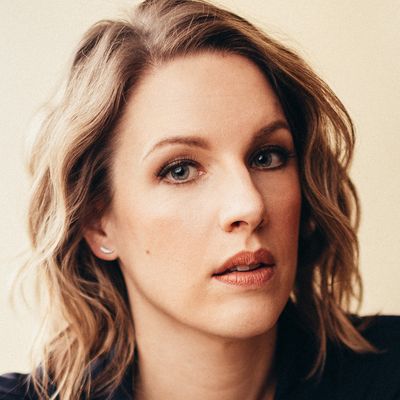
With her many awards and nominations, it’s safe to say that Jessie Mueller is one of the most talented actors of today. She gets real as she shares what it’s like getting a Tony nomination for her Broadway debut and dealing with imposter syndrome... Read More
From the show: The Theatre Podcast with Alan Seales
Guests
About
With her many awards and nominations, it’s safe to say that Jessie Mueller is one of the most talented actors of today. She gets real as she shares what it’s like getting a Tony nomination for her Broadway debut and dealing with imposter syndrome. Moving to New York for “On A Clear Day You Can See Forever” was a big move for Jessie and when the show closed, she was faced with the dilemma of staying or moving back to Chicago. Ultimately, with the support of her family and partner, Jessie decided to stay and continue to pursue a career in acting. Originating the role of someone as iconic as Carole King, Jessie recalls her audition process and how she got the role, her experience doing the show, and the pros and cons of doing press appearances. Co-starring in a brand new concept album, “My Heart Says Go”, she looks back on how it all started and why Matt Hawkins chose to make an album. She also opens up about growing up in a family of actors, using her privilege to help other people, and always performing little acts of kindness (because they do matter!).
Jessie Mueller is an actress and singer who won a Tony award for her lead role as Carole King in the 2014 production of “Beautiful: The Carole King Musical”. She has three additional Tony Award nominations for her roles in “Waitress”, the 2018 Revival of “Carousel”, and “On A Clear Day You Can See Forever”. She's a Grammy Award Winner, Drama Desk Award winner, Theatre World Award honoree, and made her feature film debut in Stephen Spielberg's movie, “The Post”. She has appeared in many TV shows, including “Blue Bloods”, “Madam Secretary”, “Candy”, and is a series regular on the Netflix Children's “Centaurworld”. She's now co-starring in a brand new concept album, “My Heart Says Go” alongside Javier Munoz.
Connect with Jessie:
- Listen to “My Heart Says Go”
Connect with The Theatre Podcast:
- Support us on Patreon: Patreon.com/TheTheatrePodcast
- Twitter & Instagram: @theatre_podcast
- TikTok: @thetheatrepodcast
- Facebook.com/OfficialTheatrePodcast
- TheTheatrePodcast.com
- Alan's personal Instagram: @alanseales
Transcript
This transcript was automatically generated and might contain errors.
[0:00] Alan Seales: Hey, everyone. Welcome to The Theatre Podcast. Intimate, personal conversations with the industry's biggest names. I'm your host, Alan Seales, and our guest for this episode is Jessie Mueller, one of my favorite people I have ever had the pleasure of meeting and seeing perform on stage. Oh, my gosh. So, as we all know, she got her Tony Award for her Broadway debut in Beautiful: The Carole King Musical, and I just want to thank you, Jessie, if you're listening, for being as open and honest as you were about that whole process. People think from the outside like, oh, I want to win a Tony. It's the best thing ever. And then on the inside, there's so much that goes on of maintaining the stress and maintaining the level of performance eight times a week while going through the stress of all the press tours and all of the, you know, the junkets and everything you have to do as part of this, I guess, role in life where you're kind of just thrust out into the spotlight.
So, I mean, she handled it well going through this navigating imposter syndrome and trying to figure out after she won her Tony, even if she wanted to stay in the business or move back to Chicago. Just an incredible conversation. So I can't wait to share it with you. Find me online on Instagram, Twitter, Facebook, and TikTok. Check me out on Patreon. Leave a rating, leave a review wherever you're listening. That's what helps the podcast grow. And everybody now, please, I'm so excited to present this episode with you, with Jessie Mueller. Today's guest won a Tony Award for the lead role of Carole King in the 2014 production of Beautiful and has three additional Tony Award nominations for her roles in Waitress, the 2018 revival of Carousel, and the 2012 production of On a Clear Day.
She's a Grammy Award winner, Drama Desk Award winner, Theatre World Award honoree, and made her feature film debut in Steven Spielberg's movie The Post, has appeared in numerous TV shows, including Blue Bloods and Madam Secretary, and is even a series regular on the Netflix children's series Centaurworld. I love saying that with a deep voice. She's now co-starring in a brand new concept album called My Heart Says Go alongside Javier Munoz. Jessie Mueller, welcome to The Theatre Podcast.
[2:21] Jessie Mueller: Hey, thanks for having me.
[2:25] Alan Seales: Man, I love your audio. So beautiful. As an audiophile, very nerdy. I love when someone shows up with a real mic.
[2:31] Jessie Mueller: Well, hey, when you get to use it, it's kind of fun.
[2:37] Alan Seales: Well, do you do a lot of at-home recording? Is that why you have this setup?
[2:43] Jessie Mueller: I do. And I feel like the setup came to our household during the pandemic. I think we felt like we needed to up our game because audio recording was kind of all we could do. And I was working on, I love how you said it, Centaur. You were like Centaurworld.
[2:58] Alan Seales: Centaurworld.
[2:59] Jessie Mueller: Centaurworld. World, world, world, world.
[3:02] Alan Seales: World, world, world.
[3:03] Jessie Mueller: Yes. And at one point, it was great that folks, because it's a Netflix production and they had sent me a mic. And so there was a lot of recording in closets. And then we sort of upgraded from that. And we thought, well, maybe, maybe it's time to get the real deal. So yeah, we upgraded. Now we just have to get the soundproofing so you're not hearing in the background.
[3:24] Alan Seales: Well, wherever you are now, it sounds pretty good.
[3:27] Jessie Mueller: Okay, good.
[3:28] Alan Seales: But just put yourself, gosh, I've recorded with so many people, especially in 2020, 2021, where we had to get the audio so perfect because we were doing like scripted radio plays and stuff.
[3:39] Jessie Mueller: Oh, gosh, of course.
[3:40] Alan Seales: So I've got screenshots of like Alex Brightman in the middle of a pillow fort because we had him build a pillow fort around his computer and Sarah Stiles under a giant comforter. And yeah, it's been all over the place. It's been fun.
[3:57] Jessie Mueller: Oh, yes. I've done many of a voiceover audition under a duvet, sort of suffocating. And then you realize it's very dark. So are you reading it off your phone? Yeah, it's a... You can get quite creative though.
[4:11] Alan Seales: You turn into the Blair Witch Project a little bit trying to do yourself tapes. I get it.
[4:15] Jessie Mueller: Yeah, sure, sure.
[4:17] Alan Seales: I want to do a quick shout out to one of my besties from Raleigh, North Carolina, Byron Jennings, who wanted me to tell you if he just said, if you could pass on from him that your version, Jessie, your version of I Will Always Love You is one of his absolute favorites and it's the perfect combination of Dolly and Whitney's versions.
[4:36] Jessie Mueller: Wow, that's very sweet.
[4:38] Alan Seales: So there you go. Byron Jennings in Raleigh, North Carolina. Shout out to Byron. Shout out to all my Raleigh peeps.
[4:46] Jessie Mueller: That's right. That's right. That was from a... Oh gosh, was that an event for... No, it wasn't Rosie's Kids. I'm trying to remember where that was. Yeah, that was a wild night. I was... Thanks, Byron. I was very intimidated by that. I said to Byron, what? Yeah. You kidding me?
[5:03] Alan Seales: Well, I mean, I don't know. Okay, so let's dig into this a little bit. Because one of the first times, my earliest episodes with Patti Murin, years ago when she was in Frozen, and she was like, yeah, I'm a princess. I'm a Disney princess now. I'm on stage. I'm living my Broadway dreams and I'm having freaking panic attacks on stage. And it was the first time that I had ever heard anyone at this level, at this caliber, right? Being able to, or being comfortable enough to talk about the fact that it's stressful to maintain success, right?
[5:36] Jessie Mueller: Well, sure.
[5:37] Alan Seales: But when you come out, your Broadway debut, which is On a Clear Day, you're getting a Tony Award nomination for your debut. That doesn't happen hardly at all. So is that then a standard that you're placing upon yourself, a status that you have to then take with you? If you're like, everyone's expecting so much, are you just like, screw it, I'm just going to be me? I feel like this is going to go one way or the other, you know?
[6:02] Jessie Mueller: Yeah, I don't know. I don't know if at that point I was really all that. I had the awareness of that. I do remember that time feeling very, sort of more unnerving than thrilling. I'll be honest, just because I just felt so kind of out of my element. And the show had closed. At that point, we didn't end up running very long, but I had such a wonderful time. But no one else from the team was there. It was like I had sort of been singled out and that felt very weird. And I didn't feel like I had earned it yet. So I was at these parties and meeting all these amazing people and I was trying to take it in and appreciate it. But I had a lot of imposter syndrome, I think, at that point. So that was a very strange time.
[6:54] Jessie Mueller: And I knew Patti from Syracuse. I mean, not well. She and I don't know each other well, but it's funny you mentioned Patti because we went to the same school and that's interesting. And I had sort of heard about some of her struggles with that and her anxiety and how she had been so open about it. I mean, she was one of those people at Syracuse. She was, I don't know, a year, a couple of years ahead of me. And I was like, whoa, Patti Murin, you know, that voice. So, yep, we're all just real people.
[7:24] Alan Seales: Well, it's really, it's amazing to hear that from people that I have not known personally. But then like even recently, have you been fortunate enough yet to see Marla Mindell in Titanic?
[7:37] Jessie Mueller: No, I haven't yet.
[7:38] Alan Seales: So Marla is one of my, probably my longest friend I've known in New York City since I've lived here over 15, 16 years. And so to hear her, like even personally, we'll go out to dinner and she's like, I don't know what I'm doing. I feel like it's all a mistake. I'm getting these and I'm like, dude, you're getting awards out the ass, right? You're getting recognized for this. And you too, like Jessie, you too, you've got three nominations and one win for Tony's among many other shit loads of awards that you've been nominated for and now won. And, you know, again, too, I'm just kind of, I guess I'm making the parallels that you're just people too, but at the end of the day, like you're still creating so much success and you're creating so much inspiration, right?
But then at the end of the day, Marla, for example, is like, yeah, this is wrong. I don't feel right. I have anxiety. I feel like they're going to uncover that I'm a fraud. Again, it goes back to the imposter syndrome.
[8:37] Jessie Mueller: Yeah, right. And where does that fear come from? And, yeah, what may be part of it is helpful to listen to or what, right, if any, and what parts are, I don't know, old voices, old behaviors that were modeled that we thought we can't be this or we can't be that or we don't deserve this or don't deserve that. And yeah, but I think also, certainly for me as a performer, I have periods too where I just don't feel like, it's wonderful you mentioned inspiring people and that's a hope for me that I can be a part of something that inspires somebody or makes me feel better or, but there are moments too where I feel like I don't have it in the tank, like I need to go get inspired, you know? So yeah, I bet she's also just like really tired. She doesn't have access to all of her like good self-talk. That's like the first thing that bails ship, you know what I mean? When you're just sort of like working, working, working, working, working.
[9:40] Alan Seales: Oh yeah, yeah. Well, well then how did that, how did that translate for you in, so 2012, get the nomination for On a Clear Day and then, and then what was in Beautiful was 2014, right? So were you already working on Beautiful when On a Clear Day was closing or did like that just kind of fall in line behind it?
[10:02] Jessie Mueller: No, we only ran Clear Day for a month, month and a half, something like that and it closed and I had been living in Chicago actually prior to that. So I sort of moved to New York for that show, which was an incredible opportunity, but very overwhelming at the time. My whole life was in Chicago, my partner was in Chicago and so I sublet an apartment and the show closed and I was like, oh, what do I do? Yeah, do I go back to my life? Do I, do I stick around? And then the Tony nominations happened and it just, I was like, oh my God, I have to go buy a dress for this and I have to show up to that and I don't know, I don't know what I'm doing. So then I decided, I decided to stick around because I felt like, like I couldn't just leave that opportunity behind and, but it, it was, it, I, I, I struggled and I guess I worry that that sounds, oh poor, poor her.
She was struggling after her Tony nomination or, you know, all the privilege that she'd had in coming here and I did, I did struggle and I was struggling and I wasn't sure whether I should, whether I should stay and like keep trying and keep auditioning and, but I, but I did and I had had a lot of amazing exposure from Clear Day, which was incredible and, and I think I slowly, I slowly learned that and I, and I appreciate that more now after the fact, certain casting directors that I sort of got on their radar and so I was able to keep auditioning and I think the next thing I did, production of Into the Woods in, in the park at the Delacorte.
[10:38] Alan Seales: What made you decide to stay though? I mean, why not go back to Chicago?
[10:43] Jessie Mueller: Hmm. I think I felt like, well, I think I felt, I heard a lot of voices in my head, they're like, well, you have to say, you should stay, you should stay. Everybody wants this, everybody. But I think I also did feel like, yeah, I had this expectation. Well, everyone, what would, what would people think if you left or what, you were on Broadway and this is what so many people want and I was very conflicted about what I wanted, but I think I did feel in my heart that I had made some momentum and something might be happening here. And if I didn't, if I didn't sort of let that play out and see where that might take me, I might regret it later on. And, and my family was really supportive and my partner, Andy, was super supportive and he was, you know, he was like, yeah, you gotta, if you want to, like you can do whatever you want, but stick it out and see what happens.
And, and yeah, I started auditioning for other things and it was Jim Carnahan, the casting director that cast me in Clear Day. I believe Jim did Into the Woods as well. And then he did Edwin Drood, which was the next thing I did. I mean, he was like, he was my champion. So maybe Jim Carnahan was the reason I stayed because he kept employing me and putting food on my table and getting me my health weeks. And he got you, did he cast you in Beautiful too?
[13:00] Jessie Mueller: Yeah. Wow. Wow. And so then becoming Carole King, like
[13:10] Jessie Mueller: A show, originating a role for someone as iconic as that. Was that just like, oh, I'm here now, I got it, or like, oh, crap, now I'm here? No, it was a lot of the latter. Fortunately, I think it was so... Once we got started, there was so much to do that there wasn't really that much time to think about the bigger picture or sort of watch it from the outside, which I'm really grateful for. Going into the project, I was very nervous. I remember seeing, Alan, I actually remember seeing the posting on Playbill that said they're developing a new musical about Carole King and her life and her music. And I remember seeing her picture with her beautiful curly hair and having this weird, like, dual, these dual feelings of like, that's cool, I want to do that.
And also, this could be really terrible. Like, just looking at it, I mean, like, this seems so un-Broadway. Like, what I knew about Carole King and her music and just her vibe, I was like, a musical? Really? About her? I was like, how is it gonna... I don't know. So then cut to, I start, I go and I audition and I'm in that process. And then we find out that sort of like, Carole King is involved, but she's sort of not involved. And she's sort of like, she wants it to happen, but it's hard for her to be a part of and engage in the material because it goes so deep into her life. And it was so personal. And so I was very confused. I didn't know what was going on. And then I was continuing to move forward and was offered the role.
And I remember having a conversation with Carole King's manager, who is Sherry Condor, who I believe is still managing Carole. It's one of her daughters. And Sherry was so generous and had this conversation with me. I was like, I remember, I feel like I was in some, was I rehearsing for some like concert-y thing or benefit with a friend? And I like went in some stairwell and took this call with Sherry and tried to say, okay, I just want to make sure that your mom is like, okay with this. I'm so, I'm sort of confused about, you know, I wouldn't want to like touch this with a 10-foot pole if she doesn't want this to happen. And Sherry was really, really cool with me. And she was like, no, no, no, here, here's the deal.
Like, it's just that it's, it's so, it's so personal. So she's not going to be like heavily involved in the day-to-day process or marketing the show or anything like that, but she is totally cool. And she wants this to happen and she's excited. And then I was like, okay. And then we began, I don't know, but, but no, and I'd never done, you said it right off the bat, like I'd never done anything like that before. I'd never helmed a show in that, in that respect, in that regard with, with literally like sort of that much material on my plate or on my shoulders, I guess. And also certainly never at that level. I mean, I'd done a couple of Broadway shows at that point and I'd had the, the gosh, the, the blessing of watching people like, like Harry Connick Jr. lead a show or Chita Rivera lead a company or, you know, I had these really amazing examples, but I still felt like I was always sort of juggling my, like my, my responsibilities in the show.
You know, what I do, what I, what I have to do before I step on stage and how do I, how do I do my best with that? But also this other side of like, oh, right. Are people looking to me to like lead the company? I, I don't, I remember like ordering a lot of bagels. There were a lot of bagels involved. I think at some points I was just like, oh, I'll bring bagels. That'll be something. But yeah, it w it was, it was a huge learning curve, huge learning curve.
[17:05] Alan Seales: Yeah. Oh my gosh. And I mean, that kind of just shot you out of a cannon, I think. And then did you at that point, like, obviously, or maybe not, obviously I was going to say, obviously you've, you thought you made the right decision to stay, but maybe not. We're going to take a short break. Stay tuned for more of the episode. So post beautiful, get the Tony. Are you, are you like, I got to take a break. I got to go away. I, or just, this is while I'm in the limelight, while I've got the focus, I got to keep going and doing as much as I can. Like which, which road, which side of that fork were you pushing yourself down?
[17:51] Jessie Mueller: Well, I think I certainly felt like, like this was a great time for opportunities like that, that, that, um, I mean, I wasn't even really sure, like, what does a Tony do? What, what is winning a Tony? What can, what can that do for you? What can that expose you to what that? So, so I, I definitely felt, and I guess I had only had the example of, you know, watching what it did for other people or, and then later on, I think I went through the, the crazy making thing of like, well, this person went to Tony and they did that. And they went off to do a TV show where they're doing this and that sort of comparison to other people, which is just sort of, you know, death by soul crush, eating, lying in a pit.
Yeah. Yeah. So, but, um, uh, yeah, I definitely, I definitely felt like, and also by the time beautiful, my time with beautiful was coming to a close. Um, I had gotten involved in the process of the musicalization of the film waitress by that point. So, so I sort of knew that that was hopefully going to be the next project I was going to be involved in. We had done a workshop and, and it looked like there was going to be an out of town run, but yeah, by the time my, my time at beautiful came to a close, um, cause I think I had done it like, um, a year and a year and a few months, you're in six months or something like that on Broadway. And then we'd done an out of town of San Francisco and I was, I was, I was beat.
I was really, I was really wiped. Well, and I'd never, like I said, I'd never done a role like that before, but I'd also never experienced doing a role. I guess I said this at that level, but I guess in that, in that sense, I also mean I had no idea what that required as far as press and marketing and how much I needed to be involved in that. So how much sort of extra things were going to be on the schedule in addition to eight shows a week. So that was really wild sort of getting my head around that and doing that for the first time without, without, I mean, we had, and I remember we had two incredible, our incredible press reps who, who really helped and now run their own PR firm, Grapevine, Molly and Chelsea.
And they were, those ladies, they got, they got me through that. Yeah. You know them. They, they got me through it. They're like, okay, here's, what's going to be asked of you and here's, we're going to need to go and we'll help you like find things to wear. And I didn't, I didn't know about that. I didn't have a publicist. I didn't have a stylist. You know, I didn't even really have like hair and makeup people that I worked with. I was very new to all that. And I didn't, in my experience, no one comes up to you and it's like, well, here you go. Here's all the things you'll need. Here's all the tools you'll need to like do this job that is now being asked of you. I think I just sort of absorbed the information as I could.
And as I learned it, yeah, in my experience, it was, I, I, I was flailing a little bit in those, in those terms. I didn't, I didn't feel like I, I knew what I was supposed to do, but yeah, Molly and Chelsea really were like angels in that respect.
[21:07] Alan Seales: That's, that's interesting that I, I don't know. I just kind of had assumed that like when you're in a Broadway show, there's the checklist of you need to get a publicist. You need to get a, so you get your personal publicist and then the show's publicist, which often need to talk and are in conflict with each other and all the other things that you had mentioned. And then also, yeah, there's asks all the time. You want to be interviewed. You need to do, like literally you're promoting, like, is it, isn't it in the, is it part of the contract that you're obligated to do a certain number of press appearances?
[21:44] Jessie Mueller: Um, it's usually, it's usually not like by a number or something like that, dictated by a certain number or, um, but it's certainly, it's certainly in your contract. Yeah. You know that that's, that's, that's there and kind of in black and white about this is part of your job and, and the unions are getting better about getting on top of things with things like media fees and making sure things like that are included in your contract. But it's always a conversation. And I think, and I think, um, on an individual basis, people, artists work things out with what's comfortable for them. And whether it's like, I can't do any, any press before 8am on a show day, or I can't do press on a two show day, or, you know, you, I think you can, you can start to request things like that.
But I think, I mean, certainly at the point I entered into that sort of madness, let's just call it that. I, I didn't know. I mean, I was asking my agents a lot of questions and, um, trying to ask people around me who had been through it before. But, um, you know, and I think some people maybe going into it were are better informed than I was, but I just wasn't. It was all, it was all so new to me. Um, and it's, yeah, it's, it's, it changes, I'm sure for everybody and on individual basis, bases and depending on who your producers are. But yeah, it's, it's not like you're a big movie and you've got like universal pictures behind you or something. And they're just going to be like, okay, here's your, here's your, your bucket of money to go like, get this and that and that.
And we're going to style you and we're going to, you know, which also doesn't always happen for big films either. It's, um, I don't know. That's still sort of a mystery to me. So if anyone wants to write in and show us where the buckets of money are, tell us where the buckets of money are for, um, to make all this happen. No, it's funny. It's funny because, um, yeah, I think that's something our industry is still trying to figure out the theater industry, because also I think more and more is being expected of artists and especially with their own self-promotion and social media and all that. Um, it's sometimes it feels like we're supposed to show up and look like movie stars all the time or something. And it's like, that costs money, honey.
[24:02] Alan Seales: Oh yeah. Yeah. Yeah. Like to be hair and to be, it was HMU, right? Hair and make-dupped? Make-dupped. Yeah. So like, those are all the stylist fees and, and...
[24:08] Jessie Mueller: Oh yeah. It adds up. It adds up.
[24:10] Alan Seales: Because yeah, when you're doing like anything on camera, uh, then you have to have the stylist travel with the production. And then like the, the, if you're doing anything in costume, then the union, the union customer, customer has to travel with the costumes.
[24:23] Jessie Mueller: Oh sure.
[24:24] Alan Seales: Yeah. It's insane. It's insane how much goes into the business of show business, but...
[24:28] Jessie Mueller: Oh yeah.
[24:28] Alan Seales: But we digress. Um, but...
[24:31] Jessie Mueller: The business of show.
[24:32] Alan Seales: The business of show.
[24:33] Jessie Mueller: The show, the show within the show.
[24:36] Alan Seales: Which is the circus within the show of the business.
[24:38] Jessie Mueller: Kind of, yeah.
[24:39] Alan Seales: The, it's funny that you're saying that like, all this is, was kind of new to you, I guess, were you out of your family because you, let's see, grew up in Evanston, Illinois, right?
[24:48] Jessie Mueller: I did, very good. Yep.
[24:49] Alan Seales: Ding, ding, ding. And, um, Illinois, and you are one of four all actors?
[24:56] Jessie Mueller: Yeah.
[24:57] Alan Seales: And my parents are actors too.
[24:58] Jessie Mueller: Oh yeah?
[24:59] Alan Seales: Yeah.
[24:59] Jessie Mueller: Because I was going to ask...
[25:00] Alan Seales: Oh Chicago, you don't put on hair and makeup for Chicago.
[25:04] Jessie Mueller: And also I should say, as you're saying all this, I was kind of laughing because I was like, or you don't.
[25:09] Alan Seales: Or you're like, I don't care.
[25:11] Jessie Mueller: Right, right. This is what I look like. I mean, well, you see me today. I know we're doing a podcast, but I'm like in a t-shirt with my hair in a top knot. But that's also, I mean, everybody gets to do it the way, the way they want to do it. But sometimes the pressures are very real of feeling that. But certainly starting in Chicago, I didn't, it's changed now, I would say. But they're just, the marketing, the marketing machine is not, is very different there. It's not built the same way. You're working with a lot of, not a lot of individual producers on productions, but you're working with subscription-based theaters or nonprofit theaters. So it's just, it's just a different animal.
[25:52] Alan Seales: That's really interesting. And then the social media element adds to it as well, because I mean, it still baffles me how some people, I mean, I guess you either embrace it or you don't, I guess. But like, I look at somebody like Christian Borle, right? Who everybody knows, hilariously respected, and everyone wants to work with him. Dude hates social media and hates press. It's so rare to get him in front of anything.
[26:19] Jessie Mueller: I kind of love that, though.
[26:20] Alan Seales: Right.
[26:21] Jessie Mueller: Like, I'm not on any social media, either, and I think Christian Borle's amazing. And I loved him in Some Like It Hot; it was funny. When I was just in New York for a project, I sort of stopped him on the street. I don't know Christian. I mean, I have met him. Maybe this is my public apology, be like, Christian, I'm sorry I stopped you on the street. He was like, you were really good in your show. And I think I walked up to him, like, in a mask. He was probably like, who is this crazy lady? I mean, he lives in New York City. He's used to it. But like, and I know his partner Sky and stuff, but still. So Christian, I'm sorry. But I was just inspired to tell him that I really liked his play.
[27:00] Alan Seales: Oh, yeah.
[27:01] Jessie Mueller: Yes. Great. Some Like It Hot is one of my favorites from the season. I mean, this is a tough season, by the way.
[27:06] Alan Seales: Oh, yeah. Tough.
[27:07] Jessie Mueller: And the way that Some Like It Hot was modernized, and Jay Harrison, gee, my God, like, they were just born for that role. I just the joy, the joy that was emanating from the stage whilst watching that. I mean, I'm such a big movie musical fan. And like, I loved all the variety shows from the 50s and 60s, where everybody's just like, come on, Frank, you come be on my show, let's smoke cigarettes and sing a song we've never rehearsed together. Like, I love that stuff. Just the pure. Oh, the. The. Yeah, I just, I totally dug it.
[27:43] Alan Seales: It's very Good Night, Oscar of you.
[27:45] Jessie Mueller: Yeah.
[27:46] Alan Seales: Have you seen that?
[27:47] Jessie Mueller: Oh, no, I haven't.
[27:50] Alan Seales: Oh, God.
[27:51] Jessie Mueller: I know. I haven't seen it.
[27:52] Alan Seales: Oh, I bet. I bet. Transforms, transforms.
[27:57] Jessie Mueller: Yeah.
[27:58] Alan Seales: Like, anyway, but I want to get over to My Heart Says Go.
[28:01] Jessie Mueller: Oh, no. Before I get to My Heart Says Go. I brought up the family because all acting family and like your sister, Abby, one of the original six queens on Broadway.
[28:13] Alan Seales: Yeah.
[28:14] Jessie Mueller: Yeah. Just. And my kids' favorite cast album, by the way. No offense to anyone in present company who has their own cast album.
[28:21] Alan Seales: No, I love it.
[28:22] Jessie Mueller: Yeah. I love it that your two boys like love Six.
[28:25] Alan Seales: Yes.
[28:26] Jessie Mueller: Six and Ann Juliet are their tops right now.
[28:28] Alan Seales: That's boss.
[28:29] Jessie Mueller: They like pop music.
[28:30] Alan Seales: They do.
[28:31] Jessie Mueller: They do like pop music. Pop pop pop pop pop music. So for all of you, because like the parents are in acting, your whole family's in acting. But now you were the first one to like have to deal with all of this. Was there no, I guess, family guidance, family help along these lines? Are you like, all right, fam, this is what we're doing?
[28:43] Jessie Mueller: Well, I guess at that point, I think I was the first one to sort of have to jump into that specific pool of like, oh, there's press and there's people touching my face and doing my makeup. And yeah, I mean, now they've everybody's dealt with that. But no, I we didn't really have a that that was not a conversation around the kitchen table that we could have had, because I don't think any of us would have had any helpful information.
[29:17] Alan Seales: Yeah.
[29:18] Jessie Mueller: I don't know, Jess.
[29:19] Alan Seales: Yeah.
[29:20] Jessie Mueller: I don't know what it's like being in the same industry as a partner or like a serious partner. But to be in it with your family seems like a horrible blessing and a curse all at the same time, because you're not only competing with each other, but you're your own best supporters at the same time.
[29:49] Jessie Mueller: Well, I guess I would sort of encapsulate it in to me. One of the hardest things is that I it's a very, as you know, it's a very strange and unstable business. So to have all the people like you love the most in the world. And like my partner, Andy and I, we met when we were both acting. He's more on the other side of things now as a producer writer. But to have all the people you love most in the world also in this unstable business. So not only are you worrying about what am I going to do and how am I going to get my next paycheck? It's like all the people around you are going through that as well. So I find that I'm in I'm in I'm not trying to like toot my own horn. I'm just I'm an empath.
I am Swiss cheese. So I that that is very difficult because I'm always just lovingly concerned that that everyone is like doing OK and being taken care of and having what they need. And I would say that that's almost the hardest thing because but it's also a blessing because we get it. So when we have to call each other and be like, ah, my show's done and like it was really fun, but I'm so tired and but now it's like, now what do I do? And we can all say, oh, yeah, I get that. You have to be kind to yourself. You have to be patient to yourself. You have to find your new routine. You Yeah, this part always sucks. It's like the dip, the dip after the adrenaline rush and the crazy schedule. So it's nice to have the people around you who understand that, because I think that would be hard if I had to call my sister or my mom or my brother or whoever and be like and try to explain that phenomenon that I think artists just sort of inherently understand.
I think that would be really tough. But I think we're also really fortunate because everybody's really talented. I think that would also be hard if it was like, oh, but poor Skippy, you know, he can't sing a note, but we got to go to his show and say we love him. And I don't have a brother named Skippy, but that was just that was just an exercise.
[32:01] Alan Seales: I appreciate the exercise and it's made your point there.
[32:05] Jessie Mueller: But poor Skippy, don't name your kid Skippy if you want to be successful.
[32:10] Alan Seales: Yeah, you know, he hasn't found his mystery yet. We're going to take a short break. Stay tuned for more of the episode.
[32:16] Jessie Mueller: OK, so My Heart Says Go, this song, this album, I love, actually, by the way, side note or maybe not side note, that I feel like this became a huge thing during and now post-Covid to record concept albums and release them, like fully finish them, master them and release them before you even have like a book published or have even started workshopping it like on its feet.
[32:44] Alan Seales: Yeah. And yeah, I agree. And I was thinking about the other day because even like we're just kind of in a new world, right? It's almost, you know, and I know Six was conceived, it was like their college program, right, where the writers wrote it for, you know, but even even in that circumstance, it is it's kind of like it's not that it's backwards or anything. I think we're all just trying to figure out ways to connect. And certainly the pandemic has, you know, changed things drastically because we couldn't gather, we couldn't get in rehearsal rooms, we couldn't get productions together, we couldn't even be together in the same space. So one of the co-creators and conceivers of the piece, Matt Hawkins, is a buddy I knew back from Chicago days when we were both living there.
And he now runs the musical theater department in Notre Dame. One of his students, Jorge Rivera-Horanz, is the writer of this piece. And so Matt, he was one of Matt's students. And Matt realized, you know, how talented he was through classes and stuff. And then they got to talking and Jorge was like, I've got this project that I'm working on, I'm a writer. And so that's sort of how it all started. And Matt came to me during the pandemic and was like, OK, I've got this seriously talented person and we want to do some demos of this piece. And so he sent me some demos that Jorge had done and I was like, whoa. Yeah. And I just like the songs stuck in my head. There was just something about it that like had this pulse to it.
I think like literally when you listen to the album, you'll hear it. But also emotionally, just the spirit of it. Something was something was going on here. It was like Lin-Manuel and Jonathan Larson and this young person with his perspective. And it was a new perspective. And it was a new story and original story and original music. And so it really excited me. And and then cut to making this a long story, but then cut to sort of like post pandemic. Right. Well, I mean, we're in it now. We're still figuring out where we are, whether it's post in during pandemic, the pandemic that goes on, dot, dot, dot. But so Matt ended up Matt Hawkins ended up getting a grant from Notre Dame University for this project.
And he was trying to figure out the best way to use these funds. And I think with what you're talking about in his mind, he was like, OK, accessibility, accessibility, accessibility. Not everybody can buy a ticket to the theater. Not everybody can get to the theater. He was like, how do we get this story out? How do we get this material out to people so that they can access it? They can use it. They can put on the show if they want to. We can keep developing it. And he was like, what if we do an album? What if I don't use this money to try to do another workshop or mount a production? What if we make an album and we do it in a really great and professional way? And that could be a way to get to get the material out there. And so that's that's what they did. And that's sort of this my sort of probably bastardized version of how this came to be in the form that it is now.
[35:46] Jessie Mueller: And so I think that's what he was trying to figure out. Bastardized version of how this came to be in the form that it's out there now. It's just so good. And when you said it's like, you know, this combination of Lynn and Jonathan Larson and whatnot, it's interesting to me because that it just sort of clicked in my mind at that moment that I think maybe now Jorge and these other writers that are coming up now, like they're in college, so they're now of the age where maybe in I don't know how long Hamilton's been out now, but like in the Heights is 10 years old. Hamilton is not quite right. But you've got these shows that changed Broadway that did influence. We're talking about the 10 years at Hamilton because it wasn't Hamilton 2014, I think.
[36:32] Alan Seales: No, Hamilton 2016.
[36:35] Jessie Mueller: Yeah, yeah. Yeah. Someone wants to put it.
[36:37] Alan Seales: Yeah, yeah. The Hamiltonians, the Hamiltonians.
[36:40] Jessie Mueller: Right. Right. So now we're seeing now we're seeing the works of those who are being inspired from the from the next generation.
[36:49] Alan Seales: I know, I know.
[36:52] Jessie Mueller: Because it was very new moderns. They are becoming the new.
[36:55] Alan Seales: Yeah. But it's also so exciting. I think that was the thing that I was so excited about when I heard the demos, which is like Jorge singing, who's incredible, also an incredible performer and singer. And like I pretty much I think like bleep bloping on his computer, just like creating these orchestrations and creating these beats and stuff.
[37:12] Alan Seales: And actually the technical term, yeah, I think so.
[37:14] Jessie Mueller: Yeah. Yeah, I think. Yeah, that's that's the industry standard terminology.
[37:18] Alan Seales: The bleep warps.
[37:19] Jessie Mueller: And Tony Award for Best Bleep Warp goes to.
[37:22] Alan Seales: I read bleep warps goes to.
[37:23] Jessie Mueller: Yeah, I was going to say something mean, like sadly, that would be the one that would get cut for television.
[37:28] Alan Seales: Bring it back. Bring it back.
[37:30] Jessie Mueller: Yeah. Oh, gosh. Takes a village. People takes a village. If you can't hear us, then we don't have a show.
[37:37] Alan Seales: That's right.
[37:39] Jessie Mueller: But yeah, I found it. Yeah, I just found it exciting. Yeah, and also wild and trippy, like you're saying about like, oh, he's like taking influences the way I would take influences from the people I was listening to in college. You know, it's just yeah, I just love I love how each character has their own specific style and yes, yes. And sound and delivery. And yeah, and that and it all fits together so well.
[38:04] Alan Seales: You're right. I was trying to figure out a good comparison for for the non R&B rappy sort of songs, like what I would call more traditional musical theater, but still contemporary. And yet Jonathan Larson is is this perfect comparison.
[38:18] Jessie Mueller: It is very tick, tick, boom-y.
[38:20] Alan Seales: Yeah, yeah, yeah. It is very ranty.
[38:22] Jessie Mueller: Yeah, I completely agree. And I love like the prologue. I was like, oh, OK, this is this is this is going down Hamilton vibes. I'm feeling it. I'm feeling it. And then like the but then the next tracks kick in and I'm like, whoa, I did not expect that this I listened to the entire thing without a break when I called for that. And I love it. Absolutely love the music. And so like when you first heard it, too, were you like, oh, this is great. I got to do this because it's just something different.
[39:49] Jessie Mueller: Yes. But I the wild thing, Alan, is that I I pretty much only heard the tracks that I sing the character of one of the mothers in the show. And so I really only heard the songs that the mother was going to sing on. So I heard bits and pieces of which I think it's like two tracks, Smile Away and Foot Down. So I think with the the second one I mentioned, Foot Down, I got a little more of a feeling of the like stylistically what was going on in the rest of the show. But one of the thrills for me, like like you just said, when I got to listen to the album from the top down, I was like, oh, oh.
[39:29] Jessie Mueller: I had this whole other experience of what Jorge had really done. We mentioned Lynn and Jonathan Larson, but there's so many things, and lyrically too, what he's doing. You can see the Sondheim, you can see the Rodgers and Hammerstein, the appreciation there, the Jason Robert Brown. He's using operatic techniques with leitmotifs and melodies that are coming in and out and interweaving. One character creates a melody, and another character takes it over, and then you have songs like "Foot Down" where you've got, it's like Grand Opera, or Sondheim, where everybody is bringing in their own melody, and it's creating this super melody. These quartets and quintets, and it's really exceptional what he's done.
[40:23] Alan Seales: I know. I love it. I'm so glad that you agreed to come on here for the opportunity to promote it, come on the podcast, because it needs as many ear balls as it can get, because I want to help bring this as far as it can go. It's just such an amazing story too, because, let's see, let me get the logline here. "My Heart Says Go" follows the powerful story of a first-generation college student indigo in hopes to become a singer-songwriter. He defies his father and drops out of med school. He's accompanied by his new friend Clara, who's also dealing with struggles at home. Yeah, so I think this speaks to so much of a need for something new to get diversity and representation in a way that is just now starting to be where it needs to be. Side note, I think now is the first time in how long, 40 years, we haven't had an Andrew Lloyd Webber show on Broadway or something.
[41:18] Jessie Mueller: Yeah, I think you might be right.
[41:26] Alan Seales: Right. So there's just a changing of the guards. And I'm not saying that Sondheim and Webber and the Cameron Macintoshes of the world, like these shows created what we have now. And there are people who are always going to love them and prefer them over everything else. But to continue the arts, to continue Broadway, to continue to grow and evolve, you've got to inspire the next generation.
[41:45] Jessie Mueller: Oh, yeah. And make time and space for these new voices. And I think that's what's, I mean, I guess music has always done this, but certainly I think musical theater, because it is the combination of music and word and visual. Like the art form is, the art form, it's like built in to always keep changing it and breaking it and break it open again, and then go back and do something that has been done and make a rule and then break a rule and change the rules. I mean, that's just kind of what the art form does. So I'm so excited to see what new voices like Jorge are going to do and bring because of the influences they've had, but also the point of view that they have that, that even somebody like, like, it's exciting to hear something from his experience, because it's not my experience in so many ways.
It's not my experience culturally. It's not my experience as far as my privilege or my mindset. And that's exciting to me. That's exciting that, that my experience and my understanding can be expanded by somebody else's. I mean, that's sort of what we're supposed to be doing right in the theater. So I find that really, really exciting.
[42:53] Alan Seales: But you do that outside of the theater too. It was actually like something that I wanted to bring up too, because you're, you're also involved in various types of activism and like you raise awareness and funds for like various causes that are, you know, LGBTQ plus rights, anti-gun violence, women's rights, adoption. And so you're still taking the privilege that you've got, the platform that, that people have put you on and are still using that even outside of the theater. Like, where does that kind of need come from?
[43:22] Jessie Mueller: Well, to me, I feel, it feels like a no brainer. I mean, I've said this, I have been, I have been so fortunate. I have been so fortunate. I have been able to walk in rooms and seize opportunities that were in front of me, work really hard, but seize opportunities that were in front of me and, and, and be able to enjoy such rich blessings from it, from the people I've met, from the opportunities I've had to me. And, and there's a part of that, that I have done. There's the hard work that I put in, but there's also a lot of grace in that to me. There's a lot of gift in that the way I see it. So it's important to me to give back and do what I can so that maybe, I don't know, it just kind of seems like a no brainer to me.
I feel like that's what we're supposed to do here. We're supposed to help each other. We're supposed to help each other be better and be kinder and be more generous. And we can always be doing better. We can always be doing more, but I feel fortunate that I have, that I have friends who get behind certain, they get behind certain like activism vehicles and ask, and ask me for my help. I don't feel like it's, it's necessarily my strong suit to be like, Oh, I want to, I want to do this, or I want to help this cause. I'm not always the first person to be like, I'm going to get up and do something. I know how to make things happen. I'm more of a person that, that can respond to someone else taking that charge.
So I'm grateful to people, to people like the, you know, the Broadway Cares community and people like Seth Rudesky and James Wesley, who, who do Concert for America and things like that. People who, who take the charge and take the lead. I have a lot of respect for that. So I feel like if someone asks for my participation, it feels like a no brainer. If I can do anything to help, I want to help.
[45:20] Alan Seales: Yeah. I mean, you just recently did an episode too with Anika Larson for the Broadway Green Alliance, Broadway vlog to save the planet.
[45:25] Jessie Mueller: Yeah, that was through, that's through Broadway podcast network. So I processed all your raw footage.
[45:30] Alan Seales: Yes. Now I think of Anika every time I like buy something in plastic and I'm like, Oh, curses. But it's true. It's like those little things, those little things that we can do to do a little better, to make a little change. She's so good at being like, no, no, no. The little changes add up. They add up. They add up. They do matter. They do matter. The little changes, the little kindnesses, they really do matter.
[46:00] Jessie Mueller: Yeah. No, I, I think it's wonderful. And you put it, you put it really well that, that I think you and others have for better or for worse, been given a voice that is louder than, than a lot of other people have. And so when you use that in a way where you can influence, it goes back to, it goes back to influence. If you're influencing someone who has never seen a Broadway show before, or maybe is struggling between going, staying in New York and going back to Chicago, or does somebody like, like, should I get a paper or plastic bag? It all, it all matters. It all matters.
[46:26] Jessie Mueller: I think so. And I would never pretend to be like, I have the answers or the way I'm doing it is a good way. But you know what I mean? The, the, the fact that you, you have this platform and you get an email from somebody, a press agent saying like, Hey, there's this new album coming out and you take the time to listen to it. And you take the time to engage with it and say, yeah, this is worth, this is worth my time. And this is worth other people's time. Like people should go listen to "My Heart Says Go." Like this, this matters that, you know what I mean? You're, you're, you're part two on shining a light and, and making those opportunities possible for people and the accessibility thing. I mean, that's, that's huge.
[47:08] Alan Seales: Yeah. You're right. You're right. And I, I, I forget about that because like living, living the day to day of like the, the dreaded question, what's next then? Yeah. I forget about it because I'm like, Oh, this, this, this is an opportunity to talk about something cool. I'm going to listen to it. Oh crap. I not only like it, I love it. And now I have to talk about it.
[47:23] Jessie Mueller: Yeah. I mean, I don't know. It's just kind of going, going with the opportunities as they lay themselves out in front of you, you know?
[47:32] Alan Seales: I think so. Yeah. That dreaded what's next. I try to never ask people in the business that I know it's horrible. I just, I don't know why it still just makes me cringe. And so your next question will be, so what can we expect for you next?
[47:42] Jessie Mueller: No, I hate that. I hate that shit. I'm like, I might mow the lawn again in a week. I don't know. I might have a snack. I'm going to go wash my car. I think, um, no, I don't know.
[47:53] Alan Seales: Yeah. So, okay. So we will wrap though with three closing questions. I do ask everybody the first one, just simply, what can we expect from you next?
[48:03] Jessie Mueller: No, no, that's not it. Oh, that's the fourth question. That's the surprise question.
[48:08] Alan Seales: Okay. First one, very simply just what, what motivates you?
[48:12] Jessie Mueller: What motivates me? Oh, it changed. It changes every day, man. Sometimes it's a cup of hot tea. Sometimes it's a smile from somebody. Sometimes it's something inspiring that I've seen someone do or a friend or a loved one giving me the encouragement that I feel like I can't muster up for myself. It really changes. And some days I'm going to be honest. Some days I do not feel motivated at all, especially to be creative. And I think I, I think I'm, I'm getting a little better at giving myself some grace about that too. Like there are times when that's not going to happen. You can't just create, create, create, create. You have to go get inspired. You have to let the, you have to, you know, the tank gets empty and sometimes you just need to sit and get bored and then get re-inspired.
[49:07] Alan Seales: I love that. I think so. So I always take it back to, I guess my own way to recharge is just sometimes it's just forgetting about like, I love theater. I love tech, but sometimes I can't get, like it's too much. And so I've got to go away and just like literally blow the heads off aliens playing Xbox. And that, and that completely recharges me because I'm doing something that doesn't require thinking or processing. It's a different kind of intelligence.
[49:27] Jessie Mueller: It is. It's working your brain. It's working your brain in a different way. It truly is.
[49:30] Alan Seales: Yeah. Yeah. Totally different. Anyway. Okay. Second question then, what advice would you give to your younger self and younger people listening now starting out down a similar path?
[49:34] Jessie Mueller: Well, this is tough because I mean, Alan, you and I, we're so, we're already so young. I think of my, my younger self. I can't imagine myself being any younger. No, something along the lines of like, you're okay. It's okay. It's right where you're supposed to be. Be patient. Like, don't, don't be so hard on yourself. And, and to me, it's one of the, for me right now, still, I think it's one of the hardest things is to like, be in my own lane and not, well, don't compare myself to other people. Like if it's, if it's track, if you're running track or something, which God, why am I using this analogy? I never ran track. You couldn't pay me to run, but the, the, the starting blocks are all at different spots.
Like you never know where someone's starting block is or was, or what they're going through. So it's like comparing yourself to other people is just sort of a, it's a useless exercise for the most part. So it would be something along those lines, like try to, try to stay in your own lane and figure out your journey and, and just like, stay, stay on that course.
[50:48] Alan Seales: Fair. All right. Last question. If you could only see one show for the rest of your life, but you can see it as many times as you want, what would you see?
[50:51] Jessie Mueller: What? Don't you think that having to do that would be, it would ruin whatever the show was. I think it would ruin it for me. If I had to watch the same. Oh man, I don't, I, uh, pass. And you're asking like a theater show. I really don't know. I mean, like I could listen. I don't think I would ever get tired of listening to "Into the Woods," but maybe if I had to see it over and over and over again, I don't like, I feel like it would lose. I guess it's theater though. So something would be, you wouldn't be watching the same day of the same production, right? It would always be a little different.
[51:29] Alan Seales: Yeah. Yeah. I still don't know how to answer this question. All right. You don't have to.
[51:34] Jessie Mueller: All right. So you're not on social media anywhere.
[51:37] Alan Seales: I'm not, you can find me nowhere. You can look me up, uh, nowhere. I know. I was like, I guess I exist. I don't know. You do, you do. Cause I've met you once. Um, uh, okay. So yeah, listen to "My Heart Says Go" everywhere you find your music. You can find me online at thetheaterpodcast.com. Show your support, throw a little, uh, coffee money my way at thetheaterpodcast.com/patreon. I'm on Instagram, Twitter at @theater_podcast, at Facebook at /officialtheaterpodcast. I'm on TikTok and, you know, leave a rating, leave a review wherever you are listening. Now that helps people discover the podcast and helps it grow. Thank you to Jukebox the Ghost for the intro and outro music. And my gosh, like Jessie, thank you. This has been such a fun conversation.
[52:27] Jessie Mueller: Thanks. Thanks for having me.
© Broadway Podcast Network, All Rights Reserved