
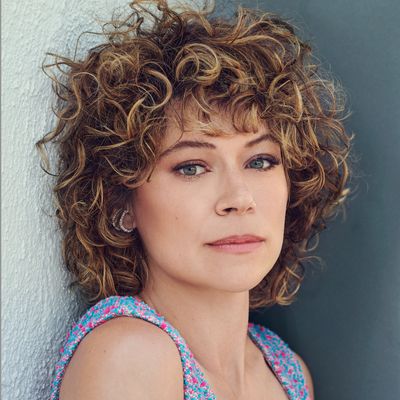
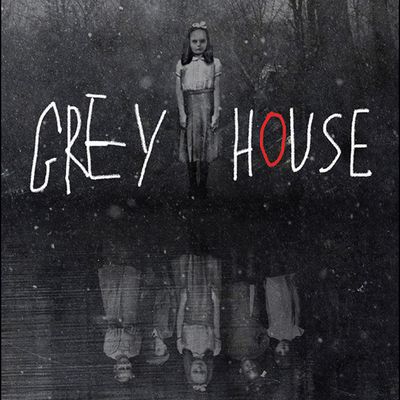
Talented actress Tatiana Maslany is currently helping creep up the stage as Max in the critically acclaimed Broadway show, "Grey House." She delves into the captivating complexities of her character, what happens behind the scenes, and the dynamics at play in this spooky production... Read More
From the show: The Theatre Podcast with Alan Seales
Guests
Featured Shows
About
Talented actress Tatiana Maslany is currently helping creep up the stage as Max in the critically acclaimed Broadway show, "Grey House." She delves into the captivating complexities of her character, what happens behind the scenes, and the dynamics at play in this spooky production. Amidst the nature of the play, she shares the process of uncovering more about the story alongside her fellow cast members, and recounts how she and Paul Sparks, who plays her husband in the show, helped each other in navigating their characters' relationship. She looks back on her improv years and becoming a certified improvisational trainer, and studying for a while before pursuing acting for good. A seasoned actor, it's no surprise that she always brings her A-game to the table. She reflects on the digital age and why she yearns for authentic, in-person connections just like in the analog days. In a world where self-tapes and virtual auditions have become the norm, she advocates for the revival of in-person interactions and the “magic” that occurs when artists come together. Tatiana also expresses her unwavering support for the writers' strike, standing up for the rights of artists and the importance of storytelling—proving that despite her success, her heart remains rooted in community and fostering connections in whatever she does.
Please note that as this episode was recorded before the SAG strike began, we do briefly discuss several of her past TV projects.
Tatiana Maslany is an award-winning actress who began her dance career at age four and started performing on the stage at the age of nine. She rose to fame on TV for her multiple roles in “Orphan Black,” and won her a Primetime Emmy Award. Her tv credits include “Heartland”, “The Harper House”, “Perry Mason”, “3Below: Tales of Arcadia”, “The Nativity”, “Heartland”, and “She-Hulk: Attorney at Law” where she earned a 2023 Critics Choice Super Award for Best Actress in a Superhero Series. She appeared in movies like "Stronger", "Cas & Dylan", "The Other Half", and "The Vow". She's lent her voice to several audiobooks, including the “Hunger Games” trilogy before making her Broadway debut in 2018 in “Network” alongside Bryan Cranston. She can now be seen as Max in the Broadway thriller, “Grey House”.
Connect with Tatiana:
- Instagram: @tatianamaslany
Connect with The Theatre Podcast:
- Support us on Patreon: Patreon.com/TheTheatrePodcast
- Threads, Twitter & Instagram: @theatre_podcast
- TikTok: @thetheatrepodcast
- Facebook.com/OfficialTheatrePodcast
- TheTheatrePodcast.com
- Alan's personal Instagram: @alanseales
Transcript
This transcript was automatically generated and might contain errors.
[0:01] Alan Seales: Hey everyone, this is Alan, and you're listening to The Theatre Podcast. Our guest for this episode is Tatiana Maslany. And before we get going, just a quick disclaimer that we recorded with Tatiana just days, like a day or two before the SAG strike began. The conversation pertaining to her past SAG projects, such as Orphan Black and She-Hulk, have been left in this episode since they are no longer new works, nor is her appearance on this podcast in promotion of either of those projects. We're here to talk about her and, of course, Greyhouse, which you have to go see. Okay, disclaimer over. Tatiana is super funny, she's fun, and she's passionate about her in-person physical connection, which, if you've listened to any podcast episode of this in the past, you know I am as well.
I just love that shared experience of going on an emotional journey with a room full of strangers. She just fell into acting and literally just kind of ran with it. She's a great example of someone saying yes and making the most of opportunities as they're presented to her. Just so much of a great chat. So now find me on Threads. I joined Threads. Find me on TikTok, Instagram, Facebook, all the places. Leave a rating, leave a review, answer some of those questions at the end of Spotify that you can answer. You know what to do. Now, everybody, please enjoy this episode with Tatiana Maslany.
[1:31] Alan Seales: Here you go. One, two, three. Buckle up, folks. Today's guest is a fun one. After beginning her dance career at age four and performing on the stage at the age of nine, she rose to fame on TV for her multiple roles in Orphan Black. Playing the same character, you figured that out, which won her a Primetime Emmy Award. Among many TV credits, she's appeared in shows such as Heartland, The Nativity, Perry Mason, and most recently as the lead Hulkstress in She-Hulk, Attorney at Law, which just earned her a 2023 Critics Choice Super Award. She's lent her voice to several audiobooks, including the Hunger Games trilogy as Katniss Everdeen, of course, before making her Broadway debut in 2018 in Network alongside Bryan Cranston. She can now be seen as Max opposite Laurie Metcalf in the Broadway thriller Greyhouse. One of my new favorites, Tatiana Maslany. Welcome to The Theatre Podcast.
[2:35] Tatiana Maslany: Hi. Thank you for acknowledging that my career in dance was a career in dance.
[2:39] Alan Seales: It was. It's at age four.
[2:42] Tatiana Maslany: Hoat's career.
[2:43] Alan Seales: Absolutely. I got paid for those taps. So in true dad joke fashion, I'm going to put on my QVC hat. But wait, there's more. She performed comedic improv for 10 years, participated in improv theater, including Canadian improv games, and has since become a member of the General Fool's Improv Theater and is a certified improvisational trainer. Easy for you to say.
[3:11] Tatiana Maslany: Damn, Tatiana. Jesus. Let's start with that, because out of all the things I thought I knew about you, being a professional improv trainer was not one of them.
[3:21] Tatiana Maslany: Yeah, that I still feel like a fraud in that respect. But I did put in the time. I mean, I did a lot of improv and I did a lot of improv training and I did a lot of improv trainer training. So, yeah, I did improv in French in elementary school, like sur la glace, which is a type of it's like there's a whole culture of French improv in Canada. I don't know if you know about, but when you're nine years old and you're doing that with nine doing French improv.
[3:57] Alan Seales: Yeah, because I went to an immersion French immersion school. Yeah. And for kids who are like me, not athletes, this was the option. Competitive friendship improv.
[4:08] Tatiana Maslany: Wait, wait, wait. OK, OK, OK. So your parents then wait. Talk to me about your parents because I was reading about that and I didn't write it down. But you went to this French immersion school. And if I'm remembering correctly, you were in Canada in French immersion, speaking German at home before you learned English.
[4:26] Tatiana Maslany: Sure. I mean, like as a baby, basically like my dance career, my career in being fluent in German started when I was, you know, pre-verbal. I basically learned German before I learned English in the sense that my mom taught me to speak German when I was a babe in arms. You know, as I was learning English, I was also learning German.
[4:48] Alan Seales: How do you cry in German?
[4:51] Tatiana Maslany: You don't. That's the whole thing. That's the whole problem. But, yeah, I think I definitely think that that like helped in terms of just like opening up my brain. I think, you know, learning a language at that age is like a great way to just like open up the pathways to like dialects and like curiosity about how we relate to each other, how we speak, you know, how we express ourselves.
[5:20] Alan Seales: Well, that was one of the things that I was really impressed with, with Orphan Black. I watched that years ago, right when it came out. And I was always impressed with the specificity of each individual character's dialect. And I was going to I wanted to ask you about it because it is, I guess, were the journey through that where you cast and then you were like, I can do all these voices, I can do all these dialects. Or was that part of like the casting process of your like that they're saying, can you do this? Can you do that? And then it all just kind of got written in like that.
[5:53] Tatiana Maslany: It was definitely part of the initial like the audition for that show was like, I think I was playing like four characters. I think me and the other women who are auditioning for that part, parts, had to do like four different characters in the room and sort of like change on a dime. But I don't think we even I think Sarah was kind of the only like dialect we did because there was no Helena. Helena didn't even exist. Rachel didn't exist, you know, like any of the others with dialects. MK did not. OK, was that her name? But she did not exist. You know, midway through first season or whatever, three episodes into first season, they were like, we're thinking of this like serial killer character, maybe Russian.
And I was like, well, I'm Ukrainian. Should we should we like go a little less like on the nose with the Russian thing and like see about making, you know, finessing her in that direction? And that's where that came from. But I mean, it could have. I don't know. I don't I'm not saying I'm like I'm great at accents, but like you are.
[6:59] Tatiana Maslany: No, I disagree. I think I'm a good I'm an all right mimic. You know, who's a really good mimic is Jordan Gavaras, who plays Felix, who no one on the crew knew was Canadian.
[7:10] Alan Seales: Really? They all worked with him every day and thought he was British.
[7:16] Tatiana Maslany: That's interesting. I didn't listen to the Idris Elba episode of Smartless yesterday. And when he was getting cast for The Wire, they're like, they don't want British people. You have to act like Americans. So like they had already I think it was the final callback. They were like, are you like, where are you from? Yeah, I called him out. And they were like, it was Reddit. Anyway, it's like I'm from Detroit. I'm from L.A. Yeah. All right. All right. All right. Right. Matthew McConaughey. Oh, yeah. I would love to hear that Idris Elba doing Matthew McConaughey.
[7:50] Tatiana Maslany: Oh, you should ask. All right. All right. All right. I'm a cavity. I broke every human law. Yeah, I'm a cavity in the Cats movie.
[8:02] Alan Seales: Well, you've read so many references. I was like, I was like on the plane with him in this new show he's on. You're in Cats. No, I've never watched it. Oh, I was gonna say. I haven't seen it yet. I want to now that I've listened to it, I want to see it anyway. We're going to talk about Tatiana. Tatiana, how many. So Maslany, is that Ukrainian?
[8:28] Tatiana Maslany: It is. It means buttery. It means a little butter. So as Alan Seales, my last name, I've got scales. If you write the E wrong, I've got Cialis. I've got Siles. I've got so many things. How many. What's the most fun pronunciation of Tatiana or Maslany that you've heard?
[8:41] Tatiana Maslany: Oh, my God. It's a daily. It's a daily treat. Both. Did I say it right?
[8:48] Alan Seales: You did. You said it very American. Tatiana Maslany.
[8:54] Tatiana Maslany: Yeah. Hey, I'm Tatiana Maslany. Americans like to open up those A's in a big, beautiful vowel sound. But in Canada or in the way it's supposed to be pronounced, it's Tatiana Maslany.
[9:08] Alan Seales: Tatiana.
[9:16] Tatiana Maslany: Yeah, it seems like you don't seem like a Tatiana.
[9:20] Alan Seales: No. No, I'm not even a Tatiana. I'm a Tat.
[9:26] Tatiana Maslany: Tat? Is that how you go by Tat?
[9:30] Alan Seales: Yeah. Americans say Tot, which is strange to me, but I'll take it.
[9:33] Tatiana Maslany: But that's T-O-T. You're T-A-T. That's a Tat.
[9:36] Alan Seales: Correct.
[9:41] Tatiana Maslany: Correct. Americans are dumb. Happy Fourth of July, everybody.
[9:43] Alan Seales: Yeah. Happy Fourth, you dummies. Dummies. So you're also a smarty because you went to, well, not to say you're not already smarty, but went to University of Regina for a little bit, studying...
[9:49] Tatiana Maslany: Regina. Pronounce it as it need be pronounced. It's Regina.
[9:55] Alan Seales: Regina?
[9:56] Tatiana Maslany: Yeah.
[9:57] Alan Seales: Regina.
[10:01] Tatiana Maslany: Regina.
[10:03] Alan Seales: Lean right into the most embarrassing way you could pronounce that word.
[10:08] Tatiana Maslany: Okay. University of Regina. Yes. Studying German, Ancient Greek, Philosophy, Psychology, and Film.
[10:13] Tatiana Maslany: No, no. You are giving me credit where zero credit is due. And as in, I didn't get any credits. As in, I didn't finish anything. I started was like, I should probably do some schooling because acting is a fool's game. And I need to have something to fall back on, as my mom said. So I started taking whatever classes felt like they had nothing to do with anything. And that was these classes. And I didn't finish the semester because I got a job in Toronto to be a little precocious young writer in a CBC TV mini series. So I left. I didn't finish school.
[10:53] Alan Seales: Right, right.
[10:54] Tatiana Maslany: I'm not as smart as you're giving me credit for.
[10:58] Alan Seales: The way it's listed, you are smart because I started my freshman year of college, taking like electives in gym. And, you know, I took karate because I wanted an easy A.
[11:09] Tatiana Maslany: Yeah, but that wouldn't have been an easy A for me. That would have been, no. That would have been something I wish I could have been good at. I always wanted to be great at martial arts. Okay. So little kid dancing and theatering. And do you remember a time when...
[11:27] Tatiana Maslany: The only memory I have of that is being like 13 and being like, I need to be buff. I need to get buff. And that was a big thing for me when I was 13 was I wanted pipes. No, I mean, I think I really fell into it in a kind of wonderfully unthought out way. And I say that just because there was no sense of like, oh, this is a career. There's no sense of that. There was no sense of, I'm going to do this the rest of my life. There was no sense of like, fame or Hollywood or any of those ideas. It was just like, this is really fun. I love auditioning. I love playing characters. I love being on stage. I love being in front of a camera. And it was just sort of like, as a kid, I was just very fortunate.
And a lot of my friends, we just like, we grew up either like making stuff at home, and then also being professional actors or being in community theatre or like, it was just part of the same thing as like making films with your best friends and your siblings. You know what I mean? It was like, an extension of that in so many ways.
[12:50] Tatiana Maslany: Totally. We would, I think my parents would rent like a big VHS camcorder every like every so often on the weekend, they would rent it. And then we'd have it for like two days to like, mess around with. But then eventually we got like a mini DV camera. Do you remember a mini? We're like all of these different versions of it where the, you know, sometimes the tape was this big. Sometimes it was thin, it was getting thinner. Oh my god, like, we can like, you know, in camera edit, we can put our two VCRs together and transfer stuff back and forth and, you know, cut together a really good scene. But yeah, that's what we did. We make claymations. We were just like, little nerds for it. We loved it.
[14:02] Tatiana Maslany: I have so much, so many videos, exactly like you said, camcorder could do dubbing. So I took, I remember Sega Genesis, Sonic the Hedgehog, there was like, because it was a CD, there, there was a portion of it that was music. So if you could put it, I forget how you could do this. This has been 30 years, 35 years, that you could put it either in a, in a CD player or something and play the sound effects off of the game. Yes. And so I would take the sound effects and dub them onto these videos. So I, for a seventh grade book report, I didn't want to write anything. I was lazy AF. Yeah, yeah, yeah. Just always make a video. And so I made a video of me as the Hobbit because it was Lord of the Rings. And I, I made my character win a trip to the place where Frodo had to go. And like ding, ding, ding. And I used all the Sonic sound effects.
[15:09] Tatiana Maslany: Right. Use what you've got. Yeah, totally. Yeah. So I got to find that. I also love the, the hacking of like how, when we had like analog things, you could make them do stuff that they weren't made to do. Oh yeah. You know what I mean? Like, like you can't do that nowadays, unless you're like an expert hacker on the internet or whatever, like maybe kids can do it, but like, yeah, exactly. You know, with the little hats and the newsy hat that the hackers wear. And we got to be so creative with these like analog things that somehow had multi-purposes.
[15:44] Tatiana Maslany: Yeah. It was great. Oh, the analog life. I miss it so much.
[15:49] Alan Seales: Me too.
[15:51] Tatiana Maslany: Oh, let's page check.
[15:52] Alan Seales: Page check, page check. Then you got your Broadway debut. You were in a Broadway debut in 2018 in Network with Bee Crayons.
[16:00] Tatiana Maslany: Yeah, Cranbone. And where, like, what was the progression of that? Because you're getting, like, you've got Orphan Black in the can. This is tiny little thing that of course blew up. And then what, in terms of She-Hulk, was that filmed before after COVID? Like with all the
[16:21] Tatiana Maslany: So Broadway happened, so after Orphan Black, I got an offer for an off-Broadway show called Mary Page Marlowe, which was written by Tracy Letts, directed by Lila Neugebauer. And I was beyond, I was overwhelmed with how, I couldn't believe, I couldn't believe it. And to do theater in New York was, you know, as I got, and I mean, even as a kid would have been, you know, I wore out my Into the Woods, like VHS that I rented from the library, you know, like loved that stuff. And it just seemed like unattainable, like this untouchable thing. So getting to come here and do off-Broadway with like this fantastic group of actors, this piece that just spoke to me in such a deep way, and with like Tracy and Lila was just ridiculous.
So I got to do that for a few months. And I don't know how, how it happened, but I think Ivo van Hove's, like his assist, or his like, his like buddy, he's not his buddy, he's like working partner, his producing partner, like saw me, his creative partner saw me in Mary Page, and I guess put me forward for Network. So I met with Ivo, and I don't know how that decision got made, because I felt so completely miscast in that part, but was also like, all right, you're going weird, like, great, let's see what this is, you know, and I'll try my best to like, find her. But that was a strange, intense process. I'd never done a play that long. I'd never done Broadway, you know, like, Cranbone is selling out every show.
So we have 1000 people every night in the seats, with all of that energy. And that show is such a like rush as it is, it was just, it was totally overwhelming. And after I finished that, maybe six months later, COVID hit.
[18:29] Tatiana Maslany: Yeah. And, and then it was like, absolute stoppage. And, and like, probably the first time since I was nine, that I stopped working, that I wasn't doing something that I wasn't cast in something. And it was a wild. Yeah, well, I mean, obviously, we all went through some seismic shift there. Yeah. Oh, and then She-Hulk. She-Hulk was an audition. And I did it. I did it over zoom because it was COVID. So I did it. I did this weird audition in the house that I was moving out of, because my husband had just gotten a job in Toronto. So we were going to fly back to Toronto. And my house is empty. It was like a stack of books with this with the zoom on it. And actually, this is a this is a good story for the theatre folks out there. But before the audition, I was so nervous. I was so nervous. I hadn't auditioned in so long.
[19:27] Tatiana Maslany: And it just felt impossible. It was a comedy. I was just like, I'm so out of my depth. So my best friend Tess, who I grew up acting with, and who's an amazing improviser and actor, she and I read Waiting for Godot together over Zoom to try to, to try to like, I don't know, just like distract or like find something or like, work out a little bit of the nerves or whatever, right before my audition. So basically, I like closed the Zoom with her and went straight into the audition.
[20:01] Alan Seales: Oh, wow.
[20:02] Tatiana Maslany: Yeah, that's cool.
[20:04] Alan Seales: Yeah. And lo and behold, little known fact that that you never actually had a scene with anybody. They shipped you a whole green screen studio.
[20:12] Tatiana Maslany: That's right. I did it completely remotely from your house with a with a webcam.
[20:20] Alan Seales: Right? That was all she helped. That's where the real CG comes in. No actors ever on set. Only that they audition you and take a picture of your face and everything else is all computers.
[20:32] Tatiana Maslany: Correct? No, not at all. This is the terror of our times.
[20:36] Alan Seales: Yes. Oh, God, I cloned my voice the other day. And it's freaky.
[20:40] Tatiana Maslany: You what?
[20:42] Alan Seales: I cloned my voice.
[20:43] Tatiana Maslany: What does that mean?
[20:44] Alan Seales: I'm using AI to do some fun stuff. And I fed, like my track of one of these podcast interviews into the machine, into the AI brain. And within about 30 minutes, it spat out, your clone is ready. And so then I put the lyrics to Old Deuteronomy from Cats into the machine. And said, here, make Alan clone say this. And it says it. Wow. So in post, I'm gonna go back. I'll insert it right now for those listening in the episode. So now it is here.
[21:19] ♪ Musical number ♪
[21:40] Tatiana Maslany: When you heard this thing, doing what you could do easily, and effectively,
[21:47] Alan Seales: what I do is easy.
[21:48] Tatiana Maslany: I'm saying you're giving a lot of credit to a thing that basically just was a voice recording of you back to yourself. You're endowing this robot with a lot more. You're sort of doing what you did with me with my university career.
[22:11] Alan Seales: It's you're right. It is in its infancy. And it you can tell that it is not smiling. Like you can tell that the shape is not there. I don't think this infant is going to get to walking. I don't think this infant is viable. I think this is an inviolable pregnancy.
[22:36] Tatiana Maslany: I'll work on AI hard. I have all kinds of feelings about it.
[22:42] Alan Seales: So, Grey House. I want to bring this to Grey House because when I heard like, oh, horror theater, I went, highbrow race? And then I...
[22:55] Tatiana Maslany: I guess Levi, the writer, when he was with you guys during the process, Levi Holloway, did he pull you all aside and say, "Hey, hey, Tats, listen up. This is what it actually is"? Yeah. Tater Tot. Tater Tats. Is this what it is? Like, this is what it is. This is what I wrote it to mean, but interpret it as you will. Or was it just like, here are the lines. Do your thing. It was a combo. There was definitely like a few early rehearsals where it was sort of like a free-for-all ask. Ask Levi anything. Rules of the house. Backstory stuff. What do certain scenes, what's the point of certain scenes? And so we got to dig into a lot of it. And at the same time, Levi has extremely specific notions about like the sort of lore of the house, and why and who and all of these things and the timeline.
He also talks about it being written in a sort of dream state, or from his dreams. And so I think there is a lot of room for interpretation, and a lot of room for us to interpret. And also when you're reading it to yourself before, you know, when you're reading it alone, it's a totally different thing than when you're sitting around a table and reading it than when you're standing up and doing it. Those three experiences were incredibly different for this play, for me, and for I think for all of us, because it does live in a place that is really hard to define, and yet is very, very much based on like real feelings and real dynamics between people. And, you know, the characters' relationships are extremely specific and extremely like, in the real world, as much as they also have other meanings and other, you know, dimensions.
[25:34] Alan Seales: We're going to take a short break. Stay tuned for more of the episode.
[25:42] Tatiana Maslany: Yeah, I'm sitting here watching the thing. And I'm like, okay, so are they ghosts? Are they supernatural? Are they spirits? Are they demons? Is the house alive? Is it somebody controlling the house? It's like all of these things are viable options. And did you ever pull Paul Sparks aside, who plays your husband in the show? Did the two of you ever get together and say, like, right, here's where we are as a couple, our characters are in this reality. And this is how we're going to play this? Like, how did that? How did the two of you develop that in relation to the house and the rest of the occupants of this living house? Well, it's interesting, because the play and the house itself, and I don't want to say too much, but there is a pulling apart of these two of Max and Henry, a pulling apart in many ways, but also just a pulling apart, a severing of the two of them, this kind of tugging into different directions.
And we meet them at a time of crisis, they've obviously experienced something very presently traumatic, but they've also gone through a lot as a couple, and are at a point where, you know, things could go one way or another, as much as they love each other, and as much as they resent each other, and all of that, there's no clarity on like, what could happen. So coming to this house is this sort of test of their relationship. So for us, I think it was a slow process of like getting to know, just getting to know ourselves in that story, and then finding each other. And then we definitely had a lot of conversations to try to like, make sense of things, but also to allow for a lot of freedom. And what's so great about Paul is that he's like, endlessly searching, endlessly curious, and always trying new things.
And that's like my favorite kind of actor to work opposite, especially in a long run like this, where, you know, people don't always do that. And I'm very grateful to him. Because I feel like we're always digging and always, whether we articulate it to each other or not, we're always navigating new elements of the relationship on stage.
[28:17] Alan Seales: Well, that's, I mean, that's just good acting. It's good. Because yeah, what is it the majority of acting is good listening. If you're gonna be a good performer, it's literally just authentically reacting to what's given to you. And if he does something different, or if you do something different, and then the other one reacts appropriately, then you're going to create a new meaning in the same lines or the same moment.
[28:38] Tatiana Maslany: Yeah. And I mean, that's, that's the dream. And it's not always that. And that's like, you know, that's what can be so disappointing. It's like, like you're saying, that's the key to it. That's, that's the thing that is joyful about it is like presence and communicating and listening and receiving and giving and taking, you know, all of that, like, it's like, it's alive. But it doesn't always, it doesn't always happen.
[28:42] Alan Seales: And I mean, you throw in Laurie Metcalf and Sophia and the rest of the phenomenal cast, all of you together on stage and the kids, the kids. Yeah, they're amazing. It's such like, I want to call it an ensemble cast, while it's still focusing around you as Max and Paul's character. Henry, right? Henry. Yeah. So it's surrounding, you know, Max and Henry. And then the way that everyone comes in with a purpose, and with absolute certainty of why they are there and what they're doing in that moment is, it's just brilliant. It's brilliant.
[29:26] Tatiana Maslany: Kids, the kids from day one, we're making really interesting choices always and have continued to, and they are some of the best listeners, like on stage easily. Always present and throwing new things at you. And if by chance, you're me and you drop a line, the kids will pick it up. Like truly, it's happened where like, they make sense of something going wrong. And they, it's amazing. It's amazing. You like Laurie, and I were talking about it in an interview the other day, and she was like, they're amazing scene partners, like they're reliable scene partners. And that's absolutely true.
[30:08] Alan Seales: It's hard to find, I think, kind of anything, but I guess that speaks, yeah, speaks to them, speaks to the talent you'll find here. And did you say, I don't think you said, how did you get attached to the production in the first place? Was this another audition? Or was it you were put forth by somebody?
[30:21] Tatiana Maslany: No, it was an audition. I mean, I think Laurie was attached. And there was like an opportunity to read for Joe, and for the casting agents, or casting director. And yeah, it was just, it was a zoom. Again, it's like the weirdest way to do any audition, but theater audition, definitely strange. But thankfully, I was reading with someone I wasn't doing a self-tape, which are just like the death of the death of our industry. But yeah, it's, it was really, really just that. And I read through a few scenes with them and had great readers opposite me, which is always like a joy. But yeah, that's it. That was it.
[31:07] Alan Seales: Do you want to continue doing more theater or more TV or film? Like, what's kind of like pulling at you these days? Because it seems like now you sort of have your pick of the litter, because you're proving yourself in every single medium.
[31:21] Tatiana Maslany: I would love to do anything. And honestly, I mean, it's, it's funny you say that, because like the last job I did was an AMC show that got canned halfway through filming. So as much as like, I think, I think we're just at a really strange place in our industry where money is being prized over like everything. And the people who make decisions have zero interest in protecting story or investigating interesting things. And I think it's just like, I'm so grateful to the writers for striking right now. I think it's like absolutely vital. And I really hope SAG does the same. Because I think there's, there's some real shitty things happening. Obviously, there always have been, but it's like come to such a head where the certainty of being able to do the job that so many people have trained for 30, 40 years to do, you know, people are losing their health care, like, it's just like, not okay.
It's not good. There needs to be a massive reset. And I, right now, I'm not even thinking about like, what the next job is. I'm like, how do we, as like an organized community of artists and laborers, like come together and change things so that we can continue to do our work? You know, I know, like art, and you, you know, this too, like, art can be, it can be thought of as like, it's just fun. And you are so lucky to be doing what you do. So take, take zero money and just fucking do it. But it is labor. And we all know that, based on how hard we've all worked to get to where we are, how many hours you have to put in the studying, the training, the like, being present here with you, like, you and I have to be in a certain headspace and have worked up to a point where we can connect in this way, you know, and like, share with each other and communicate in this way.
So I just think that's kind of where my head's at right now is like, all right, how do we fix? How do we fix things? I don't, I don't really know how, I don't know enough about the inner workings of like that high up echelons of all, where all the money is controlled to, to figure out what the answer is. But I hear you 100%. And a lot of it, a lot of it is just like getting back to the roots of why we're considering ourselves artists and why we're doing what we're doing in the first place is just to create and to influence and to, to live, laugh and love and all the other things that you put on inspirational posters.
[34:03] Alan Seales: In Airbnb.
[34:04] Tatiana Maslany: Airbnb, yeah.
[34:08] Alan Seales: But yeah, I totally feel that. And I didn't realize there was so much going on with SAG either because from my point of view, there's no podcasters union. So there's nothing for me to worry about.
[34:22] Alan Seales: Like we were talking about cloning voices. It's like stuff can get really weird, really fast all of a sudden. But what I was going to ask you earlier that kind of what you said brought it back to it was talking about the analog life and the digital life. It seems like now you've only been in the theater space in the digital life. And, you know, you and I grew up at the same time with analog and dial-up modems and AOL and all these other things that nobody knows what they are anymore. So now in the theater space, like there's cell phones going off everywhere and there's people not paying attention to the show because they need to check their text messages or whatever. So for you coming into the theaters, to the Broadway scene, the theater space in, you know, the 20 teens and now the 2020s. Is it, do you know, like for Laurie, for example, Laurie Metcalf, like who's been doing this for decades, right?
Have you ever like compared stories of like how she sat down and she's like in the rocking chair, you know, saying back in my day, this is what theater used to be like? Because I imagine now with Marvel and She-Hulk and even with Orphan Black, the stage door experiences for you in the digital age where you get to snap a picture and kids are demanding it rather than asking is much different than a lot of people who have been doing this for a lot longer may have had or may have experienced.
[35:44] Tatiana Maslany: Yeah, we have we've talked a little bit. I mean, she's talked a little bit about Steppenwolf and about like her early days and just like the kinds of, like what's the word? When you're like really scrappy, the scrappiness of the way that shows happened in basements in this that I worked with Marklin Baker on She-Hulk, and he talked a lot about starting out in sketch and writing things with his friend, Louis Black, and like being in like the basement of this theater and growing an audience and training and like growing his craft and all of that. I feel like that's like the kind of stories I'm often hearing. I think there's there's definitely a way to engage with the digital element of this world.
But I don't think it's I don't enjoy it. What I enjoy is if I have an interaction with a fan who the show meant something to them or they had a thought about the show that was interesting or Orphan Black meant something to them. You know, I met a couple of women last week who are together after eight years and they've been dating for eight years and they met through Orphan Black like message boards or like, yeah, like, you know, or like, yeah, like at a convention, that stuff is great. And that means something. And like a fucking pitch or like an autograph, that's I don't know. I don't know. I think I don't understand it. I'm old. I don't get it. You know, I'm I'm way more interested in in like real. I don't know. Real connection.
[37:30] Alan Seales: No, I totally get it because now it's it's what I'm craving. And and not nothing against nothing against what we are doing right now, which is interviewing over a digital platform using Zoom before covid, it would be in the dressing room with you. It would be in the press agent's office. It would be somewhere where we can actually feel each other's energy. And and while the Internet, while digital age has made everything so much nicer and convenient in one ways and in the ways that are important. I think like exactly what you said, the connection and the energy and the comfortability to be able to share. And and like we've never met before, you know, an hour ago. So but being able to look each other in the digital eye and feel comfortable enough to share with each other, it's it's it's a skill. It's a practice skill to do it online, but it's so much easier in person. And I think we're missing a whole lot of that now.
[38:29] Tatiana Maslany: Yes. And I would say that that is sort of what I was saying about the self tapes thing. I have experienced this in so many of my friends and people who I've worked with for years and people who have worked for years because casting is no longer meeting people in person. And I'm like the biggest advocate for covid protocols. I think it's still a thing. People are still dying from it. And I still really I I do not take it lightly. But I think there are ways for us to safely have in-person auditions at the same ways we are able to go to, you know, rest or we like, you know, figure things out. But I think that the loss of in-person auditions, the loss of casting directors, having an actor walk into the space and feel their energy and have a reader sit opposite and play with that actor and take watch the actor take direction.
I think we're we're destroying. We're destroying that that art, which is the art of being present in a room, which is really hard. And you don't get it on a self tape because self tapes are the most self-conscious. You have to edit yourself. You have to film yourself. You have to light yourself. You have to hire a reader. They basically offloaded all of the labor onto actors. And now actors also have to watch themselves decide which take is best and send it off into this void where they don't even know they'll get feedback. So it's completely destroyed the actual. The the the nut of what we do, which is connecting and which is responding and being present and taking direction. What else is an actor?
An actor isn't somebody who goes like, you know, I'm doing a selfie face and like, you know, looking at myself in the camera like that's not an actor. An actor forgets themselves and is present with the person opposite them. So I'm that's another thing that I'm like, like you're saying about the analog stuff, it's like in person stuff. That's where you feel that energy. That's where you know the metal of an actor. That's where you actually feel them. People can self tape really well and come to set and not be able to do more than one fucking thing. And they're never going to give you anything different. But an actor is going to give you everything. And I'm a massive advocate for getting back in the room and having those moments.
And that's why I think life theater needs to live on and be accessible to everybody. I, I enjoy the pro shot. You know, the recording of a stage production to put it on Disney or to put it on wherever, just to get it out there. But nothing beats seeing something live and in person because you're with them, with those people, that person in that moment. And that exact show will never happen again.
[41:19] Tatiana Maslany: Yes. Brilliant. And you're communally experiencing it. You're screaming in certain moments during Greyhouse. You're laughing. You're maybe you're feeling you're feeling emotional, whatever it is, but you're doing it with the group and it's different every night. And that alchemy is never going to be the same. So it's yeah, I totally this. That was something I really liked about Greyhouse, too, is that we are able to scream together and we're able to like freak out and then be embarrassed with ourselves that we just freaked out in front of a room full of strangers and then feel OK with it. You go through like all these range of emotions within milliseconds.
[42:51] Alan Seales: Yes, totally, totally. And that that because I'm asleep on stage in that one moment where there is a big scream and hearing everybody's laugh after. Yeah. The shared double experience of like, oh, my God, we just felt something. Oh, my God. Did you feel that? You felt it too? Oh, my God. You reacted to it. You know what I mean? And it's exactly what you're talking about. So connective. It's awesome. Yeah. Yeah.
[43:14] Alan Seales: All right. So I know you got to run. I'm going to ask you three questions that I used to wrap up every episode. The first one, just simply what motivates you?
[43:22] Tatiana Maslany: What motivates me is chasing that feeling of like chest expanding joy that I had when I was a kid. Trying to find that in little moments again. Yeah.
[43:37] Alan Seales: Oh, that's beautiful. I remember those moments. OK, so what advice would you give to your younger self and younger people listening now starting out down a similar path?
[43:43] Alan Seales: That's right. Which, again, speaks to the love of improv. And I think why you're good at it, too, because that's that's what you're focused on. That's really interesting. You should.
[43:46] Tatiana Maslany: I would say find find a community, find community in fellow actors, writers, directors, people who are creative artists, painters, whatever. Be inspired by each other and build community because this isn't about you. This job is, you know, the biggest fucking thing that pisses me off about like awards is that they're awarded to one person when the whole team is the group. That is what made that person spectacular, you know, or whatever. Just like don't forget the community element of this job. And that's in everything we're talking about, you know, supporting each other, being there for each other. Rehearsing together, playing together. Yeah, it's a live emotionally connective, shared experience that you can't get in pretty much any other way.
[43:51] Alan Seales: All right. Last question, then, if you can only see one show for the rest of your life, you can see it as many times as you want. What would you see?
[44:00] Tatiana Maslany: Giving me a panic attack. What would I what would I see? Oh, I mean, is it I've watched the thing I've watched the most is the TV series. I think you should leave Tim Robinson sketch. It's absurd. Weird. Fucking the greatest. It's so funny. Patty Harrison's in it. Sam Richardson. It's oh, that just came out. Season three just now. Season three just came out. And it is getting lots of clips sent to me from my friends from that. It's hilarious. It's yeah.
[44:37] Alan Seales: Yeah, that is funny. All right. So do you do social media? Where can we find you online?
[44:39] Tatiana Maslany: I don't I mean, I'm on Instagram, but it's at whatever. Tat tat blat tat. Brat. I don't know what it is.
[44:47] Alan Seales: Tat tat blat tat.
[44:48] Tatiana Maslany: I don't post, so.
[44:49] Alan Seales: You gotta get on Threads, which is brand new.
[44:52] Tatiana Maslany: Yeah. Oh. Threads.
[44:54] Alan Seales: No. Oh, yeah.
[44:56] Tatiana Maslany: Yeah, it's it's Instagram's answer to Twitter, which, of course, is dying a horrible, flaming death.
[45:02] Alan Seales: Of course. And as it should.
[45:06] Tatiana Maslany: So now I'm on Threads as of the last four hours. So find me on Threads.
[45:10] Alan Seales: Nice. Facebook, Instagram, Twitter, the theater podcast dot com. Leave a reading review wherever you're listening. This is edited by me. Music by Jukebox, The Ghost and Convo by by the wonderful Tater Tots Mazzolani. And you know where you can find me?
[45:26] Tatiana Maslany: Where, where, where, where?
[45:27] Alan Seales: On the picket lines at the dip for the WGA and hopefully the SAG soon.
[45:32] Tatiana Maslany: That's right. Come join us on the picket lines. Everybody break many legs. You're amazing in the show. Greyhouse is amazing. Everyone go see Greyhouse. Thank you.
[45:39] Tatiana Maslany: I really enjoy it. Thank you.
[45:41] Alan Seales: That's great. Thanks so much. Take a deep breath, make the world a little colorful.
© Broadway Podcast Network, All Rights Reserved