
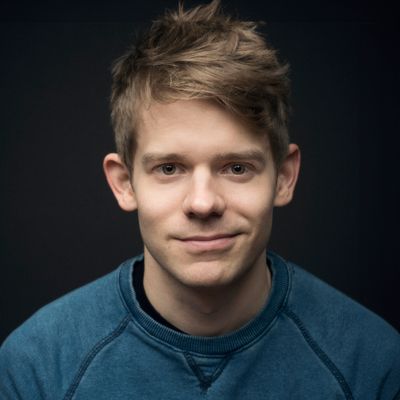
A Broadway actor, author, and web series co-creator, Andrew Keenan-Bolger opens up about his personal experiences, life lessons, and insights into the world of theater, social media, and literature... Read More
From the show: The Theatre Podcast with Alan Seales
Guests
Featured Shows
About
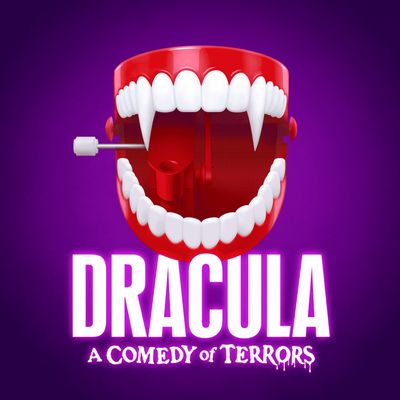
A Broadway actor, author, and web series co-creator, Andrew Keenan-Bolger opens up about his personal experiences, life lessons, and insights into the world of theater, social media, and literature. He recalls his introduction to theater and his early influences, which include his older sister, and how he was able to pursue a career in acting, thanks to the overwhelming support he received from his parents at such a young age. Currently playing seven different characters in “Dracula, a Comedy of Terrors”, Andrew shares a glimpse of what the production is like, including costume changes, and why having chemistry with the people you work with is essential. While he successfully grew his online presence, he candidly reveals the toll social media can take on one’s mental health, ultimately choosing to show only certain aspects of his life and providing valuable content to his followers. Andrew also touches on the transition from co-creating the digital series, “Submissions Only” to co-writing the book series, "Jack and Louisa". He reflects on the responsibility of writing for a younger audience, getting inspired by other people’s works, and the importance of staying true to one's unique voice.
Andrew Keenan-Bolger is a multi-talented actor, author, and social media influencer who began his professional theatrical journey at the age of 10, with his earliest roles in productions like "A Christmas Carol", “Beauty and the Beast”, and "The Sound of Music." His other stage credits include roles in productions such as "Seussical,""Mary Poppins," "Newsies," and "Tuck Everlasting." His TV credits include “The Undoing”, “The Blacklist”, “The Marvelous Mrs. Maisel”, “Nurse Jackie”, and “Naked Brothers Band”. He co-authored the middle-grade novel series "Jack and Louisa" alongside Kate Wetherhead, a delightful series that explores the adventures of two theater-loving friends. He is the co-creator of the critically acclaimed web series, “Submissions Only” and is currently part of the ensemble cast of “Dracula, a Comedy of Terrors” now playing at New World Stages.
Connect with Andrew:
- Website: www.andrewkeenanbolger.com
- Instagram: @KeenanBlogger
- Threads: @KeenanBlogger
- YouTube: @AndrewKeenanBolgerTV
- Twitter: @KeenanBlogger
Connect with The Theatre Podcast:
- Support us on Patreon: Patreon.com/TheTheatrePodcast
- YouTube: YouTube.com/TheTheatrePodcast
- Threads, Twitter & Instagram: @theatre_podcast
- TikTok: @thetheatrepodcast
- Facebook.com/OfficialTheatrePodcast
- TheTheatrePodcast.com
- Alan's personal Instagram: @alanseales
Transcript
This transcript was automatically generated and might contain errors.
[0:00] Andrew Keenan-Bolger: I'm Andrew Keenan-Bolger. You're listening to The Theatre Podcast with Alan Seales.
[0:10] Alan Seales: Hey, everybody. Welcome back to an all-new episode of The Theatre Podcast. I'm your host, Alan Seales, and our guest today is A.K.B. Andrew Keenan-Bolger, who grew up a child star after his parents were kind enough to kind of relocate their entire life so that he could pursue an amazing opportunity that kind of fell in his lap when he was around 10 years old. But he's super cool, stayed down to earth, which, if you ask me, is kind of unusual for somebody who finds success so early in life. And he became a social media genius, kind of invested early on in the platforms and just, you know, opened up here on the podcast about actually the toll it took on his mental health and how he sort of had to pull back for a while and find out who he is online versus who he is in real life and keep them separated for a healthy set of boundaries.
So, such a cool interview and a cool guy. Can't wait to share it. Find me online. As you always do, leave a rating and a review wherever you're listening. And everybody, now, please enjoy this episode with Andrew Keenan-Bolger.
[1:16] Alan Seales: Here you go. One, two, three. Our guest for this episode was last seen on Broadway as Jesse Tuck in Tuck Everlasting. Other Broadway credits include Crutchie in Newsies, Mary Poppins, Seussical, Beauty and the Beast, and A Christmas Carol, in addition to the first national tours of Spelling Bee and How the Grinch Stole Christmas. On the TV, he's been seen in The Undoing, The Blacklist, The Other Two, The Marvelous Mrs. Maisel, Nurse Jackie, and Looking. He is co-creator of the series Submissions Only, co-author of the book series Jack and Louisa, a social media genius, and is now part of the amazing ensemble cast of Dracula, A Comedy of Terrors, now playing at New World Stages. Andrew Keenan-Bolger, welcome to The Theatre Podcast.
[2:09] Andrew Keenan-Bolger: Oh, thank you. Great Transylvanian accent. My gosh.
[2:13] Alan Seales: Thank you. Now we have to do the whole episode with this accent, which if I keep going, it's going to turn into something probably Irish.
[2:22] Andrew Keenan-Bolger: I default to Jamaican, I find.
[2:24] Alan Seales: Do you really?
[2:25] Andrew Keenan-Bolger: Yeah, it always gets a little Caribbean somehow, which is a problem in the show, because I think I do eight different accents.
[2:31] Alan Seales: I was going to ask about that, because if we're allowed to, I don't know if there's any spoilers in here. There's Dracula, and then there's unnamed everyone else other than, what is it, like actor one, actor two, actor three, because you all play a bajillion different characters.
[2:50] Andrew Keenan-Bolger: Yeah, I play like seven different characters in the show. And every actor, other than Dracula, doubles a whole bunch of roles. It's like basically a nonstop quick changes, people playing multiple characters in one scene, just a huge last riot of a 90-minute play.
[3:12] Alan Seales: And as we're recording this, I haven't yet seen it. I'll see it in a few days. But from the production photos, which I'll post some on my instas, maybe in the threads too, because why not? And the costumes are no joke. They are heavy and real. They look authentic.
[3:33] Andrew Keenan-Bolger: Yeah, it's funny. I was sort of picturing a little bit more like campy, like, yeah, an apron and then suddenly you're the maid. You're like, no, we're jumping into full Victorian, ornate brocade, lace-up costume. So there's a whole other show going on behind the scenes with the dressers who are, I'm sure burning about like 3000 calories a night just running around getting us into these elaborate, incredible costumes.
[4:03] Alan Seales: That sounds incredible. I wish there was, if this were some weird invasion of union rules and privacy, backstage cam.
[4:13] Andrew Keenan-Bolger: Oh, totally. Because I think it would be so cool to watch, especially dressers. Dressers have one of the hardest jobs because if they mess up, the whole show has to stop.
[4:24] Andrew Keenan-Bolger: Oh, yes. Yeah. I will say it was a challenging tech process, just figuring out all these changes. I'm used to tech slowing down when they're like, oh, we have to focus this light. We've got to fix this sort of automation. Almost all of our stops were, okay, we have 12 seconds to do this insane costume change. Let's run it five times to make sure that we can do it. Okay, we need to add snaps to this. We need to Velcro this part. Yeah, it's wild.
[4:53] Alan Seales: Are there any, are there any like frozen style onstage full audience view, like magic quick changes?
[4:59] Andrew Keenan-Bolger: There are. Well, indeed, you're going to have to come and check us out at New World. Multiple onstage costume changes.
[5:07] Alan Seales: All right. All right. And some of them, not even of the cast. No, I'm kidding. I would not put it past Gordon. Gordon Greenberg and Steve Rosen, the writers of this thing. So full disclosure, I was involved with the recording of a version of the script in 2020 across Broadway Podcast Network. We already recorded and released Dracula in 2020 as an audio comedy. And I was talking with Gordon Greenberg last night. I ran into him. And I was like, is there, was it Lord Swivel Hips, I think? Or the Elvis character, right?
[5:49] Andrew Keenan-Bolger: Yes.
[5:52] Alan Seales: Because we had John Stamos in the recording. We had John Stamos do the recording. I was like, is John Stamos, please tell me he's making a cameo.
[6:00] Andrew Keenan-Bolger: Just in all his free time. He's like, yeah, I'm going to do a little cameo. But is there, A, did you listen to the radio, to the audio comedy at all?
[6:12] Andrew Keenan-Bolger: Oh, I totally did.
[6:14] Alan Seales: Did you really?
[6:14] Andrew Keenan-Bolger: Oh, it was such an amazing, I feel like, especially as an actor doing a new work, when you're deciding if this is a show that you want to be involved in, having that incredibly professional cast recording, or not cast recording, I guess taping, with like amazing actors, there's like Ashley Park, and Emily Ashford, and like James Iglehart, just like real comic geniuses. Having that as something to look at, before I started and being like, oh, I get what this tone of the show is, oh my gosh, it's like, incredibly like, high camp, super madcap. Yeah, it was really helpful. And then a lot of the lines have changed, obviously, to be adapted for the stage. But yeah, I would encourage people to go check it out. It's really funny. And it's like, a really cool serialized, just audio drama.
[7:11] Alan Seales: Yeah, yeah, yeah, absolutely. And I guess what some of the things that you've enjoyed, as part of the process of things that have changed, because one of the questions I had for you was, because it is established, and there have been multiple incarnations of this, which I guess, in the grand scheme of things, it's not so different than any standard play getting workshopped, and workshopped, and staged, and whatever, right? But do you, now that it's officially in this Off-Broadway space with the Off-Broadway contract, and it's opened, and the script is locked, and etc., etc. Do you, how much of you, like, Andrew, did you get to bring to each of these characters to, like, say, like, can we try this here? Or was it just more like, stick to what we've got, kid?
[8:01] Andrew Keenan-Bolger: No, it was very much, let's, we hired these actors for a reason. It's an ensemble of like five just full clowns, honestly, if we're being honest. We've all got some clown blood in our band. So they very much encouraged, they're like, we know what worked for one actor in our out of town in Montreal is not necessarily going to work for y'all. So yeah, we brought a lot of it to the project. And then even with my main character, Jonathan Harker, I think after we did the table read, they were like, I feel like you were doing something very different. And we are interested in maybe taking this character into a direction that we had not anticipated, but has always sort of been, like, in the back of our brains. Would it be okay if we tried out these things? And I won't give anything away, just for spoiler alerts with a plot. But it made me so, so happy to see that they were willing to change some stuff based on what I was bringing to the table.
[9:01] Alan Seales: Are you, you and the cast, working with the dialect coach, too? Or is it just, let me hear your best Bobby Pate, sir?
[9:09] Andrew Keenan-Bolger: Well, I know. I also, I am not, I would not say dialects are like, necessarily my strength. I did not have, like, conservatory training. I think I took like one semester of it. So yes, they were able to bring in a dialect coach, because the, I think I only speak in an American accent for three lines total. Everything else is, I think I do British RP, I do like, London, like, can shabby kind of guy do Cockney, Irish, Scottish. Yeah, it's a lot. It's a lot. And oftentimes, I'm changing accent, like, second to second. And there have been some times when I'm like, Oh, but that one came out Scottish. That was definitely supposed to be southern. But you know what, we're gonna go with it there. Luckily, I think the spirit of Dracula, it's so just like, ridiculous and silly and goofy and can be that it allowed to the plate breeds every single night, we're responding to what everyone is doing on stage. If something goes wrong, it honestly, only amps the comedic potential of the clowns on stage who are responding to it.
[10:21] Alan Seales: I was actually, I was gonna bring that up too. And normally, I don't get into like, you know, the item that my guests are always on the podcast to promote, you know, we like slip it in so it doesn't feel like we're hitting the listeners over the head. But we just dove right in because I freaking love this show. But I want to read. Let's see, 90-minute gender bending quick change romp features a pansexual Gen Z Count Dracula in the midst of an existential crisis. I mean, we can't get any better than that.
[10:52] Andrew Keenan-Bolger: Yeah, we're cramming it in. We've got everything. Yes, it is. I think that is a fair description. And I think the one thing that we really didn't necessarily anticipate is just like how much of a laugh riot the entire show is. I feel like it was such a relief after rehearsing just in one of these like, dull rehearsal rings with the same five people as your audience, like trying to sell them on your jokes and being like, Oh, gosh, are we even funny? I think you lose a sense of like, what's actually going to play and then just our first performance. I don't think any of us anticipated the reaction that we were going to get from the audience. I don't I honestly, I don't think I've ever been in a show where folks are laughing harder for 90 straight minutes.
It has been hard almost to time some of our comedic timing because you're like, Oh, I did not anticipate that we were going to get like, mid show applause because this person completed an insane quick change in like 10 seconds and then like reemerged on stage as a completely different person.
[11:59] Alan Seales: I love it. I love it when the design is so complex and fine-tuned that either set pieces or costume changes get the applause. Actually.
[12:09] Andrew Keenan-Bolger: Right, right. Was that, I guess, part of the rehearsal process and or back up to the audition process too, because I always, I always wonder, like for comedies, I feel like the auditioning is more of a leap of faith maybe on the creative team because you can't find the comedy in shows a lot of times until you're working with your other actors.
[12:34] Andrew Keenan-Bolger: You're working with the script and you see what works, what doesn't, when you get it on his feet. So how do you audition comedy versus, like, I feel it's easier if you can, if you're reading a dramatic monologue, you can tell when somebody's really, I mean, I don't know, I feel like saying, oh, that person can do drama is a lot easier to say, oh, that person can do comedy, but maybe that's just my inexperience of never having directed anything. I know, I totally agree with you. And I think we were lucky enough that, um, so James Daly, who is, or Dracula, he had done it in the Montreal version. And I think the creative team was, like, obsessed with this guy. He is, he really is amazing. He's going to be a total breakout star.
This is his first American, it's his American debut and, um, theater film. And so he was actually at my audition, and I got to do like a chemistry read with him. Which I think was really nice, because he also sort of set the tone of like, how big are we going? Because you never really know. And then I was also the good fortune, they were just doing chemistry pairings with people who are auditioning. And the person I got paired up with was Jordan Bowman, who ended up being the Lucy who got cast. So I think they got to see how we were playing with each other. And we're like, oh, these people are doing a similar sort of style, they look good next to each other. But I would have assumed that would have been impossible to just guess, because you really never know.
You can get in the room. And luckily, I've also I've worked with a couple of other people in it, Ellen Harvey, who plays basically all the male characters in the show. She and I did Mary Bottoms together and along with a couple other like film projects on the side. And I know her style and just a big fan. And we we work really well together. Did you get to work with Gordon Greenberg, Steve Rosen before this?
[14:28] Andrew Keenan-Bolger: I had worked with Steve Rosen on my web series Submissions Only. I think he was in our second episode. So he was one of our very first guest stars, and just encouraged him to like, play around and do a lot of improv with the role and was hysterical. And I've also just been a big fan of him from he hosted this improv, like this kind of night of improv with the Broadway community called Don't Quit Your Night Job. That is really hilarious. And it's the writer of a musical that I saw a whole bunch called The Other Josh Cohen. So big fan of him. Gordon, I've seen a lot of his work and like really respected him as a director. And he's also a co-writer on this. So we knew each other but had never worked with each other like on a theater project.
And yeah, it's just been really nice. It's a goofy room where I think we are all just being ourselves. And then on break, we're like, gossiping and dishing about the world and what we're all watching on Netflix. And like, yeah, it's a good buddy time.
[15:35] Alan Seales: Yeah. Steve was on my radar for The Other Josh Cohen as well. And we've just been in contact ever since. He and David Ross were just incredible, incredible writers in their own right too. But let's back up to Little Andrew because I think, like you grew up as a child, a professional child actor. Of course, Sister Celia is also successful in her own right. So your family, it seems, was it just you and Celia? Or were your parents actors, performers too? Where did all of this start?
[16:11] Andrew Keenan-Bolger: Yeah, so we grew up in Detroit, Michigan. My parents not performers in any way. I think my dad played the organ at church, but that's like about as musical as we got. And he really honestly, it's all Celia. She's six or seven years older than me. And I just grew up seeing her doing community theater. I think as soon as I could stay quiet long enough to sit through a show, I was seeing her perform. And we also have a middle sister, Maggie, who is also a teaching artist and a playwright and director. So all three of us are all in the arts. And I think part of it was like, obviously a carpool situation where we didn't seem tenable to drop one kid off at tennis, one at gymnastics. We all got dumped at the same theater.
And if there was ever a show that didn't cast all three of us, then we just wouldn't do it, those kids. So yeah, and then when I was about like 10 years old, my parents kind of on a whim brought me to New York to audition for Beauty and the Beast. And I have to assume they never actually thought I would get it. I think that they were thinking it was more a fun chance to do a road trip to the city with the kids. And instead, while I was in the room, this has never happened to me any other time in my career. They were like, can you tell your dad to come in? And they were like, so we're offering him a job. Can he move to New York by Friday? Because he has to start rehearsals.
[17:44] Andrew Keenan-Bolger: And you're 10. Yeah, and God bless my parents who were like, okay, yeah, we're gonna make this enormous sacrifice and pick up our lives in Detroit to help our kids follow their dreams. Something I could never imagine making a sacrifice for any other person. But I'm so, so, so grateful. Because I think as soon as I landed in the New York theater community, I was like, oh, this feels right. This is what I will spend my life trying to get back to.
[18:17] Alan Seales: Hang on, everybody. We're just gonna take a quick break.
[18:21] Andrew Keenan-Bolger: All right, now we're back. I mean, when I was 10, I think I was watching He-Man, you know? And that's probably why you're in Dracula and I'm a podcast host. But yeah, I think that speaks a lot to your parents. Gosh, yeah, you're right. That's so much sacrifice. Was it in the middle of the school year too?
[18:42] Andrew Keenan-Bolger: Yeah. Oh, yeah. It was in January. Yeah, they had to find a whole new public school for me to go to in New York. And I think within that same hand, they were also, after I did Beauty and the Beast for a couple years, they're like, okay, time to move home. And I got cast in another Broadway show. And they were like, you know, it doesn't really feel fair to us who have jobs in Michigan to make that kind of sacrifice. So we're gonna move home, you're not gonna do this Broadway show. And so then I moved back to Detroit, very shortly after I ended up getting something else. And it was on the road. And they were like, okay, we can maybe work this out if Celia was my guardian for a little bit. And I had an aunt and uncle who were my guardian.
But yeah, it was both selfish or selfless on my parents' part. And then making sure that I understood that this is something special and not something I should take for granted. I think it was just honestly good lessons to learn as a person coming of age in a business.
[19:52] Alan Seales: That's insane. And really, really, really amazing on them to just let you follow that passion. Because it could be like, no, we can't do it. We're not gonna make it work. Are you allowed to say what you had to turn down?
[20:01] Andrew Keenan-Bolger: Oh, I mean, I guess. Yeah, I've been closed for years. I got cast in the King and I revival with Donna Murphy. And then-
[20:08] Alan Seales: Oh, wow.
[20:08] Andrew Keenan-Bolger: Couldn't do it. A shame.
[20:12] Alan Seales: Yeah, that would have been great to work with Donna.
[20:12] Andrew Keenan-Bolger: Oh, total. I was watching, side note, unrelated. I was watching Tangled with the kids the other day. And then I was like, oh, shit. That's Donna Murphy.
[20:21] Alan Seales: Oh yeah. Oh my gosh. Yeah, she's so grandma.
[20:24] Andrew Keenan-Bolger: It's great how many of these old movies that grew up and kind of shaped some of our childhood were like, oh, yeah, we're working alongside these people now. That is so much fun.
[20:37] Alan Seales: The best.
[20:38] Andrew Keenan-Bolger: That's fun. Did you have any of those pinch me moments ever? Or what was the last one you had where you're like, I'm working alongside the voice of such and such that I watched when I was 10?
[20:48] Andrew Keenan-Bolger: You know, when I had this digital series Submissions Only, which was all about auditioning for theater in New York, I created it in 2010 with my collaborator, Kate Weatherhead. And we did it for three seasons. And every episode, we had like a slew of guest stars. And it was pinch me moment after pinch me moment where I was suddenly directing some of the great luminaries and giving them direction, which felt insane. And then people like Audra McDonald, Chita Rivera, Kristin Chenoweth, these people who I still to this day hold on the highest of pedestals, realizing that all of them still want to do good. It didn't matter that it was a show that got broadcast on YouTube. They wanted to be good.
Having people like Audra ask you questions about, what if I try it like this? Is this okay? What are your thoughts on this? Which one do you like better? And having them put on their professional hat and be like, I honestly like the second version more, not just like, whatever you do, Audra McDonald, it'll be amazing. Which to be fair, whatever she would do, would be amazing.
[22:03] Alan Seales: I was gonna say, I mean, she could stand on her head and act like Ace Ventura.
[22:09] Andrew Keenan-Bolger: And it would be awesome.
[22:10] Alan Seales: Truly, truly.
[22:12] Andrew Keenan-Bolger: That's so cool. And so let's switch over then to Submissions Only for a second, because I remember hearing about it years ago. And I just noticed that it was produced by Kevin McCollum. You had like a full producer. Kevin's no joke. Six is probably the biggest thing he's got on Broadway right now, but he did Doubtfire, Something Rotten, Drowsy Chaperone. I'm just looking at his resume.
[22:42] Andrew Keenan-Bolger: Original Rent, Avenue Q, Ragtime, Title of Show. God, this dude has done everything. And then he's producing your web series. So how did that happen?
[22:54] Andrew Keenan-Bolger: So Kate and I made the first season, I think we made it for $2,000. And it was just us tooling our lunch money together. And he saw it after the first season and brought us in for a meeting and was like, listen, every single one of my hits has not been a commercial property investing in an established creator. The things that I have made the biggest success on are things like Rent, someone who had no Broadway credits, Avenue Q, Title of Show, like all of these things. He's I think my style of producing is find what is not out there. And that is what is actually commercial. It's not trying to follow trends. And so he was like, I understand this may not make any money. This was also before streaming was a thing.
Netflix had just converted to having a digital mod but had not had any TV shows yet. And so we were putting the show up on YouTube. It was a 22 minute comedy. And all of the advice that we were getting from everyone is like, no one is going to watch TV streaming online, they're gonna they want to watch like a three minute show. And Kate and I for some reason did not follow that advice. And we were like, no, we want to make a TV show and we're going to put it online. And I think Kevin saw the value in that and then helped us with enhancement money for the second season and then fully produced the third season and gave us not only like the resource of truly money, but also all of his connections and helping us get all of our guest stars and introducing us to press agents.
And yeah, it was it was amazing. And so I'm super, super proud of it. I almost wish we were not so ahead of the trend that it could have been able to have a wider release. I think it nowadays, probably there is an actual model for creating a TV show that is streamed, but the fact that it felt groundbreaking and something that there was so much goodwill for in the theater community that all these guest stars and
[25:08] Andrew Keenan-Bolger: To show up to something that had no kind of reference point, I always thought was really amazing. Other than, there are these two kids, they're trying to do something new, give them a chance.
[25:23] Alan Seales: Yeah. Oh, that's so smart. I think it speaks to them too, about, you know, they're trying new media, they're trusting, because you never know when the next Stephen Schwartz is going to pop up with a web series, right?
[25:32] Andrew Keenan-Bolger: Yeah, they had no clue. But have you thought about doing any sort of re-release, remastered or whatnot? Because, you know, especially some of the, like, you could just go back and remaster the audio. There's all these digital filters now. Or add some cut scenes or whatever the case is, right? Like, there's all sorts of ways. And I was looking at the comments this morning, like, like, when will season four come out? Tell me there's gonna be more.
[26:00] Alan Seales: Yeah, I don't, I don't know. We've never actually, I'm not sure Kate and I've talked about this stuff. Whatever, I'll just drop some. We actually, we shot a TV pilot of it a couple of years ago. For like, a new submissions. It didn't get picked up. But oh, it there is a TV pilot out there that lives that I'm super proud of it. Timing is sort of weird. It all happened during COVID. So I think maybe if it had been timed differently, we might be on TV now.
[26:35] Andrew Keenan-Bolger: But yeah, I hope I still think that there's still like, every time I'm at a stage door, something will stop me and be like, I had to be honest, this was like, was one of the reasons I moved to New York was because I saw people being really creative on the internet. And also adjacent to theater, which is my other love. Yeah, so I hope I hope there's still a future for it. I sort of think it's, now would be a good time to revisit it. Because it's, there's so much on TV now that has Broadway people and stuff like Only Murders in the Building, for example, and you've been doing so much theater camp. So maybe, you know, maybe that's a conversation to circle back on.
[27:19] Alan Seales: Oh, put it out there in the universe. I appreciate that.
[27:23] Andrew Keenan-Bolger: That's right. I think it's worth it. Is that, is that what got you started on the social media train as well? Because like, I've actually heard multiple people reference your accounts as like the gold standard of how to grow.
[27:31] Andrew Keenan-Bolger: Oh, gosh. I mean, I honestly, I think a lot of it was just timing. Facebook came out when I was a junior in college, and YouTube, I think like that same year as well. And I just invested early on in those two platforms. And so with YouTube, it was just me putting up clips of the concerts that I was producing while I was at like University of Michigan and putting up like backstage vlogs of when I was on the road with Spelling Bee.
[28:05] Andrew Keenan-Bolger: And at the time, it was it was some of the only content for people who were interested in theater. Now that seems so ubiquitous. I mean, we have for Dracula, we have a social media person who does all of our social media. But I think at the time, it felt like a new frontier that no one was doing. So I've always put my, my stock in theater fans, especially young theater fans. And yeah, and it's something I still really believe in. Because especially in the theater world, where if the gold standard is Broadway, that really only exists in like 30 or so theaters in one town, in one 10 block stretch, there's it's one of the last art forms that you really can't mass produce, which I think is what makes it so special. But also, I think cuts off a huge fan base of people who just want some access to it.
[29:05] Alan Seales: Yeah, oh, I 100% agree, which is sort of, I'm mostly the reason why I created this podcast, because I wanted to have the conversations and be able to share them with people who may not get the access. And now five years on, I'm still going. It's a passion project and a labor of love, but it's a lot of fun to meet amazing people such as yourself. But yeah, I, the social media game, I call it a game. And it's just something I haven't, I still haven't want to make the, haven't wanted to make the time for. And again, you can get into the analytics and the data. And is this, do you just post what you like to post for pure enjoyment reasons? Or are you actually like analyzing what you're posting? I'm always curious about people's personal philosophies on all this.
[29:54] Andrew Keenan-Bolger: You're like, oh, with that post, I reached an extra 100,000 accounts. And that post with my earlobe, oh, that wasn't cool. But my elbow, they love that one. I think when I started out, I was just posting everything. I was, I was posting what I ate, where I was working out, what bookstore I visited. I posted everything about my life. And I think that initially is what grew my account. I honestly, though, if I'm being honest, I've had a weird relationship with social media. It has not been great for my mental health in a lot of ways. I think when you open yourself up and ask for attention online, you don't always get to choose what kind of attention you get. And there have been, there have been a lot of things that have made me not feel great about myself that have happened through social media.
[30:49] Andrew Keenan-Bolger: So I now I am a lot more cautious about how I use the app. And not cautious in terms of like, I'm not gonna post hate speech. Like I was never doing any of that, obviously. But I'm more cautious about what I get to keep for myself and for my husband, honestly. The character Keenan blogger, which I am on Instagram and TikTok and I guess threads now. I think I made him up. I don't think he's real. He is. He is a version of myself that I have allowed the world to see. I think the real Andrew Keenan-Bolger, I think my close friends and my family know, but that I have decided is not for consumption.
[31:34] Alan Seales: Hang on, everybody. We're just gonna take a quick break.
[31:42] Andrew Keenan-Bolger: All right, now we're back. And I think probably I have had a lot of friends in this business who show every moment where they're in their dressing room getting ready talking about their day. And it has had great success for them. And I've also seen people who share a lot and it ends up hurting and not feeling good and feeling like you have to manufacture parts of your life, or you have to overshare to get more viewership. And I think that worked for me when I was young. And I encourage if it's working for you, go for it. But also, if you want to keep some stuff that is just for yourself, I think that is great, too.
[32:20] Alan Seales: That is... I love that someone as successful as you have, as you are, still realizes that, I guess, yeah, realizes that it's not healthy to post everything, realizes that I think it's chemically addictive, right? The likes and the studies that prove this, right? Like you're getting the dopamine release and literally chemically falling in love with receiving likes. So, you have to have that to be happy over time. And it just occurred to me, the irony of an industry where you have to be authentic and real, ultimately, to be successful on stage, if you do that on social media, it's actually a detriment to your health in a lot of cases. It seems like this struggle, this dichotomy. So, I guess, I was going to ask, is it a problem?
But yeah, you just said it was. But how do you manage that problem? How do you manage that conflict? Because when you have to be real and authentic, and you're doing stage doors, and you're doing all this stuff, and people are recording you, you don't get to control what they post.
[33:28] Andrew Keenan-Bolger: Right, of course, of course. I think it's being honest with my audience. I think the people who have followed me for years, I get to do, I think, as someone with a big social following, doors have been opened to me that are insane. And to me, it feels crazy to me as well, like I've gotten to go on vacations for free, I get paid to do brand deals. There are all these wild things about my life. And I think not pretending like that is totally normal. I think I can share with my audience like, yeah, I am on this trip to Singapore, and I'm getting paid to go on it. This is nuts. This is so wild. I feel so lucky. But also understand this is not the real world. And this may be not even aspirational, because I think my platform just took off at the right place at the right time.
[34:27] Andrew Keenan-Bolger: And then I think also making sure, I try to post useful content for my followers as well. I have a lot of, I think, young queer people who follow me, and making sure that I'm providing a lot of resources, providing things like tips for coming out, like things like on National Coming Out Day, providing some history, providing links for kids who might need to talk to someone, making sure that I'm like, doing equal parts service. And also anytime I do a brand deal, I also, a percentage of any of my earnings, I donate to a foundation that I'm liking at the moment, places like Alley Thorny, or the Trevor Project, or during COVID, I was donating 100% of, not 100% of my earnings, but I was donating all of my earmarked earnings to the Actors Fund for all of my friends who were not able to work at that time.
[35:38] Andrew Keenan-Bolger: So yeah, I think it's being honest with your audience. But also, I know that people are following me, because they want to know what's up. And having a responsibility to share some of that as well, especially for the people who are not going to be able to fly to New York to see Dracula, because they're high school students, but still want to feel like they can experience a part of that, I think is very important.
[36:11] Alan Seales: Yeah. Oh, I love that. That is... I think it's unusual, if I may, to say somebody who grew up basically in the age of social media, who started professional theater at the age of 10, and may or may not have had the appropriate reflection, is what I was going to say, but it's not the right word, perspective, to know what it's like to live, I'll put in air quotes, a normal life. That you seem to be so frickin' humble and living a normal life. And you're not like, look at me, I'm entitled to everything, which is what I think a lot of social media influencers want to do, or are doing.
[36:45] Andrew Keenan-Bolger: Also, to be clear, I have not figured this out either. What feels good to me one month, the next month will feel crummy. I have not figured it out either. I think none of us could have anticipated how social media would have changed the world. I could have never anticipated how it would have changed my career. I was just out there trying to share, and trying to honestly document. A lot of it is for me as well. I like being able to look at the blogs that I made in Newsies, and revisit these like, landmark parts of my life, like the literal good old days. But all to say, like, I haven't figured it out either. And I am always eager if anyone has any kind of lived advice of how they are able to compartmentalize the version of their self that lives humbly.
[37:42] Andrew Keenan-Bolger: I have a love-hate relationship with the... I know why this is done. The people who post the ugly cry pictures, the down times, they're like, they don't post it in the moment, but they take a picture of it. But still, I'm like, wait, you thought you're going through a trauma, you've had a bad time, you're literally ugly crying, and you still have the forethought to take a picture of it. Which, I guess, I don't know. It's just, yeah. I don't know. Shrug. Big shrug on that one. If it works for you, if you feel okay doing that, go for it. I also, one of my, like, things that my husband has taught me, my husband worked for years as a journalist, and specifically as a digital journalist for an online publication, and he is always saying, anything that you put online, just view it with the least generous lens, because the internet always will find something to say, and rarely is it, you look great, you're amazing.
And even for the hundreds of people who will tell you that, there will be two people who say something shitty to you, and that's going to be the thing that, at least for me, that's the thing I remember. And so, I think trying to expose myself to as little of that as possible is how I've been able to stay online, but also have a healthier relationship with it. I'm fascinated by it. All right. But we don't need to keep digging into this. So, Submissions is only your web series. It turned into the book series, Jack and Louisa, right?
[39:30] Andrew Keenan-Bolger: Yeah, yeah, yeah. What is Jack and Louisa? So, yeah, I think between our second and our third season, we got an email from someone at Penguin Random House saying, hey, would you and Kate want to come in for a meeting? And I think both of us were like, we can't write a book. Like, what are they talking about? We're filmmakers who make stuff on YouTube. But God bless this woman, Jordan Hammesley, who is an editor at Penguin Random House, was like, I love Submissions only. I think that there should be a middle grade book about two kids who are theater fans, and I think that it should be written by you. And she gave us the task of try just writing four chapters and an outline of the first book. And we decided that, like, Kate could tell the story from the girl's perspective, I could tell from the boy's perspective, and that it would kind of be like almost a letter writing courtship.
And so we brought in the first four chapters, and we got a book deal out of it, a three book, book series book deal, and then had to write three books. But it was an incredible challenge. But also I'm so glad I didn't know anything about it. Because I think the first one was easy to write, the second one was a little harder, and the third one was like incredibly hard. It is very much the more you know, the harder anything is. Yeah, but they're out there. I just finished my fourth book, which is one that I wrote solo. And now the woman, Jordan Hamesley, who was my editor on that first book, is now my agent. I'm still working with her like 10 or so years later. And yeah, I'm excited for this next chapter.
[41:19] Andrew Keenan-Bolger: How long are they? Are they young adult novels? They're for middle school age. It's funny, I think, weirdly, most people reading them are probably high school and older. Just because I think that's where my audience lives. And a lot of people find it through me rather than like are at their local library and see it pop out. But yeah, it's for kids. I think like eight to 11 is we're writing for. But I also I sort of had it in my head that that was like, kids writing and that we somehow had to dumb down a lot of like the story that we wanted to tell. And we're encouraged by Penguin like, no, write it all we will we will scale you back if there is language that is not appropriate for that age level.
But they were like, we think that your character Jack that you're writing in the third book, we would love to see him come out as gay. I was like, wait for like a middle schoolers reading this. I didn't get any kind of material like that when I was a kid. And thinking I'm like how much less lonely I would have felt at a middle school read a book where the protagonist ends up being gay. I was so amazed that political hustle 10 years ago, I don't think marriage equality that happened even really. So yeah, it was it was a really cool challenge. And knowing that kids are smarter than you think. And they understand a lot. And you should not necessarily, I think, tamp down any of the kind of big thoughts and big ideas that you have, because kids feel those sometimes even more acutely.
[43:00] Alan Seales: Yeah. Oh, gosh, that would have. Yeah, that would have been great. I think I don't treat my kids, I have two that are now in second and third grade, and I don't treat them like they're stupid at all. I mean, because they ask such amazing questions. And you can tell they're thinking about this stuff. And they just don't have the life experience to know how to categorize it yet. But they know it, they intuit all of this stuff, which I think is why theater and storytelling speaks to so many people, especially children, because it's allowing them to start to understand and experience these scenarios that they may or may not ever get to actually go through in real life. You know, same with adults, too.
But I think, you know, especially it's important for children. So. Oh, my gosh, yeah. The number of lessons I learned from cast recordings from when I was like a 10-year-old. Also, Vocabulary. Vocabulary was super handy taking back SATs. I can't tell you how many words popped up where I was like, Oh, I know this word from the LaChusa Wild Party.
[44:10] Andrew Keenan-Bolger: So we're coming on 10 years, actually. Everything is a decade old now.
[44:12] Alan Seales: I know, it's true. We have a cute little meet cute story. We were actually set up, we were set up by none other than Benj Taussig, who set us up on a blind date, which I really owe it to him. He's a good guy, but like, he's a really good guy in my eyes, because he introduced me to my husband.
[44:34] Andrew Keenan-Bolger: That's so cool. Wow. What did you go on your first date?
[44:39] Andrew Keenan-Bolger: We went to, I mean, this is very random, 54 Below, which he had never been there before. He was like, Where are we? And immediately I'm like, Oh, he's not in the business. God, what a catch. I'm like, Oh, to meet someone who doesn't even know what 54 Below is. Yes, we went to a Darren Criss concert together.
[44:54] Andrew Keenan-Bolger: Fair, fair, very fair point. When did you meet your husband? How did you guys meet?
[45:03] Alan Seales: Darren Criss, 10 years ago.
[45:05] Andrew Keenan-Bolger: Yeah, I went to college with him as well.
[45:08] Alan Seales: Was this 10 years ago, Darren Criss? Was this Glee? Was this in the midst of Glee?
[45:13] Andrew Keenan-Bolger: I think it might have been like, just slightly post Glee.
[45:16] Alan Seales: Right.
[45:17] Andrew Keenan-Bolger: I think it was when he was...
[45:18] Alan Seales: I can't remember Glee anymore.
[45:19] Andrew Keenan-Bolger: Yeah.
[45:20] Alan Seales: It's all getting, it's all blurring together. We're getting too old, man.
[45:24] Alan Seales: Okay. All right. Well, let's wrap with three questions that I ask every show to end the episodes. Number one, just what motivates you?
[45:35] Andrew Keenan-Bolger: I think what motivates me the most is seeing really impressive work from other people. Um, I, when I see a good show that there isn't a performance in that feels otherworldly, I do not do the thing where I'm like, Well, I could never do that. I think that but I find that seeing someone excelling so much or reading something that is so incredible. That is what really lights the fire under my ass to create and to push myself. Um, so absolutely that.
[46:13] Andrew Keenan-Bolger: And Instagram likes. Just kidding.
[46:17] Andrew Keenan-Bolger: Just kidding, just kidding, just kidding.
[46:19] Alan Seales: Okay, question two, what advice would you give your younger self and younger people listening now starting out down a similar path?
[46:26] Andrew Keenan-Bolger: I think I wasted far too much time in my career and just honestly, as a person, trying to emulate the artists who I was obsessed with. I think I grew up being obsessed with like Nathan Lane and Kristin Chenoweth and always trying to kind of do their bits. And I would say my advice is that like, New York theater already has Kristin Chenoweth and they already have Nathan Lane. But what they don't have is you. And I think all of the success that I have found, it was never for me trying to do someone else's shtick or to be like another person. Sure, I could be influenced by certain performances. But ultimately, it's, I've been cast for things that are the most like me, Andrew, as a person, and not because I'm this transformative character, I think.
[47:23] Alan Seales: Interesting. I like that. Okay. Last question. Hardest one. If you don't live, if you could only see one show for the rest of your life, but you can see it as many times as you want, what would you say?
[47:35] Andrew Keenan-Bolger: Oh my gosh, and that's so hard. Like, maybe Sunny in the Park with George. I feel like I was saying Stephen Sondheim's gal saying I've just been revisiting all of those like incredible musicals of his and you find something new in the lyrics every single time. Um, yeah, so I think I would say Sunny in the Park, also, because it's like, such for anyone who is a creator or an artist, like, that show is such catnip for us and speak so much to what it feels like to try and make something and to put it out in the world and to have hope that when we leave this earth that we are leaving behind something, whether it be a painting or a child or a piece of music that we have something that will be remembered by.
[48:30] Alan Seales: Oh, that's beautiful. All right. And everyone listening now, go to DraculaComedy.com. Get your tickets for Dracula, a comedy of heroes. Where else can we find you on the socials? I know that obviously, I don't have to ask if you play the game, but where do you play the game?
[48:48] Andrew Keenan-Bolger: Oh, I play the game. I'm on all of them. At Keenan Blogger, you'll find me on the TikTok, on the threads, not so much the Twitter slash X anymore. But on Instagram, of course, it's mine.
[49:04] Alan Seales: Okay. Do you do Facebook anymore?
[49:07] Andrew Keenan-Bolger: I don't. I don't do Facebook anymore.
[49:10] Alan Seales: I feel like that's not your demographic.
[49:13] Andrew Keenan-Bolger: Not so much. It was a great way to keep up with, I think, kids from high school. I still have an account. It's just private. And I really only use it to stalk people I had crushes on as a teenager.
[49:29] Andrew Keenan-Bolger: What are they doing? Are they still in Michigan? Is my life okay compared to theirs? Schadenfreude? Keep on going up.
[49:38] Alan Seales: I am on Instagram, Threads, and Facebook, I think I'm throwing away, at theater underscore podcast. Leave a rating and a review. Wherever you're listening now, turn to your neighbor and say, hey, neighbor, I'm listening to Andrew Keenan... Andrew, Andrew, Andrew. Man, I need to slow down this morning. Hey, neighbor, I'm listening to Andrew Keenan-Bolger on the Theatre Podcast. And you need to listen too. Thank you to Jukebox the Ghost for the intro and outro music. And AKB, thanks so much, man. This has been a great chat.
[50:08] Andrew Keenan-Bolger: Thank you for having me.
[50:09] Alan Seales: Take a deep breath, make the world a little colorful.
© Broadway Podcast Network, All Rights Reserved