

Schele Williams has never been afraid to immerse herself in the thing that she loves in order to achieve what she wants. She reflects on her journey, the motivations and support from her family, and the significance of storytelling in her life, which has led her to where she is today... Read More
From the show: The Theatre Podcast with Alan Seales
Guests
Featured Shows

About
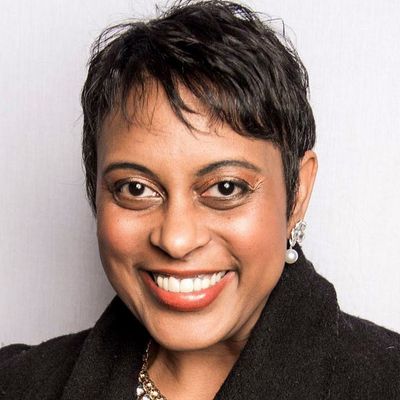
Schele Williams has never been afraid to immerse herself in the thing that she loves in order to achieve what she wants. She reflects on her journey, the motivations and support from her family, and the significance of storytelling in her life, which has led her to where she is today. She shares how she chooses which projects to work on, given her busy schedule, her creative process, and making sure to foster a sense of involvement and connection with her children in whatever she does. She also emphasizes the importance of building relationships throughout her career and creating a supportive network. While she’s accomplished so many things already, Schele opens up about dealing with imposter syndrome, particularly when transitioning to new roles, and how she overcame it. Currently co-directing “The Notebook”, Schele explains the conscious choice to diversify the casting in the show, which aims to make the story more inclusive and relatable to a broader audience. We also dive into her excitement about directing “The Wiz”, its impactful storytelling, how it celebrates blackness, friendship, and courage, and the joy of seeing children in the audience.
Schele Williams is a Broadway director who was originally pursuing her dreams of playing with the London Philharmonic Orchestra as a teenager. She eventually became an actor with credits, including both “RENT” and “Aida” on Broadway, leading her to become dance captain for “RENT” on Broadway and an associate choreographer for the tour. She uncovered her true calling to being a director. She associate-directed “Motown the Musical” on Broadway, and is currently working on a stage adaptation of “Hidden Figures”. She is also co-directing “The Notebook” alongside Michael Greif, which just opened on Broadway, and is also solo directing the incoming extremely highly-anticipated production of “The Wiz”, scheduled to open on April 17th at the Marquis Theater–the first black woman to direct a Broadway musical in over 50 years.
Connect with Schele:
- Website: schelewilliams.com
- Instagram: @schelewilliams
Connect with The Theatre Podcast:
- Support the podcast on Patreon: Patreon.com/TheTheatrePodcast
- YouTube: YouTube.com/TheTheatrePodcast
- Threads, Twitter & Instagram: @theatre_podcast
- TikTok: @thetheatrepodcast
- Facebook.com/OfficialTheatrePodcast
- TheTheatrePodcast.com
- My personal Instagram: @alanseales
Transcript
This transcript was automatically generated and might contain errors.
[0:00] Schele Williams: Hi, I'm Schele Williams, and welcome to The Theatre Podcast with Alan Seales.
[0:11] Alan Seales: Hello, everyone. Welcome to an all-new episode of The Theatre Podcast. I'm your host, Alan Seales, and our guest today is director Schele Williams, who is now not only the first black woman to direct a show on Broadway in 50 years, but she's also directing two shows opening this season. She is co-directing The Notebook alongside Michael Greif and directing The Wiz. Schele's passion for her craft is evident in everything she talks about, and she lights up describing what theatre and storytelling means to her. And as she puts it, she's not afraid to put in the work. Don't forget, she's also an author, so make sure to check out the show notes for the link to find out more about her book, and follow me on all the socials. Tag me in your stories. You know, do the things. Now, everybody, please enjoy this episode with Schele Williams.
[1:03] Alan Seales: Our guest today is someone who has had such an extraordinary journey and someone I have been trying to have on the podcast for a very long time, so this is very, very exciting. Originally, she was pursuing her dreams of playing with the London Philharmonic Orchestra as a teenager and then suddenly learned that being around the theatre stage is where she needed to be. She then became an actor with credits including both Rent and Aida on Broadway, leading her to become dance captain for Rent on Broadway and an associate choreographer for the tour. And then through all of this, she uncovered her true calling for being a director. She associate-directed Motown the Musical on Broadway, is currently working on a stage adaptation of Hidden Figures, and right now is also co-directing The Notebook alongside Michael Greif, which just opened on Broadway and is also solo-directing the incoming, extremely highly anticipated production of The Wiz, scheduled to open on April 17th at the Marquis Theatre. The first black woman to direct a Broadway musical in over 50 years, Schele Williams, welcome to The Theatre Podcast.
[2:09] Schele Williams: Hello! It's really exciting to be here.
[2:12] Alan Seales: Well, thanks for taking time out of this incredibly busy schedule of yours to do this little old podcast.
[2:17] Schele Williams: It's bananas, but I'm really excited to speak with you today.
[2:22] Alan Seales: Yeah, it is bananas and you have The Notebook and The Wiz both opening in the same season within a month of each other while you've got all these other productions going on. So, I mean, how common is it to have two Broadway shows open in the same season at the same time like this?
[2:45] Schele Williams: It's not very common. I can't say that I super recommend it. And this was not the plan. Like, all of those things are true. Because of the pandemic, everyone's schedule became incredibly condensed. It was incredibly difficult to get theater space. We had thought and hoped that The Notebook would have opened last season. So both Michael and I, and Michael also has an extraordinarily insane season this year that's very exciting. We both found ourselves in a position where we were like, okay, we really need to strategically plan these schedules, which are going to be very tight because both shows were opening in the spring. And thankfully, we were able to make all of this work. So it is an incredible season. And, you know, this is the moment that all of my dreams are coming true. So I'm just breathing, eating well, exercising and doing my best to get a good night's sleep every night.
[3:44] Alan Seales: Well, so in addition to what's literally in our backyard with The Wiz and The Notebook here on Broadway, you've got the production of Hidden Figures, which is really cool. So first off, we'll talk about how far along in development that is, but then also the production of Aida that's currently in the Netherlands.
[4:04] Schele Williams: Yes, yes, yes, yes.
[4:06] Alan Seales: Right. So how involved are you with the creation of Hidden Figures? As a director, are you working with the creative team to say, like, I need this moment here, composer, or I need that? Like, are you helping to identify the moments that they need to then craft through music and song and dance or whatever? Or is it more up to the producers at this point? Like, what stage are you in that creation?
[4:34] Schele Williams: Very, very early stages. You know, we're in the research phase of that.
[4:39] Alan Seales: Oh, wow. Early, early.
[4:40] Schele Williams: Yeah, yeah. Very early stages for that. We don't even have a full creative team assembled. Like, we're in very, very early stages. I like to be at the beginning as a director. I like to know a lot. I'm a deeply research person. I like to know a lot of things about the, you know, especially a piece like this, which is a historical piece. And then really be in conversation as it's being crafted about the moments that I think could be theatricalized or, you know, because this was, you know, both a book and a movie, you know, in which ways are those two things different? What can the stage do uniquely that a film cannot? And what ways can we show something about these women that you did not get to see, you know, inside the movie? So there are a lot of things that, you know, it'll be really exciting to explore with that piece. But it's in very early stages.
[5:36] Alan Seales: Have you got to pick Janelle Monae's brain yet?
[5:39] Schele Williams: Not yet, but I look forward to it. I haven't been able to talk to Taraji. Her and I have become friends in the last couple years. So we have talked about it, which has been amazing.
[5:49] Alan Seales: Oh, Taraji P. Henson. Yeah, she's... I met her once with... She came through promoting something on a Tyler Perry movie. Just, yeah, one of the nicest people that I've met.
[6:00] Schele Williams: One of the nicest, wisest, and kindest. I really just respect her so deeply. And I'm so enormously happy that so many people are beginning to really hear what she has to say. And I have learned so much from her in these last two years. Yeah.
[6:20] Alan Seales: Well, that's interesting you're saying that, you know, you're learning like that. Because as I was reading up on you and reading about, you know, kind of how you went from one thing to the next, it was, you are very good about talking about your collaborators and giving kind of almost sometimes deflecting a little bit to give the credit to the people who brought you to where you are. So Bayark Lee in Rent, like, became a mentor and Michael Greif, of course, who you met during Rent days, you're still working with, obviously. And Victoria Clark was your own voice teacher?
[6:56] Schele Williams: Yeah, yeah. Yeah. I mean, listen, I have been enormously blessed in my life with the humility, I think, to know that I don't need to know everything, you know, that it's okay to be curious, it's okay to want more, and that you can ask for help. And I think that that's an asset, to be able to put ego aside and say, hey, you've done this before. Can I talk to you about this? I'm not afraid to do the work. But there's no need for me to make unnecessary mistakes if I don't have to. Tom Schumacher has been a mentor of mine for 20 years. You know, it's been incredible to be able to have people that you trust, that have had an extraordinary career, to be guides in moments that you need it. You know, as this season has approached, this is a very big season, and I have leaned on some incredible theater makers to help out during the season, to be able to ask questions, to, you know, I have a lot of firsts that are happening in my life. And instead of going through them in a clumsy way, I want to enjoy them. And so I'm grateful for the generosity of all of the mentors who have helped me in my life.
[8:18] Alan Seales: I was, I mean, I bring that up more to talk about who you are as a person and your character, being that you're very quick to share the spotlight. You're very quick to give credit where credit is due. And, you know, something that I harp on so much on this podcast these days is the advice given many, many, many episodes ago, was be the person that people want to work with the next time. And I feel like you embody that. You just have this whole career of people going back and saying, I want to continue to work with Shelley. Shelley, let's go do this. Let's go do this. And then it just, it snowballs. And so now, like you said, your big dreams are now finally coming true. I guess your original dream of playing at Carnegie, or playing for the London Philharmonic hasn't quite happened. But what I was saying is that when you were 16, you missed your prom to play at Carnegie Hall, right? Like, that was the original dream.
[9:15] Schele Williams: That was the original dream. I did not make it to the London Philharmonic, but I did make it to Carnegie Hall. So I did scratch that itch. And what's really kind of cool about that story is that I was in the Dayton Philharmonic Youth Orchestra with Steve Reineke, who is now the conductor of the New York Pops. Wow.
[9:33] Alan Seales: And so Steve and I have known each other since, you know, I was in the eighth grade, just so wild that we're both here and like living our dream. You know, he was a trumpet player then, and now he's, you know, a major conductor. It's a beautiful thing.
[9:48] Alan Seales: But what instruments did you play?
[9:50] Schele Williams: Percussion. I was a drummer.
[9:52] Alan Seales: Oh, that's awesome. That's very cool. Very cool. And then going back even farther for a second, little Shelley, your father was involved with performance and stuff too, right? Like that's how you got into the whole thing?
[10:05] Schele Williams: Yeah. My dad was gigging two weeks ago in DC. Like he's the drummer of the Ohio Players.
[10:11] Alan Seales: Oh, yeah.
[10:12] Schele Williams: Wow.
[10:13] Alan Seales: Yeah. He's amazing.
[10:15] Schele Williams: Wow, wow, wow. And so your childhood then, was it like you were seeing your dad play? And sorry, I forget, what was your mom doing when you were a kid?
[10:24] Schele Williams: My mom was a respiratory therapist until I was four years old. And then she gave up her career to raise me and eventually my sister. So she became a full-time mom.
[10:35] Alan Seales: And were they always supportive of the artistic lifestyle? Because I feel like parents that are in the arts can go one way or the other. They're like, this stinks, don't ever do it. Or they're like, it stinks, but it's the best time ever. You have to do it.
[10:48] Schele Williams: They were always supportive of my dreams. Like always, you know, no matter what I wanted to be, you know, my mom would always say to me, just remember when you walk out of this house, you're representing me, don't embarrass me. Like that. But I knew what she meant, which is comport yourself in the world, like you belong to something, and that your name matters. And that has always stuck with me. You know, I've always thought about the ripple effect of any action that I have. And they have always put my joy over everything else.
[11:32] Schele Williams: So thinking about the kind of life that I want to lead, never had the thought of like, the kind of house that I want to live in. I've always thought about the kind of joy that I want to have in my life. And then everything else kind of worked around that, you know, when I was living in an apartment in Hell's Kitchen, with, you know, three friends, we had a one-bedroom apartment at 49th and ninth, and we had two bunk beds, and four of us lived in there. And many of we were always on tour. So there was seldom a time when all four of us were there together. And I was, you know, cleaning the, you know, the dance rooms at Broadway Dance Center. You know, what I was thinking about in that time was, how can I be a better dancer?
How can I take class, you know, as cheaply as I can? You know, I was all I was thinking about was, how do I make my dreams come true? My journey has always been about like being scrappy, about putting ego aside, you know, I got Rent because I was the merchandise girl when that show was in previews and opened on Broadway. I watched that show every single day. By the time I auditioned for that show, I knew it inside and out. Like, it's not a coincidence that I was able to deliver for Michael and Marlise. Because I was so entrenched in that show. And it was, I don't know, two or three years later, when Michael, we were doing an interview in London. And he said, Shelly began as the dance captain, the first national tour. And I was like, actually, I began as the t-shirt girl. And he was like, what? And I said, Yeah, I watched the show every day, like three.
[13:17] Schele Williams: I've never been afraid to immerse myself in the thing that I love to achieve the thing that I want. Okay, so there's the connection of, you know, you want to perform with a philharmonic, you're doing percussion, but then the singing, the dancing, the acting, when did that start? Because I think, too, you did a production of The Wiz when you were a kid, too.
[13:49] Schele Williams: I did. And wasn't that like the turning point when you're like, I'm putting down the drumsticks and picking up the singing lessons? Yeah, the singing, dancing, and acting happened very early. My mom would always say that I was such a precocious child that she put me in every class that she could afford because I was just a handful. And my sister and I are eight years apart. So it was like a lot of Shelley all the time. So I took a lot of classes, just to keep me busy. And I really enjoyed them. But I did have, you know, even when I got really serious about and I went to performing arts junior high and performing arts high school, I was really immersed as a percussionist. But I was still taking dance classes on Saturdays.
And I was still singing in the church on Sundays. And I never let go of things. I just kept accumulating other skills. It wasn't until I did The Wiz my senior year that my love for theater and storytelling in that way really clicked for me. And it was probably because The Wiz has a beautiful sophistication of music that really touched me and really connected with me. And I felt for the first time in doing a musical, that I could be my authentic self on stage. You know, I had done The Music Man, I had done Once Upon a Mattress, I'd done other shows in high school, you know, You're a Good Man, Charlie Brown, like, but I played always characters that were not characters that felt like me. And when I did The Wiz, something clicked. And I realized that theater could create that feeling of belonging that I didn't always feel as a musician. And I just wanted more of that.
[15:48] Schele Williams: You know, it's really interesting. I'm gonna get really geeky for a second. And it's... Please geek out. Yeah, I mean, you know, I always say that people always say the geekiest thing you can say is like, you went to band camp, which I did. But I also went to orchestra camp for five years. So I'm like, I can out geek the best of them. When you're a percussionist in an orchestra, you're a little bit of an outsider. Like, sometimes you're like, going through like four movements only to go bum bum, like at the end. Like, you know, every now and then you get like Copland or Shostakovich and you get to play the xylophone and it's super fun. But you know, it can sometimes not be super satisfying to be a percussionist in an orchestra.
But there was something that just really clicked in me when I did The Wiz, that it galvanized every bit of me. I got to dance, I got to sing, I got to act, but I also got to sing like a musician. And that was really exciting. And I wanted more of that.
[17:03] Schele Williams: It was a lot of silence when I was like, um, you know, that college that I was gonna, I'm gonna I would like to propose taking a gap year and pursuing theater school. And because that's really where my heart is. And I can be enormously persuasive. I had all of my arguments prepared. And they took a long pause and listen, nobody knows me better than my parents. You know, they could see that something had sparked in me. And, you know, my dad said to me, listen, what we don't want is for you to go waste our money for four years. So if this is what you really want, then these are the parameters that you know what this next year is not going to be like you hanging out at home, you will get a job, you will get an acting teacher, you will get a coach, you will study. And that's exactly what I did. And I ended up getting a scholarship to Andon. And, you know, that changed my life.
[18:11] Alan Seales: That's incredible. Hey, everybody, we're just gonna take a quick break.
[18:18] Alan Seales: All right, now we're back. I mean, good on you to act that even at that age, just to say, this path that I have been planning for almost my whole life doesn't feel right anymore. And you pivoted and made it work. And that's hard. I know, you know, a lot of people that took gap years or took two gap years and then just they get into the routine of living and don't go back to what they were doing. And then 10 years pass and they go, what? But, you know, so it's really hard to, I think, stick with that and make it happen. And you did. And then you've always just you were working as an actor immediately after graduating AMDA, right? Like, how long did you before, I guess, how long from graduating AMDA before you went on to rent?
[19:01] Schele Williams: So, the first thing, you know, it's so funny, because when I taught, I taught at NYU for a little bit, I always say, it took me a while to get my first Broadway show, but I worked. You know, I graduated in July, and I got my first professional job, I believe, in January. And did a lot of auditioning. And, you know, what I've now learned by being on the other side of the table, part of the skill of auditioning is being able to be reliable again and again, you know, for a casting director to go, huh, that person's good. Let's see if they're good again, if that was a fluke, you know, being able to be consistent, being able to get better, being able to prove that there's something there. So I auditioned a lot.
And I have, you know, somewhere I've seen it, like my old audition book, where it would show like every place that I, you know, what I sang, and what I wore. And like, there was a whole thing in the early 90s about auditioning, and all the running around that I did. The, and when I got my first professional job was at Queens Theatre in the Park, and I did their Playin' Our Song. And while I was doing that show, I got the European tour, 42nd Street. And then while I was, and then I came back home after that tour, and I did A Chorus Line. And that's where I met Bayork for the first time. I played Maggie in A Chorus Line, and I met Bayork. And she then, I went back on tour, and she then called me and said, I'd like for you to do this production of Porgy and Bess.
So then I did Porgy and Bess. And then I ended up doing Tommy. And after I got back from Tommy is when I did Paper Moon at Goodspeed. And that's where I got my Goodspeed Opera House in Connecticut. And that's where I got my equity card. And while I was doing Paper Moon, I got rent. So I believe in paying your dues. I believe in like, learning the rigor of what it means to be a professional. Like, if it's possible, it's really great to make mistakes, not on Broadway. But to learn all of those things, you know, like, oh, huh, you know, you don't want to miss an entrance on Broadway, you want to do that, like in a European city somewhere, if it has to happen, you want to learn those mistakes elsewhere.
So by the time you get to the pinnacle, you are prepared for it, you have learned from seasoned professionals, you understand how much athleticism it requires to do eight shows a week and discipline, and the care you have to have both for your body, and the ability to replicate a performance is an enormous skill. And I was grateful that I had learned those skills from extraordinary humans that were better at it than me, and I could watch them. And when I got to Broadway, I felt like I had earned it.
[22:04] Alan Seales: Wow. And 42nd Street and Chorus Line are not light dancing shows. Those are heavy dancing shows.
[22:11] Schele Williams: Yeah, yeah, yeah.
[22:12] Alan Seales: So you put in my dues.
[22:14] Schele Williams: Oh, yeah. Yeah, yeah, yeah. Those shows are, I mean, those shows are amazing. You know, Tommy was no slouch either. That was, oh, yeah, so much dancing. It's amazing. Well, now that you are on, like you said, you're on the other side of the table, and you're involved with casting decisions. Your career as an actor, younger in your life, does that influence how you approach casting now as being on the other side as being a director?
[22:39] Schele Williams: A thousand percent. Yeah. I love actors. I'll always love actors. And I'll always see the world through their lens. You know, I think about when I get ready for an audition as a director. It's the same as when I got, I mean, I'm not doing a full warm up. But I do think about what I look like on the other side of that table, because I know how much love and care each actor took to come into that room.
[23:07] Alan Seales: Really?
[23:07] Schele Williams: You know, I, oh, God, yeah. I mean, left to my own devices, I'd be like in sweats right now. You know, like, you know, I'm not a person who like wakes up and puts on makeup every day. I'm a mom with two kids. And I like soft clothes. Like the pandemic was like, it hit my sensibility right on. I was like, I never want to leave the house. And I want to be in soft clothes all the time. Like, so, you know, for me, I think when someone is auditioning for a show that I'm directing, they're looking to say, do I want to work with Shelley Williams? As much as I'm saying, are you the person that I am envisioning for this production? And so it's really important that I'm making a good impression as a leader, as it is that they are bringing their extraordinary talent and as an offering for a production that I'm directing.
And I think if at every moment, I am showing them the level of respect that they deserve, then they will want to be a part of this production, if they get the offer, and that I hope to grow this journey together as collaborators.
[24:19] Alan Seales: Wow. I think there's others in your similar situation that could learn a lot from you.
[24:25] Schele Williams: Yeah, I've been on the auditioning side and felt like they could not care less that I was in that room. It didn't make me want to try hard. I know. That's the reason why I didn't want to do it anymore. You know, it's really hard when you love something so much. And slowly, but surely, it feels like the world is conspiring to take that thing that you love away. And when I became a director, I wanted to remind actors that they're not just puppets. But they're extraordinarily talented humans, who, if given the opportunity, can make the art better. And so that's what I try to do every day.
[25:14] Alan Seales: And that's, I think, very apparent in the work. And I guess that, I was going to get to this later on, but I can ask it now, like, how do you choose what projects you're going to work on? Because everything that I have seen of you, you put everything about yourself into the work. You have a personal connection. You have personal meaning behind everything you're doing. So with that in mind, how do you not, I guess, A, burn yourself out with all these projects at once, but then B, choose which one's important and how to spend your time? Because I'm sure now, like, being the person that you are, I assume people are calling you all the time like, hey, look at this, be involved with that. Can I get advice here? I mean, you seem like somebody that people love to love.
[26:04] Schele Williams: Well, you're very, very sweet. I pick out pieces, first and foremost, and it's different, right? It's different at this point in my life than it was when I was, like before, I was like, I'll take everything. I need to learn and I need to grow. So when young directors ask me, like, what should I direct? I'm like, everything, like, take it all, learn, grow. You're going to make mistakes. I'm at a different point in my life. So I just want to acknowledge that.
[26:34] Schele Williams: I'm not giving, you know, the advice I'm taking now is very different. The advice I'm dispensing now is very specifically for where I am. I'm a mom. I have two kids that are teenagers, you know, 12 and 13. So when I'm thinking about a project that requires something from me, the most important thing it requires from me is my time. And so if I'm going to take it, I have to know that it's going to be worth missing those dinners. It's going to be worth the disappointment of moments I can't get back. And can you say like, is it worth it? That's always like debatable, right? But I have to know that when I look at my kids and say, you know, mommy can't be here. I have to say, because what I am creating is something that I think can have great impact that will change your lives.
Do they get that though? I mean, one of the cool things about you is that, you know, you're teaching these children. I mean, they are children, I guess. But, you know, 12 and 13, they're almost young adults, arguably. And they are seeing through you and through your husband, that it's important sometimes to make sacrifices to follow your dreams, to make these decisions that are going to make you a happier person. And by being a happier person inside, you can give that to them. You can give that to the world in this case, because what you're creating is going to last decades and decades and decades. These original stories or adaptations or, you know, modernizations, even The Wiz, like working with Amber Ruffin to modernize the script.
This is literally considered a new story. So when you're doing all of this, like, do the kids get all of that? Do they understand? Or are they still sort of just like, well, I guess like my kids are seven and nine. And my nine-year-old is a little bit better, obviously, he's older, but my seven-year-old is just like, he doesn't care what I'm doing. He just wants to be with him all the time.
[28:48] Schele Williams: Yeah. Sometimes, you know, because they're a little bit older now, having conversations with them about this is easier and more fun. Like, you know, I bring them on every part of the journey. You know, I talk to them about things. You know, when I get like a new scene, I'm like, you two read this for me. You know, yeah, yeah, yeah. And they love it. You know, I, you know, when I get new custom renderings, I'm like, Oh, look at this. I'm not asking them, like, which one do you like? I mean, maybe I would say which one I like better, but I'm gonna pick the one I like. But you know, like, they're weighing in on things like that. But they are seeing, they're a part of this. They're a part of every part of it.
I'm like, Oh, my gosh, you know, on The Notebook, like Ingrid just sent like a new song, listen to it with me. You know, so they know that this is a part of our lives, not just a part of my life. And when they go see the show, all of those moments click for them. Oh, my gosh, that's the dress. Oh, my gosh. Oh, I heard that song for the first time. They heard that song for the first time. You know, like, they are a part of every bit of it. So my life is not separated in a way that like, I am like done with work. And then I'm, my life is holistic. And there's a lot of overlap. They also see the importance of picking the right partner. I have an extraordinary husband, who values my career equal to his, who also values and understands parental responsibilities are not gendered, and is incredible at navigating our changing life, our travel, with incredible grace and love, and is unbelievable.
And it's reciprocated when he needs that, you know, he owns his own business. And when things come up, like, we really have found, you know, a great partnership around that. And that's the kind of partnership that I want my children to find when it is their time.
[31:02] Schele Williams: It's that it's interpersonal relationships, again, with your, your, your husband, your kids, you include them in everything. And then I still in my head, I'm drawing parallels between how you got where you are from where you were throughout your life, too, because you do one show, you meet Michael Greif, you do another show, you meet Bear Glee, you do another show and like you're adding on this massive support system throughout your life and throughout your career that now, whether by blood or by not, or not, you've, you've created this massive chosen family that you can come back to and say, like, I need help, I need a mentor, mentor A, what about this mentor B, how about this, and then they all know each other, they all like each other. And it becomes this, this constant, yeah, I guess, a reassurance, a family of reassurance constantly trying to help each other out and grow. I mean, that to me is, is exactly what you want humanity to be, right?
[32:05] Schele Williams: Yeah. Like you just want to, you want to, I never want to stop learning and growing. And there's always going to be people that are more brilliant than me. And I want to learn from them. And then I want to be brave. And I want to do something that I had never imagined. You know, I'm going to be 53 in a couple weeks. And I'm like, it's incredible to still have first at 53. And I want to have first at 73. Like, you know, I don't even know what's next. But I'm down for it. And you know, what I've always felt like, whatever step I've been in in my life, the years before it had prepared me for it, and I didn't even know it. And then all of a sudden, when someone was like, hey, you want to do this?
And I'm like, huh? Yeah, I guess I do know how to ski like, you know, just like such a funny thing. It's like, oh, yeah. So I kind of feel like whatever's next, like, I'm training for it. And we'll figure that out. But But I'm not. I don't know, I'm open, and I'm excited. And, and I always want to remain, like a little bit fearless. You know, I was, I was want something to scare me a little bit.
[33:17] Alan Seales: Ooh, I like that. Yeah, being scared, being outside your comfort zone. Again, another common theme that we hear all the time. If you're not outside your comfort zone, you're not really growing.
[33:25] Schele Williams: Yeah. I mean, it's the hardest thing in the world, I think, for someone who grew up as a musician, which is all about like repetition and rigor, to not be constantly confronted with like imposter syndrome, if you haven't done something a billion times, to be able to say, Oh, like the one of the hardest things for me, in 2021, was when my 2020, when my book came out, was to say, I'm an author. I was like, you get to say that when you've written like one book, like, like, well, I'm a director, like, I felt very confident saying I was a director. But, but that hat was such a weird hat for me to wear, because I felt like I hadn't earned it, I had, I had just done a thing. And then it was here, you know, so I'm still in my own way grappling with change and being able to say, and then I was able to go, I'm a storyteller.
And this is just a different way of telling a story, like I had to back my way into it. So I'm still, I'm still learning how to allow myself to grow in ways that don't require, you know, multiple degrees and, and, and, and, and, and wear those hats as they come.
[34:45] Alan Seales: That's interesting, allowing yourself to grow, where at the root of everything, it's just accepting that an adjective applies to you.
[34:53] Schele Williams: Yeah. Yeah. But that was the hardest one, because I'm a person, you know, I read a lot. And so I'm like, oh, you know, Jacqueline, you know, Jacqueline Woodson is an author. You're like, I know who authors are. I'm like, I mean, I wrote down words, and they got illustrated, like, you know, like, it was such a, that was the hardest one for me. And I would do interviews, and they're like, so you're an author. And I was like, I'm a director who wrote about like, I, it was really, really hard. And then they were like, you have to stop saying, you actually have to say you're an author. So that was, that was a, that was a weird one for me. And one that I really struggled with, you know, recently.
[35:32] Alan Seales: Yeah. Oh, that's, that's really interesting. I think it's, it's very, it's, it's kind of interesting that you wouldn't be able to accept that even though like, literally you wrote, like you said, you wrote a book, you authored a book and can't call yourself an author for, for what, out of fear, out of imposter syndrome? You said imposter syndrome, but what is it? Right? Like it was, everything else has been like adjacent, right? But this one was like an entirely different world that I didn't know. You know, I, you know, sitting on a panel with authors, and they're like, and they've written like these 19 books. And here's like the newbie here. And I'm like, not the newbie who's 20. I'm like the newbie who's 50.
Who like, you know, it was just such a like, and then there was, you know, a part of me was like, but I'm really good at this other thing. Like it was such a weird place to be. And it was it was, yeah, just because it was an entirely different industry with new vocabulary with new rules. I learned a lot and I revere authors. You know, it, I learned so much, writing a book, I really love editors, like I, it was such a different experience for me. And it's, you know, it still is. It's a, it's a very new experience that I'm still growing with. And my second book comes out in May. And, and I still am just like, holy crap, I can't believe that's happening. Like, it's such a, it's a, it's a really fun first, like, obviously that I didn't see coming. But the one that has been the hardest, in some ways for me to fully accept and wear because it just feels so different.
[37:25] Alan Seales: Interesting. That's really, really interesting. And again, outside your comfort zone feels weird and different. And it's gives you the most opportunity to grow right now.
[37:36] Schele Williams: Yeah.
[37:36] Alan Seales: Hang on, everybody. We're just gonna take a quick break.
[37:41] Alan Seales: All right, now we're back. The Notebook of The Wiz, which one do you want to talk about first? You want to talk about The Notebook? Because it's in previews as we're, as we're recording, as this comes out, it will have just opened. When approaching this property, I mean, it's a well-known property that I think critically, the film got mixed reviews, but I've heard nothing but absolute praise for, for all of the out of town production that's happened so far. So when you, I mean, I guess, I know Michael called you to ask you to co-direct, right? And then did it make sense at that point? Did he have to talk you into it? Or you, did you jump straight on and you're like, okay, this is what we have to change? Or what are we going to do to make this different? Like, what was that whole process to get started with The Notebook?
[38:29] Schele Williams: My initial reaction to every music movie musical is like, oh, so I had that initial true reaction, right? Like, you know, and, and then I read it and I was like, oh, I didn't, I didn't know that this story could have this elevation on the stage and could be constructed in a way that is not playing on sympathies. You know, all the things that you think that you could like, this is going to be like a natural thing for this. It, Becca was so smart in the book to go against that. And so I, when I read the book, I was blown away by how smart it was. And, and I always read the book first without music because I can get seduced by music because I'm, you know, I was like, if I, if I listen to music first for any show, I could like love the score and then like realize, you know, a year later, oh, this book is terrible.
Like, I really do. I can never allow myself to listen to music first. So I read the book first. And I was like, oh, and when I read the book, and I'm reading the lyrics along with the book, and I was like, oh, these are really smart.
[40:52] Schele Williams: That choice was really to allow more people to see themselves inside the story and to say that this story belongs to many people. You know, there's so many times I can say from a personal experience, you know, until I saw The Wiz, I had never seen a fairy tale that included me. And so I thought all of these stories belong to white girls. Cinderella, Snow White, you know, like, all of the, and until I saw in, you know, The Wizard of Oz, like, we're always like on the outside going, Huh, I have those feelings, but only you get to show them, right? And being able to look in a mirror and see yourself inside a story is revelatory and transformational. And having other people see you inside the story humanizes you in a way that makes us all connect.
And so those vital connections, I think, have been missing, especially in our storytelling on Broadway. And we do have the ability to have transformational impact on humanity, if we are so brave to do so. And so I was very excited when they talked about casting the show in this way, and telling the story in this way. Because these are the kind of steps I think can have great, great impact on the way we see each other on the other side of the stage. That is very, very cool.
[42:05] Alan Seales: And in terms of alternates, understudy swings, there was no, was there the same? Disregard, I guess, sounds like a bad, bad word. But like, I guess, maybe conscious choice to ignore racial assignments.
[42:13] Schele Williams: We didn't ignore, we actually did the opposite. We fully embraced.
[42:19] Alan Seales: Right? Embrace meaning that it's all over the place?
[42:21] Schele Williams: One of the things that we, if you can't ignore race, it has to be conscious. And because it's conscious, you can't now do a story that takes place in late 30s, early 40s.
[42:27] Alan Seales: Yeah.
[42:27] Schele Williams: And have a black woman playing middle alley, right? Because now you have to talk about how is this even possible? This was elite, like all kinds of things, right? So now we have to say, if we're making this choice, how do we tell it authentically? And moving the timeframe made that possible. So we're never ignoring race, but on a story like this, the story isn't centered on race.
[43:03] Alan Seales: Right, right, right.
[43:04] Schele Williams: Right? So everyone's always authentically presenting themselves on stage as the race that they are.
[43:05] Alan Seales: I love that. Using this to parlay into The Wiz as well. I mean, like you're saying, The Wiz is what as a kid made you make the choice that put you where you are now.
[43:13] Schele Williams: Yeah, it blew up my life. Yeah. In the best possible way.
[43:22] Alan Seales: Right. And now here you are, some 40 some years later, and making your solo Broadway directorial debut with this show that is, by the way, one of the smartest, it's being presented in one of the smartest ways I've ever seen from a business standpoint by doing the pre-Broadway tour.
[43:42] Schele Williams: Yeah.
[43:42] Alan Seales: And then coming to Broadway for a limited engagement. So it's not going to, it doesn't need to make money forever on Broadway. And then there's the post-Broadway tour and all these other things that haven't been announced yet that hopefully will be announced soon. So it's super, super exciting to see the need that like the public outcry for this property to come back.
[45:05] Schele Williams: It's been incredible. I mean, it was the most shocking phone call I'd ever gotten, because there was no, I didn't know that it was even kicking around. So, you know, when I got the call, I was like, The Wiz? You know, I was really, really surprised by it. Because usually you get rumors like, oh, this person's developing this. And you know, you get little things from your agent about, oh, you're going to take a meeting. This was just an offer. And it was a surprising, wonderful, life-changing offer. And it's a story that means a lot to me. I sat with it for, I think, four, between three and six months, like I was like, I need every version that's ever been written. I need like, I went on a deep, deep dive.
And thought about, you know, what are the things that I'm craving? Why do we tell the story in this moment? How is the world shifted in ways that this story feels necessary? What is it that this generation uniquely can get from this story? And so those are kind of all the things that I was really thinking about when we began to assemble a creative team, when I began to have conversations with people, to just kind of get like, what are the like-minded things that we feel like, as a team, this story can provide in this moment? And it's been an exciting journey. It's been really incredible to create a story that is centered around blackness, and black excellence, and go to black cities, before coming to Broadway. You know, my litmus was, how does it work in Atlanta? You know? For real.
[47:01] Alan Seales: Yeah, and it sold out.
[47:03] Schele Williams: You know, like, it was incredible to be in a 4,600 seat house, and hear joy. And to see so many kids, oh my gosh, I've seen so many kids at this, like, it has just been, it's been an incredible experience. I was at the Pantages for the opening there, which was super fun. And I saw just school groups. And I was like, oh my gosh, all these little black kids coming to see the show, seeing themselves on stage, seeing a story that has so much hope, bravery, that these, all of these characters have their own quirks, and they come to love each other, and support each other. Like, it is a beautiful, beautiful moment to celebrate both difference, and friendship, and courage. Things that I think young people need now more than ever.
[48:07] Alan Seales: And connection.
[48:08] Schele Williams: And connection. Yeah.
[48:12] Alan Seales: Speaking of things people need, people need connection. And I'll tell you, when we were in Baltimore, I had not, because when the pandemic came back, I then had to get a lot of, you know, a number of shows that had been in the queue back up. So, I had not actually seen a ton of shows back on Broadway yet, because I had been in London for a few months, I had been in Holland for a few, like, I'd been gone a lot. When we did the show in Baltimore, and this, it's a comedy, there's a lot of humor. And Amber's ridiculously funny. It was really one of the first times that I had been in a room with, like, 1500 people laughing together.
[48:56] Schele Williams: Oh, post-COVID, yeah.
[48:56] Alan Seales: Yeah. And just, like, that necessary and collective joy was, like, oh, the best drug you could ever imagine. Like, I was, like, I didn't realize how much I needed it, just to hear laughter. It was just, you know, it has been such a great experience. And I can't wait to bring it home to New York.
[49:25] Schele Williams: Well, I am excited for it. I saw it down in D.C. I went down, I took the train down, saw it in D.C. It's a phenomenal, phenomenal show.
[49:30] Alan Seales: Thank you. I have not seen The Notebook yet, as we're recording this. So, I cannot wait for that. I've got my tickets for a couple weeks from now. So, I'm super, super excited. And I'd like to wrap up now with three closing questions. I ask everyone to end the episodes. The first one just simply is what motivates you.
[49:49] Schele Williams: What motivates me every day are my kids. Every single day. You know, because they're going to be the generation that will save us.
[50:04] Alan Seales: Okay. I love that. That's great. What advice would you give to your younger self and younger people listening now starting out down a similar path?
[50:09] Schele Williams: Be fearless. Be humble. Listen to your gut. And don't be afraid of work. Like, don't be afraid to hustle. I've always had a good hustle. And so, I'm like, don't be afraid to hustle. Use all your skills.
[50:32] Alan Seales: I like that. All right. Last question. Hardest one. If you can only see one show for the rest of your life, if you can see it as many times as you want, what would you see?
[50:36] Schele Williams: It's going to sound, I mean, it's going to sound like very self-serving. But I would say The Wiz.
[50:46] Alan Seales: I was expecting that.
[50:50] Schele Williams: Yeah. Because it's such a beautiful journey of belonging in humanity. And that, I think, every day would give me a reason to wake up and try again.
[51:03] Alan Seales: Oh, there was something else that I wanted to bring up, too, about The Wiz. I want to quote you. You said, what I love about Dorothy is that it's the story of my kids dropped into a place where they feel othered and then finding strength in finding their own tribes of little weirdos who love and appreciate you for who you are.
[51:18] Schele Williams: Yeah. Yeah. I mean, that's what I did when I moved to New York, you know?
[51:25] Alan Seales: Yeah. Like, that's what you want.
[51:31] Schele Williams: Yeah. And as a parent, I totally get that. I want my kids to stay quirky and weird. And it was a couple of months ago, one of my kids came home and was like, yeah, someone called me weird. And I said, you should say thank you. They say, thank you. Embrace being weird and different. And they're like, what? I said, listen, do you think I'm normal? Like, we run around the house dancing and doing stupid choreography that we make up. Like, we are weirdos. Embrace it. And they're like, okay, cool. So now they call each other weird as a compliment.
[52:01] Alan Seales: Yeah. Like, stay weird. As my daughters, you know, they're always like, let's go. I'm like, yeah, be different. Stay weird.
[52:07] Schele Williams: So where can we find you online and play the social media games?
[52:13] Schele Williams: I really only do Instagram. I'm too loquacious for the X, the Twitter. But I'm on Instagram at Schele Williams. So that's where you find me.
[52:29] Alan Seales: Awesome. I am on Threads. I have presence on Threads, Instagram, TikTok, Facebook. Whether I'm actually on them or not, debatable. I don't know. Leave a rating and a review wherever you're listening now. Let's give thanks to Jukebox the Ghost for our intro and outro music. And Schele Williams, thank you so much for the conversation, for giving yourself to your craft, to your family, to the world. We are going to live with your work for forever. And it is beautiful.
[53:00] Schele Williams: Thank you.
[53:00] Alan Seales: Thank you for having me.
© Broadway Podcast Network, All Rights Reserved