

Dorian Harewood's career journey is anything but ordinary, and he's got three wonderful women (and luck) to thank for it. And after over 45 years, he’s back on the Broadway stage as Older Noah in “The Notebook”... Read More
From the show: The Theatre Podcast with Alan Seales
Guests
Featured Shows
About
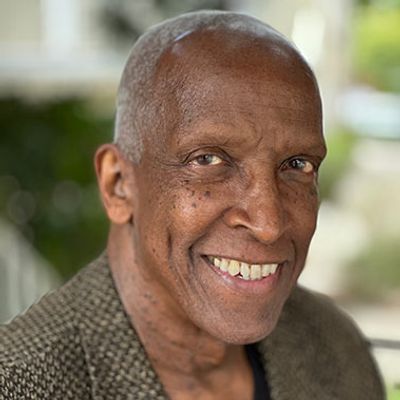
Dorian Harewood's career journey is anything but ordinary, and he's got three wonderful women (and luck) to thank for it. And after over 45 years, he’s back on the Broadway stage as Older Noah in “The Notebook”. He shares what made him want to come back, owing it to his manager who pushed him to audition for the role. With almost 200 credits under his name, he looks back on what got him to performing – from starting as a singer and auditioning for a four-year scholarship as advised by his teacher to moving to New York at 22 and doing a musical with the legendary Bette Davis, who also became his acting mentor. He looks back on his first acting role, “Don’t Call Back”, and why even though the show opened and closed the same night, it led him to even better opportunities. Being in an industry inherent to rejection and hardship, he discusses the necessity of having hobbies outside of one's profession and pursuing one's passion to help navigate life's challenges. Aside from theater, he actually has more passions: bowling, pool, and blackjack and shares the importance of respecting passions other than theater, whatever they may be, in order to stay happy and healthy. Currently starring as Older Noah in Broadway’s “The Notebook”, he talks about the challenge of keeping performances fresh for the audience and the communal experience live theater offers. With so many accomplishments and lasting legacy to leave behind, Dorian isn’t done learning new things. He shares his philosophy of viewing every day as a "birthday" and a new beginning, expressing gratitude for life itself.
Dorian Harwood made his Broadway acting debut in the 1971 production of “The Two Gentlemen of Verona”. His additional Broadway credits include “The Mighty Gents”, “Streamers”, and “Don't Call Back”. He pivoted to TV and film for almost the next 50 years, racking up a total of 187 credits on IMDb. His film credits include “Gothika”, “Levity”, “Pacific Heights”, and “Full Metal Jacket”. His TV credits include “7th Heaven”, “Criminal Minds”, “Twelve Angry Men”, and “The Roots: The Next Generations”. He's a voiceover artist for cartoons and video games and is now a Tony-nominated actor for his role as Older Noah in “The Notebook” on Broadway, which also happens to be his first time back on the Broadway stage since 1978.
Connect with Dorian:
- Website: www.dorianharewood.com
- Instagram: @officialdorianharewood
- YouTube: officialdorianharewood
Connect with The Theatre Podcast:
- Support the podcast on Patreon: Patreon.com/TheTheatrePodcast
- YouTube: YouTube.com/TheTheatrePodcast
- Threads, Twitter & Instagram: @theatre_podcast
- TikTok: @thetheatrepodcast
- Facebook.com/OfficialTheatrePodcast
- TheTheatrePodcast.com
- My personal Instagram: @alanseales
Transcript
This transcript was automatically generated and might contain errors.
[0:00] Dorian Harewood: Hi, I'm Dorian Harewood, and you're listening to The Theatre Podcast with Alan Seales.
[0:12] Alan Seales: Welcome back to an all-new episode of The Theatre Podcast. I'm your host, Alan Seales, and this episode's guest is still counting us down to the 2024 Tony Awards, Dorian Harewood, nominated for his performance in The Notebook on Broadway.
[0:26] Okay, so real talk. Let me turn off the mic here for a second. Okay, just you and me now. Nothing against any of my previous guests who may be younger than Dorian, but I love, love, love having guests on the podcast who have been in the business for 30, 40, or Dorian's case, over 50 years. The amount of introspection he carries, coupled with his profound appreciation for life in general, is such a beautiful combination. And I've seen it in others of a certain age like Dorian, but he's left this legacy of amazing life-changing and career-inspiring arts and entertainment behind him, but as he says, it was just another day at the office. It's quite incredible how he moves from opportunity to opportunity by simply being himself, which is someone who treats people equally, fairly, and is the person that the teams want to work with again.
That is invaluable advice that we hear so many times on this podcast. But, you know, find me online, tag me in your stories and reels, and now everybody please enjoy this episode with Dorian Harewood.
[1:35] Alan Seales: Today's guest made his Broadway acting debut in the 1971 production of Two Gentlemen of Verona. Additional Broadway credits include The Mighty Gents, Streamers, and Don't Call Back. He pivoted to TV and film for almost the next 50 years, racking up 187 total credits on IMDb at least. His film credits include, let's see, Gothika, Levity, Pacific Heights, and Full Metal Jacket. TV credits include Seventh Heaven, Criminal Minds, 12 Angry Men, and The Roots, The Next Generations. He's a voiceover artist for cartoons and video games and is now a Tony-nominated actor for his role as Older Noah in The Notebook on Broadway. His first time back on the Broadway stage since 1978. Wow, Dorian Harewood, welcome to The Theatre Podcast.
[2:21] Dorian Harewood: Thank you, Alan. Thanks for having me.
[2:23] Alan Seales: Dude, it is so nice to have you back, and you're just like, ah, ho-hum, I'm going to come back on Broadway. I'm going to start a musical, and oh, here's my Tony nom. Screw you guys.
[2:34] Dorian Harewood: It's been crazy, man.
[2:34] Alan Seales: Dude, what made you want to come back?
[2:37] Dorian Harewood: It's been crazy. Well, it's, uh, basically I wouldn't even be here if it weren't for my manager pushing me to get active again. I do a lot of voiceover stuff, and she was saying, you know, you're an actor, you're a singer, you're a songwriter, you gotta do more of that as well. And I said, okay, well, I'll, you know, she kept pressuring me to do that, so she started sending me out on some stuff and looking at different projects and whatever, and this came up. This particular project came up. She said they're having auditions for the part of Older Noah. I knew nothing about the project. I had not read the book nor seen the movie, but she convinced me to audition for it, and I auditioned for it, and I got it. So, it's pretty much simple as that.
[3:36] Alan Seales: That's so insane, and I want to take a step back for a second, because one of the, or as I was looking through all the credits and everything, one of the things that stood out to me was, you've been part of so many of the cartoons that I grew up on in the late 80s and early 90s. Let's see, Teenage Mutant Ninja Turtles, the 1989 series. You were, you know, you alternated with James Avery to be the voice of Shredder.
[4:03] Dorian Harewood: Yeah, he was the, he was the, I was the bench, I was the bench Shredder. He was the number one. He was the starter. I would come in once in a while. Yeah, I'd come in once in a while and do his, but he was, he, he is the Shredder. I was just kind of back up.
[4:18] Alan Seales: I thought that was so cool, though. Yeah, James Avery is Uncle Phil from Fresh Prince, for those who don't know. You were also part of Darkwing Duck, and Where in the World is Carmen Sandiego, and so many others. Like, literally, these are the cartoons that, that I remember with so much fond memory. And I mean, I guess now sort of translating this into The Notebook, right? You're in yet another property that means so much to people, and it's bringing up so much nostalgia. Because again, prepping for this interview, I was like, oh, yeah, I used to watch that. And oh, yeah, I used to watch this. And oh, my God, he did that. And just even the TV and the film and seeing your face on screen, like that kind of stuff, you just got this career that you're leaving this legacy behind you.
And now, I mean, you've been acting professionally, again, for like 50 years. That's literally, and that's insane. So when you look back at all of this, right? Are you just like, oh, just another day at the office? Or are you like, oh, yeah, I got a, I'm leaving my mark on this world?
[5:26] Dorian Harewood: Well, for me, Alan, it's more of the former. It's just another day at the office. And I tell you, my son, who's my, he's my, he's the digital, my digital public, digital coordinator and digital publicist. He would know the things that you're talking about. I don't know half of the animation things I've done. I'm telling you, I'm grateful for the work. I'm grateful for having done all these terrific things. And my son said, oh, yeah, you got that. And he put together my website, which is full of all these things. Oh, I remember doing that. Now I remember that. But I couldn't tell you, you could tell me more about what I've done than I could. Because for me, it's just I've been fortunate enough to have the opportunity to audition for and get these jobs that I've gotten all over these past decades. But for me, it's just great. I'm doing this. Okay, let's do it. Let's get it done. What's next? And that's just the way I've always dealt with it.
[6:31] Alan Seales: Wow. Well, before you got to the office, when you were little Dorian, what got you into wanting to perform? And did you start with acting, singing or dancing specifically? Or where did that whole love begin?
[6:41] Dorian Harewood: Yeah, I started as a singer. I mean, I grew up listening to Motown stuff and The Beatles and jazz. And there was a lot of different kinds of music around our house. First of all, and most importantly, my mother and father. I come from just a wonderful family. My father and mother really raised six kids. I was one of six kids. And they worked very hard to make sure that we could eat and that we had shelter and all the basics, things that we all need, that all humans need. They did that. And then way beyond that, they taught us their values. They passed along their values. Not to get into a whole lot of heavy stuff, but quite simply, they just said, hey, look, you've got opportunities. Learn as much as you can.
Do the best you can. Never look up to anyone and never look down at anyone. No one is better than you and no one is worse than you. And just remember that and demand that kind of equal treatment between each other. And just do the best you can. So that was kind of the way I was brought up. But as far as the first things that I was doing, like I said, I grew up in this world of music, a lot of music around the house all the time. And I love music. And I basically started out as a singer. Not to get into the earlier stuff, but I was going to audition for, I played the piano and I had piano lessons, that kind of thing. And at one point, we were going to, I was going to go down to the college for college and audition for a piano scholarship.
And my piano teacher, terrific woman, Josephine Stevenson, she said, you know, I really like your speaking voice and I haven't heard you sing. Can you sing something? And I sang something, I think I sang People, a Barbra Streisand song or something, whatever. She said, God, that's what you should be doing. You're just an average piano player. You should be doing that. I'm going to teach you this thing. You're going to go down, you're going to audition for a scholarship down at the University of Cincinnati. I lived in the Dayton, Cincinnati area, Ohio. And she said, I'm going to teach you this aria. You're going to go down and audition for a voice scholarship, classical opera. I've never sung this stuff.
I don't know anything about it. I grew up, like I said, here to listen to Motown and all those kinds of things and the Beatles and everything. She said, no, I'll teach you this. You go down, you're going to audition and you're going to get it. And so she taught me this operatic aria. I think it was Elijah from Lord God of Abraham from Elijah, whatever. I don't even remember it, but something like that. So I went down, she had taught me this thing. I'd never done it before. And I got a four-year scholarship to the Conservatory of Music at the University of Cincinnati. And so she said, yeah, you go and do that. And I said, well, I know nothing about opera. I know nothing about classical music, but I'm going to go down.
I got a scholarship. I'm going to learn as much as I can. And for the first couple of years, I studied classical opera and classical music and operatic training from this wonderful, wonderful teacher, Lucille Evans. And what I decided was, because at one point she said, yeah, you got a brilliant sound. I love your sound. And she said, with classical music, you'll get into your 50s and whatever you'll be doing and everything will be fine. And I'm thinking to myself, well, I want to do something before that.
[10:49] Alan Seales: But you're in your 20s at this point, not even?
[10:51] Dorian Harewood: Yeah, I was not even. I went to 68. I was 18 going into this thing. So I was just learning it. And I had talked to one of the classical students there. And I said, one of the problems I have is she's teaching me how to sing from my diaphragm and through my mask and all this stuff. And I said, well, that's not what I grew up doing. I sing falsetto. I sing all the different temptations parts and all that kind of thing and all these different types of things. But I'm learning this from her. And I said, I told this guy, this one student, I said, well, the one thing I'm concerned about, I forgot the guy's name, but I said, one thing I'm concerned about is if I study this, I might not be able to sing, continue to sing what I call popular music or free form music.
It's just the classical because you have to sing a certain way. There's a certain sound and blah, blah, blah, kind of like ballet, you know, do things exactly. So, which is great, but I don't know if I want to do that for my life's career. And he said, this guy said, and even the way he talked, he was a, he was a classic. He was an opera singer. He's even the way, well, Dorian, the way you'll be able to sing anything. I mean, don't worry about it. You'll still be able to sing your Motown. And I sing all kinds of different things. And then he broke into this, this, this song, he said, this popular song. I can't even remember what it was. Let's say it was some kind of, I don't know, anything, Stevie Wonder songs.
I can sing, I can sing pop as well as classical. Listen to this. He goes, you are the sunshine of my life. I'll always be around. So he says, Dorian, don't worry about it. You can do all that stuff. And I go, okay, well, I think I'm going to look for a different, a different major because if he thinks he's singing popular music and he's singing like that, I don't want to get to that point. So, so I decided after, I think this is maybe a year, year, maybe my second year or something, I decided to switch because I didn't want to sing like that. When I sing popular music, I want to be, you know, that kind of thing. I switched to, to musical theater, which was the least confining kind of degree program at the conservatory at that time.
That's how I got into musical theater and musical kinds of things. And we did, at one point, I think it was the summer before my senior year, I was looking for some stuff in, in the one ads up the street from where I live, Dayton, Ohio. And there was an audition for a touring company of Jesus Christ Superstar, which at the time was a big hit rock opera hit musical. And so I auditioned for it and, and it was all rock and roll. I mean, it was like screaming and, you know, singing and all kinds of different stuff, but it certainly wasn't that classical stuff that this guy was doing. Yeah, so I auditioned for it and I got the, I got the lead, the part of Judas as my first professional job. I was 21, I think, 20, 21.
So that's, that's what got me into that, that, that area. When the show itself, the, the, it was a bus and truck tour, national tour. When they decided to go on to Europe, I decided to leave school and go to New York and, and pursue musical theater. And that's, I just did it, you know? So I went to New York. Fortunately, this was in late 72, I was 22 years old. So I went there and fortunately, and once again, I tell all these people that want to become singers or actors or have a career in this.
[14:50] Dorian Harewood: Don't, don't take my career as a normal thing. It's just not normal. Mine has been very unique, so don't just think that it's going to happen this way. And I tell them that and I tell them to just… if it's a passion for them to go for it, but it's not that easy. To get back to my thing, I went to New York at 22 and within a couple weeks I got this job. They were doing a benefit performance at Carnegie Hall, the big Carnegie Hall. I knew nothing about Carnegie Hall, but I guess it was a big, big deal. Back then, yeah. Just back then, yeah. I auditioned for it and I had a solo. I was in the chorus, but I was the only one that got to do a solo number, because it starred… it was a benefit for Oscar Hammerstein and it starred all of the current Broadway stars at that year, but I got to do a solo.
And so I got that. The person that was choreographing that loved what I did. He said, do you sing R&B? Do you sing popular stuff? And I said, are you kidding? That's what I grew up doing, you know, because I had just sung this. I had just sung this. Full circle. Yeah. I had just sung this thing, which fortunately, once again, I credit my opera teacher back in college, Lucille Evans, for allowing me or for giving me the skills that will allow me to sing not only popular music, but classical music. And this particular job I got was more towards classical or legit theater. I sang some kind of Rosemary, I love you, something. It wasn't pop. It was legit theater stuff. And I had gotten those skills based on my teachings from Lucille.
So this guy, he said, well, do you sing R&B? Do you know it? I said, are you kidding? I grew up doing that. He said, well, we got this opening for a part for swing singer, dancer, and standby to the lead in Two Gentlemen of Verona, which won the Tony that year. And if you want to audition for it, I think you should. So I went, I auditioned for it, and I got the standby to the lead. It was Clifton Davis at the time. He originated that character. But I also covered all the swing singer dancers in the chorus. So I had to know all the male dancers and all that stuff. And that was from my training at the conservatory for those three years that I spent at the conservatory. So I just fell in all this stuff, Alan. I mean, it's just, I got into that. I got into Two Gentlemen of Verona, and then I did some more musicals.
[17:40] Dorian Harewood: Time for a quick commercial break. Hang on a second.
[17:45] Dorian Harewood: Welcome back to the episode. And then I did a musical with Betty Davis, the late, great, legendary actress, Betty Davis. And she's the one that talked me into acting. I never would be acting. I never would be doing this. I wouldn't even be talking to you, probably, because I wouldn't be in this project. But she talked me into acting as well. I auditioned for the musical with her. I got the part. And she said, oh, I loved your singing, but I also loved what you did acting-wise. Have you ever thought about acting? I said, no, I hadn't thought about it. She said, well, you should, because I like your instincts. Your dramatic instincts are very much like mine. And you'd be cheating yourself if you didn't at least explore dramatic acting.
I said, well, coming from you, from a legendary actress, I'm definitely going to take that into consideration. And as soon as our show is finished, I'll audition and I'll look exploring straight acting. Unfortunately, she heard her back. So the show closed out of town prematurely. I took her advice. I auditioned for my first straight acting role, which was a lead on a Broadway play called Don't Call Back. I auditioned for it. I got the lead. The show opened and closed the same night. Oh, shit. But I won an award for best newcomer actor. Some producers from Hollywood were in the audience doing previews. They saw me and they pulled me out to do my first movie. And if it wasn't for Betty talking me into doing that, I never would have auditioned for it.
I got it. She was my mentor. She guided me through all this stuff out in California. I'd never done a feature film, a TV movie or whatever. And so we would be talking back and forth. She said, yeah, you need to do this. And she gave me all that. She was my mentor, simply, plain and simple. And she talked me through and told me how to do certain things. She said, be on time, hit your marks, know your lines, you know. And most importantly, she said, trust your instincts. They're very much like mine. Fight for them if you have to, but trust your instinct. And she said, basically, she taught me. She took me through the whole thing. And I've been on this road, this roller coaster ride. I wouldn't even call it a roller coaster because it's all been terrific.
But this ride, this wonderful ride, because of Betty Davis and because of, first of all, Josephine Hines, who talked me into singing to go down there and audition for that scholarship. And then Lucille Evans, who taught me how to sing classical music, which has served me well, even in this project, The Notebook, because it's more classic, not classical, but it's a theater kind of thing. And she taught me how to protect my voice. So I could do James Brown stuff. I could do Screaming Rock stuff. But I had the knowledge from Lucille Evans on how to support that in a classical way without hurting my voice. One of the top rock stars in our, you're too young to know her, but a woman named Pat Benatar.
[21:09] Alan Seales: I know Pat Benatar.
[21:10] Dorian Harewood: You know Pat, okay. She was an opera singer. She studied classical. She was able to do-
[21:15] Alan Seales: I did not know that.
[21:16] Dorian Harewood: Yeah. Linda Ronstadt, the same thing. Linda Ronstadt, the terrific singer. They all, they studied that. So that's what allowed them to protect themselves while they're singing these hard, hard kind of rock numbers and that kind of thing. So I learned all that from Lucille Evans. So I've got a lot of, I've got three wonderful women to thank. Josephine Hines, Lucille Evans, and the late, great Betty Davis for where I am now.
[21:43] Alan Seales: That is such a road of, I guess, kismet embracing. And along the way, an advice that I was given years ago that still sticks with me on this podcast was, be the person that everyone wants to work with the next time. And so pulling in your parents' mantra of nobody's better than you, nobody's worse than you, it sounds like, you know, when you're developing this collaborative environment and, you know, Betty says, trust your instincts and fight for them, that stuck out to me too. But being able to go forward in every single project and treat everyone equally, make sure that you're doing your best and you're embracing your own instincts, which makes you, you, your own unique self, which is the other bit of advice that is the blue line of everything.
[22:35] Dorian Harewood: Everyone is unique. Yeah. Nobody can be you like you. Nobody can be whatever, whoever, like that person.
[22:42] Alan Seales: Right, right. Yeah. That is so crazy of a journey. And did you think at any point, like when I say 78 was the last time that you were on Broadway, right?
[22:51] Dorian Harewood: Yeah.
[22:52] Alan Seales: 40 years between Broadway gig, Broadway credits, right? So was that-
[22:57] Dorian Harewood: 46. To be exact.
[23:01] Alan Seales: Yeah. I mean, was that an intentional choice or was it again, just kind of wherever, you know, the next project presents itself based on the previous one and it kept on snowballing?
[23:09] Dorian Harewood: Yeah, it was pretty much just getting on whatever ride I was on. Literally. And here's, you talk about kismet, you talk about things happening for a reason. There's a number of, a couple other stories I could tell, but this particular one, in 78, that particular Broadway play that I did called Don't Call Back, I was the lead in it. One of the lesser, one of the supporting actors was an unknown guy named Morgan Freeman, who did pretty well. He's done pretty well. But anyway, that particular project was, it was a very, very good play, but it closed. We only ran a few weeks. I don't know, maybe a month, maybe two months. I don't even remember. It wasn't a successful run. Had it run, I would not have been available to do the largest, to play the largest role in the most widely seen miniseries, non-network or network miniseries in the history of television, which was Roots.
I had the largest role in the 26 hours of Roots 1 and 2. I played in Roots 2 or Roots The Next Generation. And I was doing this play and it closed, but at the time they were considering me for the part of Simon Haley in Roots. The father of the author, Alex Haley. And they said, well, Dorian's not available. There's this other guy we're considering, so we're going to give it to him. The show closed, they said, Dorian's available, so give it to Dorian. And I won't tell them, well, the guy's name, the terrific actor, a guy named Ron O'Neill, who was stuck doing black sport station stuff, but he was a classically trained actor, terrific actor. This would have been a great role for him, Simon Haley in Roots. He would have been perfect for it, he would have been terrific. But because my show closed on Broadway, I was able to get that role and they just offered it to me and I got it.
[25:19] Alan Seales: Wow. I mean, show business, what do I say? A third talent, a third drive and a third luck.
[25:25] Dorian Harewood: Absolutely. Luck is very much involved. And I tell all these people that are wanting to get in the business, hey, you could be the best thing on earth and they may never see you. There are some terrific talents out there that will never be seen. It's a very difficult job to get. I just say, I tell them, be prepared, keep improving. And when you get a chance, if you get a chance, and you may never get a chance, but if that door creaks open where you have an opportunity, be prepared. Just like the Boy Scouts, be prepared and grab that opportunity and that will then allow you to have a career. Like Lion King, be prepared.
[26:11] Alan Seales: Be prepared, I'll tell you. I was going to ask you earlier when you were doing the voice of your teacher, it sounded a little bit like James Earl Jones. I was going to ask you, I wanted you to say, look Simba, everything the light touches is our kingdom. But dig this Alan, James Earl Jones, who's at least 20 years older than I am, terrific actor, as you know, terrific voice. He played my son in Roots. He played my son in the last episode of Roots, The Next Generations. My character was like 70 years old or something like age from like 17 to 70 years old. And like I said, it was the largest part in the whole thing. But James Earl Jones played my son, played Alex Haley, the guy that wrote this and developed this whole terrific project.
And we have trouble all the time while we were doing and filming it because I keep giggling. I'd be doing a scene with him and I start giggling. James Earl Jones is playing my son, I'm playing his father. So it was very difficult to get through. But that's the connection with James Earl Jones that I have.
[27:20] Alan Seales: That's cool. That's cool. Well, okay. So leading now to The Notebook, of course, we've got to talk about The Notebook. You and Marianne, you think, oh, the older characters, they're there to tell the story and the focus is on maybe the middles or the youngers, but the two of you held my focus throughout the entire thing. I was watching the two of you as you were watching the rest of the story because you, Dorian, your character of older Noah is driving the entire show. You're telling the story that we are seeing being reenacted in front of us at the same time. And it's really interesting to me how you're reacting to what the other couples are doing on stage or what the other actors are doing because it seems to me, and correct me if I'm wrong, that you're internalizing this and pretending you are telling this story that we are seeing. So as they do something, you're reacting as if you just told Marianne, you told older Allie what just happened that we saw.
[28:18] Dorian Harewood: That's exactly it. That's it. At the beginning of the musical, I walk out, I look at the book, and basically what I'm thinking is, you told me you'd come back if I read this to you. So here I am another day, I'm going to read this. These are your words. This is your notebook. And I'm going to read this to you every day until you come back to me, until you realize that this is you. These are her words. Every word that I'm saying to her, that I'm reading to her, she wrote. She doesn't know it yet. She's lost that because of the dementia, Alzheimer's challenges that she's having. But as I'm reading to her, as you have already said, her memories and what I'm reading to her is being played out on stage by the younger Noahs and the middle Noahs. Tremendously gifted performers, Jordan Tyson, John Cardoza, the younger Noahs.
[29:40] Dorian Harewood: Halle and the younger Noah, Joy Woods, Ryan Vasquez, the middle Halle and the middle Noel, tremendously talented performers. They are. Absolutely. Yes. This is, don't even get me started as to what this is. Anyway, anyway, this is one of the best musicals and one of the most unique musicals you will ever see and it's because of these people, these talents and because of the terrific script and the wonderful music. But anyway, that's what I'm doing. I'm reading to her and I'm watching, I'm focused on her the whole time because I'm trying to see, is she getting any of this? Is any of this breaking through any of these memories connecting to her? And as I'm watching her, the audience is seeing what she is seeing based on what I'm reading to her.
So it's a very, very interesting thing. And that's why Marianne and I, Marianne, unbelievable, unbelievable actor, as you know. Yes, yes. The Marianne and I have our own thing going on on stage there, our own scenes going on while these wonderful actors are doing their stuff without distracting from them. We are in the moment reading, I'm reading to her, she's seeing what I'm reading and they are performing what she's seeing. So it's a very unique setup. But we're not just sitting there on stage while they're doing those numbers. And as you know, the audience is seeing what you're seeing. They're, oh yeah, they're seeing, you know. So whatever choices you guys make and every time, we have people that have seen this show several times, five, six, seven, 10 times, and they always see something different because there's always something different to see on stage. But one of the things is us doing that.
[31:42] Alan Seales: How's the feedback been for you from the audience? Because I suspect that each of the different couples, you know, the younger couple, they're invincible. When you're young, you think nothing bad can happen. The middle couple, you're like, oh yeah, I got to start like taking care of myself and figuring out how to, you know, I should be adulting by now. And the older couple, you know, Instagram, the Instagram algorithm is sending me so many posts of like dad life and I'm over 40 now. So look, everything starts to hurt. So, which they're not wrong.
[32:16] Dorian Harewood: Yes, they're not. But, but the, like for you, is when you go out and you're talking to people, I suspect that it's three distinct different fan bases that are kind of, not grappling, holding on to this in a way that speaks to them in their own individual generation, I guess. Because like, you know, the generation, the age you are, a lot of people will be grandparents and the age I am could be grandparents, but probably are almost at the cusp of that. And so the younger people, they're just like, I just love, I love rain and Broadway, right? It's probably sort of all these different things, but for you, what is, what's been something that, I guess, for people of, older people of a certain age that know this movie from when they were 40 or know the book or whatever the case is, you know, like, what's it been coming at it from your side?
[33:10] Dorian Harewood: Well, that's what makes it so, so attractive to the audiences and what all the audiences relate to it. Because all of these ages, and we're talking about even the young, the young kids, the teenagers that come see it, the young adults that come see it, they are excited about our characters because they have grandparents. They have, you know, parents and grandparents. And so they're connecting to and relating to that as well in their own way from the young perspective. Obviously they're connecting with the young Ali and the young Noah, and then some in the middle, but it's all connected, Alan, because they all, everyone that's in that theater has a father or a mother or a grandfather or a grandmother or have had that, you know, so that, that, that interconnection between all human beings, period, that's what makes it so unique and so exciting.
The audience is brought into this and they're with us the whole way. They're with the story because it is, it's a universal story, this story of love and the commitment and the passion and the, the challenges and on the sadness and the joy and the, all that kind of stuff. It's all there and it connects to every human being. So no matter what age enters into that theater, they all get it. And they're all at the end are just, just overwhelmed by, by the, by the project.
[34:56] Alan Seales: What about, what about the, the, the color conscious casting as well? Because, you know, the, the races of the younger, the middle and the older don't, they're not consistent on purpose.
[35:05] Dorian Harewood: Yeah. Yeah. And that's what, basically what it says is love and human beings. It basically is saying, it doesn't matter what you look like or what you are on the outside or who you are. The so-called races, there's only one race is the human race. It's the human race. There's all kinds of ethnic subdivisions of the human race. And we've gotten into this, this kind of separations for whatever reasons you get into politics, you can get in power, power dynamics and all that stuff. But the bottom line is human beings, you and I, if you cut us open, we look the same way. Okay. And if you look even deeper into our soul or our energy, it's all the same thing. It's the, that one thing, this is just a meat suit basically, but inside we're all the same.
So what they're saying at the beginning with people see, Oh, this guy's different color, different size, different sex is different. What, what, you know, different ages, all that kind of, they immediately get into the through line, which is, these are two human beings experiencing each other and falling in love and the challenges that go with, along with all of that and the challenges of their, their folks, not wanting them to be together for different reasons.
[36:31] Alan Seales: Time for a quick commercial break. Hang on a second. Welcome back to the episode.
[36:37] Dorian Harewood: And all of a sudden, I mean, very, very early on, all of the, all the audiences have forgotten about, Oh, this guy doesn't look like this guy. He doesn't look like this or he doesn't, you know, they're not just saying they don't think about that. It's the, it's the human experience.
[36:54] Alan Seales: And then all, yeah. And all six of you working together to, uh, you know, you, the staging and the, and the blocking and choreography, even, you know, there are head movements and hand movements and things that happen all at the same time. So it's very apparent that there are multiple people playing the same character.
[37:12] Dorian Harewood: Yeah. Katie Spellman, Katie Spellman, terrific choreographer. She, she's subtly connected all those things, all those movements that, that allows, I mean, theater is, is a unique medium. You know that, but through that choreography and through the music in the book, you allow the audience to let their imagination work, to make it work, to make it to, to, to get the story as effectively. And personally, each individual has a, has their own experience watching this.
[37:47] Alan Seales: You know, what's really, what just occurred to me as you were saying that is aside from the people who just don't do this, uh, I was saying, I heard the other day that there was, um, I think I was, I was listening to something about three body problem on Netflix or I forget what it was, but there, there was somebody saying that stories now producing production companies and studios and stuff have to make sure that they're complicated shows are second screen enough for audiences. And what that means is that most people now at home are doing this, they're watching TV and they're on their phones, typing, tapping, doing whatever they're doing. So you have to be able to half pay attention to this plot and still understand it.
[38:37] Dorian Harewood: Yeah. Whereas in theater, what you just said, it's a unique medium. Theater is one of the few places, one of literally the very few places now where you're supposed to not have a second screen. You're not, you're supposed to sit and be captive and watch it and take it in. And this was something that somebody told me the other day too, was that they feel like theater has been dumbed down so much and it's nice to see shows like, like the notebook that treat the audience with a level of intelligence that requires them to go on a journey and suspend disbelief for two and a half hours. And that's what makes it so special. That's what makes this project so special. And that's why the audiences have reacted in such an overwhelmingly positive way and emotional way.
I mean, theater, that's the, of all the mediums, theater is the oldest medium. And from caveman days where they act out whatever they're doing or whatever, those, that was theater, you know? Okay. And, and, and, and, and they're telling their stories. They're all the different cultures, they're telling their stories physically in, in live time, in real time with each other. And that's what theater is. And, and, and it's a communal experience. It's something that not, it doesn't demand, but it, it, it goes without saying that the public, the, the viewing public, whoever that is, whether it's three guys or three women or three, whatever around a, a fire side and someone's acting, you have to be a part of it.
It's a communal experience and they're all, is that connect, there is that connection with the theater and with the, with the audience and with the performers. That is an unbroken connection. And that's why this, this audience is so into it. I mean, and they're, they're laughing, you know, there's, there's a lot of joyous things in this project. They're just laughing out loud and doing it and bursting. And at, at the same time, then they're having the tears and, and, and, and they're not ashamed of it, you know? And the audience is not ashamed of it.
[40:49] Dorian Harewood: Ugly crying tears.
[40:51] Alan Seales: Oh yeah. Yeah. I mean, there's, there's, there's all kinds and, and the audience is sometimes, you know, there's that nervous laughter with some of them because they're, they're a little embarrassed or, or they're embarrassed for the person that might be crying. But then there's also sometimes some nights that, I mean, there was once one, one night, this guy, I mean, he was bawling. I mean, during the, the, towards the end there, I mean, just out and out yelling almost with his grief and his, his, his bawling and the audience did not make any fun of him at all. They just, they were quiet. They allowed him to go through all that and, and were with him on it.
[41:32] Dorian Harewood: It was probably very personal.
[41:34] Alan Seales: Yeah, it was, it was.
[41:35] Dorian Harewood: So many people.
[41:36] Alan Seales: Yeah.
[41:36] Dorian Harewood: So many people go through something very similar today.
[41:38] Alan Seales: Absolutely. Absolutely. So, and that's, that's what makes theater so unique is that the audience and the performers are doing this. They're, they're in it, in it together, you know? So.
[41:52] Alan Seales: Well, go see The Notebook, everybody. It's-
[41:55] Dorian Harewood: Gotta see it. It's unique.
[41:57] Alan Seales: Gotta see it. Before we started recording, you were saying you have four passions and I cut you off because I wanted to save the conversation for when we were recording. So I assume theater is one of the passions. What are your other three?
[42:09] Dorian Harewood: No, actually it's not.
[42:10] Alan Seales: Maybe not, no? No, okay.
[42:11] Dorian Harewood: No, no. But I mean, it's work and I love it and I love acting and I love singing. It's not one of my passions. It's just something I love. It's almost passions, I guess. But it's, for me, it's, it's work. It's the way I make a living and, and I do love it. I have very, what I call very boring to most people, boring passions, but everyone has something that they are passionate about. And I think that most people and a lot of people would, would do well to have some kind of hobby or something that they're, that, that, that gives them the joy, that gives them something that, where they could get away from the pressures of, of whatever they may be going through. So I, and I think it would save them in therapy things and all that kind of stuff. So I have, I have four passions, not in, in different order, but my passions are billiards, which is pocket billiards or pool, blackjack, which I, I'm, I teach blackjack, I teach people how to play and how to survive.
[43:26] Alan Seales: Oh, you're serious about it.
[43:27] Dorian Harewood: Yeah. Oh yeah. I'm a, I'm a pro level player. I just, I got videos and that kind of thing. But anyway, billiards, blackjack, bowling, which is boring, but it's fun for me. And basketball, NBA basketball. I, I love basketball. I don't play anymore. I was never an NBA level player. I played a little bit in high school, a little bit in college, but I like to watch that. Those are my four passions and they're all pretty boring to most people. But at the same time, there are worlds of people that are as passionate about those different things. I mean, I don't know how much, you know, or care about pool, but there's a whole world of people that are passionate about pool and I'm just one of them. Okay.
[44:18] Alan Seales: There, there are subcultures for literally, yeah, literally everything.
[44:29] Dorian Harewood: Whether it's chess, I mean chess, I don't play chess, but I know that there's a whole world of chess enthusiasts, okay? And that's what they do. And they don't care whether you like it or not. That's their world. That's their passion. And I respect that. I respect people's passions. I mean, my wife and a lot of people that have passions, whether it's shopping or restaurants or food and that kind of thing, I couldn't care less about that. But I respect the fact that my wife is passionate about restaurants. Most people are. Most normal people are. I'm boring. I'm boring. I couldn't care less about restaurants. But I just don't happen to be passionate about that. But that doesn't mean that I would put down someone else's passion.
I think we should respect everyone's passion. And I hope that people do have passions and that they actually follow those passions because that allows them their joy while they're struggling through whatever challenges they may have and may have to face.
[45:54] Alan Seales: Yeah. I tell my kids, don't yuck their yum. Let people love what they love.
[46:00] Dorian Harewood: Because it makes them happy.
[46:01] Alan Seales: Absolutely. Absolutely.
[46:03] Dorian Harewood: Yeah. And you got to have hobbies outside of theater, especially if you're in theater, because it's just rejection and hardship. And if you don't have something fun and passionate to fall back on, yeah.
[46:13] Alan Seales: That's wonderful advice. I'm actually curious. I need to take a bowling lesson from you because I'm trying to do the spin. I'm still trying to do that.
[46:20] Dorian Harewood: I'm not a real good bowler. No, Alan, I'm not a good bowler at all. I'm a professional level pool player and I'm a professional level blackjack player. I'm just an average. I'm probably worse than you at bowling. But I just love it. I love it. I just love bowling.
[46:39] Alan Seales: Have you ever competed in blackjack or billiards tournaments?
[46:42] Dorian Harewood: Billiards tournaments, yeah. And I'm developing myself, my game to get to the level of... I'm on the outskirts of the pro level. I can't really consider myself a pro player. I'm a pro level player. But my goal is to become a pro player, not to play professionally, but just to be able to play with those men and women who are at that level. It's a wonderful game. But as far as bowling, I just love it. I love that you're still trying to legitimately... I don't know. You learn every day. I see people learn every day. And that's why I tell people, they're like, what are you going to do when you retire? I'm like, I'm never going to retire. I'm just going to keep doing different things.
[47:46] Alan Seales: Absolutely. You should never retire. People retire, that's what it was saying, and put out to pasture. You don't want to be put out to pasture unless you're passionate about pastures. If that's the case, have fun. I'm not passionate about pastures.
[48:06] Dorian Harewood: Nope. No, that is legitimately one of my actual fears is my brain calcifying and not being able to continue to learn and to assimilate new information.
[48:18] Alan Seales: It's very important. Yeah.
[48:19] Dorian Harewood: Yeah.
[48:20] Alan Seales: Very important.
[48:20] Dorian Harewood: You just got to keep that fresh. I want to keep trying to memorize random things and learn new skills and teach myself. The skill to teach yourself skills, it's real.
[48:30] Alan Seales: Absolutely.
[48:31] Dorian Harewood: And if you just lay back and like, I'm not going to learn because no one's teaching me anything, that's on you. You can always, especially now with YouTube University, come on.
[48:39] Alan Seales: Especially now. We're at the best time in our lives to be able to teach ourselves things, to learn things. Now, you have to be critical thinkers. You can't just accept all this stuff, as you know, and those are the dangers. People just accept, oh yeah, this is what they say, so it's gospel. No. Well, maybe you should question it or is it really? Those kinds of things. But critical thinking is very important, but learning every day. I don't set out to learn something every day, but I learn stuff every day. I learn different things from the simplest to the most profound. And it's just exciting to see what the new day may bring, what you can learn.
[49:26] Dorian Harewood: Yeah. No, I absolutely agree with that. I love that. And it's great advice too. And even doing the same things over and over, if you're saying eight times a week, you're doing the same show, but if you're doing it right, you're not. It's a different show every single time.
[49:41] Alan Seales: And that's the challenge. That's the challenge. The challenge that we face, and it's our job to make sure that every person that's seeing this thing for the first time or the 15th time, that you give them the fresh story. It's telling the story. It's like saying, whatever, whatever story you're telling, you got to tell it as if it's the first time that person has heard it. That's our challenge.
[50:11] Dorian Harewood: Yeah. There's always somebody who's seeing your show for the first time and who's seeing theater for the first time.
[50:16] Alan Seales: Absolutely. Professional theater.
[50:16] Dorian Harewood: Absolutely.
[50:18] Alan Seales: And you may be changing. I love thinking about that, that looking around an audience and saying, how many kids, how many people all of a sudden are you making fall in love with something they didn't realize they now have a passion for?
[50:30] Dorian Harewood: Yeah. And it's a beautiful, beautiful medium. Live theater is just wonderful. And I do love it. I guess I could say I'm passionate about it. I love it. I'll put it that way. But I'm passionate about pool.
[50:41] Alan Seales: I got that. All right. So, let's see. Before we get into the final closing questions, I want to do a quick 60-second game, plot in 60 seconds. I want you to give me a number between one and 13, and I have a list of popular musicals, and you have to give me the plot in 60 seconds.
[51:01] Dorian Harewood: The plot of a certain musical?
[51:03] Alan Seales: Yep. Yep. I'm going to put 60 seconds up on the screen here.
[51:07] Dorian Harewood: I'm not the most knowledgeable, I got to tell you. I'm not the most knowledgeable.
[51:10] Alan Seales: You can make it up. You can make it up. It can be whatever you want. But you got 60 seconds in an elevator with me to pitch me this musical and tell me the plot. All right. So, give me a number.
[51:20] Dorian Harewood: Six.
[51:23] Alan Seales: Huh. Ironic. The Lion King. Go.
[51:27] Dorian Harewood: 60 seconds remaining. The Lion King. I'm going to pitch The Lion King. I love this story. Okay. This is going to be a story about this wonderful little young lion that's learning from this older lion and learning about life and learning about survival in the wilds of Africa. And learning how to become a king. I think that's the way it went. I don't remember half of it, but that's the story. You got this little cub and the older one teaching them how to become a king. And they grow through the struggles and the strifes of the life and the love of their family. The cub's family with music. Now, having said that, Alan, I don't remember. I remember liking and loving The Lion King, but I don't know if that was a story.
[52:34] Alan Seales: I mean, that's the crux of it. It's not. Okay. Yeah. We'll go with that. You got it. You nailed it. You nailed it. 100%. 100%.
[52:42] Dorian Harewood: I don't know half of this stuff. So, that gives you an inkling as to how the rest of this is going to go. Well, that was it. Now, the three standard closing questions are back to you, not pop culture. So, the first one just simply is what motivates you?
[53:01] Dorian Harewood: What motivates me? Yeah.
[53:03] Alan Seales: Well, every day I get up and people say, how are you doing? I say, I'm above ground. It's a great way to start the day. It's a great way to start the day. Every day for me is a birthday. People say they have all these special days, all this special stuff. A lot of it is for commercial advantages, these corporations. Oh, yeah, let's make this a special day so we can, every day is a special day. Every day is a birthday. Every day is a new beginning. So, for me, that's that. What's the other part of your question?
[53:47] Dorian Harewood: That was it. That's what motivates you.
[53:49] Alan Seales: Oh, yeah. Yeah.
[53:50] Dorian Harewood: You got it. Okay. So, the second question, what advice would you give to your younger self and younger people listening now starting out down a similar path?
[53:57] Dorian Harewood: The first advice I would give to my younger self is to not make the mistakes that you made as a younger self, to be more courageous, to be able to make tough decisions without going with the crowd or without... One of the things that I have learned is that you're not going to please everybody, so don't try to. Be yourself. If there's something that you're uncomfortable about, be honest about it. So, I tell my younger self to be more forthright and more clear about what you need and what's not comfortable for you.
[54:45] Alan Seales: And then what was your advice for people starting out down a similar path?
[54:49] Dorian Harewood: For people starting out in this path, I tell people, if you're passionate about something, you're passionate about acting, singing, you're asking me about that, I don't know how good you are. I don't know. It doesn't matter because what matters is if you're excited about it, do it. Get better at it. Continue to learn. Continue to be better. Be positively critical of yourself. Be realistic. And most importantly, be very realistic about your talent, about what you do. Don't fool yourself. Don't let others fool you. And then continue to be as good as you can be knowing that you may never work professionally in that particular profession. You may never make a dollar from singing or acting, but if you're passionate about it, do it.
At the same time, make sure that you're able to feed yourself while you're following that passion. Feed yourself and your family. Doing odd jobs, doing whatever, don't be ashamed to do that because you want to follow your passion, but you still have to feed yourself and your family.
[56:15] Alan Seales: Last question then, if you could only see one show for the rest of your life, but you can see it as many times as you want, what would you see?
[56:19] Dorian Harewood: Oh, gosh. One show for the rest of my life. First of all, I'd have to say I'd get bored with it after a while, but one show if I wanted to see, I mean, shows that come up, once again, they're mundane, I guess. The Bourne Supremacy Series. I love seeing those kinds of...
[56:40] Alan Seales: Those are good, aren't they?
[56:41] Dorian Harewood: Those are terrific. Whenever I'm turning, whenever I'm flipping the thing and it comes on to that, I've seen it a million times, I'll stop and I'll watch the rest of it. I don't know why. It's just terrific. It's great writing. Great writing, great directing, great acting. It's just really good stuff. That's just off the top of my head. For me, it's the John Wick movies too, same thing.
[57:14] Alan Seales: Oh, yeah. See, I haven't seen those. I haven't seen those.
[57:17] Dorian Harewood: Oh, if you like Bourne Supremacy, you should try the John Wick series.
[57:20] Alan Seales: Yeah. That's Keanu Reeves, right?
[57:22] Dorian Harewood: Yep. Keanu and good writing and it's Keanu acting, but it's a good story.
[57:28] Alan Seales: There's some good stuff. But that's just off the top of my head. Something that would stop it are those kinds of things.
[57:34] Dorian Harewood: Oh, that's good. All right. Are you on social media anywhere?
[57:39] Dorian Harewood: My son is my social media coordinator because I don't know enough about it at this point, but he's teaching me as he's coordinating all my stuff. He's the one that's making sure that people know about me and what's going on. My website is dorianherwood.com. dorianherwood.com. It's a terrific website that he put together. And on that are the social media things that I'm on, whether it's Instagram. I don't even know all the stuff that I'm on. He just talked to me. He says, this is what's going on and I'll tell him, I'll give him the responses to make sure that they're personal. So I am on social media. I just don't know what it is, but the best way to find out is by going to dorianherwood.com.
[58:25] Alan Seales: You got it. All right. And then those listening now, if you want to connect with me, I'm on threads, Instagram, TikTok, and Facebook at theater underscore podcast.
[58:34] Dorian Harewood: Tina, you know your stuff. You know your stuff.
[58:37] Alan Seales: It's written right here in my notes.
[58:39] Dorian Harewood: My son would know that stuff. My son would say, dad, this is what you are. This is what you do.
[58:43] Alan Seales: Oh, okay. Is that fine?
[58:45] Dorian Harewood: I know. I've said this 300 and something episodes. Now you think I wouldn't need to look at my script anymore.
[58:48] Alan Seales: Yeah. Thanks to Jukebox the Ghost for the intro and outro music you're hearing right now. And Dorian Harewood, thank you so much. Man, you are such a pleasure to talk to. I feel like...
[58:57] Dorian Harewood: Thank you, Alan.
[58:59] Alan Seales: I know. We just need to sit down and play some blackjack.
[59:01] Dorian Harewood: That'd be fun. I teach people all the time. I'll teach you how to play. I'll teach you how to play and have fun doing it.
[59:09] Alan Seales: That's the best. You learn when you don't realize you're learning. I love it.
[59:12] Dorian Harewood: That's right.
© Broadway Podcast Network, All Rights Reserved