

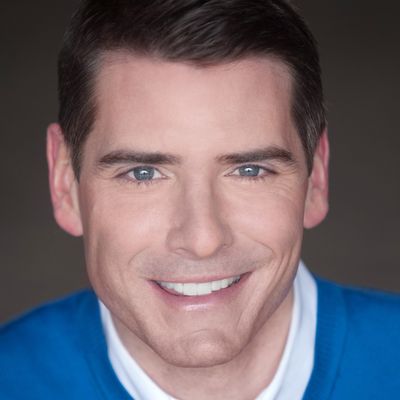
Chad Beguelin is a six-time Tony Award-nominated book writer and lyricist, whose name is synonymous with Broadway hits like The Prom, Disney’s Aladdin, The Wedding Singer, and Elf: The Musical... Read More
From the show: The Theatre Podcast with Alan Seales
Guests
Featured Shows
About
Chad Beguelin is a six-time Tony Award-nominated book writer and lyricist, whose name is synonymous with Broadway hits like The Prom, Disney’s Aladdin, The Wedding Singer, and Elf: The Musical. From his humble beginnings in a small town where he fell in love with theater to becoming a key figure behind some of Broadway’s biggest productions, Chad shares his remarkable journey. He takes us behind the scenes of his latest creative venture, a novel called Showmance, giving us a glimpse into the challenges of transitioning from writing musicals to penning fiction. With parallels to his own life, Showmance follows a struggling Broadway writer navigating the highs and lows of theater life.
Chad opens up about the resilience it takes to thrive in show business, recounting career-defining moments like the crushing reviews of his early work and the ultimate triumph of Aladdin on Broadway. He also discusses the collaborative process of writing for musicals versus novels and shares advice for aspiring writers and theater professionals. Whether you're a fan of his Broadway musicals or curious about the world of showbiz from behind the curtain, this conversation offers something for everyone.
Chad Beguelin is a Tony-nominated book writer and lyricist known for his work on The Prom, Disney’s Aladdin, The Wedding Singer, and Elf: The Musical. He recently made his debut as a novelist with Showmance, a witty and heartfelt story inspired by his own experiences as a Broadway writer. Chad's works have graced both stage and screen, earning critical acclaim and legions of fans. With a career marked by both creative triumphs and challenges, Chad continues to be a dynamic force in the world of theater and beyond.
Connect with Chad:
- Get Showmance
- Instagram: @chadbeg
- Website: www.chadbeguelin.com
Connect with The Theatre Podcast:
- Support the podcast on Patreon: Patreon.com/TheTheatrePodcast
- YouTube: YouTube.com/TheTheatrePodcast
- Threads, Twitter & Instagram: @theatre_podcast
- TikTok: @thetheatrepodcast
- Facebook.com/OfficialTheatrePodcast
- TheTheatrePodcast.com
- My personal Instagram: @alanseales
Transcript
This transcript was automatically generated and might contain errors.
[0:00] Chad Beguelin: Hey, I'm Chad Beguelin, and you're listening to The Theatre Podcast with Alan Seales.
[0:11] Alan Seales: Hello, podcast friends. Welcome to an all-new episode of The Theatre Podcast. I'm your host, Alan Seales, and Chad Beguelin is our guest, a man who has come from humble beginnings. After being that kid that wouldn't leave the theatre after seeing a production of Oliver just because he wanted to stay and watch it again, he got heavily involved in theatre himself, and as a teenager, just declared to the cast he was with at the time, he said, one day, I will write musicals on Broadway. And now, six Tony Award nominations later, we find him here doing exactly that. Something I find fascinating about Chad, though, is that, believe it or not, he said he was terrible at reading and writing music. Someone known for writing hit musicals is not good at writing music.
I think this just goes to show that people who lean into their strengths but can surround themselves with friends and colleagues who complement them with their own separate strengths can truly all come together and produce something marvelous. But Chad is here on the podcast now after writing his first non-theatrical work, a novel called Showmance, which has some fun parallels to a couple of things in his real life. But now, let's shift into the interview, and he can tell you the story himself. Make sure to find me online on all the socials. And everyone, I hope you now enjoy this episode with Chad Beguelin.
[1:33] Alan Seales: Our guest today is a six-time Tony Award nominee who may be best known as book writer and lyricist for some of the most incredible works that we've seen in the past many, many years, including The Prom, both the movie and the Broadway production, Disney's Aladdin, The Wedding Singer, and Elf the Musical, which, by the way, is coming back for a little bit of fun time this December, I think. We'll get into that. And he's also a screenwriter and now the author of a new fiction novel called Showmance, which is a witty and heartfelt story that revolves around a struggling Broadway writer, and I think is probably a little parallel to his real life that I hope we can get into. Welcome to The Theatre Podcast.
[2:13] Chad Beguelin: Thank you for having me.
[2:14] Alan Seales: So, Showmance, I mean, that's a great place to start, because Showmance is your first full fiction novel, right, that's not made for stage?
[2:24] Chad Beguelin: Yeah, it's my first time sort of trying this, and I wrote it and I stopped because I was like, this is a marathon. This is like climbing a hill all by yourself. And then I suddenly got another jolt of creativity and just wrote it in almost like a possessed state. Like I was almost around the clock for six months just going crazy. And then I sent it to my theatrical agent who sent it to a literary agent, and they sent it out and it got sold. And so here we are. It was really a dream come true. And I kept worrying, am I going to be wasting all this time and nothing's going to come from it? So it's really surreal to be able to hold it in my hand and book four.
[3:13] Alan Seales: When did you start writing it and then put it down and pick it up again?
[3:17] Chad Beguelin: It's hard to say. I want to say a couple of years ago, I wrote a few chapters and I was like, I don't know if I can do this. And then I suddenly, about a year and a half ago, sort of had this vision of the rest of the story and how it could unfold. And so that's when I was like, all right, I'm going to do it and we'll see what happens. And I kept telling myself, if nothing happens, at least it's a good brain exercise or it's better than spending my time binging Netflix, which is my other job.
[3:49] Alan Seales: If you can get paid to binge Netflix, then I don't know where I need to sign up, but I want to sign up.
[3:53] Chad Beguelin: It's more volunteer work.
[3:58] Alan Seales: Very fair. Well, yes, I'm volunteering for Netflix quite a bit, but I've always been curious because people are like, you should write a book because, I don't know, instructional book or podcasting for dummies or Broadway networking for dummies. I don't know, something. And I feel like before I ever start, I'm always shooting myself in the foot, meaning I don't know how it's going to end, so I don't even want to start. But you said something just now that was really interesting because you started it, then put it down. And then when you picked it up again, that's when you decided how it was kind of going to end. Did you have a full arc outlined before you even started?
[4:35] Chad Beguelin: No, not at all. And I'm learning all of these new terms in the literary world that I'm what's known as a pantser.
[4:42] Alan Seales: Pantser?
[4:46] Chad Beguelin: Which means you're writing by the seat of your pants. You're not an outline, you're not. And it's the exact opposite of writing a musical because a musical, you start with an outline, you saw what's here, the character does this and the arc and the intermission and it's all thought out. And with this, it was completely different. It was just like, I don't know what's going to happen. I have a general idea. And then I would write something down and something would encourage me and I would be like, oh, that's even better. So it was totally sort of willy-nilly as compared to the very structured world of writing a musical.
[5:22] Alan Seales: So the main character in Showmance is Noah Adams. And is that some sort of anagram for Chad Beguelin? How close is that struggling writer to your real life?
[5:34] Chad Beguelin: Oh, very, very, very, very close. Yeah. I mean, I think it was, you know, they say, write what you know. And so I was like, well, I was from a small town. I grew up in a wonderful community theater there. So definitely a lot of it was based on my experiences.
[5:55] Alan Seales: That's really interesting. And I guess, yeah, write what you know. So I would write a book about someone who doesn't know how to write a book, I guess. It's not a very exciting book. And it's a lot of just sitting around and volunteering to watch Netflix, I think.
[6:08] Chad Beguelin: Yes.
[6:11] Alan Seales: And podcasting. So where did you grow up, though?
[6:15] Chad Beguelin: I grew up in a little town called Centralia, Illinois, which is about 60 miles from St. Louis. And it's actually southern Illinois, because everybody thinks Illinois is like Chicago, but it's a very long state. And it's a very tiny town. And when I was in high school, our high school got in the Guinness Book of World Records for winningest basketball team. So it was sports crazy. It was just completely everything was sports all the time. And I didn't, I had no interest whatsoever. And much like Noah Adams in the book, one day my parents took me to the community theater to see Oliver. And I had never, it was my first time and I was blown away. And I refused to leave when it was over, because I just wanted more.
[7:04] Alan Seales: You were sitting in the house, you were that kid that was like, it's time to go now.
[7:06] Chad Beguelin: Yeah, no, I was. My parents were like, no, that's it. And I was like, can they do it again? No, they can't do it again. But they said, you know, if you want to be involved in this, they're doing shows all the time, they're doing kid shows. And so I sort of, it became my second home. And I was so obsessed with the place that I would volunteer to, you know, alphabetize their filing cabinets or organize the prop room or, and they, you know, finally, when I was 15, I was so obsessed, they just gave me a key to the building. And I was like, here, just whatever you want, you can come in and you can sweep and you can, you know, iron the costumes and do whatever you want, you know, organize the gels.
I was just obsessed with the place. And then they, at 15, they started letting me write and direct my own shows there, which was just amazing. They were so supportive. And I did it. And it was the one place I remember one time when the first show I did with them was Fiddler on the Roof. And I think it was like in sixth grade. And after rehearsal one night, I said, I'm gonna write a Broadway show someday. And everybody laughed. And I, this woman that played my mother in the show, we were just in the chorus, but you know, we had our backstory. Marilyn Gluck said, stop laughing. I believe him. He's going to do it. And I know what this woman.
[8:31] Chad Beguelin: Yeah. Yeah. But it was great. And I was like, wow, somebody believes I could actually do it. And then it sort of changed everything. And everyone was like, okay, sure. If you want to do it, great. Like, let's go. You know, so it was, it was so important to me growing up. So that's why I think I had another sort of reason for writing this book was to sort of, you know, pay homage to that place and those people.
[8:52] Alan Seales: So then when you were that young, like you, you at that point knew though, that you didn't want to perform. You wanted to write, right?
[9:00] Chad Beguelin: Yeah. I mean, I, I tried performing. I was terrible. But I liked making up stories and I liked, you know, ordering people around while they said words.
[9:13] Alan Seales: Well, so then what was your first thing that you really got known for? Because like with timing wise was, was L I mean, like I, you came on my radar big time with Prom because that was, it was just a story that through humor tells such an incredibly serious and well needed story. Right. And I didn't realize your, your involvement with Aladdin until I helped, you know, co-produce this the, the making of Aladdin podcast that we did on VPN a few months ago and just learning the process of, you know, your, your situation coming into work with Alan Menken after, you know, sort of picking up after Howard Ashman had passed away. And like this whole, this whole timeline for me is, it just seems it's just like all of a sudden you, the gate just opened and you just had everything going on at once, but obviously, I mean, maybe not obviously, but is that how it happened? How did all of this get going?
[10:13] Chad Beguelin: The first professional show that, uh, my, uh, collaborator, Matthew Sklar and I wrote the show called the rhythm club and it went up at the signature theater. It was directed by Eric Schaefer and it was coming to Broadway. We had what was then called the Virginia theater. Our poster was up in Shubert alley and the Washington reviews killed the show, just killed it. And so it was, that's why I use a lot of that in Showmance. A lot of that, you know, I was going to say, that's a, that's a plot point is the criticality of reviews. And it's so, you just feel so publicly shamed. It's awful. It's terrible. And so, uh, Matt and I were just like, Matt couldn't even walk through Times Square for a while.
It was just so heartbreaking. And then at one point, um, I, he was conducting and I called him up and I said, look, we have to decide, like, I can go get my doctorate and I can become a professor. You can keep conducting or we can just make the decision that we're going to double down here. And if I have to, you know, bartend and answer phones the rest of my life, that's the deal. And we were like, okay, screw it. We're just going to keep going. And, um, I was at that point a few years later, I was pitching a movie called Franken teacher, which was like a kid's movie, which I sold, but never got made. Um, I went into New Line to pitch that movie and I was pitching to this guy, Mark Hoffman. And I could tell he was like, not interested at all.
And I was like, this is going awful, terribly, horribly wrong. And then he said, you know what, your name seems familiar. And I said, well, I also write musicals. And he was like, wait a second. He opened his desk and he had the demo for rhythm club. And he like, we just did Hairspray. Do you, do you want to write musicals for us? And I was like, uh, yes, please. And so that's how I got hired for my first Broadway show. So it was kind of one of those things where I look back and I'm like, oh, that crushing, horrible thing had to happen just so Mark Hoffman could have a CD of our demo. So that all of a sudden we were hired for Wedding Singer and very quickly after that for Elf. So it's one of those, I always, whenever things go wrong, I'm like, what was supposed to go wrong?
There's, there's has to be a reason. I'm one of those people that just can't, you know, it's the way I deal with disappointment. I'm like, it would have been terrible if, if, if rhythm club would have come to Broadway, it probably would have gotten killed and we would have never tried again. So that's my, my philosophy.
[12:54] Alan Seales: Wow. So you had the poster up everything. So the review was off Broadway and then the review killed it or the preview for Broadway.
[12:58] Chad Beguelin: No, this was, we were, uh, at the signature theater in Arlington, Virginia, which was, um, Eric Schaeffer's theater. And the, it was cat, you know, the Broadway cast was doing it. We, uh, were on a smaller stage. So, but they had already had the designs and we're starting to build the Broadway set and everybody, you know, investors pulled their money and it was just like, it's dead.
[13:21] Alan Seales: Huh? Wow. Well, that's kind of what happened with Aladdin too, but then you got that Disney money that kept it going.
[13:30] Alan Seales: Yes, yes. Thank God. Thank God for that. I mean, because the Broadway production of Aladdin, and I want to know what's going on in your mind at this point, because the story as it's told, right, is that it was originally staged and written as a stage production to fill a need and a constant ask for a full-length version to replace or subsequent, or subsidize, what's the word I'm looking for? Augment Aladdin Jr. That's what I need. To do something full-length instead of Aladdin Jr., and then it went to Seattle. Knowing it was super low budget, it was okay, but then someone said, let's bring this to Broadway. Why isn't this Broadway? Broadway, Broadway. And then it was, all the bells and whistles were put back in, all the cut songs from the movie were put back in, and as the story of the magical making of Aladdin, the podcast, shameless plug, as that tells, it was terrible in Toronto, but it still came to Broadway, and changes were being made literally up until opening night.
So from your perspective, it's interesting that your show in Virginia basically underwent the same thing as Aladdin did, but Aladdin kept going because it's all about the finances, and this is a business after all, but having gone through that same scenario more than once, obviously you didn't create Aladdin from scratch, but going through that scenario more than once, one huge success, one not so much, looking back at those two scenarios, would you have done anything differently? What was kind of going on, especially in the Aladdin time, knowing that there was still finances behind it?
[15:05] Chad Beguelin: Aladdin's situation was, the book starts with opening night, which is also, I have a story about why it's so similar to Prom. The book starts with opening night and waiting for the review, and I had that experience with Rhythm Club. We did The Wedding Singer, and most of the papers, but the New York Times, Ben Bramley, hated it. So you do feel like there's this ticking time bomb, and you're sitting there opening night, waiting and waiting and waiting, and you're filming interviews, and you're talking to people, and trying to smile and look normal, but inside, you're just about to explode. With Wedding Singer, it came out, it was not good, Ben didn't like it, everybody got really solemn, it got really quiet, people started leaving, and it was just, are we even going to run?
Are they going to just close us? With Aladdin, we had been through so much, and that happened in Toronto. So I was just like, we've done every single last, we changed almost every single thing. So I don't know, we gave it our best, and then we were at the party, and all of a sudden, this huge roar comes out of the dance floor, and Alan Menken's manager ran over to me, and he's like, it's a rave, it's a rave. And I was so, I just couldn't believe it, after the nightmare that we had gone through, it was such a relief and a shock. I mean, I was expecting to go like, maybe we'll get mixed, and maybe we'll run a couple of years, and you know, just, you did your best, you did your best, and so it was just such a reversal.
[16:49] Alan Seales: Wow. I mean, that has to have been a huge weight, just like, shed, immediately shed, knowing that it was something that, I mean, as crappy as it is, when the critics like it, then it's going to be, it's going to be good. I mean, good as in, box office will reflect what the reviews say, because a lot of people take their opinions from others.
[17:13] Chad Beguelin: Yeah, and it's interesting how it's changed, though, because like, now, a good review is great, but it can't actually give you years on Broadway. Prom had a rave review, critics pick, and we still didn't have a long run. So, the sad thing is, though, bad review can kill you.
[17:31] Alan Seales: Right.
[17:33] Chad Beguelin: Just the evil, terrible things exist now. So, it's kind of a bummer.
[17:39] Alan Seales: That's a really good point, because prom, everyone I know loves prom. I don't understand why it didn't do well in New York. I truly don't, because I haven't found a single person that doesn't like it.
[17:52] Chad Beguelin: Yeah, I don't, who knows, but you know, we're like, very heartened that it's being done, it's being done all over the place, which is, you know, great. And it's being done in places where it's starting conversations and ruffling feathers in a good way. And so, it lives on.
[18:13] Alan Seales: It does. It doesn't, good, it was the first same-sex kiss on the Macy's Day parade when that performance happened. I mean, it's made history.
[18:20] Chad Beguelin: Yeah, absolutely.
[18:21] Alan Seales: You're part of all of this.
[18:24] Chad Beguelin: Don't go anywhere. We'll be right back after this break.
[18:28] Alan Seales: Welcome back to the episode. I guess then going back to your career a little bit, like, it started out with The Wedding Singer, and then All About Me, and then Elf, then Elf again, then Aladdin, then prom, and now Elf a third time. Do people come to you for, I guess, adaptations of known works like this? Or are you more comfortable doing an adaptation? Or are you more comfortable doing something completely original?
[18:58] Chad Beguelin: Yes. I mean, they both have their pros and cons. I mean, with, say, a movie, especially a known title, you have a brand, so people know what they're going to get. The challenge is to make it not just a rehash of the movie, to take it in surprising new directions, but to also keep all the tentpole moments that people expect from their beloved title. The great thing about an original piece is that you can go anywhere, and you can do anything, but it's also completely, there's no structure. You're completely blue-skying it from the start, and it's no brand. So people have no idea what the prom is. What is this prom musical? You have to sort of educate people, and that was one of the things that was very sort of hard for the marketing department of prom, because it's sort of hard to put in a poster, like, Broadway people and lesbians in high school.
You're like, what? So they both have their pros and cons. For example, with the prom, we did a reading once, and Zaz, which opens Act Two, was halfway through Act Two, and Casey Nicholaw, who's the smartest person I know, is like, we need to start with Zaz, Act Two. We're like, that's not even possible. He's like, nothing is happening in the first half of Act Two. And we're like, we are treading water there. We are. Okay, okay, okay, okay, okay. Let's, like, do that. So, you know, you can't do that with Aladdin. You can't go, let's not do the carpet. They'll have your head on a spike. So it's, you know, they're different challenges.
[20:45] Chad Beguelin: So there's movie adaptations. There's book adaptations. There's all sorts of different adaptations that are currently on Broadway right now. We have representative of everything. And then so Wedding Singer, Elf, Aladdin. So all of those went movie to stage. Prom went stage to movie, because what's the story there? Ryan Murphy came and saw it and was like, I got to do this. And then how does the creative team adapt it for, you know, in the reverse?
[21:12] Alan Seales: Yeah, I mean, it was very, Ryan came, and we didn't even, we had no idea he had seen the show. And then all of a sudden, these A-list movie stars are showing up. We're like, what is going on? And then we finally found out, you know, he wants to do it. And here's this cast. With Ryan, it was very much, he wanted to get it done as soon as possible to hopefully, you know, affect the way the world was going. And so he would, you know, we wrote the screenplay, and he would call Bob and me on a Sunday night and be like, I need a new scene for them when they're on the bus. Give Nicole a couple jokes. And if you could get it to me, like, late tomorrow, that would be great. Always, yeah, Bob Barton, my co-writer, co-book writer.
And so it was very, very fast and furious. And like, when he needed something, you just had to, like, you know, we were sitting at the beach and my phone rang. It was Ryan. I was like, I'm going back to the house because no summer for me. Not that I'm bleak. You know, it's, and the other side of it is that when you sell the rights to your musical, you have no more say, you know, he could have taken what we did and set it on the moon. It's his project now.
[22:29] Alan Seales: Oh, that's interesting. I didn't realize it was over that much in their control.
[22:33] Chad Beguelin: Oh, absolutely. So they can do whatever they want with it. They purchased the rights. And so you have to sort of, there's a lot of letting go, you know, sort of, well, I wouldn't have done it that way, but it's Ryan's project now. So it's, Ryan wants no notes from us. You know, it is his show. So, you know, you go in knowing that.
[22:57] Alan Seales: That's interesting. And that explains a little bit, actually. I know that there's a lot of people that were in the cast that I heard that were, I mean, there was a little bit of, and we can cut this if you don't want to talk about it, but there was a lot of people upset from the Broadway show who weren't because they weren't involved or asked to be part of the movie. And I think there was a lot of anger towards the Broadway creative team when I didn't realize until just now how little say everyone had in all of this.
[23:27] Chad Beguelin: Oh, absolutely not. We had no say over casting. No, they buy it. It's theirs. It's completely out of our hands. And I would have loved to have done a movie with the Broadway cast. But unfortunately, if you're going to do a crazy, insane, budgeted, the budget was insane, you're not going to make that back unless you have huge star names to get people interested.
[23:57] Alan Seales: Yeah. Yeah. This is the show business as we've mentioned, unfortunately. Yeah. So then with Elf coming back again, I was just looking at IBDB here. It looks like it's going to start November 17th and currently scheduled to run through Jan 4, 2025. So how does that work bringing another revival back again of the same production that still is relatively recent? Every time it's revived, do you get the chance to reshape things?
[24:27] Chad Beguelin: Yeah. I mean, for that, I just did lyrics, but I have revamped some lyrics that, you know, it was a different time. You know, there were certain lyrics that every once in a while regionals would get a complaint about. So I've fixed those. So they're, you know, hopefully not offensive to anyone. And Bob's done some revamping of the book. But yeah, it's actually the London production. So the set design and costumes and direction and choreography are all from that production with Broadway performers.
[25:02] Alan Seales: That's cool. It's cool to celebrate Christmas in London too, right?
[25:08] Chad Beguelin: Yeah. Oh, culture. Okay. So that was a joke, people, by the way. Don't come at me. When you were telling your story of your childhood, like it was performing, it was being on stage, but like a lot of music, you didn't mention like music. Did you play instruments? Do you have a musical background? Because when you're writing book and lyrics, how much are you thinking about the music and how much music are you laying on top while you're writing lyrics? Or are you literally just writing a bunch of words that are really awesome and handing them to somebody else to put the melody to?
[25:30] Chad Beguelin: I have no musical capability. I can't read music. So with Matt or with Alan, they will record, plunk it out for me and send it to me. Or if it's lyrics first, I'll just pick a form that I think fits. And I always have an idea if it comes from me first, what the feel should be. And we'll always discuss what the feel should be. But it's funny in interviews about the book, they're like, well, how did the songs go? Like the song at the end, I'm like, oh, I don't know. I mean, I have an idea what it would kind of sound like. I have no melody in my head. So it's something I tried very hard to learn how to play piano. I'm just terrible. And music is a lot of math and I'm terrible at math. So it just was impossible. So I was like, okay, let's not waste time.
[26:29] Alan Seales: I think that's really cool that you have made such a successful career in musical theater without being really good at music.
[26:36] Chad Beguelin: Right. I think that's incredible. There were things I had to check in the book, because in the book, he writes music too. And so I had to check, like, is that? Like at one point, somebody says, he says, like, the more minor. And I was talking to somebody and they're like, there's no such thing as more minor. It's major or minor. So I did like, things like that.
[27:01] Chad Beguelin: Let's add a little bit more minor to this chord.
[27:03] Alan Seales: Yeah, like, hey, dummy. So, you know, I had to keep checking things, you know, could, you know, let's say a baritone sing a soprano, you know, down, yeah, that can work, you know, so I just had to check things were believable.
[27:18] Chad Beguelin: Oh, that's so cool. Well, now, you know, you've got to send this off to like, to Bob Martin and Alan Menken and every, you know, send this off to your buddies and be like, can you just like plunk out a melody for me real quick? Because I want to put it on TikTok or something. You can start putting these songs from Showmance out on TikTok and ask people to duet. That's your viral marketing right there. I'm all for it. Yeah, people need to start, people do that. All right, so everybody get the book, write your own melodies, tag me and Chad in your songs. And, you know, when we make the movie.
[27:53] Chad Beguelin: That's right. That's right. Yeah. First casting. First, first right of refusal. Well, can I tell you why the prom parallel?
[28:00] Alan Seales: Oh, yeah, yeah, yeah.
[28:01] Chad Beguelin: So I wrote the first few chapters of the book and I put it away and I was like, that is a lot of work because, you know, you write five jokes in a musical and you're like almost through the scene. You write five jokes in a book. You're not even off the first page. And I was like, well, this is a lot of a lot of work. So then we were, you know, I sort of forgot about it. We were working on Harlem and we had a workshop and we had an opening number called I Hate My Life. And it showed all three actors doing different terrible shows. It was the curtain call of their horrible, horrible shows that they were in. And it just was confusing and it didn't work. And we were all sitting around after the workshop and I said, you know, I started this book that I'll never finish.
And, you know, his show opens and closes on the same night. Like, oh, that's great. Let's use that. I'm like, okay, great. And then when I went back and certainly sort of got my groove back and started writing the book again, I was like, uh, do I need to change that? Do I look like a one horse or one trick pony now? Or, and then I was like, ah, it's okay to steal from yourself. But, uh, yeah, people have brought it up to me that have read advanced copies. They're like, hmm, this first scene seems familiar. Hey, shut up. Don't tell anybody. Hey, shut up. Shut up.
[29:19] Alan Seales: You write a book. Do you write, do you write with any particular actors in mind when, when you're picturing something? Cause I mean, for the prom specifically, I remember talking to Casey Nicholaw about this is that, you know, when they were casting, they're always just like, we just need like an Angie Schworer type. We need someone like Angie, just like Angie. And then someone was like, why don't we just fricking get Angie? She could do it. But so like when you're writing and creating in your head, when you're, you know, before the creative team comes in, before the music comes in, are you writing for a particular style of or a particular type of actor? Like, uh, you know, there, there are so many character actors that are so well known, uh, in, in the industry, you know, a Jen Simard or Chris Sieber or, you know, literally everyone in prom, like every, those roles were made for those people.
[30:06] Chad Beguelin: Yeah. I mean, with that and with, you know, with, we're working on a new show with the creative team for prom where we're definitely like, this is this person and this is that person. But it's, it's funny with, you know, a novel, do you, you don't do that. And somebody I really, I guess maybe people do, but, um, somebody asked me, I was doing one of these interviews and they're like, who's, who would be the movie cast? Who would play Luke? And who would play Noah? And I was like, I had never even thought about it. I had no idea. Like, and it's, it's funny how with something like the prom where it becomes Beth Leavel's character and they become sort of symbiotic. Whereas with, uh, the novel, I was sort of surprised.
And I don't know if there, because somebody doesn't like take over ownership of the character. I was sort of surprised how real they became to me in my head. And I remember at one point when I was writing it, I was out to dinner with my husband, Tom, and I burst into tears and there were some cocktails above. Um, but he was like, what's wrong? And I was like, I'm going to have to break his heart. And he's like, whose heart? And I was like, Noah's. And he's like, you mean the made up person that lives in your brain?
[31:25] Chad Beguelin: Yeah. But I think what it was is that I realized, oh, I'm going to have to go back and relive all those things that you feel when you're dumped, when you're, you know, and like, go through it and, you know, bring back the sense memory of what it felt like and how desperate and cast aside you feel and how you have no say in it. And it was just like, you know, and so writing that, those scenes, no spoiler alert, but you know, writing those scenes was really hard because I was pulling on my own experiences and it's weird. And I think if, if, um, you know, if it does, please God, someday get made into a musical or a, uh, movie, then, then it will be different because then it'll be, oh, that's that person's character.
Right. Right. Just sort of, you know, and that's the exciting thing that I felt about writing the book was that you get to get inside of the audience's head and you get to get them inside of Noah's head while he's falling in love and getting his heart broken, putting his foot in his mouth and being proven wrong about everything, learning he's sometimes a dick, trying to work on that. And the other thing that is, you know, you don't have anybody's interpretation of it. It's, there's no, no director putting their spin on it. There's no actor, uh, putting their take on it. So it really is, you know, there's no middleman you're talking right to the audience. And it also means that whatever their idea of, uh, you know, hot farm hand is, that's their idea of it.
And so it's, uh, the, the process is so different. It's just, it's, it's really strange that I was talking to, I got, um, Andrew Sean Greer Pulitzer prize winner, uh, for less, uh, to read my book and give me a blurb, which he was, I didn't know him at all. Now the blue. And I sent him a message. I said, is this tacky, but I need some, would you read my book and give me a blurb? And he's like, it is tacky, but we all have to do it. Send me your manuscript. Uh, and he gave me this wonderful quote. And, but he said to me in the email, he's like, this is going to be different for you because people are going to be laughing and reacting, but you're not going to hear them. You're not going to have, it's gonna, it's not like the theater where you go in and you're like that choke work and that choked it.
You're just going to be in this bubble and who they're going to just be, people will experience it very privately as opposed to very vocally at a room in a crowd. So it's, it's been a learning experience.
[34:02] Alan Seales: Has that been, has that been hard? Like you, there's no out of town tryout for a book.
[34:08] Chad Beguelin: Exactly. Yeah, no, it's, it's just weird because it's like, you know, there's never going to be, you know, I'm doing, uh, you know, I'm doing a book event at the drama bookshop on October 3rd. So that'd be a chance to talk to, you know, actual readers about it. And I'm doing a few more, uh, sort of in the Midwest. Um, but yeah, it's sort of like the public, I'm supposed to say pub date, learning all these terms, the pub date, uh, the publication date is October 1st. And I was like, oh, I can't wait until October 1st. And I was like, nothing's going to happen. Like people are not, you're not going to get any sort of response. Like there's not going to be like opening night. Yay. It's just sort of like, oh, yep. Okay. It's out there. We'll throw you a party.
[34:44] Alan Seales: Don't go anywhere. We'll be right back after this break.
[34:51] Chad Beguelin: Welcome back to the episode. So I did a little dream casting, speaking of casting when I was reading it, here's the people that I pictured in the roles, I think. So Noah Adams should be played by Andrew Garfield.
[35:03] Alan Seales: Okay.
[35:04] Chad Beguelin: Cause you know, uh, Chase, who is Noah's boyfriend, uh, Henry Cavill.
[35:10] Alan Seales: Oh, very nice.
[35:11] Chad Beguelin: Um, Chiara, is it Chiara or Chiara? Noah's best friend.
[35:17] Alan Seales: Chiara, yeah.
[35:18] Chad Beguelin: Chiara should be Tessa Thompson. Nice. Luke Carter, Noah's high school nemesis turned family farm worker is Chris Hemsworth.
[35:24] Alan Seales: Yes.
[35:25] Chad Beguelin: Carrie Payne, the ruthless theater critic is Meryl Streep.
[35:32] Alan Seales: Of course. Of course. Yes. That is, that was easy for her.
[35:34] Chad Beguelin: So Daniel, uh, Danielle, Vincent, um, Stacy, the director larger than life played by Cate Blanchett. She'd be great. Noah's mom and dad are Sally Field and Jeff Bridges.
[35:45] Alan Seales: Love it.
[35:46] Chad Beguelin: There you go. Make that happen.
[35:52] Alan Seales: I'm on it. You know how much control we have. I wonder, you know what? I should have done that. I, now I regret not doing that with Broadway people. I should have done it with, with people that are not TV and film celebrities. I should have done Broadway celebrities. And I do the Jeff Bridges is pretty good.
[36:10] Chad Beguelin: So real quick, I'm not going to spend as much time this, uh, yeah. So if we are going to do this Broadway style, Noah should be Ben Platt.
[36:15] Alan Seales: Chase, Chase could be Ramin Karimloo.
[36:22] Chad Beguelin: Nice. Yeah.
[36:23] Alan Seales: Uh, Chiara is Cynthia Erivo.
[36:30] Chad Beguelin: Luke is Derek Klena.
[36:31] Alan Seales: Carrie Payne is Patti LuPone.
[36:37] Chad Beguelin: I almost said Patti LuPone. Yep.
[36:39] Alan Seales: Danielle is Audra McDonald and Noah's mom and dad are Beth Leavel and Stokes, Brian Stokes Mitchell.
[36:45] Chad Beguelin: Love it.
[36:46] Alan Seales: All right. There we go. There we go. So let's, um, let's wrap, uh, start our wrap up with a little, a little trivia game, not trivia. We're going to play a game called plot in 60 seconds. And so what you do is you give me a number one through 16 and I have 16 shows written down here. And so the number you give me is the show that you will have to give me the real plot to in 60 seconds or less.
[37:00] Chad Beguelin: Oh, let's go with 15.
[37:08] Alan Seales: Okay. So we're going to put 60 seconds up 15 is Avenue Q go 60 seconds remaining.
[37:19] Chad Beguelin: Um, so it's a Sesame Street, uh, with a guy who wants to find his purpose and ends up, uh, with the help of his friends opening a school for the, uh, other puppets and monsters in 45 seconds remaining.
[37:37] Alan Seales: Okay. All right. Not sure if I'd invest in that.
[37:40] Chad Beguelin: Um, all right. All right. So now, uh, this, the three standard questions I ask everyone wrapping up the episodes. The first one simply is just what motivates you.
[37:56] Chad Beguelin: Um, I think hopefully that if I write something that can make somebody's day better, even in the smallest way that I have succeeded.
[38:08] Alan Seales: I like that. Okay. What advice would you give to your younger self and younger people listening now starting out down a similar path?
[38:12] Chad Beguelin: Um, it has got to be bad before it can be good. So you've got to write the first draft and you're good. Don't give up. Don't look at it and say, this is terrible. You got to say, all right, how can I make it better? Cause writing is rewriting and rewriting and rewriting and, you know, lurk, take, take rejection like a champ.
[38:35] Alan Seales: Hmm. And if your poster's up in Schubert alley and it never comes to Broadway, don't go get your doctorate.
[38:40] Chad Beguelin: Exactly. You want to just man up and keep going.
[38:46] Alan Seales: Okay. Final question. Hardest one. If you could only see one show for the rest of your life, but you can see it as many times as you want, what would you see?
[38:49] Chad Beguelin: Oh, uh, probably, uh, well, uh, Evita.
[39:01] Alan Seales: Ooh, which production?
[39:03] Chad Beguelin: Uh, the original Halprin staging.
[39:05] Alan Seales: Nice, nice, nice, nice. Good choice. Where can we find you online on social media?
[39:10] Chad Beguelin: Uh, on Instagram, I'm, uh, at Chad Begg and, uh, or you can check out my website, which is creatively called Chad Beglin.
[39:20] Alan Seales: Chad Begg. That's easier to spell than Beglin. What kind of, what kind of heritage is that? Where does that come from? By the way?
[39:25] Chad Beguelin: Um, my father is French Swiss and my mother is Scots Irish. So, um, but the, the name was, it used to be Beguile, uh, but because we lived in small town in the Midwest, it became Beglin.
[39:39] Alan Seales: Beglin. Chad.
[39:40] Chad Beguelin: Yeah. And my mother just gave up and said Bagland.
[39:46] Alan Seales: You can try. Chad Bagland. All right. All right. Well, check the show notes, everyone. I'll have a link to get Showmance. Of course, check it out and imagine your dream cast of choice while you were reading it. Make sure to get tickets for Elf the musical, which is coming back this holiday season. You can get more of me at theater underscore podcast on threads, Instagram, TikTok. I'm on Facebook. Leave a rating and a review wherever you are listening to this episode. Now it helps the podcast grow and helps get Showmance out there into the world. Thanks to jukebox, the ghost for the intro and the outro music and chat. Thank you so much. I've enjoyed this chat. This has been great.
[40:23] Chad Beguelin: Thanks for having me.
© Broadway Podcast Network, All Rights Reserved