

Meghan Finn is leading the charge to reshape New York City’s theater landscape. As the artistic director of The Tank, she champions affordable access to creative spaces and amplifies new voices in the arts... Read More
From the show: The Theatre Podcast with Alan Seales
Guests
About
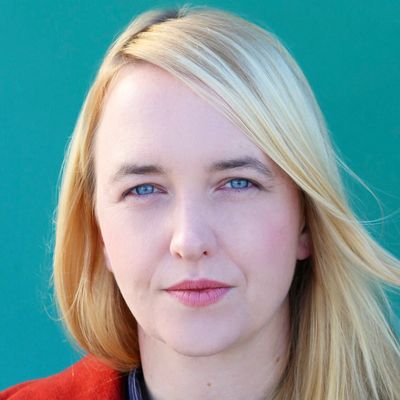
Meghan Finn is leading the charge to reshape New York City’s theater landscape. As the artistic director of The Tank, she champions affordable access to creative spaces and amplifies new voices in the arts. Recently awarded the prestigious David Prize for her innovative ideas, Meghan is determined to revitalize theater by developing sustainable financial models and creating more venues to foster emerging talent. Her vision addresses the pressing challenges of rising production costs, theater closures, and the need for equitable opportunities.
In this episode, Meghan reflects on her journey from Ann Arbor, Michigan to becoming a pivotal figure in New York’s cultural ecosystem. She discusses her work with The Tank, including the challenges of managing a nonprofit theater and the success of revenue-sharing models that have allowed artists to thrive even amidst adversity. Meghan also shares insights on the intersection of art, advocacy, and accessibility, emphasizing the importance of nurturing new talent to keep theater vibrant for future generations.
Connect with Meghan:
- Website: meghanfinn.com
- The Tank: thetanknyc.org
- Instagram: @thetanknyc
Connect with The Theatre Podcast:
- Support the podcast on Patreon: Patreon.com/TheTheatrePodcast
- YouTube: YouTube.com/TheTheatrePodcast
- Threads, Twitter & Instagram: @theatre_podcast
- TikTok: @thetheatrepodcast
- Facebook.com/OfficialTheatrePodcast
- TheTheatrePodcast.com
- My personal Instagram: @alanseales
Transcript
This transcript was automatically generated and might contain errors.
[0:00] Meghan Finn: Hi, I'm Meghan Finn, and you're listening to The Theatre Podcast with Alan Seales.
[0:11] Alan Seales: Hello, everyone, and welcome to a brand new episode of The Theatre Podcast with Alan Seales. I'm your host, Alan Seales. That's me. And today I'm thrilled to introduce our incredible guest, Meghan Finn, a remarkable woman who recently won the prestigious David Prize. Now I hear you asking, what is the David Prize? Good question. It's an aspiring celebration of individuals and bold ideas dedicated to shaping a better New York City, to put it simply. The prize honors those with passion, tenacity, and vision to transform our communities, culture, and future for the better. And Meghan was awarded this honor for her groundbreaking proposal to revitalize and uplift theater. One of the reasons I was especially eager to speak with Meghan is because, in all honesty, I believe our industry is facing a slow decline.
Ticket prices continue to rise while production costs and access to both experience and nurture new works have become increasingly challenging. It's a complex issue, but it's one I feel pretty strongly about. And I've got a few radical ideas that we explore in this episode alongside Meghan's own innovative strategies for keeping theater alive and thriving. We need more visionaries like Meghan, people who are willing to disrupt the status quo and fight for the future of this art form. So everybody, if you're listening, be a disruptor, be a Meghan. But before you start shaking things up, don't forget to connect with me on social media, give me a follow, a shout out, tag me in your stories, and if you'd like to watch the video version of this interview, head over to my Patreon account. And now, without further ado, please enjoy this episode with the extraordinary Meghan Finn.
[1:40] Alan Seales: Here you go. One, two, three. Today's guest is someone I am very excited to talk to, someone who not only wants to see positive change in the Broadway scene, but is actually going out there to make it happen. The Artistic Director of The Tank and previously Associate Artistic Director at 3LD Art and Technology Center, she has directed performances at notable venues such as The Tank, Powerhouse Theater, and Serpentine Galleries. And under her leadership, The Tank has expanded its programming and received an Obie Award for Institutional Excellence. She is also the recipient of a 2021 Lucille Lortel Visionary Award by the League of Professional Theater Women and a 2023 Prelude Festival Award winner.
As an immigration advocate, she co-founded Each Step Home, a nonprofit dedicated to reuniting immigrant families, featured in the film Split at the Root on Netflix. She also just won the David Prize, an annual award that provides unrestricted grants to individuals with bold ideas to improve life in New York City. Meghan Finn, welcome to The Theatre Podcast.
[2:51] Meghan Finn: Thank you so much for having me. Glad to be here.
[2:57] Alan Seales: You are so welcome. And I am, I'm excited to dive into this conversation because, you know, normally the shtick on the podcast here is, you know, performers and what you do to get on stage and what are your challenges you've overcome. And I love what you are doing because you see those challenges and you're like, let's remove them for everybody else. Let's look outward and affect the change, be the change you want to see in the world, right? Who said that? Gandhi? Who famously said that? But yeah, so I want to dive into that because the David Prize, tell me, tell us about it. Tell us about the David Prize. And yeah, let's start with that because this is a $200,000 grant that you just fell in your lap.
[3:42] Meghan Finn: Yeah, I mean, it's wild. I'm still kind of in shock and so grateful for it. Yeah, I was invited as a nominee for that award. And actually, I think it's kind of new, so people aren't totally aware of it. And there certainly hasn't been anyone in culture that's won it up till now. So I was nominated and there's about 3,000 New Yorkers nominated every year. And then there's a long process between when you're nominated and when you actually get it, where you have this opportunity to hone an idea for New York that could make it better. I've been at The Tank Theatre as the Artistic Director since 2017. And I've gotten to see firsthand through the pandemic how there is such a need for developmental space for new work, and how that has a big impact on the cultural ecosystem of the city.
And that has a direct, direct line to Broadway and the artists that you see uptown in commercial spaces. They all started downtown or in spaces where they were making new work. Anne Washburn, the playwright, has a project that she's lovingly titled Murder Room. It's a big kind of think space that she created first at Playwrights Horizons, later at Soho Rep, later at the Prelude Festival. It's been moving around throughout the city. And she basically invites really well-known people in the theatre and people that have been coming up in the theatre to come and have discussions and pin things to the wall. It kind of looks like one of those investigative spaces in like a murder thriller. But to come up with ideas for how we can make the American theatre, and particularly in New York, more successful.
And how we can be really addressing some of the situations and difficulties that the entire sector has been experiencing in the last few years. So through that process, talking with Anne and other stakeholders, I really have been honing this idea about how The Tank's model could be a catalyst of inspiration for getting new development work happening at more spaces throughout the city. So that's where the David Prize idea came from. And so thrilled. I mean, I can't believe it. It's actually an award. You know, it's, it's, I've gotten grants before. This is a thing, not for me, you know, for theatres or for projects, you know, but it's an award. It's similar to the MacArthur. It's an award for past achievement.
They just give you the money. It's wild. Most of the time you have reporting to do if you're in the working in the nonprofit theatre, you have lots of applications and things beyond that you have to keep doing to be able to prove and get, you know, final reports, interim reports. So this is nice. Not gonna lie. This is nice.
[6:16] Alan Seales: So that's really cool. And your whole proposal, I was reading through it and let's see. So I made some notes. Let's see. So the whole, the whole sort of premise is you're trying to allow artists to present work affordably and need to cultivate new ideas, expand creative opportunities amidst rising rental costs and theatre closures. Let's see. Maximize artist support through shared resources, equipment, front of house guidance, providing sustainable, alternative, traditional rental models. Like you want to build two to four new theatres, get this whole, change the financial structure of just how theatre is brought to New York City and amidst all this, God, corruption charges, right? The mayor of the damn city is under indictment for corruption.
And I personally have been, been complaining to whoever would listen for years since Broadway shut down in 2020. I'm like, this is the chance, like, let's go in. Let's, the basics, right? Let's give tax breaks. Let's have the city subsidize rental costs. Let's have, let's improve seating. Let's improve HVAC. Let's get the, like the basics of what's existing needs to be improved. And no one did anything.
[8:07] Meghan Finn: So I'll talk about the model in a second, which is this, this idea, and I'm calling it Revenue NYC. It very purposely looks like revenue, which is what theatres need more than anything. No, I mean, the things we did see during the pandemic from a federal level was the, you know, Schumer really worked to pass the shuttered venue operators grants, which were large grants that went to theatres, but essentially just replaced lost revenue from being shuttered for so many months. So you can't take a whole industry, particularly in New York City, shutter it for months, I mean, a year and a half, and then expect that it doesn't have any impact on the long-term fiscal health of that organization when it couldn't do the very thing that it's supposed to be doing.
And so the city, when we had the new administration come in and actually cut back or take, take an already small pie in terms of city funding, and then slice it up even further. You know, one thing I was grateful when Adam Greenfield was up there for stereophonic winning the Tony that he said, the city needs to fund. That was what we, you know, all of us little guys were waiting for the city to come down with their, with the budget decree about the cuts from last year, right? So you're taking an even, you're taking a small pie and cutting it up into even smaller pieces. You know, I was doing, this is all boring arts administration stuff. If you work in theatre, you just did a big survey for Howard Gilman and all these wonderful funders.
Actually Howard Gilman is like one of the best funders there is out there, not going to lie. But anyway, and I was looking back at our fiscal information from FY 19. And we got more from the tank, got more money from the city in FY 19. And we were an organization that was only half as big. And so now our operating budget has grown since I began. You know, we're now, we started out as a tiny, tiny space, $470,000 a year. And now we're up to, we're a $1.8 million a year organization. And the city has not come along with us. And yet culture is why people live here. The mayor's office did a study in 2019 of the impact of just small theatres in New York. And it was, we were responsible for $1.3 billion in economic output.
[10:35] Meghan Finn: 8,400. That's what I was going to say. This is a multi-billion dollar industry pulling people in. And it's not only, it's not only theatre tickets, you know, it's, it's the restaurants, right? So people are coming to see shows and they're going to eat beforehand, have a drink afterwards, or even eat again. And they're staying in hotels if they're out of town. Like, and you know, the street vendors, the, all the buskers in Times Square, everybody comes to see a show and touches so many other industries.
[11:02] Alan Seales: Absolutely. And I think the thing that I'm, I've really gotten, because when I first took, when I first took over The Tank, I was kind of interested in making it continue a trajectory with it artistically. So I was working at Three-Legged Dog, which was a space down on Greenwich Street, mostly dedicated to large scale, multidisciplinary work, video, and other technologies. And so I was working in those kinds of things. And we, I did a season with The Tank. So The Tank, I knew the former co-AD as a, through just the theatre scene. Her name was Rosalind Grush. And she said, okay, well, we're looking for a space because they would, The Tank had a little tiny space on 46th, tiny six, 65 seat theatre on like the eighth floor.
It's the kind of, the kind of space that we've all been in, you know, when we first moved to New York, you'd go there to like audition for whatever, you know, that was the kind of feeling it had. But the artists loved it. And when we moved from that space, they actually mourned it. And I couldn't understand, I thought, well, we're moving to this much better space down on 36th Street. It's, it's gonna look so it's, it's just gonna feel better. It's not gonna have that kind of, I don't know, tiny theatre, like, staring at Broadway through the window, it's gonna have its own gravitas. But they loved it because it was the first place they did their work. And they were treated with respect. And they left with money in their pocket.
[12:40] Meghan Finn: Yeah. And they could say to their friends and family, hey, I'm performing right here on 46th Street, and they felt gratitude and, and they felt empowered by it. And that's the model of The Tank. So when I started working with The Tank at 3LD, we had, we had an incredible season, we had four times picks in a row. The only theatres that had more times picks than The Tank and 3LD when we did our season were Lincoln Center and The Public that year.
[13:04] Alan Seales: Wow.
[13:44] Meghan Finn: When they do get that $800k show and then on to Broadway, they know what to do. They've worked with other designers. They're ready to have their work seen, and understood, and broadly consumed. And unless they have an experience in New York City, where they can start to cut their teeth, you actually don't get that same kind of crop of writers. Jeremy O'Hara said just recently of The Tank that it's one of the last spaces that's really supporting and standing up for playwrights in the theater in New York. Do you have pressure from, what is it, financiers, from the city, from your landlord? Like, do you find pressure to try to push into that space that kind of makes it more expensive, more commercialized, and take away from this intimacy that you're trying to maintain?
[14:42] Meghan Finn: Well, I have to say that we have it less than some of our contemporaries and other theaters of our size and the like $1.5 to $2.53 million range, primarily because we maximize the use of our space. And I used to think this presenting model when I first took over, I was like, Oh, this is just another thing that The Tank does. And I've completely changed my perspective on it. Because any night of the week, I can go in and see the next biggest artist who I just met, who probably just got here, doing incredible work. And I realized, Oh, no, this is actually giving free space to artists who need it is actually the most important thing that we do. And because of that, because of our maximizing the use of our space, our earned revenue is 50% of our revenue every year.
[15:34] Alan Seales: Wow.
[15:35] Meghan Finn: That's unheard of for most nonprofit theaters, certainly ones of our size.
[15:40] Alan Seales: Unheard of, good or bad, like more?
[15:42] Meghan Finn: It's great. They're maxing out at like 20% from earned revenue.
[15:46] Alan Seales: Oh, wow. So you're getting 50.
[15:48] Meghan Finn: And because of that, we don't have to rely on single financiers or funders, we can diversify our revenue because it comes from little bits of money. And this is where I see a replicable model for other theaters to do not all the time. It's not for everybody all the time. But it but as a pop up, or for some theaters, they could do it for several months a year. I know some theaters who have much lower rents than I do, right, who could do it for a few months a year and get a ton of artists working and get a lot of build a lot of revenue for their theater.
[16:26] Meghan Finn: So that's what I started seeing during the pandemic. Why am I thriving when others are hurting? Why are we maximizing our programming while other theaters are doing one two shows a year? This is why because we're opening the doors and the audiences follow the artists.
[16:41] Alan Seales: That's so interesting.
[16:43] Meghan Finn: And now if you follow the social media trail as well, so many more fans can follow so many more artists. And there are people, you know, coming onto Broadway making their debuts because they have massive TikTok followings, Instagram followings, right. So when you're giving these spaces to people, you're you're bringing in people, giving them low or free cost space, and they're bringing their audience, bringing your audience with them.
[17:13] Alan Seales: Absolutely.
[17:13] Meghan Finn: So I started to think, what would it mean to take a similar model, right, and use it in other spaces, we do tiered ticketing. There's no real difference between the tickets we just found during the pandemic that people who could pay more would, and it gave us more money to split with the artists.
[17:30] Alan Seales: Oh, cool.
[17:30] Meghan Finn: And then we do how many shows a week we do, you know, when we do where we have two spaces, we are running four shows a night in those spaces. It's like a very luxurious fringe space for a lot of for a lot of people. But what happens is the artists, the audiences follow the artists. So what if a bigger theater did this and not for ever? And maybe it couldn't be in their theater even maybe it would be in their lobby. So you invite these artists in for this brief time as revenue NYC. So we're, you know, we basically slot in like a rental would, you know, you could do a cocktail corporate cocktail party, or you could let a bunch of artists in for a few days.
[18:13] Meghan Finn: We maximize the programming. So we program multiple artists during that time, we do tiered ticketing, we invite those artists are going to get a chance to be at your theater. And whether or not it's revenue at name any off Broadway theater, or just it to them to the artists, it's a huge opportunity, you know, because, you know, maybe their fans have been going out to Crown Heights to see them in a like a warehouse space. And now they're going to get to see them at this beautiful venue for the for the audiences, though, they follow the artists, because it's a big deal for those opportunities. Those one offs for those artists are a big opportunity for them to draw on their audience. So these small spaces, you can get really close to them, these people that you want to meet and want to interact with.
[18:58] Alan Seales: Absolutely, absolutely.
[18:59] Meghan Finn: So they come in to follow that person. And then they've already had the experience of that venue. So they've already come, they've know how to navigate the subway to get there. They've had a great time. They've had a drink, they know where the bathroom is, you know, I mean, like, when you have a great time out in New York, guess what, you tell people about it. When you know where the bathroom is in New York, you tell people.
[19:21] Alan Seales: You tell people about it. Exactly.
[19:23] Meghan Finn: Exactly. So you've you've already had a great experience. Then we take so we do a revenue split with with the artists. We get that theater getting new people in the front door and we get money to that theater through these of these pop ups. And then on top of that, we hand all of that audience data over to the theater so then they can start marketing their regular season to them. So we're on an island that's 13 miles long and there's eight million people here. So if theater's biggest problem is audience development, we can solve that problem.
[19:57] Alan Seales: Yeah, yeah.
[19:58] Meghan Finn: We live there's enough people here. We just need to figure out how to get them in the front door. And I firmly believe that.
[20:04] Alan Seales: So cool. Don't go anywhere. We'll be right back after this break.
[20:10] Meghan Finn: Welcome back to the episode. I've had an idea for sort of, I guess, yeah, a shifting space, a rotating space, this having multiple shows and rep for that big old empty lot on 45th right at the corner.
[20:27] Alan Seales: Forty fifth and eighth.
[20:29] Meghan Finn: Right. Which what? It's going to cost 200 million dollars to build something there. But why not put four or five theaters right there? A few, you know, like you have a couple entering from 46, the couple entering from 45th Street and you can have a shared, shared admin offices in the middle, shared backstage, whatever the case is.
[20:50] Alan Seales: Right. And what's blocking all of that?
[20:53] Meghan Finn: What's blocking positive growth? That lot has just been sitting as a hole in the ground. What is it right now next to this water for elephants? I think that's right there, you know, like and it's across from the outsiders. And it's, you know, it's major it's it's a major crossroads of a major intersection of the theater district. But like what would stop somebody from just throwing down, you know, raising 200 million? Not, you know, difficulty of that aside, but putting that together and saying we're going to build three to four to five theaters with shared infrastructure and we're going to and they're going to be low cost. It's going to be subsidized by the city, whatever the case is. Like, why hasn't somebody just done this?
[21:41] Alan Seales: And then follow up question. Why can't we do it? Let's do it again.
[21:46] Meghan Finn: There are people trying to do these kind of projects right now. And it's great. I think you should just keep putting that idea out in the in the world, because the consensus is that we we have to continue to make sure that there's a relationship between commercial real estate and art spaces. Yeah, we want New York to mean to continue to be the cultural center, one of the cultural centers of the world. We have to make that a priority for our city. And there are stakeholders out there. Indiespace does a lot of work with this. Paul Lebowitz, who's on the board there, is doing some work on this right now is exactly what you're saying. Like, how can we why can't we have this vision of how space can be utilized? Because artists do show us the way with spaces.
[22:38] Meghan Finn: And that's the kind of, you know, I'm working on a microcosm level and what you're suggesting is more of like a larger idea. But it's essentially the same. It's like if you it is if you build it, they will come. It is. There are more shows that need theaters than there are.
[22:54] Alan Seales: Exactly. So you're always going to have a show to put in a theater.
[22:58] Meghan Finn: You're always going to have a show to put in the theater. So knowing that and knowing that that exists, we just need the vision out there, the right people to have that vision. And they're out there. We just have to keep we have to keep pushing and keep talking about these things, because especially right now, especially right now, New York, I feel like we're at like this. That's why I'm doing this idea, you know, and I said to a colleague of mine, you know, who didn't even know I was even in the running for the David Prize. And who knew if that was going to, you know, out of 3000 people down to five, that felt like that felt like getting struck by lightning.
[23:32] Alan Seales: Congratulations. By the way, it is a very big deal.
[23:37] Meghan Finn: But this whole time I felt I felt like called to to continue this conversation because of what I've seen in my little pocket of this industry. And knowing what I've seen that that I know that there's potential there. And this last weekend, you know, we launched we launched Revenu as a pilot at this theater in on East Fourth Street, who essentially lost a renter and approached the tank saying, hey, if you have another renter for this time, let us know. And it was tight turnaround. And I thought, oh, well, I don't know that I'll have a renter, but I do have this project. So we programmed 30 performances over three weeks, and I was there this past weekend watching multiple sold out shows in a row and thinking to myself, if you build it, they will come.
It's like, you know, here's this theater that was going to be sitting empty. And instead, there are new audiences that have come here for the first time. And that's just one little one little space on East Fourth Street. But there's no reason why we can't be doing that all over the city. There's just no reason.
[24:39] Alan Seales: Right, right. Well, I mean, is it is it literally I mean, let's be let's be blunt about it. Is it literally just financial greed that the landlords, the the people who own the property or is it the city that's taxing too much? Like where where does like if you could wave a magic wand and lower the biggest barrier to building new spaces or to incubating new works, what would that be?
[25:10] Meghan Finn: I think on some level this isn't fair to say certainly the city needs to fund the arts more and the city needs to give the arts a seat at the table across different sectors. Because when you talk when when I talk to folks, you know, in city in city government who are advocates, they they are constantly fighting for a seat at the table. And and they're confused about it because they're like, hey, guys, this is why people live here. You know, there's a reason why people move to New York and culture is, you know, the blueprint that they did several years ago. They did a wide survey of New Yorkers from all walks of life and something some like 90 percent said that culture is one of the reasons that they they live here.
So, you know, it's not that's fundamental to living in the city. So that's a big piece of it. Big piece of it is just the city, the city and the stakeholders that are that are paying. And I know we have a lot of things to pay for in the city, but we need to prioritize the arts. The thing that I will say about the federal government support of the venues during the pandemic, I was on a panel with a woman from Martha Graham and she had been at Martha Graham for decades and they.
[26:29] Meghan Finn: We got a giant grant from this program and she said, you know, this is what we used to get from the NEA federally every year before the 90s. We would get half a million dollars just a year and that because we were properly funding the arts in this country at that point before the culture wars of the 90s, you know, which was there was a lot of homophobia and fear that led to that. We need to move beyond that on both sides of the aisle and say, hey, we need to start funding culture in this country. And the NEA is, you know, most people know this is a joke. It's not enough money. It's not for the arts. It's like it's less than 1% of my whole budget in the years that were funded by the NEA. So that's another thing right out of our control.
But you're asking me, what is it? What is it that's doing this really, though? And so we can make an impact there and people are trying. There's bills. There's a bill right now that's, you know, there's bills that the more we can do to be able to get the right people in government who care about culture. But we need to start talking about it. And that kind of advocacy has been happening since the pandemic because theaters are working together more since the pandemic, but there's still much to do. I would say, though, for things like development space, we need to think outside the box. And I think as are the audience, audiences haven't fully come back from COVID. Some people have died. I mean, you have to be honest, like we're losing generations of people that learned how to go and pay for culture and knew that that was part of the reason was part of the thing that they enjoyed in New York City.
We have to teach people how to do that. Right. You know, you have to invite them in and maybe they're going to see an artist that you've never heard of. Maybe that's who they're going to come and maybe they saw them on TikTok or maybe they saw them in their neighborhood and you have to make a way for them to come into your space following that artist. That's how they learn how to pay for culture. And if you don't, you have to do that. We have to do that. We have to teach people that culture has a value and that they need to come and pay for it, just like they would the movies. It costs like twenty-five dollars to see a movie in Manhattan, basically, you know, then come to the theater. We have to make it accessible and find ways to do that.
And people might be listening to this and be like, that's too hard. It's too expensive. Then open your lobby is what I'm saying. Then open your lobby. You make some extra cash in your studio space if it can't be your theater. Right. Right. Yeah. If there's too much automation built onto your stage to do anything and that's fine for the lobby, then that's fine. Then it won't be there. But, you know, we need to teach audiences how to pay for culture. And that is about thinking outside the box, which I think people get really scared of. Go ahead.
[29:43] Alan Seales: My hope. Well, no, go ahead. I want to say this, but say your next thing.
[29:48] Meghan Finn: I was going to say, what if there's like a state or a city funded sort of advertising budget in rep or whatever that like you can apply? And is it for the mayor's Office of Arts and Entertainment? No, no, no. I'm just saying it doesn't exist. I'm like, what we should have is, you know, maybe there's like 10 million dollars of city budget set aside, which is not much of city budget. Right. So just like you apply and and you get approved and then the city for free advertises your production, your space or your thing in the space. So you're getting the word out. I believe they have something like that for film that they do that primarily for film that they do through the mayor's office. Yeah. Entertainment, but media arts, media arts and entertainment.
But, but it's not I mean, not for theater. You know, that would be that would be a huge, huge thing for theater. Right. You know, they have these links, those those like little automated things and you can list shows. It's a little complicated, but there are some things out there. But yeah, I mean, just also, though, you know, talking there's a lot of small business resources that the city has that just doesn't ever get marketed to cultural companies. So, so much stuff people just don't even know exists because no one's I mean, there are people but but people need to take we need to people in city government, local government taking culture seriously. It's not just a fun thing. No, it's it's life changing. It's it's also an economic driver for the city. And we need to be at the table as an economic driver.
[31:36] Alan Seales: I agree. I agree. I mean, the more the more we can incubate for the non big stars, right? Like, again, to your point, there are so many people that were on Broadway, Tony nominees, Tony winners, who during the pandemic are just like, you know what, I'm tired of this, it's too hard, and I'm leaving and they haven't come back. And so we need we need to be able to incubate, like you said, incubation, I think is the word I that I keep focusing on, we need to be able to grow the the new the next generation, the new talent. And, you know, everything is circular. Like you said, there's the older generation is unfortunately starting to die off. A lot of people got sick and didn't, you know, make it through COVID, the people who are advocates in this industry.
And so now, all we're all I'm seeing in my purview is, is kind of just money grabs if I'm being blunt about it. Right. And so it's just like, okay, I own a space that everybody wants. And so I don't I don't need to care. I don't need to care about the little person. I don't need to care about what goes in. All I'm doing is this. All I care is that something's in there. It doesn't matter to me what right and you have to be able to afford thousands of dollars of rent to be able to even do a show tens of thousands before you've paid any of the people that you work with. It's like impossible. It's impossible. So, so that's why this, you know, this revenue share is, for many artists is literally the only way and that's part of the thing too. When I have once a week an artist comes to me and says, Oh, this is the last place that I could do a show is at the tank. Wow, that's unacceptable to me.
[33:18] Alan Seales: I agree. New York City, this is New York City. That's unacceptable. You know, and, and, and it's not about franchising the tank either. Because I do think that there needs to be when I talk about two to four other theaters, I think that they can, they need to be unique to the tank. I think we need different, different kinds of work happening in different spaces in different neighborhoods. It doesn't it's not about just franchising what we do. It's about taking the model, I think to I think people get overwhelmed by it. I think people say like, how could you possibly do all that? And part of it is that we have a lot of systems, you know, we have systems that we've used, and that we've created to be able to work with a high volume of artists, you know, and imagine a festival that never ended. Ravers, ravers wet dream. And imagine how good those people would be at doing that festival.
[34:15] Meghan Finn: Over and over. Experts. Okay, so so this is the whole idea of saying, okay, well, this is how we would do it. And we did it. I'm telling you, I just did it at this. We just did it at Paradise Factory on East Fourth Street, like nothing. And now they're going to get their that rent paid for those three weeks. They've had a whole bunch of new artists discover that space, whole bunch of new audiences come through. And, and they're going to end up in a better shape than they would have been with an empty space. Yeah. So I'm just looking for all these opportunities to keep doing this because it's only gonna it's only gonna help things.
[34:48] Alan Seales: I agree. So let's shift then a little bit and talk about you as a kid, because I want to know what got you into the arts. What got you loving stage performing? Did you want to be an actor? Did you want to be a director? What got you going when you were a little?
[35:04] Meghan Finn: I mean, to be honest, I think it had something to do with watching Funny Girl like 100 times when I was 11. And also I was raised Catholic. And there's a lot of pomp and circumstance. You know, there's costumes, there's like ceremony. And so I think that there was some kind of confluence of like Barbra Streisand and Catholicism, like, but also I loved that. I loved the scenes backstage. You know, I loved feeling that, that special, special energy that happens in those backstage spaces. And now I spend so much time in that kind of all the time. I'm working at the tank is like being in a production of Noises Off every day. And so that energy, that special making energy is something that I think is very New York and something that I really that I was drawn to as a kid.
[36:06] Alan Seales: Well, what age were you when you were like obsessed with this? And then at what point did you decide this is what I want to do with my life?
[36:14] Meghan Finn: It was really random. I mean, I'm from Ann Arbor, Michigan, I went to a school, which I understand is some some other Broadway royalty has gone there since I've since I have graduated. People were really into football, and they were really into sports, basketball, I played on the basketball team.
[36:35] Alan Seales: Wait, what school was it?
[36:36] Meghan Finn: It was called Pioneer High School in Ann Arbor, Michigan. And so I was like, kind of, I was a choir kid. So I was in the musicals. And I was a tap dancer. So I tap danced almost every day. So I kind of like found my way to the theater, kind of knowing that I wanted to do it, but at a certain point, I was like, I want to act. And so I started doing something called forensics, which is this competitive acting.
[37:07] Alan Seales: Competitive acting.
[37:08] Meghan Finn: Competitive acting.
[37:09] Alan Seales: Okay, go ahead.
[37:10] Meghan Finn: So I'd put on my pantyhose and like, go get on a school bus at 7am in the dead of winter in Michigan, and they drive us out to another high school or middle school somewhere in the southeastern part of the state and all the little kids who had their monologues would come. And you would do your piece, you know, in a competition over and over. So I did this really, I did this, I was in high school, and I did this piece about Mary Jo Capecni in Chappaquiddick. It was horrible. It was such a such a tragic, I'm, my face is only I'm tickled at myself at, you know, 16 years old, doing this piece over and over again. But I was like, okay, this is, this is where I learned to act just doing this, these competitions, where it's basically felt like an audition over and over and over again.
So that kind of like, was there and then, you know, lots of things happened after that I decided to go to USC and major in theater with, you know, Stark Sands and Charles Brown and other people that I went to school with, who are now big Broadway stars. But yeah, I just found my way to USC and studied theater and then the National Theater Institute at the Eugene O'Neill Theater Center and figured out I wanted to be a director and then got myself to New York as soon as I could.
[38:31] Alan Seales: What is it about directing that drew you to that versus being on stage as an actor?
[38:39] Meghan Finn: Initially, it was a creative autonomy. I just felt like as an actor, I was kind of at the mercy of whatever I got. And as a director, I could make things happen for myself. And I really did enjoy working with actors. I think because I came to it as an actor. I think I'm, I think I'm, we have a lot of fun. Because I can really understand what they're doing and what they're what they're what it's like inside of them. So yeah, I just love directing. I think I love I love all of it. I mean, opening night is fine. But I love I love all the making of it. Up until then, do you do you have any desire to do the 10 $20 million big Broadway musicals? Or do you is your sweet spot? Like you love incubating? You love the small and intimate? Or, you know, is it kind of like, week by week, depending on where your interest lies and where the opportunities fall on your lap?
[39:34] Meghan Finn: Absolutely. I mean, I do have a dream of doing a big old, you know, a big old musical one day I'm directing. I'm actually directing and choreographing a musical right now.
[39:44] Meghan Finn: With Alan Seales is a production of the Manhattan School of Music, which is a brand-new musical of theirs called Good Luck in Space, and it's got a tap number. I put a tap number in there.
[39:57] Alan Seales: We have to. Yeah, of course you do.
[40:05] Meghan Finn: That's a dream. It would be a dream to be able to do a big Broadway musical. But I will say that I do think that where I found my mastery, I think, as a director at this point, is in smaller spaces. And I do like, as an artistic director, directing in sometimes the same spaces, you get to have a relationship in the way that Richard Foreman had a relationship to the ontological. You get to have a relationship with that space, and you get to push it and figure out what it's capable of, kind of mold it, stretch it. I think about the height of the grid and how I did a really simple show. I had a nice hit this summer at the Tank, which is always nice, called Kara and Emma and Barbara and Miranda by Ariel Stess.
And we did something super simple with the set and the staging. But it was because I spent so much time in that space that I knew how to maximize the simple, if that makes sense. And people remarked about it, about how they really loved that the most, about how pared down and simple it was. But it's because I knew I didn't need to throw so much at it creatively, because I understood this is exactly what you need out of it for this story and for this play. And so that's something, too, that I'm really proud of and I love creatively.
[41:39] Alan Seales: Interesting. Very, very interesting. Don't go anywhere. We'll be right back after this break. Welcome back to the episode. I love that your interest lies in the growth and the development of these small projects and trying to get new works out there and incubate this new talent. I keep going back to incubating, right? These little chicks, whenever I think incubate, I'm thinking these little chickens.
[42:03] Meghan Finn: They are little chickens. They're sweet little artist chickens. Little artist and show chickens. So I guess, do you want to take the Tank then to...
[42:14] Alan Seales: Well, I guess the Tank needs to stay small. I was going to say, you have to have this balance between, I guess, maximizing the simple, which I love that analogy. So you have to maximize the simple and keep the best quality with the simplest space with the Tank. But again, going to the big budget kind of stuff, do you want to do something bigger? Not that bigger is better. I'm not saying bigger is better at all. But do you want to do something smaller? Do you want something bigger? Regionally, are there any feeders that can be built up to bring new talent into New York City, into this area? What's sort of your next project? Have you thought that far ahead?
[42:54] Meghan Finn: I would love for the model. I think there's other cities that have this model in ways that maybe serve that city better than New York has it right now. And it's like Chicago with the storefronts and there's other cities that have similar things that are happening. But I think if we could make this project, Revenue NYC, if we could get a lot of traction with it and have a lot of artists get seen a lot of places and a lot of theaters make money off of it. I think it could change the city. I don't think you need that many theaters to make a huge impact because I remember 20 years ago when there's spaces like PS122 and Dixon Place was doing this kind of model. And we had places like The Lark, playwriting center that's now closed.
You think about the impact of even one of those spaces and how many artists come through one. If I'm serving 3,000 performing artists in New York City every year at the Tank, think about what an impact two to four theaters could have in different parts of the city. It doesn't need to be that big of a thing to have a huge impact. That said, if you were doing these pop-up set theaters across the city, it could have an immense impact on the cultural ecosystem, all those audiences. So I would love for it to be something that was impactful beyond New York. But first, we have work to do here. Most of the time I'm out of town, I'm touring. I have a show. I have a one-woman adaptation of The Trojan Women that I'm doing in Belfast over Thanksgiving at the MAC.
And then we're doing Four Dates at the King's Head in London. And we did it at Luna Stage in New Jersey this last spring. I always love that because I love the exchange that comes with that. The thing that I remarked so much about the audiences at Luna Stage is that they're so engaged. And so they come to the work in a much different way than New York City audiences do. Because we're just tired. We work hard here. We work hard here. We sit there, show me. I had a friend that used to tour with Beck back in the day. I'm sure Beck doesn't say stuff like this anymore to his band, but he would say they would be out in Nashville or wherever, and they'd be literally crowd surfing, jumping into the audience. Everybody would be like, yeah, this is so fun. He said, when you get to New York, don't smile. Don't smile when you play. Just play it very serious. Because everybody was so angsty.
[46:00] Alan Seales: Angsty and bitter?
[46:00] Meghan Finn: And just judgmental. So it's like, that's what they want. They want to see you looking cool. Anyway, I always think about that. That's how you sell it in New York. I don't give a shit if you like this or not. I saw Beck recently, and that was not the experience anymore, but that was a long time ago. But yeah, I think when you get outside of the city and you have those kind of exchanges with artists or you bring new artists in, that's just such an important part of cultural exchange in and out of New York. And we have to remember how many people come to the city, and they always come to see Broadway, but they come for a week. How many Broadway shows can they see? They could see a ton of stuff.
And they probably would love it. I love it when a tourist family... It's usually a European family that will come to the Tank because they're looking for the cool kids, just to say. That sounds like a generalization, but when we get tourists, it's usually European tourists. That's the best.
[47:14] Alan Seales: It's really interesting you said that about the European tourists in the Tank, because I say this so many times on this podcast. Before digital ticketing, 20 years ago when I moved to the city almost, I would stand in line at TKTS in Times Square, and I never failed. Somebody in line around me would come up to me and say, what should I see? I'm here in the city, what's good? And I would say, oh, you should try this, you should try that. I remember recommending Peter and the Starcatcher, I don't know how many times. This was that time period. And everyone was like, ah, thanks. I'm going to go see Lion King. I'm going to go see Chicago. I'm going to go see something wicked, something I've heard of because of marketing, because of proven name recognition.
I think that goes back to the idea we were talking about a second ago of state-funded rotational advertising, or city-funded. So you can just get the name out there. So if people are like, oh, I've heard of that, I guess I'll go see it. Because if I'm not the first one recommending it to you, then maybe you'll actually choose to go see something smaller.
[48:21] Meghan Finn: Yeah, I love it. I love it. Great idea.
[48:24] Alan Seales: Anyway, there you go. You can take that idea. All right.
[48:26] Meghan Finn: Yeah. I'm going to start telling people about it.
[48:29] Alan Seales: Good. So now-
[48:30] Meghan Finn: And 45th Street.
[48:31] Alan Seales: That's right. We need $200 million so we can make five theaters. Let's do it.
[48:35] Meghan Finn: We're going to talk about that. Okay. So now it's time for plot in 60 seconds.
[48:40] Alan Seales: Oh, God.
[48:40] Meghan Finn: Are you ready for this game? I'm going to put 60 seconds up on the screen, y'all. And you're going to give me a number, one through 16, that corresponds to a list of popular musicals that I have, one through 16.
[48:54] Alan Seales: Oh, my God. I'm going to fail this so bad.
[48:57] Meghan Finn: Make it up. You'll be fine. You'll be fine. All right. So give me a number, one through 16.
[49:01] Alan Seales: Four.
[49:02] Meghan Finn: All right. Four corresponds to Funny Girl. Go.
[49:04] Alan Seales: 60 seconds remaining.
[49:05] Meghan Finn: Oh, my God. What are the chances? Okay. So Funny Girl is about a girl who grows up in the Lower East Side in the tenements and wants to be a big star. And so she has to get in the Ziegfeld Follies. That's the only way. But she's not a typical beauty. But she is a comedian. So she goes and she gets discovered in this little off-Broadway house where she's just a mess. And then she ends up marrying this gambler. Who is really, really, really gorgeous. Her name is Fanny Bryce, by the way. And she's like an American hero. One of the first American heroes of Broadway, I would say. The end.
[50:03] Alan Seales: All right. I'll take it. I'll take it. It's all C plus.
[50:08] Meghan Finn: I feel like no one has done worse than me on this.
[50:12] Alan Seales: Oh, plenty of people have done worse. Believe me.
[50:14] Meghan Finn: Worse. Okay. Because I... Yes. But that's it in a nutshell. That's the best I can do.
[50:19] Alan Seales: That's pretty good. It's your plot in 60 seconds. All right. Now, closing standard questions. Three of them. First one just simply is what motivates you?
[50:25] Meghan Finn: Art.
[50:30] Alan Seales: Okay. Fair enough. What advice would you give...
[50:32] Meghan Finn: One word. That's one word. I don't know if I'd get more than that.
[50:36] Alan Seales: Well, you can get as many words as you want.
[50:38] Meghan Finn: Oh, okay. I thought I was supposed to pick one word.
[50:40] Alan Seales: No, you're not paying by the word here. That is what motivates you. Okay. What advice would you give to your younger self and younger people listening now starting out down a similar path?
[50:48] Meghan Finn: There is room for you in the theater. Look to the side in the marathon. Look at who's running next to you. Not just who's in front of you. It's the same race. Get out there. Start making stuff with your friends. There's absolutely room for you. And not only that, we need you.
[51:07] Alan Seales: That's beautiful. Last question. Hardest one. If you could only see one show for the rest of your life, but you can see it as many times as you want, what would you see?
[51:15] Meghan Finn: Funny Girl.
[51:20] Alan Seales: Fair. I'll take that. All right. Where can we find you?
[51:22] Meghan Finn: Or The Seagull. The second runner up is The Seagull.
[51:26] Alan Seales: What is The Seagull? I've never heard of that.
[51:28] Meghan Finn: Chekhov. Chekhov's The Seagull.
[51:30] Alan Seales: Oh. Yeah. No worries. It's okay. Here we are. We're coming together. We're bridging our worlds.
[51:37] Meghan Finn: There you go. Where can we find you? Online, social media, plug the Tank, plug... We didn't even talk about your immigration advocacy. But yeah, where can we find all information about you?
[51:50] Meghan Finn: Okay. So you can go to meganfin.com.
[51:53] Alan Seales: With an H.
[51:54] Meghan Finn: With an H. M-E-G-H-A-N-F-I-N-N.com. You can go to thetanknyc.org if you want to see stuff at the Tank or if you want to propose to do something at the Tank. We have open submissions. You can go to our website. You can also check out Revenu at revenunyc.com. All of the information about that project is there. I think that's enough for now.
[52:18] Alan Seales: Okay. Okay. We'll put it all in the show notes and as well as my socials. I'm on TikTok, Instagram, threads, Facebook. Leave a rating and review where you're listening now. Thanks to Jukebox the Ghost for the intro and outro music and I just interrupted you. What do you want to say?
[52:32] Meghan Finn: No, it's fine. Follow us at the Tank NYC and at Revenu NYC. That's all.
[52:38] Alan Seales: There you go. All right, Meghan. Thank you so much. I've enjoyed this deep dive into the business of show business. It's always so much fun to bring back the DVD behind the scenes. I think that's a lost thing these days. I appreciate you having me.
© Broadway Podcast Network, All Rights Reserved