

From making her Broadway debut as a teenager in Spring Awakening to stepping into the iconic role of Glinda in Wicked, Alexandra Socha has experienced the highs, lows, and unexpected twists of a life in theater... Read More
From the show: The Theatre Podcast with Alan Seales
Guests
Featured Shows
About
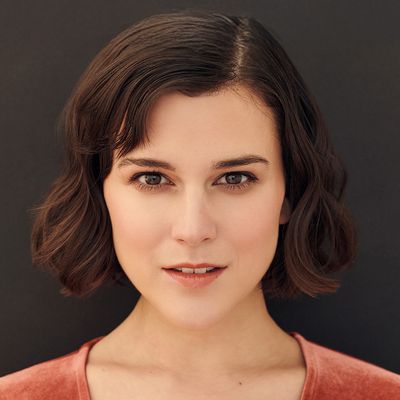
From making her Broadway debut as a teenager in Spring Awakening to stepping into the iconic role of Glinda in Wicked, Alexandra Socha has experienced the highs, lows, and unexpected twists of a life in theater. In this candid and insightful conversation, she opens up about her journey, including the surreal experience of joining Spring Awakening right after the Tony wins, the hard lessons of navigating a career beyond that first big break, and what it’s like to take the stage in Wicked at a time when the show is having a massive pop culture moment.
Alexandra also shares her experience being diagnosed with ADHD as an adult, how it reshaped her understanding of herself, and the ways neurodivergence has impacted both her personal life and her work as an actor. We talk about masking, resilience, and why she sees ADHD as both a challenge and a superpower—especially when it comes to problem-solving in rehearsals. Plus, we get into Broadway bootleg nostalgia, the balancing act of being a working parent, and why she believes having a full life outside of theater is essential for any artist.
Alexandra Socha made her Broadway debut in Spring Awakening and has since appeared in Brighton Beach Memoirs, Head Over Heels, and Wicked as Glinda. Her TV credits include The Big C, Damages, Royal Pains, Red Oaks, and The Marvelous Mrs. Maisel.
Connect with Alexandra Socha:
- Instagram: @alexandrasocha
Connect with The Theatre Podcast:
- Support us on Patreon: Patreon.com/TheTheatrePodcast
- Twitter & Instagram: @theatre_podcast
- Facebook.com/OfficialTheatrePodcast
- TheTheatrePodcast.com
- Alan's personal Instagram: @alanseales
- Email me at feedback@thetheatrepodcast.com. I want to know what you think.
Transcript
This transcript was automatically generated and might contain errors.
[0:00] Alexandra Socha: Hi, I'm Alexandra Socha. Welcome to The Theatre Podcast with Alan Seales.
[0:11] Alan Seales: Hi, everyone. Welcome back to The Theatre Podcast with Alan Seales. This is an all-new episode with Alexandra Socha. And this episode is packed with honesty, humor, and deep insights as Alexandra joins me for a conversation that goes way beyond the stage. We dive into her experience growing up in theater, making her Broadway debut as a teenager in Spring Awakening, and the unexpected challenges of building a sustainable career in this difficult industry. She opens up about her ADHD diagnosis, which she received somewhat recently later in life, and the ways in which it's both fueled her creativity and presented challenges, especially as a performer. But we also talk about the unique pressures of playing Glinda in Wicked on Broadway, particularly at a time when the show is experiencing a fresh wave of attention thanks to the movie.
And she reflects on how motherhood has shifted her priorities, the importance of having a full life outside of theater, and why she's learned to embrace her quirks rather than mask them. This is a fun and, I suspect, deeply relatable chat for many of us, myself included. So don't forget to find me on social media and check out Patreon or Spotify for the video version of this episode. And now, everybody, please enjoy this episode with Alexandra Socha. Here you go. One, two, three.
[1:20] Alan Seales: Our guest for this episode made her Broadway debut in the original production of Spring Awakening with additional credits that include Brighton Beach Memoirs and one of my all-time personal favorites, Head Over Heels. I love that show. Her TV credits include The Big C, Damages, Royal Pains, Red Oaks, For Life, Mrs. Maisel, and many more that I cannot list. We'd be here all day. She can now be seen on the Broadway stage for just a few more weeks as Glinda in Wicked. Alexandra Socha, welcome to The Theatre Podcast.
[1:54] Alexandra Socha: Thank you for having me, Alan.
[1:56] Alan Seales: Do you go, you prefer Alex, right?
[1:57] Alexandra Socha: No, I actually don't.
[1:59] Alan Seales: Oh, really?
[2:02] Alexandra Socha: Yes, I think it kind of gets around that way. I think in emails and stuff, it gets shortened a lot, but I am a full and dramatic Alexandra.
[2:12] Alan Seales: The dramatic Alexandra. You have to classify it that way. I like that.
[2:18] Alexandra Socha: Yes, I've always been an Alexandra. Now that I'm older, I'm more comfortable correcting people. So I think there's a lot of people who still call me Alex because they knew me when I was 20, and I would just go, oh, that's fine, whatever. Now I realize no one's mad at you if you say, could you actually call me Alexandra?
[2:37] Alan Seales: I was actually going to bring this up later, but if we can kind of dive into this early on. There was a post I was reading on your Instagram that you made a couple of months ago. I don't remember how recent it was, around being diagnosed with ADHD as an adult. Because you're talking about when you were younger. I'm just relating this to mental health. This is my transition.
[3:03] Alexandra Socha: Great.
[3:05] Alan Seales: So when you were younger, there was something that you wrote in your post that was like, it manifests differently in boys versus girls. You posted about this, which obviously means that it's important for you to talk about publicly, I would assume, and get other people aware. I guess relating to your younger self, where you would say, oh, that's fine, just call me Alex. It's okay. Then who you are now as someone in your 30s, and being diagnosed with ADHD. I have not been formally diagnosed, but I'm pretty sure I've got it. What did that open up for you in terms of new tools, giving you understanding around how to better process yourself, what you want to think of, and I'll shut up now.
[3:48] Alexandra Socha: Well, first I will say, if you believe you have it, I think you should become formally diagnosed. I don't think self-diagnosing is a helpful tactic. I think we have a lot of things on social media right now about, there's a lot of great celebration of neurodivergence, but I think we're starting to get a lot of people being like, well, I have this, and I have autism, or I have this. I think we can't be self-diagnosing those things, and there are affordable ways to be diagnosed. I was diagnosed by my psychiatrist, who also has it, and looked at me and went, you have ADHD. He saw it because he has it, and even other mental health professionals I've been to have not been able to pinpoint it the way he was because he experiences it, and he was able to see because it does manifest a little differently in me.
I will say I also have, I think I have sort of like a high-functioning ADHD in many ways, and I am currently not on medication for it. I've tried different versions, but I've sort of learned to go forth without, which not everybody can do. But after he was like, you have this, he wanted me to get formally diagnosed, but he knew it can be financially, what's the word I'm looking for? It's expensive. It can be expensive to go through the diagnostic test, so he had a way. He was able to set me up through an online test where I filled everything out, and it was still reviewed by an actual doctor, and it came back, and they said, yes, you absolutely have this. So that being said, it did open up a lot for me because just a lot of stuff made sense, and things that I sort of thought were just, I would be like, what is wrong with me?
Why can't I do this? Why do other people seem to be able to do this, and I just can't do it? And it was sort of helpful to be like, because your brain works differently, and to let myself off the hook a little bit. That being said, I think being neurodivergent doesn't mean you can operate however you want. I think we still live in a neurotypical society, and we have to do what we can to adhere to what those policies and those tactics are, but a lot of it was starting to forgive myself for things and realizing that other people might forgive me too if I forgave myself, and I think a big thing for me too was realizing how much I had been masking, especially as a young person. Masking can be typical in a lot of ADHD cases, but especially, they say, in females, and I'm sure there's a lot of reasons for that, maybe even being societal, but there's a lot of masking, and that's why it doesn't get diagnosed in girls as much because it presents differently.
I masked as a perfect student, you know, when I couldn't get all my work done, and it would pile up and pile up and pile up. It was just like, why don't you have better time management? No one thought that maybe there was a deeper issue because I was always masking and presenting myself as someone who has it all together, even though the evidence was literally stacking up that I didn't. So I think a big thing over the last many years of my life as I've gotten older and other mental health things that I've dealt with, I have stopped masking as much and been more openly odd, if that's a good way to put it, and just being like, you accept me or you don't, you know?
[7:44] Alan Seales: Yeah, yeah.
[7:45] Alexandra Socha: That's a really long way to answer that question.
[7:47] Alan Seales: No, I think it's really important because now in your 30s, you've had a whole decade, arguably one of the most important career decades of your 20s, where you were kind of letting it control you. And something that you posted about too was that people, especially women or girls with ADHD, will react how they think people want them to react, not how you actually feel.
[8:19] Alexandra Socha: Absolutely.
[8:20] Alan Seales: Especially in your 20s, as you're establishing yourself as an independent person, as someone who has a career, who's someone who is getting things out of the world, I think it's important to set those boundaries with others in that time frame as you're growing into this, the next chapter of your life. So it's really important to acknowledge that, to not react the way you feel others want you to.
[8:45] Alexandra Socha: Yes. I've also learned to look at the ways that ADHD affects me as a superpower, and I've realized it's one of the things that makes me really good at what I do, and it makes me really good at making theatre, because I can pay attention to 87 different things at the same time, and I can be ahead. I'll be rehearsing a new show, and they might be like, and then you should exit stage right, and I'll go, no, no, I can't, because later we block that scene, and I come on from over there, and I have this prop, and it's going to be there, so I'm going to have to, and I know that I'm able to do that because of ADHD. And it can also stress me out, because I can see everything in that way. You know, tech will make me very stressed, because it moves very slowly, and I'm like, I'm seeing all the problems that are not my responsibility to take care of, but I start to feel like they are, because I can see them all.
And I remember being in tech once, and a wonderful director coming over to me and being like, are you okay? You seem miserable. And I said, I'm fine. I said, the thing that makes me really good at this is also really stressful to live with, because I have to constantly stop myself from being like, hey, we haven't done this yet, or we need to work on this, and be like, that is not your responsibility, Alexandra. But again, I love puzzles, you know. I think a lot of people do, but I'm sure that's, other people maybe with ADHD can relate to this. I love, I love puzzles and problem solving, and so making theatre, it's just one giant puzzle, and it's really satisfying to my brain. And I'm good at it. I'm good at it.
[10:30] Alan Seales: So if you were to play that back to me as a test to say like, see if you could relate to Alexandra and exhibit any of the same behavior, I am 100% cut from the same cloth you are. So I've got, I've got some work to do. I love Legos, because of the puzzle aspect, they calm my brain. Legos, I love putting together Legos, and I am so deep into this game right now called Immortals Fenyx Rising, because it is nothing but logic puzzle after logic puzzle. And I, it just, it speaks to me in a way that calms me down when I'm stressed.
[11:07] Alexandra Socha: I love logic puzzles. I love them. Yes. And yes, so I, that's another thing is, is I learned about it and it went, wow, the things that I struggle with are now making more sense, because I've struggled with them for so long. And, and no amount of like, like cognitive behavioral therapy didn't work on these specific things. Cognitive behavioral therapy worked really well on anxiety and panic. I lived with severe panic disorder for a couple of years in my early 20s, and cognitive behavioral therapy saved my life. And, and, but like, she would try to work on it with procrastination or, or some of these other issues. And it's like, it didn't matter. It just didn't matter what boundaries we put in place.
I could not meet them. And I just felt like such a failure. And now I'm sort of realizing like, oh, it wasn't, you know, you know, there's, there's still ways to improve upon stuff, but some of it is, is just going to be how I am. And, and that acceptance of myself actually freed me to maybe be better at the task because I wasn't always, you know, comparing myself and, and again, forgive myself and be like, and others will forgive you too, if you make the space for it. You know, but don't, I don't know if I'm allowed to swear, but don't be an asshole. You know, I think that's a common, that's a common rule, good rule to live by. No matter what you're dealing with, you can deal with it and you can say, this is me, but just don't be an asshole. You can be real. You can be direct. You can say what's on your mind and you can say it nicely. There's always two ways to say it. You can say it mean and nice. Just say it nice.
[12:42] Alan Seales: I love it. Don't be an asshole. So go back to, to Little Alexandra then. So where, where did you grow up? What got you in love with performing theater? You know, tell, tell that story.
[12:52] Alexandra Socha: I am from Nashua, New Hampshire, which is right on the border of Massachusetts. So no, I did not grow up on a farm and I did not go skiing. I've never been skiing in my life, actually. Everyone assumes like, oh, you lived in like, and I love that part of New Hampshire, but that is not the part that I grew up in. And my whole family was just outside of Boston. So I spent, actually spent a lot of my childhood in what we would call the greater Boston area.
[13:20] Alan Seales: I was going to ask you if you had an accent you had to kick.
[13:22] Alexandra Socha: I did not. I did not. My, yes, my mom didn't have one. My parents didn't, my mom didn't have one. My grandparents still sort of had an accent. They had that sort of Kennedy's affect. Like my grandfather would say things like, oh, you look very sharp today. You look very sharp, Alexandra. You know, it was that sort of deal. Or my grandmother, my favorite quote ever. My favorite, my favorite quote ever from my grandmother is I was shopping with her and my mother, probably at Filene's. And my grandfather was, worked at Filene's for many, many years. So we got, my grandmother got his discount even after he retired. So we went to Filene's a lot. And I just remember, I will never forget this until the day I die.
My mother said, oh God, I'm just, oh, I'm so hungry. I'm so hungry. And my grandmother went, well, Joanie, if you're hungry, I have tuna in the car. Tuna in the car. In the car. Yeah. And it just imprinted on my brain and will stay forever. But so I did not have an accent, but, but I spent, you know, I grew up in New Hampshire and I spent a lot of time also in Massachusetts, just outside of Boston. I went to summer camp in Concord, Concord, Massachusetts, like the home of the little women. And also did a lot of theater in that area as well. My mother did community theater. She had studied voice at the Hart School of Music in college. She was, she didn't go, she went to a different college, but she was able to take voice lessons and music classes through Hart.
She wanted to be a singer. She did it sort of like amateur professionally for a bit, but ultimately didn't go down the path and became a very successful businesswoman. And my dad was a musician. And, but by the time I was born, he had kind of stopped playing and he was doing like video business, like wedding video business stuff. Cause that became a really big thing in the eighties when you could have like your own cameras and everything. So I, so I grew up in a very creative, very musical household and my mother did a lot of community theater. And so, you know, I was always watched actually, I think the first movie I really remember watching is The Wizard of Oz.
[15:46] Alan Seales: Really?
[15:48] Alexandra Socha: And I was obsessed and, and then I, and then it became all the movie musicals. And my, my mother told me I would wake up before dance class on a Saturday morning at like 7.00 AM and be like, mommy, can we watch Oklahoma? You know, she'd be like, I guess, sure. You know? So it was just there. And then I did a community theater production when I was five and you know, that was it.
[16:14] Alan Seales: And you were in dance class. So you mentioned you were in dance class, right? So when did you get into that? You were
[16:20] Alexandra Socha: three, like, you know, little kids.
[16:22] Alan Seales: Your kids. Yeah.
[16:23] Alexandra Socha: Yeah. Yeah. But it was just, I was always, I think my parents tried to get me to like, see if I had any sports talent and it was not there. You know, cause my mom loves sports. She was very musical and talented, but she grew up in such a sports family. And I think, I think there's video of me like doing a T-ball in our front backyard. And I like, it's honest, it's sitting on a stick and I miss it. Like I can't even hit it when it's like sitting right in front of me. So I ended up, uh, going the artistic way. And even from, as a little kid, I think my parents could see like, she's got, she's got a fire for this. So they were very supportive.
[17:02] Alan Seales: It's interesting though. They, they, you seem to lack the sports coordination, but still dance. Cause it's a hand-eye thing. It's a hand-eye thing. Uh, I'm terrible at video games. I can't like, I can't do this and I can't, I can't do that. And I can't like have something come at me and know when to, when to hit it. That's different than, than like moving your body through space, I think.
[17:27] Alexandra Socha: Okay. I can see that. It's different types, different types of coordination. Yeah. Yeah. I totally get that. And then fast forward a little bit, obviously at some point you decide like, this is what I want to do as my career. This is what I want to be, uh, uh, you know, I'm going to do this for the rest of my life. And so walk, walk us through, um, at this point, like in the high school into college and then obviously a spring awakening, which cast a lot of young kids in the original production.
[17:57] Alexandra Socha: Yeah. So I don't, I mean, probably I'm too young to even remember when I was like, I'm going to be on Broadway. I think it was just sort of, it was always there. And obviously in like middle school and high school, I got very serious about it. And I did a lot of community theater at this fantastic youth theater in my hometown and it was called the Peacock Players. Um, and shout out to them and everyone there. And we've actually, we've had a lot of people go on to the industry, um, from this little theater in this, you know, kind of, you know, whatever town. And I've gotten to cross, you know, I don't know if there's Garrett Hall, who's been in like, I don't know, seven or eight Broadway shows as incredible dancer.
Like we grew up doing theater together. Um, it's, it's very cool when that happened. Zach Benkel, who just finished like a three plus year run in Aladdin was we were best friends in middle school and high school. Um, yes, yes. And you know, like we were sitting trying to dig up audio bootlegs on live journal of Eden Espinosa singing gravity. That's what we were doing with our Friday nights. Uh, cause we were real cool.
[19:13] Alan Seales: I think you are. Don't go anywhere. We'll be right back after this break.
[19:19] Alexandra Socha: Welcome back to the episode. So there was actually a really great moment where right before I started in Wicked, I finally went to see him in Aladdin. And then like three weeks later, he came and saw me in Wicked and we were just like, this blows our mind. Uh, and we believe it. You know, we used to sit there and be like, we're going to be on Broadway one day. And we were, we sat here as adults being like, yeah, we were right. And we knew it. Um, that being said, I did a lot of shows with them and got very serious. And, and then, um, what happened is Spring Awakening, Spring Awakening did open calls across the country. Uh, it had been running a few months. Um, it was before it had won the Tony's, but it had sort of emerged.
I remember my friend Tim telling me about it one day over Christmas break of whatever that was 2006. And he went, have you heard of this show? Spring Awakening, Spring Awakening. And I went, I don't know what he put the album on. And I was like, oh, this is cool. And I was such a tried and true theater girl, like classic showbiz girl. But I was, you know, they, they just caught something about youth in that moment that just res that just hit, hit us. And so they did these big open calls all across the country and they did one in Boston and I went, it was, uh, over my spring break of my junior year of high school. And I got a call back in Boston. And what's really crazy is I, we were my, at the Peacock Players, we were doing the Wizard of Oz and I was actually playing Glinda.
And I asked if I could, I was like, I called the director and said, I have to miss rehearsal tomorrow. Cause I have a call back for Spring Awakening for our Broadway show. Yes. Which, you know, who knows what any of that was actually going to lead to if it was just all of who knows, but, but I went and then of course, you know, didn't hear anything and, and thought, well, that was a really cool experience. Um, and a couple months went by and then a random day I got out of the shower and I had a missed call on my phone from a random number and I didn't know the two one, two area code. Then I didn't know what that meant. And it was from Carrie Gardner, the casting director. Um, and she said, hi, this is Carrie. I met you in Boston from Spring Awakening. Uh, we are having auditions in New York city next weekend for, uh, swing replacements and we want you to come.
[23:12] Alexandra Socha: Wow. Just like that.
[23:12] Alexandra Socha: No kidding. And you're still a junior in high school now.
[23:15] Alan Seales: Just like that. And I was, it, what was crazy is it was the same day as I was supposed to be attending the Carnegie Mellon pre-college summer program. Um, which is like a training program. You can go to between your junior and senior years of high school, um, in hopes that you'll also maybe get into the school and, and make waves. And I was very obsessed with going to Carnegie for musical theater. And so again, we had to call Carnegie and say, we're going to be late to orientation because she has this audition in the city. It was just a wild thing. But I went to it and I remember at the end, the producers came out to talk to my parents, but I didn't know anything about the business. So I just thought, well, that's nice.
I'm a child. And they just wanted to say hello. Um, no, so, but I didn't. And we started, and then we like, we're like, okay, well did that. How cool. And we got in the car, I got in the car with my parents and they started driving me to Pittsburgh, Pennsylvania. And we got about an hour and a half in and the phone rang and it was Jim Carnahan. And he was like, Hey, guess what? We want you to, we want you to come. And we want you to come in a week.
[23:15] Alexandra Socha: Yeah. It was like my summer. It was my summer between junior and senior year. So I handed the phone over to my parents because I just was like, Oh, okay. Like I sort of had no reaction and just was, and I do remember going, do you want to talk to my mom? Like, I don't know what to do. I don't know what to do with this information.
[23:33] Alan Seales: So I, so yeah. So instead we, uh, turn the car around, drove back home and I had a week and I just like left everything I'd ever known behind, which was hard. It was like exciting and beautiful and sad and scary at the same time. All of those things were true.
[23:53] Alexandra Socha: What was it like coming into the show as a replacement? Because the original cast was just iconic and the album was out by that point. You were saying you'd listen to it and like to come into that, not having any Broadway experience yet, any New York experience yet. And to just be thrown on stage as a swing, nonetheless, one of the hardest roles you could have in my opinion.
[24:08] Alexandra Socha: Yes. Well, I think, I think it's good to be 17 years old and be a swing because your brain can just kind of do anything. Um, the amount of information you can learn in a quick amount of time is different than if I tried to do it now, I think because so much of that original cast had also had the same exact thing happened to them. Whereas like one day, they were just kind of a kid either in high school or in college. Like some of them were already pursuing work, but some of them, you know, I don't know, Skylar, Aston and Brian Johnson were students at NYU. And they just like, they were like, we're doing auditions for this show at the Atlantic. And they just went and like, it becomes this thing that moves to Broadway, you know?
So, so I think that was really helpful that a lot of them had just been through a very similar thing. Um, and we were all just so young. I think that's the other thing is like, we were, we were like a immediate, the median age was about 20, um, with everyone. And so I don't think anyone really understood what was happening to them and how enormous it, like they knew it was enormous, but you just can't, you can't grasp it. And when you're that young, you don't have much to compare it to either.
[25:27] Alan Seales: You don't. And you know, they also went through the, like being this little show off Broadway. That's like, we're going to move to Broadway. How cool to then all of a sudden becoming like a sensation. And then I joined like about a month after the Tonys were like, now they'd won all these Tonys and the audiences were full every night of like the screaming fans. And so they were also like in a good place. Everyone was really happy. So I think that was obviously helpful too. And I don't know, I, everyone was so warm and, and welcoming and accepting of me. And I, um, yeah, I, I guess, I don't know. I was in a dressing room with like Remy Zakin and Lily Cooper. We were all kids. We were all high school, high schoolers.
[26:16] Alan Seales: So now you all have your own kids.
[26:16] Alexandra Socha: Yeah, I know. We have our own children now. So, so to be in that and Jen Damiano, that was the dressing room. Like we were literally all high schoolers or Remy had like just graduated. So, so it was just sort of like hanging out in a room with teenage girls, but then we just go on stage. So that, uh, it still was intimidating, but it, it probably took some of the initial fear and pressure off. And you're just not afraid of things when you're a kid. I don't know. I'd be more scared now to like, if I, if, if I made my Broadway debut at 35, I would be much more scared than making it at 17.
[26:52] Alan Seales: Really? It'd be harder now.
[26:53] Alexandra Socha: So I just gave away my age, but whatever.
[26:58] Alan Seales: Like that, that's interesting to me that you would be more scared now. Like, I don't know, maybe my kids are a little bit older. I have two boys that are eight and 10, and I feel like now I just, I fall into the stereotypical dad. I don't give a shit kind of like, I'm going to say whatever's on my mind because I want to embarrass them sort of mentality, which then translates into having fewer reservations to do, to be that silly or just go in front of a stage full of strangers.
[27:25] Alexandra Socha: I guess there's like, there's such an arrogance that comes with being a teenager where you think you know everything and understand everything. You don't know enough to know that you don't know anything and you're a dumb piece of shit. So.
[27:38] Alan Seales: Fair point.
[27:38] Alexandra Socha: So like, I have, I feel like I have like less confidence now because that girl was like, of course I'm here. Like, I'm, you know, you just think you, you just think you know everything and nobody can tell you different. And so I miss that sometimes. I think I'm of course a better person now, but I'm like, I miss that sort of blind, blind belief in myself and, and like, like eye rolly, like, oh, of course I know what I'm doing kind of a thing.
[28:09] Alan Seales: So I think that that's part of it.
[28:11] Alexandra Socha: Yeah. It's blind, uh, feeling of invincibility. I know exactly what you're talking about. Teenage into twenties. You're like, yeah, I got this. I'm going to be a billionaire and I'm going to get everything I want and I'm going to, yeah.
[28:22] Alexandra Socha: And it was odd that it was happening. Like I, I, I was learning to compartmentalize. I didn't realize that's what I was learning, but I was learning to be like, well, this is a lot. So I'm just going to go and stick it down. Um, for those just listening, that was me making a tiny box and, and sticking it down in my stomach. Um, but then also my emotions were spilling over in really odd ways because it was so, because it was, it was so huge and everything about my life changed and I was so young and, and deeply hormonal. And so both things were sort of true. Like I was compartmentalizing a lot of, a lot of emotions, but then also having really inappropriate emotions at a lot of inappropriate times.
But again, I, I was a child and it was like, that was sort of my college. And for a lot of, for a lot of us who were, who were in that, you know, some, some people did go on and go to college and I did not. So for a lot of us who that was our college and it was our time, it was our time to be messy and it was our time to be, um, to learn about ourselves. We just happened to be doing it while in a hit Broadway show, which is a strange experience, but we were still having a lot of, uh, we were still having a lot of fun and, and acting like children a lot of the time, um, in a good way.
[29:49] Alan Seales: Yeah, no, I, I agree with that. I think, you know, there's a lot that college does for you, uh, that is not the degree it's about building social structure and learning to be independent and learning from mistakes. Cause I think it is important to make mistakes and be a kid and then figure out how to be better. So if you're getting that, you know, in a way that is still keeping you safe and allowing you to grow, I think I totally support that. Yeah. And you know, it's been a long time. It's been almost two decades. And I can say like, whenever I run into anyone from that show, I can see, I was like, we are all grownups now. And anything that any of us did back then, that was questionable. Like we are all redeemed.
I don't think anyone holds, I don't think anyone holds anything against anyone from, from that time because we can look back and go, Oh my God, we were so young, so young. And like the people who felt old was Jonathan Groff, who was 22. Like I remember his 23rd birthday and you're like, that is not old. That is not old at all. But he felt like, you know, or John Gallagher was same, maybe he was like 22, 23 and they felt like the grownups of the group. And you're like, that should not have been on them. They were also really, really young. So, um, what an experience. I can't believe it's something that I myself got to experience. Um, still to this day, I look back and go, wow, I can't believe I was a part of a part of all that.
And, and got to know all of those really incredible people who changed everything. So coming out of that, you, you go from literally being a rising senior to being in a smash Broadway hit that you did for a long time. And so when that was over, what was, what was the emotional, the mental expectation of just like, I'm here now. I'm good. I'm going to be the next smash hit.
[31:47] Alexandra Socha: Well, I, while I was in the show, I had auditioned for colleges, um, and I'd only auditioned for three. And they'll remain. Well, one of them was obviously Carnegie. The other two will remain nameless, but they were big schools and I didn't get into any of them. Um, and when you were in a show, yes. And look for some, I look back at like one audition and was like, Oh, that probably actually wasn't that good in audition because I wasn't able to focus the way I would have had I been in school and, and, and thinking all about this. Um, I also think maybe they saw I was working and we're like, she's not going to come here. You know, um, as I was about to audition for these colleges, one of the producers sat me down and said, Hey, I know you're about to audition for schools.
You're probably going to want to defer a year. And of course, in my brain, you know, I was current, I was in, I was a swing and in the ensemble and I was like, you know, he was, he couldn't tell me, but he was telling me without telling me like, we're gonna, we're, you're gonna, you're gonna move up, you're gonna move into a different role. And so that was also strange because I, I sort of had this information. So I don't, you know, I probably didn't go into the auditions with quite the same heart and, but it was very confusing to get rejection letters from places that I was, you know, that I had dreamed of. And then lo and behold, you know, they, one day after some rehearsal, producers and Michael Mayer, like pull me into the back of the theater and say, Hey, we want you to play Venla in, you know, when Leah leaves for a few months.
And I, again, just sort of, when we talk about like not knowing where to put emotions, I just kind of went, okay. Like, I just sort of had no, you think you'd be like, Oh my God, this is moment. I was like, yep, great. That's also, I think some of the neuro divergence of me being like, this is great information, beep, boop, beep, boop, you know, and not being able to process it until later in my own, in my own way. And yeah, so then the year goes by and we get our closing notice for January. And I was like, I'm going to apply to schools again. I'm going to apply to schools again. And I'm such a procrastinator, but also, but also when I don't care about something, I don't do it. That's a big ADHD thing for me, like the hyper fixation.
So like, if I'm, if I'm into something, I will work for hours without food, without water. Like you cannot tear me away from, from it. But if I'm, if it's not that interesting to me, I like cannot bring myself to do it. And I like never filled out these applications and like, it was a day before they were due and I hadn't filled them out. And I went, maybe this is, maybe my brain and my body is telling me something that this is actually not what I want. And I'm, I think I called my dad and talked to him for like a couple hours. Cause I was freaked out. I was like, this is what you're supposed to do with your life. And he hadn't gone to college. So I felt kind of safe talking to him about that.
And, and so then I, I just was like, well, the show's going to end at that point. I had gotten an agent, you know, from, I had, you know, look, I was very fortunate where I was just in a Broadway show. And then when I was ready to get an agent, like I was able to invite people to see me play a lead on Broadway like that. And you know, that's not what, that's not most people's paths. And I know how fortunate I am. And I'm still with the same agent, by the way, we've been together this whole time because she was there when I was, you know, yes, I was starting a Broadway show, but I was no one. And, you know, she was just, she just saw something in me. So I was like, well, I have an agent, so we'll just see how this goes.
And then I, and then like a month later I booked Brighton Beach Memoirs. So then I was like, I am hot shit. I am going to be on, I'm just going to be on Broadway forever now. That's what I do. I just do Broadway. We go, of course, famously, this production was incredible, but a massive flop. It closed after one week. It did not get bad reviews. It got some tepid reviews, but it was not like panned. But so that was a big wake up call. And, and a big moment of me finally realizing like, oh, this is what I've signed up for to be in this industry is like this level of unpredictability. In fact, Wicked will be the first time I've ever actually finished a whole contract that I have signed because everything else has closed before we've gotten to the date on my contract.
[36:20] Alan Seales: Oh man. Yeah. So that's, and, you know, because it's Wicked, but that will be the first time I actually like end on the day that the piece of paper said, as opposed to, you know, months before something, even Spring Awakening closed before I was contracted for a year. And then we closed and, you know, we, we closed after like six or eight months or something of, of when I signed. So, so yeah, so that was, but I, but I thought that production was beautiful. I recently found like a full bootleg of, of Brighton Beach memoirs somehow on YouTube. It's probably already gone, but I'd never seen it. And I sat and watched it and I went, yeah, this was good. This was good. But it famously just had no one buying tickets to it.
And it was before the, like, it was Laurie Metcalf, but it was for the like Metcalf-assants. We were ahead of the times with that one. So yeah. So then, and then from that point on, I think the story is I became like a true working actor who just auditioned and lost so many jobs and got a couple and just kept going.
[37:30] Alan Seales: Don't go anywhere. We'll be right back after this break.
[37:35] Alexandra Socha: Welcome back to the episode. And you've had some, some really good success, you know, on the screen as well. Like it's not just all about, all about the stage. And it's, I guess the, the, I want to touch back on the anxiety portion for a second and back with Spring Awakening, especially because everyone was so young, there were no, there were, I don't think there was intimacy directors or intimacy coordinators back then.
[38:01] Alexandra Socha: No.
[38:01] Alan Seales: And for you as someone who experienced this anxiety and going into covering for Vendla, who at such a young age has to be topless on stage, was that, I mean, that first time you're shaking your head. I don't know.
[38:16] Alexandra Socha: It never bothered me. I don't know. I believe in intimacy coordinators, of course, and I just want to serve the story. And I always knew that that scene, the way it was put together as provocative as it was, was based in truth and based in story. And I was given the option to not do the nudity. You know, technically all of us who played Vendla who are covered or played, you know, were, were, and I just said, no, I'll do it. I don't know. It just never, I just didn't find that. Again, when we talk about like, like that doesn't scare me at all. And again, because I, I had seen the show as an audience member and I remember this scene and even though it was provocative, I remember being like, I remember understanding it and not feeling like it was being done just for the sake of provocation.
[39:09] Alan Seales: Yeah. It puts, it puts such a level of vulnerability.
[39:14] Alexandra Socha: And it was not gratuitous and I wouldn't do gratuitous nudity, but, but yeah, it never bothered me. And I, I mean, in a weird way, I loved doing that scene. I mean, it was so to understand so much more about acting now and look back and go, God, to be able to be that vulnerable and that like open and truthful on a stage. And, and look, I will also say, because the first time I went on, I was an understudy and I went out with Jonathan Groff and no one has ever made me feel safer than him. He took such care of me. So, so yeah, it's funny that that never bothered me. And yet there absolutely should have been an intimacy coordinator. I won't say things here, but some of the things that were said to me by the person teaching me the scene, I look back and I go, oh, that probably wasn't the best thing to say, but, but I'm not scarred by it in any way.
[40:05] Alan Seales: That's interesting. Well, thank you for that. So fast forward, we'll talk about Wicked. My God, what a powerhouse. And I, I was, of course, researching for this interview and looking things up and I saw so many comments that were like, Alexandra, you're my favorite. You're my favorite. You, you are the best Glinda I have ever seen.
[40:23] Alexandra Socha: They probably say that to everybody.
[40:26] Alan Seales: They say that to all the girls.
[40:27] Alexandra Socha: Everyone has their favorite of anything, you know, I think, what is it? MK, um, my Elphaba, MK has her, her Instagram bio is somebody's fourth favorite Elphaba. That's her, which I think is really funny. She's my favorite though. She's my favorite.
[40:45] Alan Seales: But when, when this came to you, I guess, was it something that you actively sought out to, to audition for? Or did the part come, the audition come to you? And then when, when you're going into this, I mean, you, you said that even, um, as a kid, you were looking up bootlegs of people singing like Eden Espinoza singing, and now you get to be in this show that was part of shaping who you are.
[41:04] Alexandra Socha: Blows my mind. Blows my mind. Yeah. I was a total Wicked nerd when I remember a, a day when Zach Benkel came over my house and said, Alexandra, there is this new website where you can walk, like watch visual Wicked bootlegs. And he, and he got into our big computer and went www.youtube.com. Like that is what YouTube was to us when it first came out, was like, there's a place where you can watch Wicked bootlegs.
[41:36] Alan Seales: Slime tutorials, right? They were on slime tutorials. See, back then it was like, they just went up with it with abandon and, um, you didn't have to even hide it. And we were finding that or finding like, or even performance, you know, Shoshanna Bean on the, was it, is it the view? She sings No Good Deed on the view. Like that was it. You had to have taped that off of TV, you know, and this was like a place we could just go and look. And it was thrillifying to us. Um, yeah, total Wicked nerd had like a karaoke CD that Zach and I would sing to all the time. I'm, I hope he's not mad. I'm throwing him under the bus about what a nerd he was too. Um, would sing all the songs. I was always Glinda.
He was always Elphaba. Um, and yeah, so, and I saw the show, I saw the original cast, um, just before Kristen left. And, um, yeah, it blew my mind. I, like anyone else who has sat and watched that show for the first time, it's, it's, it can be so life changing on so many levels.
[42:36] Alan Seales: Yeah. Well then how did, how did the audition come to you then? You were saying you're shaking your head when I asked if you had sought it out.
[42:41] Alexandra Socha: No, I, I've just, um, I had never gone in for it. I had never gone in for it and I never asked to go in for it. I don't know. I just sort of thought it was like, it was like this thing over there. And I thought, well, I guess I'll, I don't know. It just never presented itself. And a lot of the times I feel like my, my agent and my manager, like don't always want me to replace in things, you know, there's different things of like, and I had, I'd done a lot of new work and I've been really fortunate to be in a lot of new things and developed a lot of stuff. And, um, and that is, that is a big part of the dream of being a theater worker is being part of something original. Um, so I don't know why it came through this time.
I also think a lot of people didn't know I was a Soprano. I've obviously with Spring Awakening and, and other things, a lot of stuff that's come my way has been more pop, which is actually not, I'm sort of faking my way through that. Um, I even, I feel like I turned my character in Head Over Heels into a Soprano role. It was not written that way originally. Um, I love that show too, but I, I did that during the workshop because it felt truthful to the character. And I was like, and it's just, it's just gonna, it's gonna be better for my voice instead of trying to like, like, I'm not, I'm not, I'm not gonna, I'm not a Bonnie Milligan. I'm not, that's not what my voice does. Um, and why would I ever try to come when, when you have Bonnie Milligan doing that, why would you ever also try to do the same thing?
Cause you will never be as good as her no matter who you are. Um, so I remember the first time I like did a little high note in Good Girl and Head Over Heels and it made everyone laugh. And I was like, okay, great. This, it works for the story. It's funny. It's true to the character and it's better for me vocally. But yeah, I don't think a lot of people knew that that's, that's my happy place and my sort of origins. Um, but I dunno, it just showed up one day in my inbox. I, and I don't know why, I don't know why it had never come before, but it, it, it happened when it was supposed to happen, I guess. And my agents were like, are you, would you be interested in going in for this? And I sent back a very, um, you know, like, oh yeah, well, I, I already know the material. It won't be that hard. But of course inside I was like, am I interested? You know? Um, so yeah, so I made a tape.
[45:02] Alan Seales: You sent back that meme that's like, yes, yes, a thousand times. Yes.
[45:06] Alexandra Socha: Sure. I, I don't know my memes very well. I know some, but not that one. But yes, it was that, but I, that was on the inside. Outside I was like, yeah, for sure. Like, let's make a tape, you know? Crazy.
[45:17] Alan Seales: So this was, so you're coming up, uh, at the end of your year, 2025. So it's the beginning of March. So beginning of March 24, right? I guess then you, you went in, wow, a full year of playing this. And this, I mean, both Glinda and Elphaba, there's such demanding roles. It's, the show itself is, is just incredible. So like going through this for your own sanity, how are you keeping, like, with all the work that you've done and all of the, um, self-awareness and growth and everything that you've done to maintain, um, one of the two leads in this show that means so much to so many people internationally, right? Like now once you got it, was that a sigh of relief or was that again, you're older, you realize what's at stake, mounted pressure.
[46:02] Alexandra Socha: Well, I had barely worked for like two years, so it was a lot of relief. It was just like, also I have, I'm a mom. Um, and at the time my son was very young and my husband and I were very nervous about what being actors meant for being parents and could we do this? So when this came along, it just was like, oh my God. Okay. Well for a year, as hard as it's going to be for a year, we know what our life is and we know that we can take care of our child and take care of ourselves. And the show's not going anywhere.
[46:35] Alexandra Socha: Yes. Yeah. I was like, I will finish this contract. I will hang something on the wall in my dressing room, you know, because most of the time it would be like, I guess maybe I'll put up this shelf and then it'd be like, oh no, we're closing next Tuesday. Okay. Nevermind. I'll take the shelf down. I'll take the shelf down. Um, so there was a lot of relief and, and that's how I am. Anytime I book a job, I actually don't get all like celebratory again. I'm like, great news. This is great news. I am relieved. Okay. That's done. Check on that. So at least I know I have work. What, what else? Um, and I would say, balancing it or, or taking it all in, like being a mom and having a child is, you know, that's the most important thing in my life.
And it puts immense perspective on everything that's happening because I love what I do so much and being a part of Wicked ever, but especially in this moment when everyone has Wicked mania and it's in the, it's in the culture and in the zeitgeist in a fresh new way. It hasn't been ever really, because it's, uh, you know, that again, the bigness of that doesn't scare me because I'm just like, at the end of the day, I don't mean this flippantly, but like, it's not that important. It's my job and I care about it. And I'm so goddamn lucky that this is what I can go do to make money for my family because it fulfills me as a human and an artist. It's like, it's like checked off my childhood dream, you know, literally like I did it.
I played Glinda on Broadway. If, if my plane goes down, I will be like, my obituary will say, you know, Broadway actress played Glinda mom, you know, like it'll say, it'll be like, great. You know? Um, but at the same time, you're like, it is just work. It's just work. Um, and it's awesome work and I want to keep doing it. I don't want to, this is where I want, this is how I want to work. And this is where I want to be. Um, and selfishly, I don't want to be somewhere else yet for my family. And if I hit a point where this is no longer the place where I can support my family, then we'll deal with that. But right now it is working and, um, uh, and coming home. I think here in Culkin did an interview recently where he was like, he talked about his family and his kids and he loves that.
He loves acting too, but he's like, I'm just trying to get home. He's like, I'm not there. I'm not, he's, you know, people want him to be this like, Oh, well my process and this, he's like, I'm just trying to get home. I'm there, I'm clocking in, I'm doing my work. And he's like, I'm just trying to get home to my family. And I think that's, you know, a balancing those two things is a lot. But, um, so I'm lucky that this is what I have to balance with and I don't take it for granted. And it's really difficult. And there are days where I don't want to go to work because I don't want to leave my family. There are days, you know, I don't, my kid goes to daycare, which we need, um, for me to have time to be as healthy as I possibly can as I cough, um, to do this show.
But it means I don't see him. I see him like maybe a couple hours a day right now and that's not enough. So yeah, this has been such a gift and you know, when it's done, it means it just means I get more time with my son. So, so it's okay. Everything's fine.
[50:03] Alan Seales: And you were, you have the privilege of saying you were in the show, you were Glendo during this transition between, or during the explosion when the movie was released, the part one of the movie, just like real quick, was it, was it different? Was the audience different, uh, after the movie started, came out and everyone came to see the show possibly for the first time after seeing part one?
[50:25] Alexandra Socha: It was different, but maybe not in the way that you think, because it brought in such, I mean, Wicked's already a tourist show, but it brought in such an influx of tourists. Um, and I think we had a lot of people who had maybe never been to Broadway before ever where like the majority of the audience was that, and that's a beautiful, wonderful thing. And it means that sometimes people didn't know they were learning and they didn't know how to watch and they didn't know maybe feel comfortable laughing or, or everything, you know, they would clap a lot, they would cheer, but like they would be that we had a lot of like very quiet audiences. Um, and I think they loved it, but when you're Glenda, especially, and you know, your whole act one is like that, that, that, that, that, woo.
And you're, you know, there was a lot of like, Oh, okay. I think they do like it, but they don't know. They don't even know they're allowed to express it. They maybe haven't been to a lot of things where there's actual people in front of them. So it was interesting. Um, it was, it wasn't, I think everyone thinks, Oh, it must've been crazy every day. And you're like, it actually wasn't. And, um, there were, there were some days that felt like slogs. I, I will, I won't lie. Um, but, but at the end of the day, I'm like, I think we introduced a lot of people to just like live theater in general. Um, so hopefully they continue to and continue to try to go see other.
[51:53] Alan Seales: Yeah. There's a lot of people in my, in my periphery of, of my societal structure that are not Broadway people, but I know them. There are other parents of kids that go to school with my kids or whatever. And they're all like, have you seen Wicked? Do you know about Wicked? And I'm like, okay, pull up a chair.
[52:10] Alexandra Socha: Yeah. You're like, well, first of all, I host a Broadway podcast. So do you know who I am?
[52:13] Alan Seales: Yeah. Yeah. So I think that's really exciting. And, and, and we'll see what happens next year with part two. Maybe there will be more of that because people will already be introduced to this thing. Um, but I won't be there. So I don't know if you'll have to ask, you'll have to ask them. You'll have to ask the next ladies.
[52:35] Alexandra Socha: Well, I'm sure, I'm sure you'll come back. They'll, they'll do like the big reunion for the 30th anniversary or the 25th, 25th is going to come up in a couple of years.
[52:42] Alan Seales: That's true. It will. Yeah. It's not that far away.
[52:44] Alexandra Socha: They're going to bring all of you back and just like all of you get to say one word in a, in a song. That's fine. I'll just come for the party. I don't have to do anything. I'll just watch the show and get my, my free food and, um, and enjoy myself, you know, free food, the actor's dream.
[52:59] Alan Seales: Okay. So as we wrap up here, we're going to play plot in 60 seconds. It's just a quick little game. I'm going to put 60 seconds up on the clock.
[53:07] Alexandra Socha: Oh, this is terrifying. I didn't know this was going to be a thing. I have a list of 16 popular musicals. As you've seen, I am not a concise person. So I don't, I will obviously, I will not do well at this game. Nobody. I haven't been able to do anything in less than five. I answer any question in less than five minutes you have given me.
[53:25] Alan Seales: All right. Well, this, this one makes it so great. Okay. So I have a list of 16 popular musicals. You give me a number one through 16. I will tell you what musical that corresponds to. Then you give me the plot to that musical in 60 seconds.
[53:39] Alexandra Socha: 10, nice round number.
[53:40] Alan Seales: 10 is Phantom of the Opera. Go.
[53:49] Alexandra Socha: Okay. Um, it's Paris in the 1800s and they're at the opera house and there's a man there who is haunting the theater and he's in love with this one singer. Um, and he, he pulls a bunch of pranks to make sure that she's the big star of the show and it works. Um, but then he like falls in love with her in a creepy way. And then I, I've only seen it one time, so I can't really remember what happens after that, but she's in love with someone else. Um, I think, does he die at the end? I kind of can't, he dies, right? Yes. Yes. Yes. Yes. And I forget, I forget how he ended up there, but yeah, but basic thing is man is in love with woman, plays pranks on others to make her a star.
[54:39] Alan Seales: Okay. All right. Um, if I was a Broadway producer, might not invest in that pitch.
[54:47] Alexandra Socha: I've only seen it one time somehow. I don't know why, why that is. I know all the music, but I've only seen the whole thing one time.
[55:03] Alan Seales: Yeah. I saw it as a kid, like literally in my teens. And then I saw it once again, a couple of years ago and I've seen it twice because I've seen the filmed version from when they did it in LA. Um, as well, which is incredible.
[55:10] Alexandra Socha: Oh yeah. I agree.
[55:11] Alan Seales: All right. So the three standard closing questions, I ask everyone to wrap up the first one just simply as what motivates you.
[55:19] Alexandra Socha: What motivates me, um, uh, to do this is, I mean, I've just never done anything else. And I don't feel super confident in any of my other skills. So it feels a lot of the time, like it's this or nothing. And fortunately I really like this. So, um, that's, that's the main motivation is, is just, I think it is love. It's, it's love of what I do, even when I hate the structure within which I have to do it.
[55:43] Alan Seales: I feel that. All right. I told you we're the same person. Next question is what advice would you give to your younger self and younger people listening now starting out down a similar path?
[56:02] Alexandra Socha: Oh, um, oh yeah. Yeah. All right. I'm going to speak to my like 22, 23 year old self, uh, in particular because she was the one living with panic disorder. And I'm going to tell her that, um, you're, you're not crazy, nothing's wrong with you. And you, you don't even know how unbelievably resilient a person you're going to learn how to be. And this will teach you, this will teach you how to be resilient, which is the only way to get through life. And then any advice for younger people, for others? The thing I always say when people ask, you know, what do you say to, to, you know, people who want to be actors or creative types is like, just have a full life. I was in high school and stuff. You know, I, I loved this so much and you do have to give so much of yourself to it.
Um, but I was so deeply tunnel vision. I had no other interests. I had no other things that I explored. And frankly, I remember hitting a point in my mid twenties because I hadn't gone to school and I had just been so focused on trying to work that I realized I felt very, I felt kind of dumb and I felt like I didn't know anything about the world. Um, so I forced myself to just start reading as much as I could, fiction, nonfiction articles, and doing things that had nothing to do with the industry and working, uh, and theater even, and going to see bands I loved or going to see, you know, films or just, just broadening a lot of, you know, it felt like if I went out, it was to go see a play. Um, so the big advice I usually give is like, if you want to be an artist, which our job is to reflect the world's back onto, you know, our audience, how could you possibly do that if you refuse to experience the world?
Um, so it's tricky because everything in this industry will tell you the only way to make it is to care about this and only this a hundred percent of the time. And I, I really just don't believe that's true because I think when I started caring about other things and, and loving other things and finding what made me happy outside of acting, I got better. I got better as an actor. I also got better at facing some of the rejections, not all the time, not a hundred percent of the time, but I, um, and I, I feel like I just became a more nuanced and person and a better thinker and, and, and ultimately better at doing what I do, um, because I had more human experiences, whereas before I just, I had had a very niche version of a human life and, you know, that's not interesting to more than like 12 people.
[59:20] Alan Seales: All right. So the final question, this is the hardest one. If you could only see one show for the rest of your life, we can see it as many times as you want. What would you see?
[59:28] Alexandra Socha: Does it have to be one I've seen?
[59:29] Alan Seales: No, anything.
[59:30] Alexandra Socha: Oh my gosh. I don't know. I feel like, I feel like I've seen the video of it and I feel like I would maybe do like the original production of Sweeney Todd because you, I don't think you could ever get bored. There was so, there was so much in it. I've seen the filmed version from when they did it in LA. Um, and the story is so rich and I just, I just think you'd always, you'd always get something new out of it because how, because both Hal and Prince and Stephen Sondheim were such detailed geniuses. Um, and that original one was just so prolific and changed so much about theater and what theater can do that. I feel like you could, you could live comfortably inside that for a long time.
[1:00:17] Alan Seales: Yeah. There's a lot you can do in that. I agree. All right. So where can we connect with you online? Where do you play the social media game?
[1:00:25] Alexandra Socha: Um, well I play a limited social media game these days, but it's just my name, Alexandra Socha. Um, and that's the only one I'm on. You will not find me on any of the others.
[1:00:35] Alan Seales: Um, and I am working to actually spend less time on social media. I think it's an amazing tool and it's done a lot of good. And I, I think in speaking about human experiences, we should all learn to get off of it a bit more and, and have experiences within this plane of existence more often. Um, I think we're missing, we're all missing it and craving it a bit.
[1:01:02] Alan Seales: Yeah. And it's good to know through social media too, that you are at least 12 people's fourth favorite.
[1:01:06] Alexandra Socha: Something like that, you know? Oh, there's things I love about it. We've, my husband has figured out how to hack it so that, um, everything he just gets is, is food is like, they are like recipes of things to make or places to go eat. So it was like, and I was like, and I've started to tailor mine to be mostly like DIY house restorations. And then you're like, this is quite pleasant. Um, we are the same person. I just put up molding in my kitchen. You know, that's my plan. People are like, what are you going to do after WIC? And I was like, Oh, I got a lot of house projects we have to work on. I've got tools you can borrow.
[1:01:38] Alexandra Socha: Great. But yeah. So I, um, and sometimes I just sit there and turn my brain off and scroll, scroll, scroll. Like we all need it. But, um, I'm, I think, I think now more than ever, it's important for us to just connect person to person, like human to human and, and the social media just, it just, unfortunately, no matter how hard you try, like removes a piece of, of humanity.
[1:02:02] Alan Seales: No, I agree. I agree. And conversation is like looking someone in the eye exactly, uh, is a lost art with a lot of people these days. So I get it. All right. You can get me online on the socials at theater underscore podcast. I'm on threads, Instagram, TikTok, rarely. I need someone to help me with socials. If you're out there, you want to help me, please email me. Um, thanks to jukebox, the ghost for the intro outro music. Tell your friends, you know, jukebox, the ghost.
[1:02:31] Alexandra Socha: Yeah, but that's cool. I don't know what song it is.
[1:02:36] Alan Seales: Yeah. Yeah. You're, you're hearing it right now. If you're listening to it to yourself and Alexandra social, thank you so much for this convo. I have really enjoyed this so, so much.
[1:02:44] Alexandra Socha: Thank you so much for having me.
© Broadway Podcast Network, All Rights Reserved