

Erika Henningsen opens up about the real ups and downs of a life in the spotlight, from early rejection to career-defining roles... Read More
From the show: The Theatre Podcast with Alan Seales
Guests

Featured Shows


About
Erika Henningsen opens up about the real ups and downs of a life in the spotlight, from early rejection to career-defining roles. Known for originating Cady Heron in Mean Girls on Broadway, Erika dives into the emotional rollercoaster of auditioning, the shift from seeking audience approval to prioritizing collaboration, and why working with people she admires—like Jonathan Groff and Alex Timbers in Just In Time—makes all the difference.
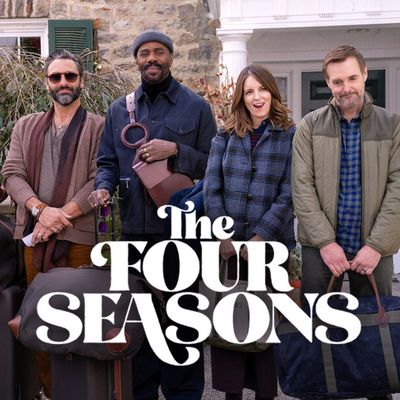
She also shares what it’s like to voice animated characters in Hazbin Hotel and Helluva Boss, and how she’s currently balancing stage work with her new Netflix series The Four Seasons, where she stars alongside Steve Carell and old friend Tina Fey. With heart, humor, and hard-earned wisdom, Erika brings honesty to the realities of navigating the business—and the joy of finding creative freedom along the way.
Erika Henningsen originated the role of Cady Heron in Broadway’s Mean Girls, earning a Drama Desk nomination. Other stage credits include Les Misérables, Joy, and Just In Time, in which she currently stars as Sandra Dee. Her voice work includes Charlie Morningstar in Prime Video’s Hazbin Hotel and Bethany in Helluva Boss. On screen, she appears in Peacock’s Girls5Eva and Netflix’s The Four Seasons.
This episode is powered by WelcomeToTimesSquare.com, the billboard where you can be a star for a day.
Connect with Erika:
- IG: @erikahenningsen
Connect with The Theatre Podcast:
- Support us on Patreon and watch video versions of the episodes: Patreon.com/TheTheatrePodcast
- Twitter & Instagram: @theatre_podcast
- Facebook.com/OfficialTheatrePodcast
- TheTheatrePodcast.com
- Alan's personal Instagram: @alanseales
- Email me at feedback@thetheatrepodcast.com. I want to know what you think.
Transcript
This transcript was automatically generated and might contain errors.
[0:00] Erika Henningsen: Hi, I'm Erika Henningsen. Welcome to The Theatre Podcast with Alan Seales.
[0:11] Alan Seales: Hey, everyone. Welcome to The Theatre Podcast. I am your host, Alan Seales, and we are almost at the Tony Awards. I cannot wait. We're dropping this episode mid-May, and there's only a few weeks to go. Today's guest originated the role of Cady Heron in the Broadway musical Mean Girls and voicing fan-favorite characters in animated series like Hazbin Hotel and Helluva Boss. So it's none other than Erika Henningsen, who has embraced every curveball the industry has thrown her way, including pandemic-era pivots and hard-hitting rejections she never saw coming. Or maybe she did. We dig into her journey from Les Mis to her current role as Sandra Dee in Broadway's Just in Time and explore how collaboration more than applause has become her artistic north star.
Plus, she shares what it's really like to act opposite Jonathan Groff every night and how Sandra Dee isn't quite the ingenue that you might think she was. In her latest role on TV, Erika stars as Ginny in Netflix's The Four Seasons. Alongside Steve Carell and Tina Fey, she talks about the difference in cast dynamics and especially knowing and working with comedy geniuses like them. But The Four Seasons is a show I binged the moment I started watching it. This episode is powered by Welcome to Times Square.com, the billboard that lets you be a star for a day so you can see your picture on a bazillion-foot-high billboard in Times Square. Remember, you can watch the video of this interview on Patreon or Spotify. And please find me on social media, rate the podcast, leave a review, keep tagging me in your comments and your stories. And now, everyone, please enjoy this episode with Erika Henningsen.
[1:54] Alan Seales: Today's guest is an absolute powerhouse who first captured national attention as the youngest ever Fontaine in Broadway's revival of Les Misérables. She went on to originate the role of Cady Heron in Mean Girls, earning her a Drama Desk nomination, and starred in the world premiere of Joy the Musical and played Nellie in Little House on the Prairie at the Riff Theatre Company and performed in Diner at Signature Theatre, directed by Kathleen Marshall. And on screen, you might have seen her in Apple TV's Girls5Eva, Peacock's Girls with Bright Future, and she currently voices Charlie Morningstar in Prime Video's Hazbin Hotel, as well as Bethany in Helluva Boss. And now she returns to Broadway in Just in Time. Just in Time. She's just in time. Erika Henningsen, welcome to The Theatre Podcast.
[2:37] Erika Henningsen: Hello, I'm so happy to be here.
[2:39] Alan Seales: Oh my goodness, you've had quite a career jumping around.
[2:42] Erika Henningsen: Yeah, I feel like I've gotten to kind of stick my feet into a lot of pots. I don't know if that's a saying.
[2:47] Alan Seales: What, a podcast?
[2:49] Erika Henningsen: Yes.
[2:49] Alan Seales: A podcast?
[2:50] Erika Henningsen: Pot, pot and pods.
[2:52] Alan Seales: Pod-y-cast.
[2:52] Erika Henningsen: Pods-cast, pods-cast, pot-cast. Yeah, I just, I think something that was sort of a positive benefit of the pandemic when theater shut down was auditioning for a bunch of other things, and that's sort of how I got into the animation world and have gotten to do some TV. Yeah, so it's been super, super exciting to get to do it all.
[3:12] Alan Seales: So the necessity of COVID sitting at home, like was the animation, the voiceover world, something you had thought about prior, or you were just like, I'm here doing nothing?
[3:21] Erika Henningsen: I auditioned for so much animation and didn't book anything, and I think the benefit of being at home was I really took time to like create a cool voiceover closet, you know, literally in my closet in my one-bedroom apartment. And I don't know, I think like theater people are so well adapted for animation because our voices are already very expressive.
[3:41] Alan Seales: Like you said with one eye wing.
[3:43] Erika Henningsen: It's very expressive. My sister works in finance, and like anytime I go and meet her co-workers, they're all so lovely, but you just, their voice timbre is like pretty monotone, and this is what they do, and this is what they talk about.
[3:56] Alan Seales: I think that's most of the world.
[3:57] Erika Henningsen: I think that's true. I guess that is most of the world, but we are, I think if you are a theatrical person, your voice naturally just kind of is like, whoa, all over the place. So that was really helpful.
[4:09] Alan Seales: That was my thing at Google. I've been an, I was an engineer for a bajillion years, and I was there for 11 years. I was at Thomson Reuters beforehand, and like.
[4:17] Erika Henningsen: Oh my gosh, what a trajectory.
[4:19] Alan Seales: Right? And the people I talked to, no shade against any of them, but it's like, hey, Ellen, how's it going? I had a really great weekend.
[4:26] Erika Henningsen: Yeah.
[4:27] Alan Seales: I'm like, let's talk about it.
[4:29] Erika Henningsen: I bet you were like a total unicorn in that world because you have like a great, like vibrant personality, and that's no shade to those people, but like that's not always the thing that is called upon in those type of environments.
[4:40] Alan Seales: Yes, and I don't understand, as an extrovert, the getting nervous in front of groups of your peers, unless it's an audition.
[4:48] Erika Henningsen: Unless it's at an audition. I get nervous. It's funny. I get nervous when I know there's one person in the audience, so I don't ever like to know.
[4:56] Alan Seales: Really?
[4:56] Erika Henningsen: Even if it's a person who I like don't even care about that much.
[4:59] Alan Seales: Like Oprah.
[5:00] Erika Henningsen: Yeah, like Oprah. Frigging Oprah. Like if you come and see the show, I don't care. No, it's just like I get focused on their opinion of it, so it's more just sort of the elephant in the room if I know somebody is there. What do I get nervous? I do get nervous for auditions these days because so many of them have gone virtual, so when you're in person, it's really weird.
[5:22] Alan Seales: Oh, so the virtual ones. The virtual ones for me are, I guess, they're the easiest ones because I'm just like, I can take it over again. I don't feel like there's any time pressure.
[5:32] Erika Henningsen: Exactly. They feel very safe, so when you go in person and you're in a waiting room again, it's the sense memory of being in a waiting room, taking the train down, all this anticipation, whereas when you're auditioning from home, you kind of walk out of your bathroom after applying your makeup and just open the laptop and there you are. There's no time to get nervous.
[5:53] Alan Seales: Right. Well, if I'm not live with anybody anyway, I don't get nervous because I know like if I mess up, I'll just start and stop and start over.
[5:59] Erika Henningsen: Are we live right now?
[6:00] Alan Seales: Well, we can be. Now we're live.
[6:03] Erika Henningsen: I just thought about that. I thought, oh God, if I say anything, is the world going to hear it?
[6:07] Alan Seales: No, no, no, no. We edit this out. Edit out any farts and burps and whatever.
[6:11] Erika Henningsen: Love it. I was planning on farting and burping the whole time.
[6:13] Alan Seales: Good, good, good. I am a grown man child, so it happens.
[6:17] Erika Henningsen: Me too.
[6:19] Alan Seales: Yeah. Okay. Well, so talk to me then about how you got into theater because I think you were performing, obviously you were performing before you ever got onto Broadway as the youngest ever Fontaine.
[6:29] Erika Henningsen: I know. And we know that because my mom spent a day researching it. So I just want you to know that's not a tidbit that I found on my own, but my mother did find it. I grew up in Northern California, so there was a lot of great theater there. There's the great touring houses and then there's places like ACT and a bunch of great regional houses that are out in the East Bay. So I just did a bunch of that. And I had voice teachers and I wasn't a theater kid in the sense that I didn't do competitions. The Jimmy Awards of it all didn't really trickle over to California. That felt more of an East Coast thing for a while. And so the only exposure that I really had to theater were the community theaters and my high school shows.
And it was when I was a junior in high school that a mentor, she was a couple years older than me, went to University of Michigan for musical theater and just sort of said, I feel like you would love this. I feel like you're somebody who is maybe not ready to move to New York. And she was absolutely right. I admire the teenagers who move here when they're 18 to make it. I could never have done that. And that was sort of the stepping stone. I think that going to school was sort of the thing that massaged it being a hobby and a passion into a profession because it gave me the tools in addition to sort of like the raw excitement and talent I had, which sounds very full of like the raw talent. But, you know, when you're a 16-year-old kid, you don't really know what you're doing. You're just really excited to be on stage.
[8:02] Erika Henningsen: I mean, Michelangelo started as a giant block of marble.
[8:09] Alan Seales: Exactly. Exactly. So it was just sort of David.
[8:13] Erika Henningsen: David, that's what the Statue of David, carved by Michelangelo. I'm sure there's a statue of Michelangelo somewhere that somebody carved.
[8:16] Alan Seales: Carved by somebody named David.
[8:23] Erika Henningsen: Yeah. Wow. The full circle Kismet that that would be. So, yeah, that was sort of how I started. It was just local community stuff.
[8:27] Alan Seales: But then what was it about it that really drew you in, though? Because if you're like you said, you're 16, 16 is kind of late to start to find out you're in love with theater.
[8:35] Erika Henningsen: To start, I think it was. I did a ton of other things. And in addition to theater in high school and in middle school, there's a big emphasis on sports in California, especially Northern California. So I was doing a lot of that, but I wasn't really good at any of them. But I just kept thinking, like, maybe something will hit one day. And the reason I was really drawn to theater and just kept, you know, a bunch of other hobbies started to fall away. And the reason was that my favorite thing about theater is the team element. Like, I love being on a team where you have the same goal and where you're not really in competition with anybody else. Like, it's all the interpersonal connection and trust and reliance on one another that you would have on like a basketball team.
But it's a little more gray and you're not trying to elbow out somebody else to get to the best result. So that was what I loved about it. And I still, it's funny, I think over time, I've been in the business now for like 10 years, I feel like my reliance on the audience's affirmation has really gone down while my reliance on the team affirmation has gone up. Yeah, it's funny. And I don't mean to say that I don't care about the audience. And I don't care if they have a good time. But I really do find that what matters the most to me these days is walking away from an experience feeling like I respected the people I learned from, the people I loved, the people that I was working on stage or on screen with. And how the ticket buyers feel about it is kind of secondary to me. Because that has started to feed me less than the actual collaboration of working with fellow artists.
[10:21] Alan Seales: Where did that shift come from? Was it getting married, having kids?
[10:24] Erika Henningsen: Maybe. It could have. I think it maybe got getting older. And also, for me, I think there's a diminished return when you rely on other people's opinion. And I think like I've been a part of things that I loved that people hated. And I've been a part of things that people love that I kind of went, I could take or leave that experience. So I think it's just working over time and realizing that people's strangers' opinion of you or your work is something you can't control. But you can control your experience working on a project. And people ask me all the time, like, what made you want to do Just in Time, because it's a bio musical, that wasn't really something on my checklist. And it was Alex and Jonathan Groff. Like I just, I wanted to work with the two of them. I've always been a fan of Gracie Lawrence. And it was just sort of that thing of I don't really know what this is going to turn into. I don't know if people are going to like it. But I
[11:19] Erika Henningsen: You feel safe and you're not worried about whatever the things are, right? So if you like, because the audience is always the last character.
[11:49] Alan Seales: Exactly, yes.
[11:53] Erika Henningsen: But you got to develop the whole thing first, correct? Correct. And then you have to, in the case of theater, maintain it together. And I think like that's where theater can really become... you don't know if you're cut out for it until you're six months into your eight shows a week and you go, "Yeah, I'm still enjoying myself because I like the people." Because the audience is going to fluctuate night-to-night, and you kind of get used to them. But what you really can't—what I can't get over is when I walk into a space where I like the people, my life is so much better. And that's kind of working with that as my goal, as opposed to accolades, has been a big person in the past couple years. I think it was easier. Sammy Yod just the other day told me in Just In Time with you, he told me that like showing up and doing the show is like summer camp.
[12:47] Alan Seales: Yes, yes.
[12:52] Erika Henningsen: Because it's not like work. It doesn't feel like work. I keep saying to my husband, I'm like, "I feel like I need to be working harder. Like this should feel harder." And he just said, "No, like I think you're understanding that you can work efficiently, but you are allowed to have joy, and that actually might make a piece even better than if you were like sweating and grinding and taking your art so seriously." Yeah, I take my work seriously, but I appreciate working with people who don't take themselves seriously. And I think that's sort of what I mean. I've been lucky to have that on Mean Girls and Just In Time.
[13:24] Alan Seales: Yeah, well, gosh, I remember early, early, early in this podcast, Kate Rockwell was one of my very first...
[13:31] Erika Henningsen: The best!
[13:35] Alan Seales: ...guests. Like we got into the science of comedy.
[13:42] Erika Henningsen: Oh my god, she's like, "I'm gonna steal a Tina Fey phrase: an assassin with a joke." Yeah, like she is so pinpoint acute and perfection with how she delivers a joke. Her and Alex Brightman, like the two of them.
[13:56] Alan Seales: Yes, because when all you know of somebody is them being funny on camera, and then they show up and they're a real person...
[14:00] Erika Henningsen: Yes.
[14:06] Alan Seales: ...I don't know why that still surprises me, but it does.
[14:09] Erika Henningsen: Oh, I think it's—I don't think you'll ever get used to it. I just worked with—I'm doing a Netflix series with Steve Carell and Tina Fey.
[14:15] Alan Seales: Your feet hurt from the name drops right there! Let me just grab that.
[14:18] Erika Henningsen: Okay, I'm trying to promote like a bunch of things right now, which is a true joy. But I'm like, you got to watch it, you got to buy a ticket, you got to re-up your Netflix subscription. But they're so funny, similar to Kate, similar to Alex, who is also in Hazbin Hotel. So funny when they are given a character and when they are given a joke. And then when you meet them in real life, they're still full of wit and humor, but they are just people. And it's a weird thing to—I think when somebody's played a character like Liz Lemon or Beetlejuice, you ascribe those personality traits to them, but that's only like one tiny part of their personality that they're bringing forth. So it's such a delight. Like I love getting to meet and work with people like that and just finding out the whole identity behind the character that we are familiar with.
[15:11] Alan Seales: What was that a different experience? Our guests obviously it was, but like the cast of Les Mis, I suspect, is a different sort of backstage experience than Mean Girls.
[15:17] Erika Henningsen: That's a really good point. Also, yesterday I was—this is so funny—probably because I was at the gym yesterday and "Valjean, Who Am I?" came on the Colm Wilkinson recording, came on my shuffle, and I listened to the whole thing. And I texted Ramin Karimloo, who was our Valjean, and I was like, "Do you remember how fucking good you sounded when you sang that?" Like I was so young, I don't think I processed that what he was doing was impossible. Like really what he was doing is an impossibly difficult performance, and he was so good at it. And I just sometimes I look at that 23-year-old person and I go like, "You have no idea how lucky you were that I was on stage." Because Fantine comes back in act two to peel potatoes on the barricade.
I was like a towns person, and so Ramin would sing "Bring Him Home," and we would all be on stage, and like he never sounded bad. It was just absurd. But it was the first leading man I'd worked with on Broadway, so I just assumed they were all like that.
[16:26] Alan Seales: So amazing.
[16:27] Erika Henningsen: Don't go anywhere, we'll be right back after this break.
[16:29] Alan Seales: Welcome back to the episode.
[16:35] Erika Henningsen: But the feeling of backstage in Les Mis—so Les Mis, we had to have a lot of fun backstage because we couldn't really have it on stage. The show runs like a machine, literally and figuratively, because of a turntable. And so a lot of the antics were saved for backstage. Mean Girls, because we were playing high school students and because we were, you know, allowed to have fun on stage—I mean, I'm sure there are bootlegs somewhere where you can just see Grey Henson and I got notes all the time from our director, Casey Nicholaw. He was like, "I know you guys are best friends offstage, but when Katie meets Damien, she cannot give him a hug immediately." He just said, he was like, "Your friendship in real life is permeating too abruptly into the story on stage. Like you got to warm up into the friendship as opposed to what Grey and I got to develop, which was—he's one of my best friends."
[17:26] Alan Seales: Right.
[17:26] Erika Henningsen: You married Kyle, and so are you still close with all of the cast and everybody from that? Because that seems like such a unicorn of a show.
[17:34] Erika Henningsen: It was a unicorn of a show, and I feel like it was of a time before, because it happened right before COVID. Like that show, nothing will ever be as special as that show was. And I think I kind of knew that as I was doing it, so I really—it's why I stayed for two years. I just didn't want to leave because I was having such a good time. And I just thought, "I don't know if I'll ever get to be in a space where I walk into a theater and my best friends are here, and I love the show, and the audience loves the show." It was a unicorn, and we are all still very close. And we keep coming across paths with one another. Like Christina Alabado, who replaces Gretchen, is in Hazbin Hotel, so we get to travel together.
Barrett Weed is in Helluva Boss, so she's there. Taylor remains like a good friend. She was at Just In Time auditions with me, and she's got two kids now, and it's so exciting to like see her life take off. And Ashley Park and I went to college together, and she remains like a great friend, and her star has ascended in such a beautiful way. I really go to her for advice sometimes just to be like, "I don't know what this phase of my career is or how to navigate it. What did you do?" And she remains somebody that I can really call kind of out of the blue with.
[18:44] Alan Seales: That's really interesting.
[18:45] Erika Henningsen: Yeah, I enjoy when the onstage relationships like they develop into something that's genuine.
[18:50] Alan Seales: Yeah.
[18:51] Erika Henningsen: You notice it, care.
[18:54] Alan Seales: Yeah, you notice it as an audience member.
[18:59] Erika Henningsen: Yes, and you may not realize what you're noticing, but it seems authentic. Because I've seen some really inauthentic things.
[19:03] Alan Seales: Yes.
[19:04] Erika Henningsen: What's wild too is I feel like you can tell in theater. I feel like you really cannot fake it because we're seeing it all. Like you can't edit it. Yeah, I think what was so weird to me was in like doing some television work, it doesn't—it's not as necessary to form that cast bond. And a lot of sets don't always place eminence on that because you're going to be wrapped in three months anyway. They're going to edit it together. So that was a really weird transition for me, was to realize when I show up to a set, "Oh, it's not my job to become best friends with everybody in two weeks." But that is what happens in theater. So it's kind of adjusting to that expectation and being like, "I can have a great relationship with somebody on set, but I may not walk away with the friendship that I might develop in a theatrical space."
[20:04] Alan Seales: Okay, so Girls5eva, I feel like that was one where I could also feel the relationship.
[20:07] Alan Seales: Theater people are great, but I will say sometimes you get the alchemy of a great cast of people. Like this Netflix show is not theater people, but we had to do two weeks in Puerto Rico, and we all lived together—not like in the same house, but in the same hotel space—and everybody really bonded. And it was really, like for me as a theater kid, it was what I had been craving the whole shoot, was this moment of we all get to have dinner together, and we're all together all day, every day. And that is rare. And I feel like Girls5eva definitely had that because of people like Renee and Sarah. And I mean, Paul is such a team player too, so those four women really set the bar. And it was nice for it to trickle down when Ashley Park and I would show up on set and kind of be like invited into their coven.
[20:10] Erika Henningsen: Great people on that show, right?
[20:12] Alan Seales: Correct, correct.
[20:13] Erika Henningsen: Yeah, you just—Theater people are great.
[21:02] Erika Henningsen: It is a coven! I like that.
[21:03] Alan Seales: But yeah, you can feel it. You can see it in the way that everyone looks at each other. And I think that's something that will come from the lead, like a producer, someone like Alex Timbers.
[21:11] Erika Henningsen: Yes, yes, totally. And Alex is such—I think he's so good about immersing the cast in what you're doing and then immersing the audience in what he's presenting with the cast. Because everything I've seen of Alex's in the last decade has all been like transformed the theater. Yes, yeah, you never doubt Alex's vision, and that's such a gift to have when you're in the room as an actor, which can be really vulnerable to be like, "I may not know what I'm doing yet, but I know he knows what he's doing, so I'm in good hands."
[21:35] Erika Henningsen: Yeah, Alex is somebody I wanted to work with since I saw Bloody Bloody Andrew Jackson when I was like a teenager. And so it was just waiting, hoping that he would eventually work on a project that had something that I was right for. And the addition of Gruff is something that like I never could have anticipated. It's been so, so joyful.
[22:02] Alan Seales: Well, this is the success that you've had leading up to this point. Do you ever—I mean, and then COVID hit and Mean Girls closed and everything. Is there a time when you've doubted continuing down this path?
[22:11] Erika Henningsen: Oh my god, yes. I mean, I really think—I think everybody doubted everything during COVID. But I had a big—the time where I really thought, "Oh, I don't know if I'm cut out for this," is I got really lucky with Les Mis. I was like a college graduate. I got this incredible role in this incredible production, and I was so on top of the world, and I thought, "Oh, it only goes up from here." And then...
[23:08] Erika Henningsen: I thought the Broadway cachet of Les Mis was going to sort of elevate me in some way, but was totally back at square one. And I did really long audition processes with all three of those shows. And I loved all three of them. And I wanted to work with every director on them. Because what was Bansy? Bansy was Andy and then it was Darko and Frozen at the time, I think with Timbers. And I got really far and I didn't get any of those. And I just thought like, God, I gave so much to those audition processes. And I really thought I was close with one of them. And I just kind of remember thinking like, I love doing this, but that was three rejections in a row after a long period of not working really hit.
And just kind of thinking, I don't know, I don't know if I have, I don't, I kept thinking, I don't know if I have the wherewithal to go into this Mean Girls audition. And what happened with Mean Girls, and again, this is why I think like, rejection is the greatest power. I really, I'd like to do a TED Talk on like, rejection actually makes you impermeable. Because when Mean Girls came around, they were casting the workshop. And it was down to me and one other girl. And she got it. And she's an incredible actress. She ended up being in the show. And I didn't get the workshop. And I remember, so this was like the fourth big rejection in two months. It was Gray Hansen, right? Yeah, it was Gray Hansen.
Gray Hansen was the original Acadian. He was amazing. You all missed out. And I remember like getting the call saying like, you didn't get it. And I just, I was at my best friend's in Astoria. And I just like cried on the couch. And I don't normally cry after rejection, because I don't know, there's always something else coming around the corner. But this one really hurt me. They did the workshop. I wasn't in it. Three months later, they asked me to come back and audition for them.
[25:05] Alan Seales: You weren't even in the workshop at all.
[25:06] Erika Henningsen: I wasn't even in the workshop at all. Wow, wow, wow. It was like, it was out of my hands. Yeah. And they came back around three months later after the workshop, and they said, we're changing some puzzle pieces around. Will you come back in? Because the puzzle is changing, and we want to have more options. And I just remember going in and being like, I've already lost this once. I have literally nothing to lose. And I think when you get to that place of I have nothing to lose is when you are most powerful. And that's why like, when teens say, what do you do about rejection? I just think like, you have to embrace it. Because I swear everywhere I have gotten has been because I have learned it will not kill you.
And it's not over till it's over. And every rejection has led to something else, be it sometimes as a job, but sometimes it's just a period of life where I'm so happy I wasn't doing a show because I was able to spend time with my family or I gained. For example, for Kyle and I, we both didn't work for a second after Mean Girls. And it was really great for our relationship. Create an identity that wasn't related to Mean Girls the musical. So that was a long winded answer. But no, I always feel that way. But I think like rejection is such I don't know if you feel like you can keep going. I promise you that that moment of where people doubt you or turn you away, I think is just fuel like it just fuels me now.
[26:34] Alan Seales: It's so hard to mask desperation.
[26:36] Erika Henningsen: Yes, it is hard to mask. Yeah. And I've heard a lot of stories similar to that where people have gone and they're like, this is it. I don't I give zero shits about this audition because tomorrow I'm moving out of the city.
[26:44] Alan Seales: Yeah. And then they get and then they get the job.
[26:46] Erika Henningsen: Correct. Correct. Yeah, it happens all the time. I wonder if that's you know, it's chemically it's doing the same as like taking a beta blocker or something like yeah, because you're just kind of loose. Whatever, whatever. I wish I could. I'd love to get to that place more consistently. But I'm not like I care a lot. I don't want anybody to think listening to this that I'm one of those cool people who walks in like not prepared. I'll just never be that. I'm always prepared. I always care a lot. But I've been rejected enough times that I don't care about the answer being no. I think that's the difference. I care about doing a good job in the room. I hate walking out and feeling like I didn't do a good job.
But I don't really care anymore if the answer is no because I've gotten so many and do you feel like at we'll say at the level you have achieved right you've originated lead roles and you've been in many major we'll call them brand name shows now household names. Do you feel like you're you have more rejection or rejection or less than you did when you were first starting out? Because the question is like if if I was if I had no credits, I had no reputation. I was going in for chorus role after chorus role. And like I feel like there's a lot more because the choruses are bigger.
[28:01] Erika Henningsen: Yeah, there's more. No, there's more. Yeah. But do you get called in? Did you start to get called in less for more specific roles?
[28:06] Alan Seales: Yeah, I feel like maybe there's been less I've been right for or I think I think where the rejection started to happen is because Mean Girls was such popular IP people associate me with that care. And I think what's been hard is trying to get people to see me in it. And I think that's just I think that's the golden handcuffs of being a part of something that beloved is people associate you with that character. So I wouldn't say it's like I get I wouldn't say I get more or less rejection. I feel like it's the same. It's the rejection now to me feels like oh, we can't see you doing this because we identify you so wholly with this type of character. And that's that's unfortunate because I said that before that you're oftentimes only as good as the last thing someone saw you in.
[28:55] Alan Seales: Yeah. Oh, that's a great thing. Yes. Yes. Which is terrible.
[28:59] Erika Henningsen: Yeah, it's bad. Because you could do so much. I mean, I guess like how many people then have probably heard you heard your voice in animations and not made the connection that like, oh, she can do this. But I don't know who I'm listening to.
[29:09] Alan Seales: Oh, yeah, yeah. No, I completely agree. It's a really weird the animation world of it is like so bizarre to me because I don't really know how to connect except by like lovely people like you who host and let us talk about the multiple projects is like, yeah, they're all connected. They're just very different. So yeah, I don't know. Is that is that the animation side? Is that what you wanted to go into? Or you just wanted voiceover in general?
[29:32] Erika Henningsen: Because I've been I've always thought like, oh, I've got personality that can make funny voices.
[29:37] Alan Seales: Yeah, you'd be great at voiceover. But I don't know where to start.
[29:40] Erika Henningsen: Yeah. And but then I go to voiceover classes. And it's like, be genuine, be authentic. And like, this, this is Costco will come come to the sale at Costco at like, it's a whole different read. That was very good.
[29:52] Erika Henningsen: Um, I will say I'm not great at commercials, commercials. I'm bad at because my voice is too. I don't know. I don't think people trust those boys. It's like that girl sounds like she's on crack. Maybe it's Maybelline.
[30:01] Alan Seales: Maybelline.
[30:02] Erika Henningsen: But I love making 80 year old grandma, get off of my lot and take my Maybelline.
[30:14] Erika Henningsen: Um, no, I love I love animation because you do get to play weird characters voiceover sound fun because you sorry, commercial copy is not as fun to me because you have to be so smooth. And I don't have that. Um, but I, I, I feel again, I feel very lucky because the reason I think I got into animation was because the creator of has been hotel really loved Mean Girls the musical. And she heard my voice on the cast album and was like, Oh, that because has been is a musical series that person can sing. Let's see if she can do the other thing. Um, and I kind of learned by trial and error. I don't really love some of my performances in the early episodes of has been hotel because I think I'm just new. I'm just kind of learning how to do it.
[31:00] Alan Seales: How would you go in there? Like, did you go in once you got cast? Did you go in and did you take training beforehand and be like, Oh, this is just another thing. I'm going to go into a booth and you go in there like because you're by yourself.
[31:08] Erika Henningsen: Ah, you are by yourself. You're not with the team of players that there's the rest of your cast.
[31:12] Alan Seales: Right, right, right.
[31:13] Erika Henningsen: That's why that's really why I wanted people are like, what made you want to come back to Broadway? And I said, Well, I missed playing with other people like because in a voiceover booth, you're by yourself, you're making crazy, psychotic noises by yourself. And then on a TV set. Yeah, you're kind of like playing with your cast. But for the most part, you're kept separate because everybody's in their hair and makeup trailer. And you and it's not because people are rude. That's just literally how the day operates. And then you come to set together and then they're like, Okay, pause, go to your seats. Like it's just a bit a bit more is cordoned off cordoned off the word I mean like separated sandbox sandbox, everybody's a bit more sandbox.
But for so so yeah, that was why that was a big reason why I just missed like being in the proverbial sandbox with everybody at once. And that's what theater does. But for voiceover, I, I honestly, this is where I go like, I feel like friends, having a community of friends that are excited for your successes and want to help you is like the number one do for yourself as an actor in New York. And my really good friend, Christina Alvado is an incredible voiceover artist, and she's done a ton. And I just called her and I said, I'm going into my first session. Literally, what do I do? And she gave me such helpful, quick things like they're going to ask for an ABC, that means you're gonna do it three times in a row really fast, try and do it differently.
When they say, when they say great, we're going to do can you give us a D take that just means do it once if they want. I knew all the terminology, but the quickness with which they moved is a cadence that you cannot know until you're doing it. And she kind of gave me the wherewithal to say like, they're going to go fast, just swing big. If they don't get what they want, they'll ask for more. But that doesn't mean you're not doing it right. It just means they need another color. So she was really helpful.
[32:57] Alan Seales: Yeah, that's something else that I enjoy is the first take, make it big.
[33:03] Erika Henningsen: Yeah, yeah.
[33:04] Alan Seales: Because they can dial you back. That's easy enough.
[33:06] Erika Henningsen: Totally.
[33:07] Alan Seales: Even with commercial gigs, or like commercial reads and stuff.
[33:11] Erika Henningsen: Yeah.
[33:11] Alan Seales: Sometimes too, I'll come out and just be like overly excited. And then they're like, all right, I read it more straight. I'm like, boring, cool. All right, you got...
[33:17] Erika Henningsen: Boring, I know.
[33:18] Alan Seales: Yeah, I can do boring.
[33:19] Erika Henningsen: I know. Sometimes it's so wild. I was in a commercial class and I was like, the people who were the best at it were the models, because they have been told to sort of be like impassive. Or is it impassive or passive?
[33:30] Alan Seales: Passive.
[33:31] Erika Henningsen: Passive. They've been taught to be passive, like when they are working and trying on clothes. So then when you add words to it, they were just so... Like it was so wild. And then I would go up and they could just go, please, less.
[33:41] Alan Seales: Less of all of this.
[33:43] Erika Henningsen: Less of all of this energy. We can't have this.
[33:46] Alan Seales: Don't go anywhere. We'll be right back after this break.
[33:48] Alan Seales: Welcome back to the episode. How does Sandra Dee, your character in Just In Time, fit into the character?
[33:57] Erika Henningsen: I think the biggest thing that I learned from my experience in Mean Girls was that it’s okay to not be perfect all the time. I think I put a lot of pressure on myself to be this ideal version of what I thought a leading lady should be, and I learned that it’s okay to be vulnerable and to show your flaws.
[34:07] Erika Henningsen: I think that’s what makes us human, and that’s what connects us to the audience. When I started to embrace that, I felt more free on stage, and I think it translated into my performance.
[34:17] Erika Henningsen: I also learned the importance of collaboration. Working with people who inspire you, like Jonathan Groff and Alex Timbers, has been a game changer for me. It’s about creating something together rather than just trying to impress everyone.
[34:27] Erika Henningsen: I think that shift in mindset has really helped me navigate my career, especially as I’ve transitioned into different roles and projects.
[34:37] Erika Henningsen: For example, voicing characters in animated series like Hazbin Hotel and Helluva Boss has been such a fun experience. It’s a different kind of performance, but it still requires that same authenticity and connection.
[34:47] Erika Henningsen: And now, with my new Netflix series, The Four Seasons, I’m excited to explore this new avenue while still balancing my stage work.
[34:57] Erika Henningsen: It’s a lot, but I love the challenge and the opportunity to grow as an artist.
[35:07] Erika Henningsen: I think the key is finding that balance and remembering why I started in the first place.
[35:17] Erika Henningsen: It’s all about the joy of storytelling and connecting with others through our craft.
[35:27] Erika Henningsen: I’ve had my ups and downs, but I wouldn’t trade this journey for anything.
[35:37] Erika Henningsen: I’m grateful for the experiences that have shaped me and the people I’ve met along the way.
[35:47] Erika Henningsen: It’s those relationships and collaborations that truly make this industry special.
[35:57] Erika Henningsen: I think that’s what keeps me motivated and excited for what’s next.
[36:07] Erika Henningsen: I’m always looking for new ways to challenge myself and push my boundaries as a performer.
[36:17] Erika Henningsen: And I think that’s what keeps the passion alive, you know?
[36:27] Erika Henningsen: It’s about finding that creative freedom and embracing the journey, no matter where it takes me.
[36:37] Erika Henningsen: I’m just really excited to see what the future holds.
[36:47] Erika Henningsen: I hope to continue to grow and evolve as an artist while staying true to myself and my craft.
[36:57] Erika Henningsen: That’s what it’s all about for me.
[37:07] Erika Henningsen: I think as long as I keep that mindset, I’ll be able to navigate whatever comes my way.
[37:17] Erika Henningsen: And I’m looking forward to sharing more stories and experiences with everyone.
[37:27] Erika Henningsen: It’s such a privilege to be able to do what I love and connect with others through my work.
[37:37] Erika Henningsen: I’m just really grateful for this journey and all the opportunities that have come my way.
[37:47] Erika Henningsen: I can’t wait to see what’s next!
[37:57] Erika Henningsen: Thank you for having me on the show and for this wonderful conversation.
[38:07] Erika Henningsen: I really appreciate it!
[38:17] Erika Henningsen: It’s been a pleasure to share my experiences and thoughts with you.
[38:27] Erika Henningsen: I hope it resonates with others who are on their own journeys in the industry.
[38:37] Erika Henningsen: We’re all in this together, and I think that’s what makes it so special.
[38:47] Erika Henningsen: Thank you again for the opportunity to chat!
[38:57] Erika Henningsen: I look forward to what’s ahead!
[39:07] Erika Henningsen: And I hope everyone continues to find joy in their craft, no matter what challenges they face.
[39:17] Erika Henningsen: It’s all about the love for what we do.
[39:27] Erika Henningsen: So, thank you!
[39:37] Erika Henningsen: I appreciate it!
[39:47] Erika Henningsen: Let’s keep the conversation going!
[39:57] Erika Henningsen: I’m excited to see where it leads us.
[40:07] Erika Henningsen: Here’s to more stories and more connections!
[40:17] Erika Henningsen: Thank you for listening!
[40:27] Erika Henningsen: I hope you all have a wonderful day!
[40:37] Erika Henningsen: And remember to keep pursuing your passions!
[40:47] Erika Henningsen: It’s worth it!
[40:57] Erika Henningsen: Thank you!
[41:07] Erika Henningsen: I’m looking forward to what’s next!
[41:17] Erika Henningsen: And I hope to connect with you all again soon!
[41:27] Erika Henningsen: Take care!
[41:37] Erika Henningsen: Bye!
[41:47] Erika Henningsen: Thank you!
[41:57] Erika Henningsen: I appreciate it!
[42:07] Erika Henningsen: It’s been a pleasure!
[42:17] Erika Henningsen: Thank you for having me!
[42:27] Erika Henningsen: I look forward to connecting again!
[42:37] Erika Henningsen: Take care!
[42:47] Erika Henningsen: Bye!
[42:57] Erika Henningsen: Thank you!
[43:07] Erika Henningsen: I appreciate it!
[43:17] Erika Henningsen: It’s been a pleasure!
[43:27] Erika Henningsen: Thank you for having me!
[43:37] Erika Henningsen: I look forward to connecting again!
[43:47] Erika Henningsen: Take care!
[43:57] Erika Henningsen: Bye!
[44:07] Erika Henningsen: Thank you!
[44:17] Erika Henningsen: I appreciate it!
[44:27] Erika Henningsen: It’s been a pleasure!
[44:37] Erika Henningsen: Thank you for having me!
[44:47] Erika Henningsen: I look forward to connecting again!
[44:57] Erika Henningsen: Take care!
[45:07] Erika Henningsen: Bye!
© Broadway Podcast Network, All Rights Reserved