

What starts as a conversation about acting quickly turns into a heartwarming reunion between two North Carolina natives who had no idea they practically grew up next door... Read More
From the show: The Theatre Podcast with Alan Seales
Guests

Featured Shows
About
What starts as a conversation about acting quickly turns into a heartwarming reunion between two North Carolina natives who had no idea they practically grew up next door. Molly Griggs opens up about her Southern roots, early theater experiences at the Cape Fear Regional Theatre, and how growing up in Fayetteville shaped her worldview both on and off stage. From MerleFest memories to reflections on leaving—and later embracing—her hometown identity, this episode is full of unexpected nostalgia.
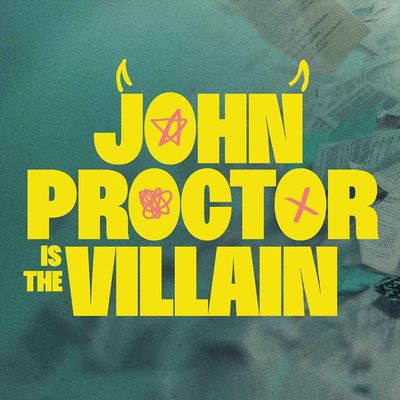
Molly also talks about her emotionally charged role in John Proctor Is the Villain on Broadway and why it felt like the universe handed her the script at just the right moment. She reflects on the vulnerability required to bring parts of her younger self to the stage, the tension between people-pleasing and truth-telling, and what it means to play “the one you love to hate” in Netflix’s The Residence. It’s a layered, funny, and refreshingly honest look into how personal growth and performance are deeply intertwined.
Molly Griggs is a stage and screen actor currently starring as Bailey Gallagher in John Proctor Is the Villain on Broadway. Her previous credits include Minnie Fay in Hello, Dolly!, as well as TV roles in Succession, Servant, Doctor Death, and Netflix’s The Residence, where she plays Lily Schumacher.
This episode is powered by WelcomeToTimesSqure.com, the billboard where you can be a star for a day.
Connect with Molly:
- Instagram: @mgriggz
Connect with The Theatre Podcast:
- Support the podcast on Patreon and watch video versions of the episodes: Patreon.com/TheTheatrePodcast
- Twitter & Instagram: @theatre_podcast
- Facebook.com/OfficialTheatrePodcast
- TheTheatrePodcast.com
- Alan's personal Instagram: @alanseales
- Email me at feedback@thetheatrepodcast.com. I want to know what you think.
Transcript
This transcript was automatically generated and might contain errors.
[0:00] Molly Griggs: Hello, I'm Molly Griggs, and welcome to The Theatre Podcast with Alan Seales.
[0:11] Alan Seales: Hey, everyone. Welcome back to an all-new episode of The Theatre Podcast. I'm your host, Alan Seales, and our guest today is Molly Griggs, who took me down a very pleasant yet unexpected walk down memory lane. I sat down with her, and we quickly discovered that we basically grew up just miles apart in North Carolina without ever knowing it. And then what followed was a conversation full of Southern nostalgia, shared Merlefest memories, and some honest reflection about what it means to grow up in a place you can't wait to leave and then find yourself loving it all over again. We also dive into why her latest role on Broadway in John Proctor is the Villain hits so close to home, how she navigates vulnerability onstage, and what it's like to play a character who's nothing like you in real life.
It's just a heartfelt, funny, and surprisingly therapeutic chat, and I can't wait to share it with you. So make sure to follow me on social media for all of the latest updates. Don't forget to watch the video version of this episode on Spotify or Patreon. And don't forget this episode is brought to you by welcometotimesquare.com, the billboard where you can be a star for a day. And now, everyone, please enjoy this episode with Molly Griggs.
[1:27] Alan Seales: Today's guest is a versatile performer whose work spans both the stage and screen. On Broadway, she captivates audiences as Bailey Gallagher in John Proctor is the Villain and previously stepped into the role of Minnie Faye in Hello, Dolly! Television viewers may recognize her from appearances in series like Succession, Servant, and Dr. Death. And most recently, she is now starring in the role of Lily Schumacher, the one you love to hate, the White House social secretary in Netflix's political murder mystery, The Residence. Molly Griggs, welcome to The Theatre Podcast.
[1:56] Molly Griggs: Hi, so exciting to be here.
[2:00] Alan Seales: I can't believe I want to talk about the end of The Residence, but I can't because there's so many people that haven't seen it. And I think I've known you for all of, you know, 10 minutes now. And you're not, you know, bitching and mean and everything like that character, like Lily is. Is that a fun role to play? Do you get to, you know, do you have fun just being like the mean one?
[2:21] Molly Griggs: Of course, it's totally delicious to play people who are crazy, unhinged, and mean and terrible. Yeah, it's so much fun. And I think with someone like her, like they really, our showrunner, Paul, really did let me kind of do all of my weird ideas, which is amazing. And that does not happen all the time. So I had a really wonderful time doing that. I was really able to like, be as expansive and strange as I wanted to be. While kind of getting to wear all of her armor, the amazing pink dress and the nails and the hair and the makeup, it really was like I got to feel totally transformed because of the way that she was dressed and styled. So it was just, yeah, an unbelievable experience.
[3:13] Alan Seales: That's so much fun. And the cast, too. The cast looked like it was just an incredible set of people to work with.
[3:21] Molly Griggs: You can't beat it. Right. Truly. I mean, we had Uzo Aduba. We had Randall Park. We had Ken Marino. We had everybody. I feel like I don't know who wasn't in that show.
[3:31] Alan Seales: Ken's been one of my favorite actors since Children's Hospital. Did you ever watch that show?
[3:35] Molly Griggs: No, but I've watched Party Down and The Other Two. I mean, he's amazing.
[3:41] Alan Seales: Yeah, absolutely amazing. I love that subtle humor that this whole show brought that. The Residence brought this whole dry sense of humor and pushed the story along in such a way that just worked for me. I told you, I was telling you before we started recording that I knew we were chatting. I had already finished the whole series.
[3:59] Molly Griggs: Amazing. I binged it. I was like, I gotta know. And it's good. It's good. It's good. So everybody who hasn't seen it, Netflix, The Residence. All episodes are out.
[4:10] Alan Seales: All episodes are out. Go get it.
[4:12] Molly Griggs: Go get it. It is amazing. And you were saying, what, that you started out in musical theater, though.
[4:16] Molly Griggs: Yes.
[4:18] Alan Seales: So let's back up to Little Malls.
[4:25] Molly Griggs: Yeah, Little Malls. I grew up mostly in Fayetteville, North Carolina. Do you know Fayetteville?
[4:29] Alan Seales: I'm from Wilkesboro.
[4:32] Molly Griggs: You're from Wilkesboro? Boongies.
[4:34] Alan Seales: Are you kidding me? I am not.
[4:37] Molly Griggs: Okay, wow. That's amazing. So you know what Fayetteville's like.
[4:44] Alan Seales: I know what Fayetteville's like. Fayetteville is special and a strange place. It's like a military town, but then it has this really deep history of people who've been there for a really long time. It's a very diverse place, but also a very segregated place. It's really strange and kind of beautiful and amazing. And there's lots of rich culture there. But yeah, there's this amazing theater called the Cape Regional Theater. I don't know if you ever went there.
[5:10] Molly Griggs: I knew of it. I had friends that would perform there, but I never got to do it myself.
[5:16] Molly Griggs: It's a wonderful professional theater in Fayetteville, North Carolina. I don't know what it's like now, but they would have two equity contracts per show. So people would come from New York or from LA or Chicago, whatever. They would come and do shows there. So I would be in the plays as a kid, and I would meet people who were like real actors. They were real. They were doing it for real and getting paid for it. It was their job. They were so amazing. I got to meet all of these people who would come through and do a play. Sometimes there would be a lot of repeat customers who would come back and do a couple plays a year. That was kind of where I fell in love with musical theater and also with plays.
I kind of got to do two to five plays a year from the time I was 10 until I graduated high school, which is amazing. So I had a ton of experience just being on stage. I had a lot of stage awareness. I trained a little bit in Raleigh. When I was in high school and I got actually kind of serious about it, I would drive myself after school to Raleigh to take classes and voice lessons, do the whole thing.
[6:35] Alan Seales: What was it, North Carolina Kids Conservatory? It was with NCT, right?
[6:39] Molly Griggs: NCT, that's right. Yeah, they had a conservatory. So yeah, I would go take class there. I had some wonderful teachers there, and a lot of the people who took class were other kids who wanted to go to college for musical theater or for acting. So it was a nice place to find community of other people who wanted to do the same thing I wanted to do. In North Carolina, I had a handful of friends who all went on to go study in school at great schools and still work in the business. We're all kind of like, wow, we're from Fayetteville. It's kind of random. Most of the people you run into in this town who've been doing this since they were kids, they're from New York, they're from California, they're from Florida.
[7:27] Alan Seales: Michigan.
[7:28] Molly Griggs: Michigan. Yeah, they have these big, robust... They did competitions and stuff when they were in high school, and I was just like, wow, that's cool. I had to figure it out, and there were places, but the infrastructure wasn't the same. There's a lot of people that went through Elon, too.
[7:46] Alan Seales: Tons of people went to Elon, yeah.
[7:49] Molly Griggs: They either originated in North Carolina, growing up there, or went to Elon just for performing.
[7:55] Alan Seales: A lot of people that you meet who... I can't believe you're from Wilkes-Barre.
[7:59] Molly Griggs: Wilkes-Barre.
[8:00] Alan Seales: That's wild because most people that you meet up here are like, oh, I'm from North Carolina, and they're in this business. They're all from Charlotte or Raleigh.
[8:06] Molly Griggs: I tell people Raleigh if they don't know the tiny towns because that's where... I lived in and out of Raleigh for eight years when I, my long story short, got a computer science degree and then became a professional actor, so I was based in and out of Raleigh for that.
[8:23] Alan Seales: You did that backwards.
[8:24] Molly Griggs: Yeah, I paid the bills.
[8:28] Alan Seales: Yeah, kind of.
[8:30] Molly Griggs: That's amazing. But yeah, so I tell people Raleigh, except if they know anything about growing up there, I'm like, yeah, Wilkes-Barre, where NASCAR was invented, and McJunior-Johnson still rules the town. I could hear the races on race day. I lived 10 miles away from the Wilkes-Barre Speedway, and you'd hear that all day long. That was a thing.
[8:51] Alan Seales: Did you ever go to Merlefest?
[8:52] Molly Griggs: Uh-huh. My dad's obsessed with Merlefest.
[8:54] Alan Seales: Really?
[8:55] Molly Griggs: I love Merlefest. I got to see Alison Krauss in the Union Station at Merlefest, which was, she's like my hero, and I sobbed. It was just me and my dad. We went. It was so much fun. Yeah, my dad goes to Merlefest. My dad goes to Delfest in Maryland. My dad's like a huge bluegrass person. Yeah, like all, I mean, all those guys.
[9:14] Alan Seales: In high school. High school, that was the thing. We always look forward to it every year because we just like go out, hang, we skip school.
[9:20] Molly Griggs: Go to Merlefest.
[9:21] Alan Seales: My parents don't listen to this, I hope. Yeah, we skip school sometimes. Let's go to Merlefest during the day. It's the best.
[9:27] Molly Griggs: The lineups that they had were crazy.
[9:29] Alan Seales: Yeah, yeah.
[9:30] Molly Griggs: It was crazy.
[9:30] Alan Seales: Yeah, Bella Fleck. I got into Bella Fleck there. Just amazing, amazing stuff. Anyway, back to you.
[9:37] Molly Griggs: Wow, I'm actually shook that you're from Wilkes-Barre.
[9:42] Alan Seales: I love it. At what point, though, did you decide you wanted to do this professionally? Because that's a decision.
[9:49] Molly Griggs: Yeah, I think I like secretly in my heart of hearts always kind of knew, which I know is psycho. But then I think the first time I was like honest out loud about it was I went to this camp when I was like 15 in Steamboat Springs, Colorado. It's called Perry Mansfield. It's the same Antoinette Perry of the Tony Awards, Antoinette Perry. It's the same person it's named after. And it's this amazing, beautiful, it's mainly a dance program, but they have acting stuff too. And I was just out there and I just got to meet all these amazing people. And I was working on plays in particular for the first time, really, really beautiful plays, working on Tennessee Williams. And I was kind of like, oh, I can't not do this.
I think this will always be interesting to me. I think there's just always going to be something new to discover about how to do this job and also different things to discover about myself through this work and how I move through the world and my relationships with people. And I'm just so fascinated by how human beings are the way they are and make the decisions that they make. And so I kind of just like very quietly to myself there, I was like, I'm going to do whatever it takes to do this for real. And my parents luckily were very cool about it and were excited for me.
[11:22] Alan Seales: Were they in the military? Is that what you were in favor of?
[11:24] Molly Griggs: Both of my parents military. Yeah. My dad was in the army for 30 years and my mom was in the Air Force for 16 years, I think. And yeah, my mom had retired by the time I was growing up, but my dad was still active in the military, but my dad did plays with me.
[11:40] Alan Seales: Really?
[11:40] Molly Griggs: Yeah. We would do plays together. And my mom was really involved as well in the theater and would do all kinds of things. And my siblings as well. It was a total family affair. And so everyone was like, when I was like, you guys, I'm going to do it. They're like, okay. It was kind of casual in a way.
[12:00] Alan Seales: Did you build it up in your head? Because you were like, what if they say no, I'm going to be crushed. I don't know what else to do. And then they were like, this is your version of a coming out story. I'm going to be a theater major. We knew.
[12:09] Molly Griggs: Yeah. I guess I didn't, I wasn't worried that they were going to say no. I think I just wanted, it was going to be the level of how excited or confident they were going to be in me is what I was worried about. But because they were almost nonplussed. They were just like, yeah, you will do it and you will figure it out. That kind of, I don't know. They've never had a doubt about it. And so then I was able to not have a doubt about it. So very sweet.
[12:43] Alan Seales: Aww. Well, then when you're getting older, as in college age, and you're diving into this, do you at one point have to decide between straight plays, musical theater, or TV film? Or is it all just general, like I'm learning how to get in touch with myself?
[12:59] Molly Griggs: Yeah. I mean, I think when I was in college at Carnegie Mellon, I was like, I want to do all of it. It's all interesting to me. And I was stressed about it. I was like, do I have to kind of focus on musical theater? Do I have to focus on film and television?
[13:22] Molly Griggs: And I would get conflicting advice about that from people, from teachers, or from folks that I would meet at work. And I don't know, in my head, I was just like, I really think if I just am stubborn enough about this, and I, and I, like, confuse people enough about what I'm good at, then, like, maybe everybody will just be like, okay, maybe she can just do whatever she wants. And so far, it's kind of working. So I'm not gonna, like, change anything, because I've been able to do, you know, both things. And I'm pretty consistent back and forth. Right. This is my first time doing a play in, like, six years. This is, like, the biggest gap that I've had professionally with no theater. And that was, like, strange.
And I had to, like, make a conscious choice to really sort of focus on film and TV for the last few years. But it's been so amazing to come back to it now, and on a play like this, that's so good. And so it feels like it met me at the right time in my life. Yeah, it's, like, unbelievable.
[14:23] Alan Seales: Well, dig into that. Because one of the first things I wanted to bring up about John Proctor Is the Villain is that, for those who don't know, it's the story. It's not the story of The Crucible. It's a story about a class learning about The Crucible.
[14:36] Molly Griggs: Yeah.
[14:36] Alan Seales: And in The Crucible, John Proctor is the hero. This, obviously, title gives it away, flips that narrative.
[14:43] Molly Griggs: Yes.
[14:44] Alan Seales: So dig into why this found you.
[14:48] Molly Griggs: This play, so what's cool is this play has been actually knocking around for a little bit. This play has had this kind of wonderful regional life. And, you know, they're doing it in colleges, they're doing it in high schools, they're doing it regionally. It's had this, people have been aware of this play. And I was aware of it, too. And then when it came back, it was coming to Broadway, I was like, oh, this is cool. This is sort of a different trajectory for a playwright to have their Broadway debut. And it's been very cool. But yes, sorry to answer your question earlier. Adaptation is almost the wrong word. It's not an adaptation of The Crucible. But it's a reimagining of the themes and the archetypes that are found in The Crucible through the lens of this rural high school in Georgia in the winter of 2018, in the wake of Me Too.
And there's a lot of what was happening in the world at that time, and it's still happening, that very much is in conversation with the plot of The Crucible and the characters in The Crucible. And so the characters are literally reading that play in our play, while dealing with things in their lives and with each other that are similar or reminiscent of what happens in that play. And it's aware of itself in that way. So it's a unique play. And it's sort of structured similarly. There's no intermission, but it has, we discovered in our rehearsal, there is a bit of like a four-act structure in the play that mirrors that four-act structure in The Crucible. And there's a lot of like a character and archetypical overlap, which is so fun.
[16:36] Alan Seales: Well, the role of Bailey, I mean, you're the one I think that's kind of leading the class in questioning what we're normally taught to, I guess, believe in terms of consent, misogyny, who controls the narrative, all of this is normal in The Crucible. And then your character's like, hold on a second.
[16:58] Molly Griggs: Yeah. Well, what's fun about her, she's also kind of learning it in real time, too. Because the character, she's 24. This is her first job out of college. And she is in real time with the students dealing with these themes and dealing with the truth of people in her life that she believes to be intrinsically good, doing bad things. And all of the characters are wrestling with that dichotomy of like, how can somebody I love, how can somebody's dad or somebody's brother who I know, who I have a relationship with, who I know to be good, are capable of hurting people like this? And this is also what we have to deal with as a society all the time. Not just with famous people or powerful people being held to account in this way.
We've had to deal with it personally. Everybody knows somebody who's dealing with it, who has been victimized or has hurt somebody. And it's a really hard thing to hold all of that information in your head. Because we want it to be black or white. We want it to be good or bad. We want to be able to have it be clean. But part of what it means to grow up, part of what it means to be an adult, is we have to deal with how gray our lives are, and the people in it are. And that's what's happening with these characters. All of them are dealing with that. It was funny, in our rehearsal process, we actually read The Crucible as a cast. We kind of did the play. We read it. And I read, I don't know how familiar you are with The Crucible.
I had to reread it too before we did the play. But I read Reverend Hale, who is a reverend who comes in from another town to sort of help Salem navigate this moment, and is trying to be this arbiter of truth, and is trying to help the town, trying to help the people. And he sort of, despite his best efforts, messes stuff up. And he misjudges people. At the end of the play, he's weeping because John Proctor is going off to the gallows, and he couldn't do what he could do to save him. And that's not a direct, direct overlap with what happens with the character that I play, and John Proctor Is the Villain. But there are so many similar things of just this person trying to do their best, and trying to militantly go after what they believe is true, and right, and righteous, and then being dead wrong.
[19:35] Alan Seales: I mean, correct. Yes, you are correct.
[19:37] Molly Griggs: Yeah. It's a tough thing. I have people come and see the play, and they'll be like, oh, but this, and oh, but you did this, and because of this, this can't be true. And I was like, yeah, but what if it's all true? What if we just have to sit with everything being true, and these contradictions being true? So it's been cool. I've had some wonderful conversations with people in my life, my friends, and my family. And it's been amazing to go out at the end of the play and see our stage door, and literally, people are just, they're cracked open. Their faces kind of clearly have been crying or laughing, and sometimes they're literally crying and laughing at the same time. And I was kind of like, yeah, I mean, that's an appropriate response to what just happened. It's crazy. There's so many conflicting feelings.
[20:29] Alan Seales: Don't go anywhere. We'll be right back after this break.
[20:34] Alan Seales: Welcome back to the episode. Well, how did it find you? You said like, this found you at the perfect moment in your life.
[20:41] Molly Griggs: Yeah.
[20:42] Alan Seales: And what was going on that made you stick to this like magnets?
[20:48] Molly Griggs: Well, I mean, to be honest with you, I auditioned for this. Am I a callback for this was on Election Day in 2024.
[21:00] Alan Seales: Okay.
[21:01] Molly Griggs: So, you know, I mean, it quite literally, like found me when it became clear, what was going to happen. And the grief that I was feeling in that a lot of people in my life were feeling to be able to say these words and to also very specifically, you know, like I said, I'm a fellow southerner. And to do this play that's set in North Georgia with people who have these accents that, you know, a lot of times are villainized and are made to, I feel like they're shrunk to a kind of archetype, which is not fair because everybody is everywhere. All kinds of people live everywhere. You know, there's smart people, there's generous people, there's dumb people, there's all kinds of people live everywhere.
And so it was really meaningful to me as a woman who grew up in the South to play a southern character who is highly emotionally intelligent. And all of the characters are so smart and articulate their feelings really well and also sometimes not really well and are generous and really funny. That just felt like a return home. And it was the first time I've read a modern play about southern characters where I was like, oh, this feels like home. This feels like what my friends and I sounded like when we were growing up, feels like what my teachers sounded like.
[22:35] Alan Seales: Did you have an accent you had to kick?
[22:35] Molly Griggs: I did, I think. So my parents are from Maryland. So my mom has like a thick Baltimore accent and my dad's accent is like Maryland. So my dad kind of sounds southern. But yeah, I think I sounded more southern than I do now when I was growing up and I kind of kicked it a little bit in drama school. But I fall back into it really easily, especially when I go home.
[22:58] Alan Seales: Yeah, it's just good. It's like a warm bath. It's like the coziest. I think it's such a beautiful rhythm. And those vowels are so they're like little jewels. I don't know. I just think it's the most gorgeous accent. I really do. I think it's great.
[23:17] Molly Griggs: It's a love-hate for me because I've had some... I moved to North Carolina when I was in the literally middle of seventh grade. It was January 7th grade, middle of school year. That's a tough time to move.
[23:30] Alan Seales: It is. Tough time in the adolescence anyway, middle of school year, all that stuff. And I came from a place where I didn't have an accent originally. I absorbed it over time.
[23:40] Molly Griggs: Where did you come from?
[23:41] Alan Seales: Over time. Do you hear that?
[23:42] Molly Griggs: Over time. Yeah. Where did you move from?
[23:44] Alan Seales: Florida.
[23:45] Molly Griggs: You moved from Florida.
[23:46] Alan Seales: Yeah. So there's no accent down there.
[23:48] Molly Griggs: There are accents in Florida.
[23:50] Alan Seales: Not a Southern accent.
[23:51] Molly Griggs: In certain places in Florida.
[23:53] Alan Seales: I was in... Okay, not the panhandle.
[23:54] Molly Griggs: Okay.
[23:55] Alan Seales: I was in Tampa-ish, Gainesville and Tampa area.
[23:58] Molly Griggs: Oh, my husband's from St. Pete.
[24:00] Alan Seales: Really? Geez.
[24:02] Molly Griggs: You're like, you're from everywhere I care about.
[24:05] Alan Seales: Yes. And I grew up because of the culture there. I'm stereotyping and I am conscious of that. I was the different one and I got made fun of. And so I put up a wall real hard because I didn't want to be like that. And so it took me a long time to separate that, I'm going to be real, that accent from that behavior.
[24:35] Molly Griggs: Ah, interesting.
[24:36] Alan Seales: Yeah.
[24:37] Molly Griggs: Wow.
[24:38] Alan Seales: And so, I mean, now as an older person, I'm okay with all of this now, but it took me...
[24:45] Molly Griggs: I couldn't get out of there fast enough when I was in college.
[24:48] Alan Seales: I mean, me too. I was ready to go. I wanted to get out. But now, I don't know. Do you feel warmly towards it now?
[24:53] Molly Griggs: I do because Wilkes-Barrell... Okay, Lowe's Hardware and Lowe's Foods were created there.
[25:01] Alan Seales: Oh, I didn't know that.
[25:03] Molly Griggs: Yeah, yeah, yeah. So the headquarters for Lowe's was in Wilkes-Barrell. And then, for reasons I don't need to get into on this podcast, the headquarters moved to Statesville.
[25:13] Alan Seales: Statesville.
[25:13] Molly Griggs: And then Wilkes-Barrell started to die. It's been dying because Lowe's was keeping the economy going so well.
[25:21] Alan Seales: Wow.
[25:22] Molly Griggs: And now there's the Tyson Chicken plant that is still there. Tyson Chicken processing capital of the country, I think. Most Tyson Chicken comes out of Wilkes-Barrell too. Fun fact.
[25:34] Alan Seales: Wow.
[25:34] Molly Griggs: If you like fried chicken or regular chicken, I guess. But oh, that's the comforting smell for me when I am on 421 coming from Winston, driving west in the foothills to start to roll in, and on a spring-summer day exactly like today, you can smell the chicken coops.
[25:53] Alan Seales: Great smell.
[25:55] Molly Griggs: Great smell. Hashtag sarcasm. But it is great because it reminds me of home.
[25:59] Alan Seales: That's the smell that kind of reminds me of home is every spring that starts to warm up, or if you're coming in on 421 and get stuck behind a chicken truck or a pig truck.
[26:09] Molly Griggs: Yeah, the pig trucks. I remember that.
[26:10] Alan Seales: Those are terrible.
[26:11] Molly Griggs: Yeah, it's really intense.
[26:12] Alan Seales: Anyway, so yeah, I have a love-hate with that, but there are parts of it that I'm like, ooh, that's not cool. But then other parts of it, I could just sit and look at the mountains forever.
[26:20] Molly Griggs: It's insanely beautiful.
[26:22] Alan Seales: Beautiful.
[26:23] Molly Griggs: Yeah, it's really of such a beautiful state, and it really has so many different parts of it. It's totally different in the east as it is in the west.
[26:32] Alan Seales: It's really kind of ecologically diverse.
[26:35] Molly Griggs: There's mountains, there's foothills, there's plains, there's beaches.
[26:37] Alan Seales: Yeah, North Carolina. All right.
[26:38] Molly Griggs: She's pretty.
[26:39] Alan Seales: She is pretty. She's very pretty.
[26:42] Molly Griggs: Okay, so you've had roles like Hello, Dolly!, Dr. Death.
[27:16] Molly Griggs: I can usually tell the things that I'm going to get a call back for.
[27:20] Alan Seales: Really?
[27:20] Molly Griggs: Yeah. And it's funny because especially now, with the self-tapes, my sweet husband will do all of the self-tapes with me. I really appreciate it. Shout out, Sam. And he can tell too. He's like, you're going to get a call back for this. And we're usually right, which is kind of spooky. And maybe we manifest it. I don't know. I don't know how these things work. But yeah, I feel really lucky that the things that have become offers are usually so well-written, and the characters are really rich and complicated. And so I feel really fortunate and honored to get to do that. And yeah, keep it coming. Is it nervous? I guess I was going to say, do you like the nervousness, but it may not be nervous, of taking big swings to make these big characters and go so much outside of who Molly is at the core?
[28:17] Molly Griggs: It's so much more fun than it is nerve-wracking. Sometimes I get a little bit like, uh-oh, I'm going to try this really weird idea. Maybe they're going to hate it, or maybe they're going to think it's amazing. I definitely do feel that sometimes. It's easier when you have the job, and you're there, and you just get to, especially in a television job, and you get to do a bunch of takes, and so you can try a bunch of different things. That's really fun. It's more nerve-wracking in an audition setting. A lot of times, if I send in a self-tape, I'll send in two versions.
[28:49] Alan Seales: Really?
[28:49] Molly Griggs: Yeah, I'll just send both. If I like two, and they're kind of different, and I'll just be like, hey, I like both of these versions. Especially if it's a casting director I know and I like, and I know is kind of into what I do usually, I'll be like, I have two versions of this. Whatever you think is a fun thing that you think is going in the direction that the showrunner likes, maybe send that one. I'm like, why not? No one's going to get in trouble. No one's going to get mad at you. Maybe they'll be annoyed that I send in two, but whatever. That's a risk I'm willing to take.
[29:22] Alan Seales: I guess, yeah, for the ones that you feel connected to, obviously it shows. You can go deeper into that character.
[29:30] Molly Griggs: Right, and it's another way of showing people how you work, right? Because if you're like, oh, I can send in two versions of this scene, it's like, I can show you what I'll do on take one and take two. And so they know, oh, if I cut these two things together, then we'd have something really cooking, you know? So I like doing that whenever I can. Unless they're specifically in the breakdown, like, do not send multiple takes. I'll be like, all right, whatever. I don't think I've ever seen that.
[29:54] Alan Seales: Every now and then it'll come, I'll see it, and I'm like, oh, that's no fun.
[29:57] Molly Griggs: I usually get like, casting pedestrians, if you have a car, that's a plus.
[30:03] Alan Seales: Incredible.
[30:04] Molly Griggs: Background work, background work.
[30:05] Alan Seales: Do you know how to drive?
[30:07] Molly Griggs: Do you know how to drive? I have a motorcycle license.
[30:09] Alan Seales: Do you?
[30:09] Molly Griggs: Yeah.
[30:10] Alan Seales: Whoa, I guess, I mean, that makes sense.
[30:12] Molly Griggs: Does it? I got it in Florida.
[30:15] Alan Seales: Oh, well, I guess that makes sense.
[30:16] Molly Griggs: Ironic, I interned in college while I was in Raleigh, interned in Fort Lauderdale. That's where I got my first bike.
[30:25] Alan Seales: Oh, wow.
[30:26] Molly Griggs: Because I was going up A1A Beachfront Avenue.
[30:29] Alan Seales: I feel like people on, it's 401, right?
[30:32] Molly Griggs: I feel like people are always on-
[30:33] Alan Seales: 421?
[30:34] Molly Griggs: 421, thank you, are always on motorcycles on that road.
[30:37] Alan Seales: There are Harleys.
[30:38] Molly Griggs: That's a different, I had street bike.
[30:41] Alan Seales: Okay, see, I didn't know what the vibe was.
[30:43] Molly Griggs: Listen, I don't have a long beard.
[30:45] Alan Seales: I mean, again, stereotyping.
[30:47] Molly Griggs: God, the South, man, I grew up in these tiny towns.
[30:49] Alan Seales: I know, it's okay, it's okay.
[30:51] Molly Griggs: All things can be true.
[30:52] Alan Seales: All things are true.
[30:53] Molly Griggs: All things are true.
[30:54] Alan Seales: And they, yeah, nothing's black or white.
[30:57] Molly Griggs: Is that, nothing's black or white. Is that how you like to approach all of your characters? Or do you, has there ever been someone that's been so black or white on the page that you're like, all right, I'm going to play it exactly like this?
[31:09] Molly Griggs: Yeah, sure. I think particularly when it's like an audition for like a guest star, or it's like you have one episode and you are very clearly like your character has a function in the script. Um, and particularly if it's like, um, a procedural, like, you know, it's like the way that those shows are written, like those characters really have a job.
[31:22] Molly Griggs: Um, so I try to, I try to hit a bullseye with that, but it's fun with like a series regular audition where, you know, a person can have, or a movie or a person has like this like kind of big arc you want, you want to show range, you want to show people that you do have a lot of facility and, um, you can play people that can experience a lot of different emotions.
[31:53] Molly Griggs: Um, then I'm like, do your weird idea, you know, or also maybe do your weird idea for the guest star too. But, um, I think that it's, it's funny. Like it's like the, the quote unquote, bigger deal. The audition is, I find means you have more permission to mess around.
[32:11] Alan Seales: Interesting.
[32:12] Molly Griggs: What is, what's weird for you? You keep saying weird ideas, but like, what is weird?
[32:16] Molly Griggs: Oh, I don't know. Like sometimes for like theater auditions too, like I'll, I don't know. I think I'm kind of a left of center person. And I think that the way I see the world is like, um, a little strange. And so I love, like, you know, I, because of like the way that I look and like, um, my like type, I guess, um, I get sent a lot of like lawyers and, um, uh, people in, you know, tight clothes and high heels and that kind of thing.
[32:45] Molly Griggs: Um, and I was like, oh, how can I bring kind of my like weird, like gremlin, uh, version of these things to those characters? Because I think that's interesting to watch a person who's like in Lycra.
[33:00] Alan Seales: So you're secretly a gremlin.
[33:01] Molly Griggs: I'm secretly a gremlin. I don't think it's a secret.
[33:02] Alan Seales: So don't put water on you.
[33:03] Molly Griggs: You're a multiply.
[33:04] Alan Seales: Yes, exactly. Careful.
[33:06] Molly Griggs: Don't feed me after midnight.
[33:07] Alan Seales: Um, so I think we changed ourselves.
[33:10] Molly Griggs: Yeah.
[33:11] Molly Griggs: I mean, honestly, I recently rewatched those movies. They're incredible.
[33:15] Alan Seales: I need to watch them again.
[33:16] Molly Griggs: They are so good.
[33:17] Alan Seales: I need to watch them again. It's been probably 20 years since I've seen a gremlins.
[33:23] Molly Griggs: Yeah.
[33:23] Alan Seales: Okay.
[33:24] Molly Griggs: I'm going back.
[33:26] Molly Griggs: Um, but yeah, I'm sorry. I guess what I just mean is that like, um, I think that the way that a lot of, uh, character actors have permission to, uh, take a big swing or to, uh, do something unexpected. I really try to bring that to like these, uh, women who you wouldn't think would do those certain things.
[33:50] Molly Griggs: Um, my acting teacher that I adore said to me once, he's like, everybody is capable of anything at any time. And that is a really wonderful thing to keep in mind when I'm working. Cause you're like, oh, you've been never, you're like, oh, this character wouldn't do this or this person isn't capable of doing that. It's like, yes, they are. Anybody can do anything at any time.
[34:11] Alan Seales: Um, sometimes it just takes a lot more encouragement.
[34:14] Molly Griggs: Yeah, exactly. And it's just like, you know, what could cause a person to have this reaction?
[34:20] Molly Griggs: Um, and that's when it's fun when you think about like backstory and you work on, uh, you know, like, oh, like what, how did this person grow up? How did this person, how are they acting the way they are? And then sometimes you'll get little jewels in the writing too, that tip you off to, um, maybe, uh, a fun idiosyncratic thing.
[34:39] Molly Griggs: And then I latch hard onto those things and try to like build off of that.
[34:43] Alan Seales: Yeah.
[34:44] Molly Griggs: There's just, it's just all so fun.
[34:46] Alan Seales: Well, what was it about like Lily Schumacher in The Residence, right? Like she's such a quirky, neurotic kind of character. What, what did you get in the audition that pushed you to that extreme?
[35:01] Molly Griggs: Yeah. So I think I didn't get the full script when I auditioned. It was just, um, so do you remember in episode three where it's like the gingerbread house scene?
[35:11] Molly Griggs: Um, that was my audition scene was just that whole scene where it's like Lily and, um, her energy medium, St. Pierre talking to the chief usher at the White House. Ridiculous.
[35:22] Alan Seales: Yes.
[35:22] Molly Griggs: Sweet Taron Killam. He's unbelievable. He was so funny.
[35:25] Molly Griggs: We were just, I was like, I'm not gonna be able to get through this. It's just too good. He was so funny, but yeah, love Taron. He is like, just such a funny human being.
[35:37] Molly Griggs: And such a generous human being to, um, took me to Disneyland. It was so fun.
[35:41] Alan Seales: What?
[35:42] Molly Griggs: He's a sweetie.
[35:43] Molly Griggs: Yeah. He's like, he loves Disney. And he was like, I was like, oh, I've never been to Disneyland. And he was like, what? So he's like, you're going with me. And I went with him and like two other friends and it was amazing.
[35:54] Alan Seales: Wow.
[35:55] Molly Griggs: Yeah.
[35:55] Alan Seales: That's so much fun.
[35:56] Molly Griggs: And Jimmy Smagula.
[35:58] Alan Seales: Do you know Jimmy?
[36:00] Molly Griggs: I know.
[36:00] Molly Griggs: I've never met him, but yeah, yeah, yeah.
[36:02] Molly Griggs: And, um, and, uh, Bridger.
[36:05] Alan Seales: Wow.
[36:05] Molly Griggs: Yeah. It was great.
[36:06] Molly Griggs: It's so much fun.
[36:07] Alan Seales: That sounds like so much fun. Like Disney adults are the best adults.
[36:10] Molly Griggs: The best adults.
[36:11] Molly Griggs: I think, I think it's so open-minded. Like it was so, it was so tender. Fun and to be vulnerable and to still express who you are, like who you want to be on the inside that as adults, we still don't feel like we've reached.
[36:23] Alan Seales: Totally.
[36:23] Molly Griggs: And I felt, to be fair, I was totally an interloper because I think it would not be accurate to call myself a Disney adult, but like I had a great time.
[36:31] Alan Seales: It was so fun.
[36:32] Molly Griggs: I had a dull whip.
[36:36] Alan Seales: That was transcendent.
[36:37] Molly Griggs: That was very good.
[36:39] Alan Seales: Did you get the big turkey leg?
[36:41] Molly Griggs: No.
[36:41] Alan Seales: Giant, giant turkey.
[36:42] Molly Griggs: No, I got a little scared of that.
[36:45] Molly Griggs: I went to, uh, I took, we took the family to Japan a few weeks ago, about a month and a half ago. And at this point, and we went to Tokyo.
[36:50] Alan Seales: It's so beautiful.
[36:53] Molly Griggs: Beautiful.
[36:53] Alan Seales: Now's the time to go. Cherry blossoms.
[36:55] Molly Griggs: Um, we went to Tokyo Disney and the food at Tokyo Disney.
[37:00] Alan Seales: Is it amazing?
[37:01] Molly Griggs: It's, it's Asian themed and they have a couple like burgers.
[37:05] Alan Seales: Do they have a turkey leg?
[37:06] Molly Griggs: They have, they do have the turkey leg.
[37:08] Molly Griggs: The big thing is churros.
[37:11] Alan Seales: They have like, and it was really big at, uh, at Universal Studios.
[37:16] Molly Griggs: We went to Universal Studios, Osaka and they had like beef flavored churros and popcorn flavored churros.
[37:25] Alan Seales: Yeah, it was every, you had to go around to different parts of the park and the different little, uh, carts would sell different flavors and you had to like collect all the flavors.
[37:36] Molly Griggs: That's the, it was huge.
[37:37] Alan Seales: I, I love it.
[37:39] Molly Griggs: Love it.
[37:40] Molly Griggs: They, because it's universal, they, it was, they're promoting Wicked like crazy and they had Wicked themed churros.
[37:44] Alan Seales: Were they pink and green?
[37:46] Molly Griggs: It was pink and green strawberry flavored.
[37:50] Alan Seales: Wait, they were both strawberry flavored?
[37:51] Molly Griggs: It was like the green one, like matcha or like.
[37:53] Alan Seales: I think, yeah, the green was something else. I had the pink one, but it was, I had the pink one, the strawberry flavored.
[37:58] Molly Griggs: It was good.
[37:59] Alan Seales: It was very, very good.
[38:00] Molly Griggs: That sounds so fun.
[38:02] Alan Seales: So there you go. Plug, plug for Japan. Go to Japan.
[38:05] Molly Griggs: Don't go anywhere. We'll be right back after this break.
[38:09] Alan Seales: Welcome back to the episode. Ken Marino, real quick, again, one of my favorite people, like watching somebody who's just talking about taking big swings. How much, how much, how much never made it to camera or never made it on air?
[38:23] Molly Griggs: It got cut like with these people, because I imagine someone like him just is going to go off the walls all the time.
[38:30] Molly Griggs: He really, every take was different. He would, he's what I was, I didn't, I realize this now, but he's such a physical actor.
[38:39] Molly Griggs: He would do these like, um, cause we had to be word perfect.
[38:43] Alan Seales: Really?
[38:43] Molly Griggs: Yes, that was, that's a Shondaland rule. And also our showrunner, Paul, uh, we had to say it exactly as it is on the page, very much like theater.
[38:51] Molly Griggs: So we had to be, there were boundaries like that. We had to be really rigorous about exactly what we said, but physically, you know, he was able to just kind of do the strangest things.
[39:01] Molly Griggs: He was always just like throwing his hands in the air or like, uh, turning around and like scoffing and then like coming back on his heel and then saying one more thing before he ran away.
[39:10] Molly Griggs: Um, yeah, he was, he was just totally unhinged. It was great.
[39:13] Alan Seales: It's so much fun.
[39:14] Molly Griggs: I love, I love that creativity that it's, it's a, it's an environment where, uh, you always want to try to like, the energy just like makes you want to build up and be that much better in yourself. Right? Like it's, you feed, I feed off of that.
[39:27] Alan Seales: Absolutely.
[39:29] Molly Griggs: And I think everyone felt like this job was special. Everyone knew that it was special and everyone wanted to be great.
[39:38] Molly Griggs: And that is just the magic sauce when everybody there is buying into it a hundred percent. Nobody was phoning it in. Nobody was, you know, thinking about lunch. Everybody was just like excited to do their job every day and felt honored and excited to be saying great text with other great actors.
[40:01] Molly Griggs: And, you know, and Uzo Aduba really kind of set the bar for all of us. She just, um, is such.
[40:08] Molly Griggs: She is an incredible artist. She is so smart and so creative and rigorous. She really is such a diligent worker and just set the bar for everybody. Everybody was just excited to show their work every day. It was so fun.
[40:29] Alan Seales: That sounds like a lot of fun. I guess you filmed in L.A. if you went to Disneyland.
[40:34] Molly Griggs: Yes. We were in L.A. We shot half of it and then the strike happened, so we stopped.
[40:40] Alan Seales: Right.
[40:40] Molly Griggs: And then we came back in January of 2024 to finish shooting.
[40:46] Alan Seales: Wow. Wow. Oh, right, right. Did you start doing the auditions for theater during that time when you had the downtime? I guess that was—
[40:55] Molly Griggs: It was hard, yeah, because I knew I had to go back to do the show. I feel like a lot of things, unless it was definitely way down the line, I couldn't really audition for stuff. Yeah, like I didn't have the audition for John Proctor until November.
[41:13] Alan Seales: November, yeah.
[41:13] Molly Griggs: Yeah. So there was like some time after it. Having the time in between jobs is so hard. You have to kind of like figure out what to do with your day. I'm still trying to figure it out.
[41:26] Alan Seales: Come do interviews.
[41:28] Molly Griggs: Listen, anytime. Come hang out anytime. But yeah, it's such a, I don't know, I feel like that's like one of the hardest things about this job is just figuring out what to do when you're not working and how not to panic. Because every single time, everybody is just like, well, this is it. It's the end of the road. You never know. And like something that someone said in an interview a couple months ago was, you're only as good as the last thing someone saw you in, right? So how do you break that trope? Or how do you break that stereotype of like saying like, I can do serious, I don't have to do neurotic all the time.
[42:02] Molly Griggs: Totally. Yeah, exactly. Right. It's like trying to always reinvent yourself enough to keep it interesting for yourself because you don't want to keep doing the same kinds of parts all the time.
[42:12] Alan Seales: Do you like that process? The reinvention?
[42:15] Molly Griggs: Yeah, I really do. I mean, I don't know. I think it's sort of very naturally coincided with whatever I'm thinking about in my life, honestly. Like whatever stuff I'm working through as a person tends to be aligned with what's required of me in a certain job, which is interesting. And I don't know which comes first, the chicken or the egg, but they always seem to kind of speak to each other. And I've talked to other actors about this. I think it's a common thing because we're so sensitive, we're so suggestible to our environment. And so somebody, I forget who said this, she was working on Nora in A Doll's House. And she was like, gosh, I'm just so worried about money all the time. It's just like, well, yeah, because you're playing Nora. She's worried about money too. So yeah, I don't really know why that really happens all the time, but it does.
[43:15] Alan Seales: Are you taking part of John Proctor home with you and Molly is changing? Because to what you just said, you don't know if it's chicken or egg. And I was going to say it kind of layers each other because you get a role because part or all of you speaks to the director, says you can do this, and then discovering more about who you are as a person, you put into the character, then the character comes home with you, and then that leads to the next process. So you're always changing and evolving as your individual self to lead to the natural reinvention, I think.
[43:39] Molly Griggs: Yeah. I think for this one, I will say I feel very exposed by this part.
[43:54] Alan Seales: Really?
[43:54] Molly Griggs: I really do, man. I really do. It's like I kept in the first couple of weeks of rehearsal, I kept the character kind of at arm's length because I felt safer that way. And Danya, our director, she just kept coming up to me and being like, you need to bring Molly to this. You need to bring yourself to this. It's going to be uncomfortable. It's going to be spooky, but it's worth it. And so I was so weirdly resistant to that. I think probably coming from playing Lily Schumacher, which is far from me, there's a certain safety in that when you're like, oh, this is kind of far away from who I am as a person. But to really sort of allow the tender, embarrassing parts of yourself to be exposed in a play in front of people in real time is intense.
And that was a process for sure. I don't know, I was sort of kicking and screaming about it for a bit, but now I feel like I'm on the other side of it and I've found it to be pretty rewarding and healing too. I think there's a lot of my younger self in this part, a lot of myself in my early 20s. She has all these blunders that I think the audience is not on her side in the beginning because of mistakes that she makes. There's no spoilers, but the first scene that my character's in, she's talking to the students, the girls, they want to start a feminism club. And my character's like, it's not the right time. It's like, you know, the community is kind of suffering. This is like, it's a sticky subject right now.
It's not good. And me and Miss Gallagher can see how disappointed the girls are in real time. I go off stage and I cry every time I do that scene because I realize I let them down and she's realizing she lets them down. And there's just something so intense about that. Now that I'm in the rhythm of it, I can kind of weather that, but just getting to that place for me was a little hard. And I think that's been a particularly rewarding part of this process was to challenge myself in that way.
[46:22] Alan Seales: Was it like a part of you that you didn't want to deal with or didn't want to confront?
[46:33] Molly Griggs: I talked with someone the other day for a different podcast where he was saying literally the whole Founding Fathers revolution, all of the history told by the victors is all completely wrong. This is a completely separate topic, but the Founding Fathers were not the nicest people. And to confront a truth like that, it's kind of a pretty shitty comparison actually, now that I said it out loud, but to confront the truth of our foundational beliefs that we've based our entire personalities and our decisions on, our belief systems on could be fallible.
[47:07] Alan Seales: Totally. It's scary. Yeah.
[47:11] Molly Griggs: Is that sort of, especially for me coming from the South again, talking about the culture of who needs to be doing what because of who they are. That took a long time to kind of deconstruct.
[47:25] Alan Seales: Right. I think that is part of it. There is this Southern thing that I'm working with in this play of just, it's important that you're taught that you're not supposed to make anyone feel uncomfortable, especially a woman, especially a girl. You're supposed to kind of placate and make everyone feel good. You're in a way like always hosting the conversation. You've got to make everyone be at ease and you're always smiling and you're always polite. And that's just a cultural thing from where we're from. And I think there's something very real in this play about trying to do that because it's what society wants you to do while also dealing with losing in conversations. And it's like that wrestling of like, it's not going well, but I'm going to really keep smiling and make it as best as I can.
That is really real for me. And it reminds me of a lot of real moments in my life. And that's, I think, a lot of how I still kind of operate in the world. It's like, I want to make everything better. I want to make it okay. Even when I'm in a sinking boat, I'm like, it's going to be fine. Don't worry about it, y'all. It's going to be good. Do you want a snack? Can I get y'all anything?
[48:44] Alan Seales: Yeah, exactly. Bless her heart.
[48:45] Molly Griggs: Exactly.
[48:46] Alan Seales: Bless her little heart. All right. Well, I feel like we could continue down this therapy session for a while, but I know you've got places to be and things to go improve upon and tropes to break.
[48:58] Molly Griggs: Okay. So plot in 60 seconds.
[49:00] Alan Seales: Okay.
[49:01] Molly Griggs: Screen in front of you, 60 seconds up. I have 17 musicals in front of me.
[49:05] Alan Seales: Okay.
[49:06] Molly Griggs: You give me a number one through 17.
[49:08] Alan Seales: Okay.
[49:08] Molly Griggs: I will tell you what show you picked. You give me the plot to that in 60 seconds.
[49:13] Alan Seales: Oh, shit. What if I don't know?
[49:14] Molly Griggs: Then you be a good improviser.
[49:16] Alan Seales: Okay. All right. 12.
[49:19] Molly Griggs: 12. You should know this one. Wicked. Go.
[49:22] Alan Seales: 60 seconds remaining. This green girl goes to college, and she's really weird. She befriends this other weird girl named Glinda, and they become best friends. Then green girl is radicalized by animals being murdered. Then she sings a really big song about defying expectations, and she flies in the sky. Her pink friend is like, I can't go with you because I have to stick to the status quo. She's also in love with this guy who's really hot, but maybe dumb, but also maybe not dumb. He also gets radicalized, but then he gets with pink girl. He becomes the tin man. Then green girl is ostracized, and she's trying to change the world, but she's a villain now. Then she gets killed by Dorsey.
[50:18] Molly Griggs: Five, four, three.
[50:21] Alan Seales: Close. I know I missed a lot.
[50:24] Molly Griggs: Big swing. I'll give you that. Big swing there. Let's see. Hot guy becomes scarecrow.
[50:31] Alan Seales: Hot guy becomes scarecrow. I couldn't remember. It's been a minute since I saw the play, but I saw the movie recently, so I'm good on act one.
[50:39] Molly Griggs: Yeah. Bach does—
[50:41] Alan Seales: Oh, and there's Bach.
[50:42] Molly Griggs: Yeah. Bach becomes tin man because of his heart. I was like, how do they all... Then who's the cowardly lion? He's not really a...
[50:49] Alan Seales: Well, remember in the school, hot guy and green girl go out and release the cowardly lion.
[50:55] Molly Griggs: That's right. They have the cowardly lion in the school.
[50:57] Alan Seales: That's the cub, yeah, and because they wouldn't let him fight his own battles and all those other lyrics that Stephen Schwartz wrote.
[51:04] Molly Griggs: That's right, and so he got ruined.
[51:05] Alan Seales: Yeah, and now he's just a big chicken lion, chicken lion.
[51:09] Molly Griggs: That's right.
[51:09] Alan Seales: Yeah, yeah, yeah. Well, that's life. There you go.
[51:11] Molly Griggs: Well, that was a tough one.
[51:12] Alan Seales: That was a tough one, but there were others that could have also chosen. Okay, so three standard closing questions, simple. First one is just what motivates you?
[51:25] Molly Griggs: What motivates me is, I think, trying to do right by other people and making my family proud.
[51:37] Alan Seales: I like that. What advice would you give to your younger self and younger people listening now starting out down a similar path?
[51:44] Molly Griggs: You don't have to ask for permission. You can just do it.
[51:47] Alan Seales: Good. All right. If you could only see one show for the rest of your life, but you can see it as many times as you want, what would you see?
[51:54] Molly Griggs: Into the Woods.
[51:56] Alan Seales: Act one or act two? Both? The whole thing?
[51:58] Molly Griggs: I get the whole play, don't I?
[51:59] Alan Seales: Yeah, I'm sure. I mean, a lot of people don't know there's a second act. I'm saying that, right? Because is it like—
[52:04] Molly Griggs: I love the second act.
[52:05] Alan Seales: I know, me too, but it's so much darker. It's like two different shows.
[52:08] Molly Griggs: I think the first act is dark, too. I will make that argument. I think there's something so spooky about how... I just think that whole play is so rich and everything is complicated the whole way if you look closely.
[52:22] Alan Seales: Yes, I agree. I agree. All right, where can we find you online on the socials?
[52:27] Molly Griggs: I'm on Instagram, mgriggs, with a Z instead of an S. I don't know why I did that.
[52:32] Alan Seales: Because you're cool like that.
[52:33] Molly Griggs: I'm cool like that. And I'm on Twitter, but I don't check it. And yeah, that's where you can find me. I'm not on TikTok because I think my life would be over. I just know myself.
[52:47] Alan Seales: That's what you would do between gigs is just spend time on TikTok.
[52:50] Molly Griggs: I would just be on TikTok, so...
[52:52] Alan Seales: Fair. Fair point. I am on TikTok. I don't check it much, but I do post. I post. I'm like a fire hose. It's just a lot of outgoing.
[52:59] Molly Griggs: Yeah, good.
[53:00] Alan Seales: But I don't know, tag me in your comments and stuff, people. I'm there. All right, Instagram, threads, TikTok, Facebook. You can watch the video version of this on Spotify or Patreon. Jukebox the Ghost gave us our intro and outro music. Welcome to timesquare.com gave us our beautiful space. And Molly Griggs gave us a lovely conversation. Thank you so much.
[53:22] Molly Griggs: Thank you for having me. This was awesome.
[53:24] Alan Seales: Bye, y'all.
[53:25] Molly Griggs: Bye.
© Broadway Podcast Network, All Rights Reserved