

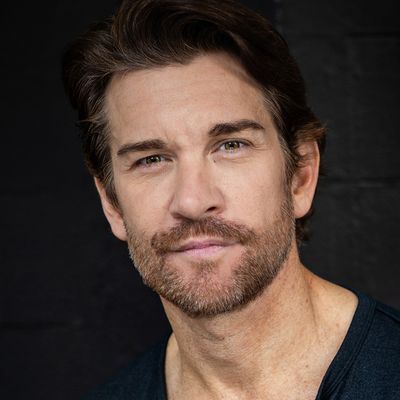
Olivier Award winning and three time Tony nominated actor Andy Karl joins us this week. Throughout his time in New York, he has done 13 Broadway shows, earning him the trust of the Broadway community... Read More
From the show: The Theatre Podcast with Alan Seales
Guests
Featured Shows
About
Olivier Award winning and three time Tony nominated actor Andy Karl joins us this week. Throughout his time in New York, he has done 13 Broadway shows, earning him the trust of the Broadway community. He tells us about his early beginnings, his definition of success, and the changes he sees in the theatre community over time.
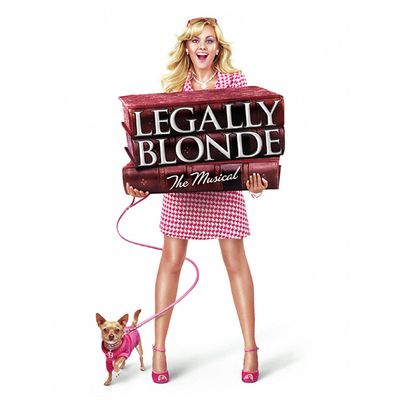
Andy is currently starring as Edward in Broadway’s Pretty Woman: The Musical. He’s also known on TV as Sgt Mike Dodds on Law & Order: SVU. Past roles include (our favorite) Kyle the UPS Guy in Legally Blonde The Musical, Tommy DeVito in Jersey Boys, Rocky Balboa in Rocky The Musical (Tony nomination), Bruce Granit in On The Twentieth Century (Tony nomination), Phil Connors in Groundhog Day (Olivier Award, Outer Critics Circle Award, Tony and Drama Desk nominations), in addition to many other shows like Wicked, 9 to 5, The Wedding Singer, The Mystery of Edwin Drood and Altar Boyz.
Connect with Andy:
Connect with The Theatre Podcast:
- Support us on Patreon: Patreon.com/TheTheatrePodcast
- Twitter & Instagram: @theatre_podcast
- Facebook.com/OfficialTheatrePodcastTheTheatrePodcast.com
- Alan's personal Instagram: @alanseales
- Jillian's personal Instagram: @jillianhochman
- Email us at feedback@thetheatrepodcast.com. We want to know what you think.
Thank you to our friends Jukebox The Ghost for our intro and outro music. You can find them on Instagram, Twitter, and Facebook @jukeboxtheghost or via the web via jukeboxtheghost.com.
Transcript
This transcript was automatically generated and might contain errors.
[0:01] Alan Seales: Welcome to The Theatre Podcast. Intimate personal conversations with theatre's biggest talents. I'm your host, Alan Seales. Today we have Olivier Award winning American stage, TV and film actor, Andy Karl. Welcome on the podcast.
[0:19] Andy Karl: Thank you very much for having me. This is going to be a lot of fun. So I guess we can start with right now, you're currently starring in Pretty Woman, the musical, but I want to back up a little bit and kind of get to your origins. So you moved to New York City at a very young age, right?
[0:38] Andy Karl: Yeah, very young, I would say I was 20, 19 going on 20. And I, you know, moved up with all the hopes and dreams of auditioning in New York City. I had a friend who had already lived up here and I just like slept on the couch for a little while and auditioned and, and started ending up doing shows out of town out of New York, which is, you know, you look at Backstage Magazine. It's very nice now the Backstage Magazines of today. Back then, they were just all paper. Now they're sort of like glossy magazine sort of covers and all that kind of stuff. I was on the cover of Backstage Magazine for Rocky. So it was it's nice now. It's all come full circle. Back then it was a little like you get the ink on your hands.
[1:21] Alan Seales: So what, what made you want to come to New York in the first place?
[1:28] Andy Karl: Well, I was pursuing musical theater, pretty much. I was I was from Baltimore. I come from a very, my mother plays organ for church. There's always like music around. So I was always musically inclined that way. Studied some, studied music was, you know, found out that I could sing a little and I enjoyed theater. I started doing theater in high school, caught the bug there, started doing dinner theaters around town in Baltimore, ended up doing a Toby's Dinner Theater, which is in Columbia, Maryland, which is still a very prestigious dinner theater there. And it's eight shows a week. It's very much like the same schedule of a Broadway show, except you can also wait tables and make a few bucks.
And then I was, I think around 20, I was like, you know what, I just need to do it, need to challenge myself and moved up here. And I, I'm going to say success happened because I got my first job right away, being in the course of some show in Akron, Ohio at another dinner theater. But to me, that was pure success.
[2:45] Alan Seales: Was that your first equity role?
[2:52] Andy Karl: I was, I was doing non-equity, they would hire non-equity actors for the chorus of some shows. And then they would have like one or two principal actors who would be equity. And I'm not sure if that still happens. I'm sure it must. But I was cutting my teeth. I was, I was getting, I was learning and watching, you know, these equity actors do their thing. And I was so inspired by that. And I just kept me going, kept me involved. And I had this family of theater folk that I was becoming familiar with. And, but New York was a place where it's happening. It's all very big. When you're first moving here, it's very fast and you just want to be involved. Now it's sort of like, I've done, I think, 13 Broadway shows now. And it's when I look back and think of that, it's kind of astounding. And I can say that because I still remember moving to New York my first day and looking at it with, you know, newborn eyes.
[3:45] Alan Seales: Right. So how, I guess, how long did it take before you landed your first big role? And were you, were you having to do that, that struggling actors to a stereotypical thing where you were waiting tables in between or?
[4:02] Andy Karl: Yeah. I mean, look, I, when I was in Baltimore, I would, uh, I was working at Toby's dinner theater, which was about 45 minutes away from a drive away from my house in, uh, where I was at my apartment in, in downtown Baltimore. And parking was terrible and, and right around where my apartment was. So I would actually sleep in my car in the parking lot of Toby's dinner theater every now and again, because I'd have to come back for a matinee and I didn't feel like making the trek. Um, so for me, I'm like, work was work, man. I'm getting paid to, you know, jump around and sing and, you know, make people laugh, make people smile. Uh, and I was young enough and, you know, naive enough to be like, this is, this is exactly what I want to do.
Um, so struggles. I, I didn't think of that as struggling back then. I was like, this is, I'm living the dream. I sleeping in my car, you know, having Burger King and, uh, I get to go into this theater every day and do what I love to do. Um, struggles to me were not about like, you know, Oh my next job. I don't know what's going to be became. It's always just about negotiating all of that and making it, you know, what's the next step, make it happen, do it and, uh, see what happens.
[5:18] Alan Seales: So then you're, I guess with the, the big breakout role, would you call, uh, Kyle, the UPS guy in Legally Blonde?
[5:23] Andy Karl: Yeah, I can start there. Uh, but I think before that was, um, it was, I think what really put me in the New York map was, uh, Altar Boyz. It was right off Broadway, off Broadway show. And it was, you know, this great group of guys doing this, you know, faux Christian boy band, but the lyrics were very funny. It was, it was a hilarious show and it required us to all be sort of like boy band, you know, members. And I was Luke, the sort of thuggish Christian, Christian, uh, boy band member. Uh, so it became this sort of off Broadway hit. Um, and Jerry Mitchell saw me do it. And then he, then the UPS role came right along.
[6:08] Alan Seales: Wow. And, uh, then you did a long stint in, in Jersey Boys off and on. You did a couple of those.
[6:15] Andy Karl: Yeah. Yeah. So I was in Jersey Boys, uh, but they're, oh gosh, which was a great show by the way, uh, for an actor and anybody who's been in it, I think agrees that the script of a Jersey Boys is actually, it's, it's meant to be well acted and it's, and it's written very well. Rick Ellis wrote the, uh, this, the screenplay, I guess you'd call it for, uh, for Jersey Boys. And it was my first time, like sort of big role monologuing to the audience. Uh, and I was no, I was number one right off the bat. I was Tommy DeVito coming out and giving this big speech about, you know, how we made it as Jersey Boys. And it was, at first it was daunting because it's, you have to get the audience to love you, but it's, it took, it didn't take me any time to sort of wrap my head around.
And it was like, this is tremendous. This is a well-written script. This is, this is what acting is. This is what ping-ponging with other actors on stage is. This is about collaboration and about making people happy. And you value those, those scripts you get. You, you, you know, this, I look back on that on Jersey Boys is I'm very fond of it because, uh, because of the script and because of the role was so great. And it was, you know, led me to be very confident in other roles that I went and did.
[7:37] Alan Seales: Do you, do you have a specific type of role that you, that you particularly like to do, or I guess maybe even something that you dislike doing?
[7:41] Andy Karl: Uh, that was, I mean, speaking of Jersey Boys, there was Tommy DeVito is like on paper, the bad guy. He's the guy who, you know, takes all the money that they've all made. And he's been spending it in Las Vegas and we're betting on horses and they're ending up nuts, but there's something very charming about Tommy. Uh, and he's got a sense of humor. So I, I really like guys. You love to hate. I find, I find those are a lot of fun. I've played many different roles, but those are always fun because you can sort of, you have to wink and smile and trick the audience into loving you even though you're the bad guy.
[8:24] Alan Seales: It's kind of like Phil Connors in Groundhog Day too.
[8:27] Andy Karl: Yeah.
[8:28] Alan Seales: That obviously we, we want to hate him and then you make it such a lovable guy that we want to, that we wanted to hate. Um, and Groundhog Day, of course, you got the Olivier award in, uh, in London for that at the West end and Tony nominations, drama desk nominations, Tony nominations also for Rocky the musical and On the Twentieth Century. Um, when all this, all these nominations, all these awards started piling on, was there a, uh, you just,
[8:58] Andy Karl: I'm blushing right now.
[9:01] Alan Seales: When they, I mean, they, they did, they kind of all came, you know, uh, together, it seems a little bit in a certain point in your career, did things, um, sort of take off for you in a different direction at that point or were roles?
[9:12] Andy Karl: Yeah. I mean, look, uh, I, I can't, once you get the, once you stick around a long enough in New York, you start to know people and people start calling you up. I think, you know, if anybody wants to like stick around long enough, you go, Oh, that guy who does that thing. I, I happened to be one of them. And then I was put into another spot, which gave me a little bit more notoriety. And so, so on and so on. And I try not to suck at whatever I'm doing, which, you know, if you suck at it, then they don't want to talk to you. Um, so yes, now, like as far as Pretty Woman is concerned, um, Steve, cause he, who was in the run before me, couldn't do the Broadway run. Jerry Mitchell just picked up the phone and called me.
We know each other. We've worked together. He trusts me with, with roles and I certainly don't want to let him down. So I came in and broke down the role as far as how I would do it and, and, and make it happen. People can trust you with a certain amount of work and see, uh, how you, what you'll do with it. Um, so yes, very fortunate enough to, uh, now get phone calls for jobs, but you know, I still have to audition. Like if I go to pilot season, I'm going to, you know, bust my butt auditioning for all these other roles that are on TV because, but I'm sure there are plenty of people who get, just get phone calls in LA. I'll be one of them soon. Hopefully.
[10:36] Alan Seales: Yes. How do you approach a script or a new role when something's handed to you?
[10:41] Andy Karl: Um, yeah, that's, that's, it's always different. I feel like with Pretty Woman, it was interesting because, uh, I watched the movie, obviously I knew the movie very well. And then, you know, you see Richard here just doing a lot of looks to the camera and a lot of like, it's, it's mostly reactive stuff from him because Julia Roberts is doing this tremendous star turn in this movie and it, and her journey is right in front of you. Um, Richard gears, uh, Edward Lewis's journey is not as, uh, as forward thinking it's, it's, it's about his thought process process is changing. So how do you translate that onto theater? Um, but how would I get
[11:19] Andy Karl: To that role, and how would I be that way? And how would it be this rich guy, this mogul who has to, you know, change and become a better human being and not feel like, you know, business is everything and corporate takeovers and that kind of stuff. But initially, I was like, how am I gonna think of this role? I need to put on a suit. So me and Gregg Barnes went shopping for some Tom Ford suits.
[11:43] Alan Seales: You actually went out and bought a suit.
[11:44] Andy Karl: We all like because we I knew this was going to be a huge part of this role that this guy has to look like a billionaire, like, you know, he's got to walk in looking like a million bucks. And I've and I've you know, I think Ed Norton, who's another Baltimore actor, he's I remember an article with him. He's like, I never really fully get into a role until I'm in his shoes. And that's kind of where I was going with this. I was like, I need to put on this guy's, you know, physique and his suits and all that kind of stuff. And it was sort of like an outward in moment, because who would buy these, you know, five, $10,000 suits, these shoes and be particular about everything and also protect them and put them down in a certain way?
And then it starts to feed your character. And like, why does he own all this stuff? Why is he after all these like high end things? Why does he like the best? What's wrong with his childhood or what was good about his childhood that makes him this type of guy? So it really began with a suit this time. It was it was really and it was a fun way to look at it.
[12:44] Alan Seales: That's interesting. So then how did you approach the UPS guy?
[12:49] Andy Karl: Yeah, UPS guy was like, you know, shorts, shorts, deliver packages to people. Yeah, no. And it was all swag. And, you know, it was fun because Jerry Mitchell and I back then figured out, like, what the music would be as I enter. Where would the box be? It was very like, you know, taking a moment. But then, you know, it's you got to have that swag. And translating that to other actors can be difficult sometimes. I think I know the people who took over. It's just a matter of like, how do I do what Andy Karl just did? I was like, I don't know. I just kind of like had my swag going on. You got to find your own swag. It's got to be there and it's got to make you know, you got to know who that guy is just at an entrance.
[13:32] Alan Seales: Does that translate, I guess, to the wider industry of originating a role versus stepping into somebody else's shoes when you come into a role that's already in existence? Do you still approach it the same way or is it like when you're originating? Obviously, you do something completely different. It seems like I mean, I guess there's a little bit of safety, a safety net for like there's the nostalgia that we're working on here with the role that already exists out there in the world.
[14:01] Andy Karl: It's so. I know the mission of the type of person that needs to be there, but I get to at least create that guy internally and externally. So but I still have the same objective as, say, the movie may have had, of course, the journey within two and a half hours. If you tear a movie apart and put it back together as a musical, you have a lot of things that are new that audiences haven't seen. So I have different subjects that's going on, all sorts of stuff that I can that make it completely different than the actual role that was on a movie like Phil Connors. It's like I knew I needed to be a jerk. How do I find that within me? I'm not particularly a jerk, at least as far as I'm concerned. Other people may think I am, but it was what is that one thing about me in my life that makes me that I can tap into that can just I will always be there at the top of the show can be a jerk and then, you know, scuff that off along the way of finding like, you know, this the spiritually better person by the end of the show.
So it is my own journey to find out what that character is like. But there is that sort of safety of, you know, people know what's happening with this show, you know, what's happening with this character. They might have heard the soundtrack a million times or they've seen the movie a million times. So they're going to be, I guess, expecting a certain thing. Rocky was very different in that way, where I felt like I can't go too far away from like the voice. I can't go too far away from like I can't be like a skinny, you know, high pitched voice guy for Rocky. It's got to be low and slow. It's got to be down here. He's got to talk all these all these things. He's got to. But I lived there. I like walked my dog speaking this voice.
I would talk to people in this voice and I would sort of get myself into that, that just who that that person is into his shoes and into his voice and into his body. So there's still a huge development of character you have to do with these roles, even though they're already out there in existence.
[16:21] Alan Seales: Right. That's interesting. So 1999, of course, Saturday Night Fever was your Broadway debut. And so you've been doing this for almost 20 years. Aside from the magazines going from print to digital, what are some of the other big things that have changed for you in the industry from print to digital?
[16:40] Andy Karl: Oh, that's funny. It is. I mean, obviously the. I think it's still in flux. We're talking about like we can now do huge digital screens on stage that are backdrops. And, you know, is that good to use for certain shows? Is there not good to use? Do you want to be more analog with some shows? So the sets are getting really complicated. I've worked like Groundhog Day was extremely complicated, even though it didn't look that way on stage. But there's five different turning, rotating pieces on stage and you'd have to step on one and they would rotate and it would be a clockwork. It was very complicated. I don't know why Matthew Warshaws would ever want to undertake, you know, something that mathematical.
But I think that's how his brain works. So the technology is is is pretty astounding. I also think that in my time of being on stage and this may not be true, but it musicals are self-aware now. They're they sort of comment on themselves. They are. Like Forbidden Broadway exists where it's you can make a joke out of something that is existent and that but then you can Forbidden Broadway can be its own show, it's commenting on show business. So I think. Now, as you do shows, at least in my eye, there's a certain amount of like. I'm about to do this scene from Pretty Woman and it's commenting on the shopping scene and it's got to be fun, it's got to because we're commenting on a thing that already exists.
So how do we make it fun for the audience? Because I sort of know what the audience is already thinking. So let's make it that way that way. And then let's comment on it and make it even funnier. So there's something that may have happened within my 20 years in on stages that. We're able to comment on certain styles and certain things like that and make it funny or, you know. Make us remember a certain style of musical. So, yeah, maybe that that's the big thing.
[18:52] Alan Seales: Do you find that the new audience, the people who have never seen a show before, is that changing at all for you with like the recent rise? I guess as recent as it is of social media, right? So you've got your Facebooks and Twitters where everyone can take their selfies and you have shows like Be More Chill that are coming to Broadway almost because the Internet demanded it where otherwise it may not have had that opportunity.
[19:16] Andy Karl: Yes, this is a good question to ask my wife because she has a big opinion on this. And yes, it's it's just changed in the way of like. You know, the existence of the telephone, now we're able to look at our phones and have more immediate information given to us. And I think producers are hip to that and they they want to use that they want to they want it to be a part of their message. And it makes and it reaches such a wide audience that way. What's weird about theater or how that comes into contact with theater is that we're very immediate and we're in front of you and we're portraying a show directly in front of you. So you have to be in the room and you're part of the show as opposed to being watching it on a two inch screen.
So the way theater works is more like an inclusive event. And so and then outside at the stage door, we're right there with fans. It's not like it's not like a movie you shoot, you know, you're a year ahead of time and then you go to Comic-Con, you sit behind a gate and you can you have a structured thing. It's like every night we walk out and there's there's fans of the show or people who really love the show. So and it's good to hear feedback like that. And that's wonderful. But, you know, at the same time, it it's really interesting because and I'll give you an example, like Ken Davenport, who produced Alter Boys, he was very hip to social media. And this is this is like it wasn't the early part, but it was it was really like theater and social media were were coming, were starting to really get a nice bind.
And he knew it. And so he formed a group of girls who were called alter holics and they were like fans. It was like it wasn't an existing was part of his own brain. Yeah. And so he got a group of girls together who would follow us to events that were around town. And that was cool. It was like, oh, this is exactly what a boy band needs. We need our bands, man. But and then it became this thing of they've these this group of girls, this group, certain group of girls felt ownership on the show and us. And it so became like we had if if we didn't if we weren't being nice to them, it was it was just it was an interesting sort of litmus test of what people think when they feel like they were the first and they were ownership of this.
So it became it became weird. It's like, so you girls are here every night and we're saying the same three sentences we always say to you after the show and like shaking your hands, taking another picture and doing that stuff. And it's like it was perfectly innocent, but it was just it became a little strange, became a little too much like they know where we are at all times and they're going to be there at all times. And how we how are we going to deal with this? OK, we'll wait till the show's over.
[22:25] Alan Seales: Interesting. So it was sort of, I guess, forced groupies. Did it did it become did it I guess that he accomplished what he was looking to do and did he grow the social media presence of the show?
[22:32] Andy Karl: It certainly became big enough to make us all, you know, sort of hit the mat really.
[22:39] Andy Karl: Well, and it's still like being played in Korea.
[22:43] Alan Seales: Is it really?
[22:44] Andy Karl: Yeah. It's like two different bands, two different boy bands, A Altar Boyz and B Altar Boyz groups. And sometimes they like, but there's like 40 of them. It's very, it's, it's, it's its own thing over there.
[22:58] Alan Seales: Is it in English?
[22:59] Andy Karl: I don't think so. But they, I'm sure like translating that with like, you know, boy band slang wasn't too fun, but who knows? Probably not. Um, so you got the Olivier Award, obviously did Groundhog Day in London. Is London, is the West End, is that a different scene for an actor than the New York Broadway scene or is theater valued or viewed differently in either place?
[23:27] Andy Karl: Uh, theater from what I was getting, and this just might be a guy who got there and sort of like, oh, what is this new place called London that I've never worked at before? I felt like theater was being very respected, very honored there. Um, they do a lot of American musical theater, so here's a lot of actors with great American accents. It's kind of, that's kind of, that's like a part of that. I'm like, oh, that's pretty cool. They do a lot of American musical theater over here. Um, but speaking of social media, like I only did one interview the whole time I was over there, um, for Groundhog Day. There was a speckling of people at the backstage and it's not like a thing there. They're not there to like get autographs or see, they're there to see great shows as far as, and fans of the show or fans of the show.
But they don't, you know, there's not like a swarm of people at the stage door and it was a huge hit there as for the short time that it ran, it was sold out completely and, uh, Olivier Award included. So, uh, the scene I feel like is like a respect for the, what we're all seeing. And you certainly see that in the, in what they do on stage as well. I saw some tremendous theater there. And, um, so I just felt more because it's, you know, the land of Shakespeare, you feel like this is where it all started. This is kind of the beginnings of, of pure, uh, theater. And, and, uh, so it just felt like that there. And when everybody was done after the show, it's like, okay, see you later. It's not like it's not Broadway's sort of an inclusive, it's on an island.
We're all like in each other's now we're raising a lot of money for like actors' funds, all that kind of stuff, which is great, but it's, I mean, I see the same people like weaving in and out all the time. It's really interesting.
[25:14] Alan Seales: Yeah. This is a very small island for having 8 million people on it.
[25:17] Andy Karl: You see the same, the West End's like, you know, there's theaters are scattered everywhere.
[25:21] Alan Seales: Yeah.
[25:21] Andy Karl: So it's not, uh, it's not a region. I mean, it is a region, I guess, within London, but it's all over the place. Not like centrally located like it is here. I think, I just think as far as like media and, uh, the purpose of like pushing theater there, it's getting to what America does, but it wasn't as, as like a media savvy when I went over there. It's really interesting and it's like they, it's, it's, it, it, it's theaters for its own sake, as opposed to theaters. We got to have the big new smash hit, get it out there and like 30 second commercial and, you know, make, make, you know, get the album out, make sure it's all like. It takes its time and you feel it like Groundhog Day. We took our time putting that show together and it was, uh, it ended up being beautiful and nuanced and every little aspect was looked at and was, it was really kind of a great experience.
[26:17] Alan Seales: So you get to be part of, it sounds like you were part of the creative process for Groundhog Day, putting it all together. Is that, is that normally how it works when you're originating a role? Obviously you were saying like when you're coming in, the show is already basically like script locked, right? So things don't change. Um, do you, do you like having the creative process? Does it translate into like the technical aspect too?
[26:38] Andy Karl: Yeah. I mean, and yeah, certainly, uh, I've, I've, I love suggesting something or come up with a really great joke or some, something that they go, oh yeah, that would be funny, like, uh, riding the bench at the end of the show of Pretty Woman with a horse on it was, you know, not in the out of town run when I saw it, I was like, actually it was like, what if I just rode this, you know, so it became this like, oh, that's my, that's my moment that I shared in my three weeks of learning the show. Um, that's one big physical part, but being creative, it's, it's the best because it's sort of suited around you. They, they kind of find your strengths or they, you know, for me, I'm, I'm, I'm a guy who's like, I can, I can juggle, I can do backflips and get whatever, whatever you need, what do you got?
Cause I got a bag of tricks that I can, I can throw up here and, oh, it'd be really funny if we did that there. Or, uh, I just, I like utilizing as many like little things as I possibly can to make it more entertaining and certainly more to what I do.
[27:39] Alan Seales: What is your strangest hidden talent? I didn't know you could juggle or do backflips.
[27:44] Andy Karl: I stopped doing backflips after the knee injury, but, uh, the, uh, yeah, I can juggle hidden talents. I don't know. It's like every now and again, it's just stupid stuff comes out. Low voices. Uh, it's, it all depends. Do you have a favorite impersonation?
[28:00] Andy Karl: I mean, yeah, doing Rocky was kind of hilarious that I, you know, it was like this long, you know, nine month impersonation. I feel like everybody tries to do that. You know, it's like, yeah, it's, it's funny because I didn't want it. I wanted to honor it with the sound, but I didn't want to make fun of it, which is that that's riding that line of like, yo, how do I make this, this voice sound like authentic to me and to have emotion and love and thinking and have its own process. So even now I can like just tap into it and it's, it's really interesting. It wasn't just an impersonation. It was actually like an affect of my character.
[28:45] Alan Seales: Yeah. That's amazing. And then, uh, you met your wife doing shows.
[28:48] Andy Karl: Yeah.
[28:48] Alan Seales: Orfay.
[28:49] Andy Karl: Yes, I did. Um, and that you met her in Saturday Night Fever.
[28:54] Alan Seales: Um, yeah. Tell me about that story.
[28:56] Andy Karl: Yeah. Uh, God, I, I saw the show before I got in it, you know, much like Pretty Woman now. Um, and I, it had, what was I doing? I had just gotten back from like the tour of Cats. I had been on the road with Cats or some, some sort of tour. Um, and I determined to like stay in New York. Um, this is it. I'm going to spend my time here. Going to go to class. I'm going to go and audition for stuff that's here in town. I'm going to try to make that, that next level. And I saw Saturday Night Fever and it was, I was like, wow, this is amazing. The choreography was amazing. And then I saw Orfay come out and sing, if I can't have you, which was like, she does in Pretty Woman, one of the highlights of the show, you just sort of sit back in your seat, like, wow, powerful.
Um, so I was a fan first and then, uh, I auditioned for it, got it. Then somebody who knew me, knew her, started talking about us, uh, just like, you know, they're really great. And like within, I think six months we were dating and a month after that we got engaged and then a month after that married, so, and now we're going on 18 years, January. So, uh, it, yeah, it's, it was sort of fast and furious, but, uh, you know, I don't know, she's like her own person and I'm my own person and there's such respect, like still to this day. Like I'm such a fan. I'm like this, it's, you know, I could sit back and watch her do her thing, you know, just like I was the first time I saw her. Um, and then I just got to know her as a really deep and genuine and sweet and very loyal person. So it was, uh, became, it was an easy, easy choice for me. And I certainly, I think I married up, so that's how I feel about it.
[30:57] Alan Seales: That's beautiful. Uh, yeah, your, your eyes glowed in a way telling that story that you haven't, uh, that they didn't quite light up in any of the previous podcasts yet.
[31:07] Andy Karl: It's personal. It's like, you know, it's like, you know, I don't want to, I don't want to divvy it down to like, it's a Broadway romance, but it was more like, it was like an exciting time to find each other. And then we end up doing more shows together. We're like, you know, we did this, we did Legally Blonde together. We did, we're doing Pretty Woman together as our third Broadway show. Um, we've done concert, our own concerts together. Uh, we do, you know, we've done some stuff regionally, love working together. It makes it much easier on the time at home. I mean, just as far as scheduling. Um, but it's, it's like that, that respect. And we're two actors, you know, trying to find work and all that kind of stuff. But at the end of the day, it's like, just go home and live our lives with our dogs. And, you know, this is it. This is like, this is the salad years. This is great.
[32:02] Andy Karl: Yeah. And you just look for moments where we can like, you know, go on vacation together. And, um, but yeah, it's like, and it's, it's, I mean, I guess it is a, a professional marriage as well as a, uh, a personal one. And as I go into different roles and discover something new about myself, which I've, which is really interesting, you know, as I'm getting older, I'm, I'm, or at least finding roles that are like epic and have huge arcs. And what do these people that, you know, I'm not Rocky, I'm not Phil Connors. I'm not Edward Lewis, but I have to discover them. I've discovered their journeys and why they went there and, and what's it like to like, you know, not have your father around or, you know, take over your father's business, that kind of stuff.
Um, you know, that helps me discover more things about myself, which in turn make me more aware of how lucky I am in this universe. And, um, certainly with something like Groundhog Day, where at the end of the show, it's just like, he's, he's gone through this journey and he's lived this loop over and over again, which is much like an actor's life, especially on theater, we're just doing the same show over and over again. What's the point? And the point is just the people around you. And the point is telling this, telling great stories and bringing people towards you. And, and the point is being happy with yourself. And that's when you discover, I'm happy with my life. I'm happy with my wife.
What, what new things can I see every day that it makes it, it makes it easier to understand life and, and by doing, being an actor, it's kind of interesting. It's all happened, especially in the last couple of years has been very much an eye-opening thing for me.
[33:48] Alan Seales: So do you, do you do specific things? I guess on your, on your, your dark days or when you don't have shows in between work, do you guys like, I guess you, you personally.
[33:59] Andy Karl: Yeah, I mean, that's the thing. As I get older, I get more tired of being tired. I'm like, God, eight shows a week. And it's like a one day off a week. What do I do with it? My voice is tired. My body's tired. I've been like working all week, making sure that I entertain as best I can. So it's like, you know, my Monday is filled with like not speaking and maybe going and seeing a movie. It's pretty lame. But we went for a one day trip to Miami the other day. We like going down there is where we got married as well. And I was like, let's just do it. Let's give it a shot. Let's just go down for, you know, Sunday night to Tuesday afternoon. And we had the best time. And I realized that if you do something new and fun and, you know, we didn't even like we slept like four hours the entire time.
It's like we had the energy to enjoy ourselves. So it all depends on like how tired we are each week. And like this week, we have to do a we're singing some of the songs from the show on Monday with Bryan Adams to promote the album and promote for the Grammys. And so that's going to be fun, but it's going to be exhausting. I'm like, we have to sing the whole show again after we just sang it all week and then go back and start the week again. So the Broadway theater life is it's taxing, especially if you're doing, you know, eight shows a week. And if you're like one of the leads and arcing the story and telling it, it's like I just need a little break. So it all depends on what I'm doing in order to give me energy to go do it. So Miami is great. We'll see if that works out again.
[36:00] Alan Seales: Do you get pumped up going out to the stage door and seeing the audience reactions or is that more of a like, all right, this is what I do now or is it I'm looking forward to this every show after every show?
[36:08] Andy Karl: You know, it all depends on what show it is. It's this role is really interesting because I'm feeling like Phil Connors, where it's like the show's all about me. Essentially, I'm doing, you know, every trick in the book that I have to show you that I'm telling a story and making sure that I have the arc and the journey. And it's all the whole thing is passed through the eyes of Phil Connors. This show is passed through the eyes of Vivian Ward. Her journey is relatively very important. And my job as Edward Lewis is in support of that and in finding my own little arc as well. So it's an interesting dynamic to go to and I'm not belittling. It's just like it's supporting role as to lead role. You want people to like what you've done, but like they're excited to see the woman who just had the big journey from, you know, being a prostitute to now having her own independent means.
And she sang beautiful songs. But I get all the love I possibly can from that. It's just it's a different like visceral effect from people at the stage door. It's hilarious to me. I'm not it doesn't make me sad at all. It's like, oh, it's like, of course. No, thank you so much. As opposed to people wanting to like, oh, my God, come here. We that was an amazing story that you that amazing journey. Now it's like I see that happening with Samantha and I'm like, because I know what that feels like. I completely understand it. But it was it's a it's interesting litmus test again for me to like see this show as opposed to other shows. Right. But it's it's always good to like go out there and have people really fall in love with the show and be a lot of people, especially for Pretty Woman who don't see a lot of theater.
It's a big title and they're coming in to, you know, they're going to see a Broadway show. They want to see a big title musical like Pretty Woman. And I always like that. Like Rocky was like that. Like a lot of guys came to the show and never seen a Broadway show before. And they're all, you know, they wanted to see Rocky on Broadway. And so we had this whole different audience.
[38:23] Alan Seales: Yeah. Do you see, I guess that it would be like that. I was going to say, do you see a different type of audience per show? But I guess with Altar Boyz, you're going to get a completely different crowd than your Pretty Woman, you know, who the people who are our age now, who grew up with the movie when they were younger.
[38:35] Andy Karl: Yeah. I mean, it's a lot of people are repeat offenders. They go see, you know, they see a lot of Broadway and then there's people who just never seen a Broadway show before. And those are always fun, because it's just like this is your first experience with theater and you could fall in love tonight with the whole genre. And so that's that's important to me to make sure that, you know, first timers are have a good evening and they're probably blown away. We could have just done car wheels online and they'd be like, I just saw this most amazing Broadway show about car wheels. Because I think like my first Broadway show that I saw, I saw some good ones, like I saw Phantom. Phantom of the Opera, the high school were from Baltimore.
We take a trip up to New York to see a show. We all saw Phantom of the Opera. I was like, I remember like little smidgens of that evening, but it was mostly the experience of being in a theater setting, dark. The seats are cool. The stage lights up and this beautiful moment happens. And I just remember it being a really cool moment. I'm not sure if it's like if it was a terrible show. I'm sure a young person seeing a show would be like that was the most brilliant thing I've ever seen because it's a new experience. You have no comparison at that point. But I agree with you. I think it's it's very special. Like theater is it takes you to this place where if you know everyone turns their cell phones off, obviously, hopefully you don't get a ring in the middle of a show to take you out of it.
But it brings you to this focus where when you're watching TV, you've got other things going around when you're walking around in the sidewalk, you're looking down at your phone or whatnot. And I love theater and I love I just love being in this moment where you have sometimes thousands of people, depending on the size of the house, just going on this journey together. It's beautiful. That's a special part of it. Yeah, you're all in it together.
[40:35] Alan Seales: So just a couple of questions here and then we'll close. But a couple of things here. I just want to know, in general, what motivates you? What gets you up in the morning?
[40:46] Andy Karl: That's like that's that's the big question. I got to go all the way to the end. The beginning of like what gets me going is like coffee. That's what gets me going in the morning. It's the fact that I get to do what I love to do, especially as an actor. I used to be in awe of the fact that I would go and be at this dinner theater back in Baltimore and I would be able to sing and jump around on stage and entertain people. That really is important to me. And I want to do it in all facets now. Movies, TV. I've had the opportunity to do a couple of those things as well. So, of course, Sergeant Mike Dodds on Law and Order SVU. Yeah, that would get me up at four in the morning because TV is a very interesting schedule. It's all scheduling. It's all like you're either getting up at four in the morning or you're going to work at six p.m. at night. So it's all very different. But you're finding a new experience every night.
[42:02] Alan Seales: What advice would you give to your younger self and or younger people listening now starting out on a similar path?
[42:09] Andy Karl: I want to say don't be so hard on yourself. I'm a Virgo. I'm a musician. I become obsessive compulsive in a lot of ways about what I do. I've learned to let go of being so precise and being so hard on myself for being precise. And I'm now having a lot more fun with what I do. So being hard on yourself is a waste of time. Actually, my niece is becoming involved in theater and she's I think 14 now and she's studying hard. She's like going to dance class and she just got cast to be in Legally Blonde for a production of hers.
[42:54] Alan Seales: Nice.
[42:55] Andy Karl: So she was so hard on herself about her dancing. And I used to be really hard on myself about my dancing because I wasn't technically trained until I started going to class. But I was like, look, you can't be that hard on yourself because it's all going to go somewhere. Your journey is meant to be here in order to go to the next step. So that's the big advice. Take it easy, man.
[43:21] Alan Seales: Yeah. So then last question. If you could only see one show for the rest of your life, but you can see it as many times as you want, what show would you see?
[43:31] Andy Karl: A theater show? Something in a theater?
[43:33] Alan Seales: Anything.
[43:35] Andy Karl: I think the thing that I, I listened to the Who's Tommy on loop for like a straight two years because I loved it. And for a year and I used to listen to soundtrack and then I moved to New York and I got into a production of it. And I would listen to this album every day before going on stage. So the Who's Tommy was a lot of fun. I guess I'd say that, but I probably get really sick of it now.
[44:03] Alan Seales: So, yeah, you want to go ahead and plug yourself on socials?
[44:07] Andy Karl: On socials, where am I at?
[44:09] Alan Seales: Yeah.
[44:10] Andy Karl: Andy underscore Carl. That's at Instagram and Twitter. And then Andy Carl dot com.
[44:19] Alan Seales: Yeah. Facebook dot com slash the Andy Carl as well.
[44:22] Andy Karl: Is that one of them?
[44:23] Alan Seales: I found it.
[44:24] Andy Karl: Somebody created something.
[44:26] Alan Seales: Somebody make it for you.
[44:27] Andy Karl: Yeah. Yeah. Or if he's very good at social media, she's the man.
[44:32] Alan Seales: Well, wonderful. Thank you. Thank you so much for being on the podcast.
[44:36] Andy Karl: Of course, this is the theater podcast. We are at theater underscore podcast ourselves on Instagram and Twitter. And of course, a big thank you to our friends Jukebox, the ghost for our lovely intro and outro music. Please tell your friends about Andy. Tell your friends about Pretty Woman, the musical. Tell your friends about this podcast. Share and share and share. That's what social media is all about.
[45:02] Alan Seales: So, again, thank you for listening. And thank you, Andy Karl.
[45:06] Andy Karl: Thank you.
[45:17] Alan Seales: Thank you.
© Broadway Podcast Network, All Rights Reserved