

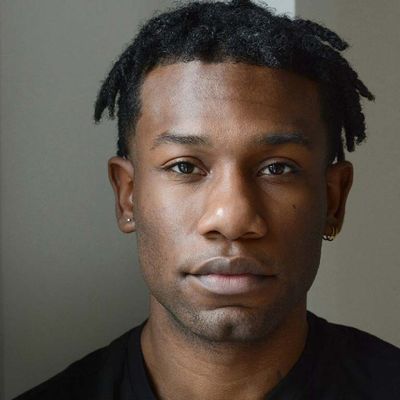
We go deep with Phillip Johnson Richardson on the real stuff behind a Broadway glow up. He opens up about being a young Black man showing vulnerability onstage, the pressure to be perfect, and how identity, belonging, and mental health shape the work... Read More
From the show: The Theatre Podcast with Alan Seales
Guests
Featured Shows

About
We go deep with Phillip Johnson Richardson on the real stuff behind a Broadway glow up. He opens up about being a young Black man showing vulnerability onstage, the pressure to be perfect, and how identity, belonging, and mental health shape the work. We talk about choosing when to step away, the cost of staying, and the tools he uses to keep his center steady when the noise gets loud. Quick heads up: if you hear a low rumble while I am speaking, that was the rain hammering the studio during our recording.
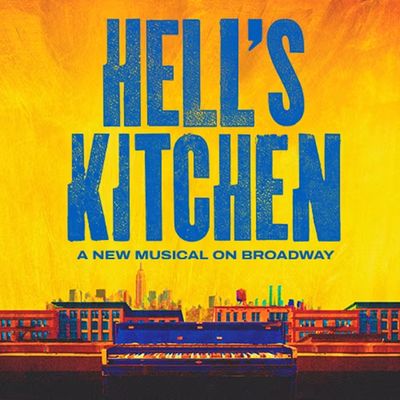
We also get into the creative process behind his original music, the difference between chasing applause and building a life that feels true, and the practical ways performers make it work in New York. If you want to see him live, his final performance in Hell’s Kitchen is November 30. This one is candid, grounded, and full of takeaways you can actually use. Phillip Johnson Richardson is an actor and musician whose Broadway credits include Hell’s Kitchen as Knuck and the recent revival of The Wiz as the Tin Man. On screen, audiences have seen him in projects like Sharper, Little Voice, The Last O.G., Chicago P.D., Proven Innocent, and The Other Two. He writes and records original music and continues to build a multi hyphenate career across stage, film, television, and the studio.
Connect with Phil:
Connect with The Theatre Podcast:
- Support the podcast on Patreon and watch video versions of the episodes: Patreon.com/TheTheatrePodcast
- Twitter & Instagram: @theatre_podcast
- Facebook.com/OfficialTheatrePodcast
- TheTheatrePodcast.com
- Alan's personal Instagram: @alanseales
- Email me at feedback@thetheatrepodcast.com. I want to know what you think.
Transcript
This transcript was automatically generated and might contain errors.
[0:00] Phillip Johnson Richardson: All right. What's up, y'all? My name is Phillip Johnson Richardson, a.k.a. Phil, and welcome to The Theatre Podcast with Alan Seales.
[0:13] Alan Seales: Hey, everyone. Welcome to The Theatre Podcast. Hello, if you are brand new, and welcome back if you're not. I am Alan Seales, and our guest for this episode is Phillip Johnson Richardson, who until November 30th, it was just announced he's leaving Hell's Kitchen. You gotta go see him in the show as Knuck. But today's conversation goes straight into the heart of so much. We talk about what it means to be a young Black man showing vulnerability on a Broadway stage, and this quiet pressure to be perfect, and how identity, representation, and belonging shape the work you bring into the room. And we kind of just unpack the headspace behind choosing when to leave a show and how to protect your mental health while the machine just keeps on moving.
Broadway, hopefully, will never stop, and the difference between chasing validation and building a life that feels real and true. We also get into his creative process behind making new music. He's a musician on his own right, finding your own sound in a city that never stops talking, and the practical and unglamorous ways you keep going in New York without kind of losing your center. Phillip is honest and grounded, and I think you're just going to hear yourself a lot. And I hope that all of you can hear yourself in a lot of it. Just again, his final performance in Hell's Kitchen is November 30th, so if you want to see him, now is the time. Find me on social media, leave a rating and a review if you're listening on Apple or Spotify or anywhere else that takes ratings. Share this with a friend. You can watch the video of this episode on Spotify or Patreon. And as always, everybody, please enjoy this episode with Phillip Johnston Richardson.
[1:57] Alan Seales: Today's guest made his Broadway debut as a Tin Man in The Wiz and has onscreen credits that include Sharper, Apple TV's Little Voice, The Last O.G., Chicago P.D., Proven Innocent, and The Other Two. He currently stars as Knuck in Hell's Kitchen on Broadway with now his final performance. Oh, it makes me sad. Just announced his final performance is coming up on November 30th, so you got to go see him in the show before he leaves. Phillip Johnston Richardson, welcome to The Theatre Podcast. What's going on?
[2:27] Alan Seales: Dude, it was just announced as we're recording this, like yesterday, it was just announced that you're leaving the show. Is this like a bittersweet kind of moment or what's going on?
[2:37] Phillip Johnson Richardson: It definitely is bittersweet. One thing about the whole theater thing is that it takes a lot out of you. So for me to have done a show for a year in the same place in the same environment, it's a lot for me. So I am happy to leave the show and to allow someone else to step into the role and to allow myself to be open to other opportunities. But it's bitter also because I'm leaving an amazing cast, an amazing show too. I didn't really want to do another musical, and then I saw the musical and felt like I had to. So I think all those feelings are encompassing my departure, but it's time to see what's next in my life.
[3:20] Alan Seales: All right. Well, we're definitely going to come back to Hell's Kitchen, but you just said something interesting that you weren't sure you wanted to do another musical. The lead up to Broadway was kind of intense for all of you because you were doing this national tour pre-Broadway. And then Broadway, we'll put in air quotes, kind of like is the final stop of the national tour. But then it was this permanent residency in the marquee. Were you just like fricking tired?
[3:37] Phillip Johnson Richardson: Yeah, no. I had never experienced anything like that. And to be honest with you, I don't even know if we were not coming to Broadway. I don't know if I would have been like, yeah, let's do that. That was kind of within the experience. But they were like, hey, so we're going to do this pre-national tour. We did, I think we did 13 cities in six months. Yeah. And we traveled. We did like a few one weekers. We did some sit downs. And I liked it because it kind of gave us some time to like sort of find our show and find our chemistry before we got to New York, because New York is like, that's the big leagues. You come to New York, everybody's like, all right, what y'all got working on? You know what I'm saying?
And then we got to New York. I think we kind of sort of found our groove, but it was very intense. And like a lot of us didn't live in New York at the time. So I didn't even live in New York at the time. Before the tour, I lived in my hometown, which is Charlotte, North Carolina. And so we did a tour. And then I had like two weeks off. I had to find my apartment, move into my apartment. And then we rehearsed, I think, for like a week. And then we went right to Broadway. So it was kind of crazy. But I'm very glad that I did that. But that was so intense. And so like a lot that I was like, I don't know. And theater, you know, theater is a lot. Eight shows a week. It's a lot. You get one day off and it's like consistently tired. You know what I'm saying?
[5:03] Alan Seales: Yeah. Yeah. No, no. We hear that all the time. It's just like your day off even really isn't even your day off because you're doing press or you got to like go do this other workshop or you're going to go rehearse for something else or whatever the case is. You just don't get to sit down, right? You're not doing the show. But even when you're outside of the show, you got to watch your voice and you can't stay out too late. And you don't want to go to like a party and be like screaming and going crazy or something, you know? So yeah. It's a tough life.
[5:28] Phillip Johnson Richardson: It is a very tough life. But speaking of like you said, Charlotte, North Carolina, do you know where Wilkes-Borough is? North Wilkes-Borough?
[5:36] Alan Seales: Do I know that? No, I don't think so. That's where are you from?
[5:38] Phillip Johnson Richardson: That's where I'm from. It's west of Winston-Salem.
[5:42] Alan Seales: Okay. Okay. Yeah. No, that's nice.
[5:43] Phillip Johnson Richardson: Yeah. So you go up 77, make a left, go west on 421. It smacks right into my hometown.
[5:51] Alan Seales: Wow. Wow. That's crazy. North Carolina, boys. And you live in New York too?
[5:55] Phillip Johnson Richardson: Yeah. I'm in Brooklyn. I'm in Brooklyn now.
[5:57] Alan Seales: Me too. Me too.
[5:58] Phillip Johnson Richardson: Yeah. I've been here for 19-ish years now and seeing Broadway ever since I got here. It's been interesting. It's been really interesting to see the evolution as I moved here in 2007. It was so rare to get tickets online. I still went to TKTS because that was the only way to get cheap tickets. This is before everything. Anyway, I'm dating myself a little bit.
[6:20] Alan Seales: No, no, no. But it's a very different experience. Now, Broadway is very like you can just go online and apply for the lottery and all these things.
[6:26] Phillip Johnson Richardson: Yeah. You don't have to leave. Hamilton and other shows, they have apps. I mean, I'm nothing against this, but I'm like, okay, I'm going to just enter all the apps. People used to camp out and see shows. People used to have to camp out until whenever the rest of the gig would open. There would be lines out there for five o'clock and more or something like that, which is nuts.
[6:41] Alan Seales: Yeah. In Charlotte though, what got you into performing? What was your catalyst to be like, whoa, I can sing. I can dance. What is all this?
[6:52] Phillip Johnson Richardson: Trauma. No, I'm joking.
[6:53] Alan Seales: All right. It would not be uncommon.
[6:57] Phillip Johnson Richardson: No, no. I think my initial thing was that I never really ... I used to play sports as most young Black kids do. I played sports for a little bit. I was never really super competitive at it because I didn't really have a build for it. I was always kind of not sure. I was average height. I was really small, really scrawny kind of sort of thing. Then I did The Wiz in my seventh grade year. I was 12 years old. They were doing the musical at my middle school. My mom was like, you should audition for it. I was like, all right, cool. I wanted to be the Scarecrow and audition for it. I ended up not getting Scarecrow, but I ended up being in the chorus, but I ended up having a lot of fun backstage. Just the people I was around, I was like, oh, this shit is kind of fun.
After that, I was like, okay, let me do the next musical. I ended up doing Bye Bye Birdie in my eighth grade year. I didn't get Conrad Birdie, but I was an understudy for Conrad Birdie when I should have been the Conrad Birdie, but that's a conversation we'll do next time. I ended up playing the little brother. I ended up sharing the role with this other dude named Amir. Random funny story, the guy who ended up playing Conrad Birdie is Nick Cannon's brother. I went to school with Nick Cannon's brother.
[8:02] Alan Seales: Kidding. Yeah, he played Conrad Birdie. He was super tall and he was in this honors theater class. It was like, whatever, dude, I don't care, but we're cool to this day. Then after that-
[8:11] Phillip Johnson Richardson: Sure. Wink, wink, wink, wink.
[8:13] Alan Seales: No, no, no. We are cool. I was 13, you know what I'm saying? No, no, I was 12. No, how was I? That was 13. Anyway, I ended up, a lot of my friends ended up going to this arts high school. It was this public arts high school in Charlotte, North Carolina called Northwest School of the Arts. They were like, oh, we're all going to audition for it. It sounds really fun. It was like either that or I go to my homeschool. I've always not gone to my homeschool because my mom was super adamant about me having a decent education. I ended up auditioning for the school and I played the clarinet at the time. I auditioned for the clarinet part and so I got it. I got in and I auditioned for the theater part and I got in and I was like, all right, cool.
I'm going to this art school. Then it changed my life, changed the whole trajectory of my life. I found something that I was really good at or at least had a lot of potential in. I had a teacher that really believed in me. His name is Corey D. Mitchell. He's actually the first educator to win the Tony award for education. He's the first one. Yeah, yeah. If you look him up, he has a Tony speech and everything. Shout out to Tony. Shout out to Tony, my dog. I had a lot of things. Also, I have to mention to my theater teacher who recently passed away, her name is Bonnie Fraker. She recently passed away. God rest her soul. She was also another theater teacher that I had at my high school. Those people changed the trajectory of my life and then I went to school for it and did this whole thing and I just worked my ass off and got to this point. I'm still working my ass off right now.
[10:01] Alan Seales: That is an interesting story. Still though, you auditioned for The Wiz, but why even think you could sing? What told you like, you know what, I'm going to try this thing?
[10:08] Phillip Johnson Richardson: I feel like I had been singing around the house. I used to always listen to music. I used to always come to myself, but I never really knew that it was anything that I could do until that moment where it was like a perchance moment where it was like, my mom was like, you should audition for this. Also, The Wiz, maybe this, The Wiz was our favorite movie of all time. She was like, you should audition for this. This would be amazing. This would be dope. Then I just did. Then I just had a really good time, but there was no thing. I was 12. Also, in the grand scheme of doing theater and singing, I felt like I was kind of late to the game because everybody who had been doing it had been doing it since they were like six or seven.
I was like years behind. There was no like, I'm going to be a professional. I was just like, oh, this sounds like fun. It sounds cool. Then it ended up being really fun and I ended up being like, okay, cool. I'm behind everybody when I got to high school because everybody was so good. I was like, all right, I'm going to step my fucking game up and be like the best that I can be at it. Then through hard work and perchance and all these things, I ended up being here.
[11:02] Alan Seales: Well, so the revival of The Wiz that just happened that you were part of, I mean, this is the first revival in 50 years, I want to say, right? It's a big deal. You didn't live in New York. How did you even come across this audition? How did it find its way to you?
[11:14] Phillip Johnson Richardson: Oh, man. I found my way to it. I'll tell you that. I've worked pretty consistently, but I'd never been on Broadway and I was also pretty adamant about certain roles that I didn't want to do, certain things that I was like, I don't want to be a part of this. When I saw that The Wiz was coming, I was like, okay, here's a perfect chance to be represented in the way that I would like to be represented. It's such an iconic show. I felt like it was kind of a no-brainer. At the time, I was actually living in the Bay Area with my family out there. I was living in this little side room, really close to my aunt and my uncle, their room. I was broke. I was working at Costco. I was really unhappy. My car had just gotten broken into.
I saw that The Wiz was coming back to Broadway. I hit up my team and I said, yo, I need y'all to get on this. They were like, we already on it. Don't even worry about it. I was like, all right, cool. It turns out that I knew the director and I also knew one of the producers and I knew the casting director, all these things. I just kind of was like, all right. Then I ended up going in for it in February. A few months passed because that's how it goes. They make an announcement, but then I think I had an audition that was going to come maybe a month later, I found out about it. Then maybe three weeks or two weeks later, I was like, all right, cool. I'm going to go to this audition. I flew to New York on my own dime.
They're not going to fly me up because at this time, there's no need for me to whatever, whatever. I flew into New York. I did my first audition. I fucking bombed it. It was bad. It wasn't bad, but it just was like, you know, when you're in something or you're doing something and you're like, oh shit, I just cracked. Now you're overthinking. You're like, oh shit, I don't really know where to go. That's where I was at. I cracked in my audition on a big song, What Would I Do? Then I just kind of gave up on it, but I finished it out. I was like, all right, y'all, thank y'all. I went out to breakfast and I was like, yeah, that shit sucked. And I told my manager, I was like, yeah, sucks. And then she called me back later and was like, Hey, you're going to go in tomorrow.
You're going to dance and you're going to sing again. They really, cause I also, I knew the casting directors. They were like, bro, like we know you can do this, but you have to like not give up on yourself. And I was like, all right. Which is like, that doesn't usually always happen. It usually is like you fucked up and that's what it is. Yeah. So I went in the next day and I danced my ass off and then I killed the audition and then I got the offer for the workshop. And then kind of was, I think you're skipping over some important stuff. You already had a manager at this point too.
[13:38] Phillip Johnson Richardson: Oh yeah, yeah, yeah. I've had my manager since I graduated college. So I went to college and did like a showcase. And then I got an agent from that. Mind you before all that, I personally was auditioning a lot. So like, I didn't have an agent until I graduated college. But before that I was like auditioning, I was working professionally. Cause I just was like, because of where I'm from and like, I don't really know how to make it. I was like, I'm just going to put my feet to the pavement and just go for whatever it is. And I'm just going to keep going and going and going. So I just was like auditioning. I was messaging like anything. If I had an audition, cause I used to audition for Hamilton.
I sent in a tape like a while, like my freshman year of college. And I was like, Hey, and so I got their email from that. And I just used to hit them up like, Hey, do y'all have any auditions? I used to go to the actors equity website. Cause I was an equity member and just be looking at auditions. Like, can I make this audition in New York? Can I make this audition over here? Can I send in the tape? I just was always doing that. Actors, actors, access.com, like all that shit. I was, I was really on it. I was kind of obsessive about it.
[14:50] Phillip Johnson Richardson: I'm going to do it again.
[14:51] Alan Seales: You're like, I don't want to do another musical.
[14:53] Phillip Johnson Richardson: Yeah.
[14:54] Phillip Johnson Richardson: I mean, yeah, like it, that's how hard this thing can be. It can be really challenging.
[14:59] Phillip Johnson Richardson: And like, I'm also like, I'm at this point where I don't, I want to continue to broaden my experience. Like I've done, I've done a lot of TV and film and that's where I feel like I want to do, I want to do a play. Now like, you know what I'm saying? Like, I want to do other things. I don't want to just be stuck. Cause people get this thing where they get stuck and people like, Oh, you're a musical theater artist. I'm like, no, I'm an artist. I do any and everything. And that's the kind of my whole idea. Identity as a performer is that I do everything. I make my own music. I have my own merch. I do a bunch of other things. And I, and, and you have to kind of sort of put it in people's face in order for them to like, really believe and see that this is what you do.
Otherwise it's just like, Oh no, you do this one thing really well, and that's what you do. So I'm like, no, no, no, no. I can do it all. So, but again, that all being said, I did, I did see this Hell's Kitchen show and said, I have to do the show. Like all that being said, I was like, yeah, okay. This one is a good one. I'm going to do this one.
[15:52] Alan Seales: All right.
[15:52] Phillip Johnson Richardson: All right.
[15:53] Alan Seales: I was going to ask you to make your own music. I mean, as, as we're watching, I can see you on video here. I mean, I'm going to see like, what can I know about your personality, but a way I can see it. So a back wheel, the back wheel of a bike. So you ride around Brooklyn. Uh, you got, yeah, you got your, you got your guitar hanging up there. So you obviously make your own music. You love your hats. You display your hats. That, that means you love it.
[16:14] Phillip Johnson Richardson: Yeah. Those are, these are my hats. Those are like, yeah, yeah, yeah.
[16:18] Alan Seales: Wait. So what does that say?
[16:19] Phillip Johnson Richardson: Glad dad.
[16:20] Alan Seales: It says glad dad.
[16:21] Phillip Johnson Richardson: Yeah. Glad dad.
[16:21] Alan Seales: Yeah.
[16:21] Phillip Johnson Richardson: So, but are you a dad?
[16:23] Phillip Johnson Richardson: I am not a dad. I, uh, it's, I don't want to get too morbid on here, but my, uh, my father and my stepdad have both passed on. Um, and so it's all good. You know, this is what it is. Um, and I wanted to, and because I make music, there's like a part of it where you have to kind of sort of make your own business about it. So I was like, I'm going to do. Merch. And I want to do something that like, isn't old to like, uh, my father figures. And I also wanted to do something that didn't, wasn't attached specifically to my name, where it was just like, like, because to me, I don't really like that. You know what I'm saying? So I was like, let me make a brand. And so I came, I ended up partnering with a few people when we figured out something and made this whole glad dad thing, because a lot of my fashion is based off of like my dad's like pictures and whatnot.
So I was like, Oh, it makes sense. Like happy dad. And then we kind of like dad's like, then we kind of just played it and made it into glad dad, and then we did the phonetic thing and, and it's actually been pretty decently successful. I feel like people have actually people, a lot of people in the theater community are like really supportive of it, which I appreciate. Shout out to all y'all. So, um, and yeah, I'm just, I'm just kind of doing my thing and seeing where it goes, see where it takes me. And it's all me, like, you know, I, I send in the designs and they send it back and I pick the colors and all this stuff and it's been really cool, man. And it's also something to like, cause you know, if you're a person that does and you audition and you do all these things, you kind of have to like, you kind of got to be obsessive with that, but it's nice to have something else that you really care about as well. You know, not, not be the successes and failures of theater, because there's a lot more failures for most people than there are successes.
[17:52] Phillip Johnson Richardson: We can talk about that. We can dig real deep into that. That shit is real, man. And people, I, anytime I do like a masterclass or something like that, and I'll talk to like college kids or high school kids, I'm like, Hey, if you don't, if you think you don't want to do this, don't do this because you're going to have to like every day, you're going to have to convince yourself or tell yourself, I want to do this. And I'm going out for this audition because I love it. Not because I want this job, not because the job could change my life monetarily, not because of anything. I just love doing this. And that shit is hard every single day. And that's one of those things too, where, like you were just saying, you can't, you got to have something else.
I think, I think you have to be a well-rounded person in that. If you just stake your whole identity on what jobs you've got or what successes you, you have, then again, in this industry, it's going to be a tough awakening when you, when you moved to New York and if you come from a small town where you were a big fish in a small pond, you know, it's kind of a stereotype, but you come here and all of a sudden you just like turn right, right back around and go home. Cause you're not a well-rounded person. You need hobbies. You got to have stuff that makes you passionate, that gives you passion. Outside of just being on stage, even though being on stage is one of the greatest things in the world, I think. It's incredible. There's no feeling like it, but at the, at the end of the day, like you're saying, like, there has to be something else that fuels what you do.
[19:07] Phillip Johnson Richardson: And I think the beautiful thing about that is that like, like, like when you do walk into a room and there is something else that like, cause people can feel that people can sense that like casting directors, anybody like the regular people can just be like, Oh yeah. Like there's something about him or something about them. That's just like, they don't care. Like every, this is not their life. And like, that is like attractive. That is beautiful because it's like, yeah. Like I'm not about to, yeah, it's just a whole, there's nuances to it. I don't really want to get into, but it's not as cool.
[19:34] Alan Seales: It's cool.
[19:35] Phillip Johnson Richardson: No, I get my thing. Don't go anywhere. We're going to take a quick commercial break.
[19:40] Alan Seales: All right, everyone. Now we're back. Like, so when you're, when you, when you've had a day when like everything's just like overworked and overburdened and you're like, Oh man, I got to relax. Where do you go? Do you go to your music? Do you go to hat design? What do you do? That's not musical theater.
[19:55] Phillip Johnson Richardson: Well, I have my dog. There's one thing he's as literally, as you asked me this question, you sit right beside me. I have my dog. I, um, one thing, I don't even know if this is like kind of an answer to the question, but something that is important to me is like a home base and like having like a really, for me, like having a comfortable home was really, really, really, really important. Um, and like, this is the longest I've ever been in my, in an apartment. Like since I was 18, I think, and I've been here for what, since what we did the with, so that's like, it'll be two years in March. So that is important to me. Like having a home base and being like, all right, cool. I'm coming home and I live far out in Brooklyn, which I know a lot of people like people live in Harlem, people live in midtown, like nah, fuck all that. I live in Brooklyn. Cause I, and I don't care about the travel. I don't care about none of that. I like going home. I like feeling like I have a neighborhood to go to.
[20:42] Phillip Johnson Richardson: Um, so there's that. Um, I do like, sometimes I write music, some, I play video games. I like, I do a lot of things. I like, uh, a lot of my videos that you may see on Instagram are like, kind of brainchilds of my, of my own thinking. It's, it's very much of that. Like I have a lot of stuff I do. I have business cards that I made. Like I do a lot of stuff like it's just cause like, I, I enjoy what I do, but also like, again, like we've talked about, I have to have a life outside of this.
[21:11] Phillip Johnson Richardson: Oh, that rain is crazy.
[21:12] Alan Seales: Oh yeah, dude. I was going to say, yeah, you and I, we are, as we're reporting here, I think the first wave of that hurricane, Melissa just hit New York city.
[21:19] Phillip Johnson Richardson: Yeah.
[21:19] Alan Seales: It's pouring rain right now.
[21:22] Phillip Johnson Richardson: Jesus Christ. So for, if, if those, if you can hear this and I can't edit it out in post, sorry, listeners, there is rain beating on my skylight right now.
[21:30] Alan Seales: This is yeah. Imagine this is live theater, live theater, baby. You can't, you can't get it.
[21:35] Phillip Johnson Richardson: That's right.
[21:35] Alan Seales: Oh yeah. I can see it in your window back there too, man. It is nasty.
[21:38] Phillip Johnson Richardson: Yeah.
[21:40] Alan Seales: So then, uh, the whiz, the whiz goes, goes through. It's, it's great. And then I'm sure, uh, you've got an offer to go on the post-Broadway tour and then you decided to do Hell's Kitchen though, but like, what was it about Hell's Kitchen that really brought you into that show?
[21:55] Phillip Johnson Richardson: Man. Uh, so, uh, there's a story behind that. My, my friend, Chris Lee, who played the role before I did, who originated the role, um, and I've known him for years. He was like, yo, we was at a bar somewhere in midtown. We was all kind of kicking it with the casts of each other. And he was like, yo, man, I'm leaving. You should come and see if you like should, you know, could be a part of the show. And I was like, nah, I'm cool, man. I don't even want to do that.
[22:18] Phillip Johnson Richardson: Um, so then I ended up leaving, uh, like the Wiz closed and I ended up getting the audition for Hell's Kitchen and my manager was just like, go see the show. So I ended up going to see the show. Um, and like, and I was like this whole time, like, you know, arms crossed audit, but then the show opened and like, I started to like watch it and I was like, damn, so it's, it's, it's the authenticity behind the show. It's like the, how, how New York it is unapologetically. It's how, how like, um, it specifically with my character, it like, it, it shows that like, we can be vulnerable, but like, and I, I personally, I've never seen a show where a black man, a young black man is vulnerable and he has his like pants sagging and it's not looked down upon.
It's just like, Hey, that's what he is. That's what he does. And like, he can also be a love interest and like, and be modern. Like I, something about like theaters that they love showing like older black people or they love showing like black people in like, in despair all the time. And I'm like, I don't like that. I don't like the fact that like, we only exist in like the early twenties or like the forties or something like that, where I'm like, no, there are modern black people, not modern people.
[23:29] Alan Seales: Yeah.
[23:30] Phillip Johnson Richardson: Everybody exists beyond the forties. You know what I mean? And there's not modern, like in, in, in anytime there's like a black character, it's like, Oh, he's a colorblind. So it's like written, like kind of sort of like ominously where it's like, no, this is like, he's black. The character is black. He's supposed to be dark skin too. Like it doesn't, it works when he's dark skin, you know what I'm saying? So like that stuff means a lot to me. And representation means a lot. Like I've had people, I had a kid, a young kid. He's probably maybe like 10, 11, maybe even 12. He came backstage. I think he was like a friend of a friend of someone's. And he was like crying just because he was like, I, you know, I've never, and I've just had like a lot of young black men, even just people see me and I'm like, Oh shit, that's, I never knew that that was even possible.
So it's just to me that that to me is really important. Um, because I was a young kid who was seeing theater and I happened to see a show that like changed my life and made me want to do it. I saw spring awakening on the first row and it was the first time I was like, Oh, people sing like this on stage. Oh shit. I was, I was 14, but you know what I'm saying? So like, imagine seeing somebody that looks exactly like you and it's like, you know,
[24:30] Alan Seales: yeah, no, no, I get that.
[24:33] Phillip Johnson Richardson: And I mean, that's something big. I think, uh, the, the whiz in general, like even the original, the original movie, right. From, from however many years ago, the movie and the original show to bring something that is an all black cast to a notoriously kind of white business and have it be commercially successful. That was, that's very unusual.
[24:55] Phillip Johnson Richardson: Unfortunately.
[24:56] Phillip Johnson Richardson: Yeah, it is sad.
[24:57] Phillip Johnson Richardson: It's really unfortunate.
[24:59] Phillip Johnson Richardson: Um, no, it's just, it's just, it makes, I feel like people, I feel like representation within theater, within film, within TV is so important because.
[25:09] Phillip Johnson Richardson: For example, I remember one time I was moving in Brooklyn and I had this guy who, uh, who do the task rabbit, he had on this truck and he was like, he was from London and he was like, dude, the only, only representation of black people I've seen was the 50 cent movie. Get Richard. I try it. And I was like, Holy shit. That's crazy. Because that is such a specific, that's like a 50 cents from Queens, Jamaica, Queens. So that's a very specific version of black people that you're seeing. And I remember going to school and like my friend, I had a friend who I was in school with and he was like, yeah, I never had a black friend until like I met you and like a few other people. And I was like, oh my God, which, and it's not awesome.
Like, like he just wasn't around people. Like if you're not raising a community that, that like is around black people, then like you just don't have, you know, I don't know what that community feel like, cause I was raised around black people, you know what I'm saying? But like for people, I can't be mad at people. So I'm like, okay.
[26:03] Phillip Johnson Richardson: Uh, I think there's a level of like prejudice that can be stripped stripped away from you. If you're like, if you see somebody black in love, you see somebody black, uh, who talks a certain way, who moves a certain way and you see that they're human with emotions, you're like, oh, I think it just opens your brain to something and create a conversation within your brain to like, oh shit, maybe this is something that I do have a prejudice attached to, you know?
[26:27] Alan Seales: Yeah.
[26:27] Phillip Johnson Richardson: That's what it is.
[26:27] Phillip Johnson Richardson: It's breaking, it's breaking unconscious bias, I think a little bit.
[26:31] Phillip Johnson Richardson: Yes.
[26:32] Phillip Johnson Richardson: Yes.
[26:32] Phillip Johnson Richardson: And I feel like people don't realize that you have a conscious bias until you think about it. Cause also there's so much stuff happening in the world that you don't think about anything that doesn't involve you. So, uh, when you're forced to just through art, I think that it can create a gateway to like a conversation with yourself in a conversation with other people. Um, and I, I'm, I'm very happy to be.
[26:52] Phillip Johnson Richardson: Uh, part of that in that way.
[26:53] Phillip Johnson Richardson: And I think, and also Alicia's just side Alicia's very involved with the show. So like, is she still involved?
[26:59] Phillip Johnson Richardson: Yeah.
[27:00] Phillip Johnson Richardson: Wow.
[27:00] Alan Seales: Wow.
[27:01] Phillip Johnson Richardson: We did an encore session the other day and I sang a song with her. I sang diary, which is absolutely insane because that's one of my favorite Alicia Keys songs. And I got to sing it with Alicia Keys. That's like, I don't feel like people really get to like say things like that. You know what I'm saying?
[27:15] Alan Seales: Yeah.
[27:16] Phillip Johnson Richardson: Like that's crazy.
[27:16] Phillip Johnson Richardson: You always have that. You've always got that memory, you know?
[27:20] Alan Seales: Yeah.
[27:20] Phillip Johnson Richardson: Yeah.
[27:21] Alan Seales: And it's on camera too.
[27:21] Phillip Johnson Richardson: So like if anybody tries, I'll be like, no, no, no, no, no, no, no, no, no. It's right here.
[27:25] Alan Seales: Literally.
[27:28] Phillip Johnson Richardson: Literally.
[27:29] Alan Seales: No, that's, that's cool. That's really cool. Like to, to work with somebody like that. And I think, uh, I met Alicia indirectly a couple of times, like not in person, but virtually like you and I are meeting now.
[27:39] Phillip Johnson Richardson: Yeah.
[27:39] Alan Seales: And she always seems like such a, a grounded person to just like, you know what, I'm going to do my thing.
[27:43] Phillip Johnson Richardson: Yeah.
[27:44] Alan Seales: And if people like it, they like it. If they don't, there's the door.
[27:45] Phillip Johnson Richardson: Right.
[27:46] Alan Seales: But she just like is unapologetically and not in a mean way, but unapologetically herself and just, she sees her vision and she just goes out and creates it. You know what I mean?
[27:55] Phillip Johnson Richardson: Yeah. That's kind of how you have to be in the entertainment industry and specifically probably the age that she came up in, that was so.
[28:04] Phillip Johnson Richardson: It was different, but she is very, like, she's very, very, very great. Like a calming presence to be around anytime I've seen her. And I haven't had long, lengthy conversations with her, but she just is very, I'm like, oh, I, I like you a lot.
[28:17] Phillip Johnson Richardson: Like, not only do I like your music, cause I can separate, but like, I was like, oh no, I like you.
[28:21] Alan Seales: She ever talked to you about like, was there a real life Nuck in her life that, that kind of like influenced her at that, at that point?
[28:28] Phillip Johnson Richardson: I mean, cause Hell's Kitchen is pretty autobiographical.
[28:32] Phillip Johnson Richardson: Yeah.
[28:32] Phillip Johnson Richardson: It's, so there's some things that are like, kind of like, uh, flubbed a little bit, but, uh, or, or, uh, exaggerated, but there's a book. I think that she wrote, I don't know exactly know the name of it, but there's a book that she wrote that I was supposed to read for, um, for, which I started to read, but then I was like, I'm going to not, cause I don't want to attach too many things to this character that I don't know about. So I not kind of want to create my own character.
[28:54] Phillip Johnson Richardson: Um, but there's a book that she wrote that I do think, I don't know much about the Nuck character in real life. Um, but I'm sure that like Michael Graff could tell you more that I would be able to tell you cause he's, you know, had conversations and whatnot.
[29:06] Alan Seales: Yeah.
[29:07] Phillip Johnson Richardson: Was it, is it different for you to step into, uh, like to replace, uh, in Hell's Kitchen versus originating? Uh, in Hell's Kitchen versus originating, you know, this machine?
[31:41] Phillip Johnson Richardson: He the song what would I do which is like the really popular like soulful song in the second act. He sings that shit like I don't want to say better, but it was so like it's really really fucking good. Like it's really really really really really good and I've heard I'll be like damn, he took what I did and soared with it. You know what I'm saying? And as you should though, I think that's kind of the beauty of what it is. And if you're like, I feel like a not a super-duper egotistical person. It's like not that's what you're supposed to do. Well, he's supposed to like the torch. Yeah, it's you you walk so he could run, you know that kind of cliché thing, right? You know what I mean?
[32:15] Alan Seales: Yeah. Oh totally. I totally get it. And I mean, it's one of those things where like you got to be the best you that you are. So obviously the show's in good shape, the characters in good shape because you put it into a place where it works and it worked well. And then somebody comes in and be like and it's gonna change, it's gonna adapt to every person, it's gonna adapt to every audience because the audience is always the final character in every performance. That's different every single night.
[32:40] Phillip Johnson Richardson: Yeah, so I totally get that and I think that's really strong of you to be able to even now in early in your career objectively look at it and be like, you know what like if someone does it better than me great like happy for them. I'm gonna go do my own thing again, right?
[32:56] Alan Seales: Yeah, that was that always in there that that kind of like lack of ego or something you had to work on?
[33:02] Phillip Johnson Richardson: I mean, I think that so like there's there's one side of it where it's like that and there's other side where it's like damn. And I talk I talk about this a lot too with like my circle where I'm like, I'm not like a jealous person. I definitely do see things and I see people and I'm like, I want to be doing that, you know what I'm saying? And like I think I am able to do that but then and I think for a while like there was a hint of just like huh? Why am I not doing that and I'm just as talented. So then as I got older and I started to realize that like everything happens for a reason, I wasn't ready for this in the season. So like now that now that I'm older and I'm I'll be 30 next year, which is fucking crazy.
[33:40] Alan Seales: Um, my time really don't stop.
[33:45] Phillip Johnson Richardson: Mm-hmm. But now that I'm about to be 30, I'm a little like oh shit if it's not meant for me right now and it's just not meant for me and there was something further down the line that I will be fine. Like as the more I have been able to like like continue to like jump and free fall and kind of land on my feet, I'm like, alright and look around and be like, alright, my ain't nothing broken. I'm chillin. Like I think the more I've been able to be like, okay cool and I it was never like even the way that things manifest in my brain was always like, uh, I was never like jealous of any like I said never jealous of anybody just was like I want to be doing what they're doing because I had that talent too. And so it's more like and I think that's a very common artist thing, too.
[34:23] Phillip Johnson Richardson: But I the hoping is that you as you get older you're able to like sort of change the way you think about it and I think I have done a really good job at that and in like they're like there are people that audition with all the time or that I'll see you know audition room or that I'll see you like and I'll ask like oh you go out for this. And I have like a friend that me and him every time we see each other audition room, we go we literally we've talked about this, you know, I've been his crib and everything. Oh, we go okay, now we just got to go crazy and whoever it's supposed to be for is supposed to be for you know what I'm saying?
[34:56] Phillip Johnson Richardson: But it's not like and it's not it's a good but it's healthy competition. I feel like as you get older, it's healthy competition and like and the problem with this industry is that like it also kind of banks on like your livelihood too. So like I think as long as you are able to like know and and and go in your brain and go. Alright. I know this thing could like change my life. I know that if I booked this job, I could like I could be a Tony Award winner, I could be like an Emmy Award winner or all these things. I know that could happen but it also might not happen and like if it's if he gets it then it's meant for him. You know what I'm saying? Like I just have to continue to like you know remind myself of that. So then like I'm like, alright, yeah, bro there's no ego in this and then also like there are things that you're better at then I'm better at that that I'm not great at that I'm better at then that you're not great. You know what I'm saying?
[35:42] Phillip Johnson Richardson: Like there's so yeah, I've and wouldn't yeah when it comes my friends I really just be happy for my friends though to all that being said that was a long-winded answer to get to a short point.
[35:50] Alan Seales: Oh, no, I get it. I get it. And so changing subjects slightly, you said you weren't in New York before you were you came here for the whiz but you've been like a series regular on little voice and guest guested on shows, you know like Chicago PD, the last OG, proven innocent, the other two like how did when did you film all that? When did you?
[36:11] Phillip Johnson Richardson: From the whiz to Hell's Kitchen. So that stuff was like way back like pre-pandemic.
[36:17] Phillip Johnson Richardson: Like the long-term. Yeah. Yeah. Yeah. I did that when I was in like my early 20s, which is so crazy I can say that it like is a past. That blows my mind I'm like damn I'm really like but it's beautiful too. I think that the more time goes I'm like, oh, I can't I'm excited for my 30s. I think my 30s gonna be transformative for myself. But no, I I did um, so I was in actually the Hamilton so I didn't I this is my first time replacing. I'd when I first graduated school all that the stuff where I was telling you about earlier and where I like was sending in auditions and whatnot, I auditioned for Hamilton like my freshman year of college when the show was firstly new and I think they were just trying to get people there's like who could be in the show other than the original path.
[37:00] Phillip Johnson Richardson: So I was like 19 sitting in the video and then by the time my senior year came out they ended up I was messaging back and forth with Chelsea and they were like, hey, can you come in for this media replacement in Chicago and then I ended up booking Hamilton in Chicago. So I did that and while I was in Chicago, I booked a Chicago PD and I filmed for like a week for that. I'm like December of my time out there and it ended up being like a really cool episode. Like it was like the whole episode was really like fun. I like I it was my first time the longest ever filmed anything. Excuse me, and then I moved back to the city in February and then excuse me. I booked this show that ended up not going to Broadway.
It was supposed to go to Broadway we have this workshop. It was like all these producers attached didn't end up happening and then I ended a book in little voice my the summer of 2019 and then I wrapped it in November and then yeah, I just kind of like and then Kovid happened.
[37:57] Phillip Johnson Richardson: So that all that and then I you know, I've filmed other things here and there but yeah film has always sort of been on my radar and I always really wanted to do it. So and my team is really adamant and heard me out on that and it was like, alright cool we're gonna we're gonna push you for this and we're gonna continue to do this which now I've also filmed a few things while I was in Hell's Kitchen as well, which was really beautiful. So yeah, then I I'm just like I if there's something I want to do I'm like I'm gonna do it I'm gonna figure out how to do it. I don't know how but I'm going to figure out how to do it. So yeah, that's been like kind of sort of how it's gone.
[38:29] Alan Seales: That's awesome. But so, you know once you have more time after November 30th, like who do you want to collaborate with? Who do you want to do you want to are you looking to work with others to create something new? Are you gonna go like gonna go in a cave and come out with your next opus?
[38:38] Phillip Johnson Richardson: I have absolutely no clue. I that's because I had a feeling you were gonna ask me something like that. I was like, let me try to get like some cool last answer my head. I don't know man I really don't know like I have absolutely no clue which is the scariest thing and also the most beautiful thing that you that can happen to you as an artist because you have to allow things to be like it's gonna be what it's gonna be. I you can't force anything the more and the more I am in this industry I realized that like and I'd learned that like there was nothing that can be forced even if how even if I want something to happen so bad, it just won't happen sometimes. And the more you can let that go. I think the the better off you are.
[39:19] Phillip Johnson Richardson: So I kind of am just like I have a bunch of music out I did and also throughout all this stuff, too I've been like recording music and like in the theater like literally in my dressing room or I record in my house I have like a studio set up right behind the camera. Um, so I would just like have my engineer come and we would just record a bunch of stuff I recorded an entire like mixtape EP kind of thing and it sounds really good I'm really happy about it and it's all on all these platforms and I recorded a bunch of singles and I'm just kind of like continuously doing things because I'm like the more I work I feel like it's it's opening opportunities for me to like I don't know I don't even know it's just opening opportunities that I can't even see that far in the future so I'm just kind of gonna let myself do what it do like I really don't know what's going on.
[40:00] Alan Seales: That's a good answer.
[40:05] Phillip Johnson Richardson: Yeah, that really that's a solid answer and and I wouldn't feel bad about it. I mean literally just like you're building the doors that eventually you're gonna be able to walk through and that's that's more than a lot of people.
[40:16] Phillip Johnson Richardson: Yeah, yeah, yeah, and you kind of sometimes gotta do it blindly you kind of have to be a little delusional about it because otherwise if you try to like plan is like bro I don't like I've tried to plan things in my life and I have no clue what's gonna leave me so I'm just I'm very happy to be able to like have that mindset in the two. It's scary though.
[40:30] Alan Seales: It is very scary. I will say yeah. Well, I mean if you're not uncomfortable, you're not growing I always say that you know, that's very true. I agree.
[40:34] Phillip Johnson Richardson: We're gonna take a quick break for a few commercials.
[40:41] Alan Seales: All right, everyone. Welcome back to the episode. All right, so we're gonna wrap down wrap down wind up. We're gonna wind down and wrap up with a little game plot in 60 seconds here so I've got 60 seconds up on the screen and on my I have a list of 17 popular musicals, you're gonna give me a number 1 through 17 and then that will choose a show from my list to which you then give me the plot in 60 seconds or less and you can make it up right? You don't know it.
[41:04] Phillip Johnson Richardson: I was about to say you're gonna be disappointed. All right 12.
[41:15] Alan Seales: 12 is oh, this is you're gonna know this one wicked go 60 seconds girl.
[41:22] Phillip Johnson Richardson: I'm saying she's green. You feel me? Uh, she like go to the school. She meet this other girl. She not green. She popular they kick on her you feel me and then they ended up being cool but then this girl really got powers for real 45 second, right and then she falls in love with the popular, dude and then there's the other girl who's handicapped I don't really know where she fits in the story, but she's somewhere in there and then I think ain't she like somebody's sister or something like that. She's alphabet. You don't know she has yeah, she has a sister right and there's other short dude to short do a little short dude his name is Bach. I'm saying he's somewhere in there too, but he'd be chilling I'm saying he a really good dude and so then the girl get powers and she like, you know, I'm saying she goes her powers and she kind of does what she does and she and she turns it to a wicked witch you filming and the other girls turns it to like a queen or prince or something like that. She like floats.
[42:12] Alan Seales: Yeah.
[42:15] Phillip Johnson Richardson: Float and then it turns into the Wiz.
[42:19] Alan Seales: Everything turns into the Wiz and at the end it's the Wiz.
[42:22] Phillip Johnson Richardson: Yeah, I like that. All right, cool. Thank you.
[42:26] Alan Seales: Oh, all right. Calm down a little bit.
[42:29] Alan Seales: All right, three three standard closing questions. He's a little bit easier. First one simply is just what motivates you?
[42:35] Phillip Johnson Richardson: Motivates me is my family period point blank.
[42:38] Alan Seales: All right, what advice would you give to your younger self and younger people listening now starting out down a similar path?
[42:43] Phillip Johnson Richardson: I always tell people to go with your gut it's super cheesy but like if you believe that this is something that you want to do or whatever it is that you want to do do it and do it unapologetically and yeah, trust yourself. Um and trust the people around you that really love you and you'll know who loves you.
[43:02] Phillip Johnson Richardson: Mmm, you'll know who loves you.
[43:03] Alan Seales: All right hardest question last one if you can only see one show for the rest of your life but you can see it as many times as you want. What would you see?
[43:06] Phillip Johnson Richardson: I only see one show Hell's Kitchen.
[43:11] Alan Seales: All right, you're gonna ask me that all right.
[43:17] Alan Seales: All right. So where can we find you online? Where can we get your your merch and listen to your music plug all your spots?
[43:20] Phillip Johnson Richardson: Everything is at feels good music ph ILS good music feels good music. You can find everything there. I have a website. It's feels good music calm through that you can go to my merch store and through that you can find my music where you can stream me at ph IL and there's a period at the end of it so Phil period.
[43:44] Phillip Johnson Richardson: Yeah, and that's that's everything. That's kind of everything everything if you type in feels good music that feels good music on a line. You'll go on Google. You'll find me.
[43:51] Alan Seales: All right, I'm gonna I'm gonna get a hat I want one of those hats. I think they're please do they are there actually that's nice. That's nice.
[44:02] Alan Seales: All right, you can find me a theater underscore podcast on threads. It's Graham tick-tock. I'm on Facebook. I don't know why I'm there leave a rating leave a review tell your friends it helps the podcast grow please go see Phil before he leaves Hell's Kitchen on November 30th but then also go back after November 30th and keep seeing it because it's just a great show Phil thank you so much, man. This has been a really fun conversation.
[44:25] Phillip Johnson Richardson: Thank you. Thank you.
© Broadway Podcast Network, All Rights Reserved