

Christian Cowan’s journey to the top of the fashion world is anything but traditional. He opens up about applying to Central Saint Martins with a literal soup can instead of a standard portfolio and explains how a childhood obsession with insects helped him understand high fashion structures... Read More
From the show: The Theatre Podcast with Alan Seales
Featured Shows
About
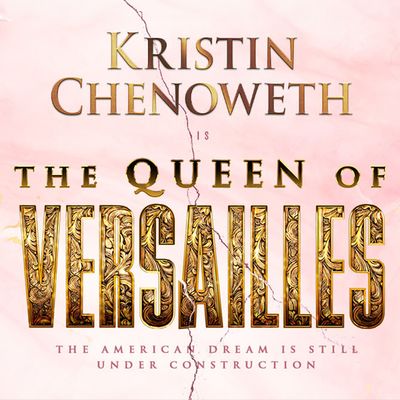
Christian Cowan’s journey to the top of the fashion world is anything but traditional. He opens up about applying to Central Saint Martins with a literal soup can instead of a standard portfolio and explains how a childhood obsession with insects helped him understand high fashion structures. He also shares the wild story of receiving a commission from Lady Gaga at just 18 years old while he was still a first-year student who barely knew how to ship a package.
Now making his Broadway costume design debut with The Queen of Versailles, Christian discusses the challenge of translating high glamour into durable stage wear. He reveals details about touring Jackie Siegel’s massive closet which features a stripper pole and round bed, and breaks down the technology behind the 3D printed vases on his Marie Antoinette costume. We also geek out over his love for animation, his collaboration with The Powerpuff Girls, and his desire to design for sci-fi films.
Christian Cowan is a British fashion designer known for his vibrant and sculptural aesthetic. He launched his eponymous label in 2017 and has dressed global icons including Lady Gaga, Cardi B, and Miley Cyrus. He was a finalist for the CFDA Vogue Fashion Fund and has collaborated with brands like Cartoon Network and Adobe. The Queen of Versailles marks his Broadway debut as a costume designer.
This episode is powered by WelcomeToTimesSquare.com, the billboard where you can be a star for a day.
Connect with Christian:
- Instagram: @christiancowan
Connect with The Theatre Podcast:
- Support the podcast on Patreon and watch video versions of the episodes: Patreon.com/TheTheatrePodcast
- Instagram: @theatre_podcast
- Facebook.com/OfficialTheatrePodcast
- TheTheatrePodcast.com
- Alan's personal Instagram: @alanseales
- Email me at feedback@thetheatrepodcast.com. I want to know what you think.
Transcript
This transcript was automatically generated and might contain errors.
[0:00] Christian Cowan: Hi, my name's Christian Cowan. Welcome to The Theatre Podcast with Alan Seales.
[0:10] Alan Seales: Hey, everyone. This is Alan Seales, and welcome back. Today, we're sitting down with designer Christian Cowan, whose bold aesthetic has dressed everyone from Lady Gaga to the Powerpuff Girls. He's finally making his Broadway costume debut with The Queen of Versailles, and his path to get here was just wild. We talk a little bit about how his childhood fascination with insects, yes, bugs, actually shaped his view on high fashion and the time he applied to Central Saint Martins using a literal soup can. We also dive into his creative process, which involves everything from 3D printing vases for a dress to touring a closet that's bigger than most apartments and has its own stripper pole. Plus, you do not want to miss his plot in 60 Seconds, where he gives us a very colorful retelling of Wicked.
This is a fun and inspiring look at staying true to your own vision. Make sure to follow me online on social media, and head to Patreon or Spotify for the video version. And now, everybody, enjoy this episode with Christian Cowan.
[1:25] Alan Seales: Today, we're joined by a designer whose bold, high-glamour aesthetic has made him one of the most distinctive young voices in fashion. He launched a fashion label in 2017 and quickly became known for his playful, high-impact designs worn by stars including Lady Gaga, Cardi B, Miley Cyrus, and JLo. He was a finalist for the CFDA Vogue Fashion Fund. His work often blends sequins, vibrant color, and sculptural silhouettes in ways that feel both irreverent and instantly recognizable. His collaboration with Cartoon Network on the Powerpuff Girls collection highlighted his commitment to fun, empowerment, and cultural storytelling through fashion. I can't wait to ask about that. And now, he's making his Broadway debut, Broadway costume debut, with The Queen of Versailles, Christian Cowan. Holy crap, man. Now that I got through that intro, welcome to The Theatre Podcast.
[2:17] Christian Cowan: Thank you for that beautiful intro. Yeah, not my Broadway debut for singing and dancing just yet. I'm going to save that one for another life.
[2:25] Alan Seales: Do you want to be a performer one day?
[2:26] Christian Cowan: Absolutely not. Absolutely not. I'm not going to put people through that.
[2:30] Alan Seales: The times are hard enough already. They don't need me singing and dancing.
[2:33] Christian Cowan: Can you sing and dance?
[2:34] Christian Cowan: Absolutely not. That is not within my wheelhouse.
[2:36] Alan Seales: Well, that hasn't stopped some people on Broadway. Hot tip. So we were just talking before we started recording. We're recording here in the Welcome to Times Square studios. Out the window, we can see the famous Times Square ball drop thing out here. And you were saying that's what got you into fashion at 10 years old, standing here in New York, waiting for New Year's?
[3:01] Christian Cowan: Kind of, in a way. I mean, definitely not that experience because it was so long and boring. But coming to New York when I was 10 years old, I was just like, oh, this is it. I'd been in the English countryside the whole time. And this was the first big city trip I'd ever done. And I was like, that is going to be my future. And I told my mom when I graduate one day, I'm going to move to New York and be a fashion designer. And then I never deviated from that. Just that was the plan.
[3:23] Alan Seales: Well, you're standing in New York, and it's cold because it's December, right? And you're waiting for the ball to drop. And were you already into fashion at this point at 10 years old? Because you were saying like, this is the point, all right, I want to move to New York. And then you had to figure out something to do to get to New York.
[3:38] Christian Cowan: Well, so I have a few visceral memories about it. But that was around the age I started to work out that fashion didn't have to be being dragged around shopping for my school uniform with my mom. It could be something fun and exciting. And then I remember it vividly. We were all cordoned into sections at Times Square, not allowed to leave forever. And it was like the MTV office, or there was some form of office that had a big glass wall.
[4:03] Alan Seales: Yeah. Was it like the TRL studios?
[4:05] Christian Cowan: Something. And Snoop Dogg walked past the window in a giant fur coat. And I was like, yeah, I want to be doing something to do with that exciting world. And I don't know, it's just something that started to click into place. But the vision fully formed by 14. Like when Lady Gaga came on the scene, I was like, oh, that's the fashion that I'm after. But before then, I was having the interest at 10.
[4:25] Alan Seales: That is secretly incredibly fascinating. I enjoy how that all kind of tied together. When you were younger, 10 years old and even younger, were you into clothing at all? Like you were saying 14, you're like, okay, I can really start doing this. But what was it that you're like, I'm going to design, I'm going to make? Because some people just like wearing or experiencing, right?
[4:49] Christian Cowan: You're right. I grew up, my father was a glaciologist and was very into the sciences.
[4:54] Alan Seales: Oh, very similar.
[4:56] Christian Cowan: Super similar career paths. Basically the same thing. But no, he really encouraged me to follow my interests within that. And I loved insects. Insects were like my favorite thing growing up. I thought they were fabulous. And then there's this weird moment when I started to notice high fashion. I was like, it's kind of like making your own weird creative form. And to me in my child brain, it was kind of similar to insects. Because they're both like the most wild, extravagant. Insects are not bound by normal organic rules in terms of they really do their own thing within their forms. And I don't know, for some reason, in my pure 10-year-old mind, I was like, they're the same thing basically.
[5:36] Alan Seales: I do not follow that at all, but I love it.
[5:38] Christian Cowan: But it made sense somehow.
[5:40] Alan Seales: It does make sense. I mean, sorry, I do follow what you said. I would never have come to that conclusion in my own way.
[5:47] Christian Cowan: I don't know why I did either.
[5:49] Alan Seales: I love it.
[5:50] Christian Cowan: That's what happened.
[5:50] Alan Seales: I absolutely love it. And it took you down this path. Okay, so you start down this path, this interest, I'm going to make stuff. Then when and how did you start? And what were you making at first? Were you mimicking or always doing original things?
[6:04] Christian Cowan: Oh, that's a good question. I remember there's a store in the UK called John Lewis. I don't know if there's an equivalent here. It's like a slightly more interesting Target. And they sold pre-made clothing patterns. They looked like 1950s style sketches with dresses on them. And so my mum started to get me a few of those and was like, play around with that because of my interest. And she got me this 40-pound sewing machine that I thought was the glamorous thing at the time. It was terrible. But I started playing around and just making ugly, ugly ass garments, like horrible things. But then just over time found my way and it just kind of spiraled from there.
[6:40] Christian Cowan: But my parents were, they didn't spoil me at all in terms of going to theme parks or toys, but any interest I had, they would completely spoil me on the supplies. So whether I wanted to be an oil painter, suddenly I had all the oil paints. If I wanted to do sewing, they gave me all the sewing kits. So they were always very, they championed me following that stuff, which I think really helped accelerate my path into what I wanted.
[7:04] Alan Seales: That's brilliant, actually. It's a very good technique out there. As a parent myself, you can't make your kid like something. They're going to end up resenting it and you for that.
[7:13] Christian Cowan: Yes.
[7:14] Alan Seales: And so, yeah, same philosophy. If they show an interest in something, I'm like, yeah, I'll let you do more of it. Let's figure out more. What were you making? Were you making for you? Making for others? Or just making for your dog?
[7:27] Christian Cowan: They were like women's clothing and then I'd get my friends to try them on and take cool, weird photos. And it was like playing around just at home. We'd do like little photo shoots. It was very like Tumblr vibes at the time. Tumblr was the sitch. And so, yeah, we just played around with that basically. And then I made my portfolio at home and then just eventually applied to fashion school and got let in and that was it. And I applied with a tin can. Hilarious. Isn't that embarrassing? I was inspired by some artist, I can't even remember his name, but I was thinking they must receive thousands of applications every time, every enrollment period. I was like, how do I stand out? I was like, I'm just going to do like a soup can that's got all my information on it. And then you open the thing and my portfolio will be rolled up inside. And then I just sent this can to Central Saint Martins.
[8:15] Alan Seales: Like a literal soup can.
[8:16] Christian Cowan: It was literally a soup can. And I had to cut out the bottom and then put it in so they could still do that. And then I had to reattach the bottom so they could peel off the top. And I made a label and everything. And I don't know why, if I'm honest. But I only applied to one place at Central Saint Martins. I was like, if I don't get in, it's not happening. And I got in. It worked.
[8:35] Alan Seales: Did they ever comment on it?
[8:36] Christian Cowan: No. And I hope I've got the tin can.
[8:38] Alan Seales: They should have sent your acceptance letter on a tin can.
[8:41] Christian Cowan: Yeah, that would have been amazing.
[8:42] Alan Seales: That would have been the best. Missed opportunity.
[8:44] Christian Cowan: Or like a sandwich bag or just something of the same world.
[8:47] Alan Seales: Or if it's Lady Gaga style, just like a piece of charred meat.
[8:52] Christian Cowan: Charred meat would have been fab in the mail.
[8:54] Alan Seales: Stamp it on a piece of steak.
[8:56] Christian Cowan: So then you go to fashion school. Okay. And how old were you at this point? Like 17, 18?
[8:59] Christian Cowan: I was 17.
[9:00] Alan Seales: Okay. And then did you go through school like just normal schooling? And then what was like that breakout that pushed you out?
[9:11] Christian Cowan: I kind of sucked at school. I was really, really bad. I was a really bad fashion student. I was really bad at doing any of the work or turning up. I was a nightmare student because I was so interested in it, but I hated the conformity of the education system. I didn't agree with loads of the tutor's advice. I was like, that's bad advice, even though I was 17. So I wasn't the best student. And then luckily, when I was like, I think I just turned 18, I made some outfits instead of doing my actual proper coursework. And then by some odd series of events that I linked up, I did a little fun moment with my friends while trying it on. A drag queen friend of mine called Dina Lux posted it onto her social media. Days and Confused magazine reposted it, and then Lady Gaga saw it. And then as this 18-year-old, I got an email from Lady Gaga's team being like—
[10:24] Christian Cowan: 18.
[10:25] Alan Seales: Yeah, 18. And I was a first-year student at university and a terrible one. And I just got this email being like, we'd like to pull all these pieces for Lady Gaga. And I was like, hold the bird. I didn't even know how to make a FedEx label.
[10:37] Christian Cowan: 18.
[10:38] Alan Seales: But you can make a tin can label.
[10:39] Christian Cowan: Yeah, exactly. And I didn't even know—one of the looks had a hat that was like bigger than this table. And I was like, how the hell do I ship this to—it was New York. And so I had to like tape all these boxes together. The garments were terribly made. Like I made it out of this thick, glitter-coated canvas. And my sewing machine that I had at the time could not handle that. So I super glued all the seams together. And Lady Gaga wore it. And then this started this whole chain of events going forward where I just kept on getting different celebrity commissions off the back of the last one. And then I just spent university basically not doing my coursework, and then just doing commissions.
[11:18] Alan Seales: So did you ever finish school?
[11:19] Christian Cowan: I just scraped by.
[11:21] Alan Seales: Did you?
[11:22] Christian Cowan: Yeah, I did it.
[11:27] Alan Seales: I can't believe that. I've heard of similar stories in the acting world where the conservatories want people to stay in school and not take jobs.
[11:52] Christian Cowan: And they've been forced to choose between their Broadway debut and finishing school.
[12:01] Alan Seales: That's crazy.
[12:02] Christian Cowan: And they go with their Broadway debut, and here they are, right?
[12:04] Alan Seales: So what is it to do other than to prep you for the real world? So if the real world's knocking on your door, help the student access that. The one thing I'd give university is it gave me a good anchoring system throughout that time, like structure, where at a time being like a young creative in London, I definitely could have probably like spiraled into the party scene or something. And I guess university gave me some framework.
[12:26] Alan Seales: I gave you a place to go home to that was safe, which I will not discount is very important.
[12:31] Christian Cowan: And also I got to steal supplies.
[12:33] Alan Seales: Yes.
[12:34] Christian Cowan: Very important.
[12:35] Alan Seales: Borrow, giving back.
[12:37] Christian Cowan: I fully wheeled a mannequin onto a London bus and never gave it back.
[12:42] Alan Seales: I needed a mannequin.
[12:43] Christian Cowan: Well, fair, fair. So, okay, then it was literally just a random Instagram post that launched your professional career.
[12:49] Christian Cowan: It was wild. Yeah, and I had no idea what I was doing. Honestly, the motto for most of my career, like I definitely took opportunities before I was fully ready for them. But I think that's just baptism by fire. That's the way that works. You just got to jump in.
[13:09] Alan Seales: Make it. But then what I've learned, I mean, even now, at the age you are now, do you feel like you've made it? Or are you still like, what am I doing here? Because some of the most successful people I've talked to still are like, I don't know what I'm doing, and I get stage fright, and I hate auditions, and I crack all the time. I mean, they're still a normal person.
[13:26] Christian Cowan: A hundred percent. Like, for example, doing this Broadway costume design gig for the first time, like, I was learning on the job. I'd never done it before. And it's wildly different to just making a collection for myself. And so, yeah, you just continue to… I want to feel that way throughout my whole career. I never want to get to a point where I'm like, oh, I've just got my shit, and I know it all, and I'm good. I always want to just be kind of treading water a little bit. David Bowie had a cute quote, and I'm not going to remember it, but something about you should always be walking into water that's just a bit deeper than you can stand or something. You should always feel a little bit uneasy.
[14:01] Alan Seales: I like that a lot, actually. That's very cool. I always like to quote Andre De Shields as well, when he won his Tony Award. He's like, the top of one mountain is the bottom of the next. I love that.
[14:11] Christian Cowan: So, you get where you are. You climb, you climb. Turn around, look and see how far you've come, but then you've still got another mountain to climb.
[14:16] Alan Seales: Well, sure. There's always somewhere to go. You've always got to be looking up.
[14:18] Christian Cowan: Yeah. I really like that. Okay. So then, you mentioned Broadway, Queen of Versailles. How did you make that leap? Why did you? First, why did you make the leap from fashion into Broadway? Because it's a whole different beast.
[14:30] Christian Cowan: It's a whole different beast. It's funny because both industries live in the same small city, but yet they don't touch as much as you think they would, which I find interesting. I wanted to because I love what I do so much within fashion. I love doing my collections every season. I love doing all the celebrity commissions, but after a few years, you're like, okay, here we go. February, I've got my next show. September, that's the next show. After a while, you're like, oh, I'm really feeling way too comfortable. So, I was like, I need something else. I want to design for people that aren't just wealthy ladies, basically, which I love doing. Don't get me wrong. It's fun to make extravagant, expensive clothing, but I want to do character work. And so, I just went around town for probably three years being like, I really want to do a Broadway show.
[15:16] Alan Seales: So, you started out?
[15:16] Christian Cowan: Oh, everything. Yeah. I firmly believe it. Just tell everyone what you want to do, and eventually, someone's going to be like, ah, well, I can help you out with this. And that's how it happened. I eventually sat next to Bill Dimash, who's one of the main producers, at a gala, and I told him. And then two years later, he called me up being like, hey, I've got this project, and I think you'd be really good for it. I was like, say less.
[15:39] Alan Seales: Oh, yeah. No, Bill likes extravagant stuff, too.
[15:43] Christian Cowan: Don't go anywhere. We're going to take a quick commercial break.
[15:47] Alan Seales: All right, everyone. Now, we're back. Okay. So, Queen of Versailles is so extravagant. I mean, it's based on a completely true story of the king of timeshares, the guy who invented timeshares. And of course, Kristin Chenoweth plays – I'm totally brain farting on her character name.
[16:05] Christian Cowan: Jackie Siegel.
[16:06] Alan Seales: Jackie Siegel, yes. So, she plays Jackie Siegel, and who is just like true rags to married into riches kind of story, right? And so, she's just off the deep end with the extravagance that what she wants to be involved with. So, I guess, where do you start with this having pre-established story, pre-established characters? Where do you start designing for this versus just making up a collection on the fly?
[16:33] Christian Cowan: I guess, there was two thought processes in tandem. One was like, let's compile kind of like what the character Bible is for each person in real life. Like, let's gather all the content we can. Let's really look at, for Jackie specifically, what was the stuff she was wearing? What was the jewelry and the different areas of her life throughout this story? But then also, at the same time, you're thinking, this is also a Broadway show. And so, this isn't the documentary. And so, how do we amp it up in areas while still staying true to the character arc, but bring a little bit of zhuzh. And so, it was a fun balancing act of just, I don't know, really digging in. I think when we did our pre-Broadway stint in Boston, I'd gone too far into the Broadway side of it.
It was too extravagant the whole way through. So, a big part before we came to New York was me stripping back some of the glamour looks and putting in more tank tops with ripped up denim because I just wanted that high low. But it was great. I got to go to the house and I got to meet Jackie and have a closet tour, which was the genesis of her character work for me because the closet was crazy.
[17:37] Alan Seales: Really?
[17:37] Christian Cowan: It was a crazy town.
[17:38] Alan Seales: Do you get pictures?
[17:39] Christian Cowan: I don't. I don't. I'm notorious for not taking photos of anything. It's so bad. Like, my camera rolls ghost town. But it was two stories. It's-
[17:48] Alan Seales: Her closet's two stories.
[17:49] Christian Cowan: Yeah. It's huge. It's like a mall. And then there's zebra print carpet. There's a stripper pole. There's a round bed. There's-
[17:55] Alan Seales: Stripper pole in the closet.
[17:57] Christian Cowan: Yes. But when I say closet, it's bigger than a New York City home.
[18:01] Alan Seales: I was going to say.
[18:01] Christian Cowan: Yeah. It's bigger than any apartment I was ever in. And then just thousands and thousands of pieces of clothing. My main takeaway for her was she's a big follower of joy within fashion, which is something I really appreciate. She's not so concerned with following a trend or whatever label is the hottest label right now. She just loves color and texture and extravagance, and she wants to have fun. And there was everything you could imagine in the closet. So I was like, I want that to be present in the show. So I really tried to use every single color, every single animal print, kind of take it all off throughout the show.
[18:35] Alan Seales: That's interesting. Yeah. I can't believe, I mean, just the sheer size, size of this closet. And why would you need a stripper pole in your closet?
[18:44] Christian Cowan: Why wouldn't you need a stripper pole?
[18:46] Alan Seales: That's a better question. Yes. I don't know the answer to that.
[18:49] Christian Cowan: Why don't we have that?
[18:53] Alan Seales: Okay. Let's start a new project where we build a New York City apartment complex and every closet has a stripper pole.
[18:59] Christian Cowan: I'm telling you.
[19:00] Alan Seales: It could just be for free.
[19:01] Christian Cowan: It's a great prop. You get your exercise and your fashion.
[19:04] Alan Seales: It's meant to be an amazing form of exercise.
[19:06] Christian Cowan: So then, what was more fun? Was it more fun to design for the normal characters, like the normal Jackie or like, you know, there's the Victorian kind of opening of the show as well. Those costumes caught my eye right away.
[19:20] Christian Cowan: Thank you. Because I was like, it was just, again, it was just so perfect at the period. It was so much fun to do those as well because I'd never done anything like that. I'd never been able to do kind of like real comprehension work in terms of just like every outfit, bar Marie Antoinette, which I'll get to. But every other period court costume was to a painting that was done. And so everything was very, very accurate. I really didn't want to do the stereotypical takes of that that you see. Like, obviously, there's the iconic ones like the Sofia Coppola one, which is like, no notes, it's perfection. You kind of see people redo that aesthetic quite a lot for the French court. And so I wanted to stay away from that and really stay true to what the color palettes were, which was just a lot of like deep jewel tones, a lot of mustards, a lot of things like that. But then for Marie, I had a little bit of fun because I just couldn't help myself.
[20:09] Alan Seales: The queen.
[20:09] Christian Cowan: So that's Marie Antoinette.
[20:10] Alan Seales: Yes, the literal queen, yeah. And there's this like famous dress that she apparently wore that had ceramic handmade vases woven all over it with then real fresh flowers in the vases. And I was like, well, we're doing that.
[20:23] Alan Seales: That's okay.
[20:24] Christian Cowan: So what's more outlandish? Stripper pole in every closet or fresh flowers woven into your closet?
[20:29] Alan Seales: Yeah, exactly.
[20:29] Christian Cowan: I think that's more outlandish.
[20:31] Alan Seales: My God, the amount of things people spend money on sometimes.
[20:34] Christian Cowan: It was wild. So we had to get these vases 3D printed and then hand painted so they were light and then like get silk flowers made by Schmalberg and like, it was a whole thing.
[20:42] Alan Seales: Oh, yeah.
[20:43] Christian Cowan: I read, what did I say? Social media, somebody posted something about the 3D printed vases in the dress.
[20:50] Alan Seales: Yeah.
[20:51] Christian Cowan: So was that your idea to do that? How did that come around?
[20:55] Christian Cowan: Well, so we wanted to do the vases, but we're like, they clearly can't be like porcelain because poor Cassandra who's wearing the dress won't be moving. And then just my amazing team were like, well, 3D printing would work. And I was like, yeah, I'd love to. I've done it for a few different tour costume things in the past because it's always a good alternative to metal because it's so lightweight.
[21:13] Alan Seales: Yeah.
[21:13] Christian Cowan: And so we just played around with it and got there.
[21:15] Alan Seales: What do you like experimenting with along those lines?
[21:17] Christian Cowan: Like I would not have thought, oh, let's 3D print clothing pieces.
[21:21] Christian Cowan: Oh, you've got to. But in general, outside of Broadway, just within my own stuff, I always like to experiment. Like every season I try to choose like two or three new techniques that we've never used just to keep things fresh and fun and be excited and keep learning and work out what sucks and what doesn't. And so, yeah, it had to be done.
[21:39] Alan Seales: What about like electronics and, you know, things that...
[21:43] Christian Cowan: I've got to have done something with electronics before.
[21:46] Christian Cowan: I have. I've done a few. I would love to wear, I would buy this and go out with this in like a club or something, like get a vest or some clothing or whatever that, I don't know, when you get close to somebody, it starts to get more intense.
[22:01] Alan Seales: And when you go away, it'll get a little bit like proximity aware.
[22:04] Christian Cowan: Like lights up or like electrocutes?
[22:07] Alan Seales: Like what are we talking here?
[22:09] Christian Cowan: Well, I was going lights up, but now you just opened up a whole new world.
[22:13] Alan Seales: No, I mean, yeah, like lights up.
[22:15] Christian Cowan: Oh, I like that. As people, like randomly, like you and I, I'm item one, you're item two. And as we get together, item one and two create a certain color pattern, and then item one and three create a different one. So then when you're looking at a dance floor from up above, like everybody's moving around and like all these light, these lighting kind of...
[22:33] Alan Seales: That'd be amazing.
[22:33] Christian Cowan: Can you make that?
[22:34] Alan Seales: I mean, I can try.
[22:36] Christian Cowan: That sounds great.
[22:38] Alan Seales: I want to see that so bad.
[22:39] Christian Cowan: I will help you engineer that.
[22:40] Alan Seales: I need like a tech collab there, but let's make it happen.
[22:44] Christian Cowan: That'd be fab on a tour.
[22:46] Alan Seales: Yeah, a tour or yeah, like, oh man, like dancers, like backup dancers as they're going around. That'd be great for like a New York City ballet moment as well.
[22:54] Christian Cowan: I'd love to, which is one of my goals. I really want to do New York City ballet.
[22:57] Alan Seales: Send this podcast to all of your famous friends who have lots of money for design teams.
[23:01] Christian Cowan: Yes.
[23:01] Alan Seales: And then let's have one of them build it, and I'll help you with that.
[23:04] Christian Cowan: I'd love that.
[23:05] Alan Seales: Okay. Because I love doing a little tech moment. I've done a few of them, and they're fun. They're always interesting. I love, I love, love when technology comes into it. And then now with, um, it comes into fashion. And I, and I've, have you seen those like, um, completely malleable, uh, LCD screens?
[23:19] Christian Cowan: Yes.
[23:20] Alan Seales: So cool.
[23:21] Christian Cowan: Like people are going to literally be wearing, moving advertisements.
[23:24] Alan Seales: Jump so far ahead in like 10 years as well.
[23:27] Christian Cowan: It's gonna be so much better because right now I find most tech integrations into clothing. It's always a little janky.
[23:31] Alan Seales: Yeah.
[23:33] Christian Cowan: It's always like a little bit like, oh, it's not ideal. And so I'm excited for it to cross that boundary where it can be like really seamless. Because like having a few optic fibers just shoved underneath a transparent piece of fabric isn't enough for me. I need something more.
[23:47] Alan Seales: Yeah. Like, and I love how, you know, Disney's always trying to push the boundary. Like I love comparing modern technological fashion to what Disney is doing. Because they're always like pushing the limits and trying to make it all special and everything. But to, to weave it into something, no pun intended, to weave this technology into something, see what I did there?
[24:04] Christian Cowan: Yeah, I like that, very punny.
[24:07] Alan Seales: I'm nothing but puns. To weave this into a situation where it could actually be interactive and responsive and just be like, I don't know, I'm just picturing like literally out in Times Square, New Year's Eve or something. Like, or the first time I saw, what's that? The wristband technology that uses targeting RFID or something.
[24:27] Christian Cowan: So like different sections are getting certain colors.
[24:30] Alan Seales: Oh yeah, yeah, yeah, fab.
[24:32] Christian Cowan: Like, you know what I'm talking about? First time I ever saw that was at a Taylor Swift concert.
[24:35] Alan Seales: Didn't Coldplay do it too?
[24:36] Christian Cowan: Yeah. I mean, tons of people. They would have like a wave of color moving across the stadium and stuff.
[24:40] Alan Seales: Yeah, yeah.
[24:41] Christian Cowan: So, but to have something like that, that people wear, that knows when it's in proximity with another object next to itself.
[24:46] Alan Seales: Oh man, I'm a tech nerd.
[24:48] Christian Cowan: Sounds great.
[24:48] Alan Seales: Sounds expensive.
[24:50] Christian Cowan: That's what I mean. That's why we need Lady Gaga to do it.
[24:54] Alan Seales: Well then, okay, so going back to the Broadway stuff, what was kind of the biggest challenge designing for Broadway versus your normal thing? Because Broadway needs quick changes and it needs to be durable. You can't just super glue scenes together.
[25:08] Christian Cowan: I think the main challenge for me was just the sheer scale of the amount of costumes needed to be done. I don't even remember the number. It's written down somewhere. It's like, but I know it's like 375 costumes, 1100 total costumes. It was crazy. It was crazy. And so that was the main thing was just finding enough seamstresses, finding enough people to find all the fabrics. And the quick changes and stuff, I was good because once you've done a JLo tour thing or something, you've got the quick change thing down. I remember early in my career, I did some stuff for Beyonce and I received this dossier of information and it was everything from the best zippers for quick changes, the heel sizes that won't go through the holes and the steps and every single detail. So that was an amazing cheat sheet for me forever.
[25:55] Alan Seales: Oh, interesting.
[25:56] Christian Cowan: But just the sheer quantity of costumes was crazy. It was fun.
[26:04] Alan Seales: So 300, almost 400 designs, 1100 something-
[26:07] Christian Cowan: Pieces.
[26:09] Alan Seales: Are you still making new things for understudies and swings?
[26:13] Christian Cowan: So we got it all done. But that as well is another thing. It's just like the amount, the amount.
[26:18] Christian Cowan: Was there anything that you made that when you got it on somebody or when it got it on stage, it was like, this isn't working. This is totally not what I imagined, or it's falling apart?
[26:49] Alasdair Allen: Quite a few things, probably. Definitely for Kristen as well, because I wanted to try the most stuff for her, and she was such an angel about it. She really tried on a lot of things for me. Sketching's one thing, but you kind of just need to see something on the person, and then see their energy. They're bringing the character to life through that outfit. And so there was definitely some costumes that I did where I was like, for example, there was a wedding dress before the wedding dress we settled on, and it was huge. It was like a giant enormous meringue of a dress, and it was amazing. But then when it got onto her for the scene, it was like, this is way too fashionable. It's way too big. Originally, the scene was written where she would come into the wedding on a golf cart, but then that got changed.
I guess a massive component of the show was the changes to the show would obviously then impact retroactively what you've done for costuming. And so that was an interesting back and forth that I really enjoyed. It kept you on your toes, but it was a lot of changes.
[27:45] Christian Cowan: Oh, like change it very last minute, especially during previews. Last minute, but also even for things that were done ages ago. It's just like, they were trying the previews in Boston with the golf cart thing, but then that wouldn't work. But it's like, well, if you've made a dress that was comedically and hilariously large so she could be on the golf cart, well, if you change it to her now to do a quick change and walk in, that dress ain't gonna work. So it's just a lot of stuff like that that I really enjoyed.
[28:09] Christian Cowan: That's interesting. All right, so then Powerpuff Girls.
[28:14] Alan Seales: Love that this came up, by the way. I haven't spoken about that in ages.
[28:17] Christian Cowan: Really?
[28:18] Alan Seales: Yeah, I love Powerpuff Girls. I mean, I was going to ask, why do the corporate-y stuff too? And I think answering maybe your question for you is that you were saying earlier that you want to always do something new and always be learning and always be treading water. But how did that come about and what was so enjoyable about it?
[28:35] Christian Cowan: Well, I loved Powerpuff Girls growing up. I've got visceral memories of Powerpuff Girls. It was so fab. I had a formative experience as a child where I had to go to hospital for a few weeks, and my whole time in that hospital was watching Powerpuff Girls with the other kids. And so I've always got very fond memories of it. But then I had been putting it out into the world that I love animation. I've always loved animation. I think it's amazing. I think if I didn't go into fashion, that would have been one of my options was to be an animator. And I just kept telling people. And then eventually, I had a friend who knew someone at the Powerpuff Girls head office. And so that's kind of how it came about.
And at the same time, I did something with American Dad, which was a dream come true. And so they both kind of started happening, and it was so much fun. I got to dress the Powerpuff Girls. How fab. What a dream come true. And making clothes that aren't real, amazing, because someone just draws them.
[29:28] Alan Seales: Well, okay. So you're sketching them and handing the sketches over to the animators who then have to... Are you telling them, okay, so this material is going to flow like this, and that's going to shine like this? How much control do you have over the animation that way?
[29:40] Christian Cowan: So it was a two-part thing. One, I did a fashion show in LA. I did two fashion shows for them, actually, in LA. It was my collection inspired by the characters. So that was one side of it. So I did have to make a lot of clothes. But then the other side was I just took some of my most iconic outfits, and then we just put them on the Powerpuff Girls. But yeah, you kind of say, hey, this is the fabric. This is the thing. I want it to fit like this. And then it's just so exciting when you get sent back those renderings, and you're like, oh my gosh, that's that thing that I loved as a child. And now it's part of my world, and I'm part of its world. It's such an honor.
[30:12] Alan Seales: That's very neat. I like watching all behind the scenes stuff. I forget what it was. I think it was... I go back to Disney. I'm a Disney adult. Can you tell?
[30:19] Christian Cowan: Love.
[30:20] Alan Seales: That was showing some behind the scenes of the animation of Frozen and Frozen 2. And the animators would sometimes just take their phones and have their friends videotape them or record them doing the moves.
[30:31] Christian Cowan: Yes, with a dress.
[30:33] Alan Seales: With the dress or running when Elsa jumps onto the final moment of the climax of Let It Go. Somebody was running behind her on a skateboard. The animator who animated that scene was beside her on a skateboard animating her running and doing those jumps so she could animate it. And so I imagine it was one of those things where you're taking the actual dresses or something. Would anybody videotape any of that flowing or moving around?
[30:59] Christian Cowan: I don't think we did our due diligence in that way, but we should have. But also, I guess I would say in those Disney films, and it's one of my dreams, by the way, to do costumes for a Disney film. I don't know how that happens, but I guess they're really a study of physics as well. They're really looking at how the costumes flow, whereas in Powerpuff Girls, part of the animation style is that that's not taking place. You're not seeing the outfit wobble in the wind when they're flying. They're very much static. So we never really had to do that. And then it was the same when I did American Dad. The physics aren't there. But it was fun because I got to be in American Dad. So talking about being a performer, that was my one time.
[31:38] Alan Seales: What was your line?
[31:41] Christian Cowan: I had a few lines. Roger the alien murdered me. It was amazing. He set me on fire. It was so good. He took over my fashion show and killed me.
[31:49] Alan Seales: But did you play yourself?
[31:50] Christian Cowan: Yeah.
[31:51] Alan Seales: I should know this. You played yourself. You're like,
[31:53] Christian Cowan: And then Roger was dressed as me. For a few years, I had neon green hair in real life. And so my character there has neon green hair.
[32:01] Alan Seales: I'm going to have to go find that.
[32:02] Christian Cowan: Looks like Beetlejuice.
[32:04] Alan Seales: When I look back at it, I'm like, what was I doing?
[32:06] Christian Cowan: No, you're expressing yourself.
[32:07] Alan Seales: I was expressing myself.
[32:08] Christian Cowan: That's what you do.
[32:09] Christian Cowan: When I moved to New York, I was like, how am I going to make this work? It's the most competitive city. And for some reason in my mind, I was like, I need to have neon green hair because at least people won't forget me. And so for three years, I had neon green hair.
[32:20] Alan Seales: Three years. That was a lot of dying.
[32:22] Christian Cowan: Like there's a lot of dying. It was great. Luckily, like Bumble and Bumble, a hair company at the time, sponsored and did it all for free for three years because I did not have the money to sit in that bleaching chair for like five hours. So I was very sweet to them. But yeah, hilarious.
[32:36] Alan Seales: Well, what else do you want to do next that you haven't done? Like just Oprah this into existence. Movie, TV show, opera, ballet.
[32:45] Christian Cowan: In that order.
[32:46] Christian Cowan: I want to do those in any order, all at once, whatever it is. But I want to just kind of try everything. And then once I've done that, I will decide which ones I want to do again.
[32:55] Alan Seales: Once you finally grow up, when you're about 90 or 95 years old.
[32:59] Christian Cowan: Yeah, when I'm about 98, I'm going to then work out what I'm going to do.
[33:04] Alan Seales: Yeah, yeah.
[33:04] Christian Cowan: Yeah, I really want to just play around with them all. But I'd really enjoy doing something on camera. Like I love doing Broadway and I want to do it again. But I just want to enjoy some of the freedom of not the quick change, not the live performance, just some of the creative liberties you can take and smoke and mirrors that you can do with camera.
[33:22] Christian Cowan: I mean, just the costumes on something. Any of these period pieces that are shot in New York, you know, like the Golden Age or something to be able to get on that show. I used Eric Winterling, the costume maker who did a lot of Gilded Age 4. He did a lot of our French court stuff and some of Kristen's tracking. And so I was like honored to work with him. I learned so much from him as well.
[33:44] Alan Seales: You were like, here's my number, dude.
[33:45] Christian Cowan: Oh, yeah. I mean, I think he's the best thing since sliced bread. But like, I would love to do that. I'd love to do a sci-fi. I really want to do a sci-fi.
[33:52] Alan Seales: Do you want to dress an alien?
[33:53] Christian Cowan: I'd love to dress an alien. I want to just do world building stuff. I'd love to do something where there is no real person behind that character. It is just you getting to let your freak flag fly and design whatever.
[34:04] Alan Seales: It's kind of like a Fifth Element sort of universe.
[34:05] Christian Cowan: I would love to do that.
[34:07] Alan Seales: Yeah.
[34:08] Christian Cowan: Yeah, like when you look at some of like Fifth Element or like, what's her name, Amidala in Star Wars?
[34:12] Alan Seales: Yeah, yeah. Queen Amidala.
[34:14] Christian Cowan: Yeah. Like Big Sleigh. We love those costumes. Big Sleigh. I'd love to do something like that one day. We'll see.
[34:21] Alan Seales: Which like that just is the fashion of that time. There's no, you're creating the universe. What world do they live in? What are the fabrics that are made on that planet by what plants they have? And what is their social culture like that's built those parts of the outfits? I don't know. I think that'd be so fun.
[34:37] Christian Cowan: That your mind works in a way that I so respect. It's so creative and different and out there.
[34:41] Alan Seales: I love the sci-fi. I love technology. I want to do, I want to work with you.
[34:45] Christian Cowan: You design it and I'll put the tech inside it.
[34:47] Alan Seales: Deal. I would love that by the way. I genuinely love that.
[34:50] Christian Cowan: That would be so cool. Oh man, I can't wait to like, to actually see somebody, probably won't be us one day or it'll be you and not me, creating this like near field technology, color changing stuff. I love it.
[35:00] Christian Cowan: Well, I don't think it's too far away because I did a collaboration with Adobe once where we made this dress where all this, it's not, this isn't quite the same thing, but it was quite cool. All the sequins were made out of like special polymer that when you ran electricity through each individual sequin, it changed the tone of the sequin. And so we got to make this like live reactive garment that we could like either play different graphics onto it like a billboard almost, or it could be responsive to a camera sensor. And so like you could hold your hand up and the hand would appear on the dress and stuff. That was so cool.
[35:31] Alan Seales: It's like live camouflage.
[35:32] Christian Cowan: It was awesome. My only regret is like when we showed it, the lighting was not what was rehearsed and they made it a little bit too bright. And so it like slightly hid the drama of the garment, which is a bummer. Like in the office, it looked so amazing that I guess that's the, a fashion show is much like a live performance. You know, you can't quite predict what's going to happen.
[35:52] Alan Seales: Don't go anywhere. We're going to take a quick commercial break.
[35:56] Alan Seales: All right, everyone. Now we're back. We're going to wrap up here with plot in 60 seconds. There's 60 seconds on the screen. I have 17 musicals listed in front of me. You're going to pick from my list by giving me a number one through 17, and then you have to give me the plot to that musical in 60 seconds or less. If you don't know it, have fun making it up.
[36:14] Christian Cowan: That's so funny. I'm going to be so bad at this.
[36:17] Alan Seales: All right. These are popular. You should know most of them.
[36:19] Christian Cowan: I think I understand the rules.
[36:21] Alan Seales: So give me number one through 17, and I will tell you what show you picked.
[36:25] Christian Cowan: 12.
[36:26] Alan Seales: 12 is Wicked. Go.
[36:29] Christian Cowan: Amazing. By Stephen Schwartz, who we love. Didn't shout him out before, but we love. But okay, it's in the land of Oz. Basically, Galinda and Elphaba don't like each other at the beginning. Oh my God. I'm so sorry. Elphaba's being like hated her whole life because she's green. It's super harsh. Then she goes to Shiz University and then Galinda is a bitch to her. But then they end up being pals. And then it turns out that the Wizard of Oz or whatever is actually an arsehole and is managing the world in a horrible way. Madame Morrible, Wicked Witch, is being nasty. And then there's a hurricane that kills Elphaba's sister. And there's a lion who's really shy. And there's Tin Man and Scarecrow. And then Julia Garland pops up later on. I think they should remake the film how I just described it.
[37:35] Alan Seales: They need to. That would be great to take these segments we're doing and make them into like drunk history.
[37:39] Christian Cowan: I want a 60 minute version of both of the films. And it's exactly as how I just narrated it. I'm green. I'm Elphaba. No, I'm Galinda. I'm a bitch.
[37:52] Alan Seales: It's so great.
[37:53] Christian Cowan: All right. Now the three standard closing questions. First one simply is what motivates you?
[37:59] Christian Cowan: To be excited. To have a good time. Honestly, that's what motivates me. I just want to enjoy my life.
[38:04] Alan Seales: I love that. Okay. What advice would you give to your younger self and younger people listening now starting out down a similar path?
[38:10] Christian Cowan: Advice to my younger self? Learn how to manage money faster. Because my early days of my career, I was just not doing that well. And also, just be careful what advice you listen to. Don't really ask for it. Find maybe a few voices to listen to, but otherwise, follow the beat of your own drum. If you listen to too much, it just muddies your vision.
[38:31] Alan Seales: All right. And now, last question. Hardest one. If you could only see one show for the rest of your life, but you could see it as many times as you want, what would you see?
[38:40] Christian Cowan: I'm not going to do the PR answer of Queen of Versailles. Obviously, that would be my answer. But I will give you something else. I am going to say, Oh, Mary.
[38:48] Alan Seales: Oh, yeah. Oh, Mary. I could genuinely enjoy watching that for the rest of my life.
[38:52] Christian Cowan: I love that.
[38:53] Alan Seales: That is great.
[38:54] Christian Cowan: I love that. All right. So, where can people connect with you? Where can we say hi online?
[38:57] Christian Cowan: Oh, come to my Instagram. That's my best place, Christian Cowan. That's my spot.
[39:01] Alan Seales: That's your spot? You can get me on Instagram, threads, TikTok, Facebook. I'm there. Leave a rating, review. Welcome to Times Square for the lovely studio. Thanks to Jukebox the Ghost for the intro and outro music we are hearing right now. Christian, thank you so much. I've enjoyed it.
[39:16] Christian Cowan: Thank you so much. This was gorgeous.
[39:18] Alan Seales: Yeah, you're gorgeous.
[39:21] Christian Cowan: You're gorgeous.
© Broadway Podcast Network, All Rights Reserved