

Irene Sofia Lucio stops by to discuss the journey from being a shy kid in Puerto Rico who had to force herself to raise her hand to starring in some of the most provocative plays on Broadway... Read More
From the show: The Theatre Podcast with Alan Seales
Guests

Featured Shows
About
Irene Sofia Lucio stops by to discuss the journey from being a shy kid in Puerto Rico who had to force herself to raise her hand to starring in some of the most provocative plays on Broadway. She opens up about the intersection of motherhood and art, explaining how becoming a parent shifted her relationship with her body and why creative teams led by mothers are simply more efficient. We also dig into the "white passing" label she carried for years and how she finally decided to fully reclaim her Latinx identity and name in an industry that loves to categorize.
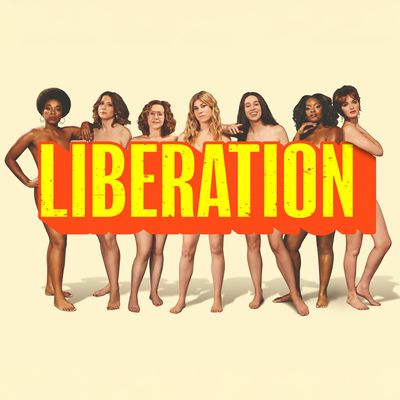
We get into the specifics of her current role in Liberation, including the decision to wear a custom golden armor bust of her own body for opening night and the unique power of performing a nude scene while her father is in the audience. Irene shares how the play explores the history of women's liberation and why physical vulnerability on stage creates a "force field" of safety with her castmates. It is a candid look at how the political climate impacts performance and why gathering in a theater is a form of community building we desperately need right now.
Irene Sofia Lucio is an actor and creator whose Broadway credits include Liberation, Slave Play, and Wit. Her Off-Broadway work includes Our Dear Dead Drug Lord. On screen, she has appeared in In the Heights, Tell Me Lies, The Big Cigar, and co-created the web series Butts. She holds a BA from Princeton University and an MFA from the Yale School of Drama.
This episode is powered by WelcomeToTimesSquare.com, the billboard where you can be a star for a day.
Connect with Irene:
- Instagram: @irenesofialucio
Connect with The Theatre Podcast:
- Support the podcast on Patreon and watch video versions of the episodes: Patreon.com/TheTheatrePodcast
- Instagram: @theatre_podcast
- Facebook.com/OfficialTheatrePodcast
- TheTheatrePodcast.com
- Alan's personal Instagram: @alanseales
- Email me at feedback@thetheatrepodcast.com. I want to know what you think.
Transcript
This transcript was automatically generated and might contain errors.
[0:00] Irene Sofia Lucio: Hello, my name is Irene Sofia Lucio, and welcome to The Theatre Podcast with Alan Seales.
[0:12] Alan Seales: Hey, everyone. Welcome back to The Theatre Podcast. I'm your host, Alan Seales, and our guest, Irene Sofia Lucio, is currently starring in Liberation on Broadway. And just a fair warning before we kick into this, we talk about, I guess, adult themes. I mean, there's nudity on stage in the show, and we, of course, talk about that. That's no surprise by this point. But drop a few more F-bombs than normal and talk about being an awesome mom. Warning, adult content. We talk about being parents. But you know how sometimes the public perception of an actor is totally different from who they actually are? Well, we get into that immediately. And she talks about growing up as a shy kid who actually had to force herself to raise her hand just to get a part in the school play.
But then you look at her current role in Liberation, and obviously, we talk about bridging that gap between anxiety and total fearlessness. We have a really honest conversation about being a mother in the industry. She shares how working with a creative team led by mothers changed the entire rehearsal process because, you know, moms just get more done. And we discuss the unique experience of performing the nude scene while her dad is in the audience, which is a whole other level of bravery. This is such a grounded and funny look at balancing the chaos of professional working life with home life and just the intensity of a Broadway run. And I hope you enjoy hearing from Irene as much as I did. Make sure to follow me on social media. Head over to Patreon or watch this on Spotify for the video version. And now, everybody, please enjoy this episode with Irene Sofia Lucio.
[2:07] Alan Seales: Today, we're joined by an actor whose work spans Broadway. Previously on Slave Play in Wit, she's been on the West End, endless regional stages, film and television. She graduated from Princeton, holds an MFA from the Yale School of Drama, and is the co-creator of the Butts web series, that's B-U-T-S, you dirty people, which earned recognition from NBCUni's Short Film Festival and also got an Imogen Award nomination. So aside from performing, she also has one of the hardest jobs in the world, being a mom to a beautiful toddler. And she is now appearing as Isadora on Broadway in Liberation. Irene Sofia Lucio, welcome to The Theatre Podcast.
[2:45] Irene Sofia Lucio: Thank you for having me. I'm thrilled.
[2:47] Alan Seales: Was that okay? Was that okay introduction?
[2:50] Irene Sofia Lucio: That was fantastic.
[2:50] Alan Seales: Okay, okay. So sometimes it can be a little wrong.
[2:55] Irene Sofia Lucio: You did great.
[2:56] Alan Seales: Okay, okay. So we were talking about being a mom before we started recording, though, and I had to bring it. I already had, whoops, hit my mic. I already had that in the intro before we ever started talking about it.
[3:08] Irene Sofia Lucio: It's hard to not come in with the mom part of your life when you have a toddler.
[3:15] Alan Seales: I mean, it's all-consuming, and you're doing eight shows a week on top of everything else.
[3:22] Irene Sofia Lucio: But I mean-
[3:24] Alan Seales: It's kicking my ass.
[3:25] Irene Sofia Lucio: It's kicking your ass. You're low on sleep.
[3:29] Alan Seales: I said it was Saturday night yesterday, which was Wednesday afternoon.
[3:33] Irene Sofia Lucio: So Wednesday afternoon, you said it was Saturday night.
[3:35] Alan Seales: Correct.
[3:36] Irene Sofia Lucio: My kids are nine and almost 11. I'm still kind of like, what? Because it's context switching between, I don't know, either our all-in-home life or your all-in-work life. We have all-consuming areas that demand our full selves, so it's very hard to think about the other sides of yourself when you're in any given room.
[4:01] Irene Sofia Lucio: I feel like when I'm a mom, it's very hard to think about Isadora and Broadway, and when I'm on Broadway, it's very hard to be like, what is Hugo doing? It's in my brain, but it's very hard. You can't physically go home.
[4:12] Alan Seales: Right, right. Does he get into FaceTime? Do you FaceTime him a lot with your husband?
[4:17] Irene Sofia Lucio: I do, and sometimes it's great, and sometimes it's devastating because he has separation anxiety. It'll just make him cry, and then you feel like you've made everything worse by calling. Sometimes you debate whether you should call or not based on how they're doing emotionally. It's a whole thing, and now that he's a toddler, he's bringing all these sicknesses and viruses home. It's really fun negotiating that with Broadway. It's really fun.
[4:46] Alan Seales: I just had my almost 11-year-old get the flu shot this morning, so covered my household at least a quarter of the way.
[4:52] Irene Sofia Lucio: There you go. There you go.
[4:53] Alan Seales: Four of us, but no, I thought something was very cool. I saw on your Instagram that you got the call to go to West End right after he was born, right? A couple months?
[5:06] Irene Sofia Lucio: So the call of it potentially going to the West End and bringing us, I was like-
[5:12] Alan Seales: This was a slave play, right?
[5:13] Irene Sofia Lucio: Yes. I was doing a workshop of a play. It was a workshop, so I could do it pregnant. But I was like seven months pregnant or six months pregnant. I remember going, oh crap, if this goes, Hugo's going to be four months old. I called my husband right away, and I called my mom because I knew I was going to need them both desperately. They were both like, we're going to figure it out, but let's do this. That's when I was like, oh my God, we're going to go. I knew before giving birth that I was very likely going to go to London with a very little kid. It became like a project to get all of the things in place in London to accommodate all of the people that were going to go there in order for me to do that job. But it was so cool too. It was so cool.
[6:08] Alan Seales: Your mom came over, right?
[6:09] Irene Sofia Lucio: My mom came over for three weeks, and honestly, it was super special. I thought, you think, before having a kid, you think being with your mom all the time is going to be terrible. It's going to drive you nuts. You're going to kill each other. When you have a kid, it makes you cry how much you want your mom to help you. It makes you want to cry how much they've done for you and how much they are anticipating your needs because they've been through that before. There's times that they don't remember because it's been a million years since they had you, but in a lot of ways, they're anticipating your needs in a way that honestly, men don't. There was a minute when she was there for the three weeks that I was like, wait, my husband's coming. I don't know if this is better. But anyway, it was super special because we got to be in London together. My mom was sort of cosplaying this lady that lives in Europe for three weeks.
[7:15] Alan Seales: I'm sure she's having the time of her life.
[7:17] Irene Sofia Lucio: She was loving it. One of the things that we had to do before flying over there was I found some childcare support that would come in four hours a day. Because I had done the show so many times before, my rehearsals were really short. Robert would just let me go in, do act two, and then leave. It was fantastic. It was a fantastic job for a new mom. The first three weeks were full time with my mom and then this nanny who would come in every day for four hours. Then my husband came in and he had delayed his paternity leave so that he could take it upon arriving to London, which was very, very, very helpful.
[7:59] Alan Seales: Getting a nanny in London, I just assume you got Mary Poppins.
[8:03] Irene Sofia Lucio: Oh my God. It was sort of. No. But let's say it's the Venezuelan slash Colombian version of Mary Poppins if she was almost 80 years old and incredibly opinionated about how you need to raise your child. But I was also so clueless that anything she told me to do, I would just do. She was correct.
[8:26] Alan Seales: There's a comedy in there somewhere of an 80-year-old woman trying to fly on an umbrella.
[8:31] Irene Sofia Lucio: Oh my God. Oh my God. Yes.
[8:34] Alan Seales: There you go. You got to write that. An 80-year-old Venezuelan woman trying to-
[8:38] Irene Sofia Lucio: Yes. She was fantastic. She was fantastic. I miss her.
[8:42] Alan Seales: Do you still keep in touch?
[8:43] Irene Sofia Lucio: I do.
[8:44] Alan Seales: Yeah?
[8:44] Irene Sofia Lucio: Yeah. She came to New York one day and I brought Hugo over. Yeah, it was lovely. She brought him a gift. It was great.
[8:51] Alan Seales: Oh, I love that. Okay. So then you mentioned your mom. Is she still in Puerto Rico? That's where you're from.
[8:56] Irene Sofia Lucio: She is. I'm born and raised in Puerto Rico. She lives in Puerto Rico. My mom is Cuban. Actually, she reminds me a lot of the character that I'm playing right now. But yeah, she's great. Puerto Rico is very close to New York, so it's pretty easy to go a couple times a year.
[9:12] Alan Seales: What got you into performing the arts in general?
[9:17] Irene Sofia Lucio: I have an older sister that would make a lot of plays with us at home. I was the shy kid out of all of my cousins and siblings. I remember feeling like the lame one every time that she was directing a play and I was just sort of there. I would get one line and then I would say it and then I'd be like, damn, that was terrible. So I remember being like, that's something I need to fix about myself for some reason. It was a personal challenge for some reason that I was like, I need to be less afraid when I'm in front of people. And then I think I did ballet for many years, but then I noticed that in elementary school, I would get really frustrated that I wasn't being chosen to be in any plays.
[10:06] Alan Seales: Oh, so you wanted to be in the front.
[10:08] Irene Sofia Lucio: I wanted to, but I didn't know how. And I remember my mom being like, you know that nobody's going to know that you want to be in a play if you don't raise your hand, right? You know that the teacher isn't telepathic and is going to go, you know what I think.
[10:23] Alan Seales: Was that like a kind of mind blown moment?
[10:26] Irene Sofia Lucio: Yeah. And honestly, to this day, I need to remind myself of that moment because there's times that I'm like, why isn't this happening? And I'd be like, have you raised your hand? Have you put your hat in the rink? How much have you advocated for yourself in this thing that you want? So it was a very good lesson. I raised my hand one day, the teacher gave me a part, probably out of pity, and I worked super hard at it and then apparently did well because the following year, she put me in a musical. And then the year after that, she was like, I want to do Annie as the school musical. Will you be Annie? And then I played Annie two years after I raised my hand. And then I played Peter Pan the year after. So I became this child musical theater kid at like age 11. And then I couldn't stop. I couldn't stop doing it. I loved it so much.
[11:16] Alan Seales: Were you still that shy kid though?
[11:21] Irene Sofia Lucio: Yes, I think I still am.
[11:24] Alan Seales: Did you have stage fright? Really?
[11:24] Irene Sofia Lucio: I think I still am. I think I just developed so many coping mechanisms now that she takes more of a backseat. But I think that like, yeah, there's a ton of fear that I have to reckon with on a regular basis. I see how much I have to negotiate with myself to go on stage. And I see some people can just go on. And I'm like, yeah, you're fighting some demons that people don't have. But I think kind of everybody has a lot of this though, don't they?
[11:56] Alan Seales: Yeah. And I think a lot of people that I admire have said that they're reckoning with these kinds of things. Like I remember hearing that Judi Dench would like throw up before going on stage.
[12:11] Irene Sofia Lucio: From fear. Watch your toes. I'm about to name drop. I talked to Bill Hader once. And he said that he would have full on panic attacks before every live SNL.
[12:16] Alan Seales: Are you serious? He's like my favorite.
[12:24] Irene Sofia Lucio: Right. And nervous as all hell. Full on panic attacks every week.
[12:29] Alan Seales: That's so much.
[12:30] Irene Sofia Lucio: And like through the grapevine, I know some other SNL people like, yeah, there's that pressure of maintaining the image of being the best. Because inside your own head, you're still that kid who's like, maybe not good enough.
[12:43] Alan Seales: Yeah, for sure. For sure. Well, how do you cope then?
[12:47] Irene Sofia Lucio: You mean with like imposter syndrome?
[12:49] Alan Seales: Yes. Yes.
[12:50] Irene Sofia Lucio: Um, I think, I think the more you do it, the more like, the more you get to act, the more like you put in like the 10,000 hours, the more you're like practicing, the more you just get used to that voice being one of many other voices that are like, there's just a lot of voices up there. They just don't have to drive the van. You know, you can just be like, okay, I hear you. You're there. But you have also, you develop other coping mechanisms, like you, how to talk to yourself, I do a lot of like meditation. And also you, you recognize that you have tools to do your job. So there's just other points of focus that you can focus on, like the other person and listening to the other person and breathing, and like, feeling your feet, you know, that you're like, okay, we'll make those more important in this instance, even though my brain is telling me I'm a piece of shit.
[13:44] Alan Seales: That's okay. Well, you're not a piece of shit.
[13:48] Irene Sofia Lucio: No, thank you. But and I know that, but my brain will say that sometimes, you know, and you can be like, okay, well, sure, agree to disagree. What I go through is, I think I'm not a piece of shit. But I wonder if they think I'm a piece of shit. Haha. Ah, yeah, that that's Hello, old friend. Yeah, sure. Sure. But then there's other like, I don't know, I have like a rebellion with myself and with this stuff, because sometimes they'll be like, they think I'm a piece of shit. I don't care. Fuck them. Fuck them all. Fuck everything. Fuck it all. Let's just go. So it's this weird. Honestly, there's that rebellion can be quite helpful sometimes to be like, well, fuck you. I kind of Yeah, that's that's where I found myself was going the extreme in the other way of like, I just can't I just can't care.
It's too much. It's too much. I have there's stuff to do. Now you got a kid. Yeah, there's too much stuff to do. And there's there's only so much capacity up here in this in this cranium. Yesterday, a cast member came up to me I was asking me, you know, just like, like interpersonal stuff about like a moment in the play and what that might mean backstage. And like, I just remember she looked at my face and she goes, Oh, you don't care. And I was like, I don't. I looked at her and straight and I was like, I don't she's like, you're fully just like a mom and a wife and and also here but you don't care. And I was like, I don't. But here's the good news. I don't care. So like, it's also not going to this moment is not going to matter in a in a bad way at all, because it's just not I'm not going to put weight to this. But is it is it you not caring? Or is it is it Dora not caring?
[15:29] Irene Sofia Lucio: No, it's that I don't have the mental capacity to care about stuff that can't that isn't useful. Or there's just a lot of noise sometimes that you're like, well, that's noise. I don't care.
[15:42] Alan Seales: Yeah, yeah, there's well, there's a scene and then we'd have to do this other scene and then I have to go home to get his flu. And then I have to figure out a way to sleep. Do you have trouble falling asleep? Like after a show?
[16:00] Irene Sofia Lucio: Yeah, yeah. Yeah. Like, it's really fun.
[16:06] Alan Seales: Really? No, it's terrible. No, I mean, I know it's not really fun. But what do you do to sleep? Yeah.
[16:15] Irene Sofia Lucio: I pray. No, I wish. Honestly, I wish I can't do so I'm having a moment now in my life where to this point, like, my energy is finite. So I have to be very precious about where I'm putting my energy. So I think that that's like to the point of like conversations that I'm like, well, I'm just not gonna get into all of that. Yeah. Because I, I don't have the energy to, to get into that can of worms. I'm gonna go, I'm gonna go be over here. So there's a lot of that that's happening right now. And it's happening to me with like alcohol or any kind of gummies or anything. I'm like, I can't anything that is gonna make me groggier, or more tired in any way tomorrow. I can't do right now because I'm, I'm running on fumes. And I'm like, doing my best. You know, I feel like that plays well for your character.
[17:07] Alan Seales: Oh, 100%. Thank God for her. Right?
[17:09] Irene Sofia Lucio: Yes. I feel like she's tons of catharsis.
[17:12] Alan Seales: 100%. 100%. And I get to like, I'm really fortunate and grateful that I get to play an Italian person, because I'm Latina. And I never get to play Latina, because I look so white, that as an Italian, I get to sort of be Latina with a different accent. But like, it's all of that, like fire, all that stuff for my family and stuff gets to just come out and I get to be the mess that I am.
[17:30] Alan Seales: Don't go anywhere. We're going to take a quick commercial break.
[17:34] Alan Seales: All right, everyone. Now we're back. I know I feel like when I saw you when I saw the show, you came in, you're just like, just don't care to throw it all around. Here I am. Yeah, it worked so fucking well. It's it's brilliant. But yeah, so okay, diving into Liberation. Yeah, then one of the best shows I've seen full stop. Yes, thank you. Like just amazing. And and like working with Bess, the playwright. This is a true story put on by Bess, told by Susannah Flood as the narrator, who is, I guess, playing Bess. Yeah, brilliantly. So brilliantly. And what, what did Bess bring to the rehearsal space when she was working with, with all of you and like to make this real?
[18:21] Irene Sofia Lucio: Wow. Well, the play is, is based on her mother, who is alive. That so in that regard, it's not fully autobiographical. Okay. But it's most but a lot of it is based on that. What if she called her mom was she's like, I'm gonna kill you in my place.
[18:37] Alan Seales: Yes, I think she did have to do that. Actually. Yeah.
[18:41] Irene Sofia Lucio: I think she did have to tell her. Yeah, of course. But uh, okay, what did she break? She brought stories of her mother, because her mother was in a CR group. And a lot of the women that are in the play, were either in the CR group that with her mom, or, or voices of, of that CR group that were being like, looked at, and drawn upon. So she was giving us like the real stories behind these women, which is great, because it gives you all these anchors. And, and I think, I think she, you know, she, we had, we had, like, dramaturgy to draw from, like, we had Ms. articles, and we had this incredible book called The Movement, about all of these voices happening in the 1970s. And so she was bringing in a lot of that, like the actual material that she was looking at in order to, in order to write this piece.
And I think, I think she just also brought herself in that, like, she's reckoning with all of these questions, and the way that we're all reckoning with these questions, especially if we're, especially the moms, I think, you know, motherhood feels like it's in the crux of this, of like, how can you be a person? What does liberation mean? When you also have like a little kid that is depending on you, and whose life depends on you, you know? I loved that Bess is a mom of three, and that Whitney is a mom of a toddler, and that they were the ones at the helm. It was also, it was always like, Whitney White, yeah, Whitney White, we could always bring our lives into that space in a play that is a direct conversation with those themes.
[20:23] Alan Seales: Was it different being part of a primarily female creative team, like, versus your other projects like this?
[20:28] Irene Sofia Lucio: Yeah, yeah. So first of all, like, moms just get more done. It just, it's just there's just more happening in the day. So already, we would do straight sixes, like, that was always going to be the case. We were always going to, like, get to work, work straight through, do a short lunch, you know, or short as possible, and get home to our kids, like, and that already, honestly, is, like, so appreciated. And I think something I really like about, like, lady leadership is that lady leadership is more available to going, I don't know, I'm not sure yet. Like, instead of pretending, instead of pretending that you know, when you don't know something. Is that something that you're forced to, that you feel like you're forced to do around, like, a male director, male creative team?
I just noticed that I hear, I hear a lot less the phrase, I don't know, or I don't know yet, in other rooms. And when we're working on a new piece, there's a lot of stuff we don't know, and we're still figuring out together. And just like being in that kind of collaborative space of we don't know yet, this might change. I love, I love hearing I don't know, honestly, it makes me feel safe. It doesn't make me feel not safe. It makes me feel incredibly unsafe when somebody gives me an answer. And I'm like, none of that rings true. Yeah, you know, yeah, I can see rings true when it when you don't know, and I don't know either. And we're gonna figure this out. I think, well, so much of what liberation is, is just flat vulnerability.
And we'll get into the physical side of the vulnerability as well. Yeah. But I feel like when you're in this creative space, especially when you're putting something together, originating something, you've got to allow yourself to go to beyond where it ends up, because then you know where the boundaries need to be. Yes. And so you've got to be able to go super vulnerable and say, like, oh, that's too much. Let's pull back. Yeah, yeah. And it's better to give too much than to give too little. Right. But then like being in that space where you can say, I don't know, or let's figure this out together. Yeah. And it makes you feel like you're a collaborator, an active participant in the storytelling, you know, and that's like, that's everything I think with a new play.
And it makes you like take ownership over your character in this like really empowering way. And yeah, I love I loved being part of that room. Feel very lucky. That was very cool. It was very cool. And like, so then the the what when you were saying earlier, I knew I was gonna come back to this was you were like, I'm the shy kid. You know, like anxiety. But then when you look on social media, when you look on on what you are as a public figure, yeah, that doesn't that's not authentic. There's not a match. There's a disconnect, isn't there? And your link, the only link in your Instagram profile now is a link straight to the picture of you wearing your own bust to opening night. Yeah. I think I'm full of shit. Number one, why the disconnect? Number two, where did you get that idea for opening night?
[23:29] Irene Sofia Lucio: Okay, okay. Okay. I okay, I'm gonna start with the I don't fully know. Yet. One day I will figure it out. Um, okay. So, uh, several, several thoughts about that. Um, liberation has a nude scene at the at the top of Act Two, that is no longer a secret. And we had an intimacy coordinator for it and everything. But my character has a very different relationship to her nudity than I do. She adores being naked, adores her boobs. And it in the process of like, creating Isadora and being in that scene, I sort of started developing this relationship to my body where in Act Two, I have a flesh suit. That is not my it's my body, but it's not it's Isadora's body. Okay, so she's talking about her breasts, even though I'm like actually drawing upon my own body.
It's a my relationship to my breasts is not as the door is really interesting. So so we were I wear a merkin a pubic wig. Like already, there's like several things that like, that I'm like, bridging to this other. It's another person. Yeah, that's having this conversation right now. Um, there's always a part of you that knows that, you know, that you're naked on stage for sure. But but then the play takes over and you have to you have to serve that play. Sure, character. Sure. Um, the other thing is about that, specifically about the breasts, is that I, I have a very different relationship to my body since having a kid, and nursing a kid when I thought I could never could was like incredibly empowering to me.
And I just I went when we were doing this play, and when we knew we were going to take it to Broadway and opening night and all of that. I remember thinking a lot about this artist who I know and is I'm friends with, who her name is Misha Jepunwala. And she likes making pieces and busts of the body as it is, and celebrating it as it is, which is I think, indirect conversation to that scene, where people are constantly like, they're just talking about their bodies as it is using their own gaze to judge what they like and what they don't like about their body and talking about the body as flesh, not as like, this, this person told me that, that it looks good, or I love it's, it's about what I think about my body in this very unsexualized way.
And Misha talks about the body like that a lot, especially pieces of the body that one might be like ashamed about, and makes that the centerpiece, the art itself. And I saw Lupita wear one, a bust of, you know, of her chest for like the Tonys. And I was like, damn, she looks fierce. And when we, you know, we're gonna do Broadway, I was like, actually, this is a great collaboration. In this conversation with this artist. Let me see if she's interested, you know, and she was so you actually got her to do this. So I got her to do this. I went to her studio, she made a bust of like my actual bust, and then I get to keep this like memento and put it up on my wall of like, Isadora's boobs, nursing boobs, and this moment in time of liberation.
So it's like the ultimate for me, it's like the ultimate little like, memento of this moment in time. Yeah. And then I had to wear it. But when you wear it, I'm not gonna lie, because it's like armor, it's a it's it's heavy. It's like metal. Yeah. Because it's armor, you feel more like a superhero than you do as if you had been like painted on. If it had just been my titties out in the wind and in the air, I would have I would have been a little bit more like, but instead, you're feeling like you're crazy. It's like you're Wonder Woman or something. And it's gold. You're wearing like, I mean, everything, everything I've seen, you're you're owning it. It is like, but that's also that is also part of the you have to write like to you have to rise to the occasion or wear that, because it would be pretty sad if I was trying to be demure. It just doesn't work. That doesn't match. It doesn't match.
[27:46] Alan Seales: Well, it matches it matches your character. It matches the show. Like it's like we were saying, the vulnerability that you as a person as an actor bring to it, but then the the way that the message that the show conveys to the audience, like it makes me go back and question everything about why why certain things are thought about in certain ways, like all over the place. Why are we so why is it so, you know, scary to see bodies as they are?
[28:08] Irene Sofia Lucio: No, not even that. I mean, conversation. I mean, I don't want to sound like I'm talking totally about nudity the whole episode. No, but I mean, like, just about like, women's lib. And and then I love, love, love how how the show addresses being a woman of color. Also, a person of color and a woman also during this time. 100% right? Like, and the intersectionality of Yeah, yeah. And then being a Latinx person as well. So there's like, everyone's kind of different. And an immigrant in this moment in time, which is interesting. Yeah. Like, have you had audience members that have just been like, for one reason or another of any sort? It's been like, holy shit, this is like either life changing, good or bad, or just like shocked, gasped at the top of act two, maybe?
[28:42] Irene Sofia Lucio: Yes, lots of gasping. Yeah. Once there was a guy that yelled titties. I hope she didn't acknowledge that. Did she? I think she did. I think she did knowing her. She probably looked out. Yep. thirdonically and then decided to come back. Yeah. But yeah, a lot of gasps for sure. But I think I've also heard a lot of people say it's made me wonder what I think about my own body and made me you know, wonder what do I what do I like and what do I not like? And that to me is so fantastic. And I kind of wish you know, that if I had seen a play like this when I was a teenager and thought I was a freak, I would have felt better I think because when you're a teenager and you're especially if you're a girl like you just you're seeing all these images that are photoshopped and you're just thinking, well, I don't look like that.
What's wrong with me? And if you if I had just seen live bodies on stage that all look different, I would have been like, well, he looks different, like different, you know, and all sorts of ages, too. Like there's one, one of the cast members, I mean, of a certain age, like she's out there along with everybody else. I know how fierce is that. So so empowering. Yeah. So empowering and just incredible to watch. And I know it's like you're playing the characters are playing uncomfortable, but for all of you to be on stage and just being like, yeah, this is especially, especially Isadora. Isadora is just like, like, it's got to feel it's got to feel so empowering. And I've I've I've heard about like, I've got friends in the alternative lifestyle space, we shall say that like they've been in a serious throuples and and, you know, like just kind of question things a little bit differently.
And really, I can't believe I'm telling this story. There was one time with this group of friends. This was years ago, like 15 years ago or something. I went to a birthday party for the one of the three in the throuple. And for whatever reason, it was as hot in this studio in Williamsburg. And everyone was like, oh, god, it's just it's hot. Let's just take our tops off. And it was just like you and I are talking right now. I was some some woman sat down next to me topless and was like, hey, I'm so and so I was like, I'm Alan. She's like, you know, I gotta say for like being new to this crowd, you're pretty chill about it. And I'm like, well, when it's not like sexualized. Yeah, it's just a body and everyone's comfortable.
[31:27] Irene Sofia Lucio: It's weird, right? When you take out that part? Yeah, it becomes a it's a body. Yeah. Which we all have. And yet we're constantly going. I'm like, we got it. We got to get a little bit more European in that regard, I think. Oh, I think that's more normal.
[31:43] Alan Seales: I think so, too. And normalize, normalize, especially women's bodies that aren't in their 20s and especially mother's body. Yes, because I think mother's bodies are some of the most beautiful changes.
[31:56] Irene Sofia Lucio: Yes, it's incredible. And I thought I remember hearing all of this like, I remember hearing all this narrative about how much people hated their postpartum bodies. And I was dreading that. Like you created a life. And then after but that that's what was surprising to me is that I did not feel those things because I was in such awe of what I had done that I was like, this is my body. I think I liked my body more since having a kid than than before. And that's like often not a narrative that I had that I've heard before. Yeah. And it's more because I'm like, look at all this stuff that we can do. This is ridiculous. These are all of these things that functions and like, you know, it's not just aesthetics.
These are made to do things are made to do things in my body's healing on its own. And like, it's crazy. Yeah. And then it like, I mean, it finds its way you find your way back to yourself. It's I think it's incredible. That's weird. Was it hard to like, ease into that scene during rehearsal and whatnot? Because like, yeah, I think for different people, you know, it was different. Like everything, everybody has a different relationship to their body. We had an intimacy coordinator, Kelsey Rainwater, and she gave us like ground rules as a as a cast, like we couldn't comment on each other's bodies. And we were doing like gradual disrobing throughout the process. Interesting. And then, and then she would talk individually to us, I think, so that we could create little, I don't know, like, give she gave us some guardrails to find security in in that vulnerability.
And I think by the time that it was like, we were going to disrobe fully, it was very close to being in the theater. And it was like, well, it's time. Let's do it. Let's do it. Let's just get you know, because there had been so much build up. And what also happens is that because you are vulnerable, you then create this force field of focus with the other actors, letting them know they're safe. Yeah, yeah, yeah. Like, they're here, but I'm here. And I am locking in with you. I got you. And I got you. So then you that force field, honestly, of of eye contact is is incredibly powerful and being like, you're safe. And so I'm safe. So we're, we're safe. Let's fucking go. So that so that's been really cool.
[34:23] Alan Seales: That is really till some dude says I know it's so stupid.
[34:29] Irene Sofia Lucio: Yeah, funny. It is funny. It is.
[34:35] Alan Seales: Don't go anywhere. We're going to take a quick commercial break.
[34:35] Alan Seales: All right, everyone. Now we're back. I mean, yeah, the European lifestyle is is much more comfortable. Like in some countries in Europe, you see full nudity on just regular commercials. And because it's normalized. Yeah, the kids grow up seeing seeing it. And it's not anything other than just like, yeah, that's a body. Yeah. Like, you know, a lot of the ladies are just topless with their kids and their dad. And it's just crazy. And then here in this country, we still get mad over people breastfeeding in public. I know. But literally, that's an actual function. Talk about a function that is not sexualized, right? They try to Yeah, just feeding a kid. But maybe it's the, you know, our boomer generation who can't deal with their inner child. And they're still like, they want to deal fix their own inner child.
[35:22] Irene Sofia Lucio: We can psychologize them. Yeah, we can psychologize.
[35:27] Alan Seales: No, my parents are terrible with emotion. Anyway.
[35:30] Irene Sofia Lucio: Oh, my, my dad doesn't love that scene. I think I think I mean, you are now proud. I think he loves bringing people to the play. I think he loves the play. And I think consistently, he is like, girding his loins and bracing during the news. You know, I think it's hard for him.
[35:53] Alan Seales: Hmm. Yeah, I can see that. I can I can see why that would be hard. I guess like it's not an actor. He's not an actor. I said, No, no. Like because like you said, I know like that can be weird. You know, and I'm sure that there's some dads that don't didn't think you know, that that have a different relationship. But I can I can understand I guess is yeah, my point around that. Yeah, yeah. I mean, like you said, he doesn't get the idea of wearing a flesh suit. Like, which sounds like you killed someone you're wearing their skin explain it and he could understand it. But I think it's still no matter what it's like, you know, there's there's very real cultural differences between our generations.
[36:29] Irene Sofia Lucio: Sure, sure. Yeah. Yeah. I mean, like, what's something that you have taken home from from the whole liberation, the the movement, doing the play this whole experience, like you taking home you said you you love your body more as a as a mother now, but like,
[36:45] Irene Sofia Lucio: um, from the play, I think I've like come to I think I've always really admired my mom, but it's made me appreciate her generation a lot more. And the things that they have afforded us, like in very real terms, like I was like, my mom paved her own path, but she didn't know what it looked like. She knew what she didn't like. And then she had to like, burn some of those things down without knowing what to put in lieu of it. That must have been so scary. And she must have felt so isolated in the process of like, carving out a life that worked for her going back to saying, I don't know. Yeah. And that's like, terribly scary when society isn't affirming, you know, you not wanting certain things that they've been, you know, telling you that you should want.
Um, so I have like, a lot more gratitude, I think, like, for that generation in terms of how that how that's afforded me liberties that I constantly take for granted. That generation raised the men of my generation. And I'm very grateful for that as well. Because I noticed that like, I take for granted a lot of like, equal division of domestic tasks. And that's because my husband was raised by a feminist, you know, it's thanks to that. Um, and I think the other thing that I'm taking away from it, honestly, is that we are too isolated right now as a society, and that that is creating like political danger. And the only way through is for us to get together in groups again. We don't have to necessarily bring back consciousness raising, you know, the way it was.
But this idea of getting back together in groups and creating community and hearing what other people's lives are. And understanding that there are systems at play creating these things. And affirming each other's lives and wanting to fight for each other's, you know, liberties is, is, is we need to do that again. So I don't know exactly what that'll look like for me. But I know that I'm too isolated in the present.
[39:54] Alan Seales: And it's a safety mechanism, though.
[39:56] Irene Sofia Lucio: Yes. And I think the pandemic made it worse.
[39:59] Alan Seales: Oh, absolutely. Because it taught us that we can do so many things without leaving our house.
[40:03] Irene Sofia Lucio: Yes.
[40:03] Alan Seales: Which is good and bad.
[40:04] Irene Sofia Lucio: Yes.
[40:04] Alan Seales: Very double edged sword.
[40:05] Irene Sofia Lucio: I love being alone. But it's too comfortable. Yeah. And I think like this, like price of like, I don't want to be irritated. The cost of that is, is actually more scary.
[40:17] Alan Seales: That's why I mean, part of why I push to do these interviews with for the podcast, physically in the studio now, just because we have the studio available, but like, doing it all over COVID in the last couple years, like everybody was just so arguably and understandably scared of getting something.
[40:29] Irene Sofia Lucio: Yes.
[40:29] Alan Seales: Being able to literally look in people's eyes, like we are staring in each other's faces.
[40:41] Irene Sofia Lucio: Yeah, it changes. It changes how you talk to.
[40:43] Alan Seales: In the same room.
[40:44] Irene Sofia Lucio: Yeah, I sense things about like that conversation can now organically go somewhere else, which you might not have sensed through screen.
[40:50] Alan Seales: Yeah, yeah. In a play, I mean, like, stop being isolated, get out and hear other people's stories. One of the best ways to do that. I mean, this sounds so cliche, but like art, seeing plays, seeing musicals, going out and seeing theater, because we are a society, we are a species that evolved on storytelling, because we learned from our past ancestors of don't eat that berry that'll kill you or Ugga just got killed by that, that tiger over there, tiger be bad.
[41:18] Irene Sofia Lucio: Yeah, that does make me feel better that like what we're doing is community building in its own way.
[41:24] Alan Seales: I kind of want like a space after the play that we all get to talk to each other or something, you know?
[41:29] Irene Sofia Lucio: Let's do some liberation podcasts.
[41:32] Alan Seales: That would be cool.
[41:34] Irene Sofia Lucio: Yeah, I don't know. But you've done a lot of that, like your slave play was even kind of the same thing. I walked away.
[41:39] Irene Sofia Lucio: Yeah, I'm crazy lucky that I've gotten to do two plays that involve foldable chairs and people talking about like incredibly timely issues that are in the zeitgeist and are like needed, needed.
[41:53] Alan Seales: Which, you know, they're talking about things from the past, but are still so absolutely relevant right now.
[41:58] Irene Sofia Lucio: Totally. And when we were doing slave play, we did one pre pandemic. And then during the pandemic, George Floyd happened. And then we did it again after the pandemic, which was and the temperature of the audiences had completely changed because of the Black Lives Matter movement.
[42:15] Alan Seales: So it's just doing something and hearing it and how it's changing in the audiences is fascinating. And with this play, with liberation, we did it off Broadway. And now that it's on Broadway, with the second administration, the temperature has changed. I'm talking about my character's political decisions and whatnot. That's landing differently because it was like coinciding with the mayoral election. It's coinciding with like what's happening now on the news. So it's just been really interesting hearing. I feel like it's gotten scarier out in the world and people are hearing it with higher stakes than before.
[42:57] Irene Sofia Lucio: It means more. I think people have more of a visceral reaction to this stuff because it's not hypothetical anymore. There's too much going around literally in our backyard, which sucks.
[43:10] Alan Seales: There's still some of the original, the women in the story are still surviving, some of them. Have they come to see liberation yet?
[43:15] Irene Sofia Lucio: The actual, well, Bess's mom has come to see it quite a few times. And the character that I play lives in Italy now, so she hasn't come to see it. But a lot of the colleagues of hers have come to see it that are her age. They're like in their 80s. They were like, oh my God, she was so much. Apparently, she's a right winger now in Rome.
[43:44] Alan Seales: Really?
[43:48] Irene Sofia Lucio: Which I can sort of see in that kind of personality, how that can go so far left that it goes all the way around and ends up in the right wing. You know how some people get so incensed sometimes by how things happen that then they're like, you know what, we're going, I'm going to try this other. Well, I want her to come see it and see how you are.
[43:54] Alan Seales: Oh my God, I want her to come see it too. But I feel like she and I would disagree about a lot of stuff politically. But I love her. I love her. I know that Celeste, the character that Celeste is based on, has passed away. The character that Susie plays has passed away. But a lot of people that were in rooms with them have come, and that's been really cool hearing them talk and remember them. It's been wonderful. I sense that they feel affirmed watching the play, which has been-
[44:41] Irene Sofia Lucio: In real life, IRL, how many years did the group meet? It was years, right?
[44:46] Alan Seales: Years, yeah. I don't actually know.
[44:50] Irene Sofia Lucio: But I know that they met for years, yeah.
[44:52] Alan Seales: Met for years, allowing themselves to get as vulnerable as they have emotionally. They've got to have some bonds and some memories of that, especially going through the actual Women's Live movement back in the day, in the time it set. They've got to remember this and be able to see it on stage and just feel so much catharsis again. I use that word.
[45:01] Irene Sofia Lucio: 100%. 100%. I think they're seeing themselves reflected in some way. I was very taken aback recently because there was a lady that was part of an ERA coalition, and she was part of the ERA coalition in the 70s and is still part of the ERA coalition now. I'm like, that's crazy that we still haven't passed that. Yikes.
[45:32] Alan Seales: That you're still in the fight, and you haven't burnt out. Or even in your burnout, you haven't quit. That's incredibly impressive, and we need her. We need them. We need people like that that don't burn out, don't quit. Well, the play is still going strong. I love it. Everyone go see Liberation. Let us play our little game here to start ending the episode. What's the game?
[45:58] Irene Sofia Lucio: Plot in 60 seconds.
[46:01] Alan Seales: Oh, shit. Of Liberation?
[46:02] Irene Sofia Lucio: No. No. I have 17 popular musicals here on my screen.
[46:07] Alan Seales: Oh my God. I'm not a musical queen. This is going to be so bad.
[46:11] Irene Sofia Lucio: Slash good. If you don't know it, you can make it up.
[46:13] Alan Seales: I'll make it up. This is going to be a disaster.
[46:15] Irene Sofia Lucio: So 1 through 17, I'll tell you what you pick, and then you give me the plot to what you picked in 60 seconds or less. 1 through 17, give me a number.
[46:22] Irene Sofia Lucio: 17.
[46:23] Alan Seales: 17.
[46:24] Irene Sofia Lucio: I'm already dreading this.
[46:25] Alan Seales: Well, this is actually kind of on brand. 17 is the musical Six. Go.
[46:29] Irene Sofia Lucio: 60 seconds remaining. Six is about the queens of Henry VIII and how they lived and not lived and got killed by a madman. And it's centering women's lives instead of centering a big douchebag.
[46:45] Alan Seales: 45 seconds remaining.
[46:46] Irene Sofia Lucio: 45 seconds remaining. 45 seconds remaining. So long. I feel like I just told the plot of Six. I'm like, there's one queen that's surviving more than the other queens. And one queen only makes it out alive super short, but she has a killer song. And they look like K-pop demon hunters. And they're golden.
[47:12] Alan Seales: This is taking forever.
[47:15] Irene Sofia Lucio: Okay, what was that? What was that? What was that?
[47:18] Alan Seales: Wow. Okay. Yes. Rewriting her story. Very feminist. It's a feminist show.
[47:22] Irene Sofia Lucio: I could have done such a better job, but that's all I got, man.
[47:27] Alan Seales: That was terrible.
[47:28] Irene Sofia Lucio: No, this is meant to invoke fun anxiety.
[47:32] Alan Seales: Okay, great.
[47:32] Irene Sofia Lucio: If there can be such a thing.
[47:33] Alan Seales: Sure.
[47:34] Alan Seales: Cool. All right. Three standard closing questions. First one, simply is just...
[47:38] Irene Sofia Lucio: I can't speak. Just simply...
[47:41] Alan Seales: Simply?
[47:42] Irene Sofia Lucio: Uh-huh. Simply?
[47:43] Alan Seales: What motivates you?
[47:44] Irene Sofia Lucio: That's not simply nothing.
[47:46] Alan Seales: I know. It was ironic.
[47:49] Irene Sofia Lucio: What motivates me? Well, honestly, no. Since having a kid, not failing for the kid, bringing home the bacon is a very big motivating factor. I'm not going to lie. And being an example to him is a big motivating factor.
[48:00] Irene Sofia Lucio: No. I guess showing up for people is a big motivator for me. And I guess for me personally, I want to be used up. I know that there's things that I can do, and that I don't want to be left without using them up. I want to use it up. So it's hard to explain that, but it's almost like I know that I want self-fulfillment in the best way, and in the sense of I want to use it up, and I want to see how far I can test those abilities that I've been accruing for a long time.
[48:27] Alan Seales: I love that.
[48:29] Irene Sofia Lucio: I want to exercise those muscles in the highest ability and the highest spheres with the hardest players. I want to get... I want to be used up.
[48:34] Alan Seales: You are now competing in the highest echelon of theater.
[48:37] Irene Sofia Lucio: Thank you. But honestly, one of the motivating factors is other people. And then it's like, I want to play with that person. I want to play opposite that person and see what I can learn and also how we do this. Not in a competitive sense as much as in a like, I want to play with them. I want to play in that difficult level.
[48:54] Alan Seales: I like that. All right. I accept. I accept.
[48:56] Irene Sofia Lucio: Okay.
[48:57] Alan Seales: What advice would you give to your younger self and younger people listening now, starting out down a similar path?
[49:01] Irene Sofia Lucio: Okay. To my Latine, fabulosity people, or honestly, BIPOC in general. Because I was so white passing, but I don't think it's specific to colorism in my regard. Because I was so white passing for a long time, I was told that I was a universal casting, that I was essentially a white person, that I could play anything I wanted. And so I was marketing myself as a not Latina almost. And that didn't work out because I have a Spanish name that I am claiming. And so I wasn't being considered in white roles. And then I wasn't Latina enough in other roles. And I think I would have told myself, just claim yourself in your full identity and put yourself out there, make your own work, say what you're about, and then the world will respond with roles and with conversations that you can be a part of. But put yourself out there in your full self, even when you think you're falling between the tracks of categories.
[49:48] Alan Seales: I think I was thinking too much in terms of other people's categories of myself. Like you're non-genu, or you're white, or you're smart, or you're whatever that is. Just put yourself out there in your full self, and the world will start bringing conversations that you can be a part of.
[50:02] Irene Sofia Lucio: I like that. That's a really good way to put it.
[50:05] Alan Seales: All right. Last question. Hardest one. If you can only see one show for the rest of your life, if you could see it as many times as you want, what would you see?
[50:11] Irene Sofia Lucio: The Birdcage.
[50:14] Alan Seales: Really? Why?
[50:17] Irene Sofia Lucio: Robin Williams, Nathan Lane, Frank Azaria, our geniuses, comedic geniuses, Diane Weist. I know it by heart, and I can't get enough of it. I can't get enough of it. I think it's hilarious. I think it has so much heart. It's just like a happy place. That movie's just my happy place. And now, that role, especially Hank Azaria's... Did I say Frank?
[50:44] Alan Seales: No, I think you said Hank.
[50:46] Irene Sofia Lucio: Okay, please. I don't know. I'm so sleep-deprived. I don't know. But Hank Azaria...
[50:51] Alan Seales: Kank? Did you say Kank?
[50:51] Irene Sofia Lucio: Right now. Please, God, no. Please, God, no.
[50:55] Alan Seales: Kank Azaria?
[50:56] Irene Sofia Lucio: But Hank Azaria's role would nowadays be like, why didn't they let a Latino play that? And you know what? I understand that 100%, and I would probably back that argument. And also, I'm obsessed with that performance. I mean, what is it? It's like, you can't handle my Guatemalan-ness? Your what? My natural heat. He's just delicious in those tiny little shorts and flip flops, cleaning the pool, going, gee, what's hard for the money? I could watch that every day. I could watch that every day and still find it funny. And I think Robin Williams and Nathan Lane make the most beautiful couple. I think the movie is beautiful. I really do. And I think it's hilarious. I love comedy. And I love comedic geniuses at work. And that has a ton of comedic geniuses.
[51:53] Alan Seales: Okay. Where can we find you online and connect with you and say hi?
[51:57] Irene Sofia Lucio: Instagram. You can find me on Instagram and Facebook. I wish I could tell you how to TikTok, but can't be bothered. Don't ask me. Don't ask me. It's generational.
[52:11] Alan Seales: No, it's going back to what you first said. It's making the space to care.
[52:16] Irene Sofia Lucio: Yeah, man. It's too much. There's too much noise. I'm already spending too much time on with the two apps that I have. And the stuff that's really good, my friends send me anyway.
[52:23] Alan Seales: Exactly. Exactly. That's what I feel like. I'm going to get the TikTok anyway. Although sometimes I can't open it because I don't actually have...
[52:31] Irene Sofia Lucio: Oh, you gotta have a lurker account. I don't want it.
[52:34] Alan Seales: You just get it. Don't even put a profile picture up. Just like lurk.
[52:38] Irene Sofia Lucio: Sounds so weird, but okay.
[52:41] Alan Seales: Lurk, man.
[52:43] Alan Seales: Well, I am on TikTok. I post stuff. Don't know if it's good. Let me know. I'm on threads, Instagram, Facebook. Leave a rating, leave a review. Wherever you are listening, you can leave comments on Spotify now. Watch the video version of this on Spotify or on Patreon. Thanks to Jukebox the Ghost for the intro and outro music. Thanks to WelcomeToTimeSquare.com for the Leverly Studio. And my gosh, Irine, thank you so much.
[53:13] Irene Sofia Lucio: Are we ASMRing?
[53:16] Alan Seales: I mean, I have some apples I can crunch on.
[53:19] Irene Sofia Lucio: Thank you for listening.
[53:20] Alan Seales: Thank you so much for having me.
[53:21] Irene Sofia Lucio: Go see Liberation.
[53:23] Alan Seales: Go see Liberation.
[53:24] Irene Sofia Lucio: It's really funny.
[53:25] Alan Seales: I hope you bring your mom.
[53:28] Irene Sofia Lucio: Just your mom.
[53:29] Alan Seales: Everybody in your life, actually, but your mom is really going to appreciate it.
[53:34] Irene Sofia Lucio: Thank you.
[53:35] Alan Seales: Bye.
© Broadway Podcast Network, All Rights Reserved