

Alan sits down with Broadway producer Brian Anthony Moreland for a candid, high-energy conversation about the realities of commercial theatre... Read More
From the show: The Theatre Podcast with Alan Seales
Featured Shows
About
Alan sits down with Broadway producer Brian Anthony Moreland for a candid, high-energy conversation about the realities of commercial theatre. Brian shares the fascinating story of how he caught the theatre bug playing Santa Claus in the third grade , his formative years at a performing arts boarding school , and his early career as a non-union dancer dealing with the exhausting audition grind in New York City. He opens up about the pivotal moment he decided to pivot to producing, starting with a grueling five-and-a-half-year journey to bring Thoughts of a Colored Man to Broadway. Alan and Brian pull back the curtain on the industry's economic pressures, debating Broadway financials, escalating production costs, and what it truly takes to balance commercial viability with meaningful, artistic storytelling.
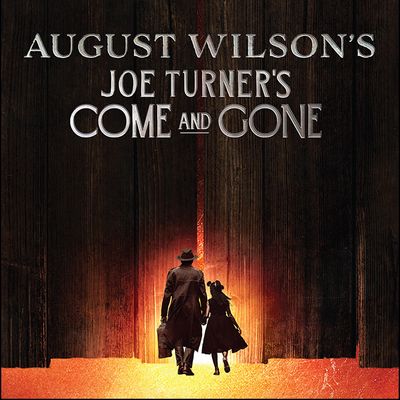
The conversation centers deeply on Brian’s extraordinary relationship with the work of August Wilson. He recalls the serendipitous train ride to Pittsburgh that led to him producing the record-breaking revival of The Piano Lesson , and how Denzel Washington personally asked him to lead-produce his next Wilson project. Brian breaks down the profound themes of identity, healing, and family preservation driving his latest production at the Barrymore Theatre, Joe Turner's Come and Gone, sharing delightful insights into working with legendary director Debbie Allen and the joyful, nurturing energy that stars Taraji P. Henson and Cedric the Entertainer bring to the rehearsal room. Finally, Brian takes on the 60-second plot challenge, pitches a classic musical, and reflects on the timeless power of theatre as a space where you can be anything.
Brian Anthony Moreland is a transformative Broadway producer dedicated to shaping the contemporary cultural landscape through visionary, inclusive storytelling. Originally from California, he began his career as a performer before transitioning into producing. His impressive Broadway repertoire includes the ground-breaking global hit Othello starring Denzel Washington and Jake Gyllenhaal, the record-breaking revival of August Wilson's The Piano Lesson, The Wiz, The Lifespan of a Fact, Sea Wall / A Life, and The Sound Inside. A respected industry leader, Moreland serves on the Board of Governors of The Broadway League, where he co-chairs the Multicultural Task Force. He also holds leadership roles as a Trustee for Broadway Cares/Equity Fights AIDS, a Trustee of The American Academy of Dramatic Arts, a Board Director for NYC Tourism and Conventions, and is an active member of the Theatre Development Fund (TDF).
Connect with Brian:
- IG: @therealbrianmoreland
Connect with The Theatre Podcast:
- Support the podcast on Patreon and watch video versions of the episodes: Patreon.com/TheTheatrePodcast
- Instagram: @theatre_podcast
- Facebook.com/OfficialTheatrePodcast
- TheTheatrePodcast.com
- Alan's personal Instagram: @alanseales
- Email me at feedback@thetheatrepodcast.com. I want to know what you think.
Transcript
This transcript was automatically generated and might contain errors.
[0:00] Brian Anthony Moreland: Hi, it's Brian Anthony Moreland, and you're listening to The Theatre Podcast with Alan Seales.
[0:11] Alan Seales: Hey, everyone. Welcome back to The Theatre Podcast with Alan Seales. That is me. I'm your host, Alan Seales, and our guest for this episode is Brian Anthony Moreland, who is this powerhouse Broadway producer currently tackling the financial and creative maze of modern commercial theatre. Specifically right now, he's the brains behind Joe Turner's Come and Gone, starring Taraji P. Henson and Cedric the Entertainer. But let's see. We get into a beautifully heated behind-the-scenes debate about why Broadway is structured the way it is and how we could actually fix the rising cost of doing business in New York, maybe, and whether capitalism is just going to take everything and run with it. I don't know.
What do you think? So he shares the exact moment he realizes his own path was shifting away from the stage because he originally wanted to be a performer, and what led him to take a massive leap of faith with a completely unknown playwright for his very first Broadway outing. And let's see. We talk about the incredible luck, or maybe destiny, with the August Wilson estate, what it's like working alongside forces of nature like Denzel, Debbie Allen, and, like I mentioned, Taraji P. Henson and Cedric the Entertainer, why he thinks Broadway will outlast us all like a Twinkie or a cockroach, plus he faces our 60-second plot challenge and delivers a pitch for Mary Poppins that is so good I'm ready to invest right now.
So do all the things. Find me online, on socials, reach out, leave a rating and a review, watch the video version of this on Spotify or Patreon, and now everybody please enjoy this episode with Brian Anthony Moreland.
[1:45] Alan Seales: Here you go. One, two, three. Today we're joined by an amazing producer who is helping transform the landscape of contemporary theater. From his beginnings as a performer to becoming a powerhouse behind the scenes, he has produced record-breaking hits like the recent revival of Othello, starring Denzel Washington and Jake Gyllenhaal, and his extensive credits include The Wiz, The Piano Lesson, The Lifespan of a Fact, Sea Wall / A Life, and The Sound Inside. He is currently back at the Barrymore Theatre as the lead producer for the highly-anticipated revival of August Wilson's Joe Turner's Come and Gone, directed by the legendary Debbie Allen, and starring Taraji P. Henson and Cedric the Entertainer. Woo! Brian Anthony Moreland, welcome to The Theatre Podcast.
[2:35] Brian Anthony Moreland: Hi.
[2:38] Alan Seales: Do you usually wake up this perky?
[2:42] Brian Anthony Moreland: It takes me a while for my perkiness to happen, but you're infectious, so you have to respond with what you're given.
[2:48] Alan Seales: Thank you. I appreciate that. It is good to see your lovely smiling face. I love journeys like yours because I share a similar journey of going from a performer into the creative side and the producing side, because everyone's like, I'm a producer. I'm going to go make some things. It's a lot harder than you make it out to be, but we'll get there. We'll get to the producing stuff. Let's start at the very beginning. Grew up in California. Give me that story.
[3:19] Brian Anthony Moreland: I grew up in California. I grew up in Southern California, Orange County. I grew up on a cul-de-sac. My mom and dad, they both worked. I attended Maple Hill Elementary School, and it's there in third grade that I got bit by the theater bug. I had my third grade teacher, Ms. Allen, ask my mother if I could be in the school play, and my mother said yes. Then my teacher asked my mother, would you make the costume? My mother said yes. She made my Santa Claus costume for the school play, which was going to be called Be What You Want to Be. I couldn't tell you anything more of what happened, but to remember or recall the actual experience of being on stage, I just remember the lights went up, and then the lights went down, and I wanted to do it all over again.
It's like a roller coaster ride, your favorite roller coaster. You get on it, and you're like, oh my god, that was terrifying. Then you scream. Then you get off, and you're like, okay, let's do it again. That was me, and that's how I fell in love with theater, and it happened right there in Orange County, California.
[4:25] Alan Seales: Third grade, you were Santa Claus in an unknown play. I guess it was original, or what?
[4:32] Brian Anthony Moreland: I don't know. Oh, yes. This was a groundbreaking work. Very, very original. Beautiful composers. I can't understand why it didn't transfer commercially. I really don't. Bunch of third graders doing a mishmash of holiday music and probably something contemporary with some loose story, and a Santa Claus thrown in there. It was really moving.
[4:54] Alan Seales: Did your mom at the time afterwards, she was like, oh crap, what did I start? Or was she happy about this?
[5:00] Brian Anthony Moreland: No, I never asked her that question. She never said no, at least to my knowledge. I always said to my mother, I just had a really interested mother. She leaned into it. She didn't stand in the way of it. I had really active teachers who wanted to teach.
[5:18] Alan Seales: Okay, then third grade, and you kept going after that?
[5:21] Brian Anthony Moreland: And yeah, literally, I just kept going. So that happened in elementary school, in junior high school. We had show choirs. It happened after school, and I attended the show choir thing. I was a part of the drama club. And then I went to a boarding arts school, and I finished that boarding arts school, and then came East and stayed East. Basically, pretty much after college, I stayed East. I did some bouncing back and forth, LA to New York, LA to New York, and then I finally settled—
[5:52] Alan Seales: Wait, wait, wait. So then you're skipping over the part where you decided to make this a full-time career.
[5:57] Brian Anthony Moreland: Oh, okay, full-time career. You mean in school?
[6:01] Alan Seales: What made you want to go to a performing arts boarding school, you said?
[6:04] Brian Anthony Moreland: Yes, because I went there for a summer camp, and it was a two-week summer camp filled with arts. And it was at Idlewild Arts Academy. And literally, it was just a camp. It was a camp, and you would vocalize, you would do scenes, you would do plays, you'd do musicals. And they had a year-around program at that school. And so when I was at the summer camp portion, I auditioned for the year-around program, and I got a scholarship. And so when my mother came back to pick me up, they were like, he has a scholarship, and we'd love for him to attend year-around. What do you think? And my mom, we went home, and I think it was like two or three days to really talk about it. And what does this mean? You're just going to leave home? Are you unhappy? What's going on? And none of the—
[7:02] Alan Seales: Are you unhappy?
[7:02] Brian Anthony Moreland: Yeah, I wasn't unhappy. I was really excited to go and study arts. And it was a type of school where the first half of the day were all your regular academic stuff, like your reading, your writing, your science, blah, blah, blah. And then the second half of the day was whatever your major was, whatever artistic major you had. And that was, you could be in the dance program, you could be in the visual arts program. They had a sculpting program. They had a music program for vocalists and for, if you played an instrument, you could join the symphony that they had. Traveling Symphony. Theater. All of them? I think that's all of them. Oh, and creative writing, creative writing as well. And so you would do that in the afternoon.
[7:42] Alan Seales: Like this is a legit, replace your normal learning curriculum sort of place. So how old were you? It was high school you did this?
[7:55] Brian Anthony Moreland: That was high school. So that's like 13 to 17.
[7:55] Alan Seales: Yeah, right. 13, 17, high school. And how far away from home was it?
[8:00] Brian Anthony Moreland: This was in, so it's in the San Jacinto Mountains, which is like right above Palm Springs. And so basically it's about, from where I lived, it was like an hour and 45 minutes. It's like two hours away. In the mountains of California, in high school, doing what you love. That sounds terrible.
[8:15] Alan Seales: Sounds terrible.
[8:24] Brian Anthony Moreland: I bet you had some of the actual, seriously, some of the best times of your life in those four years, because those are such interesting, formative years.
[8:34] Brian Anthony Moreland: I did. And I met some really interesting people. Maren Ireland went to that school. And it was interesting. It was fun. And you advanced and you studied your art and you went on about your business. And from that, did that feed into colleges, like conservatories or anything?
[8:51] Brian Anthony Moreland: That did. That fed into college. And then that college fed into, oh, you're going to be an actor. Okay, great. But the thing they don't tell you in college is that you need this equity card if you want to actually go to work. And so I remember spending, when I was done with college, I went to New York. I stayed in New York for maybe two or three weeks. I say two or three weeks, but I probably had two or three auditions. And I was like, and you sit there all day because you're non-union. And this is at the time when they didn't have the great, big, beautiful equity building that is there now. You're standing in the hallway. You're up early to put your name on this list. And you wait and you wait and you wait.
And then they come down and they say, great, we're not seeing non-unions today. And they ripped down the list. And you've spent your whole day hoping to be seen. And I did that a couple of times. And I didn't like that feeling. It wasn't the auditioning part. It was the waiting to be seen. And I just didn't feel like I was in it. Do you know what I mean? You have to be doing it. And sitting in the hallway is not doing it. And I remember calling my mom and saying, mom, I have to come home because this isn't working for me. So I went back to California. I went back to school because I think that's what you do when you're trying to figure that out. And I had a teacher in that school who said, you should really dance because if you dance, you'll get your equity card very quickly. And she's like, they always need male dancers. And so I spent those two years boning up on my dance stuff. And then I started working.
[10:25] Alan Seales: In California or in New York?
[10:25] Brian Anthony Moreland: California. In California.
[10:26] Alan Seales: And did you ever want to do TV and film out there? Because I figure until the last maybe not even 2015-ish years, you wanted to do TV and film, you had to go to LA for the most part.
[10:35] Brian Anthony Moreland: That's totally true. That's totally true. I tried my hand at that. It did not pick me up. It was not. I was an extra in a lot of different random things. But it never kicked over to a star role on TV.
[10:57] Alan Seales: What is a star role, though? I had this conversation with somebody the other day because I was talking with somebody who is well known, who has literally over a million followers online and blah, blah, blah. They're not unfamous. And they're like, I'm waiting for my big break. And I was like, what? Legitimately?
[11:14] Brian Anthony Moreland: Oh, I could understand that. I think everyone might define big break differently. Some people define it as never having to audition again. Or some people define it as they have the luxury to pick their projects. They work because they want to work versus needing to work.
[11:34] Alan Seales: Right, right, right. You know what I mean?
[11:34] Brian Anthony Moreland: Yeah, that goes back to what you were saying about sitting in line all day to hope to be seen for an audition. Are you living to work or are you working to live?
[11:41] Alan Seales: Oh.
[11:41] Brian Anthony Moreland: You know what I mean?
[11:42] Alan Seales: Well, in that scenario, you're working to live.
[11:45] Brian Anthony Moreland: Right. And that doesn't make it enjoyable anymore. You can't have fun because you need to live. But no, that's interesting. It didn't hit for you, but some people don't want to hit. They just want to consistently work, right?
[12:02] Brian Anthony Moreland: But that could be hitting for some people.
[12:04] Alan Seales: That's true.
[12:05] Brian Anthony Moreland: It could be hitting, right?
[12:06] Alan Seales: What was that for you? What would that have been for you?
[12:10] Brian Anthony Moreland: For me—
[12:10] Alan Seales: What was that for you?
[12:12] Brian Anthony Moreland: Well, in California at the time, for me, I was the chorus kid that didn't have to audition anymore. But at that time, they had a lot of civic-led operas, like these CLOs in California, and so many of them are gone now. But there were a lot of high-profile community theaters that you could work at that held a couple of equity contracts in California. And literally, I remember getting this call from this choreographer named Lee Martino. And Lee was like, I want to hire you for Joseph and the Amazing Technicolor Dreamcoat. And I said, okay, great. And I remember thinking, oh, this is really great because I didn't have to audition for it. And I was able to go show to show to show that way. But for me, that was hitting it.
[13:01] Alan Seales: Right. Okay, so then you're dancing. Dancing, which usually means singing. A lot of dancers in musical theater, singing and dancing comes hand in hand, or step ball change.
[13:12] Brian Anthony Moreland: Step in ball change? No. Ball in step change? I don't know. I don't know where I'm going. More coffee, please. So then you're doing this path on the West Coast, maybe not so strangely, but then when did you come back to New York?
[13:31] Brian Anthony Moreland: I had reached a point where, as I said, I wasn't auditioning. I was able to just work. And I knew that I would fly to New York for the random audition for Broadway. And then I didn't get a flyback. And I would fly in for the audition, fly back. Or fly in for the callback, don't get the job, fly back to California. And I probably did that a couple of times. And finally, I was like, okay, I'm going to try to make a go of it in New York City. So I'm going to pack up, lock, stock and barrel and go. And my agent at the time was like, are you sure you want to do that? You know, you work here a lot. I said, yeah, but I'm like, third boy to the right, which is totally fine. Like I was, I was good being third boy to the right. It's a great spot to be third boy to the right. And but I thought if I want to be third boy to the right in California, maybe I could be third boy to the right on Broadway and make some more money. So I moved.
[14:25] Brian Anthony Moreland: That didn't go well. I think the recession hit. It was like Hairspray had just closed, which was like shocking to everyone because it was like the juggernaut of the time. And then I was like, I want to say it was like two years of just bouncing around working and stuff.
[14:43] Alan Seales: But then a lot of people, if you're bouncing around, you're not, you know, we'll put in air quotes, right? You're not making it, you're not getting your big break, whatever that is defined by you. Then at what point did you say like, again, I need something else. I'm going to go, I'm going to try my hand at producing. What is producing?
[15:01] Brian Anthony Moreland: So I would say, I'm skipping some years, but I would say I had a relationship. I fell in love, got engaged, left, moved to London, moved for love. And in London, I had a friend send me a script. And literally the script came and she says, will you read it? And I read it. And I said, what do you want to know? And she says, could I do it? And she was a director and she was white. And I said, yeah, I mean, if you can see the world through that lens, I have no issue with that. Do it. And I said, could I be in it? And she's like, no, if I do it, the playwright already has a cast of people that he's going to use. He doesn't, no, there's nothing in it for you. It's like, oh, okay, fine. So I fell out of love in London.
I moved back to the States and it happened to be around the time that they were doing this workshop of this play. And literally somebody fell out. They needed a dancer. I got the call. Would I come in? I said, yes. Then somebody fell out of the acting side of it. And I was, they cut the dance portion and put me in the acting side of it, which I really loved, which is the role that I actually really wanted to play. And it turns out my friend did not see the world from that particular lens, but the play was really good. And it was one of those moments, you know, like that, that moment where people talk about, oh, we all looked around and were like, this is really special. Like, and you think really, do people really do that?
Do people really go, oh my God, it's so good? Yeah, you do. If it is, if it is, if it is, and this was, and so it was that good. And I said to this playwright, I said, may I produce your play? And he said, yes. And that started a five-year journey with Thoughts of a Colored Man. And that show, it was a show that I felt like it needed to be seen. I felt like it was written about my life. I felt like, how dare you pull out my memories of life and my life experiences? How is that possible? Like, that's how I felt about it. I thought that strongly about it.
[17:10] Alan Seales: Wow. Well, I thought you were going to say like, you told Mr. Schwartz, yes, I will originate Elphaba. Okay, fine.
[17:20] Alan Seales: Don't go anywhere. We'll be right back after this break.
[17:24] Alan Seales: Welcome back to the episode. Why did you even think about going down that path? Because on the producing side myself now, I've had recently conversations with performers who have been in the business for literal decades, who have come up to me now that they know I'm producing one, and they're like, how does this stuff actually work? So at that point in your life, why was that the next logical step?
[17:48] Brian Anthony Moreland: I had done workshops of things that just didn't work, or I didn't get chosen to move forward with it. And I just remember being in the room thinking, oh, I don't really like that feeling. Oh, why are they doing it that way? And it was random. They weren't like, creative things. They were like, things that just affect your company morale, or your producer comes in to just deliver bad news, or they come in like, arms folded in, let me see if I like what you're doing in the room. I just remember those moments going, I don't like that. That's it. It wasn't like, ooh, I don't like it, and I'm going to go change it. It wasn't like that, but I definitely just thought, oh, I don't like that. Softly, you know what I mean? And I don't know. I've never really thought about that question. What made you say yes?
[18:46] Brian Anthony Moreland: I really just think it's the play. I really do. I will tell you, I haven't originated a new play since that play. It was really hard. It was five and a half years, a lot of no's, and I don't know why I was so foolish and thought, oh, I'm going to take this unknown playwright, unknown play, first time out the gate, and I'm taking it to Broadway. Yeah, every possible challenge I could put in front of me, I'm going to do right now.
[19:19] Alan Seales: Yeah.
[19:19] Brian Anthony Moreland: And I've had very similar conversations so many times. People get to the success they are at now because they didn't know how hard their path was going to be. It's complete night... There's a phrase about that, right? There's some phrase about that. If you knew how difficult it was... You have to be... If you were cognizant of how challenging it was, you have to be naive enough to be brave enough to do it, because if you knew ahead of time, you wouldn't have the courage to do it.
[19:48] Alan Seales: That's like every day for me. That's every day. Today's going to suck. If I look back at the end of the day, I'm like, man, today was kind of crappy. I wouldn't have done today if I knew how bad today was going to be. No, I get that. I get that a lot. And yeah, producing is a ton of no's. It's a ton of struggle, and this is a hard business. How long ago was that, though? It was what? That was... Thoughts of a Colored Man...
[20:17] Brian Anthony Moreland: It started in 2014.
[20:20] Alan Seales: Okay. So yeah, I was going to say it's been about 15... I was going to say 14, 15 years. And the last two years alone, tremendous amount of WTF with the world and with the industry and with just the economy and finances and everything. And this is a business. This is show business, so the economy is important. And 14 years ago, 15 years ago, where are we? Yeah, we're 2015. Coming out of 2008, that big recession, this is a time when I feel like that... Well, I'm going to say that's when I feel like Broadway started to get the choke hold that's still on it today. And I think you know... I hope you know what I mean by that, because...
[21:07] Brian Anthony Moreland: I think you're referring to the financial increases in Broadway.
[21:10] Alan Seales: Terrible financial restrictions that prevent new works from excelling on Broadway. Wait, did I say that? Did I say we have too much recycled crap on Broadway? Did I say that?
[21:28] Brian Anthony Moreland: Not saying there's not a place for original ideas. With old works, I think Jellicle Ball is one of the best shows I've ever seen, because it's a classic work revived in a way that nobody's thought about. That's what I love. You know what I mean? And even Lost Boys is done with away. Have you seen Lost Boys yet? Oh my, oh my freaking God. And that is what I think, aside from the lights and the lighting design and the book and everything, the music... I think what's original about Lost Boys, part of what makes it really good is that it's a band. It's a band that wrote it, not musical theater composers. The Rescues, yeah. So it's bringing... And I talked to Michael Arden about this. Purposely, he stalked them down and was like, I love you.
I want you to do my work. And that's what makes good producers, good directors, good creators, because it's bringing something new. So I guess I don't have a point. I'm just talking. We're having coffee right now. I share your frustration. And the same show, bringing it to Broadway is $7 million versus bringing it to the West End is 1 million pounds.
[22:45] Alan Seales: What the hell? You know what I mean? Now, this is a dangerous conversation. I'm leaning in.
[22:51] Brian Anthony Moreland: I will say, it's very difficult when people make the comparisons to me between the West End and Broadway. The West End, financially, is just not set up the same way that Broadway is set up. We are not funded. We don't have no... Government subsidy.
[23:08] Alan Seales: Subsidy. Yeah. We don't have that here. So it's like an apple and a grape when people speak about that to me. It doesn't equate.
[23:19] Brian Anthony Moreland: Oh, I know. I know it doesn't equate, but the reason it doesn't equate is what I take umbrage with. Because I feel like New York City alone... I mean, how many billions of tourists come in because of Broadway? And if you...
[23:34] Alan Seales: It's true. It's the number one tax contributing factor and revenue generator in the state of New York, Broadway.
[23:39] Brian Anthony Moreland: Exactly. And our government doesn't care.
[23:43] Alan Seales: Oh, you're dangerous.
[23:52] Brian Anthony Moreland: I would say it's a double-edged sword. It's a double-edged sword because we can... On one hand, we can say that, but we're also privately funded, right? At least on Broadway itself. It's a privately funded venture when there are programs and nonprofits that work that do have funding.
[24:11] Alan Seales: Yes, but they can't last long because the funding just runs out.
[24:18] Brian Anthony Moreland: Which doesn't mean that there's not a place for all of this, right? There's a place for all of it. It's not always necessary to be in those 41 buildings.
[24:23] Alan Seales: Right, right, right. And New York real estate, great investment. Terrible if you're a theater owner because it sits empty for the most of the day. Why is nobody building theaters that are multi-use buildings? So during the day, it converts into a black box. It converts into an event space. You have these things that have been sitting there for a hundred years that are collecting dust and still have all the dust in it that nobody fixed during COVID when everything was shut down. Come on. Come on. You know what I mean?
[24:58] Alan Seales: All right. So back to you. Let me get off my soapbox. I need a massage now. I get fired up over Broadway financials because it's terrible. All right. So then when you're choosing your projects to produce, what makes you say yes to want to put your effort, your time, your most valuable asset into making something happen?
[25:27] Brian Anthony Moreland: Lately, I've been saying that the work has chosen me. And what I mean by that is each one has presented itself in a very unique way. I've gotten lucky that the work is valuable and meaningful, but I didn't think it was valuable and meaningful when I'm saying yes. It's something I wanted to do, but I'm not thinking about, oh my God, it's going to have all this great impact and it's going to do this and this and this. Going back to making it, if I were on, it's not like I landed a TV role that I'm like, that's going to get me an Emmy. I don't think you know that going in. But during Thoughts of a Colored Man, I remember somebody called me and said the August Wilson Estate is looking for a new producer.
Would you be interested in taking a meeting? And I said, yes. I got on the train and went out to Pittsburgh to meet with her. And at the end of the weekend, she said, I'd like for you to produce Piano Lesson. And I said, great. I would love to. I'd be honored. At that time, Thoughts of a Colored Man was going. It just got this great offer. Getting a Wilson play was like getting an Arthur Miller play or getting an Edward Albee play. They don't come along often. They tend to stay with seasoned producers and things. They're just like, great, now go meet Denzel Washington. And I'm like, who? Who? You never heard of him?
[26:46] Alan Seales: Yeah. And that play ended up breaking records and being turned into a movie and all these things, but I didn't know all those things going in. And yet, it was an important story. It's about generational wealth. It's about like, do you have this piano and just let it sit there because of emotional value? Or do you sell it so you can buy this land that you could probably farm and really continue to grow it? Or do you hold on to your family legacy? It was fascinating. I love the story, but that's why I said it picked me. Do you know what I mean? Joe Turner's I'm doing now, it's the same. During Othello, Denzel was talking about the next Wilson play that he wanted to do because he's committed to turning all of the plays into movies.
And he liked the process of letting the actors in the piano lesson sit with those characters for such a long time, and then go and do the movie. Because you just don't get that same amount of time as you're rehearsing a movie to live with those characters. And that's what he liked the most. And so he said, I'd like to do Joe Turner's coming on next. Would you do the play? And I said, yes. And so it just so happens to be that, to your point that we alluded to, if you think about the world and someone says, why is this revival so important right now? What is so urgent about it? I said, it's a story about reconciliation. It's a story about healing your past. It's a story about a man trying to repair his family.
And he's been displaced from his family. His family's been ripped apart and to no fault of his own doing. And yet, isn't that what's happening in the world today? So I say they choose me because it just happens to be necessary at the time that it comes. I like to talk about the radio these days because I think to myself, it's like a radio when you're in a certain mood. And for some reason, whatever mood you're in, the songs on the radio are reflective of whatever mood you happen to be in. Have you noticed that?
[29:02] Alan Seales: Yes, actually. Yeah. It's confirmation bias to an extent.
[29:13] Brian Anthony Moreland: Yeah. But I don't know. I'm trying to be more into like, we're all quantum beings that exist in superpositions and all these different things and we can just manifest our own destiny, right? Like everybody likes to think about that. So I think that, yeah, if you want to be happy, you're going to have happy music played for you, right? Misery loves company. And maybe there's a scientific reason behind that. That's probably true.
[29:37] Alan Seales: So is it through the August Wilson estate? Is it through Denzel? Everything you've done the past few years has just had massive names attached to it. And that's pretty hard to do.
[29:49] Brian Anthony Moreland: Thank you. Thank you. It is hard. It's hard to get people to say yes, it just takes time. It takes a lot of time and a lot of patience and also a lot of nos. Also a lot of nos. Also a lot of, okay, I'm working on something now and this particular talent is interested. So how do you feel about 2028? Because they've got like three other movies to film between now and then.
[30:18] Alan Seales: Well, if you're willing to wait, you can have it.
[30:21] Brian Anthony Moreland: Right. If we even have an industry in 2028.
[30:25] Alan Seales: Oh, there's going to be an industry. Broadway is going to be here like the Twinkie and the cockroach.
[30:30] Brian Anthony Moreland: Yes. Yes. Okay. That came out wrong. We will definitely have an industry.
[30:36] Alan Seales: I used to say Broadway's dying and that is wrong. I say that's wrong. And then I think it was actually Jeffrey Seller who agreed that it's a chokehold, that I was talking with Jeffrey. And he said, yeah, we've got a chokehold on it because it is becoming increasingly harder and harder and it's, but it's always going to come back. It's always going to have a resurgence. If it's too hard to put it on Broadway, there's going to be something else. Off-Broadway, what was it? 20, where are we in 26 now? So 24 was a huge off-Broadway resurgence, which I think was kind of led by Titanic and a couple other shows, right? And now look what happened with that, with Titanic. They just got a couple wonderful Tony noms.
So there is a life cycle to all of this. And I don't know. I don't know. I would love your opinion on what you think could help break this because part of what I think is really not helping, I won't say hurting, but just not encouraging and not accelerating the growth of New Works and the industry is just the pure underlying cost of doing business in New York, which I don't know how to fix that without the city getting involved or without the league putting out some blanket kind of new rules about like, yo, hey, we got to, you know, it shouldn't cost $10 million to do a one person show. That's ridiculous.
[32:03] Brian Anthony Moreland: Well, you just said a lot. Sorry. You just said a lot, but let me, let's go with the league first. Like, cause I, this one, I love this conversation. The league doesn't actually do that. The league doesn't actually get involved in the financial structure of Broadway. They, the league just negotiates for how the producers are going to interact with the unions. That's it. That's, that's the 100% function.
[32:19] Alan Seales: But the league also represents the theater owners and the producers, which are at odds.
[32:24] Brian Anthony Moreland: It's an inherent conflict of conflict of interest.
[32:27] Alan Seales: Oh, that particular conversation. Yeah. That's it. Sorry. Go on, go on.
[32:32] Brian Anthony Moreland: That's a tricky one. That's a tricky one, but yes, that is true. Go on, go on. I'm sorry. I interrupted.
[32:39] Brian Anthony Moreland: No, but you know, to your point, how do you fix it? At some point in time, somebody has to be willing to take less. That's it. Someone has to be willing to take less, take less and work a little more. It's like the model of 16 weeks really isn't 16 weeks anymore. It's really more like 18 to 20 weeks. That's the limited run really, but we haven't moved from that. I also think when we came back from the pandemic, everything was so, was so scarce in terms of supplies that the prices went up and we haven't come back down from those prices. We, we stayed. And so it's, it's hard, but people would have to be willing to take less across the board in order to get it produced.
[33:25] Alan Seales: Don't go anywhere. We'll be right back after this break.
[33:30] Alan Seales: Welcome back to the episode. I don't want to, I don't want to sound like I'm just poo-pooing all over the industry, which I know I kind of am, but I don't want to sound like, I love this and I'm in it for a reason. And it brings me joy every day, even going through these struggles. I wouldn't continue to be here doing this, having these conversations, being involved, seeing shows if it didn't bring me joy. And I get joy seeing the joy that others get out of it, especially if I can have even the tiniest part of bringing that joy to them. That's what gives me joy. Right. And so I will continue and I will fight and I will struggle. But do you think that there, as the current generation of theater owners and producers that have been doing these things for decades and, you know, they kind of have their legacy now, do you, do you think we can kind of invoke this change of people getting used to doing a little more work, getting paid less, but having a more enriched kind of theater environment? Or is capitalism just always going to take everything and run with it, you know?
[34:32] Brian Anthony Moreland: Well, I think both things can coexist. I think theater can be an enriched environment and still reduce the cost and or raise the cost. But I think that the short answer is yes. Yes, it can change, but people have to come to the table and understand all the sides. And when I say understand all the sides, it's like, I remember when Equity was going to do away with the seat that was coming in, the contract. And I remember being in the dressing room and saying, are you guys reading this? Are you reading this? Are you reading what's going on? Are you reading what's going on? No, move on, Brian. No, no, like this contract does blah, blah, blah, blah, blah. Brian, get over it. But you don't understand.
And then everyone's making money. And everyone's going on about their jobs. And this contract comes in. And then people are like, oh, wait a minute. I don't like the contract. Throw your arms up. This is what I've been saying. And so I just think it's going to take people not to blame, because it's going to be a very heated conversation. And as an actor, I would say the producers take everything. And the producers would say the theater owners take everything. And then the theater owners will say, well, the unions take everything. The agents say, well, we'll negotiate for less money if the theater owner takes less money. So it's this cycle, right? So you have to be willing to come to the table, understand all the sides. We all want to make theater. We all want to do it in these 41 buildings. If that's the case, how can we take a little less in order to move it forward? But it's a very heated conversation.
[36:26] Alan Seales: I've said this so many times, and I will say it to anyone who listened. I'm full transparency about this idea, because I want someone who's listening to contact me or a guest to be like, let's do this. But I think we need to have some sort of nonprofit organization that is responsible for constantly buying advertising spaces in regional cities like Cleveland, Seattle, Toronto, LA, the places where the big tourists at London, people that are sending lots of tourists to come to New York. And if in New York, your box office is under a certain amount, you qualify for this subsidized slash free advertising space that is always going on in regional markets. So that when your tourists come to New York and they look at this huge decision fatiguing list of shows to go see, and they're like, oh, Chicago.
I've heard of that one. I'll go see that. Oh, Lion King. Oh, I've heard of that. I'll go see it. Book of Mormon. I'll see that. Like wicked. The ones that have been around for so long, the marketing budgets, it's compounding. It's compounding interest, essentially, right? You get more tickets because you get more marketing budget, and then you sell more tickets. But you have a show as amazing as maybe Happy Ending that barely made it past opening because it's a completely original work that nobody had heard of until they got on the Tonys and then word of mouth spread, or they opened and it word of mouth spread. And now look, they cracked the multi-year nut, which so few original musicals ever can do on Broadway.
And so I think if you have the ability to have brand awareness to a tourist when they're coming in, to people coming in before they ever get here for a brand new, this season, original work, that you can change the game that way.
[38:17] Brian Anthony Moreland: Well, Alan, there's one inherent challenge with that theory.
[38:25] Alan Seales: Don't tell me how naive I am. No, go ahead. What is it?
[38:30] Brian Anthony Moreland: Lead time. So new projects don't have assets that way, right? You don't get to B-roll until you're out of tech, right? You're not capturing production photos until you're in tech. It's a challenge because you're flying the plane and building the plane at the same time when it's brand new, and then you change over your assets as you go along. So how do you get the lead time to get it out to that market so that they can still plan their trip, buy their plane ticket, book their hotel, book your show in that same block that you're actually building your show?
[39:06] Alan Seales: Well, to qualify for this program, you would have to be open because your box office has to be under a certain amount. The shows that are doing well already don't need this help.
[39:21] Brian Anthony Moreland: So it's leveling the playing field and give everybody... Rising Tide lifts all ships. You're going to bring more people in. So that way... Because people come... My friends come in and visit and they're like, I'm going to New York. I've never seen a Broadway show. What should I see? And I'd give them some suggestions of some brand new things. And they're like, I haven't heard of those. And I ask them later, I said, what did you go see? They're like, oh, we want to go see Book of Mormon. I was like, why? I mean, nothing against Book of Mormon, but I'm like, support the new works too. And they're like, well, I heard of Book of Mormon. I know it's good. Because again, you go back to the cost of a ticket.
It's so expensive that they're like, I want to spend money on something that I know is good because I'm spending so much money. And then that goes into the need for a celebrity too, because people are going to... They don't care what the show is. They want to go see Denzel Washington. And then they find out, oh, the show is really, really good too. And then that spreads beyond that.
[40:16] Brian Anthony Moreland: I just want to say, during Othello, I heard a great deal of those and read a great deal of that with Russ. And I always thought to myself, and not because I'm the one producing that show, but I thought to myself how narrow it is to say, oh, it's just Denzel Washington or Jake Gyllenhaal, that's why you're going. Those two gents come back to Broadway every four or five years, but they keep coming. They didn't pop up one time, one season, collect the trophy and leave. They keep coming back to the stage because they enjoy theater. They enjoy the live audience, the live connection, the ability to do it eight times a week. And I always thought, isn't that the type of artist that we actually want to be ambassadors of Broadway?
[41:05] Alan Seales: Absolutely.
[41:05] Brian Anthony Moreland: When they come to Broadway, don't you want Don Cheadle to come to Broadway and shed a little light and a little more access? When Taraji P. Henson comes to Broadway, it's a whole new audience of people who are now thinking about, oh, I didn't... Maybe I didn't... Oh, I'm going to go see her. And this can be a first time ticket buyer. So I think we have to give a little bit more. I would like the world, I'd like our world to give a little more grace to people who have made it or hit or had the moment to go, oh, they've crossed over. We want people to cross over and we work so hard to cross over. And yet, at the same time, we now have a little bad taste in our mouth that they've crossed over, but we also need them.
[41:58] Alan Seales: Well, I agree with you. And I'm sorry if that came out the wrong way. In hindsight, it's probably offensive what I said. So I'm sorry if I said if it was offensive, but there's no...
[42:14] Brian Anthony Moreland: What we're saying about the industry has changed in the last 10 years. And part of that, a lot of that is social media and your following. And what we were just talking about, about marketing, because when you bring in somebody who has already made it, that comes in with free advertising.
[42:30] Brian Anthony Moreland: And don't forget, in our ecosystem conversation or our process of that, before we can get to the marketing, we need to be able to go to people who want to put money into—
[42:41] Alan Seales: Oh, don't get me started on that.
[42:43] Brian Anthony Moreland: So when people want to... It's very... It can be a challenge.
[42:49] Alan Seales: Yeah. I mean, it not can't.
[42:52] Brian Anthony Moreland: Those people with that disposable income...
[42:54] Alan Seales: There is no can be. It definitely is a challenge. It definitely is. And yeah, I completely agree that it makes it so much easier on all accounts to have big names. And I think part of why... Or let me get your opinion on this. Parts of the reality.
[43:13] Brian Anthony Moreland: Right. Do you agree, though, that a lot of it... I mean, maybe the term stunt casting, right? Like that... To keep a long running show going, stunt casting is now being confused with having somebody in a new role. Right?
[43:31] Brian Anthony Moreland: Totally. Yeah. So that's kind of what I was getting at earlier with the Denzel comment. I was like, it's got a bad taste in people's mouth because they think it's stunt casting, but it's not. Because these people are good performers flat out. And they keep coming back because they're good. They love it. And they are advocates. And their friends that come and see them are advocates. And that's what we need. That's what we need anyway. So I mean, God, I could talk to you forever. Tell me about Joe Turner's coming on. Tell me about that, man.
[44:02] Brian Anthony Moreland: What do you want to know about it, Alan?
[44:04] Alan Seales: Where should we begin?
[44:06] Brian Anthony Moreland: Well, where do you want to begin? Why should people come and see this if they've never heard of it? Names aside, talent aside, what is something they're going to get out of the show?
[44:17] Brian Anthony Moreland: Well, I think if people don't know about the show, I think it's the first thing to know is that you should always be... Treat yourself to an August Wilson play. August Wilson wrote 10 plays called The American Century Cycle. And this is the second play in that particular cycle. Every play is a decade that describes the African-American life. And this one, August Wilson's Joe Turner's Come and Gone, is about a man who's been taken. He was snatched. He was snatched and put back to a work camp. And this is in 1911 when it's post-slavery, but there were still slave owners who were enslaving people, regardless of the law. And they would literally just take people and put them in the camp. And so, this particular man, Loomis, was taken, and he was put into this camp for seven years, and he's now out freed, and he's looking for his wife to repair his family.
And they all go through this boarding house in Pittsburgh set in 1911, and that's the home of the Hollies as they continue to travel north. There's a wonderful poetic phrase that happens in the show all the time of finding your song. What is your song? What is your life purpose? And what is your North Star? And what is your identity? And this man is put in this camp for seven years, and he's now out freed, and he's looking for his identity. And this man is probably, I would say for people who, if that's too esoteric, I would say, if something has been taken from you, and you don't know how to regain it, then you've lost your song. And so, this man had his time and his life and his family taken from him.
They took his song, and they're like, you need to find your song. So, it's a play about love, really and truly. It's a play about family. It's a play about forgiveness. He has to forgive a lot of people, but it also has a lot of laughs in it. Cedric the Entertainer and Taraji P. Henson are absolutely hysterical, but they're also nurturing. They're also the glue of the family that keeps these people going.
[46:40] Alan Seales: The hardest question I'm going to ask you, do you call Cedric Mr. The Entertainer?
[46:44] Brian Anthony Moreland: No, I call him Ced. I call him Ced, and he's... Talk about a person like you, when I said to you, do you wake up this way? Talk about a person who wakes up perky, a huge smile, a great big bear laugh. You cannot be sad around Cedric the Entertainer. You can't be. He is joy walking on two legs.
[47:11] Alan Seales: He seems that way. I can see that, and it's nice to hear that he's like that in real life, too.
[47:18] Brian Anthony Moreland: Another one. Joy walking around on legs. Just joy.
[47:28] Alan Seales: I bet that was fun. All right. Well, God, I really wish I could just talk to you forever. We're going to play our little wind down game here of plot in 60 seconds. I'm going to put 60 seconds up on the screen. Here we go. All right. Now, I have 17 popular musicals in front of me, and you're going to give me a list. You're going to give me a number, one through 17, which will choose a musical off my list, and then if you don't know it, make it up, but give me the plot to that musical in 60 seconds or less.
[48:03] Brian Anthony Moreland: So, one through 17. Five.
[48:06] Alan Seales: Five is Mary Poppins. 60 seconds remaining.
[48:09] Brian Anthony Moreland: Mary Poppins is about a rich family, a rich family with two spoiled children. The father works a great deal. The mother is trying to be a socialite. The children become unruly, and this magical nanny appears to help children understand manners and grace and family through wonderful fantasy visits throughout London, magical visits throughout London, and each one gives them a new boost or a new thought in life, and it ultimately brings them back to their family, and then the nanny goes away. That's Mary Poppins.
[48:46] Alan Seales: All right. I like it. That was good.
[48:49] Brian Anthony Moreland: Did I do it?
[48:50] Alan Seales: That was good. I didn't miss in that. That's good. That's a good pitch. Good pitch.
[48:53] Brian Anthony Moreland: Oh, wait. You have to say it that way. Give me your pitch and make me invest.
[48:57] Alan Seales: That's a separate conversation. Okay.
[49:00] Brian Anthony Moreland: Our average ticket price is $100, and our seating capacity and breakeven is 60%. Yeah, great. Okay. A whole different conversation. All right. Three standard closing questions. First one simply is what motivates you.
[49:13] Brian Anthony Moreland: I've stumped him.
[49:17] Alan Seales: You did, because I want to say I'm self-motivated. Yeah, but I am self-motivated. But what do you do that brings your song back, that keeps your song in your head?
[49:34] Brian Anthony Moreland: Theater. Theater.
[49:36] Alan Seales: I'm going deep now. Why? Why?
[49:38] Brian Anthony Moreland: Why? Because theater is the place where you can be anything.
[49:43] Alan Seales: There you go. All right.
[49:44] Brian Anthony Moreland: There you go. All right. I like that.
[49:46] Alan Seales: Yeah. You can be anything. It's like the song, if I can make it here, I can make it anywhere. That's theater.
[49:54] Brian Anthony Moreland: All right. What advice would you give to your younger self and younger people listening now starting out down a similar path?
[50:00] Brian Anthony Moreland: I would say be gentle with yourself and be patient.
[50:02] Alan Seales: And don't go to London for love?
[50:05] Brian Anthony Moreland: No. Do it all.
[50:08] Alan Seales: Kiss on the London eye. Okay. Last question. Hardest one. If you could only see one show for the rest of your life, but you can see it as many times as you want, what would you see?
[50:19] Brian Anthony Moreland: I would see the revival of Ragtime on Broadway.
[50:22] Alan Seales: Oh. I want Josh Henry to sing me to sleep every night.
[50:28] Brian Anthony Moreland: I would say to your listeners, if they have not seen this revival of Ragtime, this is the one to see. Speaking about everything that's happening around the world, and you see this story, Ragtime.
[50:42] Alan Seales: I agree. All right. Where can we find you online and connect with you and get tickets for Joe Turner's?
[50:49] Brian Anthony Moreland: Find me personally on Instagram at The Real Brian Moreland, or at Be More Now Productions. You can also buy tickets to August Wilson's Joe Turner's Coming Gone online at Ticketmaster or whatever access point you love to buy your Broadway tickets. We're at the Barrymore Theater now until July 26th.
[51:07] Alan Seales: You like the Barrymore Theater.
[51:09] Brian Anthony Moreland: I love the Barrymore Theater. The house team, I can't tell you about the ushers who are so warm and lovely and supportive, and the crew backstage that stays with this theater.
[51:25] Alan Seales: Yeah, they're great. They're great. And it's not a bad seat in the Barrymore.
[51:28] Brian Anthony Moreland: Yeah, I agree. All right. Well, you can find me on all the social places. Leave a rating, leave a review. That helps spread the word. Thanks to Jukebox the Ghost for the intro and outro music. And Brian, thank you so much for putting up with me this morning. I've been on so many soapboxes through this conversation, but I love talking with other producers, as you can tell.
[51:51] Brian Anthony Moreland: I love it. Thank you. Thank you. Thank you for the joy.
[51:55] Alan Seales: You are welcome. Joy anytime, baby.
© Broadway Podcast Network, All Rights Reserved