

"I took my family to go see the CATS movie right before Covid... Read More
From the show: The Wrong Cat Died
Guests
Featured Shows
About
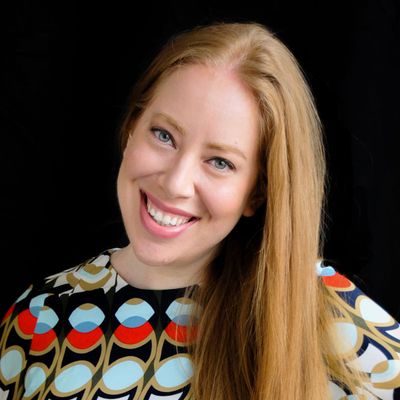
"I took my family to go see the CATS movie right before Covid. They all said to me ‘that’s going to be the last movie we ever see’ and it’s become a long running family joke." This episode features Jennifer Ashley Tepper who an acclaimed theatre historian, author, and producer, the Creative and Programming Director at 54 Below and the author of “Women Writing Musicals: The Legacy that the History Books Left Out.” Hear Jennifer share some of the history of CATS the musical, how she tackled writing a book during Covid, and her first experience seeing CATS on stage.
- Check out Jennifer on Social Media: @jenashtep
- Check out Jennifer's Website: www.jenniferashleytepper.com
Produced by:
Alan Seales & Broadway Podcast Network
Social Media: @TheWrongCatDied
Transcript
This transcript was automatically generated and might contain errors.
[0:00] Mike Abrams: There's a cat over here. There's a cat over there. And the wrong one died. And the wrong one died.
[0:15] Mike Abrams: Welcome to The Wrong Cat Died, the podcast based on a catastrophe. I'm your host, Mike Abrams, and today we have another amazing guest. Today's guest is an acclaimed theater historian, author, and producer. She has been the creative and program director at 54 Below for the past decade, and recently published a book titled Women Writing Musicals, The Legacy that the History Books Left Out. I am excited to dive into the book in general, but also a little bit of the Cats history. So welcome, Jennifer Ashley Tepper, and thank you for joining me.
[0:43] Jennifer Ashley Tepper: Thank you so much for having me.
[0:45] Mike Abrams: It's fun because I know we met early on with the Broadway Podcast Network, and now you have this book. And so I want to actually flip the script for anyone that's listened to the hundreds of episodes I've done in this podcast. I always start with your Cats history, but I want to get to that after. I actually want to start with the book. I want to start with how did you decide to tackle writing a book, but also choosing this really interesting topic that does not have a ton written on it?
[1:13] Jennifer Ashley Tepper: I wrote this book because it was a book that I would want to read. I couldn't believe there had never been a book written about female musical theater writers. I love musical theater writers. I love new musical theater writers, the history of musical theater writers, and it seemed really exciting to me to dive into the history of women who've worked on and off Broadway writing musicals.
[1:32] Mike Abrams: Yeah. When you start tackling it, I always am interested in what did you go in knowing of, here's how I think this book is going to go, and then what kind of surprised you of things you've learned as you were really digging into the history?
[1:46] Jennifer Ashley Tepper: That's a great question. So for my other books, which are The Untold Stories of Broadway, I've written four volumes, and there will be eventually six volumes because it's to cover every Broadway theater. And so when I first started writing that book, I thought it would be one book. So there was a huge discovery when I was writing the first volume of like, oh, we can't fit this in one book. It's going to be six volumes. And I won't say I expected something similar in Women Writing Musicals, but I expected certain things along the way that would shape how I wrote the book and in surprising ways. And that did happen. I wrote the majority of Women Writing Musicals during deep COVID, during like the isolation of 2020.
So I first started writing the book when we were all like in our apartments, and no one knew what was going to happen. And, you know, the background of me starting to write this book was people banging on pots and pans to celebrate essential workers, while I was like, you know, listening to cast albums that women had written in the 1970s. And, you know, really, I kept myself distracted and like inspired, honestly, by writing this book and researching this book during 2020. And so I think one of the surprising things was when I started the book, I didn't know how many women would be in it. And as I began to like do the research, I realized that the point of the book was that women had been left out of the history books and, you know, the general timelines of musical theater history.
And so in thinking about that, I thought I don't want to leave out women that I can include. And so I might have said like, oh, the book will probably have like 100 women in it. And the book has over 300 women in it, because I did end up wanting to, you know, include them because of like the concept. And so I thought it was really important to have even if it's just one paragraph, even if it's just a brief story, even if there wasn't a lot of history, or if someone just wrote one musical, I thought it would be really powerful and impactful to include like just a large volume of women in the book.
[3:20] Mike Abrams: Who was the story that you didn't know much about that you were as you started writing? Or was this is the most fun? This is the most interesting?
[3:42] Jennifer Ashley Tepper: There are so many, honestly. And one thing that was really funny was when I first started writing this book, I didn't tell people that I was doing it. And so I would, you know, chat with friends, usually on Zoom, because it was 2020, as I mentioned, and I would start talking about some, you know, obscure musical theater writer who had had a fascinating story or done something really interesting in terms of their accomplishments. And everyone just thought it was normal. Like, oh, Jen Tepper's just talking about some woman who like was the first Mexican woman to write a Broadway musical. And it's just a normal topic of conversation, you know, while Broadway is shut down for her. And I'm glad she's learning.
But like, it was funny, because later, when I told some friends that I was writing a book, they were like, Oh, that's why you were obsessed with that. So there were so many as I started to write the book. One of the things I really thought was interesting was there are a number of women who became well known or famous outside of musical theater, but who wrote musicals that I think people will be really interested to read about. One is Francine Pascal, who I was obsessed with the Sweet Valley High books growing up the whole Sweet Valley series. And, you know, she was a musical theater writer as well. And there are people in the book who someone would go like, Oh, of course, Dolly Parton wrote Nine to Five.
I know Dolly Parton, like, there's a lot of points of knowability or Oh, like, those are some very popular great American songbook songs. I didn't realize a woman wrote them. There's women that you'll know, but maybe not necessarily from writing musicals that were interesting. One of them also was Tony Tennille of Captain and Tennille wrote a Broadway musical. And it was an environmental protest musical in the 70s that was produced by Roger Ailes of Fox News. So there were all these wild stories and crazy corners of musical theater history that I started diving into and going, Oh, like, it feels so important to tackle the whole timeline of women writing musicals, not just again, like Mary Rogers, Dorothy Fields, Lynn Ahrens, Janine Tesori, the people who we know and do celebrate, but also all these women doing fascinating things that we might not think of when we think musical theater writer.
[5:39] Mike Abrams: Yeah. So with a book like this, where it's not the end, you know, like there's still more to be written. How do you think like, is there going to be a volume two? Are you thinking about that from day one?
[5:49] Jennifer Ashley Tepper: I definitely was because honestly, a number of like my most favorite musical theater writers of the current day are women. And when I wrote this book, the criteria was I was writing it, it starts in the 1700s. So it literally starts when like Manhattan starts to be settled the way that we know it to be today. And even before people really think that musicals existed, women were writing entertainments for the stage that had songs in them. So I chronicled those women. So it starts a really, really long time ago. And then it goes all the way up until women who made their Broadway or off-Broadway debuts as writers in 2019. Because of course, I was writing the book in 2020. So, you know, some of my favorite musical theater writers, like Julia Madison is a good friend and collaborator of many years.
And she has Deaf Becomes Her on Broadway now. And I would love to have included Julia. And you know, here we are in 2024. And I'm like, I need to have like an addendum chapter that like the next time Women Writing Musicals gets published and printed, there'll be like a, you know, 2020 to 2026 chapter or something. But definitely there's so many. There's also a number of women in the book who made their debuts writing before 2019. But I only covered up until the point that like the final draft of the book was due, which if you know the publishing process, it you know, it wasn't yesterday. It was like a little bit ago. So like, you know, it talks about Shaina Taub and it talks about stuff off-Broadway, but not really on Broadway. And so there's things that would get updated because there are so many women in the book who are working now who've done additional amazing things since I turned in my final draft.
[7:22] Mike Abrams: Yeah, it's so it's, I love kind of hearing these types of things, too, because it's not going to end. Like, you know, you even just mentioned 2024 to 2026. But like, hopefully there's way beyond that, too. And there's every edition, you get to add new things to it.
[7:31] Jennifer Ashley Tepper: Totally. Let's talk a little bit about Cats, though, because it is referenced in the book once. And we did the research on this. So tell me a little bit about your Cats note here in this book, even though it was not obviously the focal point.
[7:47] Jennifer Ashley Tepper: That's so funny. I love that you looked it up. And honestly, I love the index because the Women Writing Musicals having 300 of them, there are so many things referenced. And I'm so glad we got Cats in there. Um, so Jane Iredale, who I think is interesting, she's the only woman who ever wrote a Broadway musical and also pioneered her own makeup line. Like, you know, people listening, if you use makeup, you probably use Jane Iredale makeup. And she wrote this musical adaptation of Wind in the Willows. And it played at the Nederlander in 1985. And it did not get great reviews. And a number of the critics were really cruel about the anthropomorphism in the show and, you know, people playing animals.
And it was two years into Cats record-breaking run. And so the joke is like, really, the thing that they were mean about was already proving itself to be like a gigantic crowd pleaser in Cats. And of course, Cats went on to run for many more years after 1985, all the way till 2000. So yeah, they were criticizing the Wind in the Willows musical, but really, you know, Cats got away with doing the thing they were criticizing.
[8:46] Mike Abrams: Yeah, it's the they were doing it. They're just picking basically on it, I'm sure, even though there's a proof point on there. But two years in is pretty early. So I mean, that's successful at that point. But that's not 40 plus years successful like it is today.
[9:00] Jennifer Ashley Tepper: Totally. One of my favorite things about Cats is like when I was interviewing people for my Untold Stories, a Broadway book, a few people who worked on it talked about we have this perception of Cats now, obviously, it's this huge, you know, mammoth hit. But when it first came into Broadway, Bert Fink, who worked in the press department on the show talked about how, you know, all they would print outside the theater were just the cat eyes, and they didn't have b-roll on TV or anything. And the whole thing was like, you couldn't know what was going on inside that theater unless you were inside that theater. And 1982, 83, like it's a whole different era where like, there weren't bootlegs circulating. We weren't on YouTube as Broadway nerds. Like the fact that like, until you saw Cats, you didn't know what that was. That's amazing to think about because now we all have this idea of it in our heads.
[9:43] Mike Abrams: Yeah, the marketing of it back then is really kind of crazy because to your point, it's much more word of mouth. Like there's not the YouTube clips and the bootlegs and TikToks and everything else, and 40 years of it being worldwide.
[10:00] Jennifer Ashley Tepper: Totally. So I always kind of like am fascinated by modern shows that I see where I can find out almost anything before a show and get a pretty good idea of what I'm seeing, or read it or have an influencer give me a rundown or someone with spoilers. And back then, that wasn't a thing.
[10:17] Mike Abrams: Totally. Like just very much of you had to go in and experience it for yourself.
[10:22] Jennifer Ashley Tepper: Absolutely. And the message could be controlled more. So it's everything you just said was like in the favor of the marketing team having control of the messaging. Like without the internet, if they didn't want people to know what was going on inside that theater, like sure, your friend who worked in the West End could maybe ship you a cassette bootleg. It was much more difficult to get the word out if the marketing team didn't want it to be out.
[10:45] Mike Abrams: Yeah. Yeah. Or if the critics want to complain because it's not people pretending they're animals, even though that's a successful marketing play. Okay, I want to talk about your experience with Cats. So when was the first time you saw it?
[10:57] Jennifer Ashley Tepper: This is so crazy, right? So the first time I saw Cats was the Broadway revival when it came back, which is so wild, because growing up in Florida, I saw so many tours. And for some reason, Cats came and we didn't see it. We missed it. So I have my friend Will Roland, who's like a good friend and collaborator. Cats was the first Broadway show he ever saw. And he like never stopped talking about Cats. And myself, Will and his wife, Steph, who's also a good friend, we tried to see Cats the revival multiple times. And we always think it's really funny because we kept trying to like rush Cats or get discounts against the Cats. And we ended up seeing Jersey Boys across the street. Like we couldn't get into Cats. So it felt reminiscent of 1982. But finally, I did see it at the Neil Simon and the revival. I love that. So I had Will on the show because his fandom of Cats is well known. And
[12:22] Jennifer Ashley Tepper: By Like the Wrong Cat Died. Also, I have to ask you this because it was the first thing I thought when I got your email inviting me to be on the podcast. Has anyone talked on your podcast yet about the concept of your podcast reminding them of A Chorus Line and the fact that they changed?
[12:37] Mike Abrams: Okay, people have talked about that. Yes. Well, it gave me hope because I kind of went in jokingly saying like, oh, I want to do a production where they do that. But I'm like, oh, it's never going to happen. And they're not going to let me do this, or anybody is going to want to take that risk. But now I heard they've done this in A Chorus Line in regional theaters. And after they allowed the Perlman Performing Arts Center to do a reimagined production where there were changes, but still true to the story, I believe that there's a world where my audience voting, interactive type of choice is feasible. Now it's my mission.
[13:21] Jennifer Ashley Tepper: Fascinating. I was so obsessed also with like, when A Chorus Line was originally running off Broadway that Marsha Mason, who was then married to Neil Simon, is the one who told the creative team, like, you have to let Cassie get the job. And they did change during previews who was and wasn't getting the job based on, you know, a very smart artist who just came to the show and wasn't even working on it directly, Marsha Mason. So I just am obsessed with the idea that similar to Cats in A Chorus Line, the wrong cat died. Like, I don't know, if Marsha Mason had seen Cats in previews, would she have said, hey, it should be not Grizabella?
[13:56] Mike Abrams: Well, or I still think the whole story stays the same. And she comes back and she's accepted into the tribe. And then they, instead of sending her right up like to the tire, you just allow Deuteronomy to choose or the audience to vote or some version of where you get to pick a different person. You still get the redemption story. She's still welcome back to the family. It's all still there. Like the root of the story is all still there. She just doesn't have to be immediately sacrificed after. I think that's a grand pitch. I hope they let you do it.
[14:28] Jennifer Ashley Tepper: I'm working on it behind the scenes quietly with somebody who's now ignoring my messages after for many times being like, oh, I consider this if we ever do it, I consider this and now they're doing it. So I'm working on a couple ways to get in there.
[14:44] Mike Abrams: Yeah, that's amazing. I think that like, I mean, we've all heard whisperings in the theater community about ballroom Cats coming to Broadway and what's going on. And I don't know anything factual, but I just imagine things are in, you know, in flux with what's going on with Cats these days.
[14:57] Jennifer Ashley Tepper: Yeah. Well, so for their story, I don't think they could do it. Because the way that they, for everyone who saw that, they did a much better job of, it doesn't feel like Grizabella's dying in that production. It feels like Grizabella's going back into the world, that of like the ballroom world. And so I don't think you could choose a different cat in that production every time.
[15:17] Mike Abrams: Yeah, that's fair. Whereas in the, like, you know, the Cats in costume, like the Cats that everyone knows from 1998 and all those versions, you could, because you could just pause at the point of where Grizabella comes back and add one line or add one thing, and then have it be an actual choice in that moment, now that you have the whole family together.
[15:40] Jennifer Ashley Tepper: Yeah, totally. I loved Cats the Jellicle Ball. I thought it was just like, unbelievable. It was like, breathtakingly good.
[15:47] Mike Abrams: It's amazing. I hope it has another life. I'm sure people smarter than me are working on that for the future. Because it's just not enough people got to see it. I mean, it sold out every night, it ran for a couple months, but it got so popular that by the end, you couldn't get a ticket very easily.
[16:04] Jennifer Ashley Tepper: It was crazy. So I hope there's another chance for people.
[16:09] Mike Abrams: It was incredible. I really want to take, so I'm sure this is kind of a universal story, too. I took my family to go see the Cats movie, like right before COVID, like on that last like family holiday. And throughout COVID, they all said to me like, oh my god, that's gonna be the last movie we ever see. And it became like a long running family joke. So I really want to take them all to see the Jellicle Ball. Just like not that it's a movie, but it would be the return of our Cats movie experience.
[16:33] Jennifer Ashley Tepper: Yeah, I get to put a better Cats taste in their mouth versus that movie. And what was that, Christmas of 2019?
[16:41] Mike Abrams: Yeah.
[16:42] Jennifer Ashley Tepper: Yeah, it was one of the last movies I saw as well. And then the last musical I saw was Diana.
[16:49] Mike Abrams: Oh my gosh.
[16:50] Jennifer Ashley Tepper: Two days before, two days before I left town for work and then got stuck. And then the world shut down. So yeah, it was like one of the last things I did in the city.
[16:59] Mike Abrams: Diana, that's a good one.
[17:01] Jennifer Ashley Tepper: Yeah, it was kind of at the point where we were like, should we be here? But I really wanted to go and we had really we had front row tickets right behind the conductor. So I was like, I want to experience this.
[17:13] Mike Abrams: Yeah, I know quite a few people who the last show they saw they were like, we got COVID from that cast, you know, not to even joke about it, but it was great. Everyone knows what that experience was like.
[17:23] Mike Abrams: We're going to take a quick break and then we'll be back for more of The Wrong Cat Died.
[17:27] Jennifer Ashley Tepper: Okay, so you saw the revival. Have you seen it any other time since? Or is this a one time?
[17:32] Mike Abrams: Um, I saw the revival and then I saw the Jellicle Ball. And those are the only two times I've seen it live.
[17:36] Jennifer Ashley Tepper: Okay. And did you, you didn't grow up with the 1998 movie?
[17:39] Mike Abrams: I did. I saw the 1998 movie. I was just kind of thinking of live performances. But yeah, I absolutely did. There also was like a legendary production that happened in my hometown after I left that was like a production of Cats set during World War Two with like bombs exploding. When also when you asked me to do the podcast, I was like, oh, I wonder if he's ever met anyone that like does theater professionally now who was involved with that because there are a few people and Mikey Kushner, who's like incredible actor, photographer, he was involved with it. But it's a production of Cats that everyone talks about, but I never saw.
[18:10] Mike Abrams: But it was that. So Kushner, I had him on to talk about his because he did it in high school.
[18:15] Jennifer Ashley Tepper: Yes. No, it was high school. It was high school.
[18:18] Mike Abrams: Oh yeah. So I can't believe I missed his episode.
[18:20] Jennifer Ashley Tepper: I had Michael on really early in the podcast because he's in our network and just an amazing human. He actually took my headshot for anybody that's seen my headshot for the podcast is a Michael Kushner special.
[18:31] Mike Abrams: I'm gonna go back and listen to his episode today. And so he talked about like, I just, my sister's good friends with Mikey and like saw it. So I just know that like bombs were exploding and the tire was something else. It was legendary.
[18:42] Jennifer Ashley Tepper: It was a wild episode. If you go back and listen to it, because it was high school, but the production value and the budget and everything like this is a school that leaned into it. But yeah, it was set in World War Two. And I mean, his storytelling of it is hilarious.
[18:55] Mike Abrams: That was the first time she saw Cats. And so for years, she thought it was set during World War Two. That was like her establishing.
[19:04] Jennifer Ashley Tepper: I love so I've loved any person I've talked to that's done regional versions in a different junkyard setting. Yeah, there's been some like arcades and some theme parks and some like stuff that doesn't like materially change the story, but gives you slightly different stuff in the background. Yeah. And yeah, Michael's was one of the wildest I've ever heard.
[19:24] Mike Abrams: You're a Cats historian. I'm obsessed. I'm gonna go back and listen.
[19:27] Jennifer Ashley Tepper: So I've, that has become what this has turned into is as I've talked to more people who've done it from I think I've talked to almost 30 different productions over the years, and that's not including regional, that's just lumping all regional together. Yeah, we're talking about tours and over in Australia and international and did Korea and I think Mexico, I've like slowly started to cover more and more and I love to get more anytime I can find somebody that's in a production I've never heard of or never talked to. It's my favorite conversation.
[19:59] Mike Abrams: It's amazing.
[20:00] Jennifer Ashley Tepper: But my question was going to be to you having like as a historian, what's like some of the Cats history that maybe from like I'm 2016 and beyond and then whoever I've talked to, what's some things that like are your favorite moments of the Cats history that you've learned over the years?
[20:16] Jennifer Ashley Tepper: So I love learning about Cats was the Winter Garden for its whole run. So like from the early 80s to 2000. So it's tied so much to the Winter Garden. I liked hearing about people who auditioned on the stage of the Winter Garden. Liz Callaway, who was Grizabella for a long time talked about like, you know, her son kind of growing up behind the scenes when she was in Cats. I love learning just how much they took over the theater, you know, after Cats closed before Mamma Mia came in, they basically had to like defer the theater. And some of my friends who did Mamma Mia early on were still like, oh, I opened this door and I felt like there was stuff from Cats there. And I'm like, this might be apocryphal because they took a year and they, you know, to get all the junkyard and all the fur and everything all out probably a lot of just like wires.
But I just love that it's so tied to the history of the Winter Garden. You know, and the Winter Garden is like a very storied Broadway theater. You know, it's where West Side Story was like, it's where Follies was. So Cats is part of like a great legacy there.
[21:11] Mike Abrams: Yeah. Well, so anybody that follows me on Instagram living in the city, every time I walk by the Winter Garden, no matter what, I poorly cover the marquee in Cats by my own hand drawing. Because it's the same way, like you said, it's like, it's in I've never seen it there. Like I saw at the Neil Simon, like I saw Revival. But every time I go into the Winter Garden, I kind of look up to the corner being like, is that where she is? Is it still up there? Is there something that you can go to? Because I rumor is that there is something in the theater that you can like crawl space that you can go see.
[21:44] Jennifer Ashley Tepper: Yeah, the Winter Garden also it opened as a horse exchange. It's one of the only Broadway houses that didn't open as a Broadway house. So when I've been backstage at the Winter Garden, there's literally still these rings that they would attach horses to that are in the star dressing room because they like were never removed from the wall. And I like to think that the horses are also part of the legacy of Cats, like, you know, another animal story in the theater.
[22:06] Mike Abrams: Wow. Okay. Is there, what other kind of things have you come across in your, like, your historian of Cats? Is there anything else about how it like the poetry to the music? And like, what are some of the fun things that people that I'm sure listen to already know?
[22:23] Jennifer Ashley Tepper: But definitely, you know, the fact that like, it was such an unexpected hit. It's another hindsight thing, right? It's like, oh, well, Cats is, you know, legendary, one of the longest running shows of all time on Broadway. But at the time, it was, you know, it's based on poetry, like, definitely there was some shock to it, you know, during the first year, we're so surprised. And I think it's also because it ran for so long. It had so many legendary people that went into the show in the leads that we love. And, and also, another thing that I think about, like Cats, again, like early 80s. So there were also a number of people who we very sadly lost to like the tragedy of the AIDS, you know, epidemic.
And, and there are like Cats history to me is also tied in with the history of dancers in the 80s and losing so many people from our community. So it's, it's really, it's a thing that as a historian, like comes up constantly, where you're like, oh, I'm writing about Broadway history. And then you're like, oh, no, it's the history of New York. It's the history of the gay community. It's the history of like women in the workforce, like it intersects with so many things going on outside seemingly of Broadway. And Cats intersects with a lot of those that ran for almost 20 years on Broadway.
[23:44] Mike Abrams: How would you think, like, what changes do you think would be made if Cats was written by a woman?
[23:48] Jennifer Ashley Tepper: Oh, interesting. I think, so Georgia Stitt, who's in the book, and who's amazing, and who's one of the founders of Maestro, she talks about how, like, the goal is that you shouldn't be able to tell when the musicians are men or women. Like, that's part of it. And I do think, like, that sort of applies to the writing, too. Like, it's not as though, you know, there's a different version of things because a woman wrote it. It's different because, you know, whatever individual wrote it, wrote it differently. It's true that having, like, different perspectives in the room can impact how a story is told. But as far as Cats goes, I don't know that there's, like, one specific thing. I think, like, if we were talking about Cats, and in the hypothetical world, where, like, all of the characters were men, and there were no female perspectives, I might be like, well, a woman in the room would have done that.
But the creators of Cats did that. You know, it's very, you know, gender identity wise, it's distributed. And also, like, I loved in Ballroom Cats getting to see that it's not all, like, standard gender roles. You know, like, there is some flexibility with Cats that I think is really beautiful. So, you know, women, I think, when they're part of the team, they do think about, obviously, how women are represented. And also, just as individuals, they think of a lot of other things as, you know, specific writers.
[25:01] Mike Abrams: Yeah, it's one of the things I've always found really interesting with Cats is because when you think about the, like, a human on stage in a human role, it's very different than it's, like, they're just cats. Like, there's, the gender is almost irrelevant in a lot of these cases with it being a cat. Like, they're just a cat. And so I've loved that. And you saw that with the Perlman, you know, like you said, Ballroom Cats got to really lean into that and have really cool kind of choices made to amplify other voices. But it's, Cats is, like, one of the ones where, when I was thinking about that question, I'm like, oh, what would that look like in other musicals? And I'm in Cats, I'm like, I don't think it's going to change anything. Like, they already had kind of, yeah, people in the room and, but it's written by an old white male from the 30s who wrote the poetry, right? So, it's like, it is kind of conceived from that place.
[25:51] Jennifer Ashley Tepper: Yeah, totally. I also think it's interesting, like, I think as a community, we're having so many good productive conversations right now about, like, gender roles in theater and about, oh, does this role have to be a man or a woman or someone with an obvious gender or all of that? And at some point, technology will help us to figure out how to, like, be more flexible with keys, because I think that's a big part of it. And there have been shows where you're like, oh, like, that's amazing. There's, like, you know, a man understanding a woman or a non-binary actor who's, you know, part of this cast in a way that maybe it wasn't cast originally. But the problem is, like, changing so that the actors are in a key that they're comfortable in, that also, like, the entire band has to switch the key.
And then, you know, other actors are affected by that. So, figuring out the technology and the music of it all, I think, will help us as we continue to go, oh, Cats, like, this could be this kind of actor. Some of it has to do with, like, changing it, not just for a production, but so that on a given night, a different identity actor can go on for a role. So, I don't know, those conversations do seem to be productive these days.
[26:50] Mike Abrams: Yeah. And I think it's starting to happen, too, because you're seeing less of, like, this character needs to be this height and this, you know, body size and this thing. It's kind of, we're, it's evolving to where you could have that. But I hadn't thought about it from the technical point of, like, if somebody is on the matinee versus the evening is different in a different key, that changes everybody's music book. That changes, like, so much. But it's got to be getting easier.
[27:14] Jennifer Ashley Tepper: It's the keys of it all.
[27:18] Mike Abrams: Yeah. Yeah. We're getting there. I'm sure technology will help solve some of that sooner. Okay, let's do some rapid fire on Cats. So, all of these are going to be Cats related. If you could be in Cats, who would you want to perform as?
[27:24] Jennifer Ashley Tepper: Okay, I'm going to say Rum Tum Tugger, even though I'd be terrible, just because that music video is my life. And I also, like, my favorite actor ever is Hunter Foster, and he played Rum Tum Tugger.
[27:38] Mike Abrams: Okay. Who are your favorite and least favorite characters in Cats?
[27:43] Jennifer Ashley Tepper: That's so hard. And I'm going to ask it from the standpoint of, like, who would you like hanging out with, and who would you be annoyed to hang out with? I feel like everyone knows I would hang out with Gus the Theater Cat, and hear all of Gus the Theater Cat's stories.
[27:54] Mike Abrams: Yep, you're historians together.
[27:56] Jennifer Ashley Tepper: Yes, 100%. And this is probably, like, not a question that people say, but I feel like sometimes my least favorite cat is Grizabella, just because everyone else gets, like, a small moment, and I always am like, oh, we get so much time with Grizabella.
[28:06] Mike Abrams: Yeah, well, it's funny you say that, because she's only on stage for, like, 15 minutes.
[28:11] Jennifer Ashley Tepper: Oh, and in my head, it looms large.
[28:15] Mike Abrams: Yeah, yeah. Okay, well, this is good for my last question. Favorite song from the show?
[28:19] Jennifer Ashley Tepper: I think it is, oh, it's hard. It goes back and forth between Mr. Mistoffelees and Rum Tum Tugger.
[28:28] Mike Abrams: Okay, my duo, they should be together. My fun one is, which cat do you think would be the best author?
[28:35] Jennifer Ashley Tepper: Oh my gosh, that's a great question. What do you think? I have an answer, but yeah, I mean, I can give you my answer, but I want to hear if you have one first.
[28:46] Mike Abrams: Who'd be the best author?
[28:46] Jennifer Ashley Tepper: I guess maybe it would be Old Deuteronomy, because, like, got a lot to say, like, you know, to preside over, I guess. So I think there was, I had four choices when I was thinking about this. I think Old Deuteronomy is one. I think Gus is one. But the two I kind of lean more to is, I think Munkustrap, as our narrator, would probably be excellent at it. And then I think Jellylorum, who tells kind of Gus's story and kind of the caretaker, would be really good at it.
[29:12] Mike Abrams: Yeah, they're narrators.
[29:13] Jennifer Ashley Tepper: Those would be the four I kind of was voting towards, but my one vote would have been Jelly.
[29:18] Mike Abrams: Jellylorum was mine.
[29:19] Jennifer Ashley Tepper: The bigger, good answer.
[29:20] Mike Abrams: Okay, the million dollar question, and since you just hated on Grizabella, I'm hoping you're going to agree with me, but I've argued at length, I don't think Grizabella's the right jellicle choice. So who are you choosing as your jellicle choice and why?
[29:25] Jennifer Ashley Tepper: So my first instinct, and like, when I was like, oh, I'm going to be on the podcast, was I really think there is a place in the story for it to be Gus the Theater Cat. And I think that's because, and I just said, like, that's who I would want to hang out with and hear stories from. So I'm not hating on the character. I think that there's something beautiful about, like, the story of that cat has to do with theater. Like, we're watching a show, it has to do with theater. He's had this like, long and storied career, we hear all about how he's like, had this great life. And so it's not a situation where you're like, oh, I feel sad for this person and this cat, not person, I feel sad for this cat.
And, and this is so tragic, it would be like a beautiful, hey, it's like a celebration of all of these things that we already heard about at the beginning of Act Two. And like, now, it's like a beautiful, like, a, like a pathiosis of theater and of the show that we're celebrating this, like, storied life in theater.
[30:25] Mike Abrams: Okay, so voting Gus, I love it.
[30:27] Jennifer Ashley Tepper: I feel like no one says Gus on the podcast, am I wrong?
[30:30] Mike Abrams: Oh, no, Gus is number two, behind Grizabella.
[30:33] Jennifer Ashley Tepper: Just not recently. I feel like recently, it's been like, no Gus.
[30:37] Mike Abrams: So recently, the Ballroom Cats, like Perlman, had a high Mistoffelees vote. And I think it's because Silk is incredible, and kind of like, was such an amazing performer to watch. It kind of goes in waves. But right now, I mean, I can tell you, as of I do have, I have tracking of all this.
[30:58] Jennifer Ashley Tepper: Because Gus makes sense. That makes sense. I'm glad.
[31:00] Mike Abrams: So right now, I don't know where, it might be missing one or two. But Grizabella has 42% of the vote, Gus has 33% of the vote. And then the next most is Old Deuteronomy, Macavity, Mistoffelees, and Skimbleshanks.
[31:18] Jennifer Ashley Tepper: People take it literally, they're like, we don't want to watch a young cat, like, ascend to the heavens. We want to send away one of the older cats who's had a life.
[31:27] Mike Abrams: Yeah. And there's been some really interesting arguments for some very random ones. And then a lot of people are like, I played them, and they kind of want to defend their character. But yeah, Gus is the number two. And I think the logical answer, if you're doing that, I still, to this day, I really want the audience vote. Because I've been in theaters a couple times where I have talked to a performer before, and they're like, oh, my whole dance class is coming, or my high school is coming. Or when I went to a tour, the person that was from the town had a hundred family members in the audience. And if you do an audience vote, that day, that person is probably going to win. Even if it's a character that maybe doesn't make as much sense. And I love that. Because it kind of adds some like...
[32:13] Jennifer Ashley Tepper: Yeah, it's also like, it depends on what you know that the character or the actor is going to get to do once they die. Because if you're voting for a character to die, and then they get this grand 11 o'clock number finale song, then it's a different thing. Then it almost feels like if you're voting, you're insinuating, like, oh, they deserve to die. It's a bad thing. And you throw in some final thing that gets you, you're like, oh, no, it's a great thing. You won. You made us, you won our hearts.
[32:34] Mike Abrams: Yeah. And I think if you do it the way I've thought about it, the only risk is there's still one number after that's led by Old Deuteronomy. So if Old Deuteronomy gets picked, we either have to have him sing from the tire, or there has to be some way of how we can get his voice in. It gives you another variable, right? Like, I mean, have you ever thought about like, in Edwin Drood, the way that you vote for the killer, like, you vote for two things. So maybe it would be like, which cat should die, but also like, which cat leads the like, the final memorial or like, whatever it is.
[33:06] Jennifer Ashley Tepper: Yeah, I mean, we could that that goes back into if it's keys, like now we're now we're bringing your exact problem back to life of if it's not Old Deuteronomy, who's singing it? Who's playing it?
[33:16] Mike Abrams: Yeah, the Edwin Drood of it all is like what I always think about because those musicians like those subs had to be so prepared for anyone could sing this in any key tonight.
[33:26] Jennifer Ashley Tepper: Yeah, I'm trying if you know people, I keep saying it in the podcast and I keep messaging it anytime I see somebody's doing a production.
[33:33] Mike Abrams: Yeah, it's not like, you know, the international standard now or the Royal Caribbean being like, Alright, it's time I'm ready. I will fly myself there on my own dollar.
[33:42] Jennifer Ashley Tepper: Well, let me do this and I'm excited for you that things are changing because I think that they definitely are like having this be such a success shows people want to see different versions of things.
[33:52] Mike Abrams: Yeah, and I'm also thinking like a regional theater. You add some I think also some flavor for people to come back totally multiple times when it's there for four weeks, six weeks, whatever that is. So I'm hopeful.
[34:01] Jennifer Ashley Tepper: Totally. This has been super fun. How can people stay in touch with you and get the book?
[34:08] Mike Abrams: Yeah, so I'm at Jen Ash Tep on all platforms. The book is Women Writing Musicals. It's available anywhere books are sold, whether that's Amazon for you or whether it come to the Drama Bookshop, you know, it's on sale in New York at bookstores and all around at bookstores. The book I'm doing a ton of free book events in New York. So if you are in New York City, check that out. I'll post up a storm about them. But again, Women Writing Musicals, the legacy that the history books left out.
[34:37] Jennifer Ashley Tepper: Yeah, I will plus one to getting at the Drama Bookshop and going to local bookstores to find it. Also, it's going to be on Kindle. There's an audiobook, you know, all the different ways books are read.
[34:49] Mike Abrams: Yeah, anywhere you can read it, read it. That's amazing. We'll link everything to in the notes. And this has been so fun. So thank you so much for coming on and sharing your Cats history and history in general.
[35:00] Jennifer Ashley Tepper: I'm honored to have been on and I have to go back and listen to so many other people's episodes. I listened to Will's when it came out, but I got to go listen to Mike Hughes. Thank you for having me.
[35:07] Mike Abrams: Yeah, listen to him. I'll send you a couple other people I'm sure like that we're that we both know that you would enjoy.
[35:11] Jennifer Ashley Tepper: I would love that. Amazing. Well, thank you for coming on. And thanks everyone for listening to this episode of The Wrong Cat Died, the podcast breakdown the Cats history. To follow along, you can subscribe on Apple Podcasts, Spotify or any other podcast, plus on Twitter, Instagram, TikTok and threads at The Wrong Cat Died or check our website, thewrongcatdied.com.
© Broadway Podcast Network, All Rights Reserved