

"Anyone who works on CATS, within a few weeks of working on it you become indoctrinated in it." This episode features Dori Berinstein & Sammi Cannold who produced the documentary The Show Must Go On which chronicles the 2020 South Korea production of Cats and Phantom of the Opera... Read More
From the show: The Wrong Cat Died
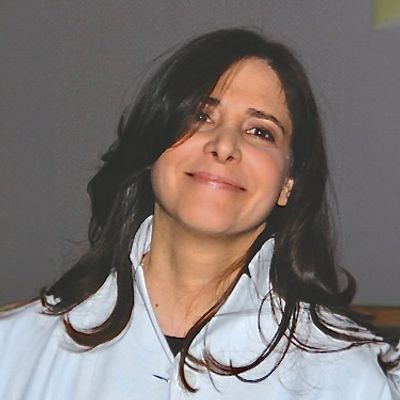
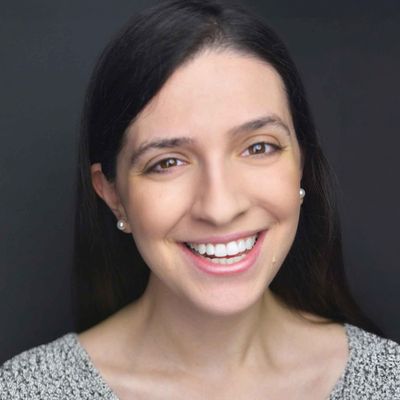
Guests
Featured Shows
About
"Anyone who works on CATS, within a few weeks of working on it you become indoctrinated in it." This episode features Dori Berinstein & Sammi Cannold who produced the documentary The Show Must Go On which chronicles the 2020 South Korea production of Cats and Phantom of the Opera. Dori and Sammi share how the idea for the documentary came about, how Sammi's love for the show grew during filming, Dori's defense of Grizabella, and Sammi's unique defense for Baby Grizz. Plus, Sammi promised to share her experience (and picture) from when she got to dress up as Bombalurina.
- Watch The Show Must Go On on iTunes: itunes.apple.com/us/movie/the-show-must-go-on/id1622240337
- Check out Dori's website: www.dramaticforces.com
- Check out Sammi's website: www.sammicannold.com
Produced by:
Alan Seales & Broadway Podcast Network
Instagram & Twitter: @TheWrongCatDied
Transcript
This transcript was automatically generated and might contain errors.
[0:00] Mike Abrams: There's a cat over here. There's a cat over there. And the wrong one died. And the wrong one died.
[0:18] Mike Abrams: Welcome to The Wrong Cat Died, a podcast breakdown of Cats Ashby. I'm your host, Mike Abrams. And today we have two amazing guests. They're the directors and producers of an amazing documentary called The Show Must Go On, which chronicles the 2020 South Korean production of Cats and Phantom of the Opera, which pushed ahead through safety in a challenging time during the pandemic. So welcome Dori Berinstein and Sammi Cannold. And thank you for joining me.
[0:43] Dori Berinstein: Great to be with you. Thank you.
[0:43] Sammi Cannold: I am excited. I thought this documentary was fascinating. I knew it was happening. I've talked to some people in the production, you know, already for this podcast. And it's just such a wild experience and get to see the whole thing chronicled and the creative way you did it was awesome. So I will just start right up front by saying anybody I think it's on Apple TV, you can get it in a lot of places now. Go go go watch this documentary. But before we'll talk about that a lot, but I want to hear because I always love to know first everyone's history with Cats. So before this documentary, what is your experience with the show? How many times have you seen it? What's your kind of theory on it in general?
[1:19] Dori Berinstein: Well, I'm allergic to cats. So, you know, I have a very challenging history. Yeah. Very allergic to cats. But I have seen every different iteration of it. And I'm a fan of the show. And I was, you know, I saw it on Broadway when it first came and have seen it many times since and love it, even though I have to take, you know, a lot of antihistamines before I enter the theater.
[1:46] Mike Abrams: Because it was your first one. Was it the original Broadway?
[1:46] Dori Berinstein: Broadway? Absolutely. Yeah, it was very exciting.
[1:46] Mike Abrams: Wow. So what about you?
[2:08] Sammi Cannold: Um, so my dance teacher, hopefully I'm getting this right. Um, you can correct me if I'm not. My dance teacher when I was a little kid was in the original Broadway company of Cats. So it was something that I was very aware of as like a legendary thing. And then I think I saw, I don't I don't think it was a Broadway. I don't think it could have been a Broadway production as a kid. But I saw like a tour somewhere. And then I saw the most recent revival. But I wasn't really like a Cats head until, you know, 2020. And then I dove deep and now I'm obsessed.
[2:51] Mike Abrams: Okay, so you what, who was the dance instructor? If you don't mind sharing?
[2:57] Sammi Cannold: Joe Cavice.
[2:57] Mike Abrams: Okay. And so how what age was this? Like, when was this? Like early?
[3:05] Sammi Cannold: I was like, four. And I just, I just remember thinking he was like a legend. I mean, which he was, you know, but I was just like, this guy was a cat. And that was a really big deal to me. And I actually don't even know which cat I should find out which cat.
[3:18] Mike Abrams: Oh, we can we can look that up pretty quickly. So how old were you when you saw the first tour?
[3:26] Sammi Cannold: Um, probably around that age, right? Like 567.
[3:26] Mike Abrams: Okay, I think it was seven. And I think, you know, you were with Joe for a number of years. So yeah, yeah. Dori, I have problems with this. I don't think children should see this show.
[3:38] Dori Berinstein: Oh, really? The show is very dark. It's very dark. And when you look at the plot, it is very dark. And I remember, I did not see it as a kid, I saw it as an adult, I saw 2016. So you can do the math on how old I was, I was an adult. And I remember seeing it going, Hmm, that's some aggressive dancing at points. And that's pretty strange. And then I really dug into this with this podcast. And now I know a lot of stuff. And it is a very, very, very dark and mysterious and sexual show. And so the more I like learn about it, the more I'm like, why are there so many kids seeing this? There's like, it's teenagers is where you can start getting like, okay, they're gonna understand some of the concepts. It's okay at this point. But there's so many children that go see it. And I always wonder now, like, it just goes over their head.
[4:24] Sammi Cannold: And so like, I think that's the point at that. That's the point. I think it's that way about like a lot of shows. Like I went to my I took my nephews to see Lion King, you know, as their first like Broadway show. And I was sitting there being like, I don't remember Lion King having this much, you know, stuff about like death and existentialism. And, you know, all sorts of things. So I think it's like, when you see things as an adult, you think about them differently. You're also seeing it when you're taking a child, you're seeing it through a different lens.
[4:54] Mike Abrams: Yeah, you know, and I don't think I was with you when you saw the first production of Cats. I don't know, I don't blame somebody else. I'm trying to remember because I don't I don't recall being traumatized by the fact that that you were seeing it. And I probably would have been. I will say I think I'm in the minority of that camp. Because there are a lot of children that go see it. My mom brought my sister. Like it is filled like the two times I saw it on Broadway, there were a lot of children around. But I also know that like one standard truth of the show is that Demeter was sexually abused by Macavity. And it's like, that's not really a plot line for children that you expect. And so it is just like a very kind of bizarre thing for me to learn more about the plot.
And again, that's like all I focus on. I know you, you wrote an entire documentary on did this entire thing on a lot more than that. And I'm sitting here going like, let's talk about old Deuteronomy here. But that's kind of an angle that I've always found fascinating. And you know, you've got Victoria's dance, you've got the ball.
[6:01] Dori Berinstein: Exactly. I mean, there's a lot, a lot there. I mean, Tugger's dance is extremely sexual. So I, it always fascinates me when I learned that kids go and it's common. I mean, it was been around for 41 years. So it makes sense. I would love to kind of go to the documentary because I think that's really where I'm just, I'd love to hear how you kind of like, you know, how did you take tackle this project? How'd that come up? And then what did you kind of learn as you as you went through it?
[6:30] Sammi Cannold: Yeah, so it came about because during the pandemic, much like, you know, all fellow freelancers, I had everything canceled. I was sitting in my apartment, FaceTiming with friends, you know, trying to figure out what to do with life. And my friend, Kristen Blodgett, who is the music supervisor on a lot of Angela Webber shows and tours, was talking about how she was about to get on a plane to go to South Korea to mount the South Korean tour of Cats. And this was June of 2020. And at that point, you know, nobody was like leaving their apartment, let alone going to South Korea, let alone making a musical. And I was just sort of dumbfounded about how that was possible. And, you know, had heard about the success of Phantom being the only large scale English language production, you know, running in the world over there.
Realized, oh, there's something about these both being Angela Webber shows, Angela Webber sort of starting to champion theater coming back on the West End, and wrote to him and said, Hey, you know, is somebody documenting this, you know, sort of historical resurgence with your shows? And he said, No, you know, be my guest. And I called my mom because she's an Emmy winning documentarian, and I've never made a documentary. And I said, you know, hey, do you want to work on this together? And we dove in really, really quickly, got some incredible partners on board, and then started making the film.
[8:15] Mike Abrams: I love it. Can you tell me a little bit about like, I mean, you're you highlighted it right there that you started this process in the middle of like, peak COVID of where no one was doing everything. I mean, I was stuck in Indiana at that time. I mean, we weren't going anywhere. Like you were trying to avoid people at all costs. And just, you know, at that point, I don't even think we were like, wanting to be outside with people. It was just like, you're just trying to avoid people. And you're going into this production that's about to go into theaters and like, again, singing and a lot of like vocal and dancing. And I mean, in the show, they're, they're on top of each other half the time. So there's a lot of uncertainty.
When you like, again, kind of started out, what was it like on your side of that of like, the production of having to, to film and kind of take all those precautions yourself? Like, what was it on at that moment of, like, I love the idea that we're going to document, but you had to, I mean, you had to take hurdles that you probably hadn't even thought about, to to even just start this production?
[9:19] Sammi Cannold: Yeah, perhaps it was, um, naive, but I was just so desperate to get out of house and make something that my brain really was not focused on, like, my personal health journey. Because I was like, oh, I'll be fine. Like, because the part of it was that, that at the time, Korea was doing better than almost any country in the world. So it was the journey to get there was daunting in the sense that I had to, you know, go get on a plane. But once I got there and got through quarantine, I was actually way safer than then, you know, in New York. So I think, you know, and on the day that I got to Korea, there were 76 cases in the entire country. So it was like, you know, so minimal. And, you know, as we sort of show in the film, there, there were spikes during the process. But at the time, it was just sort of, like, oh, I'd much rather be there.
[10:18] Dori Berinstein: Yeah, but spikes like, like 350.
[10:22] Sammi Cannold: No, it got up to 2000. They had that one, the one guy that like went to church, I think in a club or something, there was like one nationally, international story from that, I remember at the time, I think it was covered in the documentary too. Because it went from there wasn't a lot at all, to, you know, they did a great job really there in the scheme of things to be able to do that. And I think that's, I mean, again, fascinating. I would love to, I'd love to hear a little bit, Dori, from you, like when you heard the idea, well, like, what went through your mind?
[11:00] Dori Berinstein: Well, I think we were all the whole community. And certainly, Sammy and I talked a lot about it, theater was decimated, you know, we were wiped out. And there were so many people who were unemployed, so many people who just their lives came to a complete halt. And the idea of helping to fight to keep theater alive, and to keep theater moving forward, and to support the employment of, of actors, and all the people behind the curtain, and also with the what Korea was able to do to make theater safe. We felt it was very important to capture that document that and share it with the world so that other countries can could learn from it and, and then bring theater back in a safe way so that the world could get back to theater because theater is so vital, in every possible way, you know, just for humanity, for heaven's sake.
So it was really a mission for us to do that. And wearing the mom hat, I, you know, was completely off the charts, panicked, I was sending my daughter off to Korea in the middle of a global pandemic. But, you know, I had to deal with that. But other than, other than that, I think we were both really driven to tell the story and to help, help bring theater back.
[12:33] Sammi Cannold: And so and celebrate all the, the artists that were coming from around the world, you know, and taking great risks to do this.
[12:38] Mike Abrams: Yeah, I mean, and having talked to a couple of them, it's like, they almost didn't believe it was true. When I got the call. At first, it was like a, like, wait, this is actually happening. And then the excitement and a little bit of the fear, but also just like being able to kind of go back to your point, do what they love and, and, and be employed again, when a lot of them were on tours and doing stuff, and it abruptly stopped. So I'd love to change gears a little bit, though, because I think what's what I loved about the documentary is someone who spent, again, an immense amount of time thinking about the show is that I got to see and hear a few of the kind of behind the scenes stuff that like, I'm still waiting to get the cat's paw.
[13:20] Sammi Cannold: By some of these brilliant people and you got to document some of that and so I would love to hear a little bit and you know you can talk about Phantom too but this group cares about Cats. A little bit about like what did you learn from those shows? Because these clearly weren't, I think for you Sammi, these weren't things that you weren't like again the super passionate like I know every inch of Cats and then you get to kind of go and experience this whole thing from start to finish to putting on the show. It's like what was that like and what kind of surprised you of being able to get that behind-the-scenes piece?
[14:02] Sammi Cannold: Yeah, well you know Kristen, who I mentioned before, before we went to Korea, she said to me, you know, anybody who works on Cats within like a few weeks of working on it, you just become indoctrinated. Like you just are become like a member of the cult, like you're like really obsessed with Cats. And I was like, I love Cats, I respect Cats. Kristen, she was like, no, you don't understand, like it's gonna go deeper. And I was like, okay. And she was completely right. Like you just, you get into this culture where like everything is about, I mean first of all, it's such an ensemble piece and so the culture of everybody sort of working together to tell a story and everybody having their own strength and their own feature I think is really beautiful and it sort of works on stage and off stage.
But also like it's nuts, like it knows that it's nuts and like in the most beautiful way. And I think that that's part of like the spirit of making it and the spirit of creating it. So I mean that in the most complimentary sense of the word. Like I am the biggest Andrew Lloyd Webber fangirl, you know, on the planet. And my Cats fandom is now is sort of newer than my other ALW fandoms. But yeah, I love it. I love it. I mean, I do think like one thing that I've always thought about the show is the reason that so many people do like it is because there's probably some character you relate to and it's because this world was built and there's such a group and there's so many of them to the point where, I mean, there's what, 30-ish Cats that end up kind of in this production and you're gonna probably find a piece of one or two of them that are you.
[15:50] Sammi Cannold: Which is somebody's party trick who was in the 2016 revival is that they go around and tell people which cat they are. But I'm again, I'm kind of curious to hear about like as you got to experience that and watch that as almost a spectator, what was that like? Did you kind of sit there and go, wow, I didn't realize the depths of that story? Or is that something as someone who's in theater? I mean, as a non-theater person, that's my kind of fascination with the show is I did not realize the depths that story. I thought I was like someone's gonna sing "Memory" to me and I don't know what else I'm gonna watch. But you know how productions are put together and what it takes to build a show and all the intricacies of it. So like how much of that was a surprise to you or was something that was new to you? And what was that like again being in that moment there with them?
[16:34] Sammi Cannold: The experience, like I think that I gained such a deep understanding, a deeper understanding of the story day by day. And like you said, that sort of appreciation grew over time because I think you can meet it on the level of coming to it and saying, oh wow, the dance is beautiful and the costumes are really cool and I love "Memory." But you can also sort of meet it on a sort of deeper dramaturgical, you know, poetic level because it comes from poetry, you know, after all. And I think that for me it was a little bit of like what's the right word? Like living vicariously through the folks who became my friends in the company because when you watch people rehearse this dance day in and day out, it is like so intoxicating that I just wanted to do it.
Like I was just like, I'm not a dancer, like I have no skill set, but I would just sit in the corner of the room with my camera being like, I just want to start dancing. Like you can't help yourself because it's so athletic, it's so like exciting. And then once they get in costume, you're like, I want to be a cat. And then I was very lucky, my friend Caitlin, who was one of the swings, she agreed to paint my face. And so I became Bombalurina for a night and the lovely wig folks in Seoul, they put a wig on me and it was like the most exciting night of my life.
[18:05] Sammi Cannold: But you know, so you got to, did you just go like to the crowd and watch that day or are you still back?
[18:09] Dori Berinstein: No, I wasn't allowed to do anything because they have really strict rules, which I understand about how like the makeup can be seen. You probably know this better than I do. Like how the makeup can be seen in photos, like it has to be approved to make sure that it is what the traditional look is supposed to be. And so I was told I couldn't even post the photos of myself as Bombalurina. I later, I've now been told I can post them, but I was just like, it would be a little bit weird to be like, oh, by the way, here I am as a cat two years ago.
[18:53] Sammi Cannold: There's plenty of times you can do it when this episode comes out. I'll share it. It's a really great job. Caitlin killed it. I love that you've been sitting on this photo for two years now. It's ready to come to life here, which is great. I would love to hear a little bit about, again, kind of a little bit of fascination was pairing the two shows and how you weave that back and forth because that was such an interesting piece. And I will still admit that I have not seen Phantom, which I think surprises a lot of people. I've never seen it anywhere, anywhere in the world, any production. It's just one of those things that, yeah, I know, right? And it's, I should because I'm in New York and it's still here and easy to go see.
But that was kind of interesting for me because I just didn't know, like I know the basics of the story, but I didn't know nearly as much as I was expecting. So watching, and I know way too much about Cats, so watching the two kind of together was really fun for me to see. But how was weaving that story together?
[19:55] Dori Berinstein: Well, there are probably two answers to that question. It's the, you know, two different stories just given what was going on in the world and with COVID and the two different experiences that the companies were having during COVID. There's that side of things. But then there's also, you know, two completely different shows with it required different kinds of performers and performances and the stories behind them. But I think because they were with Cats, they were putting the show together, you know, and Phantom was already up and running. So it was an opportunity to kind of capture two different, you know, where two different shows were in this process at that time and what the companies were consequently going through.
And also they were in different locations and in going to the city that had the most terrific outbreak in all of Korea and kind of be the event that we rebirth that city after COVID, that was a big deal. And so obviously that was an exciting opportunity to be with them and to see what it meant to the citizens of the town to, you know, be out and about again and to be together in a community setting and experiencing theater. So it gave us more storytelling and two different worlds also, you know, behind the curtain that were fascinating to capture.
[21:43] Sammi Cannold: Yeah, it was cool to watch just again having, for me, like as a spectator, I'm sure there's people that are much more well-versed in the entire Andrew Lloyd Webber world, but to get to see two, again, vastly different things weave in and out but with this kind of same storytelling, which was beautifully done. So it's kind of very cool. And you know, again, as someone who is watching one side of it, a lot more of it, like what else are you going to teach me that I don't know about Cats at this point? Because you're getting all this behind the scenes, like you're literally filming what I've been dying to see for three plus years, probably more than that now, like five or six years where I'm like, I want to just see the explanation of the story for those couple days you were there in that moment.
[22:27] Dori Berinstein: Well, come over sometime because we have 90 hours of, there's a lot of behind the scenes that didn't make it in, you know, because we were so focused on the COVID narrative.
[22:36] Sammi Cannold: I'm gonna take you up on that. If you have the recording of the, what's called the Cats Bible, then I would love to watch it.
[22:40] Dori Berinstein: What does that mean?
[22:47] Sammi Cannold: So the explanation I was given by a couple of different people, and again it's different every cast to cast, so it's like every version gets told the story, but there's generally all of that thing. Here's the story, like here's the background, here's this, and then there's each character, their three words and kind of what their backstory is. And then there's a lot of missing pieces and that's what my podcast has kind of dove into more than anything is looking at like, is Victoria Grizabella's daughter or not? Which is like not answered. There's not a definitive answer, but you could say maybe, you could say maybe not. And it just depends on how the cast plays it. But there is a version that's given by a couple different people depending on the production that will say you sit in a circle.
That's always been explained to me. It feels like camp. It's like you sit in a circle and everyone gets told the story and then it's like, here's Tugger, here's Skimbleshanks. It's like each person and their three words and their whole thing. And so I've been dying to know because I have all the theories in between and I'm like, somebody can answer these questions to us. And there's like an entire website of fandom for Cats that digs into all those things. Some are answered, some are not, but there's a group of people that could definitively answer some of this or say there isn't an answer to that.
[24:10] Dori Berinstein: Well, I mean, Chrissy Cartwright would definitely, I don't know, definitely the main one.
[24:14] Sammi Cannold: Yeah, who's done this most. There's a couple other, you know, just on the tours and other productions where someone has come in and kind of filled in the blanks. And then you get the like regional dinner theaters and stuff where they get an abbreviated version. But there is a version for most of this.
[24:29] Dori Berinstein: Amazing. I, yes, they did do that. I didn't know that's what it was called, but yeah, okay, so you've got it. You've got footage.
[24:37] Sammi Cannold: I don't know that we filmed the whole thing though because we weren't, I can, I'll check. I would love to know. I mean, it doesn't, it wasn't gonna fit your narrative the whole way through, so I wouldn't be surprised if you didn't film the whole thing. We're like, and on page 72 it's supposed to be like a couple days. So that's why I'm like, yeah, it could be, it's probably a lot, but yeah, no, Andrew doesn't respond to me. And I haven't been able to get in touch with Chrissy either, so one day.
[25:08] Dori Berinstein: This is what we're going to talk about after we stop recording.
[25:10] Sammi Cannold: Yeah, I'm here for it. I have a lot of contacts on that cat story.
[25:17] Dori Berinstein: So we're gonna take a quick break and then we'll be back for more of The Wrong Cat Died. I want to change gears. I want to talk a little bit about the 2019 movie because you're like, that is what, like there was a little bit of a peak of like Cats was everywhere pre-pandemic in Christmas of 2019, right? And then all of a sudden now you're kind of doing this documentary after and there's still kind of some legs there. Did you see the 2019 movie and oh yeah, what was your experience with it?
[25:51] Sammi Cannold: I mean, I think like everybody, we were just like, you know, I don't feel bad saying it because I feel like most people involved would say that, you know, it was crazy. But I like enjoyed the experience of going to see it nonetheless.
[26:06] Dori Berinstein: Yeah, Andrew Lloyd Webber has distanced themselves from it closely, so it's, there's a lot of group that does not want to talk about it anymore. So it is kind of a fascinating thing to see because it's like, I didn't think it was, I think it was great, but I didn't think it was that bad. I thought it was a lot of interesting decisions, but more on the editing side than the actual movie side. But it was a polarizing experience seeing it and I did see it with Alan, our wonderful Alan Seales. We saw it together in a very unique viewing and it was an experience.
[26:40] Sammi Cannold: It's just one of those things that it kind of sparked a lot with this show and then it continued and then you kind of like, you know, it abruptly stops it was on tour in the US and then the South Korean tour kind of picked back up and it was one again one of the only things running at the time so it didn't have this kind of like natural progression and then it went back on tour, you know, as when the US tour started picking back up.
[27:04] Dori Berinstein: Well, I think a lot of what we, you know, the relationship between the film and our doc was actually something that we thought about in the sense that like, there was a lot of hype, whatever you want to make of it right before the pandemic, as you said about the property, and for us, the stage show was something that we wanted to like remind everybody of, remind everybody of its smashing success all around the world for decades, and celebrate that in this moment where it was one of the two shows that was sort of leading the way in this specific, you know, comeback so that was part of our thinking, you know, as we were doing it, doing it a service to bring it back to its actual glory.
[27:57] Sammi Cannold: Yeah, well I, you know, it's, it was a giant missed opportunity as far as I was concerned I, I was, it wasn't really the cats that I had loved beforehand. And so I think it was, it was really we felt good about bringing everyone back to focusing on the show. Yeah, it was a little bit of a different story. I mean, yeah, Victoria's eyes and they rearrange some stuff and added some stuff and so it is, it was nice to see the true stage production version like the one that, you know, I guess that especially now or, or more of the people have seen it more recently it's got to see that version like it was still the revivals version right.
[28:40] Dori Berinstein: I mean it was, it was that production, which, which again was the one I was used to. But I will say, I thought Robbie Fairchild slayed that movie, like I thought his performance was extraordinary. So, you know, there were definitely with you some people that were that were amazing there were some people that I like I still this day think there were some dancers in there that did incredible dancing that you just didn't get to see because of the way it was cut. And it bothered me because I'm like this is like, these are some of the most talented dancers in the world. Oh yeah and this movie. And it's like you get to see him and then all of a sudden they're like in the top right corner of your screen and then the bottom left corner of your screen and they're over here and I couldn't follow what they were doing versus, you know, there is some beauty into a pro shot of a stage production where it is a lot more of, you know, focus your attention on the stage. And that's, that's something that that was the biggest miss for me in that movie, or one of the bigger misses for me.
[29:42] Sammi Cannold: I do want to say me I want to hear from you a little bit because you know you got to experience this you got to be Bombalurina you got to dive in like, what was the part of the show like what is your favorite part of the show what like what related to you as you got to really ingrain yourself into cats a lot more.
[30:00] I loved the Jellicle ball, because the athleticism of it, the like marathon of it is just incredible to watch. And they let me watch the show from backstage, quite a lot, and to see the dancers like run on and off in the different parts of it and then at the very end of it everybody just comes and like collapses on the floor and is just like panting for five minutes it's it's quite amazing to watch people like do something that's like truly an athletic feat every night. So that would be my favorite. Yeah, I was. I think you don't fully. It's like truly appreciate it when you watch it from the crowd I think because there's so much going on. And then now that I've talked to so many cast members like it's 13 minutes of nonstop dancing.
Yeah. And it is, I mean, some people, some of them are tumbling and they're doing lifts and they're doing all this stuff and it's like, it's one of the most injured shows I think you would know this more than me but it seems like it's one of the shows that has the most injuries, because of the, like how physical it is to do those dances, every night, or eight times a week, you know, is a wild one so I do think it's, I think that's such an interesting piece to it.
[31:16] It also is a piece that's kind of strange though because it's an orgy at its core, and so it's like it is another one where it's like, Oh, now that you learn about that it's like, Oh, all right. Okay, not what I was expecting for a cat show. But, yeah, I think that that's it. That's, that's always one that kind of gets there I think that and then there's just a couple other like solo pieces that usually get the, you know, the spotlight to some of the tap dancing and some other stuff. And Victoria's solo and, and, you know, it was also very interesting for me because on, on, perhaps you've heard this from other cast members on this tour but see I just said other cast members as if I am a cast member I'm like so indoctrinated. On that tour, our Victoria and our Tugger started dating pretty early on in, in this process, and they're like, it's like two and a half years later, two years later, they're still together she just moved to London they're like living together in London.
[32:20] Dori Berinstein: And then I was like remarking on that to Kristen and she was like, Oh no it's always the Victoria and the Tugger. The GMs from the show met on Cats. That's true. Yeah, who did Gareth and Gareth and Paul, who are the GMs they met when they were doing cats like 10-15 years ago.
[32:46] Sammi Cannold: Gareth was. I don't remember him tiger I think. No, no, no. Paul was Paul was. That's right. Gareth. Gareth. Oh no Gareth was. Mongo Jerry. And we have some great photos.
[33:09] Dori Berinstein: So what's so interesting about that is yes there's a lot of like the show kind of would bring that together with the Victoria and Tugger and there's, you know, some other ones, but a lot of the rumor mills, when you like really dig into them and have answered a lot of them with are because of like off stage relationships, not necessarily just dating but friendships and other stuff where they have great chemistry, but their cats probably shouldn't, or like they're not supposed to. And it's like it was Skimbleshanks and Tugger and they're not necessarily supposed to be these like great friends are supposed to like Tugger supposed to bother Skimbleshanks and all this stuff. And it was early on that they kind of had this thing that they played off of each other and the crowds, especially the super fans like the, you know, the junkyard and there's like these fans that go and watch like one cat at a time started to notice these things and it's like yeah, these two guys are messing with you.
And it's like a lot of these rumors come from that and you find out it's like oh it's just because they were roommates, or they were like really good friends in another show, and their cats aren't supposed to be so I love hearing that there is like that, that you had that that experience and it was one that's probably Victoria and Tugger probably don't interact all that much on stage I don't think nearly as much there's a, but it's, it does feel like a common one that you would see, but what's fun is when it's an uncommon one, and you start seeing those relationships because they definitely happen.
[34:29] Sammi Cannold: That's so interesting. I wouldn't have thought of that. And, yeah, I mean it's also it was really fascinating being with the Cats company going back and forth from the Cats company the Phantom Company because the Phantom Company is like the, the median age is like, you know, 15 years older than, than the Cats company so. It just is like a totally different, you know, vibe and world.
[34:49] Dori Berinstein: Yeah, Cats definitely felt like camp, like the whole thing.
[34:55] Sammi Cannold: Yeah, like, stuck together. Yeah, they were enjoying their lives together I mean I love that I think there's some very seen so like they're yelling out the windows to each other and they're isolation. Yeah, it was like they had a blast. I mean all things considering it seemed like they really enjoyed themselves and that's what seems like I mean, the, the amount of customers I've interviewed, it's so fun to hear like, they almost kind of like they they still are all in touch like so many of them are still friends and hanging out and having fun. So it's like it is. It's such I think a show that you're, you're almost forced to be really close with your castmates just because of the nature of the show you're like literally climbing on top of each other.
And so it's like they become like it's just they become like lifelong friends and I it's cool to hear that you got to experience that, even not in the cast but just being in the aura of it. You kind of almost got brought right into it and got to experience it.
[35:41] Dori Berinstein: They were, they were very generous to me so I'm grateful for that. Let's do a little rapid fire about the show, and then we'll get to the million dollar question.
[35:54] Sammi Cannold: So, you both have the answer. I would love to hear a couple of things so one is if you were in the show, who would you want to play.
[36:03] Dori Berinstein: Do we have to answer that understanding our athletic limitations?
[36:31] Sammi Cannold: No, because I can't sing or dance or any of these and I like to think about this all the time so you can suspend any belief of if it's in your vocal range or anything it doesn't, you know, there's can be male female just which track if you could go on and do one day, and you were blessed with the skills to do it. Which one would you want to do.
[36:49] Dori Berinstein: I go ahead. No, you go ahead.
[36:56] Sammi Cannold: I just say Demeter because I like, I like the costume.
[37:01] Dori Berinstein: You already get to be Bomb so might as well be your sister. Exactly. Yeah.
[37:06] Sammi Cannold: I would really go for it and I'm going to go for something that is not in any way true to my own personal character, just because I think it would be a hoot. I go for Rum Tum Tugger.
[37:20] Dori Berinstein: Excuse me. It's so interesting you say that because it's it's fun to hear from the cast members, because I asked this question almost everybody. And it's like some of them like to do exactly that. It's like who is not my personality, and I have to go out and truly act like be in a moment that's not my aura, and others like no this is me, I want to go own it, here's who I am like let me be me and go do the best version of it so it is interesting to see like how people choose that question.
[37:46] Sammi Cannold: Well, it's the rock star cat, you know, and, and a great song and just, I think it would be a blast to do if I had the talent to do it.
[37:57] Dori Berinstein: Yeah, it's probably the only one to where you get a little bit of liberty, like you get a little bit of freedom to add live a little not ad lib like lyrics but you can kind of go a little off script on your dance so it's probably the only ones that you can kind of do that.
[38:10] Sammi Cannold: Yeah.
[38:12] Dori Berinstein: Who are your favorite and least favorite characters.
[38:15] Sammi Cannold: Oh,
[38:23] Dori Berinstein: favorite.
[38:26] Sammi Cannold: I like Monk a lot.
[38:28] Dori Berinstein: I just like how he controls things.
[38:34] Sammi Cannold: Yeah, yeah.
[38:37] Dori Berinstein: And then I'm really not a Gus fan, not a Gus fan.
[38:42] Sammi Cannold: I know for the last question. I'm sorry. Yeah.
[38:46] Dori Berinstein: I just also in our in the. Again, here it is with our in the tour that I was observing. They kept the what is the number.
[39:02] Sammi Cannold: No, it's the tiger. Yep, girl tiger. And, and that makes him a bit unlikable.
[39:12] Dori Berinstein: It's a definitely more of a showman. When you do that because they do the opera piece kind of without. Well it's also like a bit offensive.
[39:22] Sammi Cannold: Like, he's a bit.
[39:25] Dori Berinstein: It's very offensive like, like his character is, is, is behind the times. And I think that was the writers point was that he, he's behind the time. But I'm a little bit like, dude.
[39:40] Sammi Cannold: There's a couple I mean it's gonna be going for 40 years so there's a couple that have been renamed and there's been a few cats canceled so that is one there was there's a couple other that we don't need to get into that have been correctly updated for modern modern times.
[39:57] Dori Berinstein: What about you.
[40:01] Dori Berinstein: Anyone who works on CATS, within a few weeks of working on it you become indoctrinated in it.
[40:31] Sammi Cannold: Absolutely.
[41:01] Dori Berinstein: It’s just, it’s such a part of your life.
[41:21] Sammi Cannold: And you can’t help but fall in love with it.
[41:41] Dori Berinstein: And the community around it is so passionate.
[42:01] Sammi Cannold: Yes, and it’s so unique.
[42:21] Dori Berinstein: It really is.
[42:41] Sammi Cannold: And it’s like a family.
[43:01] Dori Berinstein: It is a family.
[43:21] Sammi Cannold: And I think that’s what makes it special.
[43:41] Dori Berinstein: And that’s why we wanted to share this story.
[44:01] Sammi Cannold: Exactly.
[44:21] Dori Berinstein: It’s not just about the shows, it’s about the people.
[44:41] Sammi Cannold: And the experiences that we have.
[45:01] Dori Berinstein: And the memories we create.
[45:21] Sammi Cannold: Yes, and the love we share.
[45:41] Dori Berinstein: It’s all intertwined.
[46:01] Sammi Cannold: And that’s what makes it so powerful.
[46:31] Dori Berinstein: Absolutely.
[46:51] Sammi Cannold: And I think that’s what we captured in the documentary.
[47:11] Dori Berinstein: Yes, and I hope people see that.
[47:31] Sammi Cannold: Me too.
[47:51] Dori Berinstein: Well, thank you so much for being amazing guests.
[48:21] Sammi Cannold: And I'm excited that this will, if nothing else, spark the world to see your Bombay Arena.
[48:41] Dori Berinstein: And hopefully people will get to enjoy your amazing film, which I thoroughly enjoyed.
[49:01] Sammi Cannold: Well, you know, I've been looking for an excuse to get to share the photo.
[49:31] Dori Berinstein: So I'm really thrilled and grateful. Thank you.
[50:01] Sammi Cannold: Thank you so much.
[50:29] Dori Berinstein: Thank you for this fabulous podcast, because it's so good and it's so much fun and it gives us a lot to think about.
[50:59] Sammi Cannold: That's what I'm here for, the hard hitting facts.
[51:27] Dori Berinstein: You know, all the probably podcast networks, very thoughtful and cerebral shows.
[51:55] Sammi Cannold: And here I am arguing with people about Grizabella.
[51:59] Dori Berinstein: So that's what I'm bringing to the table.
[52:04] Sammi Cannold: I love it. I love it. It's essential, essential listening.
[52:10] Dori Berinstein: Well, thank you both for being here.
[52:15] Sammi Cannold: And thanks, everyone else, for listening to this episode of The Ronkat Diet, the podcast breakdown of the catastrophe.
[52:18] Dori Berinstein: To follow along, you can subscribe on Apple Podcasts, Spotify, Stitcher, or anywhere else you listen to podcasts.
[52:28] Sammi Cannold: Follow us on Twitter and Instagram and now TikTok at TheRonkatDiet or check out our website, theronkatdiet.com.
[52:30] Dori Berinstein: The Ronkat Diet.
© Broadway Podcast Network, All Rights Reserved