

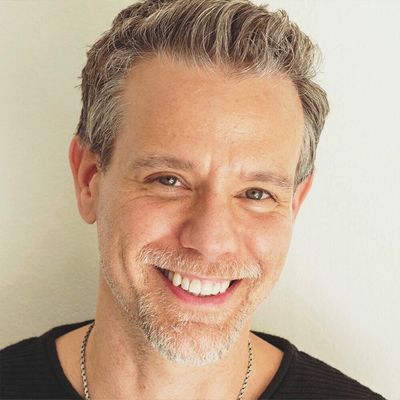
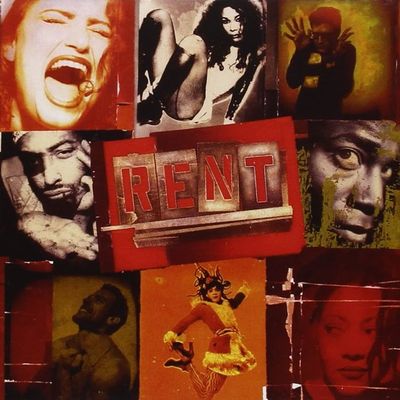
We're doing another musical for you Rentheads. Adam Pascal is our focus for this musical which came from the wonderful mind of Seth Rudetsky. Since the second season of Smash provided us with more Rent references than we ever needed, we thought we'd give you a more fun reference!.. Read More
From the show: Theatre Geeks Anonymous Podcast by Ebony Vines and Pamela Shandrow
Guests


Featured Shows
About
We're doing another musical for you Rentheads. Adam Pascal is our focus for this musical which came from the wonderful mind of Seth Rudetsky. Since the second season of Smash provided us with more Rent references than we ever needed, we thought we'd give you a more fun reference!
Transcript
This transcript was automatically generated and might contain errors.
[0:00] Ebony Vines: Welcome to Theatre Geeks Anonymous, the podcast about Broadway flops, scandals, and new work.
[0:08] Pamela Shandrow: I'm your host, Ebony Vines.
[0:10] Pamela Shandrow: And I'm your host, Pamela Shandrow.
[0:13] Ebony Vines: Don't forget to rate, review, and subscribe to the Theatre Geeks Anonymous Podcast.
[0:18] Pamela Shandrow: On the Broadway Podcast Network and all your favorite podcast listening apps.
[0:23] Ebony Vines: Thank you.
[0:25] Ebony Vines: Alright, so friends.
[0:27] Pamela Shandrow: Yes.
[0:28] Ebony Vines: Today we're going to do the musical Disaster.
[0:34] Ebony Vines: And it is, it is Disaster! Exclamation point.
[0:37] Pamela Shandrow: It is not Disaster! Exclamation point.
[0:40] Ebony Vines: The musical.
[0:41] Pamela Shandrow: Seth Rudetsky is very clear about that.
[0:44] Ebony Vines: And gets very annoyed when people call it Disaster! The musical.
[0:48] Pamela Shandrow: Well, that's the only way I've ever heard it called.
[0:50] Ebony Vines: So how interesting.
[0:52] Pamela Shandrow: Yeah.
[0:54] Ebony Vines: Thank you for letting me know.
[0:55] Pamela Shandrow: I would hate to get him annoyed at me.
[0:57] Ebony Vines: I know.
[0:58] Ebony Vines: Bless Seth Rudetsky and his husband James and their Stars in the House that they've been doing during this whole pandemic.
[1:05] Ebony Vines: It has been giving the world a ton of life.
[1:08] Ebony Vines: It has been raising hundreds of thousands of dollars for actors and stagehands and all types of people who are suffering during this time.
[1:20] Pamela Shandrow: Yeah.
[1:21] Ebony Vines: And they are just like a trip and three quarters, the two of them together.
[1:27] Pamela Shandrow: So bless them.
[1:28] Ebony Vines: Okay, so my resources for this musical are the Playbill Staff article called "A Look Back at Seth Rudetsky and Jack Plotnick's Disaster on Broadway," Wikipedia, another article entitled "Seth Rudetsky's Disaster, a Musical Headed for Broadway with Adam Pascal and Faith Prince" by Robert Viagas, and that was on Playbill.com.
[1:55] Ebony Vines: There's a podcast called Dennis Anyone, and it's their April 18th, 2016 episode entitled "We Haven't Had a Weird Thing in a While," and the New York Times article "Anatomy of a Broadway Flop, What Sank These Four Shows" by Michael Paulson.
[2:15] Ebony Vines: So those are my sources for today's podcast episode.
[2:21] Ebony Vines: Alright, so what makes a disaster?
[2:24] Ebony Vines: The development and production. While working together on an off-Broadway show called Pageant, Seth Rudetsky and Jack Plotnick had the idea of creating a musical reminiscent of the 70s disaster films that would incorporate the decade's top songs as both musical numbers and vehicles for comedy.
[2:47] Ebony Vines: So it was actually Seth's idea first, and he told Jack about it in 1992, but it took him like 20 years to actually do anything about it.
[3:02] Pamela Shandrow: And when he said that, I was like, I feel really seen.
[3:02] Pamela Shandrow: I feel really seen right now.
[3:07] Pamela Shandrow: I feel like most writers, we let an idea percolate for a psychotically long time, and then we're like, oh, maybe we should do something about that.
[3:18] Ebony Vines: And then so often by the time we do that, somebody else has already done it, and we're like, oh well, I guess how long have we been trying to get my one-woman show up and running?
[3:28] Pamela Shandrow: I know.
[3:29] Pamela Shandrow: I know.
[3:30] Pamela Shandrow: Well, in our defense, we started talking about it and plotting it out right before the pandemic.
[3:36] Ebony Vines: Yeah, yeah.
[3:37] Pamela Shandrow: And then the pandemic just destroyed everyone's lives.
[3:41] Ebony Vines: So in our defense, it is what it is.
[3:46] Ebony Vines: When Rudetsky was asked in 2011 to put on a show benefiting the not-for-profit organization Only Make Believe, which is an organization that was started by Tina Hammerstein, it brings theater to hospitalized children.
[4:02] Ebony Vines: What happened is Seth decided he was asked to do this benefit, and so he was like, "Oh, that musical idea, maybe I should do something with that."
[4:16] Ebony Vines: And so he told his friend Jeff, and Jeff said, "Well, have you started writing anything?"
[4:24] Ebony Vines: And Seth was like, "Um," and so Jeff literally took his computer and started writing the script like for him.
[4:34] Ebony Vines: He took his computer and he was like, "Scene one, interior, Charlie," like literally, that's how it started.
[4:44] Ebony Vines: And Jeff said, he said, so a lot of this comes from the 2016 BroadwayCon talk that they did with the entire cast, and so Jeff said he felt like for Seth, it just was like somebody had to sort of start and then he could kind of finish.
[5:04] Ebony Vines: And so they continued writing the musical together over the phone because Jeff would be in LA pretty often, you know, and Seth's is mostly here.
[5:15] Ebony Vines: After that, they began writing it together over the phone, as I said, and in the span of three months, he and Jack revised the concept and wrote the first script of Disaster.
[5:27] Ebony Vines: The original storyline involved the New York City blackout of 1977. I don't know much about the 1977 blackout, but I was here for the 2003 blackout, and I was also for like a split second.
[5:41] Pamela Shandrow: And of course, we all had that blackout in the summer of 2019 as well, which was not the entire city, but was a large portion of Manhattan and then like parts of Astoria had blacked out.
[5:55] Ebony Vines: It was just an extraordinarily hot summer.
[5:57] Ebony Vines: I did a show once with someone who told me that in the 2000, 2002, 2002.
[6:03] Pamela Shandrow: It was 2000, I think it was, I think it was 2003.
[6:07] Ebony Vines: Okay.
[6:08] Ebony Vines: Yeah.
[6:08] Ebony Vines: I wasn't living here at that point in time.
[6:10] Pamela Shandrow: So and I had just no, I was still living in Chicago.
[6:14] Ebony Vines: So I was doing a show with someone a few years later, maybe while I was still in Chicago, or it might have been anyway, it doesn't matter.
[6:22] Ebony Vines: But he said that he remembers it so vividly because he had just come up the stairs into Times Square from the subway when the lights went down, and then everyone was just stuck where they were.
[6:37] Pamela Shandrow: Because if you don't have electricity, you don't have the subway.
[6:40] Ebony Vines: Yes.
[6:41] Pamela Shandrow: And you can't, if you live in New York, you know how important the subway is because if the subway goes down for any reason, there will not be a taxi available for ages.
[6:50] Ebony Vines: So you just better get your walking shoes on and cross those bridges into whatever borough you're from.
[6:56] Pamela Shandrow: That's right.
[6:57] Pamela Shandrow: Crazy.
[6:58] Ebony Vines: I know.
[6:59] Pamela Shandrow: Wait, maybe you're right, it was '02, because that was my first summer in uni here in New York.
[7:07] Ebony Vines: What, after I transferred?
[7:13] Pamela Shandrow: And so I was in a car with my friend Natalie.
[7:13] Pamela Shandrow: We're still friends, and we had just met actually that summer and we were on our way to a rap party for this TV show we'd worked on, and so I was driving and we're like going down.
[7:28] Pamela Shandrow: I was going down the Garden State Parkway.
[7:31] Pamela Shandrow: And for those of you who don't live here, back in the day, the Garden State Parkway had like these 35 cent tolls that would go like every couple of miles.
[7:40] Pamela Shandrow: It was a flipping nightmare, it was terrible.
[7:42] Pamela Shandrow: Awful, and so but like because like none of them were working, and I thought, "Hmm, I wonder what's going on," and then I get closer to the city and there's no stoplights working, and I was like, it just never clicked.
[7:58] Ebony Vines: Why would it didn't click?
[8:01] Pamela Shandrow: And so we get into the city, and it's like, and then it's just like, you can't move, right?
[8:11] Pamela Shandrow: And so cops are trying to help people get around, and I was like, "Okay, what is going on?"
[8:16] Pamela Shandrow: Finally switched from music to the news on the radio, and I was like, "Oh dear."
[8:26] Pamela Shandrow: So then she and I were getting phone calls from the producers of the show, and they were like, "We're just gonna have to reschedule like everybody, you know, go home and stuff."
[8:35] Pamela Shandrow: So that's what we did.
[8:38] Pamela Shandrow: But funny, and one of my mentors that I was living with at the time, she said, "Let's get on the Garden State Parkway right now because there are no tolls. Let's just ride now, drives back and forth."
[8:54] Ebony Vines: Oh my gosh, bless it.
[8:58] Ebony Vines: Rudetsky told Playbill.com, "Ever since I read Charles Bush's book, Horrors of Lost Atlantis, I've always wanted to write a show and perform in it, surrounded by my friends."
[9:10] Ebony Vines: "Well, it's happened. I co-wrote Disaster with my friend Jack, whom I've known since 1991, and everyone in the show is a friend from forever ago."
[9:19] Ebony Vines: "I've known Faith since the early 90s. We had the same therapist and Carrie, Carrie Butler, and I have known each other since we were in a kids' nightclub in the 80s."
[9:31] Pamela Shandrow: Yes, she's younger than me.
[9:35] Ebony Vines: I could go through the whole cast, but the point is this is a dream come true.
[9:39] Pamela Shandrow: That was really sweet.
[9:40] Ebony Vines: That's awesome.
[9:42] Ebony Vines: Disaster originated at the after it did the concert.
[9:47] Ebony Vines: The full show originated at the Triad Theater off-Broadway for a two-month run in 2012.
[9:53] Ebony Vines: It reopened in a more fully designed production at another off-Broadway venue called St. Luke's Theater for a six-month run in 2013.
[10:02] Ebony Vines: Major changes between the concert and off-Broadway included widening the plot's range; instead of focusing on one disaster, the New York City blackout, they decided to introduce a variety of catastrophes common to the popular films of the 1970s that they had grown up watching.
[10:19] Ebony Vines: The benefit show successfully impressed critics, and from its success, the musical later had a nine-show off-off-Broadway run before being made into an off-Broadway production.
[10:33] Ebony Vines: Alright. So Disaster's Broadway plot, Seth Rudetsky and Jack Plotnick's Disaster was a parody of the 70s disaster movies.
[10:43] Ebony Vines: It opened on Broadway, March 8, 2016 at Broadway's Nederlander Theater.
[10:48] Ebony Vines: In the musical, earthquakes, tidal waves, infernos, and rampant wildlife can't stop an outrageous cast of characters from dancing, gambling, and singing the night away aboard New York's first floating casino and discotheque.
[11:03] Ebony Vines: Disaster takes place in 1979 Manhattan during the opening night of the Barracuda, the first floating casino and discotheque in New York.
[11:13] Ebony Vines: The characters gather to gamble and dance, unaware of impending natural disasters, and the building's lack of safety measures compounds these catastrophes.
[11:23] Ebony Vines: Notably, the casino structure was built on a fault line, which causes earthquakes throughout the show.
[11:33] Ebony Vines: The plot follows several characters' dynamics and interactions throughout the opening night as they deal with the various plot elements reminiscent of the 70s disaster cult films, such as The Poseidon Adventure and Airport from 1975.
[11:49] Pamela Shandrow: Jack Plotnick said that although some things had changed, more had stayed the same in making the show from off-Broadway to Broadway.
[12:00] Pamela Shandrow: He said one of his design elements that really inspired him, because he also directed this show, was the Contemporary Hotel in Disney World.
[12:10] Pamela Shandrow: He went there in 1978 and it had a 70s type futurism.
[12:14] Pamela Shandrow: And so he said again in this BroadwayCon interview that one of the cast members, when there was like a particular set piece that he made, and when she got on stage and saw it, she was like, "That looks like the Contemporary Hotel."
[12:29] Ebony Vines: And he was like, "Perfect. That's exactly what I wanted."
[12:32] Pamela Shandrow: Nice.
[12:35] Pamela Shandrow: Alright, so Disaster starred Roger Bart as Tony, Carrie Butler as Mary Ann, Kevin Chamberlain as Mari, Adam Pascal, and that's our Rent reference.
[12:48] Ebony Vines: Yep.
[12:49] Pamela Shandrow: As Chad, Faith Prince as Shirley, Rachel York as Jackie, Seth Rudetsky as Professor Ted Scheider, Jennifer Simard, who earned a Tony nomination for her performance as Sister Mary Downey.
[13:04] Ebony Vines: And I suggest you go to the Tony Awards and you watch that performance because it's truly bananas.
[13:20] Ebony Vines: Rounding out the company were ensemble members, Manuel Feliciano, Casey Garvin, Travis Kent, Maggie McDowell, Olivia Phillip, and Catherine Rickefort with Paul Castree and Elise Allen Louise as swings.
[13:40] Pamela Shandrow: The production featured choreography by Joanne M. Hunter, scenic design by Tobin Oust, or probably Oost, costume design by William Ivy Long, lighting design by Jeff Croyter, and sound design by Mark Minard with stage management by Paul J. Smith, Megan Schneid, and Samantha Priest.
[14:02] Ebony Vines: Um, the show is... I mean, you can just imagine though that Seth Rudetsky has his choice. Like, all he has to do is pick up the phone and say, "You want a part of this project?" Like, he just probably handpicked all his friends.
[14:15] Pamela Shandrow: I think that's awesome.
[14:17] Ebony Vines: Yeah, no, totally did. And he was able to bring people, you know, from the off-Broadway production over to the Broadway production.
[14:23] Pamela Shandrow: Um, I did not get to see the show. You can listen to the cast recording on Spotify, which is how I listened to it. But you know, it's all 70 songs, you know that we know.
[14:37] Ebony Vines: Yeah, you know, so when you listen to the cast recording, you know, it's just stuff you know, you know.
[14:42] Pamela Shandrow: Yeah, totally. Um, the production, the show was produced by Robert Ahrens, uh, Mickey Lytle, which is LD Entertainment, Hunter Arnold, James Wesley.
[14:59] Ebony Vines: James Wesley is Seth Rudetsky's husband.
[15:02] Pamela Shandrow: Okay.
[15:03] Ebony Vines: Jim Berba and Bob Hayes. Like I said, it was directed by Platnik with the book by Rudetsky and Platnik. And the production played 32 previews and 72 performances before closing on May 8th, 2016. And the cast album was released on September 9th, 2016.
[15:21] Pamela Shandrow: Now, the show was meant to stay open until July of 2016.
[15:26] Ebony Vines: Okay.
[15:27] Pamela Shandrow: It did not, sales were very low. Uh, and it only had one Tony nomination, and I believe that year the Tony nominations 2016 came out on May 5th.
[15:38] Ebony Vines: Okay.
[15:39] Pamela Shandrow: So it uh, it closed. I mean, that's like three days later.
[15:44] Ebony Vines: That's very fast.
[15:45] Pamela Shandrow: Yeah. They, I mean, if you don't have a reason to still like if they had had several different Tony nominations, obviously you can kind of finagle the numbers a little bit and hope that then the audience appeal will be a little bit higher because they've got these nominations and perhaps even wins.
[16:01] Ebony Vines: Right.
[16:02] Pamela Shandrow: Yeah, with just one. What was the Tony nomination for?
[16:05] Ebony Vines: It was Jennifer Samard.
[16:06] Pamela Shandrow: Oh yeah, that's right. Okay. Nice.
[16:09] Ebony Vines: Yeah. So um, now why was Disaster a disaster? I can't, I don't always get the pleasure of reading like these little bylines that I create, but like all my bylines from all the years we've been doing this podcast, they always joy.
[16:32] Pamela Shandrow: Me too.
[16:33] Ebony Vines: Me too. Producers hope that the enthusiasm for a campy night out would be replicated on Broadway as it was with the concert and off-off and off-Broadway runs.
[16:45] Pamela Shandrow: So that was the hope in bringing the show to Broadway. And on the podcast with um Seth Rudetsky and um and Jack, the thing that like Seth said was, okay, this is like the tryout period. Like we always talk about shows and they don't have a tryout and that's always a big problem.
[17:04] Ebony Vines: But this show obviously had several tryouts, right? It had the concert off-Broadway, off-Broadway. Um, and it was like sold out and like sold really well and had this like really fun, sort of campy feeling.
[17:18] Pamela Shandrow: And um, they were talking about how as the night would go on, like everybody's costumes would just fall apart more and more because so many disasters were happening. And so like after intermission you'd have to come on and like by the end, like some people were wearing hardly anything because it had been so ripped to shreds, you know, and like their wigs were all disheveled and what have you, you know.
[17:41] Ebony Vines: Um, they were dirty and stuff like that. So that's really fun. And of course, it's not something you can fully do on like off-Broadway and Seth said it was a lot of fun to move to Broadway because we felt like you know, we could do more.
[17:54] Pamela Shandrow: Yeah.
[17:55] Ebony Vines: And he said, you know, people kept asking, like, is you know, uh, did you think your show would come to Broadway? And he always felt like when it was off-off and off-Broadway, he said he felt like um they were always trying to squeeze into a smaller theater.
[18:10] Pamela Shandrow: Like he especially felt like that with the triad. He's like, the Triad Theater only has like four people that can be on stage, you know, and you know, we've got like 12 or something, you know.
[18:20] Ebony Vines: So it was just like it felt like Broadway, we could just sort of breathe and sort of like stretch out and be fully ourselves, but like unfortunately, it just didn't really catch um fire in the same way it had, you know, as a concert or off-Broadway piece.
[18:38] Pamela Shandrow: That always makes me so sad because I feel like that's the story for a lot of shows.
[18:42] Ebony Vines: Right, right.
[18:43] Pamela Shandrow: Yeah. You know, I everything tells you it should be successful because it has been successful up to this point. But then, you know, once you get to uh to Broadway, you just don't know like what's gonna happen. And maybe people didn't, you know, they didn't want to pay the Broadway prices for that, you know.
[19:03] Ebony Vines: Yeah.
[19:04] Pamela Shandrow: Um, I don't know. I don't know. I I every time I think about I'm not I'm not done with all my notes, but oh good. Every time I think about this musical, immediately the movie that pops in my head, 70s disaster is the Towering Inferno.
[19:20] Ebony Vines: Oh, so Biden adventure.
[19:24] Pamela Shandrow: Which is what was listed here, right? Which, and that's totally because it's like on water, but I just immediately see like Fred Astaire in the Towering Inferno the minute somebody like mentions this musical.
[19:38] Ebony Vines: Oh bless. That movie is just wow, it's a camp fest.
[19:42] Pamela Shandrow: So is Airplane.
[19:44] Ebony Vines: Mm-hmm.
[19:46] Pamela Shandrow: It's a fun idea. And it's also to just kind of piggyback on what Seth already said about his musical and just kind of growing into the Broadway theater. That is a show that can get as big as the space allows it to get.
[20:00] Ebony Vines: That's right, yeah, yeah.
[20:03] Pamela Shandrow: Yeah, yeah.
[20:05] Ebony Vines: Oh, um, so okay. So uh, the after opening night, critic Charles Isherwood wrote in the New York Times he praised Disaster and he said it was a delirious goof. And Isherwood also made it a critic's pick.
[20:21] Pamela Shandrow: And so Seth said that um he was told on the show's opening night party would go on until 11 p.m. if it got uh poor reviews, and it would go on till 2 a.m. if it got good reviews. The party went on till 2 a.m. because it got a good review from Charles Isherwood.
[20:39] Ebony Vines: But other key critics were less impressed.
[20:41] Pamela Shandrow: Oh, New York magazine, Jesse Green, who actually now works for the New York Times, called it a tiny entertainment that should probably have been left in a basement rec room.
[20:51] Ebony Vines: That's not nice.
[20:52] Pamela Shandrow: No.
[20:52] Ebony Vines: Uh, Jennifer Samard's uproarious performance as a nun with a gambling problem received the only Tony nomination, which is what I said earlier.
[21:02] Pamela Shandrow: Um, she did not win.
[21:06] Ebony Vines: 2016 Tony Awards was a banner year for the BIPOC community because you had uh four BIPOC people win in the musical theater category. So you had Renee Elise Goldsberry, you had Leslie Odom Jr., you had David Diggs, um, and you had Cynthia Erivo.
[21:26] Pamela Shandrow: Yeah.
[21:27] Ebony Vines: So Jennifer Samard did not win. Um, but it's also like you've got this little disaster, this little musical up against these in nor Hamilton.
[21:40] Pamela Shandrow: I mean, for heaven's sake.
[21:42] Ebony Vines: Hamilton and Shuffle Along.
[21:44] Pamela Shandrow: And Shuffle, but but it's even just like if you look at it regards like the massive show, Hamilton, and the massive show that it became and over time it will still become up against this little like this was an idea that I had, let's do it. It'll be fun, you know?
[22:01] Ebony Vines: It's so it's just it's it's almost like looking at a feature film versus Gilligan's Island half hour sitcom. Do you know what I mean?
[22:11] Pamela Shandrow: I know.
[22:11] Ebony Vines: And like we love Gilligan's Island, we love 30-minute sitcoms, but when you put it up against something like a three-hour feature film, it just doesn't stand up.
[22:21] Pamela Shandrow: Right.
[22:21] Ebony Vines: Right. But then also then you've got the politics of all of those people of color being nominated and then winning. And for those shows that are so heavily people of color, right, you know, that was really exciting. And that was, you know, we this was something that theater was waiting for and waiting to celebrate.
[22:42] Pamela Shandrow: So you it's it's difficult to stand up to something like that.
[22:46] Ebony Vines: Yeah, yeah. But also performances, I saw them. Holy Mother Pearl.
[22:53] Pamela Shandrow: Yeah.
[22:54] Ebony Vines: Yeah. It's not just because they're full of people of color or BIPOC people, it is they are good shows. And they were great performances.
[23:03] Pamela Shandrow: Yeah.
[23:04] Ebony Vines: It's I, as much as I loved watching the Tony Awards growing up, it is a little bit salty for me now.
[23:15] Pamela Shandrow: Only because I see that it becomes like this political piece. This, you know, um, well, we just watched it in Smash, you know, where, and I don't think that this happens all of the time, but certainly it probably comes into play, where you've got someone like the character Patrick, uh, Donaldson, I don't remember uh, Devin, something like that. But he's a Tony Award voter that Tom gets on the wrong side of and then accidentally um bribes and then tries to take away.
[23:46] Ebony Vines: Well, then he's like thought of as terrible, so no, I'm not gonna vote for you, regardless of the actual talent behind and like the act what he's actually up for an award for.
[23:55] Pamela Shandrow: He's gonna vote no against him because he's a nerd, right? But then he says something that ingratiates him to the voter, to the Tony voter, and then all of a sudden he's gonna vote for him, and it's like okay, um award shows are like that.
[24:13] Ebony Vines: I know, but that's why I don't like them anymore. I like because you see behind I've saw I've seen the wizard now, and he's not a big giant head anymore. No, he's just this little old man that's sad and lonely, and I don't like it.
[24:27] Pamela Shandrow: And I don't want, I don't, I don't care to support it.
[24:31] Ebony Vines: But that's what like you can't how can you put Disaster up against Hamilton in a fair way?
[24:31] Pamela Shandrow: You can't.
[24:41] Ebony Vines: No, you can't because they're two completely different shows.
[24:44] Pamela Shandrow: Exactly so it's so it's just such a difficult thing to measure and so the fact that and also Disaster is a jukebox musical, yes right like it's not and none of the music is new right Hamilton everything is brand new right like it came from one man's brain absolutely and there is I'm not I'm not tearing down any musicals here I think they both belong where they are and because I I the stuff that I saw and read about Disaster is just hilarious charming and hilarious and I think it would have been a show that I would have loved to have actually seen what I think I'm saying is as far as the the awards are concerned is that your show is staying open at the whim of a Tony voter that might just not like you.
[25:32] Pamela Shandrow: Yeah and I think if it's not already successful there's some shows where they're Tony proof it doesn't matter like Wicked didn't matter it didn't win best musical but it got a lot it well it still didn't like didn't wasn't it Avenue Q that year right and so but it also got like 12 nominations like it wasn't but it didn't it just that year.
[25:57] Ebony Vines: It was just it was Wicked like Wicked is about the wizard like the witches of the Wizard of Oz you know there's just some shows that it's it's not gonna matter as much and there are other shows where like they really need that stage in order for people just to be able to see them across the country to come.
[26:16] Pamela Shandrow: Which goes back to my whole thing about like audience and how Broadway doesn't pay any attention to the audience that's right here in these five boroughs which really pisses me off because I'm like you guys, like, look at this pandemic.
[26:30] Pamela Shandrow: You think like you're just waiting for tourists to come when you have five boroughs filled with eight million people who could come to your show, right?
[26:38] Ebony Vines: That's a whole nother tangent.
[26:39] Pamela Shandrow: Absolutely.
[26:40] Ebony Vines: Still not finish my notes.
[26:41] Pamela Shandrow: I know a lot of stories about that.
[26:44] Ebony Vines: I mean, we should have a lot of feelings, but also, oh, one more thing, because I know we've talked about it before. Rosie O'Donnell, though, when she had her show and she used to like the weeks leading up to the Tony Awards would have the performances on there.
[26:57] Pamela Shandrow: First of all, me as Pamela living in central Illinois used to wait with bated breath.
[27:04] Ebony Vines: Because that was my only opportunity to see these shows before the Tony Awards.
[27:10] Pamela Shandrow: Anymore, though, they're not even showing every performance on the Tony's.
[27:14] Ebony Vines: Right.
[27:15] Pamela Shandrow: And I know it's a money issue.
[27:18] Ebony Vines: Well, I feel the musical.
[27:22] Pamela Shandrow: But if a show is closed before the Tony, even if it has a nomination, they still don't do like just let us know.
[27:27] Ebony Vines: We don't always do it. There's a few exceptions, like um, Spring Awakening.
[27:34] Pamela Shandrow: Yes.
[27:35] Ebony Vines: So it it the Deaf West um production did close like well before the Tony's, and they were able to come back.
[27:44] Pamela Shandrow: But like, you know, I I feel like shows like Be More Chill, which like yes.
[27:51] Ebony Vines: At the very least, you know, I love James, but James didn't even read like he didn't even say this is a parody of, you know, and had to come out in social media later.
[28:02] Pamela Shandrow: It was so it's so upsetting to me.
[28:04] Ebony Vines: It just it just really is like the award ceremony should be a celebration of musical theater, not an exclusionary tool, right?
[28:12] Pamela Shandrow: And that's what it feels like.
[28:14] Ebony Vines: Right, right, right. Like you're the gatekeeper, and you're saying that these are the good shows and those are not, and that is frustrating.
[28:24] Pamela Shandrow: Yeah.
[28:25] Ebony Vines: Yeah, and again, all award shows are all award shows are pretentious.
[28:32] Pamela Shandrow: It's true.
[28:33] Ebony Vines: Because then you've got other shows, and this is the last point I'll make, and then you can go back to your notes, I promise. Because then you've got other shows though, like Sweet Smell of Success that knew because they weren't winning anything, that this was their they were gonna be closing.
[28:46] Pamela Shandrow: So they put every one of their chorus uh ensemble members and leads on that stage to do dirt, and they did it, but they spent all their money to do it, and then they had to close.
[28:56] Ebony Vines: But they knew they were probably gonna have to close anyway because the Tony Awards weren't on their side.
[29:01] Pamela Shandrow: I just hate I love that performance.
[29:03] Ebony Vines: Oh, it was amazing because everybody was on the same page.
[29:07] Pamela Shandrow: I was singing that song for weeks after I rewatched it on my little VHS recording of the Tonies.
[29:14] Ebony Vines: I love that performance. I love that show.
[29:17] Pamela Shandrow: That show needs to come back.
[29:19] Ebony Vines: I I think I think I I remember back then the problem was, and I think the problem still is Americans can't like they're not great at commentary on themselves.
[29:30] Pamela Shandrow: Oh right.
[29:31] Ebony Vines: And so, like what I heard was, you know, it did really well in England because they're like he he he, you know, you know what I'm saying?
[29:40] Pamela Shandrow: Yeah, and then it comes here, and and we're like, eh, you're talking about us, and it's kind of the same with Hamilton, right?
[29:47] Ebony Vines: The king.
[29:47] Pamela Shandrow: Yeah, he doesn't hit as well over there as he does over here.
[29:51] Ebony Vines: Yeah, yeah.
[29:54] Pamela Shandrow: Yeah.
[29:56] Ebony Vines: Oh man.
[29:57] Pamela Shandrow: Um all right.
[29:59] Ebony Vines: So last thing I was going to say, bada bada ba.
[30:06] Pamela Shandrow: Um speculation on why the show flopped is that the music struck many as an extended one gag skit without enough star power, spectacle or drama to justify Broadway prices, which I did say.
[30:20] Ebony Vines: Yeah.
[30:20] Pamela Shandrow: Um or a two-act running time and it sank.
[30:24] Ebony Vines: I would argue this should have probably been a 90 minute yeah it could have been done without an intermission.
[30:30] Pamela Shandrow: Yeah.
[30:31] Ebony Vines: Yeah.
[30:31] Pamela Shandrow: 90 minute wait which is more prevalent than maybe it was then um for a 90 minute musical.
[30:38] Ebony Vines: I know Violet was a 90 minute um and so I think it would have benefited from from you know being shortened.
[30:51] Pamela Shandrow: You know, I get angry about the star power thing.
[30:54] Ebony Vines: I get angry about things needing to be spectacled.
[30:57] Pamela Shandrow: But I give yeah totally I give the show all the credit for coming out in 2016 because I was hearing a lot of talk of shows not wanting to come out in 16 because they like they felt like Hamilton was going to take everything.
[31:11] Ebony Vines: And I really commend shows like this and In Transit and a few others that were like we want to be on Broadway.
[31:19] Pamela Shandrow: Like I don't care who else is coming like fine they're coming maybe we won't stay open for 10 or 15 years but like there's open theaters.
[31:29] Ebony Vines: Yeah.
[31:29] Pamela Shandrow: I'm going now you know, and so I really commend shows like Disaster In Transit and a number of others that still, you know, opened in in a year they knew would be really tough to you know make a strong showing.
[31:45] Ebony Vines: Do you think that social media is helping or hurting Broadway as a whole?
[31:54] Pamela Shandrow: Now that everyone has their own opinions, like because I almost the reason I ask this is because like it used to be that we relied on the critics telling us whether or not a show is good or not in order to go and see it, but now you can see millions of people's opinions of something which which could just backfire and be too many.
[32:14] Ebony Vines: So I don't know.
[32:16] Pamela Shandrow: I well, I mean, I look at shows like you know, Be More Chill, which you know I I'm not gonna say is like my favorite thing, but literally social media powered it to Broadway, and you know, Joe Iconis uh never thought it would get there, you know, and so uh Beetlejuice, you know, for example, which like did this miraculous turnaround, yeah, where it was, you know, on the way to being on our list, and then you know, the young people were fighting for their show, and then ticket sales rose in a way no one's ever seen before, yeah, right.
[32:58] Ebony Vines: And and so I I think about those shows where I feel like social media powered them forward or kept them on on stage longer than than people expected, and um I also see like this love that young people have and this ability to be so much closer to those people than we were able to be when we were their age, and so I actually think um I it is my personal opinion, and people are welcome to disagree with me that I feel like social media, if we use it correctly, can do more to help theater than hurt it.
[33:44] Pamela Shandrow: Because I mean, again, these Broadway shows that either never would have gotten there if it weren't for the young people on social media or not would not have stayed if it weren't for the young people.
[33:56] Ebony Vines: Yeah.
[33:56] Pamela Shandrow: Because it's always about finding your audience, you know, and as much power as you can take away from the gatekeepers.
[34:03] Ebony Vines: You know, I want to take as much power from them as as possible.
[34:07] Pamela Shandrow: And so if, you know, listen, I I love some of the crit like I love, you know, three on the aisle and stuff, and I want those people to have jobs, but also I don't want them to be the only voice because like I don't always agree with them, right?
[34:21] Ebony Vines: Like they they I can't say they represent me, like they don't, you know, and and I I would argue they definitely didn't represent, you know, 17-year-old Ebony or 15-year-old Ebony or 12-year-old Ebony, you know, and um, and so I I think a lot of young people feel feel similarly where they're the critics maybe don't necessarily represent them and they're able to have their own voices.
[34:47] Pamela Shandrow: Well, and I love the idea of uh voting with your Facebook or or you know, like you know, millennials and Gen Zers are in this kind of amazing position to use their platform as a power piece, yeah, um, to say, you know, we don't agree with what your company is doing.
[35:07] Ebony Vines: So we're going to to get everybody together through social media so that we won't support you, which means you're either gonna change or you're gonna be canceled.
[35:17] Pamela Shandrow: Right.
[35:17] Ebony Vines: And so there is a kind of power behind that.
[35:20] Pamela Shandrow: And so you're right.
[35:21] Ebony Vines: You're right in that Beetlejuice and Be More Chill were brought to the forefront from people just like those people saying this is something that's important to me and if it's important to you too put your voice to it.
[35:34] Pamela Shandrow: Yeah I think that's great.
[35:35] Ebony Vines: Yeah.
[35:36] Pamela Shandrow: And uh you know again you you all are welcome to you can at me we can have a discussion I'm not saying listen I don't even love social media you know I so this is not somebody who's like super like all about the social but I do see there's enormous value and um and I love to see the young people act like I'm so old.
[36:02] Ebony Vines: I'm not really that old but I I just love so much to see how the young people are just being so inspired and invigorated and they're making musicals on TikTok and Instagram and they're just like it's just it's been well wonderful.
[36:20] Pamela Shandrow: You and I had Rosie O'Donnell at 3 p.m central time.
[36:24] Ebony Vines: Well I guess it was well it's 3 p.m central time in Illinois time and then and then 1 a.m with theater talk for me as well on Fridays during the week.
[36:38] Pamela Shandrow: But now you know these the younger generations can access it at any time they want to or they can stream it when it's supposed to be streamed.
[36:47] Ebony Vines: But like they've got access that we never had when we were growing up to this kind of stuff.
[36:52] Pamela Shandrow: I mean I remember trying to well at the time it wouldn't have been Google AOL search you know yeah it probably was being being and ask Jeeves and Yahoo Yahoo is a big one but like you know we were trying to type in these searches for I was trying to type in searches for stuff like that and you just couldn't find the information because nobody thought that that was important to add to the internet when the internet was so fresh at that point in time.
[37:21] Ebony Vines: So it really did take younger generations to kind of be like um actually I'd love to know about Little Prince in the aviator and I want to know the backstory to Disaster and you know and all of these other things that are musical theater related yeah I my also like even with huge juggernauts like before they were juggernauts like when when Hamilton was at the public before it had a massive following and there was there was no cast recording and so it was only the people who'd got to sit in those seats I would like after every show go to the hashtag on Twitter and then I could read like people's reactions and how they were feeling about it.
[38:02] Pamela Shandrow: Yeah and that was just so exciting to me I looked forward to that like every time there had been a show yeah and I mean that was like you know little little ebony on the inside like I you know I I it's not something I had when I was younger for you know a show um at all but yeah anyway that's it uh Disaster the musical, it is um you you can actually do it.
[38:35] Ebony Vines: So if you want to perform Disaster the musical, it can be done.
[38:39] Pamela Shandrow: Nice.
[38:40] Ebony Vines: Um, you know, like I said, the Spotify, it's on Spotify, the cast recording, and you know, um, it's fun also just to listen to Seth and Jack talk about it.
[38:50] Pamela Shandrow: I'm sure.
[38:51] Ebony Vines: I'm sure that's true.
[38:52] Pamela Shandrow: Yeah, yeah.
[38:54] Ebony Vines: Thank you so much for listening.
[38:55] Pamela Shandrow: Oh yes, thank you, and we'll see you next time.
[38:58] Ebony Vines: Bye!
[39:00] Pamela Shandrow: Thank you for listening to our podcast, Theatre Geeks Anonymous.
[39:05] Ebony Vines: You can follow us on Instagram and Twitter at T G A Bee Way and on Facebook at Theatre Geeks Anonymous.
[39:15] Pamela Shandrow: And if you want to tell us how much you love us, or you have a great story about one of the shows we've talked about, drop us a note at T G A B Way at Gmail.com.
[39:28] Ebony Vines: Until next time, geeks.
© Broadway Podcast Network, All Rights Reserved