

This week, the Friends open the show by talking about Black is King, Beyoncé's new visual album, and folklore, the new album by Taylor Swift that was written and released during quarantine... Read More
From the show: Token Theatre Friends
Guests
About
This week, the Friends open the show by talking about Black is King, Beyoncé's new visual album, and folklore, the new album by Taylor Swift that was written and released during quarantine. They talk about how these albums use storytelling as their primary driver, and what other artists can learn about producing during quarantine. And why are the Friends talking about music?
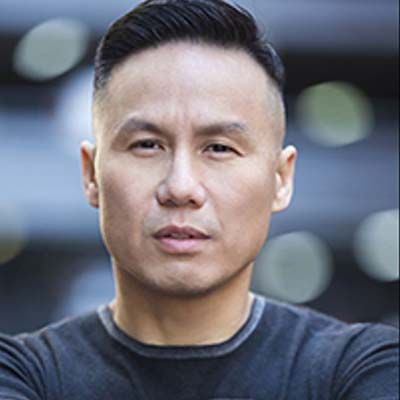
That's because their guest this week is Tony winner BD Wong, who is releasing a visual album of his own (his "gay Lemonade" if you will). Wong and his husband videographer Richert Schnorr have created 18 music videos, set to the theatrical song cycle Songs from an Unmade Bed. It is about the inner musings and romantic life of a gay man living in New York City. The videos will stream at 8 pm EST on Monday, August 10, as a benefit for Broadway Cares/Equity Fights AIDS.
Songs From an Unmade Bed first premiered in 2005 and was created by Pulitzer Prize and Grammy Award-winning lyricist and librettist Mark Campbell with 18 composers: Debra Barsha, Mark Bennett, Peter Foley, Jenny Giering, Peter Golub, Jake Heggie, Stephen Hoffman, Lance Horne, Gihieh Lee, Steven Lutvak, Steve Marzullo, Brendan Milburn, Chris Miller, Greg Pliska, Duncan Sheik, Kim D. Sherman, Jeffrey Stock and Joseph Thalken.
Support Token Theatre Friend's Patreon!
Transcript
This transcript was automatically generated and might contain errors.
[0:09] Deep Tran: Hi, this is Deep Tran.
[0:11] Jose Solis: I'm Jose Solis.
[0:13] Deep Tran: And we're your Token Theatre Friends, people who love theater so much that you know sometimes you just need a little break from theater.
[0:19] Jose Solis: And uh and this past week, uh we took a little bit, we took a little bit of a breather.
[0:26] Deep Tran: There's there's not a lot of like theater theater that we saw together.
[0:32] Jose Solis: So we're just going to do like a potpourri, a variety pack this episode of things that culture that we've consumed in the past week, and you know, talk to each other about them, tell you about them, and maybe you'll want to consume them as well.
[0:48] Deep Tran: And then who's our guest for this week, Jose?
[0:50] Jose Solis: Today we're gonna be talking to Tony Winner BD Wong, who in quarantine did his own Beyoncé and recorded a song cycle of music videos.
[1:01] Deep Tran: It's true though, that's what it is.
[1:03] Jose Solis: Right?
[1:04] Deep Tran: Called Songs from a Non-Made Bed.
[1:07] Jose Solis: It's a collection of music videos and it it's set to benefit Broadway Cares Equity Fights AIDS.
[1:13] Deep Tran: So we're gonna be doing that.
[1:14] Jose Solis: I'm so excited to talk to him because it has been a cruel summer indeed.
[1:19] Deep Tran: Oh my god, I love that you said he he did a Beyoncé by releasing a visual album.
[1:25] Jose Solis: Isn't it what I mean didn't she like invent that basically?
[1:29] Deep Tran: Yeah, yeah, she did.
[1:30] Jose Solis: And what I really love is like I y you and I were both talking uh we we were also both listening to Taylor Swift's new album folklore last week, where she also just dropped it uh announced like t 12 hours beforehand that this is going to happen, that there's going to be a new album coming out tonight, and we're just like, whoa, no one needs publicists anymore.
[1:54] Deep Tran: They can just go out into their social media spaces and and just say, Hey, I'm doing a thing.
[2:00] Jose Solis: But that's not official album, which is very disappointing.
[2:03] Deep Tran: I mean, should have time, I guess.
[2:05] Jose Solis: I mean, not that I want to ask Taylor to do even more.
[2:08] Deep Tran: Because you know, like I am wearing my Stella McCartney Taylor Swift t-shirt, Cruel Summer for the first time.
[2:14] Jose Solis: And I was like, how can you be releasing a new album and new merch when I haven't even worn the merch that I bought for Lover last summer? Like how?
[2:24] Deep Tran: But I mean, I guess also like Taylor, we have no money, like stop putting out new stuff when there's so many and people are unemployed. That's not very thoughtful.
[2:33] Jose Solis: Well, good thing. It's available on Spotify if you want if you want to listen to it.
[2:37] Deep Tran: Kind kind of like how uh Beyoncé's uh Black is King was released also in July, and Hamilton was released at the beginning of July.
[2:49] Jose Solis: And so if you got Disney Plus for one for at least one month, you could have seen both, you know, like we love we love a thrifty queen.
[2:59] Deep Tran: I don't think anyone has ever referred to Beyoncé as a thrifty queen in her life, but I mean there's always a first time.
[3:07] Jose Solis: Hey, uh Beyoncé plans everything, and so I don't doubt that she that she that the the releases coincided so nicely.
[3:18] Deep Tran: Yeah, that's a really good point. So what have you been watching?
[3:21] Jose Solis: Well, speaking of, I mean, I was actually watching Black is King, like over the weekend.
[3:30] Deep Tran: And what was really interesting to me about it, like in comparison to, you know, the other Beyoncé visual albums, because if you're not a Beyoncé fan, I am sorry, but the next fit 15 minutes.
[3:43] Jose Solis: Uh what's been really fascinating about watching it, and the thing is I am not qualified to talk about any of the iconography in it.
[3:52] Deep Tran: But I it's so interesting to see the rev the evolution of Beyoncé's visual aesthetic from Beyoncé, the self-titled album, which is very much like uh and it was very it was like a collection of vignettes basically around around a theme of like her as a woman, her as a mother, you know, Beyoncé the self.
[4:13] Jose Solis: And then and then in Lemonade, it became Beyoncé the Spurned Woman, yes, but also like Beyoncé the daughter, like where Beyoncé come from, which is New Orleans.
[4:13] Deep Tran: And then for Black is King, it was where did Beyoncé what is Beyoncé's lineage? Like looking back to where, you know, her ancestry and touching back on, you know, the legacies of kings and queens of Africa and how her, you know, present royal iconography that she's been using quite a bit actually with Jay-Z, how that's tied into the ancient iconography of you know, ancient Egypt and all of those things.
[4:55] Jose Solis: So it's been isn't it's been interesting to see to see her discover her herself as a queen.
[5:02] Deep Tran: Well, I mean, that's what people have been calling her for like over a decade now.
[5:05] Jose Solis: So she might as well claim the throne.
[5:07] Deep Tran: But you're right about that. One of the reasons why I haven't watched Black is King is because I was you know, slightly under the weather with my COVID scare uh last week.
[5:16] Jose Solis: And I know by now that every time that Beyoncé drops something, it's something that I want to like pay like my full attention to.
[5:25] Deep Tran: And I didn't want to have like Black is King playing on the background and miss out everything, because I would be like typing right or like being on my phone or stuff like that.
[5:32] Jose Solis: I need to find the place to 'cause it's almost like sacred time, I think, when an artist of that caliber put something that's so thoughtful and so detailed out.
[5:41] Deep Tran: Because I've been watching the uh like you know photos and screen caps and stuff. And just like I'm like, holy fuck, there's like so many different things going on just in one frame.
[5:51] Jose Solis: But I can you know my body because of the heat and being sick is not you know we're not ready for this jelly just yet. But I'll get to it very very very very soon.
[6:02] Deep Tran: Meanwhile for Taylor, you know like I I laugh so hard because someone said that folklore was finally Taylor releasing her Starbucks album.
[6:11] Jose Solis: And which accurate but you know it's very soothing, right?
[6:17] Deep Tran: I mean and I need it to be like soothed and I need it to be like calmed. I need it to not you know deal with anything like too like big while I was trying to get over my weird allergy not COVID thing again uh thing that I went through.
[6:34] Jose Solis: Yeah.
[6:34] Deep Tran: Jose's COVID negative so yes.
[6:36] Jose Solis: No but talk about things I could like can play in the background I feel like it's so sad.
[6:41] Deep Tran: It really is a st I I don't hate it. Taylor Swift released like a 16 track album that she created during quarantine and like and and Beyoncé's Black is King, you know the soundtrack was really uh it was released last year, but I feel like with this with Black is King in in particular the visuals enhance the music even more, and I feel kinda like Lemonade, like those two things are so interlinked.
[7:07] Jose Solis: That I feel like Black is King is like the completion of that this African song cycle that she's been exploring.
[7:14] Deep Tran: And so like I I feel like right now, like it's for me, like being able to really sit with it for a long period of time and then like a way I haven't able to sit with art before this has been like a really rewarding time for me.
[7:28] Jose Solis: Yeah, because you know, like one of the things that I really love about Lemonade, because in lieu of watching Black is King, I listen to Lemonade a lot.
[7:36] Deep Tran: Or whether we can and Lemonade is one of those albums that I cannot just like listen to a song, like I have to listen to the entire album.
[7:42] Jose Solis: So like I love that Beyoncé has rescued that idea of like an album album, you know, like where you start at the very beginning and you need to go the whole way through.
[7:51] Deep Tran: And I kind of feel like folklore is that in a way, where I can't just like pick a song and like go there, but I have to listen to the whole thing.
[7:57] Jose Solis: And what's so interesting to me about that is that uh, you know, traditionally, I would say the kind of history and a kind of stories and a kind of legacy that Beyoncé is uh telling us visually with Lemonade and Black is King.
[8:15] Deep Tran: It comes from like the oral tradition, right?
[8:18] Jose Solis: So what's so interesting to me right now is that seeing that she knows that you know the people who are able to do that are dying and are no longer with us.
[8:28] Deep Tran: So she's reshaped the oral tradition by making it also visual.
[8:33] Jose Solis: So I love that about her. Meanwhile, Taylor is back to like you know, like going when she was a teenager with like her guitar, Definitive Fire, which is also like oral tradition in a way, you know, it's like the stories that country songs are based on, like, you know, they're they're always like storytelling, and they're never about just like a boy or like shake it off or whatever like that.
[8:52] Deep Tran: So I they're both very different takes on the same idea of like passing on stories to people, which is what we all crave right now that we have to be alone at home.
[9:03] Jose Solis: I I really love that. I and I love that idea that you're just saying about like tradition.
[9:07] Deep Tran: And I feel like with both of these albums, I I was like joking to my friends, I was like, wow, Beyoncé's going to Africa, Taylor's going to the woods.
[9:14] Jose Solis: They're all just like rubbing it in our faces that we can't go anywhere.
[9:22] Deep Tran: Like, where the hell are we gonna go like camp in Central Park and try to come up with poems and get like but like COVID from like a pigeon? Like, no.
[9:34] Jose Solis: I know. But after for me, listening to both both of them, and I listened to, you know, one day listen to folklore, and one day listen to watched Black is King.
[9:43] Deep Tran: And and for me, I I just know that there's like this it's not like going back to basics of this is they're going back to where they came from because like they both came like they're both like I wouldn't say folklore is the same sound as you know self-titled Taylor Swift Country, but I do feel like there's like an earthiness to it of going back to just like you were saying, like telling stories and Black is King in particular, it's like it's kind of taking the story of the Lion King, but like transposing it to modern times and also reaching back to like biblical times too, uh, and tracing that African lineage that way, and like telling these stories so that the next generation will take them and learn from them and move forward.
[10:28] Jose Solis: And so like the there's this there's this, yes, there's like bells and whistles within each of them.
[10:33] Deep Tran: Like, you know, Taylor's like swimming with the piano in her music video, and you know, Beyoncé's wearing so many uh a shit ton of outfits, but there's this theme of like story, like of storytelling as at the root of it, and and also going back as an art looking deep down as an artist and see what motivates you and the traditions that you came from and trying to take what you've learned from your past and bringing it into the future.
[11:04] Jose Solis: Absolutely, because you know, I have never been, and you know this 'cause I have said this repeatedly other show, I have never been a fan necessarily of plot.
[11:13] Deep Tran: But I'm a huge fan of story.
[11:15] Jose Solis: And what you know what what projects like folklore and Black is King make me think about is the many ways in which growing up I was passed on.
[11:15] Deep Tran: I was passed on what I later would learn were the plots of classic movies were told to me as stories.
[11:32] Jose Solis: So yeah.
[11:33] Deep Tran: Plot can go screw itself, but stories and why we tell stories and why we keep passing them on to the people who are coming next.
[11:42] Jose Solis: It's so important.
[11:43] Deep Tran: It's so precious. Like I feel like we're like this we're like an album away from, you know, just going back to like the wilderness and like wearing like furs and going hunting and getting cakes.
[11:54] Jose Solis: Yeah, and and I feel like for these artists, we're also an album away from like tr really now really discovering like who they are, because none neither of these women have given a lot of press about these projects.
[12:05] Deep Tran: It's like this y you wanna know more about me? Like, this is it.
[12:09] Jose Solis: It's like I'm not using anything else to filter my message.
[12:12] Deep Tran: Which is so great.
[12:13] Jose Solis: I mean, like that way, like because we expect too much from celebrities and like yeah, you know, like Beyoncé what has she done like one interview in like the past like five years or something like that?
[12:21] Deep Tran: Yeah, I know.
[12:22] Jose Solis: It's mostly through her Instagram.
[12:23] Deep Tran: Like if you want to know a little more about Beyoncé, look her up on Instagram.
[12:27] Jose Solis: And Homecoming also, which is so incredible.
[12:30] Deep Tran: On Netflix, yeah, definitely.
[12:32] Jose Solis: But yeah, if you're a fa if you were a fan of her Egyptian Nefretiri outfit in Homecoming, you're gonna have a great time with Black is King.
[12:41] Deep Tran: And she wear it different Africa.
[12:43] Jose Solis: No, she doesn't wear that outfit, but she wears like a lot of like outfits inspired by ancient African tribes.
[12:49] Deep Tran: Not ancient, uh African tribes and hairstyles.
[12:52] Jose Solis: Okay, this is the first time that anything related to the Lion King has sounded interesting to me because the Lion King is so boring.
[12:59] Deep Tran: It is so boring.
[13:01] Jose Solis: I know.
[13:02] Deep Tran: That's the only thing. Like for me that they use in Black is King, they use quotes from the Lion King remake that Beyoncé was in, and every time they did it, when it wasn't James Earl Jones, I was just thinking, oh you don't you don't need to.
[13:16] Jose Solis: You don't did you don't need Disney in this.
[13:18] Deep Tran: Nope. Beyoncé doesn't need Disney. Like Beyoncé can just take out all those lines and the thing will stand on its own as just as just a piece as just a piece of you know cultural pride.
[13:29] Jose Solis: Yeah.
[13:29] Deep Tran: So wait, you're not like a huge Lion King fan, even when you were like a little girl.
[13:34] Jose Solis: Oh no, I love I love the Lion King, but you know, in in it was never like my favorite of the Disneys.
[13:40] Deep Tran: Yeah, I never yeah, but I I understand like its significance to people.
[13:44] Jose Solis: I mean the Lion King had up until it got shut down because of COVID, like the Lion King ran on Broadway for like 20 years and it employed like African performers from Africa who wouldn't have had opportunities here otherwise.
[13:56] Deep Tran: And so I appreciate the lineage. I don't appreciate Disney creating talking CGI cats.
[14:04] Jose Solis: Which between that and cats last year. It's been a v it's it was a very unfortunate year for cats.
[14:10] Deep Tran: For cats, yeah.
[14:11] Jose Solis: CGI cats.
[14:12] Deep Tran: It was, and I never made that connection. Like both Taylor and Beyoncé played CGI cats.
[14:19] Jose Solis: Is Beyoncé like a cat person?
[14:22] Deep Tran: Because Taylor is like the ultimate like cat lady.
[14:25] Jose Solis: I don't think Beyoncé's an animal person. She probably have like a, like a, I don't know, like a pet cobra.
[14:32] Deep Tran: Yeah, no, or like a, or like a lot, like a lioness. Like a, like a giant animal. I don't think she, but animals are, you know, they're very unpredictable.
[14:41] Jose Solis: And Beyoncé likes to be in control.
[14:43] Deep Tran: Yeah.
[14:44] Jose Solis: I'm sure she could tame like a, like a really crazy wild animal. Like she would be like, I don't know, what's like the wildest animal out there?
[14:51] Deep Tran: Like an elephant or something?
[14:52] Jose Solis: No, because they're so cute. Elephants are so gentle that, you know, like a crazy like cobra.
[14:57] Deep Tran: Shark or something?
[14:58] Jose Solis: A shark, yes. Like she, I'm sure she could totally like just be like, look at it and just be like, You're mine now.
[15:05] Deep Tran: And the shark would just do Beyoncé's, you know, what Beyoncé said?
[15:10] Jose Solis: Like lady of the oceans and the heavens and all of that. What do you make of these artists like releasing these gigantic bodies of work right now, though?
[15:21] Deep Tran: I mean, and because I feel like Black is King was in, you know, production for like the past year and they could have delayed it, but they chose not to. And so do you think it's, do you think it's one of those things where, oh everyone's at home, we need to, this is the opportunity to really get the most attention?
[15:34] Jose Solis: Like more than attention, I feel like what they're doing is that they're just giving people hope. You know, they're reminding people that, you know, they haven't forgotten about us. Because that's the thing, you know, like perfectly like we can play it on the show often, like Broadway has decided that nothing is happening, right?
[15:48] Deep Tran: And that everyone who does Broadway stuff is like dead apparently, or like, you know, frozen like that. Remember that passengers movie with Jennifer Lawrence and, you know, the rapey passengers movie.
[15:59] Jose Solis: Without that part. But yeah, everyone's like frozen, right? And they're not. So I like the fact that artists that are so important, like Taylor and Beyoncé, are saying, you know, no, like life is going on. It doesn't look like what it's looked like in the past.
[16:16] Deep Tran: But life isn't something. So here's a present, you mortals.
[16:22] Jose Solis: Yeah. The gift, I believe that's what Beyoncé called the album.
[16:25] Deep Tran: Yeah. The Lion King album, the gift. I'm like, yep. Especially now. And what I love is, because I think I don't know, and the reason we're comparing both of them is because, you know, they both released new stuff, but for me, I like they've both, they're both artists who have contr, who got started being controlled by men, and now they've taken control of their own production.
[16:48] Jose Solis: Because I don't think if Taylor Swift was under her own, her old production company, they would have let her do something like this so quickly. And I feel like it's something that a lot of other artists of other disciplines can learn right now. Of you don't need, you can produce these things on your own. You don't need a fancy producer to help you with this.
[17:04] Deep Tran: You don't need a publicity machine to promote this for you. You have your own following of your fans, and like you don't need anyone to give you permission to make art right now. Like we're all in front of a computer, we all have, you know, phones, we can all, we can all buy an HD camera if we really want to.
[17:26] Jose Solis: Like, you don't like, you can put this work out whenever you want to. A fucking man, which is why I'm very excited that we are going to be talking to BD Wong, who laminated us.
[17:39] Deep Tran: And can't, can you think of any other like, you know, theater person who's done something like this? You know, this Beyoncé-like in quarantine.
[17:54] Jose Solis: No, but I keep waiting for it. And I, and BD said, so we were recording this before we seen the videos, but BD said he'll send us the videos. But what I really love is I've been wanting someone to like do a musical on Zoom because I really love the play readings, but girl needs production value.
[18:13] Deep Tran: Yes.
[18:14] Jose Solis: Yes, yes, yes, we do. So let's go talk to BD about this.
[18:18] Deep Tran: Very exciting. I promise not to call him Beyoncé.
[18:20] Jose Solis: Okay. Maybe I won't. You think it's a gay lemonade?
[18:25] Deep Tran: I mean, lemonade is the gay lemonade.
[18:27] Jose Solis: No, I'm kidding. No. I don't know. That's like a very deep philosophical question. But yeah, let's call, let's call this a gay lemonade for now. So and let's go talk to BD.
[18:37] BD Wong: Hi, BD. Thank you so much for joining us.
[18:41] BD Wong: It's nice to see you.
[18:42] Deep Tran: Very nice to see you as well. So Songs from an Unmade Bed. This is like from an unmade bed.
[18:48] BD Wong: See, but I have been referring to it as the gay lemonade, because it just lemonade.
[18:53] Deep Tran: Yeah. That I drop. I'm so glad that you said that because I like it's always my fantasy. I mean, I think she's just the best, right? And it is my fantasy. And Rikert, my husband, is really into her and really into her video vocabulary and her video career.
[19:13] BD Wong: And so that's, it's, it's, it's actually not that passing a reference. But it is like that. You know, it's a, it's a, it's, it became this kind of expression of our feelings and our relationship and our collaboration and our, the, our sensibilities that we share as creative people and we didn't really get to know what those things were until we started working together.
[19:39] BD Wong: We'd never worked together before, and a lot of couples don't ever get to have this experience, and creative couples that do cross the line and work together, that gets, that can be real, it's super interesting and rather challenging, but also really, when you come out the other side, you really feel good about your relationship if you do it the right way.
[20:00] Deep Tran: Oh my god, you're like the Beyoncé and Jay-Z.
[20:02] BD Wong: Yes, just exactly. I mean, what was the impetus for the project? Was it one of those like kind of like we're talking about Taylor Swift earlier, me and Jose like offline about, you know, artists are trying to figure out ways to be creative and so, and you don't, you haven't done a musical in a really long time.
[20:19] BD Wong: That's right, yeah. And it's always part of my musical work and enjoying musicals is always a thing that I always have that I don't get to really do very much at all. And there's a lot of things that came together. One is that I'd always loved this particular song cycle, this piece.
[20:35] BD Wong: It was done at New York Theater Workshop in 2005. A great actor named Michael Winther, who's also a friend of mine, performed in it at that New York Theater Workshop. A beautiful, lovely production. It's a one-man show or solo show with 18 songs, one lyricist and 18 composers.
[20:53] BD Wong: And it was, and it's about kind of, it touches on the ruminations of a gay man living in his, he's in his apartment and he's kind of ruminating on his romantic life. That's the basic kind of thing. But it doesn't have a plot, it's just all different songs about different guys or different situations or different emotional circumstances between people.
[21:12] BD Wong: And that thing, it stayed with me. And one of my best friends was one of the 18 composers. So I knew it and I went to see it because my friend had written a song in it and I loved it. And I, some of the songs were very challenging. The music is challenging, and I've often used it as part of my vocal workout.
[21:29] BD Wong: And I was doing that during the beginning of March when we were starting to quarantine, and I started to feel a sense of resonance in the songs. I thought, oh wow, this song actually today actually really applies. This song about wanting to go out and not being able to go out, that kind of thing.
[21:46] BD Wong: And song after song kind of had a double kind of meaning after a while. So I thought, oh, I really would like to explore this material. And I had also been talking to the lyricist Mark Campbell, who's kind of the creator of the piece, and said, I'd like to make a movie of this. I had done this like last year.
[22:03] BD Wong: And so I went back to him in March and said, Hey, remember I said I want to make a movie of Songs from an Unmade Bed? You know, what if we made videos in our apartment in quarantine? And then the goal would be to use the videos and kind of try to use them as a charity for something. And he loved the idea of it, and I played the songs for Rikert, my husband, and he loved the ideas.
[22:24] BD Wong: And you know, when you bring a person like a videographer on an actor and videographer relationship, if the videographer is just doing it because you are making them do it, that would just, it's just a recipe for disaster. But if the person genuinely likes the material, which he did, then you have a chance to really do something together that's really great.
[22:43] BD Wong: And he did love the songs, and we started to think, well, could we really make 18 videos in our house? And we started doing it. We started rearranging their furniture and we bought some lights and we borrowed some sound equipment and we started recording the songs and then we started filming them, we started making little acute little videos of them and the challenge became after video after video as we went on to make them different and interesting and to have them have a point of view or an aesthetic or a visual life that was different from the others.
[22:52] BD Wong: And we just finished them like yesterday or the day before we just really finished the last one we're going to stream them next Monday on August 10th and it's going to benefit Broadway Cares' emergency COVID assistance fund for people in the theater backstage and on stage. As you know, the theater's completely, the rug has been pulled out from under the theater so a lot of the performers and the artists, not just actors, not just people on stage but people backstage, people hair, makeup, wardrobe, all of these people are many of them struggling.
[22:52] BD Wong: So this is a kind of an event, the streaming event to raise money for that fund. And what's kind of nice is that the fund re-kind of reflects the spirit of the show. The show is kind of presenting itself as music videos and it's kind of the only theater we have now, you know, we don't have a theater so this is my version of the theater made in my home that I can't leave and without people there to really be able to watch it in the same room as me, but what else can we do right at this point in order to entertain people theatrically?
[24:37] BD Wong: There's a theatricality to some of the songs, and that's nice. So I thought that there was a, I feel like artists were kind of struggling to figure out what to do next. And that one of the things that was kind of happening was people were doing a lot of self-made content, playing instruments in their bathtub or whatever.
[24:56] BD Wong: And I thought, wow, that's not gonna stay interesting that long. I think it was wonderful when you started seeing people doing it and the outpouring of content that started as has been happening, you think that's really exciting, and people are not accepting the fact that they're having to stay home. They're doing, they're being them. I'm a musician, so I'm gonna play, and I'm gonna, I'm a singer, so I'm gonna sing.
[25:18] BD Wong: They wouldn't stop being themselves, right? Nothing would stop them. But at the same time, there were limitations that were really strong and are really strong. And I think we're possibly if this continues on as we see that it's going to, we're gonna see people pushing forward and changing the limitations that they have.
[25:40] BD Wong: We're all becoming self-video makers. Every, you know, all actors started becoming self-video makers for the last few years because the audition process as an actor has changed drastically, and now we have a situation where a lot of actors know how to make videos of themselves, have the equipment, have the lighting and all that.
[26:00] BD Wong: And so we see a kind of a change in the content and where it's coming from and who's producing it. It's self-produced a lot. And what I think is that through costume and wardrobe and things that are in your control, but that you wouldn't normally push to the next level. If people start doing that, the content can become really interesting. So that was our attempt. This is our attempt at that.
[26:29] BD Wong: It's like saying, okay, I'm not just gonna wear my regular clothes, I'm gonna put something on that goes with the song or something. And not always, but a lot of times. And I'm gonna do my hair to go with the song, you know, because my hair is really long now, you know, it's like getting really long. So that's kind of it. And so I guess those are the main salient things is that our relationship really kind of was challenged and also kind of was forced to meet the challenge by working together.
[26:57] BD Wong: And that there's a kind of poetry or poeticness to the fact that we're in quarantine making this thing about someone who's trying to connect with the outside world or with other people.
[27:10] Deep Tran: Speaking of costumes, I was living for when I saw you getting ready to go to like a club that looked like the eagle or something.
[27:18] BD Wong: Yeah, and the song that song is called I Wanna Go Out Tonight, and it's exactly, you know, it actually mirrors the kind of way that we, the song was written in 2004, 2005. The show was originally done in 2005. It wasn't about COVID, it wasn't about the people being relegated to their homes because of quarantine.
[27:38] BD Wong: But he was wanting to go out for other reasons. He wanted to be bad that night, the character in the song. And so it has a new re, it has another layer to it. But you see that iconic kind of clothing, right? And you think, gosh, when was the last time I was able to do that? Put on a harness and go dancing, right? Or put on, you know, or go dancing with my shirt off. When was the last time we were even able to do something as what seems so simple as that?
[28:05] BD Wong: So the song cycle and some of the videos like the one that you mentioned do touch on that. And surprisingly enough, for something that was written in 2005, there are a lot of opportunities to touch on something that we're feeling right now. And in that song you sing about wanting to do not so bright, you know, not so bright things. And I wonder what are the not very bright things that you miss doing the most.
[28:30] BD Wong: Well, in the song, he's saying, oh gosh, I feel so restricted right now that I would do just about anything, like whatever, you know, and he's talking about like being with someone who's probably not good for you or something, you know, like a bad boy kind of thing. What the thing that I, I, you know, I don't know, what do I, what, I'm, you know, the things that I'm doing that are bad are like overeating junk food.
[28:56] BD Wong: That's kind of what where it where it is for me right now. And but what do I miss? Ah gosh, I don't I don't know. I I I I do miss um I just miss, you know, I I'm a tactile person. I miss touching people. I do, I do mu I must admit that that is a thing that that I feel very weird about. Like actually the impulse to come towards, you know, you see your uh we had a a picnic, a kind of social distance picnic for Riker. It was his birthday last week, and we had a f about 10 of our friends by the water outside in Battery Park, and we were all spaced out and everything, but we didn't touch each other. It was like, you know, you don't that we're not we're we're not really there yet where we're comfortable touching each other, or we feel like it's it's good to probably be better safe than sorry.
And and so, but the impetus is there, right? Hi, and you see them and you haven't seen, and we haven't I've been we haven't been in the same room with these people that we have for dinner over for dinner every Saturday night because we have a dinner party every Saturday night. We haven't seen them, and so it th that impetus is very strange to kind of not be able to follow through. Right.
[30:05] Deep Tran: So the last thing at the theater I saw you in was uh The Great Leap by Lauren Yee.
[30:11] BD Wong: Yes. Yes, which which you also directed like the next year in at Pasadena.
[30:16] Deep Tran: Yeah. And because I was thinking about that play actually, well, because I'm friends with Lauren. And also because like in that play, you played a character who did who felt like a follower and not and not a leader. And at the at the end of the play, like he learns how to like speak up for what he believes in.
[30:33] BD Wong: Yes. Not to spoil a play. And to act, to to act um um for on his own behalf for his own wishes and for what he wants.
[30:41] Deep Tran: Yeah. Um yes, I did. And and and is uh was there a question?
[30:46] Deep Tran: Yes, there was a question. I mean I feel like just thinking about that play, like how have you been thinking about it and about the Great Leap and about like something that you did in two like two years ago. I feel I feel like it's so relevant now to just like us people finding courage to speak up.
[31:07] BD Wong: Oh, yes. You know, I I haven't really concretely touched on the play with regards to current events or or the the way that people feel now, but it is absolutely a play about what's happening now to people in the world and and does relate to that. And and I and I do um I think that's why the play is such a good play, because these things are always threatening to be our um uh on the on the on our plate. And and we either push them away as a society or we we get back to them. You know, there's a pendulum that swings and and we're in a pendulum uh place on the pendulum where the the pendulum is swinging to this place where people are speaking up and saying things that they did not say before that there's a more of a culture of it and there's more of an understanding of it and an acceptance of it that actually raises consciousness for people who are very numb people that don't understand like people that were closed down to the whole idea of what Me Too was all about now kind of some of them kind of go, oh I see I see actually that's I see how that the the math is added up and how I play a role in that math or something that I observe is there that really needs to be spoken up about rather than silence is not necessarily um just silence it is actually complicit you know um what's the word that goes with complicity complicity yeah and and so um yes I mean and that and so that's what's for such a delightful play because Lauren has written a a lovely play that that's a very deep thing to witness the character go through and I and I do I I think that is one of the reasons why I did the play actually three times I did it once in New York once in San Francisco at American Conservatory Theater and then I directed it at Pasadena Playhouse just last year.
[33:02] BD Wong: And it w and I think that's the reason why I keep coming back to it or or enjoyed it so much or wanted to do it again is to talk about those themes of of what it means to put yourself on the line and how integral that is to being human. In some ways, you're kind of re-robbing yourself of of of one of human of human's greatest um uh opportunities or uh aspects of being human by not speaking out, by not that's a thing that humans can do. And if you're if you turn out to be the kind of person who doesn't do that, you're you're not really experiencing your full humanity. And so uh a plays like Lauren's actually um really always uh uh uh bring people in touch with that, and that's really really wonderful.
[33:49] Deep Tran: It's very hard to think about any art about queer Asian men that doesn't involve BD Wong. And yeah, and I wonder, you know, since you since you started, you know, uh your career, you know, what has changed the the most when it comes to uh you know queer representation that's not like you know, a gay white man.
[33:58] BD Wong: What has changed the most over my career? For better and and for worse, I guess. Well, let me think about that for a second, because you know, one of the things that comes to mind, which is really great is and to bring it back to this project Songs from an Unmade Bed, there's one song in Songs from an Unmade Bed, which was about uh a very specific kind of relationship, which is a relationship between a guy and another guy who has a partner, and how he the the guy that he's uh messing around with or dating, whatever you want to call it, takes on a third person. And and so then he's saying, Well, I didn't really mind being the second person, but I don't want to be the third person. Right, right?
There's a drawing of the line, right? And the reason why I'm telling this is because I was adapting the the song to um uh the circuit to us making a video of it. And I was trying to figure out how and when you're making the part of the thing about making these videos is that you don't have other actors necessarily that you can interact with. If you are going to bring another actor in, you have to have use them remotely and figure out a way to use them remotely and make have them make a self-tape and share it, and you have to cut it together. It's very complicated. And so, in in interpreting the song, I was trying to figure out a way to say what I felt about that phenomenon of being grouped together with someone else, being the third person.
And what it reminded me of is the kind of racial profiling that happens in gay dating, and that people it's great that people have their preferences, or but the irritation or the disappointment I always feel when I find out that someone I'm dating only exclusively dates Asian people is always disappointing to me. Like that's all they want is oh, they that's that's all you see in me, is the fact that I'm Asian. Like, what about the fact that I'm so dot dot dot? Don't you like that? Well, of course they like that, but there's always this consistency, and it has to do with race. And as someone who doesn't, I I'm not gonna say I don't see color, but I don't when I'm dating someone, that's not really a salient aspect of what I'm looking for or I'm initially attracted to, or anything.
It's it's other things. So I find it personally for me a little off-putting. That's my own personal thing. I'm sure we'll get lots of letters. But so I I took the song and I made the song about not a guy that has two worth two uh other extracurricular relationships, but uh but 16, and that all of them are Asian guys, and I'm trying to uh in a whimsical way uh describe this um phenomenon that happens that's only an Asian guy like me would really know, understand. Like when I brought these Asian musical theater performers, these all gay Asian musical theater from Broadway and TV and all these different places, and put 16 of them together in this number, I explained the the rest of the number, and not one person said, I don't understand what that is.
You know, everybody knew the phenomenon that we're talking about. And what I'm saying is a project like that, a video like this wouldn't, I wouldn't have made it five years ago or 10 years ago. I'm in a place now where I'm self-generating material and I'm actually using my own point of view and my own thoughts and not editing it. I I mean I thought for a split second I might have thought, well, does anybody else care about this or does anybody understand it? And I didn't care at the end of it. I thought, I think this is something to share that was really delightful, that other people when they see it will recognize it in another, like I think Jose, you would recognize it in your way, um, you know, from your point of view.
We would all take from it something that is recognizable. And that comes from a the universality comes from very speci something very specific. And I've realized that being very specific in my own work and expressing myself as a writer and all of that is essential. And I didn't always feel that way. And I think if you're asking me what's different about the point of the queer point of view and where I'm what I'm doing with that and what I how I care about it, it's evolved. My coming out as a as a public person or being um an actor was was um clouded earlier on with doubt or worry about what would be the uh uh outcome of it and now there's none of that at all there's there's just no fear about it or anything in fact there's a liberation of course that will not be um foreign to people you know the coming out process is a liberating process there's no question about it and the the further you come out and the more the the bigger you come out the more liberating it can be and I believe that strongly and I feel that and I have seen the proof of it and I love that and that is different that is an evolution of my own sensibility that has happened over the years and so now what I'm saying is that it's involving my actual expressive work because I am a a writer who also acts or an actor who also writes and that that usually means that I'm as an actor I'm just playing someone else's part that they wrote for me and that I'm bringing to it whatever I can but it doesn't often allow me to be particularly specific and something like this that this is a really good example of something really specific that is able to be mined from it.
[39:53] BD Wong: I'm gonna send you guys the link to that video because I really like it. Yes please it has really wonderful you know just these these 16 guys all took this prompt and they just ran with it and it was really great.
[40:06] Deep Tran: Yeah we just talked to MK Isaac and he and he told us he's naked in it so it's he's naked in it.
[40:13] BD Wong: And he but what he did he told you he's naked in it and I mean, you know, uh and they could to the point where it's uh obviously going to be able to be acceptable to people, to all people. But you know, I I I tell I you know, I said I want I need 16 sexy guys, you guys, and I want lots of you to be shirtless, and I want to see who will do it and who won't, and you know, it was really fun. And a lot of them showed up shirtless, and Daniel Isaac, he said, Well, how about if I'm in the bubble bath? And and so I yes, be in the bubble bath. I think I wrote in the script that he's in a bathtub or something like that, but then he went to the bubble bath place, and so that brings lots of cinematic opportunities that you will see when you see this video.
[40:52] Deep Tran: Okay, so what I wanted to a ask you then is like because you're a writer and you you've written a book about about like the birth of your son. And so do you ever think like you'll write a play about like your life or about like something that's more reflective of who you are, since those opportunities to play that isn't usually as readily available.
[41:11] BD Wong: Uh who knows? I think possible very possible. I I I usually um don't think of myself as the kind of writer or actor or performer that would go right to the biographical place, like to to be literally biographical. And I I'm um so I'm not I'm less interested in that and more interested in taking things that I've experienced, um, and you know, for example, like I did in the video. I mean, that's not biographical, but that is that is an aspect of something that I know about that I can write another character's exper experience of. And that would I think it would be more than that. Uh more like that. It would be more of me saying, Okay, well, what is it that I want to say or share that I do know about, like right from your own experience, I say, and and say, okay, I I know I know what to say about that particular thing, as opposed to naming the character with my name and having the character be an actor and do, you know, uh that's not interesting to me at all. Um, but the experiences are all really interesting. The the the point of view is the most interesting thing to me.
[42:16] Deep Tran: No, I want to know who would play you.
[42:18] BD Wong: Oh, yeah. Uh well, you know, I I did, I just did. I mean, this comes to mind, it's not really the answer to the question, but I just did in season four of Mr. Robot. I did I had a flash, this big flashback, and Ross Leigh played me at 24 or something like that. And um, he was wonderful in it. And uh so it, you know, and at a before Rossley was announced that he was doing it, they they told me that they had Catholic part. I thought, well, nobody can nobody's gonna be able to do that. Um, you're gonna just have to have me in it and just have to like give me some like good makeup or something like that. Like the Irishman it. Yeah, exactly. But um, it turned out, yes, there are people, and they can do that, and they're be wonderful, and there's lots of them. And um, I'm proud to say that as a member of this community. So um uh I don't know the answer. It might be Ross Leigh, who knows?
[43:13] BD Wong: I'm really curious about which skill that you discovered during these videos in the song cycle. You're like, huh, I'm actually pretty good at this. Maybe I'll do this more. Interesting. One of this is hard to describe, maybe, but one of maybe this will make people want to see these videos because they're quite beautiful. And what Rikert, as a videographer, he has always made videos of himself. He's got a dance background, he has an Instagram channel or Instagram feed. And the recurring visual theme of his videos is multiple manifestations of himself in different ways. He tiles himself or he mirrors himself; he does all different ways of doing that. As the editor and as the technician, he understands how to do that technically, and he does it really very well.
What was interesting for him is him doing that on another person, which was me for this. When I was doing it, I realized that I had a way of storing the physical vocabulary in my brain because I do a take of the song, and then I would say, okay, I have to do the take again but not do exactly the same thing I did before, but it has to be kind of similar. You know that, what's the name of the video that Adele does where she's in that beautiful floral dress and she's kind of like a semi-love to your new lover? Yeah, you know what I'm saying? There are multiple manifestations of herself singing the same song, and so we do a lot of that. It's really fun and beautiful, but I find myself going, oh, I remember what I did.
I have a kind of computerized brain about how to make it interesting for Rikert to cut, but also make it consistent with the style of the other takes. It's a very random kind of thing to be able to do. Wait, do you have like a giant green screen in your apartment? Because some of the footage I was like, how is it so big?
[43:56] BD Wong: It's not giant, really. We had a green screen, and we used a lot, and we used it in many different ways. You know, we have a lot of strange, a lot of weird coincidences or kind of fortuitous events that happened. One was that they abandoned the scandalously closed massage parlor that was below us. We live on the second floor, and in the mezzanine level, there was a commercial space that was a massage parlor, and it was unceremoniously closed by the New York whatever. There was a big sign plastered on the door one day, and all the ladies inside were gone. Then it was abandoned. So we used the space. We went down there and we put furniture in there, and we made little sets and stuff like that.
We did it a lot, and nobody kicked us out; nobody cared. We were just down there. It was completely unused space. We weren't really trespassing; it didn't really matter. At one point, somebody actually was throwing out a bed, and so there was a bed there, and we needed a bed because it was Songs from an Unmade Bed. So we took the bed and we moved it into one of the little rooms and we put it in there, and it is the bed. You haven't seen it in the preview videos we gave you, but there is a little room that is the opening of the show, and that is a room that we made up with all of our own stuff that makes it look like this guy's apartment. The bed was there. It was like, wow, there's a bed, and there was a TV that someone brought down.
It was like, we needed a TV. So we had a TV, and we didn't have to carry the bed and the TV back and forth to our apartment, but we carried all the other furniture and all of the other props to the other apartment.
[47:07] BD Wong: I had even forgotten the question that you were asking me, which was, remind me.
[47:14] Deep Tran: Oh, nothing. It was just about the process of, did you have a giant screen?
[47:19] BD Wong: Yeah, yeah. So that was one of the things that was fortuitous. The other thing that was fortuitous is that when your building is put scaffolding over the front of your building, you're under these pipes and stuff like that, and you're always worried about how long it will take for them to get rid of them because they're such a nuisance. But in this case, we, as we live on the second floor, it allowed us to walk outside of our apartment and film our own window, which we could never have done if we were on the ground floor. The shots of the window above me looking out the window are me with, I could stand on the scaffolding because there was scaffolding there for him to be able to stand on. We call it our deck now because it's like a deck.
Oh god, please don't. We go out there and we sit on it, and it's like our own private deck in a beach house. Things like that happened, and one of those things, you know, so there was a green screen inside the house to allow him to change the inside of the house, but the outside of the house is actually our apartment. But we did use a lot of green screen, and I bought a lot of different kinds of green screens, like a medium-sized screen, a bigger one, and then one that pops open, you know, the kind that's got a little wire in it and it pops open and it's portable.
[48:37] Deep Tran: Yeah.
[48:38] BD Wong: Oh, I love it because I've been craving production value. Yes, and I think you just unlocked how to have production value when you're stuck in your apartment.
[48:49] BD Wong: Well, that's what I was trying to get at before. I really hope people kind of push into this area. It's not that hard to do; it's not that hard to learn how to do. I was lucky that I had someone who could do it in a big way, like Rikert really knows how to do it in a big way, and so maybe he knows more how to do that than most people do, certainly more than I do. But we can go into this frontier; it's kind of fertile, and I encourage people to do it because I think it's really fun. It creates a lot of, you know, TikTok kind of created an opportunity for people to be really creative in a different way.
[49:21] Deep Tran: I think is TikTok gone now?
[49:23] BD Wong: I don't even know.
[49:24] Deep Tran: It's still here for now.
[49:25] BD Wong: Yeah, it's not banned yet. But it's these kinds of platforms and opportunities. If people are really creative, they become a place for us to see new things. And so that is, I thank you for saying that because that is kind of what I want people to be intrigued by, is that the fact that the videos look different. They don't look like I'm in my bathtub playing the ukulele.
[49:53] Deep Tran: Yes, you have made Beyoncé very proud, I'm sure.
[49:58] BD Wong: Oh gosh, that's, yeah. I did forget to, I mean, I had meant to kind of do a little baseball bat homage thing, but I didn't; we never did it. So all the videos are done without me swinging a baseball bat down the street.
[50:11] Deep Tran: Well, because I couldn't go outside, right?
[50:13] BD Wong: Yeah, next time.
[50:14] Deep Tran: Yeah, next time, next song cycle.
[50:18] BD Wong: Well, thank you so much, BD, for joining us. Will the videos be available online after Monday?
[50:25] BD Wong: I think so. I think the main live stream is Monday at eight o'clock Eastern Standard Time. And then after that, I think we'll announce that there will be like in case you missed it, kind of catch-ups for the next case. But it's very limited because there are real restrictions on the material, the licensing of the material and the other actors that are in it, and the actors' unions and the musicians' unions are really strict about these things. So we encourage people to watch them on Monday. If you miss it, look for it on BroadwayCares.org. It's on their YouTube channel. When it's available, it'll be available probably for the rest of the week, but it will go away really quick. I know, so don't miss these videos.
[51:14] Deep Tran: COVID days, you know, COVID days are so weird. It's like they either feel really long or they feel really short.
[51:20] BD Wong: Very strange. Very exciting. Well, I'm so glad that you're using your COVID days to create art for us.
[51:26] Deep Tran: Yes, we should all be doing that.
[51:28] BD Wong: It's really, I highly recommend it, really. And I really thank you guys for the conversation because I enjoy it and I love what you guys do. So thanks.
[51:41] Deep Tran: Oh, thank you. A quick question. Do you have anything else you want to plug? I know we can watch you on Comedy Central, Nora from Queens.
[51:47] BD Wong: No, no, I mean, I could just tell you, I mean, just for curiosity's sake, I'm going to go finally next week, actually, to the UK to shoot Jurassic World Dominion, it's called. That's the third Jurassic World movie, the last one, the last Jurassic World Jurassic Park movie probably ever. I would be really surprised if they went any further than this. And the third one, and that's in London. I'll be in London for one quick trip and then a longer trip in October. But that's being shot now. One of the first movies to be in full production. So next year, hopefully, when we're actually able to go to movie theaters again in June, that movie will be one of the big movies that is able to open because it's being made now.
That has been a huge discussion in the film industry about how to do that and whatever it is. It's a bunch of actors who have all quarantined, and then a bunch of people on the crew in hazmat outfits, basically. Like really strict guidelines for, well, at least face masks and face shields, you know, for a lot of people. So that's a big thing. And then Nora from Queens is gonna shoot next January, I think, right of the season two.
[53:02] Deep Tran: Oh my god, is it gonna be like Love Island where you all have to isolate on an island before you can start shooting?
[53:06] BD Wong: It might be, right?
[53:07] Deep Tran: And then what the naughtiness that might ensue as a result.
[53:16] BD Wong: Me and Bowen. Bowen and I are very inappropriate with one another. It's terrible that he's playing my nephew because we're very, and Bowen's also playing a guest part in the videos.
[53:29] Deep Tran: I had no idea.
[53:30] BD Wong: Yeah, yeah. He's in the video that I was telling you about with a group of Asian guys.
[53:35] Deep Tran: Oh my god, I feel like you and Bowen are like from SNL. So I feel like you are just fated to play people who are related to each other.
[53:44] BD Wong: No, no, no.
[53:45] Deep Tran: Oh gosh.
[53:46] BD Wong: Oh, oh no, I hope not. I have this idea actually for a screenplay that we would be in that would be really scandalous and really funny and weird.
[53:56] Deep Tran: Oh, I’d watch it.
[54:00] BD Wong: Yeah, yeah, I can't wait. It's like we need more representation of hot, hot gay men.
[54:06] Deep Tran: So thank you.
[54:08] BD Wong: Hot Asian gay men. So thank you for, you know, yes, thanks. And that was too. That's what I wanted to do with the video, too, actually. So you can see plenty of hot Asian gay men, a little side butt, and some Daniel Isaac in the bathtub. If you watch the videos, tune in on Monday; that's the best I can do to get you to watch it, really. It's really worth it.
[54:35] Deep Tran: Thank you so much.
[54:36] BD Wong: Thank you, guys. So if you are a theater artist and you want to pull a Beyoncé during quarantine and release a shit ton of music or plays or fancy things, let us know. We may talk about it.
[54:52] Jose Solis: Yeah.
[54:55] Deep Tran: And now is your favorite part of the episode. Right now, we're gonna shout out our Patreon subscribers who you’ve all done so much. You know, not only have our subscribers and our readers contributed and helped get this machine off the ground that we've created, but they've also spread our articles and our podcast.
[55:27] Jose Solis: So that 18,000 people around the world have read our website so far in the past two months.
[55:34] Deep Tran: Around the world, around the world, we're in every continent except Antarctica.
[55:41] Jose Solis: I know.
[55:46] Deep Tran: They gotta give the penguins Wi-Fi.
[55:50] Jose Solis: Thank you, thank you, thank you, all of you, for all of your support these past two months. And if you love us, please like our articles, share them, share this podcast, review this podcast, rate this podcast. Fun fact, we finally got American Theater Magazine to delete the old version of the podcast, which you can still find online, but when you look for us on the internet, there will only be one Token Theater Friends feed.
[56:18] Jose Solis: So tell your friends to subscribe to the Token Theater Friends podcast.
[56:22] Deep Tran: Anything else you want to say to the people, Jose?
[56:25] Jose Solis: Nope. Stay tuned till the end of the credits to see your name over there.
[56:29] Deep Tran: Yeah.
[56:32] Jose Solis: Yes.
[56:33] Deep Tran: On the video, yes.
[56:35] Jose Solis: And no, I just want to say thank you so much. And we hope we continue making you have less of a cruel summer.
[56:41] Deep Tran: Yeah.
[56:42] Jose Solis: And you know what? After listening to folklore, I'm ready for cardigan weather.
[56:47] Deep Tran: When I felt like I was an old cardigan under someone's bed.
[56:52] Jose Solis: Well, girl.
[56:55] Deep Tran: I am sorry. In case that, you know, global warming keeps going as it is, it might never be cardio weather again.
[57:02] Jose Solis: So get ready to be in your bathing suit for all of eternity.
[57:05] Deep Tran: But same.
[57:08] Jose Solis: Yep.
[57:09] Deep Tran: So have a good week, everyone, and you know, go consume some art. If you feel bad, go get out of bed. Go watch something, go listen to something. Have fun.
[57:20] Jose Solis: Okay. Bye.
© Broadway Podcast Network, All Rights Reserved