

The 2nd Annual Auditions Stories is here! And this is only part one...focusing on the Audition Book and debunking 5 myths about what this book is supposed to be. The typical audition book has at least 20 songs (or monologues)... Read More
From the show: Why I‘ll Never Make It
Guests

Featured Shows


About
The 2nd Annual Auditions Stories is here! And this is only part one...focusing on the Audition Book and debunking 5 myths about what this book is supposed to be.
- The typical audition book has at least 20 songs (or monologues).
- It must contain material from every genre and era.
- "Show your range" means to hit your highest note.
- You don't need the full song in your book.
- It doesn't have to have a table of contents.
Here are the former guests featured in this episode with all-new stories from the audition room (click on their name to listen to their episode):
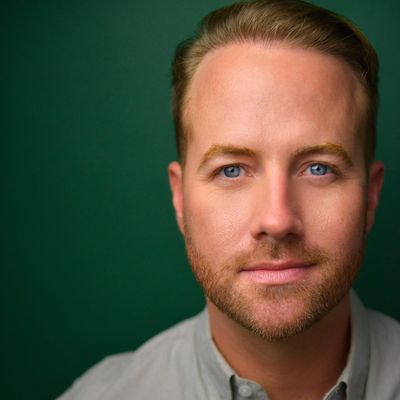
- Kelvin Moon Loh - Otho in BEETLEJUICE on Broadway
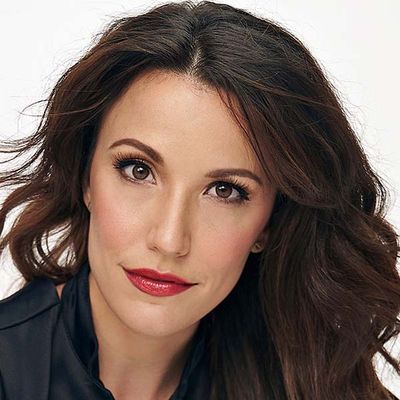
- Sherryl-Lee Secomb - Australian Director and An Idiot on Stage
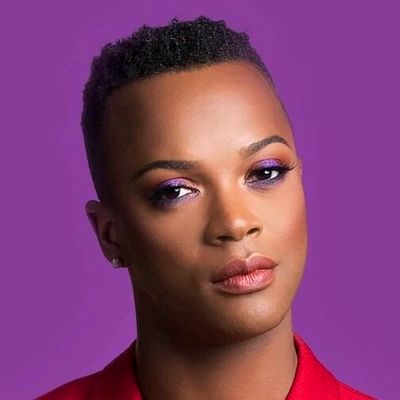
- J. Harrison Ghee - Lola in KINKY BOOTS (Broadway & National Tour)
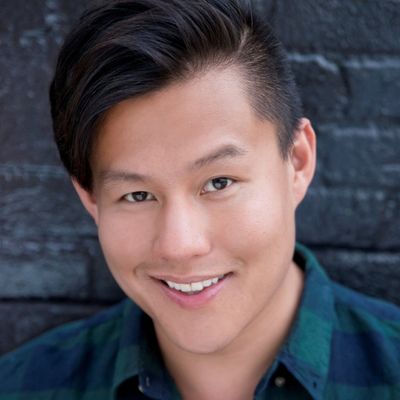
- Caroline Bowman - Elsa in FROZEN National Tour
- Janine DiVita - Anne in IF/THEN National Tour, Rizzo in GREASE on Broadway
- Joshua Morgan - Shelly Berger in Broadway's AIN'T TOO PROUD
- Terri Dollar - Talent Agent in North Carolina & Director of S.T.A.R.
- Bret Shuford - Broadway Husbands and Life Coach
- Amy Marie Stewart - "Definitive Guide to Building Your Audition Book" on Soundfly and at Theory Works.
May this podcast be a resource as you discover more ways to pursue a career in this industry and sustain it through the many ups and downs that follow. You can always reach out to me on the website: contact.winmipodcast.com
For insights and unreleased audio clips of today's interview, you can be a part of the WINMI community on Twitter and Instagram (@winmipodcast).
Lastly, this podcast is supported through kind donations of listeners like you by buying me a coffee.
Transcript
This transcript was automatically generated and might contain errors.
[0:03] Patrick Oliver Jones: As I was in the room, I realized to myself I was so used to being told or like regimented, okay, these are your parameters, be within these things. And these people were literally asking me to just do whatever and not care.
[0:21] Patrick Oliver Jones: Well, hello and welcome to another episode of Why I'll Never Make It. And today is the second annual audition stories episode. Now, last year's episode did so well, I've decided for the second annual to have it in two parts. That's right, we'll get one this week and a second part next week. And the stories you'll be hearing today are from those who have been acting, directing, coaching, and even a talent agent. And they'll make you laugh and cry and even wonder how we do the things that we do in the room.
[0:57] Patrick Oliver Jones: And so I wanted to start off with something that all of us actors know about, and that is the audition book. For straight plays, it's that Rolodex of monologues that's in your brain that's ready to go at a moment's notice. For singers, it's that book, that physical book that we bring into the room and plop in front of the pianist and show off our best 32 bars or whatever they're asking for. And last year I had on Amy Marie Stewart, who is a vocal coach, singer, and actress herself, and she talked about the audition process, and specifically, she even did a video where she interviewed a bunch of different casting directors and actors about that audition book.
[1:40] Patrick Oliver Jones: Now she did it from the viewpoint of musical theater, but it applies really to any art form that you want to audition for. And so in today's episode, as we hear these stories, I want to dispel some of the myths surrounding this audition book. And the first one of these is that it needs to be a huge book full of 20, 25, 30 songs or monologues, and that is just simply not the case. First off, there's only so much that we can prepare as actors. And if we're going to be doing 20, 30 songs at a moment's notice, are we really going to be able to do each one of those equally just as well? Same goes with monologues. If you have 20 or 30 monologues in your brain, not only is it a matter of being able to act each one of those differently and on point and with distinguishing characteristics in each one of those, there's also the time it takes to memorize a monologue or a song.
And so really it's best that we narrow it down to maybe six to nine songs that really showcase what we do. The same goes with monologues. You could have even less, really, four to six monologues representing classical theater and contemporary theater. And so bringing in a huge book into the audition room, it really does a disservice to you. Because wouldn't you rather just have just a handful of songs or monologues ready to go for any audition? I know for myself that certainly is a lot off my mind if I know that I just have to focus on just a few things in that audition room.
[3:18] Patrick Oliver Jones: But the first story that we're going to hear today comes from Kelvin Moon Loh. He is an actor who's currently in the Broadway cast of Beetlejuice. He has a completely different take on this audition book altogether. Not having one.
[3:37] Kelvin Moon Loh: I had this thing for a while where I thought to myself, whatever I do, just be memorable. You know, like as I was crafting all these auditions, I had I had I don't use an audition book anymore. That's new. You know, for musical theater performers, people always talk about like their book and they're curating their songs, right? For like what I need in the future. Um, I don't do that anymore. I've thrown it out. So now whenever I get a new audition, I go, okay, I have to read this show, and I have to think about what these people want, and I'm gonna go find a song. And maybe I know the song already, but a lot of times I go, I have to learn a new song for this audition. So for my Broadway debut, which was Sideshow, I decided that I wanted to see what the original sideshow was, and I wanted to listen to the music and come up with something.
And I decided that Sideshow always had this very mystic energy around it. Something that was a little bit unexpected, a little bit dark. Um, and I started deciding that I was like, well, it's not important what song I sing, but it is important the vibe that I start selling. Yes.
[4:50] Kelvin Moon Loh: So where did I go? I went to a magic shop. I went to a magic shop. And I spent about five hours there, and I drove this poor man at the magic shop insane. I said to him, I was like, I want to do, I'm auditioning for I'm probably musical, and I need, you know, tricks, and like eventually he completely gave up on me. And this woman walked in and she loved musicals, and she worked at the magic shop, and she set me up with a couple of tricks that she's like, oh, you could do this. And she set me up with a rope trick. So you did actually buy something from the shop I did I didn't buy the rope because she's like you can get this rope anywhere. Yeah, and uh it's just a rope, and then I did buy a device.
Okay. I think I came back the second time, and the guy saw me again, and he was like, Oh god. And he ran. And he ran. Um but I s I sang, I don't care much from cabaret, and I had this rope that was tied around my my waist, and it somehow like I was able to fully tie myself together, and I like had Laura Stanzik, who was casting at the time, like test the rope and see, and I'm still singing, I don't care much. Oh my god, and like testing the rope, you know, and I'm like, no way is this gonna work. Like, first of all, I'm not a magician at all, and I tied myself up, and then somehow I got out of it, you know, and like she was impressed, but I was like, Is she fake being impressed by me and just like hoping that I just disappear and never come back?
[6:27] Kelvin Moon Loh: Okay. So I get a phone call back. Uh that was the initial call, no creative team, and she calls him back and says, Kelvin, I'm bringing you in for the creative team next week. And I go, Great. And you know what? She goes, do exactly what you did today. So I did it. Okay. Alright. So I came back in and I did it for them. And meanwhile, again, another group of people where I'm like, I'm not a magician, I'm totally faking this. I don't know what's happening. This poor, you know, girl in a magic shop taught me this trick, and um it this is what it is. So they they like the energy, they like the vibe. And uh, so I got a call back from that. I guess they they either still I still think that they think that I was psychotic um or pulling something.
Certainly, I was literally pulling tricks over their heads. Uh and then I finally came in for my final callback, and you know, a sensible person will be like, well, great, they already like me, I'll just do whatever. No, I wanted it so bad. I went back to the magic shop again and I bought the device. Okay, she showed me the device, I bought it this time. Okay, and uh I don't know if I can recommend this to everyone, but I decided that I needed to up the ante. Right. You know what I mean? It's the final callback, you want to like give them something, the wow for right. Exactly. I but let me just say let me preface it that I was watching America's Got Talent. Okay, which you always see on those shows, yeah, that you have to start as something on the very basic level, but you have to evolve your show over time. Right, it has to keep getting better, it has to keep getting better. So I thought to myself, I have to get something better. I have the this whole thing. Oh gosh.
[8:09] Kelvin Moon Loh: So I go and I get this device, and it's a smoke machine. Okay, it's a smoke machine. There’s like wires through my like I have this jacket on, and like my entire body is like wired from head to toe with batteries, right? And like it's this big coat because it's gonna like house these wires, and I I don't know what I'm thinking, but you know what I'm thinking? I'm thinking I must be memorable, I need to up my game. And so they call me in, and uh, you know, I go into this audition, and people are walking out, and I sing a new song, and at this point, I hit this button, and it's not doing it's supposed to be like it's just supposed to have be like a little hint of smoke. Like a mist or something.
Like a mist. Okay, okay. And it so I hit the trigger of the button, and nothing happens. I was like, I've spent so much money on this device. I'm doing this, like, I'm holding this wine glass that's like mystic, and I'm like trying to like conjure this woman out of this wine glass. Oh my gosh. And it's not doing the trick. Alright? Okay. But as so now I'm like singing the song and like try, you know, the David Copperfields of the world are like looking as cool as possible. But I'm trying to look as cool as possible, but I'm sweating. I'm sweating. Because it's not happening. I'm sweating. I don't know if I'm sweating if it's not happening, or because there's literally a hot battery that is burning acid into my back.
[9:12] Kelvin Moon Loh: Oh my gosh. And so I just keep hitting the button out of panic, you know? And I was like, please, please, please just work. Well, what happens when you hit the smoke machine button several times is now it's cranking. Yeah. And by the end of the number, I look like I'm on fire. You know, and it's just the whole where the small puff of smoke is supposed to be happening, it's now like billowing out of my coat as if I like there's something on fire. And it it did feel like on fire because the battery pack was like overworked and literally burning the backside that where it's strapped into my back. Yeah. But you know, it didn't work out the way that I wanted it to, but it still was weirdly impressive.
It still gave this effect. It gave an effect, and they were like, what is happening? Uh lo and behold, nobody has ever spoken to me about that audition. Truthfully, nobody's ever spoken to me about it. Um what would they say? Except for, we're glad you didn't set yourself on fire that day. Um I got the job.
[10:43] Kelvin Moon Loh: So best and worst experience in one. Because that's not exactly something that you can like go into an audition class. Hey, I'm your coach, here's what you do at auditions. You buy a coat and you set yourself on fire. Like that's not exactly tips that everyone can use. But this is what happens when you are desperate, desperate to be on Broadway and you think they're like, I've got to change it up. And it is that desperation that leads us to not only have too many songs in our book, but also have too much variety in our audition book. We want to have a song from this era, from that era, from this type of musical contemporary, traditional, ballad, comedic, dramatic, driving, modern. We do want to throw all these different categories into our audition book when really we just need a handful that show off who we are and the types of roles that we get cast in.
[11:40] Kelvin Moon Loh: And maybe one or two songs that kind of show we can break that mold. We can go beyond our type and do other things. The goal of our audition book is for us to meet the expectations the team has for us in the room, and then find ways to defy that. This next audition story comes from Sherryl-Lee Secomb, who I interviewed last year. She is a director from Australia who goes into regional theaters and helps them with marketing and branding and producing their shows in a way that is both sustainable and also sets them up for continued success as a theater. She talks about what she looks for behind the table and how we as actors can try too hard in showing what we do.
[12:24] Caroline Bowman: But first, she shares the story from her early days of being a triple threat, or at least trying to be. I can remember my first professional audition was for Cats in Australia. I had no internet, no knowledge of the show, just ridiculous. I was about 18. So it's the early days of musical theater in Brisbane. So the industry itself is very fresh. So no one and I'd been learning singing for a few years, knew nothing, it was ridiculous. And so my entire prep for this audition was my outfit. So it was, you know, the flash dance look. So we had the grey track pants, and I'd cut off the neck and the sleeves for my sweat top so that it fell nicely off the shoulders. Oh my goodness. And the pale pink leggings, and that was it.
This was it. I just was ready. And my audition piece, I can I still had the original piece of sheet music that I used was "All That Jazz" from Chicago. Okay. Uh, and by sung by an 18-year-old. That was really interesting. I uh, I had a big dance break in the third verse, which I was convinced I was gonna get to do. I love that you had a third verse. The fact that I know it's but big kicks, big kicks in the third verse, Patrick. It really was hilarious. So I walked into the dance studios where the auditions were, and it was like walking into a giant fur ball. Everyone was dressed as a cat, and I thought I'm slightly underdressed here. But I thought, okay, well, it's too late now. It was hilarious.
There must have been a hundred people in this space, and they were just, you know, it was very foreign to me, this whole world. I was brand new to it. And they called my name, and I walked into the space, and it was a mirrored room, and my first thought, I kid you not, was my kicks are gonna look fantastic in these mirrors. That was it. So I um gave my music to the pianist and um I am embarrassed to say that I asked him, I said, look, can you play it in this key? Sight readers, just transpose it by sight. So he didn't for the entire 10 bars that I got to sing. And um everyone was very, very nice. But oh my gosh, I cringe looking back at that. I wrote a blog about this because I have seen thousands of auditions, and I thought, no, next time you have a really bad what you think is a bad audition, just remember Sheryl Lee's cat's audition and her pink leg warmers, and honey, you're gonna be fine because nothing can be as bad as this. Needless to say, I didn't get the job. Surprising, but I look back at that with great fondness.
[14:56] Sherryl-Lee Secomb: So as a director behind the table, have you seen anything like that in front of you? I um I have. I actually saw one young lady who had a different costume for each 16 bars. And I think we were all in shock at the time. I don't it was just a thing. She was it was a cabaret show. They had three separate sections they had to present and multiple characters in this show, and she wanted to change characters costume each time. And I think we're all in shock because we let her. It was hilarious. But again, that was another case of not enough research, not knowing what you're doing. But no, most of the time it's the biggest issue is um it's not enough personality of them, not enough of them trusting themselves, putting their own self into it and going, okay, this is what I've got, I'm gonna have fun with this.
And so they try to present what they think you want rather than just giving you them. And I think that's probably the biggest mistake I see. I think an a every actor, if it was at all possible, every actor should spend time behind on the other side of the casting desk. Because it's an eye-opener for a performer to know that the casting panel really do want you to do well. They want you to be the right person for that puzzle that they're trying to complete. They're not waiting for you to fail. I'm sure they're probably out there, but I have never met anyone on a casting panel that wants that. But that's what sits in an actor's head is you know, what do I have to be for you? Uh well, honey, just be yourself.
Um, certainly you're presenting a characterization, but it's um, you know, relax, have some fun with it. But yeah, being behind that casting panel is an eye-opener for you to see that, well, yes, this is a giant jigsaw puzzle. It's not about just because they didn't pick me doesn't mean I'm no good. It means I don't fit that element of the puzzle. And I think it's very helpful for a performer to see it from that side, to get out of their own head. Otherwise, they just live in their own head too much.
[17:08] Kelvin Moon Loh: And as someone who's taken Cheryl Lee's advice and been behind the table as a reader and watched auditions from that casting director eye, I can attest that it is a great way to see the successes and the failures that we have in the audition room, what works and what doesn't, how sometimes we try too hard, the little quirks, the little habits that we have that get in the way of our audition. In fact, there was one time I was a reader for a theater who was auditioning for a straight play that they were doing in their season. And as someone who does mostly musical theater, it was really fascinating to get a bird's eye view as to how actors approached scenes and monologues that they had to do for the audition.
But something else that it does is it also honed my own craft as an actor. Because you see, I was the scene partner for all of these actors that came in. I had to give them as much as they needed to give to the casting team. And so no matter who walked into the room, I was on their team. I was on their side, and I gave them as much motivation and characterization and emotion that I could so that they had something to feed off of. And a little side note, because of how well I did as a reader, the director of that theater actually looked at me and said, Hey, are you available to come in and audition for this other show that we're doing? And that show was Bridges of Madison County, which I auditioned for, got called back for, and booked. And so you never know where being a reader might lead you next.
[18:52] Patrick Oliver Jones: This next story comes from the opening episode of season three, when I sat down with Jay Harrison Ghee and Caroline Bowman. The three of us had done KINKY BOOTS at the Muni, and so we talked a lot about that show and our experiences with it, both in the Broadway cast, the tour, as well as that Muni production. And this brings me to the third myth when it comes to the audition book. When they ask us to sing a song that shows our range, we think that means just hit your highest note. But as Mary Sugarman of Terra Rubin Casting says, you can't show your whole bag of tricks in 16 bars. What we're really looking for is your storytelling and your acting. And so Jay and Caroline share stories of how auditioning is more than just singing pretty and hitting a high note.
Earlier this year, I was uh in auditions for the revival of Dreamgirls, and I've always seen myself as a perfect CC, like now, later in life, a perfect Curtis. But never imagined myself as Jimmy Early. Ever. Didn't think about it, wasn't on my radar at all. And they were having me come in for Jimmy Early. And I was like, okay. So I like go in the room, like sing the stuff, and they're like, okay, you sound great. Now unbutton your shirt and like sing from your crotch. They were like, you just you're too pretty, it's too clean, it's too Jimmy. Oh, they want to mess it up. They're like, you have to rough him up. You've got to be dirty. You've got to like be careful. You have to do the most. And I was like, oh, okay.
So I did that, and they were like, Great. Left the room sweating. Like, it was wonderful. They ended up bringing me back in for a work session with the musical supervisor in casting. And again, they're just working through things, and they're like, Okay, great. Just dirty him up, like make him rougher. Like throw caution to the wind. And as I was in the room, I realized to myself, I was so used to being told or like regimented of like, okay, these are your parameters, be within these things. And these people were literally asking me to just do whatever and not care. I was like, oh. And again, I left the room sweating and like a little out of breath because I was like, oh god, yo, like put me through the ringer, like doing this.
But also it showed me that I could be much more than I thought I could. And um I was glad I had that opportunity to just be like, oh, right, there's more in me, and I there's still more I can find in my voice and in my choices and and how I carry myself. And even after having played Lola, which was such a like over the top character, I was like, Oh, I can be even further than that.
[21:37] Caroline Bowman: Yeah, yeah, it is interesting. We get kind of in our little box about okay, this is how I get cast, these are the roles that this is what my voice does. Yeah, but then to be told, no, go over there, yeah. Where you haven't been before. They were like, Yeah, we love that little growl you did, and that and this little thing and that little air you let in your voice here. And I was like, Oh, I didn't even know I could. I had been such a like pretty singer all the time. And I was like, Oh no, I can be gritty, I can be dirty, I can go there if I let myself. I like that. All right, Caroline, your turn.
[22:07] Caroline Bowman: I have one now. So um I was auditioning for the Falsettos tour. Um, they originally were calling me in for Cordelia, is that the lesbian from next door? I think. Um, I really I was like, if I'm gonna go on tour, I would I want to play Trina. I wanted to play the uh Stephanie J. Block character, but I knew I was a little young and knew I probably wouldn't get it, but I was like, I want this. Um and so I went in for James Lapine and just casting the first day, and a lot of people had apparently James LePine in the room is very like he will test you. Like he's very like, he's not afraid to like poke at you, especially if he likes you. So a lot a lot of people had warned me about him before I went in the room, and so I was ready to like be sassy with him, and there were two songs: the holding to the ground, and then the funny song is I'm breaking down.
And she's literally having a breakdown and like chopping watermelon. And there's lots of props that make it really funny too. Yeah. Um, and we had already like shot the shit a little bit. We like talked and I was joking with him, and I sang, but he so he wanted me to sing holding to the ground, and he like really worked on it with me, like as an acting piece, and um it was really fun. It was like I got to a really emotional place with it, and it was like really deep, and I finished and he was like, Okay, I can tell that you're funny, so you don't have to sing the other song. And so I was like, Great, I guess I'm getting a call back. So I did. I got a call back for the whole entire team, and for my whole life, pretty much, and I don't always do this, but I've been told that you're supposed to wear the same thing.
Have you got have you been heard? I've heard this, yeah. Yeah, when you call back, wear the same thing. I I w and William Finn was gonna be in the room, and so I was like, I'll wear the same dress. I was like my um housewife, like it was like a a 1950s looking dress with a s like a sweater over top, like it was very Trina to me. And so I walk in the room, and the first thing James Lepine goes, he goes, Oh, you made a big mistake, and the whole room is f there was like 15 people in the room. He goes, You made a big mistake, and I was like, What? And he's like, You wore the same thing twice. Like, why would you do that? You don't do that, you don't do that with James Lepine. Like, and he just started he started bashing me.
[24:34] Caroline Bowman: Like, this is what people told me. And so I was like, Well, I was like, William Finn hasn't seen the dress, I wore it for him. And William Finn was like, What is there? Like fruit on it. Like he like, he he wasn't having it either. Nobody was having it. Um, and then I ended up auditioning and um I started singing holding to the ground again. Um I don't really think it affected. I think I was like hold keeping my cool, but he stopped me and he goes, sing it to us. He goes, he was very like not talking to me. He was very like forward, and I'm like, okay. And so he wanted me to sing it into the eyes of everybody, and I just started bawling, like to the point where I couldn't really sing the song.
I just started like I got I had a full out like breakdown singing holding to the ground. Then he was like, go right into I'm breaking down. He fully made me have a breakdown to sing I'm breaking down. It was kind of weird. I think that's what he did. Like he fully was trying to make me break down so that I was pushing you, I had a breakdown while I was singing, like, I'm breaking down. My life is shitty, and my kid seems like an idiot to me. Like, I was like, oh my god. Well, I mean, this is either this is either like you're torturing me, or this is the best acting exercise I've ever had. And I w I walked out of there, I was like, what just happened? Like I'm sweating from every single pore in my whole body.
And I assume you had no idea how they're receiving it because you're so like concerned. Yeah, I don't know. I probably looked crazy. I think I looked crazy. Oh my god. But whatever. That's fine. I'm glad and I'm glad I went in for the part that I wanted to go in for. I just didn't, I knew I was a little young, and that's what my feedback was. But it's an easy feedback if you ask for it. So, which is why I don't ask for feedback anymore. I'm just like, if I got the job, I got the job. If and it's not gonna be helpful really. No. Unless literally they say, you know what, they didn't like this choice. Right. Right. Right. And they liked this choice better. From now on, when you audition, do X, Y, and Z, and that's how you need to present.
But but it's like oh okay. Right. But if it's if I don't need feedback if it's gonna be you're too young. Too young. Cool, I can't really work on that. Anyway, I'm excited to audition for James LePine again, because I guess I'll wear two different outfits if he calls me. No, no. I think you should wear that exact same dress and be like, I'm gonna go. Actually, that's brilliant. Yeah. And be like I'm coming for you, James LePine. You loved it so much. I'm doing it again.
[27:10] Patrick Oliver Jones: Up next is another audition story very similar to Caroline's, and it highlights myth number four. You don't need the full song in your audition book. As Caroline illustrated, she actually had two full songs that she had to sing in her audition. And while yes, that was an appointment and a callback, it's still something that we need to have prepared in that initial audition. Again, Mary Sugarman says, if they're only preparing 16 bars, it tells me a lot about how they approach their work not only as actors, but as singers. And that concerns me. In my own life, I was in Sacramento once auditioning for the Sacramento Music Circus. And I brought in my 32 cut bar. It was a uh Josh Groban song because they were doing a contemporary musical.
So I brought in a song that had both a verse and a chorus. It told a story, it had some range, both as an actor, but also vocally. And I thought that that's all I needed. So I got to the end of my selection and waited for the response. And the casting director said, Do you have the second verse? And I paused and said, No, I just have this cut. And his face told it all. It was both disappointment, and I could tell right then that he had kind of written me off as, oh, this actor's not really prepared for this audition. Now that's not to say that I now bring in the full version of every song that I do, but I have since made an effort to know the entire song and have available more than what I'm auditioning for at that particular audition.
And so as I mentioned, this next story is from Janine DeVita, and it shows how important it is for that audition book to have the best that we have to offer. So a director who shall remain nameless was auditioning for uh a show, and I was super excited to go in and had us all learn a six-minute song, the whole thing, and then a four-minute song, the whole thing. And normally they're cuts, you know, so but this was one where the audition material was literally epic, and it's a patter song, and it's just a lot, a lot, a lot, you know, and I'm ready to go and I'm excited to do the material. And um I went in and he decided to go through my book and pick a song from my book to sing. Don't you love it when they do that?
It's like it I mean, if you know your book, then it's okay. But if there are a few things in there that maybe you haven't touched in a while. Yeah, and I like never sing from my book. I'm always preparing material from the shows. I mean, my book has you know good stuff in it, but I just you know I hardly ever sing from it. I always pre I always prefer to sing something from the show because then the guestwork is done, and you can just you know make that song your own. And so, anyways, it picks um a song from my book. It's it's When in Rome, it's a Psycholman song, and it's um When Everman, this Riga, the Suns and the Elmens, like it's a very fun, jazzy song, and he has me do it. He's looking at my resume, and he has me do it as Rizzo.
Okay. So this is my audition now. Um, it's doing a song that I've done a million times, and I've sung it since college, and it's one of my favorite, like go to fun songs to do as Rizzo. And this is my audition. Or I mean, I'm thinking at the time it's you know, in addition to the material that I've prepared. Um so I sing the song, and he's working with me, and you know, whatever, and I'm improving and all this stuff, and you're just like going, yes, and yes, and you're like doing everything, you know, like you're just like going for it, and I'm doing it, and the room is laughing and it's great. And then he has me sing uh the ballad that the four minute song that I prepared, and then he goes, Thanks, thanks so much.
And I'm like, I literally go, You're not gonna have me sing the six minute song you had me learn. I love that you called him out. I just said it. And he goes, No, I saw your funny bone in the improv. And I'm like, Oh, oh cool, cool. And I was like, okay, thank you so much. And I left. I went straight to the bathroom and I bawled. Just because you're so heightened in those situations where it it's like it's it's a total curveball and you know, whatever, and you know, I'm going with it and whatever, but like, oh my god, I just went to the bathroom and I was like, oh and I just let it all out, and I came out and the casting director came to find me, and he goes, the director wanted me to tell you he did a great job.
Don't take it personally. He's just sick of hearing that song. I'm like, oh my god. I called my mom after that, and I and I was just like, I think I'm quitting the business. Like Yeah, it can be exhausting. It was just so much. And it's not that it was a bad audition, it was just an emotional roller coaster. So, you know what? But now I can do a Psyche Coleman song is Rizzo. Special skills. Right? Put that in the special skills now. Yeah, I can do Rizzo to any song in my book. Go. Yeah, I can basically do Rizzo as it with any song. I take any song and I can turn it on his head and be a really um, you know, angsty teen. Yeah, Laurie from Oklahoma, Rizzo. Many new day, Rizzo. Hello. Definitely definitely a Rizzo song.
[33:00] Patrick Oliver Jones: Now, Janine's story touches on the fifth and final myth we're going to debunk when it comes to audition books. You don't need a table of contents. Now, there's actually two reasons for having a table of contents in your audition book. Now, number one, it just helps you because, say they ask for a second song, then you can look at your table of contents and pick it much easier than going page by page by page, and uh what about the uh wait, where is that song? But and it keeps you from having to fumble through all of the pages, which is another reason to have a thinner, more streamlined audition book. But the second reason to have that table of contents is that the pianist, which sometimes in auditions is the actual musical director of the show, will go through and can easily look at that table of contents and see the types of songs that you do, the types of characters that you're right for, and can get a better sense of the kind of singer you are.
You might even be asked to sing something else because they noticed it in your book, netting you a callback right there in the room. But sometimes, even with that audition book there, we as actors get all caught up in the moment and decide to go in a different direction. This next story highlights that to a T. Joshua Morgan, who's currently on Broadway and Ain't Too Proud, talks about an audition where number one, he didn't research the show as well as he should have. And number two, abandoned his audition book for a much better idea. I know Lonnie Price and uh his associate Matt Coward really well. They're doing the revival of Sunset, and um I get a call to come in for the happy birthday, welcome to your shop a thon, whatever that part is.
Okay. I don't really know the show that well. That's important. Um I go and I was pretty prepared, and I go in the room and uh I do the song, and Lonnie's like, Great, great, great, do it again, have more fun with that. And I uh do it again, and I'm and I'm having a blast with it and playing with the reader, and he goes, Okay, it's really great. He's like, it's great. He's like, you know, I think you might be a little young for this part. He's like, so I want you to look at this other material in the back of the packet. And Kristen Blige is the musical director. And so I'm like, okay, great. So I go out in the hallway and I'm looking at it, and I'm looking at these little scenes. I don't realize they're sung, by the way, because they're just they're just I I don't know the show.
So there's all these little like little scenes. All right, so I go back in and I do the scenes and they go really well because I didn't know they were sung. I thought they were little scenes. So he's like, he's like, this is really great. Um, and Kristen, so she was like, she was like, well, clearly you're everything. She's like, I just want to hear your best 16 bars. Great. Well, I go, okay. Well, why don't I sight read? I'm already seeing the disaster. The song you've included in the packet. Oh boy. Which is bumps this sometime next year. I don't know what you know what the song is. Right. Well, obviously. Yeah. Eric Woodall was casting it, and she goes, Okay, what part do you sing? And he's like, Oh, wait, tenor one.
Oh, oh, okay. All right, all right. So I'm like looking at the music, and I'm I'm my book, by the way, is sitting on the piano. And I'm and I we stopped, but we can just go, and I'm doing it, da-da-da-da-da-da-da, bada bada, whatever the hell it is. And I turn the page, and all of a sudden, it's like bees, okay. I'm literally gripping the piano to try and say, screaming these notes at the top of my lungs. I do the whole song and I finish, and it's silent.
[36:52] Joshua Morgan: And Kristen goes, "Well, clearly you're a great actor."
[36:57] Joshua Morgan: Oh. All goes to say I did not get the part. And I feel very confident that if I had just sung "Wonder of Wonders," whatever the hell "Miracle of Miracles," there's a song. I would have been fine.
[37:15] Joshua Morgan: So that was one. But let me think about the one last week. So I signed with the voiceover agent, and um it's for Coca-Cola. They sent me out right away that it's tomorrow. And I went back, I said, just so you know, this is my very first voiceover audition. Do you have any tips? Because I've never really had like an appointment new. And it is very, it is a very different structure of audition voiceover.
[37:40] Kelvin Moon Loh: Yeah.
[37:40] Joshua Morgan: I didn't know what to expect. They said, "Oh, well, it's a paired audition. So just show up early to read the copy."
[37:46] Joshua Morgan: Okay. Okay. Okay. So I show up, Coca-Cola, guy, girl. Oh, when I meet this woman, Barbara, and I'm talking, "Hey Barbara, how are you?" We're talking, and I read over the copy. Assume I'm gonna do it with Barbara because she's auditioning for the same thing, and they're talking about what you're drinking, oh, who knows. And it's about some contest that Coca-Cola's having.
[38:02] Joshua Morgan: So I go to the bathroom. So I go to the bathroom and I come back, and the casting director goes, "Joshua." And I was like, "Oh, okay." And she's like, "Did you have a chance to look it over?" I was like, "Yeah, it's fine, it's fine." And you know, just four or five lines. At the bottom of the page, there is this legal mumbo jumbo.
[38:16] Joshua Morgan: I walk in the booth, and Barbara doesn't come in after me. The woman I had just met, and I was like, "That's weird." And I get in there, and the microphone's really, really high up, so I pull it down.
[38:28] Kelvin Moon Loh: Oh, you touched the mic.
[38:30] Joshua Morgan: No, don't touch the mic, don't touch the mic! I'm trying to highlight that's one of the first things. I thought Patrick Oliver Jones was here. He's much taller than me. I didn't know.
[38:39] Joshua Morgan: Okay. So they're like, just slate and uh go onto the copy. Well, I've never slit, I don't so I go, "Hi there. This is Joshua Morgan," and they stop.
[38:52] Joshua Morgan: No, no. Just say your name and the character.
[38:56] Joshua Morgan: Okay. Oh, this is so funny. "Joshua Morgan, Guy."
[39:00] Joshua Morgan: They stop again. No, no, Joshua, you're not reading Guy, you're reading the legal.
[39:05] Joshua Morgan: Uh, I hadn't even looked at the legal.
[39:08] Joshua Morgan: Okay. You're reading the legal.
[39:11] Joshua Morgan: Oh my gosh. So I go, uh. "Joshua Morgan, legal." And then I have to sight read this.
[39:17] Kelvin Moon Loh: Yeah.
[39:18] Joshua Morgan: Because you've never. Two major sight reading disasters have been done and now I had an audition. And I'm reading it slowly. "Offer expires, December 20."
[39:27] Kelvin Moon Loh: Like, no.
[39:27] Joshua Morgan: Read it. You have to read it quickly. You've heard a commercial, you know, it goes quick.
[39:32] Joshua Morgan: "Joshua Morgan legal. Offer expires to separate. Delete."
[39:36] Joshua Morgan: They do again. "Joshua Morgan legal. Offer expires seven." I cannot get it out.
[39:43] Joshua Morgan: Because I'm the first one. Just the first two words.
[39:46] Kelvin Moon Loh: Yeah.
[39:47] Joshua Morgan: So then I finally get it out. But it's like a dramatic angry machine gun. "Offer expires September 29." I'm like angry. I have I'm like shaking.
[39:57] Joshua Morgan: And they're like, "Okay, can you just..." I mean this audition could not have been going any worse. And I stop it. And I was like, "You guys, before we go any further, I just need to acknowledge how absurd this all is."
[40:10] Joshua Morgan: Because I've never actually been on a voiceover audition before. And I'm doing so incredibly horribly. Thank God.
[40:17] Kelvin Moon Loh: So you said all that.
[40:18] Joshua Morgan: I said that. And they laughed.
[40:20] Joshua Morgan: They had to. They had to be like, "Okay."
[40:23] Joshua Morgan: They were like, "This makes so much sense." And then it went great after that. Let me do it three more times.
[40:31] Kelvin Moon Loh: Okay.
[40:31] Joshua Morgan: We like your energy. They said we want that humor. And that it went really well, but it was a disaster leading up to it.
[40:39] Kelvin Moon Loh: You know what?
[40:40] Joshua Morgan: That's probably the best thing you could have done is just own it and be like, "This is going horribly, but I have never done this before. And here we are."
[40:46] Kelvin Moon Loh: Here we go.
[40:47] Joshua Morgan: Here we are. Let's do this. Legal.
[41:00] Patrick Oliver Jones: One of the biggest questions that I get from fellow actors that I talk to, as well as listeners that reach out to me, is about representation. And almost that first step before even getting into the audition room is getting an agent to submit you and then getting in that audition, especially when it comes to voiceover auditions and commercial auditions like the one that Josh would just talk about.
[41:25] Patrick Oliver Jones: And last year I had Terri Dollar on the program. She was there to talk about this wonderful nonprofit organization that she does in working with those with special needs and putting them on stage and giving them roles and characters to portray.
[41:42] Patrick Oliver Jones: But her main job is that of a talent agent. And so I asked her specifically, "What is it that you look for? What is it that really gets you going and piques your interest when it comes to actors?"
[41:57] Terri Dollar: I mean, usually it's a type. Usually I'll say, "Ooh, we really don't have very many, say, Asian actors, or we don't really, you know, we want to have everything. Like if a casting director is saying I need an 85-five year-old African American woman, we want to have her. We don't want to say, "Ah, we don't really represent anybody like that."
[42:13] Terri Dollar: So, you know, if I find a fantastic actor that I think is a certain type, then I'm all over the moon. Then I'll find an actor who can do just about anything and I'll say, "Good God."
[42:22] Terri Dollar: I mean, we started representing Jesse Gephardt. I don't know if you know him, but he's an amazing, very, very talented actor from here. I mean, you're he's like a chameleon. I think he's fantastic.
[42:31] Terri Dollar: So we're looking for talent, but we're also looking for the ability to make it happen. Because I can find an amazing actor and they can say, "Well, you know, I work as an emergency room nurse and I'm you know, I still want to do this," and I'm going, "What are you gonna do when you get cast for a week? Can you leave your job for a week? Can you because I don't want to have somebody fall in love with you and you're never available."
[42:51] Terri Dollar: So and I'm I'm always skeptical of theater actors for that very reason. And I was just talking, I just started representing David Henderson. I said, "Don't tell me you're gonna be doing plays all the time because you'll never be available to me."
[43:02] Terri Dollar: So I need to know. And he said, "No, I'm ready, I'm ready, I'm ready." So I was like, "Okay, I need to know."
[43:06] Patrick Oliver Jones: So do you do mostly on camera?
[43:08] Terri Dollar: Yeah, we do some theater. We've had kids do theater. We've had a kid in "The King and I." We've had so yeah, but we do, we do find but but I see I usually find new actors through theater though.
[43:18] Patrick Oliver Jones: Yeah.
[43:19] Terri Dollar: Uh, because then that's my background and I know, hey, I already know if it's a kid that has done a bunch of theater, I already know you're gonna get it.
[43:27] Patrick Oliver Jones: Right, right.
[43:27] Terri Dollar: That they at least have the foundation there because it's a different skill set on camera, but it's one that can be absolutely absolutely.
[43:34] Terri Dollar: So, you know, talent is one thing, but a willingness and for a kid actor, you know, do you have a parent who can make this happen?
[43:41] Patrick Oliver Jones: Right, right.
[43:41] Terri Dollar: Then it's about getting to the audition, getting to the production, getting to the right, right. I mean, do you have a job that you can take off? What if he gets cast as you know, working the show for three weeks? Can you stop your job and go be with him on set for three weeks?
[43:54] Kelvin Moon Loh: Yeah, that's true.
[43:54] Terri Dollar: Yeah, yeah, you take that in.
[43:56] Terri Dollar: But technology has changed, and that's been one of the beautiful things. I mean, even when I was an actor, we might tape sometimes or we would tape and then you would have callbacks in person. But now almost everything first round is tape.
[44:07] Patrick Oliver Jones: Right.
[44:07] Terri Dollar: But North Carolina with kind of ahead of that, because we weren't LA or New York, so we were sending tapes to LA and New York twenty-five years ago. I was rushing off with this VHS tape to get it in FedEx by nine o'clock so it would be there the next morning.
[44:20] Terri Dollar: It's just so nice how we can insert.
[44:22] Patrick Oliver Jones: Right.
[44:22] Terri Dollar: Now you can just email it. I mean, we even do Skype callbacks now and sometimes we have the director online and he can be redirecting an actor, and they can make those adjustments, then we film that.
[44:33] Terri Dollar: So it's wonderful. And I tell actors all the time, don't whine to me about having to drive to a callback. Do you know how many times I as an actor would drive to an audition? I would say my two lines, I was in there at least three minutes, and they would say, "Thank you."
[44:47] Terri Dollar: And then the minute I walked in, "Ah, she's you know, she's not this, she's not that, she's too fat, she's too skinny." She's like, I've been there.
[44:53] Patrick Oliver Jones: Yeah.
[44:54] Terri Dollar: As soon as you walk in, you're like, "Oh, I'm not really right for this."
[44:57] Patrick Oliver Jones: Yeah, you know it.
[44:58] Terri Dollar: So yeah, and you know, and so I'm like, and you didn't have to waste what you wasted an hour to tape this, so cry me or ever, you know. I'm not feeling sorry for you.
[45:08] Patrick Oliver Jones: Well, Terri Dollar has never been one to hold back her opinion.
[45:13] Patrick Oliver Jones: Uh yes, I get what she's saying, but believe me, as someone who has been doing a lot more self-taping lately, oh it is just the bane of our actor existence now.
[45:25] Patrick Oliver Jones: I mean yes, there is there's something to be said for being able to do as many takes as you want to get it right, but there is the cost of renting the space. There's making sure your lighting's right. There's making sure you have a cameraman.
[45:39] Patrick Oliver Jones: Obvious often you have to have a reader to go with it, and finding a pianist if it's a musical audition. There's so many things that basically we have to do the job of the casting director.
[45:50] Patrick Oliver Jones: And I get it, they have a lot going on, and it's easier for them. I get it. But basically, their burden has now become our burden, and it just makes that part of auditioning, the self-tape part of auditioning that much harder and to be honest, more stressful.
[46:10] Patrick Oliver Jones: But I will say that, for example, I'm on a ship right now, and a self-tape is the only way I can audition. So I'm certainly grateful that self-tape exists and is a possibility for me.
[46:23] Patrick Oliver Jones: Well, I certainly hope you have enjoyed this look at auditions. To finish out this episode, Bret Shuford, who is a life coach and Broadway actor himself, with his own happy story of how he landed "Beauty and the Beast."
[46:39] Patrick Oliver Jones: For extra bonus audio that you didn't hear in this episode, follow "Why I'll Never Make It" on Instagram at win me podcast. And if you have an audition story that you would love to share, send me an email at why I'll never make it at gmail.com.
[46:55] Patrick Oliver Jones: Until next week, I'm Patrick Oliver Jones reminding you that the reasons for not making it may be frustrating and involve audition after audition, but the reasons to keep going are even more numerous and rewarding.
[47:10] Patrick Oliver Jones: I'll see you next week on "Why I'll Never Make It."
[47:16] Bret Shuford: I was highly unemployed, and I got an appointment from "Beauty and the Beast." But my friend had invited me to go to a trip to Paris to stay at a chateau that he was renting for a week.
[47:30] Bret Shuford: And he was inviting his friends to come along. And it was going to be totally paid for, except I just had to get myself there. And I was like, "I didn't, I yeah, I'm going to freaking Paris." Of course.
[47:41] Bret Shuford: And the appointment came in for the for "Beauty and the Beast" on Broadway, and it was, you know, understudied Lumiere and the ensemble, but it was a Saturday morning, and my flight was Saturday afternoon.
[47:51] Bret Shuford: And it was an immediate replacement. It was supposed to start like that Monday. And I was like, "I'm flying to Paris Saturday. Even if I get this, I don't know what I'm gonna do."
[48:02] Bret Shuford: But I brought my suitcase packed with me to the audition. And I go through the audition, and the choreographer comes out to use the bathroom or something. He's like, "What's the suitcase?"
[48:11] Bret Shuford: And I was like, "Oh, I'm leaving for Paris today." Well, what are you gonna do if you get this? I was like, "I'm gonna ask you guys to wait."
[48:19] Bret Shuford: And he was like, "Okay," and then he like I go in the room, and I'd been practicing my French, so my Lumière accent was like on point.
[48:28] Bret Shuford: And I left and I go to the airport and I'm in line to get on the plane, and my agent calls me, literally in line to get on the plane, and my agent calls me and he's like, "You booked it, and they're gonna let you start in a week."
[48:44] Bret Shuford: And then the kicker is because the show takes place in France. I rode the whole thing off on my taxes as recent.
[48:53] Bret Shuford: There you go.
[48:54] Bret Shuford: Always thinking of the angle.
[48:55] Patrick Oliver Jones: Yes, I love it.
© Broadway Podcast Network, All Rights Reserved