

One of the joys that can come from being an actor, besides getting to perform on stage and feeling the energy of a live audience, is that of working and collaborating with other wonderful actors onstage as well as building friendships off stage... Read More
From the show: Why I‘ll Never Make It
Featured Shows
About
One of the joys that can come from being an actor, besides getting to perform on stage and feeling the energy of a live audience, is that of working and collaborating with other wonderful actors onstage as well as building friendships off stage. Throughout the past six seasons, I’ve had the pleasure of bringing on some of these wonderful castmates, and not only share their stories, but get to learn a little more about them as well.
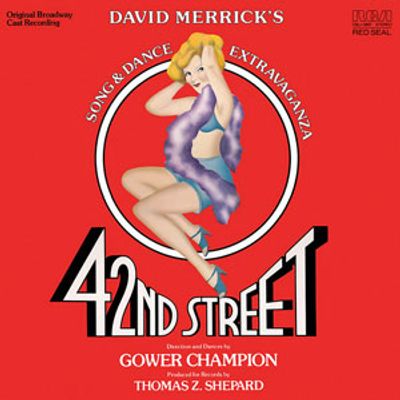
This past year I was cast in my second production of 42nd Street, this time at the Goodspeed Opera House in Connecticut. You heard from Kate Baldwin last season, and so for the first episode of this season, I wanted to bring on another wonderful performer from that production.
Blake Stadnik is probably most well known for his role as Jack Damon in NBC’s This Is Us, but he’s actually been performing since childhood thanks to his mother, who introduced him to dancing and performing after he lost the majority of his eyesight due to Stargardt’s Disease. He went on, though, to get his BFA in musical theater from Penn State University.
In our conversation, Blake will talk more about this disease and how it’s impacted his life on and off stage. We’ll also discuss the responsibilities of being an actor, and how Blake has had to remind himself at times why he is a performer. Lastly, he shares the tragic events that led to his father’s passing, the impact of that loss, and the ways in which he carries on his father’s legacy.
- STORY #1 - Not getting cast because of his disability
- STORY #2 - Blake's internal struggle with selfishness for being an actor
- STORY #3 - Losing his father just as he was about to start This Is Us
SUBSCRIBE TO WINMI
Get access to Audition Stories, the Final Five questions, and other bonus content by becoming a monthly or yearly subscriber to Why I’ll Never Make It. Producing this podcast is rewarding in its own way, but I’m essentially a one-man operation. So it is both costly and time-intensive to put together each episode. By subscribing you’ll be supporting these podcasting efforts, and have access to extended conversations and other bonus content. Your financial support of this podcast is greatly appreciated!
- Subscribe to get access to bonus episodes and extra content
- Make a one-time Donation to support transcripts and podcast production
- If you’d like to support WINMI but have limited funds to do so, then contact me directly for reduced-price or even free access to the bonus content.
Follow WINMI: Website | Instagram | YouTube
Why I’ll Never Make It is an award-winning, Top Theater Podcast hosted by actor and singer Patrick Oliver Jones and is a production of WINMI Media. Background music is by John Bartmann and Blue Dot Sessions is used under a Creative Commons Attribution-NonCommercial 4.0 International License.
Transcript
This transcript was automatically generated and might contain errors.
[0:01] Patrick Oliver Jones: One of the joys that can come from being an actor, besides getting to perform on stage and feeling the energy of a live audience, is that of working with other wonderful actors and collaborating on stage as well as building friendships offstage.
[0:16] Patrick Oliver Jones: Throughout the past six seasons, I've had the pleasure of bringing on some of these wonderful castmates and not only share with you their stories, but I get to learn a little more of them than I did before as well.
[0:28] Patrick Oliver Jones: This past year I was cast in my second production of 42nd Street, this time at the Goodspeed Opera House in Connecticut.
[0:36] Patrick Oliver Jones: You heard from one of my co-stars in that production, Kate Baldwin last season.
[0:41] Patrick Oliver Jones: And so for this first episode of season seven, I wanted to bring on another wonderful performer from that production.
[0:49] Patrick Oliver Jones: And when I asked him to introduce himself, he kind of slipped into self-tape mode.
[0:54] Blake Stadnik: Hi, I'm Blake Stadnik. I'm 5'8, and I'm based in New York City.
[1:07] Patrick Oliver Jones: Blake is probably most well known for his role as Jack Damon on NBC's This Is Us.
[1:14] Patrick Oliver Jones: But he's actually been performing since his childhood, and he went on to get his BFA in musical theater from Penn State University.
[1:23] Patrick Oliver Jones: It was actually his mother, though, who introduced him to dancing and performing after he lost the majority of his eyesight due to Stargardt's disease.
[1:32] Patrick Oliver Jones: In our conversation, Blake will talk more about this disease and how it's impacted his life on and off stage.
[1:40] Patrick Oliver Jones: We'll also discuss the responsibilities of being an actor and how Blake has had to remind himself at times why he is a performer.
[1:48] Patrick Oliver Jones: Lastly, he shares the tragic events that led to his father's passing, the impact of that loss, and the ways in which he carries on his father's legacy.
[2:02] Blake Stadnik: He had certain ideas of respect that he passed on to me about respecting yourself and respecting others.
[2:10] Blake Stadnik: That I don't know, especially respecting yourself. I don't know if my dad actually carried that himself.
[2:21] Patrick Oliver Jones: Welcome and thank you for joining me for the premier episode of season seven here on Why I'll Never Make It, or Win Me for Short, an award-winning theater podcast hosted by yours truly, Patrick Oliver Jones, an actor and singer for more than 30 years.
[2:38] Patrick Oliver Jones: Every other week I'll be talking with fellow creatives as they bring us three stories from their own life of personal struggles and professional hardships with lessons we can all learn from.
[2:49] Patrick Oliver Jones: Subscribers will get additional audition stories and the final five questions, as well as other bonus content.
[2:57] Patrick Oliver Jones: The website is why I'll never make it.com, where you can subscribe, donate, and learn more about this podcast.
[3:05] Patrick Oliver Jones: Again, that's why I'll never make it.com.
[3:14] Patrick Oliver Jones: Welcome, Mr. Blake.
[3:15] Patrick Oliver Jones: It is so good to see you again. I'm so happy that you're here on the podcast, and you're actually here for the very first episode of the season.
[3:23] Patrick Oliver Jones: So welcome.
[3:25] Blake Stadnik: Thank you. I'm so happy to be here.
[3:26] Patrick Oliver Jones: Now, you and I met last year doing 42nd Street, just like Kate Baldwin, who was on last season of the podcast.
[3:34] Patrick Oliver Jones: And you know, whenever I got the show, I wasn't going in for a dancing role like yours. My audition process was just scenes and songs.
[3:41] Patrick Oliver Jones: But what was your audition process like?
[3:43] Blake Stadnik: Well, mine was sort of interesting. I had done the tour before in 2015-16.
[3:50] Blake Stadnik: I was choreographed by Randy. And so I already knew him.
[3:54] Blake Stadnik: And my agents got an email saying, you know, we want Blake to come down and like talk with Randy and the team.
[4:03] Blake Stadnik: And this is not an audition. This is just like to get to know everyone. And I'm like, oh wow, I'm big stuff. I'm getting I'm gonna get to go down there and just like talk and basically get the role.
[4:14] Blake Stadnik: It was definitely an audition.
[4:18] Blake Stadnik: It was I mean, I showed up and Randy was like, Do you have your tap shoes?
[4:24] Blake Stadnik: And thank God I did. I just like somehow in the back of my mind, I thought I should bring my tap shoes.
[4:30] Patrick Oliver Jones: Yeah, I mean, good thing you did.
[4:32] Blake Stadnik: Yeah. Oh my god. Yeah, yeah, yeah.
[4:34] Blake Stadnik: And he's like, Do you mind singing uh a little bit of only have eyes? And I'm like, okay.
[4:41] Blake Stadnik: And so I went in the room, and the assistant casting director uh was there and right before I went into the room with the whole team and said, Do you have a headshot and resume? And I'm like, What? No, I don't have a head shot.
[4:57] Blake Stadnik: So who exactly told you this is just an interview, a little sit-down, no auditioning? I don't know.
[5:03] Blake Stadnik: Somehow it must have got misconstrued to my agents, and they're the ones who told me that.
[5:09] Blake Stadnik: I mean, Randy, after the fact, sort of said like it was just for everyone to get to know me because I had done it with him before, and so he knew that he wanted me for the part.
[5:20] Blake Stadnik: But it definitely felt like an audition because then I definitely I danced with everyone after that too. I learned a combination and danced.
[5:26] Patrick Oliver Jones: Yeah, that's an audition. That's not just uh hey, hey, let's get to know you.
[5:31] Patrick Oliver Jones: I mean, I think that's another example of why we should just always be prepared of just have our headshot. If we're going somewhere that might be business related, just have your headshot, have your things with you. You never know.
[5:43] Blake Stadnik: Right. It's like having a business card. You should just have it with you.
[5:46] Blake Stadnik: Yeah, exactly. I will say, it really did really take the pressure off that you normally feel in an audition.
[5:54] Blake Stadnik: You know, to feel like they've asked me to come here, and like Randy did talk to me. He's like, I just, you know, I really want people to get to know you.
[6:02] Blake Stadnik: But I had to do everything that you normally do in an audition.
[6:06] Patrick Oliver Jones: Right. The initial pressure may have been off when you went in, but I'm sure it came right back as you started to sing and dance.
[6:12] Blake Stadnik: Totally. Yes, of course.
[6:14] Patrick Oliver Jones: Because you do a lot of tap dancing in the show.
[6:17] Patrick Oliver Jones: And now now, while you're probably best known, obviously, for playing Jack Damon in the TV show This Is Us, you've been doing theater work for many years.
[6:25] Patrick Oliver Jones: I mean, that that's really where you got your start. And specifically tap dancing.
[6:29] Patrick Oliver Jones: And I I gotta admit, for me as a non-dancer, tap dancing is just it's awe-inspiring. Like for me, it's my favorite form of dancing, and I love watching it, listening to it.
[6:39] Patrick Oliver Jones: And I thought you were just great in the show. But what makes your performance to me at least even more impressive is that you are legally blind.
[6:47] Patrick Oliver Jones: And so that must be its own process of learning dance when you can't watch and see others to move in that way.
[6:56] Blake Stadnik: Right. Well, so I I actually started tap dancing because I lost my eyesight. I was diagnosed with uh this disease called Stargardt's disease when I was six, and um, my dad had the same thing.
[7:09] Blake Stadnik: It's a genetic disease. And about nine months later, I was already legally blind.
[7:16] Blake Stadnik: And in that time, I had started before this, I had started playing like T ball and youth soccer and all that kind of stuff.
[7:24] Blake Stadnik: And I mean, to be honest, I was the kid in the outfield who like dropped his glove like 10 feet away and was like making little forts for the ants like out of the grass and stuff like that.
[7:34] Blake Stadnik: So clearly it wasn't my favorite thing in the world. Um but the my mom, she knew that I was going to need some sort of extracurricular activity because I was an I was an only child at the time.
[7:48] Blake Stadnik: And from the time I was able to stand up anytime there was music on, I was dancing around. So she put me in a tap class in like our local sort of country dance studio, and I loved it.
[8:03] Blake Stadnik: And I've always sort of viewed it, I mean, obviously, it's still a as dance, it's still a visual, especially in in 42nd Street, it's still a visual art form, but it does have that added musicality of the rhythm.
[8:17] Blake Stadnik: And so I've always sort of viewed it as music as opposed to just dance. And I think that's why it not to be punny clicked with me.
[8:28] Blake Stadnik: Um you really tapped into your talents.
[8:31] Blake Stadnik: Yeah, yeah, yeah, yeah. Please don't turn off the podcast, please.
[8:40] Blake Stadnik: Um it was that that's like what got me into performing. And I started taking voice lessons shortly after that, because I'd started running up the water bill too high by from saying my heart will go on in the shower.
[8:58] Blake Stadnik: Um I did my first musical when I was nine at the community theater. You know, I I definitely caught the bug somewhat at that point.
[9:09] Blake Stadnik: But it wasn't until I went and saw the tour of Phantom of the Opera in Pittsburgh. I remember very, very vividly turning to my mom, and I think it was 10, turning to my mom at intermission and saying, This is what I want to do.
[9:26] Blake Stadnik: And so being legal legally blind has definitely presented its challenges. Like I can't see sheet music to learn my music.
[9:35] Blake Stadnik: I have to learn everything by ear. Um choreography is luckily, since I have been tapping for so long, you can often just say what it's supposed to be, and I can kind of see the general motion of the choreographer, and so I can get it.
[9:54] Blake Stadnik: But I I had to ask Sarah and Randy um during the rehearsal process, you know, to clarify stuff a lot.
[10:01] Blake Stadnik: And as far as like my position on stage, thank God I can see where other people are.
[10:07] Patrick Oliver Jones: Yeah, because you can see shapes, colors, it's not like a complete blackness.
[10:11] Blake Stadnik: Correct. The way that my Starguards it presents is a little atypical. Um, so normally there's a very defined center spot that is like void, and then the periphery is relatively unaffected.
[10:26] Blake Stadnik: Mine is sort of like very gradual throughout. So my center vision is definitely worse, but my peripheral vision isn't great either.
[10:38] Blake Stadnik: And I I have blind spots, but they're not clearly defined. So my brain sort of like almost like takes after images away.
[10:48] Blake Stadnik: Like it almost takes like pictures and fills in the blank spots. But the weird thing is is like there's definitely a uh a delay with it.
[11:00] Blake Stadnik: So just normal going around, I don't notice it at all. But sometimes when I'm walking like really quickly on the sidewalk, a person will appear out of nowhere.
[11:12] Blake Stadnik: Whoa, whoa. And I'm like, all right, there definitely there was a blind spot there, and brain couldn't compensate fast enough.
[11:19] Patrick Oliver Jones: That's so interesting.
[11:20] Patrick Oliver Jones: That's so interesting. I might not be able to tell, you know, when everyone is wearing the same costume, I might not be able to tell you who is who, but I know there's a body there.
[11:30] Blake Stadnik: And so I can sort of judge off of the bodies around me where I'm supposed to be on stage.
[11:36] Blake Stadnik: And I guess an added benefit of playing Billy Lawler is that like wherever I am, it's it's exactly where I'm supposed to be.
[11:43] Blake Stadnik: You know, it's it's like if I'm in the wrong spot, it's just like no, everyone else is wrong. I'm perfect.
[11:49] Patrick Oliver Jones: So this is coming from a non-dancer, of course, but in the world of tap, there are certain things, you know, the shuffle, the flap, you know, there are certain terms that you have, but at the same time, as you're listening to a sound, I assume there are multiple ways to produce that sound.
[12:07] Patrick Oliver Jones: And so that's that's the clarification that you need in order to which foot do you was that a shuffle or a flap? That sort of thing.
[12:14] Blake Stadnik: Right, right. And which foot do I use that on and which direction are we going from there?
[12:18] Patrick Oliver Jones: Right. I gotcha.
[12:19] Blake Stadnik: When I first, I'm I'm not one of those people who who like looks up people when I'm about to go into a show.
[12:25] Blake Stadnik: So like I already knew Kate Baldwin and Max. And so whenever you came along, I was like, oh, I saw your eyes, and I was like, okay, he's looking up.
[12:34] Blake Stadnik: Oh, I was like, oh, he probably has some visual thing. Great. And then that's when people are like, oh yeah, he's legally blind.
[12:39] Patrick Oliver Jones: Oh. Man.
[12:41] Blake Stadnik: Thank you. Thank God for for you just understanding that.
[12:44] Blake Stadnik: Because I just I'm remembering it right now. Is like I I was in a cast one time and it was like my first job out of college.
[12:52] Blake Stadnik: Um, it was like a summer stock thing, and I don't read sheet music. I can't see sheet music.
[12:57] Blake Stadnik: So whenever we're learning this the show, I just learn it by ear with everyone else.
[13:03] Blake Stadnik: And someone said, like, have you done the show before? I see you're not using music.
[13:07] Blake Stadnik: And like, no, I'm actually legally blind, so I use everything by I learn everything by ear.
[13:12] Blake Stadnik: And they were like, No, really, why? I'm like, no, that's I'm I'm legally blind.
[13:19] Blake Stadnik: And like, all right, so you you know you're not. I'm like, yeah, and like, but your your eyes are open, is what they're saying.
[13:27] Blake Stadnik: But your eyes are open. Oh my gosh.
[13:30] Blake Stadnik: Yeah, you don't I don't understand how that applies. And they're like, fine, if you don't want to tell me, then like whatever.
[13:35] Blake Stadnik: And they stormed off, and I had to like go to it and be like, could you please tell them that I'm actually blind? Thank you.
[13:42] Patrick Oliver Jones: Oh my gosh.
[13:43] Blake Stadnik: They thought I was just like pulling being a being a jerk or something like that. I don't know. It's really weird.
[13:46] Blake Stadnik: It was really weird.
[13:56] Patrick Oliver Jones: Well, this actually leads us right into the first story that you wanted to talk about. And this is how your disability has impacted whether or not you get hired.
[14:06] Blake Stadnik: And there was some regional work that you have done where this has come into play.
[14:06] Blake Stadnik: Yes.
[14:30] Blake Stadnik: So uh, you know, they were everyone was kind of trying to bank on the popularity. And there was a certain production of Le Miz where the theaters all remain nameless. But um the I had already worked with the the director prior, and so he knew my capabilities and he knew that the ways to uh adjust things for me. So, like, for example, it's really difficult for me to walk directly into side light, which in a tap show like 42nd Street, there's a lot of that because light coming in directly from the wings makes the lines of the body look really great. So um that was definitely something that I had to navigate, and I eventually over the tech process figured out what I could focus on so it didn't become a complete like blinding wash.
But a lot of the times I can't exit directly into side lights. If there's a blackout, usually someone will just like grab my hand and take me off stage because I can't see anything at that point. And there was a certain administrator at this theater that really didn't want to hire me because they were afraid I would be a liability. And just it was just really I'm I'm really grateful that this director went to bat for me. And they said, you know, if if Blake doesn't play Marius, then I'm not going to direct the show.
[15:59] Patrick Oliver Jones: Oh wow.
[16:00] Blake Stadnik: He he really put it on the line.
[16:02] Patrick Oliver Jones: Yeah.
[16:02] Blake Stadnik: That's amazing. And I mean, it went off without a hitch. I didn't, no one got injured. I didn't get injured. It was fine. But that also speaks to your ability as well, because Lamus is not a big dancing show. There's a little bit in there, but Marius is not a dancing role at all. So the fact that you can put that tap dancing aside, which is one of your specialties, and just do a singing role, I think that speaks to your ability as well.
[16:25] Blake Stadnik: I actually think of myself much more as a singer than I do a dancer. It's um dancing, though I've been doing it for a long time. I I think of it as something that's hard. It is it's hard. You know, I will get it. I will definitely get it, and I will I will definitely make it look as good as I possibly can, which seems to be passable. But singing, you you like give me a song where I gotta hit like uh high B flat and everything like that. I'm like, yeah, I got this, I can do this. So yeah, it's it's funny. I I I do think of myself more of a singer. Um but uh just to go back to the hiring situation, a little while after that, I can't even remember what this show was. I think I've blocked it out of my memory, probably.
I went in for another audition at a regional theater, and my friend, it was actually my roommate at the time, happened to be the monitor. And so I went in, did my song. I think it went really, really well. Uh see they seemed responsive. And I found out this after the fact, because my roommate was the monitor. Um, he went into the room to find out who they wanted to keep for the next round of callbacks. And my headshot was in the no pile. And he asked, he was like, Well, why is he in the no pile? I heard him. He was he was fantastic. They didn't know that he was my roommate. And they said, Well, yeah, he I think it was the choreographer said, Yeah, he wouldn't, he wouldn't look at me. And I do have my my one eye, especially does sort of drift to the right a bit because the majority of my vision loss is in the center.
So my eyes just by themselves to try to get as much light on the living part of my retina will turn and try to get it in at an angle in my pupil. And my roommate said, Well, he's legally blind. It says it right on his resume. And I do under my special skills in my resume, I have legally blind. Because I think it gives me a unique perspective on life. Um the guy said, Yeah, that would just weird me out.
[18:44] Blake Stadnik: I mean, the thing is that's highly, highly illegal. But I couldn't sue this theater for discrimination, even though I I technically had a witness, but you don't want to it's it's hard in this business, and luckily things are changing for all sorts of minorities or underrepresented demographics. But but in this business, it's hard because you are constantly trying to have to get work at new places that if you get a reputation of being a potster or someone that causes trouble, it will prevent you from getting work in the future.
[19:27] Patrick Oliver Jones: Yeah, because they talk.
[19:28] Blake Stadnik: Those artistic directors, directors, choreographers, they all talk.
[19:31] Patrick Oliver Jones: Right.
[19:32] Blake Stadnik: So I it definitely made me upset. It it made me really angry and depressed for a few days. And then I had another audition. It was, it was summer stock audition season. And so, you know, I just had another audition and it was on to the next.
[19:48] Patrick Oliver Jones: Yeah.
[19:49] Blake Stadnik: Yeah. How would you compare the limits that others place on you versus those that you recognize within yourself?
[19:57] Blake Stadnik: You know, other than those two occasions, I I can think of one more occasion where it was in a summer stock situation where it was a really fast turnaround. I think it was like one of those ones where you rehearse the show for a week and then you perform for a week. And while you're performing the show, you're rehearsing the next one during the day, that sort of situation. There was a number that included a lot of intricate like hand stuff that I was the only ensemble member not put in that number. And I I know it was because they were just thinking this would be too hard to teach him. Granted, they're probably right. They were probably right, but I would like to be the one who would make that decision.
Otherwise, other than those, I think three occasions, people have not put a lot of limitations, or they have not expected me to have a lot of limitations. I think because of the audition process, and in a situation where I'm learning tap, I have to learn a combination right then and there. And so I'm I'm there seeing exactly how I would learn choreography in the room during the rehearsal process. So I have to ask more questions in an audition. And when I was first starting out, that was I I was definitely intimidated by that. I didn't want to be the you don't you don't want to be the person who could who m makes too much noise, who's who's a problem, especially in when you're in college, they tell you so much about like you want to be the easy person that that you know just gets the work done and you know that's what makes it you hired.
But now I'm like, could you just do that again, please? Can you like what was that one thing like literally like sometimes in an audition, and I I usually tell them now ahead of time, like I'm legally blind, so I'm gonna be asking you a lot of questions, but like they can now thank God see on my resume that I've done a lot of other shows that require dancing. So literally sometimes I'll be they'll it'll be some hand thing, like you know, some choreographers do really weird like hand positions, and there have been times I've been like, literally take my hand and put it at how you want it to be. Just do it, just put it how you want it to be. And I'm like, great, I can do that. There we go. I sometimes I need to do that, and I can see what they're doing, and I'm like, I don't get what you're doing at all.
[22:27] Patrick Oliver Jones: Right.
[22:28] Blake Stadnik: But I think a lot of people in our business, and it's getting even better, are pretty open minded, at least from the the directors and choreographer point of view. If you approach them with confidence and you have the the chops in the audition to sort of back it up, I think a lot of people are willing to take a risk.
[22:50] Patrick Oliver Jones: I was Googling you for this interview just to kind of see what was out there, and a slew of headlines came up, of course, about this is us, but with the name blind actor from This Is Us.
[23:00] Blake Stadnik: Yeah.
[23:01] Patrick Oliver Jones: How do you feel about being so identified with your disability?
[23:05] Blake Stadnik: Um it's I'm of two minds. The predominant mind is that I am 100% okay with it. Because growing up, I didn't really have someone in popular culture or even in theater that had a visual impairment that I could look to as a roadmap of how I might do this. So if I can be that for anyone, any kid growing up anywhere in this country, that's made everything worth it. The slightly negative mind is the only thing I worry about. Is it becoming this thing? It's sort of a uh stupid term, but inspiration porn. Where it's just look at this guy who can't see doing this thing. Isn't it so inspiring? This is so great. And obviously there's going to be some of that, but any interview that I do for like a local radio station or anything like that, I just want to make sure that we really talk about the show and my process or something like that.
And it isn't just about like he's blind and he does this thing. Isn't that great? And especially if we are going to talk about it, um, which I always encourage them to ask me questions about it. Uh, I want it to come from a point of view of if there's someone out there who's looking for who who is visually impaired or disabled or anything like that, who is looking for someone who has done what they wanted to do, they their disability didn't get in their way fully.
[25:03] Blake Stadnik: Yeah, because I I'll admit, even from my viewpoint, I was a little hesitant to ask you to come on the podcast. I mean, my podcast is all about the challenges we face in this business. Yours is rather obvious. It's a little more out front than maybe some others, but I didn't want it to be like, let's bring the blind guy on and talk about him, you know, because I obviously respect.
[25:23] Blake Stadnik: I'm glad your hesitation didn't didn't prevent you from asking me because this great.
[25:27] Patrick Oliver Jones: Oh, and so am I, because you're obviously so much more than that, but that is certainly a um an element of who you are, and it is an important part.
[25:34] Blake Stadnik: It's an undeniable element, and it has definitely is a big part of what informs who I am. So I can't, I'm not going to shun it. Like I said, it's on my special skills because I think it does give me a unique perspective on life. And I think it has in a silver linings sort of way, it's what got me into this business. And it has made me sort of uh an an optimist, like a an undeniable optimist. Because like no matter what happens, I have faced actual hardship just functioning in the world. So anything else that's sort of quote unquote bad that happens, I'm like, yeah, this is small potatoes.
[26:20] Patrick Oliver Jones: So does your physical issues that you've had to overcome, that these medical things, it sounds like it puts maybe anything emotional, relational, other things that may come up in a different perspective?
[26:32] Blake Stadnik: Totally. Yeah. Whenever I have just like not booked a gig or something like that, I can look around at my apartment and think I have a really great place to live. I have my wonderful wife and our great dog. I have done good work in the past. And I'm not back where I was trying to figure out how to just function in this business as a visually impaired or legally blind actor.
[27:07] Blake Stadnik: Now, I I want to point out that because it can be an issue for some people that I use the term disability because that came from you as we were preparing for this interview. But that term, you know, the language surrounding these type of medical conditions can be a sensitive subject. How do you feel about attention paid to such terminology?
[27:28] Blake Stadnik: Yes. As we call it.
[27:29] Patrick Oliver Jones: Right.
[27:30] Blake Stadnik: So I call it a disability. And I I think the disabled community uh is totally fine with using that terminology. It is uh there's you can say differently abled for people who are not disabled. Uh we would say maybe like typically abled is what they we might call them. But I I use uh low vision, visually impaired, or legally blind for myself. And it I I do say that it is a disability. Uh, that is ne that's never really bothered me. And as far as coming to terms with it, I assume that that took you a while for not to be an issue.
[28:11] Blake Stadnik: I don't I don't remember a time where I had a intense or even even really a minor negative reaction to the term disability. I think I think because my eyesight degenerated so young that I just sort of this is just sort of how I saw the world now. You know, kids adapt really quickly. I do some work with the Blind Children's Center in LA, and these kids are preschool to kindergarten. I mean, they're actually infant to kindergarten. It's usually the the parents actually who need the majority of the emotional support and helping them get through the this diagnosis for their child, because the parents who are normally fully sighted only know the world from that point of view.
[29:09] Blake Stadnik: So they can't comprehend interacting with the world in a different way. Whereas the children, everything is new for them. So this is just how they see the world now. And that is sort of what happened with me. It was honestly, it wasn't until really I got into college that I started feeling different. Because where I grew up, the kids that I went to high school with, they had known me since my eyesight degenerated, really. So it wasn't anything strange to them. But it went in college, definitely girls were not into it. I was not prime dating material in college. There also might have been a slight bit of desperation that they smelled on me that drove them away. But I think girls smell a lot of that on me. So you're not alone in that.
[30:09] Patrick Oliver Jones: Right.
[30:10] Blake Stadnik: Um but uh and and then because because I went to a musical theater program, the faculty was they were great. I mean, they were trying to approach things as well as they could, but they hadn't taught anyone with a disability before. Uh and so um they were having to like adjust their curriculum, and the head of the program was like, I'm gonna try to find someone who in equity who is blind that you can talk to, and like that never happened. Um, so I was really just like walking blindly into it. Um and and that was the early college into the early parts of my career was honestly the most difficult times that I had with my eyesight with my disability. And then when I started getting traction and getting some directors who I worked with, who like the one with Le Miz who really could go to bat for me, then and I started getting the confidence to say to someone in the room, show me how you want my hand, take my hand. That's when I was like, all right, I got this.
[31:29] Blake Stadnik: Now we're about to head into Blake's two other stories, and for those of you listening to this free episode, that'll be the end of it for you. But you should know that the conversation doesn't end there for WinMe subscribers, they not only got this episode last week, but they also get the full conversation with Blake, talking about his audition for a new musical written by Hunter Bell and Jeff Bowen, the creators of Title of Show, and his audition for This Is Us. So, but I watched the tapes and literally like stormed out of the dance studio on my way to rehearsal, being like, you know what? I always get these like opportunities that are like I get right up to the edge, and then I never get it.
This tape sucks. I suck. I'm just gonna go to rehearsal and do meh. Then we get into the final five questions I ask of every guest, where Blake shares life lessons he's learned and what making it really means to him. This full episode and other bonus content are available to those who become a monthly or yearly subscriber to Why I'll Never Make It. Though I certainly do enjoy producing this podcast, I'm essentially a one-man operation, and it is both costly and time intensive to put together each episode. So for just a few dollars a month, you'll not only support these podcasting efforts, but you'll also get to hear these extended conversations with guests. So please consider lending your financial support to this podcast with a monthly or yearly subscription by going to why I'll never make it.com and click subscribe or just look for the link in the show notes.
[33:15] Patrick Oliver Jones: Well, I find your second story so very interesting because you say that you frequently have these existential arguments with yourself as to whether or not you're just being selfish for wanting an acting career. Now why exactly do you have this internal argument with yourself?
[33:35] Blake Stadnik: Right. Well, I think being an actor, you definitely want to be a storyteller. You you enjoy telling stories. That is a big part of it. But there's also an aspect to it of, hey, hey, look at me. Aren't I so great? You know, a little bit. You know, there's there's definitely something about the brain of someone who who likes to get on stage or in front of a camera, knowing that potentially thousands of people are going to be watching you and being engaged with the story you're telling. So one might see that as being slightly self-centered. So I have definitely had times in my career where uh this happened actually on on the 42nd Street tour quite a bit, because that was sort of the longest contract that I'd ever been on with one show.
And being on the road, you start to you get in like your little tour bubble with just like the 30 some people that are in your cast and like the you know, eleven musicians and you you like the smallest things become like really big and important. So there are times where I'm like, what am I contributing to the world? I am not doing anything. There are people out there who are hungry, who are sick, I'm not doing anything to help them. I suck. Uh but on the flip side of that, it's funny in moments when I have actually been in the height of the beating the crap out of me. There have been moments where I've seen actually what being in this business, doing this career, being an actor can actually do for people who are seeing it.
Specifically when I was in LA with 42nd Street, I was having one of these moments. And after the show, there was uh a group of people there who were in recovery from uh an addiction. And uh they were all there together. They, you know, came up to me afterwards uh at the stage door and they told me their story. And this was their first like big outing together, having taken the steps into sobriety. And 42nd Street is just such a joyful show. You know, like with what we did at Goodspeed, people just walk out of the show smiling, and like kids are like trying to tap dance on the street. It's just a joyful show. And they said they couldn't express what seeing this show meant to them while being on this road through recovery and what joy and hope it gave to them. And I was just like, well shit. If that wasn't the universe saying something to me in this moment, then I don't know what is.
[36:41] Blake Stadnik: Yeah, what we do can really make a difference, make an impact in people's lives. I mean, the number of times that me being a performer and looking at the audience sometimes. There was um for Anna Green Gables last summer, we had one of these sensory-friendly performances which welcomes kids into the theater, uh, including those who are on the autism spectrum, and just the audience itself. Oh, that's a good one for it, because that there was the lighting in that was uh even overwhelming a little bit for me. I mean, it was great, but yeah, that that was some. Yeah, the lights are bright, the music's loud, the the emotions are you know on their sleeve, it's just everything feels and so yeah, to to have that audience in there, to hear them respond to different things, to to laugh or or to make a gasp or a sound.
I mean, that they you know, they were just very free to be very vocal as they as much as they wanted. That was the whole point of that performance. And just listening to them as we were perform would would sometimes make me tear up because it was so beautiful.
[37:51] Patrick Oliver Jones: Right.
[37:52] Blake Stadnik: I have a friend who was in Lion King here in New York, and uh they did a sensory adjusted performance. One of the moms came up to them afterwards that she was crying because her son um spoke for the first time during the performance.
[38:12] Patrick Oliver Jones: Wow.
[38:12] Blake Stadnik: It made him speak. And he was, I think, four years old. He hadn't spoken yet, and he spoke for the first time.
[38:19] Patrick Oliver Jones: Yeah.
[38:20] Blake Stadnik: So when I'm having these moments of I'm not contributing anything to the world, I I try to remember those.
[38:27] Patrick Oliver Jones: So it sounds like this argument with yourself, it certainly isn't about your abilities, it's more just about the motivations of why you perform.
[38:35] Blake Stadnik: Right. And I I think it it it really does creep in when I'm doing longer contracts away from home on the road where I uh where I am in sort of a bubble that I start to maybe spiral in on myself and start to beat myself up a little bit.
[39:01] Patrick Oliver Jones: Well, that gets us into story number three. Your father had been sick for a while, but in May of 2019, he has a a stroke-like event. And just a few days later, you went off on the road. You went off to do to do a theater contract. And so I imagine that must have been a very tough time for you to see your father in this condition, but yet you're going off to do work elsewhere. I imagine these existential arguments came back up again.
[39:28] Blake Stadnik: Oh boy, how'd he did that? Um yeah, so uh end of May 2019, my dad had uh what was it was sort of like a stroke, and he had been ill for a while. It was it was June of 2015. He went to the hospital for the first time, and it was sort of a unique thing because my dad, it was in a way his lifestyle choices that caused us. He he had uh abused alcohol for uh a long time, and it's why my mom and dad got divorced when I was really young. And it was it was just it was because of of that, um, because of a thing called Korsakov syndrome, that he went into the hospital for the first time.
[40:16] Patrick Oliver Jones: What is Korsakov's?
[40:19] Blake Stadnik: Um, sure. So it is uh it's it's not fun. It is uh when you drink enough alcohol and you don't eat enough. In certain people, you have to have a genetic disposition for it, and you won't know until unless these environmental stimuli are met. In certain people, it causes your body to be become void of vitamin B. And uh usually what happens is your brain hemorrhages. So that is what happened to my dad in 2015. Um and he luckily was outside and the neighbors saw him because the doctor said that like 90% of people that this happens to, uh, they're inside and it it takes them. So he actually recovered from that, but his health was uh he didn't recover fully, and his health was not great after that.
I mean, I do I feel like I have to take a minute at this point to say like I I don't want anyone to think that I had a bad relationship with my father um because of this. He it was complicated because of this, uh because of his drinking. Um, but I never felt like unsafe or unloved. He was very loving, good dad. But there was always just this sort of this thing, you know. There was, I suppose, a small doubt sometimes in my brain. Um, you know, whether which thing would he choose, me or or drinking and and I know I know for a fact he would choose me but there was just always that itch you know with him um so because of all of that that had happened uh and and his he never fully recovering um his health was not great for the next four years and then in 2019 uh he actually he wasn't drinking anymore uh but he'd had he ended up having this stroke and I was sitting in a diner with my mom and it was uh I think we were on the way to the airport and I I I was thinking about calling and telling them I couldn't come and uh she said you know you this what has happened to your dad is a result of his choices in life in some way in in a large way so you have to put your career and your life first I know that my dad would would have wanted me to go to do the show anyway and and I was at that point, I mean, he was in the hospital, but I was able to talk to him on the phone, and I it was he he loved hearing about my show that I was doing.
[43:57] Blake Stadnik: And then I ended up leaving that contract because I got This Is Us.
[44:06] Blake Stadnik: So I went from Colorado to Los Angeles, and it took us about a month to film that first episode of season four.
[44:16] Blake Stadnik: So I was out there until like mid-July-ish.
[44:25] Blake Stadnik: Uh, and then he passed away August 17th.
[44:29] Blake Stadnik: So I had a month at home with him.
[44:34] Blake Stadnik: Ironically, or coincidentally, the contract that I left would have gone through to the beginning of September.
[44:44] Patrick Oliver Jones: So you would have missed it.
[44:46] Blake Stadnik: I would have missed it.
[44:47] Blake Stadnik: Yeah.
[44:49] Blake Stadnik: So um yeah, he passed away in hospice care, and it was just a stupid infection that ended up going through his whole body and taking him.
[45:06] Patrick Oliver Jones: During this time, was there ever a moment? Because it can certainly happen when a relative, a loved one is sick, or something happens to them that we wonder, well, what could I have done? What more could I have done? Did those questions ever come up?
[45:23] Blake Stadnik: Oh god, Patrick, so many times.
[45:27] Blake Stadnik: Yeah, because I'm also his only child.
[45:31] Blake Stadnik: I have siblings through my mom's second marriage. She got remarried when I was 10, and my two brothers are twins, and they're the same age as me.
[45:44] Blake Stadnik: They're three months older than me.
[45:45] Blake Stadnik: So we're like, we grew up together. These are my siblings.
[45:48] Blake Stadnik: But my dad didn't have any, he didn't get remarried, he didn't have any other children.
[45:53] Blake Stadnik: So everything throughout this whole process was my decision.
[46:02] Blake Stadnik: I remember in 2015 when he first went in the hospital, he was having trouble swallowing.
[46:12] Blake Stadnik: He couldn't swallow, he was aspirating everything.
[46:16] Blake Stadnik: And I was 24 at the time, and the doctors said I had to make the decision whether we were going to put in a feeding tube or not.
[46:29] Blake Stadnik: And um I was on my way to rehearsal at Pittsburgh CLO, and I called them to say, you know, go ahead and do the feeding tube.
[46:42] Blake Stadnik: And he just started swallowing again that morning.
[46:48] Blake Stadnik: But then, you know, in 2019, again, it was like all the decisions were on me.
[46:56] Blake Stadnik: And it was eventually my decision to stop treatment and do hospice because like the doctor said, they could get rid of the infection, but it would take incredibly intense antibiotics, and it would ravage his gut.
[47:22] Blake Stadnik: I mean, the antibiotics would also really damage his gut, and it would be hard, they'd be really hard on his body.
[47:22] Blake Stadnik: And he said that it would be likely, more than likely, that he would be back there again in another month with another infection just because of the nature of where his immune system and everything was at that point.
[47:22] Blake Stadnik: And luckily when I made the decision for him to go into hospice, which at this hospital they had a really wonderful lovely hospice care ward in the hospital, so they just transferred him upstairs and the whole staff was wonderful.
[47:22] Blake Stadnik: But there was an ICU nurse that helped move him up there, and before she went back downstairs, and she had been on his unit the whole time, she knew everything that was going on, and she just gave me this big hug and just said in my ear, you're 100% making the right decision.
[47:22] Blake Stadnik: Even with that though, I will still to probably the end of my days think, you know, was that the right decision? Was it the right decision to leave and go to that contract in Colorado knowing that I didn't actually have a whole lot of face-to-face time with him left?
[49:04] Patrick Oliver Jones: Um for myself, I grew up without a father of any kind. So it's always interesting to hear other stories of how people experience their fathers, the good, the bad, the ugly, everything in between.
[49:19] Patrick Oliver Jones: And it's interesting. I wonder the kind of person that I would be had I had this father in my life.
[49:27] Patrick Oliver Jones: And do you wonder sometimes what still you would learn, how much you would grow had your father stuck around more?
[49:36] Blake Stadnik: Yeah, absolutely.
[49:39] Blake Stadnik: Yeah, and I wonder, I mean, he wasn't at my wedding.
[49:43] Blake Stadnik: He'd already passed.
[49:45] Blake Stadnik: Um, so there are definitely moments, just life events that I wonder what they'd be like if he was there.
[49:55] Blake Stadnik: But I also, you know, my wife's dad had passed before our wedding as well, but he lived to 89, I think.
[50:09] Blake Stadnik: Uh, 87, 89.
[50:11] Blake Stadnik: So I hear about through stories, because I never got to meet him, but I hear about the stories that she has with him.
[50:20] Blake Stadnik: And even in the 20-some years that I had with my dad, I have some definitely some good stories, some good memories that I hold on to, but I just don't have the breadth of stuff that she did.
[50:38] Blake Stadnik: And that she does.
[50:40] Blake Stadnik: I mean, it's funny, even though he also had the same eye disease that I do, I don't really remember us ever talking about it.
[50:54] Blake Stadnik: It never really bothered me, or I didn't even really think about it until now that he's gone.
[51:03] Blake Stadnik: I'm sort of like, how did that never happen?
[51:06] Blake Stadnik: I mean, we might have had it one, like we never sat down and had a conversation.
[51:15] Blake Stadnik: I feel like maybe when it was happening, if I had like a moment when I was upset, I'm sure he feels like he can vaguely remember him sort of like comforting me and like saying, I know this is hard, but like we never really talked about it, and that feels, it's just unfortunate to me, I guess.
[51:36] Patrick Oliver Jones: Yeah, yeah.
[51:38] Patrick Oliver Jones: How would you say that you try your best to carry on his, you know, being your dad's son, carry on whatever legacy he left for you?
[51:50] Blake Stadnik: Oh man.
[51:53] Blake Stadnik: Well, my wife and I have been talking about adopting children, just sort of talking about it.
[52:04] Blake Stadnik: I'm imagining myself as a father, and some of the positive things that he gave me, like having a meal together each night at the table.
[52:17] Blake Stadnik: There's something really valuable about that that I really want to carry on.
[52:23] Blake Stadnik: He had certain ideas of respect that he passed on to me about respecting yourself and respecting others.
[52:32] Blake Stadnik: That I don't know, especially respecting yourself.
[52:35] Blake Stadnik: I don't know if my dad actually carried that himself, but he definitely instilled that into me.
[52:43] Blake Stadnik: And I hope to carry those things on.
[52:47] Blake Stadnik: And then there are aspects of our relationship that are sort of, you know, I look at them and I think I definitely don't want to do that as a father.
[53:00] Blake Stadnik: Um we have to balance it all.
[53:04] Patrick Oliver Jones: Yeah.
[53:05] Patrick Oliver Jones: We learn and...
[53:07] Blake Stadnik: But right.
[53:07] Blake Stadnik: But I think honestly, if I can carry myself through this world with a sense of dignity and respect for other people and be someone that people can count on, I think that wherever he is, he would be looking at me and he would be proud.
[53:29] Patrick Oliver Jones: Yeah, yeah.
[53:30] Patrick Oliver Jones: I'm sure he would be.
[53:32] Blake Stadnik: Absolutely.
[53:32] Patrick Oliver Jones: Absolutely.
[53:35] Patrick Oliver Jones: The TV show, This Is Us, I mean, it deals with a lot of these kind of issues as well.
[53:39] Patrick Oliver Jones: So I imagine there's something, some cathartic way of dealing with this in your personal life while also kind of touching on these subject matters in the show as well.
[53:50] Blake Stadnik: Yeah.
[53:51] Blake Stadnik: Yeah.
[54:01] Blake Stadnik: Since I existed in the future, they were always trying to portray a very optimistic future.
[54:10] Blake Stadnik: Um but there was a time, um, there's one scene where I was having a flashback that it ended up being very brief in the final cut, but I was like grilling at this grill at this multi-million dollar crazy mansion in the LA Hills because my character was a rock star, so like I was apparently doing very well.
[54:36] Blake Stadnik: Um this house was insane, that they were using as a set.
[54:42] Blake Stadnik: Um and I was grilling outside, and the smoke was supposed to give me this sort of sensory flashback.
[54:51] Blake Stadnik: I can feel your concern.
[54:54] Blake Stadnik: Blind guy, hot smoker, but I assure you I have done this hundreds of times, and I still have both my eyebrows.
[55:03] Blake Stadnik: Wait, do I still have both of them?
[55:05] Blake Stadnik: So far so good.
[55:09] Blake Stadnik: And I definitely accessed some things for that.
[55:13] Blake Stadnik: The flashback was supposed to be to a traumatic event, and yeah, it definitely accessed some baggage for that one.
[55:22] Patrick Oliver Jones: You okay?
[55:25] Blake Stadnik: Yeah.
[55:27] Blake Stadnik: I know it sounds crazy, but every once in a while a smell hits me and takes me right back to that day.
[55:34] Patrick Oliver Jones: I know.
[55:38] Patrick Oliver Jones: Was your father always supportive and one of your biggest fans when it came to your performing career?
[55:44] Blake Stadnik: Yeah, 100%.
[55:45] Blake Stadnik: I mean, he knew I was gonna be on TV too before he passed.
[55:53] Blake Stadnik: Um he was aware enough that like that he knew and he was definitely excited as much as he could be at that time.
[56:00] Blake Stadnik: And yeah, he's very proud of me.
[56:02] Blake Stadnik: I know.
[56:03] Blake Stadnik: I know that.
[56:04] Patrick Oliver Jones: What would you say that you carry of him, of your time with him? What would you say you carry on to this day?
[56:11] Blake Stadnik: Oh, well, aside from the fact that we shared the same eye condition, he loved to cook, and I have discovered my love of cooking, especially cooking for other people.
[56:24] Blake Stadnik: And that was something that whenever I spent like half the week with my mom and half the week with my dad.
[56:31] Blake Stadnik: Um, and every night he, we sat down to a meal together at the table.
[56:38] Blake Stadnik: Um, usually that he had made, but yeah, even if it was just pizza, we always sat down at the table together and had a meal together.
[56:46] Blake Stadnik: And so I, every when I cook and I cook, especially when I cook for people, I definitely feel like I'm close to him in that way.
[57:00] Patrick Oliver Jones: Thank you so much for joining me and Blake Stadnik for this first episode of season seven.
[57:06] Patrick Oliver Jones: And don't forget the conversation continues with those audition stories as well as the final five questions if you become a WINMI subscriber at why I'll never make it.com.
[57:17] Patrick Oliver Jones: Well, I'm your host, Patrick Oliver Jones, in charge of writing, editing, and marketing this podcast, which is a production of WINMI Media.
[57:26] Patrick Oliver Jones: Background music used in this episode is by Blue Dot Sessions and John Bartman.
[57:31] Patrick Oliver Jones: The brief sound clip you heard from This Is Us is produced by NBC Network.
[57:36] Patrick Oliver Jones: Be sure to join me in two weeks with Broadway's Sharon Catherine Brown as we talk more about why I'll never make it.
© Broadway Podcast Network, All Rights Reserved