

David and I first met last year as he directed the 90-minute version of FOOTLOOSE on Norwegian Cruise Line. But In New York, he spends his time working with some of the best directors on Broadway from SCHOOL OF ROCK and BEAUTIFUL to LOMBARDI and NETWORK (starring Bryan Cranston)... Read More
From the show: Why I‘ll Never Make It
Featured Shows
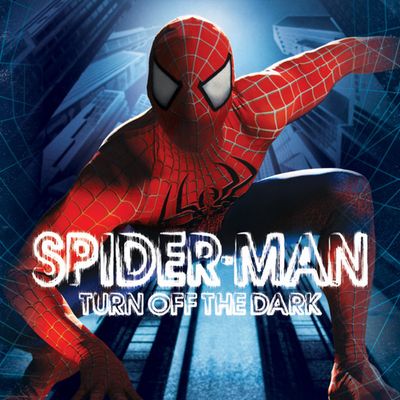
About
David and I first met last year as he directed the 90-minute version of FOOTLOOSE on Norwegian Cruise Line. But In New York, he spends his time working with some of the best directors on Broadway from SCHOOL OF ROCK and BEAUTIFUL to LOMBARDI and NETWORK (starring Bryan Cranston).
As assistant director, I ask what's kept him from being In the top spot as well as what he think of cruise ship productions. But the show I really focus on is the most reviewed and vilified Broadway show so far this century -- SPIDER-MAN: TURN OFF THE DARK. As Resident Director, how did he manage and maintain such a constantly changing show? It's a full conversation with plenty of theater know-how and behind the scenes stories.
Podcast Survey: https://winmipodcast.typeform.com/to/SdODaMU7
Follow David: Website / Instagram / Twitter
Follow WINMI: Website / Instagram / Twitter / Blog
Check out all the artist resources available to you through WINMI: resources.winmipodcast.com
—————
Support and donate to the podcast: https://ko-fi.com/winmipodcast
WINMI is a Top 20 Theater Podcast thanks to you! https://blog.feedspot.com/theatre_podcasts/
Audio used in this episode:
FOOTLOOSE Promo Video and "Somebody's Eyes" (underscoring), Norwegian Cruise Lines.
"Hill And Dale" and "Dusk" by Chad Crouch is licensed under a Attribution-NonCommercial 3.0 International License.
"Smooth Actor" by Podington Bear is licensed under a Attribution-NonCommercial 3.0 International License. Based on a work at http://soundofpicture.com.
"Broadway's 'Spider-Man' Musical Turns Off The Lights At Last" by Jeff Lunden on NPR, January, 3, 2014. https://www.npr.org/2014/01/03/256602469/broadways-spider-man-musical-turns-off-the-lights-at-last
Transcript
This transcript was automatically generated and might contain errors.
[0:16] Patrick Oliver Jones: With me today is director David Ruttura, who has led productions regionally as well as off Broadway’s.
[0:23] Patrick Oliver Jones: But on Broadway’s, his role has been as assistant or associate.
[0:33] David Ruttura: If the podcast title is Why I'll Never Make It, I mean part of the reason is it's just not my time yet, and that's okay. And I have lots of projects and it takes a lot of luck, and that luck just hasn't come my way yet.
[1:16] Patrick Oliver Jones: And speaking of direction, in addition to his shows on Broadway’s, David Ruttura was my director of Footloose on Norwegian Cruise Lines.
[1:30] Patrick Oliver Jones: For three weeks last September and then two weeks in October on board the ship, he led our cast in telling a 90-minute version of that classic 1984 motion picture.
[1:44] Patrick Oliver Jones: But the main thrust of his work has been on Broadway’s.
[1:48] Patrick Oliver Jones: In fact, he's been a part of nine directing teams, but he hasn't quite been at the top of the food chain just yet.
[1:56] Patrick Oliver Jones: We talk about what's held him back from that top spot as well as the stigma of working on cruise ships.
[2:04] Patrick Oliver Jones: Like me, David lives here in New York City and is actually several blocks uptown from my apartment here in Washington Heights.
[2:12] Patrick Oliver Jones: So both of us have been hunkering down here since the quarantines and shutdowns of this pandemic.
[2:18] Patrick Oliver Jones: He joins me via Zoom, and you may notice a slight reduction in audio quality from other episodes.
[2:25] Patrick Oliver Jones: But there is certainly no reduction in the quality of this conversation.
[2:30] Patrick Oliver Jones: In fact, apart from emails and social media, this is actually the first conversation David and I have had since we opened Footloose last October.
[2:40] Patrick Oliver Jones: And as soon as his video popped up on Zoom, I noticed all his hair was gone.
[2:46] David Ruttura: Well, it was very long, and you know, I'm in New York, so I had my girlfriend shave it off with a trimmer that is probably not for...
[2:46] Patrick Oliver Jones: Has she ever cut your hair before?
[3:01] David Ruttura: No.
[3:02] David Ruttura: No, I would never. It's, you know, but like this, it's like I don't know.
[3:05] David Ruttura: I used to do it when I was a kid. Not a kid, but like in college when you know you didn't have any money.
[3:12] Patrick Oliver Jones: Right, yeah.
[3:13] David Ruttura: And it was like, well, I could either spend twenty dollars on food or twenty dollars on a haircut.
[3:19] David Ruttura: Um, and now the older that I've gotten, the more money I spend on my haircut and the more important it becomes.
[3:25] David Ruttura: And so COVID has certainly given me a reality check for, you know, vanity.
[3:32] Patrick Oliver Jones: Very true.
[3:33] David Ruttura: Very true.
[3:34] David Ruttura: No, no, I did the same whenever I was in Adam's Family. Whenever I went on for Lurch, they buzzed my hair.
[3:39] David Ruttura: So that was the first time I'd ever like lost all my hair.
[3:42] David Ruttura: Because I'd always had this full head. So it was very different to go to just like this buzz.
[3:48] David Ruttura: It felt very strange.
[3:50] Patrick Oliver Jones: It's very strange.
[3:51] David Ruttura: And you know, I do look like eleven.
[3:57] Patrick Oliver Jones: Well, you've always had a baby face anyway.
[4:00] David Ruttura: So then it makes me look even younger, which isn't necessarily great when you're a director.
[4:06] David Ruttura: Who's that 17-year-old in the room telling me what to do?
[4:10] Patrick Oliver Jones: Do you get that a lot that your age appearance affects how people perceive you?
[4:10] David Ruttura: You know, it's funny. I've always sort of dis... I mean in my head I decided that it was something that was a bit of a block for getting jobs.
[4:27] David Ruttura: In the room, I, you know, especially when I was younger and like now it's not as... I'm 37 years old, so like, you know, I'm not a kid.
[4:42] David Ruttura: Um, but, you know, when I was younger and doing like in rooms with people much older, especially in my 20s, and you know, and suddenly I'm giving notes to people who have Tony Awards and who have, you know, all this experience.
[4:42] David Ruttura: It was, I think it was more of a hang-up for me than it was for them.
[5:02] David Ruttura: And I think it ended up, I ended up realizing that actually the title gives you the authority.
[5:12] David Ruttura: So like my voice was the voice of the director.
[5:12] David Ruttura: So like it my voice was the voice of the director.
[5:15] David Ruttura: So it was something that, like, I think for me, being young in a room and looking younger wasn't a problem for the other people because generally the people that I work for, they respected and valued their opinion.
[5:15] David Ruttura: So like in those situations I was usually the associate director.
[5:28] David Ruttura: And I was always sort of coming and saying, this is what they're thinking, this is how I'm interpreting that. What do you think? And let's have this conversation.
[5:35] David Ruttura: Um, so I don't think it was a problem.
[5:37] David Ruttura: I mean, it would be interesting to ask some of the people back then that I was giving notes to whether they thought it was a problem or whether they resented that, you know, a 26-year-old who looked like he was 18 was saying, I don't think that that choice was so great.
[5:54] David Ruttura: Those Broadway’s shows he's given notes for have ranged from musicals like White Christmas, Million Dollar Quartet, Spider-Man: Turn Off the Dark, and School of Rock, as well as plays like Lombardi and most recently Network, starring Bryan Cranston.
[6:11] David Ruttura: He was also a resident director for a time on the Phantom of the Opera National Tour.
[6:17] David Ruttura: In this list, of course, that doesn't even include all of his off-Broadway and regional productions.
[6:23] David Ruttura: In fact, he got his start at the same theater that offered me my first show when I moved to New York City, Gateway Playhouse.
[6:32] David Ruttura: Since 1950, this Long Island theater has brought musicals to the region every summer, casting leads from Broadway’s, film, and television.
[6:42] David Ruttura: But it's also where a lot of actors and technicians and other creatives get their start.
[7:11] Patrick Oliver Jones: Which is still young in director world.
[7:13] David Ruttura: Yeah, yeah, I think so.
[7:15] David Ruttura: Um, and I was really lucky because they believed in me at a really early age.
[7:29] David Ruttura: Um, and I still go out there now and I direct mainstage shows there.
[7:33] David Ruttura: And, you know, but that was really the first time that I felt like I had a responsibility, and there was financial weight behind something that I was directing, you know, because I did a lot in college.
[7:33] David Ruttura: I mean my degree is in directing, so I directed a lot in college and in high school, and then that was really the first time that someone was like, okay, so this production needs to be at a certain... the expectations are at a certain level that people who are coming to see it need to enjoy it because they paid money and the theater depends on this, which I think is like a pressure that directors feel that I don't think people talk about a lot.
[8:08] David Ruttura: That like not only is there a sort of need to create something that you respond to that you believe in, it's also like other people need to like it too.
[8:21] David Ruttura: Um, and that's a big learning lesson, I think that directors have to deal with.
[8:27] David Ruttura: And, you know, it's also one of those things where like suddenly it was the first time that a producer was coming in and saying, I don't understand what that moment is.
[8:34] David Ruttura: Like, what are you trying to do there? Like that doesn't make any sense.
[8:36] David Ruttura: And in my, you know, 22-year-old brain, I was like, this is Peter Pan, and like we're doing a new version, and this is wild.
[8:45] David Ruttura: And I have all these ideas, and some of them worked and some of them didn't.
[8:49] David Ruttura: I'm still very proud of that production, I will say.
[8:52] David Ruttura: But it was like it was a huge learning experience because it was that, you know, prior to that, like I directed the play version of Spring Awakening in college as my senior thesis which was like so edgy.
[8:52] David Ruttura: But you're not accountable to anyone but yourself and your professor who either, you know, and they're looking at it in a completely different way because it's not about... that's about your growth as an artist when you're directing something for a theater, it's about their audience enjoying the experience of being a part of that theater, which is a totally different mindset.
[8:52] Patrick Oliver Jones: It's also very different to direct Peter Pan than it is to direct Spring Awakening.
[8:52] David Ruttura: Yes, yes, two totally different productions.
[8:52] Patrick Oliver Jones: From the Broadway’s to off-Broadway and regional productions that you've done, I assume that the main function of you directing actors to tell a story that remains fairly consistent across the board, but how does the creative, the business aspect of being a director, you know, basically what goes on behind the scenes, how does that change in the various venues?
[9:58] David Ruttura: I mean obviously I've not directed my own Broadway’s show, but I have a lot of associate directing experience and the interesting thing about being an associate director or a resident director who maintains the show after opening is your job is, you know, it is two parts.
[9:58] David Ruttura: It is creative in the sense that you recast, you rehearse, you make sure the understudies are ready, you know, you deal with any creative problems, but then you do deal with a lot of the business aspects of it and a lot of the management part of it.
[10:29] David Ruttura: And Broadway’s is a... Broadway's a business, first and foremost, like that is what we're doing there.
[10:39] David Ruttura: Um, it is a commercial enterprise.
[10:39] David Ruttura: Um, and so, you know, it's interesting as shows are, you know, I've worked on shows that have been very successful.
[10:44] David Ruttura: I've also worked on shows that have seemed successful but were not.
[10:48] David Ruttura: I've worked on shows that have been, you know, outward flops.
[10:52] David Ruttura: And, you know, I maintain them through the run at all different stages.
[10:55] David Ruttura: But what's interesting is like one, you know, shows have like, you know, they have this kind of trajectory, um, where like money's coming in, money's coming in.
[11:04] David Ruttura: Oh no, it's not, oh, we're on our way to close, and then we're out.
[11:07] David Ruttura: And the way that the conversations, every, you know, once it opens and it's successful, assuming that it's successful, you know, things like you can rehearse whenever you want, you can have this on-stage rehearsal, you can do that, are, you know, those questions are very easily answered.
[11:23] David Ruttura: As things start to get a little bit harder, and or like you're in the fall when, you know, ticket sales are down or January, February, you start to have to think you as a creative person have to think about, well, what's the objective here?
[11:36] David Ruttura: Like, what are we trying to do?
[11:37] David Ruttura: We need to replace these actors.
[11:39] David Ruttura: We have these sort of, um, you know, we there's this, these different points that we have to hit.
[11:45] David Ruttura: How can we do that in the most efficient way possible?
[11:48] David Ruttura: Because you start spending money left and right, and no one likes to think about that, but it's important.
[11:55] David Ruttura: And like if we all want jobs, we all have to think about how much money we're spending as we maintain something very creative.
[12:02] David Ruttura: Um, especially because in the early days, like as an associate, like I wasn't staying on, like opening would happen and then we'd be gone and the stage manager would take over.
[12:11] David Ruttura: Now, through my time as an associate, I mean, it's really shifted where almost every musical now has an associate of some kind that stays on with the show throughout.
[12:21] David Ruttura: And I think, I actually think it's a great lesson for young directors to learn is that actually you don't get to just do whatever you want.
[12:30] David Ruttura: Like you get to do what you need to do within the confines of a budget.
[12:36] David Ruttura: And that's something as I, you know, as I also start directing on my own, where like suddenly you're with your designer and you're creating something amazing.
[12:45] David Ruttura: Um, and then suddenly like it goes to bid at the shop, and they're like, you're 150,000 over budget.
[12:53] David Ruttura: And you're like, what do you mean?
[12:54] David Ruttura: And then they're like, you have to cut something.
[12:56] David Ruttura: And then you start having to make creative decisions based on financial restrictions, which sometimes can be extremely liberating.
[13:05] David Ruttura: And I think that it's... I don't think it's always like the bad man with the purse coming at you.
[13:11] David Ruttura: It's sometimes like, well, you can do the same thing in a more theatrical way.
[13:16] David Ruttura: And actually it forces you to think more theatrically and creatively when you have a restriction.
[13:22] David Ruttura: But like from a Broadway’s standpoint, like budget comes in all the time.
[13:25] David Ruttura: Off-Broadway, generally, as an associate, I don't have to think about the budget much because it's very rare that an off-Broadway show will keep the associate on all the way through.
[13:36] David Ruttura: Those conversations come up more like with my boss, where he's having to make a creative decision because they don't have the budget, especially on Off Broadway. The budgets are so small, and depending on how busy shops are, like prices go up, prices go down. It's a very confusing thing. Directing off Broadway’s shows, that conversation is like a constant, like the financial restrictions. We did Chick Flick: The Musical off at the West Side, and you know, Jason Sherwood, who also designed Footloose and I were designing both at the same time. The budgets were like completely different for the two shows because Footloose had the cruise ship money, and that was a much more dream big sort of experience, whereas Chick Flick was still for an opera show had a significant budget.
But we had all these plans of like this movie screen that came down, and then you'd watch clips of movies, and then it would rip away, and the girls would be back there singing the opening number like behind a screen. Then the bid came in, and that trick cost more than the entire set. So that went away. Isn't it crazy that something that's so simple in your brain costs so much when you put it on stage? Yeah, and it's about mechanics and materials like that. In particular, it was a scrim that also needed to be dense enough that we could project movie images in front of it, and then we wanted it to suck away into a little canister. The big thing that was holding the screen together was gonna cant a lever up into the grid.
It was a crazy idea. In our head, it was like it's just somebody back there with a rope, like it was the big deal. But then all of a sudden it comes down to like what does it mean to hang that in the air when there are people under it and making sure that that doesn't fall down, and suddenly it just starts getting more and more expensive. I also used to produce shows off off Broadway’s, which were like, you know, we were able to do things with nothing because it was all sweat equity. Like we did this one show, a lecture in a one piece, which we did, I don't know, like 2010 maybe. We designed this set and we were able to raise like $2,000, and half of that goes to the theater. But then we wanted to do this set, so my dad and I built it in my driveway, and the set designer built it in his apartment at that time.
But you can't do that. As the budget expands, restrictions start to come in in terms of how you can do it. On a Broadway’s show, you can't fix a prop. If I was like, oh, this pencil's gone bad somehow, there's a system there, and people's jobs are at stake. It's important that the props man buys the pencil, and there's a structure in place that protects people's jobs, which legitimizes Broadway’s in a lot of ways because they're better. I mean, the pencil is such a terrible example because those guys do amazing work, but it's also very true that something so small still has to go through a process. I think that's a major difference between all of the, you know, the sort of, you know, if Broadway’s is the pinnacle of our industry, as you go down the different sides of the triangle, it gets easier and easier to just sort of be like, well, I'll just do it myself, which is sometimes amazing and sometimes isn't the best way to do it. There are professionals that do these things better, and there's value in that.
[17:33] Patrick Oliver Jones: As you said, you've been an assistant or resident director, and I looked it up, it's nine shows that on Broadway’s that you've been a part of. So is your goal one day to be that lead director on Broadway’s, and what's involved in making that transition?
[17:47] David Ruttura: Oh, yeah, absolutely. The thing about being a resident or an associate or an assistant, especially nowadays, is like there is a path there that if I wanted to do that for the rest of my life, I mean, it's good money, you know, as consistent as our careers are. But it is certainly not my dream. I always say that it's been my grad school in a lot of ways because I've been able, through those nine shows on Broadway’s, there's also been dozens of shows all over the world with different directors and different theaters. I've been able to learn. I always thought of it for me, the reason why I wanted to do it was because I wanted to learn more. I went to Fordham University at Lincoln Center and had a great experience there, but it wasn't geared toward the theater that I wanted to make.
They were more interested in more avant-garde things, and I was always more interested in commercial theater and Broadway’s and musicals in particular. So that associate work became my entree into commercial theater. Making the leap has been hard for anybody. I don't know how, you know, you ask any director, there are a million different paths, and half of that turns into luck. Part of why, you know, if the podcast title is why I'll never make it, part of the reason is it's just not my time yet, and that's okay. I have lots of projects in, you know, well, now with COVID, who knows? But it takes a lot of luck, and that luck just hasn't come my way yet. It's not frustrating, it's not sad, it's actually liberating because I'm working in all these other theaters and all these other different avenues, like directing a cruise ship show, which I never thought I would do, and it was an amazing experience.
I think it's just time. I've been able to meet so many people because of this, and there are so many people that are rooting for me, and it's about patience. It's also really hard to say, like, well, Broadway’s, I want to work on Broadway’s, and it's like that's 33 theaters in whatever it is, a 10 square block area in New York City. It's not the end all be all, but it is great, and I hopefully we'll get there someday.
[20:22] Patrick Oliver Jones: On November 28th, 2010, Spider-Man: Turn Off the Dark had its first preview performance. But it wasn't until June 14th, the following year, that it finally made its official Broadway’s opening. Not only did it have the longest preview run in Broadway’s history, it also had the largest budget ever, coming in at about 70, 75 million dollars. It certainly had a lot going for it through the songs of U2's Bono and The Edge, direction by Lion King's Julie Taymor, and it was based upon a beloved Marvel superhero. It also featured amazing stunts and acrobatics and actors flying above the audience. But instead, it became more known for the numerous injuries in the cast as well as the huge cost overruns. Jeremy Girard, a reporter for Bloomberg News, not only reported on the show but reviewed it three times.
Spider-Man will be legendary because of the cost and because of the injuries and because of the ridiculous press attention that was paid to it. But ultimately, it's a bad show. I'm a $65 million circus tragedy. Most of the time, when Broadway’s tries to be the movies, it's a terrible failure. Something else that was unique about this production, during its long seven-month preview process, which totaled 180 preview performances, the critics did something they don't normally do before a show opens. They reviewed it, and they reviewed it badly. The lead producer wanted director Julie Taymor to make some changes, but the two of them just couldn't reach an agreement. Eventually, Taymor was let go, and a new team was brought in.
However, even with that new direction team, the show would eventually reopen to equally scathing reviews. Though the show would go on to lose an estimated $60 million, making it the biggest Broadway’s flop in history, the audiences were flocking to each performance. It was a rare week that the show didn't earn more than a million dollars at the box office. But despite all the turmoil, creative changes, financial upheaval, and injuries, the show did eventually settle into a routine and a rhythm, like any long-running show does. It was around this time that David joined the show.
[22:58] David Ruttura: Just to give a little background on my sort of experience there, I always say that I missed all the fun because I came in six months after it officially opened, which had its own challenges as well. Even though I wasn't there while they were creating it, and I actually wasn't even there when the reboot happened, when Phil McKinley and Chase Brock and Roberto Aguirre-Sacasa came in and reworked the show, I did sort of experience that show going through, okay, now we're a long-running show. How do we make this extremely expensive and wildly technical and dangerous show work? That was challenging because I was the new guy on the block, and I came in at a time when they were doing the first sort of changeover of the cast.
I don't want to say there was a suspicion, but I think that cast had, because they went through that whole experience, I've never worked with a cast that deserved more to complain than that cast, and I've never met a cast that complained less than that cast, especially the original group. As the show started shifting and people came in and out, it started to normalize a little bit. But in the beginning, because they had been through hell, not just the creation of it, which was difficult and in constant flux, but also the press and their fellow actors getting devastatingly injured, that cast had found a real family mentality that was very impressive and really special. When I came in and didn't have any training from my boss in terms of what Phil McKinley at that time thought the story was being told and what he wanted it to be, I didn't have a frame of reference for me.
That was tricky coming in because I had to learn all the stories, and there were stories on that show about like, well, it's like this because this terrible thing happened in tech, so it has to be like that, otherwise something could go terribly wrong. For that cast, they were both hungry for a creative voice to be there, and it was almost really great for them to have a fresh take on it because they had been talking, you know, imagine going through a rehearsal process. Normal rehearsal processes for a Broadway’s show are like five weeks, and then the tech and preview process is another six weeks, so you're talking like a 12-week process. Suddenly, I think it was like a year and a half that they were in constant creative turmoil.
By the time I got there, they had been so sick of hearing from the same people over and over again with different takes and different ideas that having somebody with a different take on it was refreshing. I always approach going into a show like that like it has to be a conversation, and I don't have all the answers. I'm just here to pose questions for you to respond, and then we'll figure out what the right answer is through the conversation. That show ultimately was very hard because there were so many restrictions to the creative because the technology was so specific. What I found during that was it was really hard to talk about a flying sequence because they had to actually do the things that they were doing in order to create velocity to get to where they had to go.
Ultimately, with that show, the scene work was very similar to the rest of any normal Broadway’s show. It's a very simple story about a boy who gets bitten by a spider and becomes a superhero. It's about hubris and humility, which is a great irony in the way that that show was portrayed in the media, with this sort of team of giants full of hubris sort of falling on their face a little bit, which was never forgotten in that building.
[27:30] David Ruttura: Pretty much both critically and financially, Spider-Man was a failure.
[27:35] Patrick Oliver Jones: And do you think that was it able to pull out something creative and good?
[27:40] David Ruttura: Yeah, I mean, I think there were so many moments in that show where I would watch it and be like, wow, this could have worked. And in many ways, I mean, what they ended up with was not what like Julie Taymor and Glenn Berger and Bono and The Edge, I think, imagined when they started. I know because I saw the first version and I worked for two years on the version that was presented to, I mean, it ran for three years. So it wasn't like it was just astronomically expensive to run, which is part of the reason why, you know, everybody was like, well, it's selling out, and it's like, yeah, but the running costs on the show were huge, and so they were not making money even though they were selling out.
They were not making a lot of money. But the creative parts of it were, I mean, the flying sequences were amazing. The opening sequence, which was this amazing weaving thing where, you know, I forget if it was four or five ensemble girls were strapped into these silks and then pulled up and then sent forward as these other sheets of fabric were projected up into the sky. And as they went back and forth, it created a weave of fabric. Like, there was genius in it. And, you know, the first, it was called New York debut, but the first flight of Spider-Man where the whole stage raised up like this and he was over there and then he flipped down and landed right in front of the audience and then flipped back was amazing.
And I think it was one of those things that I, you know, and I, I'm sort of because I wasn't there and I feel weird, you know, talking about what their process was. I think the initial creative team had all these amazing images, but the thing that fell short was, you know, how to tell a clear story with all of that inside of it. And so they wanted to expand the story originally, and they added Arachne, the spider goddess, and she was this new supervillain. And, you know, there were all sorts of stories why that happened, but, you know, it sort of meandered and they lost track of like the heart of that story, which is literally with great power comes great responsibility, and how if we became a superhero, how do we use that for good and not for selfish gain.
There was a lot of art in that show. And it turned into, you know, they needed to. And Phil McKinley and Chase Brock and that team that came in did a great job of creating something within the restrictions of what was already on stage. They created something that had a through line that I think that, you know, people said it felt theme park-ish and it felt, you know, not as, you know, it wasn't high art in the way that, you know, I think Julie Taymor and that team were hoping they would be able to create. But it was something that a lot of people really enjoyed. And it was not without merit. It just as a whole wasn't as amazing as I think people expected it to be.
[30:41] Patrick Oliver Jones: You talk about high art, and I think another venue that gets dismissed is the cruise ship world, which is where you and I met. And as you said, you know, you never imagined yourself working on a cruise ship and directing for that kind of show. How is that setting different from your other directing?
[30:57] David Ruttura: What was really amazing about it was that it wasn't different. But, you know, I mean, we all know like there is this sort of idea that like cruise ship shows are like silly revues that like, you know, like there is sort of like a poo-pooing of cruise ships. And our production of Footloose, like they said from the get-go, like we want this to be a Broadway’s show. We want this to be as creative as you can make it. And they put their money where their mouth is, and they gave us very little restrictions. They were 100%. We, you know, we created a very strange idea for Footloose of this giant bridge structure that sort of spun around and created different shapes and spaces that was pretty high concept, I think, by any standard.
And they were so excited by it from minute one and really backed us as we were figuring it out. And it was hard, it was a very hard idea to pitch with a model or with, you know, or with pictures that like, you know, just this bridge in. And if you look at the original scenic renderings, it's really hard to figure out what we were thinking when we were doing it. And we had a great idea, you know, like Jason Sherwood and I and the rest of the team had a great idea for like why the bridge was the right image for the show, but Norwegian really let us run with it.
[32:22] Last summer when I was going through auditions and submitting myself for Footloose, I did it almost on a whim, not even sure if I really wanted to do cruise ships again. You see, it had been four years since I worked on Disney Cruise Line, and I wasn't exactly excited about leaving New York for eight months. But it ultimately came down to a financial decision of auditioning and eventually accepting the role of Reverend Shaw Moore. At first, David also had his own reservations about New York actors auditioning for a cruise line.
[32:58] David Ruttura: You know, because the other thing is it's like, well, who wants to do cruise ship shows? And that was something that we were all concerned about going in. And like I'm, I really love great actors and, you know, and like acting is the most important thing to me, and like singing and all that is really important too. But if you're not telling a great story, then I, I don't care how pretty your voice is, like if you're, you know, but, um, so we were all really nervous about that. And then we got into these auditions, and you know, people turned out, and we found great people for that cast, which was for the original cast, and then great people including you and Thea and Ryan Farnsworth, and you know, like all of these amazing actors have come out to do the show.
And I do think that the industry perception of cruise ship shows is changing, and I think that, you know, and I hope that our show is part of that because they have an amazing, it's an amazing resource there. I mean, they just, they have a great stage and they have a lot of money to do amazing stuff. I think we did something great with their complete support, yeah.
[34:00] I've been a part of those other cruise ship shows that were more revue-oriented, production style, and so coming into this, it was a very different atmosphere as far as like, hey, let's spend 30 minutes and talk about the character in the scene, which is something I don't even get much of that in the regional stuff that I do, you know. So to even do that on a cruise ship, I think was great.
[34:23] Patrick Oliver Jones: And did you get your start in acting, or have you always kind of been on the other side of the table for the most part?
[34:29] David Ruttura: I have never professionally acted, which people are often shocked about because I'm obsessed with actors, and I love talking about scenes and I love talking about objectives, and I love talking about, you know, characters and sense. I, you know, all of that stuff, but it was never, you know, it was never my dream to be an actor. And actually, directing was something that I was, I mean, I'm very lucky. I came from, I grew up on Long Island, and I had this amazing theater program in my high school that did, we did eight shows a year, five of which were completely student-run. So, like our drama teacher, George Lazides, who I've, who I is like my absolute mentor, my hero, um, he would not, he wouldn't even show up until the end for these five shows.
And we do like student-written one acts, and what it allowed all of us to do was whatever we wanted. And so I actually really wanted to be a lighting designer. Um, and interestingly enough, when I applied to college, I actually applied as a set designer because for whatever reason, um, I was told that there were no such thing as an undergraduate directing program. And I love design, and that's where I started anyway. So I went there. But in high school, our senior year, we were allowed to direct. And so I had stage managed, I did lighting design, scenic design, I acted a little bit in high school. And then when I started directing it, it was just like, oh, like I just wanted to be involved in all of it.
Um, and so it just made sense. And then I continued to do a lot of lighting design because Fordham is also a very experiential program where like we did, you know, there are all these studios, and like every week there are two shows that are run by students, and they have a really robust playwriting program that, you know, so you're all, you're constantly just doing, doing, doing. So directing sort of found me because I was just like, I want to do it all. Um, and then, you know, Fordham really galvanized my vocabulary with actors, and then also my associate work as well, with, you know, learning, you know, I don't know how many directors I've worked with, but I've worked with, you know, these amazing visual artists like Des McAnuff, and then these incredible play directors like Doug Hughes and everyone in between, including like Walter Bobby, who's like such a great resource for so many different things, and he's like the best collaborator.
But like I've learned so many different strategies for directing through my associate work. So like I'm sort of the amalgamation of all of those directors, which I'm really proud of. And so yeah, I never, I never wanted to act, but I learned how to have those conversations and be excited by those conversations just because I'm obsessed with story.
[37:18] Patrick Oliver Jones: Because when it comes to being in front of a camera or performing on stage in front of an audience, I mean, it takes a certain amount of confidence and ego. And so have you found that directing takes that similar degree of self-assuredness to helm a production?
[37:32] David Ruttura: Yeah, I do. I think that it's, you know, I always say, like, I mean, you have to come up with the first idea, but you don't have to come up with the idea that you end up with. You know what I mean? But you have to be, you have to be arrogant enough and self-assured enough to be like, yeah, that's a better idea. I'm gonna take it. Do you know what I mean? And that doesn't, and taking it is too strong a word, but like I really view this as a collaboration. So like anybody that sits in the room and has 40 people staring at them and you're supposed to just talk, like you have, there has to be something going on there that you think that you are worthy to be in front of those people. And I think that, I don't know, it just always felt comfortable in a weird way to me.
And it's terrifying, like I never sleep before the first night of the first day of rehearsal because it's always like the thing, like, I don't know what I have nothing to say, I have nothing to offer, like it's gonna be a mess. And I, which I think is the same for actors, like I think that there's just, we're all terrified all the time. And if you're not, then I go, what's wrong with you?
[38:38] Patrick Oliver Jones: Yeah.
[38:38] David Ruttura: But I think that if you can overcome that fear, you must be self-assured in some way.
[38:44] Patrick Oliver Jones: Yeah.
[38:45] David Ruttura: I don't notice it as much whenever I'm doing theater, but I definitely, when I'm doing commercials or I'm behind the camera or something, there's so much like chitter chatter that goes on behind that camera. I'm standing there, we're like on a hold, they're chit-chatting about something, and I've just, you know, done a scene or a second take, and now we're, they're chatting, and then they come back to me with a third or fourth. And so I, you know, of course, in my mind, I'm going, oh my god, they're questioning hiring me, they're questioning why did I, why am I doing this? So, especially for us actors, that fear that am I doing the right thing is always a part of our brain.
[39:20] David Ruttura: And I will tell you, I will assure you that that chitter chatter is generally like, I don't know what the fuck is going on. Like, do you have any ideas? Do you have any help? I mean, I do think that that's a thing too. I mean, and directors, we feel, I mean, to reassure you, like I often, you know, on breaks and stuff, you'll see actors talking over there, and it's like, do they hate the way the scene is going? Like, do they hate, do they hate my ideas? Like, did I shut them down? Did I, you know, and I think that we have those conversations on the other side too, and you know, and then it's also I think it's also helpful to just like sometimes I just have to remind myself, like, they're not talking about you, like, stop.
Like, if they are talking about you, they're gonna say something, like it probably won't be as pointed as what they're saying there, but they're gonna come back and be like, so, hmm, the way that you did that, could you change that? Or like an actor will often come and be like, I don't know what you want. Like, just tell me.
[40:16] Patrick Oliver Jones: And what is the toughest part about being a director? Is it dealing with us actors? Is this the pressure from the producers, the voices on the design team?
[40:25] David Ruttura: I think that the hardest thing about directing is the hardest thing for any of us is am I doing it right? And it's not about directing, it's not about am I directing right. It's about like I remember specifically on Footloose, there was a day where I don't remember what we were doing, but it was something like Nick Kenkel, who choreographed it and I worked really closely during that whole process, and James Cunningham, the music director.
[40:50] David Ruttura: And I remember something wasn't going right, or we couldn't figure out how to move the bridge, or like there was some story thing that wasn't working. And I remember going home and calling my girlfriend and saying, like, I don't think I'm very good at this. And I just think I think this is it. I don't think that I can do this anymore. And you know, and I think that everybody goes through those lows in a rehearsal process. Like I think that that's if you're not going through those lows, then you're missing it. You know, like you're missing something because then suddenly you think it's all going well. And I think, especially when you're creating something new, um, and I just keep tagging on to the Footloose example, like that production was completely ours.
And there was no when we started, there was no 90-minute version of that script. And we made that with, you know, Dean Pitchford and Walter Bobby, who wrote the book, created a version of the show that had never been done before. And then we were also changing things as we were going. Um, but you know, everybody has hiccups and everybody feels like they're failures at some point in a process. And the important thing is to come out the other side. Um, I think what makes people that do what we do brave is that there's an inability to let vulnerability stop you from doing what you want to do. And I think that a lot of careers, people don't have to be exposed, people don't have to be vulnerable in the same way.
And like we're dealing with human psychology, blending our own psychology into what we're creating on stage and I think if you're not if you're exposing yourself in that way and not going home sometimes and being like I this isn't I'm not doing this right then it's not worth doing if that makes sense.
[42:29] David Ruttura: Yeah because there is so much of ourselves and our viewpoints and how we see the world or how we're at least seeing this world of the play that it is very personal. And so when it's not working then it's something we do oh yeah oh my God it's entirely yeah it feels that way and even though it's not like I mean how many people work on a show and like you can't you can't pinpoint any one person. I mean I because I'm a director I'm always like well the director messed it up because in the development process they should have been asking these questions and they clearly weren't and it's like well I wasn't there and I've worked on enough things and I've also had failures that you know there are a million reasons why something doesn't work and you don't know where it started and you don't know why the choices were made to end up where they were but it's extremely hard and you don't get points for effort like in our business like if it doesn't work if what people see they don't like it doesn't matter how hard you worked and how bad it was when you got on board whether you're an actor a director even a writer like even a writer that like wrote something that they were like I don't think this is any good and someone was like I think it's great.
And then they're going through the process trying to make it better and work on it. It's like no one sees the amount of work and the amount of blood sweat and tears unless you're through one of those processes. And then like with theater, it's like, well, here's the opening. You gotta open something, and that's it. You don't there's no there's no way to say, like, no, it didn't work. We need another. I mean, you could, but like at a certain point the money dries up.
[44:00] Patrick Oliver Jones: No, what's it like sitting in the back of the theater and watching a show that you've directed come together? That must be a sense of satisfaction.
[44:08] David Ruttura: Oh, it's amazing. I mean, it's like they always say the final dress is supposed to be terrible, so that the first performance is great. And have you found that to be true?
[44:17] David Ruttura: Well, I don't know. I mean, you know what? It's a funny thing. Like, I don't know if it's true, but it certainly makes it feel better when there's a crappy final dress to just be like, oh, well, you know, like thank God this was bad. Right, we got this out of our systems. Um, but yeah, I mean, because there, you know, I've never worked on a show where from beginning to end it was all like rosy and everyone was like, This is gonna be the best thing ever. I mean, it the peaks and valleys are so severe. And you know, like I know I've been a part of shows too where you go through tech and you're like, this is amazing, and then you do the run through, and you're like, what were we thinking? And that sort of swing is really hard to manage.
And but also I think I mean, I found with the further along I go with time, like those swings become easier because you can just say, like, this is normal, like this is the fact that you're even not happy with it is says something good that like you're gonna fix it, you're gonna, you know, at least thinking that no, that's not working, that's not working. So one, so yeah, because of that, you know, how stressful putting something together is when you sit in the back and it's working, it's like wow, and it's we created that, like, and I had a part of that, and that's the best feeling. Um, and you know, I don't know, pride feeling proud of something is the best feeling, I think.
[45:37] Patrick Oliver Jones: And certainly from working with you, and you've even mentioned it here, that collaboration is so important and really working together. And so, in what ways can us actors make your job easier? And also how do we make it harder?
[45:52] David Ruttura: I just want an actor to be part of the conversation. Like, I mean it it's weird because I think I think directors are everyone's an individual. And so it's hard for me to make like a blanket statement because like what I want is for you to say, I don't agree. And then for me to say sometimes it's like, what? But sometimes it's like, okay, cool, why help me help me understand? Because at the end of the day, if an actor doesn't believe in what story they're telling, then the audience isn't gonna believe the story that they're telling. And if we can't find some sort of middle ground, then we're sunk. You know, and I think I actually think jumping back to the earlier conversation that we're having, I actually think that me looking like a child helps that in some ways because it's not like some like, you know, bearded, old, sagely wise man sitting there that that's supposed to have all the answers.
Like, I want to be as approachable as an actor needs me to be in order to have a really exposed conversation about how they relate to this character, how they relate to this situation, and what story we want to tell together about this moment.
[47:00] David Ruttura: I remember one moment when I forget what scene it was, but you and I were working together. You had you had said something about all right, well, well, let's let's do this, you know, we're we're going for this in the scene. And I think there was like a moment, and you must have read my face, because I know in my mind I was going, how does that, but why am I huh? Like, and you you must have seen that. And so you as you said, what? What what do you want to do? You you basically kind of have to be a psychologist and kind of figure out what's in our brain and try to get that onto the stage.
[47:33] David Ruttura: Oh, yeah. I mean, I'm watching, uh, you know, I have to be a good therapist, and I have to pay attention to you because you know, and sometimes people are just thinking, like, there are often times that I'll get like, oh, what's going on with that person? And they're just like, oh, I'm just thinking, but sometimes it's really like, you know, it'll help somebody say, like, I just don't understand what you want, or like, I really don't agree with you. It makes it more challenging, I think, to want to be aware of an actor's experience. And I've also, you know, I've worked with directors that are not interested in that, and they're very successful and they do great work. Um, but it's just never been my style.
Um, and whether that's because I'm an empath or whatever, you know, whatever my therapist would want to say. Um, but but I think that it helps. I think it helps to say, like, hey, I'm on your team. Like, what do you what's bothering you? Help, tell me. And let's then let's figure out how to fix it.
[48:29] David Ruttura: I mentioned earlier that I worked on nine Broadway’s shows, both musicals and plays. In those productions, I assisted directors like Doug Hughes, Walter Bobby, Eric Schaefer, Lawrence Connor, and Ivo van Hove. And it was arguably the greatest Broadway’s director that helped me land my first internship. So with all these influences, is there one that sticks out? One that I want to emulate and pattern my own directing style after?
[49:00] David Ruttura: No. Because there are parts of, I mean, I mean that sincerely, like, because I, you know, there are parts of all of them that I want to emulate, and there are parts of all of them that I do emulate. Um, so you know, I just hope that like working with all of them has made me, I know, well, I know that working with all of them has made me a better director. So there isn't one. I mean, and everybody wants to be like Hal Prince. So, like, if and I never worked for him, uh, but I did, I we were pen pals for a long time. Um, and there was so much just being in the room in in an office with him asking me questions that was like illuminating.
[49:39] Patrick Oliver Jones: How did that relationship form? How did you get to know Hal Prince?
[49:43] David Ruttura: Well, I was a very self-assured uh 18-year-old, and or maybe 19, and I wrote it was right before September 11th, and I wrote him a letter. And the first line, I should I wish I had it, I should go find it. But the first line of it was, dear Mr. Prince, but it was something like, You don't know me, I have no credentials, but you want to work, you want me to work for you, or something like that, or you are you want me to be your assistant. And then it went on and on about, you know, and I had you know, I'd always been a big fan of his work. And Kiss of the Spider Woman, which is not his most famous show, was actually very influential and really made me think about being a director. Um, and so he wrote me back.
And as he does, you know, like tons of young directors have Hal Prince stories, and everything that they say is true. He wrote me back, he wanted to meet. We met, we had a great conversation, we continued to correspond. Uh I had asked him if I could sit on the tech in on the tech rehearsals for Hollywood Arms, which was the play, the Carol Burnett play. And there I was, I sat there and I just watched. Wow. I had no, you know, no task. And then um he also I directed Spring Awakening as my thesis in college, and unknowingly, that's his favorite play. And so he was very excited about that. And he wanted uh me, he couldn't, he was doing Bounce in Chicago or something, and he wanted me to send him a tape.
And I was like, all right, I'll send him a tape. I sent him the tape, he watched it, he called me into the office, he gave me notes on it. He was very, you know, he was very impressed. And um, he was wonderful. Um, and then he actually weirdly set me up with what was my first um it wasn't a job, it was an internship. But I sat in on the rehearsals for Sweeney Todd with um Elaine Page at City Opera, which was his production that Artie Micella, who's a fantastic director in his own right, um, was directing. Um, and that was really my first thing on that scale. Like, you know, I mean, it's New York City opera, it was Lincoln Center, it was a huge scale. You know, I always joke that well, Hal gave me the confidence to just start telling people that I should be in the room with them, because it did, like he really did.
Like, you know, a 19-year-old writing this crazy letter, and then him saying, That's cool, you're interesting, makes you go, well, I'll just write these other directors and I'll work with them. And that often happened and it worked out.
[52:13] Patrick Oliver Jones: So many times in this business, it's all about taking a risk. Going out on a limb. For David, it was writing that letter, it was pushing his way into those circles of influence, into those productions he wanted to be a part of. For us actors, it can be the choice of roles that we go after, the bold choices that we make in the audition room, the way we use our voice and position, to not only change theater, but the community around us as well. Three years ago, when Dewey Cadell and I first started this podcast, it was a risk. It was a chance we were taking. And even though he's gone on to do his own work, it was certainly a joint effort to get this podcast off the ground. It continues to be a labor of love for me each and every week.
Sometimes episodes take off and get hundreds of downloads, while some episodes never even reach three digits. But through it all, I am so grateful that you are here listening and supporting this podcast through your generous donations as well as spreading the word about wonderful guests like David here today.
[53:27] Patrick Oliver Jones: Please do fill out that podcast survey and let me know how I'm doing here. It'll be a great help as the podcast moves forward and into the rest of this year and next. You can find a link to that survey in the show notes or at why I'll never make it.com.
[53:46] Patrick Oliver Jones: Well, stay tuned for the next episode when David and I go through the final five questions all about bucket lists and mentors and some of the best advice he's received. I'm your host, Patrick Oliver Jones. Join me next time as we talk more about why I'll never make it.
© Broadway Podcast Network, All Rights Reserved