

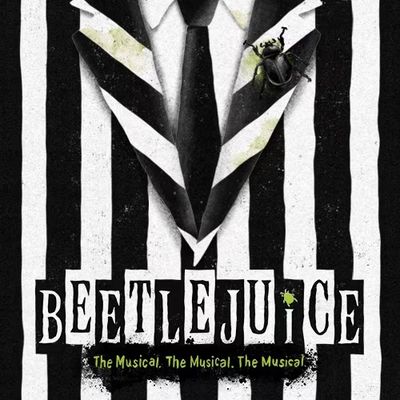
The previous episode with Trisha Paytas covered so much ground, from her recent Broadway debut in Beetlejuice to her rise as a YouTube star. But one of the best parts of every conversation is when we get to discuss the Final Five Questions... Read More
From the show: Why I‘ll Never Make It
Guests

Featured Shows
About
The previous episode with Trisha Paytas covered so much ground, from her recent Broadway debut in Beetlejuice to her rise as a YouTube star. But one of the best parts of every conversation is when we get to discuss the Final Five Questions. It’s where we hear about personal lessons, hopes for the industry, and those moments that truly define an artist’s career.
Why I’ll Never Make It is an independent production of WINMI Media and Patrick Oliver Jones. To support the ongoing efforts of this podcast please subscribe or donate. Thank you!
Transcript
This transcript was automatically generated and might contain errors.
[0:09] Patrick Oliver Jones: Hello again. In our last episode, Trisha Paytas, we covered so much ground and we talked about her Broadway debut in Beetlejuice, but of course all the work that she's been doing on YouTube for the past two decades. But one of my favorite parts of every conversation is when I get to ask these final five questions. And it's where we get to hear the personal side of lessons and hopes and moments that truly define an artist's career. So Trisha, here we go with question number one. What do you remember most about the first professional show that you saw?
[0:40] Trisha Paytas: Oh wow. I mean, I spoke about it briefly, but it's something that holds so much to my heart, and it's Donnie Osmond. Like seeing Donnie in Joseph, because I was in Chicago and that's where he did his six-year run as Joseph. Like I remember like it's a biblical show, but that's like not what I remember. I remember like the fun costumes. I remember all the genres of music it covered. And I just remember like Donnie and his voice in the way, like it made me cry as like I was like eight or something, and I was like crying as an eight-year-old to "Close Every Door," which is like what I didn't understand even the song back then, but I just remember feeling emotion and it's something that like I didn't feel a lot as a kid.
And so I was like, wow, I just remember a way they made me feel. And then when "Go Go with Joseph" could happen, all of a sudden, like right after "Close Every Door," I was like sad and all of a sudden I was like really happy. And it just was like it just felt like I had tingles. So that's what I remember the most. I remember I got to see that show like a few more times. And to this day, Donnie Osmond was on my podcast. Like he has such an effect on me. So when he sings that song, I'm like sobbing and it's so bizarre. It's such a bizarre feeling. I don't know how to explain it to someone who doesn't get the tingles from Broadway, but I got that too. I saw "Producers" and you know, all the shows I saw after "Beauty and the Beast," and I would get those like tingles of just like feeling good. And I don't know how to describe it other than like everything just makes you feel something.
[1:53] Patrick Oliver Jones: Oh good. Well, I mean, it's that is that personal because on the screen you have that in front of you between you, but on stage it is just you, you're seeing in person you see the sweat or the tears or the laughter you get to see every emotion that they're going through on stage and so you are as it seems like you as a kid you were definitely feeling all of that.
[2:14] Trisha Paytas: Yeah, it's like a connection like you have like it's kind of like intimate I guess you could say like the performer gives even all the performers here at Beetlejuice and like Justin every night I watch him and like the fact that like every show giving so much of like yourself. And so like yeah and and letting the audience like feel something with you it is like this like connection that I guess I never really had as a kid either my parents worked a lot. So it was like this weird like connection to another human that I like never got because I didn't really have friends or anything growing up. So I think I just like that about theater too is you feel like you're someone's connecting to you and you're feeling something together.
[2:46] Patrick Oliver Jones: For question number two, if you could give advice to your younger self starting out, what would you say?
[2:54] Trisha Paytas: I mean now I would say like I would say to be in the moment more. I think I was so stressed that I was gonna like age out of everything. Like I would never find a husband at 30. I would never get roles after 30. Like I would say like just be in the moment. So I think I was like too much focused on everything else but what I needed to be focused on which is like enjoying my youth enjoying like the moment I was just like so worried I need to find a husband. I need to be an actress I need to do this rather than like just enjoy like where I was and what I was doing and also patience. I would just make don't worry in timing, it'll work out. Cause I think like you're so worried as a young Christian too that it won't work out. And I wish I could just tell my inner self and most people's younger self that it works out. Like maybe in a different way, maybe in a better way, but like it'll always like work out for you.
[3:44] Trisha Paytas: Yeah, because being present is definitely one of my tough things. Because just like standing in that moment, not worrying about what what's coming, not regretting things that I've done, just like being present is so difficult sometimes.
[3:56] Trisha Paytas: It is, it is. Yeah, I was asking them like, what are you doing like after this show and it's like I don't like even those questions either. It's like just enjoy because you'll just it's here for such a short time. Me too. I'm only here for another like week and a half. And like I need to just be present and not like think about like what's next or anything, because it's like this will go by so fast. I know I'm gonna like cry when I can't do this anymore. But this was the best time of my life.
[4:15] Patrick Oliver Jones: So well, question number three, what does success or making it mean to you?
[4:23] Trisha Paytas: Ooh, that's that's a tough one. It's hard because like the answer that comes to my head is obviously like just being content with life. Like I love I have like mental stability, which I never had before. So like that to me is like making it because it's like, oh, I'm just content whether I never get another acting job again or like I'm good in my life, you know, I'm just good where I'm at with my kids and stuff. But like professionally, like, yeah, I guess getting acknowledgement from like mainstream media for me, because I am a social media person and I am like a millennial, some kind of like old school where it's like getting on TV means making it. This is a huge I made it moment. Like to be like on Broadway is crazy, like and it's so crazy to even think about back home, but like my community theater like had like literally like 30 people in it, and it's just so wild.
Like my thoughts are like, do they see me now? Are they seeing me that I'm on Broadway? Because I never got a part before. Like I was always like a townsperson in the music band, you know, which is like totally fine, but like I never got to even like say a line on a stage before this. So it's really like I really hope they're like get to see like at least the bows or something and be like, oh, she like did it. So I think this is a thing I made it moment. But honestly, I love having peace of mind. I love having just being able to sleep at night is great. You know, I used to be a very anxious person, so that's kind of my I that's also my success is just I'm fine. You know, I can like control my emotions and sleep at night.
[5:47] Trisha Paytas: And then I think that's one of the things. I mean, obviously, you know, getting older can come with, you know, all the baggage and the eyes and the wrinkles and you know, the creaky bones. But old age also comes with or as we get older, rather. Yeah, it comes with a knowledge of yourself, a knowledge of like, oh, why did I worry about that way back then? We kind of are I think we can let things go a lot easier because we realize what really matters. And like you're saying, my peace of mind is what matters, and my family is what matters. All this other stuff is great, but if that's intact, then I'm good.
[6:24] Trisha Paytas: Absolutely, yeah. Just and the things that are meant for you will like find you, and things that are not meant for you will just, you know, not meant for you. Next thing, you know.
[6:34] Patrick Oliver Jones: So question number four, what are the changes that you would like to see in the industry, whether you want to talk about theater, TV, film, social media, what are changes you would like to see just socially moving forward?
[6:48] Trisha Paytas: I think it's doing a really great job. Again, I come at more as like a fan watching media because I'm not so much in it as much like to be, but I love although YouTube is a billion dollar industry. So I mean you're part of a juggernaut that is, you know, YouTube.
[7:04] Trisha Paytas: That's true, and that's what's cool about social media, and that's what I like to see in like the mainstream industry of it, is like see just diversity of all sorts, whether it's ethnicities or body types, just for me, always run by as a bear girl. Like I saw "Sunset Boulevard," right? This the revival and it was great to see like all body types up there. Like, you know, and it had nothing to do with their body. Sometimes you like, you know, you play a role and you're like known as like the fat girl. But I love that now it's just like body types are just getting to just exist and don't have to be like a certain role. And I love that for everything. I love that just like there's just more diversity and like more people can feel represented because I think that is the beauty of theater and all art is just like people want to see themselves represented.
And Broadway's doing a really good job of that. Like I really do love seeing all different types on Broadway. So I like the direction it's going I hope it keeps going in that direction and um yeah I like when also too when like art is very current and like challenges like you know where we're at in the world. I love I think that's how we evolve like cabarets like revival I thought is like still like super relevant today. And I like seeing like different takes on it. So I like when you know you can talk about the issues but also in a creative artistic way so people can like feel it and see it in a different way that makes sense.
[8:18] Patrick Oliver Jones: Yeah. Yeah, yeah, because whether it's a comedy or a drama to see something represented can make people think about it differently or look at it differently or like oh I maybe have more in common with that or realize oh I don't know enough about that. And maybe maybe that will spur them to want to learn.
[8:35] Trisha Paytas: Yeah exactly and I think that's what like good art does is like it makes you want to learn more, you know, look into stuff more and um yeah I think "Chess" is back on Broadway, which is like so interesting. And I think that's also like a really like relevant, like weirdly relevant thing right now. So it's just like it's interesting to see all the stuff that comes back and yeah.
[8:55] Patrick Oliver Jones: That's right. But I'm happy like I'm happy with the way the entertainment industry is going 'cause it used to just be like so one way and now it's becoming open and you know even me getting to be on Broadway. Like everyone here has been super nice. Like obviously you and all the whole cast like you know you train for so many years and you do so much work. So it's been nice to I was very nervous coming in to like feel like accepted and people just like excited that like I'm trying you know and trying to be here and people have been like really wonderful. So I like how open-minded people are these days of accepting someone new. Because you can start somewhere right like they're always like I'm like oh I want to be in theater but you'd like start somewhere. Granted probably Broadway's not like the starting part for most people but you know I'll take it.
[9:35] Trisha Paytas: But no when it comes to that like yes I trained because theater is what I loved. I love singing. I love the acting you know taking on these characters. But then looking at what you do and what you've done these past 20 years and the music you've done, the videos you've created, I'm like, I don't know that I could do that. Like you have your own set skill that you have kind of honed. You know so sometimes it's gone astray. Sometimes it's really work. But you over time you've honed a skill that I don't think many people have.
[10:04] Trisha Paytas: Oh no so I mean you know it's it it's still something that you know if I had to do what you had to do I would be starting at zero be like I don't know creative video you know you know but it it's I think everything that we do and and like you say the diversity of Broadway I think people are coming to Broadway in different ways now. You know, yes there's the schooling there's the training but then there's also maybe people come from the TV world. Maybe people coming from the YouTube world. They're coming from different ways of their presence and their personality being funneled into a theater. I think that I think it can only help theater to have these different voices, these different kind of personalities coming.
[10:43] Trisha Paytas: Yeah, that's what makes it like fun and exciting and different. I think, yeah.
[10:48] Patrick Oliver Jones: Well, last question describe a personal lesson that's taken you a while to learn or one that you're still working with this day.
[10:56] Trisha Paytas: Lots of personal lessons. Probably to like not take things too personal and also the world, like realizing the world doesn't revolve around you in a good way. Like I think so many of us are like, oh, they're gonna think I'm dumb or they're gonna think I'm ugly or this person probably thinking this. And it's like in reality, like nobody's really thinking about you. You know what I mean? And if they are, that's like weird. You know what I mean? If there's like haters out there like obsessing over you for some reason you're like, well that's a weird issue too. So I think most sane people, people who just have their own lives are not like thinking about anyone else. Like I'm never down the street looking at someone being like, oh that outfit or that way.
So I wish I would just like or maybe learn to like not take things so personal and just a good lesson of like the world's not revolving around me. And it's like it in a good way. It's like I'm in my own lane. Everyone's in their own lane. There's enough for everybody. I don't need to be like competitive with people and I think that's like the best lesson. It's been really freeing to be like I'm just a human existing in this world. Everyone is in their own lane. Everyone is caring about themselves and as it should be and to not take things so worse.
[12:03] Patrick Oliver Jones: Yeah, I think that was one of the thick lessons for me. It's like people aren't really thinking about you as much as you think so it's like it's like yeah you did that stupid thing but it's like they probably didn't even notice or they don't remember.
[12:15] Trisha Paytas: Yeah. Yeah. Yeah. And so it's so it's like it in some ways, it's like, you know, we as actors, we love attention. But at the same time to know, like oh right, right. Yeah, when I made that mistake or I did that, people probably didn't even notice or care.
[12:30] Trisha Paytas: Yeah, I point things out. My first night I didn't break the chair in the dinner scene, and I pointed it out on TikTok right away because I was so embarrassed by it. And literally everyone's like, even my own husband, everyone's just like, didn't even notice. Like, you know, no one noticed because it was at a set time where I'd like to be up anyways, but I made it such a bigger deal than it had to be. And like it just wasn't. Like, no, like people in the audience like didn't notice, thought it was part of the show. And it's just like, yeah, I should probably just move on from things a little easier and quicker.
[12:54] Patrick Oliver Jones: Well, this has been great to talk to you. Thank you so much for coming on and sharing your story with us.
[12:59] Trisha Paytas: Thanks for having me. This is like you're so good at this. You're so good at like podcasting and your voice, it's so like radio voices.
[13:05] Patrick Oliver Jones: I appreciate it. Thank you.
[13:11] Patrick Oliver Jones: Thank you so much for joining Why I'll Never Make It. And don't forget, you can become a subscriber and get bonus conversations by going to why I'll never make it.com and click subscribe or just look for the link in the show notes. Be sure to join me next time as we talk more about why I'll never make it.
© Broadway Podcast Network, All Rights Reserved