

In the previous episode you heard from theater director Schele Williams as she shared her journey from actress to director. We discussed her work in two of this season’s most highly anticipated Broadway shows: The Wiz and The Notebook... Read More
From the show: Why I‘ll Never Make It
Guests
Featured Shows

About
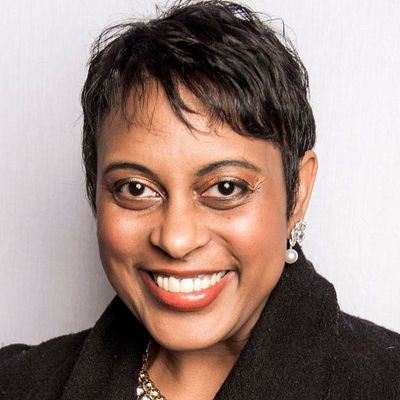
In the previous episode you heard from theater director Schele Williams as she shared her journey from actress to director. We discussed her work in two of this season’s most highly anticipated Broadway shows: The Wiz and The Notebook. Well, now Schele is back to talk about the importance of gratitude and what it means when she puts her name on a theater project by answering the Final Five Questions in this bonus episode of Why I’ll Never Make It.
Schele mentions Black Theater United in our conversation, learn more about this organization here.
To listen to bonus content like Auditions Stories and get early access to these full conversations ad-free, become a subscriber by going to whyillnevermakeit.com and click Subscribe.
Podcast theme music created by host and producer Patrick Oliver Jones.
Transcript
This transcript was automatically generated and might contain errors.
[0:02] Patrick Oliver Jones: Last week you heard from theater director Schele Williams as she shared her journey from actress to director. We discussed her work in The Wiz and The Notebook. Well, now Schele is back to talk about the importance of gratitude and what it means when she puts her name on a theater project by answering the final five questions in this bonus episode of Why I'll Never Make It.
[0:42] Patrick Oliver Jones: Well, let's get into these final five questions and we'll uh start with number one. What do you remember most about your first professional show?
[0:51] Schele Williams: My first professional show. Oh yeah, uh was they're playing our song at Queen's Theater in the Park. Um and I I really was like, I made it. I remember thinking like it was it was so cool because my first professional show was actually like in New York. It was in Queens, but but it it was um it was an extraordinary experience. Like it was I I have such love for it. I wish I had kept up with the cast members. Like it's such a tender and beautiful memory.
[1:26] Patrick Oliver Jones: That's wonderful.
[1:27] Schele Williams: Yeah.
[1:27] Patrick Oliver Jones: Number two, how has the industry changed most since when you first started?
[1:33] Schele Williams: Oh, goodness gracious. I mean, you know, I don't even know where to begin with that. When I started, and you know, right after I came out of school and I was auditioning, there were marks on the wall that were like, if you're not this tall, don't bother to come in. I arrived during the tall girl era. You know, it was like, huh, guess I'm not doing crazy for you. Huh, guess I'm not doing okay. Huh. Like it was just like, you know, it's like, I can be more talented, but I can't be taller. Like it was just like, what are you gonna do with that? Um, so that was wild, right? Um, and I just remember thinking, like, when is it gonna be the short girl's time? Um, but you know, like there's been so many changes, right?
There's been so many changes in just um how we work in spaces. I I remember the first time I worked with an intimacy choreographer uh as a director. I literally started crying. And I thought, how many times have men put their hands all over me with no regard to how I felt about it? How many times has a director said, oh yeah, just put your hand on her ex. And I had no autonomy to say, I don't feel comfortable with that. That's a really weird place for me. Like that to me has been transformational. You know, we talk about women not having autonomy over their bodies in the big way, you know, in our country. Women didn't have autonomy of their bodies in our industry until like three years ago. You know what I'm saying?
Like, it's bananas. And so like that to me is huge. Huge. And then there's like a lot of, you know, a lot of things that we're talking about, even in terms of like, you know, I'm a founder of Black Theater United and the conversations about what we're having, you know, about having like intentionality and and real regard for, you know, what it means to have people of different races inside shows, you know, what it means if you're, you know, making sure that your hair isn't treated as an inconvenience. Making sure that when you walk into a space that your version, how you arrive is beautiful, and you're not always compared to an Anglo version of beauty. You know, so there is just the conversations that we are having around thoughtful art making.
And sometimes it's the simplest things. Like I'm a member of Actors Equity and some of the committees, they started talking about maybe we should have black skinned hoes, not just nude. Yeah. Like actual tones of skin rather than you know, one or two to choose from. Just something simple like that of like, yeah, not everyone looks the same. Yeah. It like things like that matter. You know, skin tone band-aids. Like it matters, you know. That's a thoughtful way of inclusiveness. You know, it doesn't always have to be like the deep, and now we're gonna have a 45 minute conversation. It can be the simple things. It can be the simplest things that make the biggest difference.
[4:50] Patrick Oliver Jones: Yeah. Well, number three, what does making it or having success mean to you?
[4:57] Schele Williams: Feeling proud of what you've done. You know, I I don't need anyone else to to tell me how to feel about my work. That that I can only be the barometer of that.
[5:17] Patrick Oliver Jones: Did it take you a while to get there?
[5:19] Schele Williams: Oh, yeah. For sure. Um, but but you know, my mom would always say to me, Your name is everything. Be thoughtful about what you put your name on. And know that when you've put your name on something, you mean it. And so when I'm done and I walk away and my name is on it, I am proud when every person opens a program and they see directed by Schele Williams. Yeah, of really taking pride in everything. Whether you're walking into the audition room, whether you're walking into the theater space for the first time, whether you're, you know, awards, not awards, whatever it is.
[5:56] Schele Williams: Yeah. Pride in that.
[5:58] Patrick Oliver Jones: Well, number four, describe a personal lesson that has taken you a while to learn, or one that you're still working on to this day.
[6:07] Schele Williams: Well, that's interesting. What is a personal lesson? Um I uh left my own devices, would never go to any industry anything. Um I am, I would rather be like at home in my soft clothes with no makeup on, as we talked about earlier. A personal lesson for me is that I really do have to be social in this industry and connect with people and do things that really that pulls me out of my comfort zone. You know, like I don't like social media, I don't like talking about myself. People are like, oh, what are you doing? And I'm like, nothing. Like I don't ever like, oh, can I have I'm like, yeah, left to my own devices. But I but I do like really getting out of my comfort zone. And when I do, I went to, you know, a cocktail party yesterday, and I was like, oh God, you know, it's really trying to talk myself into going to this thing.
And I went and I had like deep and beautiful conversations with artists that I deeply respect. I walked away, and every time I leave, I'm always like, that wasn't so bad. You know, I made a really cool connection. This one person wrote to me today at a theater that I've wanted to work at for a long time. And she's like, we would love for you to work here. And I was like, see, and that's why you go to those stupid things. So you can like, you know, so it really is um that's something I'm still working on. And every time I'm like, you know, I say to my husband, I'm not gonna go to that thing. And he's like, you have to go to that thing. Like, you go any like I'm learning. That's that's the part that I'm learning. I don't play the game well. Um, and so I I've kind of I'm learning how to find my version of it, which is just show up and be there and then see what happens.
[7:56] Patrick Oliver Jones: Yeah. Being a homebody is very easy. That that's definitely my uh my default setting is being a homebody and being very comfortable. So yeah, it can be a push to get out there and be a little more in other people's faces, remind them who you are.
[8:11] Schele Williams: Yes, you know, the functions you have to do.
[8:14] Patrick Oliver Jones: Yes.
[8:14] Schele Williams: Yeah, yeah.
[8:16] Patrick Oliver Jones: And number five, what is the most useful advice that you have received and how have you applied it to your life or career?
[8:24] Schele Williams: You know, honestly, the most useful advice I'm ever received is what I told you that my mom said, you know, which is like what your name means. Like that's the thing that rings to me every single day. You know, I I have incredible mentors, and so I have always felt like I have people that I can go to to ask questions. I don't have to make big huge mistakes. I can pick up the phone and say, Hey, can I talk about this moment? Can I talk about the best way to deal with this? Um, I don't abuse it, but I'm not afraid to use it. And so, you know, I feel like I always sit in a place of humility and surround myself with people that know a lot more than I do, so that I am always in a place of growth.
I never want to be the smartest person in the room. Like I always just want to be around people who are inspiring me and growing me. And in some ways, I hope that that can be symbiotic at times, right? That we can grow each other. But that is really like I live by that. I surround myself with people that I can go to. And I and I do feel like it is a sign of strength to say, I don't know. I don't know, but we're gonna find that answer. I never feel like we're not gonna get there. But I do feel like it's okay to say, I don't know.
[9:55] Patrick Oliver Jones: Does being a leader being the top dog of a production, does that give you any, I don't know if nervous is the right word, but does that put any pressure on you?
[10:04] Schele Williams: No, I mean that's the job. If you don't like that job, don't be a director, right? No, I I have no problems with that. It's just about like what is your leadership style? You know, my leadership style is not to know all the answers, it's to be able to find the answers and to surround yourself with the team that you feel like is best equipped to create the vision that you have charted. And so I always walk into a project fearlessly, in the same way that I said growing up. It was like I never questioned whether I'd make it to Broadway. I was just a matter of when. That's the way that I approach projects. I'm like, we're gonna work on this hard, we're gonna have a lot of conversations. We're gonna create something that we all feel proud to put our names on.
[10:48] Patrick Oliver Jones: Yeah, that's interesting. It's not just you. You want other people's names to be put on something they're proud of too. You're you're thinking about that.
[10:54] Schele Williams: Yeah.
[10:56] Patrick Oliver Jones: That's wonderful. Well, Schele, this has been an absolute joy to get to talk to you, to get to pick your brain and hear your stories and experiences. And I thank you so much for being so candid and sharing them with us.
[11:09] Schele Williams: Of course. I'd love talking with you too.
[11:16] Patrick Oliver Jones: Thank you so much for joining Why I'll Never Make It. And don't forget, you can become a subscriber and get bonus conversations by going to why I'll never make it.com and click subscribe or just look for the link in the show notes. Be sure to join me next time as we talk more about why I'll never make it.
© Broadway Podcast Network, All Rights Reserved