

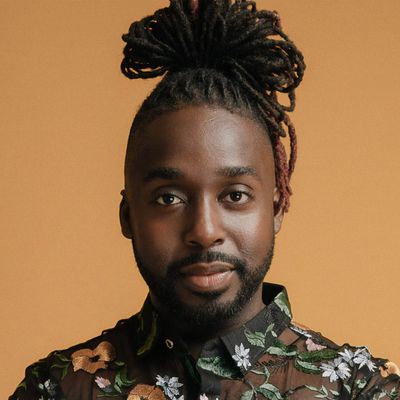
Hannah Elless and Mykal Kilgore (and myself) first met doing a reading of a new musical called THE STAR CHILD. They have each gone on to do three Broadway shows, but they still love that new-car smell of a fresh, unknown piece of theater... Read More
From the show: Why I‘ll Never Make It
Guests

Featured Shows
About
Hannah Elless and Mykal Kilgore (and myself) first met doing a reading of a new musical called THE STAR CHILD. They have each gone on to do three Broadway shows, but they still love that new-car smell of a fresh, unknown piece of theater.
In today's conversation they explain why new works are so important, how their big families taught them to collaborate, and what success means to them and how they are still striving for it. Plus, they talk about the dream of a Broadway debut versus the reality of getting one.
- Listen to my episode with Jenny Stafford, book writer for STAR CHILD.
- Hear a song from Mykal's A MAN BORN BLACK.
- Watch Hannah's multi-instrument talents on display in "Ashville" from BRIGHT STAR.
Follow on Instagram: Hannah Elless / Mykal Kilgore
May this podcast be a resource for you as you discover more ways to pursue a career in this industry and sustain it through the many ups and downs that follow.
- Reach out to me with comments or questions: https://contact.winmipodcast.com
- Support WINMI through your kind donations: https://ko-fi.com/winmipodcast
Music used in this episode from Podington Bear is licensed under a Attribution-NonCommercial 3.0 International License. "Sidecar" • "Kitty in a Window" • "Smooth Actor"
Transcript
This transcript was automatically generated and might contain errors.
[0:00] Patrick Oliver Jones: Today on the podcast is a bit of a reunion with Mykal Kilgore and Hannah Elless. The three of us did a musical reading a few years back, and today they shared their Broadway journeys since that show. I'm your host, Patrick Oliver Jones, and this is Why I'll Never Make It.
[0:21] Patrick Oliver Jones: If you're putting happiness, if you're putting the pressure of your happiness on this thing, you're doing it wrong. This thing does not have the power to make you happy.
[0:52] Patrick Oliver Jones: This is my third episode in a month-long look at previous Broadway seasons. Now, the subtitle for today's episode could be Lessons Learned. Both Mykal and Hannah not only talk about their Broadway experiences, but the insights and wisdom that they gained from their families, the struggles and challenges they met before coming to New York City, and the ones that they faced being here in the city.
[1:20] Patrick Oliver Jones: And as I mentioned, it was in 2011 that the three of us first met and worked together on a musical called The Star Child. Now in season three, I spoke with Jenny Stafford, who was the book writer on that musical. It was presented through the NYU Tisch Musical Theater Writing Graduate Program. Both Hannah and Mykal have three Broadway credits to their name, most notably BRIGHT STAR for Hannah and Motown the Musical for Mykal. And it is that love of new works like STAR CHILD that keeps them going.
[1:57] Mykal Kilgore: STAR CHILD was my very first reading of a new musical I ever did. I'd like worked on a couple new musicals, full versions, but I'd never done like a reading. That was a new thing for me. Uh, so STAR CHILD was just so special. And since then, you know, we've worked on so many projects. I think I've worked on like over 70 new plays and musicals or something. It's like crazy.
[2:19] Hannah Elless: Wow.
[2:19] Mykal Kilgore: Yeah, because it's like our bread and butter, right? It's like what I do is new work. Like, God bless, it makes no money, but it's so artistically fulfilling. Um, but STAR CHILD, I can still sing that tune. I can that the STAR CHILD is he the STAR CHILD, he's the STAR CHILD, the STAR CHILD.
[2:31] Mykal Kilgore: He's the STAR CHILD. It is my heaven decree duty to save me with the power of my beauty. STAR CHILD. I mean that melody. I listened to Jenny Stafford on your podcast, actually. Wow, what a tune.
[2:59] Hannah Elless: That is a funny lady.
[3:01] Mykal Kilgore: Oh, yeah, yes, she's funny, man. She really, really is funny.
[3:09] Patrick Oliver Jones: And when Jenny found out I was doing this episode with Mykal and Hannah, she just had to chime in with her own thoughts and experiences of what it was like to work with us doing that musical.
[3:21] Jenny Stafford: The thing that I really appreciate about Mykal and Hannah, and I'm going to include Patrick in this as well, uh, because that's how I've met all of them, was through this process of doing The Star Child. The things that I really appreciated about them is one, all of them have just absolute killer voices and are killer musicians that can do um just amazing sight reading and bring a full song to life with character, with musical choices, with acting choices, uh, the first run through. So that was pretty phenomenal.
[3:50] Jenny Stafford: Um, but the thing about all three of them that I appreciate even more as a writer is that they are all really kind, smart, collaborative actors. And what I mean by that is sort of when you are the writer of a piece, you are kind of in a hot air balloon and you're floating like 500 feet up above the piece, uh, looking down at the whole thing, making sure everything fits together.
[4:16] Jenny Stafford: And the great thing about really smart actors is they are inside the characters in a way that you are not inside the character necessarily as a writer. So, really smart actors have great ways of saying, like, hey, this line feels not quite accurate to my character, or this plot point doesn't feel like something that my character would do, or I feel confused about that, and they can point it out to you in ways that help you develop the piece.
[4:41] Jenny Stafford: Um, and I've definitely worked with actors before where it sort of seems like they think their job is to come in and point out all the places that you were stupid and all the places that you didn't write your show very well, um, which sounds like doing the same thing that I just described as coming in and telling you all the places where the character feels inconsistent.
[5:00] Jenny Stafford: Um, but there's just a real difference between the way that some actors do that in a way that makes you feel threatened and small as a writer, um, and the way that these three actors do it, which is to make it feel exciting and fun and collaborative. And um, I'm just obsessed with all of them.
[5:19] Jenny Stafford: And I think I can speak for Mykal and Hannah in saying that that's one of the best readings I've ever done, whether for an educational program at NYU or readings that I've done in a more professional setting. And 2011 was also a pivotal year for all three of us.
[5:37] Mykal Kilgore: I had just finished the revival of Hair.
[5:40] Jenny Stafford: That same year I started my national tour with The Addams Family.
[5:43] Hannah Elless: And just a few months later, I made my Broadway debut in Godspell.
[5:43] Patrick Oliver Jones: And so STAR CHILD not only represents a singular moment that we hold very special to us, it also represents what we love about doing theater: new works, music, and roles that we can embody and make our own, and working with writers to create a role that's not only right for us, but is right for the show.
[6:10] Mykal Kilgore: I mean, you were talking about, you know, all of the new works that you've done. Like that is it. I'm not looking to any revival for a Tony. Like that's not gonna be my moment. Like, you gotta write something new and something couture. I want to go to the couturier for my role. I want it to fit right, you know, on me.
[6:36] Mykal Kilgore: Like I love the idea of doing new work. Like when they were doing I'm Sitting in the Park with George, like George was supposed to be a baritone. That was supposed to be a soprano until Mandy and Bernie walked in the room and they were like, Ah, I changed my mind. Let's make this work for them.
[6:57] Mykal Kilgore: And um, and I will say, like in my career, it's been such an uphill battle to like appear on stage as a fully fleshed out human. Because there have been so few opportunities I think for black actors and actresses to appear on stage in a way that was about them like being 360-degree people instead of being like an archetype of what it is.
[7:08] Mykal Kilgore: I love Jason Robert Brown and he and I are close friends, which is the only reason why I can say this, but he wrote a musical and he was 21 mind you when he wrote it where every character is a human, but his black character comes in and is like an archetype. He has no relationship with any other person on stage, and the one time he's a human, he's like, my father left me and I play basketball.
[7:08] Mykal Kilgore: And you know, I mean, it's like, oh, who are the black people in your life? Did no one help you? No one tell you? So it's like, all right, so we have work to do. Um, and you know, I'm looking to the future. I'm looking to the writers, I'm looking to the producers, and also I'm looking to the actors because, you know, as much as it is so important to be um like Hannah to those of you who are listening and really play well with the team and do well, I think something else that in the time I've spent with her, she's really good at bringing her conscience into the room too.
[7:08] Mykal Kilgore: So it's not just her saying, oh yeah, everything's great, oh everything's fine, sure, I'll do it. It's her going, well, is there a way that we can possibly, can we work together to figure out a blank, blank, blank, blank, blank. Um, and I think that, you know, this is also why we're cast. We're not cast to, you know, to just be, you know, seat fillers in a show.
[8:55] Mykal Kilgore: Like, we bring our humanity to it every time. And, you know, I'm very excited to see this whole shift in the culture. You know, the world of Me Too is gonna change, has changed everything about theater. We're in a post-Trump world, that's gonna change everything about theater. You know, everything that happens in the world, the artist is here to reflect it.
[9:15] Mykal Kilgore: And I think that you're doing a horrible job of theater if it doesn't. Yeah, it has to not only entertain, certainly that's a big part of it, but it does need to educate, it needs to challenge, it needs to make people see something or think something that they wouldn't have done otherwise.
[9:31] Hannah Elless: Yes.
[9:32] Mykal Kilgore: Agreed, yeah. I want to entertain you, I want to educate you, and I want you to leave with more empathy, the three E's, right? It's like if we're doing those, I'm in business. We're doing something, we're doing something right.
[9:45] Patrick Oliver Jones: Now, getting back to STAR CHILD, because that was something that we worked on for four days back in 2011. And yeah, it's crazy how time flies. And now we formed fast friendships there, like we often do, you know, when actors come together to work.
[10:02] Patrick Oliver Jones: And at that time, as you said, Mykal, we were all in various stages in our career. At that point, though, you had already done the revival of Hair. You had already been part of that. So having found Broadway, having had your debut so kind of early in your career, did you feel like that?
[10:19] Mykal Kilgore: Okay, now I'm here and I'm on the right track. Because my time in Hair was so quick, you know, I like got cast in the show. I like had just basically learned my lines, and they were like, okay, so we're gonna close. I was like, okay.
[10:35] Mykal Kilgore: I mean, the reality of what New York was, I think hit me very swiftly. Um, and I loved Hair. It's still one of my favorite experiences on the stage, but I think that the most important thing that Hair taught me was like, don't you dare get comfortable, don't you dare take it for granted.
[10:55] Mykal Kilgore: Um, so I didn't feel like I arrived at all, but I definitely felt like that had gave me the perfect opportunity to now like express like my reality to the world and theater community. It was like the people's first glimpse into who I was, and I was like, well, I gotta take this moment and I really have to run with it.
[11:17] Mykal Kilgore: So um, that's kind of where I created the mindset of like new works is key. Like, you know, you have to try to get in on the ground floor. Like I remember when there was these guys, you know, Pacing Paul, and they were just some guys I knew, and they were like, oh, would you sing a song or two for me? And I was like, sure.
[11:35] Mykal Kilgore: And like fast forward years later, and then all of a sudden they are the Pacing Paul, you know. I mean, I don't know that I even feel like I've arrived yet. You know, I still feel like there's so much, I hate to say proving, that's such a negative way to put it, but I think there's so much left to show.
[11:57] Mykal Kilgore: Yeah, to feel like, oh, I'm just not Audra McDonald. Until I feel like Audra McDonald, I'm like, there's work to do. I bet that there are peers of hers, like sitting shows on her same time, are still feeling like, oh, child, until I'm Audra, I don't feel like I've even arrived.
[12:14] Hannah Elless: Right.
[12:15] Mykal Kilgore: She has surpassed us all. I don't know that I don't know any of us can keep up. I was um watching an interview with what is her name, Kelly O'Hara, and she was just talking about how she's like, you know, I've been to the Tonys a lot of times, and I'd lost a lot.
[12:31] Mykal Kilgore: I was like the Susan Lucci of the Tonys. And you know, I won my Tony, and I was like hopeful that you know, like TV was gonna happen is something I really wanted to do. And I didn't even think about the fact that like I was such a fan of hers. And I was like, she's Broadway's Kelly O'Hara.
[12:43] Mykal Kilgore: I was like, no, I hadn't seen her on TV. Why? Why hadn't I? Um, so I was like, yeah, I think all of us are like are arriving. Like we're still in the car waiting to arrive.
[12:58] Patrick Oliver Jones: Because for you, Hannah, it was a year after STAR CHILD that you did your Broadway debut in Godspell. So for you, was it that same thing? Was it like, oh, I've reached the stream, but I've still got more to do?
[13:10] Hannah Elless: Right. Cause we did STAR CHILD in the spring, and then I started, I replaced in Godspell January 2012.
[13:19] Hannah Elless: Yeah, right. And it's Broadway, and it's like your PhD. It's everything you've been working toward, you know. You're like, this is it. And I was subletting in Hell's Kitchen, and I can remember walking out of my apartment or the sublet, and it was um, it was raining, but I like stepped over like a dead pigeon at my doorstep, and I looked to my right and there was like garbage that was on fire, but it was raining, so I was like, well, thank goodness it's raining, and at least the garbage fire won't like burn down my building.
[13:53] Hannah Elless: And I'm like walking down my street and it's the Jersey bus line. There's just like buses like whizzing past me, and I pass with like the drug lord on the corner who works the payphone and he like says hello to me, my name, you know, and the construction workers are like whistling like nice ass, you know, and it's like I'm wearing a full-down winter jacket, and I'm like walking to my Broadway job, and I remember thinking, like, wait, this is it.
[14:19] Hannah Elless: This should be, this is, I've made it. And I just start crying because it doesn't feel like it's it, you know, even though it's like Broadway, it's not the mountaintop, maybe that you thought it was going to be. That being said, there's nothing like Broadway, it is very special.
[14:35] Hannah Elless: Um, but also because I replaced, my opening night was just me. When I went on for the first time, you know what I mean? It's you didn't, I didn't get like a big opening fanfare.
[14:46] Mykal Kilgore: I replaced, so it was so quiet. It's like Flora and the Red Menace, uh, the song A Quiet Thing, you know. It happens so quietly, my Broadway debut. It wasn't exactly what I had imagined. Um, but I think if anything, it just lights a fire under your butt. You're just like, oh, well, now, you know, if I've made it here, I have the courage to take another step, to take another three steps, to dream even bigger. I made it to the moon. Now I can dream, you know, in a much higher way. So I think Michael's right, as an artist, there's always the next step you want to take, and hopefully in a healthy way, in a way that can celebrate where you are, celebrate what you've done, you know, and then dream a new dream.
[15:28] Hannah Elless: I love that you said that and you brought the emotional aspect of it to it because, you know, as I'm growing in emotional maturity and emotional IQ, it's like these moments that I would like put so much stock in, like, I want to be on Broadway, I want to be on TV, and that sort of stuff. It's like, but will you be satisfied? Will that fulfill you? Will it make you happy? Probably not. Yeah. Like, if you're putting happiness, if you're putting the pressure of your happiness on this thing, you're doing it wrong. You cannot, you cannot put it on that. It's just this thing does not have the power to make you happy. Because if you're hungry, it's like throwing a snack at your ravenous hunger, like to be on Broadway.
Like something else is causing that hunger, and you gotta get to the root of that girl, and stop trying to make Broadway the scapegoat for it. Um, so for me also, that's another reason why I was like, oh, I don't feel like I've arrived. I feel like I just like checked off a thing on the list, but the heading of the list is like be happy, live well, like be joyous. And it's like, okay, I can't depend on this job, because it is that.
[16:48] Mykal Kilgore: Um, I was having a conversation with my aunt, and I was like, man, I'm so spoiled because you never went to work expecting your job to fulfill you in the way that I go to work and expect my job to fulfill me. It's just it's just not right. It's not right to ask the thing that's supposed to pay my rent and pay my light bill and pay my cell phone bill and pay down my credit cards to be the thing to also fill my coffers with joy. You know, it's like girl, that's too much pressure to put on some singing and dancing from eight to ten. Right. There's like some serious codependency with your workspace.
[17:24] Hannah Elless: Yeah, it's like you gotta find something else to do. Get your this is get you some coloring books and some crayons or get some bubbles, like you need something else. One of the first things I heard from a Broadway actor was that, um, she was like, this is just never gonna define you. You should never let it define you. Enjoy it, but don't let it define you. And of course, when you're young, you don't want to hear that. You want to hear, absolutely, this job is gonna define me. And now everyone's gonna respect me, and I'm gonna, you know, you're hearing your ego talk to you, but you know, she's right. You can't let any job define you.
[17:55] Mykal Kilgore: And she also is the person that was like, a lot of people don't do their best work on Broadway. Like the best work of your life might not be in New York City. Are you okay with that? Because not often the best shows make it to Broadway.
[18:08] Hannah Elless: No. See now that's his own show. That is honey. If we really, that's so especially when you've been working on so many new musicals and plays, and you can see the new stuff that's being written, and then you watch the next season of what actually makes it to Broadway. It, I mean, it is jaded sometimes. You have to work so hard. Yeah, you have to keep your heart soft somehow because you know, you're seeing how the sausage is made all of a sudden, and uh, it's just not always pleasant to work. And y'all know the shows out of bad. Y'all, y'all listening, y'all know the ones that made the Broadway the shower like now. Come on now.
[18:45] Mykal Kilgore: We didn't need this Pretty Woman musical. We didn't need that. Or King Kong. That puppet, how cool, but we didn't need that. Yeah, it's entertaining in some ways, but also tough to sit in an audience and realize this is what they did. I remember it for me, case in point of that was when I finally, this was two years into its run. I finally got to see Spider-Man. And I did not see any of these shows. You guys, I missed them all. I just had to see what, okay, what is this mess of a Spider-Man? You know, because I'd heard all the news, and I finally watched it, and then this big huge 10-foot blow-up doll came out, and this guy in a hoodie has his back to us and is fighting it, and that was Broadway. And I'm like, what is happening?
[19:33] Hannah Elless: Yeah, it was a mess. And so yeah, there just comes along those times that are where I don't know the spectacle of it, the name, the cachet, the star, whoever's in it, kind of takes over, and it becomes something completely other than theater. And it makes me so mad because you think of things like Legally Blonde, which should never have been so good. There's no reason it should have been this good. It was like the best thing I'd ever seen on Broadway, ever. I'm like, it's Legally Blonde. How is it this good? So it's like, if this can be good, y'all don't have no excuse. Everything should be good. Like everything should be good. Because I'm looking for Legally Blonde 2. I need another one. I need the, I need a second.
[20:22] Mykal Kilgore: Well, I just remember watching a show and sitting by a pair of girls, and I won't say what the show was. It was not one of the best things that had ever happened to Broadway. I really want you to just say it. I cannot say it. I cannot say it. And they were like, they were just, they were like, ugh, I could do that. That's so, anyone could do that. That person's not even good. That person's not even good. But I remember thinking in my heart and checking myself and being like, yeah, but you're not doing that. Someone had the guts to go do it, you know. And I remember it really inspiring me to be like, oh, right, I should just go do it. If I think I can do this, I should just go do it. Instead of just sitting on this back seat of like judgment, I should like get out there on the field and be willing to make some mistakes, but also, if I think it's so, if I think I've got some great ideas, I should go share them with the world, you know.
[21:18] Hannah Elless: Right. Let me get the caveat of saying I can't get mad at anybody in any musical because Rent comes every first. Oh, that is so true. And I'm like, if you can make that check, make that check. I went to go see Amazing Grace, and I saw all my friends up there being slaves, and I was so hurt. But the first came every month. Oh no. So they had to pay that rent, and they were all using different African accents. And I was like, where are y'all from? But they had to pay this rent, and they did what they had to do. But I'm looking at these producers going, now you know good and damn well. Sorry for cussing, but that's the only way you can say it. Like, come on now.
[22:00] Mykal Kilgore: Yeah. What are y'all doing with this blow-up doll and this man in this hoodie? Y'all know better than that.
[22:06] Hannah Elless: Yeah, I know. I know, I know. Now, fortunately for both of you, you started out doing revivals, but you got to do original work, both, uh, Michael for you, Motown the Musical, uh, BRIGHT STAR for you, Hannah. How were those different from being in the revival cast?
[22:23] Mykal Kilgore: Oof. Heavy question. So, um, first of all, my experience doing, um, Hair was so quick because I was in a replacement cast, but unlike Hannah, I was a replacement and they replaced the entire cast, so we like came in and we had a full process of like learning the show together. So when we opened, like the whole cast opened. Um, that was incredible, but it was also my first, so there's a place in my heart for how, you know, how I feel about that. Doing Motown, I had done so many readings and workshops of Motown the Musical. Um, and, um, when I came back to the show, I replaced, I was the first replacement they put in for a cast member who left. And, um, being put back into the show, I was like, what happened to my baby? Like, it's so different than how I left her. She's changed.
[23:24] Hannah Elless: Um, so that was so, that was weird.
[23:28] Mykal Kilgore: Um, and I didn't get my like couturier experience that I really wanted of like getting it cut and fit to my specifications. I will say it taught me a lot more than Hair taught me, because Hair was just a wonderful expression of like what I learned up to that point. Um, but because I spent so much time in Motown and like watching it grow and watching it evolve, and then being in the show for two years, um, it taught me about how to keep my fire burning for a long time, how to combat my own boredom and to go, well, these people have paid 200, they don't care how bored you are, like you better find a way to get excited. Um, it also, um, like how Hannah was saying, if you feel like you can do it better, you need to do it.
And, um, I had gotten to a point of such discomfort in that show, um, that it forced me to go, okay. If you feel like you're creative and you feel like you have something to say that you need to say, then you probably should start writing it down. And in that show was when I started writing my album, A Man Born Black. And you know, it was the best thing that I could have ever done for myself was to say, um, if you have a point of view, stop trying to force your point of view on somebody else's work. Put your point of view on your own work. And for anybody who's listening, I know like your first instinct is to be like, well, I don't, why should I have to be Lin-Manuel Miranda? Why should I have to write my own piece?
Why should I have to do this? Well, you don't have to do anything. You can wait for somebody else to do it, but you're gonna be waiting. So if you have something that you want to say and something that you want to do, then you might want to shake yourself out of your own comfort zone, do something that you may not be good at at first, and figure that thing out. Because I'll tell you what, can nobody tell your story the way you can tell it? Period.
[25:29] Hannah Elless: Absolutely. Because for you, Hannah, you were with BRIGHT STAR from the beginning, correct? So you got to be, uh, in that journey as well.
[25:37] Hannah Elless: Well, I was with it from its first out of town. I think they had done like a little workshop thing at Vassar, maybe that I hadn't been a part of, because I was working on a different new musical called The Other Josh Cohen, and I had gone out of town leading another new musical called Somewhere in Time. So by the time I got around to BRIGHT STAR, I had already been a part of some new musicals that had some legs that had gone out of town, and I had already had a taste of, oh, every new thing you work on doesn't go the distance. Like you can go all the way out of town and put a million dollars into a show, and that doesn't mean it's coming back. By the time I got BRIGHT STAR, it was exciting because Steve Martin was attached to it and Edie Brickell, and it felt more real than some of the other pieces I had been on in the sense that it could be realized. Not, you know, not more real in its artistic value, but real in a money sense. Like this could maybe really go somewhere.
[26:37] Mykal Kilgore: So that was exciting.
[26:38] Hannah Elless: Um, creating knowing that New York would see it in a big way. Of course, it came into the season with Hamilton, which was, you know, that 2016 Broadway season was crazy. It was awesome, it was wild, but Hamilton took up a lot of the space. Uh, so it's fun to say that I was in that season, but, um, but I think BRIGHT STAR maybe would have had a better chance being a year earlier or a year later, certainly. But Bright Star, it just didn't quite find the audience that it needed to keep going.
[27:10] Mykal Kilgore: Well, and it's all those business things that you don't think about.
[27:13] Hannah Elless: So I say that BRIGHT STAR, yeah, BRIGHT STAR was my first, uh, it was my education when you get into the business and you're an actor, and then you start realizing, oh, it's not just about whether a show is good or not good or makes sense or doesn't, it's about so many other things. And at the end of the day, it's a business, and people need to make money. So that's how we're approaching these decisions is how do you make money on something? And I learned what the nut was of a show, what that meant. I learned how much money we needed to turn every week to stay alive, and I learned how many seats needed to be filled, and how, you know, marketing dollars, how far that goes with a show. We were east of Broadway in the court theater. There was construction on our corner, there was no way to see our theater from Broadway. That impacts you, you know.
[28:02] Mykal Kilgore: So I learned a lot about the nuts and the bolts of the industry through BRIGHT STAR.
[28:07] Hannah Elless: Um, that was a wild journey because I did San Diego, we went to DC, and then came to Broadway. That's a lot of time for actors to invest to finally have a moment on Broadway. But I'll tell you my favorite version of the show, doing it as an actor and as a person was the world premiere in San Diego because there wasn't money breathing down your neck. You know, it wasn't like you weren't trying to fit into a box and I hope people like us and let's find our audience. We were just doing the show. And that was awesome. I learned that you should really celebrate your out of town tryouts because that's gonna be the most fun you'll ever have is just discovering the show for the first time for what it is, you know. Every other version after that will be trying to make someone happy.
[28:50] Mykal Kilgore: The more you get into it, the more you realize that, you know, there's a lot more to it than walking into a room and booking a job.
[28:57] Hannah Elless: That wasn't a really amazing realization when I found out for the first time, you know. I'm sitting at like EPAs when I was just like EMC, didn't have my equity card yet. And I really thought that if you had an audition, you had a shot at the role, right? That's what baby Hannah thought.
[29:14] Mykal Kilgore: Okay, Michael, I don't need that. No, I'm just kidding.
[29:17] Hannah Elless: But the idea that like now, it's like, oh no, all those roles are filled or going to be filled by someone else. It's very rare to have an open role that they're actually looking for somebody new.
[29:30] Mykal Kilgore: I mean, it happens, it sometimes happens, especially the more specific a role is. But so many times you're auditioning against a role that's already been cast. And I didn't, you know, you start finding things out, and instead of letting it jade, you know, yeah, become jaded by it, you can, you know, just use it to motivate yourself. And it's hard to keep a soft heart in this business. But the people who do are successful, so it's worth pursuing, I think. I tell people all the time, I wish I had a t-shirt that said "sudden fosters in the wings," because I just want everyone to remember this like even if you feel cute, honey, go down and let sudden foster come and snatch your show from you if you think you're cute.
[30:12] Patrick Oliver Jones: Right. I love hearing these stories because it, you know, with the careers that both of you have had, not only on stage, but you've branched out into music recordings and TV film, you know, with all of those accolades and certain levels of success. Does it feel like you've made it? Like, what does making it mean to you at this point?
[30:34] Mykal Kilgore: Okay, I've thought about this question a lot, right? Because it's like, when is it ever enough? This can't be your happiness. It can't be because you'll drive yourself crazy as an artist. And really for me, success means being able to choose my own projects. That is such a marker of success that I don't have to take a job for money or for healthcare weeks. If I'm being able to choose my work, whether that's in, you know, small town Arkansas, or if that's on the Great White Way in New York City, being able to choose my own work is a major marker of success when I have a choice, when I have a voice in what I'm doing, what kind of art I'm making, that is huge. And I've had some of that, certainly, right? And I would just like to have more of that.
[31:28] Hannah Elless: I agree with you. I was gonna say being able to say yes, which is different than having to say yes. Um, and that's what success is. I want to be able to say yes. I want to be able to greenlight, I want to be able to be the person who says, "Oh, your idea is great. Let me help." You know, I want to be able to say yes to you, to it, to life. That's success.
[31:54] Patrick Oliver Jones: Now, when it comes to figuring out success, there's no shortage of people giving their opinions, their keys to success, and how to achieve it. Even this podcast searches for that with every guest and episode. But there are those looking for more concrete, conclusive answers on what breeds success. Back in 2015, the Pennsylvania State University and Duke University compiled a research study that they had been doing for 20 years. They tracked more than 700 children from across the U.S. between kindergarten and the age of 25, and they found a significant correlation between their social skills as kindergarteners and their success as adults two decades later. This 20-year study showed that children who would cooperate with their peers, be helpful to others, understand their feelings, and resolve problems on their own were far more likely to earn a college degree and be successful in finding work in their 20s.
[32:57] Patrick Oliver Jones: Parenting also plays a big part in a child's success as they grow into adulthood. In 2014, researchers from the University of Delaware completed a study of 243 people born into poverty and found that children who received sensitive caregiving did better in academic tests and had healthier relationships all the way into their 30s. According to this study, parents who are sensitive caregivers respond to their child's signals promptly and appropriately and provide a secure base for children to explore the world. And when it comes to exploring, Hannah, Mykal, and myself all found the arts as that home where we could figure out who we are, play with the different talents and things we were interested in, and have these adventures on stage that not only led us to collaborate with others but develop our own sense of self and well-being. So I asked Hannah and Mykal about their family life, both of them coming from pretty large families, and how that dynamic helped foster them not only as individuals but as creative artists.
[34:07] Hannah Elless: Yeah, I make the joke that I probably needed more friends growing up because I was a little bit of a chubby kid, you know, like middle school years. I mean, whose middle school years are kind? Who's, yeah, my school pictures look hideous? Yeah. So I was a little bit of a chubby kid, learned a lot of instruments, but yeah, I have 10 brothers and sisters. So there was always someone to sort of play music with, sing with. It was a way to pass the time. It was a way to express ourselves in a creative way, and our parents really encouraged it. Like our parents love the arts. So I grew up in a unique way. Just yeah, that's I feel like that's unique to have parents that really have such a big family, encourage the arts in a huge way. But I also grew up in the sticks. I grew up in the boonies in Michigan.
[34:54] Patrick Oliver Jones: Because did they, did your parents, did they kind of push you into the arts, or was it more just your brothers and sisters kind of found it and you all just started on your own?
[35:03] Hannah Elless: Oh no, my parents, they both played instruments and sang. My dad conducted choirs and we played music in church together and had a family band. Oh goodness, this is like stuff you don't talk about on a first date, you know. Oh, the family band. Yes, there was merge. So we just grew up in a musical way. Music was definitely the foundation of who I was artistically, and then theater and storytelling just came from there. Not a lot of theater people in my family, mostly music, and then that was a way to identify myself, you know.
[35:41] Patrick Oliver Jones: So coming from a large family, did you ever feel kind of lost yourself? Because where were you and the ten kids?
[35:48] Hannah Elless: Yeah, so there are 11 of us, and I'm number two. So there are nine younger than me. Uh, so I was the oldest sister, you know. But going into a show family was really easy because I was used to a big family. I was used to sort of, yeah, a lot of people, and where do I fit in? And let's tell the story. So theater was really attractive.
[36:10] Patrick Oliver Jones: And for you, Mykal, you grew up singing in church, and that's kind of where you found your voice, right?
[36:15] Mykal Kilgore: Well, yeah. I mean, I grew up in a family where the family business was ministry. So there was lots of pastors, preachers, that sort of thing. So music was like the lane that I could go in. That was my lane. Like there are no other singers in my family. My baby sister will sing. She sings at church, but like that's it. She's not singing on nobody's stage. So that was it for me. So kind of coming into musical theater as a profession, it felt like easy in the sense of like it wasn't like I was used to being in like a big family, even though I do like Hannah, I have a huge family. Like I have seven siblings, but I came into musical theater and it really felt like I was raised in what I call a political family because like the church hierarchy was such a big thing.
It was like we all held offices like in our church and in our conventions for our church and like the conferences for our churches. So like coming into musical theater, I really came in with the like eye of the tiger in the sense of like okay we all get along let's have a good time but this is like the business of show which I don't know how I ended up not being like jaded doing it but I think I came in with the understanding of you know that you know I'm here to like do a thing and to like give the people a feeling and then I can go and like live my real life when I get off the stage.
[37:48] Patrick Oliver Jones: So both of you coming from big families and Hannah you kind of mentioned this that you were kind of ready for the collaboration, the family that you find in theater. What was that an easy transition for both of you going from your family dynamics whether in church or in a band to the stage?
[38:05] Mykal Kilgore: Yeah because you know how to get along with people you acknowledge different personalities in fact you sort of appreciate them right you're looking for how you fit into the big picture and realize that you know I always say a show is like a painting and as an actor I'm only one color. I'm responsible for my one color that's it I want my color to be great and then the director can choose what color he wants to paint with the writers can say want a little bit more of this or a little less of that. But my job is just to be the best version of my paint color for the picture. So I had a really clear understanding of how group dynamic worked and really like collaborating. That's definitely something that's in my blood.
[38:46] Hannah Elless: I don't know. What about you, Mykal?
[38:48] Mykal Kilgore: I think like being from a big family, and maybe it's true for all people, but especially being from a big family, you learn how to share. Also, it gave me a level of confidence because I knew I have a gang of people who like are already down for me. I don't have to worry about that. So coming into the show wasn't about coming into shows. It's not about like, oh, will they like me? Where's my value? What how am I am I special? Am I important? It's like I got a whole bunch of Kilgores at home who already have affirmed me. So I don't, so I'm not looking to you to affirm me. I am I felt very empowered to come into a situation going, okay, how can I help? What can I bring? instead of feeling like oh well God, like will they even will they even notice me?
Um I don't know if that's like the same for everybody in big families, because I know I mean I'm the oldest, and that also has a lot to do with it, but um, but I you know I've heard stories of people saying, you know, this like I I didn't feel seen, I felt kind of like a leftover. I definitely didn't.
[40:03] Hannah Elless: I mean we both have oldest child syndrome.
[40:06] Mykal Kilgore: We have oldest child syndrome, you know, it's like the youngest kid, you're like, I raised you.
[40:11] Hannah Elless: Totally.
[40:12] Mykal Kilgore: I raised you, my youngest sister is 10 years younger than me, which is not a lot of years, but like I was changing diapers, I was making bottles, I was picking up from school, taking her to school. I'm like, I really I raised you.
[40:26] Hannah Elless: Totally.
[40:28] Patrick Oliver Jones: So in many ways being the oldest for both of you, did you feel like a leader of your siblings? Did you feel and kind of feel a duty to make sure each of them had their space and found their way?
[40:40] Mykal Kilgore: I felt like I felt the good and the bad parts of being a leader because I did feel a responsibility that I was like, Oh, this feels unfair that I'm responsible for and to these little people. Um, but I also feel such pleasure in their success. Like, I taught him how to ride a bike. That was me. Um and I mean I think I bring it to my work in the sense of I'm really unafraid to say my opinion because I don't really care who has the biggest piece in the room. Like if the idea is good, it wins. Like, let's do the idea that wins. Like if it comes if it comes from Steven Sondheim, great. If it comes from the guy who like is the reader, great. Like the culmination of my growing up, like I think taught me that.
Cause now I'm looking back on my child and I'm going, so 12-year-old Bossy Mykal doesn't really work right now. So like so, like let's do the version where like you can look back and and understand, like have maturity enough to go, okay. Well, maybe if I step back, then like things will actually work better without me trying to muscle it and like control it.
[41:51] Hannah Elless: Yeah, I think you understand too when everybody's doing well is when you do well.
[41:58] Mykal Kilgore: Bingo, bingo.
[42:00] Hannah Elless: Everybody succeeding is your success. And maybe it's the oldest child syndrome too, like owning everybody's success as your own, but there is a feeling that there's strength in numbers, you're better as a team. All of that was translated into theater in a huge way. And honestly, being on film sets, I love it. It is like a family, and you understand that everybody's success is your own personal success. You look better when everyone else looks better. So the health of the group is really important.
[42:33] Patrick Oliver Jones: Hannah, I want to ask you, I wonder how do you handle it when you see somebody flailing? How do you quiet the big sister in you that's like, let me go help you, let me go fix it?
[42:48] Hannah Elless: Oh, yeah, she's not quieted. She's like, how can I pick you up and hold you? All the maternal instincts come out, you know. And but it but I think it makes for a good leader in the room. And maybe we're, I don't want to be, you know, narcissistic about it, but I really do enjoy when I see other people in the room leading. Like we've all been in theater spaces in shows on sets where you see the leaders and when they're leading well, or we've all been in shows.
[43:18] Mykal Kilgore: Well, yes.
[43:19] Hannah Elless: Yeah, we've all been in shows with bad leaders or no leaders where no one wants to lead, and you're like, this is just not gonna work, and other people don't understand that dynamic that we all need to be working together. It's like a, you know, no one can be the sun in the galaxy, okay? Like everything has to be going towards the show, and we're all just planets orbiting the sun. You're just part of a, you know, a system. No one can be that center thing.
[43:46] Mykal Kilgore: As soon as you said the thing about the like no leader, it's like there's nothing worse to me than like 32 counts of freestyle. Like, do not do that to me.
[43:53] Hannah Elless: Don't give me 32 counts of freestyle.
[43:55] Mykal Kilgore: Like, oh my gosh.
[43:58] Hannah Elless: Like, lead lead, please.
[44:01] Mykal Kilgore: Could you lead, please?
[44:04] Hannah Elless: Somebody please lead.
[44:06] Mykal Kilgore: Like, what is my blocking? Like, help me.
[44:15] Mykal Kilgore: That is not my skill set. Honey, I'm gonna give you the most character-filled eight counts of non-dancing you've ever seen. I want to see all your improved eight counts, 16 counts. Oh, yeah. I remember I had one audition where it was for Spamalot, and they had, you know, we're all doing the ensemble dancing as the knights, and then all of a sudden it's like, and you have eight counts. And I was like, what? And most people chose to tap during that time. I do not tap. Right? I do not tap. So what do I do? What do I do? No, I just go, I go, all right. I just did it with my mouth. I was just like, whatever. And at least I made them laugh, but I was obviously not the dancer that they were looking for.
I agree. If you're not gonna be, if you're like, listen, the most talented person is not gonna be me today, then you might as well be the most interesting. I'm gonna take that. My back is sweating at the thought of like a room full of tap dancers and me. And they're like, just go. Like, go where? I'm gonna go home. Like, that's where I'm going.
[45:32] Patrick Oliver Jones: Yeah, when it comes to auditions, actors have no shortage of stories, both the wonderful things we've experienced in the room as well as those frustrating and challenging times we've had there. Earlier in the season, I did a couple of episodes on audition stories, and later this year I'll have some more audition stories to share. In fact, Mykal shares one of when he got to meet his idol Billy Porter, how he inspired Mykal's own creative journey, and what it was like to finally meet him face to face in the audition room. Back in 1994, the revival of Grease opened on Broadway, starring Mr. Billy Porter. Now I understand, Mykal, that that had a big impact on you, especially Porter's performance.
[46:18] Mykal Kilgore: It was him performing live on the Tonight Show. I didn't know anything about it. I just knew there was this black man with orange hair screaming down, and I was like, him, that's what I want to be. So I became a fan of his way back when, and then fast forward to 2009, and I'm going into audition for Five Cast Name Mo, and he's directing. And I got cast, and the rest is literally history.
[46:46] Patrick Oliver Jones: Yeah, because he really took you under his wing at that time.
[46:50] Mykal Kilgore: He did. He is my mentor and my friend. I put him, he is Billy Porter, personal musical theater icon and hero.
[47:02] Patrick Oliver Jones: I'd love that. And what is it about him that inspired you so much when you saw that performance?
[47:08] Mykal Kilgore: Well, I wouldn't see a whole bunch of black folks doing theater. I mean, it was interesting to see him in this cast where he was kind of like the only black person, and the spotlight was on him. He wasn't standing, you know. You know, I'm a huge fan of the Tonys, I'm a huge fan of musical theater, and it's like years and years and years of like cast of all white people, and then you see like this random black couple that like lives in the town. It's like what version of Oklahoma in real life is it where there's all white people and there's just randomly two black people who live in the town, and then the audacity to not even make them a couple, like they have one on one side of the stage and one on the other side of the stage, so they don't know each other, they're not friends.
Like, so we're in this whole town of Oklahoma, and like they don't, who are their people, who is their family, who do they move here with? Like, where's the dramaturg? Somebody needs to help me. So it was like things like that. And to see him standing on zero. That just was so spectacular to me. And as the years have gone by and as I've gotten to know him, he challenges me to be authentic in a way that I didn't know that I wasn't being authentic. You know, I thought I was being real and being myself, but he is always excavating himself, he's always renovating himself and he's always trying his best to reveal himself to us.
[48:38] Mykal Kilgore: And it's terrifying, but it makes his art juicy, it makes the rise of his stars that much more spectacular, especially for little, you know, as he calls them little black sissies, you know what I mean? Like I was that kid who was like, Oh, maybe I'm valid, maybe I matter, maybe I'm important. And now there are more kids who are going, Oh, yes, I'm valid, I'm important, I'm special, I matter, I don't have to be, you know, the first black Bach. I can be the only me. You know, and that to me is what makes him so special and exciting and so important to me. Because it is forcing me to cause the revolution within myself so that I can bring it to the industry that I love and say, all right, if we're gonna be inclusive, then let's really do it. If we're gonna change the world, then let's really change it. Let's not pretend to change it, let's not play at it, let's really do it.
[49:45] Patrick Oliver Jones: And for you, Hannah, what was that transition or what inspired you to go from, you know, musical band to being in theater?
[49:54] Hannah Elless: Um, I had a really amazing community theater growing up. It's called the Kalamazoo Civic Theater, and it was in like the top three community theaters when I was in that middle school, high school stage, um, the top three community theaters in the country that were focused on funding and just the quality of theater that they were doing. They had a youth program that was amazing, and the kids did everything. They did stage management, lighting design, costume design. There was a kid running your soundboard. Like they gave kids so much autonomy and independence in the way that they were creating their art. No one was babied, you know. You went and you built your set. Yeah, you were 13 years old, you can do it, you know.
And it was really quality, quality storytelling. So I kind of got sucked into that and just loved it, had so much independence. I think that was it, just an outlet for creativity. And it just went from there. I just realized I really like storytelling, whether that was in music or plays or musicals, because I think I've done as many plays as I have musicals in everything, high school, college, and then now in a professional career, I've really been able to split my time. So I really do enjoy the storytelling aspect of what we do. That to me is the best. It's my favorite thing. An actor who sings or an actor who dances is always my favorite person on stage. I want to see the person that's unique, like Mykal was saying, I want to see people who are themselves. I don't want to see someone imitating a sound or a movement, what they think theater should look like. I want them being themselves the best version of that and telling me a story that I believe.
[51:34] Hannah Elless: It's so tough because we're in a very subjective industry, but that's also what makes it the best. We're looking at art, right? So it's not, is it good, is it bad, is it right, is it wrong? That's not how we want to ask a question. We want to say, how did that make you feel? Did you believe that or not? You know, those are the questions. It's like, how did it impact you? And I love that. I love the subjective nature of what we do. And in many ways, it can feel like a superficial, you know, like you were saying, we have to be something, we have to be this on this particular day, or go into the audition room and we have to act like this. But yeah, I hear from so many casting directors, it is all about what is you, what is what is it that Hannah, what is it that Mykal brings to the room that no one else can bring, and that's what they want to see. But that is the toughest thing to just open up and be like, okay, this is what I gotta bring. What do you think about it?
[52:30] Mykal Kilgore: It's the most vulnerable thing. It's the most, it's the truest, it's the most honest thing. And you're right. I think that is more difficult than anything else to find your uniqueness, not be afraid of it. It's funny because I think that there is there's like a weird split, I think in the community because as much as I want, I feel like everyone says that, but I don't feel like everyone really believes that. And that it bothers me when I go to see theater and I feel like I'm hearing the same voice all the time. I feel like I'm seeing the same show all the time. I feel like there's a real lack of creativity, not in the parts of the performers, but on the parts of like producers and the people who like write the checks and say yes.
[53:19] Mykal Kilgore: And I'm wondering how is it, how do we as the people who put our bodies and our voices on the line? How do we change the culture of musical theater so that, you know, I grew up in a time where it was like you could trade musical theater stars like baseball players, you know? It was like you knew Mandy Patinkin was gonna give you this, you knew Bernadette could do that, you knew, I mean there were stars in a way that I think that they're trying to treat the performers like expendables, you know what I mean? How do we change that culture? Like can we change it? Is it our responsibility to change it? Like Idina Menzel, when Wicked came out, everyone wanted to sound like her, and so then it created this female pop musical theater voice that a lot of girls started to emulate. And so I think that a lot of times we can just kind of latch on to what's working rather than pushing something new.
[54:19] Hannah Elless: Right. And I also think that we need to go and whoop some of these programs, these college programs that are kicking out all these kids who like have no personality and no originality and like the voices all sound the same. They need to be whooped, whooped, whooped because these kids are coming to these schools from high school sounding incredible as unique artists and somehow the machine is beating them down into these kids that live inside a box. They need to be whooped. We need to get our belts and go to these universities and start whooping people because I don't, I hate it. It just makes me so upset. Like I think that, you know, we worked in the show STAR CHILD together and it was so cool to be in this like room full of misfits, like all of us were, you know, off the beaten path of, you know, there was a type, you know, I mean everyone knows that I'm kind of like one of Billy's children, like everyone knows that, but like I'm not Billy Porter.
I can't do what he does. I'm doing what I do and it just makes me, it just infuriates me when I see all these kids coming out and it's like you're not even taking to account what these kids bring. You're looking at somebody who's like tall and handsome and you're like, okay, well great, you're not funny. It's like no, I don't, don't just say I'm not funny just because I'm handsome. It's like, it's like, oh you're a soprano, so yeah, so this is the kind of role you're gonna play. It's like why can't I be interesting just because I sing soprano? You know, and I just want us to like shatter that whole idea, but I just wonder where the, where we start.
[56:04] Hannah Elless: Where do we start? Like breaking that thing down.
[56:06] Mykal Kilgore: That's a really good point for kids who are listening to this podcast. And you know, Patrick, the idea of talking about, you know, why I'll never make it, right? Is the whole idea of this podcast and, you know, things that we overcome in the industry or as actors. And I think there, Michael made a really good point. There's so many kids out there who are either so talented and getting into programs that are just beating them down into vanilla popsicles. And then there are so many kids out there that are in smaller programs who maybe didn't get into the big top gun schools that they wanted, who feel terrible, like they're never gonna make it, like they won't have the branding behind them, the name.
And I just want to give those kids encouragement saying, take what Michael's saying, go into your small program and be yourself. Go find who you are. You in smaller programs, they're gonna let you be weird. They're gonna let you be unique and strange and wonderful. And I personally went to a public school that's just like off the beaten path. I don't come from one of the big, the big ones, you know. And but what I appreciate about my program so much is that I came out feeling really unique and different, like Michael's saying. Like I didn't come into New York City needing to sound like Sutton Foster or Gavin Creel. It was like every guy wanted to sound like Gavin, and every girl wanted to sound, you know, and those are amazing artists, but they already have their space. So I just want kids to feel encouraged. If you're in a small program, take advantage of it, be yourself.
[57:41] Patrick Oliver Jones: Well, Hannah and Mykal have certainly found unique ways to be themselves, both in theater and TV and film and music recordings. To find out more about them and how you can follow them on social media, look in the show notes for links not only to them, but also some of the topics that we've talked about today. And don't forget their final five episode coming up next, where I'll be asking them both those final five questions. In the fourth and final episode of my look at previous Broadway seasons, I'll be talking with Douglas Sills, an amazing performer and singer who got his Broadway debut and Tony nominated performance in The Scarlet Pimpernel. If you found today's conversation beneficial at all, I would love it and be most grateful if you would share this episode and this podcast with someone who you think could also benefit from these conversations. Let's get together next time and talk more about why I'll never make it.
© Broadway Podcast Network, All Rights Reserved