

Back in September of this year, news came out that both shook and shocked the Broadway theater world: Phantom of the Opera will be closing and have its final performance in February 2023... Read More
From the show: Why I‘ll Never Make It
Guests

Featured Shows
About
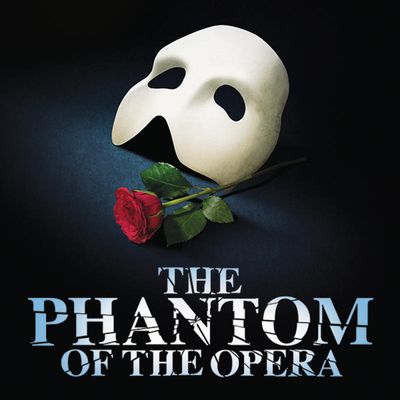
Back in September of this year, news came out that both shook and shocked the Broadway theater world: Phantom of the Opera will be closing and have its final performance in February 2023. After 35 years, the longest running Broadway show in history, this iconic show was going to be leaving the Majestic Theater for good. That closing date has since been updated to April 16th, no doubt due to the increase in ticket sales after that initial closing announcement, nonetheless the end of an era is near.
And my guest today has been on Broadway with this show for 15 years, and he’ll be sharing some fascinating and funny stories from his long tenure with Phantom of the Opera.
Jeremy Stolle and I first met doing Gaston at Disney World down in Florida. Now, if that sounds familiar to you, Will Swenson is another Broadway actor who’s been on the podcast, and he and I also shared Gaston duties during my time at Disney World, but Jeremy left Disney and came to New York a little bit before me, and during his years with Phantom has performed the featured part of Passarino in the ensemble, the supporting role of Piangi, and has also played the two leading roles of Raoul as well as the Phantom himself. We talk about what has kept him at the show for so long and the various opportunities, experiences, and mishaps it’s given him these past 15 years.
- Story #1: Phantom and the infamous swoosh
- Story #2: Raoul and the cheeky bow
- Story #3: Meeting his idol, Anthony Warlow
SUBSCRIBE TO WINMI
Bonus Episode: Jeremy talks about one of the many times he has auditioned for Gaston in Beauty and the Beast. Although, this time he tried a different take on the character, with hilarious results.
Get access to Audition Stories, the Final Five questions, and other bonus content by becoming a monthly or yearly subscriber to Why I’ll Never Make It. Producing this podcast is rewarding in its own way, but I’m essentially a one-man operation. So it is both costly and time-intensive to put together each episode. By subscribing you’ll be supporting these podcasting efforts, and have access to extended conversations and other bonus content. Your financial support of this podcast is greatly appreciated!
- Subscribe to get access to bonus episodes and extra content
- Make a one-time Donation to support transcripts and podcast production
- If you’d like to support WINMI but have limited funds to do so, then contact me directly for reduced-price or even free access to the bonus content.
Follow WINMI: Website | Instagram | YouTube
Why I’ll Never Make It is an award-winning, Top Theater Podcast hosted by actor and singer Patrick Oliver Jones and is a production of WINMI Media. Background music is by John Bartmann and Blue Dot Sessions is used under a Creative Commons Attribution-NonCommercial 4.0 International License.
Transcript
This transcript was automatically generated and might contain errors.
[0:30] Patrick Oliver Jones: Back in September of this year, news came out that both shook and shocked the Broadway theater world: Phantom of the Opera will be closing and have its final performance in February 2023. After 35 years, the longest running Broadway show in history, this iconic show was going to be leaving the Majestic Theater for good. Now that closing date has since been updated to April 16th, no doubt due to the increase in ticket sales after that initial closing announcement. Nonetheless, the end of an era is near. I've worked with many a performer who have never known a Broadway without Andrew Lloyd Weber and Phantom of the Opera. This show was the first musical I ever really fell in love with. I mean, that cast recording album has sold millions of copies.
I certainly played it ad nauseum in high school, and it was a big inspiration for me wanting to not only pursue theater, but actually set my sights on a Broadway career, which has yet to come to fruition. But my guest today has been on Broadway with this show for 15 years, and he'll be sharing some fascinating and funny stories from his long tenure with Phantom of the Opera.
[1:47] Jeremy Stolle: Hi, my name is Jeremy Stolle. I'm from Modesto, California. I currently live in New York City. I am a cast member and cover for The Phantom of the Opera on Broadway, and I tour the world with my very own personal Broadway band.
[2:01] Patrick Oliver Jones: Jeremy is actually the final guest for season six. And he and I first met doing Gaston at Disney World down in Florida. Now, if that sounds familiar to you, Will Swenson is another Broadway actor who's been on this podcast, and he and I also shared Gaston duties during my time at Disney. But Jeremy left Disney and came to New York a little bit before me, and during his years with Phantom, has performed the featured part of Passarino in the ensemble, the supporting role of Piangi, and has also played the two leading roles of Raoul as well as the Phantom himself. Now we talk about what has kept him at the show for so long and the various opportunities, experiences, and mishaps it's given him these past 15 years.
[3:52] Patrick Oliver Jones: Welcome, Jeremy. It is a joy to see you again. It's been a few years, but I'm so glad to have you on the podcast and get to talk about Lil Phantom today.
[4:01] Jeremy Stolle: Matt, I am so glad to see you. I appreciate you having me. It's a joy to catch up on our lives because I met you at the beginning of my career.
[4:12] Patrick Oliver Jones: Right. It's been 20 plus years now that we've known each other.
[4:16] Jeremy Stolle: Exactly. It's wild.
[4:18] Patrick Oliver Jones: Right, because we met at Disney World, both doing the part of Gaston in the 35-minute Beauty and the Beast.
[4:25] Jeremy Stolle: And so that was really toward the beginning of when you were starting out.
[4:29] Jeremy Stolle: That was my very first job. It was right the very day I graduated college, I started the job. And what's nice about it is neither of us look any older.
[4:40] Patrick Oliver Jones: We just look exactly the same, and I'm very happy about that.
[4:42] Jeremy Stolle: We are ageless, exactly.
[4:44] Patrick Oliver Jones: I know, that's right. That was a fun job, man. I think about it a lot. Do you miss those days of Disney?
[4:53] Jeremy Stolle: I do. I miss I really miss them because we would do the shows, and I don't know what we'd do two to three a day. And then we just had the rest of the day, right? So we had a nice apartment in Florida, and we had free reign of all of Disney. And so I think I covered every square inch of that entire campus. Everything. I took advantage of every moment I could in that place. And it was like being on a year-long vacation. It was a very cool job.
[5:27] Patrick Oliver Jones: And so was it from Orlando that you then went to New York, or were there things in between?
[5:32] Jeremy Stolle: I went back to California and taught choir in high school, if you can believe that.
[5:38] Patrick Oliver Jones: Yeah, tell me about it.
[5:40] Jeremy Stolle: That was also awesome. I loved it very much. Disney is not where I wanted to be. I always wanted to do Broadway shows, so I was very focused on that. And I had an opportunity to come teach at a high school for a little while. So I took the opportunity to go and I moved back to Modesto and taught for two years, and I waited tables at night and I scrounged and scraped together every dollar I could to move to New York. I was very focused. I look at that guy and go, man.
[6:11] Patrick Oliver Jones: Right. I remember my first few days, especially once I finally moved to New York. Yeah, like I was up at 6 a.m. I was at those calls, I was doing it, I was doing the one-on-one classes. I was busy my first two or three years here. What was it the same for you when you moved here?
[6:29] Jeremy Stolle: Oh, absolutely, yeah. It was that was back in the days when we would get a newspaper, right? Remember back to go through, right? We did the whole circle with the red pen kind of thing, and you stand in those lines and they were all over the city, and you had to kind of choose which is the most important or which one you can probably get into and kind of decide from there if there was an audition that day. It was a wild time. The 6 a.m. everybody standing in line with the face and a cup of coffee.
[7:00] Patrick Oliver Jones: Right, right. And just like, you know, leaning up against the wall, just getting a little nap as you wait for the audition to finally open up.
[7:07] Jeremy Stolle: Oh my gosh. If you were standing in those lines, you were definitely dedicated to this job to this industry.
[7:14] Patrick Oliver Jones: Yeah, I will say that I do not miss those days. It's very nice to do everything online now.
[7:20] Jeremy Stolle: Exactly. And for you, you have now been with Phantom for 15 years, which has been basically your life here in the city. And so what was it that finally propelled you into Phantom to start your journey with it?
[7:37] Jeremy Stolle: I tell you what, I struggled when I got here. I moved to New York with a hope, a dream, and a tube of chapstick. And I was booking things around town, not around town, but all over the US, little shows, three weeks, six weeks. It was a great time, but it wasn't a living. And then I got married, and I felt that I needed to provide. And I wasn't really, I was just getting by. And it wasn't really providing at the time. So I decided I'm not gonna do this anymore. And I decided I quit and I threw my audition book in the garbage and I was done. And I started going to school for graphic design, and then I got a call from Phantom, and I said, no, thank you.
[8:30] Patrick Oliver Jones: Oh wow.
[8:30] Jeremy Stolle: I've been in for you guys for like 10 years now, once a year, twice a year. If you don't know me, you don't want what what are we doing? What is this dance, right? So what my wife at the time said to me, Why are we in New York? Why do we pay these outrageous prices and struggle like this if you're not gonna go in for this audition? It's like fine, I'll go. And I went. So they basically they gave you the sides of every song and everything the Phantom sings. I didn't open the packet because I'd been singing it since I was 16. It's like, what do you want to hear? What tempo? What style? What kind of you know, like I knew everything. And they said music of the night, and I went in and I sang it.
And it was funny because they I sang it and they looked at me. But what so what was different in this audition was usually you sing for an assistant or somebody who's going through a great amount of people and picking out who they want to present, and I never got picked out. In this case, I was in front of the head conductor of England and New York, and then the head casting agents, and I stopped. I sang the song, and they looked at me and went, Wow, why haven't we seen you before?
[9:50] Patrick Oliver Jones: Don't you love that?
[9:51] Jeremy Stolle: Oh my gosh, I love it. I think the steam, I was able to not show the steam coming out of my ears, but it was rather frustrating. And then so after a week's worth of auditioning, I shifted gears and got that job, and my quitting didn't stick. So I then did a Broadway show.
[10:14] Patrick Oliver Jones: Well, I mean, Phantom of the Opera is one of those shows. I mean, obviously, it's been around Broadway 35 years now. And for me, I mean, I discovered when I was in high school, I bought the albums, I was obsessed with Michael Crawford, so I bought all of his albums. I mean, I was like into the show. It inspired me to be like, Oh, I can do this for a living. This is what I want to do. I want to be an actor, I want to go into musical theater and do this show one day. Did you have the same similar connection to it? Or what when did you discover Phantom yourself?
[10:43] Jeremy Stolle: That's a great question, man. I discovered Phantom in when I was 16, 17 in high school, which and that's when I started theater. I didn't know what theater was or if that was a thing at all. Like I kind of roped into it. But then I discovered Phantom interestingly because my uncle loved the recording of it, the soundtrack, and he was playing it in his car the whole weekend that we were hanging out. And he put it in at first, and I went, What is that? What is this? Oh my god, what is this? What are you listening to? It's Phantom of the Opera. What is Phantom of the Opera? What is that? By the end of the weekend, I had to have the book and the shirt. And so I loved it. I was I was that kid, and then I was told that people do this for a living, and that was it. I was in. It's like, okay, you can make a living at hanging out with your friends and singing and dancing. How where? Where do I sign up?
[11:44] Patrick Oliver Jones: Obviously, you took a few paths into teaching graphic design, but theater was your focus from then on.
[11:50] Jeremy Stolle: It was my focus, but it was I didn't have a lot of help. So I came from a family who doesn't do arts, music, anything like that. They didn't know how to guide me. My school didn't know how to guide me. There wasn't really a lot of people who have gone on to do it in my town. So I basically was like a big footed puppy walking around and knocking over everything and making every mistake and mess in the world. I went up to Sacramento to the Sacramento Music Circus, which also I didn't know what that was, but I went with a friend to see a show up there, and it was on a scale that I've never seen in my life. I was like, this is an epic scale of people here. I want to be in this. And I walked up to a guy that was selling the season tickets, and on the season for the next year was Les Mis. And I looked at him and I said, 'I want to be in that show. Can I audition for it?' And he looked at me and he laughed, like, 'Are you kidding?'
[12:48] Jeremy Stolle: And how old were you at this point?
[12:51] Jeremy Stolle: 18, 17, 18. Okay. I didn't know that tours came through. So he looked at me and was the head of music circus. He looked at me with this eyes, like, are you is this a joke? Like, where's the cameras? Are you kidding me? And he just realized that it was genuine, and I really wanted to be a part of it. So he goes, Okay. And he gave me the number to the casting director at the music circus. And I called and I said, 'I'd like to audition for Les Mis.' He goes, 'Well, you can't really audition for that, but we have a whole season. Would you like to come and audition in Sacramento?' Okay, sure, of course. So I did, and I found myself in the ensemble at the music circus the next year. It was ridiculous because I had no clue.
[13:40] Patrick Oliver Jones: Oh my god, sometimes ignorance is bliss, sometimes it's annoying, but probably in this case it was both.
[13:45] Jeremy Stolle: Right. Because if you know music circus, if you know their history and their prestige among regional theaters, you don't just walk up to people and you don't just walk up and go, Can I be in your show? And I did, and I did even worse than that. He gave me an appointment, and I said, 'Oh, cool, can I bring my friend too?' But you know, sometimes that as you say, ignorance is bliss, and so you don't have these preconceived notions of what it can be, so you're just going for it, which that kind of freedom can be great. And I think it is great. I think if I knew how silly I was or how naive I was, I don't know if I would have gone on. I would have been embarrassed, or instead of just like plunging through blind as a bat, just going for it.
[14:33] Jeremy Stolle: Crazy. So when you're in New York, then Phantom finally comes along. You get it. Was this Broadway debut everything you wanted it to be? Funny question, man. I don't know about you, but when I was younger, I always had this. Do you ever do the Tony speech in your head and how it's gonna go when you finally achieve that goal? Well, I always had the idea of that when I got my first Broadway show when I finally got the call that I was gonna basically run through the streets so happy, like, yeah, I did it, I'm here. And I actually was just like they called and they said we'd like to hire you. It's even worse. They called me. I went in the audition, it was for the tour, and they called and said, We're not gonna hire you for the tour, we'd actually like to put you in the Broadway show.
And to anyone else, that would have been the greatest news on the planet. I kind of put the phone down to my shoulder and went, Are you serious? After all this time, god dang it, this is whatever. Okay, yeah, that sounds great. Thank you. You were disappointed. I was like, This is how this goes down. This is how I booked my Broadway show instead of the 45,000 auditions I've been through in the last seven years. The one that I said no to because it there's no I don't know, but it took me a minute, maybe a half an hour, an hour, and it kind of started soaking in. And then I started calling my parents and they were excited. And so then it was all good. But at that moment, I did not run through the streets whatsoever.
[16:14] Patrick Oliver Jones: Right. It kind of had to sink in about what you actually had finally accomplished. And so that was 15 years ago. And it's you know, Phantom's been your home for a long time now. And I mean, for most Broadway performers, they hit a show maybe a year, you know, a few contracts, and then they move on to other shows. And but you, you've stuck with it. What has kept you at Phantom so long?
[16:36] Jeremy Stolle: Isn't that funny? Well, several things kept me there. Stability, because I've had a taste of struggle for a long time, and the stability was glorious. At first, I wanted to move on to the next thing, but then I really didn't want to take that risk. I want to just sit for a while, and then that became more of a while, and that became more of a while. I did get to leave. They're very nice about letting us go in and out of the show to do little projects. So I did leave and I did a big symphony of Music Man in California. I did the Hunchback of Notre Dame with Disney and their album. So I took a little stint for that. There's a few summers in Wichita, and that was fulfilling. I had my own concert while doing it.
So I kind of took that job and said, you know what? I'm gonna stay in here, create this stability and raise my two children that I had during the show, and then do side projects as long as they'll allow it. And I think this is a fine living for me. You go in and out of love with it, and there's there's a struggle and there's a mental mindset. It's not like you walk into the show every day and say, I'm super glad to be here. Some days are a struggle. You go, what's happening? Why am I doing the same thing every day for 15 years? But then some days you walk in and go, I've been doing the same thing every day for 15 years. And it's I don't know what kept me there was how could I not be there? What else am I gonna do?
[18:08] Jeremy Stolle: Well, also Phantom, as opposed to these other shows that only last two, three, maybe five years. Phantom has been there 35 years. So there is a stability that that show has had that most other Broadway shows do not have. So you can stay there year after year and feel like it's a home, it's your career is Phantom. I was offered other things, other shows, and either I didn't believe it would last, and then I would be right back at the bottom looking for another job, or I didn't like it as much. Like you, if you're gonna pull me from the show that I absolutely love, it better be good. And in some cases, I thought, I don't love that show. I don't know if I want to dedicate my life or my income to that, and I don't think it's gonna last.
And I was right, I watched so many shows load in and I watched them load right back out, and shows that passed me up too. I'd be in a final callback for a show, and it'd say, All right, well, you know, they didn't take me, and I'd watch them load in and I'd watch them load out. Bye bye, right? And I was in Phantom the whole time.
[19:15] Patrick Oliver Jones: Is there one of those shows though that had it worked out that looking back to be like that that would have been a good show to do?
[19:22] Jeremy Stolle: Huh. It's funny, there's shows that you go in for and you think I want to be a part of that, but then you go watch it and you go, Oh, yeah, they chose correctly. That's a great cast. That's a really good cast. No, I I can't right now I don't recall anything like that. I think there would have been a few projects that have been fun to be a part of, but yeah, like Light in the Piazza or all of the Rogers and Hammerstein shows that came out. Anything that a big sing show. I like those. Jacqueline Hyde, I would it's funny. I love Jacqueline Hyde, and I know it's people are very polar on that show. Either they you love it or you just really roll your eyes at it. And I love it. But it was here for so short of a time. I'm I think I would have maybe wanted to be in that one, but I'm glad that I didn't because that would have been a very short term of employment, which would have been sad.
[20:17] Patrick Oliver Jones: Very true, very true. Epic, but still, yes, sure. It's very short, yeah. Well, let's get to your first story that you wanted to cover. And this is, you know, obviously, Phantom of the Opera, the big title character himself is Phantom. And this is one of the times when you were Phantom, and one of the most iconic images of that is the big gondola ride. You know, he's taking Christine down to the depths, and you have the candles and the fog all around you. But in one of the performances while you're singing Music of the Night, an unfortunate incident happened during that gondola ride. Tell us about this.
[21:00] Jeremy Stolle: I can either confirm or deny the truth of this story, but had it happened, I can tell you. Oh, it's just tragic. It's one of those moments that to give you an idea of how this moment was. I went into the office after the scene, and the stage manager looked at me in absolute awe and said, I know I'm supposed to say something, but let's just bookmark this as an isolated incident and move on. I don't even know what to say. So as you described, the Phantom does take the girl. He grabs her through the mirror and he takes her down to his basement apartment to really impress her. And then they get on the gondola boat, and he's floating on the lake. If I'm trying to set up the scene without my body, it's interesting.
Candles come up to the floor and there's fog, and it's really spectacular. So we're on the gondola and we're doing the Phantom the Opera scene, and we stop, the boat turns around, and I say to her, sing, sing, and I was like, sing higher, sing higher, sing for me. She sings notes that dogs can only hear. It's a great scene, and then you get over to the music of the night, and it's a very cool, dark, mysterious song. It's slow and it's got all the dynamics and high and a lot of falsetto notes, and just the most beautiful setup ever. At the end of the scene, the Phantom reveals a mannequin dressed in a wedding dress, and the wedding dress then falls forward and she faints on the floor, right? So she's laying on the floor because that's her staging because she's fainted.
This is actually, this is one of the parts of the show that I have a problem with. When it gets tough, women just faint, right? It's like, oh my God. I have a daughter now. I'm going, This is not right. This is not right. Right. This is not what women really do. Yeah, that's right. They will fight. So she falls on the floor and she's fainted. So the Phantom goes to cover her with his cape and he walks over to the gondola where he's done this whole swoosh thing where he pulls off his cape and his hat, and it's just absolute showmanship with the cape, and he lays it so flat on the gondola. So he goes back over to pick up the cape, and he swooshes the cape over her on this musical cue, and it floats down in this perfect wave, like a feather falling on the ground, right?
And it covers her, and he says, Help me make the music of the night. And he points over to the left side of the theater to interestingly enough, an exit sign over on top of box four, whatever that's the music of the night, and it's a beautiful scene. But this night that I did it, we did the whole thing, and she faints, and I walk over to the gondola, and I pick up my cape, and I grab it with my two hands and I swooshed it like I'm supposed to on the music. Well, there's two little strings on the cape that wrap around our backs so that it will hold over our shoulders really tightly and secure. And I swooshed the cape, but those little strings wrapped around the pole that drives the gondola. And I tell you, there is not a magician on this planet that could have done what I did.
It wrapped around and I swooshed the cape, and it picked up the pole. Now, this is a wood dowel. It's a two-inch wood dowel. It's about six feet long. It's huge. But it picked it up and it sent it into orbit, right? It's flying across the stage like a helicopter blade in a perfect perpendicular, not perfect horizontal line across the stage. And of course, that pole could have gone in the orchestra. It could have gone over off the side, but no, of course not. Why would it have gone anywhere else but right at the girl who has fainted and has closed her eyes and is laying on the stage? This thing flies, and you see the audience's head go, whoa, as this is because I'm sure they think, like, wow, what's happening?
This is cool. Or yeah, or you know, the fans who know the show are going, right? People who know the show, they're like, this is not right. This is not, this is not the staging. So it flies over, and that thing clocks her on top of the head on a perfect, perfect hit. Oh my gosh. And it wasn't right right on top of her head. And I was stunned. I didn't know what to do. I had to go on with the scene, obviously. So I go over to her, and what we do is we bend down to her head and we adjust the cape over her, and then we sing to her and the audience and the sign, help me make the music of the night with that note of the note the whole time. I had to go sit down by her head. Most enterprises use disparate systems to manage spend.
The result a reactive manual approach. CFOs and controllers, you deserve better. You deserve a unified spend platform from Brex. Brex makes it easy to proactively control spend with cards, spend management, travel, and bill pay in one place. You can create budgets with controls built in, track and adjust in real time to keep teams accountable, and automate compliance to close the books faster. Ready to control your spend with one unified platform? Visit Brex.com in front of the audience, as if nobody just saw what happened and continue the scene. And I did, and her eyes, she was fluttering. She was in so much pain, and she was sitting there with tears in her eyes. And I was so embarrassed and so I went on with it because we're about to have a blackout.
And we sang it, and then there's the blackout, and it was a long blackout, I will tell you, because they had to go tell the understudy that she's gonna be on, and they took her and they took her into the office, and then they had to take her to the emergency room to get checked out because that's a head injury, and then we had to go on with the show, and it was the most unbelievable scene that you could imagine to even describe to describe it with you now. It's like how how would you ever come up with that concept? And then at the end, I went in the office and he's you know that he said, I I don't even know what to say. I guess. Like, how did that even happen? That exactly, but now I own a part of the staging because we, as the phantoms, we go over to the cave and we don't swoosh it from the boat, we pull it up, make sure the boat pole is not attached, walk away from the boat, and then do it. Then swoosh.
[28:20] Patrick Oliver Jones: Oh that poor girl.
[28:22] Jeremy Stolle: Yeah, yeah. I assume she was okay at the end.
[28:25] Patrick Oliver Jones: Yes, I was just about to say that. Thank you. Um, she she actually was just fine. Um, the doctors were you know cautious, but she she didn't have a terrible injury. It was just very painful at the time because she didn't even know what was happening. Her eyes are closed, laying on the floor, and clock, you know, just oof. But she's fine, her head's fine. She forgave me, and uh and I didn't get fired. That's the big takeaway. The second big takeaway that she's not hurt, and I didn't get fired.
[28:55] Jeremy Stolle: So at this point, how long had you been doing the role of Phantom?
[28:59] Jeremy Stolle: I must have been there seven, eight years by this point.
[29:03] Patrick Oliver Jones: Okay, so it was like rote to you.
[29:04] Jeremy Stolle: I mean, you knew what you were doing, so it wasn't, yeah, it was an absolute fluke, it, yeah, exactly. It was wow.
[29:11] Jeremy Stolle: I'm thinking about it now, and I'm having like a little bit of a my art. Like, oh god.
[29:17] Patrick Oliver Jones: When doing the role of Phantom, I mean, obviously, it's this iconic like worldwide character. Does that pressure ever come to you, or was that really toward the beginning, but now it's uh more settled than you?
[29:31] Jeremy Stolle: You know what? That pressure comes to me nearly every time. Because if it's not the audience has a great expectation, the sing the that sing through is is epic and it's hard, and not a lot of people can do it. A lot of people can do it, but not a lot of people can do it successfully and great, and so there's that pressure, and then the staging is so detailed that I get caught up in all the 5,000 things we have to do in the staging to correctly do the performance. But on top of that, my bosses are Andrew Lloyd Weber and Cameron Macintosh. And they can be in the audience at any time. So it is it's never like, yeah, I'm Phantom today. We're gonna be all right. Let's just have a good time. Every day is like I am taking this so seriously. It is it's iconic and it's large, and the expectation is so big that you you take care of that role like it's your mother's best china.
[30:43] Jeremy Stolle: Yeah, and and when it comes to your own performance, obviously, you know, as any performer, there are days when we're in great vocal shape, some days we're not. Is that a difficult role to navigate if you're not 100%?
[30:55] Jeremy Stolle: If you're yeah, exactly. If you're not 100%, that role is is rough, and you've got to warm up and you've got to relax and you've got to trust it. And uh, and you can't think about what's happening in act two where you have another 12 A-flats to belt out. You just you have to go moment to moment and relax because if you start getting yourself worked up, I think it you drain that stamina twice as fast.
[31:22] Jeremy Stolle: Yeah, because those last 13 minutes of the show, which are some of my favorite moments of the show, and when the climax and everything's kind of coming together for Raul and Phantom and Christine, that's a marathon there at the end.
[31:33] Jeremy Stolle: It's crazy, yeah. Uh, you get used to it though. I love that you used the word marathon because the show is a marathon, but you know, marathon runners get up and can do it, no problem, and then go have a beer and a steak and go back to work because they train for it and they practice and they're in shape for it. And that's that's when people ask why we rehearse so much, and I think that that's one of the big reasons, and it keeps us in shape, and we are ready on a moment's notice to do an epic role without fail. And I don't know what I want to say. That's uh it it's it's rough, but we are in great shape.
[32:21] Jeremy Stolle: That's what I want to say. We are in very good shape. I worry, I you know what's funny is the pandemic happened and we all came back to work. I don't think any of us realized how good of shape we were in because we came back to sing and we were absolutely struggling like crazy. Oh my god, this song is impossible, and it took a while to get back into shape and really just be able to rip it out like that eight times a week.
[32:54] Jeremy Stolle: The stamina of doing eight shows a week is certainly something that every performer has to train for and be able to maintain, but there is also a stamina for auditioning. Going in time and time again to sing 32 bars or perform a monologue or go through a scene with a reader or another actor. This takes preparation and constant readiness for whatever may come at you in the audition room. Now, this is especially true when it's a role that you have either done before or have auditioned for many times previously. You have to bring a fresh energy to it each time. Well, in this week's audition story, Jeremy talks about one of the many times he has auditioned for Gaston in Beauty and the Beast. Although this time he tried a different take on the character with hilarious results.
[33:44] Patrick Oliver Jones: To get bonus episodes like these, become a monthly or yearly subscriber and earn the title of Win Me Producer. You'll be helping maintain and sustain this podcast while also getting extra conversations with guests like Jeremy. Just go to why I'll never make it.com and click subscribe or look for the link in the show notes.
[34:15] Patrick Oliver Jones: Well, for story number two, we get to the other male lead in the show, Raul. And I believe this was one of the first times that you were doing the role of Raul. And there's a certain bridge jump that happens where Raul has to jump into this very small hole on the floor. And so on this particular night, it didn't really go exactly as planned. So describe this jump for us and why it's so nerve-wracking.
[34:41] Jeremy Stolle: Oh my gosh, the jump is it's a 15-foot jump from a bridge in the middle of the stage through the stage floor into the basement onto a crash mat. And as a Gaston, you do know crash mats because that ending scene is some directors want you to fall backwards on a mat, some down, but it's not the most comfortable jump of your life. It's a little unnerving because things can happen. Well, in this case, we have to jump through a cut in the stage about the size of a coffin, which you'll be in if you miss. And it takes a lot of skill to jump through that. They hire a stunt team to show you the stunt. And there's a lot of safety measures taken to make sure that we don't die. Um, but it still feels that way. Some of the guys love it, they jump and they go, Woohoo! They jump up from the thing from the bridge and into the floor. And I every time I put my leg over, I look out into the audience and and wonder if this is my last time.
[35:49] Patrick Oliver Jones: Now, do you go feet first, or is it like you start to go heart?
[35:52] Jeremy Stolle: Feet first, yes. You go feet first, and then you there's a line on the mat that you crash your heels to, and then you have to fall forward in into the mat. And then there's a hydraulic lift that brings you down to the basement because they they lift the pad up, and as soon as you hit it, the hydraulic lift uh lowers to uh take you out so they can close all the the doors. So I I looked over and on this night, my my very first night, I was so consumed with that jump, and I thought, oh god, man, this is this is rough. I it's fine, it's gonna be fine, it's gonna be fine. The whole night I'm singing and doing the show. All I can think about was the jump, and it came to the jump, and I looked over and I jumped into the pit, and luckily everything was fine.
So I was very happy, and now we get to the ending scene, and I am lit up because that part of the show is done. I'm like, this let's finish this, boys. My adrenaline is I it's at peak level at this point, and so if you've seen the show, you know that Raoul's in a noose at the end because the Phantom puts a noose around his neck so that he can he's stuck, and then he can yell at him and sing and they have their little trio. But I started noticing a bunch of people coming into the sides of the stage, uh offstage, and they're looking at me and watching the show. I'd been in this the show had been open 20 years by this point, and they're watching and they're smiling. And I I just couldn't help but be overwhelmed by the fact that the cast is watching from the wings after 20 years and supporting the new kid at this role.
It was really sweet. And more and more people came, and they're just with the big smiley faces. We got to the end of the show, and we're taking our bows, and the ensemble comes out, and they all in there are three lines. It's a huge ensemble. There's three lines of them, and then they split open the middle of the stage, and Raoul comes in and he turns the corner and walks straight up the middle of the stage to the audience. Well, I turned the corner to take my bow. And it was at that moment that I understood why they were smiling and laughing and having a great time because luckily I made that jump, but my pants did not.
[38:22] Jeremy Stolle: Wait, wait, all the way down to your leg, all the way down to the back of my knee.
[38:26] Patrick Oliver Jones: Oh my gosh.
[38:27] Jeremy Stolle: Like you didn't feel it.
[38:29] Jeremy Stolle: I annihilated these pants. Yeah, I didn't feel it because my adrenaline's just going nuts, right? That maybe there's a cold, cold draft or something, but I'm not paying attention. And they're laughing and laughing and laughing. And I don't know if you've ever had the pleasure of wearing these things, but there's like a dance belt involved with this costume.
[38:49] Jeremy Stolle: Oh boy. So I'm cheeks to the wind, dude.
[38:57] Jeremy Stolle: So I go out and I take my vow. And I'm smiling at the audience, and I'm smiling at the cast at the same time, right?
[39:09] Patrick Oliver Jones: Oh yeah.
[39:10] Jeremy Stolle: With your other cheeks, yeah.
[39:12] Jeremy Stolle: Oh my god. I mean, I leaned into it like in in the most literal way. I absolutely leaned into it and let them see my cheek, and they were just they were dying. The cast fell out. Like I'm not the only one it happens to.
[39:28] Patrick Oliver Jones: I'm sure. Well, how why were you not able to get new pants or change? Is it just because of the blocking and there's just no time or yeah, there's no time for it. There's that I had that one pair of pants at the time because this is my first show.
[39:40] Jeremy Stolle: Oh, right. Yeah. You get your one understudy clothes, and that's it.
[39:43] Jeremy Stolle: Yeah, that's all you hit. That's it. But now I have a spandex gusset in my in my pants so that it can take the force. So it can stretch with wherever you need to go.
[39:55] Patrick Oliver Jones: Oh my god.
[39:55] Jeremy Stolle: Yeah, it's it's a common thing for Raoul's because the the force of that jump is is is big.
[40:01] Patrick Oliver Jones: I can imagine, yeah.
[40:02] Jeremy Stolle: And and especially if you tighten up any, then the then you know it was it's got to stretch with you.
[40:06] Patrick Oliver Jones: That's right. It's gotta move with you.
[40:08] Jeremy Stolle: That's my gosh. Now, when it comes to performing Raul and Phantom, obviously these are the two male leads, and they're both after Christine, so that's where they what they have in common, but obviously they're different roles. How do you play both of them differently?
[40:23] Jeremy Stolle: Oh, well, Raoul's very entitled, and he kind of walks around the world like you're welcome. Hi, I'm Raul. You're welcome. Very Gaston, right? Uh and so you kind of drive drive the evening with charm and with entitlement. And it's just it's very you put your shoulders back and you you sing like you deserve everything that's happening to you and you go for it. And there's concern for her. There's moments in the show where you kind of um you're not as concerned for her as much as you just tell her how to be. I'm gonna fix you and I'm gonna be this. And on the opposite side of that, the Phantom is very vulnerable. He's he kind of puts on a front where he wants everybody to think he's put together, but he's absolutely 100% insecure.
And it's fun to play because everything that doesn't go the way he planned in his head takes him back, and he has to reassess the situation and try again and try this tactic and try this tactic. Where Raul, everything I say happens, and with Phantom, everything I say doesn't happen. And it it works really nicely when you have a nice partner on stage because when they know that they need to react for you so that the story can come out the way it's supposed to, it's it can be rather fun. But the the two parts are are vastly different, you're correct. They're both tall leading men, but uh the our our journey is is quite different.
[42:01] Patrick Oliver Jones: And is there one that you enjoy more than the other?
[42:03] Jeremy Stolle: Oh, Phantom all the way.
[42:06] Patrick Oliver Jones: Okay.
[42:07] Jeremy Stolle: Oh, yeah, yeah. There's oh, please. That's it's the title role of like the most successful musical of all time. There's not even a comparison.
[42:16] Jeremy Stolle: Um as as I advance in age, I I'm interested in in Raul less and less and less.
[42:24] Patrick Oliver Jones: Yeah, yeah. Like, has your I guess growth in either role changed as you say, with age, have you brought different nuances to both characters?
[42:34] Jeremy Stolle: Absolutely. Yeah. As as a Phantom, I've I've become more still and more uh uh more confident in knowing it doesn't take much to put out what you're saying. There's that I guess there's a stillness with age that I had to earn because I I went into the show as a young puppy and in that kind of way and very boisterous and and uh and now I'm I'm calmer and do everything with intent and purpose, and I think that that's uh that's a big howl thing. He was he always strive for that with the phantoms, and it took me a long time to learn it. And with age, it came naturally.
[43:20] Jeremy Stolle: Yeah, because there is a certain, I guess, manic approach that you can go at Phantom because he is these he's kind of desperate, he's trying to win her, it is he's a little crazy at times.
[43:28] Jeremy Stolle: So there is that, but as you say, it's really in the stillness that gives him his strength and power.
[43:34] Patrick Oliver Jones: Yeah, absolutely.
[43:35] Jeremy Stolle: There's when you're regal, if you watch people who are the English royal family, they don't waste a movement, they don't waste time, they just they know exactly what to say at all times. They kind of they shake your hand and nod and are very polite and move on to the next person in the best way, and then you get like rock stars who kind of approach everything, like what's up, dude. You know, and there's just this whole version of how those people approach life, and to be regal takes practice and experience, I think.
[44:15] Patrick Oliver Jones: Well, being with the show for 15 years, you've not only grown, obviously, in your role and your experience with it, but you've had a chance to meet and work with a lot of people. And so, for story number three, you wanted to talk about a certain performance that you got to have with one of your own idols, Anthony Warlow. What was that experience like?
[44:36] Jeremy Stolle: Oh my god, can you imagine? I didn't know he was gonna be a part of this. I do a lot of press stuff or press stuff. That's that's a real descriptive version there. Um, I do a lot of I go on the road and promote the show at huge conferences. Um, sometimes they have television spots, or they'll have in this case, they roasted the mayor at the end of the year. The press corps roasts him, and then he roasts them back. And so this is Mike Bloomberg, who has endless funds. So he hired four Broadway musicals to come in and do 15 minutes of each musical where he would star in it, and it was rewritten to roast the entire press corps. Oh my gosh, it was awesome. So he hired Nice Work If You Can Get It, Annie, Phantom, and Rock of Ages, and he did a little skit with each of these entire productions.
Um for me for Phantom, it was easy because they just sent it to Christine and myself. A lot of times, the reason I do it, by the way, is because the Phantoms have to do the show. I can go in and out of the show, and it's not as taxing to the people who paid to see the show as for the lead guy to leave. They're like, why is he not here? What we just bought the ticket for the show. Where's he? Oh, he's doing something else. Great, thanks, right? There's a stigma to it. So they have to keep him in the show. So I get to do the really cool stuff. And so I walk into the first rehearsal, which was at Gracie Mansion, which already was really cool. I don't know if you've ever been to Gracie Mansion, but it is it's a historic site, and it is kept up.
I think it's maybe against the law to have dust or anything dirty at this place. It's so immaculate. We walk in and we sit down. I'm like, wow, look at all these people. And then Warlow walks in. And I to tell you, I have my entire life, my entire theater life since I've discovered that I wanted to do this. I found this guy on the symphonic recording of Le Miz, and all I want to do is listen to this guy singing be him. And I bought every one of his albums. I had them all shipped from Australia. They cost me like 40 bucks a piece. And I was all day, all night, all Warlow. He walks in the room, and I start sweating. Like there's beads of sweat just pouring down my hair. And my conductor looks at me and she goes, What's wrong?
And I go, Anthony Warlow just walked in the room. Oh my god. Oh my god. Oh my god. And she looks at me and she goes, Oh my god, that's so cute. Do you want to go meet him? He's wonderful. It's like, what? What do I want to wait? What do you want to meet Anthony Warlow? Yes. I know. No, yes, no, yeah, no, don't, no, no. You know, and I absolutely was the funniest thing because she had put up the Australian production of Phantom, which to where he was the Phantom there. And she knows him very well. And she walks, Anthony, come here. I want you to meet Jeremy. I'm like, oh my god. And you know, I did the same thing. I'm sure every baritone on the planet does. I think you're the greatest. I wanted to be you when I grew up.
I did the whole thing because he had the whole stock answer for me because he'd done it so many times. And he was really sweet though. He hung out with me for two weeks and we just chatted and chatted and chatted and two weeks now. Oh, oh, oh, in rehearsing this bit or whatever. Yeah, we rehearsed okay because the mayor is very busy, so we just kind of over two week period, he had time that he carved out to do all this amongst running the city of New York, right? Yeah, he has other time. So, what was what was Anthony's role in this? How are you? He was Daddy Warbox, ah, right, right. So, and then we get to the finale, and I no kidding, they put me right next to Warlow. So he and I are standing in the finale next to each other.
I'm like, This is the greatest moment of my life right now. This is so awesome. And I just to especially to be the Phantom in front of Anthony frickin' Warlow was so real, but and it was awesome because I mean I got to know who he is. He's a jokester, and he's he's always on, he's entertaining people backstage, side stage, everything. He's got a joke for everything, and he's just constantly moving in his brain. What like Robin Williams kind of brain, right? He's just what's the next joke? What's the next joke? All right, all right. It was it was crazy to be around him, and I'll never forget it. Like to meet your idol is I don't know how many people get to do that, but to meet your idol and not be disappointed, I don't know how many people ever get to do that, right?
[49:42] Patrick Oliver Jones: Right, and have them be as wonderful as you hope they would be.
[49:45] Jeremy Stolle: Yeah, totally. It was wild. And you've also met a few other people, or you shared dressing rooms, you've been at these events, and two of them are Denzel Washington, huge, and Bryan Cranston. I mean, two amazing actors. What led you to meet both of these guys?
[50:02] Jeremy Stolle: Check this out. I saw I was doing the what they call the Easter bonnet. This is another thing. They wanted Hugh Panaro to sing the there's an ending anthem song that they do every year, and they hire a star to come in and do it. And he was sick as a dog, so I had to pinch hit for him. I had to come in and learn this song and sing it at the end. So I went in Hugh Panaro's place, so I get there and I get my dressing room, and my dressing room is I see on the door, Denzel Washington, Jeremy Stolle, Bryan Cranston's. Wow, are you kidding? I've been in this situation so many times now, I can't even explain to you. It's crazy, and it's because they want the Phantom, it's not like they're like, bring that Jeremy Stolle kid over here.
Like, bring the Phantom. So, you know, it's it. I get to be an iconic character amongst Titans of the industry. So I'm in the room and I'm sitting there and I'm just going over lyrics and I'm going over lyrics and I'm really working on it. And all the handlers bring in Denzel Washington. And I'm going, Oh my god, that's Denzel Washington. Cool, cool. And so I just continue. He's a little irritated at this point because they brought him in hours before they want him to go on. And he's got stuff to do, right? There's there's things going on in his life, and he's got to sit there for two hours before he goes on because they need to know he's in the building. And he looks at me and he goes, Man, did they make you come in early?
And I go, Yeah. Yeah, they did. I you know, I think they just really need to know that we're here and can't worry about that stuff. So that's kind of normal around here. And he goes, Yeah, that makes sense. So he's just sitting there, he's got his arms folded, and he didn't want to talk to anybody because he's just kind of working out his pain. And then this was during the time of Breaking Bad, right? I'm sitting on the couch, he's sitting on the couch on the other side, I'm leaving him alone. I'm because I'm assuming that everybody is always wanting to get to know him and talk to him. So I just I let I let him be, I let him be in his own thing. Brian Cranston walks in the door, and he looks over at Brian Cranston, and then some handlers came in to talk to him.
So he was he wasn't paying attention to us. I'm not kidding you. Denzel Washington leaped up from the other side of the room out of his couch, jumps next to me, grabs my jacket, and pulls me in towards him, and he goes, Yo, man, is that Cranston? And he is like, he is giddy, like like a high school girl who just saw Taylor Swift on the street, or so it was crazy, and he is absolutely trying to conduct himself and trying to pull himself together because he's so happy. He goes, Oh my god, oh my god. Okay, all right, all right, okay. And he watched him collect himself for a second and then walk up and introduce himself to Bryan Cranston because he was so blown away to be in the room with him. That is the moment I knew there's never an end. There's never you're never made it, you're never there because there's always something more. Like, are you kidding me? Just like you were with Warlow, he is now like fanboying.
[53:18] Patrick Oliver Jones: Yeah, exactly.
[53:19] Jeremy Stolle: He was so thrilled to see him. I was I can't I don't think that'll ever leave my head. It was it was that was neat to see. I've seen that several times actually in my life. Where big stars, you know, get all giddy around another big star. You get giddy or their insecurity comes out, or I shared an elevator with Brooke Shields, and she was absolutely just going on about it was for a Crest commercial, which I think she got. Um, and she's just sitting there and just going over the commercial, like, God, I hope I get it. I don't know what they're gonna they like me. I did this, and I'm I'm sitting there going, Oh my god, this is the future. Like, if you become Brooke Shields, this is you're still insecure about an audition.
This is this is this is my nightmare right now. It was crazy, nuts. But it's like there's comfort in it a bit because it's like, okay, even the big stars go through it, but then yeah, you're like, wait a minute. So I'm gonna do this 20, 30 years, reach a certain level of success, and I'm still gonna worry about it. And I'm still gonna be insecure. Oh my god, yeah.
[54:25] Patrick Oliver Jones: Yeah, that's kind of crazy that that that sort of nervousness excitement, I guess, that that never really leaves us. I guess because we care.
[54:33] Jeremy Stolle: Yeah, because it means something to us. That's that's what it comes down to. We we really care. You're putting on a product and you you take pride in it. It's you and you want you want to be good. And yeah. Amazing to see that happen on that level.
[54:45] Patrick Oliver Jones: Well, it gets back to what you were saying about the Phantom. As much as you've done it now these past 15 years, you're comfortable in the role itself, but there is always still that pressure of being the Phantom. So you have to you have to like step into it. You also at the same time, there's the pressure of that you give yourself or I give myself. I can't speak for everybody, but I want to be better every time. Every time I do it, I want to be better. And I want the next time to go even better and even better. And you're always striving towards perfection that you can never get to. Like space in the beyond. There's no end to it. But you just keep searching, you keep going.
[55:23] Jeremy Stolle: Yeah. I don't I don't know if anybody ever goes, I'm finally done with this role. I have completed everything I need to do. I've done it perfectly. No way. Stamp it, freeze it, cut it. Done.
[55:38] Patrick Oliver Jones: Well, this has been so fun to talk to you, Jeremy. Thank you so much for being on the podcast today. I've really enjoyed, you know, hearing stories that I didn't know about you, but also sharing in some fun moments that we've had together.
[55:51] Jeremy Stolle: Yeah, it's been awesome.
[55:53] Patrick Oliver Jones: Yeah, it's been fun visit. I feel like we just had a conversation at the local pub down the way, catching up, right?
[55:59] Jeremy Stolle: Well, well, yeah, we'll have to like do it for real, you know, with drinks in hand next time.
[56:03] Patrick Oliver Jones: So we'll I'm in thank you so much for joining Jeremy and myself today as we talked about all things Phantom of the Opera. I'd love to hear your stories as well. I mean, you must have your own connection with this long-running musical. Maybe you loved it, maybe you hated it. I just know that I would love to hear any experiences that you've had in connection with this iconic show. You can find me on Instagram or Twitter at winmepodcast, or just send along an email to why I'll never make it at gmail.com.
[56:42] Patrick Oliver Jones: Well, I'm your host, Patrick Oliver Jones in charge of writing, editing, and producing this podcast. Background music is by Blue Dot Sessions and John Bartman. And while this may have been the last interview of the season, there's still a couple of more extra episodes coming your way. So stay tuned next time as we talk more about why I'll never make it.
[57:25] ♪ Musical number ♪
© Broadway Podcast Network, All Rights Reserved