

As collaborative as theater can be, there are sometimes when the creative process can be more like herding cats—with no clear direction as everyone tries to get on the same page…hopefully. And that’s Broadway or community theater, a web series or major motion picture... Read More
From the show: Why I‘ll Never Make It
Guests
Featured Shows
About
As collaborative as theater can be, there are sometimes when the creative process can be more like herding cats—with no clear direction as everyone tries to get on the same page…hopefully. And that’s Broadway or community theater, a web series or major motion picture. I’ve certainly been in shows that started off a bit chaotic but got better as the cast and creative team could unify around a singular vision for the show. But today’s guest has a few stories about the various ways shows come together, some more successful than others.
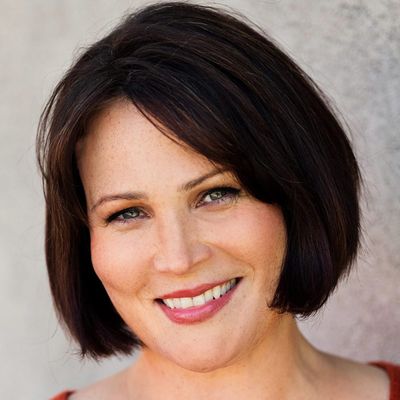
Lisa Howard began her Broadway career almost 20 years ago with a little show with a big name: The 25th Annual Putnam County Spelling Bee. Since then she’s gone on to originate roles in three other Broadway shows and will be talking about two of them in this episode. The first is 9 to 5, which she calls one of the roughest rehearsal periods she’s ever gone through, followed up by Escape to Margaritaville, a fun show for the cast that didn’t find as much fun here in New York City. And we end with a discussion of a topic that she says comes up in every interview--but for this podcast, she wanted to talk about it on her own terms rather than it being something someone else found brave or unusual.
- INTRO - performing in 42ND STREET at Goodspeed & what made SPELLING BEE so much fun
- STORY #1 - 9 TO 5's rough and challenging rehearsal process
- STORY #2 - Escape to Margaritaville was fun for the cast but not audiences
- STORY #3 - how being plus-sized is portrayed onstage and in interviews
Audio clips in this episode were used from Ghostlight Records and 2005 Tony Awards.
SUBSCRIBE TO WINMI
Get access to Audition Stories, the Final Five questions, and other bonus content by becoming a monthly or yearly subscriber to Why I’ll Never Make It. Producing this podcast is rewarding in its own way, but I’m essentially a one-man operation. So it is both costly and time-intensive to put together each episode. By subscribing you’ll be supporting these podcasting efforts, and have access to extended conversations and other bonus content. Your financial support of this podcast is greatly appreciated!
- Subscribe to get access to bonus episodes and extra content
- Make a one-time Donation to support transcripts and podcast production
- If you’d like to support WINMI but have limited funds to do so, then contact me directly for reduced-price or even free access to the bonus content.
Follow WINMI: Website | Instagram | YouTube
Why I’ll Never Make It is an award-winning, Top Theater Podcast hosted by actor and singer Patrick Oliver Jones and is a production of WINMI Media. Background music is by John Bartmann and Blue Dot Sessions is used under a Creative Commons Attribution-NonCommercial 4.0 International License.
Transcript
This transcript was automatically generated and might contain errors.
[0:00] Patrick Oliver Jones: As collaborative as theater can be, there are sometimes when the creative process can be more like herding cats, with no clear direction as everyone tries to get on the same page, hopefully.
[0:14] Patrick Oliver Jones: And that's Broadway or community theater, a web series or a major motion picture.
[0:20] Patrick Oliver Jones: I've certainly been in shows that started off a bit chaotic but got better as the cast and creative team could unify around a singular vision for the show.
[0:30] Patrick Oliver Jones: But today's guest has a few stories about the various ways shows come together, some more successfully than others.
[0:38] Patrick Oliver Jones: It's always hard doing a new show because it's always changing.
[0:42] Patrick Oliver Jones: You know, you've got four new joke lines and a set of new lyrics, and you gotta do them that night.
[0:48] Patrick Oliver Jones: You know, for me it's much easier to put in a new line than it is to put in a new lyric.
[0:53] Patrick Oliver Jones: If I get a new lyric, my brain wants to explode.
[0:56] Patrick Oliver Jones: Lisa Howard began her Broadway career almost 20 years ago with a little show with a big name, The 25th Annual Putnam County SPELLING BEE.
[1:07] Patrick Oliver Jones: Since then, she's gone on to originate roles in three other Broadway shows, and we'll be talking about two of them in this episode.
[1:15] Patrick Oliver Jones: The first is Dolly Parton's Nine to Five, which she calls one of the roughest rehearsal periods she's ever gone through, followed up by Escape to Margaritaville, a fun show for the cast that didn't find as much fun here in New York City.
[1:33] Patrick Oliver Jones: And we end with a discussion of a topic that she says comes up in every interview.
[1:39] Patrick Oliver Jones: But for this podcast, she wanted to talk about it on her own terms, rather than it being something someone else found brave or unusual.
[1:52] Lisa Howard: Because you often get pigeonholed, and that's all you're seen as, which the industry is changing because now you see more and more people of all shapes and sizes, and it doesn't have to be talked about.
[2:05] Lisa Howard: They're just people.
[2:11] Patrick Oliver Jones: Welcome and thank you for joining me for another episode here on Why I'll Never Make It, an award-winning theater podcast hosted by yours truly, Patrick Oliver Jones, an actor and singer for more than 30 years.
[2:24] Patrick Oliver Jones: Every other week I talk with fellow creatives who bring us stories from their own life of personal struggles and professional hardships with lessons we can all learn from.
[2:35] Patrick Oliver Jones: The website is whyillnevermakeit.com, where you can subscribe, donate, and find past episodes.
[2:43] Patrick Oliver Jones: Again, that's whyillnevermakeit.com.
[2:55] Patrick Oliver Jones: Welcome, Lisa Howard.
[2:57] Lisa Howard: You're already laughing.
[2:58] Patrick Oliver Jones: You're already laughing at me.
[3:01] Lisa Howard: It's so good to see you.
[3:03] Patrick Oliver Jones: It's so good to have you on my podcast.
[3:05] Lisa Howard: I thank you for being here.
[3:07] Lisa Howard: My pleasure.
[3:08] Patrick Oliver Jones: Now, you and I, we just got through. This was a few months ago. We just got through with 42nd Street, and I mean we had a blast.
[3:16] Patrick Oliver Jones: And now we never actually got to share the stage together.
[3:19] Lisa Howard: We were never really in a scene.
[3:22] Lisa Howard: I don't think so.
[3:23] Patrick Oliver Jones: We crossed like ships in the night.
[3:26] Lisa Howard: Yes, yes.
[3:27] Patrick Oliver Jones: Backstage.
[3:28] Patrick Oliver Jones: Well, in fact, there was one time when as you were making your entrance, I had to leave.
[3:32] Lisa Howard: Yeah.
[3:32] Patrick Oliver Jones: So that was pretty much, yeah, that was it.
[3:36] Patrick Oliver Jones: No, I really do think you because you weren't in the group numbers.
[3:39] Lisa Howard: No, your character, no.
[3:41] Patrick Oliver Jones: Yeah, but I mean, you had an absolute blast with that.
[3:44] Patrick Oliver Jones: I mean, you have a fun character with Maggie, who's just this no-nonsense, fun-loving gal.
[3:50] Patrick Oliver Jones: So right in, right, it seems to fit your personality, that kind of character.
[3:55] Lisa Howard: And I think because Randy took the show in a more, I want to say more grounded, real place.
[4:04] Lisa Howard: I definitely feel like that's a little more me.
[4:06] Lisa Howard: I mean, I can be the big walk-a-walk out to the audience, you know, and there is a little bit of that just written into the character, but I really liked just playing her as a real person, just kind of having that freedom to be natural and not have to feel the pressure of like being shticky, you know.
[4:25] Patrick Oliver Jones: But I think it totally worked too, because a lot of productions of 42nd Street are very, you know, over the top in that way.
[4:33] Lisa Howard: Well, yeah, it's that show within the show, and so most people focus on the show part, you know, and just try to give that razzle dazzle jazz hands to everything.
[4:41] Lisa Howard: But really, the show part, we only had that one little quick thing.
[4:45] Lisa Howard: Most of my stuff was Maggie outside the show.
[4:48] Patrick Oliver Jones: Exactly.
[4:49] Patrick Oliver Jones: Now, 42nd Street, at least our production, it has a possible future potential, where it's gonna go, we don't know.
[4:57] Patrick Oliver Jones: Have you been in a lot of shows that kind of had that uncertain future?
[5:01] Lisa Howard: Sure, most definitely, starting with SPELLING BEE.
[5:05] Lisa Howard: First, I did it as a workshop for no sense, up in the Berkshires, and it was just, you know, you had to do it because I was like, oh, this is a new William Finn piece.
[5:16] Lisa Howard: Yeah, of course, you know, but who knows?
[5:18] Lisa Howard: And then we ended up going to Second Stage literally just months later for like a very small production in the cafetorium at the school, and then we went right to off-Broadway, and then we went right to Broadway.
[5:31] Lisa Howard: So it was like crazy fast, but none of us knew it was coming each time.
[5:37] Patrick Oliver Jones: So it was great.
[5:39] Lisa Howard: You know, the producer of 42nd Street, he was definitely in touch with us saying, hey, I'm trying to do this.
[5:45] Patrick Oliver Jones: Was that made aware to you during SPELLING BEE?
[5:48] Lisa Howard: They would come to us and say, you know, like middle of the run, oh hey, we're going here, you know, great, there's gonna be production.
[5:57] Lisa Howard: And then, you know, middle of the run, they told us we were then going to off-Broadway.
[6:02] Lisa Howard: And then we found out we were going to Broadway, you know, but it was very fast each time.
[6:07] Lisa Howard: It was, you know, it wasn't waiting around at all.
[6:09] Patrick Oliver Jones: But from the very beginning, it was never really known what its future was going to be, really.
[6:14] Lisa Howard: No, like literally from the winter of 2004, when there was just an outline of a sketch from an improv show that some of the cast had done to Bill Finn writing songs and where they're literally workshopping it to the next year rehearsing for Broadway.
[6:31] Patrick Oliver Jones: Wow.
[6:32] Patrick Oliver Jones: All those steps in between.
[6:33] Lisa Howard: Yeah, it was crazy.
[6:34] Lisa Howard: Like it never, you know, it never happened like that.
[6:37] Patrick Oliver Jones: Well, through that entire rehearsal process, did it have that kind of improv feel, as you said? Did it continue to shape and mold itself?
[6:41] Lisa Howard: Totally.
[6:45] Lisa Howard: Oh, yeah, totally.
[6:46] Lisa Howard: Especially more like we'd be in the workshop and we would do something in rehearsal, and the next day it's in the script, you know.
[6:54] Lisa Howard: And a lot of what I had to do was come up with stuff for the guest spellers.
[7:01] Lisa Howard: And so we would try out new ones in the room, and you know, they kept getting more and more ridiculous.
[7:07] Lisa Howard: Because you know, in a rehearsal room, you're trying to make the people in the room laugh.
[7:11] Lisa Howard: So it just got more and more ridiculous.
[7:14] Lisa Howard: And then we had some young students who were like intern writers too, and they would give us stuff, and we would try it, and sometimes they bombed it.
[7:22] Lisa Howard: You know, but we would do that during the whole run, really.
[7:26] Lisa Howard: Try out new things.
[7:27] Lisa Howard: Even if we like looked over at a speller and they had some crazy shirt on, we'd be sitting there when the lights were low on us trying to come up with something new to say about that particular person.
[7:37] Lisa Howard: You know, so sometimes they were only one-offs, and we never used it again, or it either killed, or sometimes you'd be like silence, and I'd be like, and that was the kids on the bench.
[7:49] Lisa Howard: That was when they would laugh the hardest on the they'd be like, we would do it and do it just bomb, and I'd be like, we are still missing a speller.
[7:57] Lisa Howard: Would Mr. Al Sharpton please join us on stage?
[8:04] Lisa Howard: Thank you.
[8:04] Lisa Howard: Take your seat.
[8:07] Lisa Howard: This is the cast of SPELLING BEE performing at the 2005 Tony Awards with Lisa as Rona, Jay Reese as the vice principal, and special guest speller, the Reverend Al Sharpton.
[8:20] Lisa Howard: Mr. Sharpton.
[8:23] Lisa Howard: This fall, Mr. Sharpton will run for class president on a platform of racial equality and macaroni and cheese.
[8:32] Lisa Howard: Your word is dengue.
[8:35] Lisa Howard: Denky.
[8:36] Lisa Howard: Could you give me the definition, please?
[8:39] Lisa Howard: It's an infectious disease transmitted by mosquitoes and characterized by headache, joint pain, skin rash, and severe diarrhea.
[8:49] Lisa Howard: Could you use it in a sentence, please?
[8:52] Lisa Howard: When the pediatrician asked Billy to describe the symptoms of his dengue, he said, it's like there was a race out of my tushy, and everybody won.
[9:04] Patrick Oliver Jones: That has to be so fun to have a show with that much freedom and spontaneity and newness every performance.
[9:11] Lisa Howard: Oh, yeah.
[9:12] Lisa Howard: And it was a one act.
[9:14] Lisa Howard: There was no intermission.
[9:15] Lisa Howard: It was like a 90-minute show.
[9:17] Lisa Howard: Start to finish, boom, you got it.
[9:19] Lisa Howard: Every show was different, you know, like it was great.
[9:22] Patrick Oliver Jones: Now, with that being your very first Broadway show, I mean, it sounds like I've never been on Broadway, but it sounds like that's a very different kind of experience for a Broadway show.
[9:32] Lisa Howard: Oh, I think so.
[9:33] Lisa Howard: A lot of times, you know, it's in development and working for, you know, sometimes 10 years or something before something actually hits the stage, let alone get the Broadway run.
[9:42] Lisa Howard: Or, you know, it just this one was very unique in that way, and that it was such a huge hit.
[9:48] Lisa Howard: You know, we won the Tony for best book, Dan Fogler won for best actor.
[9:54] Lisa Howard: Like it was awesome.
[9:57] Patrick Oliver Jones: Well, that leads us into the first story that you wanted to talk about, which deals with Nine to Five, another show that had its own pre-Broadway run.
[10:06] Patrick Oliver Jones: You know, where is it gonna go? How's it gonna get there?
[10:07] Patrick Oliver Jones: And you say that that rehearsal process for Nine to Five was actually the most difficult of any show that you've ever done.
[10:15] Patrick Oliver Jones: And you say that the creatives were constantly disagreeing, and you would scrap a whole day's work, you would start over.
[10:21] Patrick Oliver Jones: Now, this is a musical based upon a popular movie, and so it had a script, it had a story.
[10:30] Lisa Howard: I mean, we were working with amazing people.
[10:32] Lisa Howard: Joe Mantello directed, Andy Blankenbuhler was the choreographer.
[10:36] Lisa Howard: We had amazing people in the show, but I think maybe it was stylistically wise.
[10:43] Lisa Howard: No one really knew, but we would do learn, take all day and learn a whole big group number.
[10:49] Lisa Howard: Andy would choreograph and everything.
[10:51] Lisa Howard: And then at the end of the day, Joe would come in and he'd be like, bing, bing, bing, bing, bing, bing, bang.
[10:56] Lisa Howard: And then it was scrapped.
[10:58] Lisa Howard: And then we would literally start over.
[11:01] Lisa Howard: And Anne Hirata was in this.
[11:04] Lisa Howard: And on numerous occasions, she was like, I'm done.
[11:06] Lisa Howard: I'm quitting.
[11:07] Lisa Howard: I'm quitting.
[11:08] Lisa Howard: Like she was about to quit so many times.
[11:11] Lisa Howard: Because it was just so frustrating for everyone.
[11:14] Lisa Howard: So like I just think they just weren't agreeing on how it should look and how it should go.
[11:21] Lisa Howard: You know, and I mean, obviously, eventually they did, but it was a constant do and redo.
[11:26] Patrick Oliver Jones: Which sounds like a workshop, really.
[11:29] Lisa Howard: But it was during the rehearsal process.
[11:31] Lisa Howard: We were in, it was that way when we were rehearsing for being at the Amundsen, which was our out of town run.
[11:40] Lisa Howard: I mean, during tech, they're doing lights, we were in the lobby changing stuff, rehearsing in the lobby.
[11:48] Lisa Howard: There was one time when they couldn't agree on this one number.
[11:51] Lisa Howard: And so we had a show, couldn't do it.
[11:54] Lisa Howard: We went out, stood still and sang.
[11:57] Lisa Howard: Wait, wait, wait.
[12:00] Patrick Oliver Jones: Oh my God.
[12:01] Lisa Howard: Because they couldn't, we didn't know what to do.
[12:04] Patrick Oliver Jones: Wait, wait, so during the show, this happened.
[12:07] Lisa Howard: So you just like previews.
[12:09] Patrick Oliver Jones: Oh my gosh.
[12:09] Lisa Howard: Stood out there and sang and then left.
[12:12] Patrick Oliver Jones: That is crazy.
[12:13] Lisa Howard: It's like instead of doing something, do nothing, stand there, sing, and get off the stage.
[12:19] Lisa Howard: For that particular number, it was challenging. I mean, we were having fun while we were doing it, but eventually everyone's, oh my god. So finally, come to Broadway, we had more changes, more changes. Then there was trouble with the lighting designers; they weren't liking what they were doing. They ended up hiring a new set of lighting designers. The LED screen in the back was a problem and way over budget. Well, yeah, because this was at a time where that wasn't as common as it is now. Oh, it was like one of the first. We were all like, you know, this is cool, but it was expensive. So I think there were a lot of hurdles in that way. The set itself had this big ginormous hole in the middle of the stage that the desks would come up.
We had an accident during tech; Mark Kutish thought the crash pad was there, jumped, and it wasn't. I mean, he killed himself. He didn't, but you know, and Mark was like, "Well, I didn't die because I know how to fall." I mean, it's true. He rolled and lived; he was all bruised. I mean, it was a lot. But once the show was finally up, it was really fun. It's a great show, you know.
[13:43] Patrick Oliver Jones: Did that only start on Broadway, or did you start to have fun even out of town?
[13:47] Lisa Howard: Oh, we had fun out of town too, except for the one number where we were like standing there. Now, I read in interviews that Dolly Parton, obviously, this was her first musical, and so she was kind of trying her hand at this, but at the same time, she said it was a wonderful experience for her. So when you write for musicals, you've got a little more freedom to write basically what you think the character's feeling and knowing, and however that turns out, it can be longer, it can be shorter. So it actually got to be fun. And I had fun just being all the different characters.
[14:21] Patrick Oliver Jones: Was she a part of that day-to-day rehearsal process?
[14:24] Lisa Howard: She wasn't there every day, but she was there a lot. And I don't want to paint such a negative picture; it was fun. I mean, we were working with Dolly Parton. Like, it was great, you know, but comparing rehearsal processes, this process was the most difficult. During tech, she would make us fudge and hand it and give us all like homemade fudge. She would be backstage as we would come off. You know, you go to your gondola, you change into your robe, and you go up to your dressing room, and she'd be there giving everybody high fives. "Great job," you know. I mean, I was like, "Dolly Parton, oh my gosh, how fun that must have been."
[15:05] Lisa Howard: Yeah, so it was great. And Nine to Five is a movie that everybody knew, you know. Like, it's fun. We had Allison Janney, Stephanie Block, Megan Hilty, Mark Kutish. I mean, that's a fantastic cast. Now, each of those people, they're known for their voices, strong voices, except probably Allison Janney. You know, she's from the TV world. So, was that taken into consideration as they doled out songs and duets and working those numbers?
[15:33] Lisa Howard: I don't think any of the songs she had to sing were exceptionally difficult. No, like the big power ballad, of course, that went to Stephanie Block, and Megan had some really sweet songs. But Allison had her fair share of songs, but they weren't terribly rangy or anything like that, you know. And I think, you know, for being not really a singer, I think she did a great job.
[15:59] Patrick Oliver Jones: With this particular production, since you were in the ensemble, and there's obviously these big stars up front, was there that distinction, or did it really feel like an ensemble, everyone working together?
[16:10] Lisa Howard: If I recall, I never felt, you know, I was in the lowly group or anything. It was definitely working together. Like, I was in the ensemble and I played Missy Hart, the boss's wife, you know, just a little bit part. So I had scenes with them. There was never that atmosphere of us versus them, which I know I've heard some shows can be like that, but no, I don't remember ever feeling like that.
[16:35] Patrick Oliver Jones: Because by this point, you'd done SPELLING BEE, you've done South Pacific. In fact, you left South Pacific to come do Nine to Five, right? Was it a different process being for Nine to Five being an ensemble again? Whereas in SPELLING BEE, you felt like you were a bit more part of things.
[16:51] Lisa Howard: Honestly, you always think, "Oh, in my first Broadway show, I'm gonna be in the ensemble; I'll be second tree from the left or whatever." Having made my Broadway debut in a principal part, that was amazing. Then going into South Pacific at Lincoln Center, it was such a prestigious production to be a part of. It wasn't like, "Well, now I can never do ensemble because I've been a lead," you know, because that's a thing. Once you get a certain number of credits, like you can't go back. But I wasn't at that place yet. It was my Broadway debut. Because I was the head nurse in South Pacific, and that's definitely an ensemble part, but you know, it was such a prestigious show, and we got to work at Lincoln Center and work with Bartlett Sher, and it was fine. Then moving from that ensemble to the next ensemble, it just made sense. It was a parallel move; it wasn't necessarily stepping backwards, you know.
[17:51] Patrick Oliver Jones: What led to your decision to choose Nine to Five over staying with South Pacific?
[17:56] Lisa Howard: For one, I wanted to work with Dolly Parton, because that's cool. And two, when I was in South Pacific, when I was originally cast, I thought that my role was simply head nurse. That was my ensemble track, and that's great. Two weeks into rehearsal, stage management comes up to me and they're like, "Oh, and by the way, you're gonna be covering Bloody Mary." I laughed. I thought he was joking. And he was like, "No, I'm serious." I was like, "Agent, I'm lost. I had to cover Bloody Mary, and I didn't want to go on." Because this doesn't scream Bloody Mary. I was like, I had to have dialect coaching. I was like, "I'm gonna offend someone." I mean, now it wasn't as woke a period as it is now, but even back then, I was still like, "Wait a minute, that's not quite right."
[18:57] Lisa Howard: Not quite right, yeah. And this was, you know, back in 2008, and I was like, "I don't want to do this." I had rehearsals; I was ready if need be, and if the time had come. Did you ever go on? Nope. The person who replaced me, Liz McCartney, she looks just like me. She had to go on. Now, thank goodness I was a second cover; thank goodness. I was like, "Oh, I got another show. Great. I'm out." Even though I would have loved to have stayed with South Pacific longer, but another show came along, another credit, work with Dolly Parton. I was like, "This is a no-brainer."
[19:39] Patrick Oliver Jones: Now the reviews for Nine to Five were mixed, but not necessarily horrible. And of the ones that I read, they would criticize some elements of the direction or set design, you know, whatever. And when I saw it, that was pretty much my experience. I could nitpick little things, but overall I enjoyed the show. It's an enjoyable show because the music is great, the performances were great. Was there a sense that that enjoyment of the show was going to carry the day rather than these negative reviews?
[20:05] Lisa Howard: Totally. Well, we thought we have stars, we have a really fun show, we have a known entity in Nine to Five. It's, you know, people know it and love it. And, you know, it was very disappointing. Plus, we're also in the ginormous theater of the Marriott Marquis, which is notoriously difficult to fill those seats anyway. You know, you start seeing those sales decline. And knowing the producing team having been, I think, over on the set and lighting budget, and ticket sales not being what they would have wanted, I think they pulled the plug.
[20:46] Patrick Oliver Jones: When did you find out? When did the cast find out that it was going to be closing?
[20:51] Lisa Howard: Well, I think, you know, we opened in the spring, and I think it was towards the end of the summer. So it lasted longer than some of my other shows.
[21:04] Patrick Oliver Jones: How did they present the closing? What was their reasoning behind it that they gave you?
[21:09] Lisa Howard: Oh, well, they don't give you a reason. You just get a company meeting, and they tell you the show is closing. You don't get—there's no explanation. No one sits you down and shows you the numbers, and here's a nut. Here's a little pulling in; you've got to pay the embedded. They don't tell you any of that, you know. You just sit and pray every week, and you look at the numbers going down, and you're like, and then you get that meeting, and everyone's like, "Oh man," you know.
[21:33] Patrick Oliver Jones: So was there a sense of seeing it coming, or was it a surprise?
[21:37] Lisa Howard: Yes. I think people were seeing it coming, definitely.
[21:40] Patrick Oliver Jones: And so what was that closing night like?
[21:43] Lisa Howard: It's always bittersweet. You know, like you do. But it was fun. And you obviously always bond with a new cast, and everyone, you know, you get to miss each other, and but that's that thing. Everyone, you always kind of have a foot out the door anyway, looking for that next job. And so it was like, "Well, sorry, guys. Oh, this was, you know, we hoped it was gonna last, but say la vie."
[22:20] Patrick Oliver Jones: We're about to head into Lisa's second story where she talks about Escape to Margaritaville. And then after her third story in this episode, that'll be the end of it for you. But you should know that this conversation doesn't end there. For WINMI subscribers, they not only get early access to these episodes, but they also get the full conversation with guests like Lisa, where she talks about her audition for SPELLING BEE and answers the final five questions.
[22:49] Patrick Oliver Jones: This full episode and other bonus content are available to those who become a monthly or yearly subscriber to Why I'll Never Make It. Though I certainly enjoy producing this podcast, I'm essentially a one-man operation. And it is both costly and time-intensive to put together each episode. So for just a few dollars a month, you'll not only support these podcasting efforts, but you'll also get to hear extended conversations with guests that you won't find anywhere else. So please consider lending your financial support to this podcast with a monthly or yearly subscription by going to whyillnevermakeit.com and click subscribe or just look for the link in the show notes.
[23:39] Patrick Oliver Jones: Well, that takes us into the next story, which was a few years later, but this was Escape to Margaritaville. And you actually thought that this was going to be your golden ticket. I mean, you got Jimmy Buffett music, you have the built-in audience, you have a fun story, and your out-of-town run was actually pretty great. And this out-of-town run was rather lengthy, especially for a Broadway show. It started at La Jolla Playhouse in San Diego, then went to New Orleans, Houston, and Chicago. Now, was the show being worked on through all of these various cities?
[24:13] Lisa Howard: Yeah, definitely. You know, little tweaks here and there, new jokes, new this, you know. It was a fun, silly show with music, you know, and great choreography, you know, fun costumes. You're on an island and the volcano erupts. I mean, it's just fun. Now they had to make up the story. It's not like Nine to Five where they had an existing. They had to make up a story around his music. Did that story continue to change, or did it stay kind of set once you were involved?
[24:41] Lisa Howard: It definitely continued to change, like through the workshops, through the out-of-town runs. You know, we had these characters who were like island zombies kind of. Um and those definitely morphed over the time. You're like, what is this? Who are they? You know, sometimes songs were replaced or you know, like you do in a rehearsal. But it was a really fun show. Just fun and funny, because um our writers also were TV writers too. And so I thought the comedy was hilarious. It was just a lot of fun. You know, you think that is a built-in audience of years and years of fandom for Jimmy Buffett music. Now it wasn't the story of Jimmy Buffett. They took his songs and made a show like Mamma Mia, how they took Abba's, made a story about it, you know, because let's be real.
Mamma Mia, fun show. Is it a great show? No offense to anyone who wrote it or was in it, but it's fun. And everybody loves the music. It is fun, it's silly. There's a romance story, and you sing, everybody sings at the end in fun costumes, right? And was that kind of the template thinking this is another Mamma Mia in that vein? Right. I mean, the writers weren't thinking that it was its own thing, but you know, in my mind, it certainly is in that category. And I personally thought it's a better actual show than Mamma Mia. So I was like, this is great. I'm gonna ride this one, right it on out. I mean, they're gonna have to kick me out of this sucker, right? You know, this is what I'm thinking.
You know, I was like, I got my own dressing room. I'm here at the marquee again. It's at the Marriott Marquee. I should have been wary. And uh because we obviously closed much sooner than I had anticipated. And I think it was your first year in a show. Success is based on the New York audience. And then the tourists pick it up once they've heard about it and heard good reviews, and then that's you know, your second year and beyond tourists, really. And the New York audiences were not about it. They were like, in any on tour, it did great. You know, I just don't think the New York audience was in love with that. And they I think they went in kind of like not ready to not like it, you know.
[27:07] Patrick Oliver Jones: Well, it wasn't just Jimmy Buffett music. I was reading it's a list of songwriters and other songs that were included. Do you think that that helped, you know, bolster Jimmy Buffett's music or distracted from it?
[27:19] Lisa Howard: You know, I don't know. It was mostly his, and maybe he collaborated with somebody on a certain song, but it was, you know, like that was the feel of the show. That island vibe is five o'clock somewhere, you know. You got a beach ball, beach balls dropped from the ceiling at the end. Come on. That's fun. I mean, that reminds me of SpongeBob. They had beach balls too. So maybe that's a clue. Like, if your show involves beach balls, think twice. Maybe that's it. But you say you had a fun time, and I've certainly had that too, where it can sometimes be funner on stage for the cast than it can be for the audience watching it. Do you think that that's what happened? Or maybe, maybe you had to know what it was. Like, am I saying this was a great piece of theater? No, it was escapism, literally.
[28:13] Lisa Howard: Exactly. And so if you go into it with an eye of, I want to be moved, well, you're not going to enjoy yourself. Go get a margarita and come and laugh and see great dancing in costumes and funny jokes and stuff like that. I just think, you know, sometimes it's at the wrong time for the audiences. Like I bet if they had come after the pandemic, it might have done better because people are just like, I just need to escape, you know. Something. Give me something. Yeah. Right. It reminds me a lot of like Joseph and the Amazing Technicolor Dreamcoat. It's just one fun song after another. It's not meant to change the world. It's not meant to, it's just fun, silly songs done in a kind of tongue-in-cheek way.
Yeah, you know, and you're like, do you know your Bible history? Here we go. Right. And I mean, kinda. I mean, it's sort of kind of right. You recognize some names and maybe some stories. Right. Yeah. Um, so yeah, I just think it was the wrong timing, and we were all just like, what? Still, I don't, I don't get it, you know.
[29:16] Patrick Oliver Jones: So comparing Margaritaville, that rehearsal process out of town to nine to five, you would say that you enjoyed Margaritaville that process a lot more.
[29:26] Lisa Howard: Oh, yeah. Oh, yeah, it's totally fun. Now, even though it was still changing, what do you think was the difference between the two?
[29:34] Lisa Howard: Oh, probably just the energies in the room. It's just whoever's the mix of people, I think. You know, because it's always hard doing a new show because it's always changing. Yeah, like when you're in previews and stuff and the writers come to you, you know, and you've got four new joke lines and a set of new lyrics, and you gotta do them that night. I mean, that's never easy. You know, it's for me, it's much easier to put in a new line than it is to put in a new lyric. If I get a new lyric, my brain wants to explode. It terrifies me. But a new line, I don't know why, but my I'm like, okay, great, got it. You know, I don't know. Um, but it's a different way of processing. You just kind of have to go with your gut, because sometimes when you're in a long run or something that's already established, and people say no the lines or know the material, it's a lot of different feeling, you know, when you're in a show and it's something that's already set and established, and you're going in and doing it as compared to like you're literally creating this now. It's a new thing, and you're just kind of going for it.
[30:42] Patrick Oliver Jones: But that's exactly what you did with SPELLING BEE. That was very new and you know, changing all the time. But that came more from you rather than these creatives giving you things.
[30:51] Lisa Howard: Yeah. Yeah. Well, and also, you know, the creatives too. But I have to say, I am very blessed, very lucky to have been in five out of my six Broadway credits, are new shows. I've only had to go in and replace once, and that was in um Priscilla. You know, so that's just go in and look, here's the choreography. Here's your songs, go for it. It's really such a different experience when you are putting up a show for the first time.
[31:21] Patrick Oliver Jones: Now, you mentioned those New York audiences and kind of turned their nose up at it. Was that a surprise based upon your reaction audiences out of town?
[31:33] Lisa Howard: Totally. We got great reviews. And of course, there's some mix in there too, but for the most part, it was a hit. People liked it. It was funny, silly, great music. Beach balls. Margaritas.
[31:48] Patrick Oliver Jones: So when it comes to the closing of Margaritaville, did it kind of seem inevitable once the reviews came out, once audiences weren't really taking to it, did it and the writing was on the wall.
[32:01] Lisa Howard: Yeah. You know, we're like, come on, Jimmy Buffett, can't you just float us for a while? I mean, you know, he probably has the money to do it, but of course he's not going to do that, you know. But yeah, of course, especially when you've been in the business as long as I have and you're like, oh here it comes. You could just see it.
[32:19] Patrick Oliver Jones: Was Jimmy Buffett a part of that process? Was he more involved?
[32:23] Lisa Howard: A lot. Yeah. He was there. He was there a lot. I mean he wasn't there daily in the rehearsal room, but he was there a lot. And sometimes um he would come and do the bows and finale with us and he'd come out and sing a song and we'd all sing with him and it was a lot of fun. We got to hang out and go out and you know really get to know him and his band and he invited us when they go play at Jones Beach and they oh every year it's a huge concert. We came and sang on stage with him and it was awesome. You know like so we really got to know him and his crew and yeah it's a lot of fun and Void is he's a smart businessman right?
[33:00] Patrick Oliver Jones: Right, right.
[33:01] Lisa Howard: He's not just creative. He also has the business smarts.
[33:04] Patrick Oliver Jones: And for this closing night it actually wasn't your last time to perform it right the few days later you got to do something in Washington DC.
[33:12] Lisa Howard: Yeah. We had already been booked I guess we got to do the Fourth of July celebration in front of the Capitol. So that was really way to go out with a bang, you know?
[33:22] Patrick Oliver Jones: Right, right. So you had your closing night on the first, I believe, and then the fourth came, and you was like, Well, this is actually closing, I guess.
[33:30] Lisa Howard: Yeah, yeah. I mean, and we just did a couple of numbers, but yeah, that was our really the way out. So that was kind of fun.
[33:37] Patrick Oliver Jones: Did the whole cast come back for that?
[33:39] Lisa Howard: Yeah. Oh, yeah. I mean, it was a couple days later. So we were like, sure. Why not? Why not? I could use the money.
[33:46] Patrick Oliver Jones: Now, for this closing night, was it just as enjoyable? You know, obviously bittersweet again.
[33:51] Lisa Howard: Yeah. You know, especially when you're like, I'm not gonna see these people every day again. You know, you make the best of it. And we had kind of all felt it coming for a little while. So, you know, you're geared up, you're ready to say your goodbyes. And plus, we knew we were gonna see each other in Washington and get to do, you know, get to do it again. So, yeah, we still have a text thread that people say, Happy birthday to everybody. People share stories. Oh, someone got engaged, you know. Like we have a text thread that we still keep in contact with everybody. We still have one for my SPELLING BEE fam, too.
[34:28] Lisa Howard: Oh wow, okay.
[34:29] Patrick Oliver Jones: Yeah, and texting was relatively new back then, yeah. So we've all kept in touch, and like Dan Fogler sent us the most hilarious, like New Year's or was it New Year's or Christmas? Just being goofy, you know, just sent it to everybody. Um, so there's a lot of connection in that way. You know, you get really close when you spend that much time, and you know, you get really close, and then you're like, okay, bye. It's not like people who have a regular job and they're at that job for 10 years and they see the same people, you know. Like you're at a job, you're lucky if it's months, if it's years, whoa, you're really lucky, you know. So it's just a different thing. People come in and out of your life, and there's just a handful that you really still keep in touch with.
[35:24] Lisa Howard: So for story number three, you wanted to talk about being a plus-size lady in the entertainment industry, and how that's really not for the faint of heart, because just keeping at it and you hope that you never have to take roles where your weight is really a part of that character. And what was the first role where that was a part where weight was a central aspect of the character?
[35:48] Lisa Howard: I actually think because SPELLING BEE, it was not South Pacific, it was not nine to five, it was not, which is amazing. Then came It Should Have Been You, which was great. I mean, it literally was like the main plot point, which it's fine because it was very much so pertained to that story. Poor Jenny, sweet Jenny, such a pretty face, but how you eat Jenny, I swear there's not a man you couldn't date, and you lose some weight. But then after that came Escape to Margaritaville, which it was again part of the story. And I was like, this cannot be a theme. I have to just be a person. Like, you know, because you often get pigeonholed, and that's all you're seen as, which the industry is changing because now you see more and more people of all shapes and sizes, and it doesn't have to be talked about.
They're just people. Because it was almost like the elephant in the room. Like, if there was somebody in a leading party, if they were heavier and you didn't mention their weight, it was like awkward or something, or they felt like they had to justify why you were there or in the story.
[37:02] Lisa Howard: It was very strange. And it just is difficult to be a part of that too many times, where you know, like you have to talk about it. It's, you know, because people go around their whole lives and they're just people, you know. Um, can't they just be whoever and not have it be an issue that needs to be spoken about or joked about or laughed off or something? So I feel like that is changing, which is a good thing. And I would think, and just from looking from the outside, that that is more an issue when it comes to a plus-sized woman versus a plus-sized man.
[37:45] Patrick Oliver Jones: Totally.
[37:46] Lisa Howard: Yeah. And you know, it just depends on the story, and it did, but so many interviews I've had, and people bring it up like, wow, you know, you're a plus-sized look, and you're still doing this, you know, and you're like, yeah, I don't know. I'm just me, and I've always looked this way, and I'm just doing theater, you know. Like I realized was it was it almost like a questioning? Like, how can you do this and be plus-sized? Yeah, all of it, any question you can imagine, or something, and also I'm tall too. I remember when I was in my early on in my career, my agent said something to me like, the conundrum that is Lisa Howard. Because if you're short and heavier, oh, best friend role, or if you sound a certain way, or you know, you're the funny gal, or um, but I was tall and curvy and pretty, people were like, I don't get it.
Do you know it's like it was a very like the conundrum that is, you know. So I mean, honestly, and there really aren't roles written for that, whatever that is, you know. So I really did just kind of forge on, being like, well, I don't know, I'm just doing it. Everyone's like, what roles are you interested in? I'm like, well, there's nothing really written for me. You know, eventually I'd love to play Mama Rose in Gypsy, but you know what I mean? Like, I don't know, you know, because there is nothing. So that's why I was so glad to have come across a character like Rona. She's just a person who happens to look a certain way. And so then once I started getting into the show about, you know, the main plot point is talking about your weight, and then the next one to be, I was I almost didn't take Margaritaville because I was like, when I was doing the workshops, they were a lot more like literal fat jokes.
And I was like, I can't. It's an I it that's too much, you know, and they toned it down. But in the end, I mean, I got the guy, and you know, he was like, I don't care, you know, it was good, and but when we first started the show, I was like, this is a lot, this is an extreme. Can we not make it bad? Like, oh, it made everyone in the room uncomfortable.
[40:02] Patrick Oliver Jones: Well, you're fine.
[40:03] Lisa Howard: Yeah, I mean, because it's yeah, whenever you're pointing out someone's physical characteristic and it's kind of the butt of a joke, that can be funny and you can do it lighthearted, or it can be very awkward and uncomfortable because I you're like, I'm right here. Yeah, it's I'm standing here. And in the room. Because I had another guest on a couple of seasons ago, and he was a heavier set gentleman who then eventually lost some weight, but during his heavier phase, he was often he had a brother who was also bigger, and they would do a lot of fat jokes or things that were centered around them being bigger. And so he was fine with that as long as he was the one in charge of where that joke went. But a lot of times it was just, okay, well, you need to get up now, and then you need to fall on your face because that's funny. You know, it was like put upon him, like because you're bigger, we're going to put you in these situations.
[40:55] Lisa Howard: Exactly. Yeah. So it's just it has definitely been a challenging part of my career, and I've had to talk about it in every interview known to man. And you're like, well, now you brought it up here. I didn't know.
[41:09] Patrick Oliver Jones: Of course.
[41:10] Lisa Howard: Well, that's but that's purposely because you were talking about what's a challenge or what has been a challenge in, you know, in this industry, and you know that being one of them. So I know I brought it up, but only because like everybody asks you about it, and you're like, huh. Okay. You know. I mean, I'm trying to think through like, yes, yeah, someone who's bigger stands out from someone who's skinnier, but I would also say that in reverse, someone who's really skinny stands out from someone who's so why do you think that your size is such an issue or has been such a focal point?
[41:47] Lisa Howard: I think because it's still the last like taboo thing in our society, and it's still something that people think it's okay to make fun of someone about. You know what I mean? There's so many things that are PC, and that but I have to say, in the last, you know, the culture is shifting most definitely, but it's it was still something that people are shunned for, ashamed for so many things about it that when you are on stage, for one, everything's exaggerated when you're on stage. So me being tall and big, like I'm a big presence on stage. I can't tell you, I cannot tell you how many people see me on stage and then meet me afterwards, and they're like, oh, you're like normal size. On stage, you look like a giant.
You're like, bless you. Bless you. I realize that. I've heard that literally after every show. Like someone will meet me at the stage door. And I'm five eight, you know, and they'll be like, oh, you're just like normal. I'm like, yeah. Yes, I am. You know, when I go to the grocery, nobody looks twice at me. Do you know what I mean? Like, if I'm out, no, you know, I'm it's not like crazy, but on stage somehow it just magnifies everything, you know. So people are always like, oh, look at that.
[43:09] Patrick Oliver Jones: And how has this messed with your own perception of yourself?
[43:14] Lisa Howard: Um, it would necessarily say messed with it, but there's always gonna be baggage from especially growing up in the time I did of having what do I out what's a good way to put it, weight issues, or you know, like not being necessarily the healthiest weight. And I don't know what's the best way to put that, but like I mean, I've literally been that type my whole life. So it just is who I am. And then there's some parts where you're like, well, if it's so wrong, it does make you feel like, okay, well, there's something wrong with me then, you know, because I've never been this other thing. It's not like I was thin in my youth and then gained a bunch of weight. You know, like I kind of look the same.
There was a period, especially when I was having babies that I was a little heavier. And so that I've lost, you know, I'm back down to where my I was, you know. Um, so yeah, I don't know about like necessarily messed with me. I could see if I was once like felt muscles and all that, and then I changed, I can see if that would really mess you up. But I'm like, I don't know. It's literally always been what I've looked like. You know, when I was younger, of course I was thinner. And I'm like, God, I wish I still looked like that, but it's been still in the same ballpark, you know. So I can't really say that it's completely something's completely shifted. It's just I am who I am. And maybe that's why I've just been able to been like, well, I don't know.
I'm just gonna do what I do. And somebody's gonna cast me in something, you know, which is obviously proven true. Let me knock on some wood, because you never know when your life still's gonna be, right? So I don't know if anything really if it definitely shaped, but you know, being in society and having all those negative messages around what that means to be heavier, you know, because for someone who's never struggled with it, they just think you're lazy or have no willpower. And it's not necessarily the case.
[45:21] Lisa Howard: It's not what it is, really, you know, like everybody just processes things differently, or it's what your family patterns and all of that stuff. Like there's so many things that go into it. And so there's definitely still a, I feel like in society in general, looking down up, you know, someone, if you're not this, well, you must you're doing something wrong. You're lazy, or you know, you're ignorant, or you just don't have any willpower, and therefore you're somehow less.
[45:51] Patrick Oliver Jones: And does that perception, does that tend to just kind of roll off your back and you're able to keep going? Or do you fight against it and get angry at it? How do you respond?
[46:00] Lisa Howard: No, I definitely don't get angry. I don't really fight against it, but there have been times, I guess, for me it kind of is what it is, but I also I think it has had me set expectations of I know what the industry is, I know what they're going to cast, and I know I'm not gonna get that role. I haven't been like, oh my god, I really I could do that role. I'm like, sure, I probably could do it really well, but I know I'm not gonna keep casting. So I'm gonna go for that role. You know, I just you just have to be smart about it. Like if you know what the industry is, and you know if I look like a giant on stage, I'm not gonna catch at, you know, like you just have to be smart about it because that's is what it is. Now, granted nowadays, in the past several years, casting and people in general are having a broader vision of what it's okay to look like, which is great.
[47:02] Lisa Howard: Which is great. So I have to say I most definitely felt a shift in that story. What was it? The last show Bonnie Milligan was in. She was the lead character, and it was never mentioned, she just was who she was. Fantastic. You know, like she just was she was just a person, and she just happened to be that character.
[47:26] Patrick Oliver Jones: Exactly.
[47:26] Lisa Howard: You know, and it wasn't a plot point. Thank God. I anticipate more things like that coming. Because there are so many people, and especially, you know. I think even with fashion, people are, you know, people are just being more accepting of different people and different bodies and different genders and all the things, you know. So I think we're on the right path.
[47:51] Patrick Oliver Jones: Well, this has been wonderful to talk to you. I love just talking to you and laughing with you, so I really appreciate you coming on the podcast.
[48:00] Lisa Howard: This was very fun. Thanks for having me.
[48:06] Patrick Oliver Jones: Thanks for listening to Lisa Howard and me today. And remember, you'll get early access to future episodes by becoming a WINMI subscriber. But I never want finances to keep anyone from this bonus content. So if a monthly or yearly subscription isn't possible for you, then please contact me at why I'll never make it at gmail.com, and I'd be happy to offer you a reduced price or even free subscription. There's also an email link you can find in the show notes. Well, until next time, I'm your host, Patrick Oliver Jones, in charge of writing, editing, and publishing this podcast, which is a production of WINMI Media. Background music used in this episode is by Blue Dot Sessions and John Bartman. Be sure to join me in two weeks as we talk more about why I'll never make it.
© Broadway Podcast Network, All Rights Reserved