

A look back at the year that was unlike anything we hoped for or would ever imagine. Still, this podcast had its good moments and a plethora of fantastic guests. Here's just some of what you'll get in this end-of-the-year episode: Broadway Makers Alliance & Helium Radio Networks... Read More
From the show: Why I‘ll Never Make It
Guests

Featured Shows
About
A look back at the year that was unlike anything we hoped for or would ever imagine. Still, this podcast had its good moments and a plethora of fantastic guests. Here's just some of what you'll get in this end-of-the-year episode:
- Broadway Makers Alliance & Helium Radio Networks
- Season Recap and Top 5 Guests
- My two favorite episodes
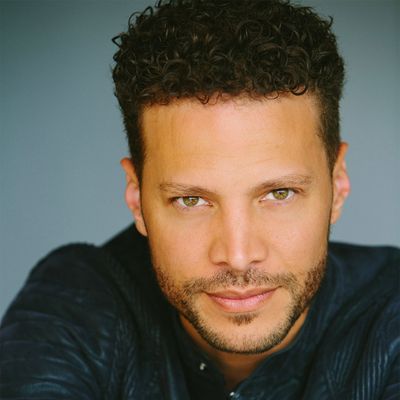
- Season 5 Preview with Justin Guarini
- Final Five questions with Sammi Cannold
- Members-Only episodes
Follow WINMI: Instagram / Twitter / Website
Donate to WINMI and gain access to members-only bonus episodes.
WINMI is a Top Theater Podcast thanks to you - blog.feedspot.com/theatre_podcasts/
Transcript
This transcript was automatically generated and might contain errors.
[0:00] Patrick Oliver Jones: Welcome to this year's Look Back episode. I mean, when we started this year, I mean, how many of us knew what this year was going to turn into? But suffice it to say, there have been some good things that have come out of this year. And so today's episode is going to look back at a few of those things as well as give you the final, final five of the year. Thank you for joining me here on Why I'll Never Make It. I'm your host, Patrick Oliver Jones.
[0:36] Patrick Oliver Jones: And 2020 just seemed to be one of those years where with each passing month, something new came along that completely upended the way business was done or the arts or health-related matters. It was just one of those years. And COVID has certainly been the number one story of the entire year, even more so than the presidential election, which was big enough in and of itself. But I think COVID had the biggest impact on that as well. Not only in who we voted for, but in how we cast our vote.
[1:19] Patrick Oliver Jones: And that was COVID. And I thought that maybe we were going to hear about it, read about it, but not actually experience it ourselves. However, we got it. But fortunately, we have mild symptoms. So his is a bit more, I guess, stereotypical of COVID, whereas mine just feels like the flu. And as far as how we got it, our assumption is it goes back to a trip that we took to the Bronx Zoo the Wednesday before Christmas. So that would have been the 23rd. And little did we know how hard it was to get to the Bronx Zoo. There's no really direct path there. The subway doesn't go there. You can only take buses. And as forward-thinking, as aggressive as New York has been in trying to tamp down and lock down quarantine, you know, keep people from gathering together in big places, there is one place where they have not enacted such precautions, and that is on their buses.
[2:31] Patrick Oliver Jones: We were actually in one of their elongated bigger buses, and it was just chalk full of people. So that is where we assume we got it. Because other than that, we may walk around our neighborhood, but not come in contact with really anyone outside of this apartment. So what was a special night, a great night of seeing the holiday lights there at the Bronx Zoo, unfortunately is probably what gave us COVID. So I have to be honest, when it comes to this look back episode, which I do on the anniversary, the birthday of this podcast every year, I almost didn't want to make one. It's like, well, let's look back at 2020, COVID. Thank you. That's the end of the episode. But there have been some good things when it comes to this year. So I wanted to share at least a little bit of that and celebrate the silver linings, the actual good things that have come about in 2020.
[3:34] Patrick Oliver Jones: Two great connections that I've made this year came about by joining the Broadway Makers Alliance and the Helium Radio Networks. Those are two good things that have happened to this podcast as it continues to grow and impact other communities. Broadway Makers Alliance is basically a conglomerate of podcasters and retailers and service providers that are geared toward the arts community and its workers and its performers and its theater lovers, and they have been a great source of support for me over the past couple of months in being a part of this crew.
[4:15] Patrick Oliver Jones: Helium Radio Networks is actually something that I discovered going to the podcast movement, that annual conference for podcasters. And with Helium Radio Networks, it's basically another outlet that they have about 250,000 listeners each month to their network. And so it just gave this podcast another voice and another place to share our message here. One of the unexpected surprises actually occurred about two weeks ago. As you know, there are many different podcast apps, like of course, Apple Podcast being the biggest, Overcast, Google Podcast, Spotify, of course. But one that I recently joined is called Ghana, and it is a podcast app specifically for India. It takes a specific application to be on their server.
And once that was accepted, it's kind of crazy how downloads shot up. I mean, that's a huge potential audience. And in just the last two weeks, my downloads from India have surpassed all of my other downloads from other countries. It's a nice little boost there and gave me my highest daily download ever for the podcast. Sometimes downloads can come from unexpected places. So welcome, India to the podcast, and thank you for listening.
[5:43] Patrick Oliver Jones: Season four also marked the first time this podcast has gone straight through from January to December, releasing an episode each and every week. Now I must admit it was a little tough from time to time, but I made it through and had some wonderful guests along the way, especially once COVID came along. In some ways, it was easier to reach out to guests and bring them on via Zoom and record those conversations. As far as the top five episodes or top five guests that have appeared this season, Lisa Goldberg far surpasses all of them. She is actually the first episode to reach a thousand downloads. So thank you, Lisa, for bringing your insights and wisdom onto the podcast and for resonating with so many listeners.
[6:34] Patrick Oliver Jones: Number two is Tiffany Coyne, co-host of Let's Make a Deal. Now, just from the sheer size of her fan base and social media following, I knew that she was going to create a lot of buzz, and that certainly happened both on YouTube as well as just regular podcast downloads. In the third slot is my good friend Douglas Sills, who was Gomez Adams on our Adams Family National Tour and has been on Broadway for 20 plus years. I absolutely loved our conversation, and just so much wisdom and heart came out of that conversation. Number four is Jason Odell Williams. He's a playwright, and I took part in his play called Church and State that was off Broadway a couple years ago. And so bringing him on was a chance to pick his brain about the various work that he's done, not only as a playwright but even as a producer in television.
And rounding out the top five is Abigail Rose Solomon. I specifically talked with her about co-producing The Prom on Broadway, but she's an actress herself and has been a part of the production team of other Broadway shows as well. So these five guests have certainly led the way this season in bringing new listeners to the podcast as well as informing and engaging the steady core audience of this podcast.
[7:56] Patrick Oliver Jones: As for me, two episodes that stand out are ones that deal not only with the content but also the production that went into it as well. The first was the American Sign Language episode that I did back in February. This featured two sign language interpreters that were on Norwegian cruise line and did our show Footloose, and it was the first time that I had ever had or seen interpreters for a cruise ship production. I really loved the fact that they're bringing theater to deaf and hard-of-hearing audiences. So while the interview was engaging and very insightful when it comes to sign language, the actual editing and production of it is what really laid the groundwork for the remainder of the season.
In the fact that rather than letting an interview play from beginning to end straight through, with that episode, I interjected little nuggets of information or clarification of things that we talked about in the interview. And it is that structure that I utilized in interviews going forward. It's a part of editing and putting together the episodes that I've certainly enjoyed, and I hope you've enjoyed it as well.
[9:07] Patrick Oliver Jones: The second episode that meant a lot to me this year was my tribute to Alvin Ailey. Now, the man himself is an absolute master of dance and choreography, and I love the American dance theater that he has created. And so I had interviewed Alvin Ailey dancers and was going to be featuring them during the summer. But then George Floyd and his horrific death happened in front of the whole country, in front of the whole world. And it really changed conversations. There were podcasters that took off for a week or two and didn't release any episodes. Posting on social media even took a pause. And there was a lot of conversation and a lot of focus on black authors and writers and speakers and those talking about their experience.
From that incident and the listening I was doing on my own, I was inspired to take a deeper look into the life and work of Alvin Ailey. So I compiled interviews from the three artistic directors of the Alvin Ailey American Dance Theater. I weaved together music, interviews, and biographical information to create a short 15-minute episode. And that tribute to Alvin Ailey was my very limited but artistic way of addressing the very real and heartbreaking and frustrating incident of George Floyd's death.
[10:36] Patrick Oliver Jones: My interview with Chris Eli Black was a particularly poignant conversation of a black writer sharing his own personal and artistic experience. And it's the kind of conversations I look forward to having more of going forward. And speaking of the future, season five begins January 13th. I'm very excited about the first guest that's gonna come right out of the gates, and that is Justin Guarini. He certainly came to prominence as the runner-up in the very first American Idol, but has gone on to do television and theater, and is absolutely just a class act fellow, and it was a joy to talk to him for a couple of hours.
[11:21] Patrick Oliver Jones: Yeah, absolutely. Absolutely. And In Transit holds a very special place in my heart, not only because it was a show that I got to originate the role in, but it was a show that hearkened back to my days in high school when me and seven or eight other guys got together and we formed a group called the Midnight Voices. It was a male a cappella group, and it's so like here I was oh so many years later getting to be in Broadway's first a cappella musical. So I was like, yes, this I want yes, we are doing this, I can't believe it. But it is, was, and forever will be the most difficult show I have ever learned. So that is something to certainly look forward to January 13th, 2021, the beginning of season five.
[12:22] Patrick Oliver Jones: So, with all that being said, I now want to give you the final final five of the season. This is with Sammi Cannold, who is also the final guest of the season. As a director, she's done some amazing work and she walked us through her own experience in South Korea as she saw how theater was being done in a very safe and effective way when it came to COVID precautions and protocols.
[12:48] Patrick Oliver Jones: It is certainly something that theater here in the US should be learning from.
[12:54] Patrick Oliver Jones: But as you know, the final five questions deal with topics and subject matter that we didn't discuss in the main conversation.
[13:02] Patrick Oliver Jones: And Sammy and I kind of go off in some different directions in this one. So without further ado, here is Sammy Cannold and the final five.
[13:13] Patrick Oliver Jones: All right. Well, now we are here at the final five questions. Number one, if you could have any other job outside of the arts, what would it be?
[13:22] Sammy Cannold: I've thought about this a lot this year, especially. Haven't we all? Um I know this has been like like when I came up with these questions, COVID wasn't even a word. So it's become much more relevant now.
[13:35] Sammy Cannold: That's funny. Um I would produce the news, I think.
[13:41] Sammy Cannold: Oh, okay. I would like work for CNN. Um, like anytime I watch like newsroom or the morning show, I'm like, oh, that looks so fun. Like, and and and the speed and the intensity of it is similar to working in theater.
[13:55] Sammy Cannold: So um and it's telling stories. It's all about research, getting it right, and telling it story.
[14:01] Patrick Oliver Jones: Exactly. So, you know, who knows? Maybe a year from now, I'll be working at CNN. Who knows?
[14:06] Sammy Cannold: Who knows? Yeah, that that that may be the only job we can do, you know, when on camera, or is or is you know because the news is thriving.
[14:14] Patrick Oliver Jones: So all right. Number two, you you mentioned quite a few shows, but is there a bucket list show that you that you still hope to do?
[14:24] Sammy Cannold: I mean, you you mentioned the opening ceremonies. Would that be like your top goal to do one day?
[14:29] Sammy Cannold: Yeah, a hundred percent. It's I mean, I've I've watched all of them uh back to 1992, um, and like have charts on what I love most about each one, and like, you know, I mean it's like it's it's really a hardcore life goal.
[14:44] Patrick Oliver Jones: Now, what is it about that say as opposed to producing the Tony's or the Oscars, which is still within the arts, but yet, you know, a sporting event. What is it about the Olympics that captured you so much?
[14:55] Sammy Cannold: Well, I think it's mostly the skill set of theatrical direction, right? Because um, you know, like Glenn Weiss, who um directs the Tonies and the Oscars, you know, he really comes from a live TV background.
[15:08] Sammy Cannold: So most of the work that he's doing is like calling camera shots um and you know, figuring out the programming of the evening. To me, directing the Olympic opening ceremonies is like dreaming up the patterns of how a thousand people are going to form themselves into the shape of a dove.
[15:27] Sammy Cannold: Like that's that's what's exciting, you know. I mean, not that Glenn's job isn't exciting to me, I would really love to figure out how to do that as well.
[15:34] Sammy Cannold: But but I think my training as someone who directs musicals feels like it forays into like the most giant musical of all time, which is the Olympic opening ceremonies.
[15:47] Patrick Oliver Jones: That is true. Cause I remember watching the uh the one in Beijing, and it was just astounding some of the stuff that they would do and the the visual, because yeah, it's it's getting a thousand people to do something, but then the lighting that goes with it and the music matching all of that.
[16:03] Sammy Cannold: Yeah, it is it is like the ultimate musical theater epic.
[16:07] Patrick Oliver Jones: Exactly. So you know and of course and of course you also have like someone who's you know directing cameras but the the the theatrical part of it is what I would want to do.
[16:17] Patrick Oliver Jones: And so number three, who is it that you look up to as a mentor or someone that inspires you?
[16:23] Sammy Cannold: So many people. Gosh I haven't, you know I haven't thought about this question in a while and like the list keeps just getting longer.
[16:32] Sammy Cannold: So I I'm gonna talk about someone historical so that I don't leave anybody out because my modern list is is really long now.
[16:41] Sammy Cannold: So there's a director named Hazel Mackay who um was a director at the turn of the 20th century who directed large scale pageants um and they were mostly for the cause of women's suffrage.
[16:55] Sammy Cannold: So she would with like kind of like the Olympic opening ceremonies have thousands of people outdoors um uh creating these massive spectacles and she did one on the steps of the US Treasury building that's like very famous in in women's suffrage history and it was it's just you know from from the little bits of archival that exist um it's all extraordinary and really inspiring.
[17:19] Sammy Cannold: And so you know I I I really admire her and she was 25 um you know and and uh when when she did that that one pageant and um if you think about someone doing that in 1913, it's kind of mind blowing.
[17:33] Patrick Oliver Jones: And is part of that inspiration the fact that that it had such a a specific message to it and and and a purpose.
[17:41] Sammy Cannold: Completely. I mean, I think that like theater is very inherently political to me.
[17:46] Sammy Cannold: You know, I feel like as a director, I have a privilege of getting to shape hearts and minds.
[17:51] Sammy Cannold: You know, like it's it's it's like a scary form of soft power, you know, like in a way, if you if you abuse it.
[17:58] Sammy Cannold: Um so I don't take that responsibility lightly. Um and and I admire how she was able to use her form of theater as a form of propaganda for her movement, you know, and and strive to do, I perhaps wouldn't use the word propaganda, but activism.
[18:17] Sammy Cannold: Um that has such a negative word, and and certainly it can be used, but I mean that there is something to be said for we have a message and we want to get it out to as many people as possible in whatever way we can.
[18:28] Sammy Cannold: And and that that's the the basic definition of propaganda. But yeah, I I get what you mean.
[18:33] Sammy Cannold: Propaganda in the best sense of the word.
[18:35] Patrick Oliver Jones: Yes, yes, yes, the good definition. Number four, what is a lesson or trait that took you a while to learn, or maybe one that you're still working on to this day?
[18:46] Sammy Cannold: Oh, many. Um I think delegation, probably.
[18:53] Sammy Cannold: I'm I'm not good at delegation, but have become better uh and I'm still working on it.
[18:59] Sammy Cannold: And that's mostly through having um amazing associates and assistants.
[19:04] Sammy Cannold: Um, and like the first time I worked with an associate, I was like, it was so hard for me to relinquish control.
[19:12] Sammy Cannold: Um, and and it's ironic because I've done a lot of associate work myself.
[19:16] Sammy Cannold: So I know what it's like when a director like doesn't want to let you do anything.
[19:20] Sammy Cannold: Um but it it was a process for me of being like, you you chose this person, you obviously trust this person, like let let them do their job um uh because you you cannot do it all yourself like don't don't fool yourself in thinking that you can.
[19:20] Patrick Oliver Jones: What would be an example of the easiest thing for you to delegate be like okay I really don't want to do that fine you can do that and then example of the hardest thing for you to that you've had to let go of and let an associate do.
[19:51] Sammy Cannold: Well I think it's less about like important or unimportant tasks necessarily and more like if I think of my team as a unit like what's gonna play to each of our strengths like obviously there has to be sort of like one authoritative voice in the room who's making the ultimate decision.
[20:10] Sammy Cannold: So like interactions with principal characters big decisions you know staging numbers all of that I put into my domain right because that's that's my job.
[20:23] Sammy Cannold: But like you know um the the I have been so lucky to work with you know one of my best friends um Rebecca Aparicio as as my associate on on two things and our relationship is like one that has been kind of amazing because she is a director in her own right and you know can um uh like we were doing pre-production for Evita with students from Pace and uh there were like two overlapping processes happening at the same time and so she would go into rooms with some of the students and work on a few scenes and have brilliant ideas with students.
[21:07] Sammy Cannold: And then we would incorporate them into the actual staging.
[21:10] Sammy Cannold: So, you know, I think two brains are better than one, three brains are better than one, two.
[21:16] Sammy Cannold: And I've been so lucky to have teams that I love and we get along.
[21:22] Sammy Cannold: And, you know, that that Evita team, uh, which of which Rebecca was the associate and and our assistant was um, or not ours, the the assistant director was uh Mary McGowan.
[21:34] Sammy Cannold: Um, I mean uh that was like the dream.
[21:38] Sammy Cannold: I mean, it was like the the dream of like um it just uh because we're all friends, so it it worked in a way where there, of course, there was a hierarchy to it, but there also wasn't in the sense that, you know, it was very collaborative.
[21:38] Patrick Oliver Jones: It was very collaborative, yeah.
[21:56] Sammy Cannold: Like, and of course I was the one stage on a course at the end of the day, I made the decisions and of, you know, of course I led the meetings and of course, you know, all these things that are like traditional director things, but you know, it was the sort of thing where Rebecca felt, I think, I hope, um, you know, empowered to speak at any point, to to contribute at any point.
[22:19] Sammy Cannold: And that's I think largely because I've had a relationship like that with, you know, with directors that I've worked for.
[22:26] Sammy Cannold: So, you know, you you sort of model how you run your room based on the other rooms that you've been in.
[22:33] Patrick Oliver Jones: Yeah, yeah. And to get more specific, is there a part of directing that you enjoy most, but you've had to maybe delegate that part, or there's a part of directing you just do not like the least, and that's easy for you to delegate to others.
[22:48] Sammy Cannold: I mean, unfortunately, the parts that I like the least, I do feel obligated to do myself.
[22:56] Sammy Cannold: Um, in the sense that like I don't really like directing intimacy.
[23:00] Sammy Cannold: Um uh you know and and now because it's becoming more of a thing for productions to hire intimacy directors oftentimes I I don't but that directing intimacy is not something that you can say to an associate oh you know you you go do the sex scene like uh uh um so uh that's something I've had to you know grow up and do a good job at um uh parts that I love the most I mean I just love I love staging things I really do um and so typically in terms of delegation what I'll do is I'll do I'll I'll stage it but then we'll if we're trying to run two rooms my associate will go review it and sometimes when they're reviewing they'll find new and exciting things that you know they'll come back to me and say like can we add this here can we add this here and I'll be like that's amazing great go for it um but yeah I know some associates like stage um but I I love staging too much to take that up right give back give back let me do it let me do it give it back it's mine.
[23:00] Sammy Cannold: And number five what is the the most memorable or useful advice that you've received hang on tightly let go lightly which is an Ann Bogart quote that uh she passed on to um Diane Paulus, and then I worked for Dying Paul's for a number of years, and you know, she would say it all the time.
[24:38] Sammy Cannold: And um to me, it applies to like every aspect of directing, which is that you cling for dear life to your choices um and you make strong choices and you run with them.
[24:51] Sammy Cannold: But then when they're not working, you are able to say that was the wrong choice and let let it go.
[25:01] Sammy Cannold: Um and I think that applies to like everything.
[25:05] Sammy Cannold: And I think, you know, I know you were saying much of your audience is actors, and I I it's often something that um, you know, I think is like good audition advice as well, because it's like when you come into the room, it's like really important that you have a strong conception of who the character that you're um performing is, but at the same time, if you get a note, um, and you know the director says, you know, try it this way or try it this way, you have to be able to flip the switch and let go lightly.
[25:38] Sammy Cannold: So I hold that close. In that collaborative environment that you were talking about earlier. I mean, that's what's so important about being able to firmly hold on to what it is that you know that this is how I want this to come across, but then realize when it's not working. And so maybe we need to do this other thing. My like personal major hang on tightly, let go lightly moment was I mean, every time I cut a set piece, that's always like hang on tightly, let go lightly. Um, but but uh which I mean I don't cut set pieces that often, but the few times that I've had to because you're like, oh, there goes a lot of money. Um, but was when we were doing Evita, we had these um hanging flower plinths that were flown in and flown out, and they covered the depth of the stage.
And we were doing "Don't Cry for Me Argentina," and the people were supposed to be set in specific locations on the ensemble was set in specific locations on stage, and then we were going to fly in the flower plinths in between them. And uh I'm watching these flower plinths fly in, and our child, we had a you know child in the show, as every production of Evita does, and our child is standing there, and I'm watching this flower plinth like careen towards the stage, and I'm like, no. Like, like this, somebody is going to get hurt. This is not happening. And I was like, you know what? There are gonna be no people on stage for "Don't Cry for Me Argentina" because I'm not going to like get this child bashed in with a flower plinth.
And it ended up being like completely the right decision for the show. It was like a devastating one for me at the time. And then I was like, oh, that's so much classier and better. Um, but it was it was it was a big like hang on tightly go lightly, hang on tight, then I go lightly.
[27:38] Patrick Oliver Jones: You can do it, you can do it. And this is just my own ignorance. What is a flower plinth?
[27:43] Sammy Cannold: Oh no, I sorry, I did not know what a flower plinth was before I did this version of the show. A plinth is like um on the side of a building when you have like detail work. Okay. When you have like little rivets in the side of the building, it's like a plinth. So we basically had these plinths that had flowers on top of them. They were like, they were like bars. I'm okay, indicating with my hands as if you can see me. I know. So like the width of the city center proscenium is like, I think like 43 feet or something like that. Yeah. Yeah. Yeah. So they're these 43 foot bars essentially, like wooden wooden platforms, skinny wooden platforms, heavy, skinny wooden platforms that had tons of flowers on top of them.
[28:30] Patrick Oliver Jones: And are they kind of like hang overhanging and exactly.
[28:33] Sammy Cannold: Oh, okay. Okay. Yeah. Um, very hard to describe. But um, they were there were six of them and they were all on their own line sets and they all flew in individually. And we we were like, oh yeah, yeah, yeah. The people can like stand all over the stage, and as long as they have spike tape, the flower plinths will fly in in between them and nobody will get hurt. But then you're like, well, the second someone steps a foot off of their spike tape, they're gonna get whacked in the head. And I'm not gonna be responsible for that. So we are not doing this. Um, so many reasons that you have to let go lightly.
[29:05] Sammy Cannold: Yes, yeah. And so were the plinths like go across the board or just in that one scene?
[29:10] Patrick Oliver Jones: No, they were they were in the production a lot. Um, but just in that one scene you had to. Well, what the solution, because interestingly, like right, like there could have been a solution where we cut the plinths and just did "Don't Cry for Me Argentina" with her standing on a box with some people around her, but I didn't think that was very exciting. So we um instead we cut the people. And um, you know, it it sort of felt a little bit blasphemous at first because you're like, there's an iconic way to do "Don't Cry for Me Argentina," and we're not doing it. But at the end of the day, the picture of her standing amongst flowers has become sort of like the image of our production. And like um, and and the ensemble stood off stage to one side and they sang um uh they sang the vocals off stage and it was actually kind of a I mean I can't say it's amazing because I directed um but um you can you can take pride in your work I was excited about this moment because you know in reality she's giving that speech to like hundreds of thousands of people so to say like here are 26 people um uh in our production which was so abstracted and so um not literal felt like oh we don't we don't need people to illustrate that she's talking to people because she's she's talking to us you know like so we can envision the hundreds of thousands of people that are there.
[29:50] Sammy Cannold: Yeah, I mean it it was the same in our revival production which which we actually didn't have a child in ours yeah so we we had it was all adults so we there was no so the mother of child I was the father of child and we had the mother of the child so mother sang I I think what the child would have sung and then and then I I came in and sang a bit and then we did a duet.
[31:06] Patrick Oliver Jones: Whoa yeah that's so interesting yeah she just held a baby yeah so that that's all that was that's good to know wow it can be done my guess is from a producer standpoint they didn't want a child on tour right it and and that just would have been its own cost so yeah the artistic decision was was made to do something else because in the Broadway revival the the one that was actually on Broadway they did have a child, right?
[31:33] Sammy Cannold: Yeah.
[31:33] Patrick Oliver Jones: Yeah.
[31:33] Sammy Cannold: Yeah.
[31:33] Patrick Oliver Jones: So that was that was one of the changes that they made.
[31:37] Sammy Cannold: But that's so smart. Wow. I'm gonna there we go. I I never would have thought of that. Thank you.
[31:44] Patrick Oliver Jones: That's that's oh yeah, there you go. See, next time you do Evita, right?
[31:51] Sammy Cannold: That's that's very exciting to know. Because did you get to do that Evita because of your relationship with that with with Encore producer or through ART or how did that connection?
[32:04] Sammy Cannold: It it actually was because I did a production, I did a workshop of Ragtime, and uh Nicole Castrinos, who works at Jamson came to see it. She told Jack Rattel who works at Jamson about it. He runs, he ran, he was the artistic director of Encores. And I just got an email from him out of the blue one day that was like, hi, I'm Jack Rattel. I run this thing called Encores. And I was like, I know. Uh and it was like, Do you want to come and meet about working for us? And I was like, Yes. Like that's that's the equivalent of Broadway calling. I know. I was like, I wrote back in like 20 minutes and I was like, hi, this is my dream email. Like, when do you want to meet? Um, you know, I mean, uh the city center has since become a home and jacket, your friend. And so, you know, I mean it's it's like such a gift.
[32:55] Patrick Oliver Jones: Yeah, because that just shows the importance of of networking, of doing a good job no matter who you're working with, because you never know how that bubbles up to someone else.
[33:05] Sammy Cannold: And then you get a random email.
[33:07] Patrick Oliver Jones: I'm I'm was so honored by it because you know it it was also like really important for me, you know. Well, back to what we were talking about earlier with like my mom, that it wasn't somebody being like, oh, your mom told me you're a director, like come in and meet with us about Encores. You know, it was like I this person saw work. And Jack, Jack, I incidentally Jack is friendly with my mom, but didn't know that we're related. Um, and so you know, I I like in our third meeting, I said, you know, I had my mom this, and he said, Who's your mom? And I said, No, it's Dorian. He's like, Oh my god, I had no idea. Um, and that meant a lot to me. That like my biggest opportunity in New York did not have anything to do with that upbringing.
[33:55] Patrick Oliver Jones: Thank you again to Sammy and all of the guests who have appeared in season four. Now, I may be a great host, maybe, but this show would be nothing without all of the guests, wonderful directors and actors and writers and artists that have come on this show, sharing from their heart about why they haven't made it, why they will make it, why they still yearn and strive to making it. And season five will really be digging into those moments, the times before they hit it big. Even with Justin Guarini, he certainly had a life before American Idol and has had his own ups and downs after American Idol. And all of the guests in season five will have those kinds of stories and experiences to tell.
[34:45] Patrick Oliver Jones: And something else that I want to let you know about season five and a promise that I want to make to you, the listener. This podcast is going to be centered around ways to help you become a better artist, become a better theater goer and lover of this industry. And so advertisements are never anything that's going to be a part of this podcast. However, there are expenses that come with making this podcast, and I would love for this podcast to basically pay for itself. And so, in an effort to make this podcast financially responsible for itself, one way that I started doing that a couple of months ago is creating members only episodes. Now, at this point, there's 20 plus episodes that are there for anyone who wishes to become a win me producer, as I'm calling it.
Just $5 a month not only supports the mission and efforts of this podcast, but it also gives you things like the 12 Days of Auditions, which I did for the month of December, which featured audition stories from previous guests from season four. There's also the after the interview series, which is 10, 15 minutes of back and forth conversation that I have with guests after the main interview is done. Now, this content can't be found anywhere else, and I've set it aside for those wishing to support and donate to this podcast. Now at this point, no one has taken advantage of these members only episodes, but I'm hoping that in 2021, especially as things start to pick up more financially for all of us, that there will be more people in a position to not only support this podcast, but take advantage of all the members only episodes that are available. They can be found online at donate.winmepodcast.com. There's also ways to support this podcast at a lower monthly amount or just to give a one-time donation. Again, that's donate.winmepodcast.com.
[36:48] Patrick Oliver Jones: I'm your host and producer of this podcast, thanking you once again for being a part of this win me community. Dylan Adams is the booking producer. Music in this episode provided by Blue Dot Sessions and Chad Crouch. And in season five, I'm still hoping, crossing my fingers, to bring on a production assistant to the podcast. Now it would be a volunteer position with the hope that it can one day lead to a paid position. So if you or someone you know is looking for such an opportunity to work in podcasting and gain some experience, why I'll never make it is ready with open arms to whoever would like to come and join us. I wish you the happiest of new years and look forward to the start of 2021 and season five of Why I'll Never Make It.
© Broadway Podcast Network, All Rights Reserved