

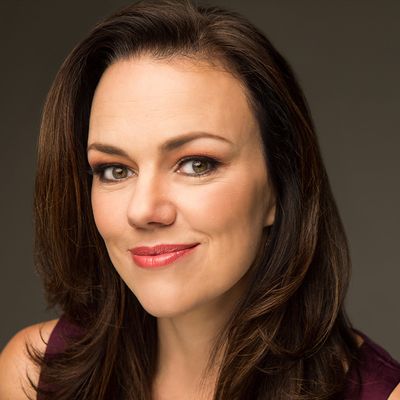
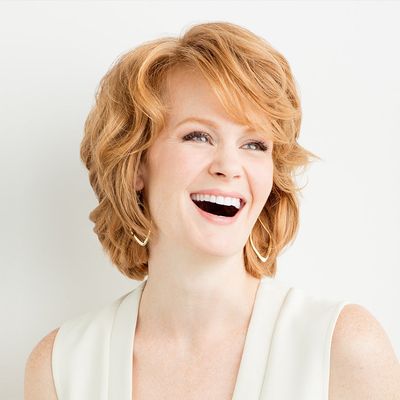
Music director Julianne Merrill and broadcast technology director Jessica Ryan join the podcast for Women's History Month, to talk about Maestra and their annual Amplify concert... Read More
From the show: Why I‘ll Never Make It
Guests
About
Music director Julianne Merrill and broadcast technology director Jessica Ryan join the podcast for Women's History Month, to talk about Maestra and their annual Amplify concert.
Maestra was founded by composer Georgia Stitt (who has been on this podcast before), and Tony Award nominee Kate Baldwin (also a former guest) hosts the third annual evening of music by Maestras like Cyndi Lauper, Debra Monk, Brenda Russell, and Lucy Simon. Their music performed by some of Broadway’s brightest stars, including: Abby Mueller, Andy Kelso, Alysha Umphress, Bre Jackson, and Blake Stadnik (yet another former WINMI guest).
Amplify is a hybrid event, with in-person performances at in New York City and a virtual simulcast with online-only features by our partners at All Together Now (Jessica's company) available worldwide on March 27, 2023.
Learn more about Maestra and how you can help them Amplify women musicians. Jessica mentioned Broadway statistics on female composers, find them here on Maestra's website.
- STORY #1 - What drew Jessica and Julianne to the arts
- STORY #2 - The intersection of technology and the arts and how Actors Equity is (not) helping theaters embrace the digital age
- STORY #3 - Maestra's mission and impact & the Amplify concert
SUBSCRIBE TO WINMI
Get access to Audition Stories, the Final Five questions, and other bonus content by becoming a monthly or yearly subscriber to Why I’ll Never Make It. Producing this podcast is rewarding in its own way, but I’m essentially a one-man operation. So it is both costly and time-intensive to put together each episode. By subscribing you’ll be supporting these podcasting efforts, and have access to extended conversations and other bonus content. Your financial support of this podcast is greatly appreciated!
- Subscribe to get access to bonus episodes and extra content
- Make a one-time Donation to support transcripts and podcast production
- If you’d like to support WINMI but have limited funds to do so, then contact me directly for reduced-price or even free access to the bonus content.
Follow WINMI: Website | Instagram | YouTube
Why I’ll Never Make It is an award-winning, Top Theater Podcast hosted by actor and singer Patrick Oliver Jones and is a production of WINMI Media. Background music is by John Bartmann and Blue Dot Sessions is used under a Creative Commons Attribution-NonCommercial 4.0 International License.
Transcript
This transcript was automatically generated and might contain errors.
[0:00] Patrick Oliver Jones: In honor of Women's History Month, I wanted to do a special episode with a group that has been on the podcast before in the form of Georgia Stitt. She created this wonderful organization called Maestra, which is all about female and non-binary musicians, artists coming together, not only forming a community, but promoting and amplifying their work as well. And I'm bringing on two wonderful women today to talk about Maestra and also the Amplify concert that they'll be doing later this month.
[0:31] Jessica Ryan: Hey, I'm Jessica Ryan. I am a recovering polite Midwestern girl from Kansas City, Missouri. But I've been in New York for 20 years this year. I am the CEO of All Together Now, and I am a director that specializes in live broadcasts, particularly for the arts.
[0:50] Julianne Merrill: Hello, my name is Julianne Merrill, and I am originally from Indianapolis, Indiana. And now I live in Weehawken, New Jersey, so right across the Hudson River from Times Square. And I primarily work as a music director, pianist, accompanist, vocal coach. And now I'm also working in the fields of playback engineering, which is programming mainstage keyboards, programming Ableton, as well as working in synchrony and time code with audio and video mediums.
[1:21] Patrick Oliver Jones: It's a wonderful chance to hear from these two talented women and the important role that Maestra is playing in showcasing voices that are often underrepresented in music. You'll get to know each of these women individually, and we'll talk about not only the work that they do, but the technology behind what they do and how that is leading the way not only in the arts, but also bringing women into another field that they are sorely underrepresented. And then, of course, we'll talk about one of my favorite people, Kate Baldwin, who is the host and producer of Amplify, and how Maestra continues to be a wonderful resource for artists, not only here in New York, but around the country.
[2:07] Patrick Oliver Jones: I used to carry a lot of shame around not really being a composer or orchestrator or arranger, because so many of my peers are, but you could pretty much chain me to a piano and try to get me to compose, you know. So I really finally came to terms with the fact that my creativity lies in solving the puzzle. Welcome and thank you for joining me for another episode here on Why I'll Never Make It, an award-winning theater podcast hosted by yours truly, Patrick Oliver Jones, an actor and singer for more than 30 years. Every other week I talk with fellow creatives who bring us stories from their own life of personal struggles and professional hardships with lessons we can all learn from. The website is why I'll never make it.com, where you can subscribe, donate, and find past episodes. Again, that's why I'll never make it.com.
[3:16] Patrick Oliver Jones: Welcome, Jess and Julianne. It is a pleasure to have you here on this special episode. I'm so glad that you're able to join me.
[3:24] Jessica Ryan: Thanks for having us.
[3:25] Julianne Merrill: Yeah, super excited to be here.
[3:27] Jessica Ryan: Thank you.
[3:28] Patrick Oliver Jones: Well, what is bringing us here is Maestra. It's a group that I have talked about before. I've had Georgia Stitt on the podcast. So I'm glad that you two are here to give us a different perspective on this organization and what it means to you. So we'll just start with the bare bones about what exactly is and its mission. Jess, we'll start with you.
[3:49] Jessica Ryan: Oh, the non-maestra, the maestra supporter that has to describe it. We'll compare notes, Julianne, and see.
[3:56] Julianne Merrill: Okay.
[3:57] Jessica Ryan: Well, well, you go first and I'll follow up.
[3:59] Julianne Merrill: Okay. All right. So for me and my understanding of Maestra from working with them, it's an incredible organization that exists to upskill to provide visibility and shed light on the importance of more women musicians and non-binary musicians in the musical theater.
[4:19] Jessica Ryan: Yeah, that was great.
[4:21] Julianne Merrill: Yes, I nailed it.
[4:22] Jessica Ryan: You really did it. The official mission statement is Maestra provides support, visibility, and community to the women and non-binary people who make the music in the musical theater industry. So, you know, it's kind of that group, specifically in musical theater, the music makers of Broadway and Broadway adjacent, all the way from Broadway all the way to your classroom to your elementary school classroom. And it's specifically the women and non-binary population, which we feel like has been a minority in this field for a long time. And really support visibility and community is huge and a way to connect and network people, provide mentorship, provide support. Like there's a Maestra moms group, there's a Maestra Pride group, there's the student maestras.
So if you're in college or high school and you're involved in this scene, then there's a mentorship program where a newer to the industry maestra can join up with a seasoned pro. And every time I've mentored twice now, and every time I'm so thankful to be able to mentor, but also so jealous that this wasn't around when I had just moved to the city and needed mentorship. Like, oh, I wish that that had been something.
[5:49] Patrick Oliver Jones: What would you say is one of the top one or two things that these mentees come to you for? What kind of wisdom do you impart to them?
[5:55] Jessica Ryan: You know, this industry, and I would assume it's really within any creative and arts industry, is there's so many directions in which you can go? You know, and when you're younger and just starting out, you have to say yes to everything. You have to kind of learn all of the foundational skills and just say yes to as much as you can until it comes time to say no. And really saying no is a luxury in this industry. And I think it's defining when you're just a sponge and learning all of the different fundamentals of the career. And then when do you start to ex be an expert on something and really start to specialize on something and realize, oh, you know, I actually am really good at this. Why don't I start honing my skills?
Because it's also part of that you can't be the best at everything, but you certainly really need to know a lot about a lot and then specialize. So for me, I feel like when I work with mentees, it's the okay, how do I start refining my skills? What direction should I really start specializing in?
[7:10] Patrick Oliver Jones: And for you, Jess, what has Maestra meant to you personally?
[7:15] Jessica Ryan: So, as a woman who works across, I mean, I am an actor still on occasion, right? And I was an actor and a musician, at least vocally, and I'm a CEO. All these places that I work, the statistic is the freaking same, right? 2.3% of all founders who receive VC backing, which is like, you know, investment capital. 2.3% of those people are women. 8% of musicians come, musicians on Broadway, right, Julianne, are women and non-binary people forget about it. Like I don't even, it's like not even a percentage, right? It's all of these are the same. And in fact, so that's a why I do this, because it is the same fight everywhere. And so this is a way for me to help try to correct some of this. And I can I actually share with you a couple of days ago, I got into the maestro timeline because they built this timeline on female composers. Can I share with you what I dug out and create like statistics that I dug out of it contextually?
[8:15] Julianne Merrill: Go for it.
[8:16] Jessica Ryan: From 1900, I am so mad about this. From 1900 to 1931, there were 22 Broadway shows composed by a woman. And for context, over 150 shows opened in 1900 alone. That's 22 women represented across 31 years when there were 150 shows the very first year. Like, so from 1931 to 1954, there were zero women composers. And the reason composers is important is because a man theoretically did not hire you, right? Like, that's why we focus on composers. From 1954 to 99, there were 18. And in the present times, from 99, there have been 23. And again, like in 2022 alone, there were 45 Broadway shows. So across almost 24 years, women composers have made up approximately one half of one single Broadway season. I mean, that is heartbreaking to me to could like when you really think about it that way, the stories we've lost, the leadership we have not had at the helm. I mean, I don't, I you can't how how can you not work with Maestra? That's I guess the real question.
[9:25] Julianne Merrill: I know for myself, I feel like that I've been lucky because most of the big projects, whether it's regional or on national tour, have been female music directors. So I feel like I probably am in the minority of that, as far as people who've worked with that. So for my own sake, I know the importance and have seen the visibility of it, but I know that that's not across the board. Certainly when you get into community regional theaters, and then as we were talking about on Broadway. So for both of you, what was it that then draw you to the art? Since women may not be represented as much, what is it that drew you to the arts to want to be in it? Jess, we'll start with you.
[10:05] Jessica Ryan: For me, I think it was the sense probably the sense of community. My grandparents were actors. And so when I was a kid, I started as a dancer in my first life. And I was, you know, dancing like six nights a week, five hours a night, like super, super competitively. And around junior high, I would go down to visit my grandparents during the summer, and I would go to rehearsals with them for the musical they were doing. And seeing that sort of the community that gathered around them, the work and the dedication they put into it at rehearsal, and then, you know, in the living room when I'd help them run lines and stuff like that. Experiencing the music, listening to, you know, rec. I'm an 80s baby, so I was still listening to things on vinyl when I was, you know, starting to discover musical theater.
I remember listening to Fiddler on the Roof the summer they were doing that and listening to the arrangements and the sweeping and the story, you know, and it's like that that all like was the hook. It was community. It was like the work that you got to do and then the freaking story. Oh, I'm in. Now let's do this for my living.
[11:06] Patrick Oliver Jones: How about you, Julianne?
[11:08] Julianne Merrill: You know, I grew up playing the piano. I think I started playing when I was three. My father was an opera stage director. So you didn't know that. Yeah. So I mean, to it to an extent, like that was always just the path. There really wasn't much else. But definitely my grandparents in church always were singing, like every Sunday was family dinner, and then they would sing hymns and everybody would pull out their various instruments. My great aunt played the violin, my grandmother played the cello, my grandfather played the trombone, there was a full choir. That's just part of the whole Hoosier, Indiana, Midwestern community. But my dad's was an opera stage director. So I grew up with a heavy classical music background, and then I went to a performing arts high school where basically I was the accompanist for four years of all the choirs.
And that's where I discovered show choir in Indiana, which is huge. That was one of my favorite things. I wore my blue lame cumber bun. Yes. That was part of our with the blue lame tie. Yes, it's very serious business. In fact, my I now program for my alma mater high school. I programmed for them. So now I do all my keyboard programming and click tracks, and now when the drums go boom, boom, boom, the lights go wham, wham, wham at the same time. And now they're actually going to nationals at the Grand Ole Opry in two weeks in Nashville. So I grew up in show choir. I grew up accompanying, I grew up basically being like the piano girl. I don't know if I had a lot of friends. But I started playing organ at the church when I was 14. So I've only had one job. I delivered pizzas in college.
[12:57] Julianne Merrill: Other than that, I have purely made my money by playing the piano. So I, in some ways, I have no other marketable skills. This is so fun, by the way, because like yes for you, those of you who are listening, Julianne and I basically are once a year friends and colleagues. We get together to work on Amplify, it's really intense, it's across a couple of weeks, and like I'm learning all these things I don't know about Julianne. It's so exciting.
[13:22] Jessica Ryan: True.
[13:22] Julianne Merrill: Maybe someday we'll meet up.
[13:24] Jessica Ryan: I know.
[13:24] Julianne Merrill: Non non-amplify.
[13:26] Jessica Ryan: Yeah.
[13:26] Julianne Merrill: So, you know, I just it's actually always been a way of life for me. Um, and I really don't know what I would do if I couldn't play. However, I did make an amazing discovery during the pandemic that I would share is I really it really gave me comfort. I realized I would never be homeless and I would never go hungry because I knew that I could always make art. And then as a community, people always appreciate art, whether it's singing, whether it's playing, um, entertaining, and it's kind of that classic trope bug, the entertainer who's then cared for. Like as a community, I knew that people would always um clothe me, feed me, house me in exchange for my artistry. And I know that that's very basic and very primal, but I really felt it during the pandemic of like how much joy art could bring to a community and how we as humans take care of each other like that.
[14:21] Jessica Ryan: Well I think the pandemic also brought up the fact that when people were in their homes what did they do? They went to Netflix, they went to Hulu, they went to these places for entertainment, for story, for connection, for something to do. And it was so interesting the whole non-essential phrase being attached to you know people who weren't you know obviously healthcare and other things were very important but it was like no we are also a part of this this journey of the pandemic of getting people through this time. And it was the when's Broadway coming back? When's theater coming back? So there was this constant question, especially within our community, but I think in the broader culture of when are the arts going to be able to come back and I think it was so important when Broadway and other theater was finally able to come back. I assume that was a big moment for both of you as well when you finally got to be live and with the community again.
[15:13] Julianne Merrill: I definitely missed it. I would also say on the flip side I really liked being home and and just for once like getting to be quote unquote a normal person like home for dinner home on the weekends um uh yes I can go to your birthday party or or or well I guess that wasn't really happening but being able to talk on the song with family um but I will say like that energy once we were back live and you're in a room and you actually hear like the first opening chords of a song or when the drums are going and the lights are going. It is an energy that is unmatched. So now I'm just trying to balance. Like, how do I have both? Are you finding that balance as well, Jess?
[16:00] Jessica Ryan: You know, I don't know. It's was different. It's I love hearing people's stories. It was different for me, I think, in that A, I am alone in my apartment, right? During the pandemic, and B, my company sort of blew up. So I was working like 12 hour days throughout the entire pandemic alone in my house. My apartment, which I love. Like you can, you know, on the video, I've got books and it's like a great apartment, but it became this cage in a little bit. Do you know what I mean? Like a little bit of a cage that I didn't come out of. So for me, being able, yeah, being able to get back into the world was amazing. And that sort of uh paired with the work that I do is like centered around providing access to digital audiences, right? So it's been really cool for a host of other reasons to be able to get back into a room because I can now build these bridges to help people who can't be in that room experience that feeling that Julianne just talked about, you know.
[17:01] Julianne Merrill: See, I think that's such a good like the bridge because it's it's now the both. Like before, I would say just I don't know how many people were like, yeah, sure, I'm gonna sit at home on my TV and pay to watch this show. Not many. Like there was the Metropolitan HD broadcast to movie theaters, and I would say, like, my father, that's his Christmas present. I buy him the tickets to the movie theaters. So I was aware of that, but the idea of like between Riverside and Crazy, yeah, right that you did, Jess, is that I I hadn't seen that. So I think that's the beauty of that feeling of, oh wow, I want to be home with my family, but still enjoy the arts that we really got from the pandemic paired with the live experience. So Jess, you're actually doing what I like theorized about how cool it would be if somebody did this during the pandemic. Amazing.
[17:55] Jessica Ryan: Yeah. Well, I mean, I think Disney Plus as well with Hamilton. I think that that was an eye-opening. I mean, Hamilton was obviously a juggernaut before the pandemic, but I think that brought it to an audience, you know, in Indiana, in Missouri. These people who could not have seen a Broadway show, certainly during the pandemic, were then able to be invested in what was this wonderful story told in a new and exciting way.
[18:42] Julianne Merrill: You know, yes, we have our video projection now as a part of Seth. Yes, we have some, you know, electronic keyboards and things that are down in the pits, but uh arts and technology have not always gone hand in hand. So I'd like to understand how exactly either of you went from artist, you know, a very creative person to then more that that scientific technical know-how. Jess, we'll start with you.
[19:07] Jessica Ryan: Yeah, it was a problem solving exercise for me actually. So in 2011, I had created a I sort of merged the Broadway benefit concert model with a gala model to raise money for a place called Crime Victims Treatment Center. It's here in New York, it's the most comprehensive center in the United States that provides free treatment and services for survivors of um violence. And many of our friends and colleagues in the Broadway community have have received life saving treatment for them. So I wanted to help and raise some money. So I made this benefit concert and uh in 2011 and 12, and it was great. I mean, I was like a baby. I was in my late 20s, and we raised like $30,000. So, you know, by most measures, it was this huge success.
But I like to grow things. And so I was not satisfied. And I was trying to figure out how to grow that concert. And I felt like the invitation was not working correctly. It was sort of like, hey, do you live in the tri-city area? Are you wealthy? And are you not ashamed to speak up about surviving violence? And that Venn diagram is so freaking small. And uh, I was actually sitting in the parking garage at LAX at the end of 2012, waiting for my boyfriend at the time to come home. And I was listening to the Kickstarter podcast. And they were talking about how video games had revolutionized engaging their community through Kickstarter by offering to allow them to start actively participating and building the video game as funders.
And something went off in my head, and I was like, oh, why don't I live stream this concert and make it interactive and give people a chance in real time to like interact with the Broadway star, like my friends. This is like my friends that are showing up on this stage, but to other people outside of New York, they are big stars and they mean a lot. So maybe they'll become advocates and donors because I'm giving them something they want in return. Luckily, I did not consider that that might be impossible in 2013. And I just went for it and we did it. And so I created the give back concert in 2013. There was a whole group of college students that did an interactive segment with like Andrew Keen and Bulger and a bunch of other people, Nathan Tyson, and um it was so successful in solving, starting to solve to your point, Julianne, starting. It was just the tip.
[21:20] Julianne Merrill: Yeah.
[21:21] Jessica Ryan: Starting to solve my problem that I just started teaching myself about all the technology that was involved in it.
[21:27] Julianne Merrill: And how about you, Julian?
[21:28] Jessica Ryan: I know that as a as a piano player, then electric keyboards and all the how is technology factored into your career.
[21:35] Julianne Merrill: Um, you know, it actually goes back to my family and my roots. My grandfather started his own stage equipment business in the 1950s. My grandmother sewed those 90 foot tall fire retardant galur curtains by hand. Whoa. And my grandfather designed and installed lighting grids and sound plots in a lot of the Indiana and Midwestern high school auditoriums. And so I grew up with all these engineers. My grandfather and my father and my uncle are just like super technical engineers. And then I grew up with the music side, but not realizing that oh, I really have this technical um brain. And so I first got introduced to keyboards at the music director intensive and Goodspeed in 2012. I went to their second year, and they started talking about this program called Mainstage and how you know, at one point you can be playing a harp patch, and then all of a sudden you're playing a timpani patch, and now all of a sudden you're playing a bassoon patch, and how with orchestrations like that really helps build out a small orchestra to sound larger.
And so I picked up on that and started programming as I was music directing. Cause when you're working in in more of the smaller community theater or smaller regional venues, generally you have a smaller budget, which means you have less musicians. And as a new music director, you're now trying to get creative of how can I get that harp? How can I honor the original score? And so you're just programming to try to fill out your orchestra. And so I learned a lot of those skills. And then I started to realize that oh, not everybody enjoys this like I do. A lot of people are in fact terrified of this. And so uh, you know, in a way that is is truly more about business, and it's that it's expensive to live here, it's expensive to pay our rent.
You know, there's not always a lot of money in the arts. And so, and there's a there's a lot of people who can play really well and and want the jobs. So, how do you specialize? And I started to realize that oh, I think a good skill set for me is that I know how to program these keyboards and I'm not afraid of them. And also at that point, I started to let like orchestrating and arranging go because a many of my other peers are really good at orchestrating and arranging and using finale and kind of that other side of music. And for me, I would kind of have to claw my eyes to to get that type of work done. Um so I realized that for me it made the most sense to start specializing in more of the music technology, and I had that technical brain just from my upbringing.
And then during the pandemic, to be honest, like I just started learning as much as I could about more technical things. I a lot of people had to start recording in their homes. These we would record like you sing this part, you sing this part, you sing this part in your home, right? And here's a click, and then you all clap here so that we can sync video and audio. And then all of a sudden, a lot of music directors became producers at home, where you're now mixing these different audio files and trying to like figure out Premiere Pro and how do you sync everything. Then I found this program. A friend of mine, Rona Sidiki, was teaching at the brand new Berkeley NYC program, which is Berkeley Boston, that is now at the Palace Station in New York City.
And they have a graduate program, and it's a one-year program, and it's a Master of Arts in Creative Media and Technology. And she was teaching in the writing and design for musical theater program. So I wrote her and said, This looks like Disneyland. What is this place? And um, she wrote back and said, Oh my gosh, we should talk. And she thought I was talking about actually composing and writing for musical theater. And that is just, I don't have that creative bone in my body about of writing my creativity I've discovered and come to terms with is my creativity lies in execution and problem solving. I love to solve puzzles, and so it's like there's no problem that we can't figure out how to solve.
But I used to carry a lot of shame around not really being a composer or orchestrator or arranger, because so many of my peers are, but you could pretty much chain me to a piano and try to get me to compose.
[25:54] Julianne Merrill: And I'd just be like, wrinkled twinkle, but all wait, that's a song, isn't it? You know. Um, yeah. So I really finally came to terms with the fact that my creativity lies in solving the puzzle. Okay, so you bring your, you know, you want to perform it this way and you want it to do this, and at this moment you want the lights to go like this. And I say, okay, now I know how to solve that. So all of this to say is Rona then directed me to the live experience design program at Berkeley NYC, which was hardcore audio, video, and lighting programming for mostly the DJ, EDM, pop, and concert world, not musical theater. So I just got like totally dunked. Totally, totally dunked. But I learned a lot because I knew that I had deep, deep pockets of what I knew.
And I also had like wide gaps of total darkness in between those deep pockets that I didn't know. And so I just wanted to start learning more and more about tech and synchrony. And so now what I do is program time code and click tracks and so that your music and your lights and your video and your audio are all in perfect synchrony. And I think that that makes a lot of sense as a conductor because that's what you're doing. Once one is you've rehearsed everything and you've agreed on everything with the choreographer and the director and the actors, and you've worked it out like with your broadcast supervisor, et cetera, et cetera. Like here's all the cues that are going to happen. But as a conductor, you're still the one conducting, leading the show, setting the tempo. And so now it's like, okay, how can I then bring in all of this technology and have the computer also respond to the conductor?
[27:48] Jessica Ryan: Yeah. It sounds like what both of you are talking about is that this technology comes out of necessity. It comes out of, well, there's a problem. Now we need to solve it. And I love what you had to say, Julian, because I'm much the same way. I'm an actor first and foremost, a singer. I don't write scripts, I don't compose music, but I am able to interpret what others have written in hopefully a compelling way. So I think it's important to realize that we all have our place to fill when it comes to the arts and everything and to not feel shaved or less than because we're the ones not creating.
[28:21] Julianne Merrill: Yeah. But that actually leads me back to the whole Maestra menti discussion. It's like that's the perfect thing, is we all have our roles to fill. But it takes a while to get there.
[28:34] Jessica Ryan: Yeah. I also I want to introduce a yes and insight that I had a conversation about yesterday that I'm interested both of your perspectives on specifically, which in terms of the connection between being a technologist and an artist and Maestra's work, which is I was at Dolby yesterday because I work with the Dolby Atmos team on the live side, and I was chatting with this incredible female sound designer. And she was saying that, you know, early in her career, no one was really giving her much thought or paying attention to her. She didn't have a lot of agency, and she learned Atmos really early on. I think it was released in like the Atmos Technology was released in 2012. And all of a sudden, because she was this expert, Julianne, like you were talking about in this particular technology, she was all of a sudden being asked to speak and having power in the industry and like people want to hear what she had to say.
And I said to her, I was like, I literally wrote an email about this exact thing earlier today. I was responding to someone and I said, as an artist and an actor only in my 20s, I just like could not find the agency and the power and the financial stability I wanted and knew I deserved based on how good I am at things and how hard I work. And so for me, technology ended up becoming a way to get that because no one freaking knew how to do what I was doing. Still kind of don't. And so now it's so weird. I personally went 50 miles around being an artist, right? Taught myself to produce, taught myself to direct broadcasts, taught myself all this technology and got enough of that that it's now coming back around.
And like I just directed the Dylan Mulvaney concert on Monday night, and all of a sudden, for the first time in forever, like I just directed it. Do you know what I mean? And everybody was like creating all this space around me to just direct the thing. Um and I just I've heard that now a couple times that like that's a way tech technology is an interesting way to leverage and sort of create power and agency for yourself. And I'm curious if either of you two have had that kind of experience.
[30:42] Julianne Merrill: Since Patrick, you do you have a media company now, right? And Julianne, obviously, your work too.
[30:47] Jessica Ryan: Yeah, I mean, I mean podcasting during the pandemic, that was it certainly exploded, but I started before the pandemic. But podcasting, now that I think about it, my degree is in broadcasting. I had that real degree, you know, other than an art. So, but our college had a radio station and I love the radio. It's like, yes, we had a video side and I had to do video for broadcasting, but I love the radio. I love the music, I'd love being the DJ, the voice. Hello, welcome to, you know, I love doing all that. And so podcasting has really been a way for me to reconnect with my college self who loved radio. And even though this is more interview-based, it's still a way for me to use my literal voice, but also the technology that I love of editing sound and incorporating music into the podcast.
And I'm gonna be starting another podcast later this year. So I'm trying to really branch out and use this medium in a way that does allow me to be a creator since I can't write music. I can't write a script. I mean, I guess I could, but it may not be very good. But it allows me to be a creator of a sort that really hones in on my skills set.
[31:54] Julianne Merrill: And it sounds like that's what you found, Julianne, as well.
[31:57] Julianne Merrill: Yeah, I just needed to figure out where I fit in. That's part of it too. It's really like you go back to your roots, you look at these, like Malcolm Gladwell talks about the outliers, right? And these perfect storm scenarios and how people fall into these plates, and then really you just have to look back at your whole life and your timeline and and your predecessors and your family and how all and your and your traumas, frankly, and how it all like creates this career and creates these interests. And also if you can find a way to monetize something that you enjoy doing, oh man, that's a super thumbs up, right?
[32:34] Jessica Ryan: Yeah. So like I love to solve puzzles. I just know that, and I love to hang out with people, and I love music. So for me, I'll solve all these technology technological puzzles and be a musician and hang out with people and get paid for it. Great.
[32:51] Julianne Merrill: Well, one thing when it comes to technology and theater is I'm a member of Actors Equity, and one of the rules, no matter which contract you're under, there's always this do not film it, do not record it, do not put it out there. And I'm like, okay, maybe back in the 70s that made sense because we wanted people to come to theater and not see it somewhere else. Then maybe in the 80s and 90s, you know, but then slowly we started to get cameras in our hands. We could buy them, you know, camcorders, then smaller cameras. Now everyone has a camera in their phone, and we're constantly recording things. And this is now with social media, a digital age. Yet equity is still like, don't you dare record that.
I was just doing a reading, and I couldn't even take a picture of just the actors with behind their music stands doing a reading. Because I was like, I can't take a picture of them. So it's just things like this. I'm like, I don't understand why technology is so it's still kind of a scary thing for, you know, a group like Actors Equity. How do we solve this and start to bridge the gap between the two? What do you think?
[33:54] Jessica Ryan: I will jump in. So I also am a member of Equity and SAG. However, I have feelings as you might imagine about this. Well, they have their own feelings against each other.
[34:02] Julianne Merrill: They do.
[34:05] Jessica Ryan: I know. Oh, right. I know, I know. And it's all now it's even, yeah, with all this digital stuff, it gets even diceier. I love unions. I believe in their worth. I have been a laborer most of my life. But I personally like I'm happy to go on record to say if they do not fix this and change this, they are going to be part of breaking, in my opinion, the arts. We are already having this issue with everywhere, right? With half of audiences coming back, preferences have changed. There's all these studies that say like performing arts is at the to your point, Julianne, you made earlier, at the bottom of the list for things people prefer to go do out of their homes for whatever reason. We just didn't bounce back.
And there, to your point or your question about how do we change this? There are one, I have a whole folder of studies. They're science, they're data backed, that say if you have digital access to the arts first, you are five times more likely to come in person to something. This is and it's I think that's the fear is that, oh my gosh, we can't let it be on video because then they'll never come to theater. And I'm like, no, it's the exact opposite. It's the exact opposite. And to be honest with you, this is just my opinion, right? Based apropos of nothing, because obviously there are a lot of amazing people who do a lot of really good work inside equity equity and I know them a lot of them and they care deeply and they're trying to make this change happen.
But I think it's just so hard. It's going to be so hard to negotiate these contracts and build rate sheets that are look more like a SAG rate sheet. You know, it's a lot, it's just like a ton of work in a in an industry that the groups don't work very well together that I actually think that's the if you ask me the unsaid reason this isn't happening is not actually because anyone's really actually scared anymore. It's just gonna be really really hard.
[35:55] Julianne Merrill: Does that fall in line with what your experience has shown Julianne?
[36:00] Julianne Merrill: Um try to think like I have always thought it's like I've I've been respectful of the do not film, do not post about this type of a thing. Um I definitely enjoyed watching the things that we talked about like Hamilton on Disney Plus, etc. Um I will say personally it's always been really tough to have any sort of a reel that I could show um anybody my work I have no record of my work but except for when I actually get to do a concert like at 54 Below or Joe's Pub or like this Maestra Amplify concert. That's actually the the most film footage I have because I can't record myself in a pit of being in musicians um doing my job. And so I will say that was always tough is I you know there's no production photos to show there's no um production videos to show other than just trust me I know what I'm doing.
[37:02] Jessica Ryan: That's so true. I can't put Between Riverside and Clydes in my reel. So no one even knows what I do, what it looks like unless you happen to catch the show.
[37:10] Julianne Merrill: Correct. Yeah, it's very interesting we're still dependent on this paper resume to showcase our worth which is great. It's like, you know, Julianne you and I both have good speed on our resumes. Me too by the way. That's all three of us. I got my equity card there. See? See so goodspeed. You know, they've hired all three of us. So obviously good speed has good taste.
[37:29] Jessica Ryan: Clearly yes. But at the same time like there's other great experiences that we have that can't be put into words on a resume. Sometimes you need that reel and I think that's where technology can come into play. And you know we're obviously not going to fix it here, but what are those do you see as those first steps for us to bridge that gap between arts and technology and making it more both accessible but also making it more useful for us to promote our work. Julianne what do you think?
[37:59] Julianne Merrill: I mean, you know it would be nice let's say like like if there was a a a video like if tonight's videography night, you know, where like everybody makes sure that they're they're dressed, et cetera. It's like school picture day. Um but but to an extent like if there was some archival footage even of like backstage or being allowed to be like tonight we're just gonna do a little bit of archival filming um so that we as the artists and musicians are able to have this this reel and this archival footage of us doing our jobs. Um, but I I also don't know how how that would all be fixed because then, yeah, you're you're hearing music that they don't want you to hear if you're not a ticket payer. So um, I don't actually know the solution.
[38:55] Jessica Ryan: It's not to be used to make money on YouTube. It's like we're just one of promoting things. Yes, to get my next gig.
[39:01] Patrick Oliver Jones: Right. And Jess, you're like in the heart of this, you know, filming and presenting digital presentations. What do you think about this?
[39:09] Jessica Ryan: I have a very specific thought around this that I haven't really like publicly put my stake in the ground around. So I but I'm gonna do it. I'm just gonna say it out loud. So I personally, I after actually goods, right? Like I had this very traditional sort of experience and it was amazing. And I oh my God, working there is amazing. Um, but circumstances sort of took me outside the system, the Broadway with a B system. And I realized that I really don't love institutions and systems. And I have worked as an outsider sort of insider for the last decade. COVID sort of contextually put me back inside systems, and I've been really enjoying doing it, but I say all that to say I don't inherently believe personally that like I can actually change this big problem, right?
That you're posing inside the current systems. That's just my personal belief. I, you know, for me. So I I have been thinking a lot about a space in New York that is built for stage work that is meant to also be on screens. And I take a lot of inspiration from early days of Blue Man, where, you know, as lore goes, I don't know that this is actually true because it was before I was in New York, but I hear that they tried to negotiate an equity contract, equity wouldn't come to the table. And so they said, fine, we're not gonna be a union, but we're gonna pay everybody what they should be paid. So I can imagine myself and my company with a space that does that. Right? Because equitable and fair and just pay is so important to me, having been underpaid my whole fucking my whole life.
Um, but I don't I don't have time to do this with the unions. Do you know what I mean? I don't Julianne, you you're not gonna you need a you need a film now for your career, right? Like, yeah, I don't have time for this. So I can imagine a solution that looks a little bit like that personally.
[41:05] Julianne Merrill: Yeah, and I mean that's that's for me like um when even speaking of technology is like bridging the gap between film and theater and concert production because they're all like all these genres are melding, melding, melding. And so I think something like a a sound stage and a studio that's right where you can come in and film like your new work development project, for example, that generally you're doing a workshop, let's say at Pearl Studios or Open Jar or or Ripley or something. Well, maybe instead let's go and actually film it at this studio so that you have this record because I think to tie into this, I'm seeing more and more um shows, because you know, a show is a company and is a producer and and they are actually building audience bases by having all of this online content.
[41:58] Jessica Ryan: 100%. So before they even actually have a show at a theater in New York or Chicago or regionally, they're actually building their audience base through creating content for the internet through social media, through TikTok platform, through Instagram platforms. So what if they did a reading or developmental reading and just they did it, for example, at the studio where they filmed it.
[42:26] Julianne Merrill: Yep.
[42:26] Jessica Ryan: And then continue to build their audience space because really, like you could be a fan of a show and be anywhere in the world. Why do you have to be in New York? Why do you have to be in Chicago, etc.?
[42:37] Julianne Merrill: Right. And then I actually love this idea because I I was just part of the production team for a reading of a new play. And you got me thinking, I'm like, yeah, there could be this whole place like a Pearl, but does digital. And so you have all the camera work, the lighting, everything set up. You do the reading just as you would normally, but you have seats for an audience. So there's there's at least some live feel. But yeah, it's filmed and presented in such a way that the author gets a way to, you know, look at their work, but also promote and try to get into festivals or whatever. It's a way for actors, especially up-and-coming actors to have a reel. It's a way for musicians, if it's a musical reading.
It's there's it helps so many different facets of the and to talk about going outside the the union, it would have to go through non-union actors in order to do it. And then if enough of that work is coming up, equity, I don't know, may finally clue in and be like, oh, maybe we want our members to be able to do that kind of work too. And technically, to your point earlier, it could also be potentially like SAG New Media, ultra low budget kind of as well. So instead of doing an equity contract, now we're doing SAG work.
[43:48] Jessica Ryan: Yeah.
[43:49] Julianne Merrill: Yeah. Make everybody some money and set that precedent. So you have to come to the table on it.
[43:54] Patrick Oliver Jones: Well, I'm so glad we solved this uh issue. We did it.
[43:58] Julianne Merrill: Yeah.
[44:07] Patrick Oliver Jones: One of the big reasons why I have you ladies here, and that is to talk about Amplify and this new concert gala presentation that Maestra is doing. And I cannot talk about Amplify without mentioning the wonderful and beautiful Kate Baldwin, which we all know and love. And I I just performed with her last year at Good Speed. Amazing. And uh she is wonderful. How did the both of you meet and get to know Kate?
[44:35] Julianne Merrill: Oh, I'll go, I'll go. Um, I actually met Kate. We did a production, a one night only production of Fun Home. Um at a funeral home, at a Jewish funeral home on the upper west side in December of 2019. And she played the mother.
[44:52] Jessica Ryan: Wow, how wonderful.
[44:56] Julianne Merrill: Oh, that must have been so good.
[44:58] Julianne Merrill: Yeah, it was it was heart wrenching, yes.
[45:00] Patrick Oliver Jones: Yeah.
[45:01] Julianne Merrill: Um, so that's how I met Kate, it's doing this one night only interfuneral home production of Fun Home, and then we really clicked, and she liked the way that I music directed and liked the way that I played, and um then 2020 hit, and then 2021 came around, and they were talking about this Amplify project, and um Kate reached out and asked if I would be interested in working with her on it because she enjoyed working with me, and so I got involved and I had a lot of technical chops and was recording underscoring and creating music videos, and that's how I met Jess, and that's how we pulled off the first Maestro Amplify was totally virtual. We had all these pre-recorded segments and we recorded four music videos. Um yeah. So and then I've that I keep getting the recall. They keep hiring hiring me again.
[45:56] Jessica Ryan: You must have done something right.
[45:58] Julianne Merrill: Must have. How about you, Jess? How did you first get to meet Kate?
[46:02] Jessica Ryan: Through Georgia, actually. So on the topic of like working around stupid rules that are impossible to fight, like with the give back concert. I was, you know, it's 2013. I was like, I cannot explain to the Rogers and Hammerstein Foundation how to allow list a song on YouTube's content ID for my live concert. So I'm gonna make this a writer-centered concert, right? With new writers with new works who understand technology, and I'm not gonna have to spend a ton of time explaining. And Georgia was one of those writers from the very beginning. She's always been involved in the concert. So when Amplify came up in 2021, she reached out to me, I think, and asked if I would be involved uh in it because I had done stuff like this, and then that's how I got to start collaborating with Julianne and Kate, which is amazing.
[46:47] Patrick Oliver Jones: Now Maestra itself already does, as you say, it amplifies these voices that are underrepresented. So, what exactly does Amplify itself? What is its purpose?
[46:56] Jessica Ryan: So there's actually um a title song called Amplify that was written by the amazing Lynn Shankle, and so it was commissioned for this concert. We were trying to figure out like what should we call it? What should we title the song? And it's the idea of being plugged in, being charged, um, as well as the idea of like a mega megaphone that we are broadcasting ourselves to this larger community, and and so we titled the song um Amplify. Um, and it's just really the idea of keep just keep building each other up and keep like shouting out to the larger community of musical theater as a whole of like look at our amazing members and what is possible.
[47:43] Patrick Oliver Jones: And what can we expect from this Amplify concert?
[47:46] Jessica Ryan: Ooh, the lovely Kate Baldwin hosting with lots of great jokes. Um incredible performances uh of songs written by Maestra members, women, non-binary composers and lyricists. Uh we hear tell there are gonna be some cool watch parties around the country with the regional groups from Maestra that might join us live in the concert. Fun videos. It's like a very multimedia, like Julianne was saying, sort of built four stage and screen experience that that um that connects everybody. And by the way, Juliana, I was gonna say this at our production meeting later today, but like on my side as a non maestra, uh-huh, and how I was talking at the beginning of this about the statistic is the same everywhere.
Like Amplify is so powerful as an event and as an experience and as a moment that amplifies the work of Maestra that it impacts other industries. I just found out my broadcast partner is assembling an all-woman broadcast team, which I have never worked with. It is always me and a bunch of dudes. But like the ripple effect, it's like just so big, you know what I mean?
[48:57] Julianne Merrill: Yeah, so big and so meaningful.
[48:59] Jessica Ryan: Yeah, it's just growing and growing and growing.
[49:01] Patrick Oliver Jones: Yeah, that's really cool. I mean, you know, the concert is just a it's a total celebration of its own members. And um, Kate works really hard to program kind of a a homage to the grand dames. Um, so older female composers who have written Broadway shows, like on that timeline, like we're honoring Nancy Ford and Gretchen Cryer, for example. Um, and so just really, and then we start to move into those who are currently writing right now on Broadway. Um, and then we move forward into who's up and coming. And we try to really showcase like like oh, we have some um like Fred Ev Award winners, Richard Roger Awards winners, um, Jonathan Larson Award winners. And so we like to move kind of through that whole timeline to show like where we've come from and honor them, show who's who's doing it right now and then who's up and coming and who we should be watching out for.
And then we like to ask actors to come in and sing who are friends of Maestra and who are also supporting Maestra by simply coming and singing with us. And then we have an all Maestra house band who are all Broadway players and who are absolutely gonna rock. So it's super exciting.
[50:19] Jessica Ryan: And as you were mentioning those awards, I'm like, maybe one day there'll be the Georgia Stitt award.
[50:24] Julianne Merrill: Oh my gosh.
[50:25] Jessica Ryan: Maybe they'll there'll be the Lucy Simon Award.
[50:27] Julianne Merrill: Yeah, the Janine Tessori award, right?
[50:30] Jessica Ryan: Yes.
[50:31] Julianne Merrill: Exactly.
[50:32] Patrick Oliver Jones: Exactly. Well, you ladies are doing such wonderful work, and I I hope that anyone listening will get a chance to to catch Amplify. But if not, at least get involved, get integrated into Maestra and support the work that they do as much as I can. I certainly try to uh amplify the voices of those in Maestra. But uh learn more about this at Maestramusic.org. That link will be in the show notes. But again, thank you, ladies, for doing this. Jess, Julianne, I greatly appreciate this.
[51:05] Jessica Ryan: Yeah, thanks so much for having us.
[51:11] Patrick Oliver Jones: Until next time, I'm your host, Patrick Oliver Jones, in charge of writing, editing, and publishing this podcast, which is a production of WINMI Media. Background music used in this episode is by Blue Dot Sessions and John Bartmann. Thank you so much for being a subscriber and join me in two weeks as we talk more about why I'll never make it.
© Broadway Podcast Network, All Rights Reserved