

One essential ingredient to any actors career is experience. It allows us to develop our craft and hone our skills over time. With each performance, we refine techniques, learn from mistakes, and develop greater emotional and psychological depth in our performances... Read More
From the show: Why I‘ll Never Make It
Guests

Featured Shows



About
One essential ingredient to any actors career is experience. It allows us to develop our craft and hone our skills over time. With each performance, we refine techniques, learn from mistakes, and develop greater emotional and psychological depth in our performances. But this growth in credibility and authenticity in acting comes as much from our offstage lives as it does from our onstage experiences. And today’s guest shares both personal and professional challenges that have shaped her not only into a great actress, but an amazing person as well.
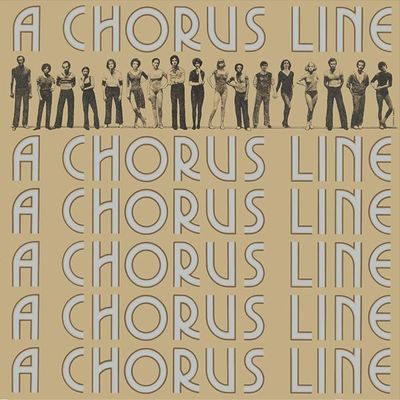
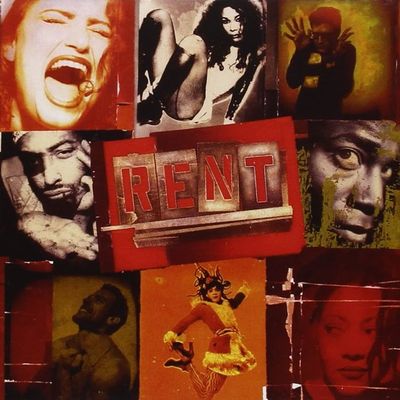
Sharon Catherine Brown has appeared in films like A Chorus Line and Sister Act 2, in soap operas like Generations, and sitcoms like The Jeffersons, Good Times, and The Fresh Prince of Bel-Air. But theater is where she got her start and remains her first love. From Broadway productions of Dreamgirls and Joseph and the Amazing Technicolor Dreamcoat to the national tours of The Wiz, Rent, and Jekyll & Hyde, ShayCat (as she’s known to friends) has the kind of experiences and resume that any actor would love to have. She and I met this past year doing a new musical version of the classic novel, Anne of Green Gables. And in part one of our conversation, she shares with us the long line of performers in her family (namely Johnny Brown, her father), a harrowing experience in her first Broadway show (Maggie Flynn), and the moment she knew she was born to be a drama queen.
- STORY #1 - Coming from a long line of Broadway performers
- STORY #2 - The moment she knew she was a drama queen
- EXTRAS - Performing difficult scenes with children as well as adults and Productions needing to cast big names to get an audience
Listen to PART 2 of my conversation with Sharon.
SUBSCRIBE TO WINMI
Get access to Audition Stories, the Final Five questions, and other bonus content by becoming a monthly or yearly subscriber to Why I’ll Never Make It. Producing this podcast is rewarding in its own way, but I’m essentially a one-man operation. So it is both costly and time-intensive to put together each episode. By subscribing you’ll be supporting these podcasting efforts, and have access to extended conversations and other bonus content. Your financial support of this podcast is greatly appreciated!
- Subscribe to get access to bonus episodes and extra content
- Make a one-time Donation to support transcripts and podcast production
- If you’d like to support WINMI but have limited funds to do so, then contact me directly for reduced-price or even free access to the bonus content.
Follow WINMI: Website | Instagram | YouTube
Why I’ll Never Make It is an award-winning, Top Theater Podcast hosted by actor and singer Patrick Oliver Jones and is a production of WINMI Media. Background music is by John Bartmann and Blue Dot Sessions is used under a Creative Commons Attribution-NonCommercial 4.0 International License.
Transcript
This transcript was automatically generated and might contain errors.
[0:00] Patrick Oliver Jones: One essential ingredient to any actor's career is experience. It allows us to develop our craft and hone our skills over time. With each performance, we refine techniques, we learn from mistakes, and develop greater emotional and psychological depth in our performances. But this growth in credibility and authenticity in acting comes as much from our offstage lives as it does from our onstage experiences. And today's guest shares both personal and professional challenges that have shaped her not only into a great actress, but an amazing person as well.
[0:38] Sharon Catherine Brown: Hi, I'm Sharon Catherine Brown. I am born and raised in New York City. Also, I was bi-coastal for a long time as well, and would go back and forth where the jobs were. And I also spent nine years on the road, where I went from one show to another and didn't really wasn't really anywhere. But yeah, I was everywhere.
[0:58] Patrick Oliver Jones: ShayCat, as she is known to her friends, has experiences and a resume on stage and on screen that any actor would love to have. Her film work includes A Chorus Line and Sister Act 2, and on television, she's appeared in soap operas like Generations and sitcoms like The Jeffersons, Good Times, and The Fresh Prince of Bel-Air. But theater is where she got her start and remains her first love. From Broadway productions of Dreamgirls and Joseph and the Amazing Technicolor Dreamcoat to the national tours of The Wiz, Rent, and Jekyll & Hyde. She and I met this past year doing a new musical version of the classic novel Anne of Green Gables. And in part one of our conversation, she shares with us the long line of performers in her family, a harrowing experience in her first Broadway show, and the moment she knew she was born to be a drama queen.
[2:02] Sharon Catherine Brown: That's why we do theater. We're a particular breed of crazy. Because anything could happen when you're on stage, and you just have to go with it.
[2:18] Patrick Oliver Jones: Welcome and thank you for joining me for another episode here on Why I'll Never Make It, an award-winning theater podcast hosted by yours truly, Patrick Oliver Jones, an actor and singer for more than 30 years. Every other week I talk with fellow creatives who bring us stories from their own life of personal struggles and professional hardships with lessons we can all learn from. The website is whyillnevermakeit.com, where you can subscribe, donate, and find past episodes. Again, that's whyillnevermakeit.com.
[3:01] Patrick Oliver Jones: Welcome, Sharon Catherine Brown. It is a joy to have you on the podcast.
[3:03] Sharon Catherine Brown: It is a joy to be here, my dear, dear friend who I love so much.
[3:11] Patrick Oliver Jones: Well, and it's hard for me to say that full name because I just know you as ShayCat. That's your name.
[3:15] Sharon Catherine Brown: Yeah, I mean, I'm fine with you that you'll do your thing and let people know who's on your show, but you have to call, we're friends, people. We're friends in real life, so yeah, don't do that, Sharon Catherine on me.
[3:30] Patrick Oliver Jones: Now, when was the first time you used ShayCat? When did you start going by that name?
[3:34] Sharon Catherine Brown: A friend of mine, Brian Flores, was in the show Head Over Heels with me on Broadway, and he gave me that name, and it stuck, and everybody was like, that's so cool. And it was done with such affection, and I loved it so much. And then it just went, and then everybody, everybody calls me ShayCat. And I love it so much because of how it was started. It's just gone from project to project. And I'm like, yeah, that's just it makes me so happy. I always think of Brian when somebody calls me ShayCat.
[4:07] Patrick Oliver Jones: And everybody calls me ShayCat.
[4:10] Sharon Catherine Brown: Yeah.
[4:10] Patrick Oliver Jones: Yeah, because it wasn't until like the I think the second week of our rehearsals in Anne of Green Gables that I knew your name was Sharon. Like people would say, people would say Sharon. I was like, who's Sharon? They go, ShayCat. I went, oh.
[4:25] Sharon Catherine Brown: Well, it also came really handy when I did Caroline, or Change, because I was the standby for Sharon D. Clark. I was Sharon C. Brown. And I was like, that has never happened ever, ever. And you don't have to worry about who you're calling, because I go by ShayCat. And everybody was like, oh, that's great. It was on all my clothes and everything.
[4:52] Patrick Oliver Jones: Did you put stickers on everything?
[4:55] Sharon Catherine Brown: I saved that for you. I didn't get those stickers until we did Anne of Green Gables.
[5:02] Patrick Oliver Jones: So what you need to know, listener, is that this woman bought stickers that just had ShayCat all over them.
[5:09] Sharon Catherine Brown: All over the...
[5:10] Patrick Oliver Jones: And then she proceeded to put these stickers everywhere in her dressing room, on donut boxes, everywhere.
[5:17] Sharon Catherine Brown: You don't know what you're talking about, donut boxes. I understand that you have an audience that you have to appeal to, but don't lie. Don't lie on me. Do it honest. You know, get the ratings honestly. Don't tell stories like that. That's ridiculous. Who would do that?
[5:36] Patrick Oliver Jones: Well, then fine. Why don't we tell some of your stories now? That'll get us into the first one. And so you want to talk about being not just a Broadway legacy baby, meaning that one of your parents was on Broadway, but you're a double Broadway legacy baby.
[5:52] Sharon Catherine Brown: Yeah, so here's how it works. So you know my dad, Johnny Brown, who is from Laugh-In and Good Times, he was Mr. Bookman on Good Times. He passed away recently. And so you know that because you're my friend and you went through so much with me with that. And my dad was Sammy Davis Jr.'s project, and he was one of the stars of Sammy's show Golden Boy, and he had a huge number called Don't Forget 127th Street. It literally brought down the house eight shows a week, like that was my dad's big break, but he was also on Broadway in a play that was a musical in a play called Carry Me Back to Morningside Heights, directed by Sidney Poitier. Louis Gossett Jr. was in that, and an incredible cast where you look and go, Are you kidding me?
So it's rare if you're a Broadway legacy baby. That's pretty cool and rare. You're not gonna meet a whole lot of double Broadway where both parents have done, and you're definitely not going to meet someone whose parent did a Broadway show with their parent. So my mother was in a Broadway show, Memphis Bound, with her mother, my grandmother.
[7:11] Patrick Oliver Jones: That's crazy.
[7:13] Sharon Catherine Brown: It makes me so proud and it makes me so, so happy. And like truly, I came out of the womb looking for center and knowing where I mean. Did it feel like destiny? You were born to do theater?
[7:26] Sharon Catherine Brown: It felt like that to me, but my parents were ahead of their time in terms of this. They felt this is what they do for a living. Nothing in them wanted to push their kids to do it. So if it weren't for friends of my parents, maybe I wouldn't have gotten into show business as early as I did. Because it's my friends that were like, can't you see what you have? Like she's been because I started at three and a half with like baby modeling, because somebody put my picture in, a friend of my parents put my picture in, and you know, all this stuff started happening because my parents were like, we don't want to be those parents.
[8:10] Sharon Catherine Brown: And when I was doing commercials and print work, I really did see a lot of creepy things. I mean, I remember this sticks out in my head the most. I think it was a pudding commercial. Maybe it had been Jell-O pudding. And the casting person came out. We're all like six, you know, we're babies. Raise her hand. Who likes vanilla? Raise your hand. Just so that when we went in, they wouldn't be giving us something that we didn't like. It was not like if you like vanilla, you weren't gonna get the job. It wasn't that. And I saw a mother, her daughter raise her hand. She's like, put your hand down, because she thought more people are raising their hands for chocolate. You raise your hand for vanilla. You know, like I saw stage mothers like that, my mom was never that. And so on many gigs as a child, my mother was the only parent that was allowed either on set or in the theater because she was normal.
[9:20] Sharon Catherine Brown: Well, I mean, coming from a theater background herself, then she knew the business and she knew not to take this personally or kind of how to manage this or that. She was not only a performer, but she was an acting teacher. I mean, my mom's point of view, as well as my dad's, but my mom, I had to be with a parent or guardian. So it was always my mom, like on Saturday. And she would always look at someone and go, she doesn't pay the bills here. We don't, we're not living off of our daughter. She doesn't have to be in this business. So things were not correct for, you know, we have when you're underage, you have certain laws and rules that have to be adhered to. And if things were not right, she was like, I'm pulling her.
It wasn't like a diva thing. It was like she's a child and she's a child first. And so this is not a woman trying to live vicariously through her daughter. She's a mom first. And I had to be professional. So I was not a bratty kid because that was not gonna apply with my mother and father. You know what I mean? So I'm fortunate in that respect that my parents were my parents first.
[10:33] Sharon Catherine Brown: I give a lot of people in show business that have made mistakes that were child actors. I give them a pass because I see the way they were raised. And I see in almost no, in all really in every single case, the parents got so involved in show business that they weren't parenting. And I really give them a pass for a lot of stuff. Because this is a hard industry to be in if you're parenting yourself. And it's really you're always one breath away from being a true Hollywood story if you not have parents that are like, I don't care whether you're starring on television or on Broadway, your room needs to be cleaned. That's important.
[11:18] Patrick Oliver Jones: Well, yeah, it's that sense of being grounded so that you don't get, you know, because how you're treated on set is not how you're treated at home or in the rest of your life. And you need to recognize that.
[11:28] Sharon Catherine Brown: Yeah.
[11:29] Patrick Oliver Jones: And know that difference.
[11:29] Sharon Catherine Brown: Yeah. Oh, when I did my first movie, my foundation is theater. And I'm just so grateful for that. And I love theater so much. Like it's an incredible medium to me. And when I did my first movie, and I remember this like it was yesterday. I walked through the doors of the theater because it was A Chorus Line. And so we were shooting at the Mark Hellinger, the old Mark Hellinger, walking through the stage door. And to myself, like at this level, I was like, I wonder if I want breakfast. But just like no louder than that. I'm like two production assistants. They were like raptors, you know, in Jurassic Park. They come from either side. It was like that. And they were like, can I get you anything?
You want a muffin or you want a bagel? I thought, in that moment, I was like, oh, this is why people lose their minds. I got it. I understood. I was like, if this is all you know, then there's no way you can be grounded. If you can whisper, if you're just wondering about something, and somebody is, you know what I mean? The theater, it's like if one of your castmates doesn't bring breakfast, sometimes you don't have it. It's like, you know.
[12:45] Sharon Catherine Brown: If there's no donuts, there's no bagels, and you may be going hungry until lunchtime. And I love that about us, by the way. But you know, it's like I got a really big life lesson in one moment of time to go. There are some people that they graduated college and hit it big, and all they know is this. They don't know anything else. For instance, I played Dorothy in The Wiz on tour, and André De Shields was my Wiz.
[13:17] Sharon Catherine Brown: Yeah. I know, right? How wonderful. Wow. And everyone was really intimidated by him because of his presence. And also he worked that. He like he knew people were intimidated, so he worked it. But Dingdong, you know, ShayCat was too young because I was the youngest ever played the role. I was 13. And to me, it was Oz on stage and off. And I loved him so much. Like I would knock on his door and people would look and they would go stiff, like, oh my God, you're not supposed to knock on his door. And I was like, he loved me.
[13:52] Sharon Catherine Brown: You know what I mean? Like, I he just loved me. So I got away with anything. And um, because when I first started the show, I was a munchkin. I mean, literally, I was a munchkin at 13. I was a munchkin off stage. I was literally a munchkin. And I came into my dressing room, my mom is there because I'm underage, my mom's there, threw my costume down, and my mom like looked at me and she glared and she said, What are you doing? And I was like, What? I said, you know, because I'm trying to be sophisticated. I was like, I'm making a quick change. She's like, your change isn't that quick. She said, hang up your costume. Those are your clothes. Pick up your if you don't have, like, I'm so fortunate because if you don't know, then you only learn what your experience is.
And if you're parenting yourself, there are some 13-year-olds that hit it big on a television show. And their parents are not in show business and may not necessarily be guiding them in that way. And so they become the breadwinner. And they're the role switch or the dynamic switches, is what I mean between parent and child. And suddenly they're just anything on one. Anything. And that would never fly in my household. Oh my goodness. I mean, I never did that again. That's the thing is I never did that again. I've had uh wardrobe people and wardrobe assistants look at me and go, wow, you're so you're so needy, you're so considerate. Don't worry, I've got it. And I'm like, no, I've got it. Unless it's a thing of this is a quick change.
No, I'm hanging up those in my clothes. Because the other thing my mother was like, have pride in that's your character. Those are your clothes. This is your costume. This is the integrity of the business is what I was taught by both of my parents. And I'm really, I am always so grateful for that because I you could be a monster if you start as early as I did and you have no guidance. It's like you know what I mean? But at the same time, it sounds like that, yes, your your parents taught you a certain way and having respect and integrity, but at the same time, you still got to be a kid and enjoy it. It was still a playground and fun for you.
[16:04] Patrick Oliver Jones: Absolutely. Yes, because that was the reason that my mom was always willing to pull me offset, because she knew, and my dad knew that I was professional and that I knew what that meant, and my and that I learned it's show business, it's two words, and and they knew that. But if they felt there was any kind of abuse that was getting ready to happen, they were like, no, she doesn't she doesn't need it bad enough to have someone uh, you know, to have a Judy Garland thing, give her amphetamine sync, she you know what I'm saying? Like, but at the same time, based upon your own parents, then you growing up in the theater, and now you are a mom yourself. Did that affect how you mothered and how you raised your own son?
[16:57] Sharon Catherine Brown: Yes, because it caused me to put the brakes on my son is an incredible actor who has no interest in being an actor. He's 18 now, and when he was younger, he did some really wonderful performances, and I discovered that he could act when he was nine or ten. And I said, Do you mind? Because I had an audition coming up, and I say, Do you mind reading with mommy and just practicing with me? So I've got the copy for him and the copy for me, and we're doing the scene, and I'm like, can we do it a couple of times? For me, obviously. I'm trying to get off book, and the second time, he's doing the scene, but he's not looking at the side, but I'm looking at the right. And I'm like, oh my God, oh my God.
So I'm trying to stay in character and not go, oh my God, my my child is doing a cold read. My child is doing something that adults like melt before they're able to do it. They'd like they find so intimidating. And then the third time that we ran it, I was in a scene with a really good young actor. And I was like, oh MG. Now the reason why this is an OMG moment for me is because I adopted my child. And there are lots of people that don't know that because he has my smile. And so people just assume they're like, well, of course, of course. You know, he's taking that, no, no, not necessarily, of course. You know what I mean? And I don't know whether it'll change. But I I had to check myself because, you know, when he was like, I'm not, I'm not interested in that.
I couldn't accept the fact that it was a hobby. And that he was like, that was then, and now I'm just because he was so good, because the stillness that actors take many, many classes in years of classes to get he had it naturally, that stillness. And this is and so I was like, you've got you cannot have your great parents and then you be mama rose. You can't this cannot happen. So and he because I never got to that. Yes, yes, yeah. But I would be like, your school's having an audition for this. You were killing that role. Like I and I I put the brakes on that because, you know, it's not fair for me to do that. He's going to be his own person. Whether or not you push him, really.
[19:32] Patrick Oliver Jones: That's right. And that's why, you know, there's nothing that my parents could have done. It was gonna be that for me. You know, if he chooses it later on, that's incredible. And if he wants to be a lawyer or a doctor, I'll scream my little lungs out and go, my God, no, not study work. You know, but whatever.
[20:03] Sharon Catherine Brown: For your second story, and I found this one to be hysterical. For your second story, you wanted to share when you knew that you were a drama queen.
[20:11] Patrick Oliver Jones: Yes, okay. So this is when I this is when I knew. So a little backstory, my Broadway debut was Maggie Flynn with Shirley Jones and Jack Cassidy. And in that cast, Irene Cara, who just passed away, I've known her all my life, and Stephanie Mills, and Giancarlo Esposito is an incredible actor. And there's nine kids all together. We went to the same school, but we were in different grades. They were all ahead of me. I was the baby of the all those babies. And we went to Lincoln Square Academy, which was a school, it's no longer a school for performing kids. Lincoln Square Academy is like you could be you could be on Broadway and go to school and you know, that you could do them both. So adults don't want to work with kids or animals.
Except for me. I'm that different adult that I'm like, put me on a Disney channel and surround me, please surround me with all the animals you got and all the kids you got. That's my dream job. Okay. That's my dream role, whatever that is. But we were aware that the adults were like, these kids are kicking our butt. Like this was a super talented group of kids with huge voices. Huge. Like we like we were little adults. We're all hams, every one of us, is a leg of ham. And you know that kids can do no wrong. And there was this big set, and it was a staircase, but huge, huge staircase, big staircase. And there was an elevator, like a lift that came out of the floor. So night, the stairs started to crumble.
And whatever the mechanism was that moved it from underneath the stage, it just started to crash while we were on it. It starts, something happened, and you heard things going. But this staircase went all the way up, and there was like a kid on each stair. So we were high up. And it started to crumble. And you heard the audience start to scream because they were aware of the fact that, oh, this this is not a part of the show. And the kids started to scream. You know, everybody was screaming, and then and the curtain had to come down, the stage uh managers and a lot of the adult cast, they ran and you know, get we were up crying and screaming and just you know, shit something, all of that. And they had to remove this huge set.
And kids just now what I was four and a half or five, five, I think. I felt it changed from we're in real danger, we're gonna die, to this is the greatest performance of our lives. I felt it, because it was an energy that passed from one child to another, all at this, but all at the same time. It was like a lightning bolt that hit us all. It was like, this is scary, and we're all gonna die, and this this staircase, this wooden staircase is crumbling, and we're having to jump into the arms of stage managers and other casts, and suddenly we were backstage, they were surrounding us, and my mother was nearby and had a feeling, she just had this feeling. She was with our teacher, and she said, I gotta go to the theater, something's up.
My mom's always been that way. And when she came into the theater is when it was crumbling, she felt something was wrong. And one of the cast members that was also a friend of ours, he was like, he put his arms up so that I could get off the thing. He was like, I got you, I got you. I jumped into his arms. And my mother, because my mother was like, she was running down the aisle going, all bets are off, I'm coming up, I'm getting my child. We were backstage, and in the time it took to get the set off, the stage was bare, and they were like, Do you think you can say because our big number was coming up? All the kids sang this big song. It was like an eerie ballad. And they were like, Do you think you could do this?
And we were like, and it was just very, it was getting more and more traumatic. Yes, yes, yes, the show must go on. Patrick, let me just tell you. When that curtain came up, the ovation that the nine kids got, that was the beginning of the end. That was they created nine monsters, nine little monsters. It was like there's nothing better on the face of this universe than what is happening to us right now. And life has to be like this. It can never not be. I can never not be on stage. And we all felt it. That was the moment I knew that I I was a drama queen. We could, this is the greatest moment. By the way, the danger was real. That's the funny thing is that right. Something really could have happened to you.
No, no, it was crumbling. Like that's the thing. And and the way it was crumbling, if we fell, not only were we gonna either get hurt or or break bones, but we also could have fallen through the floor because there was an opening. That was what the problem was is that there was a staircase, but there was an opening around it, so we also could have literally like, you know, wow, that could have been the end of us. And so it was like that, it was very real danger. And then and then we were um in the paper the next day. Oh why? Why would you put nine hams in a paper and with this giant root beer float that they got for us because we're alive, our lives were spared, and the show was going. It was the it was the best thing, and all the adults that night, they were atmosphere.
Because we came back, we were children, and we came back on that stage on a bare stage with nothing. And sang our song and brought the house down. It was incredible. And then I was like, this feeling is the feeling I want to have for the rest of my life.
[26:39] Patrick Oliver Jones: Oh my gosh. Yeah, I mean, that's such a dramatic moment. I mean, yes, dangerous, but also dramatic. And then, as you say, once that ovation starts, you never, never want to get rid of that.
[26:50] Sharon Catherine Brown: Ever. The whole audience is looking at you guys, you little brave children, you brave little brown kids. Because we're all brown, you brave little children, you. If you just move your pinky, we're here for it. And we're gonna get come on, are you kidding me? And that's the other thing. Then it's live. It was the best thing to happen because you could get through anything. That's why we do theater. We're a particular breed of crazy. Because anything could happen when you're on stage, and you just have to go with it. I was cast as Lucy in the touring company of Jekyll and Hyde. And there's a lot of moving parts to that set. Again, eight shows a week. So what could go wrong? You know, like stuff is gonna, you can't have things that are moving electronically and not know that you're in for a ride at some point.
[27:45] Sharon Catherine Brown: Never in a show.
[27:46] Sharon Catherine Brown: Never in a show.
[27:48] Sharon Catherine Brown: I mean, and of Green Gables that we did, remember?
[27:52] Sharon Catherine Brown: Wait a minute, that one that was when the planks were just, I was like, oh, are we just gonna keep on spinning?
[27:57] Sharon Catherine Brown: It's a turntable of planks, and they're supposed to turn a certain way at a certain time.
[28:01] Sharon Catherine Brown: Stop at a certain time, and stop at a certain time.
[28:04] Sharon Catherine Brown: And of course, I mean, from tech rehearsal, I looked at the girl running automation and I said, This is nothing on you, but that is gonna break at some point.
[28:12] Sharon Catherine Brown: It just certainly did.
[28:13] Sharon Catherine Brown: I remember, and I was like, of course it is.
[28:13] Sharon Catherine Brown: Of course.
[28:16] Sharon Catherine Brown: And they're like, Well, well, we're I was like, No, it's not about you.
[28:20] Sharon Catherine Brown: It's gonna happen.
[28:21] Sharon Catherine Brown: You're just asking for it.
[28:23] Sharon Catherine Brown: Yeah.
[28:24] Sharon Catherine Brown: And you know it's gonna happen.
[28:25] Sharon Catherine Brown: That's the thing, is you're like, and you know that you will deal with it.
[28:29] Patrick Oliver Jones: Because what did you do in Jekyll and Hyde?
[28:31] Sharon Catherine Brown: How did you deal with it?
[28:32] Sharon Catherine Brown: There was a set that the scene switches from outside to Dr.
[28:39] Sharon Catherine Brown: Jekyll's office.
[28:40] Sharon Catherine Brown: And Lucy is sitting in the office, but that part of it slides in.
[28:46] Sharon Catherine Brown: You know, again, it's all electrical, and it slid in and creates the office, right?
[28:52] Sharon Catherine Brown: It's the segue, but then it slid right back out.
[28:55] Sharon Catherine Brown: And I was like, Well, there you go.
[28:57] Sharon Catherine Brown: I was supposed to start talking to them.
[29:00] Sharon Catherine Brown: And then it's it stopped and slid back in, and we were starting the dialogue, and my chair just started to turn.
[29:00] Sharon Catherine Brown: Just started.
[29:08] Sharon Catherine Brown: I was like, Well, there you go.
[29:11] Sharon Catherine Brown: I mean, but at the same time, that is also what is so magical about theater, just that anything can happen, whether it's a line or something happens with another character, or the chair beneath you just starts to move.
[29:26] Sharon Catherine Brown: And you know, the audience loves that too because they get to say, Oh, I was there the night, you know, you love that.
[29:35] Sharon Catherine Brown: Like, I saw Mean Girls the night that uh the lady playing the lead, her wig fell off, and it was just her wig cap.
[29:45] Sharon Catherine Brown: And Ashley Parker was trying to hold it on, and they were, of course, hysterically laughing.
[29:52] Sharon Catherine Brown: She was trying to hold the mic on, because it was she was just left in her stocking cap and mic on top of her head.
[30:00] Sharon Catherine Brown: Because it was supposed to be a quick illusion thing where suddenly she's in another top or something.
[30:07] Sharon Catherine Brown: That wig came off, but they couldn't go on because they had to reset it.
[30:12] Sharon Catherine Brown: It was important to me.
[30:13] Sharon Catherine Brown: So they had to bring the curtain down.
[30:15] Sharon Catherine Brown: Ashley came backstage.
[30:18] Sharon Catherine Brown: When did I see your?
[30:19] Sharon Catherine Brown: I guess oh, I guess she saw head over heels.
[30:22] Sharon Catherine Brown: And I got to tell her that.
[30:24] Sharon Catherine Brown: I said, I was there the night that the curtain came down because of that.
[30:27] Sharon Catherine Brown: It was one of the funniest things.
[30:28] Sharon Catherine Brown: They could do no wrong.
[30:29] Sharon Catherine Brown: The audience, first of all, we're all fans of the movie.
[30:33] Sharon Catherine Brown: We're we're we the whole audience is there to because we love it.
[30:37] Sharon Catherine Brown: We were screaming laughing.
[30:39] Sharon Catherine Brown: And when the curtain came back up, they practically got a standing ovation because that's what the that's what it is.
[30:45] Sharon Catherine Brown: In that moment, it's not about the fourth wall because we're all just involved in whatever that moment is, and it was great.
[30:52] Sharon Catherine Brown: You know, I've had a bunch of those moments.
[30:54] Sharon Catherine Brown: Well, when it comes to theater, obviously the highs are wonderful, and that's why we keep doing it.
[31:00] Sharon Catherine Brown: But it's gonna have its little low points, disappointments.
[31:03] Sharon Catherine Brown: I know for me, like one of mine was back in middle school when another boy was cast in the high school's production of The Sound of Music.
[31:11] Sharon Catherine Brown: I didn't get to do it, he got to do it.
[31:13] Sharon Catherine Brown: It's very devastating.
[31:15] Sharon Catherine Brown: Yeah, because when you audition for something and you really want it, and you feel that you have fired on all cylinders, and you don't get it.
[31:28] Sharon Catherine Brown: I think I went through a period of time where you were made to feel like you look just shake it off, just shake it off, and you go on to the next, and you're you know, you hear people say all the time, your job is auditioning.
[31:41] Sharon Catherine Brown: I get that, and yes, but auditioning, you know, unfortunately, the like a job does not pay your bill, you know.
[31:49] Sharon Catherine Brown: I'm not so into the hiding of my disappointment anymore because I feel like sometimes we're asked to hide our feelings or change the way we feel or feel bad for feeling bad.
[32:03] Sharon Catherine Brown: I mean, I think as you get older, you look and go, what if people keep telling us that no longer serves me?
[32:11] Sharon Catherine Brown: Sometimes I'm just really disappointed, and it's okay to be that, and then sometimes I will not get something, and I can, you know, shake it off, but it depends on how much I really want it.
[32:27] Sharon Catherine Brown: It depends on if I am thinking, gosh, I know I can do this, and it's okay to live in that for a bit.
[32:36] Sharon Catherine Brown: I think when we start denying our feelings, it definitely makes sense.
[32:41] Sharon Catherine Brown: We're actors, we're a bundle of feelings, and we're supposed to expose them.
[32:45] Patrick Oliver Jones: Well, and especially for you, starting out as a child, I think that's why some adults don't want to be with children because it can be so unpredictable.
[32:52] Patrick Oliver Jones: It can be just this bundle of emotions, it can be unprofessional, quote unquote.
[32:57] Patrick Oliver Jones: But then some children that are just a delight to be with, both on stage and off.
[33:02] Sharon Catherine Brown: So you never know what you're gonna get with that.
[33:04] Sharon Catherine Brown: Oh, the kids in Carolina Change.
[33:07] Sharon Catherine Brown: Oh my gosh, I love them so much.
[33:09] Sharon Catherine Brown: They're so talented, it's ridiculous.
[33:12] Sharon Catherine Brown: They're real show business kids.
[33:14] Sharon Catherine Brown: There was a trend, you know.
[33:16] Sharon Catherine Brown: You know, we go through trends in the industry of using real kids.
[33:21] Sharon Catherine Brown: We want real kids.
[33:23] Sharon Catherine Brown: You know what?
[33:23] Sharon Catherine Brown: Give me a show business kid over a real kid any day.
[33:26] Sharon Catherine Brown: Because I need somebody who knows number one that this is make believe.
[33:31] Sharon Catherine Brown: I want them to hit their mark.
[33:33] Sharon Catherine Brown: I want them to cry on cue.
[33:35] Sharon Catherine Brown: I want them to be re that show business kid, is they're invaluable.
[33:41] Sharon Catherine Brown: And every one of those kids in Carolina Change was a show business kid.
[33:47] Sharon Catherine Brown: Realism, we can get let them go to a reality show.
[33:51] Sharon Catherine Brown: And if you want, if you want those kids, let but for theater and movie, I love a kid that knows that this is a business and knows what they're doing.
[34:02] Sharon Catherine Brown: There's a very rough scene between Caroline and Noah, the little boy in Carolina Change.
[34:09] Sharon Catherine Brown: And some things are said from Caroline that I found really difficult to say, just as a human being.
[34:17] Sharon Catherine Brown: When we were in rehearsal, the first time that I had to say that to one of the Noah's, you know, we did did the scene and we're in it and came off stage, and I just I bottled my eyes out because it was so difficult for me to say something that cruel to a child, because you know how much I love children.
[34:41] Sharon Catherine Brown: You that like if you're around me for like three seconds, you know, I love children and animals so much.
[34:50] Sharon Catherine Brown: He's okay, he's okay.
[34:53] Sharon Catherine Brown: He came to me like an old man.
[34:55] Sharon Catherine Brown: He was like, We're good.
[34:59] Sharon Catherine Brown: But he was like this growing man is like I said, I love you.
[35:03] Sharon Catherine Brown: And from that time on, whenever because I went on several times, and from that time on, before we would always start, we we look at each other, no matter who I was going on with it.
[35:15] Sharon Catherine Brown: We love each other.
[35:16] Sharon Catherine Brown: Jeff make believe nothing we say matters.
[35:19] Sharon Catherine Brown: Nothing we say is true.
[35:20] Sharon Catherine Brown: We love each other.
[35:21] Sharon Catherine Brown: And when we were closing, Jaden, who I went on with a lot, my Noah, and he made cookies for everybody with sayings on him and he put on mine.
[35:36] Sharon Catherine Brown: And I still have it, I have it in the freezer.
[35:38] Sharon Catherine Brown: I was like, there's no way I can eat them.
[35:42] Sharon Catherine Brown: We love each other.
[35:43] Sharon Catherine Brown: Remember that always we love each other, and this is all just make believe and nothing.
[35:47] Sharon Catherine Brown: And I was like, I'm looking at my cookie, going, How sweet are you?
[35:52] Sharon Catherine Brown: These kids give me show business kids any day of the week.
[35:52] Sharon Catherine Brown: Any day of the week.
[36:02] Patrick Oliver Jones: For early access to each episode, as well as other bonus content like audition stories and the final five questions.
[36:10] Patrick Oliver Jones: Become a monthly or yearly subscriber to Why I'll Never Make It.
[36:14] Patrick Oliver Jones: Though I certainly enjoy producing this podcast, I'm essentially a one-man operation, and it's both costly and time intensive to put together these episodes.
[36:25] Patrick Oliver Jones: So for just a few dollars a month, you'll not only support these podcasting efforts, but you'll also get to hear these extended conversations without promotions like this one interrupting you.
[36:36] Patrick Oliver Jones: So please consider lending your financial support to this podcast with a monthly or yearly subscription by going to why I'll never make it.com and click subscribe or just look for the link in the show notes.
[36:55] Patrick Oliver Jones: It's interesting you talk about being able to say harsh things on stage.
[37:00] Patrick Oliver Jones: Because it's one thing when you do it on camera, you get, you know, one, two, three, four, maybe five takes, you know, depending on what it is, different angles, but then it's done.
[37:08] Patrick Oliver Jones: But theater, there's something about it.
[37:10] Patrick Oliver Jones: It's that eight times a week, it's that week after week, sometimes months ongoing, where you're in these rough scenes like that.
[37:18] Patrick Oliver Jones: And certainly with the child, you know, you you want to know you want the harder with a child.
[37:23] Patrick Oliver Jones: Yeah, you want that child to know it's make believe.
[37:24] Patrick Oliver Jones: But even with adults, because I I've been reading about, you know, just as we've gone through the last couple of years and a little more racial awakening and just trying to navigate that, and now certain plays are being produced that have tough elements in it, and presenting things like that between people of different racial, different classes.
[37:45] Sharon Catherine Brown: And so have you found that same type of connection even with adults or or kids when you're having to present tough material that has a historical reference to it as well, like that.
[37:58] Sharon Catherine Brown: I am careful about the roles that I choose when it's either you know straight player musical theater, because of you that you when you're doing eight shows a week, you know that it's pretend, but your cells don't know.
[38:17] Sharon Catherine Brown: You know what I mean?
[38:18] Sharon Catherine Brown: Your body doesn't know that.
[38:19] Sharon Catherine Brown: That's why taking care of yourself physically, emotionally, and financially is important because it's a difficult thing to do.
[38:31] Sharon Catherine Brown: But because we love what we do, it is diminished by so many people.
[38:37] Sharon Catherine Brown: I find that a lot.
[38:38] Sharon Catherine Brown: Yeah, I've had people say that to me.
[38:40] Sharon Catherine Brown: You know, and no matter how hard the schedule is, I've had people say, but you're doing what you love.
[38:46] Sharon Catherine Brown: Yes, I am doing what I love.
[38:48] Sharon Catherine Brown: But that doesn't mean it doesn't mean it took a lot of work to get there.
[38:51] Sharon Catherine Brown: Nobody ever says that to a producer or a director or a cat, you write no, nobody said those, but you're doing what you love.
[38:58] Sharon Catherine Brown: They're like, Yes, that it is hard.
[39:02] Sharon Catherine Brown: With actors, they're like, put on your clown collar and get out there and make us laugh, you know.
[39:10] Sharon Catherine Brown: Because they say that with uh Olympic athletes, like, oh my gosh, the the trading and struggles that they went through.
[39:15] Sharon Catherine Brown: It's like, but they're doing what they love.
[39:17] Sharon Catherine Brown: I mean, they love those sports, whatever events they're in.
[39:20] Patrick Oliver Jones: It's interesting.
[39:21] Patrick Oliver Jones: We recognize the hard work that someone who does a marathon or someone who does a high jump or all these different gymnastic events.
[39:29] Patrick Oliver Jones: But yet someone gets on stage and sings their guts out and they're smiling and they hit that high note, and it's like, wow, they're just doing what they love.
[39:37] Patrick Oliver Jones: It's almost like we don't see the hard work.
[39:39] Patrick Oliver Jones: And I can point to you when we did Anna Green Gables, your big 11 o'clock number as Marilla after Matthew dies, like it it was interesting some of the vocal choices that you make.
[39:51] Patrick Oliver Jones: I was like, how is she gonna do this eight times a week?
[39:53] Patrick Oliver Jones: And yet, every show you were there, your voice was there, and I know that it was it was preparation on your part.
[40:00] Patrick Oliver Jones: Like the things that you would do vocally, certainly I know on stage, and hopefully an audience gathered that, that it was something that took training and precision and exactitude to get night after night.
[40:13] Patrick Oliver Jones: Because doing it once for a recording, fine.
[40:16] Patrick Oliver Jones: You could do probably even more than you did.
[40:18] Patrick Oliver Jones: But to do what you did takes training.
[40:21] Patrick Oliver Jones: It takes hard work, and you love it, but it as you say, it doesn't diminish the craft and work that goes into it.
[40:28] Sharon Catherine Brown: Yeah.
[40:29] Sharon Catherine Brown: And we also, when you're doing eight shows a week, you live a certain way.
[40:34] Sharon Catherine Brown: If you're going to do eight shows a week at 100%, I was always taught, you know, you give 100%.
[40:42] Sharon Catherine Brown: And that's valuable.
[40:44] Sharon Catherine Brown: You know, I think sometimes when you're talking about, have I been disappointed with roles that I didn't get, I've lost roles to people that had a higher social media profile than I did.
[41:01] Sharon Catherine Brown: And I know that sounds like an excuse, but like really, like I've lost hard theater roles that I believe in my heart should go to theater people to people who've won contests.
[41:17] Sharon Catherine Brown: And I, you know, I'm I want to say I'm not putting that down.
[41:22] Sharon Catherine Brown: It's just that sometimes I would think exactly what you just said.
[41:27] Sharon Catherine Brown: It's not just about one show or even a week of shows.
[41:31] Sharon Catherine Brown: It's eight shows a week.
[41:34] Sharon Catherine Brown: And I get it, it's a business.
[41:38] Sharon Catherine Brown: You want the person who's out there famous on television to play. But it's unfortunate because there were a couple of instances where I absolutely knew that I would be the better choice, and that I also would be the person that will be there every performance and bring their A game because of my experience. So sometimes that is frustrating because that's happened a couple of times, and you're just like, okay, I can't fight this. But by the way, you shouldn't have picked me. And you know, there have been instances I'm speaking carefully because I want to be able to get my point across without bashing something else or outing something else. So I will just say, because I don't want to get into specifics, there is a role that I played for a length of time.
And when they did the revival of that show somewhere else, it took three people a week to do what I was doing eight shows a week. And I was like, what? To me, I'm thinking, why are you going for less experience? You know, it's something that sometimes you just don't get. You're like, why couldn't you just get the person that could do it? Why three people, you know? They didn't start off with that. They just the one person couldn't make the whole week, so they got a second person. But then that person couldn't do that, so they had to juggle. And I thought, I know eight women that can do and can do that, you know? Like I think that I find that with a lot of musical theater that I go to, and as you say, it is a commercial business, and they got to put butts in the seats, and to a certain point I get that.
But they often go for this big name that will bring in, they hope that will bring in tickets, but yet I know of, as you say, I know this line of people that would be around the block that could do it eight times a week and in their sleep, more so and more easily than this person. But we are definitely, I mean, it's kind of always been this way, but I think even more so now with social media and YouTube and just videos and personality is around us all the time, more so than actual talent.
[44:02] Patrick Oliver Jones: Right.
[44:02] Sharon Catherine Brown: And so I think personality grabs our attention and gets us and excites us or makes us laugh, or whatever it is, and we gravitate toward that rather than the nuanced artistic work that can go into someone's craft.
[44:18] Patrick Oliver Jones: Right. Well, I do agree with most of that, but I think what happens is I'm one of those people that also thinks while personality may not be enough to do eight shows a week, I do think there's a skill to that to making these platforms work for you to be able to monetize them. So I don't think that the person that is YouTube famous may not necessarily be able to do eight shows a week, but they might be able to successfully do television and films. I point to the Kardashians because everybody is always talking about them and claiming they don't watch them. And I'm like, the people that claim not to like the Kardashians like know way more about them than I do. I'm like, you're watching something.
But when people say that they're angry because they're famous for nothing, I want to look and go, even if you thought that was true, can't you have respect for the empire they've created off of quote unquote nothing? Like, can't you have respect for it? It's a business. They employ so many people. There are people like you. I'm not so quick to turn down the hustle that people have. It is the hustle for the technology that we have for the day that we're living in. And by the way, if I luck up on something like that, you can hate me too. Because it's about paying rent and taking care of my child. And you know, it is about working smarter, not harder. And so I guess I'm older, people expect me to have a different point of view, but I don't. I look and go, you found a way to make your dreams, which it doesn't mean I have to like them personally or what I'm not talking about personally.
I'm talking, I'm literally talking about business and what they've made. There are 20-year-olds that are making so much money from TikTok. I get that people are like, well, they're not doing anything. I get that. However, don't be angry at them. Why don't you talk to the people who want to see it or who are buying it or who like this person finds a hustle and it's working, and you're attacking them. It doesn't make sense to me. Because, first of all, you're how do you know about them if you're not watching it? So what are you getting so mad about? I try to find less ways of getting upset. There's so much stuff. Really, there's so much stuff that's coming at us. I'm like, that's what you're gonna get upset over.
[47:14] Sharon Catherine Brown: You know, like people lost their minds. This is again, I always want to be respectful. The funny girl with the lead being replaced. That I'm not talking about how one actress how that must have felt not talking, I'm talking about the fervor over that situation, but not Paradise Square. And for actors, the trouble that they had on Broadway because of a crooked producer, and the awful things that that cast and company went through. To me, that's what you should be getting upset over. That's really a bigger deal issue because that man never should have been allowed to produce again. I mean, that like that's a big deal. Like people were really hurt. And to me, people choose what it is that they want to like get all crazy about.
And then the real stuff that we should dig in and go, we have to make sure this doesn't happen again. It just goes over everybody's head. They gloss over that. That becomes, we'll talk about that for five minutes, but then we got to get to this other stuff. And the people that are discussing it the most are people who aren't even in show business at all. So sometimes I see these comments, and I'm like, you don't even know what you're talking about. And then I'm like, stop looking, stop looking. You're not a part of this, stop looking. Because one time I scrolled and I made a comment. I was like, this is none of your business. These people are not in show business. But I made a comment and I said, why let me do let me be tactful and not confrontational?
But I was strange loop announced that they were closing. And everybody knows that that's surprising when a show wins the big Tony for it to close, you know, that's a big deal. And people in theater know that exactly what that means and the jobs lost and what that means for actors and the technicians and how surprising it is. But the people having the dialogue online were not in show business. We're not actors. And this one person was like, Don't worry about them. It gives them a it gives the actors an opportunity to find new work. It was all like, this is a jolly thing, this is a good thing. This person that I shut down was answering everybody's questions. But this person is not in show business.
So this person was giving out information that was wrong. Talking down to this woman who said, I feel so bad for the people that are going to be out of work. Sort of made made a comment to make them feel like you're stupid, you don't know what you're talking about. And so I commented to the lady and said, Thank you for showing empathy. Our industry is difficult to have a show finally get to Broadway after 18 months of a lockdown in an industry that is already unstable. And then to get there and to have a short run when most people have not worked in now two years. It's not a la la la, let's just get it's not actors don't see it as oh, good, finally get an opportunity to look for more work. I said so I wrote that and I said, Thank you.
And then the other person wrote back, I have to remind myself that because we're online, you can't see intent, and I have to watch my words, and you know, that's not what I meant, and blah, blah, blah. And I said back, this is why I don't look. I said, I love the fact that we can't see each other, and that it's just words only, because it forces you to choose your words wisely, or not choose words at all, which sometimes is the wiser choice.
[51:22] Sharon Catherine Brown: No comment back. Shut that down. I was, I just was like, and I'll just say this once, and then I will keep quiet for life because I can't get into that. And I and plus, I didn't want to, I wasn't trying to be confrontational. I was just saying, especially because we're online, choose your words wisely. Like, that's that's the great exercise that we have with social media is that you don't have no one's holding a gun to your head, and first of all, asking for your opinion. No one can no one is asking you, no one is begging you. Please, please impart your wisdom, you idiot. Please impart your wisdom. No one's doing that. So if you're gonna make a comment, why don't you just give it a few minutes?
Think about it. Yeah, just form that thought, just think about it. Or how about this? Just think about it, and you don't have to post it and off. Move on with your day. Move on with your day. That's what people used to do back in the old days. It just keeps them. We didn't have to like my mom said this all the time. She's everybody's not entitled to your opinion. I'm so tired of social media gurus, I cannot tell you. We don't, none of us have this figured out. Like, none of us, and everybody wants to get on social media and go, hello, friends, you know what you should do today. And I'm like, turn up my cell phone because I don't want to hear you talk.
[52:48] Patrick Oliver Jones: Right.
[52:49] Sharon Catherine Brown: We don't have it figured out because this is actually really hard. It's really, it's difficult. And unfortunately, now people believe social media, what you're showing them is your best, your highlights. And so that, yeah, that's not that's not healthy. Because if I come to over to your house when you're not looking, well, first of all, I'll be arrested because you know that's breaking and entering. But if you were to see people, if you were to see people in their private time, you will see nobody has it all together. That's their hustle. And you're a part of it. Like, I will life coach. And you know, more power to you, but I'm I'm not gonna listen to you because personal, I'm older than you, so and I'm not even like wanting to give that kind of advice.
[53:41] Patrick Oliver Jones: Right.
[53:42] Sharon Catherine Brown: We certainly don't have our lives together. Yeah. Still learning still learning. We're still learning. It's like, how can you get up there and go, you know what you should do when you know you're probably like one super life event away from a nervous breakdown yourself. Like that is we're everybody's doing the best that they can do, and that should be the only advice given. Do your best, do the best you can. Do the best you can because this is hard. This is hard stuff.
[54:17] Patrick Oliver Jones: Thanks for listening to Shay Cat and Me for part one of our conversation. And please come back to join us next time for part two as she shares her third story and a very funny audition story. And remember, you'll get early access to that episode by becoming a WinMe subscriber. But I never want finances to keep anyone from this bonus content. So if a monthly or yearly subscription isn't possible for you, then please contact me at why I'll never make it at gmail.com, and I'll be happy to offer you a reduced price or even free subscription. Well, until next time, I'm your host, Patrick Oliver Jones, in charge of writing, editing, and publishing this podcast, which is a production of Win Me Media. Background music used in this episode is by Blue Dot Sessions and John Bartman. Be sure to join me in two weeks as we talk more about why I'll never make it.
© Broadway Podcast Network, All Rights Reserved