

One of the important aspects of Black History Month is that it’s not just about what happened 50, 100, 200 years ago. It’s also about the present, the world around us and what’s happening now to bring greater representation and celebration of African-American accomplishments and contributions... Read More
From the show: Why I‘ll Never Make It
Guests
About
One of the important aspects of Black History Month is that it’s not just about what happened 50, 100, 200 years ago. It’s also about the present, the world around us and what’s happening now to bring greater representation and celebration of African-American accomplishments and contributions. Of course, we should recognize and respect what has come before us. Black history is an integral part of American history and culture. But it’s also important to recognize the lives and experiences of those we meet and work with everyday.
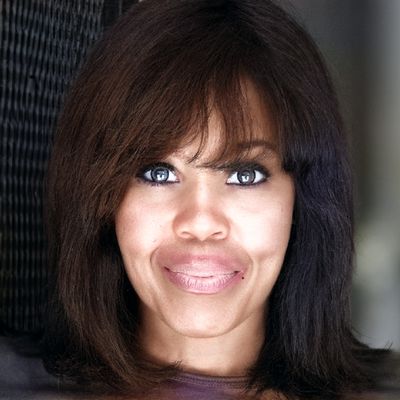
Sharon Catherine Brown, or ShayCat as I came to know her during our recent production of Anne of Green Gables, is someone with such a rich history of experiences and a wealth of knowledge and insight from her 45 years as an actress and singer on both stage and screen, notably in TV shows with all-black casts like Good Times, The Jeffersons, and A Different World. It is a surety of herself and confidence in her actions that makes her someone to admire and applaud. Not because she’s better than you or me, not because she’s got it all together (which she'd be the first person to admit that's not the case), but rather because she is one of us, she’s gone through her own challenges and felt the ups and downs of this career and has come through them a better performer and a better person.
- STORY #3 - a actor's nightmare experience onstage in Flora, The Red Menace
- EXTRA- milestone TV shows she was a part of with all-black casts & the importance of knowing our worth as actor
Listen to PART 1 of my conversation with Sharon.
SUBSCRIBE TO WINMI
Get access to Audition Stories, the Final Five questions, and other bonus content by becoming a monthly or yearly subscriber to Why I’ll Never Make It. Producing this podcast is rewarding in its own way, but I’m essentially a one-man operation. So it is both costly and time-intensive to put together each episode. By subscribing you’ll be supporting these podcasting efforts, and have access to extended conversations and other bonus content. Your financial support of this podcast is greatly appreciated!
- Subscribe to get access to bonus episodes and extra content
- Make a one-time Donation to support transcripts and podcast production
- If you’d like to support WINMI but have limited funds to do so, then contact me directly for reduced-price or even free access to the bonus content.
Follow WINMI: Website | Instagram | YouTube
Why I’ll Never Make It is an award-winning, Top Theater Podcast hosted by actor and singer Patrick Oliver Jones and is a production of WINMI Media. Background music is by John Bartmann and Blue Dot Sessions is used under a Creative Commons Attribution-NonCommercial 4.0 International License.
Transcript
This transcript was automatically generated and might contain errors.
[0:00] Patrick Oliver Jones: One of the important aspects of Black History Month is that it's not just about what happened 50, 100, 200 years ago. It's also about the present, the world around us, and what's happening now to bring greater representation and celebration of African American accomplishments and contributions. Of course, it's important to recognize what has come before us. Black history is an integral part of American history and culture. But it's also important, though, to recognize the lives and experiences of those we meet and work with every day. Sharon Catherine Brown is making history and leaving a legacy with every performance. It is a surety of herself and confidence in her actions that makes her someone to admire and applaud.
No, not because she's better than you or me, not because she's got it all together, which she admits is not the case. But rather because she is one of us. She's gone through her own challenges and felt the ups and downs of this career and has come through them a better performer and a better person. So it is with great honor and pleasure that I bring you the second half of our conversation. She talks about a nightmare experience on stage in Flora, The Red Menace, and she recalls the milestone TV show she was a part of with an all-black cast. And she also emphasizes the importance of knowing our worth as actors.
[1:54] Patrick Oliver Jones: Welcome and thank you for joining me for another episode here on Why I'll Never Make It, an award-winning theater podcast hosted by yours truly, Patrick Oliver Jones, an actor and singer for more than 30 years. Every other week I talk with fellow creatives who bring us stories from their own life of personal struggles and professional hardships with lessons we can all learn from. The website is why I'll never make it dot com, where you can subscribe, donate, and find past episodes. Again, that's why I'll never make it dot com.
[2:26] Patrick Oliver Jones: In part one, Sharon Catherine Brown talked about coming from a family of performers and when she knew she was born to be a drama queen. And in this episode, we pick up with her third story about the nervousness and panic of being a last-minute replacement in a stage production.
[2:55] Sharon Catherine Brown: Okay, so I was doing a soap opera at the time for NBC. And you know, when you're under contract, you're under contract. Even if they're not using you every day, and also whatever the shooting day is, that's not a guarantee of ending at any particular time. That's just how it is. So I auditioned for Flora, The Red Menace and got it. And by the way, Jody Benson, who is the original Little Mermaid voice, who I did Joseph in the Technicolor Dreamcoat with, she and her husband, Ray, they were in the ensemble. Well, she was Flora. So I was like, oh, that's, you know, that's great. If I get this, I'll be working with Jody again. So I got it, but they didn't have understudies; they were not providing understudies for this production.
And so my agent was like, look, she's under contract to NBC; we cannot guarantee she'll probably be finished by six or seven at night, but that's not a guarantee, and we're not gonna pull her from the set like that. We're not getting sued over this. And they hemmed and hawed a bit, and they're like, you know, we don't, we're, this is not, you don't have it budgeted, blah blah blah. And my agent was like, well, she can't do it then because then you can't guarantee. Okay, bum, they go up, they hire who they're gonna hire, and I'm still doing my soap. About two days before their first performance, my agent called and said, we let her go; it wasn't working out. Please, can Sharon do this show? We will hire a young lady to be her understudy, please, please, please can she?
So my agent said, you know, right, my theater training tells me yes, say yes, because this is drama, and my brain is like, are you insane? Like, this is two days, oh, two days. So I said yes, of course, you know, I said yes. So they have to get a rehearsal room. I'm working, I'm still like doing the TV show, so they have to get a rehearsal room and go over everything.
[5:17] Sharon Catherine Brown: And I'm gonna, I'm going on the music. And in my head, I'm like, wow. So then we're doing this, right? And then the next day there's the put-in, but it's like a full-fledged rehearsal for me because we've got entrances and exits and entrances and exits and this and that. At some point, all actors have had the dream of being on stage and not knowing what show they're doing. But I like, I lived it because when the curtain came up, I realized in that moment, I almost wanted to fake fainting. That's how scared I was. I don't know time space. I don't know what the show is, but I was like, I don't know. It was very terrifying. And I was like in the group numbers, I was just a little bit behind with the lyrics.
I would like, you know, like where I'm a little bit behind you because I'm like, oh yeah, that's it. It was so, it was terrifying because it was like that for the first week. You know, there was no time to go to get comfortable. It was just fear. It was fear all the time. And I was aware of the fact I'm doing a show and I don't know what I'm doing. I'm living the nightmare instead of living the dream. I'm living the nightmare. And that like, it was lots of little things where I would make an entrance and we'd be in the middle of a group number, and I didn't know one thing about it. And I was like, oh my God, I'm standing here, and I don't even know when to leave. This is so horrible. The main scenes that I had, I got through; all the rest of the stuff was just a nightmare for me. It was a nightmare. I was like, the only other thing that could happen now is that all my clothes fall off. I just on stage, just suddenly I'm like, why am I naked? It's really hideous.
[7:51] Patrick Oliver Jones: And did it ever not become a nightmare? Did you ever start to feel Flora, The Red Menace, the show, and get into it?
[7:59] Sharon Catherine Brown: The last week. Yeah, there you go. The last week. No, seriously. The last week I always felt it was a short run anyway. It wasn't a super long run. And you know, I don't know if this is true for you. I always feel like the three-month mark is the sweet spot for, okay, we're here, and now we go to another level. Another, like I feel it, the first three months is when you are letting it gel and finding things. But you need three months before, or at least I do, before it feels like, okay, I know what I'm doing. It's that third month that you're like, now I can go to the next level. I keep wanting to dig deeper and get better and, you know, do more and more. And I don't think the run was that long.
So I never really felt it. And it looked like things started to gel in the final week. And I was like, oh yes, this makes sense. And I enter here and God get. And then we were good; it was done. Because it wasn't that long. It was an uncomfortable gig where I loved who I was working with. I loved the people, but my own life on stage was always really scary. And because I was working in the day, it sounds like a horrible place to be in.
[9:25] Sharon Catherine Brown: It was terrible. It was terrible because it felt like that nightmare all the time. It felt like I was always coming in going, what show is this? Well, it's interesting when you talk about regional theaters that don't really have a lot of, you know, you that three-month window. You don't get that in regional theaters. I mean, you may get two, maybe four if you're lucky, weeks of rehearsal and then a month or two of run, and then you're done. So you often don't get that. But I think that's one thing that I love about regional theater. It just kind of like throws it up, and it's a different muscle than say when you're on a long run tour or a Broadway show, like you've done. Like for me, I know that I was cast in one of my dream roles, Don Quixote in Man of La Mancha, but I did it for 400 bucks a week.
Less than 400, sorry, less than 400. I mean, getting paid nothing, but it was like, but I get to do this role. And you know, we had two or three weeks of rehearsal, and then they got to do it for a month, and it was like I may never get to do this again. So that's one thing that I love about kind of doing the regional circuit, you know, kind of away from the eyes and the high profile of New York.
[10:35] Sharon Catherine Brown: Yeah. I don't like the pay. This is just gonna make so many of my friends mad because it's so polarizing my opinions on this. But I remember when Lort was started. God, that makes me sound like a stone, but like a rock. But I remember hearing about that, and you know, being, I mean, I was much younger, but oh, I was very cocky when I said that will never work. I remember saying that to my friends, I was like, no actor is going to fall for this contract. That will never work. Because I thought, how can you take care of yourself on that little money? And you're not gonna do less because that's not what you do as an actor. You don't put in based on what you're getting paid, or else our industry would suck.
Right. I've never given a performance that was based upon my pay, ever. I mean, can you imagine? So I to this day, I'm like, I'm not in love with that aspect of it. I'm not in love with it. Because, and the older you get, the more bills that you would have. So you're like, you're still paying me like I'm 18.
[11:54] Patrick Oliver Jones: Well, well, yeah, because I mean, as you say, a lot of performers, and I've been there, a lot of performers will sacrifice personally, financially, just to do theater, just to do this particular show. And of course, as we've been talking about, we artists love what we do. We do it because we love it; we're passionate about it. But how have you found that balance with making a living, the business side, getting paid, but then also being an artist and doing what you love?
[12:29] Patrick Oliver Jones: Then do you just have to choose one or the other?
[12:31] Sharon Catherine Brown: Well, because I don't do this at home, kids. Okay, don't follow my lead. But I will always choose to starve rather than not be paid my worth. That's just a pit that you fall in that you don't get it, or to do something that I know I am not gonna have a good time doing this. Like I am the person who will leave a bad situation without necessarily having a situation to go to in life and in my career. So I don't know that I found the balance. I know that a lot of people would look at me and go, you're a fool.
[13:08] Sharon Catherine Brown: Oh, I don't know that I've found the balance. I mean, I don't think I've found the balance.
[13:15] Sharon Catherine Brown: But it's okay because they don't have to worry about it, you know, it's me. But I mean, I don't know that I found that balance. I just know that there are certain things that I will do and certain things that I won't do. So when I was married, you know, we had joint taxes, and then when I was divorced, I was doing my taxes, and you know, it had been a while since I did them by myself. You know, I mean, as a single person, right? So I kept looking each year, going, is this all I made? Because I was working all the time. And I was like, my taxes changed what I say yes to. I looked and went, I've been working for peanuts and putting out the same energy as if you were paying me, you know, a million bucks, and my taxes reveal that to me, that I was saying yes more times than I should.
And that I wasn't getting paid my worth. I was like, I have worked so hard all year, and this is it. This is because I did this for free and did this for little and did this for that, you know, and this was this favor. And the second year and the third year were different because I learned how to say no. And it was like you have to create it, set your own precedent and go if I'm gonna say yes to these things, it gets you in a hole. And you're the sacrifice that you have to make is I'm gonna struggle here, but people are gonna either learn to hire me for what I'm worth as a performer, or they'll get somebody else. But I don't want to work for under this amount. I don't want to do it. And that is not an easy decision to make.
And it's definitely not easy when you're not 18. You know what I mean? That's not, it's just not, but I just looked, it was so revealing to me. And that, and that's the thing is, you know, it's not just a business for the producers and the then the directors and the incredible technicians. And it's not just a business for the investors, it's also a business for actors. And I think what happens, not I think what happens, I know what happens. We're always told and reminded, as if we have to be reminded, how much we love this business and what we're willing to do to play a role. I mean, you just said it. But I could never do a reading and get the great Tom Kidd. I'm only mentioning him because I worked with him and I love him so much.
And go, can you do this reading? Can you do the music for my reading for $300? It's just 29 hours. Tom Kitt, do you know what I'm saying? But you can be hired as an actor to do a show where Tom Kitt is doing the music and they ask you to work for $300 or $500. And I'm like, how come it's a business for you guys, but it's not a business for us? We have bills to pay. But this is a polarizing thing I'm saying, because not all actors agree with me, but you know, I've I know a lot of people. So I've been to a lot of homes, you know, when you're just socializing. And none of my actor friends have apartments like the directors I know or the producers I know that none of them live that way.
[16:55] Patrick Oliver Jones: That's a good point.
[16:56] Sharon Catherine Brown: Yes. I'm not saying that actors don't live this way. What happens is the actors that are working and that have the awards and that are famous, that are, you know, celebrity status that keep on getting the roles on Broadway because it's a business. You gotta have the people pulling them in. That's all anybody focuses on. But when you're not that, what you are aware of is there are more actors that are not living that life. And so actors, there's so many of you, and everybody wants to do what you're doing. And so in order to get this big production on, we gotta skimp somewhere. There's so many of you in the print in the do you know what I'm saying? I could never go to Michael Mayer. That's that's another director.
Like I'm I'm pointing these people out because I worked with them because I love them and go, can you direct my reading? He's got a price, he'll do the reading, but he's got his quote is way higher than ours. Well, I guess I'm like crossing over into a question you were gonna ask later on, which is who is the most invaluable do you think? You're not who is the most undervalued. But I mean, actors, there's something about paying actors their worth because we are thought of as the 2% instead of the bigger portion of actors are not making huge money, they're not living in huge mansions, they may not have that regular role on television. Most of the people in both of our unions and SAG-AFTRA and Equity are not that upper echelon.
Right. Okay. So people look at the whole as if we're that 2%. And there's this thing of you love what you're doing, and do this for this little bit of money because look at the exposure you get. And look, and you get look, you get to do this role. And so I'm like, okay, so say all that is true, and that's certainly what equity's point of view is. Hey, at least you're working, right? You know, that's that's what they always say. But my point is this everyone is really, really important on any set, any stage that you get, everybody, everybody is in court, literally. I mean, you go into the theater from the time you're buying your ticket to the ushers to everybody. It's a collective effort. But you have to have something to see.
And if you don't have something to see, if you don't have someone willing to bring the story to life, then what you have is a book. And what I feel is that people want to produce these big huge things, but pay us as if we're just reading a book. And if you ask to be paid what you're worth, what everybody is worth, you get the different narrative. You get, well, this is true for art and exposure, and look how big this project is gonna be. And you're like, I get all that, but what is it gonna do if you have no one to perform it?
[20:23] Sharon Catherine Brown: We continue our conversation as Shay Cat does something most guests don't do. Call me out for my shenanigans backstage. Patrick, you should tell your audience how you tortured me in the wings.
[20:37] Patrick Oliver Jones: Tortured?
[20:38] Sharon Catherine Brown: Yeah.
[20:39] Patrick Oliver Jones: I was a model of professionalism at all times.
[20:44] Sharon Catherine Brown: You know what? What the audience can't see is that your nose is growing.
[20:50] Patrick Oliver Jones: You reach the other counties because that's not true at all.
[20:57] Sharon Catherine Brown: Well, the thing is is that that's what I love about theater. I think more so than being on a TV or film set, is that there is camaraderie, there is that playfulness. I don't feel like I can play around on a TV set. It is so like we have to do the scene, depending once you're on the city. If you're in the core group, that core group decides when laughter can ensue. Right. But when you are, when you're a guest star, it's Shakespeare. Do you like you can, you know what I mean? Like, you can't. If somebody laughs, then you you can you can go, huh? But you can't join in like you're one of the regulars. You know, you have to be like, because it's not your tribe.
[21:40] Patrick Oliver Jones: Uh-huh.
[21:41] Sharon Catherine Brown: It's like literally they're inviting you over to their house, and you have to be a really good guest. But our, you know, theater is that the core group is as large as it is, or as small as it is, then there's no like people come in it. Like, that's it. It's the family. You you, you know, yeah. And it's also funny, like when I'm thinking about the Anna Green Gables cast, shameless plug, shameless plug, shameless plug, is so incredible. But you and I specifically, the dynamics of not you don't know the first couple of days, like who is who, or like you said, you're like, who's Sharon? But I just remembered like the first somewhere in that first week, we joked about something and it never stopped.
It was like from that moment, it was like, because your character is very stern, and my character is very stern. You don't know whether somebody is really that character. And once I was like, oh, he's literally like the most foolish person ever. And then it was, it was on. Oh my gosh, I joked. That and that's the thing that theater is like gives you that opportunity to be like, dang, a kindred spirit. And to that point, I wasn't sure about you either because my my first impression of you, I mean, you were so put together and you were so like like ready for rehearsal. I was so not put together, right? But what I'm saying, bother it just, yeah. But what I'm saying is like how you were coming into the rehearsal space.
You were you were very together and on top of things. And then you were so very serious, like, we are back on stage and we need to be grateful for that. And was just like you were just very impassioned about, you know, during your little rehearsal speeches that you would give from time to time. I was like, wow, she is really intense. And so then once you and I started like have a little like joke that and it was like, oh, well, and then many facets and then and then many, many signs.
[23:47] Sharon Catherine Brown: Yeah, and then take that joke a little further, and you we've yeah, and then it was off to the races. Which is which is what I love because in theater, I have found so many, so many kindred spirits and lifelong friends that I haven't found doing TV commercials or whatever. Right. You know, it you have to depend on each other in a different way. And it it works best when you are each other's safety net. It works best when everybody's not just well, I mean, I think that way for I've I've done television and film. I just think you should always be a team and a family, but it works best when you are like, I I got you. And it live theater, you have to have that. Like, that was the thing that made me so happy and proud is people constantly said when they would see our show, you're like, we know that you're close.
We can see that. We see it and we feel it. And I'm like, yes, that it's so strong. Yeah, and you know, and if some something happened, you knew that the rest of the cast is like, I got you that everybody had each other's back. Everybody, you know, just we are the ones that would see the different things that would happen on stage and go, look at how they recovered, look at how they recovered. Like it would it would warm your heart, you know. It would just warm your heart. So, yeah, that's the thing that is really magical about about theater, and that you're just out there never really know within you the framework of what you've rehearsed so well, and what you've checked and made sure within that framework is a complete unknown world of oh my lord, this could happen. And what I didn't know that this could happen, you know.
[25:40] Sharon Catherine Brown: Well, well, in in many ways, that's what that two or three week rehearsal process is all about. It's a yes, it's about finding out the things you want to do in the directions you want to go, but it's also about getting those kinks out, it's about getting the getting getting the mistakes out of the way. That that's that's what I have to do. I have to get all my mistakes out of the way. I have to like just kind of like lay it all out there, do the stupid things, because if I don't do them now, they're gonna happen in performance. Right. You want to that, you know, that's that's something that I grew stronger in the more experience I had, the older I got, the older I got, the more the comfortable I got with being vulnerable in front of the cast, whatever show I was doing, because there is a certain point in my career where I embraced what I knew was gonna be a total you know what show in rehearsal.
[26:37] Sharon Catherine Brown: You know, it's always like that for me in rehearsal. And I'm like, I learned to embrace it. At some point in rehearsal, every show that I do, I'm gonna say, why did they hire me? At some point, I'm gonna go, how did I get this job? At some point, I'm gonna go, why am I still in show business? How did I get, you know, like and I and now I know it's gonna happen, and I embrace it and go, and by the time that we open, it's gonna be different than this, what it feels like now. And so, you know, you I lean into making choices that might be wrong. Because I'm like, it's rehearsal. If I don't do it here, like this, I learned how to be comfortable in rehearsal because I used to, I used to be uncomfortable in rehearsal and want to jump 10 steps ahead.
I wanted to already be performance ready. And I and if I made a mistake, it wasn't good to me. It wasn't funny to me. It wasn't I couldn't laugh it off, I couldn't shake it off. I because I was younger, so I took myself too seriously. Like you tend to do that when you're younger. And so when I was younger, I was like, I have not had the perfect performance. How can I go on? And also, this wasn't this was another thing that people didn't know until I felt comfortable enough to tell anybody who would listen. I had like just short of debilitating stage fright most of my career. And no one had any idea, because I was working so much and getting big things, how difficult that was for me to keep getting things.
Whether you're doing a play or a musical, but the musical has its own thing because you hear the orchestra warming up, and that's its own different thing, and it makes me very, very happy. But getting to the theater used to be torture for me because the entire day from early in the morning until I went to the theater. To get up the confidence, and then it became it was always worse for me after I got the job. And I was like, this is terrible. I got the gig, and I'm more nervous now and more scared now than auditioning for it. It was almost worse. And there was one audition where it was the final call mat. And I said I wasn't gonna go because I was thinking, oh, they this is so weird, but I'm sure some actor will relate to this.
I was like, this is gonna, I was like, this is going too well. And out of the park, and now there's a final, final. I'm Patrick. When I say final, I mean someone was walking out of the rehearsal hall with the job. Because people did things in different times. There was a lot of different things when I was when I was growing up. You did auditions in the theater on a stage. I mean, that was the best thing ever. Even if you didn't get the gig, you were like, but look at like that was big and huge. And because you couldn't, you couldn't see the creative team. They were somewhere out there in the dark with the rest of the audience. You know, it was so cool. It gets me excited just to talk about it.
But someone was walking out with the gig. And this is going so well. I can only disappoint them. And I can't take that. So I'll just not go. And my mother was like, No, that's the decision you should have made. Three auditions ago, she said, This is not good. She said, You waited too long. She didn't care whether I took the job or not. It was the way it was going on. She said, No, they're like they're that's unprofessional. And she said, and you're getting in your own head in a way. She goes, they're calling you back because they like you, because of what you don't have to, you know. She gave me a great, a great pep talk, but and I'm and I'm so glad she did. But like that was most of my career was was that.
[31:15] Patrick Oliver Jones: When did that finally start to change for you?
[31:17] Sharon Catherine Brown: After my divorce. I remember it was after my divorce, so it sounds like it was linked to that, but I don't know whether it was linked to that or not. But there's a lot of things that changed in my life, and I think maybe in some because I think when I got married, I got off my path a little bit for the amount of time that I was married. I think that I really was praying that because I did, I prayed. I literally got on my knees and prayed to God. I was like, I love being on stage so much, and I just don't want to be afraid. I because I was always thinking that. And that that's just one of the things my mom, my mom was always like, you're never living in the moment. You're never, you're just gonna miss everything that you're doing.
I mean, she was she was so correct. And at some point, I I know what I know what it is. So maybe it is link. I think the divorce was so like nasty and yucky to go through that my mind was focused on what was going on in my personal life and came through all my auditions. So I wasn't I wasn't auditioning like love me, love me, like me, like me, or what are they? I was telling a story differently, and that I'm grateful for that. So from I started coming into the room and like telling people my story through whatever, whatever the character was, I'm bringing me instead of you may have asked for four things, but I want to show you why this is actually the way it should go. You know, I didn't know whether I was gonna like book stuff, and I was just I couldn't wait to get on stage, and that was so different.
I was like, no matter what how big the songs were, or you know, emotional, I was like, I was fully there for the first time and. And I never went back to that, you know, feeling like, oh my gosh, I would I would almost rather give up the gig than do this final call back. Isn't that kind of nuts? But I mean, when I was relieved of that, when I was free of that, I was like an eight-year-old girl skipping in a meadow. That's what it felt like. I felt like I was free of this thing that really made my art not fun. You know, so I felt like I was this tortured artist instead of being this free artist.
[34:12] Patrick Oliver Jones: You have been in the cast of some of the biggest shows of my childhood.
[34:17] Sharon Catherine Brown: Yeah.
[34:17] Patrick Oliver Jones: Good times.
[34:18] Sharon Catherine Brown: Wait, yeah.
[34:19] Patrick Oliver Jones: So when you say that, it makes it seem like I mean, way you phrase that, you have been a part of some of history's great.
[34:30] Sharon Catherine Brown: Tell me, tell me, because I know you know, what was Moses like?
[34:35] Patrick Oliver Jones: Right. Like, did he like dang?
[34:39] Sharon Catherine Brown: I mean, you asked that question and dust flew out of my laptop, like literally. Because what you just said is that you grew up watching me.
[34:50] Patrick Oliver Jones: Yeah.
[34:51] Sharon Catherine Brown: That didn't happen. You know, that's not. I'm gonna be on the side of the podcast audience, and they're gonna be on my side, and we're gonna say that was shady.
[35:01] Patrick Oliver Jones: All right, but yeah, it's good.
[35:02] Sharon Catherine Brown: Oh, hold on, hold on. I'm gonna rephrase it then.
[35:05] Patrick Oliver Jones: Okay, you ready?
[35:05] Sharon Catherine Brown: But leave in the way you first did it so that they know how shady you are. Leave in, leave it in. Don't edit that out.
[35:10] Patrick Oliver Jones: For you, I will leave that in.
[35:16] Sharon Catherine Brown: All right. Well, let me rephrase it then. You and I were similar in age, but you started so much younger than I did when it came to doing TV and stuff. And so some of the biggest shows that from my childhood, and you were also young yourself, was Good Times, Different World, Fresh Prince The Jeffersons. I mean, these these are all shows that I loved from the 80s and early 90s. And I mean, these were like milestones not only in my TV watching, but you know, like in history, these were you know milestones. Did it feel like you were a part of these big huge shows at the time?
[35:47] Sharon Catherine Brown: Um a different world did. It just feels like work. That's my honest you're not looking at oh this show is it with good times. It was irritating because my dad and I didn't work together. And I was like, how is this possible? You know what I mean? So like I really wanted my dad wasn't wasn't uh working that day. And I was like, I can't believe I can't believe this. And I had auditioned for other things and not gotten it. I feel like I because I grew up with Janet, and I feel like I auditioned for Penny and didn't get. I've auditioned to be my dad's daughter and commercials and didn't get. I'm like, are you kidding me right now? Are you kidding me? You know, so when I did the fresh prints, it was just good to get the credit.
That's how I always thought things like, oh, I auditioned for this and I got it. You don't know when something is new, what it's gonna be. You know what I mean? And even with the Jeffersons, like uh that actually, I would surprise that guy. But a different world, I really, really, really wanted to be on that show. And I was very happy about getting that. But what I didn't know is I didn't know that was going to be one of the most popular episodes of all time. That made its own history, like my episode. And Don Lewis, to this day, you have to realize this is so long ago. We all get messages about that specific episode. And people will repost it and re-b to this day. Don and I were talking about that because it's also her favorite episode. I play an opera singer.
[37:35] Patrick Oliver Jones: These are the lyrics, and I penciled in our part. So we'll sing it first and then you repeat it. Okay.
[37:40] Sharon Catherine Brown: Okay. Ready?
[37:43] Sharon Catherine Brown: I really gotta use.
[37:45] Sharon Catherine Brown: I've really got to use my imagination.
[37:45] Sharon Catherine Brown: My imagination.
[37:54] Sharon Catherine Brown: Angela, dear.
[37:56] Sharon Catherine Brown: No one appreciates good diction more than me.
[37:59] Sharon Catherine Brown: I thank you.
[38:03] Sharon Catherine Brown: The word is I really gotta use my imagination.
[38:07] Patrick Oliver Jones: That's what I said.
[38:09] Sharon Catherine Brown: Uh no, you said I've got to. It's a little thing, but a big thing.
[38:14] Patrick Oliver Jones: Sorry.
[38:15] Sharon Catherine Brown: Now we continue.
[38:16] Patrick Oliver Jones: Sure.
[38:17] Sharon Catherine Brown: To think of a reason.
[38:20] Patrick Oliver Jones: Think of a reason.
[38:22] Sharon Catherine Brown: Keep on keeping on.
[38:24] Patrick Oliver Jones: Keep on, keeping on.
[38:27] Sharon Catherine Brown: I need to raise that little diction flag again.
[38:32] Patrick Oliver Jones: But you're hitting your ings too hard.
[38:35] Sharon Catherine Brown: It's just keeping.
[38:37] Patrick Oliver Jones: There's no such word as keeping.
[38:39] Sharon Catherine Brown: There is in this song.
[38:42] Patrick Oliver Jones: Well, I guess I can sound stupid for a good cause.
[38:46] Sharon Catherine Brown: Here's something that is really scary that has happened on Instagram. I'm not an opera singer. If I were doing a movie and I had to play an opera singer and I worked with a vocal coach, I could play an opera singer. But I literally was like, you know, it's a sitcom. I got the thing. I made up this character. It's a joke. I get this message from an opera Instagram account of black opera singer. I'm on that account. They're like going, remember, you know, Sharon Capricorn. I'm like, no, no, no, no. You know, because people come to this account that, like, you know, they know opera and they are I'm humiliated because I'm like, no, but no, no. Why? Why am I on that? I'm on that. I just don't know what to say about that.
[39:37] Sharon Catherine Brown: It's like there's no part of me that is that that wasn't real.
[39:40] Patrick Oliver Jones: That's well, yeah, it is crazy the things that we are a part of that we just don't know what they're going to turn into or what they will become.
[39:50] Sharon Catherine Brown: No. I remember we both started in commercials, or we both did a lot of commercials.
[39:54] Patrick Oliver Jones: You did it more when you were younger.
[39:55] Sharon Catherine Brown: It wasn't until I was in high school or college that I really started to do commercials.
[40:00] Sharon Catherine Brown: But I remember this was when I was living in Orlando, and I went to do what was going to be just kind of a funny spoof of a thing, and it was for this cable company.
[40:11] Sharon Catherine Brown: It was a series of commercials that they did, and I was the lead guy, kind of a crocodile hunter parody spoof.
[40:18] Sharon Catherine Brown: But little did I know that I do this commercial in the summer, and by that Halloween in Orlando, people are going as my character for Halloween.
[40:28] Patrick Oliver Jones: Wow.
[40:29] Sharon Catherine Brown: Right?
[40:29] Patrick Oliver Jones: Wow.
[40:30] Sharon Catherine Brown: Like, what? No, no.
[40:32] Patrick Oliver Jones: Yeah.
[40:33] Sharon Catherine Brown: You know, like to me, it was just another gig. It was certainly fun because I was like in the water, and then I was like wrestling things, and I was I mean, it was a very active shoot.
[40:42] Sharon Catherine Brown: But then come to find out people really loved it.
[40:45] Sharon Catherine Brown: My dad was spokesperson for Wright Brothers Penn Devil's Paperman, yeah.
[40:51] Sharon Catherine Brown: And then TWA, when there was an airline TWA, and his character was Bud Jones.
[40:58] Sharon Catherine Brown: And I just remember back then when he would it was it was huge, like because he was the spokesperson for that, and they were being like, Bud Jones, you know, they they were calling my dad out, and I was like, this is incredible.
[41:13] Sharon Catherine Brown: I will say about A Different World.
[41:16] Sharon Catherine Brown: I learned something that that was just very interesting for me.
[41:20] Sharon Catherine Brown: I did a movie with Molly Ringwald, and that script started out one way that's very incredible.
[41:27] Sharon Catherine Brown: And unfortunately, the movie that was made was not incredible, so not incredible.
[41:32] Sharon Catherine Brown: The writers asked for their names to be taken off, and I got it, but I got I understood it because the script was so good.
[41:41] Sharon Catherine Brown: So I was on the road with Dreamgirls.
[41:44] Sharon Catherine Brown: I played Effie, and they were like, We're going back to Broadway.
[41:50] Sharon Catherine Brown: And I got this movie, and I was like, Oh, I've done Effie for a year, and I was like, this is a movie I wanted to get more movies, you know, I wanted to get more under my belt.
[42:03] Sharon Catherine Brown: And it was my company that went to Broadway and they got Lillian, and then they asked me to come when my movie was over, they're like, Can you come and close it out?
[42:13] Sharon Catherine Brown: So it's funny to me because everybody's always like oh yeah you're the one that replaced Lillian so I was like yes and no to replace me but that script that we ended up with I would not have left Dreamgirls for that you see what I mean like that's the scary thing about movies to me is I learned it firsthand I was like that the script that they originally wrote and that they were proud of that was like this is gonna be a game changer for me for my career and this is a script I'm like I love this that they're treating young people not stupid uh we were in our early 20s when we were playing high school and but then it turned out to you know not be that when I got the movie and people would ask me what are you doing Molly Ringwald was huge she was the brat pack you know in her red hair and all that so I made the assumption when I told people oh yeah I'm doing a movie with Molly Ringwald there would be this oh my gosh there wasn't this huge reaction when I did A Different World people were like the Lisa Bonet show and I know that it seems like I would have learned that lesson before that moment but it was you know how certain things you go wow here is nothing like television I'm in a movie with a huge movie star and half the people that asked me what I was doing did not know her.
[43:46] Sharon Catherine Brown: I was like how do you know they're like Molly Ringwald I was like how do you know A Different World the Lisa Bonet spin-off they would say oh the Lisa Bonet the cause was so huge.
[43:57] Sharon Catherine Brown: I mean everybody knew all those kids television it's so it's so incredible the power of the it's a box I know people have flat screens that are huge but I'm talking about how it started and I watch more television on my laptop and my cell phone than I do my TV so it's even smaller that I'm willing to somehow it translates you know I mean it's very funny to me that's why I guess when you're saying like did you realize you were doing this I think I'm always thinking of it's work I auditioned for this thing and I want it I I'm not gonna audition if I don't want it and I got it and now what's the next thing like that's how I always saw things later on if it's all of a sudden on a list of shows that are that made history then you you do feel like oh that's that's cool I did an episode of that but when people are sending stuff I think that's the part I'm just never gonna get used to because it's so creepy you know look I I'm gonna I'm gonna tell you what it feels like and I hope that this analogy is not too crash uh I'm not saying about word or anything but when people send me look everybody means well I'm just saying it's me it's not them it's the way I react to the fact that I do not I do not watch my myself there's no reason I've done it there's no reason to when somebody sends me a clip of whatever I've done and it's on YouTube I feel like they've handed me my underwear.
[45:34] Sharon Catherine Brown: And I'm like, how did you? I'm no wonder.
[45:39] Sharon Catherine Brown: I'm sorry. That's how I feel to be like, how did you, you know, like it feels like, look at this.
[45:48] Sharon Catherine Brown: And I'm like, how did you? That's what it feels like to me.
[45:51] Sharon Catherine Brown: I don't know how it feels.
[45:53] Patrick Oliver Jones: Anyone else.
[45:54] Sharon Catherine Brown: Well, I mean, I mean, granted, I have not so I've not done some of the big profile stuff you've done, but every now and then an episode or something or a commercial will come on.
[46:02] Patrick Oliver Jones: And yeah, people will send pictures.
[46:05] Sharon Catherine Brown: And I don't quite feel like that.
[46:07] Patrick Oliver Jones: Um but I I'm more in just like wonderment.
[46:11] Patrick Oliver Jones: I'm like, oh my gosh, that's still showing, or you know, that people are still watching it.
[46:15] Sharon Catherine Brown: It's just so weird.
[46:18] Sharon Catherine Brown: It feels I'm that's my analogy, because that's when it's what it feels like.
[46:24] Sharon Catherine Brown: So I'm always I'm like, oh, that's cool. Thank you.
[46:28] Sharon Catherine Brown: And I'm like, I when I would do photo shoots, my least favorite part was then having to pick out the actual headshot.
[46:36] Sharon Catherine Brown: You know, when you're getting your headshots done, I'm like, oh, why can't somebody else like I I did it, we got through it.
[46:44] Sharon Catherine Brown: Now you want me to look and now digital, you could look at like 500.
[46:48] Sharon Catherine Brown: I'm like, it's the I can't tell the eyes up, eyes down.
[46:51] Sharon Catherine Brown: That's such a slight amount of movement, either gets you the job or not.
[46:56] Sharon Catherine Brown: And I don't get too, it's just too much, too much shake at right, right?
[47:03] Patrick Oliver Jones: We get in our heads about the littlest things because we feel like the smallest incremental movement, or maybe if I do this a little bit better or a little differently, or like we just feel like the smallest moments make the biggest impact.
[47:19] Sharon Catherine Brown: And for TV film, when you're on camera, that little eye movement to the left or to the right can mean a world of things to that character or to that moment.
[47:31] Sharon Catherine Brown: That's what self-tapes are great for.
[47:34] Sharon Catherine Brown: Like the world of self-taping is it's a pain in the neck, and nothing is scarier than the slate.
[47:41] Sharon Catherine Brown: I will do two takes on the scene, right?
[47:45] Sharon Catherine Brown: The thing that's supposed to get you the job or not, and do 18 takes on just saying my name.
[47:50] Sharon Catherine Brown: And I don't understand, like it never it's just never I am Sharon Catherine.
[47:56] Sharon Catherine Brown: Oh no, that's too desperate.
[47:58] Sharon Catherine Brown: Hi, I'm Sharon Catherine.
[47:59] Sharon Catherine Brown: That's too cheerful.
[48:00] Sharon Catherine Brown: That's gonna scare them.
[48:01] Sharon Catherine Brown: And I'm like, it's just your name.
[48:03] Sharon Catherine Brown: It's just your name.
[48:04] Sharon Catherine Brown: They just want to know who you are.
[48:05] Sharon Catherine Brown: Why is that so hard?
[48:07] Patrick Oliver Jones: You know, and well, to your defense, casting directors have stupidly made the slate, okay.
[48:13] Patrick Oliver Jones: Not just your name and your height and where you live.
[48:16] Patrick Oliver Jones: No, that's normal.
[48:17] Patrick Oliver Jones: Now we need you to give us these 17 other things about your vaccination status and about have you ever done this and what do you feel about it's like what like and then and then do we need a full shot of you uh zoom in and right and turn around now show your hands back in front.
[48:34] Sharon Catherine Brown: Like all the different things.
[48:35] Sharon Catherine Brown: Like I just And you're making an assumption that my New York apartment is even big enough to give you a full shot that you want.
[48:44] Sharon Catherine Brown: You're making the assumption that I can back up without stepping on a cat or bumping into a wall.
[48:49] Patrick Oliver Jones: And now I am I'm not Sharon Catherine Brown, so I'm not at your level, but the roles that I go out for are usually one or two lines.
[48:57] Sharon Catherine Brown: So my slate is often much longer than my actual audition.
[49:01] Patrick Oliver Jones: Oh why.
[49:01] Sharon Catherine Brown: So now, yeah, yeah.
[49:08] Sharon Catherine Brown: And so I'm like, I'm putting so much work into my slate, and then literally it comes down to your range.
[49:15] Patrick Oliver Jones: Right, right.
[49:15] Sharon Catherine Brown: Show your personality.
[49:17] Patrick Oliver Jones: Yeah.
[49:17] Sharon Catherine Brown: And then it comes to the audition.
[49:18] Sharon Catherine Brown: And I'm like, the reader has more lines than I do.
[49:22] Patrick Oliver Jones: So the reader's doing their monologue.
[49:24] Sharon Catherine Brown: And then I go, really?
[49:29] Patrick Oliver Jones: Oh my gosh.
[49:30] Sharon Catherine Brown: I get I get that.
[49:31] Sharon Catherine Brown: I totally understand that.
[49:32] Patrick Oliver Jones: No, it's the good thing that happens with with self-taped is you are like what you just said about the slightest little move.
[49:40] Patrick Oliver Jones: Because you can't obviously, there's no reason to perform to the back of the house.
[49:45] Patrick Oliver Jones: Obviously, when you're doing television and film.
[49:48] Sharon Catherine Brown: And for the longest time, that's why they didn't want to hire theater people.
[49:52] Sharon Catherine Brown: It was an assumption they made that there is no way we can pull them in.
[49:56] Sharon Catherine Brown: There was a time where that was a thought.
[49:58] Sharon Catherine Brown: Theater actors are too big or they're too loud, or that but you're an actor, you're an actress, so you adapt to each medium.
[50:08] Sharon Catherine Brown: I mean, that's just what you do.
[50:09] Sharon Catherine Brown: And with self-tapes, you're getting to see it before sending it, as opposed to there are times where they would put you on a film when you would go into the office, and you always wanted to see it, but you know, you're not gonna ask to see it.
[50:26] Patrick Oliver Jones: You know what I mean?
[50:27] Sharon Catherine Brown: Which one are you gonna spend?
[50:28] Sharon Catherine Brown: What do you think about you don't we don't have that kind of you're one of several people coming in?
[50:34] Sharon Catherine Brown: That's the part of it that's that's good because I've been able to look and go, oh, I I don't need to look all the way over here.
[50:42] Sharon Catherine Brown: Um I line it's so important that they see you see that person for real.
[50:49] Sharon Catherine Brown: And I'm I am like really grateful for that, but the rest of having to be my own crew member, I mean, they're a good like those guys are members of IOxy for a reason.
[51:02] Sharon Catherine Brown: And the Teamsters, like they know what they're doing.
[51:05] Patrick Oliver Jones: I'm like, I'm with you.
[51:07] Sharon Catherine Brown: I with you.
[51:08] Sharon Catherine Brown: You're just you're everything.
[51:09] Sharon Catherine Brown: You're everything.
[51:10] Sharon Catherine Brown: But I there's another part of that.
[51:13] Sharon Catherine Brown: The flip side when like we have the technology.
[51:17] Sharon Catherine Brown: We have those things now.
[51:18] Sharon Catherine Brown: And I don't think there's a better time to be an actor because I I used to stress over whether I had all the tools I need.
[51:25] Sharon Catherine Brown: You know, I get headshots, and then you need a new agent, and they want you to get more headshots, and you're like, oh, excuse me.
[51:32] Sharon Catherine Brown: I, you know, all of this stuff, because everything is digital and it's the best time to you always have your tool.
[51:42] Sharon Catherine Brown: I don't ever feel like there's something that I uh need that I can't get or don't have.
[51:48] Sharon Catherine Brown: But like that's the good part of it is that I have learned from it.
[51:51] Sharon Catherine Brown: It's just hard when you have several and you're working.
[51:55] Sharon Catherine Brown: You want to get it all in, but you don't want to just hand it in.
[51:59] Sharon Catherine Brown: Sometimes I'm concentrating so much on all the technical stuff.
[52:03] Sharon Catherine Brown: I'm like, hey, maybe I should learn my lines.
[52:05] Patrick Oliver Jones: Yeah, yeah.
[52:07] Sharon Catherine Brown: How about that?
[52:08] Patrick Oliver Jones: Maybe I should get in character.
[52:14] Patrick Oliver Jones: Thank you so much for listening to Sharon Catherine Brown and myself for parts one and two of our conversation.
[52:21] Patrick Oliver Jones: Until next time, I'm your host, Patrick Oliver Jones in charge of writing, editing, and publishing this podcast, which is a production of WinMe Media.
[52:31] Patrick Oliver Jones: Background music used in this episode is by Blue Dot Sessions and John Bartman.
[52:37] Patrick Oliver Jones: Be sure to join me next time as we talk more about why I'll never make it.
© Broadway Podcast Network, All Rights Reserved