

We all love Broadway – the glitz, the glamour, the electric energy of those bright lights, and the jaw-dropping performances by some seriously talented people. But beyond all that sparkle, there's something more meaningful that connects us – the joy of witnessing authentic performances and seeing raw talent truly shine... Read More
From the show: Why I‘ll Never Make It
Guests
Featured Shows


About
We all love Broadway – the glitz, the glamour, the electric energy of those bright lights, and the jaw-dropping performances by some seriously talented people. But beyond all that sparkle, there's something more meaningful that connects us – the joy of witnessing authentic performances and seeing raw talent truly shine.
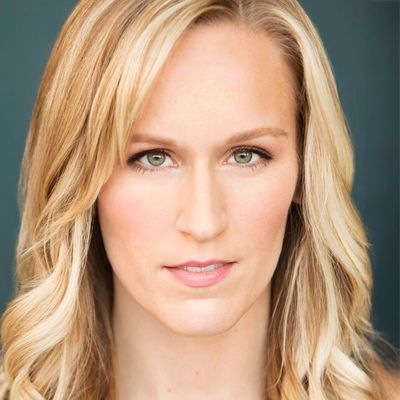
Stephanie Torns is the perfect example of that. You might know her from her standout roles in the Broadway hits Wicked and Waitress, She's shown incredible dedication and stamina, bringing some of our favorite characters to life night after night. But Stephanie's impact goes way beyond just the stage.
Recently, she’s taken on a new role with EPIC Players, a theater company with a heart – they’re all about empowering neurodivergent performers. Stephanie's now on the board of directors, helping bridge the Broadway community with EPIC, and fostering some incredible collaborations. For her, it’s more than just a professional role – it’s a personal mission.
In today’s episode, we’ll dive into how Stephanie found her way to EPIC Players, why supporting the neurodivergent community is so close to her heart, and the joy she’s discovered in this inclusive space. Plus, we’ll chat about her time on Broadway, what it’s really like to play roles as intense as Elphaba, and how those experiences are shaping the work she's doing with EPIC.
Donate to support EPIC’s paid employment initiatives and free programming.
Transcript
This transcript was automatically generated and might contain errors.
[0:00] Patrick Oliver-Jones: When it comes to Broadway, there is an undeniable allure to the glitz and glamour of those bright lights and mesmerizing performances and extraordinary talents. Yet beyond the dazzling marquees, there is a deeper, more human element that connects us all—the joy of watching authentic performances and getting to see talent truly flourish. Our guest today, Stephanie Torns, embodies these values in every aspect of her career. Known for her remarkable roles in the Broadway companies of Wicked and Waitress, Stephanie has demonstrated unparalleled stamina, talent, and the kind of dedication required to bring these beloved characters to life. But her influence reaches far beyond the stage. Stephanie has recently taken on a new role with EPIC Players, an inclusive theater company committed to empowering neurodivergent performers.
As a member of the board of directors, she provides vital connections between the Broadway community and EPIC, encouraging collaboration and integration. And her involvement with EPIC isn't just a professional commitment, it is a deeply personal mission. In today's episode, we talk about how Stephanie found her way to EPIC Players, her dedication to supporting the neurodivergent community, and the unique joy she finds in this inclusive and authentic environment. We'll also delve into her experiences on Broadway, the lessons she's learned from performing demanding roles like Elphaba, and how she's bringing those insights to her work with EPIC. I'm Patrick Oliver-Jones, and welcome to the Spotlight Series, where we shine a light on those making a difference in the arts and beyond.
[1:57] Patrick Oliver-Jones: Well, welcome, Stephanie. It is so great to have you on Spotlight and to get to talk about EPIC today. Thank you so much for joining me.
[2:05] Stephanie Torns: Thanks for having me.
[2:05] Patrick Oliver-Jones: Now, you have been a part of Broadway on both Waitress and Wicked. You toured both of those shows as well. And in each one, you understudied the lead character. And I'm curious about those first performances when you took the stage as both Jenna in Waitress and Elphaba in Wicked. What were you feeling? What was it like going through both of those instances?
[2:27] Stephanie Torns: Yeah, my very first time on as Elphaba, because that was my first union job on the tour, and we were in Appleton, Wisconsin. And to be honest, I don't remember it. I left my body. I was just, you know, I think when it was over, I was like, I can't believe that just happened. Did that really just happen? And then when I got moved to the Broadway company and had my Elphaba debut, I remember being like, talking myself into like being present, right? I was like, you have done this role so many times on tour at this point. It's the same show, just a different stage, you know, and like tour, we go to different stages every month. So I was like, this is just like being on tour again. And I just wanted to enjoy it.
And I did, which was really cool. And I remember just being able to have fun, which is such a rarity as a cover, you know, sometimes. And so it was so nice to be able to do it in New York. And that's where I'm from. So a whole family and everyone was there. So having that moment and being able to enjoy it and remember it was really awesome. And then for Waitress, I had to do Jenna when I never had to put in never touched a prop. Yeah, and to call Waitress props on props the musical. And so the fact that I ever touched anything, I was like, Okay, well, here we go. It didn't have a wig ready yet. So I had to wear my own hair. So it was, um, it was something. And I remember just, just happy that I got through once again, the first show is always kind of like, you leave your body and just make sure you're not gonna mess up someone else's show.
And also make the audience happy. So that it's not Jessie Mueller, you know, and so that happened. And then I was on it was a two show day. So then I got to do it again that night, which was really nice, because that never happened. And so I got to like, actually experience being on stage, I guess at that one. But yeah, I guess both were just, I mean, dream roles for sure. And really cool experiences. And a lot I learned from each of them about stamina, myself, and what it's like to step into such a both are female roles that do not leave the stage. Like they are, it is a rarity that they are in the wings or off stage. And that is clearly what I just love doing. I don't know what and one day I'm gonna get a trap. I'll be like, What, what is this where I get to just have a moment in my dressing room? Wow.
[5:22] Stephanie Torns: Yeah, I will. It'll be a princess track one day.
[5:24] Patrick Oliver-Jones: Yeah, yeah, those are always really enjoyable. Whenever you get, you know, a little backstage time. One of my favorite things, and it's probably my own laziness as a performer, but I love not starting a show. You know, everyone's running around, they're starting the show. And he's like, Well, I got 20 minutes. So I'll see you guys later. You know, have a great first act. Yeah, what's that like? That'll be nice one day.
[5:55] Patrick Oliver-Jones: And especially, I mean, obviously, Jenna and Waitress did very well on Broadway and Jessie Mueller is wonderful. And then the cast of stars that were cast in that role when she left. But Elphaba is a special kind of beast of a role. I mean, it's vocally and physically demanding.
[6:14] Stephanie Torns: Yeah, it's it's I'm really happy and very lucky that I got to experience that in my early 20s. You know, when my vocal cords and my body are, are able to just do those things a lot easier than they do now. Right. And it but it really was I mean, it is it is vocally one of the most demanding things I've ever and will probably ever do in my career like that is something that is just I mean, it's your only job, you know, and to have to take care of yourself like that. And, you know, it's a joke, like with my, my boyfriend. Now, you know, he's in the business, he gets it. But he's just like, would you ever go back? And I'm like, do you like me as a social person with you or not? Because that is a whole lifestyle change.
That is a whole lifestyle change. And it is to do the job and to do the job. Well, you have to kind of live this like hermit crab life, you know, and that is like all you do is eat, sleep and breathe Elphaba because it's just physically, I mean, it's so demanding on so many levels. And that's why, like I said, early 20s, I was able to hang and go out and then do it, you know, not anymore.
[7:36] Patrick Oliver-Jones: Yeah, yeah, I've heard the same from Ben Platt when he talks about doing Dear Evan Hansen. It's just like, you have to kind of just not do anything else.
[7:40] Stephanie Torns: Yeah, yeah. Like, you know, when you just sign up for it, this is for, let's say, nine months, whatever that is, whatever the contract is, nine months, that is what your whole life is, you know, and every day waking up being like, how am I feeling today vocally? Can I do the entirety of the show, right? And giving yourself enough time, especially before a matinee to know if you have that, the ability, you know, I think a lot of people who aren't in the business don't really understand how demanding schedules are in general for Broadway shows, and eight shows a week with one day off, every time someone hears that, they're like, what? And then on top of it with rehearsals and holiday schedules and all of that, you know, so it's a full commitment.
It's a full commitment. And those roles are very demanding. And if you want to do them well, which I would assume you do, it's a, you know, putting on life on hold for just like, whatever that contract is for a little bit.
[8:41] Patrick Oliver-Jones: Well, Elphaba is certainly a character who is different, and much of Wicked centers around how she is different and how others perceive those differences. And in much the same way, EPIC is a theater company rooted in exploring expanding opportunities for those who are perceived different. How did you first learn about EPIC Players?
[9:04] Stephanie Torns: So one of my closest girlfriends, her name is Jamie Hayes, and she is one of the ASL interpreters for a lot of EPIC and does their accessibility stuff. And she kept telling me about them, and saying that they do these cabarets, and that sometimes they bring in Broadway guests to sing with the players. And she felt like I would be such a great fit. And I was always, always interested. Every time she told me about it, I was like, yes, absolutely. But it never lined up with scheduling. And then finally, one of the cabarets, I was around and able to, and I was so excited to do it. And I just fell madly in love. I fell so much in love with the players, with what the, with the company, with what it represents, what it gives opportunities to.
And I remember doing that cabaret, and then instantly contacting Aubrey, who is the founder. And I was like, how can I be involved? And I remember her being like, that's so nice. What? And I was like, yeah, I'm obsessed. I'm obsessed. Like, how can I help? How can I help in any way? How can I be involved? I am just so invested. And I am now just on the board, which was something Aubrey brought to me, you know, years in now, to be part of the board. And I'm just honored. And I love, absolutely love working with EPIC and getting to know the players. And it keeps growing and expanding, which is so incredible. So we have our first, what it's called musical masterclass next week, which is I help do that. And there's like, I think 20 new players that are in this new class. And I'm like, great, can we? Every time, new people all the time. So.
[11:01] Patrick Oliver-Jones: And what exactly will you be teaching in these masterclasses?
[11:04] Stephanie Torns: Yeah. So what I do, I run a musical masterclass, which is I bring in a Broadway actor, a friend, and we introduce them at the top. And it's on Zoom. And they get to see a video of, you know, the performer that the performer sends in so that we can play for them. We read the bio, they get to have a Q&A with that person. And then the players, we have a theme for each musical masterclass. And so the players have to sing 16 bars from that theme, and then they get feedback. And with from me and the Broadway guests that I bring in. And so that happens once a month for a musical masterclass.
[11:51] Patrick Oliver-Jones: Is this to help with just obviously their own singing and performing ability, but is it geared more toward auditions or performance?
[11:58] Stephanie Torns: Yeah. Oh, a little bit of both. You know, I think it's to help them with self tapes, right, which is such a thing. And knowing, like, camera focuses all of self tape. I mean, you know, when self tapes got bigger during the pandemic, I had to learn how to do them, like, well, right? Like, I didn't know. And so it's about auditioning. It's about also teaching them cuts of songs that work, so they bring in something. And sometimes it's on us to let them know that, hey, so when you find a song you love, and if you only have 16 bars, you have to find the meat of it, right? The juicy part where it's going to showcase you quickly, and to the best of your ability, right? And so learning tips like that, and then moving that towards when they do get to be on stage, and we have a cabaret coming up in October at Joe's Pub, and trying to bring what they learn in these classes to onstage performances, right? And just learning how to act through song, which, you know, is such a specific thing.
[13:15] Patrick Oliver-Jones: You also teach musical theater at AMDA here in New York City. Now, are there differences between what you teach and how you teach in both places?
[13:21] Stephanie Torns: Yes and no. I think with EPIC, you know, everyone has different needs and accessibility. So, learning each person individually, and how they receive feedback, or, you know, how they need it expressed to them, or that is something that I have to navigate a little bit more. But not really because, you know, a neurotypical is where, however you, you know, see yourself. I mean, at AMDA, it's the same thing. I teach freshman musical theater, and some of them are coming straight from high school, you know, or some have never done this, and this is like what they've decided to do, right? Or some are coming from a different college. So, there's different levels coming in, and also different energies, different people, different ways of learning.
Everyone learns differently. And so, I think, even with teaching at AMDA, it's getting to know the person as an individual as quickly as possible, and how I can help guide them in a way that they will understand what I'm trying to teach. So, there's differences, but then there's also.
[14:36] Patrick Oliver Jones: What do you see as some of the typical roadblocks that we as performers put in our way of performing a piece or singing a song or just auditioning in general?
[15:07] Stephanie Torns: I think what I learned from them is I am somebody who very much has to feel like I have to put on a face or say, I'm nervous. I don't tell anyone, but I'm just trying to get through it. There's no guessing with that. They're like, I'm nervous. And I'm like, great. Thank you for letting me know. Or like, I didn't look at this. I'm not ready. Great. Thank you for letting me know. All things that as a performer, I have a hard time doing. Admitting those things or expressing myself and finding that how they express so honestly is just so beautiful. And then I think what I also really fell in love with when I first experienced EPIC was the cabaret and the joy. The joy they have on stage that, as a performer who has been in this business for a long time, looks at, yes, I love what I do, clearly, because that's why I'm still doing it.
But it's a business, right? We get very much into our business brain, into our hustle brain, and our little bit of jadedness, like, we've been doing this a long time kind of brain. But watching the players have so much joy just reminds me of why I chose to do this. And that is one of the most beautiful things to watch, is to watch people just beam from the inside, doing something, and watching them feel really proud about what they're doing.
[16:47] Stephanie Torns: And I think a lot of that time, we lose that. I shouldn't say we. I lose that when I get on stage and I feel like I'm exhausted, or I hope that people won't hate. My voice is tired, and I hope that they're not going to hate this, right? None of that happens. It's just pure joy of performing. And that's what it should be about, because as an audience member, I'm on board. I'm fully moved in every capacity. So I learn constantly from that.
[17:26] Patrick Oliver Jones: Yeah, that sense of freedom, that sense of no filters, as you say. I mean, I think that's what we all strive for in performances, especially when we're on stage, giving that vulnerable, honest performance of authentically coming from us, not just putting on a character, but really becoming the person. And that can be so difficult when we hear those voices in our head saying, your voice isn't really there. Oh, I think you missed a line. Or, oh, you know, all the little things that can happen in a show can really stand in the way of our performance.
[18:02] Stephanie Torns: Yeah, which doesn't say that they don't have those moments, because they do, you know, but they're much more vocal and honest about it, right? Instead of like, I fully just deep spiral with myself. Yeah, and so just like, if there's a mess up, they say it, and then move on, right? And I'm like, it's so beautiful to watch.
[18:23] Patrick Oliver Jones: And you joined the Epic Board of Directors earlier this year. What exactly are your duties within the board?
[18:29] Stephanie Torns: A lot of it is connections through the Broadway community. You know, so many people I've gotten to introduce to this organization that did not know it existed, and then want to continue on helping doing things. Like, same thing that happened to me, right? Like, I got brought in, and then was like, what can I do? I'm obsessed, right? And so the amount of times that I've had friends, co-workers, colleagues, come and do a cabaret and sing with them or masterclass, and or come see their productions, their stage productions, their musical stage production that spring, and text me being like, how can I be involved more? Or thank you for introducing this company to me. I'm just so blown away. So that's been part of what I do, and connections in the industry, whether that's even, you know, casting directors, inviting them to things, agents to things, introducing just the Broadway community to them. That's kind of been my heavy lifting.
[19:42] Patrick Oliver Jones: And with the work that you've done, both as a teacher, but also now on the board of directors, what is it about EPIC that makes it stand out, makes it so special, that brings these people in, that these people want to just help and be a part of it so much?
[19:57] Stephanie Torns: I think because, one, giving the neurodivergent community a space to do something that may not be offered as frequently as it should be, right? And seeing that they also, what I love about EPIC is that no one gets babied, right? No one's being treated differently, because they're neurodivergent. It's about teaching them what it is like, because they want to. These are individuals who want to do this, who want to go in the real world, right, to do this craft. And so, they have crafted this wonderful organization that does so many classes and teaches them the realness of it, right, where it's not sugarcoating anything. And what I love, too, is that they're all allowed to be themselves and not trying to change anything about them individually, right? It's about learning what that individual is really good at.
[21:10] Stephanie Torns: And strengthening those things, they can take the extra classes of whatever interests them, right? So, whether that's, they have writing classes or whether it's, they do a stand-up comedy where they write their own stuff, right? All these extra things, but finding what is your purpose in this business, right, and what sparks that joy. And so, I think that's really cool is that it's a space where they are allowed to be fully and authentically themselves. And no one is trying to change that or tell them they can't do this, because otherwise you can't do that, right? It's about teaching them this is how it is, but how do we find what you do really well and strengthen those things so that way when you do audition, you're doing, you are just knocking it out of the park, right?
[22:06] Patrick Oliver Jones: Yeah. And it seems like, because I, in speaking with Aubrey earlier, it seems like that there's two tracks. There's the track of the typical, neurotypical world of learning and adjusting, but also recognizing that these are performers just like anyone else. So, there's a bit of that. There's on that side of it, but then there's also the side of having these performers and gearing them up for what it's like to audition in these other spaces and what it's like to perform on these other stages. And it seems like that you're a part of helping both of those tracks come together.
[22:40] Stephanie Torns: Yeah. And I think it's also a community that if you're not heavily involved in, I think people don't really understand it sometimes, which I think is really awesome when I get to introduce people into this. They're learning as well, right? Where what makes each of them in quotes different is what also makes them the coolest and beautiful and awesome, right? Sometimes I'm like, man, I wish I lived that authentic way, right? Like, I wish I was that way. And so, it's been really cool to see how watching the opportunities grow for all of them, but also the opportunity when they do get to work with someone who isn't a business and have great questions and trying to understand the business because that's a whole other thing, right? Which a lot of times we're not even taught, right, until we're in it. And I'm like, what? So, giving those opportunities just creates more space.
[23:55] Patrick Oliver Jones: I totally agree. And as far as working with Epic, what do you hope that your teachings, your being with them, how do you hope that you can help them and further their mission as the years go on?
[24:10] Stephanie Torns: I hope that I think more and more that just that the community as a whole gets valued more and that their talent is brought to so many more people's attention. I mean, when they do their full stage musicals, I mean, I'm just totally blown away. The first one I got to see was not the last one the following year, they did Into the Woods. The entirety, which is three hours long, saw on time, which I don't even know, it would take me a very long time to be like, is this where I come in? I can't hear it, right? Because it's like, oh my gosh, no one missed a beat. It was remarkable. It was remarkable. And I was just blown away because I've already seen so many of them do wonderful work already, but to watch them in a full stage production, like just blew my mind.
And I just want EPIC to have more of a following in the community. And I think, though I have connections and friends who then I will reach out to and be like, hey, so now that you've worked with me with this company, the type of also human that I'm looking for to bring it, right? Like, I'm like, can you give me any friends that you think might be a great fit? And then I do, right? And then I meet new people in the community, which is kind of cool.
[25:45] Stephanie Torns: But I hope that someday it just becomes so big that like, the heavy hitters wanted to come do things, right? Like, and I think they would. I think it's just that it's not something that people are aware of, right? Or what it actually is, right? Instead of feels, you know, it's not like this, like, I don't know, tiny little thing that they're just like, we put on a plate, right? Like, no, there's so much work constantly going on, like constant classes, constant work. Now, it doesn't stop. It doesn't stop. It's not like two month program, like a little camp or something, you know, like, it's so involved. And everyone who is involved with this company on the regular is so fully committed to this company, which is just like so beautiful to see, too.
Like, no one is in it just to be like, I'm on the board of, you know, it's like, every person on that board is just so invested. Every person that is an advocate or a, you know, for a player is so invested, right? It's not just to like boost their resume, you know, and I think that players are invested and, you know, when they audition for things and they don't get in it, to see that, that and dealing with that and teaching like, yeah, that happens. Like, look, I would say 96% of my auditions I don't get, right? And so it's part of the learning process and really showing them what it's like to want to do this and giving them that opportunity to experience it, you know, and deal with their feelings and emotions and express them and be sad and angry.
And, you know, but at the same time, they're also just so excited still for the person who got it, which is like, also really beautiful to watch, right? So I think that is my hope and dream is that it just becomes such a well known thing that becomes such a respected organization that people really know about and understand it.
[27:44] Patrick Oliver Jones: Yeah, it really comes down to understanding that those who may be different from us, those who are following a different path, whatever it may be, that they can be a part of this huge theater community that we have here in New York and elsewhere.
[27:58] Stephanie Torns: And it's funny, and it's interesting, too, is that like, I think, because there is a lack of understanding, so many times people are like, oh, no, like, how was the kids? And I'm like, they're not kids. They're not kids. Like, they're grown adults wanting to do this, right? And just I think people just have no idea and they identify it as like some like cute camp program, right? And I'm like, come visit, come see things. Yeah.
[28:24] Patrick Oliver Jones: Well, this has been a joy to talk to you. Thank you so much for talking about Epic and the work that you do. It's really appreciated.
[28:31] Stephanie Torns: Yeah, thank you. I love that you wanted to talk about it. I always do. So it's exciting.
[28:40] Patrick Oliver Jones: Thank you so much for joining me on today's episode. Be sure to check out the show notes for links to this organization and how you can help support them as they continue to provide opportunities to a wonderful group of artists. Stay tuned for the next episode about Epic Players here on the Spotlight Series.
[29:10] Patrick Oliver Jones: Thank you so much.
© Broadway Podcast Network, All Rights Reserved