

This episode is a casual conversation between Shea and LBB where they will discuss a new approach to holiday spending and the importance of compassion as we enter the holidays during a global pandemic. Resources and links mentioned: This Is About Humanity... Read More
From the show: Women of Tomorrow with Laura Bell Bundy
Guests
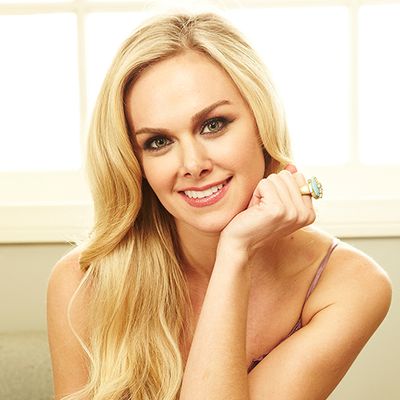
About
This episode is a casual conversation between Shea and LBB where they will discuss a new approach to holiday spending and the importance of compassion as we enter the holidays during a global pandemic.
Resources and links mentioned:
Connect with us:
- Listen to Women of Tomorrow
- Insta: @womxnoftomorrow
- TikTok: @womxnoftomorrow
- Insta : @laurabellbundy
- insta : @sheasheacarter
Produced by Dori Berinstein and Alan Seales.
A proud member of the Broadway Podcast Network.
Transcript
This transcript was automatically generated and might contain errors.
[0:08] Laura Bell Bundy: Welcome to the Women of Tomorrow Podcast.
[0:10] Shea Carter's's: This is our holiday episode.
[0:12] Laura Bell Bundy: We do not have a holiday song on this album.
[0:16] Shea Carter's's: But Laura, this is where you chime in.
[0:20] Laura Bell Bundy: But we do have a recording of me, Edan Espinoza, and Gavin Creel singing Carol of the Bells on the streets of New York City.
[0:30] Laura Bell Bundy: So here is Carol of the Bells in joy!
[0:51] ♪ Musical number: "Carol of the Bells" — performed by Laura Bell Bundy, Edan Espinoza, and Gavin Creel ♪
[2:55] Laura Bell Bundy: It has nothing to do with women at all.
[2:58] Shea Carter's's: It was nice because two women were singing it.
[3:01] Laura Bell Bundy: Listen, I loved it. I thought it was beautiful.
[3:04] Shea Carter's's: Um.
[3:05] Laura Bell Bundy: So here we are. It's Christmas time is upon us.
[3:10] Shea Carter's's: And I think it's an interesting time for women, which is why we wanted to have this conversation.
[3:18] Laura Bell Bundy: The holidays. Do you actually want to start us off?
[3:21] Shea Carter's's: I like how you're starting this right now. I also think because we've talked about this in the past, women influence 80% of the purchase decisions.
[3:27] Laura Bell Bundy: Yes.
[3:28] Shea Carter's's: And so that means Christmas time, this is women's time to shine.
[3:34] Laura Bell Bundy: And it's a hard Christmas this year. We're coming out of a pandemic. There's been a lot of loss, and I think we all need to kind of take a deep breath and be there for each other in a way that we never have before.
[3:46] Shea Carter's's: So, how do we do that?
[3:47] Laura Bell Bundy: Well, we give gifts, we give love, we send a card, we hand make something. All of those things are a gift of your time and your attention, and that's how we feel love.
[3:57] Shea Carter's's: So we wanted to share with you different ideas this holiday season to send love and spread love.
[4:04] Laura Bell Bundy: There's a lot of activity going on. There's a lot of activity going on, which is nice because it's the holidays and everyone is home. So if you hear a baby screaming in the background, know that we are legit. We are not in some studio somewhere, we're not sipping pina coladas on a yacht.
[4:18] Shea Carter's's: Of what we wish we were.
[4:20] Laura Bell Bundy: You know, what's interesting is you say, so um, 70 to 80 of all purchase decisions, consumer decisions are made by women.
[4:29] Shea Carter's's: So when it comes to our economy during Christmas, it is heavily relying upon women to determine whether or not it will be successful.
[4:40] Laura Bell Bundy: And here's great ways where women can make purchase decisions that can have a bigger impact on small businesses, on women-owned businesses, on charities that are doing the most altruism.
[4:53] Shea Carter's's: There's this really interesting thing. Um, it's called effective altruism. And there's certain charities that you can donate to that actually do way more good and help way more people, and not just like 10 times the amount or a hundred times the amount, but like a hundred thousand times more help.
[5:11] Laura Bell Bundy: Like which one per your dollar.
[5:14] Shea Carter's's: So there's a malaria charity, all of these charities are available under this amazing site called Giving What We Can. We're gonna put that in our notes for this episode, and you can go on there and it's a list of all of the most effective charities.
[5:30] Laura Bell Bundy: Um, there's also some really cool things for people that like to still give a tangible gift. Like I'm a big gift card giver because I want people to get what they want, but I don't want them to just open an empty card.
[5:41] Shea Carter's's: Like since I was a kid, an empty card just means cash and empty.
[5:46] Laura Bell Bundy: Well, no, for me, I'm like, it means free. It's not empty. That's cash.
[5:50] Shea Carter's's: I'm just saying if you've gotten a card and then someone wrote you a lovely note in it, and you're like, thanks, but there's nothing. Did you forget something? I always feel that way.
[5:58] Laura Bell Bundy: So there's these cool gift cards, actually, that are for different charities. And then when you give that gift to somebody, they can choose the charity that they wanted to give the money to.
[6:08] Shea Carter's's: So it still feels like you're giving them a tangible gift, and then they get to choose from like five or six different charities. So it's cool.
[6:16] Laura Bell Bundy: If you don't like these ideas, I've got more for you.
[6:21] Shea Carter's's: Please.
[6:23] Laura Bell Bundy: There's one business that's really near and dear to my heart because my girlfriend Candace runs it and she runs it out of her house and she's amazing. It's called the Skin and Spirit store. And she had really bad skin for years and was spending a ton of money on a million products. And so she created this stuff herself. It's amazing. It's been around now for a few years. It's the best stuff like I've ever used. And it's all handmade. It's in glass bottles, so there's no plastic that seeps in. It's all crystal charged. So it's really thoughtful. That's why it's skin and spirit. And you'd be helping a woman owned business that's still very mom and pop. And it's great quality. It also lasts forever, which you get a lot of bang for your buck.
[7:06] Shea Carter's's: So that's actually what I got all of my girlfriends this year is I got them the sample sizes of her stuff because if I got them the real sizes, they wouldn't reorder for a year.
[7:16] Laura Bell Bundy: Right.
[7:17] Shea Carter's's: So help the business because you've you've hooked uh you you've got a product.
[7:22] Laura Bell Bundy: Right, exactly. Well, I think too, it's like to that, what things do you need to buy this year? And can you buy things by supporting local businesses? Like, is there a restaurant that's doing takeout that could like really use uh some love and you could get a gift card for that restaurant?
[7:44] Shea Carter's's: Um, is there something that you're purchasing on Amazon that you can purchase directly from the small business from a lot of times I use Amazon just for a search engine, and I find the product that I want and then I research who makes it. And if it's a local owned ethical business, I try to buy it directly from them so I can help keep them afloat, especially right now when I think those are the businesses that are being hit the hardest.
[8:10] Laura Bell Bundy: How do you compete with big companies like Amazon?
[8:14] Shea Carter's's: And and most of the time a small business is not in a mall, right? It's like in a strip or it's a downtown. And so when it comes to like COVID safety, you're really you're not putting yourself inside the incubator, you're coming from the outside going in, or maybe you can like maybe there's a website you can figure out what you want in advance. Oh, I know that store, that store is downtown. Maybe they've got a site, you can check out what you want, you can call, you can put it on hold, you can go in, you can grab it, and you can go. And you don't have to spend a lot of time and you know, when it comes to having safety.
[8:50] Laura Bell Bundy: But if you are buying from Amazon, um, because it is sometimes easier that way when you can't be with family and it's free shipping and stuff. I know for me that I've had to rely upon that, you can do a couple of things. You can have a percentage of the purchases that you're making go to the charity of your choice, or there are Amazon wish lists out there that benefit specific organizations or groups of people.
[9:17] Shea Carter's's: So there is an Amazon wish list that supports people who've been laid off during COVID for incarcerated women to get gifts for their children for the downtown women's center in LA for women that are homeless and need shelter, many of whom are coming from abusive relationships and situations that make it very difficult for them and their families.
[9:40] Laura Bell Bundy: So these are all things that you can do that well, you know, while you're while you're perusing Amazon for whatever gift that you need to get someone, hopefully, in some way that we're all uh making a positive difference this year. It has been a quite difficult year for many of us, and um, but we still have a lot to be grateful for.
[9:59] Shea Carter's's: So every year I always get gifts from people that I work with. Um, you know, to say thank you for uh all you've done for me in this last year and our great partnership. And so last year I did Bombus Socks.
[10:13] Laura Bell Bundy: Um, the year before that, I think I did Kentucky Bourbon because I'm from Kentucky.
[10:18] Shea Carter's's: Um but this year, um, seeing as this is been a difficult year for us, I I tried to be more thoughtful in my approach.
[10:29] Laura Bell Bundy: So granted, I'm not getting anyone anything physical, but I am making a donation in their honor to an organization called This Is About Humanity.
[10:39] Shea Carter's's: And this is about humanity as a community dedicated to raising awareness about separated and reunified families and children at the border.
[10:47] Laura Bell Bundy: This issue for me as a mom, I actually don't think there would be anything worse to happen to me than being separated from my child and not being able to get back to my child and wondering if they were okay, how they were being treated, if they were safe, if they were warm, clothed, fed, um, being abused, whatever. This is an issue that I really care about.
[11:21] Shea Carter's's: And I'm kind of surprised that people aren't doing more about it.
[11:25] Laura Bell Bundy: In fact, I feel like I just want to scream off my balcony and be like, how could you have a good day if you know children and parents aren't together? How could you not be doing everything? Um, and that's that's uh so this is the issue that is really um sort of screaming inside of me.
[11:43] Shea Carter's's: And um, and that's what I'm doing this year. So if you want to check them out, um, this is about humanity will also be in our show notes.
[11:50] Laura Bell Bundy: And um, they actually have a shop on their website. So not only can you make a donation in someone's honor, but you can purchase a bag, you can get a necklace, you can get a sweatshirt, you can get um like a guitar strap, you can get a purse strap, you could get a wellness journal, you could get a candle, and um they even have a um a vape with like infused with like you can get cannabis.
[12:16] Shea Carter's's: You can even get some weed in a vape um as a gift, and 15% of the profits will be donated to this organization.
[12:25] Laura Bell Bundy: Um, so it it's it's really cool that you can actually purchase gifts that where these companies are giving directly back to this is about humanity, so that we can help to uh reunify some of these children.
[12:39] Shea Carter's's: The other things that they do is that they provide a range of projects and services, including educational bus trips to the border to people like you and me who don't necessarily know about the issue. They make donations to legal services, they do construction projects at shelters, and they provide material goods for unaccompanied minors. So this is a really amazing organization if you can and you're interested in checking them out. And if you're globally conscious, there's also a lot of really cool things you can do. So sometimes even donating to the best global charity and putting all of your money into it is very helpful, but it's not as helpful as buying personal items that really help climate change.
And one of those is owning an electric car, and some are as you know, getting solar panels, and some are as small as deciding to change your diet and choosing to only have meat a couple times a week or not have meat at all. So there's a lot of really interesting things that you could do. And there's a really cool company called the Girlfriend Collective, and this company makes exercise gear out of recycled plastic, and they also use coupris, and then that's a fabric that's made from cotton fiber waste from the fashion industry. So they're zero waste, zero emissions facility. They don't send you anything in plastic, and they're awesome. And it's also women-owned, and these are just some examples of the numerous businesses that are doing good for the environment, they're doing good ethically for people that maybe also have charitable contributions. A lot of businesses now are giving a portion of their profits to different charities.
[14:24] Shea Carter's's: So it's called 1% for the planet. And a lot of local, a lot of small businesses will opt to do this. And what it does is it gives 1% of all of their sales to environmental charities. So then if you're buying from them, Luna and Rose is one of them, and they make really cool jewelry and stuff. But if you're buying from these companies, then you know at least one percent is going to a really reputable charity. So well, it's cool if you know that what you're purchasing for other people, you're also able to give back at the same time. And this is one of those years that I think from a mom perspective, I guess you want your kids to have the best holiday ever, but there's not going to be any holiday parties and not necessarily being able to hang out with friends.
So I think there's like this feeling of overcompensation, right? But what can you, but how can you focus on things that are important and good for them and getting them away from screens and having activities that activate them in some kind of way, but also buying from places that are doing good in the world and making positive change, whether it's for the environment or for women, or they just are socially conscious and small children aren't making the gifts for your children this Christmas.
[15:46] Laura Bell Bundy: I think one gift that COVID has given us is the gift, a lot of us the gift of time and being able to be really present. And a lot of times small kids really just want your time and attention, so you can open a lot of gifts, but there's this thing called hedonic adaptation. You get something, it gives you a little bit of a surge, and then it normalizes really quickly. And I think you see kids with a mountain of presents as they unwrap them, and it's like the first few, there's all of this excitement, and then it sort of turns into a chore, and then there's kind of an over stimulation of I have all of this stuff. And it's interesting because I find that being generous and giving something to someone, the happiness lasts a little bit longer.
And so maybe this is a really nice time to kind of teach kids. Unfortunately, we can't be around people because I love taking like my nieces and nephews to like different shelters and getting to see people that have less or you know, meals on wheels. But maybe it's about watching videos.
[16:45] Shea Carter's's: Like you had that really cute story earlier today, Laura and I were on a walk. She was telling me a story about having a slumber party, and there was like nothing on television.
[16:55] Laura Bell Bundy: Oh, I was eight years old, and I had a slumber party, and at that time, you know, it was like, yeah, there's like four or five networks, and there was like a 60-minute special on these starving children from Ethiopia, and it burned in my mind in my memory for the rest of my life were small children in these outdoor cages splashing around in their own urine, and it was striking contrast to the situation I was in with my friends comfortable sitting on pillows, watching this, and all my friends were ripped, like they were they were watching it, like we weren't trying to find something else, we were just watching this thing, and I believe it made a strong impression on all of us. We were all like, What do we do? How do we help this situation? They're starving. And when you're aware of your privilege, you kind of look around at your things differently.
[17:57] Shea Carter's's: And there's in stoicism, it's about happiness is about wanting what you already have. Like, how do we do that? How do we trick our brains to still want what we already have? Sometimes I imagine I like drop my phone in water and it doesn't work. And then the next time I use my phone, I'm like, oh my God, yes, I didn't lose all my contacts, and I have this deep appreciation instead of being frustrated that my phone is going slow or whatever.
[18:22] Laura Bell Bundy: So Shay is doing this thing.
[18:25] Shea Carter's's: Stoicism.
[18:26] Laura Bell Bundy: Yes.
[18:26] Shea Carter's's: Yes. Where she imagines these horrible scenarios, like they're nightmare bad dreams, like dropping her phone in the toilet. And then she's filled with this surge of relief and gratitude for the fact that it actually didn't happen.
[18:43] Laura Bell Bundy: But I actually I think it's interesting. I mean, I've actually done it accidentally a couple times, but it is true. Like you think about how fortunate that we are. I think a lot about how fortunate I am that my child is healthy, and how terrified I was during pregnancy that something was gonna be wrong with him. And I kept thinking throughout the entire pregnancy, this whole process is a miracle. It will be a miracle if he's healthy, and that's all I want. And you know, I was like, you know, 38 years old having a child, so I was also at risk. And it was just so miraculous to me. And I was definitely living in that place of gratitude and just full amazement when he was born and healthy and breathing.
And you know, as a mom now, when you're like, oh my god, he's screaming and I'm running around, and you know, he's like he's so needy, or I can't get anything done, or whatever. And then I just keep going back to the fact of it's a miracle that he has all 10 fingers and all 10 toes, and he functions the way he does, it's a miracle. So I remind myself of that a lot in that way.
[20:03] Shea Carter's's: Yes, that's exactly stoicism.
[20:06] Laura Bell Bundy: So you are also practicing this.
[20:09] Shea Carter's's: I think it's funny too, because I mean, there's so much to be grateful for, you know, 80% of your income is dependent on the place that you were born. So there's a story that I think, especially in America, we like to tell ourselves of this self-made man, the myth of the self-made man, the pull yourself up by your bootstraps, and if I can work this hard, you can work this hard and do it too. But try saying that to somebody who lives in Bangladesh or, you know, and that works so hard their whole lives. It's like it really isn't so many things have to work in your favor for your success.
[20:44] Laura Bell Bundy: So to be to have a lot of gratitude, to be very charitable, to recognize that it takes a whole community for you to be successful, it takes a village, it takes a system that you never had anything to do with of government and one door opening that you don't realize is opening, then that's making the other door open, and those were all opened by people, and you being born at this time and not 100 years ago. So for your skill set and everything. So I think the more we are aware of that, the more we can really self-actualize.
[21:17] Shea Carter's's: And I think with self-actualization for me, I've realized that it's really less about me. And it's more about the, you know, the person that I want to be is somebody that is there for other people that helps other people, that is grateful for what I have, that appreciates when other people do something for me and then want to give back to that. In COVID, I've sort of had my heart extend to people that aren't even my family and realize that as human beings, we're more alike than we're different. And there's many times where you can feel this sense of other, but this is something that globally we've all had to face, and it's something that we've all struggled with, and we can all kind of bond together over.
[22:00] Laura Bell Bundy: The severity levels change for sure, but I think it's a really nice time for empathy. And so hopefully this Christmas season, we find it in our hearts to reach out in deeper ways than we ever have before, even if it's a really heartfelt letter, it can even be an empty letter that doesn't have cash in it.
[22:21] Shea Carter's's: Um I actually think I gotta tell you, I do appreciate a letter.
[22:29] Laura Bell Bundy: And it doesn't need to be handwritten, because I don't like handwriting, I like typing better, and I think much better when I just flow on the keys.
[22:37] Shea Carter's's: So you don't need to handwrite it for meaningful gifts that I really like a letter.
[22:48] Laura Bell Bundy: My dad or my grandparents were just letting them know that I love them. And like actually listing the things that I appreciated about them and you know, I get emotional about it because they're not here anymore, but I also think this was a really good time to remember that it's important to let people know what they are to you and to let people know how much you love them all the time.
[23:15] Shea Carter's's: It's so easy to just go, hey, there's a sale on sale at Macy's on polo shirts. And because I've always gotten this person a polo shirt, I'm gonna get them a polo shirt again.
[23:26] Laura Bell Bundy: When really what that person actually probably needs is a nice, thoughtful, I was just about to say handwritten letter type type with your hands letter that you could just email it for God's sake.
[23:42] Shea Carter's's: Um, but you know, anything like that.
[23:44] Laura Bell Bundy: I think that personal stuff is really what it's about. We give gifts to other people out of showing them our love and appreciation for them. And somehow, you know, I remember reading Laura Ingalls Wilder growing up. I don't know if you did, and she's like, she got a ball of yarn and an apple for Christmas, and it was the best year of you know, year Christmas she'd ever had.
[24:13] Shea Carter's's: Um, two sticks and a little ball or something, and you're like, that's not a Christmas I had, you know.
[24:23] Laura Bell Bundy: I there was like, you know, three dolls, five Barbies, and the equivalent of a 1990 iPad, um, or a walk, you know, a disc walkman or whatever it was that beam a boom box, but it was always extravagant, and I remember like the stress my parents would feel around Christmas time and having to pay for that the next year when I didn't need all that and getting into debt for we have a lot of people that get into debt and it takes a year or longer to pay it off because there's a pressure to get a certain amount of things and more and more and that's me showing you my love when really I feel like the attention is more important and the more you're in debt the less likely you'll have the time to spend with your kids because you'll have to work more to get yourself out of debt.
[25:16] Laura Bell Bundy: So I think we're in sort of a vicious cycle of how we exchange love and our consumerism, and I think we come by it really honestly. We've been taught to be consumers since we were little, and we're infiltrated with, "I just need these five things to be happy," and then you get those five things, and it's like, "Well, if I just had these ten more." So it is a vicious cycle.
[25:40] So it's also nice to have compassion for each other as to why we do these things. Another thing that this has brought to my mind is I hope everyone can be a little more conscious that is doing well during this pandemic. I'm happy for people that have been able to keep their jobs or be able to keep making good money, but being conscious of what you decide to post on social media in a time where people are really struggling. A lot of people are hungry, a lot of people are on the brink of homelessness, some people are experiencing homelessness. So just to be a little more conscious before you post a photo of you with extravagant things, maybe take a beat because I don't think these people are monsters, but it's a monstrous act to eat in front of a hungry person, you know?
[26:29] So I think just taking a little bit of space from feeling like we need to always have this highlight reel going and really making our impulse to make life better for others, having that be the impulse.
[26:42] Shea Carter's's: Right, right. And I think even kind of lightening up your own pressure of making that highlight reel. I mean, I have such a desire to completely disconnect from social media during the holidays because I just want to be present and spend time with family and not be distracted.
[27:04] And definitely as a person whose career is sort of connected and intertwined with social media, there is that extra added bit of pressure about posting or this and that. And I have such a love and hate relationship with social media because sometimes I love it, and I feel like it's a way to connect, and it's a great way to let people know what's going on. "Hey, here's our podcast," or "Hey, here's a song that's out," or globalization. It's so cool. You can have friends from different backgrounds, from different cultures, from different worlds, and you can see people as humans.
[27:34] So there's good and dark. And you have the other side, it's like, "Oh, they've shown me that shirt for the third time on this Instagram, and I must have it." Or, "Wow, it's really nice that those people get to be with their mom for Christmas, and I can't," you know? Or that I'm rubbing in that I can, you know. So it's like this year is a hard year. I think we do really need to be conscious of that type of posting for sure.
[28:11] And I think we should start with cut to me posting a huge feast for Christmas and all the toys I got and all the diamonds.
[28:21] Laura Bell Bundy: Diamonds, everybody. Diamonds.
[28:24] Shea Carter's's: Um, I think one fun thing that I always love about the holidays is I love a New Year's resolution, and I know that's a little basic, but I'm really into it. And a couple of years ago, I did one that I've now done ever since. I've made a couple, um, I've slipped up a couple times.
[28:40] I want to call it a slip-up. I okay. First, let me explain to you what my resolution is because I'm gonna make this confusing. So my resolution a couple years ago was I'm not gonna buy any new clothing for a year. I can only buy secondhand, except for underwear and socks.
[28:58] Laura Bell Bundy: Okay, yeah, that's disgusting.
[29:01] Shea Carter's's: So I did it. I thought it would be really hard. It was really easy, and it was really fun. Like I left no goodwill undetected. I found that I stopped having that consumer pressure when I would see ads pop up on my Instagram and stuff. It was more like looking at art because I knew that I had made this decision to not do it for a year, and I didn't even feel pressure. I could go into stores and be like, "This is just a museum. I'm just appreciating the art because I don't need any of these things," and it gave me a really nice separation from feeling like I need these things to add to my identity to feel worthy of love because that's really a big reason we do that.
[29:42] And I liked it so much, and I like that it reduced my global footprint. I liked that I wasn't buying things from, you know, fast fashion where there's children that aren't being paid that are working slave labor. There's women, adults, families, and like sex trafficking going on. Dangerous. And so I'm like, you know, to save an extra ten bucks on that top I don't need, I don't need to do that. I can buy secondhand, I can find cooler pieces.
[30:10] And so now it's been two years, and I give myself a week in January to buy a few things that I maybe have been looking at for the year. So like I'll write a few pieces down that are new, and then I'll give myself the time to marinate. Go, do I really need that? Do I really love it? And if I do at the end of the year, then I'll buy it. So it's been really fun and cool, and I'm excited each year about like what my new revisions are gonna be on my resolution.
[30:39] Laura Bell Bundy: I love that so much. When you, I loved that you did that. And in fact, I went to this conference called Yellow, which is an all-female conference, and there were amazing companies there that were doing the opposite of fast fashion, and in fact, were paying a fair wage to women all over the world. They were contributing to conscious, thoughtful goals like the environment or education, mostly education for women and children, things like that.
[31:13] I found like I so I made, I told you I made that decision, and I didn't buy any fast fashion, except this one pair of pants from H&M that I was like, "These are my pants that fit my body the best." I'm gonna just go in, and I did. I went in on a mission, on a mission, I grabbed those pants, and that was it.
[31:40] Because the other times I've gone at H&M, I'm like, "I think I need this top." "Oh, that's cute." "Oh, how much is that?" "Oh, that's on sale." "Okay." And I'm leaving with like both hands full of crap. So it was good for me too because also it made me really think about the things that I wanted. And it made me shop in stores that were ethical.
[32:03] I also H&M is coming around, right? They've made a lot of big changes, and I looked into all of that. I think there's something like totally ethical and sustainable by a certain year because people are holding big business accountable, and that is incredible. And we should always hold people accountable.
[32:28] So people are coming around. And there's also like a section at H&M that is like the sustainable section. So, um, but so I stopped going to certain places that were fast fashion, and I would look at these other places. Well, the price point was a little higher. But now when I wear that blouse I got where the price point was just a little higher, I like love and appreciate it. I didn't get two or three or five cheap, cheaper blouses, and I don't even care about them. When I wear the other one, I'm like, "Oh, it's special. Like it costs more. It took more of me to get it. And it's helping."
[33:15] And it just, it's just a different feeling.
[33:17] Laura Bell Bundy: That's how I feel about my vintage finds. I'm like, "I had to dig for this. I had to be at the right place at the right time. It was meant to be mine," and I have a different emotional attachment.
[33:27] Shea Carter's's: So they're always cute, I gotta say. Shay is always looking adorable, and the vintage makes her style that much more interesting. And I'm pretty much pretty sure that her vintage finds and her way of thinking completely costumed our music video that we just did.
[33:46] Laura Bell Bundy: You help too. You also have really great vintage looks. Here are some amazing companies that have ethical design and production choices. Parker Clay, they do bags, purses, beautiful, like gorgeous. The products are made with premium Ethiopian materials and designed in California. And they use a production facility in Ethiopia where they provide over a hundred jobs for artisans that offer an avenue to support themselves and their families and represent social standing and economic stability and a chance to invest in building a better life.
[34:25] So this is an amazing company, and there's also a company called Able. It's a local and global, it's an ethical fashion brand that employs and empowers women as a solution to end poverty. And they're devoted to quality both in products and making the quality of life better for women. They invest in, train, and educate women so they can earn a living, break the cycle of poverty, and thrive. So it's pretty cool. Abel's pretty amazing.
[34:58] I have one too. It's called The Little Market. It's a nonprofit. It was founded by women, and it empowers female artisans from all around the world, and it supports survivors of trafficking and abuse. And it gives these women that were really only being able to sell their textiles to tourists in different countries like Guatemala and Thailand and allows them an online marketplace. I think they even have brick-and-mortar stores now. So that's The Little Market.
[35:23] We have more, and we'll have a full list of these in the podcast notes. So if you do want to find out about these places and you haven't written them down, or you're in your car and you want to look them up later, don't worry, they're in the notes for this podcast. You can also follow us on Instagram, and I will be posting about them too at Shea Carter's and at Laura Bell Bundy. We'll even add some that we haven't talked about on this episode.
[35:48] So there's something out there that will fit the needs of you and fit the needs of your family that's a little bit more conscious. And we just wanted to give these businesses some love. There's another company called Nicky. They have organic undies for every day. So they are natural fibers for your nethers, and they're going above and beyond with certified organic cotton, and they're guaranteed free from harmful toxins to you and your lady parts and the environment.
[36:19] And honestly, is there anything more important to protect than what your underwear covers? And your hoo-ha. It's true. So yeah, so we will have a list of these and some others in our show notes for places that you can do some last-minute shopping. And maybe when you got those Visa gift cards from your family members out of town, that you can buy things from some of these amazing businesses.
[36:44] And if you have any businesses that you would like to share with us, we would love to hear from you. You can reach out to us and give us your favorite shops and stores that are empowering and ethical and good for us all.
[36:57] Laura Bell Bundy: I hope you have a happy holiday. Thank you so much for listening. We've really enjoyed doing this podcast this year. Thanks for coming along for the ride, and we're gonna have a great new year.
[37:14] Shea Carter's's: No agenda with the agenda, gotta learn to do it all.
© Broadway Podcast Network, All Rights Reserved