

A friend of mine once bought about 75 acres of land and her sister, who worked for an old wealth family told her boss about her siter’s purchase. the patriarch responded “Why so little” To which the sister replied “That is all that was for sale” and the patriarch quipped “Oh darling, everything is always for sale”... Read More
From the show: You Can't Say That!
Guests
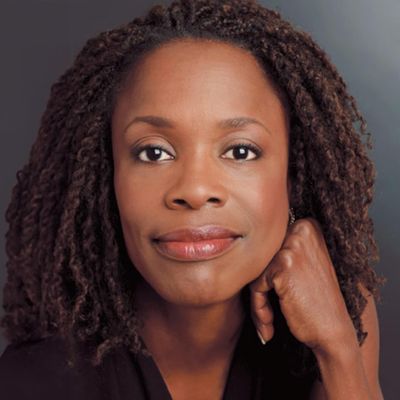
About
A friend of mine once bought about 75 acres of land and her sister, who worked for an old wealth family told her boss about her siter’s purchase. the patriarch responded “Why so little” To which the sister replied “That is all that was for sale” and the patriarch quipped “Oh darling, everything is always for sale”.
Produced by Dori Berinstein, edited by Alan Seales, music by Anthony Norman.
A proud member of the Broadway Podcast Network.
Transcript
This transcript was automatically generated and might contain errors.
[0:00] Tonya Pinkins: Hi, I'm Tonya Pinkins, and you're listening to my podcast, You Can't SAY THAT.
[0:10] Tonya Pinkins: A friend of mine once bought about 75 acres of land. And her sister, who worked for an old wealth family, told her boss about her sister's purchase. The patriarch responded, "Why so little?" To which the sister replied, "Well, that's all that was for sale." And the patriarch quipped, "Oh darling, everything is always for sale." There are certainly people in showbiz who think artists are and should be for sale. After all, isn't acting just another form of prostitution? I'm happy to say that I'm not for sale. I know my worth, and it can't be bought. And when you come in the package of a brown female body, where people who think everything is always for sale, the only thing they can say about you is that you are very difficult.
Difficult because not being able to have the will by manipulation or money is difficult for them indeed. My next guest and I have shared conversations about our perceptions by others in show business. Please welcome me in speaking with my dear friend and colleague, Charlayne Woodard, star of Pose.
[1:23] Tonya Pinkins: Hi, my name is Tonya Pinkins, and you are listening to You Can't SAY THAT on the Broadway Podcast Network. And it is such a thrill for me today to be talking with my dear friend Charlayne Woodard, who is a Tony-nominated star of the original Ain't Misbehavin' on Broadway, and she is a playwright and a director, and she is currently starring as Helena on the hit series Pose.
[1:55] Charlayne Woodard: That's true.
[1:56] Charlayne Woodard: That's true.
[1:58] Tonya Pinkins: You looked at me like that was...
[2:00] Charlayne Woodard: You know why I looked at you like that?
[2:02] Tonya Pinkins: No.
[2:02] Charlayne Woodard: Because I'm also recurring on Prodigal Son.
[2:07] Tonya Pinkins: Okay.
[2:08] Charlayne Woodard: And I play Gabrielle Ledeux.
[2:10] Tonya Pinkins: Oh, okay.
[2:11] Charlayne Woodard: A therapist. So that's what I've been coming back and forth to.
[2:12] Tonya Pinkins: So you've been coming here to do Prodigal Son, not to do Pose.
[2:19] Charlayne Woodard: Exactly.
[2:21] Tonya Pinkins: Okay, and so how do you like it being on TV like that? You're in a series regular on something and a recur on another. How do you like it?
[2:24] Charlayne Woodard: You know, I'm actually learning how to do it.
[2:26] Tonya Pinkins: Okay.
[2:27] Charlayne Woodard: Tell us about it. Because you know I'm a theater person.
[2:29] Tonya Pinkins: Right.
[2:30] Charlayne Woodard: And it takes a different set of muscles to get used to that little audience, which is that camera, and the people that you're playing with are so close and it's so intimate, you know, TV. And so it's taken me a bit of a... it's taken a while to learn a new thing like that, you know. But I am very thankful to, you know, Ryan Murphy and them who just gave me Pose, just sort of gave it to me like a gift.
[3:03] Tonya Pinkins: Nice, isn't that wonderful?
[3:05] Charlayne Woodard: Mm-hmm.
[3:06] Tonya Pinkins: When people bel... just okay, let me see what's gonna happen here, you know, and that is Dori Berinstein, who just walked in in the middle of our interview here. And Dori and Charlayne have never met each other. So Dori, don't whisper, don't tiptoe, just say hi.
[3:23] Dori Berinstein: Hi Dory.
[3:24] Charlayne Woodard: Dory is the creator of this podcast along with her partners, and Dori's gonna sit in with us right now. Shall we hold or shall we keep going?
[3:39] Dori Berinstein: You can go on.
[3:40] Tonya Pinkins: So how do you remember us meeting?
[3:44] Charlayne Woodard: I remember you in... I would be in auditions. This is back in the 80s, top of the 80s. And I'd finished Ain't Misbehavin', and I was just... I was doing all these off-Broadway shows. And I remember seeing you, Tonya, come into a few rehearsals, a few auditions before I even met you, and you'd come in with a big blonde wig, and you just, you know, like it was nothing, and then just go in the door and do your audition and come back out, or I'd see you another time, maybe a purple wig, maybe whatever the clothes that you wore and the way you got ready to go to work and those auditions, you know. And I always said, that's a risk taker. She's taking a risk here, you know. I'm not... you know, it didn't occur to me to come like that for the audition, but this is a risk taker. And then we were doing... George Wolfe had us doing a Bertolt Brecht.
[4:49] Charlayne Woodard: Yes, that's what I remember. We were doing Caucasian Chalk Circle in Masks, we called it Slaving and Gonav. And I was playing Grusha, yeah, and one of the actors left and you replaced her. And on the first day of your rehearsal, you said, "Um, let's go have lunch," and we did, and we've been friends ever since.
[5:15] Tonya Pinkins: Yes, that is my memory as well. That is my memory as well. One of my sort of fond memories of a conversation we used to have, and I still have it, is we used to talk about is there anyone who has the career that we wanted to have. Do you remember that?
[5:31] Charlayne Woodard: We would say, who has the career that we want to have?
[5:35] Tonya Pinkins: Well, actually, you know, it's a funny thing because back then we had an idea of what that career would be. And what's happened with me is I've noticed that I had been that for that at that time modeling my career on things that I had seen other people do and not having my career come from my gut. You know, and we were thinking at that time, I know I was, that people had to give me the opportunity to create. And that I know that's what I felt. Like I needed to... yes, because, you know, at the time I was doing a lot of musicals. But at this point you had already created your own plays.
[6:24] Charlayne Woodard: Okay, so that's Waiting for the City.
[6:25] Tonya Pinkins: No, but that's what I'm saying. I can create the career that I want. I can do that. And when I grasped that idea and turned it into a truth, you know, my whole thing changed. Everything changed was, you know, for the good. And the career that I have now, I couldn't even imagine this career back in the day. But it's something of my own making, and it's incredibly exciting. I'm very glad to have lasted this long in the business, you know, because times have changed and anything goes, there's nothing you can't say.
[7:17] Charlayne Woodard: Right, right.
[7:18] Tonya Pinkins: You can't say... you can... you can't say that.
[7:20] Charlayne Woodard: That's right.
[7:21] Tonya Pinkins: Right.
[7:21] Charlayne Woodard: So yeah, yeah, we did talk about this. So does anybody have the career that you want right now?
[7:29] Tonya Pinkins: No.
[7:30] Charlayne Woodard: Okay. So what is there still more that you want?
[7:33] Tonya Pinkins: Well, I just, you know, I am a playwright, and I wrote... I just recently... I have a play that's one year old. I'm giving birth to it right now. I've had three workshops. I wrote this play, it's called The Garden. And it's a two-character play. And you know, what I see for this play is that I run the regionals, get it in shape, because a play is not a play until you put it in front of an audience. And this play needs an audience, you know. And I just finished doing a new stages festival at the Goodman because I wanted to use a specific actor, and that actor said, "I'm in Chicago ten months of the year." And I said, "Huh, you know, Essie Paytha Merkerson is the person I thought when it... this is a commission. The Garden is a commission from the La Jolla Playhouse."
[8:40] Charlayne Woodard: Okay. So I said, "Hmm, Ipaytha, you would be the one I want to work with on this." So, Ipaytha says, "I am in Chicago ten months of the year." I said, "Then that means I've got to get it to Chicago." Okay. She says, "Yes." So then I asked my literary agent to send it to the Goodman. I know that theater, you know. So I've never worked there. I've always wanted to. I said, "Send it to them. See if they'll give us some kind of workshop or something." Next thing you know, boom. Robert Falls has said, "Come on." And so we're in that festival. Then when we get there, then Ipaytha says, "Oh, now I've got... I'm working on the TV show. I can only make one day of rehearsals." I'm like, "What? What?" Everybody's in a tizzy. And I said, "Hmm, let's do it on Zoom. Let's rehearse on Zoom."
[9:29] Charlayne Woodard: Whoa. And so I said, "Could Epa says, What is Zoom?" You should have seen the two of us. You know, I do... I'm a council member of the Dramatists Guild. And so all of our meetings are on Zoom because people are all over the country. So I said, "Come on, we're gonna Zoom this."
[9:47] Tonya Pinkins: Now are you the other character in the play?
[9:49] Charlayne Woodard: Yes.
[9:49] Tonya Pinkins: Okay, so it was you and Ipaytha as the actors.
[9:51] Charlayne Woodard: Okay.
[9:51] Tonya Pinkins: Okay.
[9:52] Charlayne Woodard: Yeah, and you know, I'd worked with Ipaytha years ago in Raising in the Sun at the Philadelphia Drama Guild. Okay. She played Ruth and I was Benita. Okay. And now I needed her to play this mother and me to play this daughter. Now she's an amazing, amazing actor, and I knew she could do it, you know. I just knew it, and I was looking forward to working with her again because we're kindred spirits, you know. And so then she's... we rehearsed, she and I four hours on Zoom for three days.
[10:26] Tonya Pinkins: Okay.
[10:27] Charlayne Woodard: You know, we just like we would do in the... would you have had if you'd been in the room? It would have been the same thing.
[10:33] Tonya Pinkins: Oh, you only had the three days, no matter what.
[10:34] Charlayne Woodard: So you just decided to do it. But I also said, you know, this character is not a character that you get in, you know, but she's been... she's had the different rewrites and everything for like a year. Okay. And when we did the read-through, I was just like, "Mm-mm, she's in the pocket." So then we... the next day, I was directing it. I decided I'm gonna direct this workshop.
[10:52] Charlayne Woodard: Awesome. Because at all other times I had left the directing up to everyone said, "Charlayne, don't be the actor and the playwright, just be the playwright."
[11:02] Tonya Pinkins: Why not?
[11:02] Charlayne Woodard: You know, why shouldn't you get to it? We had these two workshops, and it's like I'm sitting there going, "Uh-uh." My hands are tied when you're in a rehearsal and you're the playwright, and you know exactly how things are supposed to be going, and the actor isn't quite, and then the actor's asking questions, then the director is like, and you're just like, "What is happening? This isn't working." So I said, "I'm going to do it."
[11:32] Charlayne Woodard: Awesome. I'm gonna be the other character. I'm gonna and I'm and you know, E Petha is gonna and we're gonna be like bam, bam, bam. We were like E. Paytha came into rehearsal for that one day, and we had set it for an eight-hour day. Also, I've got Shirley Fishman in the room, my dramaturge. Yes. And um, sure, for those days, we did do the three days of rehearsal that they give us, but that was so I could rewrite, stay up every night and be rewriting, rewriting, rewriting, and and Shirley's just asking the good question. I love Shirley to the point where you could just say, Shut up, Shirley, please leave me alone. Uh you know, but you know, um, you know, playwrights probably don't like a dramaturg, but you know, actors really do need that third eye.
So I thought, hmm. And Shirley would ask a question that, like, the big question she asked me, Tanya. What was it? That made I will always ask myself this question when I'm writing anything. When is there blood on the floor? Come on! When is there blood on the floor in your play? I had to get to work. And she she she asked me that after we did, I did it at OHI. I gave birth to it really at the OHI Playwrights Conference last year when it was um me and uh an actress McCole McCole White. And I played the mother, and she was my daughter, and we rocked and rolled. She's fabulous. You know, but um I she's uh too young. Mm-hmm. God bless her. And she's fabulous, and I played the mother, and she played the and that's when Shirley asked me after she saw that first reading when it was eight weeks old.
You know, that's what I love about OHI. They'll call me up and say, What do you got? Robert Egan did that. What do you have? I said, Robert, I've been toying with an idea that Harris gave me. You know, he said, Won't you write that story about the garden? Remember, you talked to me about your mother's garden, my mother's community garden, and all these people from the community who were in that garden. I thought I'd do something about the four lives or the three lives of those people. But that was I talked to him about that 10 years ago, 15 years ago, and then he remembered that. And he said, The garden. Now, 15 years later, I'm concerned about other things. So now I started working on it while doing pose this season, and um, and decided it's a two-character play.
And it's about a grown mother and her grown daughter. And that thing that happens between grown mothers and grown daughters, an alpha mother who raises an alpha daughter. And they meet in real time in the garden. And it's an hour and a half. And you know, and I took it to OHI. It was eight weeks on. And when was there blood on the floor? Tell us about the blood on the floor. I can't tell. They got to come. I found the You can't tell us about the blood on the floor. But you found the blood on the floor. I found the blood. Okay, well, we got to go see the garden to find to get to see the blood on the floor. And I suggest any playwright when you're writing, you know, think about Shirley's question.
When is there blood on the floor? You know, everything I write has a lot of blood on the floor because I'm very fond of horror, so I just write a lot of blood on the floor. I hear that you just wrote uh produced, wrote, directed a feature film. Yeah. And it's a horror film. Of course. Come on, I'm not. Tell me about that. I don't know anything about that. Um, I what I I'll give you the log line. It's called Red Pill or Red Pill Movie 2020, and it's um uh the eve of the 2020 election, a posse of progressives ride into red country armed with their heart, humor, and naivete. They should have brought heavy artillery. Come on. So it's my black woman's get out, and it's my friend has been doing the press release for me, and he gave me this.
He said, You is smart, you is kind, you is important, you is dead. Ooh, yes, you is. So it's really my take on how progressives get so full of themselves and all that they know. And uh, yeah, that doesn't stand up to uh AR 15. No, it does not. So um, I wanted to ask you. Well, actually, I wanted to tell you something that I say about you all the time, but I've never gotten to say you, and so this is this glorious opportunity. But I'm gonna ask you about it from your point of view. Do you remember some advice you gave me about Jelly's Last Jam? Probably not, but I remember when you were um you did the uh you did uh a come uh a production of Jelly's job right in LA. Yes, and then they were about to go to Broadway and um you called me and you said, You know what?
Do you believe they want me to come in here and audition? Mm-hmm. I said, What? After seeing you, your performance at the Mark Tabor, I was you know, in in in LA, I said, they want you and you said, forget it, I'm not going to. And I said, Oh no, you that's your show. And go get it, claim it, have it, have it. All these other people are gonna come in there trying to do that thing, and you're gonna show, you're gonna walk in there, you're gonna show them this is how it's done. And that is one of three times in my life that I recall that you gave me some advice that really was a turning point in my career. Uh you know, I was like, you know, I'm not going in there. I did this part, and you were like, girl, you better go in there and get your part and don't let them say she wouldn't even come in here and audition.
Right. And you're a part, you d you belonged in the Broadway production. And after that, I would I would always think of of you, like when I had a difficult decision to make, I would think, Well, Charlene and I come from very different worlds, and she has a very different uh lens on the world. And if I ask Charlene what to do in this situation, she's going to tell me something to do that my world of experiences would not even be able to think of that possibility. So do you off the top of your head, can you remember another time you did that for me? You know, Tanya did you know it's it's crazy. I did it again. Yes, you did. You know, and it's funny too, because you know, when in all these years of us being friends, I had no idea that what I say um actually means something to you.
You always do what I say do, but um always not always, but you did. Um, so uh this is flooring me today that you have come to um recognize these these things. Oh, I've recognized, I've told many people about it, but I've never gotten to tell you about it. But I remember was it uh I I was asked to audition for uh was it wild party? That's one more time, yes. And I said, and Tanya had just had a baby, and um I was I was actually rehearsing another play here, and uh I called her up and I said, Girl, there is a part for you in this wild party that they're asking me to audition for, but I told George that you have to call Tonya Pinkins. I'm not coming in for this, I'm not auditioning for this. This is her role, and you need to call her and get her here.
And I have this real memory of uh the two of us sitting outside of the time uh r uh restaurant down from the public, right after you had done your audition with my baby and I had baby. And you had nursing. And I'm sitting there looking at her and going, look at her. She's like a big old lush fertile garden. She was there. Well, looking like, where is the baby? Just stick it up there. And you were like, I was like, look at Tanya, just after having a baby. And you had just you're very calm about it. You had just finished the audition. Mm-hmm. Yeah, I did it. Yeah. And there's one more. Oh, goodness. Do you remember the other one? What's the other one? I'll tell you if I'm not gonna make you sit here.
So the the third one is Carolina Change. Oh. When um they were doing it at um the public, and um I was I had two little kids and my youngest and the two older ones, and I was living in LA, and they uh were gonna do it in New York, and I couldn't afford to come. I couldn't afford, I wasn't in New York hire, and I couldn't afford to come. And you told me, well, you have to beg, George. And I was like, beg, beg, beg. And you were like, Now Tanya, you talk too fast and it makes people nervous. You need to write it all down and you need to read it, and you need to talk slowly, and you need to beg George and tell him why you have to do this show and what you need to be able to do it. And so, really, Jolly's Last Jam on Broadway and Wild Party and and Carolina Change, I have always attributed to taking advice from you.
Oh, good. So it's it's it's my privilege to get to say thank you to you for that. Yeah. Well, I just believe that we we make these careers, and I feel like if I want something, I'm not waiting for someone to gift me with it. You know, I go after it so that then I could say, you know, I tried to get, I did everything I could to get that. And you know, it wasn't in the stars, you know. And all those wonderful opportunities kept coming to you, you know. And um I could tell that that they belonged to you, you know, and that your your voice was going to carry that. So, you know, but I I I knew it, and it's kind of great when those things come and you go snatch it, and then it wasn't a mistake. It was not a mistake.
I saw you in Carolina Change. Thank you. And it was brilliant. I saw you one day after rehearsal, and you were talking about the writer's brilliance, the brilliance of that writer, the music, and you said it's so intricate and it's so challenging, you know. Yeah, and that's what we want. Oh, yeah. That's what we want is some challenge and some time to bake that bread. Yes, I know. That's that's my frustration. I don't get to be challenged very often. I want to talk to you about how we came up in the theater and how we had people who we had to, I mean, you know, there was standards that were set for us by the other actors in the room that is very different. I think today it would be called harassment.
It would the way we were treated as newbies coming into the theater. Was uh very different than people get treated today. Oh, yes. I remember once I when I came in to do uh uh uh my name is Alice, and it was I think it was Elena Reed, Triple Scorpio, God rest her soul. Yes, and I forgot who the other one was after you had left. So it was the woman who replaced you, and they were like, hmm, we heard you already know the show.
[23:08] Charlayne Woodard: And so both of them took off in my first week, and I had to go in, having understudied two people in one week, because they were like setting the standard of what I was gonna have to do.
[23:20] Charlayne Woodard: And I did Ain't Misbehaving in Allentown with Lenny Godfrey, and I think it was oh god, Jennifer Lewis, maybe, and they were just like, these divas, the divas were like, they reconfigured all the music and just gave me the songs they didn't want.
[23:35] Tonya Pinkins: Oh I know you had some of that in Ain't Misbehavin.
[23:38] Charlayne Woodard: You had to earn your position.
[23:40] Tonya Pinkins: Oh, yes.
[23:41] Charlayne Woodard: You had to earn your place in the cast.
[23:44] Tonya Pinkins: That's right.
[23:45] Charlayne Woodard: The family of actors who work like this.
[23:49] Tonya Pinkins: That's right.
[23:49] Charlayne Woodard: You know, and they didn't give you any slack at all.
[23:52] Charlayne Woodard: I was uh just um I was hosting this um York Theater uh gala last week, and we honored Andre de Schiedles with the Oscar Hammerstein Awards.
[24:04] Tonya Pinkins: Yes.
[24:05] Charlayne Woodard: And I said, um, when I first met him on the first day of rehearsal, there was Andre walking around in that red jumpsuit and those silver studded platforms and you know, eating a peach or an apple, you know, just eating it.
[24:21] Charlayne Woodard: And um, and I he let me know by the end of rehearsal that he was perched capriciously on the precipice of the abyss.
[24:30] Charlayne Woodard: And you know, I'm thinking, hmm, I've got to work with that.
[24:34] Charlayne Woodard: You know, and then a a couple of like a week later, I said, Andre, do you think we're going to be a hit?
[24:40] Charlayne Woodard: He said, Darling, we are a hit. Don't fuck it up.
[24:48] Charlayne Woodard: Okay. I'm in the second week of rehearsal. I had three weeks of rehearsal to pull that thing together.
[24:55] Charlayne Woodard: They had already done it at Manhattan Theater Club. They were uh hit. Limousines were around the corner waiting for them, waiting to get into Ain't Misbehavin.
[25:06] Charlayne Woodard: So now it's moved, and I'm replacing the person who did it at MTC.
[25:11] Charlayne Woodard: And um I came from drama school, and I'd only done one musical that was, you know, it in the summer. I went and did Don't Bother Me, I Can't Cope. Thank God for Vanette Carroll, you know.
[25:25] Charlayne Woodard: And um, but I did not know about, and I was it's all gospel music, and you know, I was the ingenue, and it was, you know, and it was kind of it was it was, you know, kind of treacherous then.
[25:41] Charlayne Woodard: Oh, yes, you know, with all those singers and dancers, and I realized there's a whole culture going on there that was new to me, not like drama school, not like conservatory, and uh where there were other rules.
[25:52] Charlayne Woodard: But when I got into ink, it's like, come on, rise up because we are going for it. We are going to win.
[26:01] Charlayne Woodard: And they told me, that cast told me, we are going to win every award a musical could possibly win in a season. So you better not fuck it up. You better come on.
[26:12] Charlayne Woodard: And at one point, uh uh they took me aside and said, you know, uh, was it who was I don't know. They said, you know, don't bring any attitude on stage. You're we now see that you're the energy, and if you don't like being here, then just let that let that happen after or before the show, because now we see you're the energy of the show.
[26:32] Charlayne Woodard: So don't come, don't be sad one day. Don't be hmm, ming. It's like hit it. And I must say, you know, they taught me what it is to be uh excellent, what it how excellent we have to be.
[26:52] Charlayne Woodard: They were not fooling around. You know, we have worked hard, we've come through the snowstorm, all that stuff in Manhattan Theater Club. Rise up to this.
[27:02] Charlayne Woodard: And I had to. I spent nights just trying to learn that music. I said, This is this is not it in my key. And they said, you know, darling, we are all singing at the top of our range. Learn it.
[27:14] Charlayne Woodard: It was that simple. You know, it's like, rise up. We're all in the struggle, and we are gonna do something. What did Andre say? The audience loves to see you do what they cannot do.
[27:27] Charlayne Woodard: And so, and our audience came back over and over and over again. And so every time, you know, it was about it got to a point where you're trying to beat the audience. You're gonna stay ahead of them.
[27:31] Charlayne Woodard: You know, it was it was it was the kind of thing that made you crazy. I bec I was I became agoraphobic during eight.
[27:48] Tonya Pinkins: Really?
[27:49] Charlayne Woodard: Because of the pressure. Now I didn't know it was agoraphobia until I saw a Time magazine article on it. I said, Oh, that's what I've got. I got agoraphobia or something, you know, because I had I didn't want to leave the house and I'd get into a cab and get to the theater.
[28:07] Charlayne Woodard: I'd be having sort of an anxiety attack until I crawl up those steps and then sta sit there at the doormat and he'll give me my letters and have me read my stuff and I'd collect myself and then I'd go downstairs and get my little bag and my the how you baby pumps and come back up and work out and get warm up and get ready for the show.
[28:26] Charlayne Woodard: And then you know, Harris would meet me, my husband, after he was my boyfriend then, and then we would all, you know, and he I'd come home with him, but I didn't know it.
[28:37] Charlayne Woodard: Harris actually got me a uh a Russian Wolfhound puppy and brought it to the house, and we were living up on 80th, West 80th, and then he went to San Francisco for two weeks and left me with a puppy, and you know, the Capricorn is not gonna let the puppy pee on her wood floors, so I had to go outside like eight times a day to t to train this.
[28:57] Tonya Pinkins: Oh, so he knew he knew you well enough to know what was gonna...
[28:57] Charlayne Woodard: Right. We didn't know the name of it right away, but then you know, and then I bring the dog to work with me and everything, and you know, and we would be like a comfort animal that we call it now, right?
[29:01] Tonya Pinkins: Right, right.
[29:11] Charlayne Woodard: Exactly. And um, and then you know, but then I got over it, you know. He the the dog, Sh Shango, he brought me out of that agoraphobia.
[29:21] Charlayne Woodard: And what it was also is I was learning how to do a musical, how to give a hundred ten percent uh eight shows a week, how to go on vocal silence and be quiet, and how to get out of a smoke-filled restaurant or loud restaurant, and how to save myself after I totally swell your vocal cords by giving everything for an a two hours, then you get into that little vacuum and stay there.
[29:47] Charlayne Woodard: Oh, people in my neighborhood for the longest time thought I just could not speak. And they'd be, you know, I just gave came into the cleaners with a note that said, picking up Charlayne Woodard, and then you know, he'd write me a note, and then I'd have to write, no, you can speak.
[30:05] Charlayne Woodard: But for the 15 years that I did musicals, I was on vocal silence because all I knew was one way to work, and I was self-taught as far as singing, you know. I didn't I never had a class, a singing class.
[30:20] Charlayne Woodard: Um, but I so I would do silence and uh 15 years of that, just preparing my whole day would be for the show, you know, to prep prepare to get to the show.
[30:36] Charlayne Woodard: I think people, you know, uh sort of imagine that you only work three hours a night or something, and but it takes all day to prepare to do that three hours. It's life and death.
[30:47] Tonya Pinkins: Yeah, yeah.
[30:48] Charlayne Woodard: You know, when you take that job, when I took a job, I and I remember being when I first got into like all Broadway show. I'm like telling people, guys, if you just I I actually said to a friend in the cast, if you see how you're singing that in your head, um, take that out of your head and belt it.
[31:03] Charlayne Woodard: That that those last three notes, belt the daylights out of them. And then she goes, Oh no, no, no, no, no, no, Charlayne. I lost my voice doing Ain't Misbehavin. I'm never gonna lose my voice again.
[31:15] Charlayne Woodard: If I belt that every night, I said, the audience is gonna bring down the house. You got the 11th hour song. Belt that shit out and get us on Broadway.
[31:24] Tonya Pinkins: Right.
[31:25] Charlayne Woodard: I was like that. I couldn't do it. Like, I know my and she said, I cannot do that. I said, Yes, you can. She goes, Well, I don't want to lose my voice. You go on vocal silence.
[31:37] Charlayne Woodard: But we were we came up in a time...
[31:41] Tonya Pinkins: Right.
[31:42] Charlayne Woodard: That's what you did.
[31:43] Tonya Pinkins: That's right.
[31:44] Charlayne Woodard: That's what you did, or they made they shamed you all day long. They'd be sitting there talking about you.
[31:47] Tonya Pinkins: Mm-hmm.
[31:47] Charlayne Woodard: You know, you may be rolling their eyes. No, you had to step up.
[31:51] Tonya Pinkins: That's right.
[31:52] Charlayne Woodard: That's where we came from. You know.
[31:55] Charlayne Woodard: And it was all different. I remember doing um, I was doing Raisin in the Sun in Philadelphia. And with the Petha.
[32:04] Charlayne Woodard: With the Petha. Rosetta Carter played Mama.
[32:11] Charlayne Woodard: And for the life of me, in all, every day in rehearsal, she could not slap me.
[32:19] Charlayne Woodard: So I'm Beneatha. She her little her hand starts shaking and coming in. She wasn't Claudia McNeil, who they said slap the head.
[32:26] Charlayne Woodard: And I said, Oh my God. And we tried fake slap, nothing, not one slap ever worked. And the director, old school brother, and he said, Um, you know, come on now.
[32:36] Charlayne Woodard: And I said, Well, I can make it work because I did it in the audition without anybody slapping me for real. So I could say I can just make it work. You know, I'm gonna move about and fall off, and then I'll do it.
[32:47] Charlayne Woodard: But um, we get to Thanksgiving Day, and we they give us a big dinner, and then it's the the the preview be it's the uh invited dress. And uh we all ate and everything.
[33:01] Charlayne Woodard: Anyway, uh all the producer, you know, the people are there, nice audience of people in the know. And uh, we're doing it, and we get to that part where she's supposed to slap me, and it was like way far away.
[33:15] Charlayne Woodard: The director jumped up and said, No, no, we cannot have this. And he came running down the preview. And it is the day before the preview, the invited dress.
[33:25] Charlayne Woodard: And he saw, she says, Rosanna, Rosanna, this young lady is defiling your home. She's she's uh cursing your God. You've got to look her in the face, and you've got to slap the shit out of her.
[33:37] Charlayne Woodard: And he slapped me, and I went flying across the stage, and I went into the stereo system, and I was down there like this, and and Heytha and I remember all the cast come running towards me.
[33:50] Charlayne Woodard: And I was like, you know, and then you know, I almost vomited because you know my grandmother said, if anybody ever slap you if a man ever put his hand on him, kill him, you know.
[33:59] Charlayne Woodard: And that's how I was feeling like all that, all that Thanksgiving dinner's coming out at you. You know, I would just want to do that projectile vomiting and everything.
[34:07] Charlayne Woodard: And then they said, okay, just calm, you know, everybody calm down. And you know, and then, you know, but see, uh, if that happened, and you know, and I remember you said, like, let's start from the beginning. I said, No, we will start after the slap.
[34:24] Tonya Pinkins: This is Tonya Pinkins. Thank you for listening to part one of my interview with Charlayne Woodard. Part two is coming up next.
© Broadway Podcast Network, All Rights Reserved