

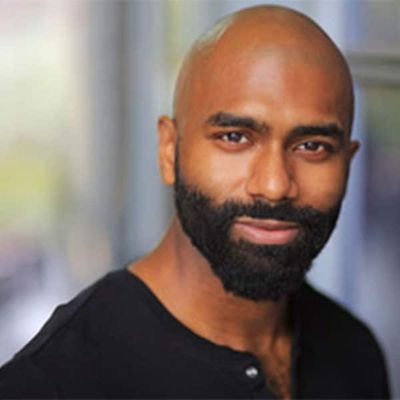
Nik Walker and Paul Oakley Stovall are both Hamilton Musical Company members. They join Ciara Renee and myself for another Spotlight: The Red Pilling of America... Read More
From the show: You Can't Say That!
Guests
Featured Shows

About
Nik Walker and Paul Oakley Stovall are both Hamilton Musical Company members. They join Ciara Renee and myself for another Spotlight: The Red Pilling of America.
More about Red Pilling America:
A thought-provoking series, featuring stellar guests, discusses democracy, American politics and our current socio-economic climate through the lens of Tonya's new socio-political horror film, RED PILL, which has received national coverage on Deadline, Playbill, and more. Guest stars include Metropolitan Opera star Meagan Miller, acclaimed actor Jay Armstrong Johnson, American civil rights leader Rashad Robinson, Hamilton stars Nik Walker, Paul Oakley Stovall, Jon Rua, Aladdin stars Telly Leung and Michael James Scott, actress and activist Joanna Carpenter and many more.
Red Pilling Of America takes place through Marissa Lynn Daniel Studios on Zoom. Proceeds will go towards the funding of Red Pill and to supporting actors during COVID-19. For more information and to enroll, visit, www.marissalynnstudios.com.
You Can't Say That is produced by Dori Berinstein and Alan Seales, edited by Derek Gunther, music by Cat Dail.
A proud member of the Broadway Podcast Network.
Transcript
This transcript was automatically generated and might contain errors.
[0:00] Tonya Pinkins: Hi, my name is Tonya Pinkins.
[0:02] Tonya Pinkins: Welcome back to part two of my conversation with Nik Walker and Paul Oakley Stovall on You Can't SAY THAT on the Broadway Podcast Network.
[0:28] Tonya Pinkins: Is America the virus though?
[0:32] Nik Walker: I'm so glad you said it.
[0:33] Paul Oakley Stovall: So glad you said.
[0:34] Nik Walker: Like the way that you just described that is like it's gonna leech humans are okay.
[0:38] Paul Oakley Stovall: You think humans are.
[0:39] Nik Walker: That makes me sad though, because that makes me feel like, well, then end it, world, Mother Earth, end us, because if we are really and truly, like I think we're capable of being a virus, but like, are we really like essentially that's what we are?
[0:54] Paul Oakley Stovall: We like feed off of a thing and we consume and we you know like we're not a virus, we're a parasite.
[1:00] Nik Walker: Right.
[1:00] Paul Oakley Stovall: So then go ahead.
[1:01] Nik Walker: Go ahead, Nick.
[1:02] Paul Oakley Stovall: No, go ahead, Nick.
[1:02] Nik Walker: I don't know. I just want to say here's the thing.
[1:04] Nik Walker: She will.
[1:06] Nik Walker: Like that's I know to say.
[1:08] Nik Walker: If if we here's I don't think that we are, I think that we are whatever we want to be.
[1:13] Nik Walker: I think I truly do.
[1:14] Nik Walker: And that that is my that I go back to that idealism, but I really that's the thing that keeps me going.
[1:19] Nik Walker: Is like I know that what uh day to day, I try to make the choices that serve my community, serve my family, don't hurt anybody, don't hurt myself.
[1:28] Nik Walker: That's what I try to do, right?
[1:30] Nik Walker: And that's that's that's me.
[1:31] Nik Walker: But if everybody's trying to do that, we can make a collective choice.
[1:35] Nik Walker: That said, if we keep effing around, she's gonna like that that's that's I think the thing that that boggles my mind because and and I go I go back to the arrogance of people and in certain strata of our of our society.
[1:49] Nik Walker: For for the earth will actually be fine.
[1:53] Nik Walker: The earth's gonna be here.
[1:54] Nik Walker: Like until a meteor, until the sun, like even when the sun comes close and burns us all up, the earth will actually exist.
[2:01] Nik Walker: It will, unless one day it explodes from the core, it will exist.
[2:06] Nik Walker: We might not be here, but the earth will be here.
[2:09] Nik Walker: Do you know what I mean?
[2:09] Paul Oakley Stovall: And like that's I think the thing that certain amount of money buys you ignorance from because you're not thinking about the long term, you're thinking about getting yours today.
[2:19] Nik Walker: And that's that's that's and that's the back to Tonya's point.
[2:23] Nik Walker: That's that's the problem with capitalism, is because capitalism inherently takes away your cognizance and mindfulness of the communal need.
[2:33] Nik Walker: And that's what we need more of is the is recognition of the communal.
[2:37] Nik Walker: Because I will even go further.
[2:38] Nik Walker: I will say that half of these people who are voting for Trump aren't truly are not.
[2:44] Nik Walker: I, you know, whether I mean I you know, the the debate of over whether you can support him and not call yourself a racist is I'm not even gonna get into that.
[2:53] Nik Walker: But I will say, do they actively think of racist things?
[2:56] Nik Walker: Maybe maybe not.
[2:57] Nik Walker: But what the what I'm sure they're actively thinking of is my life sucks, I need it better now, and I will, I don't care who I have to step on to get there.
[3:05] Nik Walker: That's what I know.
[3:06] Paul Oakley Stovall: Go ahead.
[3:07] Paul Oakley Stovall: There was an opinion piece in the Times this week, and it was uh a woman in New York, she's a gay woman, and she talked about how if she had to admit that, and she this she was anonymous in this article.
[3:07] Paul Oakley Stovall: If she had to admit that she was voting for 45, uh, it would be like coming out again.
[3:24] Paul Oakley Stovall: And what she said is, I don't care about Afghanistan or the Middle East.
[3:30] Paul Oakley Stovall: Um I care about having a job and having health care and my pension, and my pension has jumped double digits in the last four years.
[3:39] Paul Oakley Stovall: And she's she described, she said, lawlessness has come to my neighborhood.
[3:46] Paul Oakley Stovall: And lawlessness for her was that there was a homeless encampment on her block now where you know she said there's a man who wears a diaper.
[3:56] Paul Oakley Stovall: And I thought that's lawlessness.
[3:58] Tonya Pinkins: Wow.
[3:59] Paul Oakley Stovall: Okay.
[4:00] Paul Oakley Stovall: Um that's a mental health issue, and he probably needs some help.
[4:04] Paul Oakley Stovall: Like that's not the same thing at all.
[4:07] Paul Oakley Stovall: Um, so you know, this me, me, me, me thing, I don't know.
[4:13] Paul Oakley Stovall: It's like we you can't live all by yourself.
[4:17] Paul Oakley Stovall: We all need a whole lot of we all want it.
[4:20] Paul Oakley Stovall: We want it too.
[4:21] Paul Oakley Stovall: And I think that's actually, I mean, that is essentially the Republican strategy is to make it like this is the cool club, right?
[4:28] Paul Oakley Stovall: And you want to be a part of the cool club.
[4:30] Paul Oakley Stovall: It's about emotion, it's not about the logic of it.
[4:34] Paul Oakley Stovall: It's like because I'm sorry.
[4:36] Paul Oakley Stovall: It would be very easy, actually, not as easy as I thought because I watched the social dilemma, and apparently it's actually really difficult if you've been searching in one way to find anything on Google or anywhere else, because they are again trying to just indiscriminately just we want you to look at the things that you want to look at, and we don't want you to be able to see anything else because those are the things that make you click away.
[4:57] Tonya Pinkins: And anyway, but I'm like, how do we how do we bridge that gap?
[5:03] Tonya Pinkins: A like, how do we I'm just like, do you know what I mean?
[5:07] Nik Walker: Yeah, yeah.
[5:08] Nik Walker: It's overwhelming.
[5:10] Paul Oakley Stovall: Yeah.
[5:12] Nik Walker: But that's that's why I say one one battle at a time.
[5:16] Nik Walker: One battle, right?
[5:17] Nik Walker: One because I'm literally, uh, y'all.
[5:20] Nik Walker: I'm so sorry that I keep referencing these TV shows, but that's like what my life is right now.
[5:24] Nik Walker: It's like West from the Battlestar Galactica.
[5:26] Paul Oakley Stovall: I don't think you're alone.
[5:26] Nik Walker: I don't think you're alone in that.
[5:28] Paul Oakley Stovall: Absolutely.
[5:28] Nik Walker: And I literally, I, you know, one of the things that I've enjoyed seeing as I go through, as I go back through my Battlestar Galactica rewatch, has been has been like truly watching these people, right?
[5:39] Nik Walker: Because like it is, you know, this show came out right after 9-11, right when everybody was still feeling we're in that post-9-11 feeling of like hopelessness, and we have to we have to rebuild something.
[5:51] Nik Walker: And you you see this journey that goes over four seasons, and like they even when they say that like their whole point is to get back to Earth, they get to like midway through season four, and they're like, We found Earth, and they get to Earth, and Earth is a nuclear blasted wasteland that's not livable, like they they've been traveling for four years to get back home, and now they're home and it's terrible, and they still have to keep going.
[6:11] Nik Walker: And like so much of what they're dealing with with at this point is the overwhelm of like it's just been an onslaught of just disappointment, disappointment, disappointment.
[6:19] Nik Walker: And I think that the thing that I I've you know that you see in this story, and that you see in so many stories, um, is that like, yeah, when you look at the whole thing, you get overwhelmed.
[6:31] Nik Walker: But A, another lie they'll tell you is that it's not okay to take a break.
[6:36] Nik Walker: Like that's there's the uh does anybody follow the nap ministry on the street?
[6:40] Paul Oakley Stovall: I was just about to say nap ministry.
[6:42] Nik Walker: Let's talk about it.
[6:44] Nik Walker: On Instagram, oh my god.
[6:47] Nik Walker: N-H-T N-A-P.
[6:50] Nik Walker: Cause because the idea of rest, that's that's a lie.
[6:54] Nik Walker: That's another capitalism lie that we can't rest.
[6:57] Nik Walker: Everybody else has figured out the work week.
[6:59] Nik Walker: We are the only ones that ain't figured out a proper work week.
[7:03] Paul Oakley Stovall: Do you know what I mean?
[7:03] Nik Walker: That's we we can sleep, we should sleep, because we are in active trauma.
[7:09] Nik Walker: What does our body need?
[7:11] Nik Walker: What does our family need?
[7:12] Nik Walker: What is our soul need?
[7:14] Nik Walker: Those are the questions that we have to ask.
[7:17] Nik Walker: And and especially because our country is not going to ask them for us.
[7:21] Nik Walker: We gotta ask.
[7:22] Nik Walker: And so I just I'm not again, I'm not being prescriptive to anyone, but I am saying, like, of course you're overwhelmed.
[7:30] Nik Walker: Affirm I affirm your overwhelmedness because I'm overwhelmed, but like I just I that's why I try to get everything out.
[7:37] Nik Walker: I'm not watching the debate, I'm not watching the noise, I'm just looking for the facts.
[7:40] Nik Walker: I'm doing one little thing every day, and that at least keeps me going.
[7:44] Nik Walker: That's that's all I got.
[7:45] Tonya Pinkins: Let me ask the group uh answer one at a time or or every whoever just all at one arms and company.
[7:53] Tonya Pinkins: What kind of what kind of um actual and I'm just curious, what kind of actual thought and plan have you made, if any, if shit goes after the election, because it doesn't matter who wins, it could pop off.
[8:12] Tonya Pinkins: Like, have you taken have you taken yourself to the extreme and said, okay, the extreme probably won't happen, but in the case of the extreme, I have a plan, or are you kind of like, you know what?
[8:24] Tonya Pinkins: I can't, I can't think about it.
[8:27] Paul Oakley Stovall: Well, as a personal discipline for me, I like to walk the knife's edge of the best and the worst possible thing.
[8:34] Paul Oakley Stovall: That's just my daily discipline.
[8:36] Paul Oakley Stovall: What's the worst possible thing, and how do I survive it?
[8:40] Paul Oakley Stovall: So I that's just how I live in everything I do, and it's it it's a radical thing because people don't know how to be with me when I'm like practicing, you know, the thing I want most may not happen.
[8:53] Paul Oakley Stovall: You know, it's been a much longer process for me of of post-production on this movie, which meant I made a discipline of practicing, you know what you might, it may never come out.
[9:02] Paul Oakley Stovall: It may that's that's just to me part of being human is knowing I actually don't have any control.
[9:09] Paul Oakley Stovall: But if I'm committed to staying on the planet, I gotta be able to manage whatever happens.
[9:15] Paul Oakley Stovall: So I make it a I you know, sometimes I just take time, like they talk about the napping.
[9:20] Paul Oakley Stovall: Sometimes I take time to grieve if my dreams don't happen.
[9:24] Paul Oakley Stovall: How am I gonna keep going?
[9:26] Paul Oakley Stovall: That's my discipline.
[9:27] Paul Oakley Stovall: So I'm always in a place of preparing for for many eventualities.
[9:33] Nik Walker: And well, specificity.
[9:35] Nik Walker: Do you have like, you know, a preparation of like I have a bag with batteries and blah, blah, blah, blah, blah, blah.
[9:42] Paul Oakley Stovall: I do.
[9:42] Paul Oakley Stovall: Yeah.
[9:43] Paul Oakley Stovall: I have a go bag, I have a survival kit.
[9:46] Paul Oakley Stovall: Um, you know, I I'll say that I was saying before we started that uh, you know, I had a tarot card reader who said Camellia Elias, but she'll be on my podcast in a couple of weeks.
[9:56] Paul Oakley Stovall: And she said, you'll be able to get back in the country, but you won't be able to leave after.
[10:01] Paul Oakley Stovall: And um, she said she wasn't certain if that would be a decision I made or would be an immigration issue.
[10:07] Paul Oakley Stovall: Um, we're coming into fall.
[10:09] Paul Oakley Stovall: We, you know, should expect that there's gonna be a huge spike in in COVID cases in the fall.
[10:17] Paul Oakley Stovall: So probably the rest of the world is just not gonna let U.S. nationals in during this period where the cases are spreading and rising.
[10:26] Paul Oakley Stovall: And if we don't get a different president in November, then we will not have a different response to COVID.
[10:35] Paul Oakley Stovall: Or so it seems, as the behavior has shown us.
[10:38] Paul Oakley Stovall: And we that will continue on for much longer than it would ever need to.
[10:42] Paul Oakley Stovall: And we will definitely be trapped.
[10:46] Tonya Pinkins: I want to say something.
[10:47] Tonya Pinkins: I tried to figure out how to put this up for everybody to see, but it wouldn't ever, it only turned backwards.
[10:53] Tonya Pinkins: So someone posted, it was actually DL Hugley posted this Instagram thing from someone supposedly named John Camo.
[11:01] Tonya Pinkins: And it says it was dated 3 5 18 20, 3 51 a.m.
[11:07] Tonya Pinkins: And it says Trump's October surprise will be the announcement of his infection.
[11:13] Tonya Pinkins: But quite dramatic.
[11:27] Paul Oakley Stovall: Now I went and looked for this person.
[11:31] Paul Oakley Stovall: And I just finished watching Agents of Chaos and Social Dilemma.
[11:35] Paul Oakley Stovall: And you know, trying to find the person who posted this, they don't exist on Insta or Twitter.
[11:42] Paul Oakley Stovall: So even this post seems to have just something that someone faked to post because it had been predicted.
[11:50] Nik Walker: Wow.
[11:51] Paul Oakley Stovall: You know.
[11:52] Nik Walker: Yeah, I mean, that's I have to I mistrust anything and anyone that I haven't, you know.
[11:58] Nik Walker: I don't know him personally.
[11:59] Nik Walker: I'm not sharing it anymore because that ain't agents of anarchy or agents of chaos really got me going like, whoa, the machine is huge.
[12:10] Paul Oakley Stovall: Yeah.
[12:11] Nik Walker: I mean, and that even that's exhausting.
[12:13] Nik Walker: Mistrust, like not knowing who you can trust or where you can look, like, and having to do the extra digging that's necessary to like, oh, I have to go and try and find this person to just verify whether he exists or not.
[12:27] Nik Walker: Like that's so exhausting.
[12:30] Nik Walker: That just like adds to the fact that we all need more naps.
[12:34] Tonya Pinkins: Um so I want to open it up, and if anybody has any questions, I want to open it up because we've got about 15 minutes left in our session, and this is you guys are so amazing, so thank you for being here.
[12:45] Tonya Pinkins: So, does anyone have any questions?
[12:51] Tonya Pinkins: Do we are we gonna do like a raised hand thing, maybe?
[12:53] Paul Oakley Stovall: Oh there's one.
[12:55] Tonya Pinkins: Yes, uh you don't have a name, but uh that's Ethan.
[13:00] Paul Oakley Stovall: I know Ethan.
[13:01] Tonya Pinkins: Ethan, okay.
[13:03] Tonya Pinkins: Did you have a question?
[13:04] Tonya Pinkins: Did you have a question, Ethan?
[13:08] Ethan: Hello.
[13:09] Ethan: Um, my question to you is because this is a very interesting conversation to have uh with people, you know, because you live here at live essentially, you know, um especially with people who you you normally um you know, I I know each one of you individually, um, from your work and also from Bridge to Broadway.
[13:35] Tonya Pinkins: Um, but in the middle of all this, what is what how do you? I mean, we've you've kind of mentioned it before, like we before when you were talking about like um like do you think about it, do you not think about it? How do you personally uh keep yourself sane? The struggle is real. The struggle is so I'm just gonna say the struggle is real. Like it's it's not I I I don't know about for anyone else, but I can I can just jump in and say it is an everyday thing. It is not there's I have not found the magic bullet that says, Oh, I got this, and then because the thing about 2020, especially look, here we we haven't even touched our industry, y'all. Our industry, like the thing that we were making money off of said, boop, do you know what I mean?
Like everything, our world that we knew as artists and I'm not even talking, I'm not even just talking about theater, film TV, because even they trying to come back, but every but if you don't if you don't do the bubble, then somebody's gonna get it, and that people productions are shutting down. You mean everybody is having to navigate something new? So it is, I think that we have to make space for ourselves to just understand that like we are we are, I know we are mourning, but I I just say it again, active trauma, a trauma that is every day, no matter what you look like, no matter where you come from, something is hitting you. And and I just make space for you, and I and I say that like yo, it's I for me, just at least reckon recognizing that and treating myself a little better.
You know, everybody jokes about like the COVID-19, but you know, the the pounds that you're gonna put on, whatever. I don't whatever. So 19 pounds on but and here's the thing good for you. Because why shouldn't we be treating ourselves a little better right now? Why shouldn't we get that? You know, I'm not saying eat pizza every day, but I'm saying, like, when you when you're like, yo, this day has been hard. I just need something that's gonna put my soul right. I'm gonna go down, I'm gonna get that Thai food downstairs, and it's gonna taste good. Do you know what I mean? And there's actually nothing wrong with that. And I I think that we just have to make more space for ourselves as human beings to do those things that give us joy because joy is so rare right now.
It's just so you know, I mean, like, so we gotta find it and we gotta forge it and we gotta protect. So I didn't mean to cut you off, but I just I I understand completely what you're saying, completely what you're saying.
[16:13] Ethan: That's what I'm saying. Ethan, Ethan, the restlessness that I feel inside of your body. It it makes me think about the fact that our culture has sold us this idea that people who are smarter successful are cool and they know the answers. And what I know to be true is people who are the most successful have failed more than anyone else. And I often think about ninjas, and we think, wow, ninjas are so fierce and they they battle so hard. But the reality of a ninja is that a ninja has taught themselves to be uncomfortable to be comfortable with pain. I'm gonna take a cut, I'm gonna take a shot, I'm gonna take a blow, and I'm gonna keep keep it, keep moving, keep following my intention. And so, in the way that I have a discipline of allowing myself to experience all of my worst possible nightmares as the way of strengthening myself.
There's an invitation for you in this moment to find community where you can be uncomfortable, where you can be in this awkwardness and no one's gonna try to make it better or tell you it's gonna be okay or fix it because nobody knows. And we need spaces now where we can be in this place of awkward, uncomfortable grieving because we do not know when it's going to end. And it makes you crazy for someone to tell you that they do. That's what makes me insane. When people are telling me some shit, they they actually cannot guarantee, I can be with it. We don't know. I can be with I don't know that there's no answer. I can live in mystery. Telling me something that you do not know, that's gaslighting.
That's where my crazy goes. So that's my thought. Um, my answer on sanity is to redefine what sanity means to you to work on what does that mean to be stay sane. What have you been told that sanity is sanity is someone who acts normal and like what? So I would take some time to think about what sanity means to you and let the voices in. I was just talking to somebody today about oh, it's getting hard. I've been doing great, but now it's getting hard to keep the voices at bay. And they were like, Well, why are you keeping the voices at bay? Obviously, they're trying to speak to you. So maybe let the voices in and think about what Tanya said about that tribe that raises the young boy in the cave in the dark in silence.
And maybe you know, take some meditation, some silence time, it might lead to nap time. So be in the dark, close your eyes, stay awake, but close your eyes. And if you fall into a nap, great. But being in the darkness, there's so many implications of dark. People get so scared because it's dark. But the dark, you know, there's not, you know, you like the ninja, begin to embrace not knowing, like Batman in the cave, like begin to embrace that. The dark is not there to hurt you. We're all learning a big lesson. So I would start with don't don't let anybody tell you what sane is. We're all we're all dealing with that.
[19:25] Nik Walker: I love that. Okay. Yeah. I I just want to piggyback off of what Tanya said, sort of at the beginning. You were like, you know, focus on your intention. And living intentionally is something that I feel like I've been working on over, you know, many years. As someone who experienced a lot of trauma in uh my younger years, it became all about survival, which is what I think this American system is trying to create for a lot of us. It's just survival mode. And when you're in survival mode, your Maslow's hierarchy of needs, you're down here. You can't get to the other things. If this wrong isn't being met, you can't get to the next ones, right? Um, but as I heal, as I do inner work, as I, you know, just grow as a person and mature, I am learning that the thing that does give me any bit of hope or feel like, okay, there's gotta be something greater or bigger or whatever.
It's it's it's purpose, it's intention, is setting something or saying like this is important to me, I'm passionate about this, I'm prioritizing this, which is also what Nick says, like you can't fight every battle. So you gotta you gotta pick. You gotta say, okay, I'm picking this. And even if people are like, well, well, don't you care about this? It's like, yeah, oh, I do care. And also I'm a finite human for now or whatever. That's my experience of me. And so this is what I have to offer, and that is okay. And if everybody prioritized and picked one thing and went gung-ho for it, I think we would make a lot more progress than we're making, trying to throw our stones everywhere because we're inundated with, well, you could help this charity and you could do this thing and you could do that thing, and you could do this thing, and uh you could do all these things for yourself also, and like you know, whatever you have all these options, right?
We have so many options now, and it's cool to know all this information, but not being able to prioritize and set an intention, like it's just especially in my career, a lot of times when I I do things and I'm like, it's not my favorite, right? It's just not my favorite. New jobs come up all the time. It's I I'm going in for it. It maybe isn't the worst thing or whatever, but it's not my favorite. But I think about it and I go, you know what? Does this serve my greater purpose of helping people through storytelling, representing women of color in a positive light? You know, my my purpose is for being an actor or being a performer. And so, like, what is your purpose for being a person on this earth?
And you don't have to know it right this moment. Yeah, I think you can sit in the dark for a little while and the unknown and and then figure it out, you know, or just be searching. I think that that's okay. Um, but yeah, I think having something you're like, I I want this in my life and for the world or whatever that intentional purpose is really helpful.
[22:01] Tonya Pinkins: Thank you. That was a great question. Um, do we have any other questions? I think we'll just try one more and then uh I think we'll wrap it up. Are we good? Oh, okay, Christy.
[22:13] Christy: I didn't really have a question, but just kind of uh building on everything and maybe a response to Sierra's question earlier about well, I guess everybody's question about how do we get other people to notice and to make to understand that things are actually happening and that they are a part of it and they can, they are the people in positions to make those changes. Um and I think it goes back to the being othered. They have othered so many people that they don't see that as part of their world anymore. So they're removed from it and it doesn't affect them. And I think it really I'm not gonna say relies on people that are like me, but people like me are in a very good position to be that bridge to go into spaces where a lot of other people may be ignored or not listened to.
And so one of the things, and again, working on yourself, you have to do the internal. You know, I did a whole like 10-year journey unlearning all the things that I learned as a kid. But um one of the things that I try to do and be intentional about when I am in spaces, is I don't make a safe space for them. So if something is wrong or if something, you know, the little jokes and oh, they're just kidding, and that's just how they are. I let them know that's not funny. I don't think it's funny. And there are there are places where I might not feel safe in just coming out right and being like, you know, I want to battle, because there's a lot of times when it's not time to battle, right? But I found really useful is to just look at them and stare.
And they're like, well, don't you? And I'm like, no, I don't think it's funny. No, yeah. But how I mean, that's such a simple thing is to just look at them and stare and not the reaction they were looking for, and it puts them enough off guard that if nothing else, if it doesn't open a dialogue, it at least lets them know you should think about what you're saying, you should think about your audience. And so that's that's one that's one of the things my mother used to say like when you stare at something like that, she's like, and you know, whoever speaks next loses I like this game, yeah.
[24:32] Paul Oakley Stovall: A lot of bravery, that's a lot of brave. A lot of courage. Very few people are even able to look in anybody's eyes. That's that's great courage there. That's incredible courage. Thank you. Like I said, I did a whole lot of internal stuff to be able to even get there. But it's one of those things that I really felt, hey, I can do this. This is something I can do even when I'm not comfortable. But the fact even the fact that you recognize the work that it takes to get there is such a huge thing and speaks so so you know benevolently of your character. Uh just you know, just because again, a 10-year journey. That's that's a journey that a lot of people, a lot of people are like, no, f 10 years, I'm out. You mean like you're 10 minutes there out. Exactly exactly. So that 10 seconds. 10 seconds just for you to get there. I think it's just so so huge. So that's that's wonderful. That's wonderful.
[25:22] Tonya Pinkins: 100%. Well, that is a lovely note for us all to end this conversation on, even though I'm very sad to. It's been a pleasure to have you, Paul and Nick, and obviously Tanya. Thank you so much for being a part of creating a space and Marissa as well. Um, it's been lovely um hearing from you guys and just talking about these uncomfortable, you know, having these confrontations. Um, we're gonna be doing more of these uh just about every Saturday um over the next couple of weeks. We might even extend past November 3rd. We'll see what happens and how we're feeling. But I do think that, you know, um, hopefully these conversations uh inspire you all in some way, either to to dig deeper in yourselves or maybe just to stare at someone or have a conversation that might be a little bit uncomfortable.
Um, and we hope that you'll keep coming back and bring your tell your friends this is a safe space for us all to journey into confrontation. Um, so thank you all again, and we hope to see you next time.
[26:25] Nik Walker: Thanks, Sierra.
[26:26] Paul Oakley Stovall: Thanks for replacing to you.
[26:27] Christy: Thank you, everyone.
[26:28] Tonya Pinkins: Thank you.
[26:29] Paul Oakley Stovall: Bye-bye.
[26:30] ♪ Musical number: "How Come You Don't Say No" — performed by Paul Oakley Stovall ♪
© Broadway Podcast Network, All Rights Reserved