

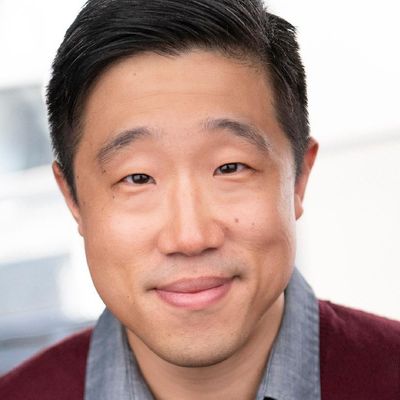
Loving Dad, Brilliant Actor, Groundhog/Elvis Impersonator/High-Flying Deity! Ep.95 - Actor/Singer Raymond J. Lee Discusses His Incredible Body Of Work, As Well As The Effect Of The COVID-19 Crisis On The Acting Community And Its Ongoing Reemergence!.. Read More
From the show: Your Program Is Your Ticket
Guests
Featured Shows
About
Loving Dad, Brilliant Actor, Groundhog/Elvis Impersonator/High-Flying Deity! Ep.95 - Actor/Singer Raymond J. Lee Discusses His Incredible Body Of Work, As Well As The Effect Of The COVID-19 Crisis On The Acting Community And Its Ongoing Reemergence!
Transcript
This transcript was automatically generated and might contain errors.
[0:00] Sean W Chandler: Loving Dad, brilliant actor, Groundhog, Elvis Impersonator, High-Flying Deity. Does all this describe one amazing artist? You better believe it. Hi everyone, I'm your host, Sean Chandler, and you're listening to Your Program Is Your Ticket, a discussion of smaller theater works and the people and organizations that make it happen. Prolific actor singer Raymond J. Lee, whose work has been featured on stage in a multitude of productions, including Aladdin, Anything Goes, Groundhog Day, Honeymoon in Vegas, Mamma Mia, and the 2019 Off-Broadway hit Soft Power, which ran at the Public Theater, is my guest, and I am so fortunate to have him on our Act Two Places series, which gives theater folks an opportunity to discuss the effects of the COVID-19 pandemic on them and their organizations and their plans for re-emergence.
By the way, Raymond is also a sensational screen actor, having acted in such critical hits as Film's Marriage Story and TV's Billions, Red Oaks, and Smash. Please keep in mind that our interviews are recorded at different times to optimize schedules, just in case things sound a little different here and there. Raymond is a dynamite performer, and I am super excited to have him on the show. So let's bring him on. Hi, Raymond, and welcome to Your Program Is Your Ticket.
[1:16] Raymond J. Lee: Hi, so excited to be here. Thanks for having me.
[1:19] Sean W Chandler: I am thrilled that you're here. I think it's just so cool that I have you on the show because I've seen you in some of my favorite pieces of theater. I saw you in Groundhog Day, which I loved.
[1:35] Raymond J. Lee: That show was a workout, right?
[1:38] Sean W Chandler: Oh my goodness, I have never sweated so much as I have during that show. And over 20 costume changes, quick changes for me.
[1:45] Raymond J. Lee: Oh, yeah. I think at one point, weren't you in like an actual groundhog costume itself?
[1:51] Sean W Chandler: Yes, with two layers of costumes underneath that. Cause literally I was changing out of that costume so fast, and it was a workout.
[2:00] Raymond J. Lee: Wow. I can imagine. I mean, that show is just so intricate, especially on like, well, if you've seen the movie, you know that it's the main character is on one timeline that continuously changes.
[2:16] Sean W Chandler: Yeah, and just to keep that straight, oh I was like, how are they doing that? And each day, I don't think not a lot of people knew this, but each day that we repeated was different, including sometimes the rhythms of the same words that we had to sing or harmony. So we'd be backstage being like, okay, what day is it? Right, it's day two. And then you'd have to remember all the specific things for that day. They kept us on our feet.
[2:42] Raymond J. Lee: Yeah, I can only imagine what it must have been like going through like tech and just have, I mean, it probably made for a longer tech period, I would assume.
[2:52] Sean W Chandler: It did. I mean, with the five turntables, it was quite a process. And backstage, I told people it looked like a Super Mario game because things are flying and moving and you're jumping out of the way and quick changing here and dodging a set piece because they got to move it to the other side. And then when you're on stage, there's five revolves and you have tap shoes on and it feels like an ice rink. And so it was the most I've ever had to be aware on stage, but also very thrilling, especially as an actor, just to stay present and work with your surroundings.
[3:25] Sean W Chandler: Oh, so cool. And one of the best on-stage car chases I've ever seen in my life.
[3:32] Raymond J. Lee: Thank you. I just feel glad that I was in the car and I didn't have to hold one of those heavy house puppets. So it was just so cool.
[3:42] Sean W Chandler: I was gonna do a video about writing and just selecting themes and stuff like that. You know, if you have to select your medium of where you want it to land.
[3:55] Raymond J. Lee: Yeah, and I was gonna say, so if you have a car chase, then maybe it's good for TV, or then I thought I saw one of the best car chases ever on Groundhog Day. So I really can't say that because thank you. You guys nailed it. Now, did you do the show in London?
[4:10] Raymond J. Lee: No, all of us were newly cast except for Andy Carl. He was the only one that came from the West End. And so the rest of us were from New York or from all over the States. But we were in touch with my predecessor from the UK, and we're just so grateful that they kind of did all the hard work. They workshopped it, they checked it, they figured everything out. And so when they brought it over to the States, we kind of had that roadmap. Of course, we had things to maneuver and change here in the States, but they did a lot of the developmental work. So I'm very grateful.
[4:46] Sean W Chandler: Oh wow, yeah. I was thinking about that, like what was the workshop process like for this? But you guys did a marvelous job.
[4:55] Raymond J. Lee: Oh, thank you very much. It's so, so, so good. You were also in Honeymoon in Vegas, which I loved.
[5:03] Sean W Chandler: Yay! I saw that a couple of times. That looked like it was difficult and sometimes it was just fast, it moved really fast.
[5:12] Raymond J. Lee: Yeah, I mean, it was so much fun. I mean, when else do I get to play an Elvis impersonator? And I was obsessed with my wig. You know, we all had to practice our Elvis accents. The hardest thing was that Elvis number because we had jumpsuits and sunglasses on, and originally there were lights on our jumpsuits to light up during the number. And with parachutes, so that was also an intense workout, but one of the funnest numbers I've ever done on stage.
[5:43] Sean W Chandler: This reminds me of I had read something about the 25th, no, not 25th annually. The show with the puppets, and why is that, why am I blanking?
[5:54] Raymond J. Lee: Avenue Q?
[5:54] Sean W Chandler: Avenue Q, thank you. Yes. Okay, sorry, that was a biff move. But anyways, I'll move on. I remember seeing an interview with them, and they said that if you think that the show is chaotic on stage, you should see what we're doing backstage.
[6:13] Raymond J. Lee: Oh, and I just thought I would love to watch that.
[6:17] Sean W Chandler: Oh, I mean, especially also during Groundhog Day, our music director wanted to see what we were going through backstage while we were also singing our harmonies and quick changing, and they had to move him because there was not one place he could stand safely. And he said, wow, they need to sell tickets to the backstage experience. And I think that for every show, including Honeymoon in Vegas, they need to sell the tickets, maybe have like a couple chairs up on the whatever the top, just for people to see what we do because it's another show in itself.
[6:51] Raymond J. Lee: Oh, I would break my credit cards to see that. I am that much of a theater nerd. I've always thought that. Like I'm sitting there watching the show and thinking, what's going on back there? I'll just go back and I'll sit really quietly. This is what I promised to do on like a giant speaker. I'll just sit there with, you know, and just won't say anything, won't get in anybody's way. And I actually said that to other people, and they're like, oh my god, I would love to do that.
[7:16] Sean W Chandler: So I think I know why I said 25th annual Putnam County Spelling Bee, because you were in that.
[7:23] Raymond J. Lee: Yes. Yeah, I did a regional production at Portland Center Stage, and I played Chip Tolentino, and I love that track, that show. It's so much fun because you get to improv, you get to work with the audience. Chip gets to be eliminated on the earlier sides and comes back as Jesus.
[7:41] Sean W Chandler: Yes. And in that production, I was literally hauled up to the top and brought down on a harness. And so I would watch a good portion of the show just hanging from the top. And I love physical, daring stuff like that. So it was a blast.
[7:57] Sean W Chandler: So does Jesus appear in act two, right?
[8:03] Raymond J. Lee: Well yeah, it's all one act, and he appears to Marcy Park just as a figure. And because she has her moment, and then he says some stuff and then leaves.
[8:14] Sean W Chandler: So they cranked you up at the top of the stage so you could come back down.
[8:21] Raymond J. Lee: Oh my gosh, help calm down and just say myself. And then it literally was like that claw game you see at the amusement park. I would just squeak out like squeak, squeak, squeak out. It was great. I loved it.
[8:33] Sean W Chandler: So that's probably a lot of specialized rehearsal.
[8:37] Raymond J. Lee: Oh, yeah. And also with Chip with his song, I was able to walk through the audience and throw candy. And I got to do a lot of fun things during that show. And I'd love the chance to improv or mess with the audience once in a while. It's fun.
[8:53] Sean W Chandler: Yeah. Indeed. And isn't he the one who sings something about a well, an ill-timed physical thing that's going on with this body? I don't want to like spoil it all, but he seems my unfortunate something that happens to boys.
[9:12] Raymond J. Lee: Right, exactly. That's how we'll say it. That's such a great song. For those of you that are listening, if you want to hear a little bit more about Spelling Bee and a regional production, I actually interviewed Theater 98, which is a theater in Fairhope, Alabama, where my sister lives. And I interviewed the director and one of the theater administrators. So you can find that if you want to hear it. You know, they talk a lot about what it was like. Yeah, and this was a small, small theater. So they did a really nice job. Let's go ahead and get you started and have you tell us a little bit more about yourself.
[9:56] Raymond J. Lee: Sure. How you evolved into the actor and singer that you are now.
[10:00] Raymond J. Lee: Oh my goodness. Well, I am the proud son of Korean immigrant parents who came here. My dad is an engineer, my mom's a pharmacist. But moved here not with a lot of money, worked their butts off, had me and my brother. We moved all over the place. We were army brats. And I grew up with a lot of science and math in my brain. My parents wanted me to be a doctor, very kind of typical Korean parent kid story. I started playing the violin, and that was my introduction to music. And slowly I started playing for pit orchestras in school, and that's how I got introduced to music theater. Realized how much fun it was to be on stage. So I auditioned, played a couple shows here and there, and then went to Northwestern University as a pre-med chemistry major.
Realized I did not want to do that. So I switched over to TV and film, auditioned for the music theater program and studied, got my acting lessons and some voice lessons and some dance, and yeah, moved to New York. Auditioned for a couple years, and then finally got my big break on Broadway in Mamma Mia playing Eddie, one of the flipper boys. And yeah, and that's been my journey. It's been a very unique, exciting up and down journey. Getting to where I am today, but it really has kind of strengthened me to who I am.
[11:31] Sean W Chandler: Wow, cool. I love Mamma Mia as well. I'm a huge Mamma Mia fan on stage and film and Mamma Mia 2. And I think they're, I think I read somewhere that they're bringing out a Mamma Mia 3.
[11:42] Raymond J. Lee: They're working on it right now.
[11:43] Sean W Chandler: That's what I thought. I've heard that too. And my daughter's favorite movie is Mamma Mia 2. Like we play that nonstop in our home, like on loop.
[11:50] Raymond J. Lee: On loop, she is obsessed with that movie.
[11:55] Sean W Chandler: Wow. Well, you can tell her I am too. It's so well done.
[12:01] Raymond J. Lee: Yeah, it is, it is. They do a good job. And I think one of like the only movies where Meryl Streep has appeared in a sequel.
[12:10] Sean W Chandler: I know that she has kind of like a no sequel role. I mean, and but she better take that scene at the, you know, no, no spoilers, but her scene is so poignant and so beautiful that you're just like, oh, it's perfect. So she's not in it a lot. I love that you know, and how cool that like Cher just comes from like an as deus ex machina of sorts and just lands right on the island and just kind of steals the movie from everyone.
[12:35] Raymond J. Lee: We have the best, we're like Fernando, like we just have the best time. My daughter does the impression we do it, and it's just so good. Her and Andy Garcia with the fireworks.
[12:45] Sean W Chandler: Oh my gosh. How cute is that?
[12:46] Raymond J. Lee: They're so cute together. There's a prequel there.
[12:49] Sean W Chandler: That's what they need to do.
[12:52] Raymond J. Lee: Yeah, the fourth Mamma Mia movie will be the prequel.
[12:55] Sean W Chandler: Yes, Mamma Mia 4, Fernando.
[12:58] Raymond J. Lee: Exactly. Of course, and she'll look just as beautiful as ever.
[13:06] Sean W Chandler: Of course. Indeed. She'll make sure of that.
[13:08] Raymond J. Lee: That's that'll be in her writer.
[13:10] Sean W Chandler: Yep.
[13:12] Raymond J. Lee: Um, now Northwestern University is in Evanston, Illinois.
[13:17] Sean W Chandler: Uh, did you did you do any theater in in Chicago?
[13:23] Raymond J. Lee: You know, um, I auditioned for a couple productions in Chicago and I and I didn't get them. Um, my focus was also besides the student musicals and shows I did, um, I thought I was going to be a TV producer.
[13:35] Raymond J. Lee: So in my spare time, I was interning. I interned at ABC7. I interned at the Jerry Springer show. Um, so that was what I thought my path was going to be. And um, I was kind of balancing both the TV aspects and the theater aspects that way.
[13:51] Sean W Chandler: Wow. That's I mean lots of stories. I can I mean I have like two things going on right now, and I can barely handle it most of the time.
[14:03] Raymond J. Lee: So you must be extreme.
[14:04] Sean W Chandler: People call me organized.
[14:06] Raymond J. Lee: Jeez. I remember like I remember going to like my internship in the morning, working from like nine to you know one, and then taking the L back up, taking classes, and then going to rehearsal at night, and then trying to fit in homework and studying somewhere. Um, so I I but I'm a bit of a workaholic, and I feel like um every actor has to juggle several factors. So it was good training to real life.
[14:30] Sean W Chandler: Yeah.
[14:30] Raymond J. Lee: Oh, it's uh I interviewed uh Corey Codd, who is also a broadbander, not for this particular series, but on the show, and um I asked him, you know, what's what's the secret of success? He's like, you just have to hustle all the time. Doesn't matter who you are, what level you are, you're constantly, constantly hustling for work. Because a lot of a lot of rejection, a lot of changes and things like that are going on, and it's it's crazy.
[15:01] Sean W Chandler: It would really cut into my laying around and watching cartoons times.
[15:04] Raymond J. Lee: So that's why my husband's the actor and I'm the writer. Because I could do my work like laying in bed and typing if I absolutely need to. Um now when you were, you said you were a musician. This I did not know from my research, but did you find that learning to read music was really helpful when you decided to start singing or doing musical theater?
[15:33] Raymond J. Lee: Oh, I mean, learning music was hugely helpful. I didn't realize it until I became an actor. Um, because I I've been lucky to do a bunch of readings and workshops. And because I read music and because I learn music fast, I think is a huge reason that um I've been able to do a bunch of them because you know you have 29 hours and just one week, and you got to put a whole show together. So there really is no time, you know, except I guess if you're home by yourself with a piano to plunk everything out and study. So um learning music as a kid has been hugely beneficial to my career. I would highly recommend to anyone out there, um, study music, just learn the treble clef, learn what keys on the piano um correspond to to which notes, because it really really will help you.
[16:21] Sean W Chandler: Oh, absolutely. Um, excuse me. I play the euphonium.
[16:27] Raymond J. Lee: Okay.
[16:28] Sean W Chandler: Otherwise known as the baritone horn. And for those of you out there in audience land who were saying, what in the world is that? It's like a mini tuba.
[16:36] Raymond J. Lee: Yeah.
[16:37] Sean W Chandler: Sounds kind of like a trombone in a way, but um all of those years that I spent learning music with time signatures and uh note values and all of the language and the symbols and stuff. Boy, I when I stopped, I was like, When am I ever going to use that again? And then I started writing musicals. And I don't write the music, I don't write lyrics, but uh when my musical writing partner, Leo Schwartz, who lives in Chicago and I are discussing things, or when he's sending me samples of stuff, I know how to read it. And I was like, wow, thank God I did that for nine years. I mean, it's it's amazing.
[17:15] Raymond J. Lee: What's funny too is because I learned like the Suzuki method with violin, there are moments too in rehearsal where sometimes it's too like on the beat or too like within the parameters of rhythm, and I'm always told to connect it better, which is just part of again the other side of learning Suzuki and classical music so strictly is that I have to remember to sometimes loosen up and connect all the words.
[17:39] Sean W Chandler: So wow, so so just sometimes focus a little bit more on phrasing of.
[17:44] Raymond J. Lee: Yeah, phrasing, meaning behind a sentence, because I think my brain is always like the note, the rhythm, is that correct? Is it perfect? And then sometimes I have to remember to focus on what the song means, what you're trying to convey. Because that's more important than making sure that eighth note was observed perfectly.
[18:03] Sean W Chandler: Right.
[18:03] Raymond J. Lee: Oh, absolutely. Um I and I think personally a lot of that comes from uh from confidence, knowing what you're doing enough to be able to sort of like let go and let your mind help you with it a little bit. I just remember when I was playing, um, when I knew the music really well, it was almost like uh a bit of a natural high when I'd be playing with the band or the orchestra, and we were just jam. I mean, it really makes a huge difference. And a lot of that is be because you're it's muscle memory, which uh is really helpful also in acting, I think.
[18:40] Sean W Chandler: Yeah, agreed. Fully agreed with all that. I mean, you have to I feel like with it's muscle memory also um what how do you call it? Um, accessing feelings. Like, where do you go to access a moment that needs to be sad or happy or excited or surprised? I think as I get older, because when I was younger, I didn't know how to do that as well. But as I get older and have more experiences, I kind of know where in my psyche to delve into or reach into when I need to be honest about an emotion on stage. If if that makes sense.
[19:11] Raymond J. Lee: Oh, sure. Uh definitely. Can you recall a specific example where that teat, that technique was really helpful for you?
[19:22] Raymond J. Lee: You know, um, when I did the the show Soft Power Um off Broadway, um, I got to understudy Francis Ju, the great Francis Jew, who is amazing, um, is one of our Asian American pioneer actors out there. Um, you know, and there's a scene where he which is based on David Henry Huang's real stabbing. He got stabbed on the street um as part of a hate crime. And so he wrote that into the show. So Francis um gets stabbed and has to sing a song about um not fitting in or not knowing where to fit in. Is he Chinese? Is he American? And that's something I've dealt with as a Korean all my life. So I knew where to access to exhibit those emotions honestly of feeling like I don't fit in between two worlds. And that was great to rely on, to practice with, to have.
Um, because I don't think I would have been able to cover Francis as well or bring any um or bring integrity to the role if I didn't have that experience or that cavern of emotion to reach into. It's it's uh a major acting technique for people to sort of do sense memory and and um rely upon their their history and their their past experiences.
[20:45] Sean W Chandler: Um I think Francis Jew is amazing.
[20:49] Raymond J. Lee: He is so good.
[20:51] Sean W Chandler: Was he in Cambodian rock band?
[20:53] Raymond J. Lee: He was.
[20:54] Sean W Chandler: I thought so. Yeah, yeah. He who I didn't know much about the show except that I was so excited to see it in representation, but to see him flip different types of characters, he goes from silly, goofy, fun, mc like into this horrifying um evil man who tortures somebody. It's just was like Francis, whoa. Just when you think you know somebody's range, and then you see that. I was like, A, I never want to piss you off, but B, wow, like how eye-opening and inspiring.
[21:27] Raymond J. Lee: Oh, yeah. Sensational actor. Um I I bring that up because that was the last I saw I saw two shows on the day before uh the close down happened, if you will. And Cambodian Rock Band was one of those shows, and it was a matinee that I saw, and I just remember being like, oh my god. I've I felt the same way about Soft Power as well. Um good. And then that night I saw um we David and I saw Mrs. Doubtfire, and that was also quite good too.
[21:58] Sean W Chandler: Oh, I wouldn't Rob is such a good friend. I wanted to, I can't wait to see that. I cannot wait to see that.
[22:03] Raymond J. Lee: Oh wow, it's so good. And um when he finally gets to do it again, yeah, he's he's gonna win his long deserved Tony.
[22:12] Sean W Chandler: It is about time. That man deserves his Tony.
[22:16] Raymond J. Lee: Okay, yep. I you know, I I was upset that he didn't get a nomination for Honeymoon in Vegas. You know, there was a lot of things with that show that it just feels tragic in a way, um, because I just felt like so many people should have been nominated, it should have made it to the Tonies, it should have been more successful than it was. Um all the pieces were there, and then Fate decides to do whatever he or she wants to do with the show. And that's this business. That's what I've learned being in this business for so many years.
[22:46] Sean W Chandler: Oh, totally. Yeah, I mean, there's so much of which you have little to no control.
[22:52] Raymond J. Lee: Exactly.
[22:53] Sean W Chandler: Yeah. So, so and and there's uh there uh are a starting, startlingly large number of those situations that are occurring now because of uh the coronavirus.
[23:06] Raymond J. Lee: Yes.
[23:07] Sean W Chandler: And um it's it's very, very sad. I mean, there's just there has to be a lot of letting go in a uh a business that's kind of where that's just a major factor, anyways.
[23:21] Raymond J. Lee: Yeah, agreed.
[23:22] Sean W Chandler: Yeah.
[23:22] Raymond J. Lee: Um if you could take us back to that very first day where the shutdown happened. I'm sure you remember it. I think we all do.
[23:34] Raymond J. Lee: Oh, yes, I do. And um because of COVID-19. Um what was that day like for you?
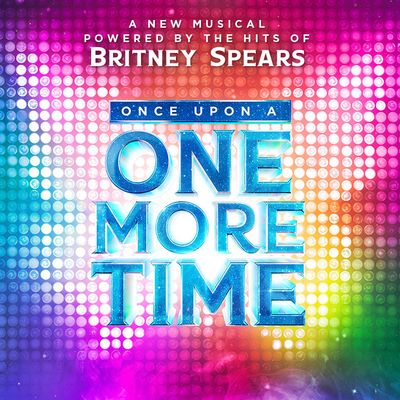
[23:43] Raymond J. Lee: Oh, as I as I groan. Um, so I was in rehearsals for a dream musical that I've been waiting to be a part of for so long, which is Once Upon a One More Time, the Britney Spears musical. This little gay boy obsessed with Britney, like I was living my dream. It was finally time. I got to, you know, and the story is not a biopic of Britney, it's a story about fairy tale princesses taking their stories back. So it's so timely, it's so needy and necessary. Um, it was diversely cast, it was fun, there was hip hop, it just had so many factors that I was excited for Broadway to see. And we were in our second week of rehearsals, and we had heard, you know, the whisperings of COVID-19 and how much it was spreading, and could a shutdown happen?
And the broad, I think Broadway shut down on a Thursday. We came back to rehearsal that next morning because we didn't know what was going on, and rehearsal shut down that day, Friday the 13th. I remember. And my heart broke. Um, I took a uh uh a train up to up to the Hudson Valley where where we live, where we've um temporarily resided during quarantine. And you know, my heart broke. My heart broke for our business, my heart broke for all my fellow actors because or anybody in this business, because we all work so hard. It's such an unstable business business as is, and then you bring a pandemic into it, and it makes it even more unstable. Um, you know, and and then of course I got the virus a couple weeks later.
[25:16] Sean W Chandler: So did you?
[25:17] Raymond J. Lee: Yeah, uh so I'm a I'm a I'm a COVID survivor, but it was uh it was just a lot of things happened all at once, and and and and I personally was in a darker space. Um didn't know what was gonna happen, didn't know what was gonna happen with my show, was feeling sick, and it took a little while to dig myself out of it. But I feel like a lot of us share that experience with with COVID and the pandemic, you know.
[25:41] Sean W Chandler: Oh, sure, yeah. Um what was your personal rebound process like? When did you just get to a day when you're like, okay, now I'm gonna start flipping this and working with what I have?
[25:55] Raymond J. Lee: You know, I was lucky. If um, if I wasn't a father, I think my dark quarantine days would have been much longer. But because I have my beautiful daughter and she still had school, she didn't know what a pandemic really was. She was also confused, she was also scared, she didn't know why all of a sudden school stopped and we had to do Zoom school. She was in kindergarten. So there was a day where I just had to say, Ray, you gotta suck it up. You gotta get out of bed. Just gotta do it, especially for your daughter's sake, because who's gonna be there for her? And so, because of her, I picked myself back up. Um I was I was teacher daddy during the day while my husband worked and found Zoom work.
Um, and so she's a big reason. I I got my mojo back. I got um the fire to start working on some voiceover projects. I thought, hey, what better time now? I saw a lot of people were uh investigating voiceovers. So I upgraded my equipment, watched a lot of YouTube tutorials on programs and microphones, made lots of mistakes.
[26:59] Raymond J. Lee: And a year later, I now have a small home studio in my basement where I get to do audiobooks and little animation projects, and you know, it's really cool. I've learned a lot, and that's been keeping me really going.
[27:13] Sean W Chandler: Oh wow. So do you feel like um it sort of took the blinders off of a lot of uh other facets of business that you really didn't participate in too much, and then now you're now it's help you help you grow? And uh is that was that a new experience for you? Did you feel like maybe you were getting, I don't want to say stale, but like things were like comfortable or too comfortable?
[27:41] Raymond J. Lee: Yeah, and all of a sudden, boom. I I was very lucky because um I I am one of those fortunate actors that that have had steady work. Um, I guess being in an uh uh an Asian American pop tenor singer, I'm very specific, but that's also let me be able to do projects. Um and so working on the voiceovers has given me, I guess before the shutdown, I had auditioned for voiceovers, but it was almost kind of secondary because of theater. Because that was theater was my primary, um, my primary gig.
[28:13] Sean W Chandler: Sure.
[28:14] Raymond J. Lee: Once that shut down and I re and that and that rug was pulled out from under me, I didn't know what to do for money. It was like, how do I survive? What can I do? And I had always loved voiceovers. I loved animation. I'm a Disney kid, like crazy. Um, and so I thought, why not now? If I have the time and I'm stuck at home, why not start investigating this part of the business that I've always dabbled in and I've had some luck, but why don't I really take it seriously and put all of my force behind it? And I have, and it's been wonderful to have that to turn my energy to. I've also been lucky. Um, every actor will tell you self-tapes. I mean, we all have our own self-tape studio setups now. So my husband and I perfected it because now that's the norm.
So for a lot of TV and commercial and um industrial projects, um you have to have your your self-tape setup. You have to have your background, your ring lights, your your camera, your where you upload it to. That's become the norm. So I have those two avenues now to focus on until theater comes back.
[29:21] Sean W Chandler: Oh, yeah.
[29:22] Raymond J. Lee: Yeah, absolutely.
[29:23] Sean W Chandler: Yeah. God, I remember like two years ago, it was like Zoom. You know, I I I've been doing this podcast since 2017 and another one before that.
[29:34] Raymond J. Lee: Yeah.
[29:34] Sean W Chandler: And I I had to catch on quick as well as to what people could actually do at how because I prefer to actually interview people in person if possible.
[29:44] Raymond J. Lee: Of course.
[29:44] Sean W Chandler: But we all had this giant learning curve. And um, one of the the great things about the guests that I've uh interviewed on this particular series is that it's just everything that they've learned that they've been forced to learn.
[29:59] Raymond J. Lee: Yeah.
[30:00] Sean W Chandler: And of course, everyone wants to go back to theater. And when we do, it's going to be wonderful. But people are saying that they've learned a lot that they can use for their work, for their productions, for their theater companies.
[30:14] Raymond J. Lee: Oh, agreed. I uh for me too, with with not just work, like our family life, because honestly, before the shutdown and while we're doing theater, me and my husband were passing ships in the night. Like he worked during the day, I worked at night, you know. Um, and so I would barely be able to be there to put my daughter to bed. And we almost felt like I call it roommate parents. Yeah, where you're like married, but you feel like roommates and you're parenting a child. So the first few months of shutdown, there were a couple moments where me and my husband had to kind of refigure out our relationship and figure out our dynamic. And I'm in a way so grateful that we had to do that. It was almost like the universe gave us some tough love in this pandemic.
Like y'all are stuck together, figure it out. And so we're my husband and I have a deeper relationship. It feels like we're husbands and not roommate parents. So our family has actually gotten closer together, like to be able to put my daughter to bed at night, have family dinners all the time, cook together, um, have family movie nights together, teach my daughter how to swim last summer. Um, have all been gifts that the pandemic in all its craziness has given me.
[31:28] Sean W Chandler: Yeah, yeah.
[31:30] Raymond J. Lee: Um, that's that's wonderful. It really is.
[31:33] Sean W Chandler: And I don't think anybody's brought up the personal uh lessons that they've learned as you did. Most of it's about their theater company or their career.
[31:43] Raymond J. Lee: Um, and it's really nice to hear that. I'm I'm actually very lucky because my husband just runs our whole life, and I just kind of do what I'm told most of the time.
[31:54] Sean W Chandler: That's usually me too.
[31:55] Raymond J. Lee: Yeah.
[31:56] Sean W Chandler: Of course.
[31:57] Raymond J. Lee: Yeah, that's whatever you say is is typically my sure.
[32:04] Sean W Chandler: As long as I'm fed and I can sleep, I'm good.
[32:07] Raymond J. Lee: Right, exactly. And he likes it that way, you know, he's time. Um, where do you feel theater stands in the process of re-emergence at this point?
[32:19] Raymond J. Lee: I think um we still have a couple, hopefully a couple months till theater gets back on its feet. Um, I know with the vaccines, um, things are looking better, and I'm just crossing my fingers. Um when we re-emerge, I do hope um with all the stories of um racism and bullying and um people getting MacBooks thrown at them. You know, like I think um I hope theater comes back and resets itself in a positive light. Um, I hope we've taken the time to learn the lessons. I hope we've taken the time to hear from actors of color like myself, the black community, the Latinx community, the gay community, the transgender community. Um, you know, I hope people have listened and opened their eyes and it becomes a more inclusive, um, a more aware community.
And I I have faith, I think it will be. And I personally cannot wait for that first day back in a theater. I'll be in the audience. I I mean, when that curtain rises or the orchestra downbeat happens, we're the show's gonna stop right away. Everyone's gonna be crying on stage, backstage, and in the audience.
[33:37] Sean W Chandler: Oh yeah.
[33:38] Raymond J. Lee: I mean, it's gonna be a moment.
[33:40] Sean W Chandler: Yeah.
[33:41] Raymond J. Lee: Uh and one of my early shows on for this particular series, someone described it as that that day is going to be mythic.
[33:49] Sean W Chandler: Yes.
[33:50] Raymond J. Lee: Agreed. I thought that's I I agree. I mean, I know that there's um I I in my last interview before you, I interviewed a couple guys from Australia, and they're actually ahead of open.
[34:05] Sean W Chandler: Yeah, they're open.
[34:06] Raymond J. Lee: Yeah, they are. Um they're from uh Melbourne, and they said they don't even they don't have any active cases right now. There's like zero active cases.
[34:15] Sean W Chandler: Okay.
[34:15] Raymond J. Lee: Yeah. I mean, they're still doing uh percussions and they don't have the vaccine.
[34:19] Sean W Chandler: Yeah, okay.
[34:20] Raymond J. Lee: Okay. Uh, but uh they they talked about an instance where they it was the first time that an audience had seen a show in the curtain and everybody was clapping and crying and it's um it'll be wonderful. I get like chills thinking about it.
[34:35] Sean W Chandler: Same here, I just got chills thinking of that day, thinking of like the curtain. It just uh we're also hungry for it. Because can you can you imagine ever in our lifetime there'd be more than a year of no theater that uh I I just can't even fathom that. I would not have believed you pre-COVID that that would have even happened.
[34:56] Raymond J. Lee: Oh yeah, yeah. I I I agree.
[34:58] Sean W Chandler: Um, as procedure wise, uh, do you feel like we're we're getting where we need to be? Do you feel uh there is an article that I read um that says that on April 2nd, event at entertainment venues can reopen at 33% capacity, up to 100 people indoors, 200 people outdoors. And then if everybody, everybody, all 200 people uh provide proof of negative COVID testing, the then you can increase to the event capacity of 100 people indoors, 500 people outdoors.
[35:34] Raymond J. Lee: Wow.
[35:35] Sean W Chandler: And everyone needs to wear their mask.
[35:37] Raymond J. Lee: Um, that seems like a lot of numbers.
[35:40] Sean W Chandler: That's a lot of numbers. You know, I I'm grateful that it's progress. I really I am, but uh do you think I I personally don't think that I know Broadway can't survive on that kind of thing.
[35:54] Raymond J. Lee: Yeah, yeah. I I don't know. I I you know what? Because there's so much in theory, and I feel like people have made theories and they've not happened, or maybe sometimes have happened. I I think outdoor theater will probably be first because it's just safer with smaller casts, maybe not even in costume, maybe more of these concert settings. Um, as a vaccine gets rolled out and people learn more about the virus and the vaccine. I I don't even know how you would prove like do you bring your vaccine card to the theater? I I just I just don't know. I guess there's a reason that I'm an actor versus like an epidemiologist or whatever you call disease study is. I don't know. I'm just like waiting, I feel like I'm waiting in the wings is the best cheesy way to describe it.
I'm just waiting in the wings ready to go on, but waiting for the stage manager to be like, we're good. This is what you got to do to get on stage. But I do think outdoor theater is um is gonna be the first thing. I have a contract this summer for an outdoor theater, and we're all we're all just waiting. We're all just waiting to see um if it's approved, you know, by all the unions. If I have I have such faith in this theater company because they're amazing and it's outdoor, and um we'll see what happens. I'm just going with the flow.
[37:13] Sean W Chandler: Oh yeah.
[37:14] Raymond J. Lee: It feels like that's what we need to do right now.
[37:16] Sean W Chandler: Oh yeah. I brought this up before, but I remember, excuse me, back in, I want to say like around nine months or so ago, maybe five, I don't know. They're all blurring together anymore. But um in uh London, they had a production of Jesus Christ Superstar that was done at in an outdoor theater. I think wow say Regent's Park, they have a theater there, and um uh that was very, very successful. It was sold out for the entire run.
[37:48] Raymond J. Lee: So I I agree with you. I think that uh if they're doing that then, then that's probably what we're gonna have to do now if we want big numbers.
[37:58] Sean W Chandler: Yeah, and the only thing I the only theater I can think of, and correct me if I'm wrong, is the uh it's called the Delacorde Theater.
[38:06] Raymond J. Lee: Yes, yeah.
[38:06] Sean W Chandler: That's uh that that the Central Parks.
[38:09] Raymond J. Lee: Yeah, Shakespeare and the park.
[38:10] Sean W Chandler: Yeah. I do you think they're gonna be really busy?
[38:13] Raymond J. Lee: I think they are, and part of me is like, uh, will they have to space people out? Because you can't have everyone sitting next to each other. So will it be like every five seats every other row? Like, how is that gonna happen? Um, but I think the Delacourt is a good good space to try to try bringing theater back. Um, I think I saw a friend's post. Somebody was uh performing outside, but they were like in a store window, and the audience was outside. So there's a mic in the store window. So people are trying to figure out how to make it work, and I I applaud them. Um, and yeah, I feel like we're all MacGyvering. We're all trying to figure out how to make best of the environments and the parameters right now. It's it's what a challenge.
[38:54] Sean W Chandler: That you win MacGyvering.
[38:56] Raymond J. Lee: Uh it's right there.
[38:58] Sean W Chandler: And wow, that's a great way to put it.
[39:01] Raymond J. Lee: Yes, I mean, uh all of us, like uh we are all how do you make it work? And I feel like we've all we could all win an episode of Survivor at this point with the stuff that we've had to figure out during this pandemic.
[39:17] Sean W Chandler: Indeed. By the way, uh props on another another thing you said, um, waiting in the wings. If this, if I didn't call this series act two places three months ago, I'd steal that from you anytime.
[39:30] Raymond J. Lee: Thank you, John. Thank you. It feels like that though. I feel like I'm like waiting. I'm like, is it time? Is it time? Can I get on stage now? You know, we're all hungry for it.
[39:39] Sean W Chandler: Oh, absolutely.
[39:41] Raymond J. Lee: Um, how has this, other than doing more work, uh, mechanically, how has this affected your film and TV career? Because you have a really, really solid career in film and TV as well. Like you were in the movie Marriage Story, um, uh you were in Smash. Um, how have things differed for you? You know, um, it's been nice to be able to really focus on TV and film um right now. Um, again, once we got the self-tape studio set up, and once my husband and I stopped fighting during my self-tapes, because he would give me notes I didn't want to take them. We'd have to take a five-minute break from each other. Um, hashtag actor marriage life. Um, it's been really great.
[40:41] Raymond J. Lee: Yeah.
[40:41]
[40:28] Raymond J. Lee: I've been very grateful for the commercials, the TV shows, the industrials that I've been able to book. They've kept my soul going. They've kept me feeling creative and useful. And um like I can still do my thing. It's not on stage, but I also love being in front of the camera. I love they're two, of course, two very different mediums. And I I love being able to be on set. There's nothing more exciting being three things on stage, on set, or in a recording studio. Those are probably the three of my happy places, besides Disney World. But um, those three are I'm always very grateful. You'll see me. I'll be the chipper one with my bottled water be like, what do I do now?
[41:14] Sean W Chandler: Are you a big Disney World fan?
[41:16] Raymond J. Lee: Oh my gosh. My husband is anti-Disney. I'm so pro-Disney. I love it. Um, I've trained my daughter and all the princesses. Uh that's a good thing during quarantine. We've watched all the princess movies. Oh my god. From Snow White to all the sequels to Tinkerbell. Like we've watched all of them.
[41:14] Sean W Chandler: So that's adorable.
[41:39] Raymond J. Lee: I love that. Yes. Um, my husband, David, worked at Disneyland in California for no way. God, Zeven. We've been together for almost 30 years. And uh he was working there when I met him. So yeah. So I've got a lot of experience with Disney. I I really love Disney World as well. I don't like the heat, but it's it's super fun. I've been watching a lot of um videos on YouTube where they're just they talk about Disney World and what food you should be eating and the rides and what's coming in. I just I'll just sit there and absorb it, you know.
[42:14] Sean W Chandler: Oh, same like the where the hidden Mickeys are, like which I'm like, yeah, I I love all that stuff.
[42:19] Raymond J. Lee: Oh yeah stuff. Super fun. It's like you know, for you know, eight hours or 12 hours, probably if you have a child. The best way you're in another world. The best way I describe my marriage to my husband, there's two analogies. It's Grumpy Dwarf and Dopey Dwarf. I'm Dopey. Or um Russell from Up and Mr. Frederickson. That is our marriage to a T. And this ADD, like walking around clapping at things, and he's just grumpy, like on a chair, like, can you please please stay quiet for a little while? So it works real well.
[42:54] Sean W Chandler: I love that your uh analogies are Disney based too. That's funny.
[42:58] Raymond J. Lee: That would have been our wedding. Our wedding invitation would have been Grumpy Dwarf and um Dopey Dwarf. If I could have my way.
[43:08] Sean W Chandler: Oh my god. I should send you a photo that I have about I think it was like 2010, a big group of all of our friends, all men, big men, went as the um Disney princesses.
[43:22] Raymond J. Lee: Well, up until that point. Yeah, and it's just if anybody's interested, you can you can look on my Facebook page, my personal face. It's there. It's it's insane.
[43:31] Sean W Chandler: I would love that.
[43:32] Raymond J. Lee: The funnest thing is that they needed somebody to wrangle them. So I went for the very first time ever in my life, I did drag, and I went as one of the Disney tour guides.
[43:42] Sean W Chandler: Oh, that's that's with the vests and everything and the yes.
[43:46] Raymond J. Lee: I couldn't get a vest, but I had like the the little Catholic school girl skirt and uh the the whip that they carry around the hat. Oh, it's it was Oh, I love that. Oh, it was not not pretty, right? Not at all, but they paid attention and they listened. That was like the one time I was ever like bossing anybody around. So but they needed it, they did.
[44:09] Sean W Chandler: Um, tell me, what has surprised you the most about your fellow artists' reaction to the COVID-19 crisis? Like what you're you're observing.
[44:21] Raymond J. Lee: I have to say, and I have to give it up for actors and artists, is that even when we're all stuck at home, we have all still been creating and creating art, whether it's all these, you know, um virtual concerts, whether it's Zoom readings, whether it's writing your own shows, whether it's um recording music and putting it up on Instagram or dance videos, it's it's almost like you can't stop that artist's soul, even being stuck at home in a pandemic. So it's been amazing. And I've I feel like I've uh actually also learned a lot about my fellow friends, like what they do. Because a lot of time when you're in the ensemble, you have to fit into a group. But seeing all these amazing, fierce ensemble friends do their own songs and their own dances.
I'm like, I wow, I feel like I really see you because you're putting yourself out there. So it's been I've learned a lot about the soul that artists have, and uh in addition to the talents that my friends have. I've seen so much more of it, and I'm very proud of all of them.
[45:24] Sean W Chandler: Oh, that's that's nice. So it's like just everyone's a little bit more visibly raw, if you will. You're seeing the real person behind that without sort of like the the ambition and the work ethic and all of that.
[45:39] Raymond J. Lee: Yeah, and I mean, and there's so many ranges. I have friends who are still experiencing experiencing dark days and don't want to go get out of their cave. And I'm always like, that is valid. I'm here if you need me. Then I have friends who are writing the third episode or sort of their TV show, they've always wanted to write. Um, so it's been a range of of uh activity. And I always tell them there's no right place to be right now. We're all in different places and different psyches. So whatever you need to do to survive right now, please do.
[46:09] Sean W Chandler: Yeah, absolutely. And even if it's one day you're more ambitious, and then the next day you kind of gotta drop out of it and just chill and let it happen because this is just so mammoth what we're dealing with.
[46:21] Raymond J. Lee: And exactly. They tell us one thing, and then two days later they move the line somewhere else. And it's just um there's an actor named uh Telly Leon.
[46:37] Sean W Chandler: Yes, Telly.
[46:38] Raymond J. Lee: Yes, yes, he is uh he he's an awesome uh Broadway actor, he really is. But he said something early on that I read, I think it was in Playbill, where he said this whole thing is has put um a mental hit on everyone. We've all taken a mental hit for and I thought Agreed. Agreed. Bingo, we've all we're all and everyone everyone is just trying to figure out how to get out of it personally, and yeah um it sounds like having your daughter was a great way to motivate you, and that's wonderful.
[47:08] Raymond J. Lee: Yeah, absolute godsend. Um, my daughter is an angel sent from from heaven. I will always say that. And she has really kept me strong and has fatherhood has kept me going.
[47:20] Sean W Chandler: I'm sure.
[47:21] Raymond J. Lee: Yeah. Uh that's also a very common theme. I remember my um my sister got a divorce about I don't know, five, six years ago from her husband. And I am kind of a baby, so I would, if it were me, I'd be crying. I'd be like in floods of tears every day and like in bed all the time. But I said, How did you keep going? And she said, I have two children. I don't I don't have time, I I do that, but I don't have time to do it excessively. They're in school, they're in two different schools. I've got to, you know, get them to school and raise them and now get a job to figure out how to do that. So um, and I've heard a lot of other people say that that kids really keep you going. And um, what a just what a what a wonderful thing. I mean, if there's any reason why one is gonna need to uh you know, sort of put their big boy pants on and keep moving.
[48:15] Raymond J. Lee: Yeah. Well, even seeing her, like, we know we have a front yard and just seeing her like giggle and and blow bubbles and kick the soccer ball, and it's just stuff like that. Uh that really kind of makes me be like, we're gonna be okay. Just gotta take it one day at a time, and I just gotta focus on those little things and seeing her joy keeps keeps me strong and and I'm forever grateful.
[48:34] Sean W Chandler: Wow. I think that that's a wonderful note to end our interview on. I really do. It's that's very, very sweet. I'm I'm touched.
[48:42] Raymond J. Lee: Oh, thank you, Sean.
[48:44] Sean W Chandler: Still talking.
[48:45] Raymond J. Lee: Right, exactly. Uh before we go, can you please give our audience your social media information uh so they can keep up with your uh phenomenal career?
[48:54] Raymond J. Lee: Yes, um, so on um Instagram and Twitter, um, I'm at at Raymond J. Lee, R A Y M-O-N-D-J-L-E-E. My actor website is RaymondJ Lee.com, and my VO website is rayleigh VO.com.
[49:09] Sean W Chandler: Love it. Look at you. Um, is there any one particular website where people can go and connect to all of them? Or are they all I keep them separate?
[49:16] Raymond J. Lee: I almost feel like my voiceover site is Clark Kent, and my actor site is Superman. So you can visit both. You see two different sides of me.
[49:30] Sean W Chandler: I, you know, I do the same thing between my writing and my podcast. It's I kind of keep them separate in a way. I don't know.
[49:37] Raymond J. Lee: Separate animals, if you will.
[49:39] Sean W Chandler: Yeah, I like it. I like that way when people hear my voice, they don't see what I look like right away, and they can make their own decisions, you know, if that makes sense.
[49:46] Raymond J. Lee: So indeed it does. Um this has been such a wonderful interview. I love everything that you brought to it. Uh, I think you are a phenomenal actor.
[49:57] Raymond J. Lee: Oh, thank you.
[49:58] Sean W Chandler: Always have. Thank you. Thank you for your talent. Um you have put such a wonderful Atina, if you will, on this whole situation that we're going through and the things that are our priorities for us and that that will motivate us, not just in theater, but as human beings. And um, I remember when I first started to have some success in writing, I had um a therapist because I'm so neurotic, I have to have therapy for success. But she said, if there's one thing that you remember at all times, is that if you put the relationships and the people first, you'll be very, very successful, or you'll at least enjoy the ride.
[50:47] Raymond J. Lee: Exactly. Exactly.
[50:48] Sean W Chandler: And so I I completely agree with that. And uh I I feel like you have been a shining example for that, probably to uh to your friends and your definitely your family and your daughter. And and I'm just really glad that we had a chance to meet.
[51:05] Raymond J. Lee: Oh, thank you so much. Thanks for having me. This has been so lovely and such a blast. Just kikiing with you over our Yeti microphones and Zoom.
[51:15] Sean W Chandler: Absolutely. Well, I'm gonna let you go so you can go back and and uh take care of your daughter. But you're not with your daughter right now, are you?
[51:23] Raymond J. Lee: No, I'm on location somewhere, nondescripts for a couple days, and then I'll be back soon.
[51:29] Sean W Chandler: But you love saying that. I'm on location.
[51:31] Raymond J. Lee: I love it. I will please universe, give me lots of reasons to say that in the future.
[51:41] Sean W Chandler: You know what, Ray, you're you're awesome. You're like one of my top favorite guests.
[51:47] Raymond J. Lee: Oh, thank you.
[51:48] Sean W Chandler: And I hope that someday when we're all through this, we can actually have a face-to-face interview, and uh it will all just be in the past tense and and what we've learned.
[51:58] Raymond J. Lee: Yes, please. I would be so down for that. That would be wonderful.
[52:02] Sean W Chandler: Wonderful for me as well. So enjoy your day and break a leg um on location, if you will.
[52:08] Raymond J. Lee: Thank you very much.
[52:09] Sean W Chandler: And there's that Elvis voice. I love it. Um have a good one, and again, thank you so much for being on your program as your ticket.
[52:18] Raymond J. Lee: Okay, thank you.
[52:20] Sean W Chandler: Well, folks, the 11 o'clock number has been sung and the vows have been taken, so it's time to lower the curtain. Once again, a big thanks to actor singer Raymond J. Lee, such an awesome guest. You can find more episodes of your program is your ticket on the Broadway Podcast Network, who has honored me with the place on their incredible theater podcast platform. Broadway Podcast Network is all about creating an engaging, immersive, user-friendly experience where theater stories of all kinds can be easily found, shared, and enjoyed.
[52:49] Sean W Chandler: Please visit them on my landing page at bpn.fm slash YPIYT. Again, that's BPN.fm slash YPIYT. Broadway Podcast Network also has an app, which you can and should download wherever you obtain your apps. Your program is your ticket is also on Facebook at Facebook.com, your program is your ticket. I'm on Twitter at at program ticket, Instagram at your program is your ticket, YouTube at your program is your ticket. I'm also on iTunes, Stitcher, Player FM, Podcast Addict, Podbean, PocketCasts, Deezer, TuneIn, Listen Notes, and the UK-based theater platform Thespi. FYI, I appreciate all good ratings, reviews, and subscriptions. Folks, take a little time to visit theater websites and see what they have to offer as we transition through and out of this pandemic.
Watch their content, give them all great ratings and reviews, and most importantly, donate, donate, donate. The fastest way you can help them. As always, thanks for listening. We'll see you next time. And remember, theater is for everyone.
© Broadway Podcast Network, All Rights Reserved