

Be careful when you open the loop... A STRANGE LOOP is a musical outlier in many ways: it's one of the few Broadway shows to include book, music, and lyrics by one individual. It also won pretty much every award it could have (including the Pulitzer Prize for Drama) during its New York runs... Read More
From the show: A Musical Theatre Podcast
Guests
Featured Shows
About
Be careful when you open the loop...
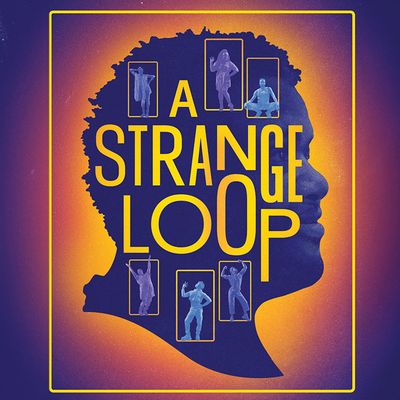
A STRANGE LOOP is a musical outlier in many ways: it's one of the few Broadway shows to include book, music, and lyrics by one individual. It also won pretty much every award it could have (including the Pulitzer Prize for Drama) during its New York runs. But maybe most impressive is the sheer number of conversations one can have about it.
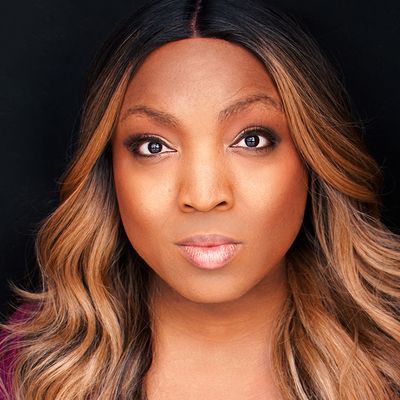
This week we welcome Tony nominee L Morgan Lee (A STRANGE LOOP) to open as many of those loops as we can in about an hour's time. Adult conversations will include queer vs gay musicals, the not-so-subtle art of cruising, shame, identity, and more... (notice the ellipses)
Follow L Morgan on Instagram at @lmorganlee and don't miss her March 31st as host of this year's Maestra Amplify 2025, a concert amplifying the women and non-binary musicians in the musical theatre industry.
If you enjoyed this episode, try our FALSETTOS episode with Tony winner Michael Rupert.
We've just announced our new series on PATREON! featuring conversations about the 10 musicals that have won the Pulitzer Prize for Drama. (PS- one of them will be A STRANGE LOOP.) Join the PATREON! FAM tier today or be a Beginner for only $1.
Don't forget to like and share our episodes on Instagram and TikTok. We have great playlists on Spotify. And be sure to check out our TeePublic Store where our profits from the designs are donated to Broadway Cares/Equity Fights AIDS.
Most importantly, thank you for being part of this wonderful podcasting community!
Transcript
This transcript was automatically generated and might contain errors.
[0:00] L Morgan Lee: You know, my experience with the show is sort of singular in some ways, because, you know, I transitioned during the development process of this show. Each time we came back to another production of the show, I was a little farther in my own journey. And, like, my relationship with the show shifted as I got more and more comfortable in my womanhood.
[0:30] Jeffrey Scott Parsons: Welcome, everybody, to A Musical Theatre Podcast, where we discuss the cultural and emotional impact of some of our favorite musicals in theater history. My name is Jeffrey Scott Parsons. You can call me Jeff. Today, we are discussing the 2022 Best Musical Tony winner, and honestly, the winner of pretty much every award out there, A STRANGE LOOP.
[0:57] Jeffrey Scott Parsons: And we're doing it with one of its original Tony nominated stars. Tony nominee in the house. L Morgan Lee made her Broadway debut when A STRANGE LOOP transferred to Broadway in 2022. She was Tony nominated for Best Featured Actress in a Musical, making history as the first openly transgender actor to be nominated for a Tony.
[1:19] Jeffrey Scott Parsons: She's getting ready for her next role as host of Maestra Amplify 2025 at Sony Hall on March 31st, which will be a celebration of women and non-binary musicians in musical theater. It sounds like a really cool thing. But honestly, we have so much to talk about. So, everyone, please welcome the wonderful L Morgan Lee! Yay!
[1:40] Audience applause!
[1:42] L Morgan Lee: Applause! On A Musical Theatre Podcast, we always have to make room for applause. Thank you so much for being here.
[1:50] L Morgan Lee: Of course. Thank you for having me.
[1:52] Jeffrey Scott Parsons: Okay, we got to talk about Maestra right off the bat. What attracted you to this organization? Can you tell us a little bit about it?
[1:59] L Morgan Lee: Sure. So, Amplify, which is this particular evening on Monday, March 31st at 8pm, their aim is to honor and showcase the talents of women and non-binary musicians, specifically in the musical theater industry.
[2:16] L Morgan Lee: And this concert, this event, it aligns with Women's History Month, which is emphasizing the importance of representation, creativity, and collaboration in the performing arts.
[2:26] L Morgan Lee: The proceeds of the evening will support Maestra Music's mission to provide support, visibility, and community for these artists.
[2:34] L Morgan Lee: It's interesting. They've had this for the past few years, a couple years or so, and I've been invited in one way or another to participate. But this was the first year that things lined up and I was actually able to be a part.
[2:49] L Morgan Lee: So, I'm super excited to finally get a chance to come and celebrate this cause and evening. There's always such a plethora of composers and singers who are being uplifted that make me very excited.
[3:06] L Morgan Lee: First of all, I'm getting to co-host with one of my favorites, Kate Baldwin.
[3:11] Jeffrey Scott Parsons: Kate Baldwin!
[3:13] L Morgan Lee: Yeah, we love a Kate Baldwin moment.
[3:16] Jeffrey Scott Parsons: Sure do, man.
[3:18] L Morgan Lee: And then some of the special guests this year are Jordan Fisher, Zinni Banal, Jessica Bosk, Antoine Hopper, speaking of a strange loop, Keisha Lewis, who I just feel so empowered to be able to uplift and scream about.
[3:32] L Morgan Lee: Tony winning Keisha Lewis and Grammy winning Keisha Lewis, who is also just one of the most wonderful hearts in this business. So, I'm always excited to uplift her.
[3:46] L Morgan Lee: We've got Julie Madison of, you know, The Death Becomes Her writer.
[3:51] Jeffrey Scott Parsons: Of course.
[3:52] L Morgan Lee: We've got Michael Maliakal. It's going to be a lot of fun. I'm very excited to jump in.
[3:58] L Morgan Lee: And, you know, some of the, of course, some of the feature works this year will include pieces by Aarons and Flaherty, who, you know, I personally always love an Aarons and Flaherty moment.
[4:07] L Morgan Lee: One day I would love to perhaps originate something by them, but we'll see.
[4:12] L Morgan Lee: Let's put that out there right now.
[4:13] L Morgan Lee: Let's put that out into the universe. I will always put something out there.
[4:17] L Morgan Lee: And it's just, it's a list of really talented folks, you know, and it's also going to include some music from Real Women Have Curves, which I'm so excited to hear.
[4:27] Jeffrey Scott Parsons: Oh, okay, that's exciting.
[4:29] L Morgan Lee: Yeah, I'm pretty psyched. I didn't get a chance to see it when it was, it was out of town, I believe. I didn't get a chance to see it there.
[4:36] L Morgan Lee: So, seeing these particular bodies and women on stage just also makes me very excited.
[4:42] L Morgan Lee: We need to see more of that, so that the excitement about these specific things isn't such a big deal.
[4:49] L Morgan Lee: But right now, it is.
[4:51] L Morgan Lee: It doesn't have to be a thing.
[4:52] Jeffrey Scott Parsons: Yeah, I cannot wait till we, you know, one day, till we reach that day.
[4:58] L Morgan Lee: Speaking of Aarons and Flaherty.
[5:00] L Morgan Lee: Come on, Aarons and Flaherty.
[5:02] L Morgan Lee: You know, one day when we get there where we can just be like, oh yeah, Real Women Have Curves, oh great, good.
[5:08] L Morgan Lee: And it's not like, oh my god, you know, look at this, you know, groundbreaking.
[5:12] L Morgan Lee: It's like, I'll be glad when all the ground is broken and we can really just enjoy folks and like the beautiful things that are being created.
[5:19] Jeffrey Scott Parsons: Yes, yes. I love that, too. I love that, too. That's fantastic and a great outlook on things.
[5:26] Jeffrey Scott Parsons: All right, well, we'll talk a little bit later in the show about how to get tickets. In the meantime, though, we're here to also talk about A Strange Loop.
[5:33] Jeffrey Scott Parsons: The musical that took off Broadway by storm before The Pandy, then Broadway by storm after The Pandy, when people were not super interested in coming back to Broadway.
[5:44] Jeffrey Scott Parsons: And it's a show that's sometimes a little difficult to describe. So I'm grateful we have a full episode attempting to do it. And I'm just incredibly grateful that you're here because you and the show go way, way back. Can you talk about that? When did you first meet A Strange Loop?
[6:02] L Morgan Lee: Yeah, I'm not the furthest back in the group by any means. But I got a message in my DMs on Facebook from Michael R. Jackson.
[6:14] L Morgan Lee: In maybe 2014. And it was pretty much a, you know, there was a reading that was going to come up of this piece. And he was like, I got your name from some mutual contacts. You know, I'm working on this piece. Here's a copy of, like, here's a YouTube clip of some of my music.
[6:31] L Morgan Lee: So you get kind of a gist of what my voice is and kind of what I do as a writer. I think Michael was vetting, as he kind of does a bit. You know, because the material is so blunt and is saying things that are not often said in the genre of musical theater in particular.
[6:49] L Morgan Lee: I think he was vetting also just to see, like, who was comfortable with what he was saying. And I believe he saw a clip of me doing a cover of Party of Your World that I arranged to be, like, a disco arrangement of the song.
[7:04] L Morgan Lee: With, like, backup singers. Where can I find this?
[7:07] L Morgan Lee: I don't know that you still can find it. But yeah, but I think he saw that clip and that made him reach out.
[7:15] L Morgan Lee: And, you know, I looked at the music and I was like, this is really, some of this lyric is, like, really shocking. And, like, definitely, like, oh, this is, you actually said that, you said that.
[7:26] L Morgan Lee: But that's actually what drew me to it and made me, like, excited to sort of jump in and see. Because Michael is quite authentically himself in, you know, his material.
[7:38] L Morgan Lee: And I really was drawn to the honesty of his view. And so I jumped in.
[7:44] L Morgan Lee: I came and did the reading. You know, I got a moment in the show in that reading that I kept calling my Carolee Carmelo moment.
[7:53] L Morgan Lee: That I was, I was, like, thrilled to have because I was, like, in the world. That means, like, if you get a Carolee Carmelo moment, there's a possible Tony nom coming your way.
[8:03] L Morgan Lee: Little did I know.
[8:05] L Morgan Lee: Yeah, little did I know. No, it truly, I was like, this is, like, this secret. You know, at that point, I was also pre-transition. I was just sort of jumping into a project.
[8:17] L Morgan Lee: And I was like, this project is cool because I can kind of hide inside it. And I have this, like, lovely Carolee Carmelo moment that I will never get a chance to do, like, in any other musical kind of a situation.
[8:28] L Morgan Lee: But here I can do this and actually be taken seriously. And it's just a part of the show.
[8:34] L Morgan Lee: And I don't have to explain anything. I can just breathe. And it's really just a piece in the show.
[8:40] L Morgan Lee: And at that point, it was also part of a much longer number called The Way Down.
[8:44] L Morgan Lee: Which was just a lot more involved as early drafts of projects can be. You know, there was a child's throw up on the stair.
[8:52] L Morgan Lee: And I slipped on the vomit. And all this was in the song that it happened. Someone just vomited.
[8:59] L Morgan Lee: It was, like, a whole, like, thing. And so that whole, you know, patron scene that you see, she was literally, like, laying on the step in vomit singing that in the original version.
[9:11] L Morgan Lee: So that was clearly next. But it was, but that's quite the story of where it came from.
[9:16] L Morgan Lee: Yeah, and I was just, I was really excited about it. And so, you know, each time I was asked to return along the way, I was in.
[9:25] Jeffrey Scott Parsons: I love these types of stories.
[9:27] Jeffrey Scott Parsons: Okay, I have so many things that enter my brain. First of all, I've never thought of Michael R. Jackson in this way.
[9:34] Jeffrey Scott Parsons: But he's giving a little bit of, like, William Finn vibes to me all of a sudden.
[9:40] L Morgan Lee: Oh, I could see that.
[9:42] Jeffrey Scott Parsons: Do you know what I mean?
[9:44] L Morgan Lee: I actually think he's very familiar with William Finn.
[9:46] L Morgan Lee: And I only mean that in that when I did a Falsettos episode, I think it was last year.
[9:53] L Morgan Lee: Michael Rupert was on and he was talking about how nobody really thought that they were doing anything groundbreaking.
[10:00] L Morgan Lee: They just knew that William Finn had this voice that was undeniably authentic.
[10:05] Jeffrey Scott Parsons: Yeah, yeah.
[10:07] L Morgan Lee: And so by bringing that voice to the masses in the way that theater can, it naturally felt groundbreaking.
[10:14] L Morgan Lee: And to hear you say, like, here's this guy who is unapologetically himself and knows exactly what he's bringing to the stage.
[10:22] L Morgan Lee: Like, say the words, do the thing. And then I guess you change the world?
[10:29] L Morgan Lee: Yeah, I mean, I think he certainly does a great job of throwing conversations into the matrix.
[10:39] L Morgan Lee: And sort of seeing how the thing breaks down is to me what's interesting.
[10:42] L Morgan Lee: And like, I celebrate any difficult or particular conversations happening, especially in our business, because our hearts are so involved in what we do.
[10:51] L Morgan Lee: And it's full of passionate people. So, you know, having conversations like the ones that his work bring, I think are helpful.
[11:01] L Morgan Lee: And I think the thing is, I think that our business has a way of hearing a single conversation and making it like this is the thing.
[11:10] L Morgan Lee: This is the conversation. And not like uplifting, amazing, now that we have this new voice in the matrix, let's celebrate and uplift that voice.
[11:21] L Morgan Lee: And also really tune into why this new voice is so interesting and what other voices are in conversation with that voice.
[11:30] L Morgan Lee: And how can we broaden these conversations so that we can get like a really full picture or fuller picture of the experiences and intersections represented in these pieces.
[11:43] L Morgan Lee: So, you know, it's not just an outlier. It's actually a conversation, right? Not just a statement, but part of something even more interactive.
[11:53] L Morgan Lee: I think it's also a part of other conversations. You know, there's passing strange, you know, bubbly black girl sheds her chameleon skin.
[12:00] L Morgan Lee: You know, Kristen Childs is someone who Michael really respects.
[12:04] L Morgan Lee: And like, you know, I think that there are lots of influences and sort of other voices that, you know, happened.
[12:11] L Morgan Lee: And as a result, shows like A Strange Loop started. And now there will be shows that are heard and let in because of shows like A Strange Loop.
[12:19] Jeffrey Scott Parsons: That's great.
[12:21] Jeffrey Scott Parsons: That's a beautiful way of saying it.
[12:26] L Morgan Lee: I read a couple of interviews with Mr. Jackson.
[12:30] L Morgan Lee: And he has so many great quotes and also just has such a wealth of influences, like you mentioned.
[12:37] L Morgan Lee: Hadn't even thought about Kristen Childs, but of course, Kristen Childs.
[12:40] L Morgan Lee: Liz Phair, for example. We'll probably talk about her a little bit more later on.
[12:44] L Morgan Lee: But one person that he quoted was...
[12:47] L Morgan Lee: I don't know much.
[12:49] L Morgan Lee: Look, me either.
[12:51] L Morgan Lee: I had no inner white girl.
[12:53] L Morgan Lee: I was much more of a Alanis.
[12:56] L Morgan Lee: No offense to Liz Phair.
[12:59] L Morgan Lee: But he quoted this dude, Robert O'Hara, as almost like a mantra of the show.
[13:05] L Morgan Lee: God bless Robert O'Hara.
[13:07] L Morgan Lee: And the quote was, everyone is welcome and no one is safe.
[13:11] L Morgan Lee: That was almost like a guiding principle for the show.
[13:15] L Morgan Lee: That being said, I just wanted to put forth a bunch of terms that I have never heard in a musical before.
[13:21] L Morgan Lee: On mic, so that everyone knows exactly what they're getting into with The Strange Loop.
[13:27] L Morgan Lee: Because I read the script and of course followed along with the great cast album that y'all made.
[13:33] L Morgan Lee: Just to really remember what the show is about. Here are some of the terms.
[13:38] L Morgan Lee: Verse, bottom, butt, fucking, shitty, butthole, limp dick, dry pussy, Truvada, scruff, grinder, growler.
[13:44] Jeffrey Scott Parsons: Adam Enormous, Pink Cock, Full Bush, Insanely Low, Hanging Balls, Thirst Trap, Power Top, Piss Play. Now, I stopped writing that list on page 18. So, this is a show, when I think about like the old white people that I know who came and saw your show on Broadway and listened to all of that being said very matter-of-factly on stage, it makes me giggle and also grateful that I wasn't sitting next to them because I'd probably be feeling a little... I'd be feeling lots of things. Now, I'm not really interested in asking like, what was it like saying all of these things? But what was the intention behind all of this? Was it a matter of, hey, this is the reality that so many queer people of color are running into and nobody is able to give voice to it in this space? Like, do you think that is the intention behind being so... I mean, once again, page 18, it's being so upfront and almost verbose about some of this stuff?
[14:51] L Morgan Lee: Oh, that's such an interesting question. I think that Michael is... I'm being asked this question. So, I believe that Michael, I believe that there is an element of shock value to being blunt in terms of language. Because these are words and terms that are primarily found on apps and like, people aren't necessarily just casually even using them in conversation.
[15:22] Jeffrey Scott Parsons: You're exactly right.
[15:23] L Morgan Lee: So, like, it's more likely that people are typing them on screens or sort of some place where there is a kind of a filter in between direct conversation and not. So, I think to hear people right in front of you saying a lot of these things is a little bit of a shock value situation. But it also in some ways sort of shocks you into the world of, I want to say like Craigslist slash the apps and things that were active in the time period where some of these things sort of roughly were living through. Yeah, I feel like it's a bit of a time capsule in some ways, even though I don't know that the conversation about when the show takes place was ever one that was really like clear for folks. Because I don't know that it was something that was harped on throughout the process really at all.
I personally always felt like the show took place in like 2005, 2006, which was a very specific time in New York City, like early 2000s. Because it also then allows to place it then for me, at least mentally, it allowed me to be able to hear and see the things that happened in the show in a way that felt authentic. I hate that word sometimes, but like when it felt, you know, it felt just true to the early 2000s in terms of like understanding around certain kinds of tropes or types or things. For me, the show like is very rooted in that early 2000s place.
[17:03] Jeffrey Scott Parsons: Yeah. I don't know. It's the Tyler Perry of it all too.
[17:06] L Morgan Lee: Yeah, yeah, yeah. When I think of that time, I'm still watching like The Family That Prays so that I can listen to, you know, Gladys Knight singing I Hope You Dance over the end credits. Like that is a very specific time. But you just got me so excited about this particular thing. And I hadn't even considered it when I asked the question, which is like even more than authenticity. There's a huge part of the show that just feels like mind chatter, right? The anxiety of thoughts, sometimes helping you and sometimes not helping you. And to not only bring those into an audible space, but then to also bring the harmful communication that people sometimes send out into the world on the privacy, I say in quotes, of their phones or screens. To bring all of that front, if it feels confronting and shocking, maybe it should.
[18:02] Jeffrey Scott Parsons: Yeah. And I do think that's a part of it. I think that there was an element of exposing the things that some people see as shameful or hidden or dark, because ultimately, one of the big themes in the project is about a friend who passed from HIV. And so understanding that there's so much ignorance surrounding that topic that's still present with us today, that it's like the more of this stuff that we can uncover so that people can start to understand that this is not always something that needs to be hidden. These are not words and life that needs to have shame attached to them, because that show is about gay men, really. And like there are so many gay men who are living with HIV, happy, healthy, you know, will live forever, basically.
But because the stigma is still so prevalent, specifically in communities of color, it's something that needs to be talked about a lot more. This show, I think this show does a really beautiful job of bringing forward sort of how the church can be a part of that, how culture can be a part of that, how culture, Black culture, gay culture, like just sort of a lot of different intersections, how they play a part in creating this almost haze of a life for people who are on the outskirts at all.
[19:34] L Morgan Lee: Yeah, how is that accountability shared between many communities and even cultures? I invoke the great Brené Brown all the time on the show, but you know, she often discusses the thing that you need in order for shame to exist is secrecy and silence. And as soon as you let in light or give voice to it, automatically so much of the shame just can no longer exist because it needs that isolation in order to thrive. And so much of that, and I hope this isn't, this might be getting too much, but bear with me, everybody, because if you can't talk about it with a stranger, then when can you?
[20:11] Jeffrey Scott Parsons: You open the loop.
[20:12] L Morgan Lee: I open the loop, baby.
[20:13] Jeffrey Scott Parsons: You open the loop. Once you start, it gets deeper and deeper.
[20:17] L Morgan Lee: But even I think of if you're at, I don't know, a gym or a nude beach or a gay club, and there's the stare, right? We all know what that means. Like the stare, and it can feel like...
[20:34] Jeffrey Scott Parsons: Wait, wait, wait, the cruise stare?
[20:37] L Morgan Lee: The cruise stare.
[20:38] Jeffrey Scott Parsons: What kind of stare? Okay.
[20:40] L Morgan Lee: Because that is, you're right, there is a very specific...
[20:43] Jeffrey Scott Parsons: I've been a bit out of this culture for some time now, so I'm not...
[20:47] L Morgan Lee: I do remember the days when I did sometimes miss that stare, but it is quite a different experience these days.
[20:59] Jeffrey Scott Parsons: No, 100%. But that weird like...
[21:01] L Morgan Lee: It's not the stare anymore. Men just grab you now.
[21:04] Jeffrey Scott Parsons: Oh, the stare.
[21:05] L Morgan Lee: For me, it's obviously on the woman's side of the world. That's not...
[21:09] Jeffrey Scott Parsons: Oh, no.
[21:10] L Morgan Lee: The stare is then met by disgusting words and people being inappropriate and feeling that they have the right to touch you.
[21:15] Jeffrey Scott Parsons: More loops.
[21:19] L Morgan Lee: Or then insult you, call your names. Yeah, the loops continue.
[21:22] Jeffrey Scott Parsons: Oh, I'm so sorry. I'm so sorry.
[21:24] L Morgan Lee: But yes, back to that cruisy stare. I should be absolutely specific about within what I find in the gay male culture is this weird stare thing that feels very direct and almost dark in a way.
[21:39] Jeffrey Scott Parsons: Seedy.
[21:41] L Morgan Lee: Seedy, right? And there's something kind of erotic about it that I think feeds everybody. But my favorite thing to do when the stare happens is to go, Hi, how are you? And it throws the person staring off so much because to me, it reveals that what that kind of energy needs is...
[22:04] Jeffrey Scott Parsons: Humanity.
[22:06] L Morgan Lee: Yeah, yeah, yeah. It breaks it. Because at the end of the day, I mean, also the stare is primal. So I mean, I do think there's like an animal element of where that comes from, because you can feel the energy. You know what it means. There's no mistaking what those eyes are, what that little smile is. You know it a mile away. And I mean, look, sometimes it's really exciting. Sometimes it works. You know, I have quite some memories back in the day of some very non-verbal moments that were just absolutely lovely.
[23:01] Jeffrey Scott Parsons: But yeah, but it's like, you know, you never... It's something that like, yeah, I think it is tapped into the animal element of who we are, which I don't always hate because I do think that we as humans would actually benefit more from tapping into the animal element of who we are in terms of getting to know people.
[23:08] Jeffrey Scott Parsons: Depending on which animal we're talking about.
[23:13] L Morgan Lee: As long as the shame...
[23:18] L Morgan Lee: Yeah, but the shame element will go away. That's the tricky sort of thing is like, are we tapping into it because it's an animal thing? Or are we tapping into it because we come from a long culture of not being able to show that you're gay? And so you have to do this weird stare thing instead of actually communicating with someone to make sure that you don't get arrested or beat up, right?
[23:34] Jeffrey Scott Parsons: Yeah, sure.
[23:35] L Morgan Lee: Yeah, there's that secrecy. So where does that lie? And maybe the point is just being aware of it so that you are not... You are intentionally participating in something that you find kind of lovely and titillating instead of being trapped by something that's just based on secrecy and shame.
[23:54] Jeffrey Scott Parsons: Wow, I don't know how we got into this, my gosh, but thank you for going with me on it.
[23:58] L Morgan Lee: Oh, these are the kinds of things, these are the kinds of conversations though that I think can come from the show. Topics include the stare.
[24:11] Jeffrey Scott Parsons: So from what I understand...
[24:13] L Morgan Lee: Today on the Musical Theatre Podcast.
[24:19] Jeffrey Scott Parsons: On the Musical Theatre Podcast. Yeah, this one's getting the little e everybody. Sorry about it. So correct me if I'm wrong, but the show began as a monologue. Michael R. Jackson wrote out of college, right?
[24:31] L Morgan Lee: Yes.
[24:31] Jeffrey Scott Parsons: And then the monologue grew. He was going to turn it into a jukebox musical using the music of Liz Phair, who of course, he often cites as being one of his inner white girls. And the whole idea that your inner white girl is someone who's wild and able to do kind of whatever they want, as opposed to how he feels as a queer black man, which is like, don't be too loud. Don't be too big. You don't get the privilege of being wild.
[25:02] L Morgan Lee: I think even in that conversation, yeah, I think even in that conversation, this is actually what I think is really like helpful with conversations around A Strange Loop is knowing that it's like the experience of a queer black or a specifically gay black man. Yeah, I think it's very helpful because we love to put things into categories and compartments. So we love to sort of then make it like, this is the gay black voice, or this is the queer black voice, when even those two things have many different trees off of them of what those versions can be. The gay black voice is one that is included in the umbrella of the queer black voice, but the queer black voice has an infinite amount of branches that carry lots of different identities and everything else.
So I do think it's like the show, it is a very specific lens that the piece is coming through. I used to call it a rage play because I felt like it was the way to not justify, but it was a way to support Usher's sort of raw lashing places and the way that Usher saw people and the way that Usher feels about people. For me, this is coming from a 25 year old who is full of rage, who is full of a need to break out, a need to find home in some ways. And I mean home in his body, in his spirit, in his life. I just think he needed to figure out more of what it means to love yourself. I'm not saying that's in Michael's life. I'm saying that's in Usher's character's life. Michael Jackson is very adamant about that this show is not autobiographical.
It's self-referential, right? It's emotionally autobiographical. That's what he... But these are his quotes. So, but what I find so... Okay, going into this episode, I'm like, I know the show is revolutionary. I know it's radical, but me, Jeffrey Scott Parsons, when I'm sitting down and delving into it for myself, what feels revolutionary to me? What feels radical? And honestly, what I came away with was how personal it feels. Its specificity feels dangerously personal for an audience to watch and go through.
[27:27] L Morgan Lee: Good words. And dangerous is a great word.
[27:31] Jeffrey Scott Parsons: Yeah. I was reminded of it when you said rage. You know, Usher is filled with rage, and sometimes says things that I'm like, oh, buddy, why did you need to say that? Did you need to say that?
[27:45] L Morgan Lee: Yeah. But think about a 25-year-old who was pent up and just needing to, like, shout. And it, for me, it really shapes the piece in so many ways, thinking of it that way. That's, again, that's my sort of personal take on the thing. I can't wait to direct it one day. I think that it's my personal take kind of on what the thing feels like, what that, like, motor actually feels like. He's a 25-year-old who is just really full of rage and wants to scream. And, like, actually doesn't fully do it. Almost never fully does it is the thing.
[28:32] Jeffrey Scott Parsons: Yeah, it's like, he keeps getting to this place where it's about to fully crack through. And even for me, that moment, Strange Loop at the end, it's like, it's a realization, but it's a realization on the way, too. I think that the show, I think, beautifully ends with an ellipsis. It's very much, you know, I can maybe accept where I am today and accept that, like, maybe I'm not the problem. Maybe the issue is with how I see myself. Maybe the issue was with me taking on expectations of the world against me instead of actually looking into the mirror and looking at myself. Maybe it says, I think that it's a start to another loop, another journey.
[29:21] L Morgan Lee: Yeah, but I think I said, I said dangerously is a great word, because when we're dealing with rage, you don't know what you're going to step in. And you don't know, you don't know where that's going. And so, like you said, there's lots of times where it's like, oh, did you have to say that? Oh, gosh, that's, that's, oh, that's, oh, that's really, oh. And knowing that, like, all the people that you're seeing in the show are through the lens of a 25-year-old who is raging. They may or may not actually be what you're seeing. It's this is what Usher sees.
[29:48] Jeffrey Scott Parsons: Yeah, including, including my, you know, you know, including my theater goer and my, she is how Usher frames her. I got to be sort of the one with love to give and hope to give. But I don't think I mean, at the end of the day, she just wanted to know how many more minutes were there for a dimension because she had to leave. Like, like, it's like, I don't believe that she had the intention to like, life drop this wisdom on this young man. I think that she just wanted to use the bathroom. And this is for me, this is a woman who, who lives her life a certain way in Florida. And this is a moment of human connection, which I believe she doesn't get a lot of in Florida.
[30:36] L Morgan Lee: And so this is like a moment where she feels the need to give. And her giving to him is also like, a moment for her to hold on to until next year when she returns to New York again. At the theater, no less. You don't even really underline that. But like, the fact that that's where it's taking place. And in this, you know, church, if you will, that Usher has essentially dedicated his life to. That's really special. That being said, despite it being radical and dangerous and feeling very new, it's a familiar trope, like the artist trying to art.
[31:09] Jeffrey Scott Parsons: I'm thinking, I'm sending the park with George, I'm thinking rent, I'm thinking a new brain. I mean, tick, tick, boom, tick, tick, boom. It's like these are this is a this is a constant theme that I think a lot of ways that continues to evolve to because each version of them is happening in a different time period that like, shows us a little bit more of what the world was like in that moment. I can't wait to see sort of what comes from, you know, the 2025 version, the 2026 version of that artist who was looking because I think that it's a story that I don't think we can get enough of, quite frankly, because each time it's allowing that particular writer to share their unique, specific lens.
[31:57] L Morgan Lee: And like, like I was saying earlier, I think we actually need all of those particles of dust. We need all those lenses together to show us actually a picture of the world that we live in. And even more specifically, a picture of the of what is allowed to be seen in our business. Where are we?
[32:15] Jeffrey Scott Parsons: Yeah, well, one of my favorite things about the way that A Strange Loop does it is that it feels in a way that like, tick, tick, boom, somebody in their survival job trying to make art. Here you have a story that's taking place in a world post-graduate musical theater writing degrees.
[32:33] L Morgan Lee: Like the way that Usher...
[32:34] Jeffrey Scott Parsons: So like privileged, but still poor.
[32:38] L Morgan Lee: But and like the degree, even though Usher is able to talk about writing songs so academically in a way that it's not just like, I have this burning passion and sire. No, he's giving himself notes that he's heard his professor say about what makes a great lyric and what makes a great song. But it's not helping really anything. At the end of the day, the hurdles are still there. And they usually are like within.
[33:02] Jeffrey Scott Parsons: Yeah, yeah, yeah.
[33:04] L Morgan Lee: So I love, like you said, that each time that we approach this sort of narrative structure, it's always going to be a little bit different, depending on the time we're in. Before we go through a couple of the quotes from the show that really reveal some of the journey of it, because I'd love your take on it, I do want to spend a little bit more on the journey to Broadway. So once again, Michael R. Jackson has this monologue, he tries to turn into jukebox musical with Liz Fair music, she says, No, thanks. He's like, well, so then he writes his own score. You guys, of course, workshop, workshop, workshop, debuts off Broadway, huge hit. Now, it is pretty indicting of commercial theater. So was there this idea of going to Broadway? Or were like, we're like, this isn't gonna happen?
[34:00] Jeffrey Scott Parsons: You know, I'm sure everyone was delighted when it did.
[34:03] L Morgan Lee: But yeah, I mean, I don't think that anybody even through the workshop phase, ever actually thought that the piece would get done at all. I feel like no one was, even for off Broadway, it was like, Oh, wow, we get to actually do it. That's okay. That's interesting. You're gonna, you're gonna let us say that. All right. Like, like, it was very like, okay, this is this is gonna happen.
[34:31] Jeffrey Scott Parsons: I think that like, yes, the idea of Broadway may be sort of, you know, sparkled in the back of people's minds. But like, I don't think we ever, the cast, I don't think that we ever really thought that Broadway was like a possibility until off Broadway, like hit the way it did.
[34:43] L Morgan Lee: And it's actually in that, you know, the show did really well off Broadway, but then we got into pandemic. And like, once pandemic, like that beat in between the show ending at the end of that summer, and then that fall winter, you know, all of us had our own sort of things we're going into working on other readings, other workshops, other jobs. And I think it was sort of like, that was a really fun moment. Who knows if we'll hear anything if there's anything after this, but we got a chance to do it. So like, very cool.
[35:14] Jeffrey Scott Parsons: And then pandemic hit. And then that award season hit. And when you know, the Lord tells the drama desk, and all these things started popping up, and like, some of our names are mentioned, and then things happened. And like, the show was mentioned, and it was sort of, it sort of exploded in a way that like, I think, took all of us. Well, it certainly knocked me off guard, I could have, I'm sure that it knocked many of the other cast mates, at least off guard, because I don't think it was something that we were even, like actively thinking about.
[35:48] L Morgan Lee: That's incredible. We were just doing the work. We just were, we're excited to share the piece. And then, you know, things sort of blew up. And next thing you know, we were talking about doing an out of town somewhere. And we were like, Oh, that's interesting. Well, why are we, why don't we go from off Broadway to some random state somewhere that feels interesting? It's an interesting move. But then it also felt like, oh, you know, it's, it's another opportunity to share the show. And to, you know, potentially, I think to potentially, like, rub the plate of the show back under the noses of the folks who, who make Broadway happen.
[36:29] Jeffrey Scott Parsons: Yeah, exactly. Do you want the Pulitzer Prize winning?
[36:32] L Morgan Lee: Exactly. It was very like, you know, the drama desks, and I mean, the show kind of very, in like a very cool way, kind of won all the major awards. So it was like, somebody wants to pick this up, right? Like, this makes sense. But I think it was a matter of like, the right fits, and the right things and the right, you know, Michael Betts wants to be able to work with, you know, the right kinds of energy and the right kinds of like, I think those things are all factors. I don't know that for sure. But I believe that is the case.
[37:02] Jeffrey Scott Parsons: I think there's a lot of factors that go into it. And so, you know, our Angel producer, Barbara Whitman, was like, very dedicated to getting the thing done. And so I think she sort of plotted out what's the possible roadmap? Like, how do we get the thing to Broadway? Can the thing go to Broadway? What's the thing and, and they were successful. You know, I am very thankful for the process of A Strange Loop. Like I said, it was complicated. There was lots of, lots of highs, lots of lows, emotionally, spiritually, physically. But I'm really grateful, because I feel like it certainly taught me a lesson in Broadway, specifically.
[37:46] L Morgan Lee: And like, what happens when you're in a show that is like the big buzz show with there's lots of praise around it. There's lots of like buzz or lots of things happening around you. It just, it just helped to center expectations of Broadway, the reality of show business, the glamorous facade sort of fell down. And you're able to see like, these are the real brass tacks and how this business works. And like, it was an education. I'm very grateful for it. Because, you know, I think I'm a stronger artist, absolutely, as a result of it all.
[38:30] Jeffrey Scott Parsons: And, and in many ways, it helped equip me to be able to share some of the things that I've learned to help armor and ready younger artists as I'm teaching. And I'm endlessly grateful for the lessons, if for no other reason than to be able to be a part of helping them.
[38:39] L Morgan Lee: She just won Miss America. That's beautiful. Like, no, truly. But no, but like, but because that is the best way to look at things. And I know it's complex. And I know that when the pandemic hit, right, like everything immediately got more expensive to produce on Broadway. But also maybe also maybe it through because of everything that happened during the pandemic, there was enough questioning of what do we want to see on Broadway that it left an opening for a show like this, that maybe couldn't have made it if everything was just chugga chugga chugga like normal.
[39:24] Jeffrey Scott Parsons: Sure, sure. There's that there's certainly that like possibility. I mean, I think, look, Thoughts of a Colored Man came through right after pandemic ended. And that's a piece that like, might might never have gotten that kind of a thing. So I think that there were lots of shows that were popping through some that lasted longer than others, some that were sort of figuring themselves out. I think there was a lot of, I agree, there was a lot of question about what do we want to see, not just post pandemic, but post, you know, quote unquote reckoning.
[40:08] L Morgan Lee: Yeah, it's like it, it shook the world. I'm hesitant to say that it changed anything. I think it informed deeply the state of where we are. And cause again, much like a strange loop, you know, cause conversations. But I think holding on to some of that stuff when business got back to normal, and capitalism took back over again.
[40:21] Jeffrey Scott Parsons: Well, at the end of the day, I think sort of shook things.
[40:24] L Morgan Lee: Yeah. But I do think there were a lot of opportunities that were made out of that period.
[40:32] Jeffrey Scott Parsons: I agree with you. I think that it is because of that period and because of timing and the universe and whatever you believe in, I'm very loopy doopy and kind of do believe in the universe doing things. But I do think that all of that helped a strange loop to find its way to a bigger stage. And I'm so glad that it did. I mean, I think in a lot of ways, many of us were like different humans when we got on stage on Broadway.
[40:58] L Morgan Lee: One of the things for me that like, you know, I've been in the business over 20 years, you know, I got to New York and immediately was like in lots of callbacks to Broadway shows, like I lucked out in some ways and was like, regularly being called into rooms for things.
[41:11] L Morgan Lee: And got to like finals and nothing was working out. And so I got to a point where I was like, well, you know what, just, you know, F this. Like, nothing's working out. Like, why do I keep putting my heart out here like this? But it was like the day of my Broadway debut, sitting in my dressing room, profusely sobbing. I'm also a crier, so I do that anyway. I do that a lot anyway. But like sitting in my dressing room, sobbing, because it was like, I had to find me fully in order to be able to accept and have this moment. Because for so many years before that, I had been in rooms where things didn't quite add up. And you know, I got jobs, I got things, but I think things hadn't quite added up because I wasn't sharing myself really fully.
And like, this was a space where I was just me. And that sort of evolved through the process of development of this show. And, you know, my experience with the show is sort of singular in some ways, because, you know, I transitioned during the development process of this show. Each time we came back to another production of the show, I was a little farther in my own journey. And like, my relationship with the show shifted as I got more and more comfortable in my womanhood. So as a Black woman watching the show, a Black woman was trans, absolutely. But as a Black woman watching the show, it was quite a complicated experience. And that's, for me, what really made the complexity more and more rich each time, in a way where it was like, ooh, this is, Broadway is like, this is the hardest it's ever been for me to do the show, actually.
Because there's a lot inside of this 25-year-old raging that, as a Black woman, I feel very complicated about. And within the community, you know, queer communities, there's a lot of misogyny in the world. But in particular, within the queer community, there's a lot of like, deep set misogyny that finds its way into a lot of queer projects, and specifically projects that are made from a gay male lens. Because as much as I believe that gay men do love women and feel, you know, a space for women, I think that like, inherently, because of the way our culture is set up, it's deeply rooted in misogyny. I completely agree. But as a woman inside the piece, I just felt it a lot more each time we came back to the piece.
And I felt, truly, I felt more and more like a visitor in the room. I felt more and more like a guest in the room. And I was, I mean, I think ultimately, this, this piece centers a Black gay man. And so in that Black gay man story, as a woman, be it trans, be it cis, I am a guest. This is not my experience. Some elements of the story may speak to me, or I may connect with in the way that, you know, everyone else has their ways of connecting to the story. But it's not, it was not about me, it was not rooted in my truth, or in the truth of girls like me, or people like me. So it's, it's, it's packed full, like I said, it's packed full of conversations that would not have happened without it.
[44:37] Jeffrey Scott Parsons: Okay, to help us go through the show a little bit, there are these specific moments. Usher, the lead character, is an Usher in real life at the Lion King, no less, a very commercial, popular musical that's supposed to represent the Black experience through, you know, wild animals. And he, while being an Usher, is also writing a musical about a Black gay man, who is writing a musical about a Black gay man. There exists the strange loop. It also, the name also comes from this book written by a really smart guy, and the book I'll probably never read to be perfectly honest, but, but I'm sure it's beautiful, in which it discusses how there are things that we attach meaning to. And then once you realize that it's all just a kind of a strange loop, you can break through that into another realm.
And we're just all living in layers of metaphysical nonsense. That's my very non-professional way of describing that science. In addition, a strange loop is also based on a Liz Phair song. Go figure. But Usher, as he's trying to figure out how to write this musical, he's surrounded by his thoughts. And in particular, there are six thoughts. You, L Morgan, of course, played thought number one. And these thoughts are always bringing up insecurities. They're playing characters from within his life, which bring even more doubts and self-loathing at times. He has a complicated relationship with his very religious mother and father, who want him to write a musical in order to help repay them for all of the sacrifices they've made to help him get his master's, his MFA.
He has a horrible time meeting people, particularly sexually. He has a horrible sexual trauma experience. All through all of these different experiences, though, are some just really wonderful lyrics that I want to throw out there. Here are a couple. When we're hearing about the thoughts that Usher has regarding his own work and what the critics might say, we hear, they'll say it's way too repetitious and so overly ambitious, which of course makes them suspicious that you think you're effing white. Critics clinically deny us, then deny implicit bias with their vanity supported by a system that's distorted. Oh my gosh. No wonder this musical won the Pulitzer Prize. That's brilliant, brilliant writing.
I wanted to ask you about the whole representation thing of it, because we've already kind of hinted at it being specifically one person's voice, one individual's voice. Which is also why it feels universal. That's a big lesson that I learned through the process, is the more specific and singular that lens is, the more it actually connects to more people.
[47:41] L Morgan Lee: 100%, 100%. I've heard kind of two reactions specifically to maybe the representation in this show. One is, why would I want to watch that show? I've already lived it. And another was, oh my goodness, it's so nice to see my story represented.
[48:09] Jeffrey Scott Parsons: Mm-hmm.
[48:11] L Morgan Lee: I've actually not heard the first one. That's interesting.
[48:13] Jeffrey Scott Parsons: Oh, really? Yeah. I know that the word trigger gets used maybe too much, but it might be because of that word, right?
[48:19] L Morgan Lee: Absolutely.
[48:23] Jeffrey Scott Parsons: Who wants to see something they're still dealing with every time they wake up?
[48:27] L Morgan Lee: Sure, sure, sure.
[48:30] Jeffrey Scott Parsons: I don't really know if there's a question here, but I'm kind of fascinated by the idea of, I do think that it's incredibly important for people to see themselves represented in the specificity of some, because maybe the people who it's most like can't watch it.
[48:50] L Morgan Lee: No, I think that's actually a very interesting point of view. I do think that it's a show that would benefit from trigger warnings.
[49:00] Jeffrey Scott Parsons: Sure.
[49:01] L Morgan Lee: And I am admittedly a bit of an eye roller about the idea of trigger warnings and such, because I do feel like it can sometimes dull the experience of the thing. If I'm told that something is going to happen, I'm waiting for that thing to happen instead of it completely surprising me and naturally taking me off guard.
[49:19] Jeffrey Scott Parsons: 100%.
[49:21] L Morgan Lee: I do see why the people that are sort of against the idea feel the way they do, but I think it's tricky. I do think that I personally come from the space of seeing, if I'm seeing a version of myself in front of me, it makes me feel not alone.
[49:38] Jeffrey Scott Parsons: Okay, and maybe that's the question I'm getting at is, how do you feel about it?
[49:42] L Morgan Lee: Yeah, which in some ways helps to calm and helps to welcome and helps to find community in the, like, oh my gosh, there's someone who gets that, or there's someone that sees that thing. I don't, to this day, I don't really have a lot of versions of that for me personally, in terms of intersectionality. I can try to find myself in lots of other people's pieces, which I think is a thing that we do a lot, actually. The fear about conversations around representation is that it also puts a lot of responsibility and expectation on a single project. This is why I speak to, this show was told specifically through the lens of Michael R. Jackson, about a character that he's written named Asher, because I think too, because people would leave and be like, oh gosh, this is just such great representation of the Black queer experience.
And I was like, well, I mean, it's a, it's a version of that. I mean, look, our lead, Jaqual is a good example of this, you know, people, poor baby, people were, you know, people would see him after the show and be like, oh my God, you've experienced this thing. And you're just, oh my, like, sort of looking at him, like, you know, what does it feel like to not be wanted and to not be desired and to have people turning their backs on you? And Jaqual was like, you know, like, my life is just fine. I'm dating somebody. I'm living my life. I'm having a great time. I'm getting my production contract. I'm right out of school. I'm getting a production contract. I got a boyfriend at the time. I'm like, I'm living my life.
Like, I'm having the time of my life. I'm, you know, trying to make it through this production contract in this show and dealing with lots of things. But like, like Jaqual was not someone who experienced not being desirable. He, you know, was, was meeting people like very quickly, actually, or getting interest from people very quickly. And I think it's, it's, the show does not deserve to hold the responsibility of being the voice of the community, because it's not. It's—
[51:50] L Morgan Lee: And I think the show in and of itself, I, by the way, thank you for that, because I do think that we ended up holding hands a little bit in this, in that, like, if one thing doesn't work for you in terms of representation, that doesn't make you, like, a bad member of the community, or like, that all of a sudden—
[52:09] Jeffrey Scott Parsons: You're human.
[52:10] L Morgan Lee: Yeah, yeah. Like, no, like, it's, it's fine. It's fine. In the same way that I'm sure there are a lot of people who love the gospel plays, right? I mean, it seems like Usher's family just really enjoy that kind of entertainment. And the—
[52:25] Jeffrey Scott Parsons: Sure, yeah. And there's plenty to do.
[52:27] L Morgan Lee: Yeah. And then the, and then within the show, this, this tension comes from Usher feeling the pressure to also find representation in it. And he's like, that's just not me. It's just not me. It's just not me.
[52:42] Jeffrey Scott Parsons: Yeah.
[52:43] L Morgan Lee: Right?
[52:43] Jeffrey Scott Parsons: Yeah, there's, there's like a constant fight not to conform.
[52:47] L Morgan Lee: Yeah. I just, what I'm walking away from with the, in this conversation, is this idea that when you take in a new perspective, allow that to spark your curiosity to then investigate other voices.
[53:03] Jeffrey Scott Parsons: If we can get to that, my gosh, the shift that I believe is possible.
[53:09] L Morgan Lee: Yeah.
[53:10] Jeffrey Scott Parsons: Like, if we could take an opportunity to actually, like, sit with the person across from us, that we might not understand or might not know, and like, have a conversation. And not like, specifically about the intersection or the thing that we don't understand. So, you know, if you're sitting with, if you're sitting and chatting with Elle Morgan Lee, the conversation does not have to be about the fact that she is black and trans, it can just be, hey, Elle Morgan, like, what's up? What's your day like? How are you? What's your favorite sandwich?
[53:40] L Morgan Lee: Then we actually allow a person, yes, like, we then allow that person to simply be in front of us. And like, we learn so much more about the human that way, instead of sort of presenting them with like, whatever brands they're putting on their forehead. With people who are queer or trans or whatever the label, chances are, if we talk to them enough about things, they're also going to talk about their experience in whatever that, you know, intersection is.
[54:06] Jeffrey Scott Parsons: You're naturally going to talk about it.
[54:07] L Morgan Lee: You will hear about it. Yeah, because it's something they walk the world with, so it's going to come up.
[54:10] Jeffrey Scott Parsons: What you were saying reminds me of a lyric from the last song, Strangely. Someone whose self-perception is based upon a lie, someone whose only problem is with the pronoun I. Like, from the opening number, Usher is constantly reminding us of being big, black, and queer, and how that weighs so heavily in many ways on not only what's happening to him, but the character that he's writing about, who is writing about a character, you know, strange loop, strange loop, strange loop. But by focusing on those three words, by giving them so much meaning, you're kind of doing what this lyric says, which is that you have created the self-perception that is based on three.
[54:55] L Morgan Lee:
[55:55] L Morgan Lee:
[56:25] L Morgan Lee:
[56:55] L Morgan Lee:
[57:25] L Morgan Lee:
[57:55] L Morgan Lee:
[58:25] L Morgan Lee:
[58:55] L Morgan Lee:
[59:25] L Morgan Lee:
[59:55] L Morgan Lee:
[1:00:25] L Morgan Lee:
[1:00:55] L Morgan Lee:
[1:01:25] L Morgan Lee:
[1:01:55] L Morgan Lee:
[1:02:25] L Morgan Lee:
[1:02:55] L Morgan Lee:
[1:03:25] L Morgan Lee:
[1:03:55] L Morgan Lee:
[1:04:25] L Morgan Lee:
[1:04:55] L Morgan Lee:
[1:05:25] L Morgan Lee:
[1:05:44] L Morgan Lee:
[1:05:55] L Morgan Lee:
[1:06:25] L Morgan Lee:
[1:06:55] L Morgan Lee:
[1:07:00] L Morgan Lee:
[1:07:02] L Morgan Lee:
[1:07:05] L Morgan Lee:
[1:07:12] L Morgan Lee:
[1:07:16] L Morgan Lee:
[1:07:21] L Morgan Lee:
[1:07:27] L Morgan Lee:
[1:07:47] L Morgan Lee: I'm hosting, and I certainly can talk.
[1:07:53] L Morgan Lee: So we're handled.
[1:07:55] L Morgan Lee: So we will be fine there. I have to keep it down to a minimum.
[1:08:00] L Morgan Lee: Thank you again. What a pleasure. Everyone out there, thank you for listening.
[1:08:05] L Morgan Lee: And I'm looking through my quotes here to see what I want to leave us with. And remember,
[1:08:11] L Morgan Lee: yes, you're ugly. Yes, you're fat, but somewhere someone's into that.
[1:08:15] L Morgan Lee: So don't be swindled by self-doubt. Just keep on sending dick pics out.
[1:08:19] L Morgan Lee: Yes, you're ugly. Yes, you're fat.
© Broadway Podcast Network, All Rights Reserved