
Broadway star Ilana Levine returns to The Art of Kindness with Robert Peterpaul to discuss all things kindness during awards season, an amazing Carol Burnett and Julie Andrews story and much more. Ilana is a Broadway star best known for playing “Lucy Van Pelt” in You’re A Good Man Charlie Brown... Read More
From the show: And the Award Goes To... Hosted by Ilana Levine
Guests

About
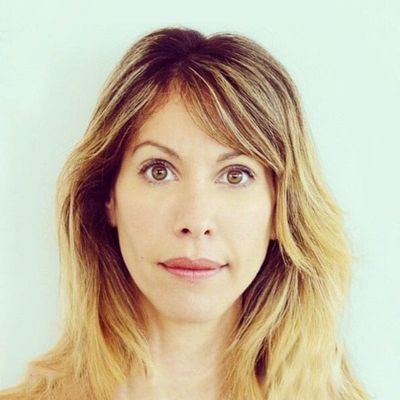
Broadway star Ilana Levine returns to The Art of Kindness with Robert Peterpaul to discuss all things kindness during awards season, an amazing Carol Burnett and Julie Andrews story and much more.
Ilana is a Broadway star best known for playing “Lucy Van Pelt” in You’re A Good Man Charlie Brown. She has also starred in the Broadway productions of Jake’s Women, Wrong Mountain and The Last Night Of Ballyhoo. In addition, she has appeared in many TV shows and films including: Tanner ’88, Law and Order, Damages, The Job, Cashmere Mafia, Confessions of a Shopaholic, Failure To Launch, The Nanny Diaries, Friends With Kids and Five Flights Up. Seinfeld fans will also recognize her from the infamous episode “The Contest.”
Ilana is also a podcast superstar with her show Little Known Facts. Her latest podcast venture is for all those out there who have ever dreamed of winning a Tony Award or Oscar. And the Award Goes To… sees Ilana interview some of the best and brightest in this business as they take a trip down memory lane and relive their winning moment. Guests include Kristin Chenoweth, Patti Lupone, Judith Light and so much more.
Got kindness tips or stories? Please email us:
artofkindnesspodcast@gmail.com
Follow Ilana
Follow us
@artofkindnesspod / @robpeterpaul
(https://www.buymeacoffee.com/theaok)
Music:
"Awake" by Ricky Alvarez & "Sunshine" by Lemon Music Studio.
We are supported by the Broadway Podcast Network.
Transcript
This transcript was automatically generated and might contain errors.
[0:00] Robert Peterpaul: Hello, beautiful people. Welcome to The Art of Kindness, where we have compassionate conversations with artists from all areas of the entertainment industry who are using their voice to spread joy and make this big spinning planet in the sky a better place to be. I'm Robert Peterpaul, and I'm so glad you're here. And the Award for Best Listener goes to... You! Hi, dear listeners. Welcome back to a special episode of The Art of Kindness Podcast with me, Robert Peterpaul. Since we focus on all things kindness in the arts and the entertainment industry, this is of course an exciting time for us, because it's awards season! The Oscars are coming up on March 12th, and I am pumped! Unless you're listening to this in the future.
In that case, hello, people of the future. I remember how exciting it was as a kid to curl up on the couch and watch award shows. You'd get to stay up late with snacks and sometimes friends, and did I say snacks? I was always the one in our house who wouldn't fall asleep and would be sure to see the final categories. It's all just so much fun for me. Today, we're going to explore the intersection of awards season and kindness with a returning guest who has her own amazing podcast called And The Award Goes To. With her infectious energy and passion for all things entertainment, I truly couldn't think of a more fitting person to talk about this with. Please welcome back my friend, the extraordinary Alana Levine.
[1:48] Alana Levine: Thank you! That means the world to me.
[1:50] Robert Peterpaul: Well, listen, it's such a lesson in the art of kindness. I think you get what you... Hopefully, the world is not so upside down that you can't get what you put out, right? You're getting back what you deserve because you're putting out such beauty in the world, and it just makes me so happy because it doesn't always work that way, right? We know it can be gross. So, all right. I know you have a lot going on.
[2:12] Alana Levine: Well, no, I could talk to you all day and just catch up with you. I want to hear about your family and everything and your kids.
[2:17] Robert Peterpaul: Oh, you'll hear them. I'll try to mute everyone's home. I didn't realize.
[2:20] Alana Levine: Oh, okay, good.
[2:21] Robert Peterpaul: It's a little...
[2:22] Alana Levine: Bring them in.
[2:23] Robert Peterpaul: Right behind this door. I'm like, no, guys, everyone leave. I didn't know anyone would be here. I know we're all over, but I got to welcome you back to the art of kindness. Again, you are not only someone who I feel like I've been privileged to now get to know a little bit, but you're one of my podcasting idols, and I'm obsessed with every podcast you put out there because you not only have that crisp voice that keeps you engaged, but you ask really intelligent and kind and empathetic questions, and you listen. You're not someone who's become a successful podcaster who then feels like they need to interrupt people every five seconds, which happens on a lot of shows, and I get that, and I hope I don't do that, but you're so amazing, and I feel so privileged to have this little space with you now on my audio world. So thank you for being here.
[3:17] Alana Levine: I'm so happy to be here. Of course, of course.
[3:20] Robert Peterpaul: Well, I asked you last time, but I'd love to see if the answer has changed. I did go back and listen to it. What is your definition of kindness, Alana Levine?
[3:28] Alana Levine: Oh, my God. Now, how am I... It's like when someone's unprepared for me asking them for a little known fact, I'm like, hello. That's what the show is called. So, right. How did I not... Well, it's good, I guess, to not have a pre-parked answer, right? I like that. Yeah. I think... Well, the first word that just popped into my head when you asked me that, so we'll just go with that, is respect. That I think just going through the world, leading with respect for other people. And everyone needs different things and trying to be very tuned in. And what you were saying about listening, it's funny, when I first started podcasting, I think I spoke more than I do now, because I felt compelled to make sure my guests knew I was listening.
And I thought in order to do that, I had to use words, right? Like, I had to give them affirming responses to everything they were saying so that they would know I was engaged. And I've since learned that I don't have to do anything except listen. And if you're really listening, then just somebody's eyes let you know that they're paying attention, right, to what they're saying. So, I think respect and listening. And that's vague in some ways and very specific, because it can be... It just can be a part of every interaction you have with someone. And not assume that what I think I would need in a given situation is what they would need in a given situation. So, really listening, like, is someone asking for advice or are they just asking you to be present?
And you and I, before we started recording, talked about children, right? Like, do you guys want to have children in your future? And how much having kids has taught me how to be in the world in terms of that very thing? When is someone asking for advice? And when is someone just needing you to be present for them just to hear it, not to solve it? So, I'm still learning all those things. But I think when you just begin with respect for whatever the situation this person is going through, if it's important to them, then it's important to you.
[8:12] Robert Peterpaul: That's such an important lesson. That's something I'm still learning, which is when to actually give someone advice. And my wonderful grandmother, my nanny, who's my idol in so many ways, taught me it's just okay to ask. If you're not sure, say, now are you open to feedback? And it's kind of funny to ask that question in ways like, do you want advice? But sometimes people just need a soundboard and they just need you to listen and they're your podcast. And you just sit there and you nod and you listen and you, I tend to, um, which is really creepy when I go back and edit these, I hear myself going, um, um.
[8:44] Alana Levine: Mine was, um, right. Right. Yes. Yes. Right. Right. Uh, yeah. And the amount of, um, the, um, ectomy, as I used to call it, right. Yours was, um, or the, um, taking them out just to like, Oh, the ums are the worst. Yeah. The ums are the worst.
[9:00] Robert Peterpaul: My favorite word that you say, and you say it on your podcast, Little Known Facts, that again, I'm obsessed with. If you haven't noticed already is extraordinary. The way you say extraordinary, I don't, it like reminds me of fresh strawberries being washed. I don't even know. It's I just love when you say that word. Is that weird to say?
[9:16] Alana Levine: No, it's I, but isn't it funny? Like you become aware. I didn't know that that was, um, a word that I repeated a lot in my vocabulary or in my dialoguing with people. I think the first person to really point it out to me was Beanie. And, and she, um, she would kept saying it to me. And I was like, she's like, no, I'm saying it to you. Like you say it. And I was like, Oh, I say that much. And she's like, yeah, it's a thing. So that is my thing. I don't know where it came from, but I think it is such an incredibly honest reaction that I've had to the people who come on my show. They are in fact, extraordinary. Um, not just in terms of the art that they make, but how they live their lives. And so I think that has become somehow an unspoken criteria of how I choose the people on my show that I didn't even know was going to be part of it. But yeah.
[10:10] Robert Peterpaul: Well, you are extraordinary, my friend, and you have some amazing guests and everyone again, go listen to Little Known Facts and all your other podcasts. If you haven't, I love that you said respect is your kind of connection to kindness because I've also learned while you tend to fall in love with people, it's really kind of better to fall into respect with them. And you're someone I totally respect and feel that way for. And I love that answer because it was actually different than your last answer, which was, it started out the same. You said, Ooh, let me just go with my first instinct. And your first instinct was to just say your mom. And you talked about your mom and it was really beautiful.
[11:03] Alana Levine: Yes, she, but of course it all starts with queen Helen. I mean, 100%. I really, I mean, she is and continues to be my kindness idol.
[11:10] Robert Peterpaul: Well, it shines through you and you lead with so much kindness and I want to show you respect by getting into what we're here to talk about today, because it is award season and you perfectly timed this new podcast that I am already well obsessed with as well. And the award goes to, so what made you want to create this podcast? Because you do have this wonderful Little Known Facts. I know you've done some Be More Chill podcasts. I mean, you have all these pots that are cooking. What made you want to add this one in?
[11:34] Alana Levine: It really started during COVID. And it was the year that the Tonys were not going to be televised because of COVID, in not televised weren't going to happen in person, the way they had, you know, for how many years since the Tony has been going on now. So I'm sure one of our listeners is like 75. They'll know exactly how long ago. Yeah. And so I was having a conversation with the Broadway Podcast Network. They were like, do you, what would you like to do next? And it was, you know, one of those sweet spots where I'd been thinking so much about how much the Tony awards is, is an entry, an entry point for people around the world to learn about Broadway, how for people who don't get to come see a Broadway show, whether they live in Peru or just can't afford a ticket and live in New Jersey, that it is how they get to see snippets of, of what is going on each year on Broadway.
And so I was hearing from my listeners around the world, like how much they miss this reunion of the community and the ability to kind of feel like they're a part of Broadway, even if they don't have access to it. So that was sort of what it was born out of. How do I find a way to share the parts of the Tony awards that just are so glorious and joyous? And one of the things I thought is like those speeches, how every year there is just some speech among all the glorious speeches, there's always like some speech that stands out as this thing that becomes a touchstone for so many people. Now things become hashtags, right? Like Deidre O'Connell's was like make weird art this year when she, when she won for, you know, Dana H and then Platt when he was talking about like, just be yourself.
I feel like weird is wonderful or something. So sort of how not just getting to see portions of these incredible shows, but, and your favorite stars as they, you know, introduce whatever's next, but like the speeches have just.
[13:43] Ilana Levine: Always slayed me in all these different ways, because you're seeing someone out loud in front of their community share what it means to them to have come to the top of the mountain at this moment in time in their lives. So anyway, I came up with this idea to create a show called And The Award Goes To... where I started each episode with a Tony Award acceptance speech, and then have the guest whose speech it is, we listen to it together, and then just see where the conversation takes us as they hearken back to that unbelievably momentous night in their lives. And to a person, I mean, I have, I think I've done about 30 of them at this point, I don't remember how many have been published, but most of them had not listened to the speech again, since the night they'd won.
And this is true for someone who had won the Tony this season, as much as it was true for B.D. Wong, who had won it in the 80s. And all of them were so nervous about listening to it, and slightly maybe resistant or embarrassed. And I was like, we don't have to, we can start without that if it's too uncomfortable. But everyone eventually was like, no, no, no, they were curious to see what it would be like to watch themselves at one of the most fantastic and vulnerable moments of their lives. And so it was born out of, as I said, to answer your question, really specifically, there are no Tonys this year, what can I bring out into the world for people who care about that? Something to celebrate them with and a place to go as sort of a placeholder until the Tonys are back in earnest.
It has opened up a world of conversations and people to me that have been so inspiring. And it's just been a really fun concept. And had I known that if I play their speech, I could literally go and run some errands and come back because the amount of emotion and memories just hearing the speech again evokes for them. It could be a monologue if I wanted it to be if I didn't even ask them a single question, just them unloading and unpacking everything around that night and the show that brought them to that award. It's such a fantastic conversation starter. I mean, it's like the spark that lights the flame. You follow up with such wonderful questions and it makes sense that it's a great show because it was birthed from this genuine place and this service that I kind of acquit you with, which is you do bring Broadway to all these listeners around the world who maybe can't afford a ticket or go there or it's too far, whatever it is. And it is such a beautiful, I think of it as an act of love and a service. And so now that you have this new format that is so incredible, you've had guests like Allison Janney.
[16:48] Ilana Levine: So then because it's called the And The Award Goes To, right? Originally, it was going to be called In The Tony Goes To. And then that got complicated in terms of with the Tony Awards, not that they weren't thrilled about my doing this podcast because they are and they've been so supportive. But in terms of trademarks and all, it just got complicated, the legal ease of it. And I was like, wait, this is perfect. Let's call it And The Award Goes To. And that way, yes, we're starting right now with Tony Award winners, but then we can have anyone. It could be like you won an award in your high school. Yeah. Like if it's interesting. So Allison Janney came on because she won the Oscar. And so although it's astonishing to me that she hasn't won a Tony yet and she will, I'm sure by the time this episode comes out.
But yeah, so then exactly. Then it just got opened up to once, once, you know, the pandemic was over in the way that we first understood the pandemic to have people who like Allison. And by the way, what's amazing about that, Allison is someone, you know, she's been on my other Little Known Facts as well. I had no idea that she shot the entirety of her performance in I, Tonya in eight days while she was rehearsing Six Degrees of Separation and shooting Mom. Hmm. That was so mild to hear.
[18:09] Robert Peterpaul: What? That's such a great episode. Everybody listened to the episode because I listened to it on my walk. And I think the amazing thing about your show or one of the amazing things is that you might be similar to me in that I'll look up award show speeches all year long before I have an audition if I feel like I need to be motivated because they do inspire me. And your show does that. But then it takes it to the next level because you get those details that you're not going to get on every other show. And I like that a lot of the guests have had time to look back and kind of revisit it because it just breeds such a wonderful conversation. So I know you're going to now branch out and do other shows in the Oscars, which I think, again, is such a smart move. Do you have a favorite? You know me. It'll always be the I mean, just we love what we love. It's I was going to say, like, I think I know the answer. But is that your favorite award show, The Tonys?
[19:57] Ilana Levine: I think it's the one that I grew up, you know, I grew up in New Jersey, and we've talked so much, you and I about, like, geography. Right. But also, like, where you live and your access to New York City and therefore to Broadway shows, like, what a privilege that is. And I feel like my, you know, going back to my mom, we watch The Tonys every year. And so that was always I don't remember my family, like, Oscar night being like, oh, my God, everybody shut, shut your computers down and, you know, grab the popcorn. We're watching the Oscars like as a family. That became something my friends and I did is as you know, I started living alone and being an adult in the world. But The Tonys were definitely like a family event. So yeah, it's just near and dear to my heart. And, you know, it makes me feel connected to my mom and sort of a very happy childhood memory.
[20:59] Robert Peterpaul: I love that. Well, having that foundation and now being this amazing, successful Broadway powerhouse who's been to The Tonys and has been a part of Tony nominated shows, you know, what is that like? I mean, I think there's people listening that would dream of going to the Tony Awards in their ultimate dreams. I'm trying. OK, so the first time. So when I was doing You're A Good Man, Charlie Brown, two things happened. We performed, obviously, because the show was nominated, but also and it didn't end up being aired, which I learned about how when something goes over like you may be doing it live and then when they broadcast it, it's not on. I was like, what? But that year, Closer was on Broadway and Anthony and I were asked to do this hilarious thing where he and I, you know, Closer was a show where they just kept emailing each other back and forth.
It was all about that's how this couple in the show were communicating. And so Anthony and I had this whole script that they wrote for us to do Anthony rap. And so the day before The Tonys, we were rehearsing, obviously, the number, but also this complicated thing because there was all this technology involved to have what we were typing beyond the screens behind us. And there was this wait time where they were trying to work something out with the technology. I guess we were announcing a category in the pre-show. That's what we were doing. Anyway, I had to go sit in the house for a while and I went to sit down and I just it's dark. And so I'm finding my way just to hang out and I sit on the aisle.
And next to me are two people who are chatting, chatting away like best friends. And it's Carol Burnett and Julie Andrews. And so I had in my lifetime, I had written away to two stars for their autographs. I was it as, you know, 12 year old Alana from New Jersey. And one of them was Julie Andrews and one of them was Carol Burnett. Like that's what these women meant to me. And I had their signed autograph photos on my wall. Can I tell you, I wrote to Julie Andrews, too. And OK, so you got a letter back. Yes. Yes. Yes. Anyway. And so I sit down and they were like, that is hilarious what you two are doing up there. Anyway, it just turned into like 20 minutes. I have never been happier that there were tech issues.
Like usually you're like, oh my God, can we please fix it so we can rehearse? No, please do not figure out how to make the screen work. And I ended up just having so for me. The idea that I was sitting in a room with my childhood heroes who acknowledged me as a colleague, as it were, and had seen Charlie Brown and had loved it and were like, oh my God, you're Lucy, because I wasn't in a costume. So they had no idea, you know, what show I was in at the time. Anyway, my head exploded. And if that was like I walked out and got hit by a truck, which would have been really sad for my family. But if that had been the last moment of life on Earth for Alana Levine, sitting and chatting with Julie Andrews and Carol Burnett, who are best, best, best friends and just the most adorable humans together. Yeah, that's when I think of the Tonys more than anything. It's that 20 minute experience.
[23:37] Robert Peterpaul: Oh wow. They could have given you that flying umbrella and you could have flown up to heaven. I mean, that's that's out of body. That is so beautiful. And I think that's a great lesson, too, in just leaning into the positive, because if you had maybe been someone who we all experience right when we do these shows and there's always a tech issue who just gets into that insular negative place where they want to talk crap about whoever you might have been in your own world and not even notice that these icons were next to you. So I could have had to go to the bathroom. And I mean, anything could happen. Just thank God it all worked out. Anyway, that's probably the greatest, you know, that and the day each of my children were born was probably the greatest 20 minutes of my life.
[24:10] Ilana Levine: Though that makes sense that those would be in the same category. Now, besides those two, or I guess it could be those two. I was wondering for you, who is your dream Tony host? It could even be someone who's already done it. But you have like an end all be all that you would love to see. Who's your dream Tony host?
[24:31] Ilana Levine: I mean, I think those two women, I mean, this script is sort of writing itself because they are both so completely themselves still. You know, Carol Burnett's been, she's actually meant to come on my podcast because she's doing the majestic fit for King, the Hal Prince, her desire for the majestic theater to be renamed the Hal Prince theater. But yeah, I guess, I guess I don't even have to go looking for something more clever or au courant. I think if it were the two of them, that would be a great start.
[25:03] Robert Peterpaul: That's a dream duo. Oh my goodness. I can't wait to listen to you talk to Carol Burnett. I hope that all works out. I know sometimes with scheduling, whatever, but
[25:10] Ilana Levine: I think she's 90 today. I think we're speaking on her birthday. Yeah. I think quite possibly.
[25:16] Robert Peterpaul: Oh, that's magical juju.
[25:18] Ilana Levine: Yeah. Yeah.
[25:18] Robert Peterpaul: I had one of these on Dolly Parton's birthday the other week and that was also pretty magical because I think she's like my end all be all dream guest, you know, she just is so positive and lovely.
[25:28] Ilana Levine: Yeah. As are you. Also what I was wondering when I was thinking just about you and award shows and this amazing podcast is if you have a favorite award show speech, is there one that just really hit home for you? Could even be growing up as a child or, or now?
[25:46] Ilana Levine: I'm drawing a blank because there's so, I mean, there's so many, but in terms of like, I know, I mean, I, I think when Judith Light gave, you know, she won, she's, she's won so many awards, but she won the Isabel Stevenson award. So I shouldn't say I'm drawing a blank. My mind is short circuiting on all of the incredible inspirational things. Yeah. It's, it's short circuiting me. I think, you know, her, her, her ability to, to take her, her art, her platform in terms of her accomplishments and, and really shine a light on giving back particularly to the LGBTQ community and GLAAD and Broadway, you know, all of the, all of the ways in which she's just been of service and using her megaphone to really try to change the world in terms of not just fundraising, but attitude and compassion and empathy.
And so she used that award speech to really shine a light on what it is to be of service and to give back to whatever community or cause you are passionate about. And that has been, I mean, she's just a remarkable, remarkable person.
[27:08] Robert Peterpaul: Oh, she's amazing. And you two together are incredible. Her on Little Known Facts is one of my favorite episodes. I mean, that was such a great conversation. I remember like where I was when I listened to it because the both of you just really filled me with so much joy.
[27:21] Ilana Levine: And she's incredible. Yeah. She's a pure light. I mean, the name fits right. Yeah.
[27:27] Ilana Levine: And that graciousness and kindness you've worked with and have interviewed now so many people that have won these big awards. And of course, there are a lot of people that also deserve them. And it's funny that we just choose one person every year for these wildly different stories. But that's a whole other topic. Who is someone you admire for the way they really handle all that attention and acclaim? Or someone that you've interviewed that you feel like maintains that composure, leads with grace, respects the other nominees, and carries that?
[27:57] Robert Peterpaul: I mean, yeah, I feel like, you know, I had the opportunity to really witness Kristin Chenoweth's rise, right? Like, not just in terms of, I mean, the talent was always there, but sort of her star would shine brighter and brighter in terms of how many people saw that light. And because it was during Charlie Brown that she went from, like, oh yeah, like, I really respect Kristin Chenoweth to, like, a star, like a phenomenon. And I feel like she has remained so available and committed to the people who go and see her, right? Like, so, I mean, I'll use the word fan, but I think, you know, fandom can mean so many different things. But she has a way of really, you know, I see her at all these events that she does. I mean, she's also someone who lends her name and time to support so many organizations and so many people. And her school that she started in, you know, Broken Arrow.
[29:20] Ilana Levine: Oh, yeah, the Broadway boot camp.
[29:20] Robert Peterpaul: Yeah, where she's just there every day with these kids. It's not like that she just put her name on the building and then farms out, you know, the job to somebody else. And so I feel like she's someone who I just think has taken this role of star and just remained really connected. I mean, sometimes I'm like, you've got to stop. Like, you're gonna break. Like, she's this tiny, tiny human being. Like, you need to rest. I mean, that's her thing. She has a really hard time saying no. And I think all of us, you know, boundaries and learning, like I literally can only do six events today, not seven. She'll do seven. And somehow as exhausted as she is, and she's I mean, she had a huge piece of lighting equipment fall on her head.
And has injuries from that that she's still recovering from. And when we did Charlie Brown, before anything fell on her head, she had vertigo. You know, she's always had sort of inner ear stuff. But anyway, so I guess she's someone who I'm just unbelievably, I can only speak to it because it's a personal experience. I've been lucky enough to have right to be side by side with her. While all of this stuff has happened. And I think she's remarkable, truly remarkable.
[30:42] Ilana Levine: She truly is. And you are too. And I think you brought up so many interesting points, which is having boundaries as an artist. I'm not Kristin Chenoweth by any means, but I did this indie TV show and I had a little light fall on me. And I laughed it off and everybody was laughing and I didn't report it. And I think it was because I have that voice in the back of my head still that's telling you, you have to say yes to everything. You should be grateful you're there. Don't make trouble. So how have you kind of found your voice in that over the years as you've worked? Do you have any advice for that? And kind of standing up for yourself, but not feeling like you're, I don't know, ruining your career?
[31:21] Robert Peterpaul: It's scary, right? It's really scary. And now there's a language for it. And in some ways, I think people are, I hope are more emboldened to speak up even if something isn't happening to them, but to have the courage, you know, on Little Known Facts, Katie Finneran came on who I love, and she's such a, I don't know, another person with like incredible talent and energy and this unique singular comedic voice, right? Yeah. But she was talking a lot about how early on, like when she was in shows, she was the person who'd be like, stop, even if it wasn't happening to her, that she was really fearless about going, I don't want to be in a play where anyone's talked to like that. I don't care if it's me or anybody else.
And I was like, wow, where did that come from? Because not all of us are willing before we have made a name for ourselves to, you know, she's like, I don't know, I just have always known what's right. And, and I don't want to work in that environment. And also, she was willing to scrub toilets, or do whatever she had to do. There was no job that was beneath her. She's like, I love acting. And I this is the thing that makes me happy. And I don't even know if I expect to get paid for it, particularly, but I'm going to keep doing that. And I'll do every other job disgusting or wonderful to pay my rent, so that I can keep doing this thing I love. So part of it is, I think like she wasn't. I mean, I don't know if I can describe someone as ambitious or not ambitious. I just think it was a pure drive to make stuff. And, and anything that sort of contaminated that pure art experience wasn't of interest to her.
[33:16] Ilana Levine: And I would say my influence in that way is my very first job. Cynthia Nixon was the lead on this TV series I did. And she was someone, you know, we were in our early 20s at the time. But she was someone who had been doing it. I think she did the movie Little Darlings when she was like 12, and had 17 Broadway shows under her belt. By the time she was 15, having done both of, you know, you know, the story of Cynthia, she did The Real Thing and Hurly Burly on Broadway at the same time. Because Mike Nichols was like, she has to be in both my plays. And they figured out how to get her, you know, through an underground tunnel to do act one of one show, act two of the other show and back. Could you imagine being an actress at that time? Like, really? She needs to do all the shows. But she did. But she was, she and I became friends. That was my first TV show. That was her, you know, 20th. And watching her navigate a set was just an extraordinary thing to behold.
[34:23] Ilana Levine: Everyone take a shot. Everyone take a shot right now.
[34:23] Robert Peterpaul: Anyway, I just feel like, you know, there are people early on in your career, if you're lucky enough to work with them, you know, these, these people who know how to balance integrity, not wanting to ruffle feathers, you know, there are realities that we have to deal with. But she, there was a moment where something weird happened. And she stuck up for me. I was like, young and whatever. And someone made an inappropriate joke. And she just looked at them and was like, Nope, that was it. And she was like, 21 years old. And she was like, Nope. And, you know, whoever that was the crew guy or whatever, they were like, got it. And I was like, Oh, okay. And, and great at like, you know, because I was like, crying in my trail.
Like, I didn't know what to do. And she's like, anyway, so I think it's having people like that early on. And look, things happen. And, and none of us are perfect. And none of us always do the right thing in any given moment. But I do think for a while, I think I was the person who would really comfort the person who had happened to. And at some point, I switched over to being the person who didn't just comfort them in the dressing room, but was willing to go, this isn't okay. Thank you for doing that. That's important.
[35:51] Ilana Levine: And it is something you, you learn and becomes so vital. I mean, it's hard as an artist, because we start out with these dreams as kids. And then you get all these things that are given to you in your toolkit, you know, you learn about the business, you learn about how you should conduct yourself, you learn not to move your faces, TV, film, or whatever it is, you get all this information that's conflicting, and usually subjective. Like, put your eyebrows down. People are like, because on camera, it's really small. And in the theater, you're like, what, I don't, I'm still the same size. I don't know.
[36:27] Robert Peterpaul: I know. I'm like, if you're right for it, you're right for it. Like, it's like, I can give you Botox if you don't want to. I'm like, No, what? Okay, but I want your cousin's number at the end of the show.
[36:29] Ilana Levine: Oh, you do. She doesn't she was on the Today Show for it. She's got it. She's got a down pad. You don't need it. You look extra in her bag. That would be perfect.
[36:37] Robert Peterpaul: Yeah, yeah. I hear it helps with migraines. I don't know.
[36:42] Ilana Levine: Yeah. Oh, no. Wait, I did it for migraines. By the way, we it's not, it would be great if the Botox for migraines went into your like, furrowed brow, but it literally the needles go into the top of your head. So there's no like, and also I look 10 years younger. Like, you're literally getting Botox in.
[37:00] Robert Peterpaul: I was thinking the top of your head. I was like, is the top of your head a baby? Because it's looking real young.
[37:04] Ilana Levine: Look, isn't it amazing? My part looks like a 17 year old.
[37:11] Robert Peterpaul: I know. No, anyway, so that was very disappointing to find out that. Also, your face looks 10 years younger. No, no, no. Well, I mean, come on. Nobody can see right now, but you look great. And I think the whole like, tailspin I was going to was maybe that you get all this information and it can sometimes cloud the whole point of why we're here. And if you're in a Broadway run, especially you do it eight, sometimes 10 during the holidays, times a week. And I was just talking about this with someone the other day.
[37:39] Ilana Levine: It can be hard to snap yourself back into the perspective of there's someone in the audience who would dream of being able to walk backstage and just be in this environment and thinks backstage is Disney World and it's magical. And I'm here on stage just going through the motions thinking about my laundry and what I'm going to eat for dinner, which is human. You know, you can only do something so many times without having that happen. But do you have something that snaps you back into that or?
[38:02] Robert Peterpaul: Yeah, I was just thinking that that does not happen to me. I will say that there, which doesn't mean that there have not been days where on the way to not even on the way to the theater when when it's winter and it's 430 and it's already pitch black and you feel like I'm ready for bed and you're just like leaving for work. You know, you have to go out like you make your kids dinner and then it's like, OK, six o'clock and I'm getting on the subway and I literally like, is it four in the morning? Like, I don't understand why I'm going to work right now. Whatever that is or whatever happened that day that has nothing to do with the play I'm about to do the minute when you just described it as Disney World, the minute I walk through the stage door and say hi to the doorman, I, I don't have it's almost like I've gone into some sort of isolation chamber, right?
Like it is so other it is so disconnected. And I have been very fortunate that every company I've been a part of that is my given family for the time I'm in that show. Like like that doesn't mean there aren't people that annoy me or that I don't annoy, but I walk in that room and it's like the air changes and my mood shifts and I am. At Disney, that is my Disney, so I don't know, maybe there are people for whom even, you know, I'm not a Disney person in that way. I don't like, you know, I've gone once. I'm not like addicted to Disney, but I am addicted more than anything to the world of backstage of a play. Like I love it so much and yeah.
[39:44] Ilana Levine: And so I don't feel that way. My only issue is on two show days and everyone has this. I'm like, did I already say this? Like I'll be in the second show and I'll be like, oh my God, I've I'm repeating. I've just said this line. Yeah, holy shit. And actually it's I'm just remembering the matinee. So so there are there are like those crazy deja vu moments from like, oh my God, I hope I haven't said that line three times. I'm a little confused right now because because I've done or in Charlie Brown, there were days we did three shows a day. They had this grand marketing plan that like we can get an 11 a.m. in two and we'll give you off Tuesdays and we're like, let's not do that ever again. But no, I don't I don't I feel like.
[40:35] Robert Peterpaul: I never. Yeah, I mean, the only time that's really hard is when you're sick and you weren't sick enough to call out, but you just don't feel well and maybe you should have called out and then you just feel like, oh, no, am I vocally doing the play just the justice that it deserves or am I losing some of the spirit of the character because I'm not feeling well?
[41:00] Ilana Levine: I love that. I feel like you've captured the fireflies of passion and you have them in your jar and you come across some people that you just want to add to their jar because you feel like they forget why we're here.
[41:10] Ilana Levine: It's just all that childlike fun and presenting that and exchanging that with the audience. Or I think as Kristin Chenoweth says, it's an exchange of love with the audience. So I love that you haven't lost that. I would also like to ask you, getting kind of back to the awards, I feel like there's so much talk about inclusivity of award shows. And I was on the nominating committee for something that I probably shouldn't say what this year, one of the shows. And I was shocked by even the selection of people that you could nominate to be nominated. You know, what do you think can be better done to ensure, I guess, award shows are more inclusive and kind to all across the board? I think it might be the Outer Critics Awards.
I just read a tweet, I think by David Gordon. And I think those are the awards that he's a part of, where there's no longer going to be this identification of best actor or best actress. It's going to be best person. And so they're taking away all of the male, female categories for their next awards. And so I thought, I mean, to answer your question, that is a perfect example of an organization that has had an infrastructure for many, many years in terms of the different categories going, it's 2023. It's time for us to reinvent how we approach awards and sort of gender and really moving forward in terms of representing what the world should look like. And as theater people and leaders of, you know, the theater world, I'm speaking as him, we're going to address this and not just talk about it, we're doing it.
There's no longer best male, best female category. So that's a perfect example. I don't know what that looks like. I mean, we haven't seen that before. But I was like, raising my hand, like, that's incredible. How can I help? So that's a perfect example. You know, I'm not in a position of, you know, like you, I'm not a part of a committee that is involved in an award show like that. And in terms of rewriting the rules, I thought, well, that's, there's someone putting, what's the expression, put your money where your mouth is or whatever. So that's, yes. And I'd love for us, you know, to look it up and see which award show it was. But I do think it's the Outer Critics Circle Awards. Does that make sense?
No, I'm glad you brought that up, because these are huge questions that no one has the answer to yet. Right. And there's a start. There's someone going, I don't know the answer for everything. But here's a perfect, here's a perfect way to begin. And so I just thought that was wonderful.
[44:02] Robert Peterpaul: No, you're right. It is. It's the genderless acting categories for the Critics Circle Awards. Yes, I think I said Outer Critics Circle. No, you're right. No, it's Outer Critics Circle Awards. My zoom eyes blacked out the outer, but it is the Outer Critics Circle. You've got beautiful zoom eyes, Robert Peterpaul.
[44:23] Ilana Levine: Oh, gosh, they're going cross-eyed. I think you're so right because I love award shows. I'm such a huge fan. But there is something that feels almost archaic sometimes about the way they're run, where we're panning to the person in the beautiful outfit who's clenching their teeth and just lost and feels really awkward and is on camera from that to just the actual categories. So I think it's cool when progress is made, as it should be over the years. We change everything else. And I think updates can be made to this as well. So I think that's cool. Is there a certain category that you wish was added that's not in these shows? I mean, I know there's a lot of talk about casting. I personally would love to see that added.
[45:05] Robert Peterpaul: Yeah, I mean, I know that, you know, the SAG Awards, other awards have created ensemble awards. And I think that's a great thing. And I also feel like I don't know how you do it. Pardon me. And I don't think you could have an award for best understudy. But I do think that this time has really finally, and not enough, but begun to shine a light on what those roles are, what it is to cover, what it is to go on with a moment's notice, all of that. And I think there's been a kind of communal respect that has developed. You know, there was a time where theaters, you know, would not want anyone to know there was an understudy on. You can't do that anymore, right? Like, there's no way. But I do think there's also been this, you know, I think stage managers in the theater, being theater-centric for a moment, you know, stage managers become the director, the minute the show is open.
And it is an incredible thing, because we actors start getting very creative in our performance. Michael Mayer, whoever it is, is like, Oh, is he out of town? Is he directing in London? Great. Yeah, I'm gonna bring this prop on stage. No, it's great. I feel like there's so many. So it's not so much about like, I don't know who the best stage manager is, or who the best, I mean, I find the whole thing. BD was actually, of all my guests, sort of the least. It was interesting. He's like, I have a really, I mean, winning changed his life, right? And that part. And it means so much, not just in terms of your own sense of accomplishment, but it does change your billing and your pay. I mean, there are things that come along with it.
And maybe you start getting offers rather than auditioning for everything. But the idea of, you know, everyone sort of is like, I'm sure I share this with all of you, but it lives at my house, right? Like, people try to address it in all these ways. But it is a strange. It's also strange. Like, how do you choose the best when the performances or the shows are so completely different? So, you know, how would you compare like the best actor in Leopoldstadt to the best actor in Plaza Suite or whatever? Like, there's, it's apples and oranges, but I just think it's always been a part of our world.
[47:37] Ilana Levine: And to quote Ariel. Yeah. No, Jodi Benson.
[47:42] Robert Peterpaul: Where's Jodi Benson? Yeah, maybe you could add her.
[47:46] Ilana Levine: She was on the pod and she's amazing. I could, I could clip her right in. She's a great guest.
[47:51] Robert Peterpaul: She's awesome. Actually, you could sing it. You have the prettiest voice ever.
[47:55] Ilana Levine: So, you can sing a little. Do it.
[47:58] Robert Peterpaul: With your voice. So, well, I think you brought up a great point too, which is that I feel like art finds the people who need it. And to them, that's the best person, but it's so subjective. So it is such a weird thing that we have these, you know, it is part of the business and it's glamorous and lovely, but it's, it's just strange. But I think your show is.
[48:17] Ilana Levine: That's why I love the speeches, right? Yes. Spotlighting that.
[48:21] Robert Peterpaul: Yes. Like whatever, whatever the, you know, the best or, you know, I mean, there are other things where you have like first, second and third place and more opportunities for people to do it. You know, maybe we could do the gold, silver and bronze of Broadway instead of just the gold. But, but I do think that's, what's always been interesting to me, just getting to hear the artists in their own words. You know, when Nicky M. James talks about, you know, sort of this butterfly on her shoulder and there've just been these real sort of touchstones about, especially when someone lost someone, right. And sort of what their relationship is to the person who can't be there on the night, sort of experiencing this, this beautiful win or triumph for the artists and sort of who people bring with them.
And it's always a way where people not just celebrate family or loved ones or thank their cast, but like really so many people shine a light on teachers and who the teachers were in their life, you know, without those people seeing us, you know, sometimes it doesn't come from our own home. Sometimes it's not cultivated or, or supported for so many people in the arts. And yet there was someone in their community who saw them and gave them permission to pursue the thing, even if that wasn't coming from their own families. And I just feel like, wow, like those stories just really catch me deeply.
[49:55] Ilana Levine: Exactly. It's almost like the movie Mean Girls where they, she breaks up the crown at the end of the movie. It's like, you want to do that with the award because there are so many people that you share it with. And that's why I thought it was hilarious when Allison Janney said on your show that she was going to just pretend she did it all herself and walk away and do it all myself.
[50:11] Robert Peterpaul: Yeah. As a, as a joke, but it's so far from the truth, which again, makes it, makes it all with 1 billion people. And I wouldn't be here like we're the scarecrow and all the people putting our stepping in and holding us up. Yeah, come on. But obviously, you know, as the Art of Kindness podcast, we do, if we really quickly have time, like to play a surprise game called the compliment game, which I believe you played last time. I did get a quote from somebody else in your life, basically saying a really nice statement about you. And then you just have to guess who said it. Okay. And you can ask me yes or no questions. I don't really know much. I think you'll get this one. It's very specific. Okay. Everyone's beautiful in their own way. It's the compliment game on the AOK. It's the compliment, compliment game.
[51:01] Ilana Levine: All right, I'm gonna read it to you. Okay. All right. I'm excited.
[51:05] Robert Peterpaul: Alana Levine has the grace of Audrey Hepburn, the diplomacy of Nelson Mandela, and the style of, well, the style of Alana Levine.
[51:13] Ilana Levine: Okay. How? How you got my husband is on social media once a year to to answer you. That was part of our wedding vows.
[51:22] Robert Peterpaul: That is so crazy. I cannot believe you found him. And that's incredible because he, um, yeah, he's like, you know, from another planet in terms of how little he uses.
[51:32] Ilana Levine: Well, I wanted to make it special for you. So I tracked down his manager Bill and his team, and they got it right back to me. And I got a separate email from Bill being like, this was from his wedding, by the way. So I think it was super special and cute.
[52:00] Ilana Levine: Oh, my God, I'm gonna cry. I haven't really I haven't heard that since our wedding. That's insane. That's insane. That's so beautiful. I mean, right, people don't you don't hear your wedding vows much after? Well, you know what, that's full circle, because you're in the position of your guests now who don't hear their speeches until they sit down with you. And it is dying. That's incredible. Oh, go thank him and give him a hug for me.
[52:28] Robert Peterpaul: I will. I think everything you do is beautiful. And I wish you the best with this new show. Everybody go listen to and the award goes to it is phenomenal. And we will be here cheering you on till the end of time a lot of living. I'm your biggest fan. I'm your biggest fan. The award goes to you for just putting out so much love and kindness and empathy into the world. I think you're really, really special person. So thank you.
[52:50] Ilana Levine: I think that about you. And I hope you have a great rest of your day. Thank you, sweetheart. Thank you. And now it's time for your kindness tip of the week.
[53:11] Robert Peterpaul: Award season has struck a chord with me. A kind chord, a kind chord. Seeing all of these luminaries receive best this or best that made me think, why can't we do that for our loved ones? Your kindness tip of the week is to award the people in your life with something kind or uplifting about them. Think about the unique qualities and traits that make your loved ones stand out and write them down. Then give these quote unquote awards to the individuals and let them know how much they mean to you. For example, my wife Cassie would be best wife, best smile, best eyes, best brain, best person. She's just a winner. And I mean, you don't have to literally engrave a trophy. That would be super cute.
And maybe we should do that. I don't know. But you can just send a text and say, hey, I was watching the Oscars and I thought if there was an award for you, it would be best laugh. I don't know. It's super corny, but I love it. This simple gesture can have a profound impact on someone's day and spread positivity and kindness. And maybe it will encourage them to do the same for the people in their life. And then we'll just have all sorts of kindness awards spiraling around like confetti.
[54:22] Robert Peterpaul: Anyway, thank you so much for tuning in to the Art of Kindness podcast. Please subscribe to stay tuned for more exciting episodes with the kindest folks in the arts. Seriously, we have some really, really good ones coming up. And until next time, please remember, everything is going to be A-OK.
© Broadway Podcast Network, All Rights Reserved