
There is no greater way to start 2021 than having a Broadway Producer 🎭 and Musical Theatre 🎶 Developer and Consultant on the show! Sharon Fallon 🤩 will be with us in Episode #12 sharing her experience since the day she started in the Broadway World until today!.. Read More
From the show: Backstage Talk
Featured Shows
About
There is no greater way to start 2021 than having a Broadway Producer 🎭 and Musical Theatre 🎶 Developer and Consultant on the show!
Sharon Fallon 🤩 will be with us in Episode #12 sharing her experience since the day she started in the Broadway World until today!
Interested in knowing how to get a build a Broadway show from the ground up? This episode is for you! 🎉
Follow Sharon on LinkedIn here.
Leave a comment and a rate in Apple Podcasts! I’ll appreciate it!
Big shout-out and thanks to Juan Hernández and Andrea Martínez for our wonderful intro and outro music!
Transcript
This transcript was automatically generated and might contain errors.
[0:00] Martín Acuña: Hi, everyone. I am Martín Acuña, and you are listening to Backstage Talk.
[0:19] Martín Acuña: Hello, hello, and welcome back. Today I have a friend of mine. She is a theater producer in New York, and I'm here with Sharon Fallon. So, hey, Sharon, how are you?
[0:32] Sharon Fallon: Hi, Martín. How are you today?
[0:34] Martín Acuña: Good. How are you?
[0:36] Sharon Fallon: I'm very well, thank you.
[0:38] Martín Acuña: You're back in New York right now, right?
[0:40] Sharon Fallon: I am in New York, and I have been in New York for the entire pandemic.
[0:44] Martín Acuña: And how has that been?
[0:46] Sharon Fallon: Well, I live in midtown Manhattan, so it's been a little crazy. In March and April, it was really kind of scary. A lot of people left the city, so the city kind of got very empty. I live about two blocks from the infamous Times Square, and I will say in April and May, it was just deserted. Because I work in the theater, I'm in that area all the time, and it went from literally having to have your hands in front of you to make sure people didn't stop suddenly and bump into you, to looking over your shoulder going, why are there no people here?
[1:26] Martín Acuña: Yeah, totally. It must have been terrifying.
[1:29] Sharon Fallon: Yeah, it is. Yeah, so it went from the most populated place probably in the world to like a couple of people.
[1:38] Martín Acuña: Yeah, totally, totally. Well, Sharon, please introduce yourself to our guests, and we can start with all the questions I have for you.
[1:44] Sharon Fallon: Okay, sounds good. So as I said, I'm here in New York City. I've been here for a really, really long time, and I am a producer, a general manager, a consultant. I work predominantly with early career producers and artists who have projects that are looking for a way for them to take off. I have produced Broadway shows. My personal favorite is Paula Vogel's Indecent. I have done a whole bunch of things in my life. I've managed Broadway theaters. I was an actor. I was a director. I ran a theater company for many years. So I kind of look at myself as an all-around theater professional.
[2:40] Martín Acuña: That is awesome. Let's start at the very, very beginning. I know you started from acting, and then you did the transition to production. How was that? How did you get to New York to start acting and ended up in production?
[2:58] Sharon Fallon: Well, when I... I'm going to go back a little bit. So I got my MFA in acting, and I wanted to sort of build a resume before I came to New York. So I worked in my hometown of Pittsburgh, Pennsylvania, which is a very, very active theater town. There's lots of theater there. And so when I came to New York, I had like a good chunk of a resume, not just college productions, but professional theater. And when I came here, I was a little older than most people are when they come to New York, which was also very, very good for me because I had a better sense of who I was and how to take care of myself and get a job and things like that. So I started off as an actor, and I was doing a lot of little showcases.
And at the same time, I was pursuing soap work because I really wanted to be on a soap opera. I was young and pretty and thought, well, let me take advantage of that now. And I was very lucky because I sort of moved through the soap world in a really good way. I got a job as an extra, and then I became an under five, and then I got cast as a recurring character on another soap. So that sort of was like my job job. I mean, it wasn't like a big, you know, fancy role. It was like a set, and they needed people to be on the set. I was a waitress in a bar. In my other part of my life, I was a bartender in a restaurant. So that was a part I could play pretty well. But I was working on the soap like two or three days a week, maybe sometimes more depending on storylines.
And then I was doing theater at night and trying to organize my day and be what I needed to be. At the same time, I kept my night job because I was afraid I'd lose my day job as an actor. And then in the theater company I was working with, they kept giving me more and more things to do. And I was really interested in trying to direct. And so the man who was the artistic director, who was also my mentor, saw that I had this curiosity to learn how to do other things. So he gave me small projects to direct, then bigger projects to direct. And then I realized I was not only directing, but I was producing. And I was still doing the show. I was still on the soap opera. And it got to be a lot. And my job on the soap opera ended, and it ended rather abruptly because an actor was let go from the show, and it was the storyline that I was in.
So I decided that was a really good time to stop the acting part because I really loved the directing and I loved the producing. So I did that for a while. And then one day I thought to myself, I've hit the pinnacle of what I can do at this level as a director. So maybe it's time to start seeing what it looks like to be a producer. And so I sent out a bunch of resumes. This was before the days of informational interviews. And this was in the days of, like you said, a resume on a piece of paper in the mail with a cover letter that was geared toward whoever. I got a list of about 60 producers and general managers in New York City, and I sent them my information. And crazy, like all these people started calling me. And the reason they were calling me is because I knew how to use a computer.
[7:06] Sharon Fallon: That was a necessary skill at the moment.
[7:08] Sharon Fallon: It was a very necessary skill at the moment. And a lot of people who could bring my level of experience in the theater did not have any computer skills. And when I stopped acting, I went to this great organization called the Actors Fund, and I took some courses on how to use a computer. And I'm really not kidding. So I knew how to use a computer because it was the one thing I really didn't know. I mean, I knew how to work in an office. I could type really fast because when I was in graduate school, I had to write lots of papers. But I didn't understand where the computer fit in. So now I'm interviewing with all these people, and they're asking me, do you know how to do a spreadsheet? Do you know how to do this?
We didn't barely have email at that time. So I had a choice of where I wanted to be and who I wanted to work with. So I took a job with a man whose name was Lewis Allen. And one of the reasons I was very excited to work with Lewis is because he was the producer of Annie, which was my favorite musical at the time. But he also produced a lot of plays. And at that time in my life, I was more of a play person than a musical person. So I went to work in this big Broadway office with a bunch of other producers and some general managers. And after a couple of weeks, I kind of went, you know what, this is what you're really supposed to be doing. I never missed acting, I miss directing sometimes, but that's a skill that has really helped me in producing.
But I mean, once I sort of got acclimated to what the whole Broadway world was like, I was like, oh my God, I'm never going to leave this place because it's the best place in the world to be. It was meant to be. You had to transition from one to the other and ended up in producing. And that is something really nice. You told us that you were a general manager for a couple of off-Broadway, off-Broadway and Broadway houses.
[9:20] Sharon Fallon: I was a general manager for Broadway theaters, not off-Broadway.
[9:27] Martín Acuña: Oh, not off-Broadway. You started in the big league.
[9:35] Sharon Fallon: Yeah. And how was that? I mean, how did you end up being a general manager in a Broadway house?
[9:43] Sharon Fallon: Well, because I needed a job. So I worked for Lewis Allen for 10 years. And when I was working for Lewis, I started as his assistant. And within, I want to say like two years, I was sort of running the business. Lewis was an older man and about eight years in, he got very ill and he passed away. And so I stayed working in the business to help his wife transition out of the business. And then after that was over, I needed a job. And a friend of mine said to me, what do you know about like doing settlements and math and bookkeeping and payroll? And I went, very little, but I'm sure I could learn. I said, why, what do you have in mind? And she said, well, they're looking for an associate general manager at the Helen Hayes Theater. So I called up and I said, I'm interested in the job. And I sort of like, I don't want to say I fluffed my way through the interview. I just kept saying to myself, how hard can this be? It can't be that hard. It's not rocket science.
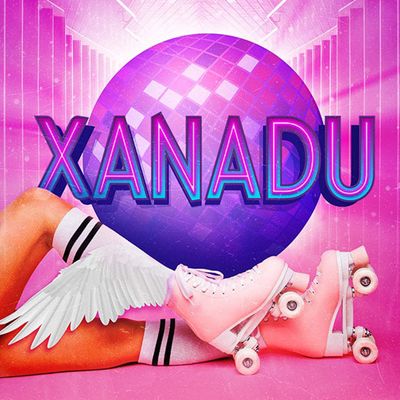
[10:49] Sharon Fallon: Yeah, exactly. And you'll be able to figure it out and what you can't figure out. I mean, I knew accountants and I knew bookkeepers, so I could call them and ask them, how do you do this? So I ended up at the Helen Hayes Theater. And the Helen Hayes is the smallest theater on Broadway. It was 603 seats. We did mostly plays. The owner of the theater, he had a very interesting aesthetic as to what shows he decided to produce. But then when he learned that I had a really good sense of what was going on in the New York theater and what shows were trying to find theaters, he started sending me out to all of these readings. So that I could come back and say, hey, we should definitely look at this. And the first show that I had a direct influence on getting into the Helen Hayes was the musical Xanadu.
[11:49] Martín Acuña: Yes. No kidding.
[11:50] Sharon Fallon: Yeah. And so that sort of became my baby. The lead producer of that show, Rob, whose last name just went out of my head, always says every time he sees me, if it hadn't been for you, I would never have gotten my show on Broadway. Because we didn't have an orchestra pit. We had to help them figure out where to put the band, how to structure the scenic. Because this is a small theater, not a lot of room backstage. Just a note on the side, most Broadway theaters don't have a lot of room backstage. And so that was the first show that
[12:34] Sharon Fallon: I was great for the show because I was a big champion for the show.
[12:58] Martín Acuña: That sounds incredible. And now that you mention it, that you took Xanadu from Workshop until The Run, what does it take to take a show to a Broadway house and through all of this big process?
[13:19] Sharon Fallon: A lot. Time, patience, and a lot of money. Xanadu was a modest size for a musical, but it had a band, I want to say, of like four to six. I can't remember exactly. It feels like so long ago. And the thing that takes time to bring a show to Broadway is that outside of coming into a Broadway theater, there's a lot involved with the process of development. And how are you developing your show? And what are the steps you, first as the artist, to get the show, like somebody interested in you? And then as the producer, how are you working to shape the show to make sure that it's ready for Broadway? So, I mean, this is a long-involved question, but we'll talk about it because this is kind of like how I oversee projects that I'm working on, where I'm the lead or the executive producer.
And so, like, say you find a musical, you go to a reading or someone says, hey, they're doing the show, you should really go see it. And you see something and it really appeals to your sensibilities as a producer. You first have to get the option for the show. In order to get the option, please make sure you get along with the writers. The option is the agreement that they're gonna let you take their show and work with it to bring it to some sort of either commercial or nonprofit success. And then you begin that work with the writers that is really important to take you on the journey that you need to, because the work has to be really good. You know, finding the director, the director working with the producers and the writers on what the concept is and what the show is supposed to look like.
And then going through a series of readings and workshops and maybe a production outside of New York, maybe multiple productions outside of New York, but honing the material to make the material good. You're a big fan of musical theater. And, you know, there are shows that I'm sure you have seen and I have seen, and I've seen in early development that are definitely not what you've seen in the final project, final product. So it's having that sense of understanding how to make it go from early page development reading to putting it on, you know, like the big screen, if you will, in the big theater. With Xanadu, I had seen a couple of early readings of it, only because my entertainment lawyer was the producer's entertainment lawyer.
And my entertainment lawyer said to me, you should go see this because I think you'll like it. So that's how I sort of, you know, got into the Xanadu, you know, fan club. And when you're doing these early readings and workshops, you want to, as a producer, be a really good listener and ask people what works, what doesn't, you have to have a thick skin. They may say, I hate your show. You should drop it right now. And then you have to think about, oh my God, what am I going to do with that? You know, we've spent a lot of money so far, you know, and being able to ask the right questions to the people who you respect that you would like to work with as co-producers to be able to take their notes and comments.
And if you feel they're good, being able to put those into the show and figure out how the writers can, you know, find ways to do that. Sometimes it works, sometimes it doesn't. You know, once you get to a certain point, Broadway or otherwise, you know, you're working on the show literally up till the day that you freeze it. And things are constantly changing. A song might be added, you know, three days before you're freezing it because the song that's there, you're in previews and it's not speaking to the audience. You know, the audience is like, they can't figure out why that song is there. So it takes a lot of time, a lot of work. You know, a lot of people ask me, how long does it take to get a show to Broadway?
I mean, it could take up to five years. And another reason it could take so long is because the real estate may not be there. Like you may want it to be in a particular theater and work with a certain group of theater owners, but they may not have a theater available for a long time. So part of your process and development is pulling in your team of people that you want to work with. You get those theater owners there, you get the various advertising and marketing agencies there. So hopefully the piece speaks to them and they come and say, I really want to work with you on this. And we'll find you a theater or I have a really great idea for an advertising campaign. Please come and, you know, pick us, pick us.
We want to do this show. So it's really helpful if you have that kind of excitement behind it because that will help you move it to wherever you want to move it quicker. That actually makes me think about Jagged Little Pill because I think I've read that it took seven years in development then had a Boston run and it opened on Broadway a year ago. Its anniversary was last week. And that just makes me think it takes a really, really long time and a really big process to not only build the show but to have it running in New York's theater district. And one of the things you do is specifically musical theater development. Isn't that right?
[20:14] Sharon Fallon: You've talked about the team you need for the development but what other stages are there in the musical theater development?
[20:26] Sharon Fallon: I want to go back quickly and address Jagged Little Pill for a second. And this happens with all the shows no matter what level you're at. The reason sometimes it takes so long is because people are working on other projects. So then you have to start like being the king of scheduling and dealing with it. Like, you know, it's like all of a sudden your director gets a big project and they're going to be taken out of the mix for, you know, five or six months. And so now you have to figure out a way can we sneak some time with them on their days off or do we have to go on hold for five or six months while they complete that project to come back to us? So a lot of it has to do with scheduling. And it also has to do with scheduling is you never know when you're going to get your theater.
So you may have a creative team of designers that you love, but all of a sudden your lighting designer is doing a show in London. And now they're not going to be available for the time you need them. And what are you going to do? So that's why sometimes it takes that long because the scheduling gods do not always align with your show. Now, going back to your other question about development.
[21:44] Sharon Fallon: I love to work with like the earliest version of the play. And I use the word play and musical interchangeably. So people who come to me to help them figure out development are usually maybe on their second or third draft. And they hire, as part of my business, they hire me to help them to figure out what to do. Part of my, I should put it on my business card. There are no stupid questions and you do not know what you do not know. And that's sort of how I approach my life. And so that's how I approach working with my clients. You know, I talk to people, whether they're producers or writers, and we talk about their goals. And like, where do you want to see this? You know, like what's the final stop?
Because if you understand where you're going, it's easier to put the building blocks in place to get to that point. I don't believe that every show should be in New York City because there are shows that are really, really good, but they can't compete for the box office dollars because there's so much in New York. Now that may change post-pandemic, but, you know, pre-pandemic, there's so many choices that you might be better off, you know, doing your show in a smaller market. In an original theater or in a comedy theater, totally right. Yes. There are shows that I read, and like in my brain, they should just be touring. They're fun. They're funny. They're going to attract an audience on tour where they're going to play maybe five to seven performances or maybe play two or three or a long weekend.
But they're going to do better in that environment. So when you're developing, you have to sort of think about where something's going to land. One of the first shows that I optioned to produce, we had this, we had a small production and very scrappy here in New York. And my business partner and I said, we were going to do this scrappy little production to literally pick it up and move it to an off-Broadway theater. So we got all of these off-Broadway theaters. This is back when off-Broadway was a big thing in New York. And we had all these off-Broadway theaters interested and everybody was like, we want your show. We want your show. So we opened it in our scrappy little showcase that's going to run for like, I don't know, 15 performances.
And while we're watching it and listening to the audience response, I turned to my business partner and I said, we have totally screwed up. And he looked at me and he goes, yeah, this is not a scrappy off-Broadway show. This is bigger than we thought it was.
[25:09] Sharon Fallon: And so we had to totally start shifting gears and talking to our writers and our director and trying to figure out how we could shift our gears to start moving toward Broadway. Because we just like really didn't expect that response from the audience. And people were coming up to me going, I'll give you a half a million dollars. And I was like, okay, I'm gonna put you on the list. We're not ready for Broadway. We were looking at a little tiny budget to literally do it in a basement theater. And that's what we were looking for. And so we had to stop and shift gears and figure out like, oh my God, now what are we gonna do? We were very lucky because there were some regional theaters that came to see this that we were unaware of.
And they reached out to us and we ended up going with one of the regional theaters because I thought one of the artistic directors could really bring a lot to our project and had done early versions of shows that eventually moved to Broadway. My gut response was absolutely right on. So we were able to work with her and take what she was able to give us, do a two-month run at her theater, and then bring people in for a Broadway transfer. And what show was this? I won't say, but here's what happened. We were all ready to go. And it was August of 2008. And that is when all the markets crashed in the US. Most of our money was things from people who worked in the financial markets because the subject matter really appealed to them. It was a big comedy satire. And they were no longer in a position to help fund the piece.
[27:27] So now at this point, I want to say we're maybe one, two, we're about four years in. And the writers decided they just didn't want to do the show anymore. So it all just sort of crashed and burged. And they were really talented, but it was a lot of stopping and starting. And this is what happens. And a lot of like, this is going to happen. No, it's not going to happen. This is going to happen. No, it's not going to happen. So a lot of disappointment. And the writers were in. And then when we got to this financial disaster, they just like I said, it's going to take another year. It's going to take another year to build up the confidence of these investors, because a lot of them like just lost their jobs and livelihoods as most of the financial institutions were collapsing.
So that was where I really started to solidify in my head, like how you learn, how you become very transparent. What you do to keep your money constantly involved, whether the earth is shattering or not. You know, I know the colleagues of mine were in early. They were raising money for early projects in December of January last year, like a year from, you know, right now and a year before right now, and how things came to a crashing hole for them, you know, in March, because when the earth shifts economically, it's really hard to get people to part with their money. And that is what happens with this particular show. And when I look back on it, I do not regret that we were pulling money in from the people that we were.
And then I kind of have to say to the writers, hey, an economic disaster is not my fault. Totally. Like you can blame me for everything else, but you cannot blame me for what I would consider a natural disaster. You know, I'm not in charge of earthquakes or floods or hurricanes or economic disasters because we don't live in that world. I live in the theater world.
[30:09] And yeah. And so that became. And so eventually we just had to, like, close up the company. I personally took a major loss instead of my business partners because we were like really on our way to a Broadway opening. Well, it happened for a reason and it had to happen that way. Maybe you would have gotten to Broadway and it wasn't successful and it was a blob and disastrous. Right. So, yeah. But that is where I really started to learn how to craft a business plan that would get you to where you wanted to be. Because what a lot of people don't understand is that you have to have some sort of business mind in order to be a producer or general manager. You have to understand math and you have to understand how businesses work and you have to understand, like, like I always say, you know, major corporations and companies across the country, all startups, they start with a business plan.
So when you start to go off the path and you wonder, oh, my God, what am I doing wrong? You can go back to your business plan and go, oh, this is what I'm doing wrong. This is where we should be. And instead, I decided I was going to like maybe check this out for a minute. And I spent too much time there. So I started talking to a lot of people who owned their own businesses who were not in the theater to get them to teach me, like, how do you like when you first started your business, which is a multi-gazillion company now, you know, you make so much money, you have a million employees. Like, what did you do? How did you get that early money so that you could pursue what it was you wanted to do?
And people thought I was crazy, but I kind of felt that these were people I wanted to go to as investors. So I wanted to know how I could get them to invest. What did I need to show them so that they would back me financially? So I'm pursuing my dream, but I need their money to do that.
[32:41] So I spent a lot of time after that show sort of trying to learn as much as I could learn. I knew about operating a building. I knew how the theater side worked. I knew how the producer side worked. Another one of my mentors was a wonderful general manager who taught me how to be a general manager and how to work with budgets and contracts and get what you needed for the best dollar amount you could. And so I look at what I do from a very holistic point of view now. I want to know what it is that the lighting designer is doing so I can understand where their budget needs to be. I want to be able to sit and understand where the set designer is coming from. In musical theater, everything has to move.
You can't have stagnant scenery. You can't just come and sit in front of the scenery and sing. Because I've been curious ever since I was a child, like why, why, who, what, how do you do that? I started really taking that and really adding it to what I could give you as a producer or an executive producer and taking people who in their early career want to do what I was doing in my early career and had really good influence on how to do that. Being able to help them get to a point where their show is financially viable and artistically that they feel good about what they're putting on the stage. I always say artistically satisfying, but satisfaction isn't like the final word where they can really excel and see a vision that lives within their financial means.
[34:39] I've done as part of my business and people who I have worked with clients, we've done shows with a $20,000 budget and we've done shows with a half a million dollar budget. And they're good. They make me really proud. I'm proud that the producer or the artist was able to figure it out and get where we needed to get to. And we brought in really good people who believed in the vision and were willing to stick with the vision at $20,000 and little to no pay because they believed in the vision of the piece. And that particular piece now is moving on into the next phase of development because it was very successful where it was. And now we're looking at trying to get a workshop at a major regional theater after the pandemic. So it's being able to understand and figure out the journey of the piece and what you want to accomplish at each step.
[35:46] Martín Acuña: That sounds amazing. And it feels like you have such big knowledge and a lot of tools and a lot of skills that helped you create your own business with Sharon Fallon Productions.
[36:01] Sharon Fallon: Yes.
[36:03] Martín Acuña: Walk us through your company right now.
[36:07] Sharon Fallon: Okay. So right now my entire company is living in the world of we're on pause because no one is doing anything, which is rather unfortunate. But the reason I created this part of the business is because I saw a lot of artists and young producers who literally did not know what to do next and they couldn't figure out what to do next, what to do first. And then I saw a lot of people go to other companies that were not really set up for early career people. And so they spent a lot of money, but they weren't getting what they wanted. They were getting what that company thought they should want. And that's not always the same thing. And so a lot of people were coming to me saying, you know, I spent all this money.
This is what I got. I couldn't get anywhere. My option is going to be done soon. I don't know what my next step is. And then I started to see this, like, like I know how to help you and I'm not cheap, but I'm worth every dollar you spend. And I'm going to help you within the budget that you have to do what you want to do to get to your next step and create your steps after that.
[37:42] Sharon Fallon: Part One and then you want to move on to somebody else in Part Two, that's great. That's part of your plan and that's part of how I think your production should go. But I really felt so many people helped me when I was starting out that I wanted to give other people that same thing. I really enjoy seeing people excel, finding what they do best and encouraging them and coaching them and really being a part of that for them so that they could be better.
[38:22] Sharon Fallon: I recently, somebody asked me, what do you do? And I said, oh, I'm into people development because I see a lot of people now, a lot of young people, like friends of mine who's got kids in college in the theater industry, freaking out going, what am I going to do? Um, there are no, there's no theaters, so there's no jobs, you know? And so I talked to a lot of them trying to explain to them, there's a difference between a job and a career. Take a job to pay the bills, but focus on your career and you can do both. I did both. You know, I always had to have a second job. So, um, or the job that paid for the passion is what I always say. Um, so in terms of where I am right now in Sharon Fallon Productions, um, I've been working with, um, these two brilliant, um, writers, um, on a production called, uh, Mother Freaking Hood.
It is, um, a musical about three women who meet at the OB office the day they find out they're pregnant, um, 20s, 30s, 40s. And it is about their journey from finding out they're pregnant through 18 years of their lives. Um, that's really centered around their children. It is hysterically funny. Um, it is about intergenerational relationships with women. And it, um, is very episodic, like I said, over 18 years, um, and deals really with where these women go at various points in their life and how the women develop themselves as human beings in the course of this relationship.
[40:05] Sharon Fallon: Um, working in threes is really interesting, which is a great concept for their show. Because some people say, why not more mothers? And I'm like, yeah, three is great because you can always create conflict. You know, two of them are always on one side of the other. Um, the, um, the, and again, this is a perfect example. Um, I had worked on this show with these women when they did it at the New York musical theater festival, they hired me to general manage for them. And, um, I said to them, what's your ultimate goal? And they were like, of course, we want to come to Broadway. And I kind of like, I don't think so. But we'll just keep that because we're just in an early phase. So they did their show at Nymph.
And it was really good. And it got a little bit of attention, but where I really saw this was in a place that was not New York. This was a show that was supposed to be, you know, outside of New York, because again, it was that whole thing of competing for dollars. And when they came to me six months later and said they wanted to continue working on it and they wanted to hire me to shepherd the production. That was the first conversation we had, you know, if you really want this show to come to New York, I am not your person. And again, I'm very transparent. I turn work down all the time because I can't, I can't help you if your goal feels very far out of my reach. So, um, so we started figuring out where it could be.
And one of the writers lives in Chicago. So we went to Chicago for a long weekend and we did like a recon trip and started talking to every theater in Chicago that might be able to like help us. And we found a partner with Walter Stern at the Mercury Theater. And he said, well, I'm not going to promise you a production, but what I will do for you is I will help you develop it. And so we were at, in January, we were at that stage of development where Walter said, I'm going to give you a production in November. I don't know if it's going to be in my big theater or my small theater, but it will be in one of our theaters. We, in March, we were, both of my writers live in the Midwest. In March, we were going to Kansas City to do a reading.
In April, we were going to, um, back to Kansas City to do another reading. Um, our, uh, director lives in Kansas City, Missouri, like across the river from, you know, the writer. Um, and then we were coming back to Chicago in, um, May to do yet another reading so Walter could figure out which theater to put it in. And then we were moving into group sales in June and literally in September, October, and November, I would have been living in Chicago, getting the show ready for production, casting and design and, you know, and all of that. So now that's all on total hold. We had a three-month window of February, March, April to finish the writing, to get to production and to like, you know, kind of tweak with it in April and May.
Um, but when those things kept getting canceled because, you know, we thought, okay, eight weeks, we'll be back to work. And then April like was done and then May was done. Um, so now the whole project is just sitting and like waiting for, it's like my one writer said to me the other day, I just want to forget this year happened and that we want to wake up, you know, on January 21st and start all over again and forget we ever had this. And, you know, we're all going to get a vaccine. We're all going to be able to go back to the theater and at least be in the same room. For this particular project, we tried Zoom. We tried different ways to do the work and it just really did not work for the piece.
[44:09] Sharon Fallon: Um, because the, you see the organic creation of the work in the room when the actor says a line and you go, Oh, I never thought of the line being said that way, which all of a sudden like starts a conversation about the rest of the scene and the writers are scribbling and they're coming back the next day with another version of that scene. Um, and Zoom does not really, for us, for this project does not work. Maybe it works for other people, but for mother fricking hood, no. And one thing I do think it helps is like letting the material rest a bit because it shows new stuff and new sites and new points of view. Um, and, um, well, I, I wish that project the best. I know that it's going to be amazing when it gets a production in Chicago. Um, now I want to ask you, what are the top skills a producer or a general manager needs?
[45:18] Sharon Fallon: Patience, patience and passion. Lots of patience. Um, you, um, you need, um, first of all, if you're the producer and even so much so for a general manager, you have to have really good leadership skills. Like your team turns to you, um, to help, you know, what they always say is the producer is the CEO of the company and the general manager is the CFO. Um, there's a new position, which is sort of where I kind of live right now. And it's, um, the executive producer and unlike, uh, Hollywood in the movies and executive producer doesn't really like, they're not like saying, here's my money. Call me an executive producer. Um, I think sometimes for certain project productions, they're sort of more like the television version of a show runner.
They are the person who's working with the producer day to day. Who's like going, here's where you live in your budget. You know, you need to talk to this person. The GM is listening is here. This is where you are cashflow. So you need, you know, because showrunners in Hollywood, they work on the script and they make sure that the production is staying within budget. So that's the way, like a lot of the showrunners for the big television series are so popular because some of them come from writing backgrounds. Some of them come from producing backgrounds, but they understand how it all works together. They're on set. They're there. They're making sure the problems are being solved.
[47:03] Sharon Fallon: Um, as an executive producer, one of my things is to make sure that the problems are being solved. So as a producer, you have to be a problem solver. You have to have a lot of empathy. Um, you know, and these are all like sort of soft skills. Uh, you need to be able to understand your contracts. So that's a hard skill and you need to be able to understand negotiation. General managers for the most part, do most of the negotiations. That's a big change of late. And because when I first started, um, with Lewis Allen, Lewis was doing the contract negotiations. That's how I learned a lot. Cause I would be sitting in the office with the call on speaker so I could hear the lawyer or the agent. But, um, that's changed a lot.
And I think it's changed a lot because the general manager has more insight into union contracts than a producer. Um, I think as a producer, you have to have insight on that. You need to know about everything because ultimately you're the boss. And if things are failing, it all comes back to you. You know, um, people spend an awful lot of time on like trying to understand marketing and advertising. And I think that's for those people to do. They're the people that do that. The advertising agency and the marketing agency and tweaking a type font is not going to sell more tickets. Might tell more of a story, but it's not going to sell your tickets. The work is selling the ticket. So your job is to concentrate on the work and make sure the work is good.
[49:02] Sharon Fallon: Um, I stand in the back or I sit in the theater sometimes or somebody will say, can you come and see this and give me a few notes. And, um, and I sit there and I think to myself, especially when I can see a show after it's open and think to myself, if they had just fixed this one thing and it's, so I don't understand where they don't, they're no one's having this conversation, like fix this one thing. And boy, could this be so much better? Um, so those, so it's hard to say that these are the skills you should have because you should have a lot of skills. Um, but, um, you have to understand it takes a long time. You have to be able to build the trust of your team. And that was one of the things I learned when we were in 2008, the economy was falling apart.
I should have been having those conversations with my writer much earlier and saying to them, Hey guys, I think we're going to be in trouble. Instead. I didn't think our economy was going to crash. And I, you know, just kept thinking, Oh, it's going to get better. Well, it didn't.
[50:07] Sharon Fallon: Um, I think you have to have a certain level of transparency. Um, so people, everybody understands.
[50:17] Sharon Fallon: What's happening? Years ago, there was a producer who was working with some friends of mine, and they didn't understand why they thought she abruptly closed their show. She didn't abruptly close their show. She was filling the audience every night with free tickets, and she wasn't telling the writers. So they thought that she was closing the show prematurely. But what they found out when they finally got their royalties for that period is there weren't a lot of paying audience members. But she didn't know how to close a show, which is a very important thing a producer needs to know and understand. I've had older producers who were in the business back in the 50s and 60s say that is one of the most important things you need to know as a producer, when to close.
Because you are dealing with people's livelihood, you're dealing with other people's money, you are dealing with big financial losses, and you don't really want to finish something up in that way, where everything is negative, negative, negative. And I learned from that experience with that other show, because the producer was a really nice woman, and she didn't want to disappoint everybody. And that is something we do not see from the other side. I mean, I was astonished when I knew that, for example, The Lightning Thief was going to close after a big run at the Longacre Theatre. And I asked myself, if it's such a successful show, why is it closing? I then understood that Diana was moving to that house.
But that same question came to me when the pandemic started, and Disney announced that it was going to close Frozen. I think that was mid-April, late April, or early May. But now that you say that, that is something that I wasn't taking into account, that maybe all the bills were negative at the moment the pandemic hit. You know, a good review is not going to necessarily sell tickets, and a bad review is going to make you as a producer have to rethink everything. So say you have like, you know, $5 million in advance ticket sales, and then you don't get a really good review, you get a mediocre review. You have to figure out how to make that mediocre review work for you, and how you're going to continue selling tickets.
I will tell you, one of the shows I was involved with as a producer, my name is not on the program for lots of reasons, but one of the reasons I'll tell you is my business partner and I decided that this show was going to be an enormous hit. So when we did all of our contractual stuff, we just put one name above the title, because our potential for ourselves and our investors to make more money was better with one producer as opposed to two. So the show is beautiful, The Carole King Musical. We went to a reading of it, she and I, and she called me up and she goes, we have to do the show, and they're doing another reading next week, you have to come. I got you a ticket. I went, okay. She goes, but you can't tell anybody you have a ticket because it's the hardest reading to get into a town.
I said, fine, I won't tell anybody. So she and I go, and 10 minutes into the show, and I'm not kidding you, I turned to her and I said, oh my god, this show is going to blow out of the water. It's Jersey Boys for girls. Totally. And that's how I described it to all of my investors. It was the hardest money I ever raised. It closed on Broadway over a year ago, but I tell you, it's the gift that keeps on giving, because even though all of our productions are closed right now, we still have money coming in from subsidiary rights and people are getting caught up in figuring out, okay, when our next tour is going to go out. But those producers were so smart because they knew we had to get Carol behind the show because there was a problem with an interview that was taken out of context where she said she couldn't see it because it was too painful.
The rest of the quote was, my life was very painful. And having to look at that again on this stage, I'm leaving that to my daughter to figure out because the daughter was the executive producer on the show and was really instrumental in the storytelling. And like some of these musicals about famous performers, this one was not afraid to back away from the really bad parts of the story. Like when she and her husband split up and why they split up and the fact that he was bipolar and that he was experimenting with a lot of drugs because he didn't even know what bipolar was, et cetera, et cetera. But these are the parts of the story that make the story, you're like, oh my God, I can't believe that just happened.
But when they finally got Carol, she came to see the show and this is such a funny story. Anybody could look it up. She showed up incognito. She was wearing a wig. They put her in a seat where she could get up and leave and be unobtrusive if it got to her. And about halfway through, she started to really relax and was like, oh my God, this is the most amazing thing in the world. And they're like showing my life and, but they're showing the, what she said, what I'm getting from it is I'm seeing a musical about a woman who overcomes all of the odds and has a career and figures it out. And like Carol King started off wanting to be, you know, get married, live in New Jersey and have a family. And she gets that and doesn't work out.
And so she has to sort of figure it out and recreate herself. And that's how she ended up out in LA. She wanted to get as far as away from that part of the story. So anyway, she leaves right before the final song and, you know, the house management team is like, oh my God, like she got through the whole play. But she went out into the lobby and said, get me backstage now. And so she went backstage cause she wanted to meet Jesse Mueller as she was coming off stage. And, and then I think the producers were there and they said, why don't you surprise the entire cast and go on stage? And of course all the phones came out and then there we were, our tickets started selling again because now Carol was who she had always been enthusiastic, but she showed up and because she showed up and she loved it and then got on stage.
Anytime she needed to get on stage, she would get on stage. You know, we do the Broadway Heritage Equity Fights AIDS every year, the, the Red Bucket Follies and the Easter Bonnet. And she would make a point to come and she would like, you know, make people donate money so that she would sing another verse of the song. Yeah. And she really became part of the Broadway theater community and spent a lot of time with all the actresses who played Carol and who played the other characters and would tell them stories about her life. And so it really, you know, Carol King being at the show was not an unusual sight at all. It's like, oh my God, Carol's here tonight. Yeah. So, um, but that's how a producer, a smart producer figures out, you know, um, you know, Wicked did not get good reviews and those producers spent every ounce of their personal capital, you know, their, their, their life and blood to get that show up.
And they figured out a way to make it successful and sell tickets. And the fact that it was appealing to young women, they found a way into that audience pre they want to say, you know, pre like, you know, Instagram and Pinterest and Facebook, but they found their way in. So I remember going to see the show once and the person I was with said, how did those people behind us all know the words to the songs? I said, oh my God, they come to see the show like every other week. And these are all these people sitting up in the balcony where the seats were inexpensive and young girls in high school and college could afford to go. So, um, you know, you have to, as you're, as the producer, you have to understand how all of those things work together.
You know, even when I'm doing a show that is like in a tiny theater and it's a showcase, we want the audience to be packed. And so I have to sit with the producers and we have to talk about how, who are we marketing to? Where are we spending our advertising dollars? What do these people want to see? Um, right before the shutdown, I was doing what should have been a really successful run of a brand new musical called the little match girl and the, um, press agent, the marketing and advertising person. And I sat and I said, we have to reach out to mom groups because this is a show you bring your family to. And I presented this big, you know, thing to the producer. And I said, mom groups, mom groups, mom groups.
There are moms that do blogs. We're going to get them in early so they can write about the show. We're not asking them to review. We're asking them to write about their experience, bringing their kids from the time they walk into the theater until the time the show is over. Um, we brought in, uh, it was a non-union show. So we brought in some cameras and did some, you know, the kids got to meet the actors afterwards, which you can't necessarily do in a Broadway production, but this was a small opera production. And every week our box office was building and building and building because we had live music. We had a beautiful cast in beautiful costumes, telling a perennial story with beautiful songs.
And, um, and like inch by inch, we kept growing until we started selling out. And, you know, 175 seats for a kid's show that was an hour long, you know, hour and five minutes. It was, we were starting to see repeat business and that's the object to get the repeat business. Yeah. But it's being able to pull, pull all those things together, Martin. You don't have the ability to pull all that stuff together. Like no one's going to come and see your show.
[1:01:26] Martín Acuña: Absolutely. Yeah. Well, Sharon, thank you so much. Um, I have one last and fun question for you.
[1:01:36] Sharon Fallon: Okay. Top five musical theater shows. Go.
[1:01:43] Sharon Fallon: Oh my God. Um, oh my God. Um, my absolute favorite, favorite, favorite Sunday in the Park with George, uh, Matilda, Yes. Um, Les Mis. And, uh, yeah, I'm one of those Les Mis people. Like I have, you know, videos of all the concerts and, um, beautiful. Of course. Beautiful. Yeah. Yeah. And that's like kind of in no particular order, but those are really my favorites.
[1:02:10] Martín Acuña: Thank you so much for being here. Our conversation has been really insightful. Um, you've guided me through a lot of the production parts. I really do not know about. Um, and thank you really, really thank you for being here.
[1:02:28] Sharon Fallon: Thank you so much for having me. It has been amazing. And I hope I'll see you soon again.
[1:02:37] Martín Acuña: I hope so too. Thanks everyone for listening to this new episode of Backstage Talk. Remember to follow us on Facebook and Instagram at Backstage Talk Podcast.
© Broadway Podcast Network, All Rights Reserved